An outstanding students honor wall serves as more than just a display of academic achievement—it represents a school’s commitment to recognizing excellence, motivating current students, and creating a culture where intellectual achievement is celebrated as prominently as athletic success. When students walk past an honor wall showcasing their peers’ accomplishments, they see tangible evidence that hard work, dedication, and academic excellence are valued and rewarded.
Yet many schools struggle with outdated recognition systems that fail to inspire. Traditional plaques become cluttered and difficult to update, physical space constraints force difficult choices about who gets recognized, and static displays quickly lose their visual impact. Meanwhile, the most meaningful student achievements—from breakthrough academic improvements to specialized subject mastery—often go unrecognized simply because there’s no room to add another name.
This comprehensive guide explores how schools can create outstanding students honor walls that effectively celebrate achievement, leverage modern technology to overcome traditional limitations, and build recognition programs that truly motivate students at all achievement levels.
When schools design effective outstanding students honor walls, they create powerful focal points that communicate institutional values while providing daily inspiration for students, staff, and visitors. The most successful honor walls combine thoughtful recognition criteria with engaging presentation formats that make achievement visible, celebrated, and aspirational for every student.
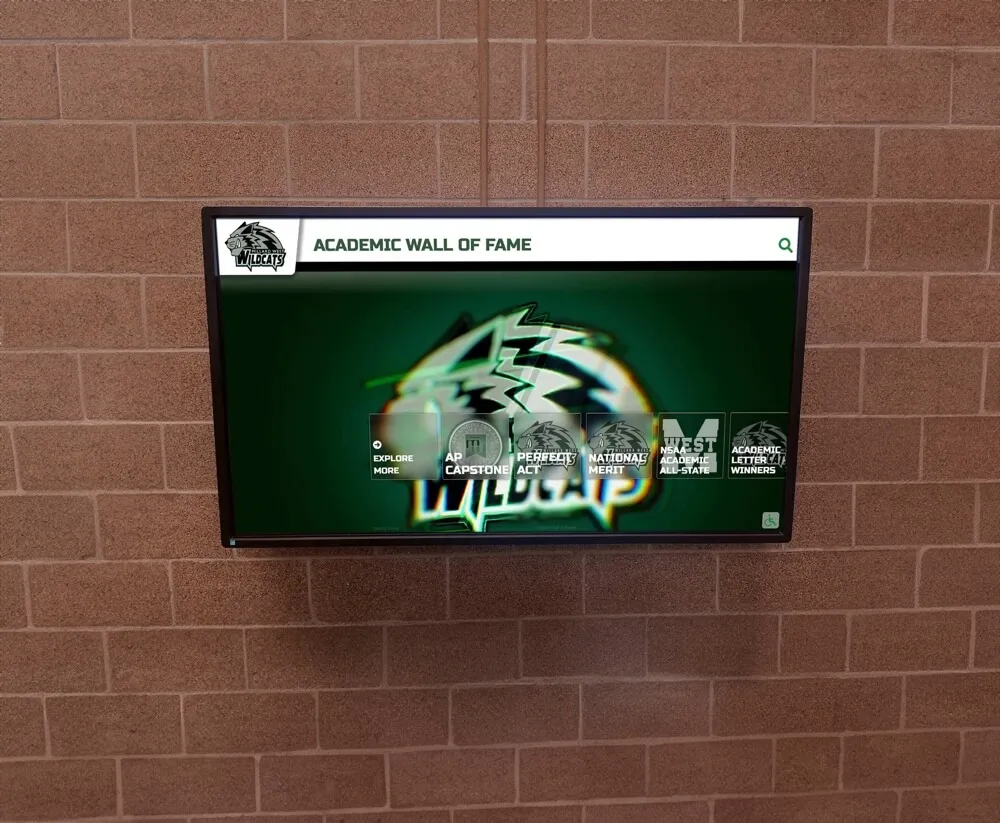
Modern outstanding students honor walls transform how schools celebrate and promote academic excellence
The Psychology Behind Recognition: Why Honor Walls Matter
Understanding the psychological impact of public recognition helps schools design honor walls that maximize positive outcomes while avoiding common pitfalls.
Research-Based Benefits of Student Recognition
Educational research consistently demonstrates that well-designed recognition programs create measurable benefits across multiple dimensions of student success.
Academic Performance Enhancement
According to a 2024 study by the National Education Association, 68% of students reported feeling more motivated when their achievements were displayed publicly. Schools with prominent honor walls see:
- Students receiving regular recognition demonstrate 18-25% higher sustained achievement over time
- Visible academic accomplishments normalize intellectual excellence as socially desirable
- Public recognition creates positive peer pressure that encourages continued academic effort
- Recognition reinforces specific behaviors and achievements worth repeating
Student Engagement and Belonging
Research published by the American Educational Research Association found that students who receive academic recognition are significantly more likely to pursue challenging coursework and maintain achievement trajectories through high school. Additional benefits include:
- Recognized students show significantly higher school connectedness scores
- Multiple recognition pathways ensure diverse learners find success opportunities
- Systematic recognition increases student participation in advanced courses
- Academic honor walls reduce anti-academic peer pressure by making excellence visible and valued
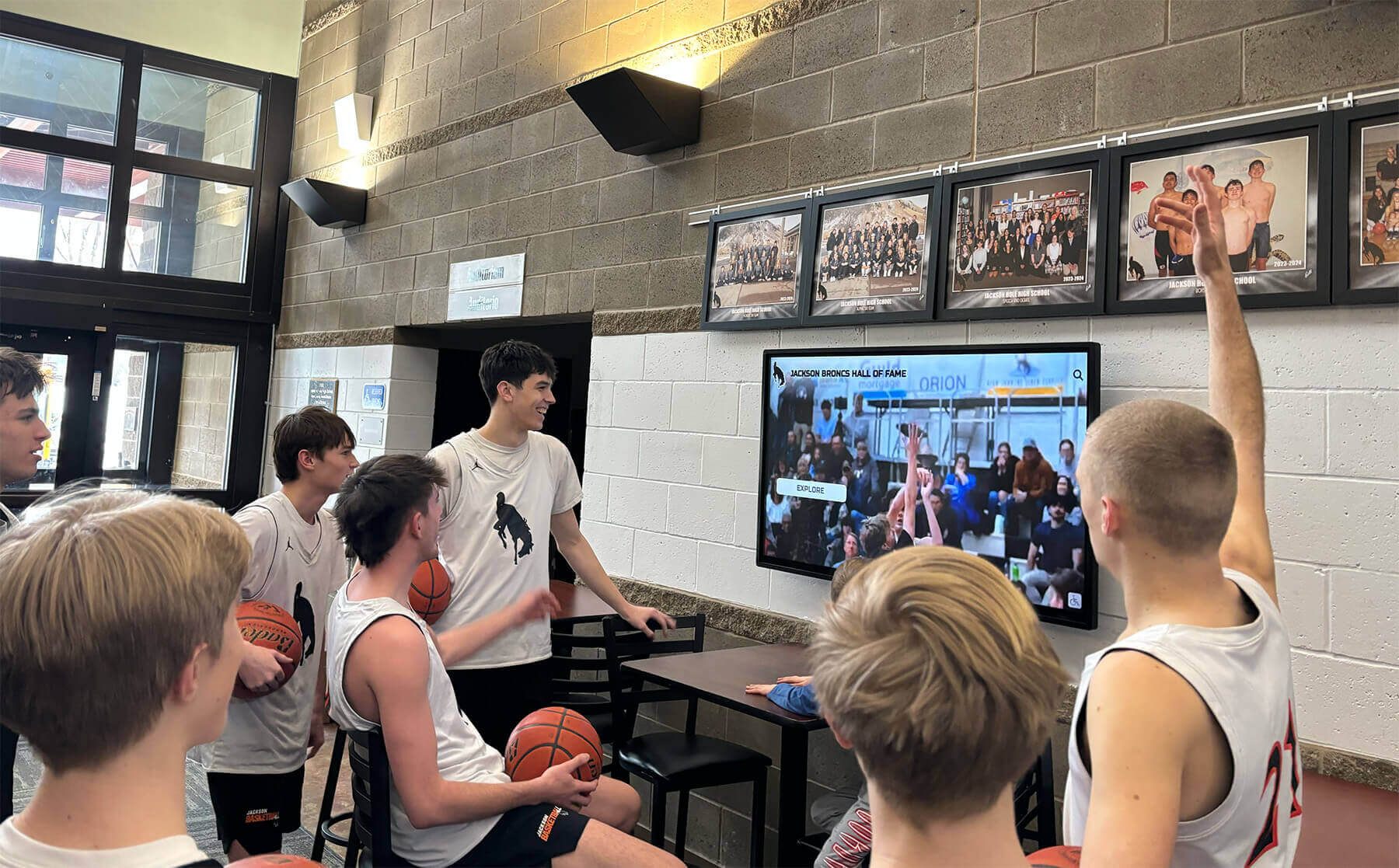
Interactive displays create opportunities for students to explore achievements and connect with school culture
Recognition’s Broader Impact
The benefits of outstanding students honor walls extend beyond individual recognized students to affect entire school communities.
Family Engagement Benefits
- Academic celebration increases family involvement in education
- Visible achievement builds family pride and support for continued excellence
- Recognition provides concrete talking points for parent-student conversations about goals
- Honor wall unveilings and updates create positive school-family connection opportunities
Institutional Culture Development
- Schools with strong academic recognition create achievement-oriented cultures
- Visible intellectual achievement signals institutional values and priorities
- Comprehensive recognition programs improve overall school climate metrics
- Honor walls demonstrate commitment to celebrating diverse types of excellence
Explore comprehensive approaches to academic recognition programs that build on honor wall foundations.
Designing Your Outstanding Students Honor Wall: Core Criteria
Creating an effective outstanding students honor wall begins with establishing clear, meaningful criteria that ensure recognition opportunities exist for students at multiple achievement levels.
Multi-Dimensional Recognition Categories
Moving beyond single metrics ensures comprehensive achievement celebration:
Academic Achievement Recognition
- GPA thresholds and honor roll designations
- Subject-specific excellence in individual courses
- Standardized test achievements and milestones
- Advanced Placement and honors course completion
- Academic competition success and contest awards
Growth and Improvement Recognition
- Most improved GPA by semester or year
- Grade improvement in challenging subjects
- Reading level advancement and literacy milestones
- Attendance and engagement improvement
- Subject-specific skill progression

Individual profiles celebrate specific achievements and academic journeys
Specialized Achievement Recognition
- STEM competition achievements and science fair awards
- Writing contests, publications, and literary recognition
- Fine arts achievements in music, drama, and visual arts
- Foreign language proficiency certifications
- Career and technical education certifications
- Leadership and service connected to academic excellence
Learn more about comprehensive student recognition approaches that increase motivation.
Tiered Recognition Structures
Creating multiple recognition levels ensures appropriate acknowledgment at different scales while maintaining the prestige of highest honors:
Pinnacle Recognition Tier
- Valedictorian and salutatorian honors
- National Merit Scholar designations
- Perfect GPA maintenance across multiple years
- State and national academic championship titles
- Comprehensive academic excellence across multiple dimensions
These highest honors deserve prominent placement with detailed profiles that tell complete achievement stories.
Regular Recognition Tier
- Quarterly honor roll acknowledgment
- Monthly subject-specific achievement spotlights
- Semester academic milestone celebrations
- Course-specific excellence awards
- Improvement and growth recognition
Threshold Achievement Tier
- First-time honor roll qualification
- Benchmark test score achievements
- Grade level advancement milestones
- Significant improvement from previous performance
- Overcoming academic challenges
This tiered approach maintains meaning and aspiration for top achievements while ensuring recognition opportunities exist for students at all performance levels, creating multiple pathways to honor wall inclusion.
Traditional vs. Digital Outstanding Students Honor Walls
Schools implementing outstanding students honor walls face a fundamental choice between traditional physical displays and modern digital solutions, each offering distinct advantages and limitations.
Traditional Honor Wall Limitations
Physical plaques, engraved nameplates, and trophy cases have served schools for generations, but they present significant challenges:
Space and Capacity Constraints
- Limited physical space restricts how many students can be recognized
- Adding new recipients often requires removing historical recognition
- Expansion demands costly construction and space reallocation
- Multiple achievement categories compete for limited display area
Update Challenges
- Adding names requires ordering new plaques or nameplates
- Physical updates can take weeks or months to complete
- Costs accumulate quickly with each recognition cycle
- Temporary recognition solutions look unprofessional
Engagement Limitations
- Static displays provide no interactivity or exploration
- Finding specific individuals requires scanning long lists
- No ability to tell detailed achievement stories
- Visual impact diminishes over time as displays age
Digital Honor Wall Advantages
Solutions like Rocket Alumni Solutions transform outstanding students recognition through interactive displays that overcome traditional limitations:
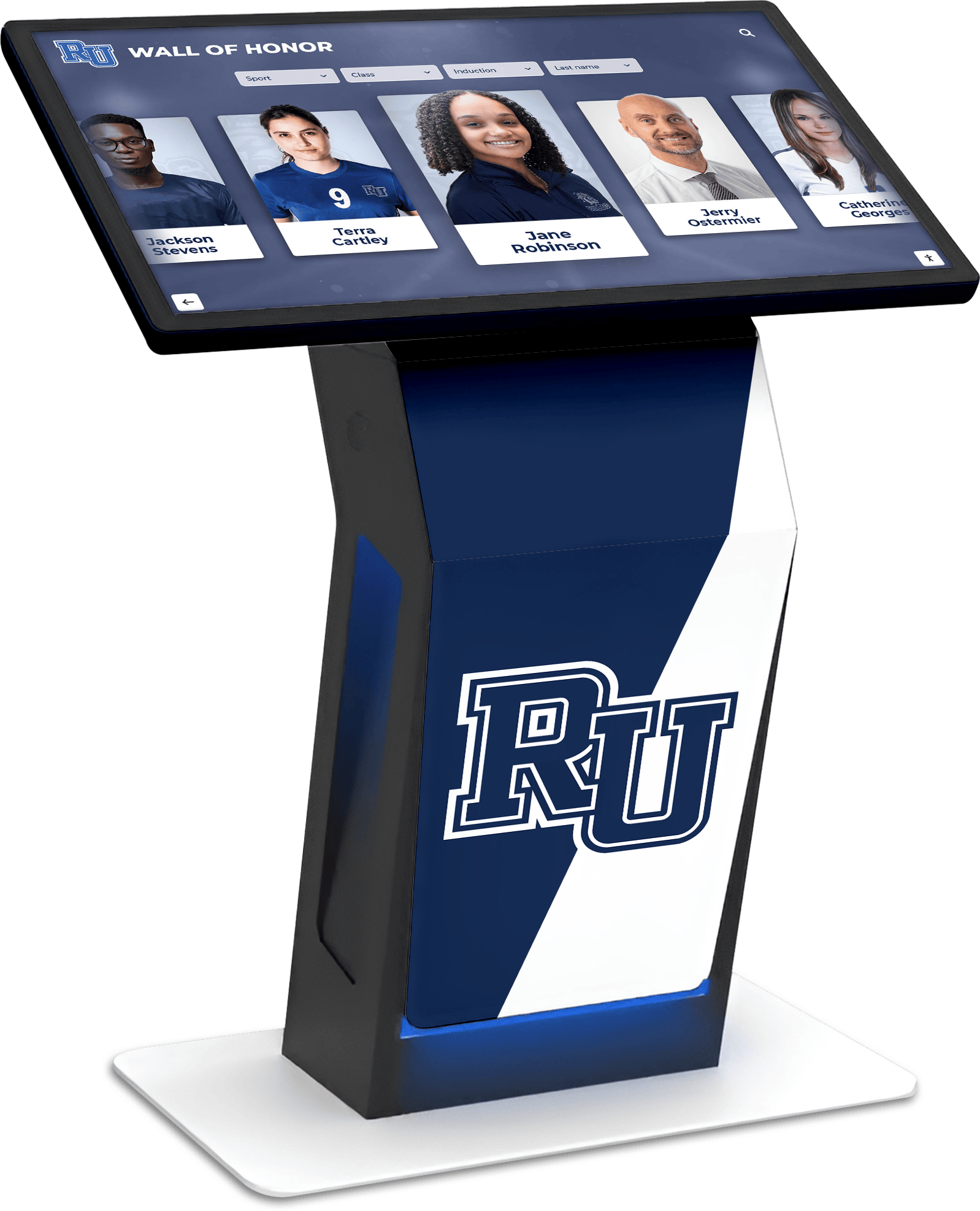
Digital recognition systems integrate touchscreen displays with cloud-based content management
Unlimited Recognition Capacity
Digital recognition displays eliminate physical space constraints:
- Single display showcases unlimited students across all categories
- No need to remove historical achievements to add current honorees
- Comprehensive archives preserve institutional recognition history
- All achievement types receive equal display capacity and visibility
Effortless Content Updates
Cloud-based management eliminates update challenges:
- Remote updates from any internet-connected device in minutes
- Bulk import tools for adding entire honor roll lists
- Scheduled publishing automation for semester-end recognition
- No printing, engraving, or installation costs for updates
- Drag-and-drop interfaces requiring no technical expertise
Enhanced Engagement Features
Interactive touchscreen systems create engagement impossible with static displays:
- Search functionality enables students to find themselves and peers instantly
- Filtering by achievement type, subject area, year, and criteria
- Detailed profile pages with photos, accomplishments, and stories
- Multimedia integration with videos, documents, and galleries
- Progress tracking showing achievement growth over multiple years
Schools implementing digital honor walls report 80-90% reduction in administrative time spent maintaining recognition displays while simultaneously increasing student engagement with recognition content.
Implementation Strategies for Outstanding Students Honor Walls
Successfully launching an outstanding students honor wall requires systematic planning that addresses selection criteria, physical placement, content management, and ongoing maintenance.
Selection and Nomination Process
Establishing clear, transparent processes ensures fairness and maintains recognition value:
Criteria Documentation
- Create written standards for each recognition tier and category
- Define GPA thresholds, achievement requirements, and qualification periods
- Establish improvement measurement methodologies
- Document specialized achievement recognition standards
- Communicate criteria to students, families, and staff
Nomination Procedures
- Determine whether recognition is automatic (GPA-based) or nomination-required
- Create nomination forms for specialized achievements
- Establish review committees for non-automatic recognition
- Set submission deadlines aligned with recognition cycles
- Implement approval workflows maintaining recognition integrity
Equity Considerations
- Ensure recognition opportunities exist across all student populations
- Monitor recognition distribution to identify potential gaps
- Address potential biases in nomination processes
- Create multiple pathways to recognition for diverse achievement types
- Review criteria regularly to ensure continued appropriateness
Strategic Placement and Design
Location and presentation significantly impact honor wall effectiveness:
High-Traffic Location Selection
- Main entrance lobbies providing maximum visibility
- Common areas where students naturally congregate
- Hallways connecting major sections of the building
- Near administrative offices signaling institutional priority
- Adjacent to other recognition displays creating achievement zones
Visual Design Considerations
- School colors and branding creating cohesive institutional identity
- Professional appearance communicating importance of recognition
- Clear signage and headers explaining recognition criteria
- Organized presentation grouping related achievements
- Lighting ensuring visibility and visual impact
Learn about displaying school history alongside current student recognition.
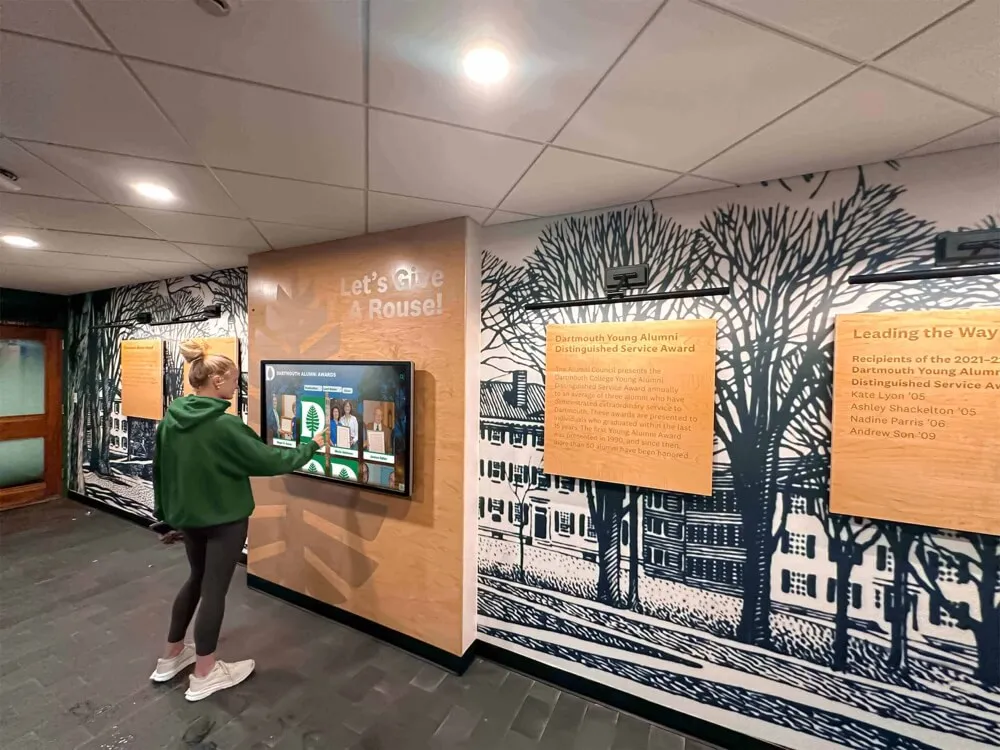
Strategic placement in high-traffic areas maximizes visibility and engagement with honor walls
Content Management Systems
For digital honor walls, selecting appropriate management platforms determines long-term sustainability:
Essential Management Features
- Intuitive interfaces non-technical staff can operate confidently
- Batch upload capabilities for efficient honor roll additions
- Template systems ensuring consistent presentation
- Permission levels allowing appropriate staff access
- Mobile management enabling updates from anywhere
Integration Capabilities
- Connection with student information systems for automatic updates
- Photo import from yearbook and school photography systems
- Social media sharing enabling broader recognition reach
- Website integration extending honor wall access online
- Analytics tracking engagement and recognition program effectiveness
Explore digital hall of fame software options for comprehensive comparisons.
Maximizing Impact: Recognition Ceremonies and Communication
An outstanding students honor wall achieves maximum impact when integrated with systematic recognition ceremonies and multi-channel communication strategies.
Formal Recognition Events
Ceremonial recognition creates memorable experiences that amplify honor wall impact:
Quarterly Recognition Ceremonies
- Honor roll recognition events each marking period
- Formal acknowledgment of newly recognized students
- Family invitation creating shared celebration opportunities
- Principal and staff participation signaling importance
- Photo opportunities creating lasting memories
Annual Excellence Celebrations
- Year-end comprehensive academic recognition
- Special ceremonies for pinnacle achievements
- Honor wall unveiling or update reveals
- Student speaker opportunities
- Community partner participation
Induction Experiences
- Formal ceremonies for permanent honor wall recognition
- Certificate presentations and commemorative materials
- Photo sessions at the honor wall
- Media coverage extending recognition reach
- Alumni connections highlighting recognition legacy
Multi-Channel Communication Strategies
Systematic communication ensures maximum visibility for honor wall recognition:
Internal Communication
- Morning announcement highlights of recently recognized students
- Digital signage rotation featuring honor wall additions
- Newsletter features showcasing recognition program success
- Classroom acknowledgment and celebration
- Social media posts celebrating specific achievements
External Communication
- Email announcements to families when students receive recognition
- Local media recognition announcements
- Community newsletter features
- School website honor wall integration
- Social media campaigns celebrating academic excellence
Online Extensions
Web-accessible honor walls amplify recognition impact beyond physical campus:
- Alumni and families worldwide can view current achievements
- Social sharing capabilities enabling students to celebrate accomplishments
- Mobile-optimized displays ensuring accessibility across devices
- Search capabilities allowing easy finding of specific students
- Historical archives preserving recognition across years
Discover teacher recognition programs that can complement student honor walls.
Avoiding Common Honor Wall Pitfalls
Understanding frequent mistakes helps schools design recognition systems that achieve intended goals while avoiding unintended negative consequences.
Recognition Inflation Prevention
Maintaining meaning requires careful balance between inclusivity and selectivity:
Clear Standards
- Establish transparent criteria distinguishing recognition tiers
- Maintain meaningful thresholds that preserve recognition value
- Resist pressure to lower standards to increase participation
- Regular review ensuring criteria remain appropriately challenging
Limited Time Frames
- Recognition for specific achievement periods rather than permanent status
- Regular rotation ensuring honor wall reflects current excellence
- Historical archives preserving past recognition separately
- Balance between celebrating current students and honoring legacy
Equity and Inclusion Considerations
Recognition systems must work for all students:
Avoiding Bias
- Monitor recognition distribution across demographic groups
- Ensure recognition opportunities exist for diverse achievement types
- Address barriers preventing certain students from recognition eligibility
- Create growth-based recognition alongside absolute achievement
Financial Accessibility
- No fees or purchases required for recognition eligibility
- School-provided materials for recognition ceremonies
- Equal celebration regardless of student resources
- Recognition criteria focusing on achievement, not participation requiring payment
Accessibility Features
For digital honor walls, comprehensive accessibility ensures inclusive recognition:
- ADA-compliant physical placement and mounting heights
- Screen reader compatibility for visual accessibility
- High-contrast viewing modes and text magnification options
- Multilingual content supporting diverse communities
- Mobile access for students without regular campus access
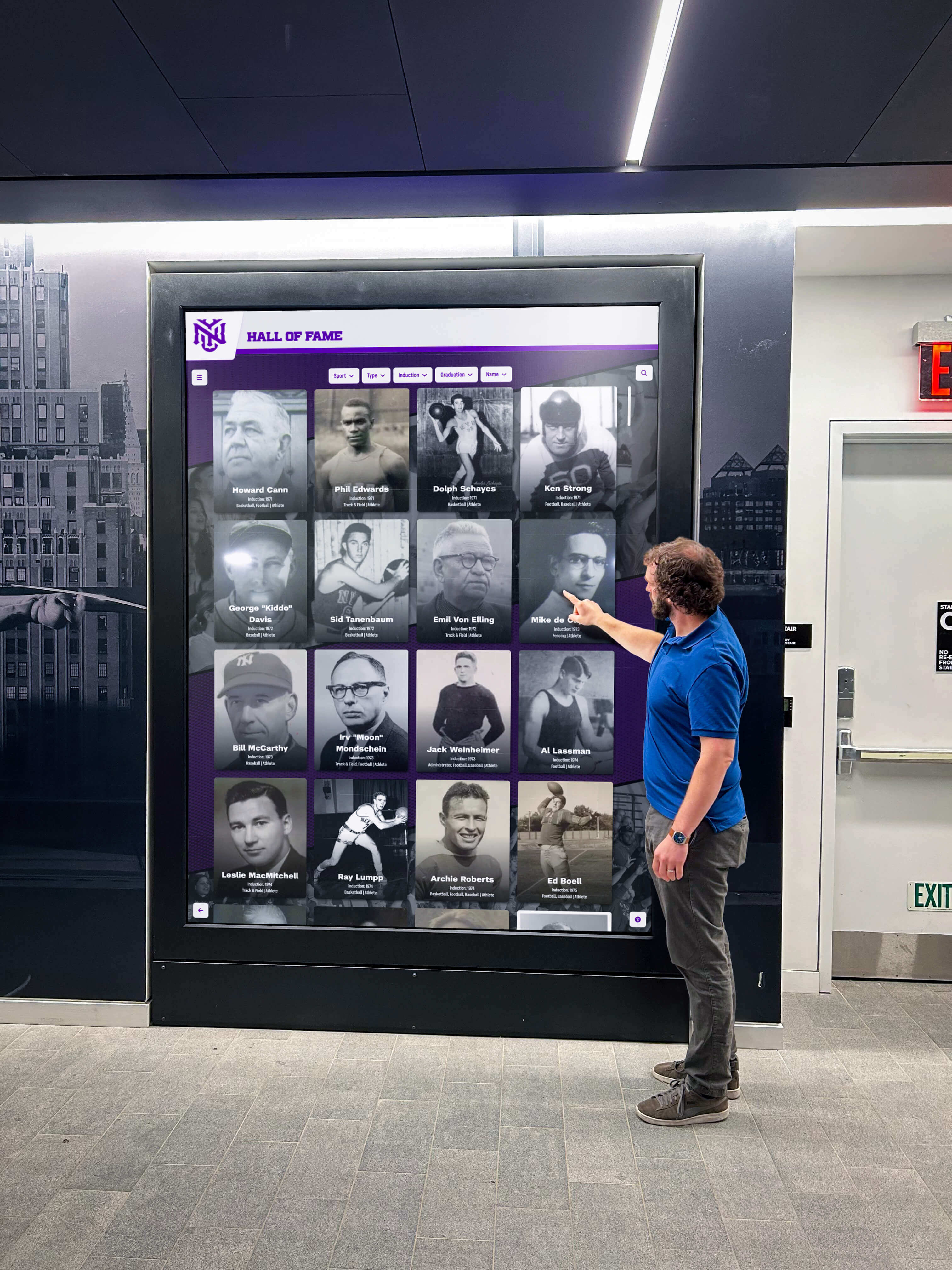
Accessible displays ensure all community members can engage with student recognition
Motivation vs. Discouragement Balance
Recognition programs must motivate rather than discourage non-recognized students:
Multiple Recognition Pathways
- Diverse achievement categories ensuring varied recognition opportunities
- Growth and improvement recognition alongside absolute achievement
- Subject-specific recognition highlighting specialized excellence
- Character and effort recognition valuing persistence
- Rotating recognition ensuring different students receive acknowledgment
Positive Framing
- Honor walls as celebration rather than exclusion
- Communication emphasizing achievement pathways available to all
- Goal-setting programs helping students work toward recognition
- Mentorship connecting recognized students with peers
Learn about showcasing student achievement in motivating ways.
Measuring Outstanding Students Honor Wall Success
Regular assessment ensures recognition programs achieve intended goals and justify resource investment.
Quantitative Success Metrics
Participation Data
- Percentage of students receiving recognition annually
- Distribution across grade levels and demographic groups
- Recognition frequency and diversity of achievement types
- Year-over-year participation trends
- Time between achievement and recognition display
Engagement Indicators
- For digital honor walls: interaction rates and session duration
- Web-based platform usage statistics
- Social media engagement with recognition content
- Recognition ceremony attendance rates
- Family response rates to recognition communications
Academic Outcome Correlation
- Achievement trends among recognized versus non-recognized students
- Impact of recognition on course selection patterns
- College acceptance rates for honor wall students
- Scholarship awards for recognized students
- Long-term academic trajectory analysis
Qualitative Assessment
Stakeholder Feedback
- Student surveys about honor wall awareness and motivational impact
- Family perception of recognition program fairness and effectiveness
- Staff assessment of recognition program manageability and value
- Alumni reflection on how recognition influenced their experience
- Community perception of school academic priorities
Cultural Indicators
- Observed changes in academic culture and peer attitudes
- Student motivation and engagement anecdotal evidence
- School climate survey results related to achievement focus
- Student sense of belonging measures
- Application rates for advanced courses
Regular assessment enables continuous improvement ensuring outstanding students honor walls remain meaningful, impactful, and aligned with educational goals.
Technology Integration: The Future of Student Recognition
Modern outstanding students honor walls increasingly leverage technology to create recognition experiences that engage digital-native students while providing administrative efficiency.
Interactive Touchscreen Systems
Digital recognition displays transform static honor walls into engaging interactive experiences:
Exploration Features
- Touch-responsive navigation mirroring smartphone interactions
- Pinch, zoom, and swipe gestures creating intuitive exploration
- Multimedia content integration with photos, videos, and documents
- Detailed profile pages telling complete achievement stories
- Historical progression showing multi-year achievement growth
Search and Filter Capabilities
- Name search enabling instant student finding
- Achievement type filtering showing specific categories
- Year and class filtering for historical exploration
- Subject area filtering highlighting specialized excellence
- Customizable views based on user interests
Real-Time Updates
Cloud-based systems enable instant content updates:
- Recognition additions immediately visible upon publishing
- Scheduled reveals coordinating with announcement ceremonies
- Remote management from any internet-connected device
- Automatic backup ensuring content preservation
- Version control tracking all changes
Social Media Integration
Modern honor walls extend recognition beyond physical displays:
Sharing Capabilities
- One-click social media sharing of individual achievements
- Customizable share graphics with school branding
- Hashtag strategies creating recognition campaigns
- Tag functionality enabling peer celebration
- Privacy controls respecting student preferences
Amplified Reach
- Recognition visible to extended family and community
- Alumni engagement with current student achievements
- Prospective family visibility of recognition culture
- Media attention through social sharing
- Viral potential for exceptional achievements
Mobile Accessibility
Smartphone access extends honor wall reach:
- Responsive design optimized for mobile viewing
- Native app experiences for enhanced engagement
- Push notifications for new recognition additions
- QR codes connecting physical displays to mobile content
- Offline access ensuring constant availability
Discover alumni welcome area ideas that integrate modern recognition technology.

Modern honor walls provide seamless experiences across desktop, tablet, and mobile devices
Building Sustainable Recognition Programs
Long-term success requires creating outstanding students honor wall systems that remain manageable, fresh, and impactful year after year.
Administrative Sustainability
Clear Responsibility Assignment
- Designate specific staff members for honor wall management
- Document processes ensuring continuity during staff changes
- Create reasonable time expectations for maintenance
- Provide appropriate compensation for recognition program management
- Build recognition duties into relevant job descriptions
Efficient Workflows
- Batch processing for regular recognition cycles
- Automated data feeds from student information systems
- Template systems ensuring consistent presentation
- Scheduled review dates for content updates
- Streamlined approval processes
Training and Support
- Comprehensive initial training for all staff involved
- Written documentation of all processes and procedures
- Regular refresher training as systems evolve
- Technical support access for issue resolution
- Succession planning ensuring program continuity
Content Freshness
Maintaining visual appeal requires regular updates:
Update Schedules
- Quarterly recognition additions aligning with grading periods
- Annual comprehensive updates and reviews
- Special recognition timely addition as achievements occur
- Historical content archiving maintaining focus on current students
- Visual refresh every 2-3 years maintaining contemporary appearance
Variety in Presentation
- Rotating featured achievements creating visual interest
- Seasonal themes connecting recognition to school calendar
- Spotlight features highlighting exceptional achievements
- Historical retrospectives connecting past and present
- Interactive challenges encouraging honor wall exploration
Budget Planning
Sustainable programs require appropriate financial resources:
Initial Investment
- Hardware costs for digital displays or physical installation
- Software licensing for content management platforms
- Professional design services for visual presentation
- Content creation including photography and multimedia
- Launch ceremony and promotional materials
Ongoing Expenses
- Annual software licensing or subscription fees
- Content updates including new photography
- Maintenance and technical support
- Hardware refresh on 5-7 year cycles
- Recognition ceremony expenses
Many schools implement phased approaches, beginning with core functionality and expanding over time as budgets allow and success demonstrates value.
Conclusion: Creating Recognition That Inspires Excellence
Outstanding students honor walls represent powerful investments in school culture, student motivation, and community pride. When schools systematically celebrate intellectual achievement through thoughtfully designed recognition programs, they create environments where academic success becomes aspirational, celebrated, and central to student identity.
The strategies explored in this guide provide comprehensive frameworks for building honor walls that effectively recognize diverse achievements while remaining sustainable, equitable, and aligned with educational goals. From traditional plaques to interactive digital displays that eliminate space constraints, schools have more options than ever for creating recognition that truly motivates students and honors their accomplishments.
Transform Your Student Recognition Program
Discover how modern digital recognition solutions can help you celebrate every student's achievements and build a thriving culture of academic excellence.
Explore Recognition SolutionsSuccess begins with clear recognition criteria that create opportunities for students at all achievement levels, continues through thoughtful implementation that places recognition prominently within school culture, and extends through systematic communication that amplifies recognition impact across multiple channels.
Whether implementing a traditional physical honor wall or adopting cutting-edge digital recognition technology, the essential elements remain consistent: meaningful criteria, prominent placement, regular updates, and integration with broader recognition ceremonies and communication strategies.
Your outstanding students deserve recognition that honors their achievements while inspiring continued excellence. With thoughtful planning, appropriate technology solutions, and sustained commitment, you can create honor walls that transform school culture and motivate academic achievement for years to come.
Ready to begin? Explore student awards recognition programs or learn more about digital storytelling for recognition that can enhance your outstanding students honor wall.































