As padel and pickleball sweep across the United States, transforming from niche sports into mainstream phenomena, clubs nationwide are discovering they need better ways to celebrate achievement and preserve their growing histories. With padel courts increasing from 227 to over 688 in just two years, and pickleball reaching nearly 20 million players in 2024, these rapidly expanding communities face a unique recognition challenge: how do you honor achievements when your “history” is being written in real-time and your membership is doubling every 18 months?
The answer lies in modern digital recognition systems that traditional trophy cases simply cannot match. While established tennis and golf clubs have had decades to build their halls of fame gradually, padel and pickleball facilities need recognition solutions that can scale instantly, accommodate explosive growth, and create that sense of tradition and community that established clubs take for granted—all while maintaining the contemporary, energetic vibe that attracts the younger, tech-savvy demographics driving these sports’ popularity.
This comprehensive guide explores how padel and pickleball clubs are leveraging digital hall of fame technology to celebrate tournament champions, recognize member milestones, showcase club history, and build the vibrant communities that make racquet sports more than just exercise—they’re social movements changing how Americans play, compete, and connect.
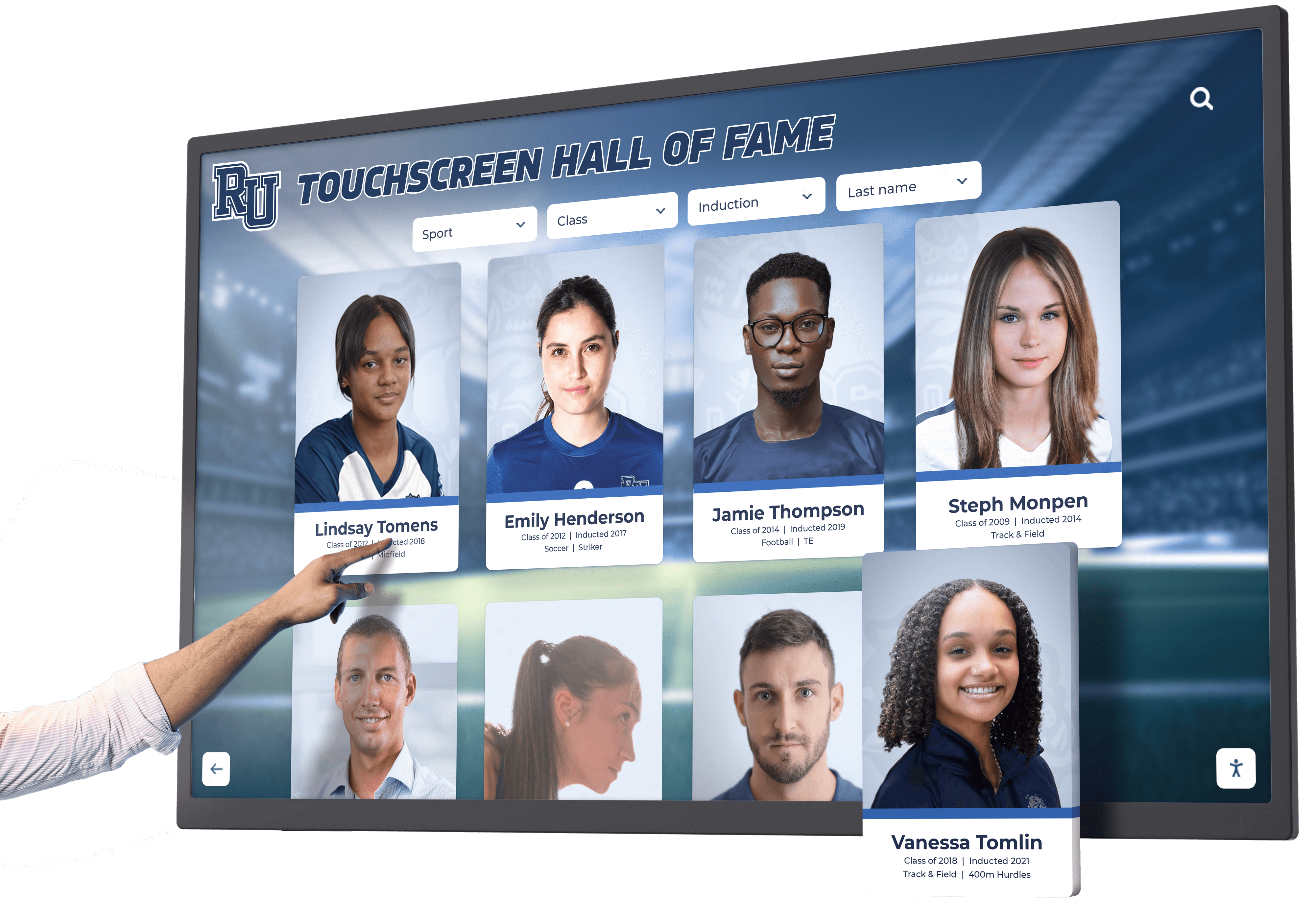

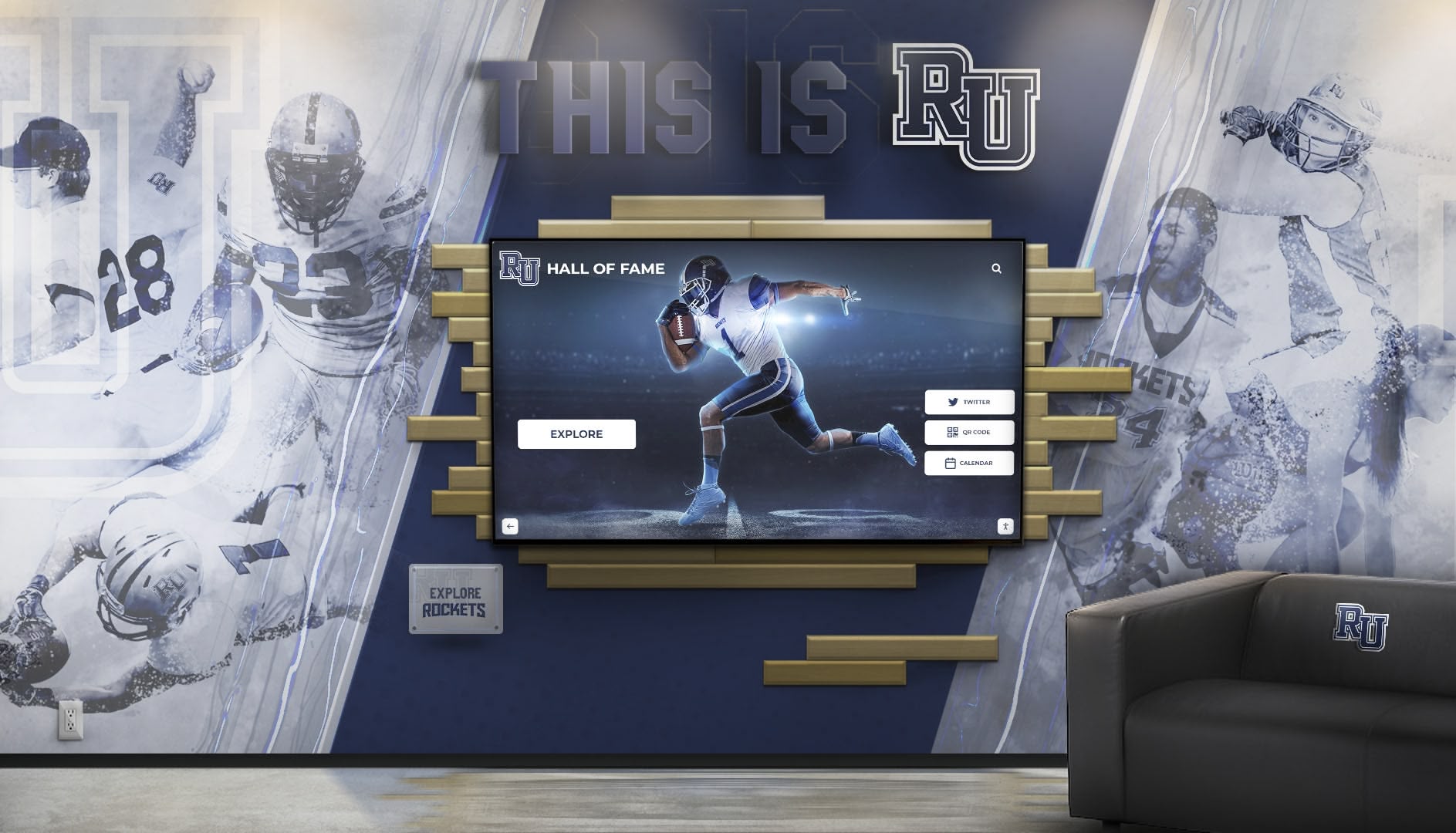
The explosion of padel and pickleball represents one of the most dramatic shifts in American recreational sports in decades. Solutions like Rocket Alumni Solutions provide purpose-built digital recognition systems specifically designed for clubs experiencing rapid growth, enabling facilities to showcase unlimited achievements through interactive touchscreen displays that evolve as quickly as the sports themselves while creating the instant tradition that new communities crave.
The Explosive Growth of Padel and Pickleball in America
Understanding the remarkable expansion of these racquet sports provides essential context for why clubs need sophisticated recognition systems that can match their growth trajectory.
Padel’s Meteoric Rise in the United States
Padel, the fastest-growing sport globally, has finally gained serious traction in America. According to the U.S. Padel Association (USPA) annual report, membership increased by 10% in 2024, reaching 1,917 licensed players—representing an 85% compound annual growth rate since 2020 when there were only 163 members. More dramatically, the total number of padel players in the United States reached an estimated 100,000+ in 2024, up from 90,000 earlier in the year.
Infrastructure Expansion
The court and facility numbers tell an even more compelling story. As of Q2 2025, there were 688 padel courts across 180 facilities in 31 U.S. states, with over 50% of those courts installed since January 2024. Just two years earlier, there were only 227 courts nationwide. The USPA now affiliates with 53 clubs, and 352 courts were built across the country in 2024 alone. Projections suggest the U.S. could have 10,000 to 30,000 padel courts by 2030—a staggering increase that would transform the sport from niche to mainstream.
Regional Concentration and Tournament Growth
Florida leads the nation with 56 clubs and 268 courts, accounting for 41% of the national total, making it the epicenter of American padel. The 2025 season features the enhanced NOX USPA Circuit with record prize pools and expanded age group categories, including 50 venues selected to host USPA tournaments ranging from USPA 100 local events to the premier US Open Padel Championships at Padel Haus Atlanta in October 2025, offering $35,000 in prize money.
This explosive growth creates recognition challenges unique to emerging sports. Clubs are simultaneously establishing their founding traditions while documenting current achievements, creating halls of fame in real-time rather than retrospectively, and building community identity when many members joined just months ago.
Pickleball’s Continued Dominance as America’s Fastest-Growing Sport
Pickleball maintains its position as the fastest-growing sport in America for the fourth consecutive year, with participation reaching unprecedented levels. In 2024, approximately 19.8 million Americans played pickleball, representing a 45.8% increase from the previous year and a remarkable 311% jump over the past three years. An estimated 36.5 million Americans have played pickleball at least once.
Player Demographics and Participation Patterns
The player base divides into casual players (1-7 times per year) numbering 13.6 million—a 56% increase from 2023—and core players (8+ times per year) reaching 6.2 million, up 28% from the previous year. Contrary to early stereotypes about retiree dominance, recent data from the Association of Pickleball Professionals shows the average age of pickleball players is 34.8, with players aged 25-34 representing the largest group at 16.7% of all participants.
Infrastructure Meeting Demand
There are now 68,458 pickleball courts in the United States according to USA Pickleball’s Annual Growth Report and the Pickleheads court database. Dedicated facilities grew 55% year-over-year, and the number of places to play pickleball increased by more than 50% in 2024, reaching over 16,210 locations at the start of 2025. However, demand still outpaces supply—an estimated $855 million investment in court construction is needed over the next 5-7 years to meet player demand.
Hall of Fame and Recognition Infrastructure
The Pickleball Hall of Fame (PHOF), established in 2017 as an independent not-for-profit corporation, recognizes individuals who have achieved exceptional results in pickleball play or made exceptional contributions to the sport’s growth and development. The Hall of Fame operates in two categories: Competitor (requiring dominance over at least a five-year period) and Contributor (requiring significant national or international contributions over a five-year period).
The PHOF hosts annual induction dinners where inductees receive jackets and rings, with photos and plaques permanently displayed on the website. A permanent physical museum is planned for Austin, Texas at the Austin Pickle Ranch. This established recognition framework provides a model that local clubs increasingly emulate as they build their own community traditions.
Why Clubs Need Digital Halls of Fame
The unique characteristics of padel and pickleball communities create specific recognition needs that traditional approaches struggle to address effectively.
The “Instant Tradition” Challenge
Unlike tennis or golf clubs with 50-100 year histories that accumulated recognition infrastructure gradually, padel and pickleball facilities need to establish tradition immediately. New members join clubs expecting vibrant community culture from day one—they want to see who won last month’s tournament, which players hold club records, and what achievements define excellence in their new sporting home.
Traditional plaques and trophy cases take months to produce and install, creating awkward gaps where achievements remain uncelebrated. By the time physical recognition appears, the club may have doubled in size with entirely new members who missed the original achievements. Digital systems solve this timing problem by enabling instant recognition—tournament winners see themselves honored within hours of victory, creating immediate reinforcement and community acknowledgment.
Building Community Identity Rapidly
Recognition systems serve psychological functions beyond documentation—they define community identity, establish achievement standards, create shared history, and build connections between members who may have little else in common beyond their new sport. For clubs less than two years old, visible recognition of tournaments, milestones, and achievements accelerates community formation by providing shared reference points and conversation starters.
Digital displays become natural gathering points where members explore club history, discover common connections, celebrate achievements together, and develop the sense of belonging that transforms casual players into committed community members. Athletic hall of fame creation demonstrates systematic approaches to building recognition programs that establish tradition even in new organizations.
Accommodating Explosive Membership Growth
When your membership doubles annually, recognition capacity becomes critical. A club with 100 members in year one may have 400 members by year three. If you honor 20 tournament champions, recognize 30 skill advancement milestones, and celebrate 25 league participants each year, you accumulate 225 recognition-worthy achievements within three years—far exceeding what traditional trophy cases can accommodate.
The Mathematics of Racquet Sport Recognition
Consider a mid-sized pickleball facility with 12 courts hosting weekly tournaments, monthly leagues, and quarterly championships. In one year alone, they might recognize:
- 52 weekly tournament champions (men’s and women’s divisions)
- 12 monthly league winners across skill divisions
- 4 quarterly championship winners
- 10-15 players achieving skill advancement milestones
- 5-10 volunteer contributors and club supporters
That’s 80-95 recognition-worthy achievements in a single year. After three years, you need capacity for 240-285 individual recognitions—impossible with traditional displays constrained by physical wall space. Digital systems provide unlimited capacity, ensuring every deserving achievement receives permanent recognition regardless of how rapidly your community grows.
Appealing to Tech-Savvy Demographics
Padel and pickleball attract notably younger, more tech-oriented demographics compared to traditional racquet sports. The average pickleball player age of 34.8 and padel’s concentration among urban millennials and Gen Z players means recognition systems need to match their digital expectations.
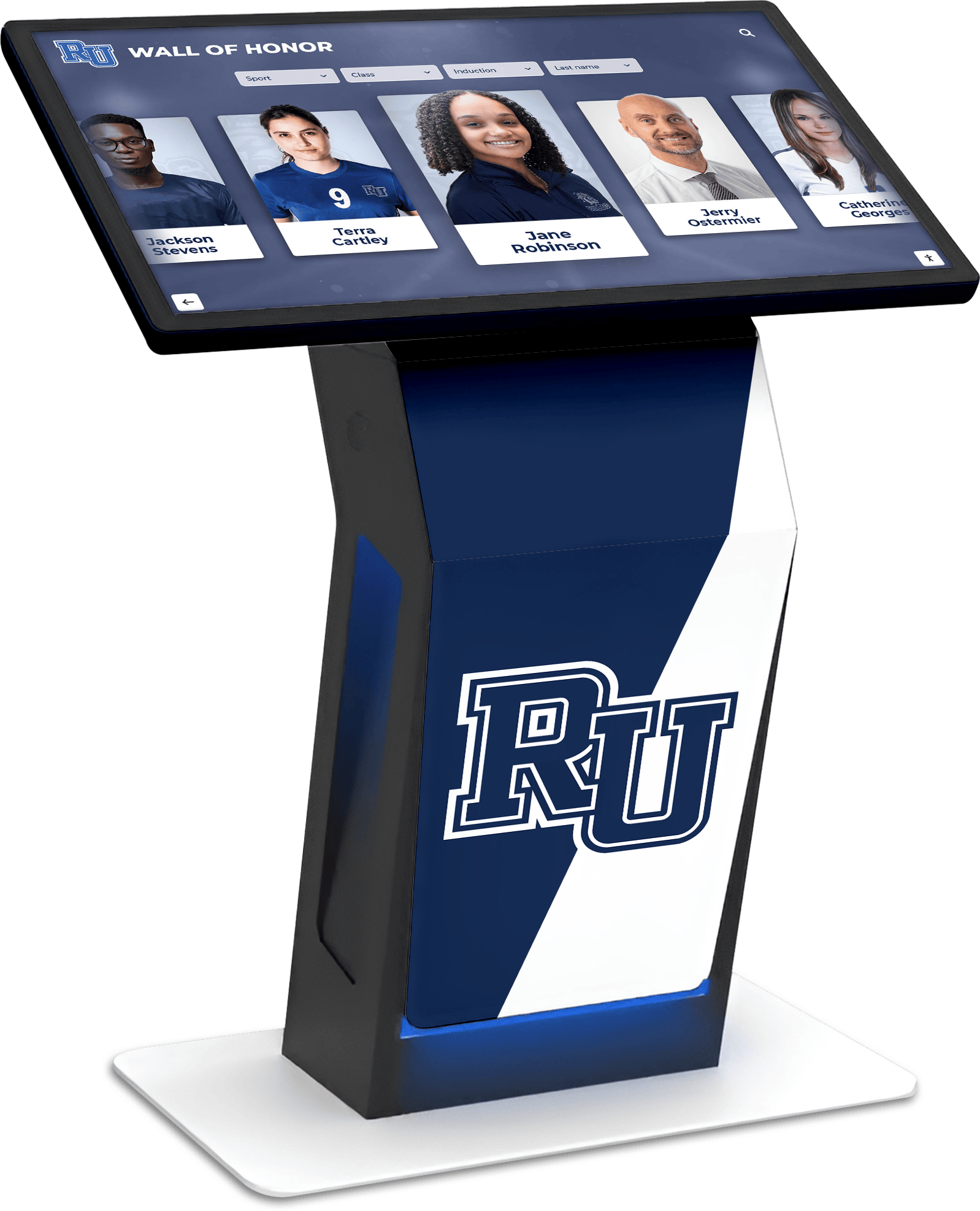
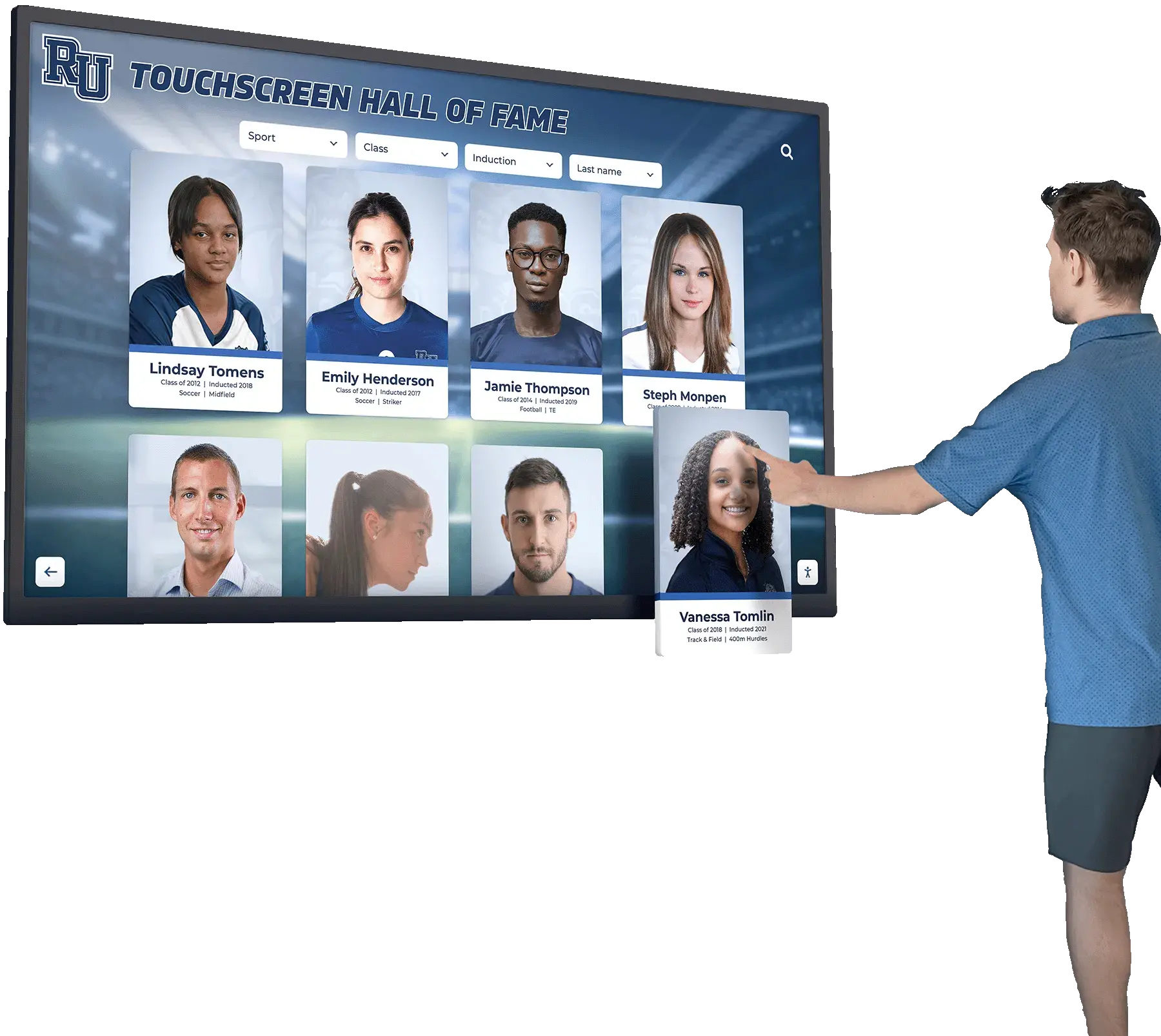
Static plaques feel outdated to audiences who expect interactive exploration, multimedia content, instant social sharing, and mobile accessibility. Digital hall of fame systems align with how these demographics naturally engage with information—they want to search for specific players, filter by tournament or date, watch highlights and action photos, and share their recognition on social media instantly.
Social Media Integration and Viral Recognition
Digital recognition becomes shareable content that extends club visibility far beyond physical locations. Tournament champions photograph their digital profiles and share on Instagram, tag the club and create organic social media reach, generate discussions and engagement across online communities, and attract prospective members who discover clubs through recognition content.
This social amplification provides marketing value that traditional trophies sitting in display cases cannot deliver. Every recognition becomes potential promotional content that builds club reputation and attracts new members through authentic celebration rather than paid advertising.
Essential Content for Padel and Pickleball Halls of Fame
Effective club recognition systems showcase diverse achievement types that reflect the complete club experience beyond competitive excellence alone.
Tournament Champions and Competition Results
Tournament victories represent the most visible achievements deserving comprehensive recognition. Effective tournament documentation includes:
Weekly and Monthly Tournament Winners
Local club tournaments provide regular competition opportunities where members test skills and compete for recognition. Digital displays can showcase weekly tournament champions across skill divisions (2.5, 3.0, 3.5, 4.0, 4.5, 5.0+), separate men’s, women’s, and mixed doubles categories, match scores and competition brackets, action photos from tournament play, and tournament dates enabling members to track achievement chronology.
League Champions and Season Winners
Seasonal leagues create extended competitive arcs with cumulative recognition. League recognition might include seasonal league champions across multiple skill divisions, individual match records and winning percentages, team compositions and recurring partnerships, playoff performance and championship matches, and season statistics and notable achievements.
Major Tournament and Championship Victories
Clubs hosting or participating in significant regional, state, or national tournaments should comprehensively document major tournament results including:
- Regional and state championship victories
- USPA Circuit tournament results (for padel)
- USA Pickleball tournament performances
- National championships and ranking events
- Pro-am tournaments and professional player appearances
These major achievements establish club reputation while celebrating members who compete at highest levels. Detailed recognition including tournament significance and competition level, opponent quality and field size, match progression and notable victories, prize winnings when applicable, and ranking points and national standing provides context that makes achievements meaningful to entire membership.
Skill Advancement and Personal Milestones
Racquet sports feature well-defined skill progression systems where advancement represents significant personal achievement deserving recognition.
Rating Promotions and Skill Development
Both pickleball and padel use rating systems tracking player development. Recognizing players who advance skill levels creates inclusive recognition honoring dedication and improvement rather than only tournament winners:
- Players achieving new skill ratings (moving from 3.0 to 3.5, 3.5 to 4.0, etc.)
- First-time tournament participants overcoming competition anxiety
- Members completing specified numbers of matches or league games
- Players achieving personal-best performances
- Long improvement journeys from beginner to competitive player
This developmental recognition demonstrates that clubs value all members’ progress, not just competitive excellence, creating welcoming environments where beginners feel their achievements matter. Understanding digital storytelling in athletic programs provides frameworks for celebrating diverse achievement types that build inclusive community culture.
Participation Milestones and Club Involvement
Regular participation and community involvement deserve recognition alongside competitive achievements:
- Members reaching 100, 500, or 1,000 matches played
- League participation across multiple seasons
- Tournament participation milestones
- Social event organizing and community building
- New member mentoring and welcoming
These participation recognitions celebrate the engaged members who make clubs vibrant communities rather than simply practice facilities.
Club Records and Historical Achievements
As clubs mature, maintaining comprehensive record systems becomes important for tracking organizational achievement and competitive standards.
Facility Records and Performance Standards
Clubs should document records including:
- Longest winning streaks in league play
- Highest tournament victory margins
- Most consecutive tournament championships
- Fastest skill rating advancement
- Longest-running partnerships and playing relationships
- Most improved players year-over-year
Record recognition creates aspirational targets for competitive members while preserving club history as it develops. Digital systems enable easy record maintenance and updating as new achievements surpass previous standards.
Founding Members and Club Development Milestones
New clubs should document their origins and development:
- Founding members and original investors
- First tournament champions and early competitions
- Facility expansion and court addition milestones
- Membership growth landmarks (100th member, 500th member, etc.)
- Major facility improvements and amenities added
- Partnerships with professional players or organizations
This historical documentation becomes increasingly valuable as clubs mature, preserving stories that would otherwise be lost as founding members eventually move on and memories fade.
Social and Community Recognition
Successful clubs thrive on strong communities built by members who contribute beyond their court performance.
Volunteer and Contributor Recognition
Honor members who build club culture:
- Tournament organization and event coordination
- New member welcoming and mentoring programs
- Facility maintenance and improvement volunteers
- Social event planning and community building
- Board service and club governance
- Sponsorship and financial support
Community Builders and Social Leaders
Recognize members who create welcoming environments:
- Members known for encouraging newcomers
- Players who regularly organize social play
- Individuals who build inter-generational connections
- Members who recruit and introduce new players
- Those who organize post-play social gatherings
This community recognition communicates that clubs value culture and character alongside competitive performance, creating inclusive environments where diverse members feel appreciated for varied contributions.
Implementing Digital Recognition Systems for Clubs
Successful digital hall of fame implementation requires planning that addresses club-specific needs and member expectations.
Choosing the Right Display Solution
Clubs should evaluate recognition platforms based on several critical factors:
Hardware Considerations
- Display size (typically 43-55 inches for club lobbies)
- Mounting options (wall-mounted, kiosk, or custom integration)
- Durability for high-traffic club environments
- Touch responsiveness for frequent daily interaction
- Commercial-grade reliability for continuous operation
Software Requirements
- Intuitive content management requiring no technical expertise
- Mobile-responsive design enabling smartphone access
- Social media integration for sharing capabilities
- Search and filtering by player name, tournament, or date
- Web portal extending access beyond physical display
- Analytics tracking engagement and popular content
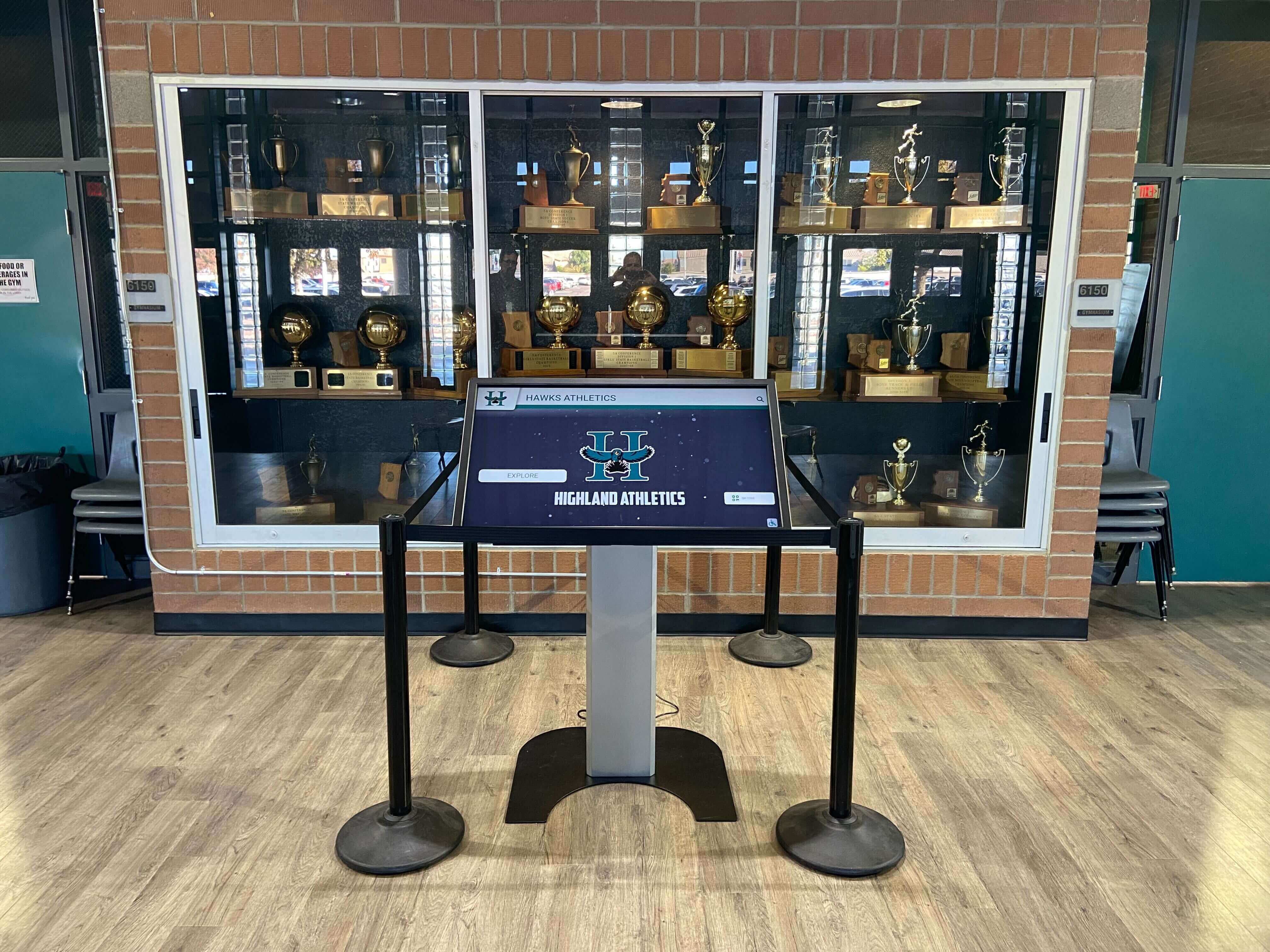
Solutions like Rocket Alumni Solutions provide comprehensive platforms specifically designed for sports facility recognition, combining commercial-grade touchscreen hardware with specialized software that club staff can manage without IT expertise while delivering the engaging experiences members expect from modern digital systems.
Strategic Display Placement
Location determines visibility and engagement. Optimal placement includes:
Main Lobby and Reception Areas
Position displays where every member and visitor naturally passes, creating maximum visibility for recognition content and immediate impression for prospective members touring facilities. Lobby placement makes hall of fame displays conversation starters and natural gathering points during social hours.
Lounge and Social Spaces
Install displays near seating areas where members congregate between matches, wait for courts to become available, and socialize after play. These locations encourage extended exploration as members browse achievements during downtime rather than rushing past during entry and exit.
Court-Side Viewing Areas
Place displays where spectators watch matches, enabling viewers to explore player profiles and records while watching competition. This integration connects live play with documented history, creating immediate context for competitive matches and highlighting achieved standards current players pursue.
Content Management and Update Workflows
Digital recognition requires establishing sustainable processes for ongoing content management:
Tournament Result Documentation
Create workflows for promptly documenting tournament outcomes:
- Designate staff or volunteers responsible for post-tournament updates
- Establish templates for consistent tournament documentation
- Collect action photos during tournaments for recognition profiles
- Schedule recognition updates within 24-48 hours of tournament completion
- Verify accuracy before publishing to avoid corrections later
Member Profile Development
Build comprehensive profiles that celebrate complete member involvement:
- Collect biographical information during membership enrollment
- Document skill progression and rating advancement
- Photograph members during play for recognition profiles
- Update profiles when members achieve new milestones
- Enable members to submit personal achievements and updates
Historical Content Development
Systematically build club history as it develops:
- Document facility opening and founding information immediately
- Photograph major events and milestones as they occur
- Collect member stories and memorable moments regularly
- Archive tournament results and league records consistently
- Build comprehensive history from inception rather than retroactively reconstructing years later
Understanding approaches to state championship trophy case displays provides additional frameworks for comprehensive achievement documentation that preserves complete organizational history.
Best Practices from Leading Padel and Pickleball Facilities
Examining successful implementations provides practical guidance for clubs planning their own recognition systems.
Multi-Location Club Networks
Larger padel and pickleball operators with multiple facilities face unique recognition challenges balancing club-specific achievements with network-wide recognition.
Centralized and Local Recognition Balance
Effective multi-location approaches include:
- Individual facility halls of fame celebrating location-specific achievements
- Network-wide recognition for major championships and elite accomplishments
- Cross-facility tournament documentation when clubs compete
- Unified platform architecture with location-specific content customization
- Shared member profiles enabling recognition transfer when players relocate
This balance allows each location to maintain unique identity and culture while leveraging network resources and creating connections between facilities that strengthen overall brand and community.
Professional Player Integration
Clubs hosting professional players or clinics can enhance recognition systems by documenting:
- Professional player appearances and exhibition matches
- Pro-am tournament results and amateur/professional partnerships
- Clinics and coaching sessions with professional players
- Professional player testimonials about club quality
- Photographs and autographs from professional visits
Professional integration builds club prestige while creating aspirational connections showing members that their facility attracts and welcomes competitive players at all levels, from recreational beginners to touring professionals.
Community Partnership Recognition
Many clubs rely on local business sponsorships and community partnerships. Recognition systems should acknowledge supporters:
- Sponsor logos and acknowledgments in appropriate contexts
- Community partner contributions to facility development
- Local business tournament sponsorships
- Vendor relationships supporting club operations
- Professional service providers enabling club success
This community recognition strengthens relationships with supporters while demonstrating to members the partnerships that make their club possible.
Extending Recognition Beyond Physical Displays
Digital recognition becomes most valuable when accessible beyond club facilities, extending engagement to members’ homes and mobile devices.
Web-Based Hall of Fame Portals
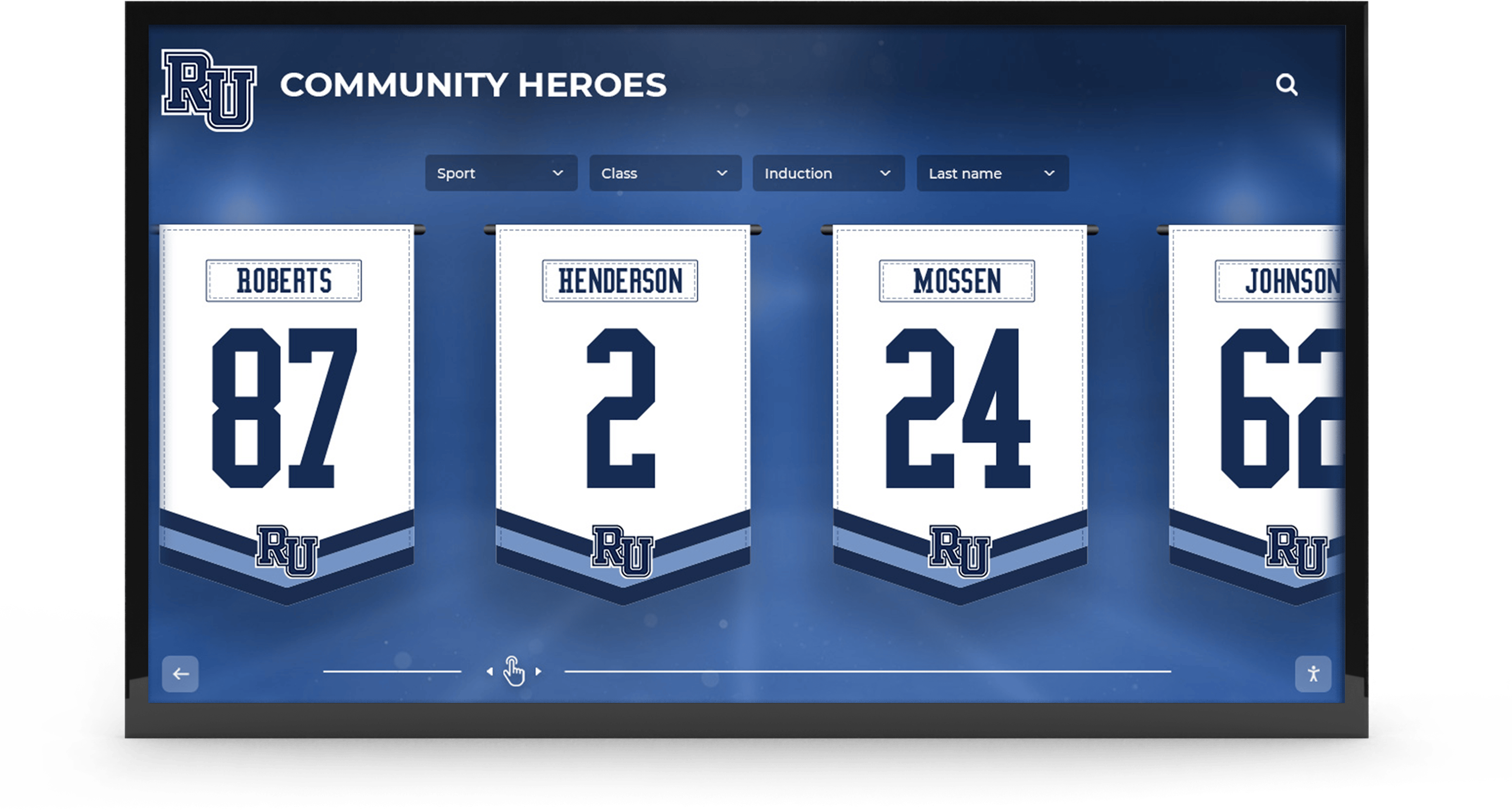
Complement physical touchscreen displays with web portals enabling members to:
- Access complete hall of fame content from any device
- Search for specific players or tournaments from anywhere
- Share achievements on social media directly from profiles
- Explore club history during recruitment decision processes
- Show family and friends their recognition remotely
Web accessibility dramatically increases recognition reach and engagement compared to displays limited to physical club visits. Members who visit facilities twice weekly might access web portals dozens of times exploring content, discovering connections, and sharing achievements.
Mobile Apps and Member Engagement
Some advanced clubs integrate recognition with member apps:
- Push notifications when members achieve new recognition
- Mobile-optimized profiles enabling smartphone browsing
- QR codes connecting physical displays to mobile experiences
- Social features enabling member interaction and commenting
- Calendar integration showing upcoming tournaments and events
Mobile integration keeps recognition top-of-mind throughout members’ daily lives rather than limiting visibility to club visits, strengthening emotional connection with facilities and achievements.
Social Media Integration and Viral Recognition
Digital recognition generates shareable content that promotes clubs organically:
- Automated social posting when new recognitions publish
- Template graphics enabling consistent branded sharing
- Member tagging creating organic reach and engagement
- Achievement highlights featured across club social channels
- User-generated content as members share their recognition
This social integration transforms every recognition into potential marketing content reaching prospective members through authentic member enthusiasm rather than paid advertising.
Measuring Success and Recognition Program ROI
Understanding how recognition systems deliver value helps justify investment and optimize programs over time.
Engagement Metrics and Analytics
Quality digital platforms provide analytics tracking:
- Total display interactions and session durations
- Most-viewed profiles and popular content
- Search patterns revealing member interests
- Peak usage times and engagement trends
- Web portal traffic and remote access patterns
These metrics demonstrate recognition program value while identifying opportunities to enhance content and better serve member interests.
Member Satisfaction and Retention
Recognition influences member satisfaction and retention through:
- Increased sense of belonging and community connection
- Enhanced motivation to participate in tournaments and events
- Greater pride in club affiliation and membership
- Stronger personal investment in club success
- Improved member retention and reduced churn
While challenging to isolate recognition’s specific contribution, clubs implementing comprehensive digital halls of fame consistently report improved member satisfaction scores and retention metrics compared to pre-implementation periods.
Marketing and Recruitment Impact
Recognition systems support recruitment by:
- Creating professional impressions during facility tours
- Demonstrating vibrant community and active membership
- Showcasing achievement opportunities at all skill levels
- Providing social proof of club quality and culture
- Enabling prospective members to research club history
Clubs report that recognition displays frequently generate positive comments during tours and appear in member testimonials explaining why they chose specific facilities over alternatives, demonstrating tangible recruitment value beyond measurable metrics alone.
The Future of Club Recognition in Racquet Sports
As padel and pickleball continue expanding, recognition systems will evolve with the sports themselves.
Emerging Recognition Trends
Forward-looking clubs are exploring innovative recognition approaches including:
- Video highlights and action footage integrated throughout profiles
- Live tournament results updating in real-time during competition
- Statistical tracking and leaderboards across multiple categories
- Personalized member dashboards showing individual achievements
- AI-generated highlight reels from tournament footage
- Augmented reality experiences connecting physical and digital recognition
These emerging technologies will enable even more engaging recognition experiences that match the dynamic, energetic culture defining padel and pickleball communities. Resources on future trends in digital walls of fame explore how recognition technology continues evolving to serve changing expectations.
National and Regional Integration
As sports mature organizationally, opportunities emerge for connecting local club recognition with broader competitive ecosystems:
- Integration with USPA Circuit tournament results and rankings
- Connection to USA Pickleball membership and rating systems
- National leaderboard participation and comparative statistics
- Regional network recognition enabling multi-club achievements
- Professional player tracking as amateurs transition to competitive careers
This integration creates seamless recognition spanning local club play through regional competition to national championships, documenting complete competitive journeys rather than isolated achievements.
Conclusion: Building Community Through Recognition
The explosive growth of padel and pickleball represents more than simple sports trends—these activities are creating new communities, social networks, and shared identities around competitive play and recreational activity. Recognition systems serve essential functions in transforming casual players into committed community members by celebrating achievements, preserving history as it develops, creating shared identity and tradition, and demonstrating that every member’s contribution matters.
Digital hall of fame technology enables clubs to build recognition infrastructure that matches their growth pace, accommodates unlimited achievements without space constraints, engages tech-savvy demographics through interactive experiences, and creates instant tradition that established sports take decades to develop organically.
Whether you operate a single-location boutique padel club, a multi-court pickleball facility, or a comprehensive racquet sports center incorporating both sports, digital recognition systems provide proven solutions for celebrating excellence, building community, and creating the vibrant culture that makes clubs more than practice facilities—they become social homes where members connect, compete, and celebrate together.
The most successful implementations start with clear recognition goals understanding what achievements matter most to your specific community. They select purpose-built platforms designed specifically for sports facility recognition rather than generic digital signage repurposed inadequately. They develop thoughtful content strategies honoring complete member involvement beyond competitive excellence alone. And they position displays strategically in locations where members naturally encounter recognition throughout regular club activities.
Ready to explore digital hall of fame options for your padel or pickleball club? Solutions like Rocket Alumni Solutions provide comprehensive digital recognition systems specifically designed for sports facilities experiencing rapid growth, enabling clubs to showcase unlimited achievements while building the vibrant communities that make racquet sports America’s fastest-growing recreational revolution. Your members deserve recognition that matches the energy and innovation defining padel and pickleball—digital technology delivers exactly that comprehensive celebration while building tradition that will serve your community for generations as these sports continue their remarkable American expansion.































