Peer Leadership programs represent one of the most transformative initiatives schools can implement to support freshmen transitions and develop senior leadership capabilities. These carefully structured programs connect accomplished upperclassmen with incoming ninth graders, creating mentorship relationships that ease the often overwhelming transition to high school while fostering leadership skills, empathy, and community connection among senior mentors.
When schools implement comprehensive recognition for their Peer Leadership participants—celebrating both the senior mentors who dedicate themselves to guiding freshmen and the positive outcomes these programs generate—they create powerful incentives for participation while demonstrating institutional commitment to student-to-student support systems. Effective recognition transforms peer mentorship from an optional extracurricular activity into a prestigious leadership opportunity that attracts the school’s most capable and committed students.
This comprehensive guide explores evidence-based strategies for recognizing peer leadership programs, showcasing mentor contributions through modern recognition systems, and building sustainable freshmen mentorship initiatives that strengthen school culture while supporting student success across all grade levels.
The transition to high school represents a critical juncture in adolescent development, with research consistently demonstrating that ninth grade experiences significantly predict high school completion, academic achievement, and long-term educational outcomes. Students who struggle during their freshman year often face challenges that compound across subsequent years, while those who successfully navigate the transition typically establish positive trajectories continuing through graduation and beyond.
Peer Leadership programs address this transition challenge by providing freshmen with dedicated senior mentors who understand their experiences, offer guidance and support, and model successful high school engagement. Research tracking peer mentoring programs demonstrates improved attendance rates and positive movement in academic outcomes for high school students participating over multi-year implementations, with benefits extending to both mentors and mentees.
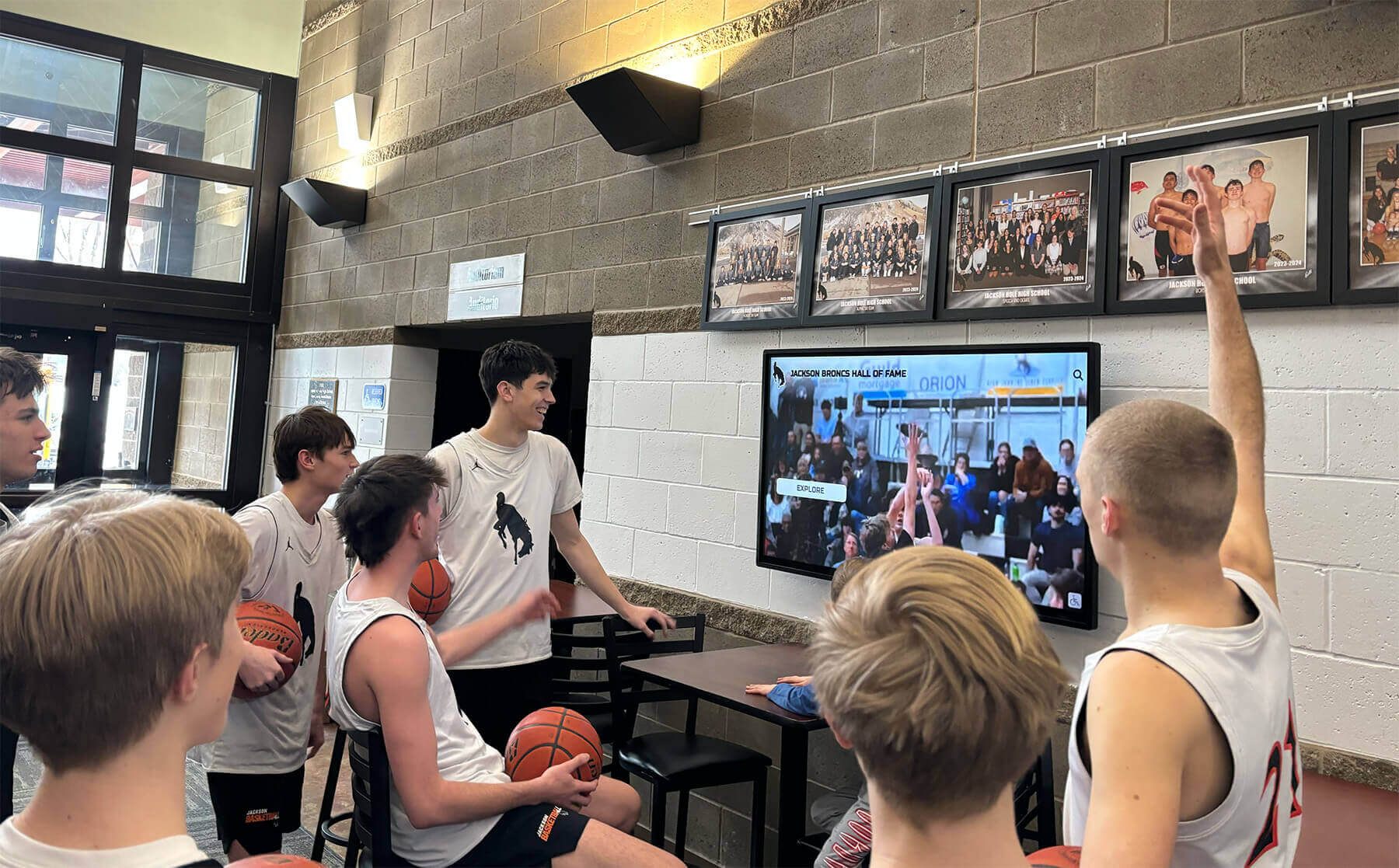
Modern recognition displays create engaging environments where students explore leadership achievements and program impact
Understanding Peer Leadership Program Structure and Benefits
Before developing recognition strategies, schools should understand the fundamental structure and documented benefits of effective peer mentorship initiatives connecting seniors with freshmen.
Core Elements of Successful Peer Leadership Programs
Well-designed peer mentorship programs share several essential characteristics distinguishing them from informal buddy systems or unstructured peer interactions.
Structured Weekly Interactions
The most effective programs establish regular, scheduled meeting times ensuring consistent mentor-mentee contact throughout the school year. Many successful schools dedicate specific class periods, advisory times, or designated lunch blocks when Peer Leadership mentors meet with their assigned freshmen groups. This structure removes logistical barriers while communicating institutional priority for the program.
Weekly meetings provide sufficient frequency for relationship development and ongoing support without creating overwhelming time commitments for already-busy seniors. During these sessions, mentors facilitate activities addressing academic skills, social-emotional development, school culture introduction, and community building—creating comprehensive support extending well beyond occasional check-ins.
Research demonstrates that consistent, frequent contact between mentors and mentees produces significantly better outcomes than sporadic or irregular interactions. The predictability of weekly meetings allows freshmen to anticipate support while enabling mentors to track mentee progress and address emerging challenges promptly.
Trained Senior Mentors
Unlike informal peer support systems, effective Peer Leadership programs carefully select and comprehensively train senior mentors before they begin working with freshmen. Selection processes typically consider academic standing, behavioral record, peer recommendations, faculty input, and demonstrated maturity—ensuring mentors possess baseline capabilities for success.
Selected seniors receive training in communication skills, active listening, conflict resolution, boundary setting, cultural competency, and appropriate intervention protocols. This preparation transforms mentorship from “being nice to freshmen” into sophisticated leadership practice requiring specific competencies and ongoing skill development. Organizations like Education Northwest emphasize that successful peer mentoring requires systematic training and support rather than simply matching older students with younger ones.
Training also establishes clear expectations about mentor responsibilities, time commitments, confidentiality parameters, and when situations require adult intervention. This clarity reduces mentor anxiety while ensuring safety and appropriateness in all peer interactions. Schools implementing senior mentor recognition programs report that comprehensive training proves essential for program quality.
Faculty Advisor Oversight
All strong Peer Leadership programs designate responsible faculty advisors providing ongoing oversight, guidance, and support to student mentors. These adults help plan activities, troubleshoot challenges, intervene when situations exceed peer capability, and maintain program quality throughout the school year.
Faculty advisors also facilitate regular mentor meetings where seniors share experiences, problem-solve difficult situations, receive additional training, and build community among the mentor cohort. This adult support prevents mentor isolation and burnout while ensuring consistent program implementation aligned with institutional goals.
The advisor role requires significant time investment and interpersonal skill, making careful faculty selection critical for program sustainability. Schools should choose advisors genuinely committed to youth development, skilled in facilitation, and capable of building trust with both senior mentors and freshman mentees.
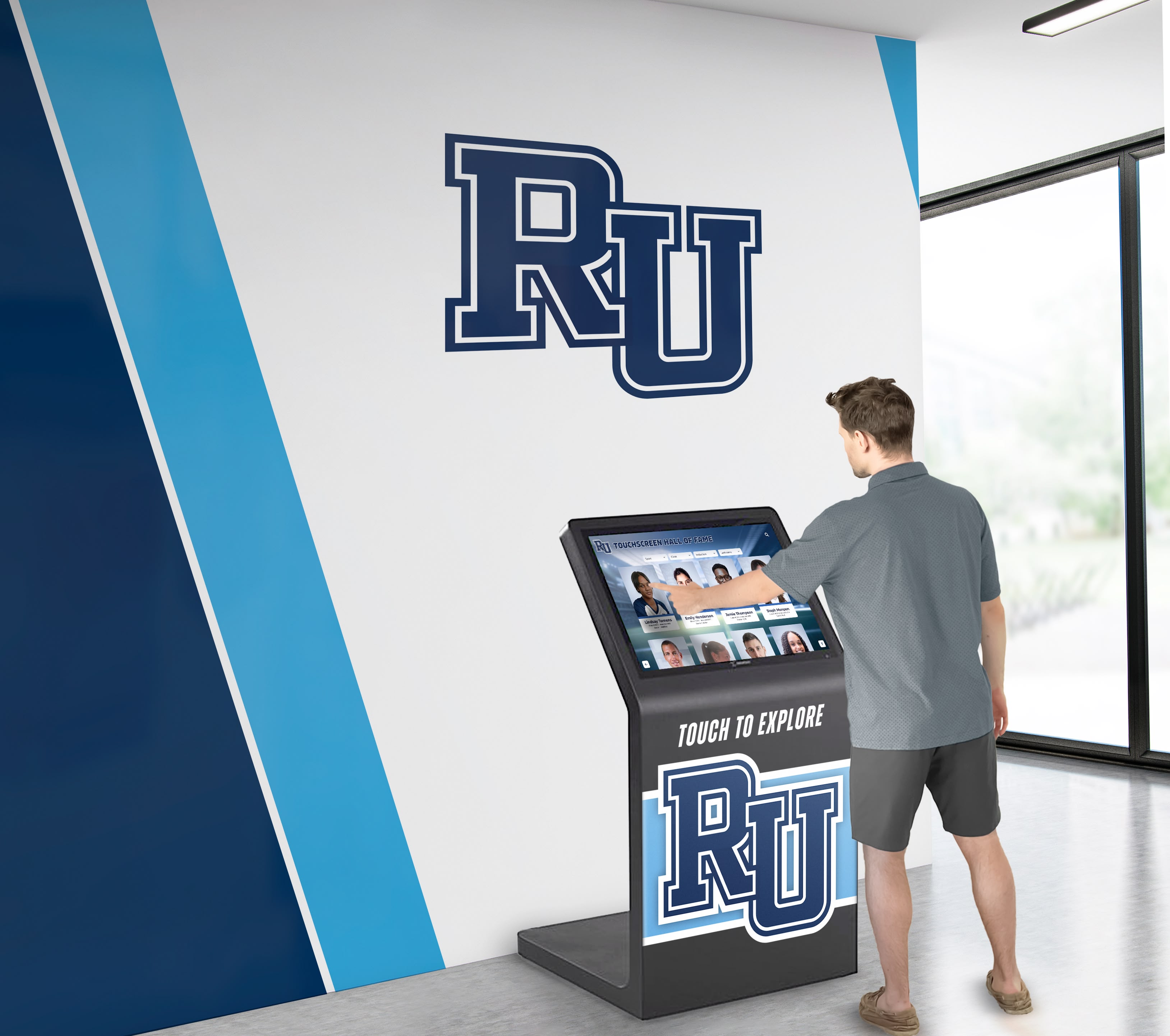
Interactive recognition kiosks enable students to explore detailed mentor profiles and program achievements
Documented Benefits for Freshman Mentees
Research consistently demonstrates measurable positive outcomes for ninth graders participating in structured peer mentorship programs.
Improved Attendance and Engagement
Multiple studies document that peer mentoring programs lead to improved attendance rates among freshman participants. When students feel connected to mentors who care about their presence and notice their absences, they demonstrate increased motivation to attend school regularly. The personal accountability created through mentorship relationships proves more effective than institutional attendance policies alone.
According to Attendance Works, organizations tracking youth mentorship outcomes, teen mentors inspire their peers to show up. Over two years, their peer mentoring program led to improved attendance and moved the needle in academic outcomes for high school students. This research aligns with broader findings that relationship-based interventions significantly impact chronic absenteeism.
Beyond attendance, mentored freshmen show higher classroom engagement, more consistent homework completion, and greater participation in school activities. The encouragement and support from mentors helps students develop investment in their educational experiences rather than viewing school as something merely endured.
Enhanced School Connectedness
Research from organizations including the Center for Supportive Schools demonstrates that students with peer mentors report stronger feelings of school belonging and connection to institutional community. These connections prove critical because school connectedness strongly predicts academic persistence, mental health, and positive developmental outcomes.
For freshmen who might otherwise feel anonymous in large high schools, having a senior mentor who knows their name, asks about their wellbeing, and genuinely cares about their success creates meaningful relationships anchoring them to the school community. This sense of belonging helps prevent the isolation and disconnection that often precipitate dropout or disengagement.
Positive impacts on mentees include increases in connectedness at school, improvements in relationships with teachers and parents, and boosts in self-esteem. These social-emotional benefits often prove as important as academic gains for long-term student success.
Academic Skill Development
While peer mentors are not tutors in the traditional sense, they provide invaluable support helping freshmen develop study skills, time management strategies, organizational systems, and academic self-advocacy. Mentors share practical insights about specific teachers’ expectations, effective approaches for different subjects, and strategies for balancing academics with extracurricular involvement.
This peer-to-peer academic guidance feels more accessible to freshmen than adult instruction because mentors recently navigated the same challenges. Seniors remember what confused them about specific courses, which teachers require particular approaches, and how to successfully manage the increased rigor of high school academics—knowledge they share in relatable, non-judgmental ways.
Research tracking academic outcomes shows that peer-to-peer mentorship results in increased persistence through academic difficulty for mentees, with some programs documenting improved grades and course completion rates among participants compared to similar non-mentored students.
Social-Emotional Support
Perhaps most importantly, Peer Leadership programs provide freshmen with safe spaces to express concerns, discuss challenges, and process the emotional turbulence accompanying adolescence and school transitions. Having an older peer who remembers freshman anxieties, understands social dynamics, and validates struggles creates psychological safety enabling healthy development.
Mentors become trusted confidants helping younger students navigate friendship challenges, family stresses, identity questions, and typical adolescent concerns. The Blue Heart Foundation emphasizes that quality peer relationships where youth feel heard and supported significantly impact mental health and wellbeing during the critical high school years.
This social-emotional support proves especially valuable for freshmen from marginalized backgrounds or those facing particular challenges, as mentors can connect mentees with appropriate resources while providing ongoing encouragement and advocacy.
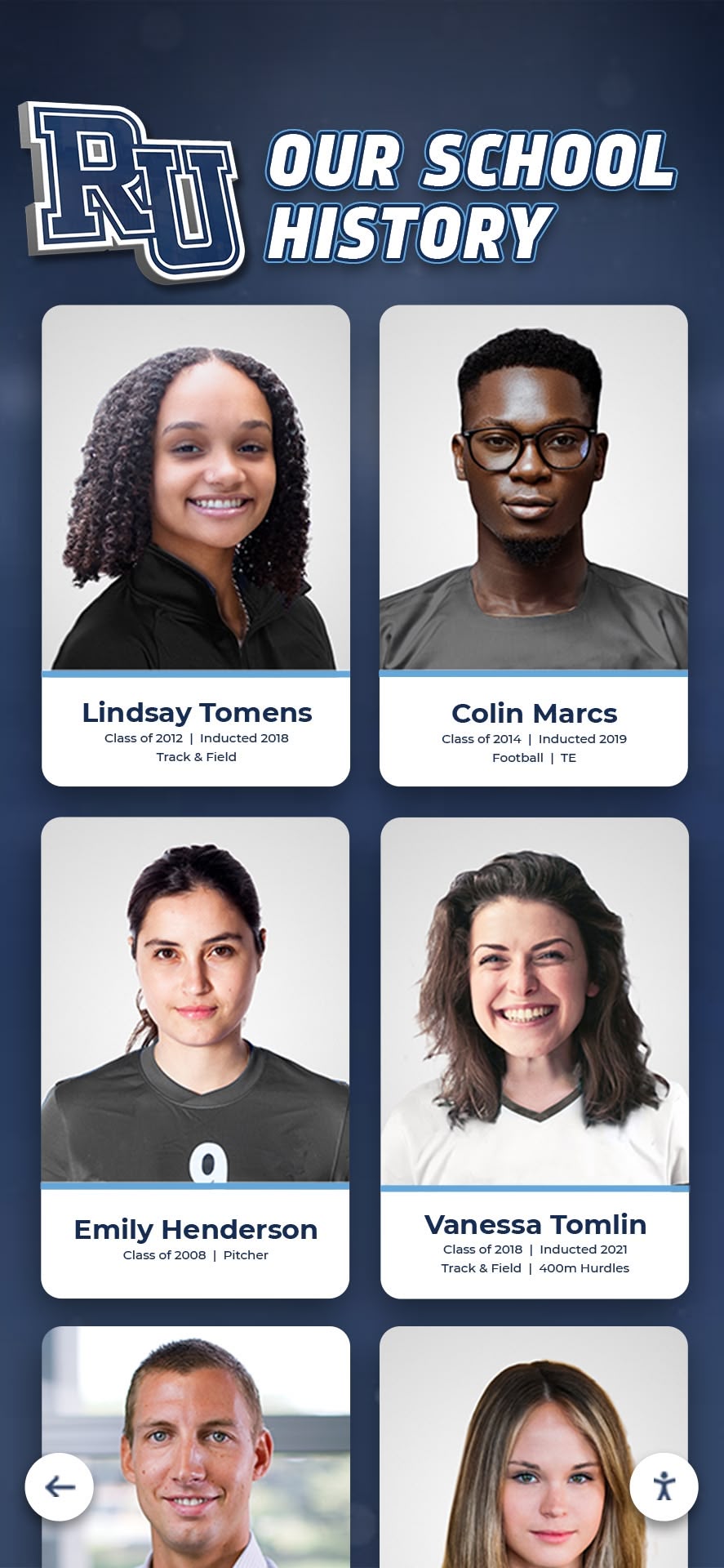
Individual profile cards celebrating specific mentor contributions create personalized recognition honoring diverse leadership
Leadership Development Benefits for Senior Mentors
While freshman benefits receive primary attention, the developmental outcomes for senior mentors represent equally important program value deserving recognition.
Communication and Interpersonal Skill Building
Serving as peer mentors requires seniors to develop sophisticated communication abilities including active listening, empathetic responding, clear explanation of complex concepts, conflict mediation, and relationship maintenance across diverse personalities. These interpersonal competencies transfer directly to professional and personal contexts, making mentorship valuable preparation for adult life.
Mentors learn to adapt communication styles for different audiences, provide constructive feedback diplomatically, and navigate difficult conversations with maturity—skills that many adults still struggle to master. The authentic practice opportunities provided through mentorship accelerate communication skill development in ways classroom instruction alone cannot achieve.
Research documents that volunteering as a mentor helps high school students learn about communication alongside time management, self-awareness, and problem-solving capabilities essential for post-secondary success.
Time Management and Responsibility
Balancing mentorship commitments with personal academic demands, extracurricular activities, family obligations, and social lives requires mentors to develop strong time management and prioritization skills. Learning to honor commitments to others despite competing pressures builds character and capability serving students throughout their lives.
The accountability inherent in mentorship—knowing that freshmen depend on their presence, preparation, and follow-through—creates responsibility helping seniors mature beyond self-focused adolescent perspectives toward community-minded adult orientations. This developmental shift represents one of mentorship’s most valuable outcomes for senior participants.
Leadership Experience for College Applications
Colleges increasingly value sustained leadership, service, and community impact over disconnected activity lists. Peer Leadership participation, particularly with formal recognition and documented impact, demonstrates exactly the kind of meaningful engagement admissions committees seek when evaluating applicants.
Beyond college admissions, the practical leadership skills developed through mentorship—facilitation, coordination, problem-solving, conflict resolution—prove immediately applicable in campus leadership roles, workplace settings, and community involvement throughout adult life. Schools should help seniors articulate their mentorship experiences effectively in application essays and interviews, connecting specific Peer Leadership activities to broader leadership competencies. Recognition systems similar to those used for student achievement displays can document these valuable experiences.
Self-Awareness and Personal Growth
Mentorship prompts significant self-reflection as seniors examine their own values, strengths, limitations, and growth areas. Mentors develop awareness about what motivates them, what situations challenge them, how they respond to stress, and what leadership styles feel authentic to their personalities.
This metacognitive development accelerates personal maturity as students consciously consider who they want to become rather than simply reacting to circumstances. Many mentors describe their Peer Leadership experiences as transformative periods of identity development and purpose discovery—outcomes deserving prominent recognition celebrating character growth alongside specific achievements.
Creating Comprehensive Recognition for Peer Leadership Programs
Systematic recognition ensures mentor contributions receive appropriate celebration while inspiring younger students to pursue similar leadership paths when they reach their senior years.
Establishing Recognition Categories and Criteria
Clear categories and criteria ensure fairness, transparency, and comprehensive acknowledgment of diverse contribution types within Peer Leadership programs.
Outstanding Mentor Awards
Many schools establish annual recognition for exemplary mentors demonstrating exceptional commitment, impact, and leadership throughout the school year. Selection criteria might include:
- Consistent, reliable attendance at all scheduled mentor meetings and activities
- Documented positive impact on mentee academic or social-emotional outcomes
- Initiative in creating program improvements or additional support resources
- Peer and mentee nominations reflecting respect and appreciation
- Demonstration of program values through actions and character throughout school community
These prestigious awards provide aspirational recognition celebrating extraordinary commitment while honoring students who exemplify program ideals. Recognition ceremonies similar to those used for class president recognition can highlight outstanding mentors.
Specific Achievement Categories
Rather than single “best mentor” awards, comprehensive programs recognize diverse excellence types ensuring varied strengths receive acknowledgment:
- Impact Awards: Celebrating mentors whose mentees showed significant improvement in attendance, grades, or engagement
- Innovation Recognition: Honoring mentors who developed creative activities, resources, or approaches benefiting the program
- Peer Leadership Awards: Recognizing mentors who supported and inspired fellow mentors, strengthening the entire cohort
- Persistence Recognition: Celebrating mentors who maintained commitment despite challenges or difficult mentee situations
- Community Building Awards: Honoring mentors who strengthened freshmen class identity and cross-grade connections
- Service Hour Milestones: Recognizing accumulated mentorship time commitments reaching significant thresholds
This multi-dimensional approach ensures recognition opportunities exist for mentors with different strengths and contribution patterns, avoiding narrow excellence definitions that exclude worthy participants.
Universal Participation Recognition
Beyond competitive awards, programs should provide universal recognition for all participating mentors, honoring their service regardless of outcomes or award selection. Participation certificates, program completion acknowledgments, graduation cords, or special recognition during senior award ceremonies signify Peer Leadership involvement while celebrating that every student who commits to helping freshmen deserves appreciation.
This inclusive baseline recognition maintains motivation and validates contributions for all participants, not just the few receiving competitive awards. It also communicates that the act of volunteering as a mentor inherently deserves honor, regardless of measured outcomes or comparisons to peers.
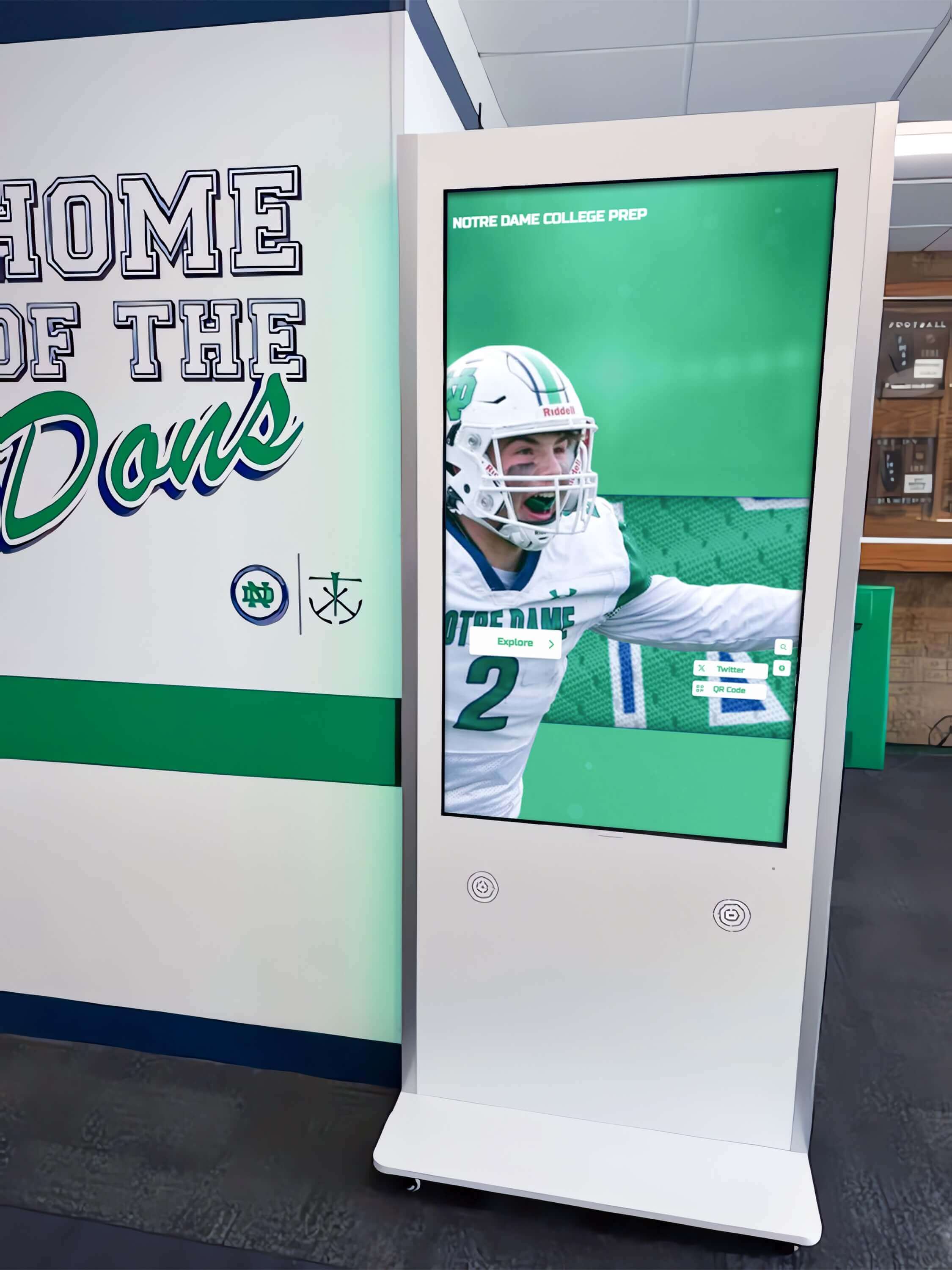
Strategically placed recognition displays in high-traffic areas ensure regular exposure to program values and mentor achievements
Modern Digital Recognition Systems
Traditional recognition approaches limit visibility, engagement, and impact. Modern digital solutions transform how schools celebrate Peer Leadership mentors while creating interactive experiences inspiring current and future students.
Interactive Touchscreen Displays
Physical touchscreen installations in prominent school locations provide engaging platforms for exploring mentor achievements and program history:
- Searchable Mentor Databases: Students, families, and visitors can search mentor profiles by name, graduation year, or achievement category
- Rich Multimedia Profiles: Individual mentor profiles include photos, biographical information, reflections on their mentorship experiences, mentee testimonials, and specific contributions
- Video Content Integration: Short video clips where mentors share advice for future mentors, describe rewarding experiences, or reflect on program impact create personal connections
- Program Timeline Views: Chronological displays showing Peer Leadership program evolution across years with featured mentor cohorts
- Achievement Filtering: Visitors can explore mentors by various categories—specific awards received, focus areas, or particular activities led
These interactive systems create fundamentally different engagement than static displays. Rather than passively viewing limited information, students actively explore, discovering inspiring stories and potentially seeing themselves in future mentor roles. Solutions like Rocket Alumni Solutions provide purpose-built platforms for creating sophisticated recognition displays celebrating student leadership.
Web-Based Recognition Platforms
Digital recognition should extend beyond physical locations through comprehensive web platforms accessible to mentors, families, current students, and alumni:
- Online Mentor Directories: Searchable databases accessible to school communities enable exploration from any device
- Personal Profile Pages: Individual mentor pages with shareable links allow seniors to showcase recognition to college applications, scholarship committees, or future employers
- Social Media Integration: Built-in sharing capabilities extend recognition reach beyond school communities
- Alumni Mentor Networks: Platforms can maintain connections with graduated mentors, creating networks supporting current programs through advice and encouragement
- Recognition Analytics: Schools gain insights about which content generates interest, what students search for, and how recognition influences program participation
Comprehensive systems integrating physical and digital recognition provide maximum visibility while accommodating how students, families, and communities actually access information in modern contexts. Schools implementing academic recognition programs report that multi-platform approaches dramatically increase engagement compared to single-medium recognition.
Program Impact Visualization
Beyond individual mentor recognition, digital systems can showcase program-level outcomes and achievements:
- Attendance Improvement Metrics: Visualizations showing how freshman attendance rates improved through the program
- Academic Outcome Data: Charts demonstrating grade improvements or course completion rates among mentored freshmen
- Participation Statistics: Numbers showing how many freshmen received mentorship and how many seniors served as mentors across program history
- Testimonial Collections: Aggregated reflections from mentees describing how mentorship affected their experiences
- Comparative Analyses: Before-and-after data illustrating program impact on various student success metrics
This data-driven recognition demonstrates program value to administrators, school boards, and community stakeholders while validating mentor contributions through concrete evidence of positive impact.
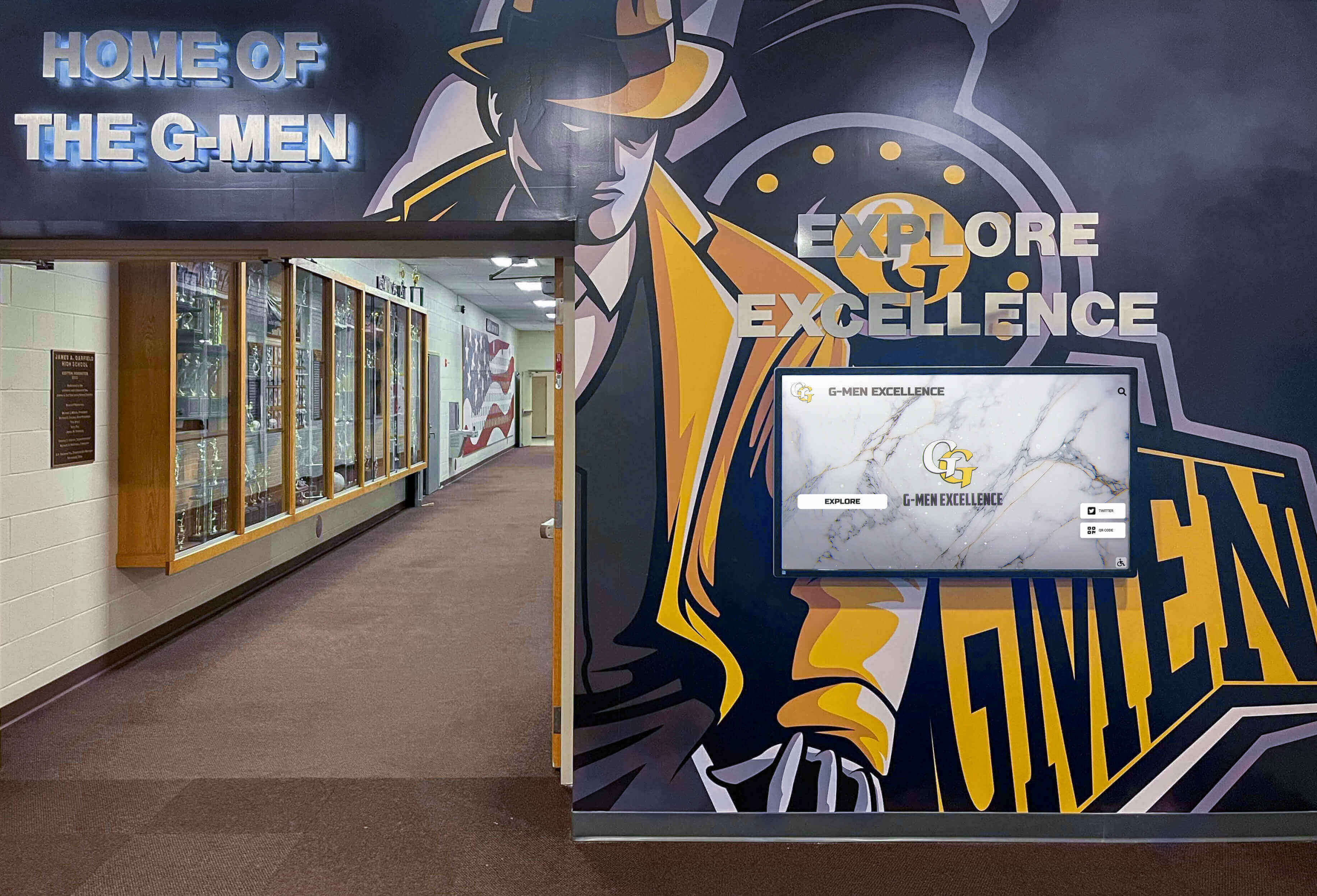
Integration of digital recognition displays with existing school features creates cohesive environments celebrating diverse achievements
Recognition Events and Ceremonies
While digital systems provide ongoing visibility, special events create memorable moments while generating school-wide awareness and program support.
End-of-Year Recognition Ceremony
Many successful schools host dedicated events celebrating Peer Leadership mentors at the conclusion of each school year:
- Award Presentations: Announcing and honoring recipients of various mentor recognition categories with certificates, plaques, or other tokens
- Mentor Reflections: Providing opportunities for senior mentors to share highlights from their experiences and lessons learned
- Mentee Testimonials: Featuring freshmen who speak about how their mentors impacted their first year of high school
- Video Montages: Screening photo and video compilations documenting the year’s mentorship activities and relationships
- Next-Year Preview: Introducing rising seniors who will become next year’s mentors, creating continuity and anticipation
- Family Inclusion: Inviting mentor families to celebrate their students’ leadership and service contributions
These ceremonies provide appropriate platforms for celebrating accomplishments while reinforcing program prestige and importance within school culture.
Integration with Broader School Recognition
Peer Leadership recognition should also appear in school-wide events ensuring visibility beyond program participants:
- Honors Nights: Including Peer Leadership awards alongside academic achievement recognition positions mentorship as equally prestigious
- Senior Award Ceremonies: Celebrating graduating mentors during comprehensive senior recognition events
- School-Wide Assemblies: Brief mentor acknowledgments during community gatherings provide visibility to entire student body
- Graduation Recognition: Special distinction for Peer Leadership mentors through graduation program mentions, cords, medals, or sashes
- Athletic/Activity Banquets: Sports teams and activity groups can recognize members who also served as peer mentors
This integration communicates that Peer Leadership represents core institutional values rather than peripheral activity, inspiring broader student interest in program participation. Similar integration approaches used in student council recognition demonstrate effectiveness across leadership contexts.
Mentor-Mentee Joint Celebrations
Some schools host events bringing together mentors and their mentee groups for special activities:
- End-of-Year Celebrations: Closing program years with pizza parties, game events, or special activities where mentors and mentees celebrate together
- Recognition Breakfast or Lunch: Hosting special meals where both mentors and mentees receive acknowledgment for their participation
- Activity Days: Organizing field trips, campus activities, or special programming bringing together the entire Peer Leadership community
- Transition Events: Creating ceremonies where rising sophomores thank their graduating senior mentors and receive introduction to next year’s mentor cohort
These joint celebrations strengthen the mentor-mentee bonds that make programs successful while providing meaningful closure to year-long relationships.
Implementing Sustainable Peer Leadership Programs
Recognition proves most meaningful when celebrating genuine impact from well-designed programs. Effective program development ensures mentors receive quality training, appropriate support, and structured experiences maximizing their growth and mentee benefits.
Program Design and Structure Options
Various program models accommodate different institutional contexts, student populations, and resource availability.
Class-Based Mentorship Programs
Some schools create dedicated leadership courses where selected upperclassmen receive mentorship training and facilitate structured activities with assigned freshmen:
- Daily Class Meetings: Mentors meet in Peer Leadership development classes during regular school schedules, eliminating participation barriers
- Curriculum-Based Training: Formal instruction in communication, conflict resolution, cultural competency, and mentorship skills delivered systematically
- Planned Activity Sequences: Structured session plans addressing academic skills, social-emotional topics, school culture introduction, and community building
- Faculty Advisor Integration: Teacher supervision providing oversight, guidance, and intervention integrated into course structure
- Academic Credit: Course credit for mentorship participation acknowledging time investment and learning while counting toward graduation requirements
This intensive model creates highly trained mentor cohorts capable of sophisticated support but requires significant institutional commitment through staffing, scheduling, and resource allocation. Education Northwest’s research suggests that for-credit programs produce stronger outcomes than purely voluntary initiatives.
Advisory or Activity Period Integration
Other schools implement Peer Leadership through existing advisory periods, activity times, or flexible scheduling blocks:
- Weekly Advisory Meetings: Using established advisory time for mentor-mentee meetings during regular school days
- Activity Period Programming: Leveraging dedicated student activity periods for structured mentorship sessions
- Flexible Lunch Blocks: Extended lunch periods allowing mentors to meet with freshmen groups during midday
- Before or After School Options: Scheduling mentorship sessions outside regular instructional time for schools without built-in flexibility
- Hybrid Approaches: Combining various time blocks to accumulate sufficient mentor-mentee contact hours
These approaches require less schedule restructuring but may face challenges ensuring consistent participation and adequate time for meaningful relationship building and programming.
Summer Transition Programs
Some schools launch Peer Leadership through intensive summer programs helping incoming freshmen transition before the school year begins:
- Week-Long Summer Institutes: Bringing together mentors and mentees for immersive pre-school programming introducing campus, building relationships, and establishing support systems
- Orientation Extensions: Expanding traditional freshman orientations to include sustained peer mentor components throughout summer
- Academic Preparation: Incorporating skill-building workshops preparing freshmen for high school rigor alongside relationship development
- Continued Support: Maintaining mentor-mentee connections established during summer through ongoing meetings once school begins
- Combination Models: Using summer programs to launch relationships that continue through school-year mentorship
Summer models provide concentrated relationship-building time but require additional resources and may exclude students unable to attend summer programming for various reasons.
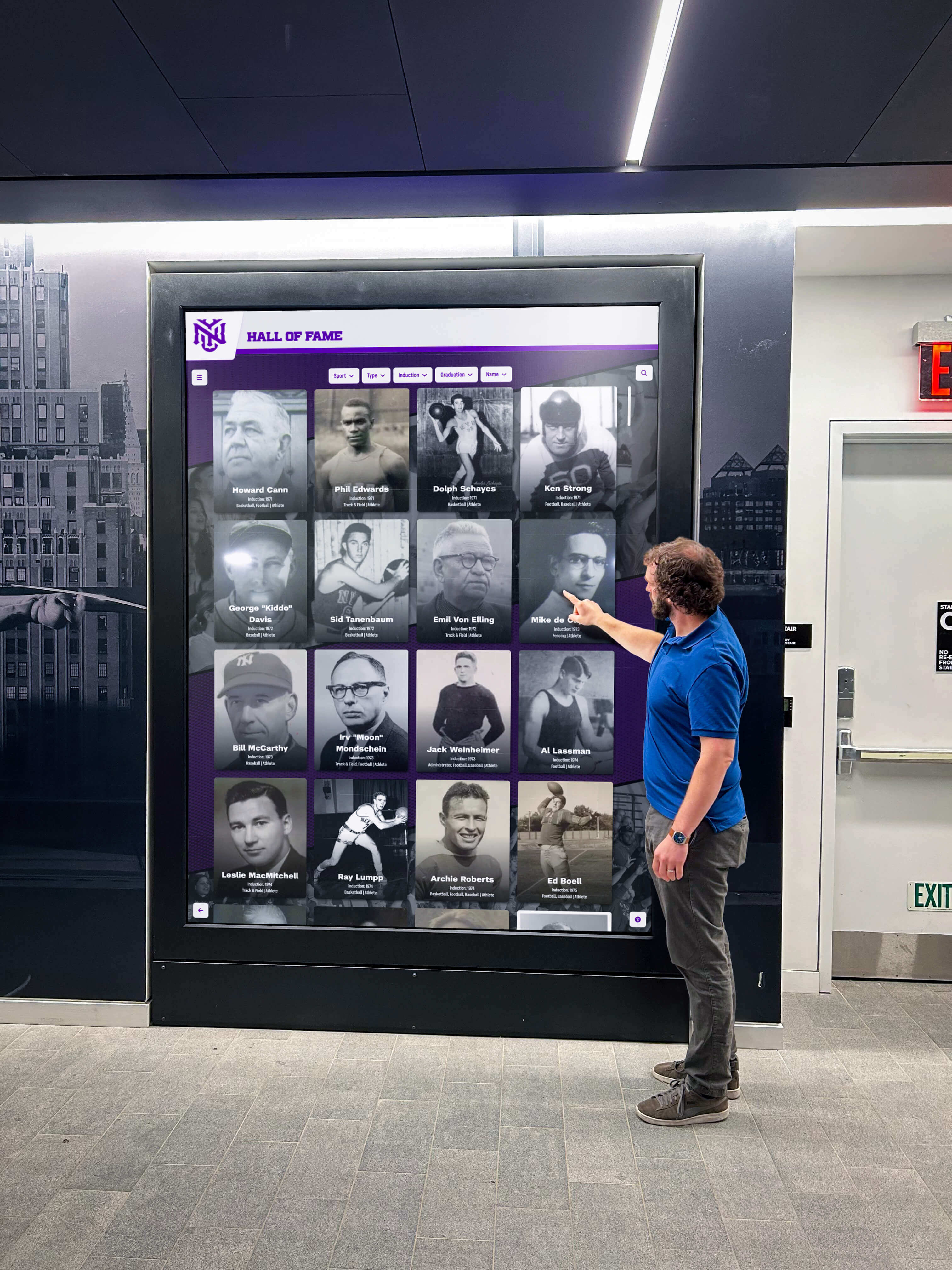
User-friendly interfaces encourage independent exploration of leadership achievements and program impact
Mentor Selection and Training Best Practices
Program quality depends heavily on selecting appropriate mentors and providing comprehensive training preparing them for responsibilities.
Selection Criteria and Processes
Rather than open participation, effective programs typically use application and selection processes ensuring mentor readiness:
- Academic Standing Requirements: Minimum GPA thresholds ensuring mentors maintain their own academic success while serving others
- Teacher Recommendations: Faculty input about student maturity, reliability, interpersonal skills, and character
- Disciplinary Record Review: Ensuring candidates demonstrate positive behavior patterns and sound judgment
- Application Essays: Written responses revealing motivation, understanding of mentorship, and genuine commitment to supporting freshmen
- Interviews: Personal conversations assessing communication skills, empathy, and program fit
- Peer Input: Current mentor recommendations about candidates they’ve observed demonstrating leadership potential
Selection processes communicate program prestige while ensuring participants possess baseline capabilities for success. However, criteria should balance standards with inclusivity, recognizing that students from various backgrounds and with different strengths can become exceptional mentors. Schools should avoid selection processes that inadvertently exclude students based on factors unrelated to mentorship capability.
Comprehensive Training Curriculum
Selected mentors require systematic preparation addressing knowledge, skills, and dispositions necessary for effective peer support:
Communication Skills Development
- Active listening techniques demonstrating genuine attention and understanding
- Empathetic responding that validates emotions without minimizing concerns or rushing to solutions
- Questioning strategies promoting mentee reflection rather than simply providing answers
- Feedback delivery encouraging growth while maintaining relationship trust
- Conflict resolution approaches addressing disagreements constructively and fairly
Boundary Setting and Ethics
- Understanding appropriate mentor-mentee relationship boundaries and professional conduct
- Recognizing situations requiring adult intervention rather than peer support alone
- Maintaining confidentiality while knowing when information must be shared with adults for safety
- Managing personal limitations and avoiding over-commitment or burnout
- Professional conduct expectations representing school values in all interactions
Cultural Competency and Inclusion
- Awareness about diverse backgrounds, experiences, identities, and needs among mentees
- Strategies for supporting students different from themselves with respect and openness
- Recognition of implicit biases and stereotype impacts on mentorship relationships
- Inclusive language and behaviors promoting belonging for all students regardless of background
- Resources for supporting specific populations including English learners, students with disabilities, LGBTQ+ students, or those from particular cultural communities
Practical Mentorship Strategies
- Academic support techniques extending beyond subject tutoring to study skills and self-advocacy
- Social-emotional support approaches appropriate for peer relationships versus professional counseling
- Activity planning creating engaging, relevant experiences for mentee groups
- Time management strategies balancing mentorship with personal academic and activity responsibilities
- Problem-solving frameworks for addressing common challenges mentors typically encounter
Training should combine didactic instruction, interactive practice, role-playing scenarios, group discussions, and reflection activities preparing mentors for real situations they’ll encounter. Programs providing more comprehensive training consistently produce better outcomes than those with minimal mentor preparation. Schools developing training curricula can reference resources from organizations like the Center for Supportive Schools and Attendance Works that specialize in peer mentorship program development.
Ongoing Support and Program Management
Initial training alone proves insufficient. Effective programs provide continuous support ensuring mentor success and program quality maintenance throughout the year.
Regular Mentor Meetings
Consistent gatherings enable mentors to share experiences, problem-solve challenges, receive additional training, and maintain program community:
- Weekly Check-Ins: Brief sessions addressing immediate questions, concerns, or challenges requiring prompt attention
- Bi-Weekly Development Sessions: Deeper exploration of mentorship topics, skill development, or program planning and adjustment
- Monthly Reflections: Structured opportunities for mentors to assess progress, document growth, and identify personal development goals
- Semester Reviews: Comprehensive program evaluations gathering mentor feedback for continuous improvement
These meetings prevent mentor isolation while creating peer learning communities where mentors support one another’s development through shared experiences and collective problem-solving.
Faculty Advisor Accessibility
Designated staff members should provide readily accessible guidance when mentors face situations beyond their capabilities or requiring adult intervention:
- Open-Door Policies: Clear communication that mentors can seek help anytime without judgment
- Regular Individual Check-Ins: Advisors meeting individually with mentors monitoring wellbeing, addressing concerns, and providing personalized support
- Crisis Protocols: Clear procedures for handling emergencies, serious concerns, or situations requiring immediate adult involvement
- Advocacy and Support: Adults championing mentor interests, addressing systemic barriers, and ensuring program resources remain adequate
Knowing that knowledgeable, supportive adults remain available reduces mentor anxiety while ensuring appropriate intervention when needed. This safety net allows mentors to take appropriate risks and learn from challenges rather than feeling abandoned in difficult situations.
Documentation and Assessment Systems
Structured documentation promotes mentor learning while providing program assessment data for continuous improvement:
- Activity Logs: Regular documentation of mentorship interactions, activities conducted, and attendance patterns
- Reflection Journals: Periodic writing responding to prompts about experiences, challenges, learning, and personal growth
- Goal Setting and Progress Tracking: Personal objectives for mentorship development with regular assessment of advancement
- Critical Incident Analysis: Deep exploration of particularly challenging or significant situations for learning purposes
- Mentee Feedback: Periodic check-ins with freshmen gathering their perspectives on mentorship quality and helpfulness
These reflective practices develop metacognition while helping program leaders identify needed supports, training gaps, or programmatic adjustments. Documentation also creates records supporting mentor recognition by providing concrete evidence of contributions and impact.
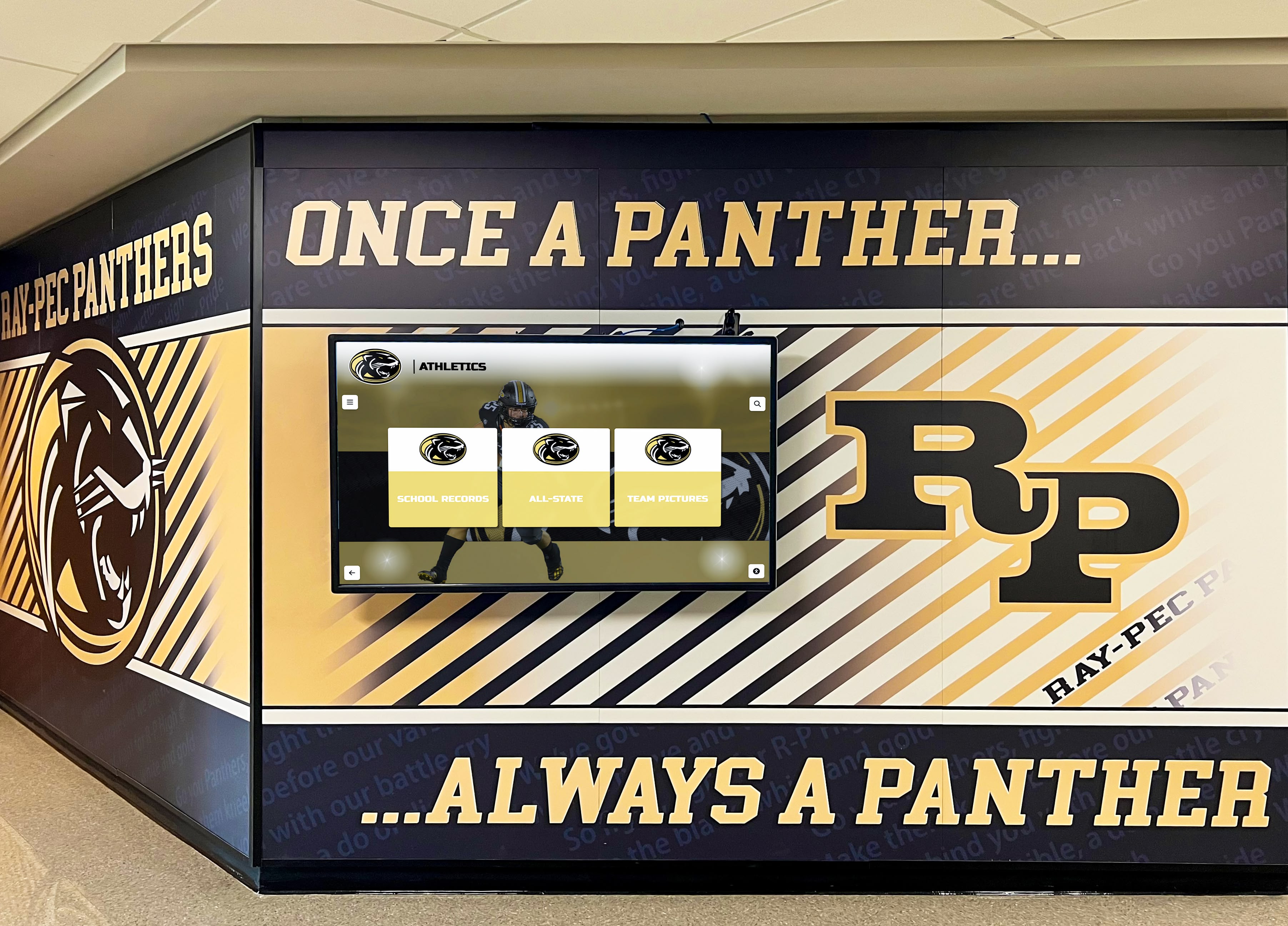
Prominent recognition placement in common areas demonstrates institutional commitment to student leadership values
Measuring and Communicating Program Impact
Demonstrating Peer Leadership program value requires systematic assessment documenting outcomes for mentors, mentees, and broader school communities—data that strengthens recognition by showing concrete impact.
Quantitative Outcome Metrics
Measurable indicators provide concrete evidence justifying program investment while identifying improvement opportunities.
Academic Performance Indicators
- Freshman Grade Comparisons: Tracking grades for mentored freshmen compared to historical averages or non-mentored cohorts
- Course Pass Rates: Monitoring freshman course completion rates and failures, particularly in challenging subjects
- GPA Tracking: Comparing first-semester and full-year GPAs for mentored versus non-mentored students
- Academic Probation Rates: Assessing whether mentored freshmen avoid academic probation at higher rates
- Mentor Academic Maintenance: Ensuring senior mentors maintain or improve their own academic performance while serving
These metrics demonstrate whether programs achieve intended academic support objectives while revealing which students benefit most and what approaches prove most effective.
Attendance and Engagement Data
- Attendance Rate Changes: Comparing freshman attendance rates before and during mentorship program implementation
- Chronic Absenteeism Reduction: Tracking whether mentored freshmen avoid chronic absenteeism at higher rates than non-participants
- Tardiness Patterns: Monitoring whether mentored students demonstrate improved punctuality to classes
- Activity Participation: Assessing whether mentored freshmen join extracurricular activities at higher rates
- Disciplinary Referrals: Tracking behavioral incident rates among mentored versus non-mentored students
Research from Attendance Works demonstrates that peer mentoring programs lead to improved attendance and academic outcomes over multi-year implementations. Schools can document similar impacts in their local contexts through systematic data collection. Programs tracking engagement metrics often integrate findings with honor roll recognition programs celebrating academic achievement.
Social-Emotional Wellbeing Indicators
- School Climate Surveys: Measuring freshman perceptions of belonging, safety, and school connection
- Mental Health Screening: Tracking self-reported stress, anxiety, or depression levels with appropriate protocols
- Counseling Referrals: Monitoring whether mentored students access support services when needed
- Peer Relationship Quality: Assessing friendship development and social integration patterns
- Student Confidence: Measuring self-efficacy, academic confidence, and personal competence perceptions
These social-emotional metrics capture program impacts extending beyond academics to comprehensive student wellbeing—outcomes equally important for long-term success.
Qualitative Assessment Methods
Numbers alone cannot capture mentorship’s full impact. Qualitative data reveals experiences, perceptions, and nuanced outcomes quantitative metrics miss.
Mentor Reflections and Testimonials
- Exit Interviews: End-of-year conversations with graduating mentors reflecting on experiences and growth
- Reflection Journals: Regular written responses documenting mentor learning, challenges, and development
- Focus Groups: Facilitated discussions exploring program strengths, weaknesses, and improvement suggestions
- Video Testimonials: Recorded reflections capturing mentor perspectives in their own voices
- Portfolio Submissions: Comprehensive documentation of mentorship experiences including activities, reflections, and artifacts
These mentor voices provide rich insight into program mechanisms, reveal unexpected outcomes, and offer powerful stories demonstrating impact from participant perspectives.
Mentee Feedback and Perspectives
- End-of-Year Surveys: Structured questionnaires gathering freshman perspectives on mentorship helpfulness and quality
- Written Testimonials: Mentee reflections describing how mentorship affected their first-year experiences
- Small Group Discussions: Facilitated conversations allowing freshmen to share experiences and suggestions
- Anonymous Feedback Channels: Systems enabling honest input without fear of mentor disappointment
- Longitudinal Follow-Up: Tracking whether mentorship impact continues into sophomore year and beyond
Mentee voices ensure program assessment centers those receiving support rather than focusing exclusively on mentor or institutional perspectives. Research from organizations like The Blue Heart Foundation emphasizes that youth voice should drive youth program evaluation and improvement.
Stakeholder Perspectives
- Teacher Observations: Faculty insights about freshmen changes, mentor development, and program influence on school culture
- Parent Feedback: Family perceptions about how mentorship affected their children’s transitions and experiences
- Administrator Assessment: Leadership perspectives on program value, challenges, and sustainability
- Alumni Mentor Retrospectives: Former mentors’ reflections on program’s long-term personal impact years after participation
- Community Partner Input: External organizations’ views about program quality if partnerships exist
Multiple perspectives ensure comprehensive understanding beyond single stakeholder viewpoints, revealing program value across constituencies while identifying areas needing attention or improvement.
Communicating Impact for Recognition and Support
Collected data and stories should be systematically shared to build program recognition and stakeholder support:
Annual Impact Reports
Creating comprehensive documents summarizing program outcomes, achievements, and participant experiences:
- Key Metrics Dashboard: Visual presentations of primary quantitative outcomes showing impact at a glance
- Participant Statistics: Numbers documenting program reach and participation across mentor and mentee populations
- Success Stories: Featured narratives highlighting particularly impactful mentor-mentee relationships or outcomes
- Challenges and Solutions: Honest discussion of difficulties encountered and how program adapted
- Future Goals: Clear articulation of program aspirations and needed resources for continued success
These reports provide evidence supporting budget requests, demonstrate accountability to administrators and boards, and create permanent records documenting program evolution and achievements.
Regular Communication Channels
Maintaining ongoing visibility through various media and platforms:
- School Newsletter Features: Regular articles highlighting mentors, sharing program updates, and celebrating achievements
- Social Media Content: Posts showcasing mentor spotlights, activity photos, and program accomplishments
- Website Program Pages: Dedicated web content explaining program structure, celebrating participants, and sharing impact data
- Assembly Presentations: Brief school-wide programming introducing Peer Leadership and recognizing mentors
- Parent Communications: Updates helping families understand program value and their students’ involvement
Consistent visibility maintains program prominence while building cumulative awareness and support across school community. Schools can reference successful communication approaches used in college commitment recognition programs for ideas.
Strategic Stakeholder Presentations
Targeted communications designed for specific audiences with decision-making authority:
- School Board Presentations: Formal reports documenting program outcomes and resource needs
- Administrative Briefings: Regular updates keeping building and district leaders informed about program developments
- Faculty Meetings: Presentations helping teachers understand program goals and how they can support
- Community Forums: Public events showcasing program impact to broader community stakeholders
- Funding Proposals: Grant applications and philanthropic pitches seeking external resources for program expansion
These strategic communications build political support and resource investment essential for long-term program sustainability.
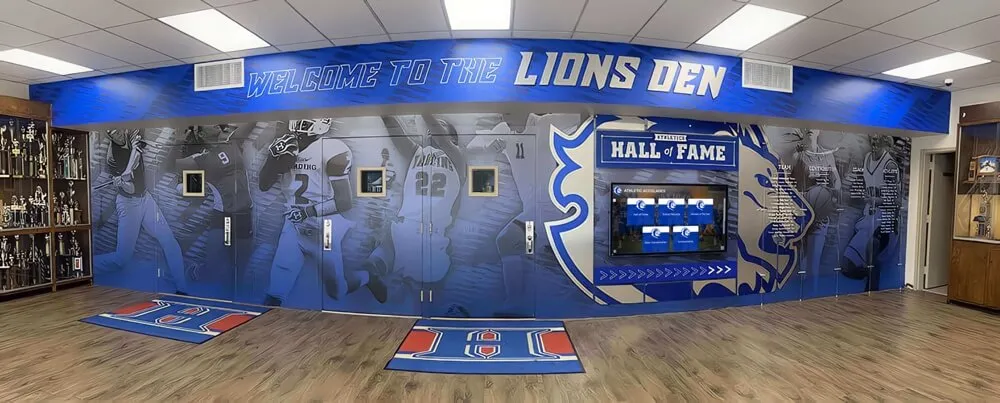
Comprehensive recognition environments combining traditional and digital elements celebrate diverse student achievements
Overcoming Common Challenges in Peer Leadership Programs
Despite best intentions, schools face predictable obstacles when building and sustaining mentorship programs. Anticipating and addressing these challenges increases success likelihood.
Limited Resources and Capacity Constraints
Many schools operate with constrained budgets and limited staff capacity, making comprehensive program implementation feel impossible.
Starting Small and Building Gradually
Rather than attempting comprehensive programs immediately, successful schools often begin with pilot initiatives proving concept and building momentum:
- Limited Cohort Size: Starting with 15-20 carefully selected mentors paired with 100-150 freshmen rather than attempting whole-grade coverage
- Single Semester Programs: Piloting mentorship during fall semester when freshman needs peak before expanding to full-year
- Existing Time Block Usage: Leveraging advisory periods, lunch times, or activity blocks rather than creating new schedule structures
- Volunteer Coordination: Enlisting interested teachers as advisors on volunteer basis before seeking dedicated positions or stipends
- Simplified Programming: Focusing on core relationship-building and support activities before adding complex curriculum or special events
Demonstrating success with manageable initial implementations builds support for expanded investment as programs prove value through documented outcomes.
Technology-Enabled Efficiency
Modern platforms dramatically reduce administrative burden compared to manual processes while expanding recognition reach:
- Digital recognition systems eliminating physical display creation and maintenance while providing unlimited capacity
- Communication platforms streamlining mentor coordination, schedule management, and family updates
- Online training modules supplementing in-person instruction while accommodating scheduling constraints
- Assessment tools automating data collection, analysis, and reporting generation
- Resource libraries providing mentors with ready-made activities, discussion guides, and support materials
Technology investments may seem expensive initially but quickly prove cost-effective through staff time savings, expanded capacity, and enhanced program quality. Schools implementing touchscreen digital signage for recognition report significant efficiency gains.
Ensuring Consistent Quality and Fidelity
As programs grow or continue across years, maintaining consistent quality becomes challenging without systematic approaches.
Standardized Training and Operations
Developing clear protocols ensures all mentors receive equivalent preparation and support regardless of when they join:
- Training Curriculum Documentation: Detailed manuals enabling consistent delivery across years and trainers
- Activity Resource Banks: Collections of proven mentorship activities mentors can implement with confidence
- Response Protocol Guides: Clear procedures for common situations and challenges mentors encounter
- Quality Standards Checklists: Explicit expectations ensuring mentors meet participation requirements
- Evaluation Rubrics: Consistent criteria assessing mentor performance and program quality
Documentation enables program sustainability across staff transitions while maintaining quality standards even when founding leaders depart.
Regular Program Review and Improvement
Continuous assessment and refinement prevents program drift and maintains relevance:
- Annual Evaluations: Systematic review of outcomes, participation data, and stakeholder feedback
- Mentor Input Incorporation: Using participant suggestions for program enhancement and adaptation
- Outcome Tracking: Monitoring whether programs achieve intended impacts with accountability
- Best Practice Comparison: Benchmarking against research-based standards and exemplary programs elsewhere
- Data-Driven Adjustments: Making informed modifications addressing identified weaknesses or changing needs
Commitment to evidence-based improvement maintains program vitality and effectiveness across time rather than allowing stagnation or decline.
Maintaining Mentor Motivation and Preventing Burnout
Initial enthusiasm often wanes as mentors face challenges, time pressures, or competing demands. Sustaining engagement requires intentional support.
Regular Recognition and Appreciation
Frequent acknowledgment of mentor contributions maintains motivation and validates their service:
- Small Tokens of Appreciation: Thank-you notes, small gifts, or treats demonstrating gratitude regularly
- Public Acknowledgments: Mentioning mentors in announcements, newsletters, or social media posts celebrating their service
- Progress Celebrations: Marking semester completion, participation milestones, or program achievements throughout the year
- Peer Appreciation Activities: Creating opportunities for mentors to recognize and thank one another
- Family Communication: Informing mentor families about their students’ contributions and impact
Consistent appreciation prevents mentors from feeling taken for granted while reinforcing that their commitment matters and creates real impact. This ongoing recognition complements formal end-of-year awards by providing regular positive reinforcement.
Manageable Expectations and Healthy Boundaries
Preventing burnout requires realistic expectations about mentor capabilities, time, and emotional capacity:
- Clear Time Commitments: Specific, reasonable expectations about hours and responsibilities that respect mentor schedules
- Defined Scope Limitations: Explicit clarity about what mentors should and shouldn’t attempt, protecting them from over-responsibility
- Permission to Seek Help: Active encouragement to involve adults when situations exceed peer capability
- Self-Care Emphasis: Teaching and modeling healthy boundary-setting as professional leadership skill
- Flexibility During High-Stress Periods: Accommodating mentor constraints during exam weeks, major projects, or personal challenges
Sustainable programs recognize that mentors remain students with primary obligations to their own academic success, personal wellbeing, and life balance. Mentorship should enhance their lives, not overwhelm them.
Mentor Community Building
Creating strong relationships among mentors prevents isolation and builds mutual support:
- Social Activities: Organizing fun events exclusively for mentors to build friendships and community
- Peer Mentoring Structures: Pairing experienced returning mentors with first-time mentors for additional support
- Collaborative Planning: Involving mentors in decision-making about program activities and direction
- Shared Challenges: Creating safe spaces where mentors can honestly discuss difficulties without judgment
- Celebration of Growth: Recognizing mentor development and learning throughout the year, not just final outcomes
When mentors feel connected to one another and supported by a caring community, they persist through challenges and find greater meaning in their service.
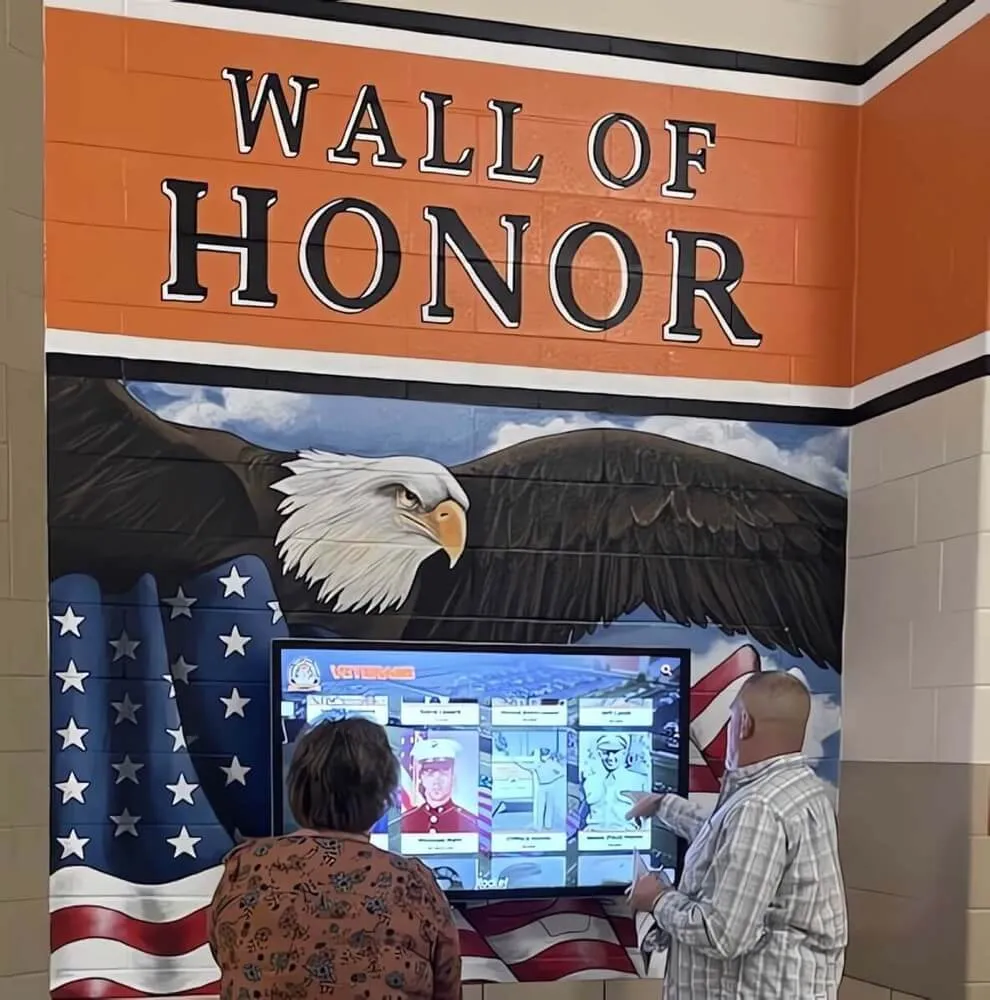
Touchscreen recognition displays create engaging opportunities for exploring leadership history and program impact
Connecting Peer Leadership Recognition to Broader School Culture
Effective recognition supports institutional missions extending far beyond individual mentor acknowledgment, shaping overall school culture and values.
Building Service Leadership Culture
When schools consistently and prominently recognize students who help peers, they communicate that service represents institutional priorities equal to traditional achievement metrics like test scores or athletic championships.
Value Signaling Through Recognition
Recognition systems send powerful messages about what institutions truly value versus what they claim to value. When Peer Leadership mentors receive acknowledgment equal to academic honor roll students or varsity athletes, schools demonstrate authentic commitment to service leadership. This value signaling shapes student understanding about what deserves pursuit and what makes people worthy of community celebration.
Prominent mentor recognition normalizes helping others, celebrates collaboration over competition, and positions leadership as responsibility and service rather than status or popularity. These cultural messages profoundly influence student development and community character. Schools can reinforce service values through recognition approaches similar to those used in birthday recognition programs that celebrate diverse contributions to community wellbeing.
Creating Cross-Grade Connections
Peer Leadership programs and associated recognition break down typical high school age segregation where freshmen, sophomores, juniors, and seniors rarely interact meaningfully. When schools celebrate mentor-mentee relationships, they normalize and honor cross-grade friendships and support systems.
This cultural shift creates more inclusive school communities where older students feel responsibility for younger peers’ wellbeing and success rather than indifference or, worse, hostility. Recognition of these relationships demonstrates that school community matters more than individual achievement alone.
Inspiring Future Participation
When current freshmen observe their senior mentors receiving prestigious recognition, many develop aspirations to serve in similar roles when they become upperclassmen. This cyclical inspiration creates self-perpetuating program sustainability as each mentee cohort includes future mentor candidates.
Recognition should strategically showcase where underclassmen encounter it regularly—cafeterias, main hallways, athletic facilities—ensuring diverse student populations see mentorship as valued pathway to leadership and community contribution rather than purely optional activity for certain students.
Supporting Broader Student Success Initiatives
Peer Leadership programs integrate with and enhance other student support and success strategies schools implement.
Freshman Transition Support
Peer Leadership represents one element of comprehensive freshman transition support systems. Recognition of mentor contributions validates the entire approach to ninth-grade success:
- Academic Support Systems: Mentors complement tutoring, study skills workshops, and academic intervention programs
- Social-Emotional Services: Mentorship provides initial support tier before counseling or intensive intervention needs
- Engagement Programming: Mentors encourage freshman participation in activities, clubs, and school events
- Communication Bridges: Mentors help freshmen understand school systems, expectations, and resources
- Early Warning Response: Mentors can alert adults to emerging academic or personal concerns requiring intervention
Recognizing mentors celebrates not just their individual service but the comprehensive institutional commitment to freshman success they represent and enable.
Leadership Development Pipeline
Peer Leadership programs create pathways developing student leaders across all four high school years:
- Freshman Introduction: New students experience leadership through their mentors, learning what leadership looks like
- Sophomore Aspiration: Second-year students begin considering future mentor roles and developing relevant skills
- Junior Preparation: Third-year students may participate in pre-mentor training or junior mentor roles
- Senior Leadership: Graduating students serve as full mentors, culminating their leadership development
Recognition at each stage reinforces this developmental pipeline while celebrating leadership growth from freshman through senior year. Schools can connect this pipeline approach to student mentorship programs extending beyond graduation.
School Climate Enhancement
Research consistently demonstrates that positive school climate significantly predicts student achievement, wellbeing, and success. Peer Leadership programs strengthen school climate through:
- Relationship Building: Creating meaningful connections across traditional social and age boundaries
- Caring Community: Demonstrating that students genuinely care about one another’s success
- Positive Peer Influence: Providing prosocial peer models engaging in helpful behaviors rather than harmful ones
- Inclusive Culture: Ensuring all freshmen feel welcomed and supported regardless of background
- Safety and Belonging: Contributing to psychological safety where students feel valued and connected
Recognition systems celebrating mentors reinforce these climate contributions while demonstrating institutional commitment to positive, supportive school culture. Schools focused on community building through recognition report climate improvements.
Conclusion: Celebrating Peer Leadership for Lasting Impact
Peer Leadership programs connecting seniors with freshmen represent some of the most powerful interventions schools can implement to support student success, ease transitions, and develop leadership capabilities. When schools recognize and celebrate these programs through comprehensive approaches honoring both individual mentor contributions and broader program impacts, they create sustainable initiatives that strengthen school culture while benefiting participants and communities.
Effective recognition systems transform Peer Leadership from optional activity into prestigious opportunity attracting capable, committed students who might otherwise focus exclusively on personal achievement. Modern recognition approaches combining interactive touchscreen displays, web-based platforms, and strategic event integration create visibility and engagement impossible through traditional methods while accommodating how students actually access and share information.
Ready to Celebrate Your Peer Leadership Program?
Discover how modern digital recognition solutions can help your school prominently honor senior mentors, showcase program impact, and inspire future participation through interactive displays designed specifically for student leadership recognition.
Explore Recognition SolutionsThe research documenting peer mentorship benefits provides compelling justification for program investment: improved attendance rates, enhanced academic outcomes, increased school connectedness, and significant leadership development for mentors themselves. These outcomes deserve prominent celebration through recognition systems that honor past contributions while building future program sustainability.
Technology platforms like those from Rocket Alumni Solutions enable sophisticated recognition systems accessible to schools regardless of size or technical expertise. Yet technology alone never suffices—successful programs require thoughtful design, quality training, ongoing support, systematic assessment, and genuine institutional commitment to developing student leaders who serve their peers and communities.
For schools beginning Peer Leadership journeys or seeking to enhance existing initiatives, the strategies explored throughout this guide provide actionable frameworks for creating sustainable programs producing meaningful outcomes while appropriately celebrating the remarkable seniors who dedicate themselves to supporting freshmen. Every mentor recognized inspires additional participants while reinforcing values that strengthen educational communities far beyond individual schools.
Your senior mentors have chosen to invest time, energy, and care in helping freshmen navigate the challenging transition to high school. They deserve recognition honoring their service while inspiring the next generation of student leaders. With thoughtful planning, appropriate recognition systems, and genuine commitment to celebrating service leadership, you can create programs that transform school culture while supporting student success across all grade levels.
Ready to begin or enhance your Peer Leadership program? Explore how schools are building leadership recognition systems or learn about developing student engagement through comprehensive recognition programs that celebrate diverse contributions to school community success.































