Pep rallies represent powerful opportunities to build school spirit, energize student bodies, and create memorable shared experiences that strengthen community bonds. Yet too many schools fall into predictable patterns—the same tired routines, uninspired cheer performances, and mandatory attendance that breeds disengagement rather than enthusiasm. Students check their phones, teachers struggle to maintain order, and administrators wonder why an event designed to generate excitement produces apathy instead.
The difference between pep rallies students genuinely anticipate and those they endure comes down to creativity, authenticity, and understanding what actually resonates with today’s students. Effective pep rallies balance tradition with innovation, honor athletic achievements while including broader student populations, and create participatory experiences rather than passive spectacles that students watch without real investment.
This comprehensive guide explores pep rally ideas that generate authentic excitement, from creative themes and interactive games to inclusive performances and recognition systems that extend school spirit beyond single-event celebrations. Whether you’re a student council advisor planning your first pep rally or an activities director looking to revitalize tired traditions, these strategies will help you create events students actually want to attend.
The most successful pep rallies don’t rely on forced enthusiasm or manufactured energy. They tap into genuine student interests, create opportunities for meaningful participation across diverse groups, and design experiences that feel authentic rather than performative. Before diving into specific pep rally ideas, understanding what makes students actually excited versus merely compliant transforms how you approach event planning.
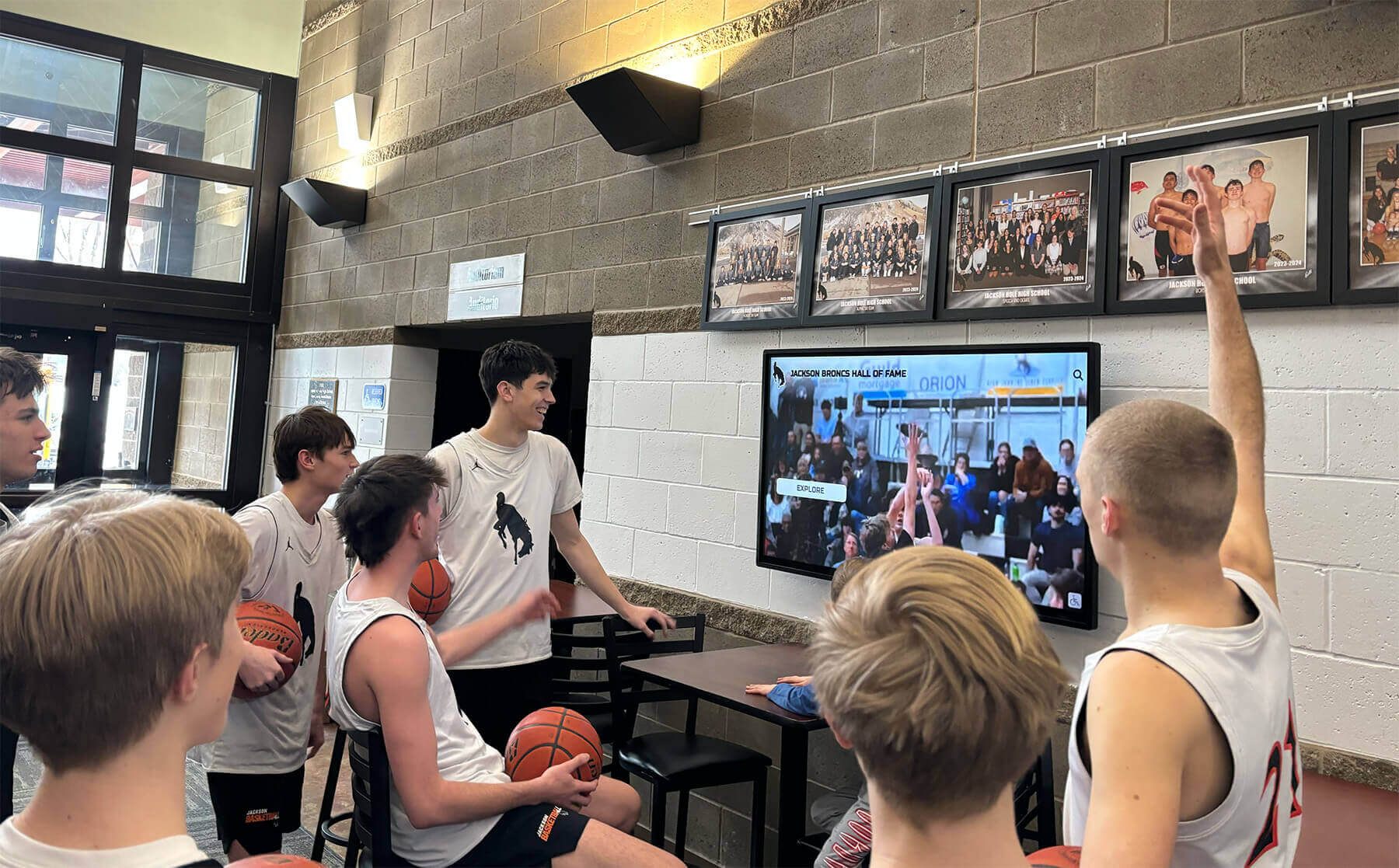
Modern schools use digital displays to showcase athletic highlights and build anticipation for upcoming games throughout the year
Understanding What Actually Excites Students
Student engagement at pep rallies isn’t about volume or spectacle alone—it’s about creating experiences that feel relevant, inclusive, and worthy of their attention in an age where entertainment options are limitless.
Move Beyond Performance Spectacles
Traditional pep rallies position students as passive audiences watching performances from cheerleaders, dance teams, and athletic teams. While these performances have value, limiting pep rallies to watching others perform creates natural disengagement among students who don’t identify with performing groups.
Participation Over Observation: The most engaging pep rallies create opportunities for broad student participation through interactive games that pull students from the stands, challenges where different grade levels or groups compete directly, crowd-wide activities that everyone participates in simultaneously, and spontaneous moments that break scripted monotony.
When students feel like participants rather than spectators, investment in the event naturally increases.
Authentic Recognition vs. Forced Celebration
Students quickly detect inauthentic enthusiasm. Pep rallies that demand students cheer on command without providing genuine reasons for excitement breed cynicism rather than school spirit.
Create Real Moments Worth Celebrating: Focus pep rallies around authentic achievements and upcoming events that students actually care about including championship pursuits or rivalry matchups with genuine stakes, milestone achievements by teams or individuals, athletic achievements deserving recognition, celebration of underrepresented programs and accomplishments, and community service impacts that demonstrate student contributions beyond athletics.
When recognition feels earned and celebration addresses accomplishments students respect, enthusiasm becomes organic rather than manufactured.
Inclusive Energy Beyond Athletics
Schools centered exclusively on football or basketball during pep rallies alienate significant student populations who don’t connect with mainstream sports. Building comprehensive school spirit requires acknowledging the full range of student accomplishments and interests.
Broaden the Definition of School Spirit: Successful pep rallies incorporate academic competition achievements (quiz bowl, debate, robotics teams), performing arts accomplishments (theater productions, band competitions, choir performances), diverse athletic programs (swimming, tennis, wrestling, cross country—not just football and basketball), club and organization highlights (student government initiatives, volunteer projects, special interest groups), and individual student achievements that reflect school values.
When more students see themselves represented in pep rally content, overall engagement and genuine school spirit increase across the entire student body.
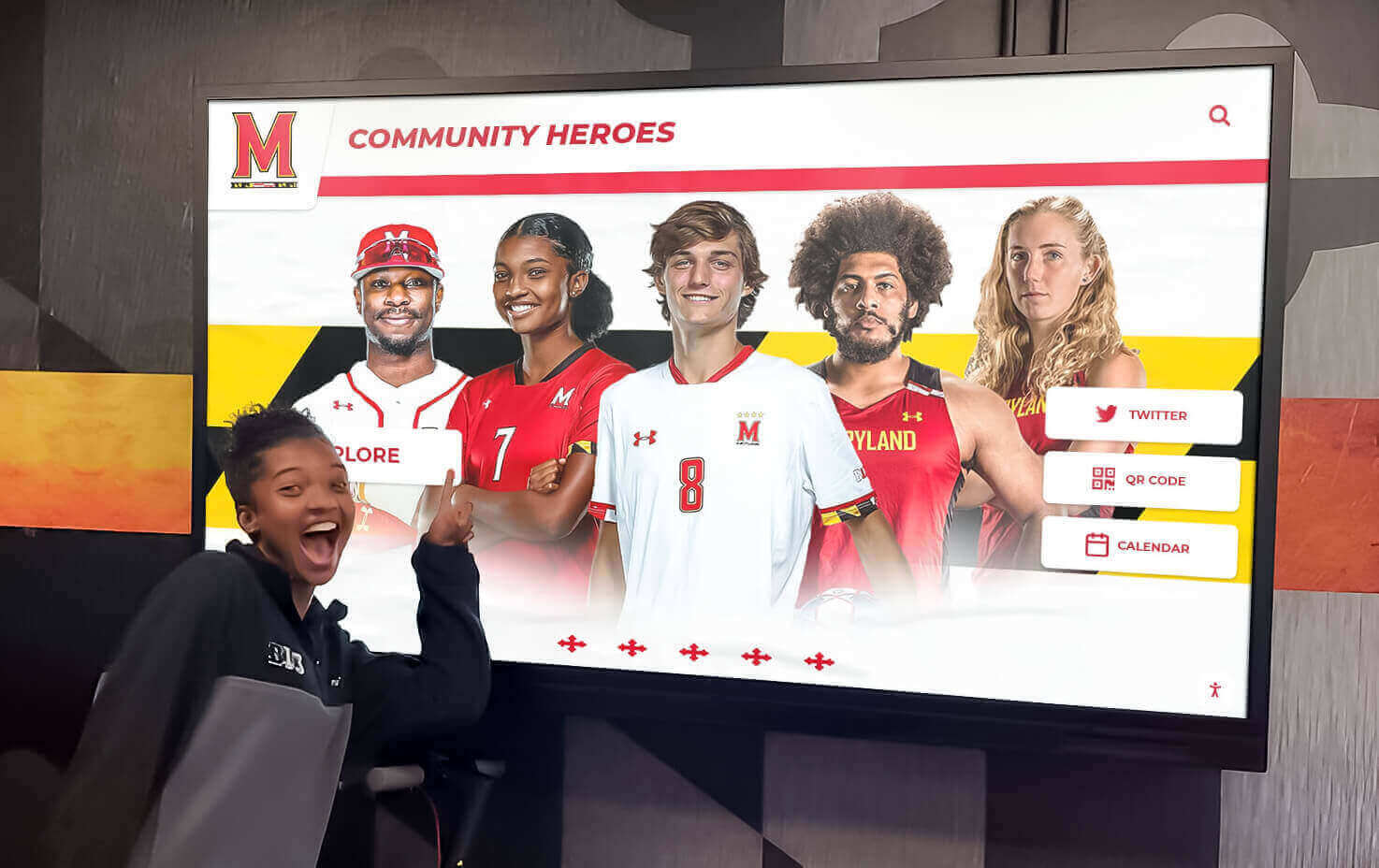
Interactive recognition displays let students explore athletic history and accomplishments, extending pep rally energy throughout the school year
Creative Pep Rally Theme Ideas
Thematic pep rallies provide structural frameworks that guide activities, decorations, and energy while creating cohesive experiences students remember. Effective themes balance creativity with clarity, ensuring everyone understands the concept without requiring extensive explanation.
Decade Themes: Nostalgic and Engaging
Decade-based themes tap into nostalgia while providing clear visual and musical direction that students, staff, and families all recognize.
’80s Neon Explosion: Feature bright neon colors, aerobic-style workout gear, classic arcade game references, iconic ’80s music for transitions and performances, and decade-appropriate slang and references that feel fun rather than forced.
Have different sections of the student body represent different ’80s cultural elements—one section dresses as athletes (headbands, wristbands, tracksuits), another as musicians (rock bands, pop icons), and another as movie characters from classic ’80s films.
’90s Throwback Rally: Incorporate grunge and hip-hop fashion influences, classic ’90s television and movie references, decade-specific music that parents and teachers also remember, nostalgic technology references (pagers, early cell phones, mixtapes), and sports moments from the era.
This theme works particularly well for homecoming pep rallies where alumni spanning multiple generations attend, creating intergenerational connection through shared cultural touchpoints.
Early 2000s Y2K Revival: Feature low-rise fashion and platform shoes, boy band and pop princess musical references, early reality TV show callbacks, flip phone and early social media nostalgia, and athletic uniforms and styles from the era.
Students often find early 2000s themes particularly engaging as they explore fashion and cultural elements from just before their memories while feeling contemporary enough to avoid seeming ancient.
Competition-Based Themes
Themes centered on competition naturally energize students by creating stakes and team loyalty that drive engagement throughout the rally.
Color Wars: Assign each grade level a color and create competitions, decoration contests, spirit section volume competitions, color-coordinated outfit contests, and friendly rivalry between grades that builds class unity.
Use digital scoreboards to track points throughout the rally, maintaining tension and investment as students follow their grade’s standing across multiple competitive elements.
Olympic Games Rally: Divide students into “countries” (class years or randomly assigned teams), conduct Olympic-style opening ceremonies with torch lighting and anthems, host a variety of athletic and non-athletic competitive events, award medals for winners in each category, and maintain an overall medal count that builds throughout the rally.
This theme allows for diverse participation opportunities—athletic competitions alongside trivia challenges, creative performances, and collaborative team challenges that don’t require physical prowess.
Game Show Spectacular: Structure the entire pep rally around popular game show formats like “Family Feud” with student and teacher teams competing, “Minute to Win It” style physical challenges, “The Price is Right” guessing games featuring school-related items, “Jeopardy” with categories about school history, upcoming events, and staff trivia, and “Wheel of Fortune” with school-spirit related phrases.
Game show themes provide clear structure, familiar frameworks students understand immediately, and built-in energy through competition and suspense.
School Spirit and Pride Themes
Some of the most effective pep rally themes directly emphasize school identity, mascot, and community pride.
Mascot Mayhem: Center the entire rally around your school mascot through costume contests where students dress as the mascot, historical retrospectives on the mascot’s origin and evolution, mascot-themed games and challenges, creative skits featuring the mascot character, and even a “mascot family” where elementary feeder schools’ mascots make appearances.
This theme reinforces school identity while creating opportunities for humor, creativity, and genuine community pride.
School Colors Spectacular: Feature everything in official school colors including color-themed decorations filling the gymnasium or stadium, dress code requiring students wear school colors, performances and presentations using color-coordinated elements, grade-level competitions for most creative use of school colors, and lighting effects that bathe the venue in school colors during key moments.
Simple but effective, this theme emphasizes visual unity and school identity without requiring complex explanation or elaborate preparation.
Hometown Heroes: Celebrate community connection by highlighting local businesses that support athletics, featuring alumni who’ve achieved notable success, recognizing community volunteers who contribute to school programs, acknowledging staff members who grew up locally and attended the school, and creating “then and now” comparisons showing how the school and community have evolved.
This theme builds pride that extends beyond athletics or academics, emphasizing the school’s role within the broader community ecosystem.
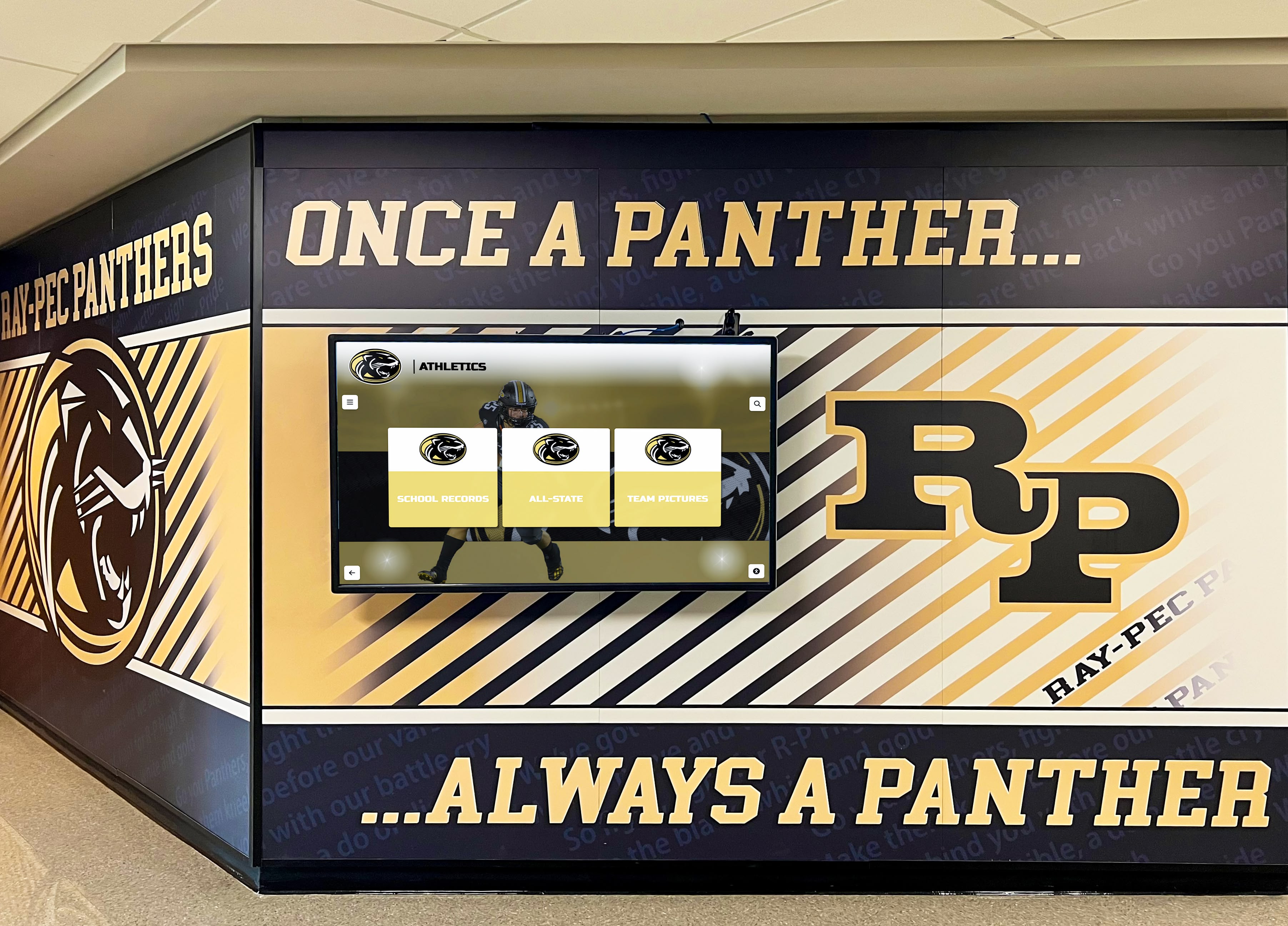
Permanent athletic displays in hallways keep school spirit visible daily, creating continuous connection between major pep rally events
Interactive Games and Activities That Drive Engagement
The most memorable pep rally moments come from interactive activities that break students out of passive observation and create genuine participation opportunities.
Student vs. Teacher Competitions
Nothing energizes students quite like watching teachers step outside their normal roles to compete, potentially embarrass themselves, and show their human side.
Musical Chairs Championship: Set up chairs in the center of the gym floor and pit students against teachers in high-stakes musical chairs. Use popular music students actually listen to, create dramatic eliminations with spotlights and announcer commentary, encourage the crowd to cheer for their preferred side, and award small prizes to the ultimate champion.
The visual spectacle of teachers—especially those known for being serious or strict—scrambling for chairs generates authentic laughter and energy that manufactured enthusiasm can’t match.
Lip Sync Battle: Have students and teachers prepare lip sync performances to popular songs, allow creative costumes and choreography, bring in student judges to score performances, and create tournament-style brackets if doing multiple rounds.
This activity works particularly well because it doesn’t require actual musical talent, allowing participation from individuals who might not normally perform while creating genuinely entertaining moments.
Relay Race Variations: Design relay races that incorporate non-athletic challenges like dressing in oversized clothing, solving puzzles, balancing objects, completing trivia questions between physical elements, and creative obstacles that level the playing field between athletic students and less sports-oriented teachers.
Mix faculty members from different departments onto teams, creating unexpected partnerships that students enjoy seeing.
Grade Level Competitions
Creating competitive dynamics between grade levels drives class unity and generates organic enthusiasm as students support their peers.
Tug of War Tournament: Classic but effective, tug of war creates visual drama and clear winners. Run elimination-style brackets with freshmen vs. sophomores and juniors vs. seniors, followed by championship rounds, encourage creative team strategies and coordination, add musical accompaniment that builds tension, and ensure safety measures including proper equipment and supervision.
The physicality and clear victory conditions make tug of war consistently engaging for both participants and observers.
Human Pyramids or Formation Challenges: Challenge each grade level to create the most impressive human pyramid or formation within a time limit, judge based on creativity, height, difficulty, and class participation, award bonus points for incorporating school colors or mascot imagery, and emphasize safety by requiring adult supervision and proper technique.
This activity rewards collaboration and creativity rather than individual athletic ability, allowing broader participation.
Scavenger Hunt Relays: Create scavenger hunts where representatives from each grade race to find specific items or complete challenges including locating staff members willing to participate, gathering school-related items, taking photos in specific locations, completing tasks that require coordination with other students, and returning to the rally venue with required items.
This activity can extend beyond the immediate rally location, creating movement and energy throughout the school building.
Crowd-Wide Participation Activities
Some of the most effective activities involve the entire student body simultaneously, creating unified energy rather than focusing on select participants.
Wave Competitions: Challenge different sections to create the best “wave” effect, judge based on speed, coordination, and creativity, try variations including speed waves, reverse waves, and creative patterns, and assign section leaders to coordinate their areas.
Simple but visually impressive, waves create visible unity and friendly competition between sections.
Synchronized Dance or Movement: Teach the entire crowd a simple dance or movement sequence, play it multiple times so everyone learns, perform it together with music at a key rally moment, and video the overhead shot showing the entire student body moving in coordination.
This creates shareable content students want to post on social media while building collective experience memories.
Call and Response Challenges: Develop school-specific chants or call-and-response patterns where a leader (student, teacher, or mascot) initiates and different sections respond, create friendly volume competitions between grade levels or sections, incorporate clever wordplay related to upcoming games or rivals, and keep patterns simple enough for immediate participation.
This transforms passive crowds into active participants while building energy through sound and coordination.
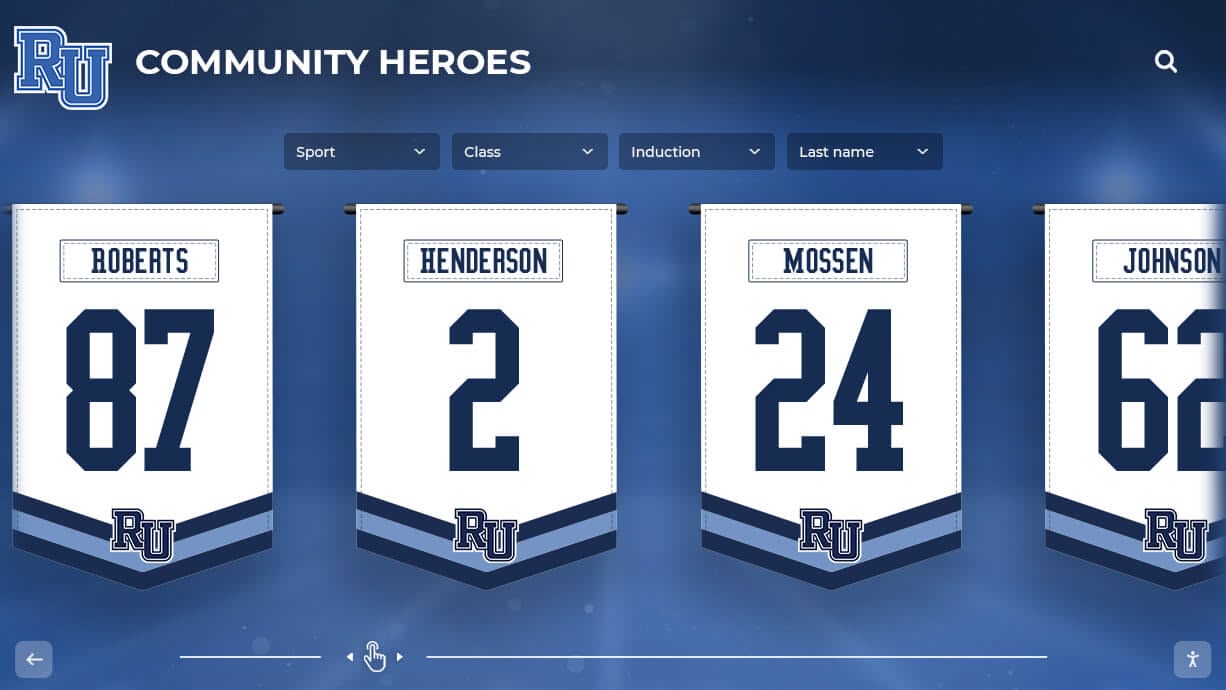
Visual recognition elements like banner displays celebrate student achievements and reinforce the messages shared during pep rally events
Creative Performance Ideas Beyond Traditional Cheerleading
While cheerleading and dance teams play valuable roles, the most dynamic pep rallies incorporate diverse performance elements that showcase different talents and keep audiences engaged through variety.
Faculty and Staff Performances
Seeing teachers and administrators outside their normal roles creates memorable moments that students genuinely appreciate.
Staff Dance Performances: Recruit willing faculty members to learn choreographed dances to popular songs, incorporate humor through exaggerated or intentionally imperfect choreography, feature unlikely participants (the stern vice principal, the quiet librarian, the coach from a completely different sport), and practice enough to be competent but not so polished it loses authentic charm.
Students love seeing staff members willing to be vulnerable, silly, and human, creating connections that extend beyond the rally itself.
Teacher Talent Showcases: Highlight hidden talents teachers possess outside their academic subjects including musical performances (instruments, singing), magic tricks or comedy routines, athletic skills unrelated to their teaching (a math teacher who’s a competitive dancer, an English teacher with soccer tricks), and creative demonstrations that surprise students.
These performances humanize faculty while demonstrating that interests and abilities extend far beyond single roles or identities.
Administrative Flash Mobs: Have principals, vice principals, and other administrators suddenly appear in coordinated performances, surprise students with unexpected choreography or costumes, involve other staff members who gradually join the performance, and create moments of genuine surprise that break administrative formality.
The contrast between normal administrative authority and playful performance creates particularly memorable moments.
Student Talent Beyond Athletics
Showcasing non-athletic talents during pep rallies signals that school spirit encompasses more than sports achievements.
Band and Music Performances: Feature school bands playing high-energy arrangements of popular songs, showcase student musicians performing contemporary music rather than just traditional school songs, create collaborations between different musical groups, and use live music for pep rally transitions instead of recorded tracks.
Live performances create energy that recorded music can’t match while highlighting student musicians.
Theater and Drama Showcases: Incorporate dramatic skits related to upcoming events or school traditions, feature improvisational comedy involving students and teachers, create humorous sketches about school life that students relate to, and preview upcoming theater productions with brief performance excerpts.
This gives performing arts students visibility while entertaining broader audiences.
Student-Created Videos and Media: Show student-produced hype videos for upcoming games or events, feature creative commercials or promotional content students create, showcase clever editing and special effects created by media students, and create recurring video segments students anticipate at each rally.
In an age where students consume enormous amounts of video content, student-created media resonates particularly effectively.
Alumni and Community Involvement
Connecting current students with alumni and community members creates intergenerational pride and demonstrates school tradition’s lasting impact.
Alumni Guest Appearances: Invite notable alumni to attend pep rallies and address students, feature former athletes who now compete at college or professional levels, bring back recent graduates students remember and relate to, and share brief stories about how school experiences shaped their paths.
Seeing concrete examples of successful alumni makes school pride more tangible and aspirational.
Community Partner Recognition: Acknowledge local businesses that sponsor athletic programs, recognize community organizations that support school initiatives, invite community leaders to participate in activities or games, and demonstrate reciprocal relationships between school and broader community.
This reinforces that school spirit extends beyond campus boundaries into community pride.
Technology Integration and Modern Pep Rally Elements
Today’s students expect multimedia experiences, and integrating technology thoughtfully amplifies pep rally energy and engagement.
Video Boards and Digital Displays
Large screens create visual focal points and enable content impossible with traditional formats.
Live Camera Feeds: Capture crowd reactions in real-time and display them on video boards, create “kiss cam,” “dance cam,” or “spirit cam” segments, show close-ups of activities happening on the floor, and give entire crowds visibility they don’t get without screens.
Seeing themselves on screens creates secondary engagement layer as students perform for cameras while watching displays.
Highlight Reels and Hype Videos: Showcase athletic highlights from recent games, feature slow-motion replays of spectacular plays, create season recaps that remind students of accomplishments, and produce forward-looking videos building anticipation for upcoming events.
Well-edited videos create emotional peaks that live action alone sometimes struggles to generate.
Social Media Integration: Display real-time social media posts using rally hashtags, encourage students to share content during the event, feature the best student posts on video boards, and create viral moments students want to capture and share.
This extends rally reach beyond attendees while creating content students naturally want to engage with.
Interactive Polling and Voting
Technology enables crowd participation at scales impossible with traditional methods.
Live Polls and Trivia: Use apps or systems that let students answer questions on their phones, display results in real-time on video boards, create trivia competitions between grades or sections, and give prizes to students who answer correctly.
This transforms every student’s phone from a distraction into a participation tool.
Performance Voting: Let students vote for winners in various competitions using their devices, display vote tallies as they come in to build tension, ensure fairness through controlled voting windows, and announce results immediately based on student preferences.
This gives every student a voice in outcomes rather than relying only on select judges.
Permanent Digital Recognition Systems
Extending pep rally energy beyond single events creates sustained school spirit throughout the year.
Interactive Achievement Displays: Modern digital recognition systems let students explore athletic records, academic achievements, and school history on their own time, creating year-round engagement rather than limiting recognition to occasional events.
Schools increasingly use interactive touchscreen displays that showcase student accomplishments, team histories, and school traditions in engaging formats students actually want to explore.
These systems complement pep rallies by maintaining visibility for achievements celebrated during events while creating ongoing opportunities for students to connect with school history and tradition. When students regularly engage with recognition displays in hallways and common areas, pep rally celebrations feel connected to broader school culture rather than isolated events.
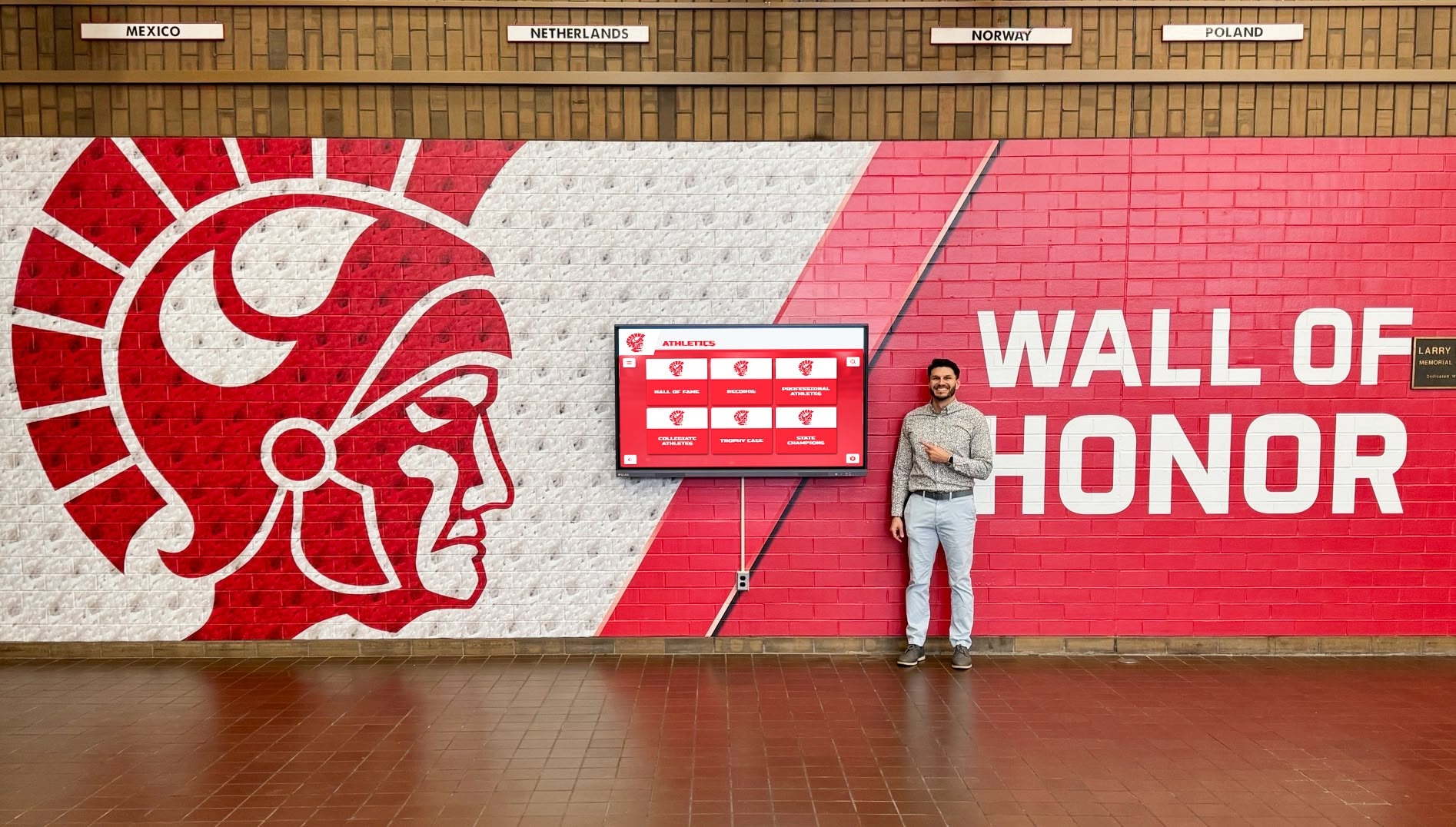
Digital walls of honor provide year-round visibility for student achievements, reinforcing school pride between major spirit events
Practical Planning Strategies for Successful Pep Rallies
Creative ideas only succeed when supported by thorough planning, effective communication, and attention to logistical details that make or break event execution.
Start Planning Early and Build Student Ownership
The most successful pep rallies involve students meaningfully in planning processes rather than imposing adult-created agendas.
Form Student Planning Committees: Recruit students from diverse groups (not just student government), solicit ideas directly from those who will attend, assign specific responsibilities and leadership roles, and meet regularly throughout planning process.
When students feel genuine ownership, they naturally promote events more effectively than any adult-led marketing campaign.
Survey Student Interests: Use simple surveys to gauge what students actually want, ask about preferred music, games, themes, and activities, identify which teams and accomplishments students care most about, and use data to inform decisions rather than relying on assumptions.
What adults think students will enjoy often differs significantly from what students actually want.
Manage Time and Pacing Carefully
Nothing kills pep rally energy faster than poor pacing—too long between activities, unclear transitions, or overall events that drag.
Create Detailed Timeline Scripts: Plan every minute of the rally including specific start and end times for each element, planned transitions between activities, backup activities if something runs short, and clear timing for performances, speeches, and games.
Share this timeline with all participants so everyone knows their roles and timing.
Keep Individual Elements Short: Limit speeches to 2-3 minutes maximum, keep games and competitions under 10 minutes each, ensure performances stay under 5 minutes, and maintain quick pace that sustains energy rather than allowing lag time.
Students have short attention spans—better to leave them wanting more than overstaying your welcome.
Have a Strong Closer: End with your highest-energy element rather than letting the rally fizzle, create a memorable final moment worth remembering, time the conclusion to align with schedule needs, and dismiss students on a high note rather than trailing off weakly.
How events end often determines what students remember and how they feel leaving.
Sound and Music Considerations
Audio quality and music selection dramatically impact pep rally atmosphere and energy.
Test All Audio Equipment: Ensure microphones work clearly in the space, check speaker volume and clarity throughout the venue, have backup equipment ready in case of technical failures, and conduct full technical rehearsals before the actual event.
Technical difficulties kill momentum and create awkward dead time that deflates energy.
Use Music Strategically: Play high-energy music during transitions to maintain atmosphere, match music volume to activity needs (louder for competitions, softer for speeches), choose current, popular music students actually listen to, and create playlists in advance rather than making real-time music decisions.
The right music elevates energy while wrong music or silence creates dead space that invites disengagement.
Respect Lyrics and Content: Preview all music for inappropriate content, consider diverse musical preferences across your student body, avoid music that could alienate or exclude groups, and err toward inclusivity rather than narrow genre preferences.
What’s popular with one student subgroup might actively alienate others.
Include Non-Athletic Recognition Meaningfully
Broadening recognition beyond traditional sports demonstrates comprehensive school pride.
Dedicate Time to Diverse Accomplishments: Specifically allocate time for academic team recognition, acknowledge performing arts achievements and upcoming events, recognize clubs and organizations making meaningful contributions, and celebrate individual student accomplishments across various domains.
Don’t just squeeze these in as afterthoughts—give them meaningful visibility.
Connect Recognition to Upcoming Events: Use pep rallies to promote upcoming concerts, plays, and performances, advertise academic competitions students can attend and support, highlight volunteer opportunities and community service initiatives, and build anticipation for non-athletic events deserving student support.
This positions school spirit as encompassing all student endeavors rather than just athletics.
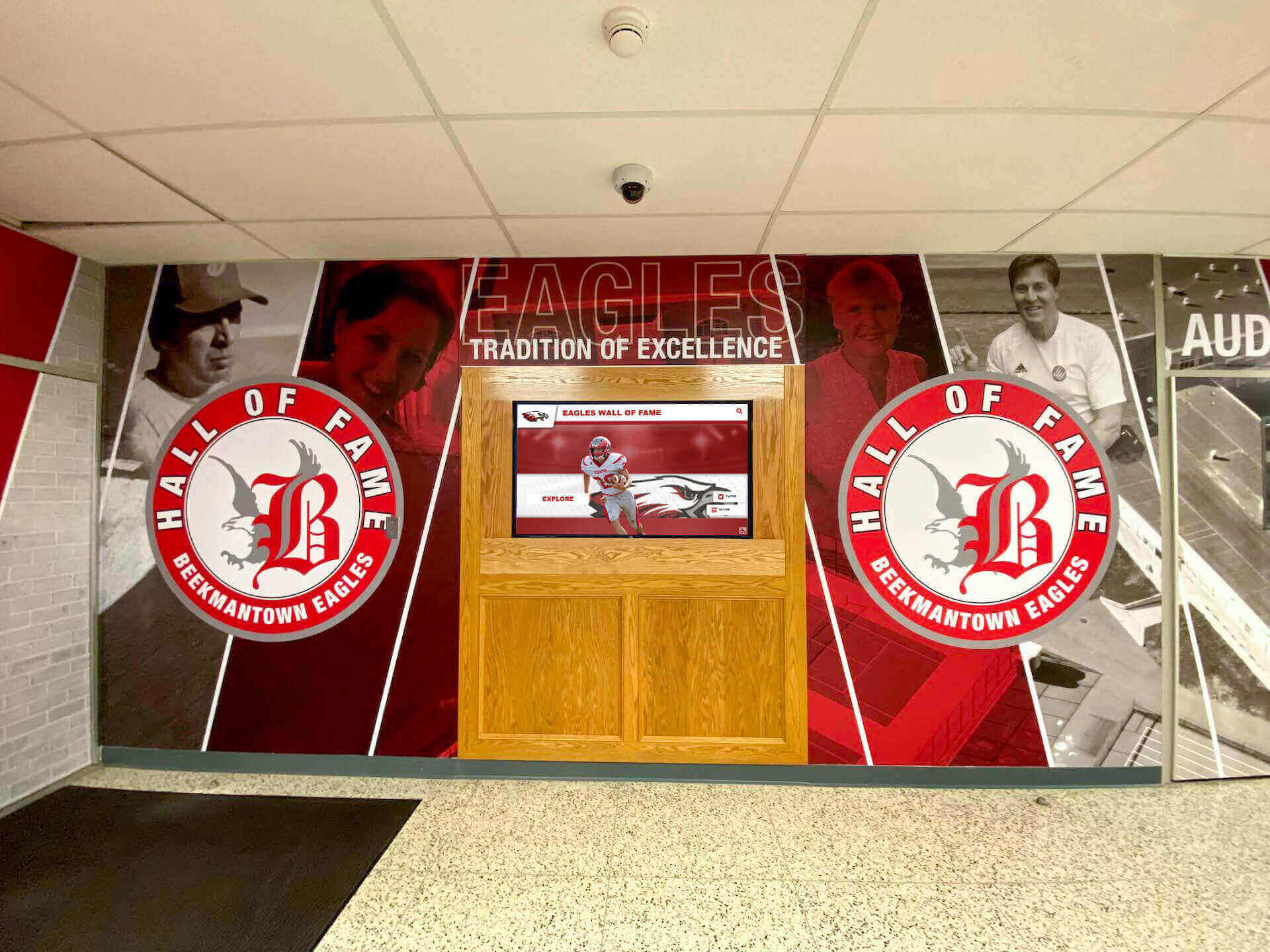
Prominent lobby displays showcase diverse student achievements, creating welcoming environments that celebrate multiple paths to school contribution
Common Pep Rally Mistakes to Avoid
Learning from common pitfalls helps you proactively design rallies that maintain energy and engagement throughout.
Over-Reliance on Mandatory Attendance
Forcing students to attend creates resentment rather than enthusiasm.
Build Genuine Appeal: Make pep rallies events students actually want to attend by including elements that appeal broadly, seeking student input on content and format, creating experiences unavailable elsewhere, and building reputations over time for genuinely entertaining events.
When students choose to attend because rallies are worthwhile, energy dramatically increases compared to mandatory attendance.
Excluding or Marginalizing Groups
Pep rallies that focus exclusively on football and basketball alienate students who don’t connect with those sports.
Ensure Inclusive Representation: Feature multiple sports and activities throughout the year, recognize different groups at different pep rallies rather than trying to include everyone in each one, alternate which teams and programs receive spotlight attention, and acknowledge that school spirit encompasses diverse contributions.
Students support what includes them and feel disconnected from what excludes them.
Poor Communication with Participants
Participants who don’t understand expectations, timing, or their roles create confusion and weak performances.
Communicate Clearly and Early: Provide written instructions to all participants, conduct rehearsals for complex elements, confirm timing and expectations multiple times, and designate clear points of contact for questions.
Assume participants don’t know what you expect unless you’ve communicated it explicitly and repeatedly.
Ignoring Accessibility Considerations
Students with mobility challenges, sensory sensitivities, or other needs deserve full participation opportunities.
Design for Accessibility: Ensure seating accommodates wheelchair users and those who can’t navigate bleachers, provide quieter areas for students with sensory sensitivities, caption videos for hearing-impaired students, and describe visual elements for those with vision challenges.
Truly inclusive school spirit means every student can participate meaningfully.
Technical Failures Without Backup Plans
Technology enhances pep rallies when it works but creates disasters when it fails without alternatives.
Always Have Backup Plans: Prepare manual alternatives for technology-dependent elements, have printed scripts in case digital displays fail, ensure activities can proceed without audio if necessary, and designate technical support staff who can troubleshoot quickly.
The best-planned rallies anticipate what could go wrong and prepare accordingly.
Seasonal Pep Rally Variations
Different times of the school year present unique opportunities for thematic focus and energy creation.
Fall Season Rallies
Fall pep rallies often center on football and homecoming but can incorporate broader themes.
Homecoming Kick-Off: Launch homecoming week with rallies that preview the week’s spirit days, introduce homecoming court candidates, build excitement for the football game and dance, and feature alumni returning for the weekend.
Position the rally as the beginning of a weeklong celebration rather than a standalone event.
Fall Sports Showcase: Highlight all fall athletic teams (football, volleyball, cross country, soccer, cheerleading), recognize recent achievements and upcoming competitions, and create unified “fall sports” identity rather than focusing on single teams.
This acknowledges the full range of fall athletics rather than football alone.
Winter and Spring Rallies
Later-season rallies maintain momentum and recognize teams whose seasons occur outside fall spotlight.
Winter Sports Spotlight: Feature basketball, wrestling, swimming, gymnastics, and other winter sports, celebrate teams competing during typically lower-visibility seasons, acknowledge that state championships happen across multiple sports, and maintain energy during mid-year periods that can feel long.
Students appreciate when their sports receive recognition equivalent to traditional fall focus.
Spring Championship Push: Build excitement for spring sports playoffs and state tournaments, recognize academic teams competing in spring competitions, create send-offs for teams heading to championship events, and celebrate year-end achievements across all student activities.
Spring rallies provide opportunities to acknowledge year-long accomplishments and build momentum toward graduation and year-end celebrations.
Special Purpose Rallies
Not all pep rallies need to follow traditional seasonal patterns.
Rivalry Game Rallies: Schedule special rallies before major rivalry matchups, incorporate historical context about longstanding rivalries, feature alumni who competed in past rivalry games, and build intensity through focused competition emphasis.
Rivalry rallies tap into existing competitive energy and tradition.
State Tournament Send-Offs: When teams advance to state competitions, create special rallies to send them off, involve the entire school in supporting tournament-bound teams, build community pride around state-level representation, and create memorable moments before big competitions.
These rallies feel earned rather than routine, tapping into genuine achievement and excitement.
Measuring Pep Rally Success and Gathering Feedback
Continuous improvement requires honest assessment of what works and what doesn’t.
Collect Student Feedback Systematically
Don’t rely on anecdotal impressions—gather structured feedback from diverse students.
Post-Rally Surveys: Distribute brief surveys asking what students enjoyed most, what fell flat, what they’d like to see at future rallies, and how the rally compared to previous events.
Keep surveys short (5-10 questions) to maximize completion rates while gathering actionable insights.
Focus Groups with Different Populations: Meet with students from various groups (different grade levels, athletes and non-athletes, involved students and typically disengaged ones) to discuss their experiences and gather qualitative feedback that surveys might miss.
Different student populations experience events differently—understanding these variations improves inclusivity.
Observe Engagement Indicators
Watch for concrete signs of genuine engagement versus compliance.
Monitor Energy Levels: Notice when students seem genuinely excited versus when they’re going through motions, identify which activities generate authentic enthusiasm, observe where attention wanes or distractions increase, and track which elements maintain interest throughout.
Trust what you observe rather than what you hope is happening.
Social Media Monitoring: Check what students post about rallies on social media, note which moments students choose to share and celebrate, observe whether conversations are positive, neutral, or negative, and identify organic content that students create without prompting.
What students voluntarily share often reveals what genuinely resonated.
Track Participation Metrics
Quantifiable data provides objective measures alongside qualitative impressions.
Attendance Tracking: Monitor whether attendance increases, decreases, or remains steady over time, note differences in attendance for different types of rallies or themes, observe whether students arrive late or leave early, and compare attendance between mandatory and voluntary events.
Attendance patterns reveal whether you’re building positive reputation or students are avoiding events.
Activity Participation Rates: Track how many students volunteer for activities requiring participants, observe enthusiasm levels when seeking volunteers, notice whether same students always participate or if you’re expanding participation, and identify which activities draw broadest interest.
Growing participation indicates increasing student investment.
Building Year-Round School Spirit Beyond Single Events
The most effective school spirit strategies don’t rely exclusively on periodic pep rallies but create continuous engagement throughout the year.
Create Consistent Recognition Systems
Regular, ongoing recognition maintains awareness of student accomplishments between major events.
Weekly or Monthly Highlights: Feature “athlete of the week” or similar recognition programs, showcase different students and activities consistently, create predictable schedules so students know when recognition occurs, and use multiple channels (announcements, social media, digital displays).
Consistency builds culture while one-time events create only temporary spikes.
Digital Recognition Platforms: Modern schools increasingly implement permanent digital displays that showcase student achievements year-round, allowing students to explore accomplishments on their own schedules rather than only during structured events.
These systems create always-available connections to school tradition and current achievements, making spirit part of daily school experience rather than occasional events.
Connect Physical and Digital School Spirit
Integration between pep rally celebrations and permanent recognition systems creates cohesive school culture.
Extend Rally Recognition: Achievements celebrated at pep rallies can continue to be visible through permanent displays, creating lasting impact beyond the event itself. Students recognized during rallies often appreciate seeing that recognition maintained in hallways, common areas, and digital platforms.
Preview Future Celebrations: Digital displays can build anticipation for upcoming pep rallies by showcasing event schedules, featured teams or activities, and countdowns to major celebrations.
This creates continuity between events while maintaining engagement during periods without rallies.
Preserve Memorable Moments: Pep rally highlights, photos, and videos can become permanent parts of school history displayed in recognition systems, allowing future students to connect with tradition while celebrating current accomplishments alongside historical achievements.
When current students see their contributions preserved alongside past achievements, the significance of their participation increases.
Taking Your Pep Rallies to the Next Level
Creating pep rallies students genuinely anticipate rather than endure requires understanding what actually excites today’s students, designing inclusive experiences that value diverse contributions, integrating technology thoughtfully, and building comprehensive school spirit that extends beyond occasional events.
The most successful schools recognize that pep rallies work best as visible expressions of continuous school culture rather than isolated attempts to manufacture enthusiasm. When recognition is ongoing, participation is inclusive, and celebrations feel authentic, pep rallies become natural peaks in sustained school spirit rather than forced interruptions to normal routine.
Whether you’re planning your first pep rally or revitalizing long-standing traditions, focus on what genuinely matters—creating experiences students value, recognizing accomplishments worth celebrating, and building community connections that last far beyond single events.
Ready to create lasting school spirit that extends beyond single-event celebrations? Discover how modern recognition systems help schools build year-round engagement and community pride that make every pep rally more meaningful.































