Perfect attendance displays represent more than simple recognition—they celebrate student commitment, reinforce positive habits, and create visible demonstrations of dedication that inspire entire school communities. When implemented thoughtfully, attendance recognition programs acknowledge the consistency and responsibility that contribute to academic success while building the school culture where showing up matters.
Yet schools increasingly face complex challenges around attendance recognition. Chronic absenteeism rates have increased significantly, with research showing that students missing 10% or more of school days face serious academic consequences. Meanwhile, educators recognize that traditional “perfect attendance” awards can inadvertently penalize students facing legitimate health challenges or family circumstances beyond their control. Finding the balance between celebrating commitment and maintaining sensitivity to diverse student situations determines whether attendance recognition inspires or discourages.
This comprehensive guide explores evidence-based approaches for creating perfect attendance displays and recognition programs that motivate students, strengthen school culture, and acknowledge consistent effort without creating unintended negative consequences. Whether you’re launching a new attendance recognition initiative, modernizing existing programs, or seeking strategies to address declining attendance rates, you’ll discover actionable frameworks for displays and systems that genuinely impact student behavior and school spirit.
Effective attendance recognition extends beyond end-of-year certificates to create systematic, visible celebration of commitment throughout the school year. Modern digital displays enable schools to acknowledge attendance achievements dynamically while incorporating nuanced approaches that recognize improvement, consistency, and effort alongside traditional perfect attendance milestones.
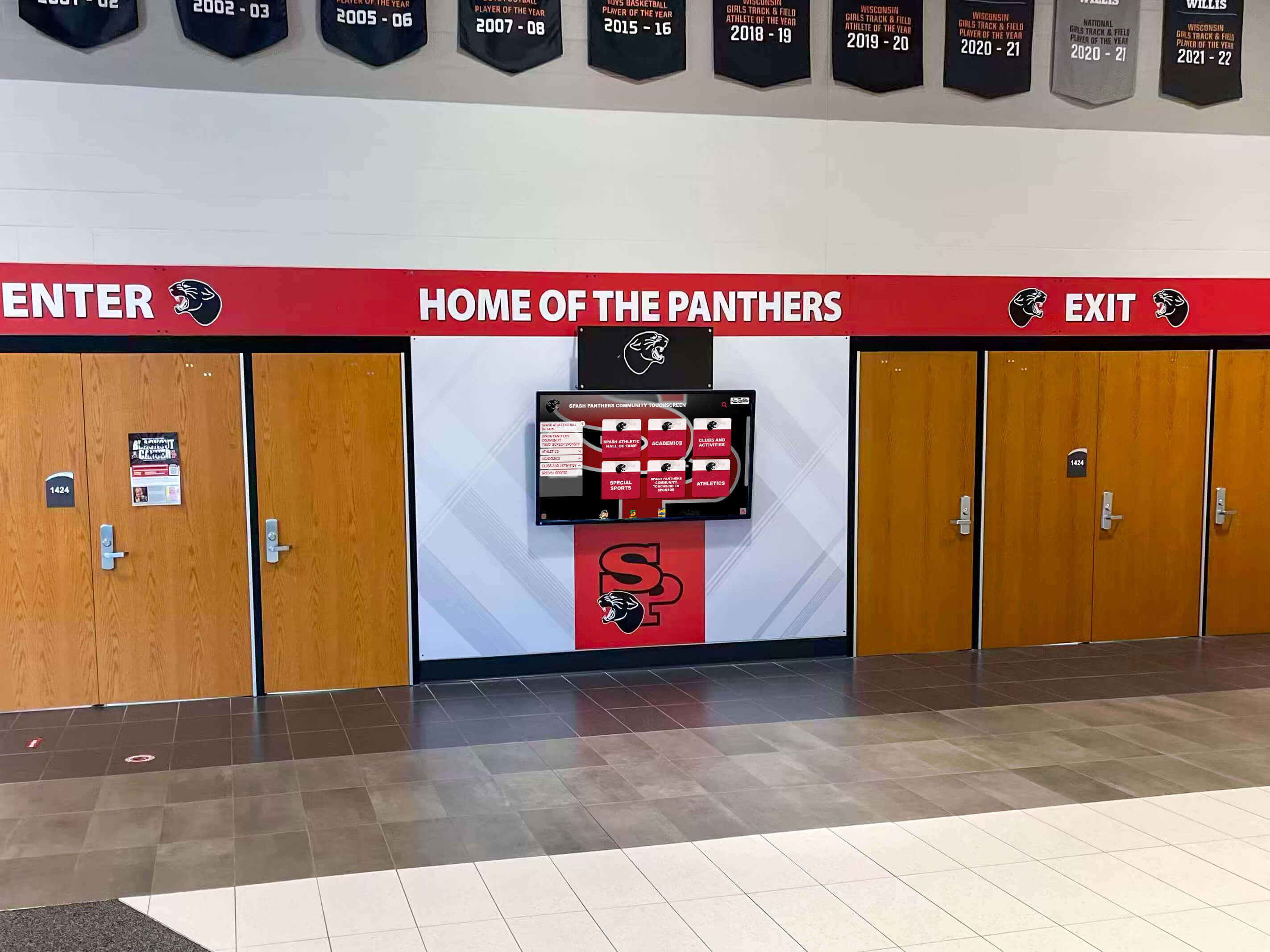
Welcoming entrance displays set positive tone while celebrating student achievement and school community pride
Understanding Perfect Attendance Recognition: Purpose, Impact, and Modern Evolution
Perfect attendance recognition has been a staple of American education for decades, with schools awarding certificates, trophies, and special acknowledgment to students who never miss a day throughout marking periods or entire school years. The underlying premise is straightforward—recognizing perfect attendance reinforces its value while motivating students toward consistent school participation that correlates with academic achievement.
Research consistently demonstrates connections between attendance and student success. According to Attendance Works, a national organization focused on chronic absence prevention, students who attend school regularly show higher achievement levels, stronger literacy skills, and better social-emotional development compared to chronically absent peers. Missing just 10% of school days—approximately 18 days per year or two days per month—qualifies students as chronically absent and correlates with significant achievement gaps.
The Strategic Value of Attendance Recognition
Schools implementing effective attendance recognition programs accomplish multiple important objectives simultaneously that extend beyond individual student motivation.
Building Positive School Culture: Visible attendance recognition demonstrates that schools value student presence and participation. When students see peers celebrated for consistent attendance, it sends clear messages that showing up matters and that the school community notices and appreciates student commitment. This cultural foundation influences behavior across entire student populations, not just those receiving individual recognition.
Motivating Consistent Behavior: Recognition programs create positive reinforcement for attendance habits. Students working toward attendance goals or recognition often demonstrate increased effort to maintain consistency even when minor obstacles arise. The prospect of acknowledgment, whether public celebration or personal satisfaction of achievement, provides motivation supplementing intrinsic reasons for school attendance.
Strengthening Family Engagement: Attendance recognition programs frequently increase family awareness of attendance importance and their role in supporting consistent school participation. When schools communicate about attendance recognition opportunities, parents and guardians often become more invested in morning routines, appointment scheduling, and addressing barriers that might prevent school attendance.
Identifying Support Needs: Systematic attendance monitoring that accompanies recognition programs helps schools identify students struggling with chronic absence who may need interventions. By tracking attendance data regularly, schools can proactively reach out to families, understand challenges preventing consistent attendance, and provide targeted support before excessive absences significantly impact achievement.

Interactive displays make recognition engaging while allowing students to explore achievements across their school community
Modern Challenges and Evolving Approaches
While attendance recognition offers clear benefits, contemporary educators increasingly recognize limitations and potential unintended consequences of traditional “perfect attendance” programs that require reconsideration.
Health and Wellness Concerns: Traditional perfect attendance awards can inadvertently incentivize students to attend school when genuinely ill, creating public health concerns. Students determined not to break perfect attendance streaks may come to school with contagious conditions, potentially spreading illness to classmates and staff. This dynamic became particularly concerning during the COVID-19 pandemic and remains relevant for seasonal illnesses like influenza.
According to research from the Journal of School Health, perfect attendance recognition programs can create pressure causing students to attend when sick, potentially exacerbating illness spread and individual health complications. Public health experts increasingly recommend that schools reconsider recognition systems that might discourage appropriate illness-related absences.
Equity and Accessibility Issues: Perfect attendance requirements may disproportionately impact students facing circumstances beyond their control. Students managing chronic health conditions, caring for family members, lacking reliable transportation, experiencing housing instability, or facing other significant life challenges cannot achieve perfect attendance regardless of their commitment to education. Recognition programs exclusively celebrating perfect attendance may exclude precisely those students demonstrating the most remarkable dedication by attending despite substantial obstacles.
Mental Health Considerations: The pressure to maintain perfect attendance can create anxiety for students and families. Students who break perfect attendance streaks due to unavoidable circumstances may experience disappointment disproportionate to the absence’s actual academic impact. This stress proves particularly concerning given increased awareness of student mental health challenges.
Balanced Recognition Approaches for 2025
Leading schools are adopting more nuanced attendance recognition frameworks that celebrate commitment while addressing traditional perfect attendance programs’ limitations.
Multi-Tiered Recognition Systems: Rather than exclusively recognizing perfect attendance, schools implement recognition across multiple achievement levels acknowledging diverse student circumstances. Categories might include perfect attendance for students achieving zero absences, excellent attendance recognizing students with minimal absences (often defined as 1-3 days), improved attendance celebrating students significantly reducing chronic absence patterns, and consistent attendance honoring students maintaining strong attendance despite facing known challenges.
This tiered approach ensures that recognition remains accessible to more students while acknowledging that circumstances vary and that effort matters alongside outcomes.
Distinguishing Excused and Unexcused Absences: Modern attendance recognition often differentiates between absence types, ensuring students aren’t penalized for legitimate health issues, family emergencies, or school-sanctioned activities. Some schools create “attendance resilience” recognition celebrating students who maintain strong attendance despite documented challenges requiring occasional absences.
Emphasizing Improvement and Consistency: Recognition programs increasingly celebrate attendance improvement and semester-to-semester consistency rather than exclusively focusing on perfect records. Students demonstrating significant improvement—reducing chronic absence to acceptable levels or maintaining strong attendance after previously struggling—receive acknowledgment for meaningful behavior change that may be more difficult and valuable than maintaining perfect attendance from strong starting positions.
Replacing Annual with Frequent Recognition: Rather than waiting until year-end, schools implement ongoing recognition throughout school years. Monthly or quarterly acknowledgment provides more immediate positive reinforcement while creating multiple opportunities for students to achieve recognition even if they occasionally miss days.
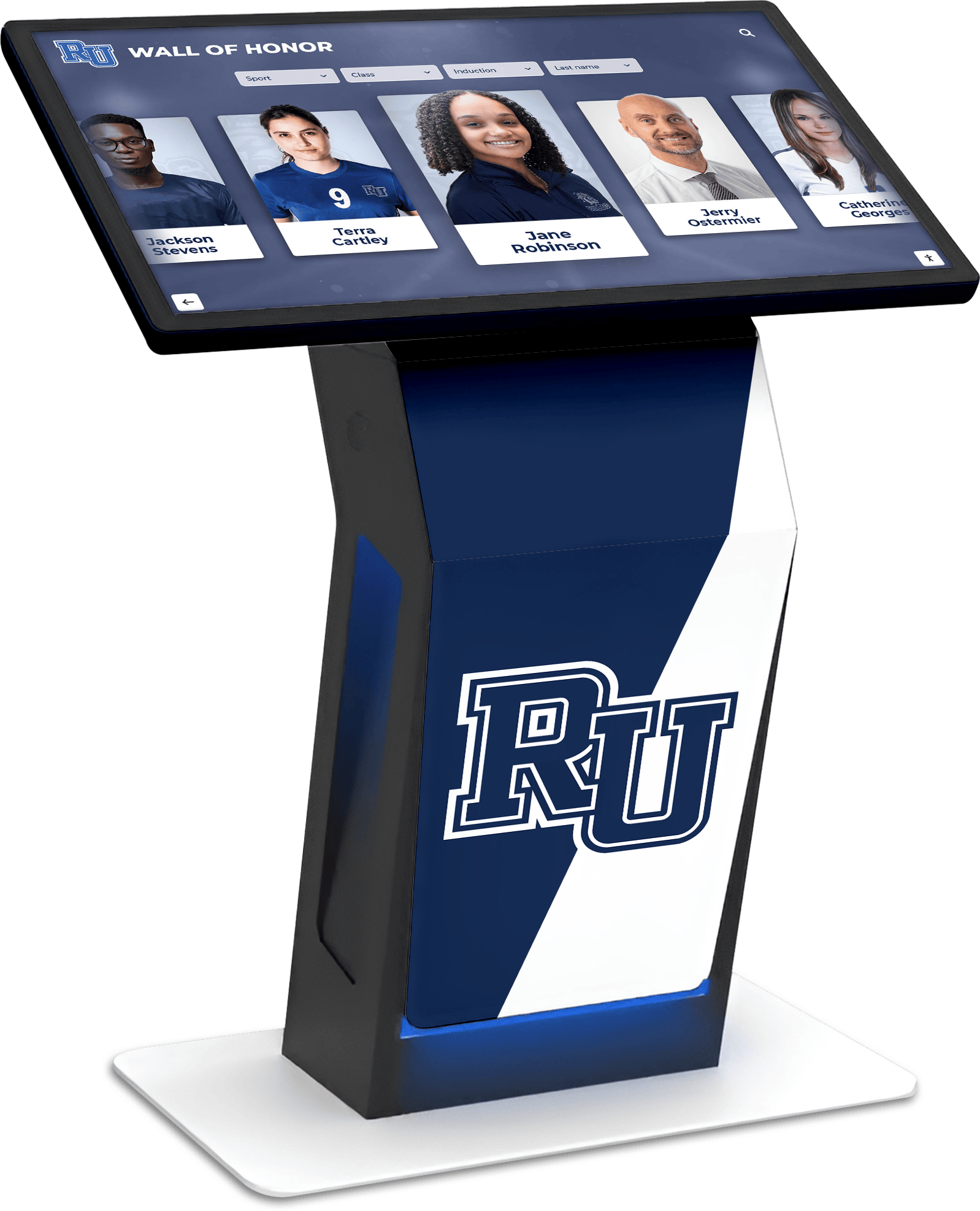
Modern touchscreen systems provide flexible platforms for diverse recognition programs including attendance, academic achievement, and school spirit
Designing Effective Perfect Attendance Display Systems
Once schools establish attendance recognition philosophies and criteria, creating visible displays that celebrate achievements proves essential for maximizing program impact and communicating community values.
Traditional Display Approaches and Their Limitations
Schools have long used various physical recognition methods to celebrate attendance achievements.
Bulletin Boards and Wall Displays: Traditional approaches include bulletin boards listing student names by grade or classroom, laminated certificates posted in hallways, photo displays featuring recognized students, trophy cases with attendance awards, and painted or printed “Attendance All-Stars” murals.
While these approaches remain valuable in many contexts, they face inherent limitations including finite physical space restricting how many students can be recognized simultaneously, static nature requiring manual updates as achievements occur throughout the year, inability to show detailed information about individual students or their achievement context, accessibility only to those physically present at display locations, and dated appearance that may not resonate with contemporary students accustomed to interactive digital experiences.
Certificate and Award Programs: Many schools continue using traditional certificates and physical awards presented during assemblies or sent home with students. These tangible recognition items provide students with personal keepsakes while creating ceremony and celebration around attendance achievements.
However, certificate programs alone lack the visible, ongoing presence that influences school culture broadly. Certificates presented and taken home provide individual recognition but don’t create the community-wide awareness that visible displays generate.
Classroom-Level Recognition Systems: Some schools implement classroom-specific attendance recognition through teacher-managed systems like classroom attendance charts tracking daily participation, reward systems where classes earn privileges for attendance goals, visual indicators showing class attendance rates, and posted lists of students meeting attendance expectations.
These classroom approaches create peer accountability and immediate visibility but may not provide school-wide recognition that particularly motivated students seek or communicate attendance values to entire school communities.
Digital Display Advantages for Attendance Recognition
Modern digital recognition displays address traditional approaches’ limitations while creating engaging, flexible platforms that enhance attendance recognition program effectiveness.
Unlimited Recognition Capacity: Digital systems accommodate recognition for unlimited students across various achievement levels without space constraints. Schools can simultaneously celebrate perfect attendance, excellent attendance, improved attendance, and milestone achievements without choosing which students to feature based on available wall space.
Dynamic, Real-Time Updates: Cloud-based digital displays enable attendance coordinators to update recognition remotely as achievements occur. Rather than waiting for monthly or quarterly bulletin board updates, schools can add newly qualifying students immediately, maintaining currency and relevance that increases student engagement and attention to displays.
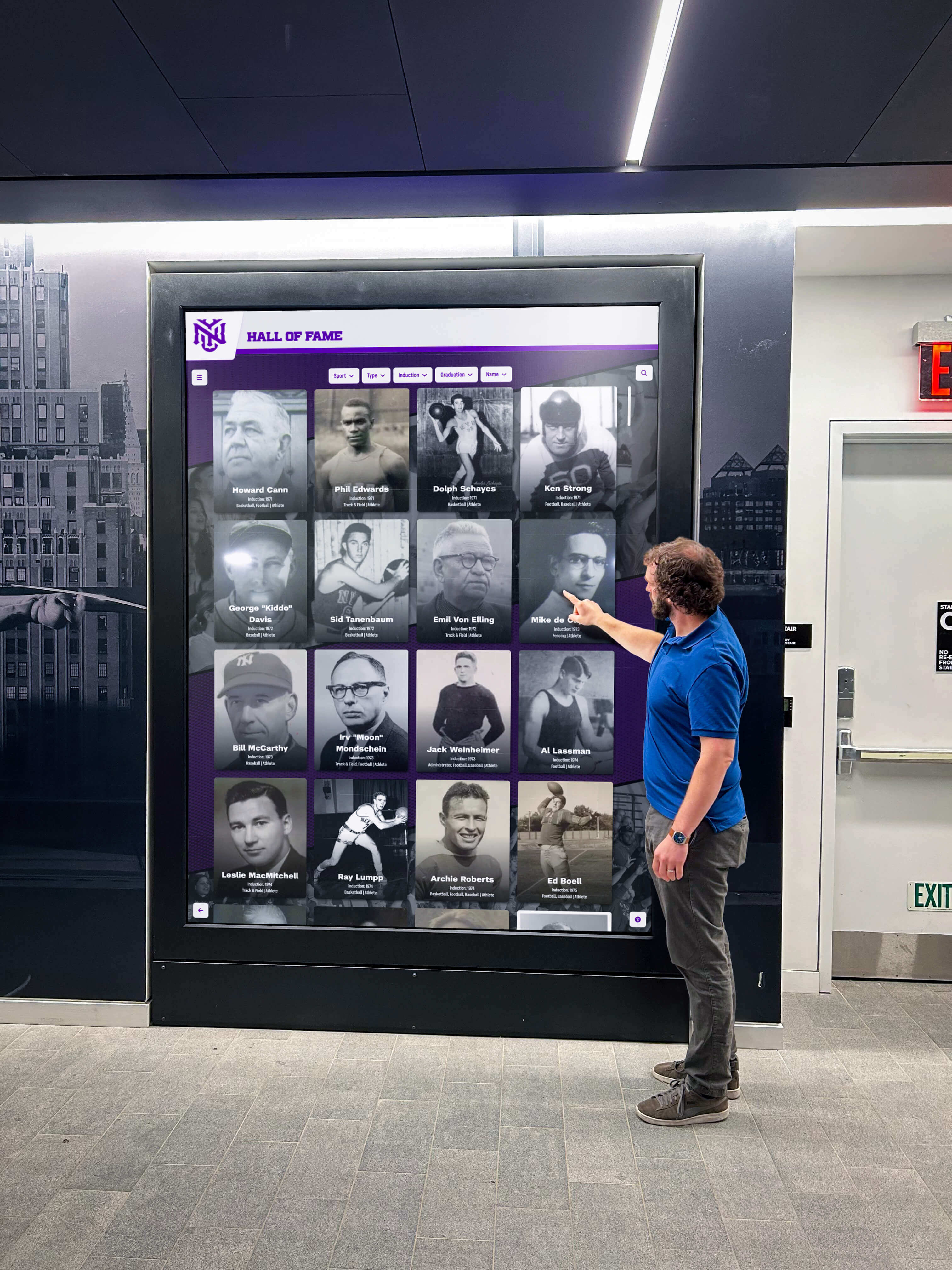
Interactive nature of digital displays invites exploration and creates engaging experiences for students, families, and visitors
Rich Content and Context: Digital platforms enable schools to include substantially more information than names or photos alone. Attendance recognition profiles might include student photos personalizing recognition, grade levels and homerooms for community context, attendance statistics like consecutive days or semester totals, personal messages from students about attendance goals or motivation, and multimedia content like video testimonials or interviews.
This rich content transforms attendance recognition from simple name listing to compelling storytelling that honors student commitment more meaningfully.
Multiple Recognition Categories: Digital systems easily accommodate sophisticated multi-tiered recognition frameworks. Schools can create distinct sections for various achievement levels, filter views allowing students to explore specific grade levels or recognition types, searchable databases enabling students to find friends or siblings, and rotating featured profiles highlighting different students regularly.
Analytics and Engagement Tracking: Modern digital displays provide data about how students and families interact with recognition content. Schools can track which recognition categories receive most attention, peak usage times for displays, search terms students use, and engagement duration metrics. These insights help schools refine attendance recognition approaches based on actual community interest and interaction patterns.
Extended Accessibility: Web-based digital recognition platforms extend recognition reach beyond physical school buildings. Students can access attendance recognition from home, parents can explore displays remotely to see their students’ achievements, absent students can view recognition without being physically present, and community members can engage with school recognition programs online.
This accessibility particularly benefits attendance recognition, allowing students working to improve attendance—who by definition miss some school days—to remain connected to recognition programs even during absences.
Solutions like Rocket Alumni Solutions provide comprehensive platforms combining physical touchscreen displays for high-visibility school locations with web-based access enabling recognition reach far beyond campus boundaries. These integrated systems ensure attendance recognition remains visible and engaging while accommodating diverse student and family needs.

Strategic placement in high-traffic areas like lobbies and main hallways maximizes visibility and reinforces recognition program impact
Implementing Attendance Recognition Programs: Best Practices and Strategies
Effective attendance displays require more than technology alone—successful programs combine clear criteria, systematic tracking, meaningful recognition, and thoughtful implementation that resonates with students and families.
Establishing Clear and Equitable Recognition Criteria
Attendance recognition program success depends heavily on whether students and families understand expectations and perceive criteria as fair and achievable.
Defining Achievement Thresholds: Schools should establish specific, quantifiable criteria for recognition tiers. Clear definitions might include perfect attendance requiring zero absences of any type, excellent attendance allowing 1-3 excused absences for documented illness or family emergency, strong attendance permitting up to 5 absences that are properly excused and documented, improved attendance recognizing students reducing absence rates by specified percentages, and consistent attendance acknowledging students maintaining attendance above 95% across multiple semesters.
Transparency about these criteria ensures students understand what behaviors earn recognition and can work intentionally toward goals appropriate for their circumstances.
Excluding Certain Absence Types: To address health incentive concerns, schools increasingly exclude specific absence categories from attendance recognition calculations. Common exclusions include school-sanctioned activities like field trips or athletic competitions, documented illness with medical notes, family emergencies beyond student control, religious observances that families formally notify schools about, and college visits or approved educational experiences for upper grades.
Clear policies about which absences “count” against recognition prevent students from attending when genuinely ill while ensuring recognition acknowledges genuine commitment rather than merely fortunate health circumstances.
Time-Based Recognition Periods: Rather than exclusively focusing on year-long perfect attendance, schools implement recognition across multiple timeframes. Options include monthly recognition celebrating achievement within manageable periods, quarterly awards aligning with grading periods, semester acknowledgment providing mid-year recognition opportunities, and annual awards for sustained year-long commitment.
Frequent recognition intervals create multiple opportunities for students to achieve recognition even if isolated absences prevent year-long perfect attendance. This approach maintains motivation throughout school years rather than allowing students who miss days early to disengage from attendance goals for remaining months.
Systematic Attendance Tracking and Data Management
Reliable attendance recognition requires accurate, current data systems enabling timely identification of students meeting criteria.
Integrated School Information Systems: Most schools use comprehensive student information systems (SIS) tracking attendance alongside grades, schedules, and demographic information. Attendance recognition coordinators should leverage existing SIS capabilities including automated attendance reporting identifying students meeting recognition thresholds, absence categorization systems distinguishing excused and unexcused types, alert systems flagging students approaching recognition boundaries, historical tracking enabling year-over-year comparisons, and export capabilities for transferring data to recognition displays.
Utilizing existing school data systems prevents duplicate manual tracking while ensuring accuracy and consistency with official school attendance records.
Regular Review and Verification: Even with automated systems, human review remains important for ensuring recognition accuracy and appropriateness. Attendance coordinators should implement regular review processes verifying that students identified for recognition truly meet criteria, checking for data entry errors or exceptions requiring consideration, confirming that absence categorizations align with recognition policies, and identifying students whose improvement merits recognition even if not automatically flagged.
This verification step prevents embarrassing errors while ensuring recognition programs acknowledge all deserving students including those whose circumstances might not perfectly align with automated criteria.
Privacy and Sensitivity Considerations: While celebrating attendance achievements publicly, schools must maintain appropriate sensitivity regarding students who don’t qualify for recognition. Considerations include avoiding displays that explicitly identify students with poor attendance, not using language suggesting non-recognized students lack commitment, maintaining confidentiality about specific absence reasons, and creating positive framing focusing on recognition rather than exclusion.
The goal is celebrating achievement without shaming students facing attendance challenges that may stem from circumstances beyond their control.
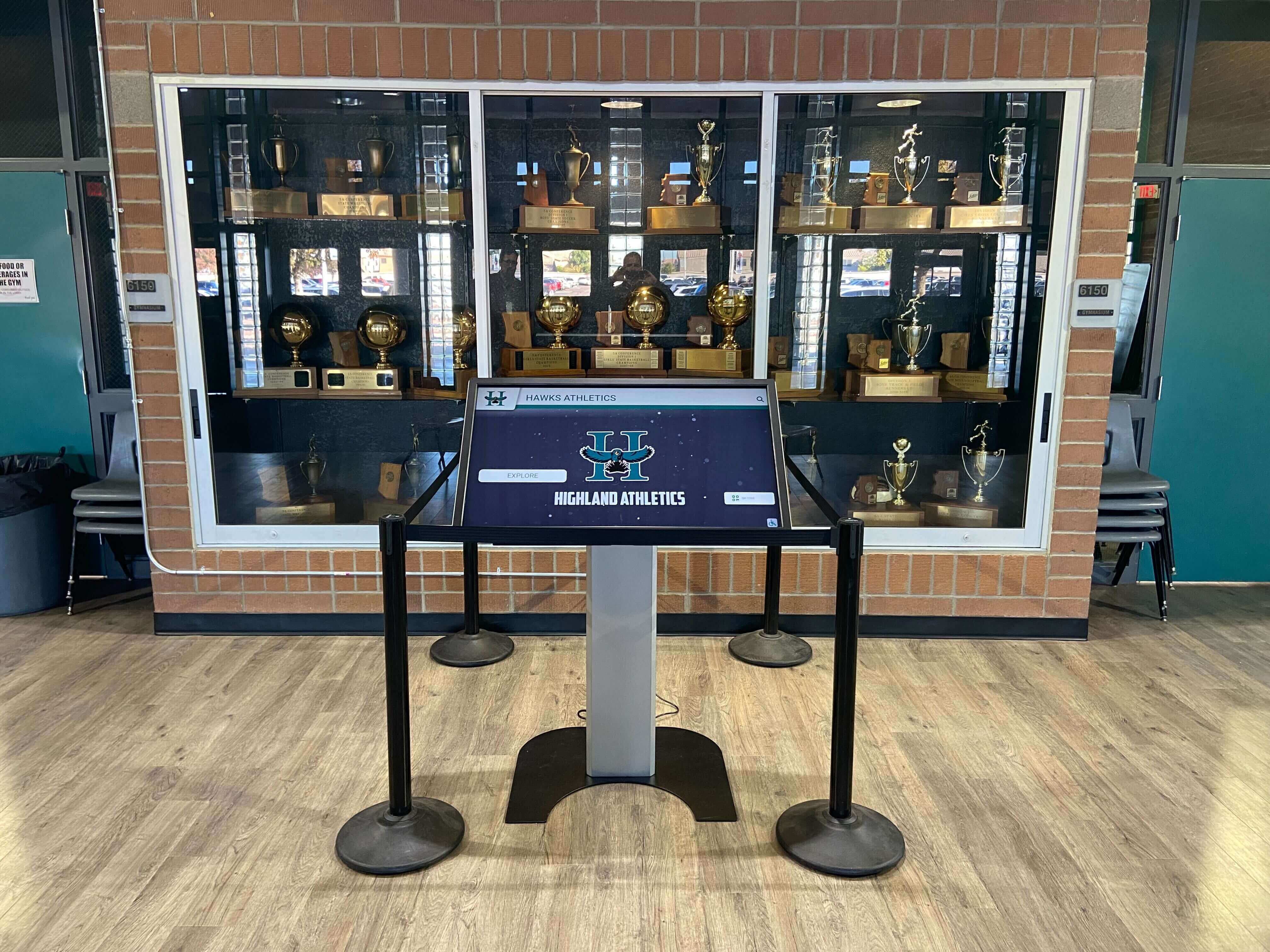
Integrating digital displays with traditional recognition elements creates comprehensive systems honoring multiple forms of achievement
Creating Engaging Content for Perfect Attendance Displays
The most sophisticated display technology proves ineffective if content doesn’t resonate with students, families, and school communities. Strategic content development transforms attendance displays from simple name lists to compelling recognition that genuinely motivates and inspires.
Visual Design and Presentation Strategies
Effective attendance displays balance information communication with visual appeal that captures attention and maintains engagement.
Student Photo Integration: Including photos personalizes recognition and increases display engagement. Students naturally look for themselves, friends, and siblings when viewing displays, and photos facilitate this exploration while putting faces to names. Schools should establish processes for obtaining current student photos through school picture day coordination, specific photo sessions for attendance recognition, parent-submitted photos when school pictures aren’t available, or placeholder images or graphics when photos aren’t obtainable.
Photo inclusion requires careful attention to student privacy and family preferences. Opt-out processes should accommodate families uncomfortable with public photo display while still enabling text-based recognition for those students.
Achievement Statistics and Context: Beyond names and photos, displays should provide context helping viewers understand specific achievements being celebrated. Useful information includes consecutive days attended creating streak recognition, percentage rates for students with some absences showing relative achievement, improvement statistics comparing current to previous attendance patterns, class or grade totals showing collective achievement, and school-wide statistics demonstrating overall attendance success.
This contextual information makes recognition more meaningful while educating school communities about attendance patterns and progress.
Categorization and Organization: Clear organization enables viewers to navigate displays easily and find relevant information. Effective organizational schemes include grade-level separation allowing students to focus on age-appropriate peers, recognition tier distinctions clearly showing different achievement levels, monthly or quarterly periods enabling time-based exploration, and alphabetical or homeroom sorting facilitating specific student searches.
Digital displays particularly excel at enabling multiple organizational views, letting users filter and sort recognition based on their interests and relationships.
Motivational Messaging and Goal Setting: Attendance displays should incorporate encouraging language that reinforces values and motivates continued commitment. Messaging might include quotes about consistency, perseverance, and showing up, statistics connecting attendance to achievement and success, student testimonials about how strong attendance supports their learning, goal-setting encourages for students working toward recognition, and celebrations of class or grade-level collective achievement.
This messaging transforms displays from mere lists into motivational tools that actively influence school culture and individual student behavior.
Incorporating Student Voice and Ownership
Recognition programs prove most effective when students feel ownership and see authentic connections to their experiences and aspirations.
Student Testimonials and Profiles: Featured student profiles create personal connections and role modeling. Profile elements might include brief interviews about attendance motivation and goals, explanations of how consistent attendance supports specific academic or personal aspirations, acknowledgment of challenges students have overcome to achieve strong attendance, advice to peers about developing consistent attendance habits, and recognition of family support that enables their attendance success.
These first-person narratives prove far more compelling than administrative messaging alone while helping students see peers’ attendance achievements as attainable rather than distant or unrealistic.

Student ownership and authentic voice in recognition content increases engagement and makes achievements feel attainable to peers
Peer Recognition Opportunities: Beyond staff-determined recognition, schools can create opportunities for peer acknowledgment. Options include student-nominated attendance achievement awards, peer messages congratulating classmates on recognition, student-designed graphics or artwork for display backgrounds, and student ambassador programs where recognized students mentor peers working on attendance improvement.
Peer involvement increases student attention to recognition programs while creating social reinforcement that proves particularly motivating for adolescents responsive to peer influence and social dynamics.
Goal Tracking and Progress Visualization: Interactive digital displays can enable students to track personal attendance progress toward recognition goals. Features might include individualized attendance dashboards accessible through student portals, progress bars showing movement toward next recognition tier, predictive analytics indicating likelihood of achieving various recognition levels, and comparison tools showing personal improvement over time.
This self-monitoring capability helps students take ownership of attendance while providing concrete feedback about how their daily choices accumulate toward meaningful achievements.
Learn more about comprehensive student recognition programs that create positive school culture and support student success across multiple dimensions beyond attendance alone.
Integrating Attendance Recognition with Broader School Culture Initiatives
Perfect attendance displays prove most effective when integrated into comprehensive approaches addressing school culture, student engagement, and holistic recognition rather than existing as isolated programs.
Comprehensive Recognition Systems
Schools increasingly implement unified recognition frameworks celebrating diverse student achievements rather than creating separate, disconnected programs for attendance, academics, athletics, and other accomplishments.
Multi-Dimensional Digital Recognition Platforms: Modern display systems like those provided by Rocket Alumni Solutions enable schools to create comprehensive recognition encompassing academic honor roll achievement, athletic accomplishments and team records, arts and performance excellence, community service contributions, student of the month programs, attendance and improved attendance recognition, and character education and positive behavior acknowledgment.
Comprehensive platforms enable schools to recognize well-rounded student excellence while ensuring that students with varied strengths and interests find appropriate recognition opportunities. Students strong academically but not athletically, excelling in arts but not traditional academics, or demonstrating remarkable attendance improvement despite other challenges all see their achievements valued equally.
Balanced Recognition Philosophies: Schools should communicate clearly that attendance recognition exists alongside rather than superseding other achievement types. Messaging should emphasize that showing up consistently provides foundations for learning while other recognition celebrates what students accomplish during that attendance—academic growth, athletic development, creative expression, and community contribution.
This balanced approach prevents attendance recognition from feeling like participation trophies while maintaining appropriate acknowledgment for the commitment and consistency that attendance represents.
Recognition that Connects to Outcomes: Attendance displays can explicitly connect to other achievement areas, helping students understand relationships between consistency and success. Schools might feature profiles showing students who combine strong attendance with academic excellence, highlight athletes whose consistent attendance at practice and school contributes to competitive success, showcase arts students whose attendance enables skill development, or present data about grade-level academic outcomes correlated with attendance rates.
These connections help students understand that attendance recognition isn’t arbitrary but rather celebrates behavior foundational to achieving goals they care about.
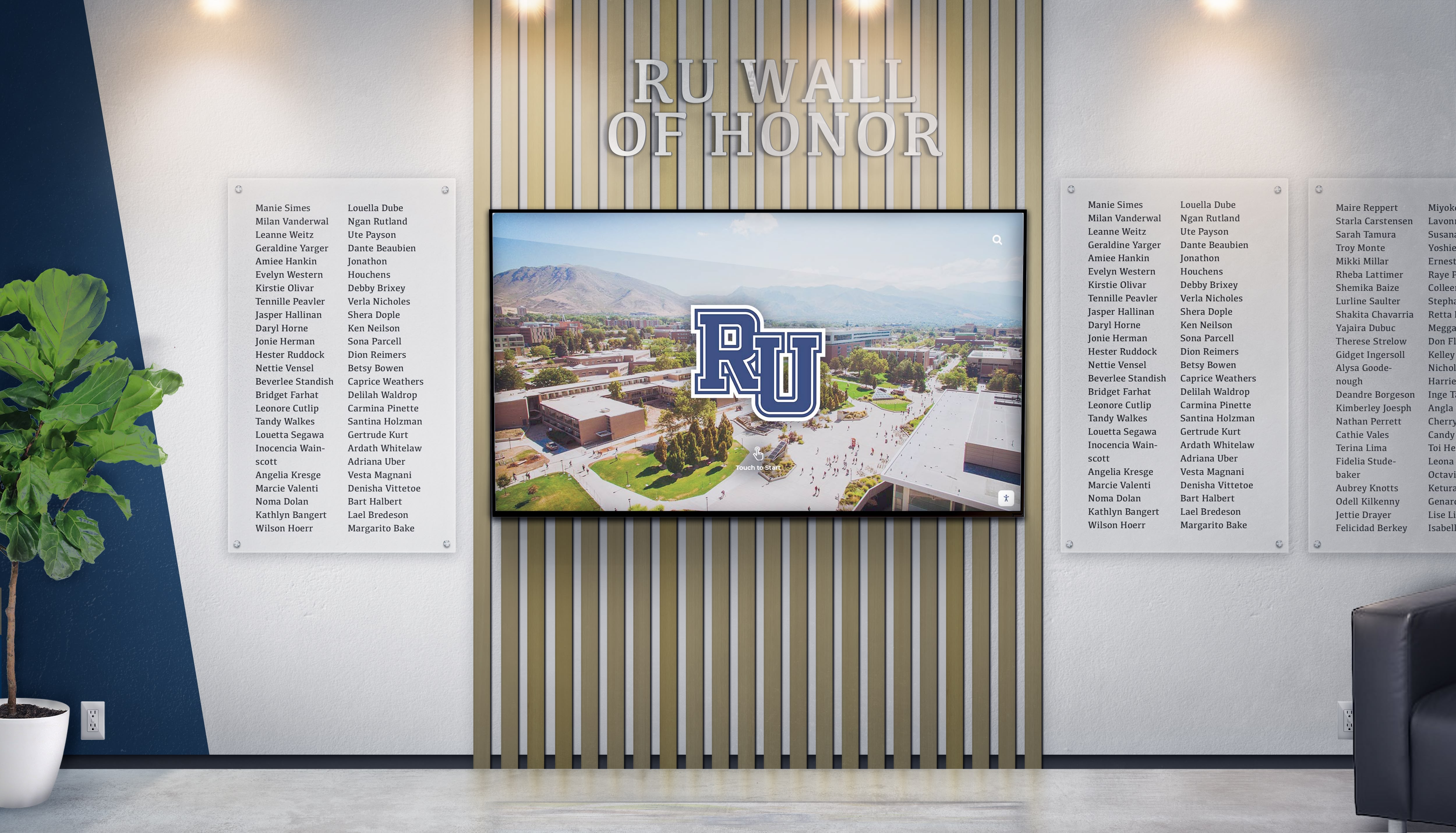
Integrated recognition systems celebrate diverse achievements while showing students that excellence takes many forms
Addressing Chronic Absenteeism Through Recognition and Support
While positive recognition proves valuable, schools facing significant chronic absenteeism must combine celebration with systematic support addressing attendance barriers.
Early Warning Systems: Effective attendance programs implement early intervention protocols identifying students whose absence patterns suggest developing chronic absence. Digital recognition systems can provide administrators with alert features flagging students approaching chronic absence thresholds, attendance trend analysis identifying concerning patterns, comparative data showing students whose attendance significantly declined from previous periods, and automated communication triggers prompting family outreach.
Early identification enables proactive support before excessive absences significantly impact achievement or become entrenched patterns.
Tiered Support Frameworks: Schools should implement Multi-Tiered System of Supports (MTSS) approaches addressing attendance challenges at increasing intensity levels. Framework tiers typically include universal recognition and positive reinforcement through displays and celebration, targeted interventions for students showing early attendance concerns through attendance contracts or support plans, and intensive supports for chronically absent students addressing specific barriers through case management approaches.
Recognition programs function as Tier 1 universal strategies creating positive school culture, but comprehensive attendance improvement requires more intensive support for students facing significant challenges.
Family Partnership and Communication: Attendance recognition programs create natural opportunities for positive school-family communication. Schools should proactively share recognition achievements with families, communicate clearly about attendance goals and recognition opportunities, partner with families to identify and address attendance barriers, celebrate family support that enables strong student attendance, and maintain respectful, non-judgmental tone even when addressing concerning attendance.
Positive communication about attendance builds relationships that prove essential when more intensive intervention becomes necessary for students struggling with chronic absence.
Explore how digital recognition displays create engagement while supporting broader student success initiatives that address both celebration and intervention needs.
Perfect Attendance Display Implementation: Practical Considerations
Moving from concept to functioning attendance recognition displays requires attention to technical, logistical, and organizational considerations that determine program sustainability and effectiveness.
Technology Selection and System Requirements
Schools implementing digital attendance displays should carefully evaluate technology options based on specific needs and contexts.
Display Hardware Considerations: Key hardware decisions include screen size appropriate for viewing distance and location, touchscreen capability if interactive features are desired, commercial-grade components ensuring durability in high-traffic school environments, weatherproofing for outdoor or semi-outdoor locations, and mounting options accommodating various architectural constraints.
Many schools benefit from working with recognition display specialists who understand educational environments and can recommend appropriate solutions rather than attempting to adapt generic digital signage not designed for school recognition applications.
Software and Content Management: Display hardware proves valuable only with software enabling efficient content management. Essential software capabilities include cloud-based management allowing updates from any internet-connected device, intuitive interfaces enabling non-technical staff to manage content, template systems simplifying consistent design across multiple recognition categories, integration capabilities connecting with school information systems for automated data updates, mobile responsiveness if web-based viewing is desired, and robust security protecting sensitive student information.
Touchscreen software platforms designed specifically for educational recognition typically provide these capabilities out-of-box, preventing schools from building custom solutions or adapting inappropriate commercial products.
Data Integration and Automation: Manual data entry for attendance recognition quickly becomes unsustainable, particularly for schools with hundreds or thousands of students potentially qualifying for recognition. Schools should prioritize systems offering direct integration with school information systems enabling automated data synchronization, scheduled updates running automatically without manual intervention, exception handling for special cases requiring human review, and audit capabilities ensuring accuracy and accountability.
Effective integration reduces staff time requirements while ensuring recognition remains current and accurate throughout school years.
Strategic Display Placement and Visibility
Even excellent recognition content proves ineffective if displays occupy low-traffic locations where students rarely encounter them.
High-Visibility Location Priorities: Optimal display locations include main entrance areas where all students pass daily, cafeterias with extended dwell time during lunch periods, main hallways connecting different building wings or grade-level areas, near office or administrative areas with parent and visitor traffic, and in athletic facilities or auditoriums where community gathers.
Some schools implement multiple displays in various locations ensuring recognition reaches entire school community rather than limiting visibility to single area.
Height and Accessibility Considerations: Display mounting should ensure visibility for intended audiences including appropriate height for elementary students in K-5 buildings, ADA-compliant placement serving students with disabilities, sight lines accounting for typical traffic patterns and gathering spaces, and glare prevention from windows or bright lighting.
Testing sight lines from various vantage points before permanent installation prevents disappointing results after significant investment.
Creating Recognition Destinations: Beyond passive placement in existing traffic patterns, schools can create intentional recognition destinations that become gathering places. Approaches include comfortable seating encouraging exploration rather than brief glances while passing, complementary recognition elements like trophy cases or traditional plaques nearby, architectural features or decorative elements making spaces feel special, and schedule flexibility allowing classes to visit recognition areas as group activities.
Recognition spaces that feel important and valued communicate to students that their achievements matter to the school community.
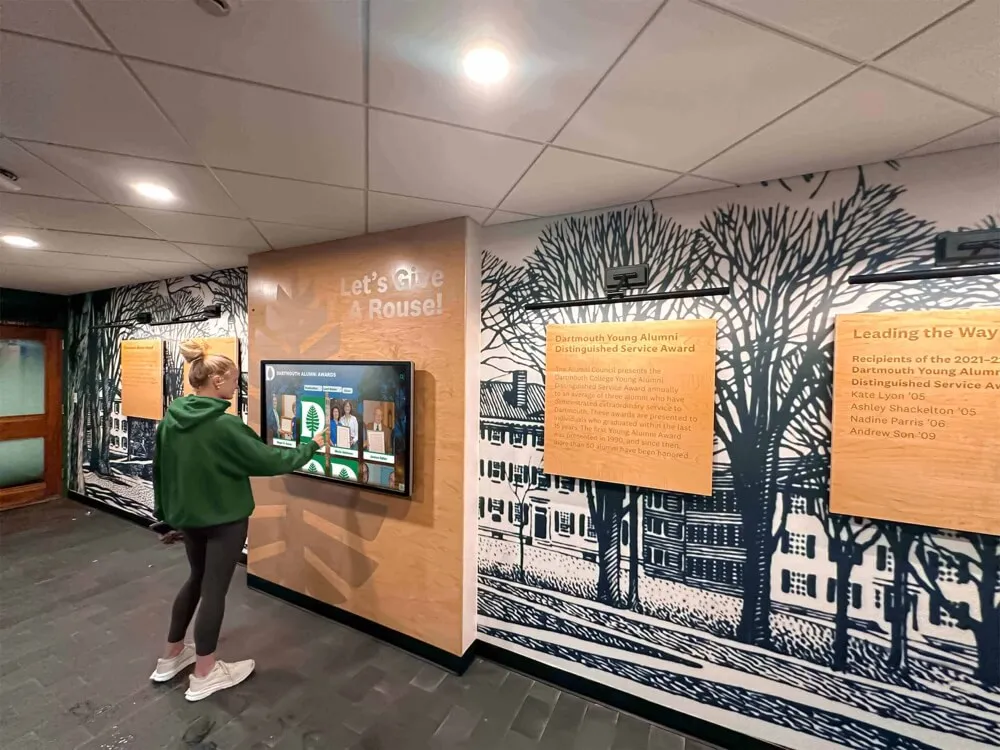
Creating comfortable, intentional recognition spaces encourages extended engagement rather than brief passing glances
Staff Training and Program Management
Technology and placement alone don’t ensure success—programs require ongoing management and staff capacity for sustainable operation.
Designating Clear Ownership: Successful recognition programs assign specific staff members responsible for content management, data updates and verification, responding to questions or concerns from students and families, coordinating with technology support for technical issues, and program evaluation and continuous improvement.
Without clear ownership, recognition displays risk becoming outdated or inaccurate as competing priorities consume staff attention.
Training and Support: Staff managing attendance recognition displays need appropriate training covering content management system operation, basic troubleshooting for common technical issues, attendance policy and recognition criteria, student privacy and data security considerations, and communication approaches for discussing recognition with students and families.
Vendors providing digital recognition solutions should offer comprehensive training and ongoing support ensuring schools can operate systems confidently rather than struggling with unfamiliar technology.
Sustainable Maintenance Processes: Programs should establish routine processes ensuring ongoing quality including weekly or biweekly data updates adding newly qualifying students, monthly content refreshes updating featured profiles or messaging, semester or annual reviews verifying program effectiveness and accuracy, regular technical maintenance checking hardware and software function, and feedback collection gathering student and family input about recognition program.
Systematic processes prevent recognition displays from becoming stale or neglected as staff attention shifts to other priorities throughout busy school years.
Budget Planning and Resource Allocation
Financial considerations significantly influence attendance recognition program scope and sustainability.
Initial Investment Components: Schools implementing new recognition displays should budget for display hardware including screens and mounting systems, software licenses or subscriptions for content management platforms, professional installation ensuring proper mounting and connection, initial content development creating recognition frameworks and designs, staff training enabling confident program operation, and contingency funds for unexpected issues or adjustments.
Investment levels vary dramatically based on display size, software sophistication, and implementation complexity. Schools should seek detailed quotes from multiple vendors while carefully comparing included features, support, and long-term costs.
Ongoing Operational Costs: Beyond initial implementation, schools should budget for annual software licensing or subscription fees, occasional hardware maintenance or replacement, content management staff time, professional development maintaining staff skills, and program evaluation activities assessing effectiveness.
Understanding total cost of ownership beyond initial purchase prevents surprises and ensures program sustainability rather than creating financial commitments that schools cannot maintain long-term.
Funding Sources and Strategies: Schools fund recognition displays through various approaches including general operating budgets for instructional technology or student support, parent organization or booster club fundraising, local education foundation grants, community business partnerships or sponsorships, and state or federal grants targeting student engagement or attendance improvement.
Schools with comprehensive recognition programs serving multiple purposes beyond attendance alone often find funding easier to secure since broader applications justify investment more compellingly than single-purpose systems.
Measuring Perfect Attendance Display Program Effectiveness
Systematic evaluation ensures attendance recognition programs achieve intended outcomes while justifying continued resource investment and identifying improvement opportunities.
Quantitative Metrics and Data Analysis
Attendance Rate Trends: Primary program outcome measures track overall attendance improvements. Schools should monitor school-wide average daily attendance rates, chronic absenteeism percentages, comparison of attendance rates before and after recognition program implementation, grade-level or demographic subgroup attendance patterns, and year-over-year attendance trends.
Positive trends following recognition program implementation suggest impact, though schools should recognize that multiple factors influence attendance and attribution proves challenging.
Recognition Program Participation: Tracking how many students achieve various recognition levels reveals program reach and identifies potential issues with criteria that prove too difficult or too easy. Useful metrics include total students recognized across all categories, percentage of student body qualifying for recognition, distribution across recognition tiers, patterns in which student subgroups achieve recognition, and changes in recognition rates over time.
Low recognition rates may indicate criteria needing adjustment, while overwhelming majority achieving recognition might suggest standards requiring recalibration to maintain meaningfulness.
Display Engagement Analytics: Digital recognition systems often provide interaction data demonstrating how students and families engage with displays. Relevant metrics include total display interactions or sessions, average session duration showing engagement depth, specific content or categories receiving most attention, search queries revealing how users explore recognition, and return visitor rates suggesting ongoing interest.
High engagement indicates that displays successfully capture attention and interest, while low interaction might suggest content needing enhancement or location problems limiting visibility.
Qualitative Feedback and Stakeholder Perspectives
Numbers alone miss important qualitative dimensions affecting program success and sustainability.
Student Surveys and Focus Groups: Direct student feedback reveals whether recognition programs impact motivation and perception. Schools should gather input about awareness of attendance recognition programs and criteria, whether recognition motivates improved attendance behavior, perceived fairness of recognition criteria and processes, satisfaction with recognition meaningfulness and visibility, and suggestions for program improvements.
This feedback often reveals disconnects between adult assumptions about recognition effectiveness and actual student experiences and motivations.
Family Input and Communication: Parent and guardian perspectives provide important insights about program impact at home. Schools might survey families about awareness of attendance recognition programs, whether recognition influences family morning routines or absence decisions, perception of school emphasis on attendance importance, communication effectiveness about attendance and recognition, and suggestions for supporting strong attendance habits.
Family feedback often identifies practical barriers to consistent attendance that recognition alone cannot address but that targeted support might resolve.
Staff Observations and Input: Teachers, administrators, and support staff observe daily attendance patterns and student responses to recognition. Their perspectives include whether recognition programs appear to motivate improved student attendance, identification of students for whom recognition proves particularly impactful, observations about unintended consequences or challenges, assessment of program administrative burden and sustainability, and recommendations for enhancing effectiveness.
Staff closest to students often provide the most nuanced understanding of how recognition influences behavior and school culture beyond what quantitative data reveals.
Using Evaluation for Continuous Improvement
Assessment proves valuable only when findings drive actual program enhancement rather than being filed away and forgotten.
Regular Program Review Cycles: Schools should establish scheduled evaluation processes occurring at consistent intervals. Suggested review timeline includes monthly data checks monitoring basic attendance trends and recognition participation, semester or quarterly comprehensive reviews examining multiple metrics and gathering stakeholder feedback, and annual strategic assessments evaluating overall program effectiveness and planning significant adjustments.
Systematic review prevents programs from continuing unchanged for years despite declining effectiveness or changing school needs.
Responsive Adjustment Based on Evidence: Evaluation findings should inform concrete program modifications. Changes might include recognition criteria adjustments ensuring appropriate challenge and accessibility, content enhancements addressing student engagement or interest, communication strategy improvements increasing awareness and understanding, integration with other school initiatives creating more comprehensive approaches, or resource allocation changes optimizing investment and sustainability.
Schools should document evaluation findings, decisions made in response, and rationale for changes, creating institutional knowledge that persists despite staff transitions.
Benchmarking and Best Practice Learning: Schools benefit from comparing attendance recognition approaches with peer institutions and researching evidence-based practices. This outreach might include professional learning community participation with other schools addressing attendance, attendance recognition program examples from high-performing schools, research literature about effective attendance interventions and recognition, and consultation with attendance specialists or educational consultants.
External perspectives prevent insularity while introducing innovations and evidence-based approaches schools might not develop independently.
Conclusion: Building Culture of Commitment Through Strategic Attendance Recognition
Perfect attendance displays and recognition programs represent valuable tools for celebrating student commitment, reinforcing the importance of showing up, and creating school cultures where consistent participation is visible, valued, and honored. When implemented thoughtfully with attention to equity, health considerations, and diverse student circumstances, attendance recognition inspires positive behavior changes while building community pride and shared values around dedication and perseverance.
The most effective programs move beyond simplistic perfect attendance awards that inadvertently exclude students facing health challenges or circumstances beyond their control. Instead, they implement nuanced, multi-tiered recognition frameworks celebrating perfect attendance alongside excellent attendance, remarkable improvement, and consistent participation despite obstacles. This inclusive approach ensures that recognition remains accessible and motivating for students across diverse situations while maintaining meaningful standards that require genuine effort and commitment.
Modern digital recognition displays transform attendance acknowledgment from static bulletin boards into dynamic, engaging platforms that capture student attention, provide rich context about achievements, and extend recognition reach through web-based accessibility. Solutions like Rocket Alumni Solutions enable schools to create comprehensive recognition systems celebrating attendance alongside academic achievement, athletic accomplishment, arts excellence, and community contribution—showing students that consistent attendance provides foundations for success across all dimensions they care about.
Transform Your School's Attendance Recognition Program
Discover how modern digital displays can help you celebrate student commitment, build positive school culture, and create engaging recognition that motivates consistent attendance.
Schedule Your Free ConsultationTechnology alone doesn’t create effective attendance recognition—success requires clear criteria students understand and perceive as achievable, systematic tracking ensuring accuracy and timeliness, engaging content that resonates with student interests and motivations, strategic placement maximizing visibility and creating recognition destinations, and ongoing management maintaining quality and relevance throughout school years.
Perhaps most importantly, effective attendance recognition exists within comprehensive approaches addressing both celebration and support. Recognition programs provide universal positive reinforcement for all students, but schools must simultaneously implement targeted interventions for students facing attendance challenges. Early warning systems, family partnerships, barrier identification, and individualized support plans ensure that schools celebrate success while addressing struggles—recognizing that some students need more than motivation alone to achieve consistent attendance.
Start by assessing your current attendance recognition approaches honestly. Do displays feel current and engaging, or have they become stale and overlooked? Do recognition criteria seem fair and achievable to students across diverse circumstances, or do programs inadvertently exclude those facing challenges? Does attendance recognition exist in isolation, or is it integrated into comprehensive recognition celebrating multiple achievement dimensions?
With thoughtful planning, appropriate technology, meaningful criteria, and genuine commitment to both celebration and support, your school can create attendance recognition programs that genuinely influence student behavior, strengthen school culture, and build the consistent participation that provides foundations for academic success and lifelong habits of showing up, engaging fully, and making meaningful contributions to communities.
Your students’ commitment to showing up every day deserves celebration equal to its importance in their learning and growth. Transform your attendance recognition from routine acknowledgment to strategic culture building that inspires commitment, honors diverse excellence, and creates the positive school environment where every student feels valued and every form of dedication is recognized.
Ready to begin? Explore how interactive digital recognition systems can enhance your attendance recognition program, or learn about student recognition approaches that celebrate multiple dimensions of student achievement and commitment.































