Perfect SAT score recognition represents one of the most prestigious academic achievements high school students can attain. Scoring a perfect 1600—with 800 in both Math and Evidence-Based Reading and Writing—places students among an exceptionally rare group of approximately 500-1,000 students nationally each year from over two million test takers. When schools systematically celebrate perfect SAT scores alongside other academic milestones, they create comprehensive recognition cultures that honor intellectual excellence while inspiring future students to pursue rigorous academic challenges.
Yet many schools struggle to give SAT achievements the visibility they deserve. Academic accomplishments often receive less prominent recognition than athletic success, and perfect SAT scores—achieved by only a tiny fraction of students—can get lost amid other recognitions. Meanwhile, students who dedicated extraordinary effort to reaching this elite benchmark deserve celebration equal to any competitive achievement.
This comprehensive guide explores proven strategies for recognizing perfect SAT scores and exceptional test achievement through modern digital displays, traditional programs, and systematic approaches that give academic excellence the prominence it merits.
Academic recognition creates powerful motivation while communicating institutional values. When schools celebrate perfect SAT scores prominently through multiple channels, they demonstrate genuine commitment to intellectual pursuits while providing concrete examples of academic success that inspire younger students.
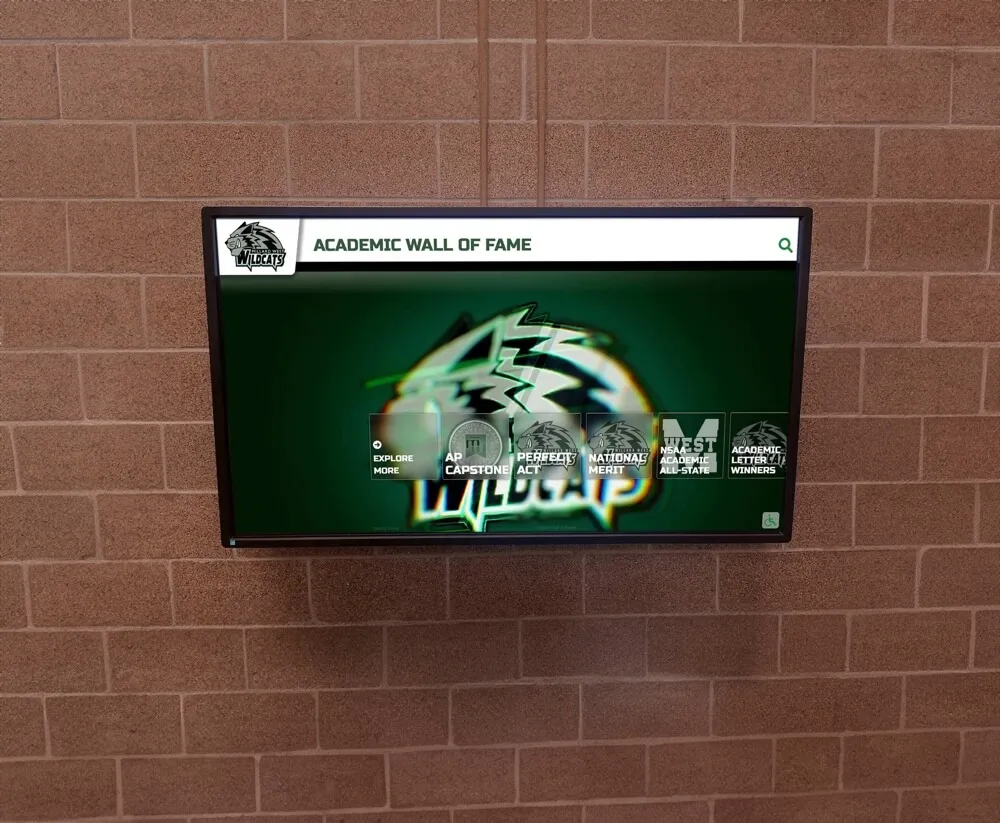
Modern academic recognition displays make perfect SAT achievements visible and celebrated throughout the school community
Understanding Perfect SAT Scores and Their Significance
The SAT represents one of the most important standardized tests in American education, serving as a critical component of college admissions for millions of students annually. Understanding what constitutes exceptional achievement helps schools create appropriate recognition programs.
What is a Perfect SAT Score?
A perfect SAT score is 1600, achieved by earning 800 points in both the Evidence-Based Reading and Writing section and the Mathematics section. This represents the absolute maximum score possible on the exam, demonstrating mastery across all tested domains.
According to data from the College Board, fewer than 0.05% of SAT test-takers achieve a perfect score. With approximately two million students taking the SAT each year, this translates to roughly 500-1,000 perfect scorers annually nationwide. This extreme rarity makes perfect SAT scores worthy of significant recognition.
Why Perfect SAT Scores Deserve Special Recognition
Perfect SAT scores represent more than just test-taking ability—they demonstrate exceptional academic preparation, intellectual capability, sustained focus, and mastery across multiple academic disciplines. Schools should recognize these achievements for several reasons:
Academic Excellence Validation
- Perfect scores provide objective, external validation of exceptional academic ability
- The achievement demonstrates mastery recognized nationally, not just locally
- Success requires comprehensive knowledge across mathematics, reading, and writing
Inspirational Impact
- Visible recognition of perfect scores inspires younger students to pursue academic excellence
- Students see concrete examples that exceptional achievement is possible at their school
- Recognition creates role models demonstrating pathways to intellectual success
College Admissions Distinction
- Perfect SAT scores significantly strengthen college applications
- The achievement opens doors to selective institutions and competitive scholarship opportunities
- Recognition helps students leverage accomplishments during the admissions process
Institutional Reputation
- Schools known for producing perfect SAT scorers attract families seeking academic rigor
- Community recognition enhances institutional reputation for academic excellence
- Visible achievements demonstrate effective educational programs
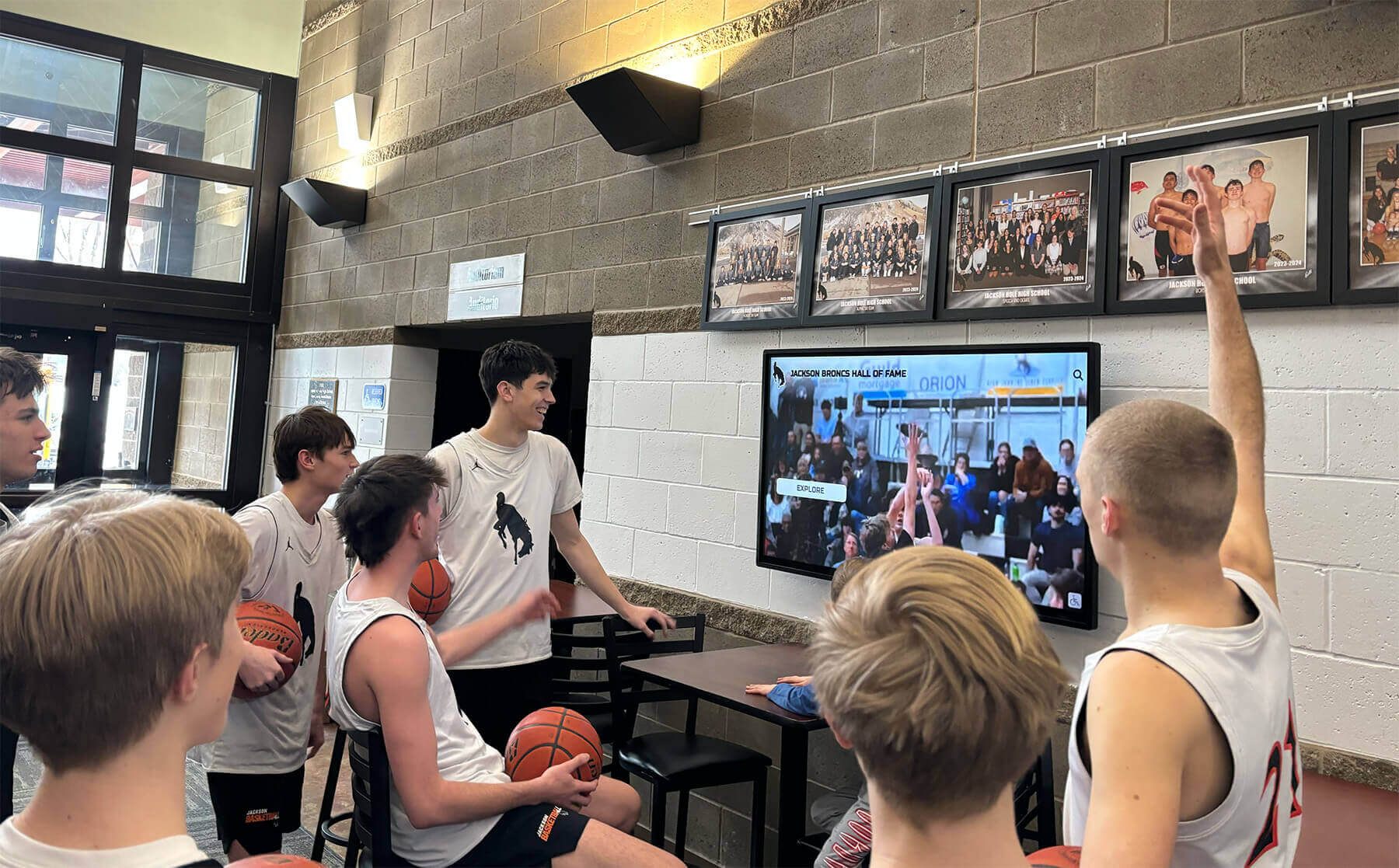
Interactive displays create opportunities for students to explore academic achievements while building school culture
Understanding the Broader Context of SAT Achievement Recognition
While perfect scores represent the pinnacle, schools should also recognize a spectrum of SAT achievements that demonstrate academic excellence at various levels.
High SAT Score Thresholds Worth Recognizing
Beyond perfect scores, consider recognizing students achieving various benchmark scores:
Elite Performance (1500-1590) Students scoring in this range place in approximately the top 1-2% of all test-takers, demonstrating exceptional academic ability worthy of recognition. Many selective colleges consider any score above 1500 as demonstrating readiness for their most rigorous programs.
Excellent Performance (1400-1490) Scores in this range place students in roughly the top 5-7% nationally, representing strong academic achievement and preparation for competitive college programs.
Strong Performance (1300-1390) This score range demonstrates solid academic preparation and places students in approximately the top 12-15% of test-takers.
Schools implementing comprehensive academic recognition programs should establish clear thresholds appropriate to their institutional context and student body composition.
College Board National Recognition Program
Schools should also celebrate students earning College Board National Recognition Program distinctions, which recognize academic success in 10th and 11th grade through three award categories:
School Recognition Award: Celebrating students who demonstrated academic excellence within their school community First-Generation Recognition Award: Honoring students on track to be first in their family to complete college Rural and Small Town Recognition Award: Elevating students from smaller communities
According to College Board program requirements, students can qualify through top 10% performance on PSAT/NMSQT or earning 3+ on two or more AP Exams in 8th-10th grade, combined with B+ cumulative GPA.
Traditional Recognition Methods for Perfect SAT Scores
Schools have celebrated exceptional test scores through various traditional methods, each offering distinct advantages while facing certain limitations.
Award Ceremonies and Academic Recognition Events
Many schools recognize perfect SAT scorers and high achievers during end-of-year academic award ceremonies, providing public acknowledgment before student bodies, families, and staff.
Effective Ceremony Elements:
- Individual certificate presentation or plaque recognition
- Public announcement of achievement with score specifics
- Academic history highlights showing progression to perfect score
- Congratulations from administrators emphasizing accomplishment significance
- Family invitation ensuring parents witness recognition
However, timing challenges exist since SAT scores often arrive during summer months when students may have graduated. Schools can address this by recognizing achievements from previous test cycles during current-year ceremonies, though this creates delays between achievement and recognition.
Academic Honor Roll and Excellence Lists
Some schools include perfect SAT scorers and high achievers on published academic excellence lists distributed through newsletters, websites, or school communications. This approach provides written documentation while reaching broader audiences than ceremony attendees alone.
Benefits of List-Based Recognition:
- Permanent record students can reference on resumes and applications
- Broad distribution reaching extended family and community
- Cost-effective recognition method requiring minimal resources
- Searchable digital archives preserving historical achievement

Individual recognition profiles celebrate specific achievements and academic journeys
Media Recognition and Public Announcements
When students achieve perfect SAT scores, schools should coordinate with local media outlets to publicize these exceptional achievements. According to examples from recent perfect scorers, schools typically issue news releases highlighting the achievement, student background, and future academic plans.
For example, when Sahli Negassi of West Orange High School scored a perfect 1600, the school worked with NBC Philadelphia to generate positive attention. The principal noted in a news release that “Sahli represents the best of West Orange High School,” connecting individual achievement to institutional excellence.
Effective Media Recognition Strategies:
- Coordinate with local newspapers and television stations
- Prepare official statements from school leadership
- Include student quotes about preparation and experience
- Highlight well-rounded profile beyond test scores
- Photograph students for news coverage
Traditional Display Limitations
While valuable, traditional recognition methods face significant constraints:
- Limited Visibility Duration: Bulletin board postings and newsletter mentions provide temporary recognition that disappears after brief display periods
- Minimal Context: Traditional plaques typically show only names and scores, missing opportunities for deeper storytelling about achievement journeys
- Space Constraints: Physical honor rolls accommodate finite names before requiring expensive expansion
- Update Difficulties: Adding new achievers to traditional displays requires manufacturing new materials, creating delays and ongoing costs
These limitations have led schools increasingly toward modern digital recognition solutions that overcome traditional constraints while enhancing engagement and impact.
Digital Recognition Solutions for Perfect SAT Scores
Modern digital displays and recognition systems revolutionize how schools celebrate academic achievement, offering capabilities traditional approaches cannot match while creating engaging experiences that inspire students continuously.
Interactive Touchscreen Recognition Displays
Digital recognition displays combine unlimited capacity with rich multimedia content and intuitive interactivity. A single touchscreen can showcase detailed profiles for hundreds of academic achievers with photos, test scores, academic histories, and achievement information impossible to include on traditional plaques.
Solutions like Rocket Alumni Solutions provide comprehensive platforms designed specifically for educational institutions, enabling schools to recognize perfect SAT scorers alongside other achievements through unified digital systems.
Core Digital Recognition Advantages:
Unlimited Recognition Capacity: Honor every perfect scorer and high achiever without space constraints, accommodating program growth indefinitely Rich Multimedia Profiles: Include student photos, exact scores, test dates, academic interests, college plans, and personal statements about test preparation experiences Instant Content Updates: Add new perfect scorers immediately when scores are released without manufacturing delays or physical modifications Interactive Exploration: Students can search by name, filter by graduation year, browse by score range, or explore achievement timelines through intuitive touchscreen interfaces Cost-Effectiveness Over Time: Digital systems eliminate per-recipient costs for annual additions, becoming dramatically more economical long-term
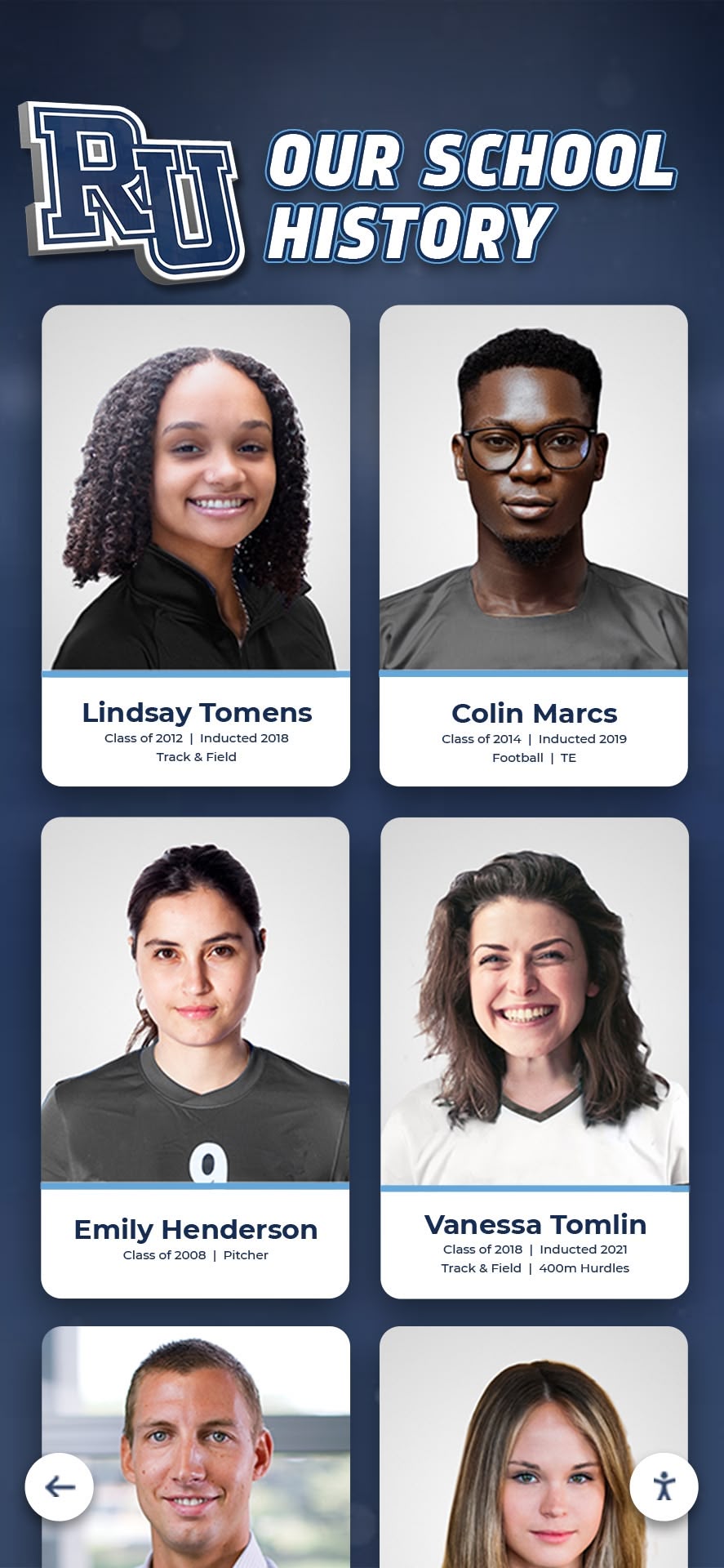
Comprehensive recognition systems document achievement journeys across academic careers
Cloud-Based Content Management
Modern recognition platforms utilize cloud-based management systems that staff can update from any internet-connected device without technical expertise. Academic coordinators or counselors can add new perfect scorers within minutes through simple web interfaces.
Changes appear on hallway displays instantly, creating seamless recognition experiences. Multiple staff members can contribute content while maintaining consistent presentation through role-based permissions and approval workflows.
Web-Based Recognition Extensions
Digital recognition platforms extend recognition beyond physical campus locations, allowing families, alumni, and community members worldwide to explore achievements through web-accessible displays.
Online recognition enables social sharing where perfect SAT scorers can share profiles with extended family, college admissions offices, or scholarship programs. Mobile optimization ensures displays work beautifully on smartphones and tablets, meeting students where they engage most frequently with content.
Integration with Comprehensive Academic Recognition
Digital platforms excel at presenting comprehensive academic excellence through unified interfaces that showcase perfect SAT scorers alongside other recognitions including honor roll achievement, academic competition success, National Merit recognition, AP Scholar designations, and scholarship achievements.
This integrated approach demonstrates that schools value balanced excellence across multiple dimensions rather than prioritizing any single achievement type.
Implementing Comprehensive SAT Score Recognition Programs
Creating effective perfect SAT score recognition requires systematic planning addressing timing challenges, communication strategies, and sustainable implementation that maintains impact year after year.
Annual Recognition Timeline
SAT testing occurs throughout the academic year, with students typically taking the exam during junior and senior years. Scores become available approximately two weeks after each test administration, though this timing creates challenges since many schools complete academic years before summer test scores arrive.
Strategic Recognition Timeline:
During School Year Recognition:
- Monitor score release dates for fall, winter, and spring test administrations
- Communicate congratulations to perfect scorers immediately upon learning of achievement
- Update digital recognition displays within days of score release
- Feature achievers in morning announcements and social media posts
- Include recognition in next scheduled academic award ceremony
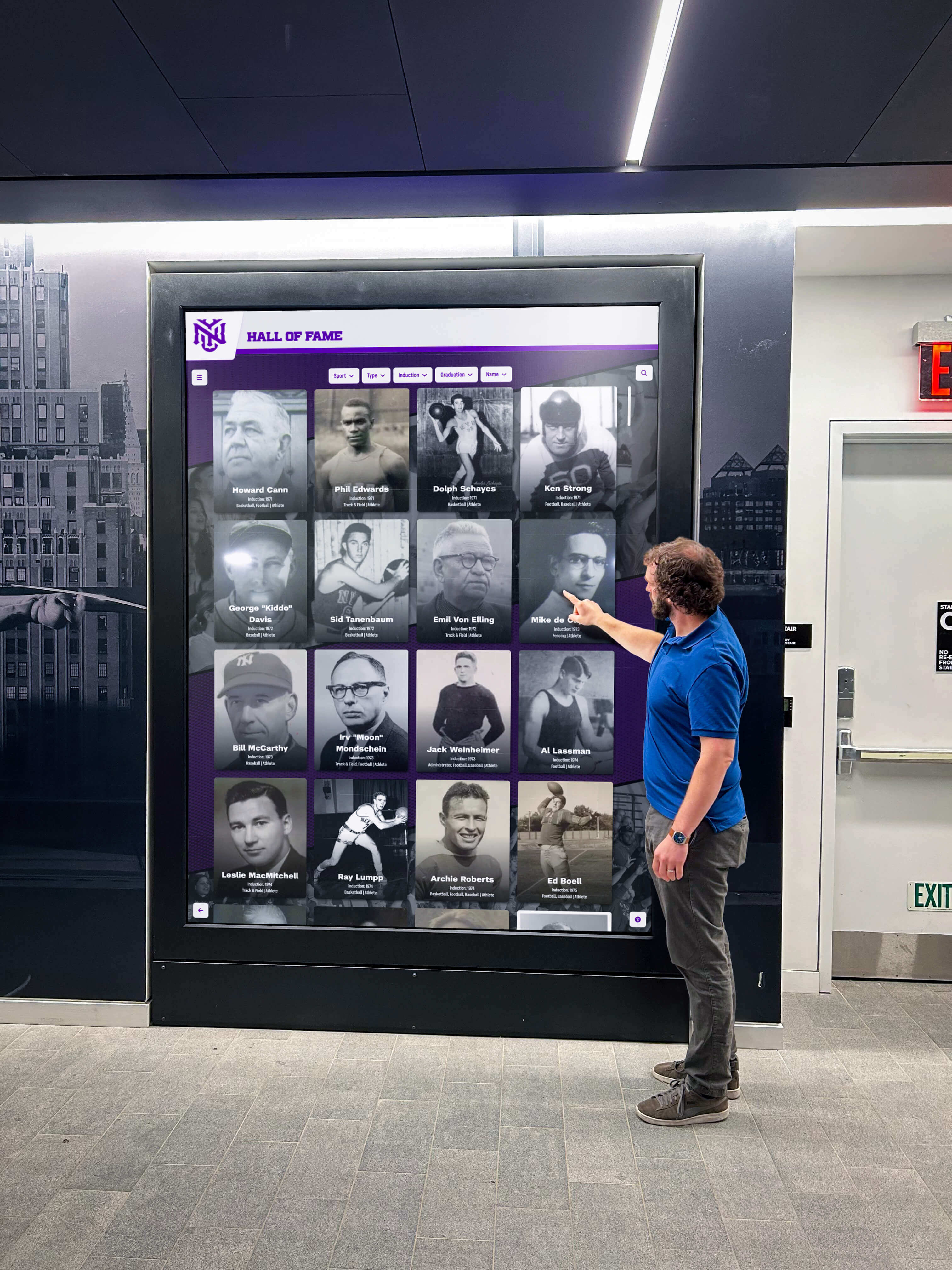
Interactive displays enable families and community members to explore academic excellence
Summer Recognition Strategy:
- Send congratulatory emails to summer test perfect scorers
- Post social media recognition featuring individual students
- Update school websites and digital displays before fall semester
- Plan fall semester recognition event for summer achievers
- Include in graduation program planning for current seniors
Historical Recognition:
- Maintain year-round visibility through digital displays showcasing all perfect scorers in school history
- Feature perfect scorers during college application season when students select courses
- Reference achievements during standardized test preparation programs
- Include in recruiting materials shown to prospective families
Multi-Channel Communication Strategy
Effective recognition utilizes diverse communication channels ensuring broad awareness across school communities:
Digital Communication:
- School website features with searchable achievement databases
- Social media posts celebrating individual perfect scorers
- Email announcements to families and school community
- Digital signage throughout buildings highlighting recent achievers
- Interactive touchscreen displays in high-traffic areas
Traditional Communication:
- Certificates presented during academic ceremonies
- Printed newsletters and bulletins featuring achievers
- Display cases and bulletin boards showcasing recognition
- Inclusion in academic awards programs and assemblies
- Recognition during parent engagement events
Community Engagement:
- Press releases to local media outlets
- Community business partnerships recognizing academic excellence
- Alumni newsletter features connecting current to historical achievers
- College counselor communication for application support
Creating Rich Recognition Content
Simply listing names and scores misses opportunities for deeper storytelling that inspires others while properly celebrating achievements. Comprehensive recognition includes several content elements.
Essential Information:
- Student name and graduation year
- Perfect score (1600) or high score achieved
- Test administration date and year
- Cumulative GPA or academic standing
- College plans or intended major
Enhanced Content:
- Professional or yearbook photos
- Personal statements about test preparation journey
- Advice for students preparing for SAT
- Academic interests and accomplishments
- Teacher or counselor testimonials
- Course rigor and AP/honors enrollment
Multimedia Elements:
- Video interviews about achievement experience
- Photo galleries from academic programs
- Recorded test preparation advice for peers
- College decision announcements and celebration
This rich content transforms recognition from simple acknowledgment into inspiration that motivates others while properly celebrating individual accomplishment.

Strategic placement of recognition displays in high-traffic areas maximizes visibility and engagement
Combining SAT Recognition with Broader Academic Excellence
The most effective academic recognition programs celebrate perfect SAT scores within comprehensive frameworks honoring diverse intellectual accomplishments, creating cultures where excellence takes many forms.
Comprehensive Academic Recognition Categories
Schools implementing comprehensive academic recognition celebrate multiple achievement types creating inclusive cultures where all students see pathways to meaningful acknowledgment:
Standardized Test Achievement: Perfect SAT scores, high SAT scores (1500+), ACT equivalents, subject test excellence, PSAT National Merit recognition Advanced Coursework Success: AP Scholar awards, high AP exam scores, International Baccalaureate achievements, dual enrollment accomplishments Academic Competition Excellence: Science Olympiad, Math League, Debate tournaments, Academic Decathlon, subject-specific competitions GPA and Class Rank: Valedictorian, salutatorian, summa cum laude designations, sustained honor roll achievement Scholarship Achievement: National Merit Scholars, significant scholarship recipients, academic award winners College Admissions Success: Acceptances to highly selective institutions, honors program admissions
This multi-faceted approach demonstrates that intellectual excellence manifests through diverse pathways rather than single achievement types alone.
Balancing Academic and Athletic Recognition
Many schools excel at celebrating athletic championships while academic achievements receive less prominent recognition. Creating balanced recognition systems requires intentional effort ensuring intellectual accomplishments receive equal emphasis.
Parallel Recognition Structures:
- Digital displays showcasing academic and athletic achievements with equal prominence
- Ceremony formats giving comparable time to perfect SAT scorers and athletic all-stars
- Social media strategies celebrating academic excellence as enthusiastically as athletic championships
- Budget allocations providing adequate resources for academic recognition programs
- Physical space designations ensuring academic displays receive premium locations
When students see perfect SAT scores celebrated as prominently as state championships, they understand that schools genuinely value comprehensive development across all domains.
Senior Recognition and Legacy
Perfect SAT scores often represent culmination of sustained academic excellence throughout high school careers. Senior recognition programs should celebrate SAT achievements alongside cumulative academic accomplishment.
Digital recognition systems excel at presenting complete academic journeys, showing progression from early academic success through perfect SAT achievement and college acceptance. This longitudinal view helps younger students understand that perfect scores represent sustained commitment rather than isolated accomplishment.
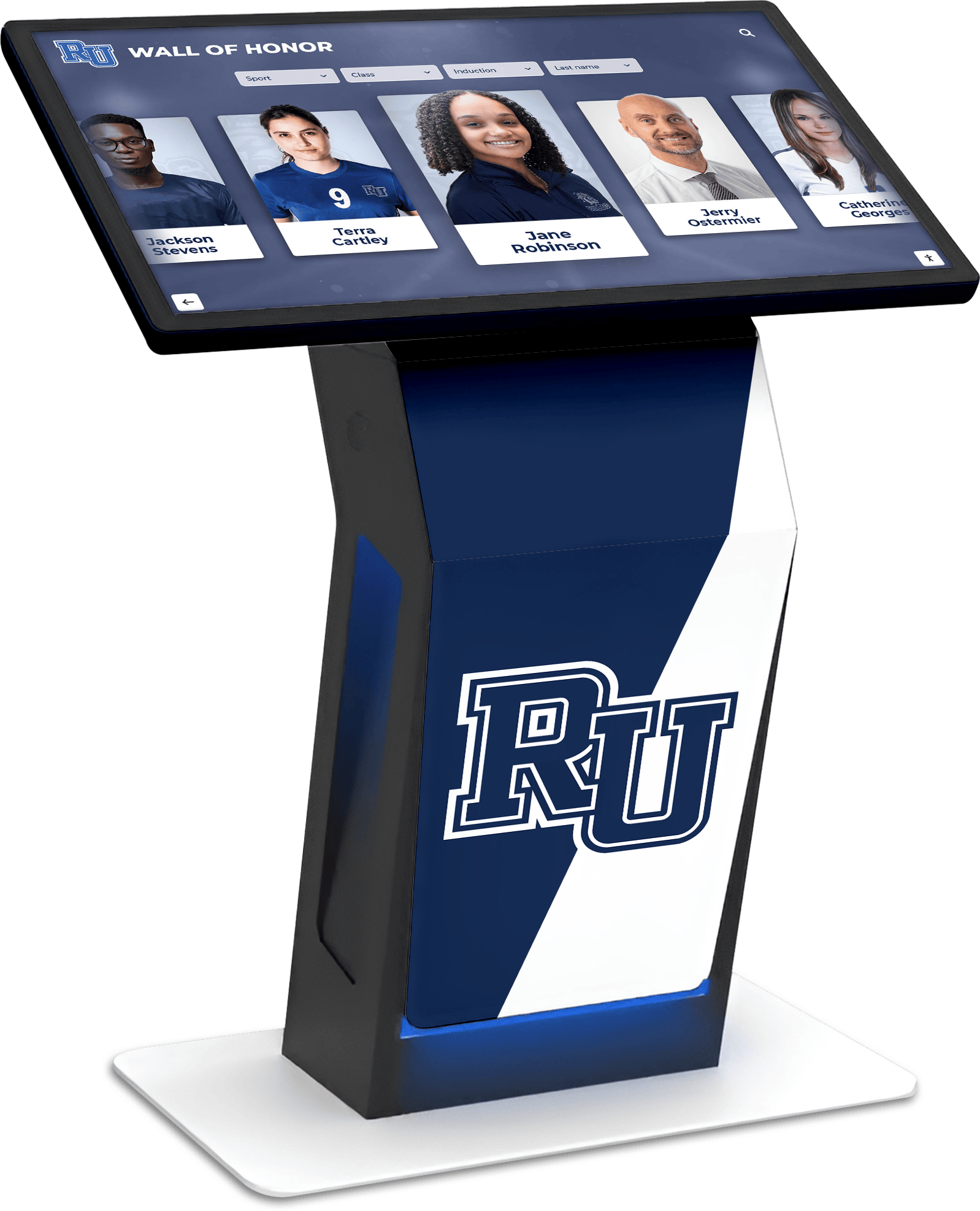
Modern recognition systems integrate touchscreen displays with cloud-based management platforms
Best Practices for Sustainable Perfect SAT Score Recognition
Long-term program success requires systematic approaches ensuring recognition remains consistent, impactful, and sustainable regardless of staff changes or competing priorities.
Establishing Clear Responsibility
Assign specific individuals or committees responsible for SAT score recognition program coordination including monitoring score release dates and student achievement, gathering student information, photos, and testimonials, updating recognition displays and communications, coordinating ceremony presentations and public recognition, and maintaining historical records of all perfect scorers and high achievers.
Clear accountability prevents recognition from falling through cracks during busy periods while ensuring consistent quality across years.
Building Historical Archives
Comprehensive recognition programs preserve institutional memory by documenting all perfect SAT scorers across decades. Digital systems facilitate this archiving through searchable databases, tagged content organization, historical photo preservation, and trend analysis showing program growth over time.
These archives demonstrate long-term commitment to academic excellence while providing research data about program effectiveness and student achievement patterns that inform instructional improvement.
Integration with Test Preparation Programs
Effective recognition programs connect achievement celebration with test preparation support, using perfect SAT score recognition to encourage rigorous academic preparation and effective test-taking strategies.
During SAT preparation programs, highlight previous perfect scorers discussing preparation strategies, feature successful students explaining study approaches that worked for them, provide data about score improvement and preparation effectiveness, and connect current students with perfect scorer mentors who can answer questions about preparation.
This strategic connection leverages recognition to inform actual skill development—improved SAT performance through better preparation—rather than serving only ceremonial purposes.
Technology Infrastructure and Support
Schools implementing digital recognition systems should ensure reliable technology infrastructure including stable network connectivity, adequate device security and data protection, regular software updates maintaining functionality, user-friendly content management requiring no technical expertise, and technical support access for troubleshooting any issues that arise.
Modern recognition platforms like Rocket Alumni Solutions provide comprehensive support including remote monitoring, automatic software updates, training resources, and responsive assistance ensuring systems remain functional and current.
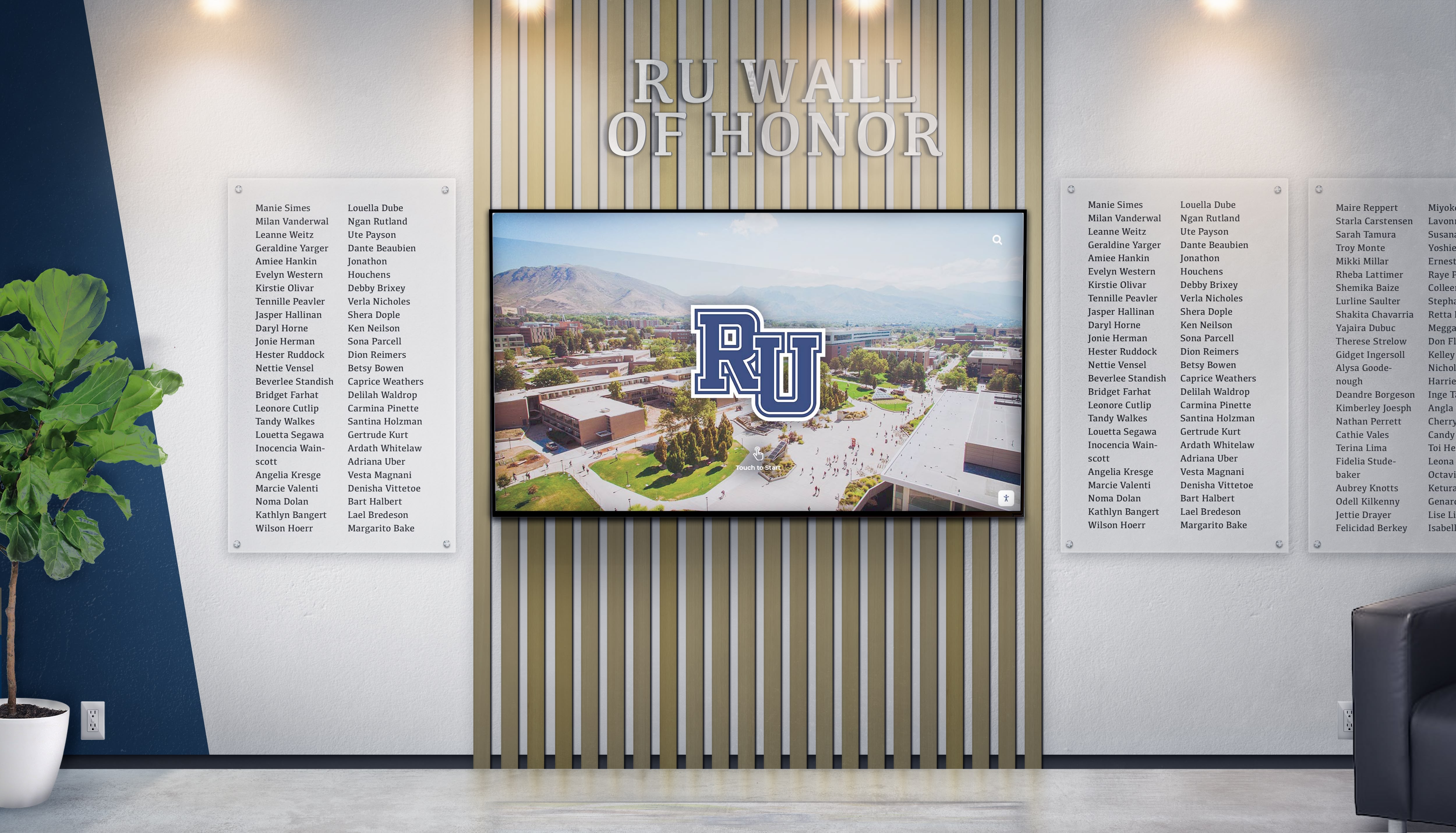
Integrated recognition systems combine digital displays with traditional elements creating comprehensive celebration spaces
Measuring Impact and Demonstrating Program Value
Systematic assessment ensures perfect SAT score recognition programs achieve intended goals while justifying resource investments and guiding continuous improvement.
Participation and Achievement Metrics
Track quantitative indicators showing program reach and academic impact:
- Number of students achieving perfect or near-perfect SAT scores annually
- Trends in high SAT achievement over multi-year periods
- Average SAT scores for school compared to state and national averages
- Percentage of students scoring above various benchmark thresholds (1400+, 1500+)
- Correlation between recognition program implementation and score improvements
These metrics demonstrate program effectiveness while identifying opportunities for improvement or expansion in test preparation support.
Academic Outcomes and College Success
Monitor relationships between SAT achievement and broader academic success:
- College acceptance rates for perfect scorers and high achievers
- Merit scholarship awards correlated with SAT performance
- Admission to highly selective institutions
- Student reports about how recognition influenced academic motivation
- Alumni perspectives on SAT recognition program significance
These outcome measures justify recognition program investments by demonstrating tangible benefits beyond ceremonial acknowledgment.
Cultural Impact Indicators
Assess qualitative changes suggesting recognition programs positively shape school culture:
- Student survey responses about academic achievement importance
- Family satisfaction with academic recognition emphasis
- Staff observations about academic culture evolution
- External perception of school academic reputation
- Balance between academic and athletic recognition prominence
Regular assessment enables evidence-based refinement ensuring recognition programs remain effective while demonstrating value to stakeholders and leadership.
Creating Meaningful Perfect SAT Score Recognition: Key Takeaways
Effective perfect SAT score recognition programs share common characteristics that maximize impact while maintaining sustainability:
Clear Program Structure:
- Systematic identification of perfect scorers when scores are released
- Defined roles and responsibilities for recognition coordination
- Established timelines ensuring prompt acknowledgment
- Documented procedures maintaining consistency across years
Multi-Channel Communication:
- Digital displays providing permanent, interactive recognition
- Social media celebration reaching broad audiences
- Traditional ceremonies and certificates honoring achievements formally
- Website features enabling extended family and community access
Comprehensive Integration:
- Perfect SAT score recognition within broader academic excellence frameworks
- Balanced emphasis alongside athletic and other achievements
- Connection to test preparation and academic planning processes
- Historical preservation documenting institutional commitment over time
Sustainable Implementation:
- Technology infrastructure supporting long-term functionality
- Content management systems enabling easy updates
- Adequate budget allocations ensuring program quality
- Regular assessment and refinement based on impact evidence
Schools investing in thoughtful perfect SAT score recognition discover that celebrating intellectual achievement creates powerful motivational forces. Students who see academic excellence honored prominently pursue rigorous preparation more enthusiastically while developing pride in scholarly accomplishments that extend far beyond high school.
Transform Your Academic Recognition Program
Discover how modern digital recognition solutions can help you celebrate perfect SAT scores and build a thriving culture of intellectual excellence.
Explore Recognition SolutionsConclusion: Celebrating Academic Excellence Through Meaningful Recognition
Perfect SAT scores and exceptional test achievement represent significant accomplishments deserving celebration equal to any competitive success. When schools systematically recognize these distinctions through modern digital displays, comprehensive communication strategies, and sustained institutional commitment, they create cultures where intellectual excellence receives the prominence it merits.
The strategies explored in this guide—from digital recognition systems and multi-channel communication to integrated academic excellence frameworks—provide concrete pathways for schools seeking to honor perfect SAT achievements effectively. Whether implementing new recognition programs or enhancing existing approaches, the fundamental principle remains constant: students who dedicate themselves to rigorous academic preparation and achieve exceptional results deserve acknowledgment that validates their effort while inspiring others to similar excellence.
Modern recognition solutions overcome traditional limitations while creating engaging experiences that celebrate achievement comprehensively. Digital platforms eliminate space constraints, enable rich multimedia storytelling, provide intuitive exploration features, and maintain recognition visibility year-round rather than limiting acknowledgment to brief ceremonial moments.
Your perfect SAT scorers have demonstrated exceptional academic ability through demanding standardized testing. Comprehensive recognition programs ensure these achievements receive celebration proportional to their significance, building school cultures where academic excellence feels as valued and visible as any other form of student success.
Ready to begin? Explore how digital recognition platforms can transform your academic celebration while inspiring future generations of scholars through visible examples of intellectual achievement that matter.































