Phi Theta Kappa Honor Society (PTK) represents the most prestigious academic honor available to community college students across the United States and internationally. With more than 3.8 million members inducted since 1918, PTK recognizes exceptional academic achievement while providing scholarship opportunities, leadership development, and transfer advantages that can transform educational and career trajectories for two-year college students.
Yet many community college students remain unaware of PTK’s existence, qualification requirements, or the substantial benefits membership provides. Others know about PTK but don’t understand how membership supports transfer success, opens scholarship opportunities worth millions annually, or creates networking connections extending far beyond community college years. This lack of awareness means deserving students miss opportunities that could significantly impact their academic futures and career prospects.
This comprehensive guide explores everything community college students, families, and institutions need to know about Phi Theta Kappa—from membership requirements and application processes to tangible benefits and recognition strategies that celebrate PTK achievement while inspiring future academic excellence throughout community college campuses.
Community colleges serve diverse student populations pursuing certificates, associate degrees, workforce training, and transfer pathways to four-year institutions. Within these varied populations, Phi Theta Kappa identifies and honors students demonstrating exceptional academic commitment, leadership potential, and service dedication—the multifaceted excellence that distinguishes top performers across two-year colleges worldwide.

Digital recognition systems enable community colleges to prominently celebrate Phi Theta Kappa members alongside other academic achievements
Understanding Phi Theta Kappa: History and Mission
Before exploring membership requirements and benefits, understanding PTK’s history and organizational mission provides essential context for why this honor society matters so significantly for community college students.
A Century of Community College Excellence
Phi Theta Kappa was founded in 1918 by Missouri community college leaders seeking to recognize academic achievement among two-year college students while providing opportunities comparable to four-year honor societies. The name combines Greek letters representing wisdom (Phi), aspiration (Theta), and purity (Kappa)—values reflecting the honor society’s core mission.
Historical Milestones:
- 1918: Founded at Stephens College in Missouri as Kappa Phi Omicron
- 1929: Reorganized and renamed Phi Theta Kappa following merger with Kappa Phi, expanding nationally
- 1965: Established International Center for Scholarship, Leadership & Service providing governance and support
- 1988: PTK designated as official honor society of the American Association of Community Colleges
- Present: More than 1,300 chapters across all 50 U.S. states, U.S. territories, Canada, and international locations
This century-plus history demonstrates PTK’s sustained commitment to community college academic excellence while providing organizational stability ensuring membership value extends throughout students’ academic and professional lives.
PTK’s Core Purposes and Four Hallmarks
Phi Theta Kappa operates around four hallmarks that define both membership criteria and ongoing chapter activities:
Scholarship: Academic Excellence Foundation
PTK recognizes outstanding academic achievement as demonstrated through cumulative grade point averages. Scholarship represents the foundation qualifying students for membership consideration while establishing PTK’s reputation as honoring genuine academic excellence rather than participation alone.
Leadership: Developing Future Leaders
Beyond academics, PTK cultivates leadership skills through chapter officer positions, regional and international conventions, college projects addressing campus needs, and honors study topics exploring complex global issues. Leadership development prepares members for transfer institution success and future career advancement.
Service: Community Impact and Engagement
PTK chapters complete service projects benefiting college campuses and surrounding communities. Service requirements ensure members demonstrate commitment to civic engagement, social responsibility, and giving back—values extending beyond individual achievement to community contribution.
Fellowship: Building Lifelong Connections
Through chapter meetings, regional activities, and international conventions, PTK creates networks connecting community college students with peers sharing similar academic commitment and values. Fellowship opportunities provide social connections, mentorship, and professional networking extending throughout members’ careers.
These four hallmarks distinguish PTK from simple academic recognition by emphasizing comprehensive development preparing community college students for transfer success, leadership roles, and meaningful careers.

Interactive displays can showcase PTK members' comprehensive achievements across scholarship, leadership, service, and fellowship
Phi Theta Kappa Membership Requirements
PTK maintains rigorous standards ensuring membership represents genuine academic distinction while remaining attainable for motivated community college students.
Academic Eligibility Criteria
GPA Requirements:
Students must maintain minimum cumulative GPA of 3.5 on a 4.0 scale (or equivalent on different grading scales). This threshold places PTK members in approximately the top 10-15% of community college students academically, representing substantial academic commitment and achievement.
Credit Hour Minimums:
Most chapters require students to complete 12 or more credit hours of coursework leading toward an associate degree or certificate before becoming eligible for membership. This requirement ensures students demonstrate sustained academic performance rather than qualifying based on limited coursework.
Academic Standing:
Students must be in good academic standing with their community college, meeting institutional requirements for academic probation avoidance, satisfactory academic progress toward degrees or certificates, and compliance with student conduct expectations.
Program Enrollment:
PTK membership generally requires enrollment in programs leading to associate degrees or certificates requiring at least one year to complete. Students taking individual courses without degree pursuit typically don’t qualify for membership.
Chapter-Specific Variations
While PTK establishes minimum standards nationally, individual chapters may implement slightly different requirements within PTK guidelines:
GPA Variations:
Some highly competitive chapters may require higher than 3.5 GPA for membership consideration, though most chapters use the standard 3.5 minimum. Students should check with their specific college’s PTK chapter for exact requirements.
Credit Hour Requirements:
Credit hour minimums may vary from 12 to 18 credits depending on chapter bylaws and institutional preferences. Part-time students accumulating credits across multiple semesters remain eligible once meeting total credit thresholds.
Additional Selection Criteria:
Chapters may consider leadership potential, service history, or character references during selection processes, particularly when membership applications exceed chapter capacity or when selecting chapter officers and representatives.
Understanding PTK’s comprehensive approach in relation to academic recognition programs helps institutions develop holistic excellence celebration systems.

Prominent hallway placement ensures PTK recognition receives visibility comparable to athletic and other achievements
The PTK Membership Process: From Invitation to Induction
Understanding the membership journey helps students navigate the process successfully while appreciating the significance of PTK invitation.
Receiving Membership Invitation
Invitation Timing:
PTK chapters typically extend membership invitations to eligible students twice annually—once per semester or academic term. Students meeting GPA and credit requirements receive invitation letters or emails from their college’s chapter explaining membership benefits, costs, and application procedures.
Automatic Eligibility Identification:
Most colleges identify eligible students automatically through academic records systems, meaning students meeting requirements receive invitations without needing to self-identify or request consideration. Students not receiving expected invitations should contact their college’s PTK advisor to verify eligibility status.
No Application Without Invitation:
PTK operates on invitation-only basis, meaning students cannot simply apply for membership. Students must meet academic criteria and receive formal invitation from their chapter before application submission.
Completing the Application Process
Application Materials:
Invited students complete membership applications providing contact information, academic program details, leadership experience documentation, service activity history, and references demonstrating character and potential. Applications typically require modest fees covering lifetime membership, official certificates, and organizational support.
Membership Investment:
PTK one-time membership fees typically range from $90-$100, varying slightly by chapter. This lifetime investment includes membership certificates, access to scholarship opportunities worth millions annually, transfer institution agreements providing admission advantages, and lifelong member benefits including networking and recognition.
Application Deadlines:
Chapters establish specific application deadlines each term, typically allowing 4-6 weeks for invited students to complete applications and submit fees. Missing deadlines doesn’t disqualify students permanently—they can join during subsequent invitation cycles if maintaining eligibility requirements.
Induction Ceremonies: Celebrating Achievement
Formal Induction Events:
Chapters conduct induction ceremonies recognizing new members through formal programs where students recite membership pledges, receive official certificates and membership pins, meet chapter officers and college administrators, and celebrate achievements with families and peers. These ceremonies create meaningful recognition moments validating students’ academic dedication.
Membership Activation:
Following induction, students become full PTK members entitled to all organizational benefits including scholarship applications, transfer institution partnerships, leadership opportunities, and lifetime recognition. Membership never expires—students remain PTK members throughout transfer institution attendance, career development, and beyond.
Ongoing Participation Expectations:
While membership doesn’t require mandatory ongoing participation, students gain maximum benefit through chapter meeting attendance, service project participation, leadership position pursuit, honors study topic engagement, and regional or international convention attendance when possible.
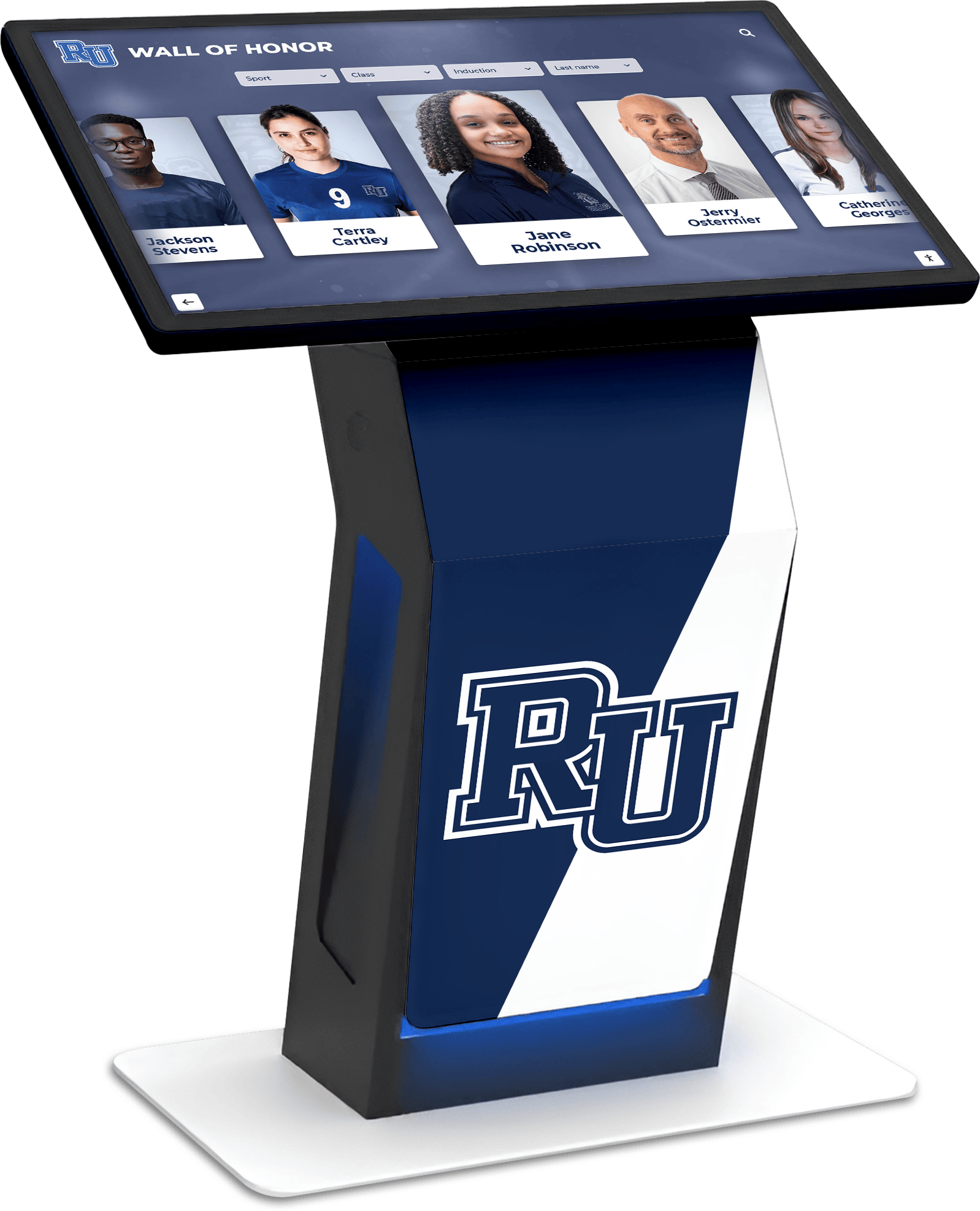
Interactive kiosks enable students to explore PTK member profiles, understanding membership requirements and inspiring future achievement
Substantial Benefits of PTK Membership
Phi Theta Kappa membership provides tangible advantages extending far beyond honorary recognition, creating measurable impact on transfer success, scholarship opportunities, and career development.
Scholarship Opportunities Worth Millions Annually
Perhaps PTK’s most valuable benefit: access to scholarship opportunities exclusively available to members.
PTK-Specific Scholarships:
Phi Theta Kappa offers numerous scholarships to members including All-USA Academic Team recognition with $5,000 scholarships for the top 20 community college students nationally, Guistwhite Scholarships supporting students transferring to four-year institutions, and regional scholarships offered through PTK’s ten geographic divisions. Combined, these opportunities represent millions of dollars available exclusively to PTK members annually.
Transfer Institution Scholarships:
More than 800 four-year colleges and universities offer special scholarships exclusively to PTK members transferring from community colleges. These institution-specific scholarships range from $1,000 to full-tuition awards, with many competitive universities offering automatic scholarship consideration for PTK members meeting transfer requirements. Total scholarship value through transfer partnerships exceeds $90 million annually.
Competitive Advantage:
PTK membership substantially increases scholarship competitiveness through demonstrating sustained academic excellence, leadership capacity, service commitment, and institutional endorsement. Many scholarship committees specifically seek PTK members, viewing membership as credible external validation of student quality beyond self-reported achievements.
Enhanced Transfer Admission Opportunities
Transfer Agreements:
PTK maintains partnerships with hundreds of four-year institutions providing transfer advantages including priority admission consideration for PTK members, guaranteed admission for members meeting GPA thresholds, special transfer advisor access, and scholarship eligibility detailed above. These partnerships substantially improve transfer success rates for PTK members compared to non-member peers.
Admission Application Distinction:
PTK membership strengthens transfer applications by providing external validation of academic excellence, demonstrating leadership through chapter participation, showcasing service commitment through required activities, and indicating values alignment with honors colleges and competitive programs. Admission reviewers recognize PTK’s selective nature and rigorous standards.
Honors Program Access:
Many four-year universities offer automatic honors college admission or priority consideration for PTK members, recognizing that community college honor society members typically succeed in university honors environments requiring academic rigor, leadership initiative, and intellectual engagement.
Understanding how PTK connects to broader academic excellence recognition systems helps students appreciate comprehensive achievement pathways.

Interactive displays enable prospective students to explore successful PTK alumni stories and transfer outcomes
Leadership Development and Networking
Chapter Leadership Positions:
PTK chapters offer officer positions including president, vice president, secretary, treasurer, and committee chairs—providing hands-on leadership experience managing organizations, coordinating service projects, organizing events, and representing chapters at regional gatherings. These experiences build resumes while developing practical leadership competencies.
Regional and International Conventions:
PTK conducts regional conferences and annual international conventions called Catalyst where thousands of members gather for leadership training, competitive recognition, networking opportunities, and educational sessions. Convention participation provides travel experiences, professional development, and networking impossible through campus activities alone.
Honors Study Topics:
PTK develops honors study topics annually—complex themes like social justice, environmental sustainability, or civic engagement that chapters explore through discussions, research, and projects. Honors study participation develops critical thinking, research capabilities, and intellectual discourse skills valuable for transfer success.
Alumni Networks:
With more than 3.8 million lifetime members, PTK provides networking opportunities connecting community college alumni across industries, geographic regions, and career stages. These connections support mentorship, career advancement, and professional relationships extending throughout members’ working lives.
Resume Enhancement and Career Advantage
Professional Credibility:
PTK membership signals to employers that candidates demonstrated academic excellence, leadership capacity, service commitment, and organizational engagement—desirable employee characteristics across industries and positions. Membership particularly strengthens resumes for recent graduates with limited work experience.
Career Services Access:
PTK provides member career resources including job search platforms, resume development tools, interview preparation materials, and career counseling access. These services supplement college career centers while remaining available after transfer or graduation.
Competitive Edge:
In competitive employment markets, PTK membership can differentiate otherwise similar candidates by providing external validation of excellence, demonstrating commitment beyond minimum requirements, and indicating values alignment around service and leadership that many employers prize.
Explore how institutions can celebrate student achievement through digital recognition displays that honor multiple excellence dimensions.

Digital displays integrate seamlessly with traditional institutional artwork, creating comprehensive recognition environments
Cost-Benefit Analysis: Is PTK Membership Worth It?
Students and families naturally evaluate whether PTK’s membership investment provides sufficient value—especially for community college students often balancing tight budgets.
Membership Investment Breakdown
One-Time Membership Fee:
PTK membership requires single lifetime payment typically ranging $90-$100 depending on chapter. This fee includes official membership certificate suitable for framing, PTK lapel pin denoting membership, lifetime member access to scholarships and benefits, and organizational support including chapter operations and convention infrastructure.
No Recurring Dues:
Unlike some honor societies requiring annual dues, PTK charges one-time fees only. Following initial membership payment, students retain full member status and benefits throughout their lives without additional charges—though convention attendance and special programs may involve separate registration fees.
Optional Additional Costs:
Beyond basic membership, students may choose to purchase honor cords for graduation ceremonies (approximately $25-$35), attend regional or international conventions (registration, travel, and lodging costs), or purchase PTK merchandise and regalia. These costs remain optional rather than required for membership maintenance.
Tangible Return on Investment
Scholarship Access:
Access to more than $90 million in exclusive transfer scholarships annually provides massive potential return on modest membership investment. Even students receiving just $1,000 in PTK-exclusive scholarships realize 10x return on membership fees, while those earning major scholarships can see returns exceeding 100x or 500x initial investments.
Transfer Admission Advantages:
Priority admission consideration and guaranteed admission agreements at partner institutions carry substantial value by improving acceptance likelihood at preferred universities, potentially avoiding application fees at multiple backup institutions, and reducing stress associated with competitive transfer processes. Students denied admission to dream schools without PTK might gain acceptance as members.
Resume and Career Benefits:
Career advantages from PTK membership—improved interview callbacks, competitive hiring advantages, and networking opportunities—continue generating returns throughout professional lives, making $90-$100 investments remarkably cost-effective over multi-decade career spans.
For Whom PTK Provides Maximum Value
Transfer-Bound Students:
Students planning to transfer to four-year institutions gain maximum PTK benefit through scholarship access, admission advantages, and honors college opportunities. Transfer students should strongly consider PTK membership regardless of budget considerations given massive potential returns.
Scholarship-Dependent Students:
Students requiring scholarships to afford continued education find PTK membership nearly essential for accessing major awards exclusively available to members. The membership fee represents tiny investment compared to thousands or tens of thousands in potential scholarship awards.
Leadership-Seeking Students:
Students desiring leadership experience, professional development, and networking opportunities gain substantial value from chapter participation, convention attendance, and officer positions—experiences often unavailable elsewhere for community college students.
Career-Building Students:
Students with limited work experience, career-changers seeking credibility, and first-generation college students benefit from resume enhancement and professional validation PTK membership provides when competing for internships and entry-level positions.

Strategic placement of recognition displays in high-traffic hallways ensures consistent visibility for PTK achievements
How Community Colleges Can Celebrate PTK Achievement
Beyond supporting student membership, forward-thinking community colleges implement recognition programs celebrating PTK members prominently while inspiring future academic excellence throughout campus communities.
The Recognition Gap at Community Colleges
Many community colleges prominently display athletic achievements through trophy cases, championship banners, and dedicated recognition spaces—while academic honors including PTK membership receive minimal visibility beyond brief induction ceremonies and printed lists posted temporarily.
Common Recognition Shortfalls:
- PTK members’ names appear on temporary displays removed after each academic term
- No permanent recognition preserving historical PTK membership across college history
- Limited profile information beyond names and membership years
- Recognition spaces in low-traffic areas receiving minimal student exposure
- Prospective students and families unaware of active PTK chapters during campus visits
This recognition imbalance sends unintended messages about institutional values while failing to leverage PTK achievement for motivating current students, attracting academically talented prospects, and building campus cultures emphasizing academic excellence.
Digital Recognition Displays: Modern PTK Celebration
Solutions like Rocket Alumni Solutions enable community colleges to transform PTK recognition through interactive digital displays addressing traditional limitations.
Unlimited Recognition Capacity:
Digital systems accommodate all PTK members across decades without physical space constraints, eliminating difficult decisions about whose achievements receive visibility. Single displays can showcase hundreds or thousands of members spanning institutional history while remaining engaging and navigable.
Rich Member Profiles:
Rather than simple name listings, digital platforms enable comprehensive profiles featuring professional photographs, GPA achievements and academic programs, leadership roles within PTK chapters, service project contributions, transfer institution destinations, scholarship awards received, and personal statements about PTK membership meaning. These detailed profiles inspire younger students by illustrating diverse pathways to membership and success.
Interactive Exploration Features:
Touchscreen interfaces create active engagement through searchable databases enabling students to find themselves and peers, filtering by graduation year, academic program, or transfer destination, sorting by specific achievements or scholarship awards, and discovering alumni success stories demonstrating long-term outcomes. Research shows interactive displays receive 5-8 times longer engagement than static plaques.
Understanding comprehensive recognition approaches connects PTK celebration with broader end-of-year academic awards and honor roll recognition systems.
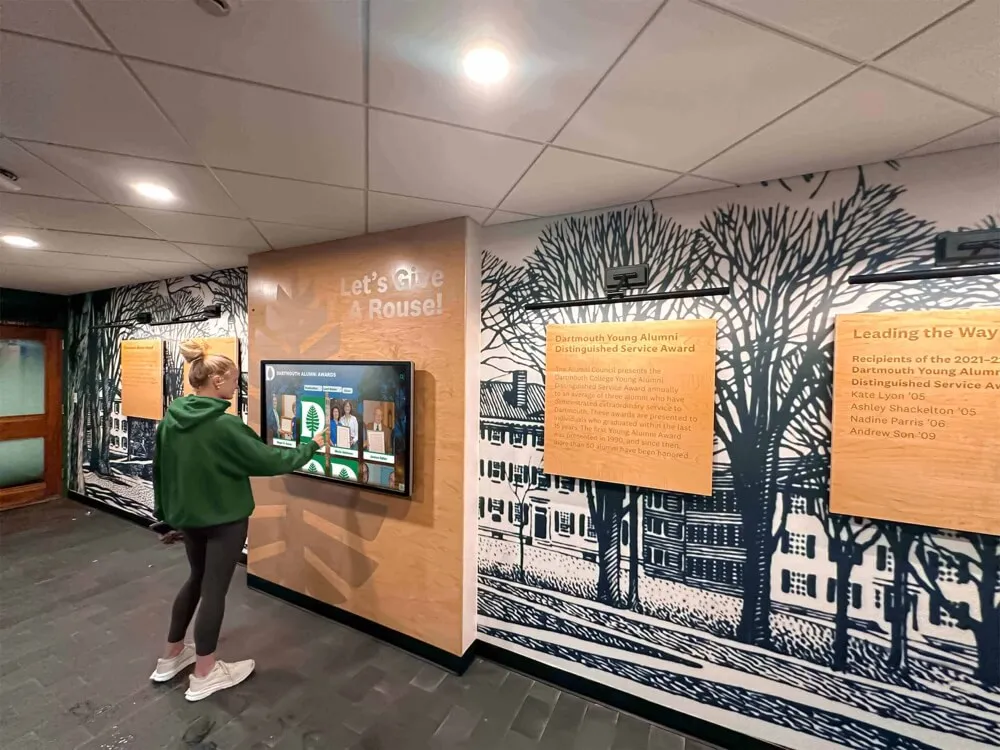
Web-accessible recognition extends PTK celebration beyond campus to families, alumni, and prospective students worldwide
Strategic Display Placement for Maximum Impact
Primary Recognition Locations:
- Main entrance lobbies where all visitors—prospective students, families, community members, accreditation teams—encounter PTK recognition immediately upon campus entry
- Library and learning commons spaces connecting academic recognition with educational resources while celebrating intellectual achievement in study environments
- Student center areas where students gather daily, ensuring PTK members receive visibility during regular campus activities
- Transfer center or advising areas specifically highlighting PTK transfer success stories and scholarship outcomes for students planning university transitions
Creating Recognition Parity:
Position PTK displays prominently alongside athletic recognition, ensuring academic excellence receives visibility comparable to competitive achievements. This balanced recognition demonstrates authentic institutional commitment to comprehensive student success rather than prioritizing athletics exclusively.
Multiple Display Strategy:
Community colleges with multiple campuses or larger facilities benefit from several PTK recognition displays throughout buildings, ensuring consistent visibility, providing convenient access at multiple locations, and reinforcing institutional values through repeated messaging across spaces.
Content Strategies for Inspiring Recognition
Highlighting Transfer Success:
Feature PTK alumni who successfully transferred to competitive four-year institutions, showcase scholarship awards members received, document graduate school acceptance for former PTK members, and connect PTK membership to career outcomes demonstrating long-term benefits. These success stories provide concrete examples motivating current students toward PTK qualification.
Celebrating Chapter Activities:
Document service projects PTK chapters complete benefiting campus and community, recognize leadership through chapter officer profiles, showcase honors study projects demonstrating intellectual engagement, and feature convention participation highlighting networking and professional development opportunities. Activity documentation demonstrates that PTK involves active engagement rather than passive membership alone.
Demonstrating Diverse Pathways:
Showcase PTK members from various academic programs—not just transfer-focused liberal arts but also career-technical programs, health sciences, business programs, and STEM fields. Highlight non-traditional students including adult learners, veterans, first-generation students, and career-changers who achieved PTK membership while balancing complex responsibilities. This diversity helps more students envision their own potential PTK journeys.
Comprehensive recognition aligns with modern digital signage content strategies and student achievement showcasing approaches.
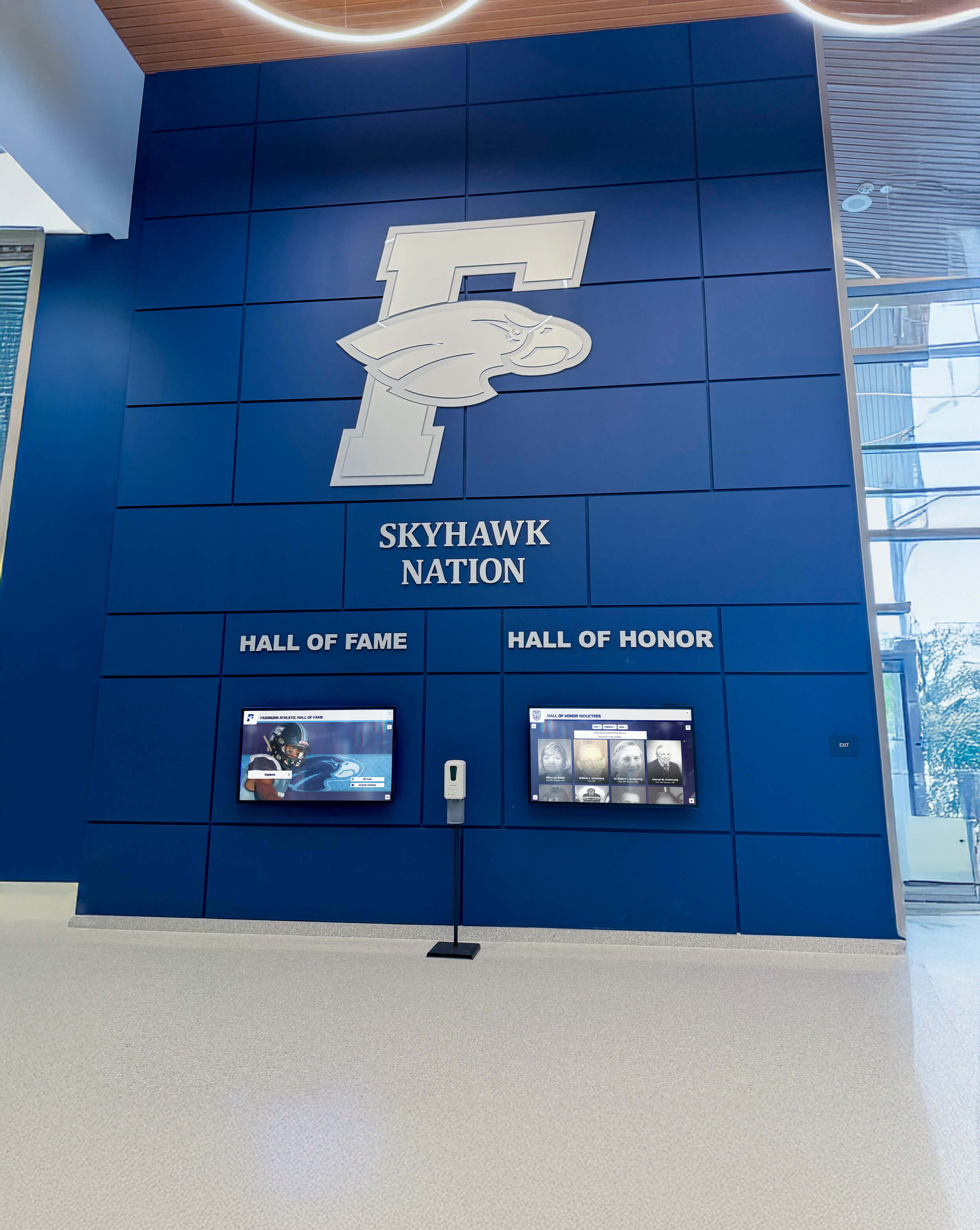
Prominent lobby recognition creates immediate impressions about institutional values during campus visits and daily activities
Supporting PTK Success: Best Practices for Colleges
Thriving PTK chapters require institutional support beyond minimum chapter authorization, creating environments where membership flourishes and benefits maximize for students.
Active Chapter Advisor Support
Dedicated Advisor Assignment:
Successful PTK chapters benefit from engaged advisors who coordinate induction ceremonies and member recruitment, facilitate chapter meetings and service projects, support student leadership development, manage scholarship communication and deadlines, represent chapters at regional PTK gatherings, and maintain institutional connections supporting chapter needs. Colleges should assign advisor roles to faculty or staff passionate about student success with adequate time allocation for chapter support.
Advisor Training and Resources:
PTK International provides comprehensive advisor training through online modules, regional conferences, and annual leadership institutes. Colleges should support advisor participation in professional development ensuring familiarity with PTK resources, scholarship opportunities, and best practices from high-performing chapters nationwide.
Institutional Integration and Support
Budget Allocation:
While PTK chapters fund activities partially through member fees and fundraising, institutional budget support enables robust programming including induction ceremony expenses, meeting refreshments and materials, service project supplies, convention registration assistance for students facing financial barriers, and recognition display development. Even modest budget allocations dramatically improve chapter capacity for meaningful activities.
Academic Affairs Collaboration:
Integrate PTK with academic advising by training advisors to discuss PTK eligibility with high-achieving students, connect transfer planning with PTK scholarship opportunities, celebrate PTK membership during graduation ceremonies through honor cords or special recognition, and feature PTK prominently in college marketing materials and campus tours. This integration ensures PTK becomes central to college academic culture rather than peripheral optional activity.
Community Partnerships:
Facilitate connections between PTK chapters and local organizations for service project opportunities, scholarship donors interested in supporting community college students, business leaders offering mentorship or career guidance, and transfer institution representatives providing admission insights. Community partnerships enhance chapter programming while building external support for PTK and college missions.
Prospective Student Recruitment
Marketing Academic Excellence:
Prominently feature PTK in recruitment materials distributed to prospective students, campus tour scripts highlighting recognition displays and chapter activities, community college promotional campaigns emphasizing academic rigor, and dual enrollment programs attracting academically talented high school students. PTK presence signals institutional commitment to academic excellence, attracting students valuing rigorous academics and honors opportunities.
Transfer Pathway Emphasis:
For community colleges emphasizing transfer missions, PTK represents powerful recruitment tool demonstrating transfer preparation quality, scholarship opportunities supporting affordable four-year degree completion, and university partnerships facilitating admission. Marketing PTK effectively differentiates community colleges in competitive education markets.

Responsive web access ensures PTK recognition displays properly across all devices enabling family sharing and alumni access
Common PTK Questions and Misconceptions
Addressing frequent questions helps students, families, and colleges understand PTK accurately while making informed membership and support decisions.
“Is PTK the same as National Honor Society?”
No. National Honor Society (NHS) serves high school students exclusively, while Phi Theta Kappa specifically recognizes community college and two-year institution students. Though both are honor societies with similar structures (scholarship, leadership, service, and character pillars for NHS), they remain entirely separate organizations. Community college students who were NHS members in high school do not automatically receive PTK membership—they must qualify through community college academic performance separately.
“Can I join PTK at any community college?”
Most community colleges host PTK chapters, but not all institutions maintain active chapters. Students should verify PTK chapter existence at their specific college by checking with student life offices, academic affairs departments, or college websites. Students attending colleges without chapters cannot join PTK through their current institution, though some transfer to colleges with chapters specifically to access PTK benefits.
“What if I can’t afford the membership fee?”
Many PTK chapters, community college foundations, or institutional scholarship programs offer fee waivers or payment plans for qualified students facing financial hardship. Students receiving need-based financial aid should inquire about PTK membership assistance—the scholarship opportunities and transfer advantages PTK provides often dramatically exceed modest membership investment, making fee assistance powerful support for economically disadvantaged students.
“Does PTK membership transfer to four-year universities?”
PTK membership remains lifetime designation that students carry throughout transfer institution attendance and beyond. However, four-year universities have separate honor societies (often Phi Beta Kappa, Phi Kappa Phi, or discipline-specific societies) that students may qualify for based on university performance. PTK membership complements rather than replaces university honors, with many universities specifically recognizing PTK membership during transfer student orientation and honors college programs.
“Do I have to actively participate after joining?”
PTK membership itself requires only one-time induction and fee payment—students remain lifetime members regardless of ongoing participation levels. However, students maximize benefits through active engagement in chapter meetings, service projects, leadership positions, and convention attendance. Inactive members retain membership status, scholarship eligibility, and resume credentials, but miss leadership development and networking opportunities active participation provides.
“Will PTK really help with scholarships?”
Yes—substantially. PTK scholarship access represents one of membership’s most valuable benefits, with members reporting scholarship awards totaling millions annually. While not every member receives every scholarship they apply for, PTK membership dramatically increases scholarship competitiveness and provides access to awards completely unavailable to non-members. Students applying consistently for PTK scholarships and transfer institution awards report significant financial aid beyond what they would receive without membership.

Integrated recognition systems combine digital displays with traditional elements creating comprehensive celebration spaces
PTK’s Role in Transfer Success
For community college students planning university transfer, PTK membership provides specific advantages that can determine transfer outcomes and four-year success.
Transfer Institution Partnerships
PTK maintains formal partnerships with more than 800 four-year institutions offering special benefits to transferring members. These partnerships include guaranteed admission for PTK members meeting minimum requirements, priority application review and admission decisions, automatic honors college consideration or admission, tuition scholarships ranging from $1,000 to full-ride awards, priority housing assignment, and dedicated transfer advisor access.
Finding Transfer Partners:
PTK publishes comprehensive lists of partner institutions with specific benefits offered to members. Students should research transfer institution partnerships early in community college attendance, planning academic programs and transfer timing to maximize PTK advantages at preferred universities.
Competitive Institution Access:
PTK membership particularly benefits students targeting selective universities where transfer admission remains highly competitive. The external validation of academic excellence, leadership demonstration, and values alignment PTK represents can differentiate otherwise similar transfer applicants, providing decisive advantage during admission review processes.
Academic Preparation Validation
Four-year institutions recognize PTK membership as credible signal that community college students are prepared for university academic rigor. Research demonstrates PTK members typically succeed at rates equal to or exceeding native university students, leading many institutions to recruit PTK members actively through targeted scholarship offers and priority admission programs.
Honors College Recruitment:
University honors colleges increasingly recruit community college transfer students, particularly PTK members, recognizing that honor society membership indicates intellectual engagement, leadership capacity, and academic habits that thrive in honors environments. PTK membership facilitates honors college admission that might otherwise remain difficult for transfer students to access.
Faculty Connections:
PTK membership can help transfer students connect with university faculty who recognize the honor society’s selectivity and academic standards. Strong faculty relationships support research opportunities, mentorship, graduate school recommendations, and academic success during critical transfer transition periods.
Understanding how PTK fits within comprehensive college recognition programs helps institutions build cohesive excellence celebration systems.
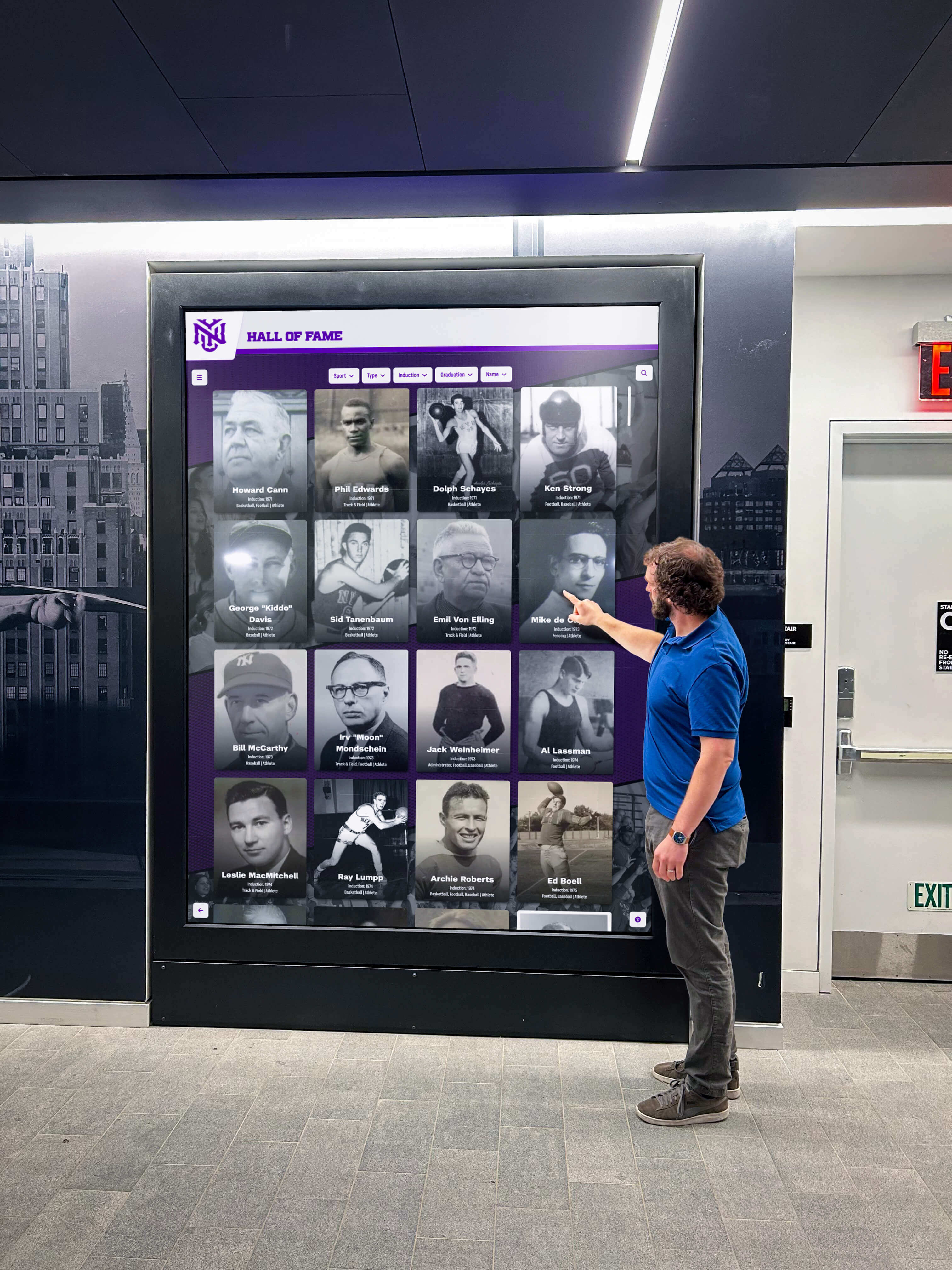
Interactive displays enable prospective transfer students to explore PTK alumni outcomes and success stories
Implementing PTK Recognition: Technical Considerations
For community colleges ready to enhance PTK celebration through modern recognition systems, understanding technical requirements ensures successful implementation.
Display Hardware Selection
Screen Size and Placement:
Recognition displays typically range from 43-75 inches depending on viewing distance and space constraints. Lobby installations with longer viewing distances benefit from larger 65-75 inch displays, while hallway locations with closer viewing work well with 43-55 inch screens. Touchscreen capability enables interactive exploration creating engagement impossible with passive displays.
Mounting Options:
Wall-mounted displays integrate cleanly with existing architecture, freestanding kiosks provide placement flexibility in open lobby spaces, and built-in installations create permanent recognition features within architectural renovations. Kiosks work particularly well for community colleges renting facilities or lacking wall mounting options.
Commercial-Grade Durability:
Community college recognition displays require commercial-rated equipment designed for continuous operation in high-traffic public environments rather than consumer televisions intended for residential use. Commercial displays include enhanced durability, brighter screens suitable for ambient lighting, advanced thermal management, and extended warranties supporting institutional deployment.
Software Platform Requirements
Content Management Simplicity:
Community college staff managing PTK recognition need intuitive cloud-based platforms requiring no technical expertise. Essential features include drag-and-drop content uploading, template-based profile creation, scheduled content publication, mobile-responsive administration, and role-based access enabling multiple staff members to collaborate on content.
Recognition-Specific Features:
Platforms designed specifically for educational recognition provide features including searchable member databases, filtering by graduation year, program, or achievement, multimedia profile pages supporting photos, videos, and documents, web accessibility extending beyond physical displays, and social sharing capabilities amplifying recognition reach.
Security and Privacy:
Systems must protect student information through secure authentication, role-based permissions, privacy-compliant data handling, and configurable visibility settings enabling students to control public profile information when desired.
Solutions like Rocket Alumni Solutions provide comprehensive platforms specifically designed for educational recognition with intuitive management interfaces requiring minimal training.
Implementation Planning
Stakeholder Involvement:
Successful implementation requires collaboration among PTK chapter advisors providing member information, student affairs staff coordinating recognition content, IT departments managing network connectivity and display hardware, facilities teams handling mounting and electrical requirements, and marketing teams integrating recognition with broader communication strategies.
Content Development Timeline:
Plan realistic timelines for collecting member information and photographs, developing profile content and achievement descriptions, training staff on content management platforms, testing display functionality before public launch, and establishing ongoing update schedules following each induction cycle.
Budget Considerations:
Recognition system costs include display hardware ($3,000-$8,000 depending on size and mounting), software platform subscriptions ($1,000-$3,000 annually for cloud-based management), installation and electrical work ($1,000-$3,000 for professional mounting), and content development time (20-40 hours for initial setup, 5-10 hours annually for updates). Many colleges implement in phases, starting with single lobby display and expanding based on demonstrated impact.

Strategic integration of digital displays with existing artwork creates cohesive recognition environments
Measuring PTK Recognition Program Impact
Assessment ensures PTK recognition initiatives achieve intended goals while justifying resource investments and guiding continuous improvement.
Quantitative Success Metrics
Membership Growth:
Track total PTK membership annually and multi-year trends, percentage of eligible students joining when invited, application completion rates among invited students, and membership diversity across academic programs and demographic groups. Growth trends indicate recognition effectiveness in communicating PTK value and inspiring student interest.
Transfer Outcomes:
Monitor transfer institution destinations for PTK members versus non-members, scholarship awards received by PTK alumni, honors college admission rates for PTK transfer students, and four-year graduation rates demonstrating transfer success. These outcomes validate PTK benefits while providing data for prospective student recruitment.
Engagement Metrics:
Measure digital display interaction frequency and session duration, web-based recognition platform visits and user behaviors, social media engagement with PTK recognition content, and attendance at induction ceremonies and chapter events. Engagement data shows recognition visibility and effectiveness in reaching target audiences.
Qualitative Cultural Assessment
Student Feedback:
Survey PTK members about perceived membership value, satisfaction with recognition visibility, scholarship and transfer support effectiveness, and suggestions for program enhancement. Member perspectives guide improvements while identifying underutilized benefits deserving better promotion.
Institutional Culture:
Assess faculty awareness of PTK benefits and eligibility requirements, advisor proactive discussion of PTK with high-achieving students, prospective student questions about PTK during campus tours, and community perception of college academic standards and excellence. Cultural indicators demonstrate whether PTK recognition influences campus values and external reputation.
Transfer Institution Feedback:
Gather input from university partners about PTK member preparation and success, appropriateness of scholarship offers and admission standards, and suggestions for improving PTK member readiness. Partner feedback ensures community colleges effectively prepare transfer students while maintaining productive university relationships.
Regular assessment enables continuous improvement ensuring PTK recognition remains meaningful, effective, and aligned with institutional goals while maximizing benefits for community college students.

Comprehensive recognition environments integrate PTK celebration with broader institutional identity and tradition
Conclusion: Celebrating Community College Excellence Through PTK
Phi Theta Kappa Honor Society represents more than academic recognition—it provides transformative opportunities that can fundamentally alter educational trajectories and career outcomes for community college students. Through substantial scholarship access, transfer admission advantages, leadership development, and lifelong networking, PTK membership delivers measurable returns dramatically exceeding modest membership investments for students prepared to engage actively with available benefits.
For community colleges, supporting thriving PTK chapters while celebrating member achievements prominently creates cultures emphasizing academic excellence, transfer success, and comprehensive student development. Modern digital recognition platforms overcome traditional display limitations, enabling unlimited member capacity, rich multimedia storytelling, interactive exploration, and extended reach through web accessibility—transforming PTK recognition from brief ceremonial acknowledgment into lasting celebration inspiring current and future students.
Whether you’re a community college student evaluating PTK membership, a family member supporting educational decisions, or a college administrator seeking to enhance academic recognition programs, understanding PTK’s significance, benefits, and celebration strategies helps maximize the honor society’s potential for transforming lives through education. The academically talented community college students who qualify for PTK membership deserve recognition proportional to their achievements—lasting, visible, engaging acknowledgment that honors accomplishments while inspiring academic cultures where all students can pursue excellence.
Ready to transform your community college’s PTK recognition program? Explore comprehensive digital recognition platforms specifically designed for educational institutions that make celebrating academic excellence as systematic, engaging, and impactful as your PTK members truly deserve.
Celebrate Phi Theta Kappa Excellence at Your Community College
Discover how modern digital recognition solutions can help your institution prominently honor PTK members, inspire future academic achievement, and build thriving cultures of excellence throughout your community college campus.
Explore Recognition SolutionsYour PTK members have demonstrated exceptional academic commitment, leadership potential, and service dedication—qualities distinguishing top performers across community colleges nationwide. They deserve recognition matching the significance of their achievements while inspiring peers toward similar excellence. With thoughtful planning, appropriate technology, and systematic implementation, you can create PTK recognition systems that honor every member’s accomplishments while building positive, motivating educational cultures where all students thrive academically and prepare successfully for transfer institution success and meaningful careers.
Start where you are with recognition programs you can implement immediately, then systematically expand to create comprehensive approaches your students deserve. Every PTK member who receives meaningful recognition develops stronger connection to institutional community, greater pride in achievement, and enhanced motivation supporting continued academic and leadership excellence throughout transfer institution attendance and beyond.































