Pickleball has exploded from retirement community recreation to one of America’s fastest-growing sports, with high schools, colleges, and athletic clubs rushing to add programs and courts. As the sport professionalizes and competition intensifies, the difference between casual players and skilled competitors comes down to one thing: deliberate, progressive practice through targeted drills.
Whether you’re a physical education teacher launching a new pickleball unit, a recreation director building a community program, or an athletic coordinator supporting competitive teams, structured drill progressions transform beginners into confident players and good players into tournament competitors. Yet many programs struggle to design practice sessions that appropriately challenge diverse skill levels while maintaining engagement and measurable improvement.
This comprehensive guide breaks down essential pickleball drills organized by skill progression—from absolute beginners learning basic paddle control through tournament-ready players perfecting advanced strategies. Each drill includes clear objectives, setup instructions, progression variations, and coaching points that accelerate skill development while building the competitive foundation that championship programs require.
Pickleball’s accessibility makes it perfect for school athletic programs and community recreation departments. Unlike sports requiring years of development, dedicated players can achieve competency in months through focused practice. The key lies in matching drill complexity to current skill levels while systematically building toward advanced techniques that separate recreational players from competitive athletes.
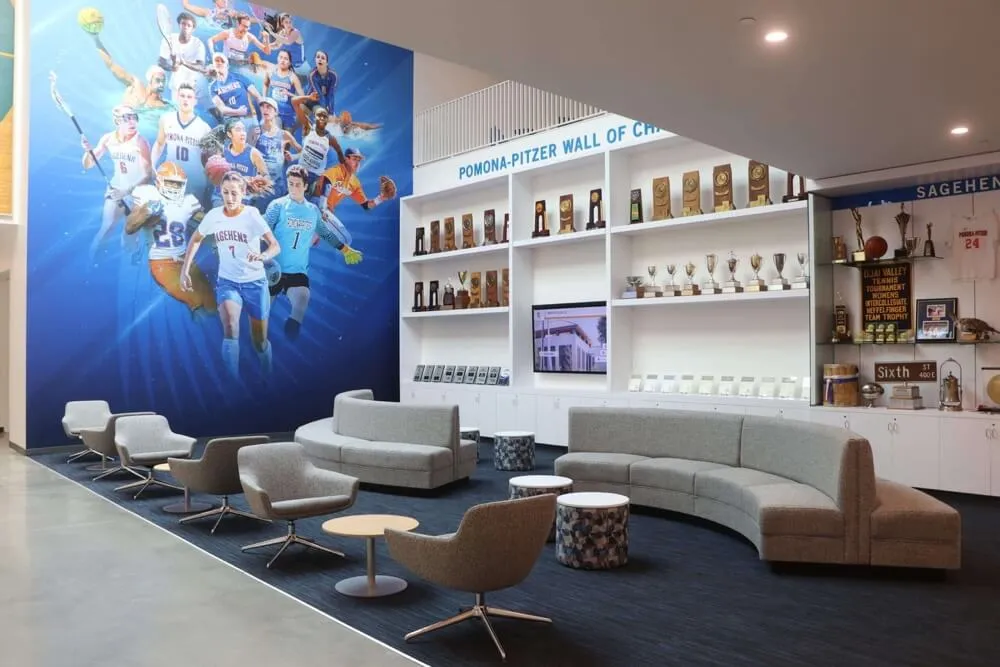
Modern athletic programs showcase achievements across all sports, including emerging programs like pickleball
Why Structured Pickleball Drills Matter
Random play improves skills slowly and inconsistently. Deliberate drill work accelerates development by isolating specific techniques, creating high-repetition opportunities, and building muscle memory that translates to competitive performance.
Accelerated Skill Development
Structured drills compress learning timelines through focused repetition. While casual play might require dozens of games before mastering a specific shot, targeted drills create hundreds of controlled repetitions in single practice sessions. This concentrated practice builds neural pathways and muscle memory far more efficiently than random game experience.
Drills also eliminate the downtime inherent in full gameplay. Rather than waiting for specific situations to arise organically during matches, drills create continuous opportunities to practice target skills. A player might execute five dinking exchanges during an hour-long match but complete fifty during a focused 15-minute dinking drill.
Building Foundational Mechanics
Proper technique established early prevents the bad habits that plague self-taught players. Drills create controlled environments where coaches can observe mechanics closely, provide immediate feedback, and ensure athletes develop fundamentally sound strokes before speed and competition pressure complicate execution.
Beginning players especially benefit from drill-based learning that breaks complex movements into manageable components. Rather than overwhelming novices with full match play before they can consistently contact the ball, progressive drills build confidence through achievable success while systematically adding complexity.
Creating Measurable Progress
Drill-based training enables objective performance tracking that motivates athletes and informs coaching decisions. Schools and clubs can document baseline performance, measure improvement over time, and celebrate achievement milestones that maintain engagement. Just as digital record boards track athletic achievements across traditional sports, pickleball programs benefit from systematic skill assessment and recognition.
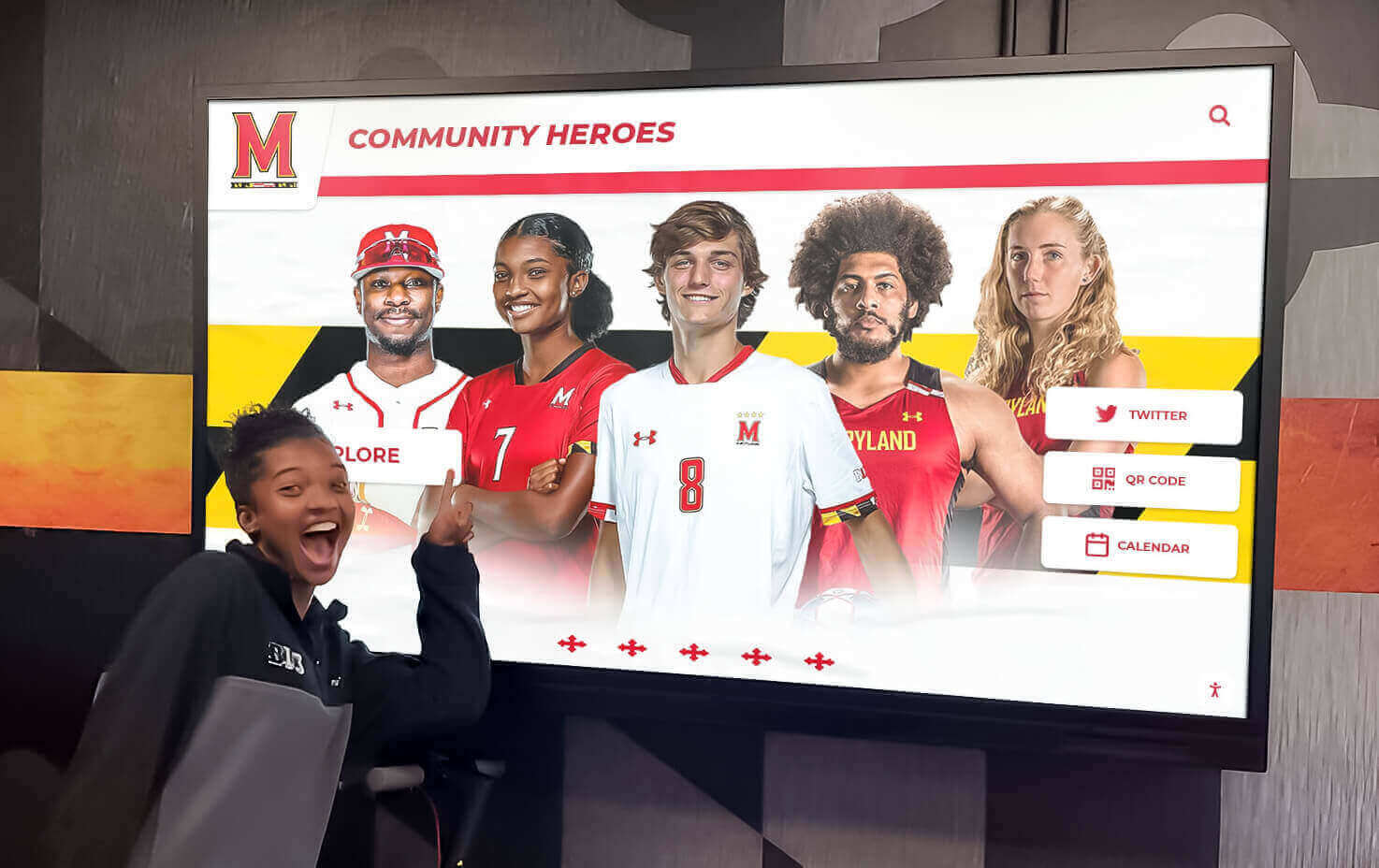
Recognition systems that celebrate skill progression and tournament success keep athletes motivated throughout training programs
Level 1: Beginner Pickleball Drills (0-3 Months Experience)
Beginner drills establish fundamental skills that all advanced techniques build upon. Focus on paddle control, ball tracking, court positioning basics, and building confidence through achievable success.
Drill 1: Wall Rally Practice (Solo Drill)
Objective: Develop paddle control, hand-eye coordination, and consistent ball contact
Setup: Stand 8-10 feet from a solid wall with a pickleball and paddle
Execution:
- Hit the ball against the wall using forehand strokes, maintaining a continuous rally
- Focus on controlled, medium-pace shots rather than power
- Count consecutive contacts without missing
Progression Variations:
- Level 1A: Forehand only, aim for 20 consecutive contacts
- Level 1B: Backhand only, aim for 15 consecutive contacts
- Level 1C: Alternating forehand and backhand each shot
- Level 1D: Add footwork by moving side-to-side between shots
Coaching Points: Keep the paddle face slightly open, watch the ball contact the paddle, use compact swings without excessive backswing, maintain athletic ready position between shots
Why It Works: Wall drills provide immediate feedback and high repetition without requiring partners. Self-paced practice builds confidence while developing the paddle control essential for all other skills.
Drill 2: Dink Line Basics (Partner Drill)
Objective: Master the fundamental dink shot and develop kitchen line positioning
Setup: Partners stand on opposite sides of the kitchen (non-volley zone) line
Execution:
- Execute soft, controlled shots that arc over the net and land in opponent’s kitchen
- Focus on consistency and placement rather than speed
- Maintain continuous rally without forcing aggressive shots
Progression Variations:
- Level 2A: Straight-ahead dinks only (down the middle)
- Level 2B: Crosscourt dinks only
- Level 2C: Controlled placement alternating straight and crosscourt
- Level 2D: Add movement by requiring players to return to center between shots
Coaching Points: Bend knees to get low, use upward paddle motion from below the ball, aim for net clearance of 1-2 feet, stay balanced and avoid reaching
Why It Works: The dink is pickleball’s most essential shot. Early mastery creates the foundation for advanced kitchen play and strategic point construction.
Drill 3: Serve and Return Consistency (Partner Drill)
Objective: Develop reliable serves and returns that consistently start points
Setup: Partners on opposite baselines in serving positions
Execution:
- Server practices diagonal serves, aiming for deep placement in service box
- Receiver practices returning serves deep to baseline
- Count successful serve/return sequences
Progression Variations:
- Level 3A: Focus entirely on serve consistency, aim for 8/10 in correct service box
- Level 3B: Add return practice, aim for 6/10 returns landing deep
- Level 3C: Target specific zones (corners, center-T)
- Level 3D: Add movement patterns approaching the kitchen after return
Coaching Points: Use smooth, controlled serving motion; contact ball at comfortable height; aim deep rather than aggressive; step toward target; receiver should stay balanced and use compact swing
Why It Works: Matches begin with serves and returns. Reliability in these foundational shots eliminates unforced errors that cost beginners points before rallies even start.

Digital recognition platforms allow programs to highlight skill milestones and competitive achievements as players progress
Drill 4: Third Shot Drop Introduction (Partner or Group Drill)
Objective: Learn the critical third shot drop that transitions from baseline to net
Setup: One player at baseline (serving position), partner at kitchen line
Execution:
- Baseline player feeds ball to themselves and executes soft drop shot toward kitchen
- Kitchen player catches or returns gently to restart
- Focus on arc and placement rather than power
Progression Variations:
- Level 4A: Hand-fed drops from baseline, aim to land in kitchen
- Level 4B: Drop shots following self-bounce setup
- Level 4C: Partner returns drops gently for continuous rally
- Level 4D: Add realistic serve-return-drop sequence
Coaching Points: Open paddle face, swing low to high, aim for net clearance of 2-3 feet, prioritize arc over pace, follow shot toward net
Why It Works: The third shot drop separates strategic players from those stuck at the baseline. Early introduction builds comfort with this essential transition shot.
Drill 5: Baseline Groundstroke Rally (Partner Drill)
Objective: Build rally consistency and court coverage from the baseline
Setup: Partners positioned at opposite baselines
Execution:
- Maintain continuous groundstroke rally without approaching net
- Focus on consistency, depth, and controlled pace
- Count consecutive shots without errors
Progression Variations:
- Level 5A: Straight-ahead rallies down the middle
- Level 5B: Crosscourt rallies only
- Level 5C: Directed placement alternating straight and crosscourt
- Level 5D: Add depth targets requiring shots beyond service line
Coaching Points: Split-step before opponent contacts ball, turn shoulders early, swing through the ball with follow-through, recover to center position, maintain patient pace
Why It Works: Rally consistency eliminates the unforced errors that plague beginning players. Baseline comfort also builds confidence before adding net play complexity.
Level 2: Intermediate Pickleball Drills (3-9 Months Experience)
Intermediate drills build on fundamental skills, adding movement patterns, strategic shot selection, and competitive pressure that prepare players for tournament environments.
Drill 6: Dink and Drive Decision Making (Partner or Group Drill)
Objective: Develop recognition of attacking opportunities within dinking rallies
Setup: Both players at kitchen line in dinking position
Execution:
- Maintain patient dinking rally
- When opponent hits ball above net height, execute aggressive drive volley
- Opponent defends and resets to dinking
- Practice recognizing attackable balls
Progression Variations:
- Level 6A: Designated player calls “attack” when appropriate
- Level 6B: Both players free to attack opportunities
- Level 6C: Add point scoring (winners vs. resets)
- Level 6D: Include third player for competitive rotation
Coaching Points: Stay patient during dinks, recognize high balls immediately, commit to aggressive drives, aim for opponent’s body or feet, maintain balance for counter-punching
Why It Works: Advanced play requires distinguishing defensive and offensive situations. This drill builds the decision-making skills that separate consistent winners from passive players, similar to how athletic training programs develop strategic thinking across all sports.
Drill 7: Transition Zone Control (Partner Drill)
Objective: Master movement and shot selection from mid-court transition area
Setup: One player at baseline, partner at kitchen line
Execution:
- Baseline player hits approach shot and moves forward
- Kitchen player returns to transition zone (mid-court)
- Transition player executes drop shot or drive based on incoming ball height
- Continue until transition player reaches kitchen line
Progression Variations:
- Level 7A: Slow-paced with focus on footwork and positioning
- Level 7B: Increase pace and add movement side-to-side
- Level 7C: Kitchen player varies placement to challenge transition player
- Level 7D: Add scoring with points for successful transitions vs. forced errors
Coaching Points: Move forward in split-steps after hitting, read incoming ball height early, stay low and balanced in transition zone, be patient advancing to net, protect feet and body on drives
Why It Works: The transition zone (mid-court area) presents pickleball’s most challenging tactical decisions. Comfort navigating this zone separates intermediate from advanced players.
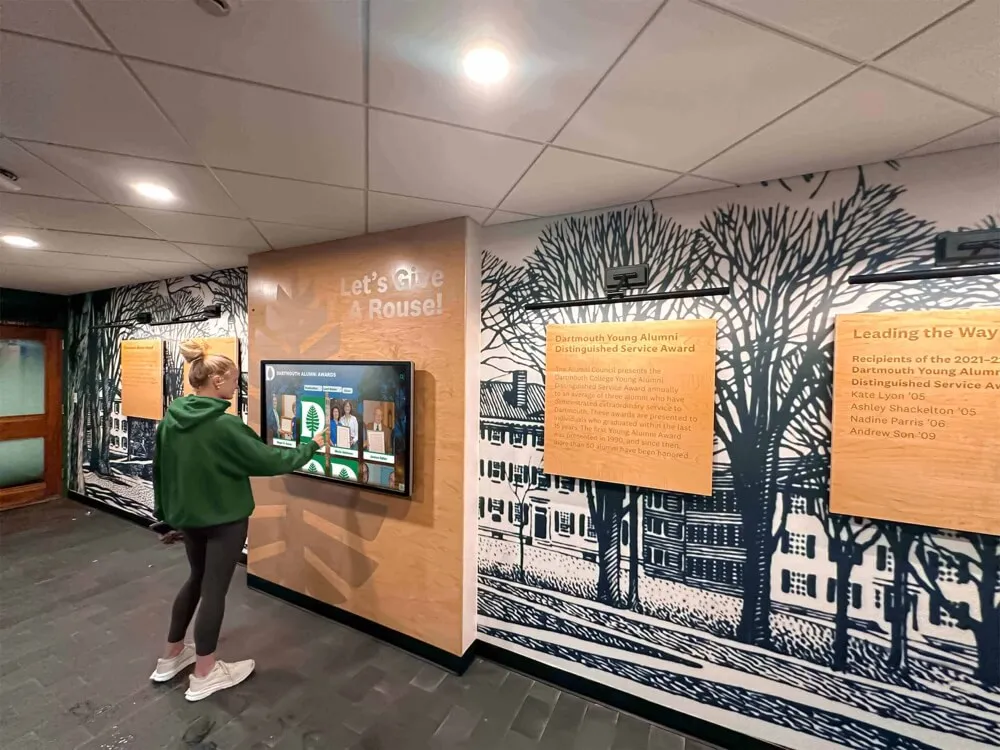
Modern facilities integrate recognition technology that showcases individual and team achievements across all athletic programs
Drill 8: Serve Placement and Return Positioning (Partner Drill)
Objective: Develop strategic serving placement and optimal return positioning
Setup: Full court with serving and receiving positions
Execution:
- Server practices targeting specific zones: deep corners, center-T, wide angles
- Receiver adjusts positioning based on serve location
- Execute full serve-return-third shot sequences
- Rotate roles regularly
Progression Variations:
- Level 8A: Server calls target before serving
- Level 8B: Server chooses targets strategically without announcing
- Level 8C: Add third shot drop requirements
- Level 8D: Play out points fully after third shot
Coaching Points: Deep serves create more difficult returns, wide serves open court angles, adjust serve pace based on receiver position, returner should optimize position for specific opponent tendencies
Why It Works: Strategic serving moves beyond mere consistency to create advantages. Coupled with intelligent return positioning, these skills set up favorable rally situations.
Drill 9: Around the Post (ATP) Setup Drill (Partner Drill)
Objective: Practice recognizing and executing the around-the-post shot
Setup: One player at kitchen line, partner feeding balls from opposite side
Execution:
- Feeder hits wide-angle shots that pull player off court
- Player practices hitting around (not over) net post when pulled wide
- Focus on extreme angles and legal ATP execution
Progression Variations:
- Level 9A: Hand-fed setup shots creating ATP opportunities
- Level 9B: Hit setup shots with paddles for realism
- Level 9C: Defender tries to cover ATP attempts
- Level 9D: Include ATP opportunities within live points
Coaching Points: Ball must land in opponent’s court to be legal ATP, aim low and sharp across court, recover toward middle after ATP attempts, recognize when ATP is better option than high lob over net
Why It Works: The ATP shot showcases pickleball’s unique geometry. While situational, ATP competency demonstrates court awareness and shot creativity that impresses in competitive play.
Drill 10: Erne Movement Pattern Practice (Solo or Partner Drill)
Objective: Develop footwork and timing for erne attacks
Setup: Player at kitchen line with or without partner feeding
Execution:
- Practice footwork pattern: step around kitchen with outside foot while ball is in air
- Land outside kitchen and execute volley
- Return to legal position before next ball bounces in kitchen
- Build muscle memory for this advanced movement
Progression Variations:
- Level 10A: Footwork pattern practice without ball
- Level 10B: Partner feeds slow, high balls for erne setup
- Level 10C: Increase ball pace and reduce setup time
- Level 10D: Incorporate ernes within live dinking rallies
Coaching Points: Time movement while ball is airborne, land outside kitchen before contact, attack from outside angle, recover position immediately, use ernes selectively not predictably
Why It Works: Ernes represent advanced attacking opportunities. Early introduction builds comfort with the movement pattern before competitive pressure complicates execution.
Level 3: Advanced Pickleball Drills (9-18 Months Experience)
Advanced drills introduce competitive pressure, complex movement patterns, strategic variety, and the mental toughness required for tournament success.
Drill 11: Two-on-One Defensive Coverage (Group Drill)
Objective: Develop defensive skills and court coverage under pressure
Setup: Two players at kitchen line versus one defender at baseline
Execution:
- Two attackers work together creating difficult angles and pace
- Defender must cover entire court, retrieving shots and resetting to neutral
- Rotate roles after time period or point total
- Build defensive resilience and shot-making under pressure
Progression Variations:
- Level 11A: Attackers cooperative, giving defender reasonable chances
- Level 11B: Attackers competitive but not hitting winners
- Level 11C: Full competitive pressure with strategic shot selection
- Level 11D: Add scoring where defender earns rotation by winning rallies
Coaching Points: Defender stays low and central, anticipates based on attacker positioning, uses lobs strategically to create recovery time, focuses on consistency over power, maintains positive attitude under pressure
Why It Works: Tournament play includes points where players find themselves in defensive positions. This drill builds the scrambling ability and mental toughness required to extend rallies and create opportunities from difficult positions.
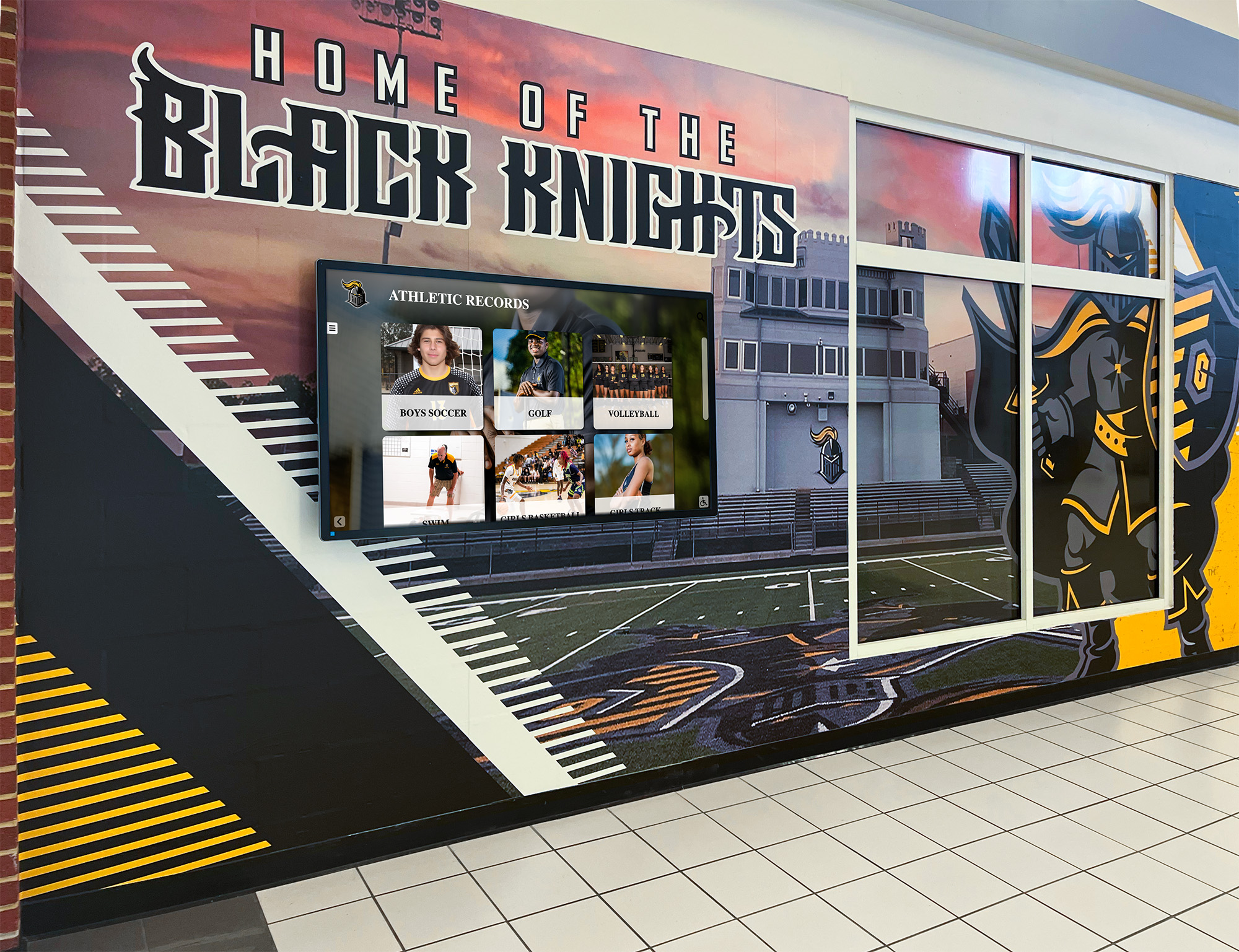
Championship programs track competitive achievements and individual milestones through prominent display systems
Drill 12: Skinny Singles (Competitive Drill)
Objective: Develop court coverage, strategic shot placement, and singles tactics
Setup: Two players using only half of the court (one service box and corresponding half)
Execution:
- Play competitive points using half-court only
- Forces precise placement and strategic shot selection
- Develops aggressive net play in compressed space
- Excellent conditioning and movement training
Progression Variations:
- Level 12A: Rally-based practice without scoring
- Level 12B: Play games to 7 or 11 points
- Level 12C: Switch court sides regularly to practice both angles
- Level 12D: Add specific shot requirements (must use lob once per point, etc.)
Coaching Points: Control tempo through strategic shot selection, use full available court width, attack short balls aggressively, develop touch on tight angles, stay patient waiting for opportunities
Why It Works: Skinny singles develops shot precision and strategic thinking within concentrated space. The format provides excellent conditioning while building competitive skills applicable to both singles and doubles play, much like how specialized training drills improve sport-specific skills across athletic programs.
Drill 13: Speed Dinking Under Pressure (Partner or Group Drill)
Objective: Maintain dinking control while increasing pace and pressure
Setup: Both players at kitchen line
Execution:
- Execute dinking rally at progressively faster pace
- Maintain control and placement despite increased speed
- Focus on hands-soft paddle work and quick reactions
- Count consecutive shots at various speed levels
Progression Variations:
- Level 13A: Moderate pace with focus on consistency
- Level 13B: Increase pace while maintaining kitchen placement
- Level 13C: Add lateral movement requirements
- Level 13D: Competitive speed dinking where first error loses point
Coaching Points: Shorten backswing as pace increases, keep paddle in front of body, use continental grip for quick hand adjustments, maintain soft hands absorbing pace, stay balanced with wide base
Why It Works: Tournament-level dinking often occurs at higher speeds than recreational play. This drill builds the hand skills and reactions required to maintain control when opponents increase pressure.
Drill 14: Pattern Play and Strategy Execution (Partner or Group Drill)
Objective: Practice executing specific strategic patterns consistently
Setup: Full court with specific pattern assignments
Execution:
- Partners practice predetermined strategic sequences
- Example patterns: serve deep-drop crosscourt-dink straight, return down middle-approach on short ball-attack backhand
- Build muscle memory for high-percentage patterns
- Rotate through multiple strategic sequences
Progression Variations:
- Level 14A: Slow execution focusing on pattern accuracy
- Level 14B: Increase pace to match-speed execution
- Level 14C: Defender tries to disrupt pattern while attackers maintain
- Level 14D: Competitive points where completing pattern earns bonus points
Coaching Points: Communicate pattern with partner beforehand, execute each shot with specific next shot in mind, maintain pattern discipline even when tempted to deviate, recognize when pattern succeeds versus requires adjustment
Why It Works: Championship teams execute strategic patterns consistently rather than playing randomly. Pattern practice builds the tactical discipline and partnership coordination that wins tight matches.
Drill 15: Situational Pressure Points (Competitive Drill)
Objective: Develop mental toughness by playing critical game situations repeatedly
Setup: Full court doubles or singles
Execution:
- Start points at specific game scores: 9-9, 10-8, championship point, etc.
- Players experience pressure situations repeatedly
- Build comfort and decision-making in high-stakes moments
- Track success rate in pressure situations
Progression Variations:
- Level 15A: Start at specific scores and play single point
- Level 15B: Play final stages of games from various scores
- Level 15C: Add consequence (losers run sprint, winners rotate)
- Level 15D: Simulate tournament match pressure with spectators, coaching
Coaching Points: Maintain normal routines and tempo despite pressure, focus on process not outcome, trust practiced patterns in crucial moments, communicate with partner in doubles, stay aggressive rather than passive
Why It Works: Mental toughness separates tournament winners from participants. Repeated exposure to pressure situations through practice desensitizes players and builds confidence in crucial moments.
Level 4: Tournament-Ready Pickleball Drills (18+ Months Experience)
Tournament-ready drills simulate competitive conditions, build strategic versatility, develop partnership coordination, and prepare players mentally for championship environments.
Drill 16: Live Ball Multi-Directional Feeds (Group Drill)
Objective: Develop reaction time and ball-tracking under competitive conditions
Setup: One player at kitchen line, 2-3 feeders positioned around court with balls
Execution:
- Feeders rapidly hit balls from various angles, heights, and speeds
- Central player must react, defend, and reset to neutral position between shots
- Simulates chaotic points where opponents attack from multiple angles
- Builds court awareness and defensive reflexes
Progression Variations:
- Level 16A: Moderate pace with predictable feed pattern
- Level 16B: Increase pace and randomize feed locations
- Level 16C: Add movement requirements between shots
- Level 16D: Defender must win rally (force error or hit winner) to rotate out
Coaching Points: Stay on balls of feet between shots, track ball early from opponent’s paddle, prioritize consistency over power in defensive positions, use opponent’s pace against them, maintain defensive posture throughout
Why It Works: Tournament points include scrambling defensive sequences. This drill builds the reactions, court coverage, and composure required to extend difficult rallies and create counter-attacking opportunities.
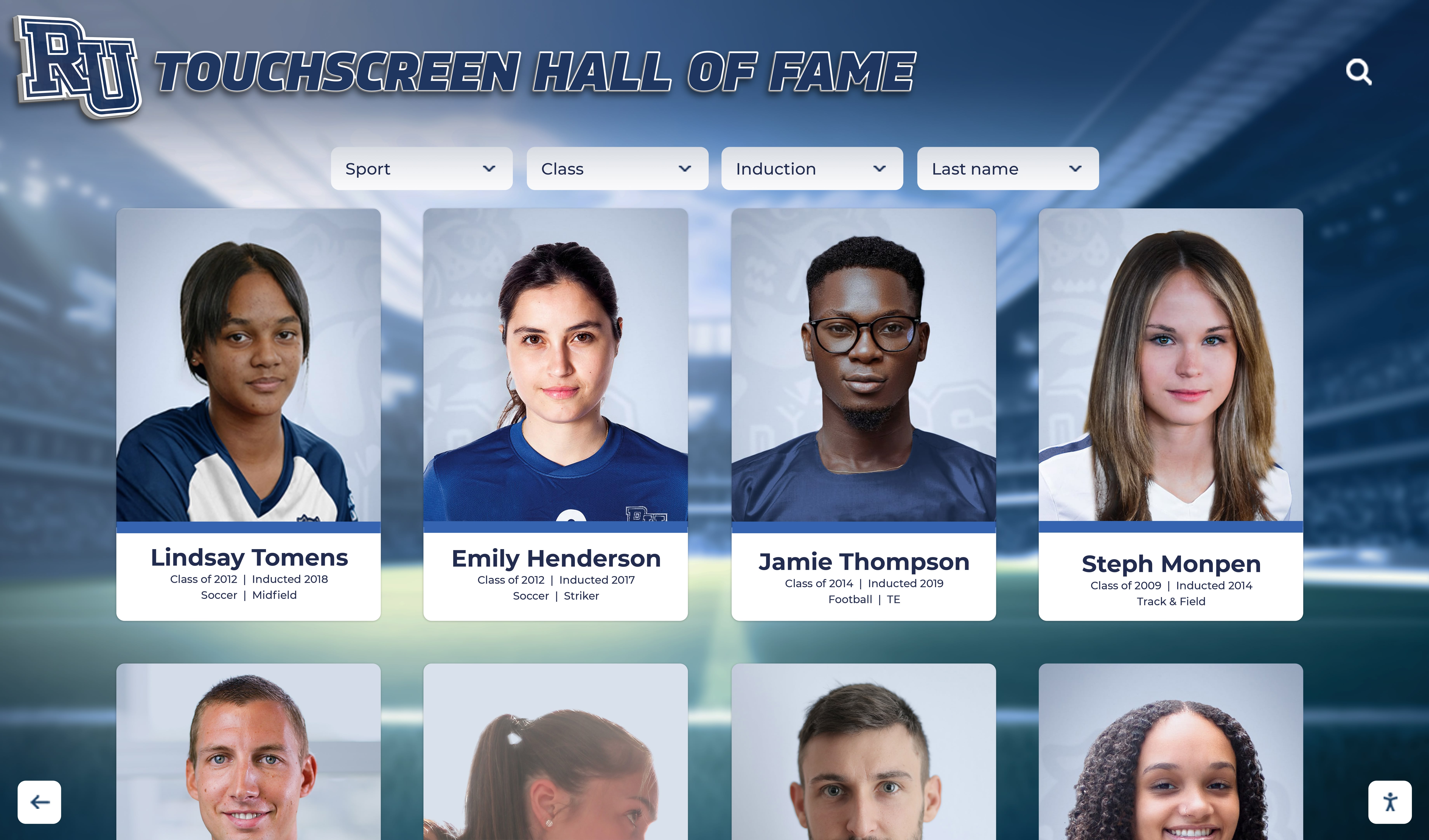
Recognition systems celebrate tournament achievements and competitive milestones that define championship programs
Drill 17: Stacking Movement and Communication (Doubles Drill)
Objective: Master stacking strategies and partner coordination
Setup: Full court doubles with stacking formations
Execution:
- Practice stacking rotations: right-side stack, left-side stack, switching
- Execute movement patterns seamlessly during serve and return
- Communicate positioning and responsibilities clearly
- Build muscle memory for tournament stacking situations
Progression Variations:
- Level 17A: Walk through stacking movements without ball
- Level 17B: Execute stacking with serve-return-third shot sequences
- Level 17C: Play practice points maintaining stack positions
- Level 17D: Switch between stacking and traditional positioning mid-game
Coaching Points: Communicate stack setup before each point, move efficiently without crossing paths, maintain spacing throughout movement, understand positional responsibilities, switch when advantageous not automatically
Why It Works: Advanced doubles teams use stacking to optimize player positioning. Tournament competency requires smooth execution under pressure with clear partner communication.
Drill 18: Wind and Environmental Adaptation (Outdoor Drill)
Objective: Develop skills for adjusting play based on environmental conditions
Setup: Outdoor courts with varying wind conditions
Execution:
- Practice shot adjustments for headwind, tailwind, crosswind
- Modify serve placement, drop shot trajectory, and lob usage based on conditions
- Build environmental awareness and adaptive strategy
- Track which shots work best in specific conditions
Progression Variations:
- Level 18A: Practice specific shots (serves, drops) in various conditions
- Level 18B: Play practice points with strategic adjustments
- Level 18C: Compete in intentionally challenging conditions
- Level 18D: Debrief environmental strategies after outdoor sessions
Coaching Points: Accept environmental factors rather than fighting them, adjust shot selection not just execution, communicate wind considerations with partner, use conditions to create advantages, modify grip pressure in wind
Why It Works: Tournament play often occurs outdoors in imperfect conditions. Players who adapt strategies based on environment gain significant competitive advantages over those who ignore external factors.
Drill 19: Match Simulation with Scouting Reports (Competitive Drill)
Objective: Practice executing game plans against specific opponent tendencies
Setup: Full tournament-format matches with pre-assigned opponent characteristics
Execution:
- Assign specific tendencies to players: weak backhand, aggressive drives, poor lobs, etc.
- Opponents create and execute game plans targeting weaknesses
- Simulate tournament preparation and strategic planning
- Debrief effectiveness of strategic approaches
Progression Variations:
- Level 19A: Simple single-weakness scenarios
- Level 19B: Complex opponent profiles with multiple characteristics
- Level 19C: Opponents try to hide/minimize weaknesses realistically
- Level 19D: Rotate through multiple opponent types in single session
Coaching Points: Scout opponents systematically during warm-up and early points, adjust strategy based on what’s working, communicate observations with partner, maintain flexibility when initial strategy fails, exploit discovered weaknesses consistently
Why It Works: Tournament success requires more than mechanical skill—strategic preparation and opponent analysis separate championship teams from skilled players. This drill builds strategic thinking and adaptive planning.
Drill 20: Championship Point Scenarios (Mental Training Drill)
Objective: Build extreme pressure tolerance and clutch performance
Setup: Full court with high-stakes simulation elements
Execution:
- Play single points that represent championship, tournament, or league-deciding moments
- Add realistic pressure: spectators watching, consequences for winners/losers, verbal pressure
- Track performance statistics in pressure situations
- Build confidence through repeated pressure exposure and success
Progression Variations:
- Level 20A: Standard pressure with score announcements
- Level 20B: Add teammate/peer observation
- Level 20C: Include consequences (winners advance, losers run conditioning)
- Level 20D: Full tournament-day simulation with proper warm-up, match format, officiating
Coaching Points: Develop pre-point routines that center focus, breathe deliberately to manage adrenaline, trust practiced patterns rather than trying new tactics, stay aggressive rather than defensive in pressure moments, maintain confident body language
Why It Works: Mental toughness determines close match outcomes. Repeated pressure exposure through practice builds the psychological resilience that produces clutch performance when championships are on the line.
Integrating Drills into Comprehensive Training Programs
Effective pickleball programs balance drill work with match play, conditioning, and skill assessment. Structured training maximizes improvement while maintaining engagement across diverse skill levels.
Weekly Practice Structure
Design weekly training schedules that systematically develop all skill dimensions:
Beginner programs (first 3 months) should emphasize fundamental skill development with 60-70% practice time devoted to drills, 20-30% to guided match play, and 10% to skill assessment. Sessions should focus on one or two specific skills per practice, with high repetition and immediate feedback creating rapid early improvement.
Intermediate programs (3-12 months) balance skill refinement and competitive experience with 40-50% drill work, 40-50% competitive match play, and 10% strategic instruction and video analysis. Players should experience tournament-style competition regularly while continuing systematic skill development.
Advanced programs (12+ months) prioritize strategic sophistication and competitive preparation with 30-40% advanced drills, 50-60% match play and tournament competition, and 10-20% video analysis, strategic planning, and mental training. Practice should closely simulate tournament conditions and pressures.

Comprehensive athletic programs recognize achievements across all sports and skill levels, fostering motivation and program pride
Skill Assessment and Recognition
Systematic skill tracking motivates athletes while informing coaching decisions. Programs should implement regular assessment protocols measuring serve consistency, return accuracy, dinking control, third shot drop success rate, tournament match win percentage, and competitive rating progression.
Recognition of improvement and achievement maintains motivation throughout the challenging skill development process. Schools and clubs can celebrate skill milestone achievements, tournament placement finishes, rating advancement, most improved players, and dedication to practice attendance. Just as comprehensive athletic recognition programs honor achievement across traditional sports, emerging pickleball programs benefit from structured recognition that validates player development and builds program culture.
Modern digital recognition displays provide dynamic platforms for showcasing tournament results, ladder standings, skill achievement milestones, and individual player profiles. These systems integrate seamlessly with growing pickleball programs, creating the professional environments that elevate emerging sports to the same recognition level as established athletic traditions.
Adapting Drills for Different Environments
Pickleball’s flexibility allows effective practice in various settings:
Limited court access: Many drills adapt to individual practice through wall work, driveway practice with portable nets, backyard skill work, and resistance band training for stroke mechanics. Solo drills maintain skill development between formal practice sessions.
Large group sessions: School physical education classes and community programs can maximize participation through station rotations where small groups rotate through different drill stations, tournament-style brackets for competitive match play, team relay formats making drills competitive and engaging, and peer coaching partnerships that accelerate learning.
Indoor versus outdoor: Indoor facilities provide controlled conditions ideal for skill development but may limit court availability. Outdoor courts accommodate more players and better simulate tournament conditions but require environmental adaptation skills. Comprehensive programs leverage both environments strategically.
Building Competitive Pickleball Programs in Schools and Clubs
As pickleball transitions from recreational activity to competitive sport, schools and athletic organizations are establishing formal programs complete with teams, tournaments, and recognition structures comparable to traditional sports.
Program Development Considerations
Successful competitive pickleball programs address several key elements:
Court infrastructure: Whether converting existing tennis courts, adding dedicated pickleball courts, or sharing multi-purpose spaces, facility planning determines program capacity and growth potential. Many schools and recreation departments add pickleball alongside existing tennis programs, creating versatile facilities serving multiple sports.
Equipment standardization: Quality paddles, approved balls, portable nets, and practice equipment ensure consistent training environments. Programs should maintain equipment inventories supporting both practice and competitive needs.
Coaching development: While pickleball’s accessibility allows faster coaching development than many sports, competitive programs benefit from certified instruction through organizations like the Professional Pickleball Registry (PPR) or USA Pickleball coaching certification programs. Coaches familiar with drill progressions and skill assessment accelerate player development.
Competition structures: Internal ladder systems, inter-club challenge matches, league participation, and tournament hosting create the competitive opportunities that motivate improvement. Progressive competition structures match players with appropriate challenges as skills develop, similar to how structured athletic competitions drive engagement across sports programs.
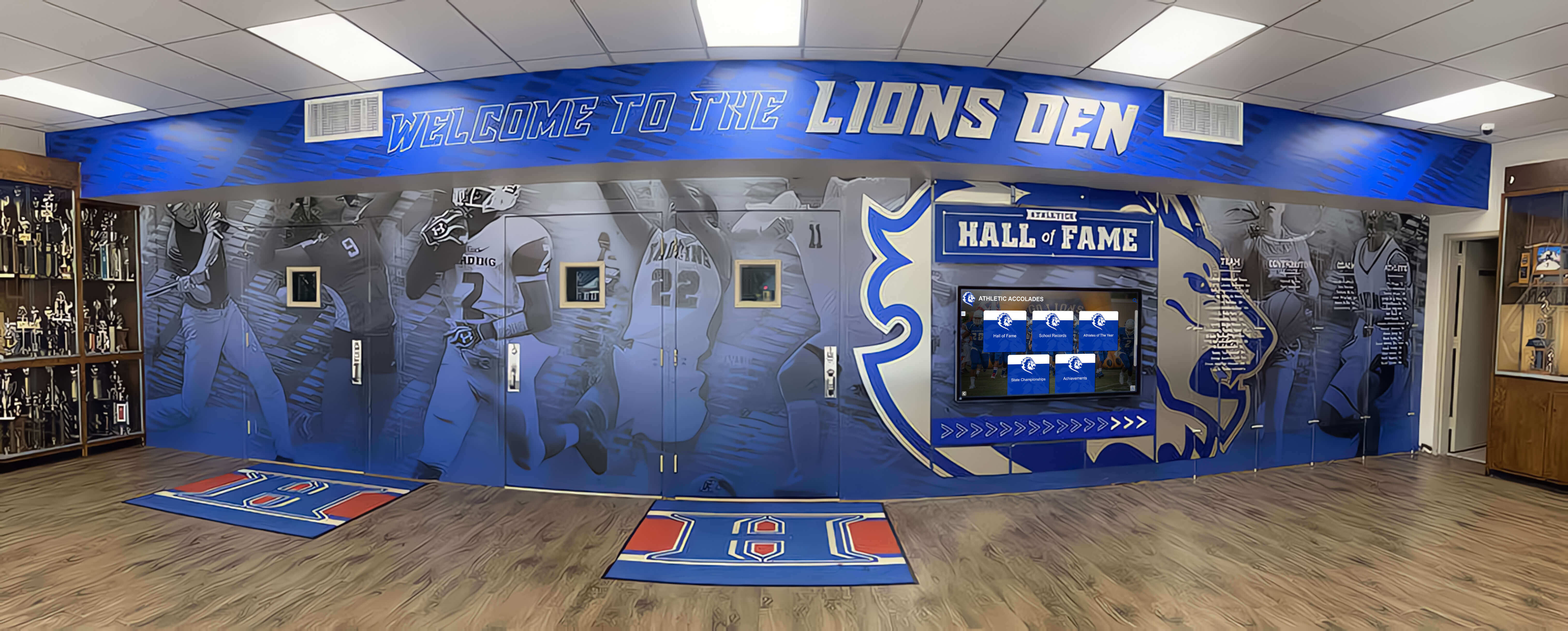
Modern recognition systems accommodate emerging sports programs, providing platforms that celebrate achievement as programs develop
Integrating Pickleball into Existing Athletic Programs
Schools adding pickleball to established athletic offerings can leverage existing infrastructure:
Shared recognition systems: Rather than creating separate recognition platforms, integrate pickleball achievements into existing digital athletic display systems that showcase multi-sport achievements. Modern touchscreen platforms accommodate unlimited sports and athlete profiles, making program additions seamless.
Athletic department resources: Existing equipment management, facility scheduling, and administrative systems extend naturally to pickleball programs. Leveraging established structures accelerates program development.
Multi-sport athlete development: Pickleball complements other sports through transferable skills in reaction time, court positioning, hand-eye coordination, and strategic thinking. Student-athletes benefit from cross-sport participation that builds comprehensive athletic skills.
Community engagement: Pickleball’s accessibility creates unique opportunities for multi-generational participation. Programs engaging parents, community members, and alumni through recreational leagues and tournaments build broader program support while introducing competitive athletes to potential mentors and practice partners.
Safety and Injury Prevention in Pickleball Training
While pickleball’s low-impact nature makes it safer than many sports, proper training protocols prevent common injuries and ensure long-term athletic development.
Common Pickleball Injuries and Prevention
Understanding typical injury patterns allows targeted prevention:
Ankle sprains from quick direction changes and court movement represent the most common pickleball injury. Prevention strategies include proper footwear with lateral support, ankle strengthening exercises, balance training, and court surface maintenance eliminating trip hazards.
Shoulder strain from repetitive overhead motions affects players emphasizing power over technique. Prevention emphasizes proper stroke mechanics, rotator cuff strengthening, warm-up protocols, and balanced training avoiding overuse.
Knee problems from constant pivoting and low positioning stress joint structures. Prevention includes quadriceps and hamstring strengthening, proper movement technique, appropriate court surfaces with cushioning, and gradual progression avoiding sudden intensity increases.
Achilles tendon issues from explosive movements and repeated stopping affect players increasing training volume too quickly. Prevention focuses on calf strengthening, proper warm-up routines, gradual training progression, and appropriate footwear.
Warm-Up and Cool-Down Protocols
Structured warm-up routines prepare bodies for training demands:
Dynamic warm-up (10-15 minutes before practice) should include light jogging or movement to elevate heart rate, dynamic stretching focusing on hips, shoulders, and ankles, pickleball-specific movement patterns (side shuffles, split-steps), and progressive intensity building from light to match-speed.
Cool-down protocols (10 minutes after practice) facilitate recovery through light movement maintaining circulation, static stretching of major muscle groups, breathing exercises reducing heart rate, and proper hydration and nutrition.
Regular warm-up and cool-down routines reduce injury risk while improving performance quality. Programs should treat these elements as non-negotiable practice components rather than optional activities.
Measuring Progress and Maintaining Motivation
Long-term skill development requires systems that track improvement, celebrate achievement, and maintain enthusiasm through inevitable plateaus.
Skill Assessment Frameworks
Implement objective measurement systems tracking development:
Technical skill testing measures specific abilities through serve accuracy testing (targets in service boxes), rally consistency counts (consecutive shots without error), third shot drop landing zones, dinking control assessments, and volley reaction drills.
Competitive performance metrics track tournament results, ladder position advancement, rating system progression (DUPR, UTPR), match win/loss records against specific competition levels, and head-to-head records against regular opponents.
Practice commitment indicators measure attendance consistency, drill repetition totals, video review participation, conditioning test results, and strategic knowledge assessments.
Recognition and Motivation Strategies
Systematic recognition maintains engagement throughout development:
Milestone celebrations mark significant achievements including first tournament participation, rating thresholds, winning record achievement, advanced shot mastery, and leadership or sportsmanship recognition. These milestones deserve acknowledgment comparable to achievements in traditional sports.
Visual recognition systems showcase progress through tournament bracket displays, ladder standings, skill achievement boards, and digital hall of fame platforms that highlight program achievements. Modern recognition technology allows programs to create professional displays celebrating pickleball alongside established sports.
Team culture development builds identity and belonging through practice traditions, competitive team spirit, peer mentorship programs, and social connections extending beyond the court. Strong culture sustains motivation when individual results disappoint.
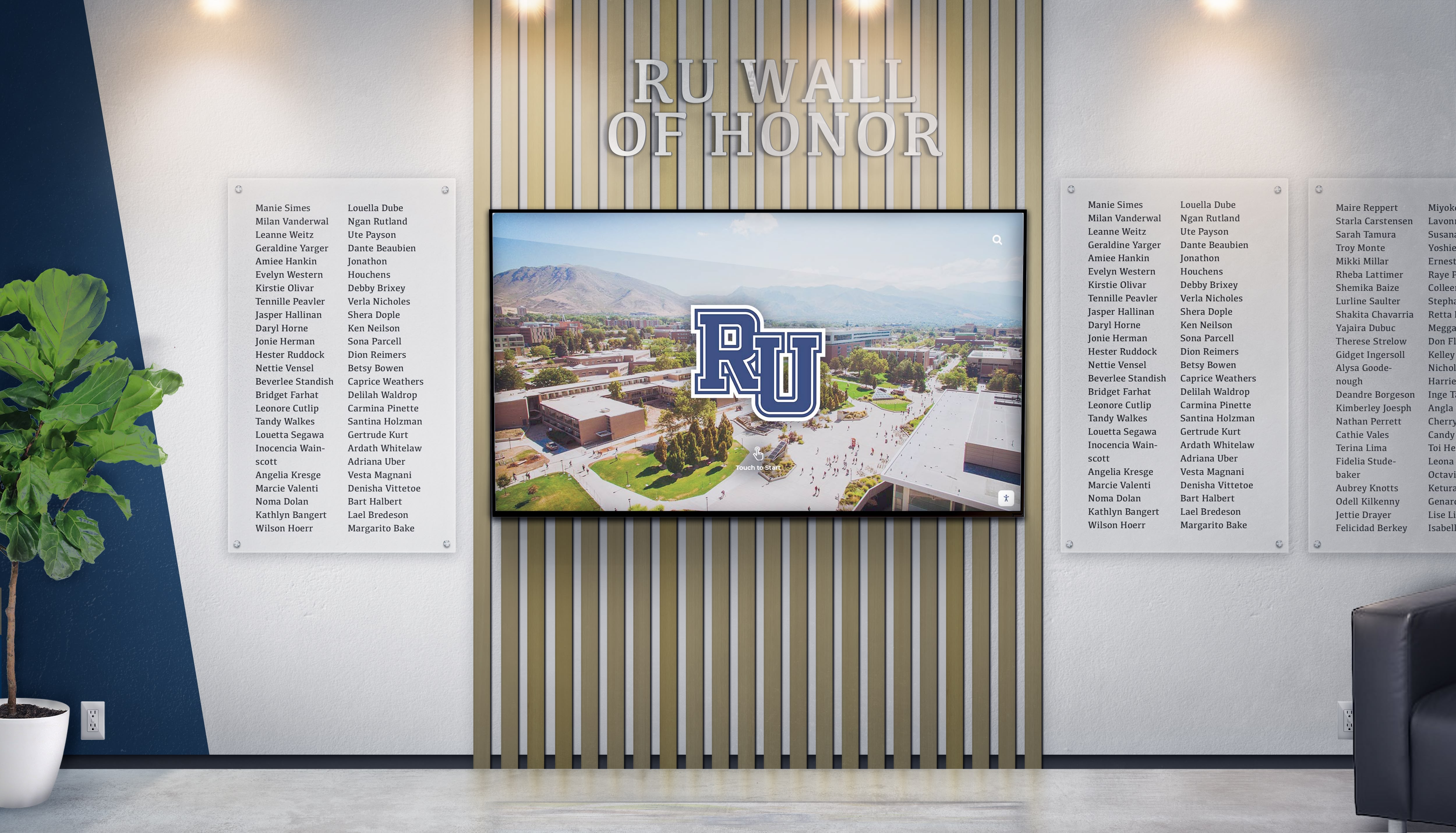
Comprehensive recognition systems celebrate achievements across all athletic programs, creating environments where emerging sports receive equal recognition
Mental Training and Competitive Psychology
Physical skills alone don’t determine competitive success—mental preparation separates consistent performers from talented players who underachieve in pressure situations.
Developing Mental Toughness
Tournament success requires psychological resilience built through intentional training:
Pressure exposure through practice should include high-stakes drill consequences, competitive point play, tournament simulation formats, and spectator presence during practice matches. Repeated pressure exposure desensitizes athletes to competitive anxiety.
Routine development creates psychological anchors that maintain focus during matches. Pre-serve routines, between-point reset patterns, timeout utilization strategies, and breathing techniques all help athletes maintain composure when matches tighten.
Positive self-talk replaces negative internal dialogue that undermines performance. Athletes should practice reframing errors as learning opportunities, maintaining confident body language despite frustration, focusing on process rather than outcomes, and celebrating successful execution regardless of point results.
Visualization practice builds mental blueprints for successful performance. Athletes should regularly visualize executing perfect techniques, succeeding in pressure situations, maintaining composure during adversity, and celebrating match victories. Mental rehearsal strengthens actual performance.
Partner Communication in Doubles
Doubles success requires more than individual skill—effective partnership communication determines competitive outcomes:
Strategic communication before and between points includes discussing opponent weaknesses, coordinating court positioning, planning specific shot patterns, and encouraging each other during difficult stretches. Partners function as collaborative teams rather than individual competitors sharing a court.
Non-verbal communication during points maintains coordination through positioning signals, anticipatory movements indicating shot intentions, post-point acknowledgment regardless of outcomes, and supportive body language. Effective doubles teams communicate continuously without speaking.
Conflict resolution skills prevent partnership friction from undermining performance. Partners should practice separating competitive frustration from personal criticism, taking responsibility for individual errors, maintaining perspective about recreational versus competitive contexts, and celebrating partner successes genuinely.
Strong partnerships often overcome superior individual skills through effective communication and tactical coordination. Partnership training deserves equal emphasis to individual technical development.
Creating Sustainable Pickleball Programs
Long-term program success requires sustainable structures extending beyond individual coaches or seasons.
Developing Player Pipelines
Mature programs create clear development pathways from introduction through competitive excellence:
Introduction programs through physical education, community recreation, or beginner clinics create broad participation bases. Accessible entry points without competitive pressure allow newcomers to discover pickleball’s appeal.
Skill development tracks provide structured progression through beginner, intermediate, and advanced training groups. Clear advancement criteria maintain motivation while ensuring athletes train at appropriate challenge levels.
Competitive teams represent program pinnacles where dedicated athletes compete in tournaments and leagues. Elite training environments push committed players toward championship performance.
Alumni engagement sustains programs through graduated players who become coaches, mentors, practice partners, and program advocates. Strong alumni networks provide competitive practice opportunities for current athletes while maintaining program connections beyond graduation.
Funding and Resource Development
Growing programs require sustainable funding beyond basic operational budgets:
Participation fees from recreational programs, clinics, and leagues generate operational revenue. Tiered fee structures with scholarship provisions maintain accessibility while funding program growth.
Fundraising initiatives through booster clubs, tournaments, and community events build financial support. Pickleball’s broad appeal creates fundraising opportunities engaging diverse community segments.
Facility partnerships with recreation departments, country clubs, and commercial facilities expand court access without major infrastructure investments. Collaborative relationships benefit both athletic programs and facility partners seeking programming.
Sponsorship development from local businesses, equipment manufacturers, and community organizations provides funding for equipment, tournament hosting, and recognition systems. Professional program presentation attracts sponsor interest.
Conclusion: Building Championship Pickleball Programs Through Systematic Training
Pickleball’s explosive growth creates unprecedented opportunities for schools, clubs, and athletic organizations. Programs implementing structured drill progressions, systematic skill development, and comprehensive recognition systems position themselves at the forefront of America’s fastest-growing sport.
The drills outlined in this guide provide frameworks for developing players from absolute beginners through tournament competitors. Success requires more than simply executing drills—effective programs adapt techniques to specific populations, maintain engagement through varied training approaches, track progress systematically, celebrate achievement consistently, and build cultures where improvement and competition foster genuine belonging.
As pickleball transitions from recreational activity to established competitive sport, early-adopting programs gain significant advantages. Schools and organizations investing in quality instruction, proper facilities, and professional recognition systems establish reputations attracting dedicated athletes and building competitive powerhouses.
The combination of accessible entry points, rapid skill development potential, and engaging competitive opportunities makes pickleball ideal for diverse athletic programs. Whether launching new programs or strengthening existing ones, systematic drill-based training accelerates development while creating the competitive foundations that championship programs require.
Most importantly, comprehensive programs recognize that athletic success extends beyond individual skill development to encompass team culture, strategic sophistication, mental toughness, and the recognition systems that celebrate achievement and inspire continued excellence. Programs integrating all these elements create environments where athletes thrive, skills flourish, and competitive success follows naturally.
Ready to elevate your pickleball program with professional recognition systems that showcase tournament achievements, ladder standings, and player milestones? Rocket Alumni Solutions provides comprehensive digital display solutions designed specifically for athletic programs. Our touchscreen recognition platforms integrate seamlessly with growing pickleball programs, creating professional environments that celebrate emerging sports alongside established athletic traditions. Explore how modern recognition technology can transform your pickleball program’s culture while providing the dynamic, updateable systems that growing programs demand.































