University and college presidents play a uniquely powerful role in donor recognition and stewardship. When institutional leaders personally engage with philanthropic supporters, they signal that contributions matter at the highest organizational levels. President’s office donor recognition represents far more than ceremonial acknowledgment—it constitutes strategic advancement practice that cultivates major gifts, strengthens donor retention, and builds cultures of philanthropy sustaining institutions across generations.
Yet many advancement teams struggle to leverage presidential involvement effectively. Time-constrained leaders cannot personally acknowledge every donor, requiring thoughtful frameworks determining which supporters receive direct presidential engagement and through what mechanisms. Traditional approaches—handwritten notes for all major gifts, rubber-chicken dinners with dozens of donors, formulaic thank-you calls—often fail to create the authentic connection and meaningful recognition that inspire continued generosity.
This comprehensive guide explores how forward-thinking institutions design president’s office donor recognition programs that honor leadership philanthropy strategically while respecting executive time constraints. You’ll discover proven approaches for presidential donor engagement, recognition society structures, acknowledgment protocols, and digital solutions enabling personalized stewardship at scale.
The relationship between institutional presidents and major donors profoundly influences philanthropic outcomes. According to advancement professionals, prospects considering transformational gifts consistently evaluate how institutions recognize and engage existing supporters before committing their own resources. Presidential recognition demonstrates that philanthropy receives attention and appreciation from those steering organizational direction—validating donor confidence that investments will be stewarded responsibly.
Understanding Presidential Donor Recognition
President’s office donor recognition encompasses the strategic systems, practices, and touchpoints through which institutional leaders acknowledge and engage philanthropic supporters. Unlike general advancement recognition managed by development staff, presidential recognition carries unique weight deriving from positional authority and symbolic significance.
Why Presidential Recognition Matters Differently
When university presidents personally recognize donors, several powerful dynamics activate simultaneously that staff-level acknowledgment cannot replicate:
Validation of Significance: Presidential attention signals that contributions merit notice from those carrying ultimate institutional responsibility. This validation proves particularly important for major gift prospects evaluating whether institutions genuinely value philanthropy or view donors merely as funding sources.
Peer Status Creation: Many major donors occupy leadership positions in their professional lives. Presidential engagement recognizes donors as peers rather than subordinates—acknowledging their status and accomplishments while building relationships based on mutual respect between leaders.
Access and Insider Perspective: Presidential recognition often includes opportunities to understand institutional vision, strategy, and challenges directly from top leadership. This insider access satisfies donor desire to comprehend how institutions they support actually function and make decisions.
Legacy and Permanence: Recognition bearing presidential imprimatur carries weight extending beyond current administrations. Donors envision their acknowledgment as permanent institutional record rather than temporary staff initiative—strengthening commitment to leaving lasting legacies.
Social Proof and Aspiration: Visible presidential engagement with donors creates aspiration among prospects who observe the recognition, respect, and access that major supporters receive. This social proof motivates gift progression as donors seek to join communities receiving presidential acknowledgment.
The Strategic Framework: Presidential vs. Staff Recognition
Effective advancement programs establish clear frameworks delineating which donors receive presidential recognition versus staff acknowledgment. While every supporter deserves genuine gratitude, strategic allocation of presidential time ensures maximum impact.
Presidential Recognition Thresholds:
Most institutions establish giving levels triggering direct presidential involvement:
- Transformational Gifts ($1,000,000+): Personal presidential calls, handwritten notes, one-on-one meetings, and sustained engagement throughout cultivation, solicitation, and stewardship phases
- Major Gifts ($100,000-$999,999): Presidential thank-you letters, inclusion in leadership societies with president participation, recognition at presidential events
- Leadership Annual Gifts ($25,000-$99,999): Presidential letters signed with actual signature rather than autopen, invitations to select presidential gatherings
- President’s Circle Members ($10,000-$24,999): Annual recognition letters from president, inclusion in broader donor appreciation events
Specific thresholds vary based on institutional scale, donor base maturity, and presidential bandwidth. Small liberal arts colleges might set presidential involvement at $25,000 while research universities establish thresholds at $250,000 or higher.
Presidential Donor Societies and Recognition Structures
Giving societies organized around presidential recognition create frameworks for systematic acknowledgment while establishing clear pathways motivating gift progression.
President’s Circle and Leadership Society Models
The President’s Circle concept—recognizing top annual or lifetime donors through association with institutional leadership—provides powerful organizing principle for advancement programs.
Traditional President’s Circle Structure:
Many institutions establish President’s Circles as exclusive societies recognizing donors meeting specific cumulative or annual giving thresholds:
- Lifetime giving qualification: $50,000, $100,000, or $250,000 cumulative support
- Annual giving qualification: $10,000, $25,000, or $50,000 in single fiscal year
- Planned giving recognition: Documented bequest intentions or life income arrangements
President’s Circle membership benefits typically include:
- Annual recognition dinner or reception hosted by president
- Exclusive communication from president about institutional priorities and accomplishments
- Behind-the-scenes access through facility tours, program previews, or planning briefings
- Formal recognition on prominent donor displays and publications
- Networking opportunities with fellow leadership donors and university administrators
- Priority seating at signature events like convocations, performances, or athletic competitions
Tiered Leadership Society Architecture:
Sophisticated programs establish multiple tiers creating progression pathways:
- Presidential Society ($500,000+ lifetime giving): Highest recognition including presidential advisory council membership, quarterly direct engagement with president, named giving opportunities
- Chancellor’s Circle ($250,000-$499,999): Semi-annual presidential gatherings, special recognition events, enhanced communication access
- Dean’s Council ($100,000-$249,999): Annual presidential reception, insider briefings on strategic initiatives, facility naming considerations
- Heritage Society ($50,000-$99,999): Recognition dinner series with presidential remarks, formal acknowledgment across communications
- Founder’s Club ($25,000-$49,999): Annual appreciation events, newsletter recognition, donor wall inclusion
This tiered structure provides clear milestones motivating donors to increase support levels to access enhanced recognition and engagement opportunities.
Integrating Presidential Recognition with Digital Displays
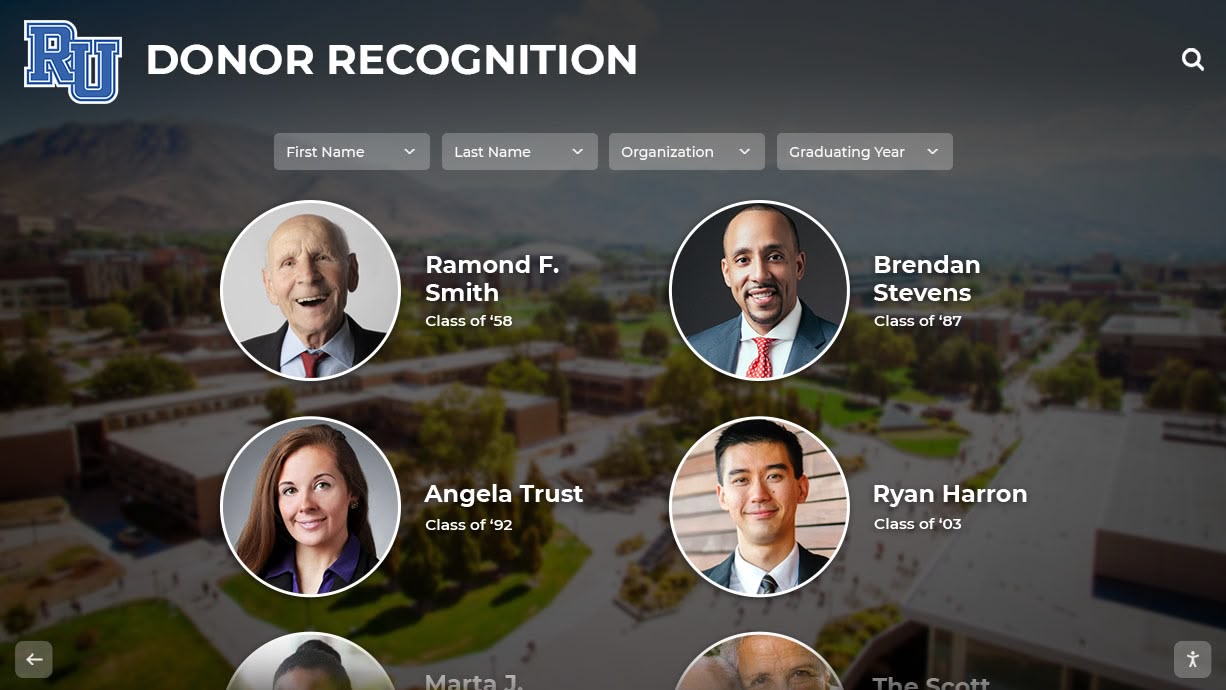
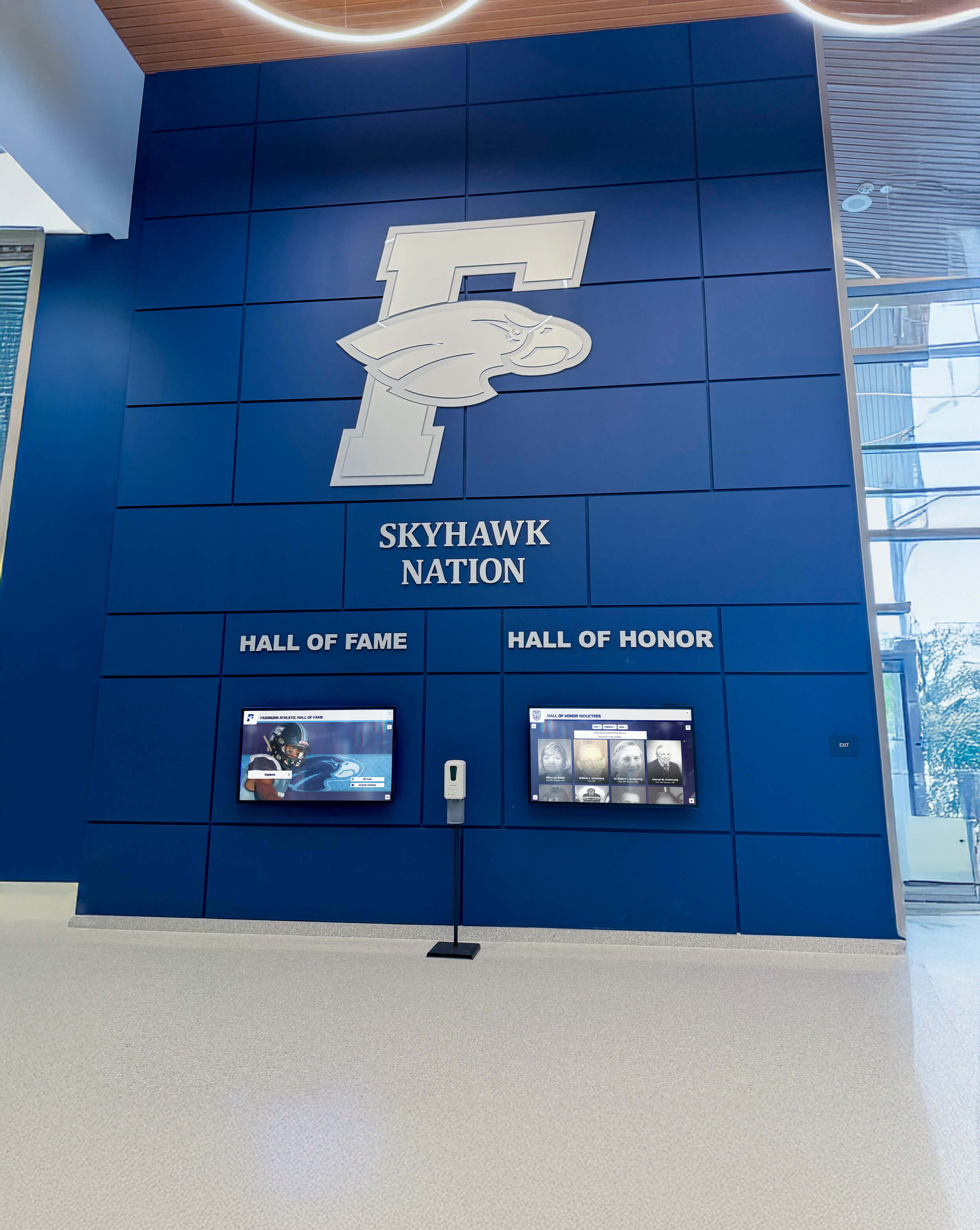
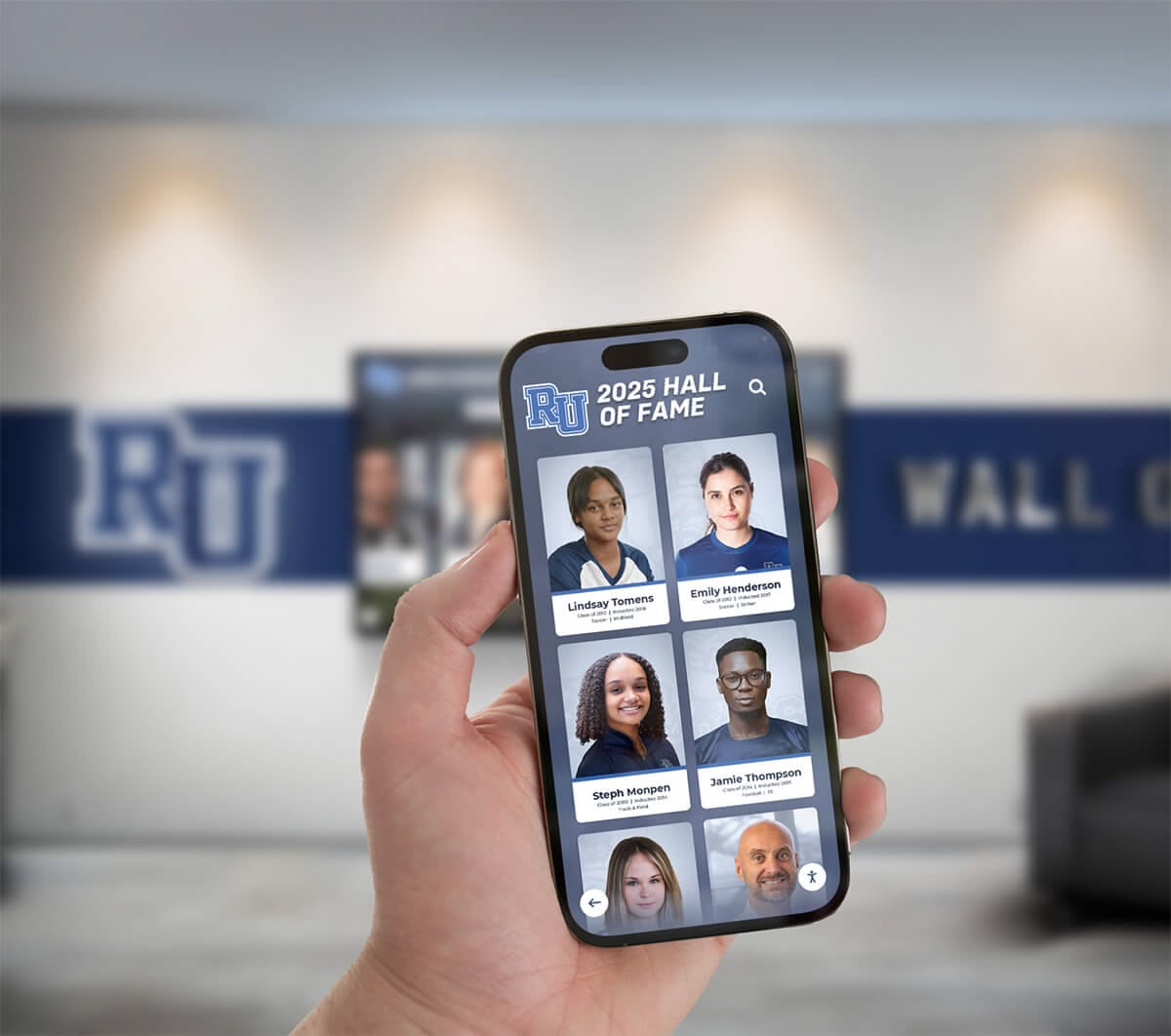
Modern recognition approaches combine traditional personal touchpoints with technology enabling comprehensive acknowledgment at scale. Digital recognition platforms allow institutions to honor all major donors prominently while highlighting those receiving highest presidential engagement.
Solutions like Rocket Alumni Solutions provide purpose-built platforms featuring:
- Dedicated Presidential Society sections showcasing top donors with enhanced multimedia profiles
- Presidential video messages embedded within donor profiles
- Integration of giving society membership prominently in donor recognition
- Featured content highlighting presidential engagement events and donor gatherings
- Real-time updates ensuring new leadership donors receive immediate visibility
This hybrid approach respects tradition through preserved personal presidential touchpoints while solving capacity limitations preventing comprehensive acknowledgment through handwritten notes alone. As explored in alumni donors wall of honor planning, digital platforms enable recognition of all supporters while differentiating premium presidential acknowledgment.
Presidential Acknowledgment Protocols and Best Practices
Systematic approaches to presidential donor acknowledgment ensure consistency, timeliness, and authenticity while respecting executive schedule realities.
Acknowledgment Timing and Methods
Research consistently shows that recognition timing significantly impacts donor satisfaction and retention. Delayed acknowledgment diminishes gratitude impact regardless of eventual quality.
48-Hour Acknowledgment Standard:
Leading advancement offices establish protocols ensuring major donors receive presidential acknowledgment within 48 hours of gift confirmation:
- Same-day or next-day presidential phone calls for gifts exceeding $250,000
- 72-hour handwritten presidential notes for gifts of $100,000-$249,999
- Week-one personalized presidential letters for gifts of $25,000-$99,999
- Month-one presidential recognition letters for President’s Circle qualifiers
Acknowledgment Method Selection:
Different acknowledgment methods suit different relationships and gift contexts:
Personal Phone Calls: Most impactful for transformational gifts, first-time major donors, or supporters with existing presidential relationships. Calls should occur when president has adequate time for genuine conversation rather than perfunctory thanks—better delayed by days for meaningful exchange than rushed immediately.
Handwritten Notes: Valued across generations for demonstrating personal attention and time investment. Presidents should write notes themselves rather than delegating to staff—authenticity matters more than eloquence. Notes work particularly well for donors president doesn’t know personally but wishes to acknowledge specially.
Personalized Letters: Suitable for substantial gifts from donors with limited presidential connection. Letters should reference specific gift purposes and impacts rather than using formulaic templates. Actual presidential signatures rather than autopen distinguish these communications.
Video Messages: Increasingly popular for geographically distant donors or those appreciating technology. Short video messages combine personalization with shareability, allowing donors to revisit presidential thanks while sharing pride within their networks.
Content and Messaging in Presidential Recognition
What presidents say when acknowledging gifts matters as much as that acknowledgment occurs.
Effective Presidential Acknowledgment Elements:
Specific Gift Reference: Acknowledge what donors supported specifically rather than generic thanks for “your generous gift.” Mention scholarships funded, facilities enabled, programs advanced, or strategic priorities addressed.
Impact Description: Explain tangible differences gifts create—students served, research enabled, facilities enhanced, or strategic objectives advanced. Connect donations to institutional mission rather than merely thanking for financial contributions.
Personal Connection: Reference donor relationships to institutions when presidents have relevant knowledge—graduation years, family legacies, volunteer service, or prior giving history. Personal elements demonstrate attention beyond transactional gratitude.
Forward-Looking Vision: Share brief glimpses of institutional direction and how donor support advances that vision. Leadership donors appreciate understanding how gifts fit within broader strategic contexts rather than existing as isolated transactions.
Authentic Voice: Presidential acknowledgment should sound like actual presidents wrote them rather than advancement offices drafting formal templates. Authentic voice builds genuine connection impossible through bureaucratic boilerplate.
Presidential Donor Engagement Beyond Initial Acknowledgment
Initial gift acknowledgment represents only the beginning of sustained presidential engagement strategies that strengthen donor relationships over time.
Presidential Donor Visits and Cultivation
Systematic presidential visits create meaningful touchpoints demonstrating ongoing appreciation while building relationships supporting future philanthropy.
Strategic Visit Planning:
Advancement offices typically schedule 10-20 presidential donor visits annually, prioritizing:
Major Gift Stewardship: Post-gift visits with recent major donors celebrating impact and strengthening relationships that encourage continued support. Visits might include facility tours showcasing spaces or programs donations enabled, introductions to scholarship recipients funded by gifts, or private briefings on initiative progress.
Transformational Gift Cultivation: Pre-solicitation visits building relationships with prospects capable of transformational support. These conversations explore donor interests, share institutional vision, and assess philanthropic capacity and inclination before formal proposals.
Anniversary Recognition: Milestone visits with long-term supporters celebrating decades of sustained giving or significant anniversaries of transformational gifts. Historical recognition demonstrates institutional memory and appreciation for sustained loyalty.
Legacy Society Engagement: Meetings with planned giving donors recognizing bequest commitments and exploring opportunities to celebrate intentions through current recognition while honoring future gifts.
Visit Coordination Process:
Effective presidential visits require substantial coordination between advancement offices, presidential scheduling teams, and often additional stakeholders:
- Development officers identify high-priority donors warranting presidential engagement
- Donor Relations coordinates scheduling with both donors and presidential calendar
- Briefing materials prepare presidents with donor background, giving history, and engagement objectives
- Visit execution includes appropriate accompaniment, duration, and follow-up documentation
- Post-visit stewardship includes presidential thank-you notes and advancement team continuation
The sophistication required for seamless presidential visit coordination explains why comprehensive advancement programs invest significant resources in donor relations infrastructure. Organizations exploring enhanced donor engagement benefit from understanding college advancement donor recognition strategies that integrate presidential involvement with broader stewardship systems.
Presidential Donor Events and Gatherings
Signature events hosted or headlined by presidents create community among major donors while demonstrating appreciation through exclusive access.
Presidential Donor Event Types:
Annual President’s Circle Dinner: Formal evening gathering recognizing top donors through elegant dinner with presidential remarks sharing institutional accomplishments, challenges, and vision. Includes formal recognition of new society members, milestone celebrations, and networking opportunities.
Presidential Briefing Series: Intimate quarterly or semi-annual gatherings where presidents present strategic priorities, facilities plans, fundraising progress, or challenge areas in candid settings encouraging dialogue and questions. Limited attendance creates exclusivity and insider perspective valued by leadership donors.
Pre-Event Presidential Receptions: Before major institutional occasions—homecoming, commencement, championship games, galas—presidential receptions for major donors provide special access, preferred seating, and recognition of support enabling signature events.
Presidential Facility Dedications: When donor gifts enable building projects or major facility renovations, presidential participation in dedication ceremonies honors contributions while providing public recognition opportunities for supporters and their families.
Behind-the-Scenes Presidential Access: Special experiences like presidential box access at athletic events, backstage meet-and-greets with visiting speakers or performers, or exclusive previews of new programs create memorable moments strengthening donor connections.
Virtual Presidential Engagement: For geographically distributed donor populations, virtual presidential town halls, webinar briefings, or online Q&A sessions extend leadership engagement beyond those able to attend campus gatherings.
Presidential Communications and Ongoing Stewardship
Regular presidential communication with major donors maintains relationships between personal interactions while demonstrating consistent appreciation.
Presidential Correspondence Programs
Annual Presidential Letters: Many presidents send annual letters to President’s Circle members or major gift donors summarizing institutional accomplishments, thanking supporters for enabling progress, and previewing upcoming priorities. These communications differ from fundraising appeals—focusing on stewardship and impact reporting rather than solicitation.
Milestone Recognition: Presidential letters marking donor anniversaries, birthdays, or personal accomplishments demonstrate attention to supporters as individuals rather than merely funding sources. While necessarily selective given presidential bandwidth, thoughtful milestone recognition creates powerful relationship moments.
Impact Reports: Annual reports to major donors documenting specific outcomes their gifts enabled—students graduated, research published, facilities completed, programs launched. Presidential signature and introductory letter connects leadership directly to demonstrated impact accountability.
Campaign Updates: During active fundraising campaigns, periodic presidential updates to leadership donors maintaining momentum and transparency about progress toward goals. Updates include recognition of donor contributions, celebration of milestones achieved, and appreciation for continued engagement.
Presidential Thought Leadership and Donor Inclusion
Beyond direct stewardship communications, presidents build relationships with major donors by sharing broader thought leadership positioning institutional expertise:
Presidential Commentary: Sharing presidential op-eds, media appearances, or thought pieces with major donors demonstrates intellectual leadership while keeping supporters informed about institutional perspectives on contemporary issues.
Strategic Planning Involvement: Inviting select major donors to provide input on strategic planning, capital campaigns, or major initiative development honors their business acumen and experience while building investment in institutional direction.
Advisory Board Membership: Formal advisory councils bringing together major donors, alumni leaders, and community figures under presidential leadership create ongoing structured engagement opportunities while leveraging donor expertise for institutional benefit.
Measuring Presidential Recognition Effectiveness
Strategic programs track whether presidential recognition investments deliver intended outcomes rather than simply maintaining activities without evaluation.
Key Performance Indicators
Donor Retention Metrics: Compare retention rates among donors receiving presidential recognition versus those acknowledged only through staff. Leading programs observe 15-25 percentage point retention improvements among presidentially-engaged donors.
Gift Progression Tracking: Monitor whether donors receiving presidential acknowledgment demonstrate accelerated progression to higher giving levels. Successful presidential engagement typically correlates with shortened upgrade timelines and increased gift sizes.
Major Gift Velocity: Assess whether enhanced presidential recognition programs correlate with increased major gift proposal success rates and shortened cultivation-to-solicitation timelines.
Planned Giving Inquiries: Track legacy society interest and planned giving inquiries following presidential recognition visibility, as presidential acknowledgment often triggers conversations about enduring philanthropic impact.
Donor Satisfaction Surveys: Regularly survey donors about recognition experiences including presidential touchpoints, gathering feedback about acknowledgment timeliness, meaningfulness, and appropriateness. Survey insights inform continuous program improvement.
Return on Presidential Time Investment
Presidents juggle countless demands competing for limited available hours. Demonstrating that donor recognition time investments generate measurable advancement returns justifies continued presidential commitment:
Time Allocation Analysis: Document presidential hours invested in donor recognition activities—visits, calls, events, correspondence—enabling cost-benefit assessment against fundraising outcomes.
Gift Attribution: When possible, attribute specific gifts or gift increases to presidential engagement touchpoints, quantifying revenue impact of presidential stewardship investments.
Comparative Effectiveness: Compare fundraising results from prospects receiving presidential engagement versus similar prospects cultivated without presidential involvement, isolating presidential impact.
Many advancement offices find that presidential recognition ranks among highest-ROI time investments when measured against both fundraising outcomes and broader institutional relationship building.
Integrating Technology with Presidential Recognition
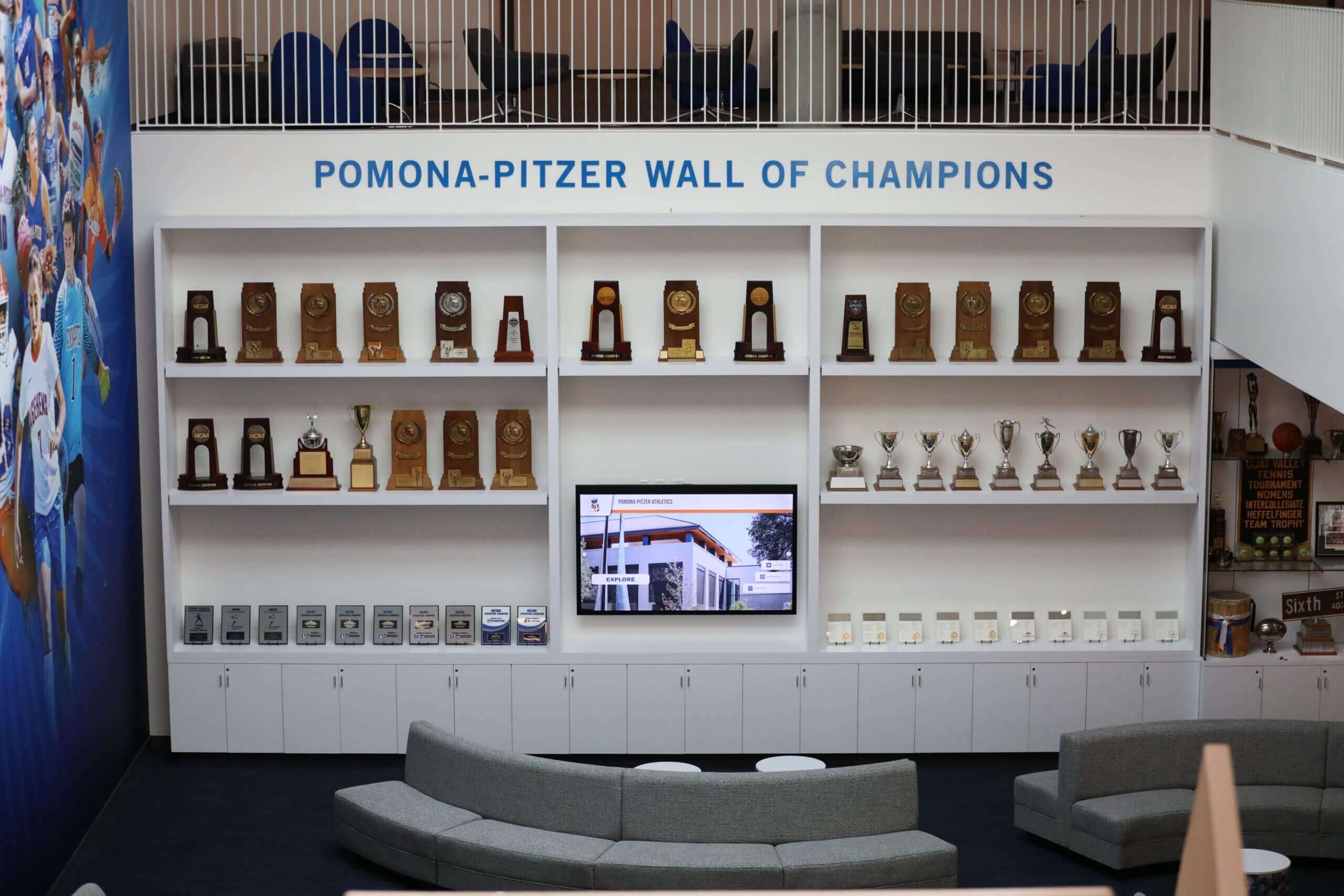
Modern digital solutions enable presidential recognition at scale previously impossible through manual processes alone.
Digital Recognition Platforms Featuring Presidential Engagement
Purpose-built recognition platforms allow institutions to showcase presidential relationships with major donors through:
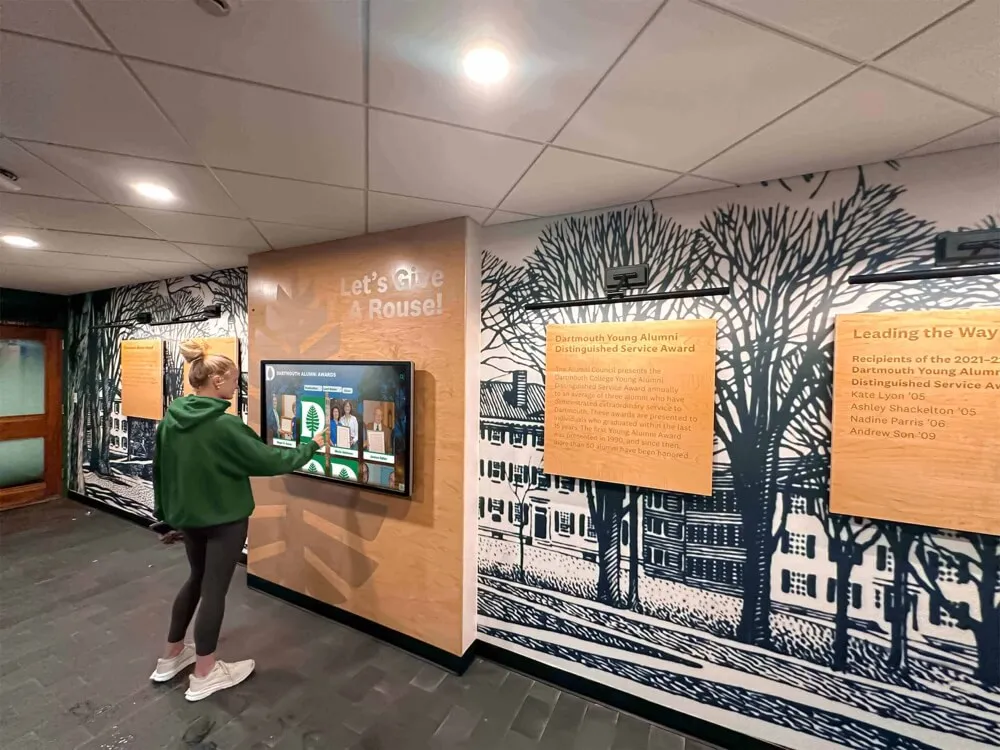
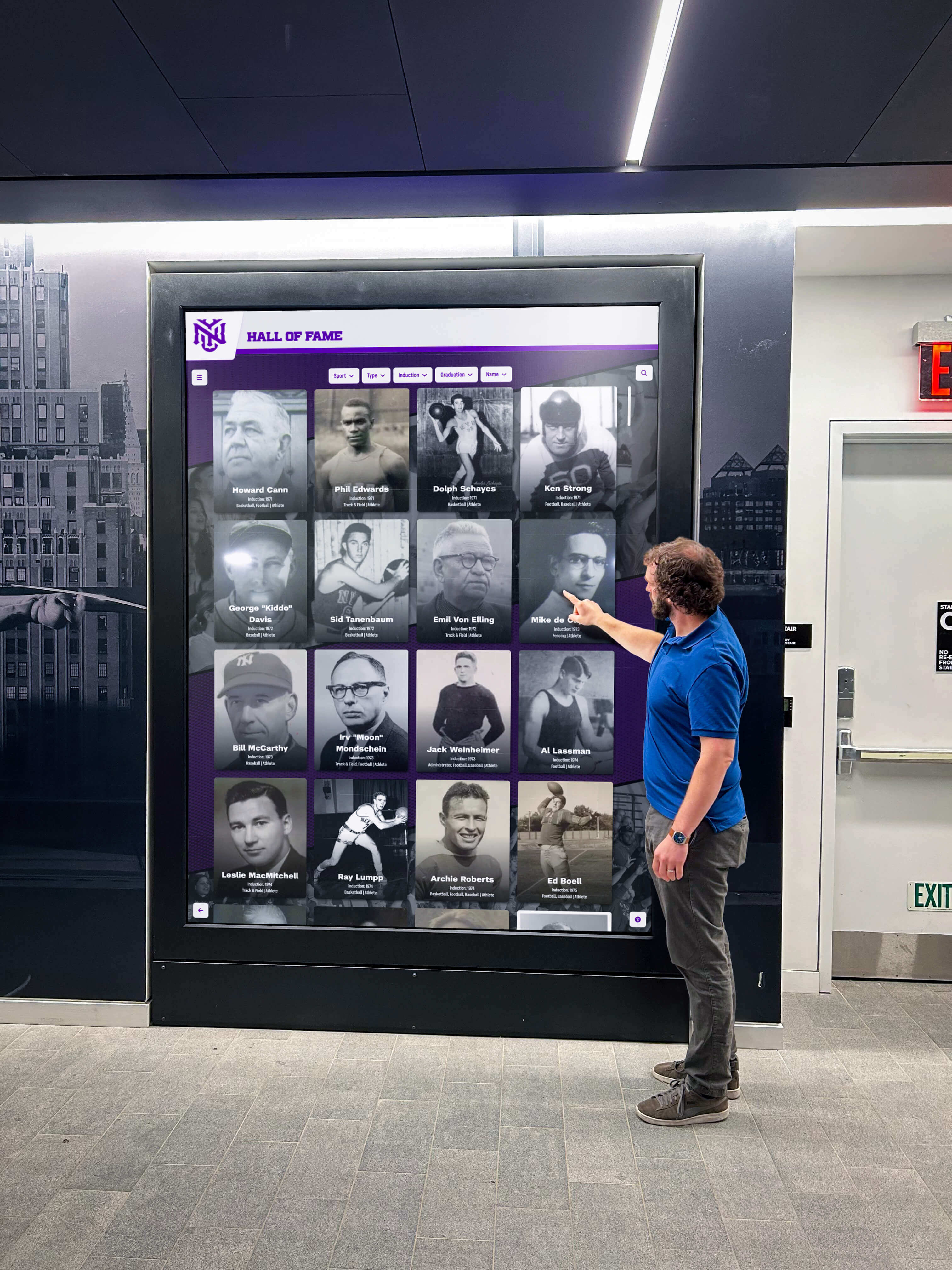
Presidential Society Digital Showcases: Dedicated sections on donor recognition displays highlighting President’s Circle members, featuring enhanced profiles, presidential quotes about supporter impact, and documentation of presidential engagement events.
Embedded Presidential Messages: Video messages from presidents embedded within individual donor profiles, allowing personalized presidential thanks accessible perpetually rather than momentary phone calls or letters filed away.
Event Documentation: Photo galleries and video highlights from presidential donor gatherings, dedications, and special access opportunities—creating lasting records while demonstrating vibrant community of engaged supporters.
Real-Time Recognition Updates: Immediate digital acknowledgment when donors reach President’s Circle thresholds or upgrade giving levels, visible instantly on displays while formal presidential communications follow shortly after.
Organizations implementing these hybrid approaches report significant efficiency gains. Digital platforms handle comprehensive acknowledgment at scale while presidential time focuses on highest-priority personal touchpoints generating maximum relationship impact. Solutions offering donation honor wall capabilities demonstrate how technology and presidential engagement complement rather than compete.
CRM Integration and Presidential Workflow Support
Advanced systems integrate presidential recognition workflows with institutional CRM platforms:
Automated Flagging: Systems automatically flag gifts triggering presidential acknowledgment protocols based on pre-set thresholds, ensuring timely presidential involvement without manual monitoring.
Briefing Generation: Automated compilation of donor background, giving history, and relationship notes into briefing documents preparing presidents for calls, visits, or event interactions.
Task Management: Integration with presidential calendaring and task systems ensuring presidential acknowledgment obligations don’t fall through cracks amid competing demands.
Impact Tracking: Documentation of presidential touchpoints within donor records, enabling assessment of engagement patterns and outcomes over time.
Special Considerations for Presidential Transitions
Presidential transitions create both challenges and opportunities for donor recognition continuity and relationship preservation.
Maintaining Donor Relationships Through Leadership Changes
Outgoing President Stewardship: Departing presidents should participate in donor farewell communications and events when circumstances permit, honoring relationships while introducing successors. Final presidential thank-you calls or letters to major donors preserve goodwill during transitions.
Presidential Transition Communication: Advancement offices should communicate presidential transitions to major donors proactively, explaining selection processes, introducing new leaders, and reassuring donors about continuity of mission and appreciation.
Incoming President Engagement Strategy: New presidents should prioritize early major donor engagement—introductory calls, listening tours, recognition event attendance—demonstrating commitment to relationships previous administrations built.
Historical Recognition Continuity: Digital recognition platforms ensure presidential acknowledgment from prior administrations remains permanently visible, honoring historical relationships while accommodating new leadership. This continuity proves particularly important for donors with decades-long connections to institutions.
Leveraging Presidential Transitions for Enhanced Recognition
Presidential arrivals create natural opportunities for major donor engagement:
Introductory Campaign: New presidential transitions often correlate with capital campaigns or major initiatives providing frameworks for enhanced donor cultivation and recognition under new leadership.
Recognition Program Refresh: Presidential transitions allow advancement teams to propose enhanced recognition frameworks, updated giving societies, or improved acknowledgment systems under new administration priorities.
Relationship Building Emphasis: New presidents typically prioritize relationship development during initial years, creating opportunities for enhanced donor engagement and recognition compared to periods when established presidents focus on other priorities.
Best Practices from Leading Presidential Donor Recognition Programs
Institutions achieving exceptional outcomes with presidential recognition share common characteristics worth emulating:
Strategic Selectivity: Rather than attempting presidential acknowledgment for all donors, leading programs focus presidential time on highest-impact opportunities generating maximum relationship and fundraising returns.
Systematic Protocols: Detailed procedural documentation ensures consistent, timely presidential recognition regardless of staff turnover or leadership changes. Written protocols clarify thresholds, acknowledgment methods, and coordination responsibilities.
Presidential Buy-In: Most critical success factor involves presidents genuinely valuing donor recognition as leadership priority rather than viewing stewardship as burdensome obligation. Presidents committed to donor appreciation create authentic engagement that donors perceive and appreciate.
Advancement-Presidential Partnership: Successful programs feature true partnerships between advancement leadership and presidential offices, with mutual respect, clear communication, and shared commitment to donor relationship stewardship.
Technology Enablement: Leading institutions invest in technology infrastructure supporting efficient presidential recognition—CRM systems, digital platforms, workflow automation—enabling scale impossible through manual processes.
Continuous Evaluation: Top programs regularly assess presidential recognition effectiveness through donor feedback, retention analysis, and gift progression tracking—adjusting approaches based on evidence rather than assumptions.
Understanding comprehensive approaches helps institutions strengthen presidential engagement. Resources on office community engagement strategies provide additional frameworks for building cultures valuing recognition and appreciation at all organizational levels.
Conclusion: Presidential Recognition as Strategic Advancement Practice
President’s office donor recognition represents far more than ceremonial nicety—it constitutes strategic advancement practice directly influencing philanthropic outcomes that sustain institutional missions. When institutional leaders demonstrate genuine appreciation for philanthropic support through personal acknowledgment, exclusive engagement opportunities, and visible recognition, they validate donor decisions while inspiring continued generosity from existing supporters and cultivating transformational commitments from prospects.
The most effective presidential recognition programs balance personal authenticity with systematic protocols ensuring consistency and timeliness. They leverage technology to enable comprehensive acknowledgment at scale while preserving presidential time for highest-impact personal touchpoints. They establish clear giving society structures creating progression pathways motivating increased support. And crucially, they measure outcomes—tracking whether presidential recognition investments generate intended retention, progression, and fundraising results.
Presidents who view donor recognition as essential leadership responsibility rather than burdensome obligation create authentic engagement that donors perceive and value. When combined with professional advancement staff expertise, purpose-built technology platforms, and systematic stewardship frameworks, presidential recognition transforms from scattered acknowledgment into coherent programs building philanthropic cultures sustaining institutions across generations.
For colleges and universities ready to enhance presidential donor recognition, comprehensive solutions from Rocket Alumni Solutions provide proven platforms combining sophisticated technology with intuitive management and dedicated support. From initial planning through sustained engagement growth, the right combination of presidential commitment, advancement professionalism, and enabling technology creates recognition experiences that honor generosity meaningfully while inspiring the continued philanthropy that advances educational missions.
When supporters receive presidential recognition genuinely honoring their commitment to institutional excellence, they become advocates inspiring others to join philanthropic communities making lasting differences. This transformation from recognized donors to engaged ambassadors represents the ultimate success of strategic presidential recognition programs—creating self-perpetuating cultures of giving led from the very top that secure institutional futures for generations to come.































