Principals shape school culture, navigate complex challenges, champion student success, and lead faculty through constant educational evolution. Yet these leaders often work behind the scenes, their daily contributions to student achievement and school community building going largely unrecognized beyond their immediate administrative circles. Principal Appreciation Day offers schools the opportunity to publicly acknowledge the dedication, vision, and countless unseen efforts that effective principals invest in creating environments where students and teachers thrive.
Meaningful principal appreciation extends beyond generic gestures. The most impactful recognition efforts reflect genuine understanding of the specific contributions individual principals make to their school communities. Whether celebrating a principal’s consistent support of teacher professional development, their advocacy for student equity, their skillful navigation of difficult transitions, or their ability to create welcoming environments for diverse families, effective appreciation demonstrates that the school community notices and values their particular leadership approach.
This comprehensive guide explores principal appreciation day ideas that range from immediate, low-cost gestures to lasting institutional tributes that honor principals’ legacies within their schools. From student-created expressions of gratitude to permanent recognition displays that celebrate educational leadership across generations, you’ll find approaches that match your school’s resources, culture, and relationship with your principal.
Principals occupy uniquely demanding positions within educational institutions. They balance accountability pressures from district administrators with support responsibilities toward teachers, while simultaneously addressing parent concerns, managing facility operations, overseeing budgets, ensuring student safety, and maintaining the countless systems that allow schools to function. Effective principal appreciation acknowledges this multifaceted role and the skill required to navigate it successfully.
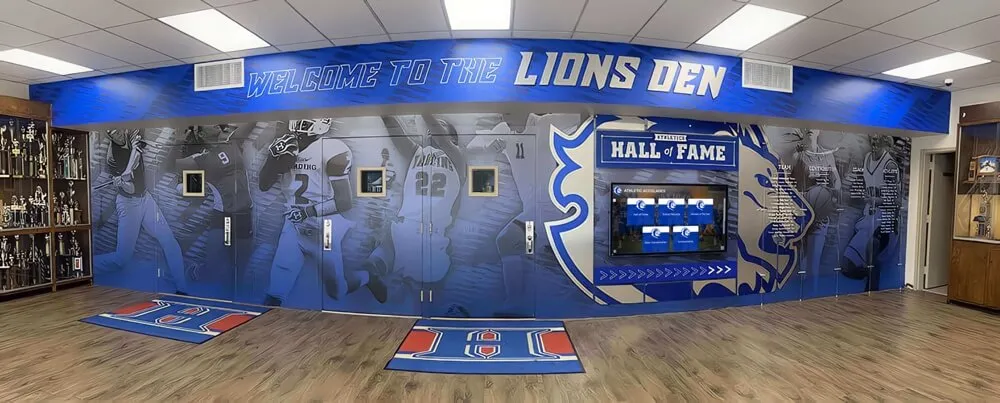
Schools create dedicated recognition areas that celebrate leadership contributions alongside student and faculty achievements
Understanding Principal Appreciation Day
Principal Appreciation Day occurs annually on May 1st, though many schools extend recognition throughout the week or month to allow for multiple celebration opportunities. This designated time encourages school communities to pause and collectively acknowledge the leadership that shapes their daily educational experiences.
Why Principal Recognition Matters
Recognition affects principal retention, job satisfaction, and effectiveness. Principals who feel valued by their school communities demonstrate higher engagement levels, lower burnout rates, and greater willingness to take educational risks that benefit students. Public appreciation also reinforces to faculty, students, and families that school leadership matters—that the principal’s vision and decisions directly impact the quality of education delivered.
Beyond retention benefits, principal appreciation models important cultural values. When schools publicly celebrate effective leadership, they demonstrate to students that leadership involves service, that authority figures deserve respect, and that communities thrive when they acknowledge the contributions of those who guide them.
Tailoring Appreciation to Individual Principals
Generic appreciation gestures often feel hollow because they fail to acknowledge what makes individual principals effective in their specific contexts. The principal who transformed a struggling school’s culture through relationship-building deserves different recognition than the principal who maintained excellence during facility renovations, though both accomplished significant leadership work.
Effective appreciation begins with observing what individual principals value, how they lead, and what they’ve specifically accomplished within their tenure. Does your principal prioritize instructional improvement? Personal connections with students? Community partnerships? Building maintenance excellence? Tailored recognition that reflects these priorities demonstrates genuine awareness of their leadership approach.
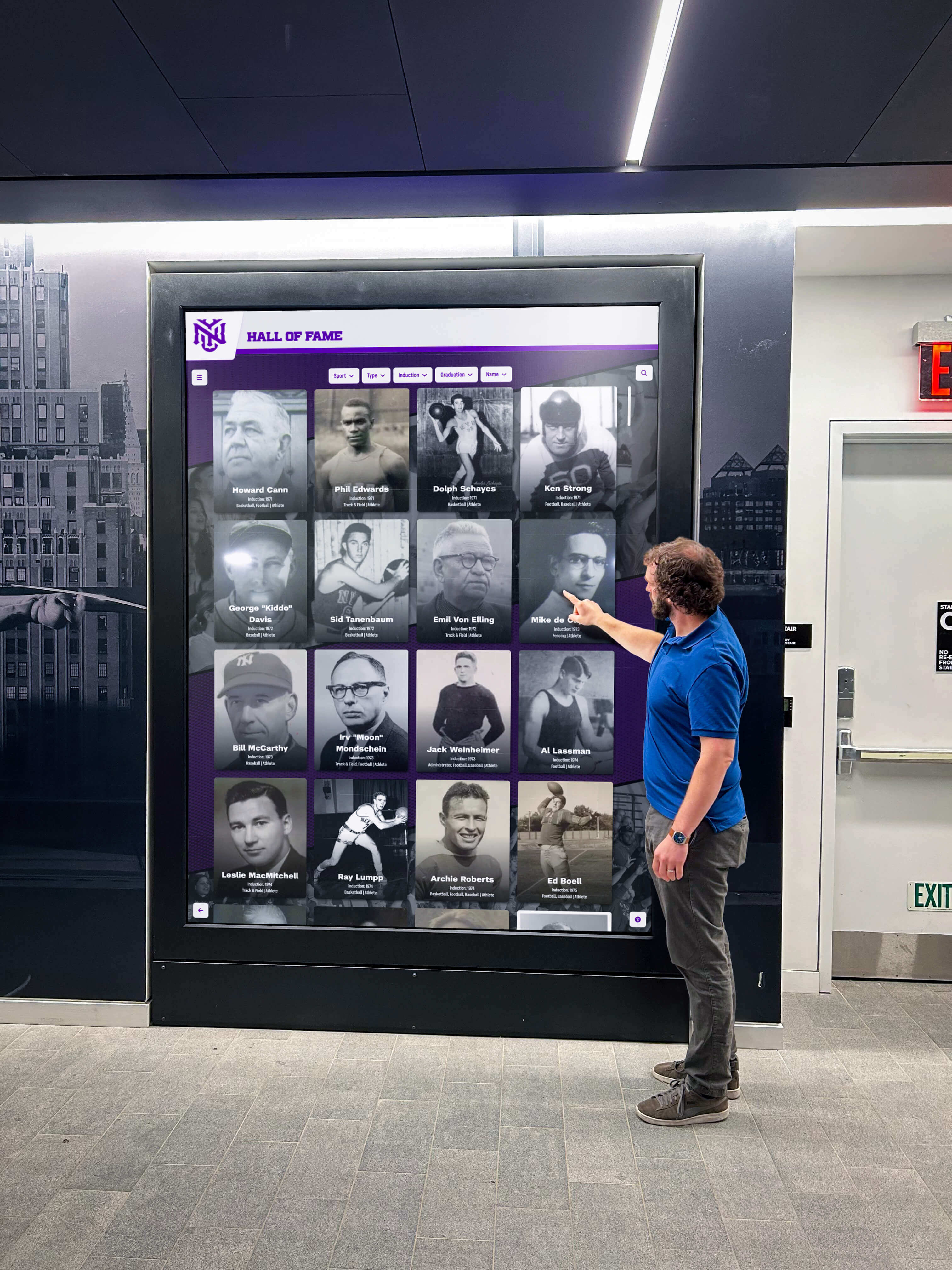
Modern schools use interactive displays to celebrate leadership milestones and share principal messages with the broader community
Immediate Principal Appreciation Day Ideas
These approaches require minimal advance planning while still creating meaningful recognition experiences that principals genuinely appreciate.
Student-Created Recognition
Student expressions of appreciation carry particular weight for principals whose work centers on creating positive environments for young people.
Video Message Compilation: Coordinate brief video clips (15-30 seconds each) from students sharing specific moments when the principal made them feel welcome, solved a problem, or demonstrated care for their wellbeing. Compile these into a single video that captures the principal’s impact across different student populations. Students might share moments like “Thank you for remembering my name on the first day after I transferred” or “I appreciate how you let me eat lunch in your office when I was having trouble making friends.”
Gratitude Wall or Banner: Create a designated hallway space where students and staff add written messages throughout Principal Appreciation Week. Provide colorful paper or sticky notes and invite brief, specific acknowledgments. The visual accumulation of hundreds of individual messages creates powerful evidence of widespread appreciation while allowing each contributor to express unique gratitude.
Morning Announcement Takeover: Have student council members or class representatives handle morning announcements for the day, dedicating each segment to highlighting different aspects of the principal’s leadership. Students might acknowledge how the principal supports athletics, arts programs, academic initiatives, school safety, or community partnerships through specific examples rather than generic praise.
Faculty and Staff Gestures
Principals work most closely with faculty and staff, making recognition from these colleagues particularly meaningful.
Breakfast or Lunch Coverage: Organize rotating coverage so the principal can enjoy an uninterrupted meal without radio calls, hallway supervision duties, or urgent questions. This simple gift of time acknowledges that principals rarely experience breaks during their workdays.
Expertise Acknowledgment: Create a display highlighting the principal’s educational background, career path, specialized knowledge, or unique skills that benefit the school. This might include their graduate degrees, specific training in trauma-informed practices, multilingual capabilities, or expertise in areas like special education, athletics administration, or facilities management. Acknowledging professional expertise reinforces that leadership requires specialized knowledge beyond general administrative capability.
Department Appreciation Letters: Have each academic department, grade-level team, or specialist group (library, counseling, etc.) write a collective letter detailing specific ways the principal supported their work throughout the year. These might reference approved field trip requests, budget allocations for materials, public recognition of departmental achievements, or advocacy for programs during district meetings.
Schools that value leadership often extend recognition beyond principal appreciation day. Discover how athletic recognition programs celebrate coaching leadership alongside player achievement, creating cultures where contribution at all levels receives acknowledgment.
Parent and Community Recognition
Principals navigate complex relationships with families and community members. Appreciation from these constituencies acknowledges diplomatic skills and community-building efforts.
Parent Testimonial Collection: Invite parents to submit brief written testimonials about specific instances when the principal’s leadership benefited their children. Compile these into a bound collection the principal can keep. Strong testimonials cite specific actions: “When our daughter struggled with anxiety about returning after remote learning, Principal Smith personally checked in with her each morning for the first two weeks until she regained confidence.”
Community Partner Acknowledgments: Reach out to local businesses, organizations, or community leaders the principal has partnered with for student programs, internships, facility use agreements, or other collaborations. Their external perspective on the principal’s relationship-building skills and community advocacy offers validation beyond internal school recognition.
Social Media Appreciation Campaign: Coordinate a positive social media campaign where families, alumni, and community members share appreciation using a specific hashtag. This public recognition extends beyond the school building and creates a searchable record of community sentiment. Ensure guidelines emphasize specific, authentic appreciation rather than generic praise.
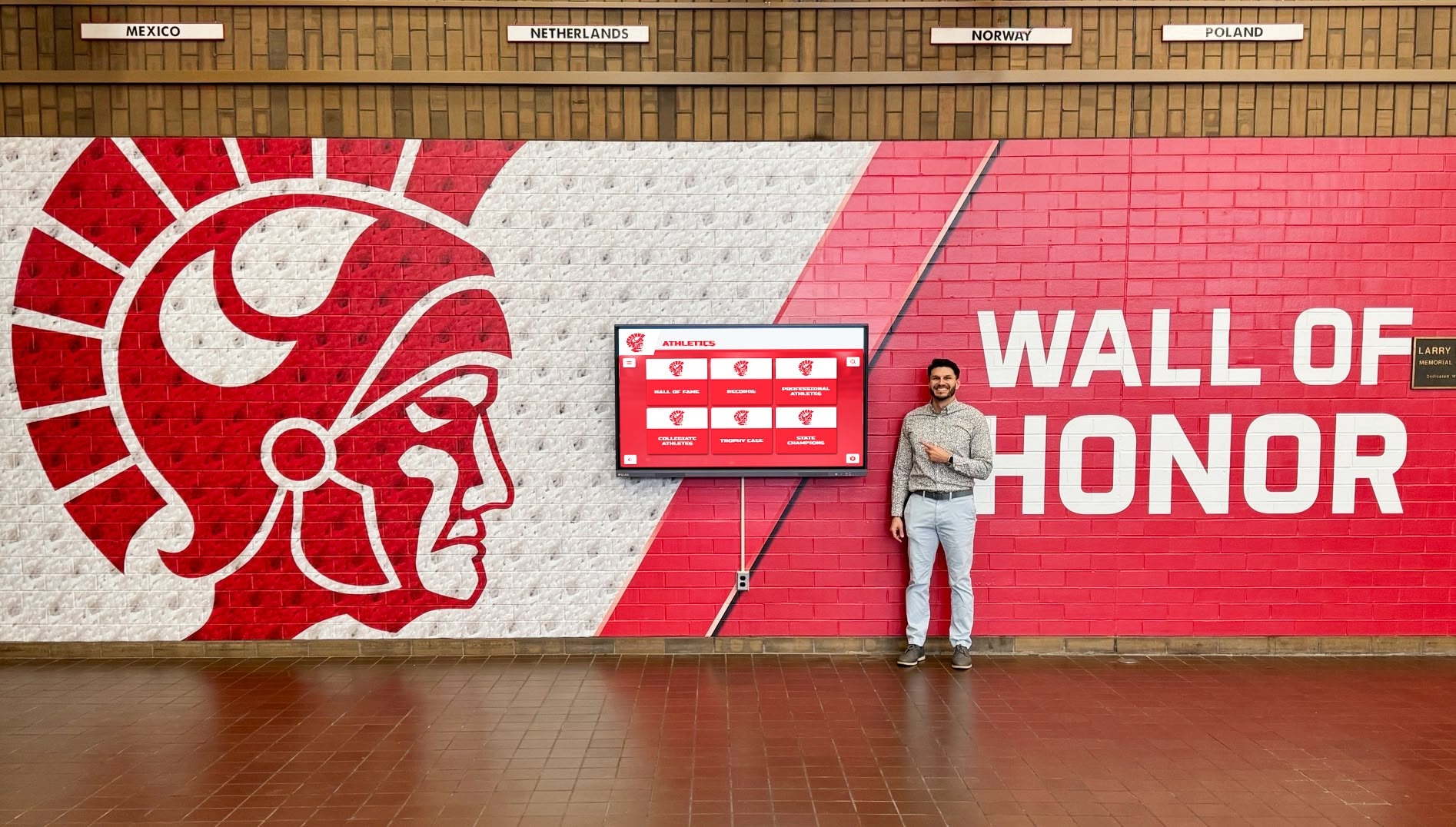
Recognition walls provide permanent tributes to leadership contributions while inspiring ongoing excellence in school communities
Planning-Intensive Principal Appreciation Ideas
These approaches require advance coordination but create more substantial recognition experiences with lasting impact.
Appreciation Events and Celebrations
Structured events allow school communities to collectively celebrate principal leadership through coordinated programs.
Surprise Assembly or Gathering: Organize a school assembly or gathering under a neutral pretext, then shift to principal appreciation. Include student performances, faculty speeches highlighting specific leadership qualities, presentation of student-created artwork or writing dedicated to the principal, and recognition from district administrators. The surprise element adds emotional impact while the public nature demonstrates community-wide appreciation.
Leadership Panel or Interview: Host an event where students, faculty representatives, and possibly alumni interview the principal about their educational philosophy, career journey, proudest moments at the school, and vision for students. This interactive format allows the school community to better understand the person behind the administrative role while providing the principal a platform to share their perspective.
Professional Development Day Dedication: For principals who prioritize teacher development, dedicate a professional development day in their honor. Invite speakers who align with the principal’s educational values or focus on topics the principal has championed. Present this as recognition of their commitment to instructional excellence and faculty growth.
Recognition Gifts and Tributes
Thoughtful gifts that reflect individual principals’ interests or leadership priorities carry more meaning than generic appreciation merchandise.
Customized School Artifact: Commission a piece that incorporates school symbols, the principal’s tenure dates, and design elements reflecting their specific contributions. This might be custom artwork featuring the school mascot, a handcrafted item incorporating school colors, or a functional object like an engraved desk accessory that references their leadership philosophy.
Scholarship or Program Named in Their Honor: Establish a scholarship fund, academic award, leadership program, or other initiative named for the principal. This creates a legacy that continues benefiting students beyond their administrative tenure while publicly acknowledging their priorities and values.
Book Collection Donation: Many principals maintain personal libraries of educational leadership, child development, or inspirational books. Donate a collection of books on topics the principal values to the school library or professional development collection in their name, including a dedication bookplate. This honors their intellectual leadership while benefiting future educators.
Lasting Institutional Recognition
Permanent recognition options acknowledge that effective principals shape institutions in ways that persist long after their tenure ends.
Leadership Wall or Display: Create a dedicated space that recognizes principal leadership across the school’s history. This might include professional photographs, tenure dates, significant accomplishments during each leader’s time, and quotes reflecting their educational philosophy. Modern schools often incorporate digital elements that allow expanded storytelling beyond static plaques.
Many schools discover that interactive touchscreen displays provide flexible platforms for celebrating principal achievements alongside student, faculty, and alumni recognition, creating comprehensive institutional memory systems.
Dedication of Physical Space: Name a space within the school after a retiring or departing principal whose leadership significantly impacted the institution. This might be a library, commons area, garden, athletic facility, or other location associated with initiatives they championed. Physical dedications provide daily reminders of leadership legacy.
Time Capsule Contribution: Create a time capsule documenting the principal’s tenure, including student testimonials, faculty reflections, photographs of significant events, copies of important communications, and other artifacts representing their leadership period. Seal this for opening at a future anniversary, creating a historical record that acknowledges their role in school evolution.
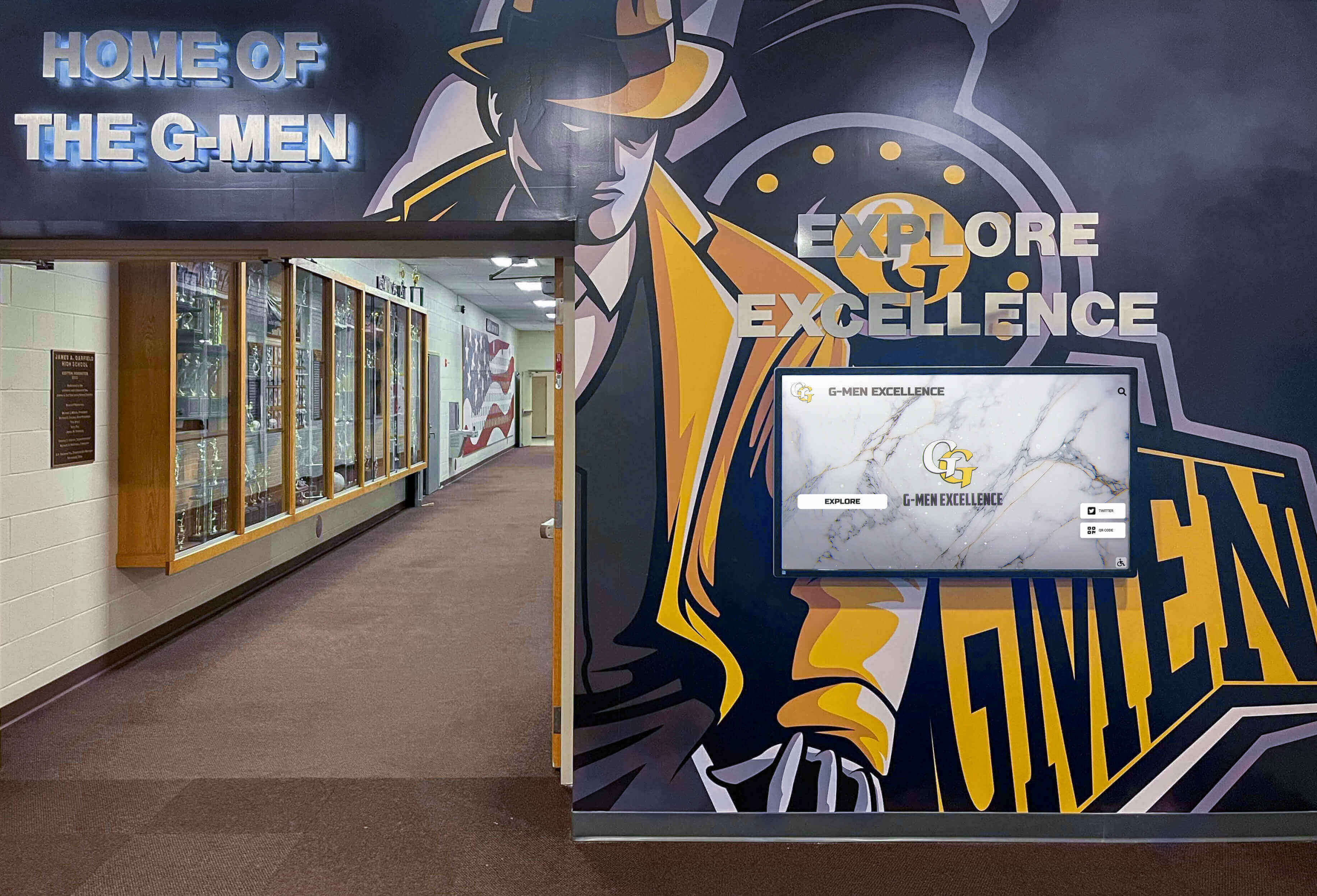
Comprehensive recognition systems celebrate leadership, student achievement, and institutional history in unified display environments
Budget-Conscious Principal Appreciation Approaches
Meaningful recognition doesn’t require significant financial resources. Many of the most appreciated gestures involve time, attention, and creativity rather than expensive purchases.
Low-Cost High-Impact Ideas
Duty Coverage: Organize rotating teams to cover the principal’s supervision duties for a day or week—morning arrival duty, lunch room monitoring, afternoon dismissal, sporting event attendance. This gift of time allows the principal to focus on strategic work or simply breathe without constant operational demands.
Student Artwork Gallery: Invite students to create artwork, writing, or projects reflecting “What Principal [Name] Means to Our School.” Display these throughout administrative office areas or main hallways. Student creativity often produces more meaningful tributes than purchased items.
Leadership Legacy Timeline: Create a visual timeline documenting significant milestones during the principal’s tenure—enrollment growth, new program launches, facility improvements, championship seasons, accreditation achievements, community partnerships established. This demonstrates attention to their cumulative impact rather than just current performance.
Classroom Visit Initiative: Coordinate with teachers to invite the principal for informal classroom visits focused on celebrating teaching excellence rather than evaluation. Faculty members share a lesson they’re proud of or a student success story, allowing the principal to experience the positive outcomes of their leadership support without evaluative pressure.
Free but Meaningful Gestures
Administrative Coverage: District administrators or retired principals cover the building for a day, allowing the current principal uninterrupted time for reflection, planning, or rest. The message that leadership colleagues value the principal enough to donate their time carries significant weight.
Student Service Projects: Students identify a cause or initiative the principal cares about and organize service projects in their honor. If the principal advocates for literacy, students might organize book drives for underfunded schools. If they prioritize environmental sustainability, students might lead campus beautification projects. Action aligned with the principal’s values demonstrates deep appreciation.
Reflective Letter Collection: Rather than brief thank-you notes, invite willing faculty and staff to write reflective letters exploring how the principal’s leadership influenced their professional development, teaching practice, or career satisfaction. These substantive reflections offer professional affirmation that generic praise cannot match.
Understanding how schools celebrate various achievements helps identify opportunities to appropriately recognize principal leadership. Explore how institutions implement all-state athlete recognition programs that parallel leadership appreciation in celebrating individual excellence.
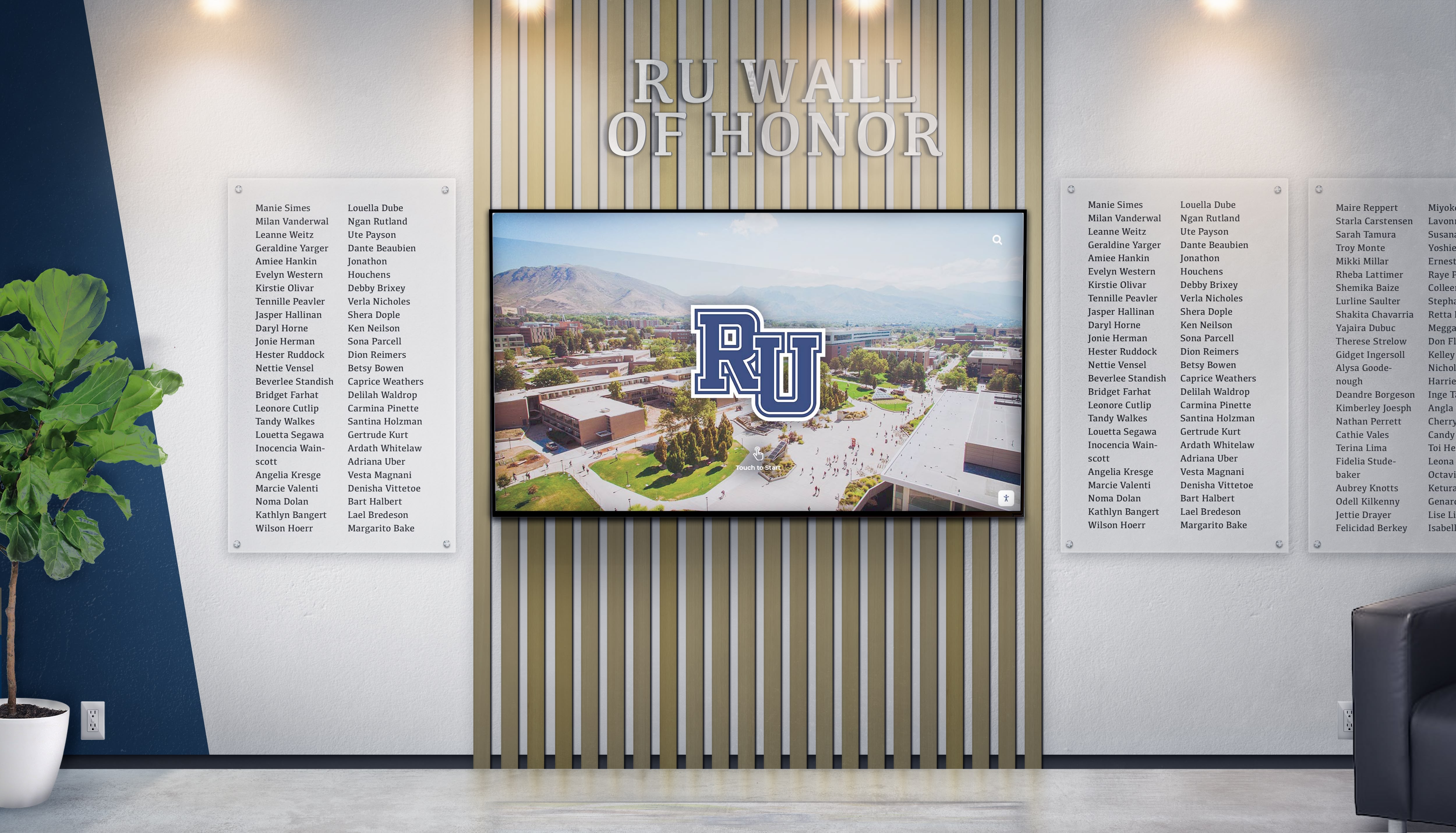
Permanent recognition installations combine traditional plaques with modern digital capabilities to honor leadership across multiple formats
Creating Authentic Appreciation Experiences
The difference between perfunctory recognition and meaningful appreciation often lies in authenticity and specificity. Generic gestures feel obligatory; personalized acknowledgment demonstrates genuine awareness of individual contributions.
Researching Individual Principal Contributions
Effective appreciation begins with understanding what individual principals have specifically accomplished, what challenges they’ve navigated, and what they value most about their work.
Tenure Review: Examine the principal’s complete tenure chronologically. What was the school’s state when they arrived? What initiatives have they launched? What crises have they managed? What relationships have they built? This review identifies specific accomplishments worth acknowledging rather than relying on general leadership praise.
Faculty Consultation: Speak privately with teachers who have worked under the principal for several years. Ask what has changed under their leadership, what they appreciate about the principal’s approach, and what specific actions have made teachers’ work easier or more effective. These insights reveal leadership qualities the principal might not self-promote.
Student Perspective: Interview student leaders about how they experience the principal’s leadership. Do students feel the principal knows them? Do they see the principal in classrooms, at events, in common spaces? What stories do students tell about principal interactions? Student perspective offers different insights than faculty or parent views.
Balancing Public and Private Recognition
Principals vary in their comfort with public attention. Some appreciate large-scale celebrations; others prefer quieter acknowledgment. Effective appreciation matches individual comfort levels rather than imposing recognition formats that create discomfort.
For principals who value public connection, consider assemblies, social media campaigns, or community events that leverage their comfort with visibility. For principals who prefer lower-profile recognition, opt for written tributes, small-group expressions of gratitude, or private presentations that acknowledge their contributions without spotlight pressure.
When uncertain about preferences, a combination approach works well: plan a low-key public acknowledgment (morning announcement, hallway display) while also creating more substantial private recognition (faculty letter collection, video compilation) that the principal can experience without audience pressure.
Including Diverse Perspectives
Comprehensive principal appreciation includes voices from all constituencies the principal serves. A celebration that only features administrator and teacher perspectives misses opportunities to include student, support staff, parent, and community acknowledgment.
Support Staff Inclusion: Custodians, cafeteria workers, bus drivers, paraprofessionals, and office staff often have different relationships with principals than certified teachers do. Their perspectives on principal leadership—whether the principal treats all employees with equal respect, acknowledges behind-the-scenes work, or supports challenging working conditions—add important dimensions to recognition.
Student Voice Priority: Since principals exist primarily to serve students, student perspectives deserve prominence in appreciation efforts. Make student participation substantial rather than token. Allow students to shape recognition formats, contribute creative elements, and express appreciation in their own language rather than adult-scripted messages.
Alumni Perspective: For long-tenured principals, consider reaching out to alumni who attended during their leadership. Former students’ reflections on how the principal influenced their educational experience or life trajectory provide powerful evidence of lasting impact.
Schools developing comprehensive recognition cultures often discover that celebrating multiple constituencies creates stronger community bonds. Learn how alumni recognition programs parallel principal appreciation in acknowledging contributions that extend beyond immediate school years.
Sustaining Appreciation Beyond Principal Appreciation Day
While designated appreciation days serve important purposes, the most meaningful recognition occurs consistently throughout the school year rather than concentrated in single events.
Building Recognition into School Culture
Schools that consistently appreciate principal leadership create environments where acknowledgment feels genuine rather than performative.
Regular Recognition Moments: Incorporate brief principal acknowledgment into existing school communications. A monthly newsletter might feature a “Principal Leadership Spotlight” highlighting a recent decision, initiative, or interaction that exemplifies their approach. Faculty meetings might include a standing agenda item where teachers share recent principal actions they appreciated.
Milestone Acknowledgment: Recognize significant milestones throughout the principal’s tenure beyond formal appreciation days. This might include anniversary dates, completion of major initiatives, successful navigation of challenging situations, or achievement of school goals the principal championed. Timely recognition connected to specific accomplishments feels more authentic than generic annual gestures.
Student-Led Appreciation: Establish structures where students regularly express appreciation for school leadership. This might be a principal advisory council that provides feedback and acknowledgment, student-created monthly recognition certificates for administrators, or designated times when student government presents principal appreciation on behalf of the student body.
Connecting Principal Recognition to Broader School Values
Principal appreciation gains deeper meaning when connected to institutional values rather than treated as isolated acknowledgment.
If your school prioritizes service, frame principal appreciation as recognition of exemplary service to the school community. If innovation drives school culture, acknowledge the principal’s leadership in fostering environments where educational experimentation thrives. Connecting recognition to shared values reinforces that the principal embodies what the school community collectively aspires toward.
Supporting Principal Wellness and Professional Growth
The most substantive form of appreciation involves creating conditions where principals can perform their best work without burning out.
Workload Support: Examine whether administrative structures genuinely support principal effectiveness or create unnecessary stress. Advocacy for additional administrative positions, streamlined reporting requirements, or other systemic improvements demonstrates that the school community values principal wellbeing enough to address structural challenges.
Professional Development Investment: Support principal participation in leadership development opportunities, professional conferences, peer learning networks, or advanced training. Investing in their continued growth demonstrates belief in their leadership potential beyond current performance.
Boundary Respect: Respect boundaries around principal availability. Avoid contacting principals during designated off-hours except for genuine emergencies. Model that effective leadership includes work-life balance rather than expecting constant availability.
Understanding how schools maintain various recognition programs provides insights into sustaining principal appreciation initiatives. Explore how institutions manage physical record boards alongside evolving recognition needs, paralleling the challenge of maintaining consistent leadership acknowledgment.
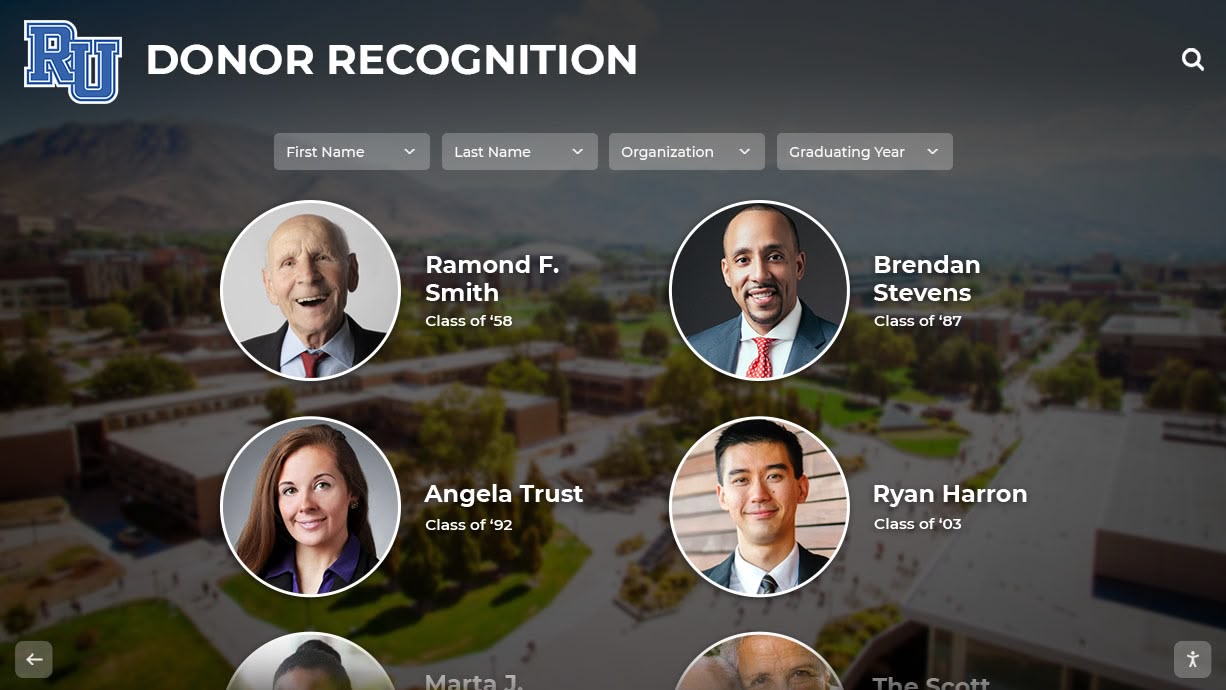
Higher education institutions establish permanent recognition systems that honor leadership contributions across institutional history
Digital and Interactive Principal Recognition Solutions
Modern recognition technologies allow schools to create dynamic, evolving tributes that accommodate multiple forms of principal appreciation while maintaining professional presentation.
Digital Recognition Platforms
Digital recognition systems provide flexibility that static displays cannot match. Schools can continuously update content, incorporate multimedia elements, showcase diverse forms of appreciation, and create interactive experiences that engage community members more deeply than traditional plaques.
Multimedia Leadership Tributes: Digital platforms allow recognition that combines photographs, video testimonials, archived principal messages, documentation of initiatives launched during their tenure, and community responses. This multidimensional approach captures leadership complexity that text-only tributes miss.
Community Contribution Features: Interactive systems can invite ongoing community contributions to principal recognition. Families, students, staff, and alumni can submit appreciation messages, photographs, or stories that continuously expand the tribute beyond its initial creation. This evolving recognition demonstrates sustained appreciation rather than one-time acknowledgment.
Historical Context Integration: Digital systems can position current principal recognition within broader institutional leadership history, showing how each principal contributed to school evolution. This context honors individual contributions while acknowledging that effective schools result from cumulative leadership across multiple administrations.
Connecting Principal Recognition to Broader School Storytelling
The most effective principal recognition doesn’t exist in isolation but connects to comprehensive systems that celebrate student achievement, faculty excellence, alumni success, and institutional history within unified platforms.
Schools implementing recognition systems that celebrate accomplishments across all constituencies create cultures where appreciation feels natural rather than exceptional. When principals see their leadership acknowledged alongside student achievement, athletic excellence, artistic accomplishment, and faculty innovation, recognition reinforces that all contributions to school success deserve celebration.
Institutions looking to expand recognition capabilities beyond traditional approaches often discover that modern academic display solutions provide frameworks applicable to leadership appreciation, creating flexible systems that serve multiple recognition purposes.
Avoiding Common Principal Appreciation Pitfalls
Well-intentioned appreciation efforts sometimes miss the mark through predictable mistakes that diminish recognition impact.
Authenticity vs. Performance
Appreciation that feels performative or obligatory often creates discomfort rather than genuine gratitude. Principals recognize when recognition stems from administrative directive rather than authentic community sentiment.
Avoid overly scripted messages that sound like they came from generic templates. Encourage individual voices rather than coordinated uniformity. Allow messiness and imperfection—a heartfelt, slightly awkward student video means more than professionally produced content that feels impersonal.
Proportion and Appropriateness
Recognition should match actual contributions. Excessive praise for routine performance feels hollow; insufficient acknowledgment of exceptional leadership conveys that the school community doesn’t notice extraordinary effort.
Consider the principal’s tenure length, specific accomplishments, and leadership challenges when calibrating recognition scope. First-year principals deserve welcome and encouragement but not legacy tributes. Retiring principals who transformed struggling schools warrant more substantial recognition than routine appreciation day observances.
Inclusive vs. Exclusive Recognition
Appreciation efforts should include rather than exclude. Recognition events that accommodate only certain groups (requiring daytime attendance that excludes working parents, limiting participation to specific grade levels) reduce community-wide celebration to subset acknowledgment.
Design recognition opportunities that allow participation across schedules, age groups, and connection levels. Provide multiple contribution methods—written, verbal, artistic, digital—so different communication preferences and abilities don’t create barriers.
Resource Appropriateness
Principal appreciation budgets should align with school financial realities. Expensive recognition gestures when schools face budget cuts, teacher supply shortages, or facility maintenance deferrals send problematic messages about resource priorities.
The most meaningful appreciation often costs little financially but requires significant time, thought, and coordination investments. When budget questions arise, prioritize authenticity and personalization over expenditure.
Measuring Principal Appreciation Impact
While appreciation seems too personal for measurement, understanding whether recognition efforts achieve intended effects helps refine future approaches.
Principal Feedback
The most direct assessment involves asking principals how they experienced appreciation efforts. Create opportunities for honest feedback about what felt meaningful, what seemed performative, and what they would value in future recognition.
This conversation might occur through written reflection prompts several weeks after formal appreciation events, informal discussions with trusted colleagues, or structured debriefs with organizing committees. Frame questions to elicit specific feedback: “What aspect of the appreciation felt most authentic?” rather than “Did you like the appreciation activities?”
Community Engagement
Assess community participation in appreciation efforts. Did students, faculty, staff, and families contribute at expected levels? Were contributions thoughtful and specific or generic and rushed? High engagement with substantive contributions suggests effective community investment in principal recognition.
Low participation might indicate insufficient advance notice, appreciation formats that didn’t accommodate diverse schedules or abilities, or weak understanding of the principal’s specific contributions worth celebrating.
Sustained Behavior Change
Effective appreciation sometimes catalyzes lasting changes in how school communities value and support principal leadership beyond designated appreciation periods.
Monitor whether appreciation efforts spark ongoing recognition practices, increased principal-community interaction, enhanced understanding of leadership challenges, or greater willingness to support administrative initiatives. These ripple effects suggest that appreciation accomplished more than temporary acknowledgment.
Principal Appreciation Planning Timeline
Successful appreciation efforts benefit from advance planning that allows thoughtful coordination without last-minute stress.
Eight Weeks Before
Form an appreciation planning committee representing diverse constituencies—faculty, staff, students, parents. Review previous appreciation efforts to identify what worked well and what needs improvement. Establish budget parameters and assign initial planning responsibilities.
Six Weeks Before
Finalize overall appreciation approach and specific activities. Begin outreach to participants for elements requiring coordination (video testimonials, letter collections, event speakers). Communicate initial appreciation plans to the school community to build awareness and generate participation.
Four Weeks Before
Launch community contribution opportunities (testimonial submission, appreciation wall participation, artwork creation). Confirm event logistics, technology needs, and participant commitments. Order any purchased recognition items allowing sufficient delivery time.
Two Weeks Before
Finalize all contributed content (edit videos, compile letters, arrange displays). Confirm event details and communicate clear participation information to the school community. Complete technical setup for digital presentations or displays.
Week Of
Conduct final logistics confirmation. Set up physical displays or recognition spaces. Distribute participation guidelines for any community events. Prepare principals for any surprise elements to avoid genuine discomfort.
Follow-Up
Within two weeks after principal appreciation activities, provide the principal with archived materials (video files, compiled letters, photographs). Gather feedback from participants about what worked well and what to improve. Document successful approaches for future planning committees.
Creating Principal Recognition Legacies
The most enduring principal appreciation acknowledges that effective leadership creates lasting impacts that persist long after individual administrators move to other positions.
Documenting Leadership Eras
Create comprehensive documentation of each principal’s tenure that allows future school community members to understand how leadership shaped institutional evolution. This might include oral history interviews, archived communications, photographs of initiatives launched, and reflections from constituencies served.
This historical preservation honors individual contributions while providing institutional memory that prevents valuable knowledge loss during leadership transitions.
Succession Recognition
When principals retire or transition to new roles, recognize both their specific contributions and their role in preparing the institution for continued success under new leadership. Acknowledge that effective principals build systems, develop people, and establish cultures that enable ongoing excellence rather than leadership dependency.
Frame departure recognition as celebration of foundations laid for future achievement rather than endings that leave voids. This perspective honors principals’ work while maintaining institutional confidence.
Alumni Principal Relationships
For retired principals who remain connected to their schools, create roles that honor their expertise while respecting current leadership authority. This might include emeritus advisory positions, special event participation, historical documentation projects, or mentoring relationships with new administrators.
Sustained connection allows retiring principals to witness the long-term fruits of their leadership while providing current school communities access to institutional wisdom.
Principals dedicate careers to creating environments where students flourish, teachers develop professionally, and school communities thrive. Taking time to meaningfully acknowledge this leadership—through immediate gestures, planned celebrations, or lasting institutional tributes—strengthens school culture while providing recognition that sustains principals through demanding work.
The most powerful principal appreciation combines specificity that demonstrates genuine awareness of individual contributions, authenticity that stems from community gratitude rather than administrative obligation, and approaches that match individual principals’ values and preferences. Whether your school’s resources allow elaborate recognition programs or modest appreciation gestures, thoughtful acknowledgment of principal leadership benefits the entire school community by reinforcing that leadership matters and that effective principals deserve celebration for the difference they make in students’ lives.
Schools looking to establish permanent principal recognition alongside broader institutional celebration discover that modern recognition platforms provide flexible solutions. Rocket Alumni Solutions offers interactive touchscreen systems that allow schools to honor principal leadership, student achievement, faculty excellence, and institutional history through dynamic displays that evolve with your school community—creating lasting tributes that celebrate contributions across generations while maintaining professional presentation that reflects well on your institution.































