Every year, private schools host their annual gala—often the cornerstone fundraising event generating critical donor support to fund scholarships, programs, and initiatives that make quality education accessible. These elegant evenings celebrate the year’s award recipients, honor generous donors, and create community moments that strengthen institutional bonds. Yet too often, the impact of these important events fades quickly after the final applause, with award recognition and donor acknowledgment becoming memories rather than lasting tributes.
Private school gala fundraiser recognition deserves permanence equal to its importance. The award winners celebrated at your annual gala, the donors who contribute that evening and beyond, the programs handed out during the event, and the stories shared throughout the celebration—all represent institutional history worthy of preservation and ongoing visibility. When schools implement comprehensive recognition systems that spotlight current year recipients while archiving past honorees and supporters, they transform single-night celebrations into year-round engagement tools that inspire continued generosity.
This comprehensive guide explores how modern digital recognition solutions help private schools maximize the impact of annual gala fundraisers through systematic recognition that celebrates achievement, honors philanthropy, preserves event history, and builds sustainable donor communities.
Annual gala fundraisers represent more than elegant dinners and silent auctions—they embody institutional values, celebrate community commitment, and generate resources that directly impact students’ educational opportunities. According to private school fundraising research, annual galas serve as leading fundraising events, with proceeds directly benefiting students through scholarships, teacher retention and development, and enhanced programming. When recognition extends beyond the event itself, schools amplify impact throughout the year while demonstrating that contributions truly matter.
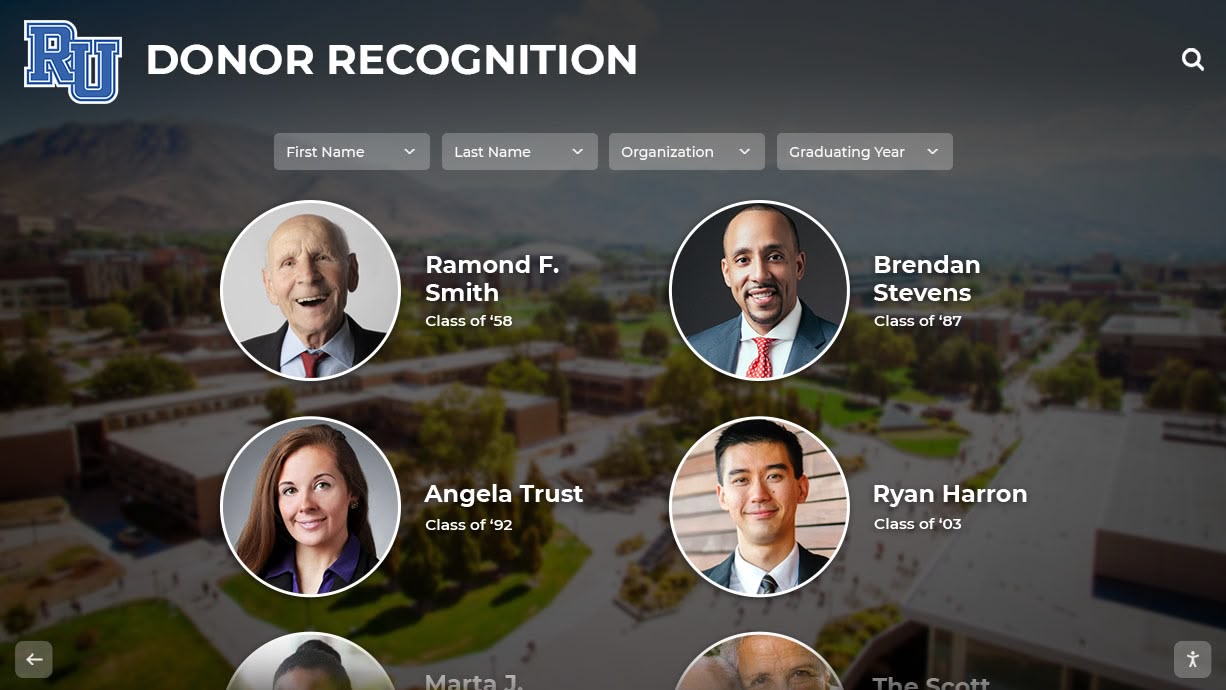
Modern recognition systems celebrate both event award winners and ongoing donor support through engaging digital displays
Understanding Private School Gala Fundraiser Components
Successful annual galas combine multiple elements working together to generate support while celebrating community:
Award Recognition at Gala Events
Most private school galas include formal award presentations honoring individuals who have made exceptional contributions:
Common Gala Award Categories
- Distinguished Alumni Awards: Recognizing graduates who have achieved notable professional success or community impact
- Faculty Excellence Recognition: Celebrating outstanding teachers and educators who exemplify institutional mission
- Service Awards: Honoring community members, volunteers, or board members for exceptional dedication
- Parent Leadership Recognition: Acknowledging parents who have demonstrated extraordinary school support
- Student Scholarship Recipients: Introducing students receiving major scholarships funded by donor generosity
- Lifetime Achievement Honors: Celebrating individuals with sustained, transformational impact on the institution
- Community Partner Recognition: Acknowledging organizations or businesses supporting school initiatives
These award presentations create emotional moments during galas that inspire attendees and validate the importance of community engagement. However, recognition that extends only through the event program and brief stage acknowledgment fails to maximize the inspirational and motivational power these stories possess.
Donor Recognition and Stewardship
Galas serve dual purposes—raising funds while appropriately acknowledging philanthropic support:
Event Night Donor Acknowledgment
According to fundraising best practices, effective donor recognition during galas includes several key elements. Event programs typically feature special thank-you sections mentioning major donors by name, sometimes including photographs and brief descriptions of what their gifts have helped achieve. Seating arrangements often position major donors strategically, with premium seating reserved for significant supporters and opportunities for donors to connect with peers who share their commitment.
Research on donor behavior demonstrates that when donors are thanked within 48 hours of making a gift, they’re 4x more likely to donate again. This highlights the critical importance of systematic recognition that begins during the gala but extends far beyond the event itself.
Multi-Level Giving Recognition
Successful galas acknowledge support across all contribution levels:
- Title Sponsors ($25,000+): Premier recognition as event underwriters
- Platinum Sponsors ($10,000-$24,999): Prominent acknowledgment in all event materials
- Gold Sponsors ($5,000-$9,999): Significant recognition in programs and signage
- Silver Sponsors ($2,500-$4,999): Standard sponsor acknowledgment
- Bronze Sponsors ($1,000-$2,499): Supporting sponsor recognition
- Individual Donors: All attendees and contributors acknowledged appropriately
Creating clear recognition tiers encourages advancement to higher levels while ensuring all supporters feel genuinely valued regardless of capacity.
Event Programs and Historical Archives
Gala programs represent significant effort—documenting current year honorees, listing sponsors and donors, sharing institutional updates, and creating keepsakes for attendees.
Traditional Program Limitations
Printed programs serve important functions during events but face inherent constraints:
- Limited to attendees present that evening
- Become difficult to locate after the event
- Cannot be updated with post-event additions
- Lack searchability across multiple years
- Require physical storage for archival purposes
- Deteriorate over time affecting preservation
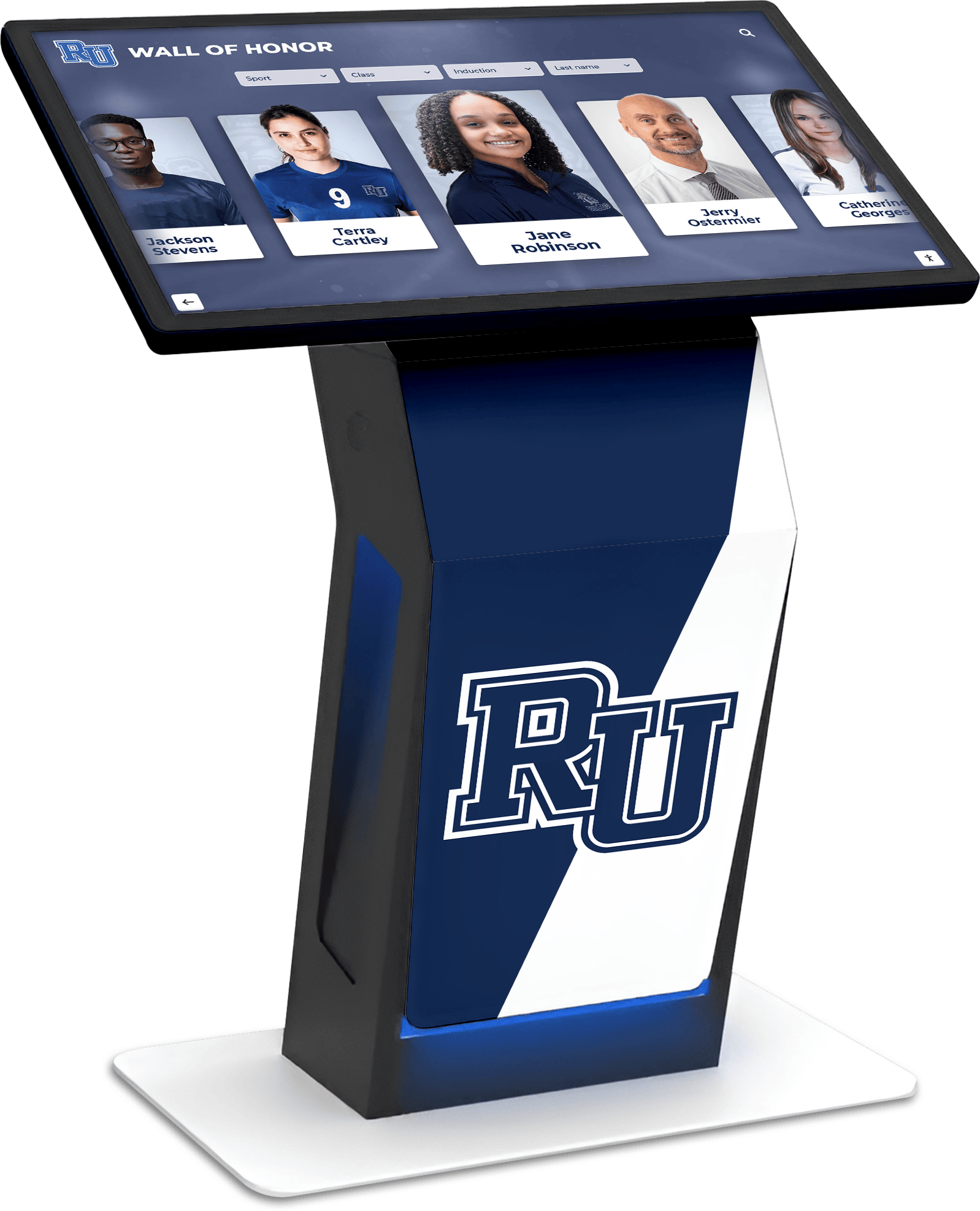
Interactive displays archive gala programs and recognition from multiple years in easily accessible formats
Digital Archive Advantages
Modern recognition systems transform ephemeral programs into permanent, accessible archives preserving institutional history while making past recognition discoverable. Digital platforms can showcase every gala program from previous years, enable searching for specific honorees or donors across decades, preserve photos and videos from events creating rich documentation, and allow current community members to explore historical recognition building institutional connection.
The Strategic Value of Permanent Gala Recognition
Beyond event night acknowledgment, systematic recognition systems deliver substantial ongoing benefits:
Inspiring Continued Donor Support
Permanent recognition demonstrates that contributions receive lasting appreciation rather than fleeting thank-yous. When donors see their gala support featured in year-round displays alongside historical giving, they develop deeper emotional connections to institutions and understand their participation in ongoing philanthropic communities.
According to research on donor retention, properly acknowledged donors give more frequently, in larger amounts, and with higher retention rates than those receiving only minimal thanks. Organizations with comprehensive recognition programs often achieve 65-70% donor retention among acknowledged supporters, significantly higher than national averages of 45%.
Psychological Factors Driving Continued Giving
Research on philanthropic motivation shows donors continue supporting organizations where they feel:
- Genuinely Valued: Recognition demonstrates authentic appreciation beyond transactional acknowledgment
- Part of Community: Seeing fellow supporters creates belonging and shared purpose
- Creating Impact: Clear connections between contributions and tangible outcomes
- Appropriately Honored: Recognition matching personal preferences and comfort levels
- Remembered: Ongoing visibility rather than single-moment acknowledgment
Recognition systems addressing these psychological factors create environments where donors want to continue philanthropic partnerships.
Building Aspirational Culture
When current parents, prospective families, and community members see comprehensive recognition celebrating award winners and acknowledging donors, powerful messages resonate:
- Excellence and contribution receive genuine institutional honor
- The school community values and celebrates achievement across diverse dimensions
- Philanthropy represents normal community behavior rather than exceptional outlier action
- Supporting students through scholarship donations creates lasting legacy
- Institutional memory preserves and honors those who invest in educational mission
This aspirational culture encourages broader participation in giving while inspiring students to pursue distinction worthy of similar celebration.
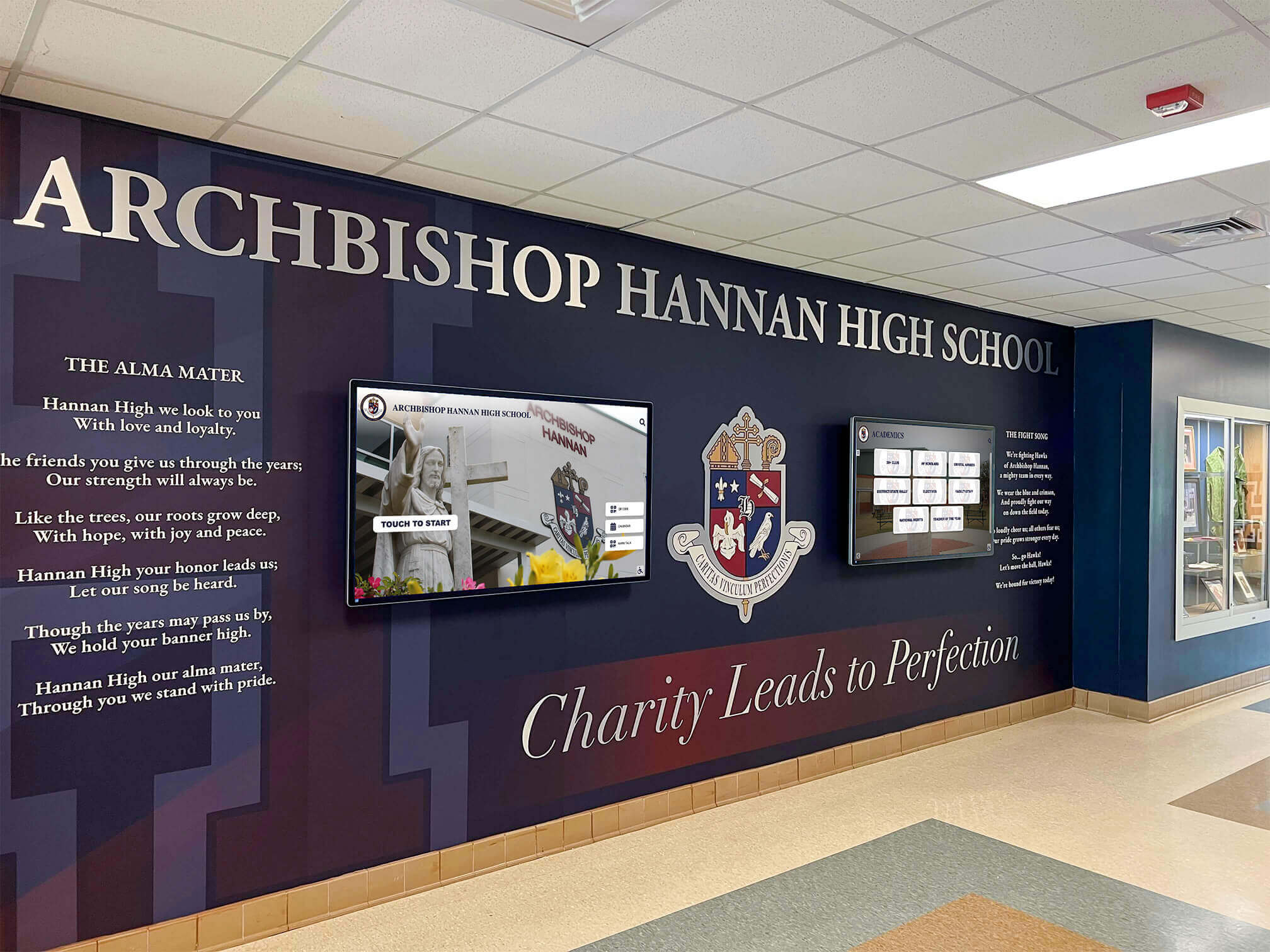
Strategic placement of recognition displays in main lobbies ensures visibility to all community members and visitors
Enhancing Event Marketing and Attendance
Permanent recognition transforms past galas into marketing assets for future events:
Pre-Event Promotion
- Showcase previous years’ award winners generating anticipation for current honorees
- Feature past donor recognition demonstrating how support receives acknowledgment
- Share photos and highlights from previous galas illustrating event quality
- Build tradition and prestige through visible history of excellence
Attracting New Supporters
When prospective donors and community members see how institutions honor supporters, they’re more likely to participate themselves. Visible recognition creates social proof that encourages others to give, demonstrates institutional commitment to stewardship and appreciation, shows exactly how donor acknowledgment manifests, and provides models of appropriate contribution levels and recognition received.
Preserving Institutional History
Private schools build legacies across generations. Comprehensive gala recognition preserves:
- Decades of award winners documenting community leaders and achievers
- Historical donor support showing philanthropic traditions sustaining institutions
- Evolution of fundraising priorities and scholarship programs
- Connections between past and present community members
- Visual documentation of institutional growth and development
This preserved history strengthens institutional identity while honoring those whose contributions shaped current excellence.
Implementing Digital Recognition for Gala Fundraisers
Modern technology transforms how schools recognize gala participants and preserve event history:
Comprehensive Recognition Display Features
Solutions like Rocket Alumni Solutions provide purpose-built platforms for gala recognition:
Award Winner Spotlights
Dedicated sections celebrating each year’s gala award recipients with:
- Detailed profiles explaining why individuals received recognition
- Photos from award presentations capturing celebration moments
- Video acceptance speeches or testimonial interviews
- Background on recipients’ connections to school and contributions made
- Searchable archives enabling exploration of past award winners across years
This permanent spotlight ensures award winners receive ongoing honor while inspiring future generations who explore achievement histories.
Donor Recognition Walls
Digital donor recognition displays overcome traditional limitation while enhancing appreciation:
- Unlimited Capacity: Recognize donors at all giving levels without space constraints
- Instant Updates: Add gala evening donors immediately rather than waiting months for plaques
- Flexible Organization: Group by giving level, event year, designation, or other categories
- Rich Content: Include photos, impact stories, and donor motivations beyond names
- Web Accessibility: Extend recognition globally through online platforms enabling remote viewing
- Detailed Analytics: Track engagement demonstrating recognition program effectiveness
When implemented thoughtfully, these systems significantly increase donor satisfaction while inspiring broader participation in institutional support.
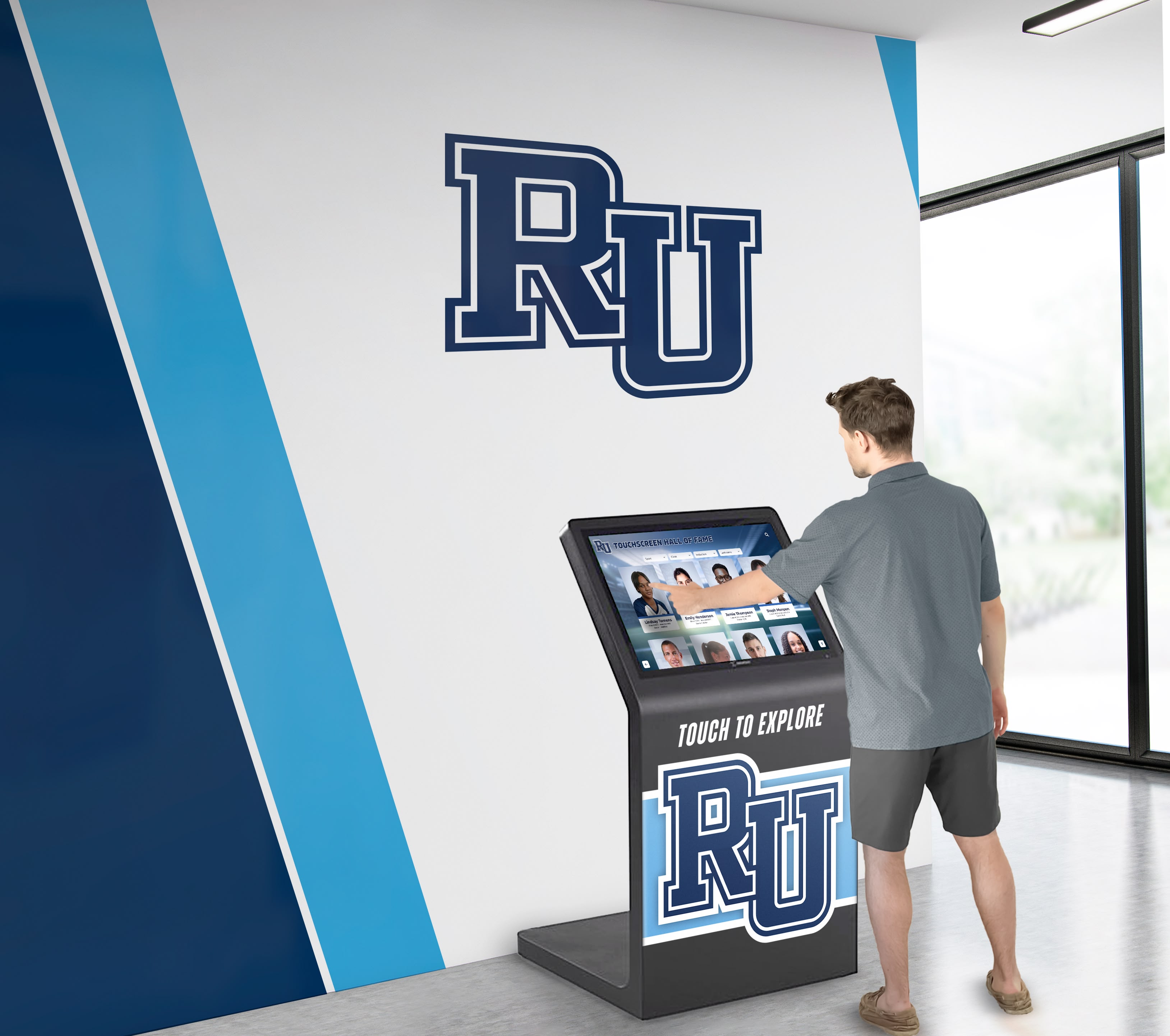
Intuitive touchscreen interfaces make exploring gala history and donor recognition engaging for all community members
Event Program Digital Archives
Transform printed programs into permanent, accessible resources:
Complete Program Documentation
- Full-text searchable digital versions of every gala program
- Organized chronologically with easy year-to-year navigation
- Preserved photos, sponsor logos, and event design elements
- Supplemental content including post-event donation totals and attendance information
- Links connecting program honorees to their full recognition profiles
This comprehensive archiving ensures that years of institutional history remain accessible rather than deteriorating in storage boxes.
Integration with Fundraising Strategy
Effective recognition systems integrate seamlessly with comprehensive development operations:
Campaign Coordination
- Feature active scholarship campaigns during pre-gala promotion periods
- Update real-time giving progress during events creating momentum
- Recognize challenge gifts and matching opportunities prominently
- Celebrate campaign milestones achieved through gala proceeds
- Transition gala donors toward year-round giving relationships
Stewardship Communications
Recognition displays provide natural touchpoints for ongoing donor engagement:
- Featured donor spotlights in monthly communications
- Anniversary recognition for multi-year gala supporters
- Impact updates showing how gala proceeds funded specific initiatives
- Invitations to explore recognition displays during campus visits
- Social media content highlighting historical gala moments and current honorees
These integrated approaches maximize recognition investment while strengthening overall advancement effectiveness. As explored in capital campaign donor recognition, coordinated strategies across platforms and programs deliver superior results compared to isolated recognition efforts.
Content Development for Gala Recognition
Creating compelling recognition requires systematic approaches to content gathering and presentation:
Collecting Award Winner Information
Direct Honoree Engagement
Request that award recipients provide biographical information, professional highlights, and personal reflections on their connection to the institution. Most honorees willingly contribute content, appreciating opportunities to influence how achievements are presented.
Interview-Based Profiles
For significant awards, conduct recorded interviews exploring:
- Personal history with the school and pivotal experiences
- How education received shaped subsequent trajectories
- Motivations for continued institutional engagement
- Advice for current students pursuing similar paths
- Reflections on what recognition means personally
These authentic narratives create emotional resonance while documenting genuine human stories behind achievements.
Visual Documentation
Comprehensive recognition includes rich multimedia:
- Professional event photos capturing award presentation moments
- Historical photos showing honorees during their school years
- Video clips from acceptance speeches or testimonials
- Family or group photos contextualizing personal stories
- Images showing impact of honorees’ contributions
This visual richness transforms name-only acknowledgment into engaging storytelling that captivates exploration.
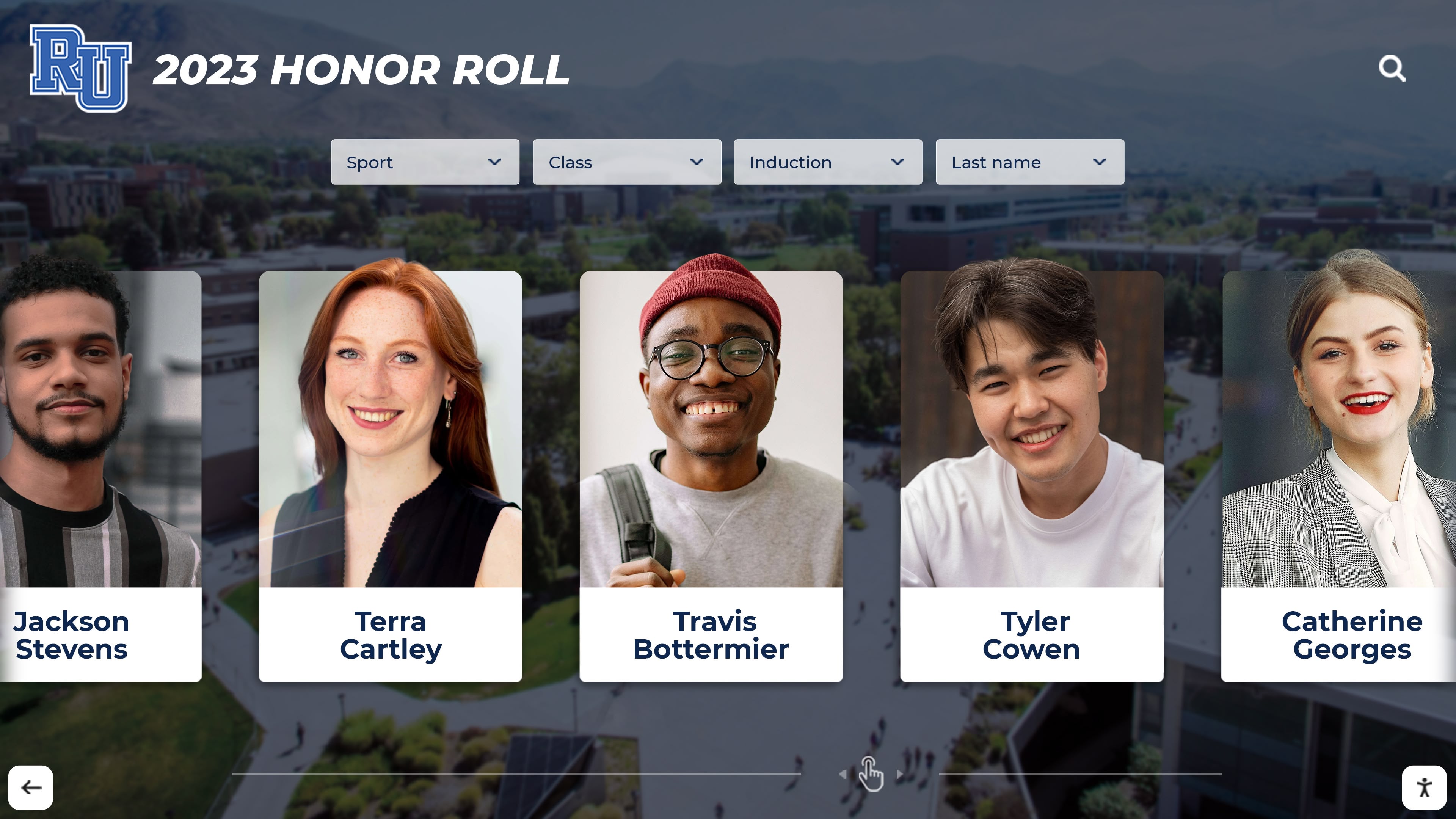
Detailed profiles celebrate individual contributions while providing searchable historical archives
Developing Donor Recognition Content
Respecting Privacy Preferences
Not all donors seek public recognition. Provide clear options for:
- Anonymous giving while maintaining private stewardship
- Name-only recognition without biographical details
- Standard profiles with photos and giving history
- Enhanced profiles including personal motivations and impact stories
- Self-service preference management through donor portals
Honoring individual comfort levels ensures recognition feels appropriate rather than intrusive.
Impact Storytelling
Connect donor recognition directly to tangible outcomes:
- Feature scholarship recipients made possible by gala proceeds
- Showcase programs and facilities funded through donor generosity
- Share student success stories demonstrating educational impact
- Provide specific numbers—students served, scholarships awarded, programs enhanced
- Include beneficiary testimonials expressing gratitude for donor support
This impact-focused approach demonstrates that recognition celebrates positive change rather than merely acknowledging transactions. According to research on donor recognition best practices, connecting donations to outcomes significantly enhances donor satisfaction and encourages continued support.
Archiving Complete Event Programs
Digitization Process
Transform printed programs into searchable digital resources:
- High-resolution scanning preserving original design and photography
- Optical character recognition enabling full-text searchability
- Metadata tagging by year, honoree names, and sponsor organizations
- Cloud hosting ensuring reliable accessibility and preservation
- Mobile-optimized viewing across all device types
Enhanced Digital Elements
Extend beyond print limitations by adding:
- Clickable links from honoree names to full recognition profiles
- Embedded video from event highlights or award presentations
- Photo galleries capturing the evening’s atmosphere
- Supplemental content like post-event fundraising totals
- Social media feeds showing attendee posts and reactions
These enhancements transform static programs into dynamic resources that continue engaging audiences long after events conclude.
Physical Display Implementation Strategies
Successful recognition requires thoughtful planning for physical installations:
Location Selection and Placement
Strategic positioning maximizes visibility and engagement:
High-Traffic Primary Locations
- Main entrance lobbies where all visitors pass
- Administration building reception areas
- Development office waiting spaces
- Athletic facility main concourses
- Performing arts center lobbies
- Library or student commons areas
Position displays where community members naturally gather, ensuring regular exposure rather than requiring special trips to view recognition.
Event-Specific Placement
During annual galas and major events:
- Feature recognition displays prominently at check-in areas
- Position interactive kiosks near silent auction or giving stations
- Create recognition lounges where attendees can explore donor and award winner profiles
- Set up mobile displays on tablets enabling table-by-table exploration
- Project recognition content on large screens during program segments
This event integration reinforces appreciation while demonstrating how gala support receives lasting acknowledgment.
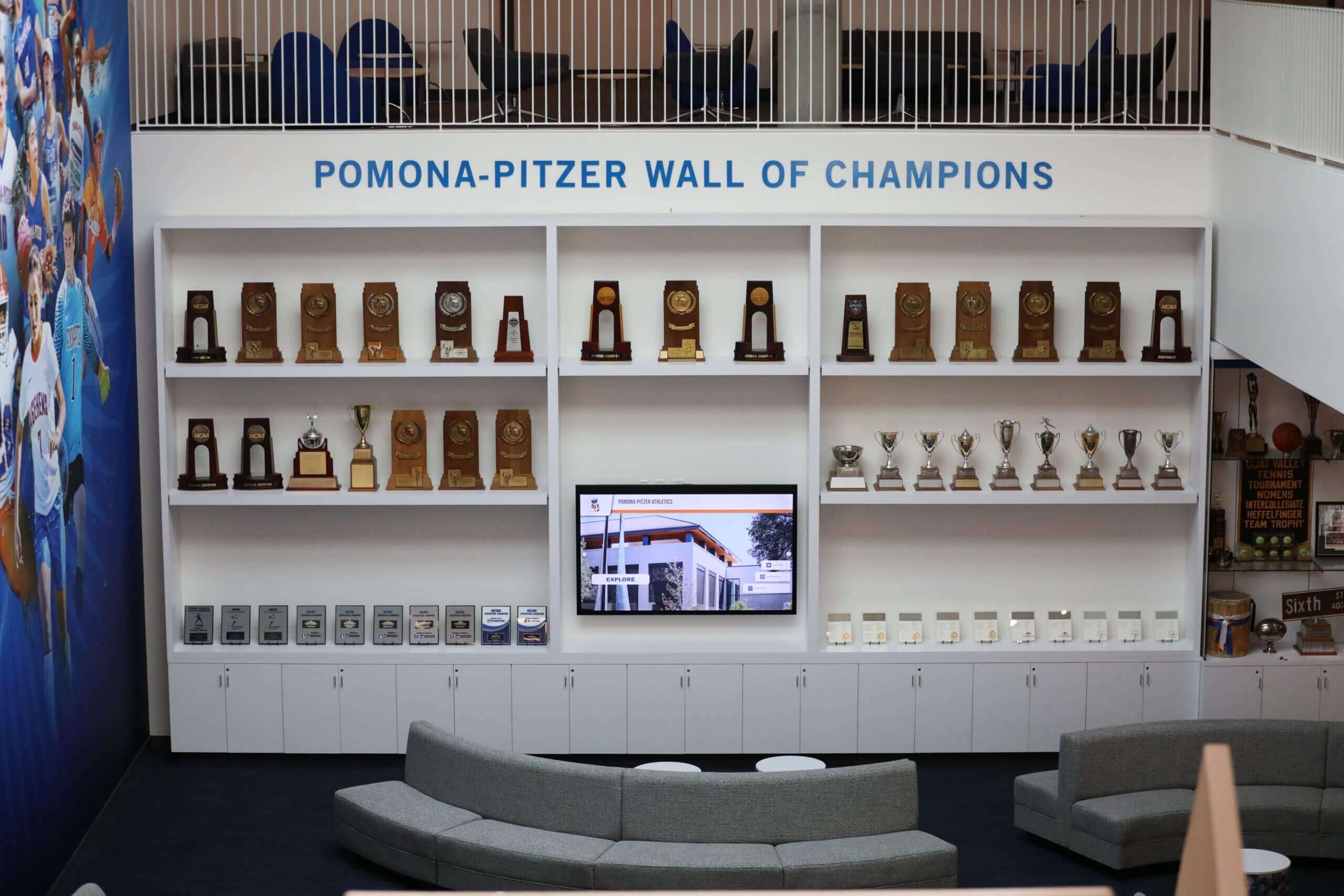
Dedicated recognition spaces create destinations that honor institutional heritage while inspiring current community members
Hardware and Infrastructure Considerations
Display Specifications
Commercial-grade equipment ensures reliable performance:
- Large touchscreens (55-75 inches) accommodating multiple simultaneous users
- Bright, high-resolution displays maintaining visibility in various lighting conditions
- Durable glass surfaces resisting fingerprints and maintaining clarity
- Secure mounting systems appropriate for institutional environments
- Network connectivity supporting real-time content updates
Solutions like Rocket Alumni Solutions provide comprehensive guidance on installation specifications and optimal configurations for educational environments.
Accessibility Requirements
Ensure recognition reaches all community members:
- Mounting heights complying with ADA accessibility guidelines
- Touch targets sized appropriately for diverse physical abilities
- Audio descriptions for visually impaired visitors
- Adjustable text sizing accommodating vision differences
- Alternative online access for those unable to visit campus
These inclusive practices demonstrate institutional commitment to universal access while maximizing recognition reach.
Web-Based Recognition Extensions
Physical displays serve on-campus audiences, but web platforms extend recognition globally:
Online Recognition Portals
Dedicated websites providing:
- Full access to all recognition content viewable remotely
- Search and filtering by year, category, name, or keyword
- Social sharing enabling donors and honorees to broadcast recognition
- Mobile optimization ensuring excellent experiences across devices
- Integration with institutional websites maintaining brand consistency
Promotion and Visibility
Maximize online recognition through:
- Email signatures from development staff linking to recognition platforms
- Social media posts featuring monthly donor or award winner spotlights
- Homepage features highlighting recent gala honorees
- Annual fund appeals including links to donor recognition
- Alumni communications promoting historical archive exploration
This omnichannel approach ensures maximum return on recognition investment by serving both physical and virtual audiences through appropriate channels.
Maintaining and Growing Recognition Programs
Long-term success requires ongoing commitment to program management:
Content Update Processes
Post-Gala Recognition Cycles
Establish systematic workflows following each annual gala:
- Immediate Updates (within one week): Add current year award winners with basic profiles and photos
- Donor Recognition (within 48 hours): Add gala evening donors to recognition displays
- Program Archiving (within two weeks): Upload and tag complete event program
- Profile Enhancement (within one month): Gather detailed biographical information and rich media
- Communication Promotion (ongoing): Feature new recognition through multiple channels
This structured approach ensures timely acknowledgment while maintaining quality standards.
Historical Enrichment
Continuously improve recognition of past honorees:
- Add newly discovered photos or biographical information
- Incorporate anniversary reflections from previous award winners
- Update donor profiles with cumulative giving across years
- Include recent achievements of past gala honorees
- Digitize older program materials as resources allow
Systematic historical enhancement demonstrates institutional commitment to permanent recognition rather than single-moment acknowledgment.
Staff Training and Responsibilities
Designated Recognition Coordinators
Assign clear ownership for recognition management:
- Development staff overseeing donor recognition accuracy and updates
- Alumni relations managing award winner profiles and archives
- Communications team handling photography and video content
- Technology staff ensuring system reliability and performance
- Executive leadership reviewing recognition for appropriateness and quality
User Training Programs
Ensure staff can effectively manage recognition systems:
- Comprehensive onboarding for new advancement team members
- Regular refresher sessions reviewing features and best practices
- Documentation library with step-by-step instructions
- Responsive vendor support for technical questions
- Peer learning opportunities sharing successful approaches
Well-trained teams maximize recognition effectiveness while minimizing frustration and technical barriers.
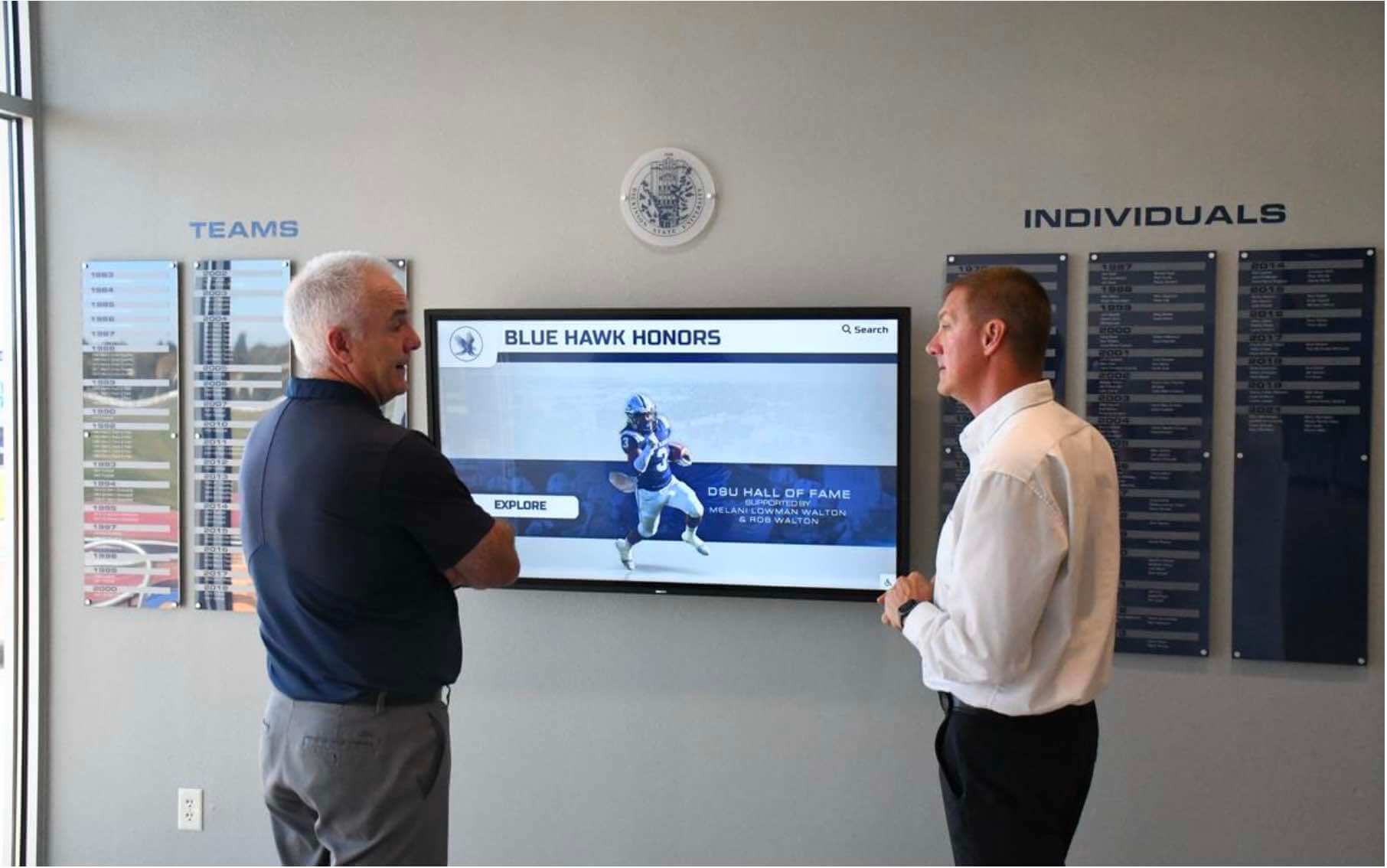
Recognition displays create opportunities for intergenerational connection as community members explore shared institutional history
Measuring Recognition Program Success
Key Performance Indicators
Track metrics demonstrating recognition value:
Fundraising Impact
- Donor retention rates comparing recognized versus non-recognized contributors
- Average gift size progression among consistently acknowledged donors
- New donor acquisition during gala recognition promotion periods
- Planned giving inquiries following legacy society recognition
- Year-over-year gala fundraising growth alongside recognition enhancement
Engagement Analytics
- Total interactions with physical recognition displays
- Average session duration indicating content quality and interest
- Most-viewed profiles revealing compelling stories
- Web platform visits from distant alumni and community members
- Social media sharing and amplification of recognition content
Operational Efficiency
- Staff time required for recognition maintenance and updates
- Cost per donor for comprehensive acknowledgment programs
- Update frequency ensuring recognition remains current and accurate
- System uptime and reliability metrics
- User satisfaction ratings from staff managing recognition
Regular assessment enables continuous improvement ensuring recognition programs deliver maximum value while justifying ongoing investment.
Best Practices for Gala Recognition Excellence
Schools achieving exceptional results follow proven approaches:
Tiered Recognition Matching Contribution Levels
Differentiated Acknowledgment
Provide recognition appropriate to support levels while ensuring all donors feel genuinely valued:
- Transformational Donors ($25,000+): Featured profiles with photos, videos, detailed narratives, and prominent display placement
- Major Donors ($10,000-$24,999): Standard profiles with photos, biographical information, and giving motivations
- Significant Donors ($5,000-$9,999): Name, affiliation, consecutive years of support, and brief acknowledgment
- Supporting Donors ($1,000-$4,999): Name and year of support in comprehensive donor listings
- All Contributors: Inclusion in annual gala donor honor rolls
This differentiation ensures major supporters receive distinction befitting significant commitments while guaranteeing all participants experience authentic appreciation.
Multi-Year Recognition Building Legacy
Cumulative Acknowledgment
Beyond single-year gala recognition, celebrate sustained support:
- Consecutive years of gala attendance and giving
- Total lifetime contributions across multiple annual events
- Special milestones (5, 10, 20+ years of gala participation)
- Legacy society membership for planned giving commitments
- Family giving traditions across generations
This long-term perspective encourages ongoing engagement rather than transactional single-event participation.
Integration with Broader School Recognition
Coordinate gala recognition with comprehensive institutional programs:
- Academic recognition displays celebrating student achievement
- Athletic halls of fame honoring sports excellence
- Alumni engagement systems connecting graduates
- Senior class awards documenting graduating student distinction
- Community showcase projects highlighting institutional impact
This comprehensive approach creates cohesive recognition ecosystems where gala acknowledgment represents one component of institution-wide appreciation culture.
Storytelling That Inspires Action
Emotional Connection Through Narrative
Effective recognition extends beyond names and amounts to tell compelling human stories:
- Share scholarship recipients’ personal journeys and how donor support changed trajectories
- Feature award winners’ reflections on transformative educational experiences
- Include donor motivations explaining why they choose to support scholarships
- Highlight specific program impacts made possible by gala proceeds
- Celebrate multi-generational family connections to institutions
These authentic narratives create emotional resonance that inspires others to participate in philanthropic community.
Common Challenges and Practical Solutions
Schools implementing gala recognition encounter predictable obstacles:
Challenge: Limited Historical Records
Many schools discover gaps in documentation when compiling comprehensive recognition:
Solutions
- Begin with current and recent years where data exists, expanding backward gradually
- Engage long-time board members and staff who remember past award winners
- Search archived communications, yearbooks, and publications for historical information
- Contact past honorees directly requesting biographical content and photos
- Accept that some historical gaps may remain while preventing future issues through better prospective documentation
Phased implementation acknowledging limitations proves more effective than waiting for perfect historical completion.
Challenge: Donor Privacy Sensitivities
Some contributors prefer discretion over public visibility:
Solutions
- Provide explicit opt-in and opt-out processes during gift processing
- Offer granular privacy controls specifying exactly what information appears publicly
- Create “Anonymous Donor” recognition maintaining display consistency
- Ensure private stewardship continues regardless of public recognition preferences
- Enable self-service preference management through secure donor portals
Respecting individual choices demonstrates institutional consideration while maintaining comprehensive recognition programs.
Challenge: Maintaining Long-Term Engagement
Recognition displays risk becoming invisible after initial novelty fades:
Solutions
- Implement monthly content rotation featuring different donors and award winners
- Align recognition themes with school calendar events and seasons
- Promote recognition regularly through multiple communication channels
- Create interactive challenges or scavenger hunts encouraging exploration
- Monitor analytics adjusting content strategy based on actual engagement patterns
- Integrate recognition into tours, events, and regular campus activities
Sustained visibility requires intentional ongoing promotion rather than assuming displays market themselves.
Challenge: Budget Constraints
Comprehensive recognition systems require financial investment:
Solutions
- Phase implementation starting with core gala recognition and expanding gradually
- Seek donors specifically interested in funding recognition infrastructure
- Calculate return on investment through improved donor retention and increased giving
- Compare total cost of ownership against ongoing traditional plaque expenses
- Explore financing options spreading costs across multiple budget years
- Start with web-based recognition before adding physical display components
Strategic planning and creative funding approaches make recognition achievable across varied budget contexts.
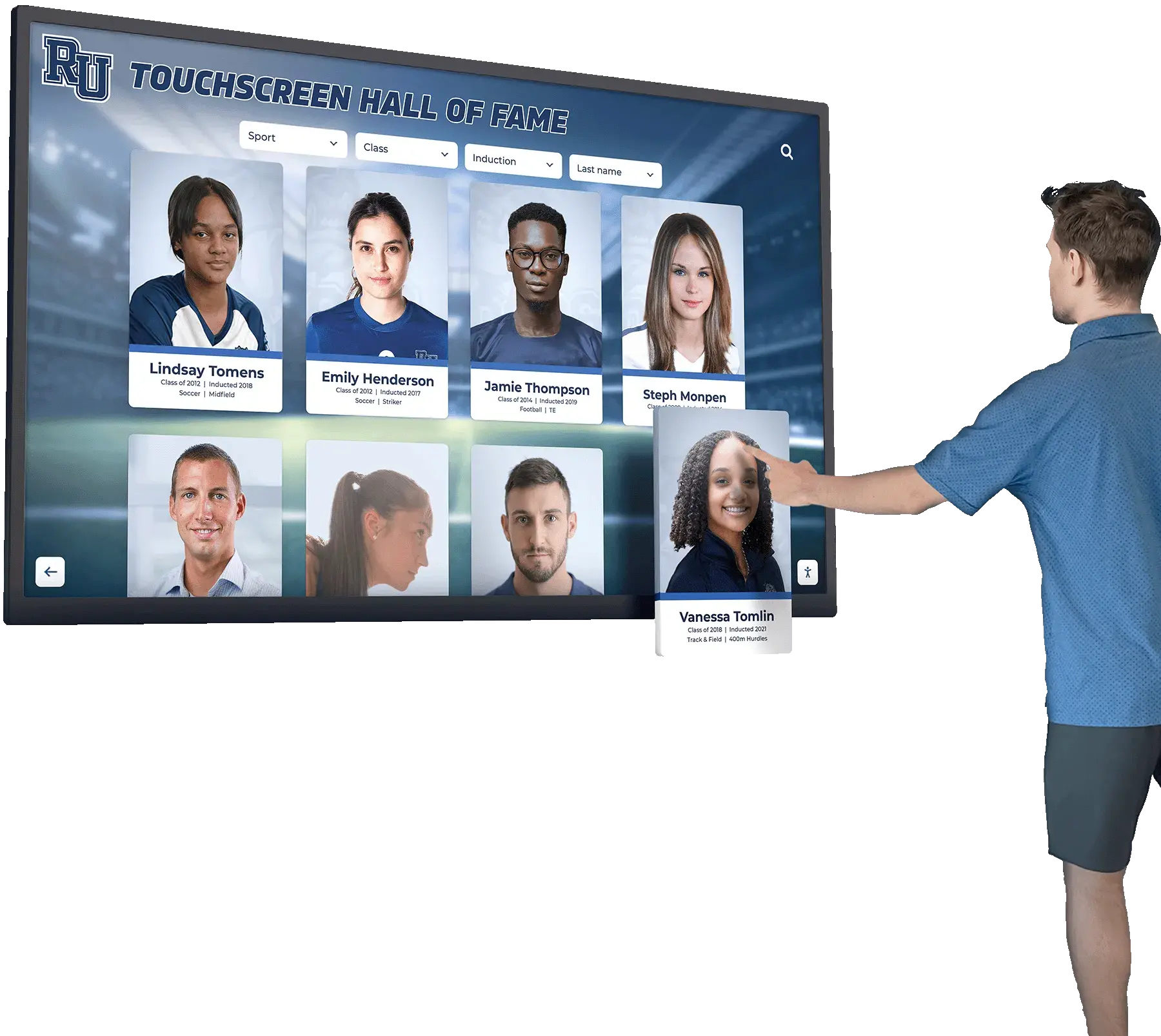
User-friendly interfaces encourage deep exploration of recognition content across multiple categories and years
Future Trends in Event Recognition
Understanding emerging capabilities helps schools plan recognition remaining relevant for years:
Enhanced Impact Visualization
Future recognition will incorporate sophisticated impact dashboards connecting gifts to specific outcomes:
- Real-time student counts funded by scholarship donations
- Program participation metrics showing donor-supported activity engagement
- Graduate outcome tracking demonstrating long-term educational impact
- Financial aid trends illustrating how donations expand access
- Comparative visualizations showing year-over-year growth enabled by support
This transparency satisfies donor accountability desires while demonstrating tangible differences contributions make.
Artificial Intelligence and Personalization
AI capabilities will enable increasingly sophisticated recognition experiences:
- Automatically suggested content based on viewer interests and browsing patterns
- Personalized recognition journeys highlighting connections between visitors and honorees
- Predictive insights identifying donors most responsive to enhanced recognition
- Natural language search enabling conversational exploration of archives
- Automated profile generation from structured biographical data
These innovations will make recognition more engaging while reducing administrative burden.
Social Integration and Amplification
Recognition will increasingly extend through social networks:
- Native social sharing embedded in physical displays
- Automatic social post generation celebrating new honorees
- Aggregated social feeds showing community recognition conversations
- Influencer identification highlighting most-shared recognition stories
- Social proof visualizations showing network effects of visible appreciation
This expanded reach ensures recognition extends far beyond physical campus boundaries.
Conclusion: Recognition That Builds Lasting Support
Private school annual galas represent pivotal moments in institutional fundraising calendars—celebrating community, honoring excellence, and generating critical resources that expand educational opportunity. When schools implement comprehensive recognition systems that spotlight award winners, acknowledge donor generosity, preserve event programs, and maintain historical archives, they transform single-night celebrations into year-round engagement assets that inspire continued support.
Digital recognition solutions overcome traditional limitations of forgotten programs and fleeting acknowledgment. Unlimited capacity ensures every donor and award winner receives appropriate honor regardless of contribution level. Instant updates provide timely recognition reinforcing philanthropic behavior. Rich multimedia storytelling creates emotional connections that inspire others to join giving communities. Web accessibility serves distributed stakeholders equitably regardless of geographic location.
The schools achieving greatest success view gala recognition as strategic advancement infrastructure rather than one-time acknowledgment. Thoughtful planning addressing content development, technology selection, physical placement, and ongoing management ensures programs deliver lasting value. Sustained commitment to quality, promotion, and optimization transforms displays into beloved institutional assets that genuinely strengthen fundraising effectiveness.
For private schools ready to elevate annual gala recognition beyond printed programs and temporary acknowledgment, comprehensive solutions like Rocket Alumni Solutions provide proven platforms combining sophisticated technology with intuitive management and dedicated support. From initial planning through years of sustained engagement growth, the right recognition partner makes the difference between displays people walk past and transformative appreciation experiences that celebrate community while building stronger support for the future.
When gala award winners see their contributions permanently honored, when donors receive acknowledgment demonstrating genuine institutional gratitude, and when entire communities can explore philanthropic histories showing how generosity sustains excellence—recognition fulfills its highest purpose. It validates that investing in educational mission matters, creates belonging in communities united by shared values, and inspires continued commitment to institutions shaping students’ futures across generations.
Your annual gala deserves recognition matching its significance. Transform fleeting celebration into permanent appreciation that strengthens your donor community, inspires continued generosity, and preserves institutional heritage for future generations to explore and admire.
Ready to begin? Learn more about donor recognition wall transformation or explore digital donor wall solutions that can enhance your recognition program.































