Prom court and valedictorian traditions represent two of the most enduring recognition practices in American education, each with distinct historical origins spanning over two centuries. The valedictorian tradition began in 1772 at The College of William & Mary as a demonstration of Latin oratory excellence, while prom court emerged in the early 20th century as a celebration of social prominence and popularity. Together, these traditions have shaped how schools recognize student achievement, though they’ve evolved dramatically from their original forms.
Today’s schools face important questions about these historic traditions: Should recognition focus solely on academic metrics or include broader contributions? How can schools honor tradition while embracing modern values of inclusivity and diversity? What role does technology play in preserving and celebrating student excellence for future generations?
This comprehensive guide explores the complete history and evolution of both prom court and valedictorian traditions, examining how they originated, transformed across decades, and continue evolving to reflect contemporary educational values while honoring student achievement meaningfully.
Understanding the historical context of recognition traditions helps schools make informed decisions about how they celebrate student excellence today. These traditions didn’t emerge arbitrarily—they reflected specific cultural values, educational priorities, and social structures of their eras. Examining their evolution provides valuable perspective on creating recognition programs that honor tradition while meeting the needs of contemporary school communities.
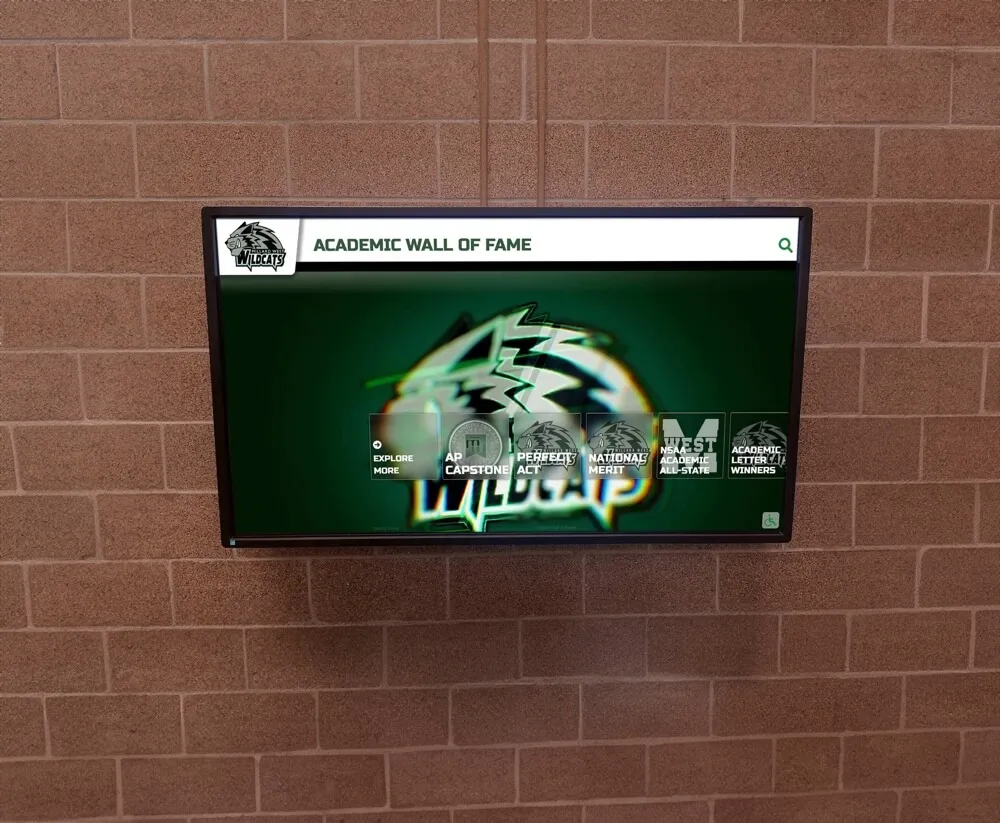
Modern recognition displays honor both historical traditions and contemporary student achievements through engaging digital platforms
The Origins of the Valedictorian Tradition: 1772-1920
The valedictorian tradition represents one of the oldest formal student recognition practices in American education, with roots extending to colonial college ceremonies and classical educational traditions.
1772: The Beginning at William & Mary
The documented origin of the valedictorian tradition traces to 1772 at The College of William & Mary in Williamsburg, Virginia. Norborne Berkeley, formally known as Lord Botetourt, served as Governor of Virginia and established a gold medal prize awarded to the student demonstrating greatest skill in Latin written composition and oratory.
This recognition reflected the educational priorities of the era, where mastery of classical languages and public speaking represented the pinnacle of scholarly achievement. The term “valedictorian” derives from the Latin phrase “vale dicere,” meaning “to say farewell”—historically the role involved delivering the final speech at graduation ceremonies before students received diplomas.
Early Characteristics:
- Recognition based purely on classical language proficiency and oratory skill
- Limited to college-level institutions serving elite populations
- Ceremonial role focused on delivering farewell addresses in Latin
- Emphasized public performance and rhetorical excellence over grades
The tradition remained largely confined to colleges and universities throughout the late 18th and 19th centuries, with individual institutions developing their own criteria and ceremonial practices around the honor.
1800s: Expansion to American Colleges
Throughout the 19th century, the valedictorian tradition spread across American higher education institutions as colleges proliferated and standardized graduation ceremonies. Universities adopted the practice with local variations, though the fundamental concept remained consistent: recognizing the most accomplished student with the honor of addressing graduating classmates.
During this period, criteria began shifting gradually from purely oratorical skill toward broader academic excellence. As educational philosophy evolved and curriculum expanded beyond classical studies, institutions sought recognition methods reflecting these changes. Some colleges combined faculty voting with academic performance metrics, while others maintained traditional speech competitions to determine valedictorians.

Individual recognition profiles have evolved from simple name listings to comprehensive achievement documentation
1920: High Schools Adopt the Practice
By 1920, many American public high schools had adopted the practice of awarding valedictorian honors, representing a significant democratization of the tradition. As secondary education expanded dramatically in the early 20th century—driven by compulsory attendance laws, industrialization creating demands for educated workers, and Progressive Era educational reforms—schools sought formal recognition practices to celebrate academic excellence and motivate students.
This expansion to high schools brought fundamental changes to valedictorian selection:
Shift from Oratory to GPA: Latin oratory gave way to grade point average as the primary criterion for selecting valedictorians. This change reflected several factors: declining emphasis on classical languages in curricula, expanded curriculum making single-subject mastery less relevant, need for objective, quantifiable selection methods as student populations grew, and practical constraints of conducting oratory competitions for larger graduating classes.
Standardization of Criteria: High schools developed increasingly standardized approaches to determining class rank and valedictorian status, typically using weighted or unweighted GPA calculated across all coursework throughout high school years.
Increased Accessibility: Moving the tradition to public high schools meant students from diverse backgrounds could aspire to valedictorian recognition, not just those attending elite colleges. This democratization expanded who could earn this distinction significantly.
Many schools implementing comprehensive academic recognition programs include valedictorian honors as the highest tier within broader systems celebrating diverse forms of student excellence.
The Birth of Prom Court Traditions: 1920s-1950s
While the valedictorian tradition originated in colonial academic institutions, prom court emerged from very different cultural contexts in early-to-mid 20th century American high schools, reflecting changing social dynamics and youth culture.
Early 1900s-1930s: Prom Emerges as High School Tradition
Prom began appearing in American high schools in the late 1800s and early 1900s, initially as relatively simple end-of-year social gatherings. Early proms typically took place in school gymnasiums or assembly halls, featuring modest decorations and local music, reflecting their origins as school-sponsored alternatives to potentially problematic unsupervised social activities.
The designation of “prom queen” began appearing in the 1920s and 1930s as schools formalized these dances and added ceremonial elements. Competition for prom queen intensified during this period as the title became an important distinction of popularity and social status within high school communities.
Early Prom Queen Characteristics:
- Selection based purely on peer voting and popularity
- Initially only female students competed for queen titles
- Recognition reflected social standing and attractiveness rather than achievement
- Simple coronation ceremonies during the dance
- Often involved elaborate campaigns and intense competition among candidates
The Great Depression of the 1930s temporarily constrained prom elaboration, with many schools hosting simpler events reflecting economic realities. However, the fundamental practice of recognizing popular students through prom court selection continued and strengthened during this period.
1940s-1950s: The Golden Age of Prom Court
The late 1940s and 1950s represented the “golden age of prom,” during which the tradition reached peak cultural prominence and established many conventions still recognized today. The post-World War II economic boom enabled more elaborate celebrations, with dances moving from school gymnasiums to luxurious hotels and banquet rooms.

Preserving historical recognition traditions helps schools document institutional heritage and inspire current students
Introduction of Prom Kings: The 1950s saw the first widespread adoption of prom kings alongside queens, creating royal “courts” featuring multiple students rather than single winners. This expansion reflected several cultural factors: greater emphasis on formal courtly ceremonies and traditional gender pairings, desire to recognize more students within popularity-based systems, influence of debutante balls and other formal social traditions filtering into high school culture, and emergence of distinct teen culture with its own rituals and status markers.
The Royal Court System: Schools developed elaborate “court” structures including king and queen as top honors, prince and princess as runners-up or underclass representatives, and broader court membership for additional popular students. This structure created multiple tiers of recognition and increased student participation and engagement in prom planning and voting.
Selection Criteria: During this era, prom court selection became formalized around three main categories: beauty (physical attractiveness by conventional standards of the era), poise (grace, manners, and social composure), and popularity (social standing and peer regard). These criteria explicitly prioritized social characteristics over academic or extracurricular achievement, creating distinct recognition channels from academic honors like valedictorian.
Contemporary schools often integrate social recognition with achievement through comprehensive programs that include senior recognition displays documenting diverse accomplishments beyond single honors.
Parallel Evolution: 1960s-1990s
The period from the 1960s through 1990s saw both valedictorian and prom court traditions persist while facing increasing scrutiny and undergoing gradual evolution in response to changing social values.
Valedictorian Tradition Complications
As high schools expanded curriculum options and introduced weighted grading for advanced courses, valedictorian selection became increasingly complex and occasionally controversial.
Grade Inflation Concerns: Educational researchers began documenting grade inflation trends through the 1970s-1990s, with average GPAs rising while standardized test scores remained relatively stable. This inflation made valedictorian distinctions less meaningful in some contexts, with multiple students achieving perfect or near-perfect GPAs.
Weighted vs. Unweighted GPA Debates: Introduction of Advanced Placement (AP) courses in 1955 and subsequent expansion of honors programs created questions about how to weight more challenging coursework. Should students taking easier courses but earning perfect grades rank above those taking rigorous coursework with occasional B grades? Schools adopted varying approaches—some using weighted systems giving extra credit for advanced courses, others maintaining unweighted GPAs to avoid disadvantaging students without access to advanced offerings, and still others calculating multiple rankings for different purposes.
Multiple Valedictorians: Some schools began naming multiple valedictorians when several students achieved identical top GPAs, leading to graduating classes with 5, 10, or even 20+ valedictorians. This practice diluted the distinction while recognizing all students meeting highest academic standards.
Prom Court Evolution and Early Criticism
Prom court traditions also faced growing criticism during this period, though change came more gradually than in other areas of school culture.
Gender Role Questioning: Second-wave feminism and changing gender norms led some to question prom court’s emphasis on beauty and traditional gender roles. Critics argued the tradition reinforced superficial values and outdated stereotypes about male and female students.
Inclusivity Concerns: Civil rights movements and growing awareness of diversity issues highlighted how prom court selection often reflected and reinforced existing social hierarchies, with limited representation of students from marginalized groups, implicit bias in peer voting favoring certain demographics, and reinforcement of narrow beauty standards and popularity based on conformity.
Alternative Criteria: Some schools began incorporating broader criteria beyond pure popularity, including academic achievements, extracurricular involvement, and community service as factors in prom court selection. This shift represented attempts to align prom recognition with stated educational values while maintaining the tradition.
Schools implementing student awards recognition programs often create multiple pathways for acknowledgment beyond single popularity-based honors.

Contemporary recognition technology enables schools to celebrate diverse achievements through interactive, engaging displays
Modern Era Transformations: 2000s-2020s
The 21st century brought accelerated change to both valedictorian and prom court traditions as schools grappled with inclusivity values, technological capabilities, and evolving educational priorities.
Valedictorian Tradition Reconsidered
Beginning in the 2000s and accelerating through the 2010s-2020s, significant numbers of high schools began eliminating or substantially modifying traditional valedictorian recognition.
Schools Ending the Practice: Multiple factors drove schools to eliminate singular valedictorian designations including concerns about excessive academic competition and student stress, recognition that single ranking metrics poorly captured multidimensional achievement, desire to reduce pressure creating counterproductive behaviors like course selection purely for GPA optimization, acknowledgment that tiny GPA differences shouldn’t determine such significant distinctions, and movement toward more holistic recognition of student excellence.
Alternative Approaches: Schools moving away from single valedictorians adopted various alternatives including Latin honors systems (summa cum laude, magna cum laude, cum laude) recognizing all students above GPA thresholds, multiple speakers selected through application processes considering achievement, leadership, and communication skills, elimination of class rank entirely while maintaining other forms of academic recognition, and “academic excellence” designations for all students meeting high standards without ranking them against each other.
Continuing Popularity: Despite these changes, the majority of American high schools maintained some form of valedictorian recognition through the 2020s. For many schools and communities, the tradition remained valued as meaningful recognition of academic dedication, motivational tool encouraging students to pursue excellence, connection to institutional history and tradition, and criterion for scholarships and other external recognition programs requiring valedictorian designation.
Prom Court Modernization
Prom court traditions also underwent significant transformation during this period, though complete elimination remained less common than modification.
Gender-Neutral Categories: Growing recognition of gender diversity led many schools to introduce gender-neutral prom court categories. Rather than separate king and queen selected from male and female students, schools implemented systems like “prom royalty” with top vote-getters regardless of gender, “prom court” without gendered titles, and student choice to run in any category regardless of gender identity.
These changes reflected broader cultural shifts in understanding gender identity and inclusion of LGBTQ+ students in school traditions.
Expanded Recognition: Some schools broadened prom court to include more students and diverse recognition categories including academic achievement, community service contributions, school spirit and participation, athletic accomplishments, and arts and cultural leadership.
This expansion attempted to align prom recognition with comprehensive school values rather than popularity alone.
Student-Led Reform: Many modifications to prom court traditions originated from student advocacy and leadership. Student councils, LGBTQ+ advocacy groups, and diversity organizations successfully advocated for more inclusive practices, demonstrating youth leadership in institutional change.
Schools documenting institutional evolution often create historical timeline displays showing how traditions have adapted to reflect changing community values.
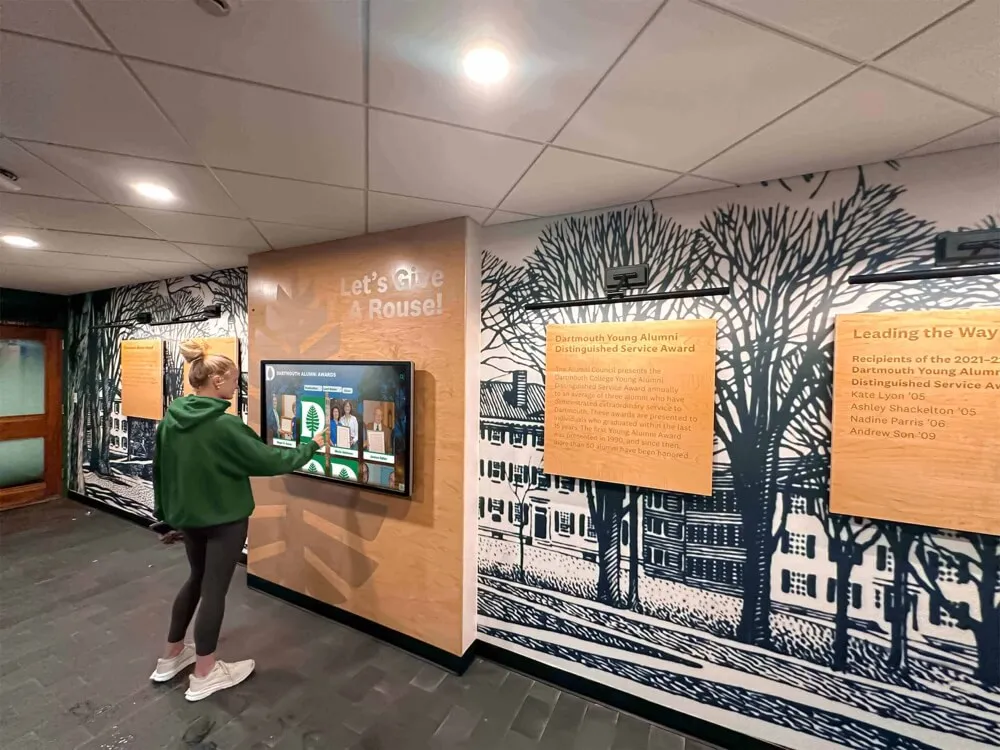
Interactive displays invite students to explore institutional history and see themselves within continuing traditions
Current Landscape: Recognition Practices in 2025
As schools approach the mid-2020s, both valedictorian and prom court traditions exist in diverse forms reflecting varied institutional priorities and community values.
Contemporary Valedictorian Practices
Current approaches to valedictorian recognition span a spectrum from traditional single designations to complete elimination:
Traditional Single Valedictorian: Many schools continue selecting a single valedictorian based on highest GPA, often using weighted calculations accounting for course difficulty. These schools typically value maintaining historic tradition, view the honor as appropriately prestigious and motivating, believe clear criteria provide transparent recognition, and find the practice useful for scholarship applications requiring valedictorian designation.
Multiple Valedictorians: Schools adopting this approach recognize all students achieving the highest GPA threshold, whether two students or twenty. This method avoids arbitrary distinction between students with negligible GPA differences, recognizes that multiple students may achieve equivalent excellence, and maintains the valedictorian designation while making it more inclusive.
Latin Honors Only: Some schools eliminated singular valedictorian while maintaining tiered recognition through Latin honors systems. Students achieving specified GPA thresholds earn summa cum laude (highest honors), magna cum laude (high honors), or cum laude (honors) designations. This approach reduces competition and stress around single rankings, recognizes broader groups of academically excellent students, and aligns with college recognition practices familiar to families.
No Academic Ranking: A smaller but growing number of schools eliminated valedictorian, class rank, and similar competitive academic designations entirely. These institutions typically emphasize individualized learning and growth over competitive ranking, believe comparative ranking undermines collaborative learning cultures, recognize achievement through detailed transcripts and recommendations rather than rankings, and focus on competency-based or portfolio assessment approaches.
Contemporary Prom Court Practices
Prom court traditions in 2025 similarly reflect diverse approaches balancing tradition with evolving values:
Traditional Gender-Separated Court: Many schools maintain traditional prom king and queen selected separately from male and female candidates. These schools often serve communities where traditional approaches remain valued, view the practice as harmless tradition enhancing prom experience, and face limited student advocacy for change.
Gender-Neutral Royalty: Increasingly common approaches eliminate gendered categories in favor of “prom royalty,” “prom court,” or similar gender-neutral designations. Students of any gender identity can be nominated and elected to any position, reflecting inclusive values while maintaining recognition tradition.
Achievement-Based Criteria: Some schools modified prom court to incorporate achievement factors beyond popularity, requiring nominees to meet academic standards, demonstrate extracurricular involvement, or complete service requirements. This approach attempts to align prom recognition with comprehensive school values.
Elimination of Prom Court: A smaller number of schools eliminated prom court entirely, viewing the practice as inconsistent with inclusive values or concerned that popularity-based recognition reinforces problematic social dynamics. These schools typically still host prom as social events without formal recognition components.
Student Choice Systems: Many schools implemented democratic processes where students vote but with safeguards ensuring inclusive outcomes, such as requiring diverse candidate slates, using ranked-choice voting methods reducing strategic voting, or allowing students to opt out of consideration if uncomfortable with competition.
Contemporary schools often document all recognition traditions, including prom court and academic honors, through digital platforms enabling comprehensive celebration of student achievement. Solutions like Rocket Alumni Solutions help schools preserve these traditions while making them accessible to broader communities.
The Role of Technology in Preserving Recognition Traditions
Modern digital platforms have transformed how schools document, celebrate, and preserve student recognition traditions including prom court and valedictorian honors.
Digital Recognition Displays
Interactive touchscreen displays and digital walls of fame enable schools to showcase recognition traditions more comprehensively than static plaques or trophy cases. Digital platforms provide unlimited capacity for recognizing students across decades without physical space constraints, multimedia profiles including photos, videos, achievements, and personal narratives beyond simple name listings, searchable databases enabling alumni and families to explore historical recognition easily, and regular updates ensuring current recognitions receive immediate visibility alongside historical honorees.
Schools implementing digital recognition report that these systems enhance tradition rather than replacing it—physical ceremonies and announcements retain importance while digital platforms extend reach and accessibility. Many institutions include semester highlights recognition within broader systems documenting student achievement throughout academic years.

Touchscreen interfaces make exploring achievement history engaging and accessible for students, families, and visitors
Web-Based Recognition Archives
Digital platforms enable schools to create comprehensive web-accessible archives documenting recognition traditions across decades. Alumni anywhere can explore historical prom court members, valedictorians, and other honorees, creating connections between past and present while demonstrating institutional continuity and values.
These archives serve multiple purposes including alumni engagement and connection to institutional history, historical research documenting social and cultural change through recognition patterns, family sharing as graduates show children and grandchildren their own high school honors, and institutional memory preservation ensuring recognition survives beyond physical displays and documents.
Social Media Integration
Contemporary recognition often includes social media celebration expanding visibility beyond school communities. Schools share announcements of valedictorians, salutatorians, prom court members, and other honorees through social platforms, creating broader celebration while respecting privacy preferences and permissions.
This integration reflects how recognition practices adapt to contemporary communication patterns while maintaining traditional ceremonies and formal documentation.
Balancing Tradition with Innovation
Successful integration of technology with recognition traditions requires careful balance preserving ceremonial significance and emotional meaning, ensuring accessibility for all community members regardless of technical access, maintaining appropriate privacy protections and student consent, and complementing rather than replacing in-person celebrations that create shared community experiences.
Schools implementing senior mentors recognition programs often use digital platforms to document peer leadership and achievement beyond traditional honors.
Creating Inclusive Recognition Programs for the Future
Schools seeking to honor tradition while embracing contemporary values can implement several strategies ensuring recognition practices remain meaningful and inclusive:
Expand Recognition Categories
Rather than eliminating traditions like valedictorian or prom court, schools can expand recognition to include diverse achievements including academic excellence (valedictorians, honor roll, subject-specific awards), leadership and service (student government, community service, mentorship), creative and performing arts (music, visual arts, theater, creative writing), technical and vocational achievement (career and technical education excellence, industry certifications), athletic accomplishment (team and individual recognition, sportsmanship honors), and social contribution (peer support, bridge-building, inclusion advocacy).
This comprehensive approach ensures more students experience meaningful recognition while maintaining traditional honors for those who achieve them.
Ensure Transparent Criteria
Recognition programs gain credibility and motivational power when selection criteria are clear, consistently applied, and well-communicated. Schools should publish detailed criteria for all recognition including specific GPA thresholds or calculation methods for academic honors, nomination and selection processes for popularity or peer-voted awards, and achievement documentation requirements for activity-based recognition.
Transparency enables students to pursue honors strategically while ensuring fairness and reducing perceptions of favoritism or bias.
Involve Student Voice
Student participation in recognition program design increases buy-in and ensures practices reflect current school culture. Schools can involve students through surveys gathering input on recognition preferences and values, student government proposals for modifying or creating recognition programs, representative committees including diverse student perspectives in policy development, and regular review processes assessing whether recognition practices remain meaningful.
Preserve Historical Context
As recognition practices evolve, preserving historical context helps maintain institutional memory while explaining changes. Digital platforms enable schools to document how practices have changed over time, explain the values and contexts that shaped historical traditions, and show current students how they connect to longer institutional histories. Many schools create timeline displays documenting institutional evolution including recognition practice changes.
Implement Multiple Recognition Pathways
Creating diverse pathways to recognition ensures students with different strengths and contributions all experience acknowledgment including absolute achievement recognition for reaching defined excellence standards, improvement recognition celebrating growth regardless of starting point, effort and persistence recognition valuing sustained commitment, and contribution recognition acknowledging positive school culture impact beyond traditional achievement metrics.
This multi-pathway approach helps more students feel valued while maintaining high standards.
Contemporary student of the month recognition programs often incorporate these principles, celebrating diverse contributions through systematic, inclusive approaches.
Lessons from Recognition Tradition Evolution
The 250+ year evolution of valedictorian traditions and 100+ year history of prom court offer valuable lessons for schools designing contemporary recognition programs:
Recognition Reflects Cultural Values
Both traditions emerged from and evolved in response to specific cultural contexts and values. Valedictorian recognition originally valued classical education and oratory, shifting to emphasize standardized academic performance as education democratized and curriculum diversified. Prom court reflected mid-century emphasis on popularity, physical attractiveness, and traditional gender roles, evolving toward more inclusive criteria as social values changed.
Schools should periodically examine whether current recognition practices align with stated institutional values and educational mission, potentially requiring evolution as communities and priorities change.
Tradition and Change Coexist
Recognition traditions can evolve substantially while maintaining continuity and connection to institutional history. Modern valedictorian recognition based on GPA differs dramatically from 1772 Latin oratory competitions, yet both honor academic excellence and connect to the same tradition. Contemporary gender-neutral prom courts maintain celebratory social recognition while adapting to inclusive values.
Schools need not choose between honoring tradition and embracing change—thoughtful evolution can achieve both goals.
Student Motivation Requires Perceived Fairness
Recognition programs motivate students effectively only when selection criteria feel fair, transparent, and attainable through effort rather than inherent characteristics. When valedictorian determination seemed arbitrary or prom court selection appeared based purely on attributes like attractiveness, motivational power declined and criticism increased.
Contemporary programs should ensure students understand how to earn recognition and believe honest effort can lead to achievement regardless of background or starting point.
Multiple Recognition Channels Serve Diverse Populations
Single recognition channels inevitably exclude many accomplished students. Schools effectively motivating broad student populations typically offer multiple pathways to acknowledgment—academic honors, leadership recognition, creative achievement, athletic distinction, and service celebration.
This diversity ensures more students experience validation while sending messages that schools value varied contributions and talents.
Documentation Preserves Institutional Memory
Historical documentation of recognition traditions creates powerful connections between past and present, helping current students understand institutional continuity while inspiring them with alumni achievement examples. Digital platforms make comprehensive documentation increasingly feasible, enabling schools to preserve and share recognition history effectively.
Many schools implementing digital recognition displays report increased student engagement with institutional history and tradition.
Conclusion: Honoring Achievement Across Generations
The intertwined histories of valedictorian and prom court traditions reveal how schools have recognized and celebrated student achievement across more than two centuries of American education. From 1772 Latin oratory competitions to modern comprehensive digital recognition platforms, these practices have continuously evolved while maintaining core purposes: acknowledging student excellence, motivating continued achievement, and preserving institutional memory.
Today’s schools inherit rich recognition traditions while facing important opportunities to shape how they honor students for contemporary and future generations. The most effective approaches balance respecting historical practices that maintain meaningful connections to institutional heritage with evolving traditions to reflect current values around inclusion, diversity, and comprehensive achievement recognition.
Preserve Your School's Recognition Traditions
Discover how modern digital recognition solutions can help you honor historical traditions like valedictorians and prom court while creating engaging, inclusive programs that celebrate all student achievements.
Explore Recognition SolutionsModern recognition platforms enable schools to document current honors comprehensively while preserving decades of historical achievement in accessible, engaging formats. Digital displays eliminate physical space constraints that previously forced choices between honoring recent graduates and maintaining historical recognition, create searchable archives enabling alumni to explore their school’s achievement heritage, provide multimedia storytelling capabilities bringing recognition to life beyond simple name listings, and extend celebration beyond campus through web accessibility connecting global alumni communities.
Recognition traditions like valedictorian and prom court endure because they fulfill fundamental human needs—validation of effort and achievement, connection to communities and institutions, and preservation of accomplishment in lasting memory. Schools honoring these needs through thoughtful, inclusive, technologically enhanced programs create powerful cultures where all students can pursue and achieve meaningful recognition.
Whether your school maintains traditional valedictorian recognition, has evolved to alternative academic honor systems, hosts traditional or modified prom court celebrations, or has developed entirely new recognition traditions, documenting and celebrating student achievement remains central to educational mission. The tools available today enable schools to preserve historical traditions while expanding recognition to reflect contemporary values and celebrate the full spectrum of student excellence.
Ready to explore how your school can honor recognition traditions while embracing modern possibilities? Consider how comprehensive digital recognition platforms can help document institutional heritage, celebrate current student achievements, and inspire future generations through connections between past excellence and present possibilities.































