In the competitive landscape of modern business, recognizing sales leaders stands as one of the most powerful yet frequently underutilized strategies for driving sustained performance and building exceptional teams. Sales leaders who consistently exceed targets, mentor colleagues, and exemplify organizational values deserve recognition that matches their contributions—yet many organizations struggle to implement comprehensive recognition programs that truly motivate and inspire.
Sales leaders represent more than just top quota achievers. They embody the standards, work ethic, and client relationships that define successful sales organizations. When these exceptional performers receive meaningful recognition, the impact extends far beyond individual validation. Their achievements inspire teammates, establish performance benchmarks, and reinforce the behaviors and attitudes that drive organizational success.
Yet despite recognition’s proven impact on performance and retention, many organizations approach it haphazardly—delivering occasional bonuses or annual awards without strategic consideration of what truly motivates sales professionals. This comprehensive guide explores the psychology behind effective sales recognition, practical strategies for honoring achievement at all levels, and innovative approaches that transform recognition from afterthought into competitive advantage.
Understanding What Motivates Sales Leaders
Sales professionals operate in uniquely challenging environments where success directly correlates with measurable performance metrics, rejection occurs daily, and competitive pressures remain constant. Understanding what drives these individuals to excel reveals how recognition programs can maximize motivational impact.
The Psychology of Sales Motivation
Research in organizational psychology demonstrates that sales professionals respond to distinct motivational drivers compared to other employee populations. While financial compensation remains important, studies consistently show that recognition, status, and achievement acknowledgment significantly influence performance and retention.
Sales leaders typically exhibit high achievement orientation, competitive drive, and strong needs for recognition and status within peer groups. They thrive on visible accomplishment markers and appreciate public acknowledgment of their contributions. Understanding these psychological drivers enables organizations to design recognition programs that resonate deeply with what motivates top performers.
Beyond Compensation: What Sales Leaders Truly Value
While competitive compensation packages remain essential for attracting and retaining sales talent, monetary rewards alone create diminishing motivational returns. After basic financial needs are met, additional income generates less incremental satisfaction than non-financial recognition addressing deeper psychological needs.
Top sales performers consistently identify several recognition elements as particularly meaningful:
Public Acknowledgment: Recognition delivered in front of peers, leadership, and the broader organization provides status validation that private appreciation cannot match. Sales leaders value being seen as exemplars of excellence within their professional communities.
Permanent Legacy: Temporary recognition fades quickly from memory. Sales professionals appreciate lasting acknowledgment through halls of fame, record boards, or permanent displays that preserve their achievements indefinitely and inspire future generations.
Peer Respect: Recognition from colleagues who understand the challenges and efforts required to achieve excellence carries particular weight. Peer-nominated awards and collaborative celebration build respect that enhances team dynamics.
Professional Development: Opportunities for growth, advanced training, industry conference attendance, or expanded responsibilities demonstrate organizational investment in career progression beyond immediate sales results.
Meaningful Impact: Connection between individual achievements and organizational mission, customer success stories, or team advancement helps sales leaders see how their work contributes to purposes larger than personal compensation.
Organizations designing effective recognition programs must balance these diverse motivational factors rather than relying exclusively on financial incentives that address only one dimension of what drives sales excellence.
Types of Sales Leader Recognition Programs
Comprehensive recognition strategies employ multiple approaches addressing different achievement levels, time horizons, and motivational drivers. The most effective programs combine various recognition types creating layered systems that celebrate excellence across all dimensions.
Performance-Based Recognition
Performance-based recognition acknowledges specific measurable achievements tied to sales metrics, growth targets, or competitive rankings. These programs provide clear, objective criteria that sales professionals can work toward systematically.
Common Performance Recognition Categories
- Top Revenue Producer: Highest total sales within specific periods
- Growth Champion: Largest percentage increase over previous performance
- New Business Developer: Most new accounts or clients acquired
- Account Expansion Leader: Greatest growth within existing customer base
- Margin Master: Highest profitability or most favorable contract terms
- Consistency Award: Most reliable performance across all periods
Performance Recognition Best Practices
- Establish clear, measurable criteria known to all participants
- Ensure fairness across different territories or product lines
- Recognize multiple achievement categories, not just total revenue
- Update winners regularly to maintain engagement
- Celebrate progress toward goals, not just final achievement
- Make recognition visible to entire organization
Performance-based recognition works most effectively when tied to specific organizational goals and strategic priorities. If entering new markets represents a priority, recognition categories should emphasize new client acquisition. If account retention concerns leadership, recognition should celebrate relationship management and customer loyalty metrics.
Behavior and Values Recognition
While performance metrics measure results, behavior-based recognition celebrates the actions, attitudes, and characteristics that produce those results. These programs reinforce organizational culture and desired sales approaches beyond simple numerical achievement.
Effective behavior recognition focuses on observable actions aligned with company values:
Collaboration and Mentorship: Recognizing sales leaders who invest time developing junior team members, sharing insights, or supporting colleagues creates cultures of mutual support rather than cutthroat competition.
Innovation and Creative Problem-Solving: Celebrating representatives who develop novel approaches, overcome challenging obstacles, or find creative solutions to client needs encourages continuous improvement and adaptability.
Client Relationship Excellence: Acknowledging those who receive exceptional client feedback, maintain long-term relationships, or consistently deliver outstanding customer experiences reinforces client-centered selling approaches.
Professionalism and Integrity: Recognizing ethical conduct, transparent communication, and adherence to company standards establishes clear expectations about how business should be conducted regardless of pressure to close deals.
Resilience and Persistence: Celebrating sales professionals who overcome setbacks, maintain positive attitudes through challenges, or demonstrate exceptional work ethic honors the psychological strength required for sales success.
Behavior-based recognition helps organizations shape sales culture by highlighting exemplary conduct beyond mere quota attainment. When combined with performance recognition, these programs create comprehensive frameworks celebrating both what sales leaders achieve and how they achieve it.
Milestone and Tenure Recognition
Milestone recognition celebrates cumulative achievement and long-term commitment rather than short-term performance peaks. These programs honor sustained excellence and organizational loyalty that builds institutional knowledge and client relationships over years or decades.
Common milestone recognition opportunities include:
- Years of service anniversaries (5, 10, 15, 20+ years)
- Cumulative revenue milestones ($1M, $5M, $10M career totals)
- Total accounts served throughout career
- Client relationships maintained across multiple years
- Consecutive periods meeting or exceeding quotas
- Career awards presented at retirement or significant transitions
Milestone recognition addresses different psychological needs than performance-based programs. While performance recognition motivates through competition and achievement drive, milestone recognition provides belonging, loyalty reinforcement, and appreciation for sustained contribution. Both serve important roles in comprehensive recognition strategies.
Organizations with mature recognition programs often create cumulative point systems where various achievements contribute toward lifetime totals determining membership in prestigious recognition tiers. These systems encourage both immediate performance and long-term commitment by rewarding sustained excellence across entire careers.
Implementing Effective Recognition Programs
Understanding recognition principles provides foundation, but successful programs require systematic implementation addressing design, communication, delivery, and continuous improvement.
Establishing Clear Criteria and Transparency
Recognition programs generate maximum motivational impact when criteria are transparent, fair, and clearly communicated to all participants. Ambiguity about how winners are selected or perception of favoritism undermines recognition value and can actually damage morale.
Define Measurable Standards: Whenever possible, tie recognition to objective, quantifiable metrics that leave no ambiguity about achievement. Revenue targets, growth percentages, account numbers, and similar concrete measures prevent subjective bias while providing clear goals.
Communicate Expectations Widely: Ensure all team members understand recognition programs, eligibility criteria, measurement periods, and selection processes. Regular reminders and visible program information maintain awareness and engagement.
Ensure Fair Comparison Frameworks: When sales professionals operate in different territories, product lines, or market conditions, raw performance comparisons may unfairly advantage those with easier assignments. Implement territory adjustments, growth-based metrics, or category-specific recognition ensuring fair competition regardless of assignment differences.
Publish Recognition Guidelines: Written documentation of recognition programs, criteria, and processes creates accountability while demonstrating organizational commitment to transparent, consistent recognition practices.
Transparency builds trust in recognition systems while focusing competitive energy toward legitimate performance improvement rather than political maneuvering or perception management.
Timing and Frequency of Recognition
Recognition timing significantly influences motivational impact. Delayed recognition loses psychological connection between achievement and acknowledgment, reducing reinforcement value. Conversely, excessively frequent recognition can diminish significance and create expectation that ordinary performance deserves constant celebration.
Immediate Acknowledgment: For specific achievements like major deal closures or exceptional client feedback, immediate recognition maintains psychological connection between action and reward. Same-day or next-day acknowledgment demonstrates organizational awareness and appreciation.
Regular Recognition Rhythms: Monthly or quarterly recognition programs create predictable occasions for celebrating top performers. Consistent timing builds anticipation and provides clear performance periods for sales professionals to focus competitive efforts.
Annual Capstone Events: Year-end recognition ceremonies or annual awards programs provide opportunities for comprehensive achievement celebration, major award presentations, and team building that shorter-term recognition cannot accommodate.
Milestone Recognition Flexibility: Anniversary and milestone recognition should align with actual achievement dates rather than being delayed until convenient organizational moments. Recognizing five-year anniversaries during the actual anniversary month demonstrates genuine appreciation rather than administrative convenience.
Research on recognition effectiveness suggests ideal frequency balances regular acknowledgment maintaining engagement with sufficient spacing that each recognition occasion feels meaningful. Studies on community engagement demonstrate that frequent, authentic recognition drives sustained participation more effectively than infrequent grand gestures.
Public vs. Private Recognition
The setting and visibility of recognition significantly impact its effectiveness. While some situations call for private appreciation, sales leaders typically respond most positively to public recognition providing status, peer respect, and organizational visibility.
Public Recognition Advantages:
- Amplifies individual achievement through broader awareness
- Provides status elevation valued by competitive sales professionals
- Inspires other team members through visible success examples
- Demonstrates organizational values and priorities to entire company
- Creates aspirational goals for those seeking similar recognition
Appropriate Public Recognition Forums:
- Sales team meetings and performance reviews
- All-hands company meetings or town halls
- Internal communications like newsletters or company intranets
- Social media recognition on corporate channels
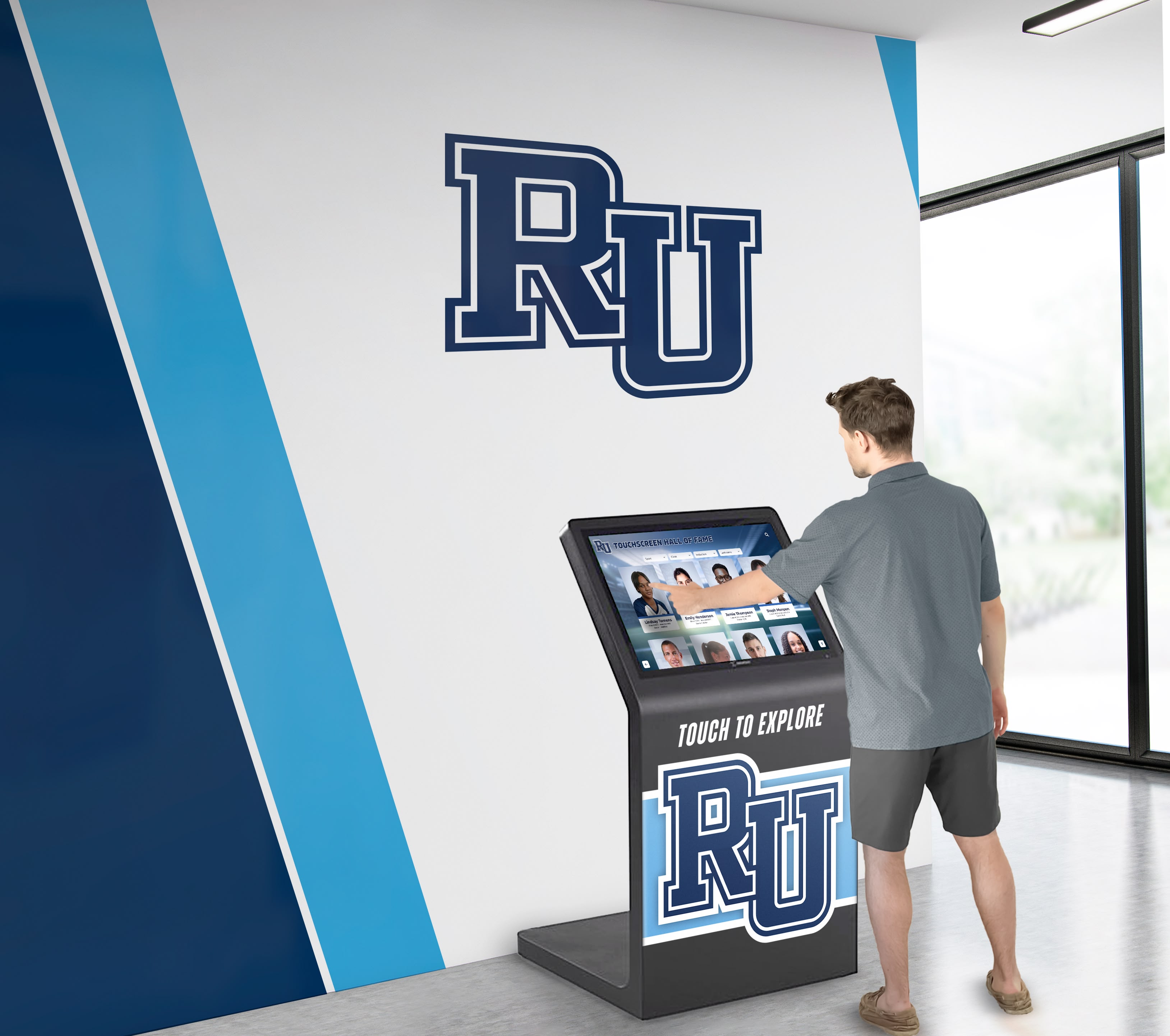
- Physical displays in offices or sales floors
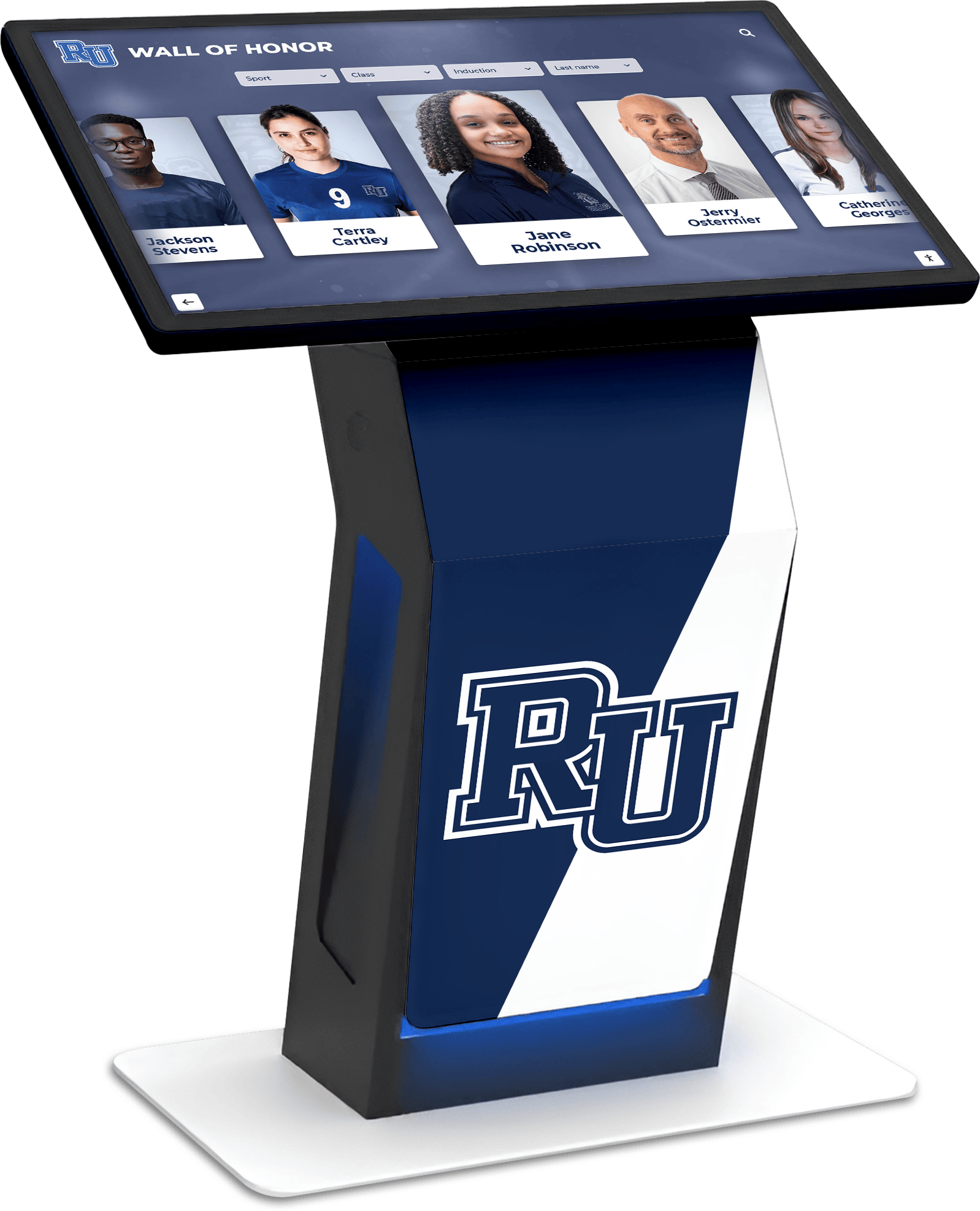
- Digital recognition systems accessible company-wide
Private Recognition Situations:
- Sensitive achievements that other team members might find demotivating
- Personal development feedback paired with recognition
- Situation-specific appreciation that requires context explanation
- Recognition of efforts that didn’t result in measurable success
- Appreciation for handling difficult client situations requiring discretion
Most sales leaders prefer public recognition for major achievements while appreciating private acknowledgment for ongoing efforts and smaller contributions. Comprehensive programs incorporate both approaches strategically based on achievement type and organizational context.
Organizations implementing digital recognition systems report enhanced ability to deliver both immediate public recognition and permanent legacy acknowledgment that keeps achievements visible indefinitely.
Creative Recognition Approaches for Sales Teams
Beyond traditional plaques and certificate presentations, innovative recognition approaches create memorable experiences that deepen appreciation impact while differentiating organizational culture.
Experience-Based Recognition
Experience-based recognition provides memorable events or opportunities creating lasting positive associations with achievement. These approaches often generate greater long-term satisfaction than equivalent-value tangible awards.
Professional Development Experiences: Industry conference attendance, specialized training programs, executive coaching sessions, or educational opportunities demonstrate investment in career growth while providing practical skill enhancement.
Recognition Travel and Events: Top performer trips to desirable destinations, exclusive events, or unique experiences create shared memories while providing aspirational goals that motivate sustained high performance.
Executive Access and Shadowing: Opportunities to spend time with senior leadership, participate in strategic planning, or gain exposure to executive decision-making provide career development while validating achievement through leadership attention.
Client Experience Opportunities: For client-focused sales professionals, opportunities to visit client facilities, attend industry events, or deepen customer relationships can be particularly meaningful recognition aligning with their relationship-centered motivations.
Experience-based recognition works especially effectively for top-tier achievement levels where differentiation from standard recognition becomes important. These approaches create stories and memories that endure far longer than physical trophies or certificates.
Peer-Nominated Recognition
Peer-nominated recognition programs empower sales team members to acknowledge colleagues whose contributions they directly observe and appreciate. These programs generate particularly meaningful validation while fostering collaborative rather than purely competitive team cultures.
Implementation Approaches:
- Monthly peer nomination processes where team members submit recognition recommendations
- Collaborative voting on candidates for team recognition awards
- Cross-functional nominations highlighting sales professionals who provide exceptional internal partnership
- Client-solicited feedback incorporated into peer recognition considerations
- Team-based awards recognizing collective achievement and mutual support
Peer recognition complements leadership-driven programs by capturing contributions that formal metrics might miss—mentorship, knowledge sharing, collaborative problem-solving, and supportive behaviors that strengthen overall team performance.
Research demonstrates that organizations implementing peer recognition programs see measurable improvements in team cohesion, knowledge sharing, and collaborative selling behaviors. The recognition validates not just individual achievement but also positive team dynamics that support sustainable success.
Digital and Interactive Recognition Platforms
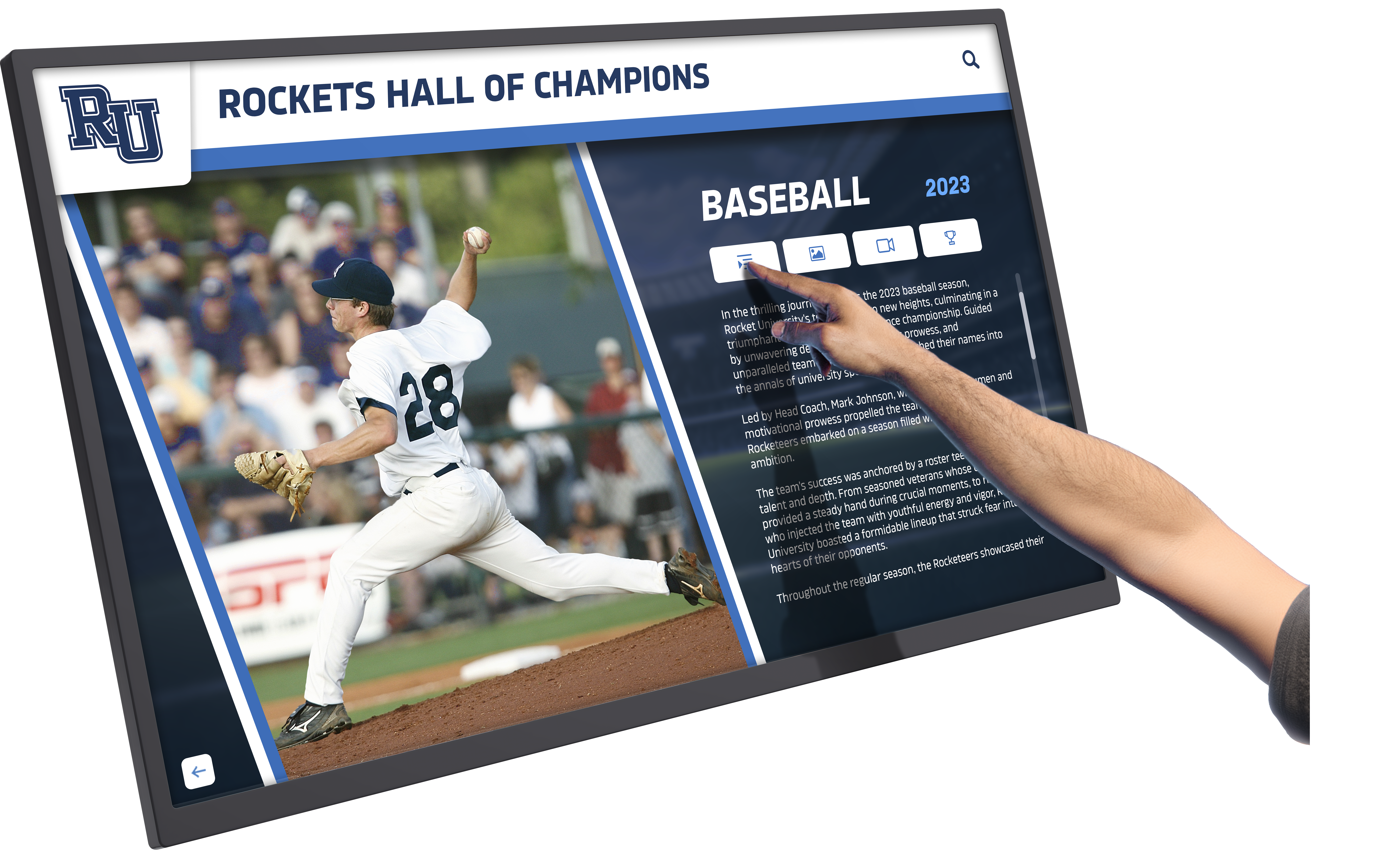
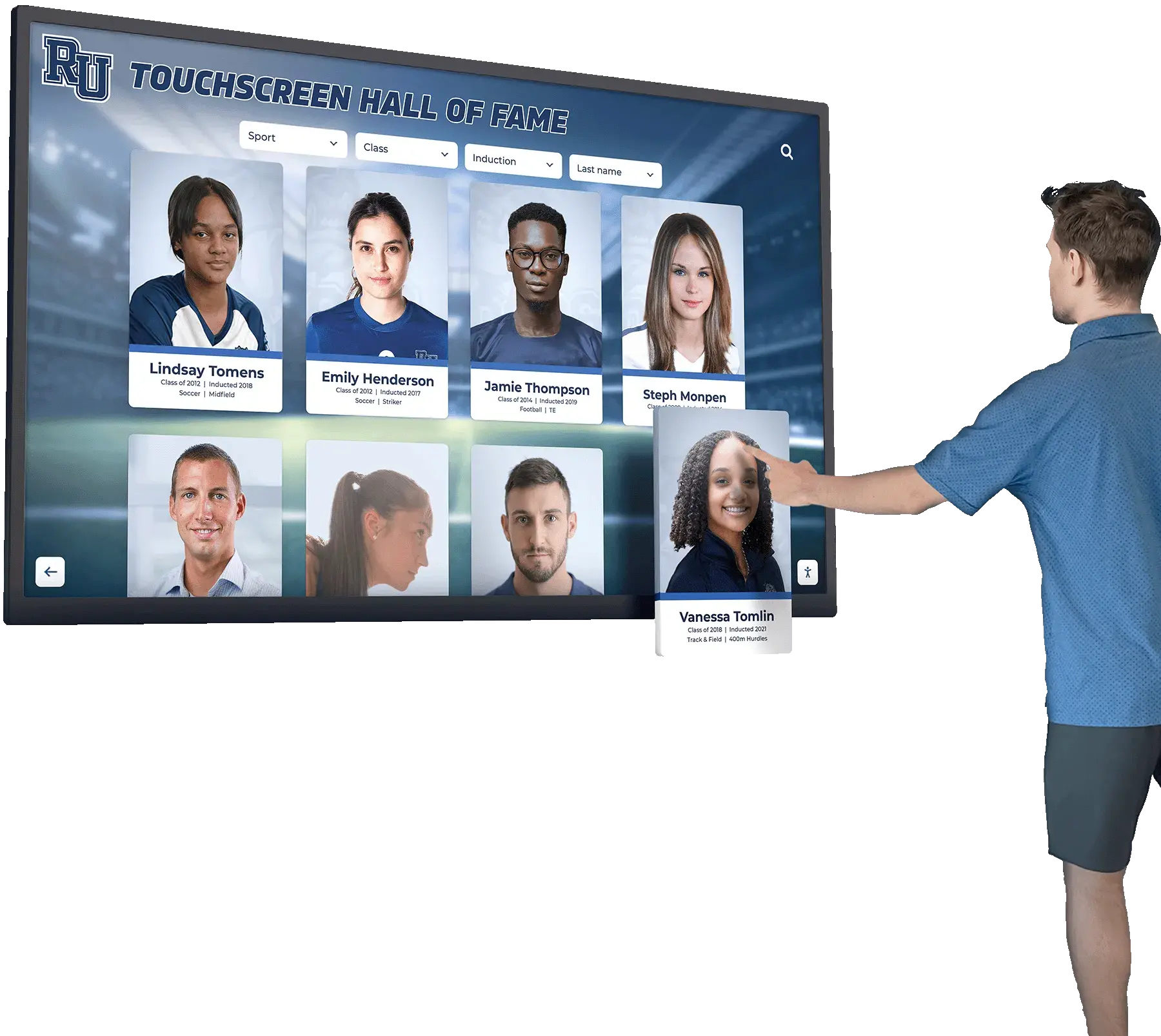
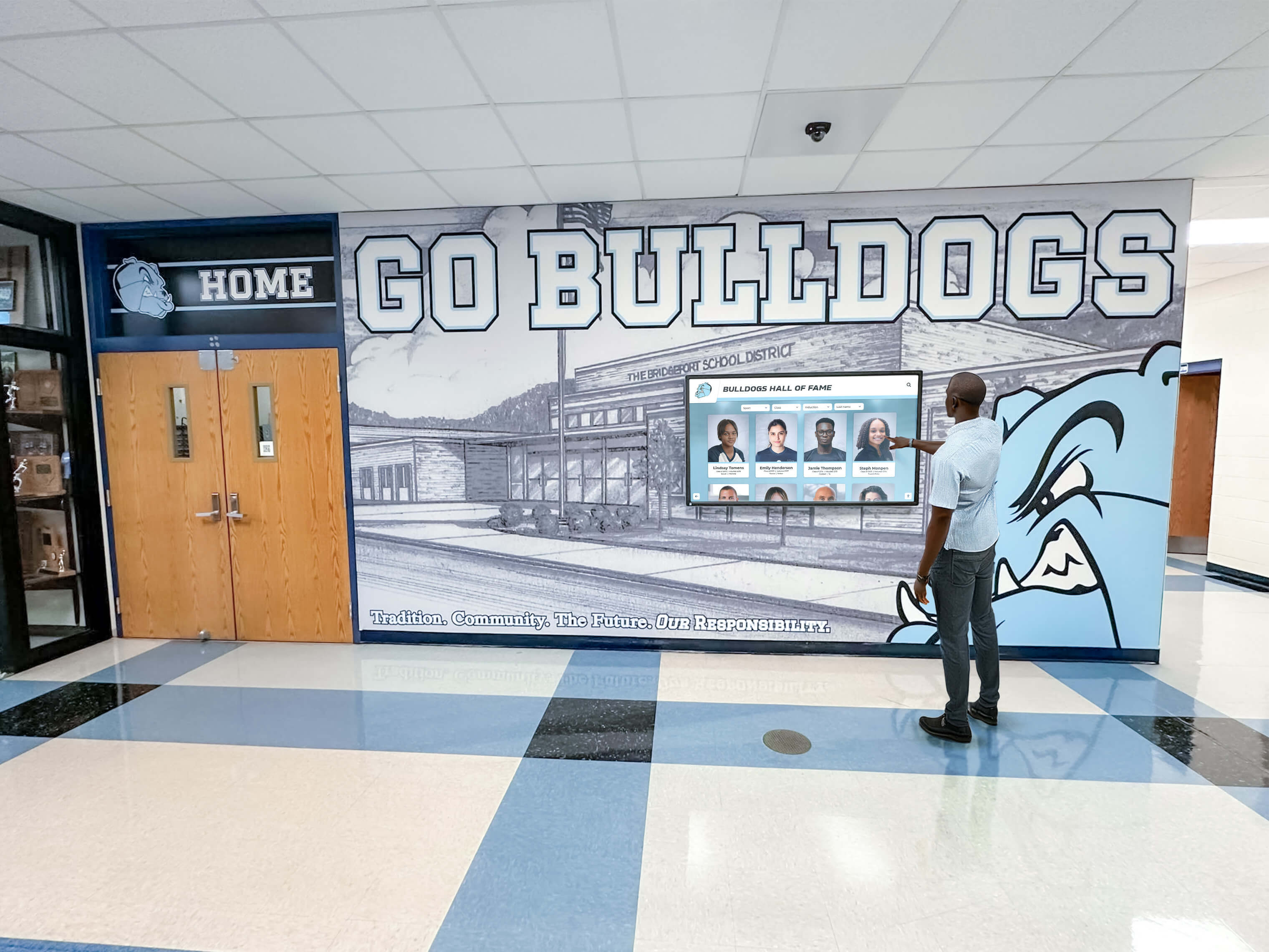
Modern recognition technology enables innovative approaches that traditional plaques and certificates cannot match. Interactive recognition displays transform static acknowledgment into engaging experiences accessible to broad audiences.
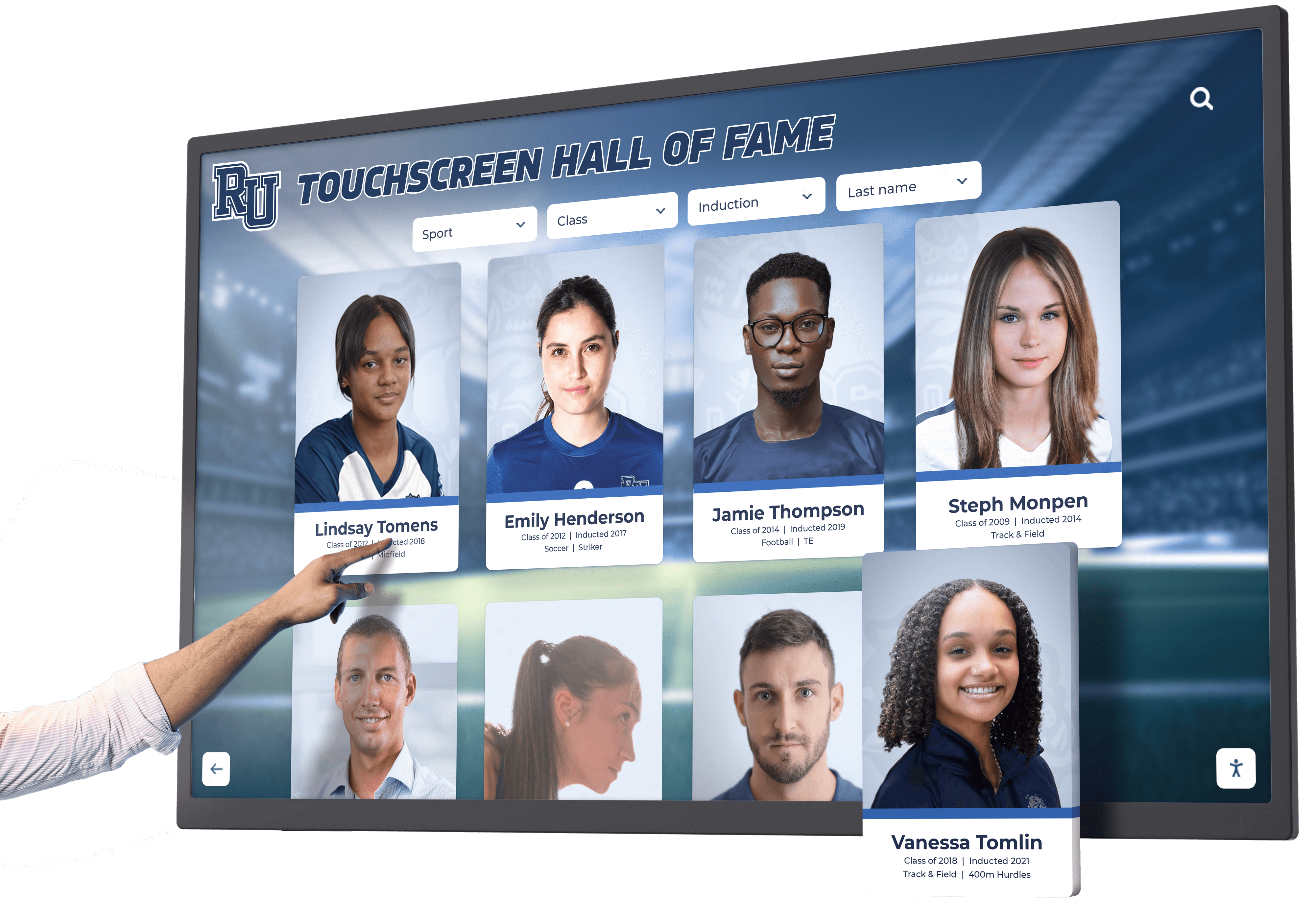
Digital Recognition Advantages:
- Unlimited Capacity: Recognize all achievers across all time periods without space constraints
- Multimedia Presentation: Include photos, videos, testimonials, and detailed achievement information
- Interactive Exploration: Enable users to search, filter, and discover achievements by various criteria
- Real-Time Updates: Add new recognition immediately as achievements occur
- Remote Accessibility: Extend recognition beyond physical locations to remote team members and stakeholders
- Analytics and Insights: Track engagement with recognition content informing program optimization
Digital recognition platforms work particularly effectively for distributed sales teams where team members work remotely or across multiple locations. Cloud-based systems ensure all team members can access and explore recognition regardless of physical location.
Solutions like Rocket Alumni Solutions provide comprehensive platforms originally designed for educational institutions but increasingly adapted for corporate recognition needs. These systems combine intuitive content management with professional presentation that honors achievement while requiring minimal technical expertise to maintain.
Measuring Recognition Program Effectiveness
Recognition programs require ongoing assessment ensuring they generate intended outcomes while identifying improvement opportunities. Systematic measurement transforms recognition from cost center into strategic investment with demonstrable returns.
Key Performance Indicators for Recognition Programs
Sales Performance Metrics:
- Year-over-year revenue growth before and after program implementation
- Average deal size changes among recognized vs. non-recognized performers
- Sales cycle length improvements
- Win rate increases
- New account acquisition rates
- Customer retention and expansion metrics
Employee Engagement Indicators:
- Sales team turnover rates and retention of top performers
- Internal promotion rates among recognized individuals
- Employee satisfaction scores related to recognition and appreciation
- Voluntary survey feedback about recognition program value
- Participation rates in peer recognition components
Cultural Impact Measures:
- Knowledge sharing and mentorship behaviors
- Cross-team collaboration metrics
- Participation in professional development opportunities
- Quality of client relationship management
- Adherence to company values and ethical standards
Organizations should establish baseline measurements before implementing new recognition programs enabling clear before-after comparisons demonstrating program impact. Regular measurement every quarter or annually tracks trends while identifying elements requiring adjustment.
The most sophisticated recognition programs incorporate continuous feedback loops where participant input directly influences program evolution. Regular surveys, focus groups, or structured feedback sessions ensure programs remain relevant as team composition and business priorities evolve.
Return on Investment Considerations
Recognition programs require investment in time, resources, and sometimes technology or experiences. Demonstrating clear return on these investments builds stakeholder support while justifying continued or expanded recognition budgets.
Tangible Financial Returns:
- Revenue increases attributable to improved performance
- Reduced turnover costs through enhanced retention (replacement costs typically range 50-200% of salary)
- Decreased recruitment expenses as recognition enhances employer brand
- Improved win rates reducing customer acquisition costs
- Enhanced customer lifetime value through relationship quality improvements
Strategic Returns:
- Stronger employer brand attracting higher-quality candidates
- Enhanced organizational culture supporting sustained excellence
- Clearer performance standards and expectations
- Improved leadership pipeline through mentorship emphasis
- Competitive advantages in markets where talent acquisition proves challenging
While some recognition ROI elements prove difficult to quantify precisely, organizations with mature recognition programs consistently report that retention improvements alone justify program investments. Given replacement costs for experienced sales professionals frequently exceed $75,000-$150,000 when accounting for recruiting, training, and productivity ramp time, preventing even one high-performer departure annually often covers entire recognition program costs.
Addressing Recognition Program Challenges
Even well-designed recognition programs encounter challenges requiring proactive management and continuous refinement. Understanding common obstacles enables organizations to anticipate and address issues before they undermine program effectiveness.
Fairness Perceptions and Territory Differences
Sales professionals working in different territories, product lines, or market segments face varying difficulty levels affecting performance. Raw revenue comparisons may unfairly advantage those with established territories or high-potential markets while disadvantaging those building new regions or working with challenging products.
Solutions for Ensuring Fair Recognition:
- Implement territory adjustment factors accounting for market potential
- Create separate recognition categories for different product lines or segments
- Emphasize growth metrics rather than absolute performance numbers
- Recognize both quantitative achievements and qualitative contributions
- Include behavior-based recognition not dependent on market conditions
- Rotate territory assignments periodically to equalize long-term opportunities
Organizations should proactively address fairness concerns through transparent methodology communication and willingness to adjust programs based on legitimate feedback. When sales professionals understand the reasoning behind recognition decisions and see genuine efforts to ensure fairness, they maintain trust in program integrity even when they don’t receive individual recognition.
Recognition Fatigue and Devaluation
Excessive recognition frequency or insufficient differentiation between achievement levels can create recognition fatigue where acknowledgment loses motivational impact. When everyone receives recognition regardless of actual performance differences, top performers feel undervalued while recognition becomes meaningless.
Maintaining Recognition Value:
- Reserve highest recognition tiers for truly exceptional achievement
- Ensure clear performance differentiation between recognition levels
- Vary recognition approaches preventing repetitive predictability
- Balance frequency with significance to maintain each occasion’s meaning
- Tie recognition to genuine achievement rather than participation alone
The goal is creating recognition systems where acknowledgment feels earned through legitimate accomplishment rather than automatic participation awards diminishing genuine achievement significance.
Budget Constraints and Resource Allocation
Recognition programs compete with other budget priorities, particularly during economic challenges or when immediate ROI proves difficult to demonstrate. Organizations must balance recognition investment with other business needs while ensuring adequate resources for meaningful programs.
Cost-Effective Recognition Strategies:
- Emphasize public acknowledgment and status-based recognition over expensive awards
- Leverage digital platforms providing ongoing recognition visibility at lower ongoing costs
- Implement peer recognition programs requiring minimal budget
- Create tiered recognition systems reserving expensive experiences for highest achievement levels
- Seek sponsor partnerships for recognition elements like events or travel
- Focus resources on programs demonstrating clearest performance correlation
Understanding what motivates community engagement reveals that authentic, meaningful recognition often matters more than expensive rewards. Programs emphasizing genuine appreciation, public acknowledgment, and permanent legacy often generate stronger motivation than costly but impersonal compensation approaches.

Building Recognition into Sales Culture
The most effective recognition doesn’t exist as separate program but rather becomes woven into organizational culture where appreciation, celebration, and acknowledgment occur naturally as part of daily operations.
Leadership Modeling and Commitment
Sales recognition programs succeed or fail based largely on leadership commitment and participation. When executives consistently demonstrate appreciation, attend recognition events, and personally acknowledge achievement, recognition becomes cultural priority. Conversely, when leaders treat recognition as administrative obligation delegated to HR or disconnected from their involvement, teams perceive programs as superficial.
Leadership Actions That Strengthen Recognition Culture:
- Personal participation in recognition events and award presentations
- Consistent acknowledgment during team meetings and communications
- Stories and examples referencing recognized individuals
- One-on-one appreciation conversations with top performers
- Visible championship of recognition program importance
- Allocation of genuine budget and resources to recognition initiatives
Leaders set cultural tone through their behaviors and priorities. When recognition appears on leadership agendas, when executives know recognized individuals and their achievements, and when appreciation becomes leadership habit rather than exception, recognition transforms from program into culture.
Integrating Recognition with Performance Management
Recognition works most effectively when integrated into broader performance management systems rather than operating as isolated initiative. This integration ensures consistency while reinforcing connections between performance expectations, achievement, and acknowledgment.
Integration Opportunities:
- Reference recognition criteria during goal-setting conversations
- Incorporate recognition achievements into performance reviews
- Use recognized individuals as examples during coaching discussions
- Connect recognition programs to career development pathways
- Include recognition participation in leadership evaluation
- Feature recognition highlights in strategic business reviews
When recognition operates independently from performance management, employees may perceive it as optional extra rather than core business priority. Integration demonstrates that achievement acknowledgment represents fundamental organizational value rather than peripheral activity.
Continuous Program Evolution
Recognition programs should evolve continuously based on feedback, results, and changing business contexts rather than remaining static after initial implementation. Regular assessment and refinement ensure programs maintain relevance and effectiveness as teams and priorities shift.
Evolution Practices:
- Annual comprehensive program reviews evaluating effectiveness
- Quarterly check-ins gathering participant feedback
- Pilot testing new recognition approaches before full implementation
- Benchmarking against industry best practices and peer organizations
- Adjusting programs based on generational preference changes
- Expanding recognition as organizations grow or enter new markets
Organizations treating recognition as dynamic capability requiring continuous improvement generate stronger results than those implementing once and never adjusting. The most effective programs include built-in feedback mechanisms and regular refinement cycles ensuring ongoing relevance.
Recognition of Sales Leaders in Different Contexts
While core recognition principles apply broadly, specific organizational contexts require adapted approaches addressing unique characteristics, constraints, and priorities.
Small Business and Startup Recognition
Resource constraints in small organizations and startups require creative, low-cost recognition approaches that deliver authentic appreciation without significant budget requirements.
Effective small business recognition emphasizes:
- Personal, direct appreciation from leadership who work closely with sales team
- Flexibility and informal recognition responding immediately to achievements
- Equity or performance-based compensation participation
- Significant input into company direction and strategy
- Close-knit team celebration creating family-like culture
- Growth opportunities as organization expands
Small organizations often excel at authentic, personalized recognition that larger companies struggle to replicate. Their advantage lies in proximity and relationship rather than budget, enabling genuine appreciation that resonates deeply despite limited resources.
Enterprise and Large Organization Recognition
Large organizations face challenges maintaining personalization and authenticity when recognizing sales leaders across multiple divisions, regions, or business units. Their advantages include resources, established programs, and broader recognition audiences.
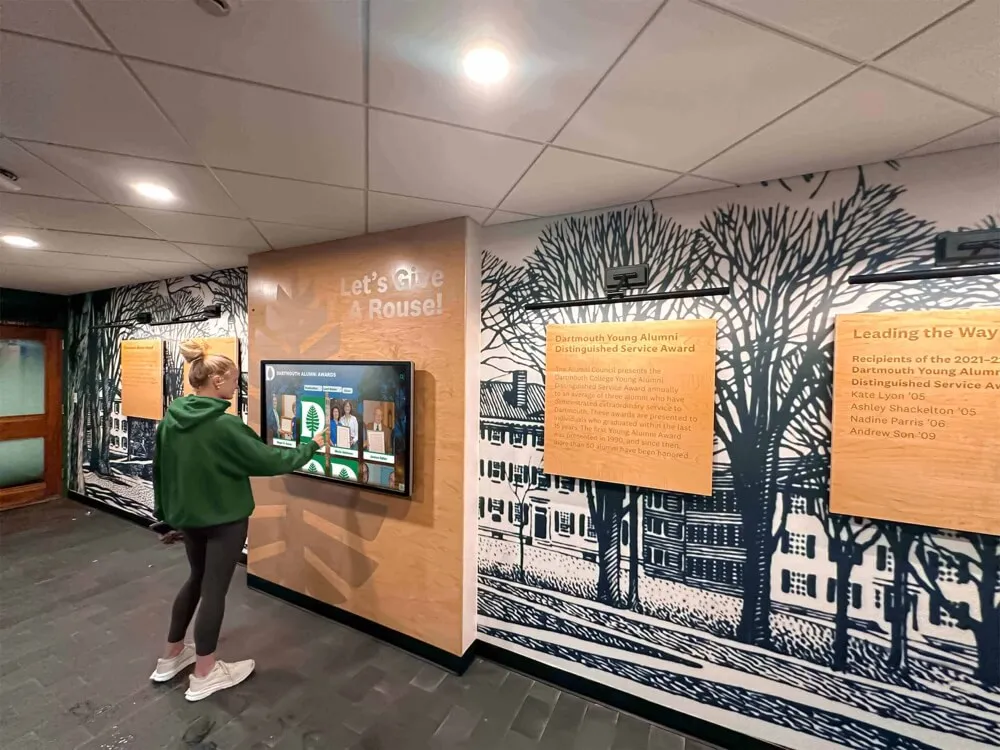
Enterprise recognition strategies should include:
- Tiered programs operating at team, division, and corporate levels
- Technology platforms enabling scalable yet personalized recognition
- Executive leadership participation in highest-tier recognition
- Clear criteria and transparent processes preventing favoritism perceptions
- Career advancement connections to recognition achievement
- Formal programs supplemented by manager-level informal acknowledgment
Large organizations can leverage their size for prestigious recognition opportunities like all-expenses trips, significant awards, or exclusive executive access that smaller organizations cannot match. Their challenge lies in maintaining authenticity and personal connection as scale increases.
Remote and Distributed Sales Team Recognition
Remote sales teams require adapted recognition approaches addressing physical dispersion challenges while leveraging technology enabling virtual connection.
Remote Recognition Best Practices:
- Digital recognition platforms accessible from any location
- Virtual recognition events with strong production value and engagement
- Shipped recognition items creating physical presence in home offices
- Digital badges or credentials displayable on social media profiles
- Extra emphasis on video messages and personal communication
- Technology enabling peer-to-peer recognition across geographic boundaries
- In-person gatherings for top-tier recognition providing valuable connection opportunities
Remote teams particularly benefit from digital recognition solutions providing visibility and accessibility that physical trophies in distant offices cannot deliver. These platforms ensure all team members can explore and celebrate achievements regardless of physical location.
The shift toward remote and hybrid work environments has accelerated interest in digital recognition approaches that work effectively across distributed teams while maintaining the psychological impact of traditional recognition.
Future Trends in Sales Leader Recognition
Recognition practices continue evolving as workplace dynamics shift, technology advances, and understanding of motivation deepens. Organizations designing recognition programs should consider emerging trends likely to shape future approaches.
Personalization and Customization
Recognition increasingly emphasizes individual preferences and personalization rather than one-size-fits-all approaches. Advanced programs offer recognition choice enabling sales professionals to select from various reward options matching their personal values and interests.
Personalization might include:
- Choice between experience-based or tangible recognition
- Selection of specific professional development opportunities
- Charitable contribution options for socially conscious individuals
- Family involvement choices accommodating different personal situations
- Recognition timing and format preferences (public vs. private)
As data analytics improve, organizations can track which recognition types generate strongest responses from different individuals, enabling increasingly personalized approaches maximizing motivational impact.
Social Recognition and Gamification
Social recognition platforms incorporating gamification elements—points, badges, leaderboards, progress tracking—engage sales professionals’ competitive instincts while creating ongoing rather than episodic recognition.
These approaches provide:
- Real-time recognition visible across entire organization
- Peer-to-peer appreciation enabling cultural reinforcement
- Multiple achievement pathways rather than single success metrics
- Continuous feedback and progress visibility
- Mobile accessibility supporting recognition in flow of work
While some professionals find gamification mechanisms engaging and motivating, others perceive them as trivializing genuine achievement. Successful implementations balance playful engagement with authentic appreciation ensuring games enhance rather than replace meaningful recognition.
Artificial Intelligence and Recognition Optimization
Emerging AI applications in recognition include automated identification of recognition opportunities, personalized recognition recommendations based on individual preferences, predictive analytics identifying at-risk performers requiring attention, and sentiment analysis evaluating recognition program effectiveness through communication analysis.
As these technologies mature, they promise enhanced recognition timing, personalization, and effectiveness while reducing administrative burden. However, technology should augment rather than replace human judgment and authentic appreciation that drives recognition’s motivational power.
Taking Action: Implementing Sales Leader Recognition
Organizations recognizing the strategic value of comprehensive recognition programs face the practical challenge of implementation. Systematic approaches ensure successful deployment while building foundation for ongoing program evolution.
Getting Started Checklist
For organizations beginning recognition program development:
Assess Current State: Inventory existing recognition practices, identify gaps and opportunities, survey sales team about recognition preferences and values, and benchmark against industry practices.
Define Objectives: Establish clear goals for recognition programs (retention improvement, performance enhancement, culture development), identify specific metrics for measuring success, and connect recognition to broader business strategies.
Design Programs: Develop multiple recognition types addressing different motivations, establish clear criteria and transparent processes, determine appropriate frequency and timing, and plan budget allocation across program components.
Build Infrastructure: Select technology platforms if using digital recognition, design physical recognition spaces or displays, establish content management and update processes, and train managers on recognition delivery.
Launch and Communicate: Introduce programs with clear explanation and enthusiasm, demonstrate leadership commitment through visible participation, celebrate first recognition recipients prominently, and maintain ongoing communication about programs and winners.
Measure and Refine: Track defined success metrics regularly, gather participant feedback through surveys and discussions, analyze program effectiveness and ROI, and implement continuous improvements based on data and feedback.
Organizations need not implement comprehensive programs immediately. Phased approaches beginning with core recognition elements and expanding based on results and learnings often prove more sustainable than attempting everything simultaneously.
Conclusion: Building Culture Through Recognition
Recognition of sales leaders represents far more than employee appreciation or performance acknowledgment. Comprehensive recognition programs shape organizational culture, reinforce values, establish performance expectations, strengthen retention and engagement, and create competitive advantages in talent markets.
The organizations that excel at sales recognition understand that acknowledgment serves strategic purposes beyond making people feel valued. Recognition communicates priorities, demonstrates what matters, rewards desired behaviors, and creates aspirational examples inspiring broader teams. When implemented thoughtfully and maintained consistently, recognition becomes powerful management tool driving sustained performance excellence.
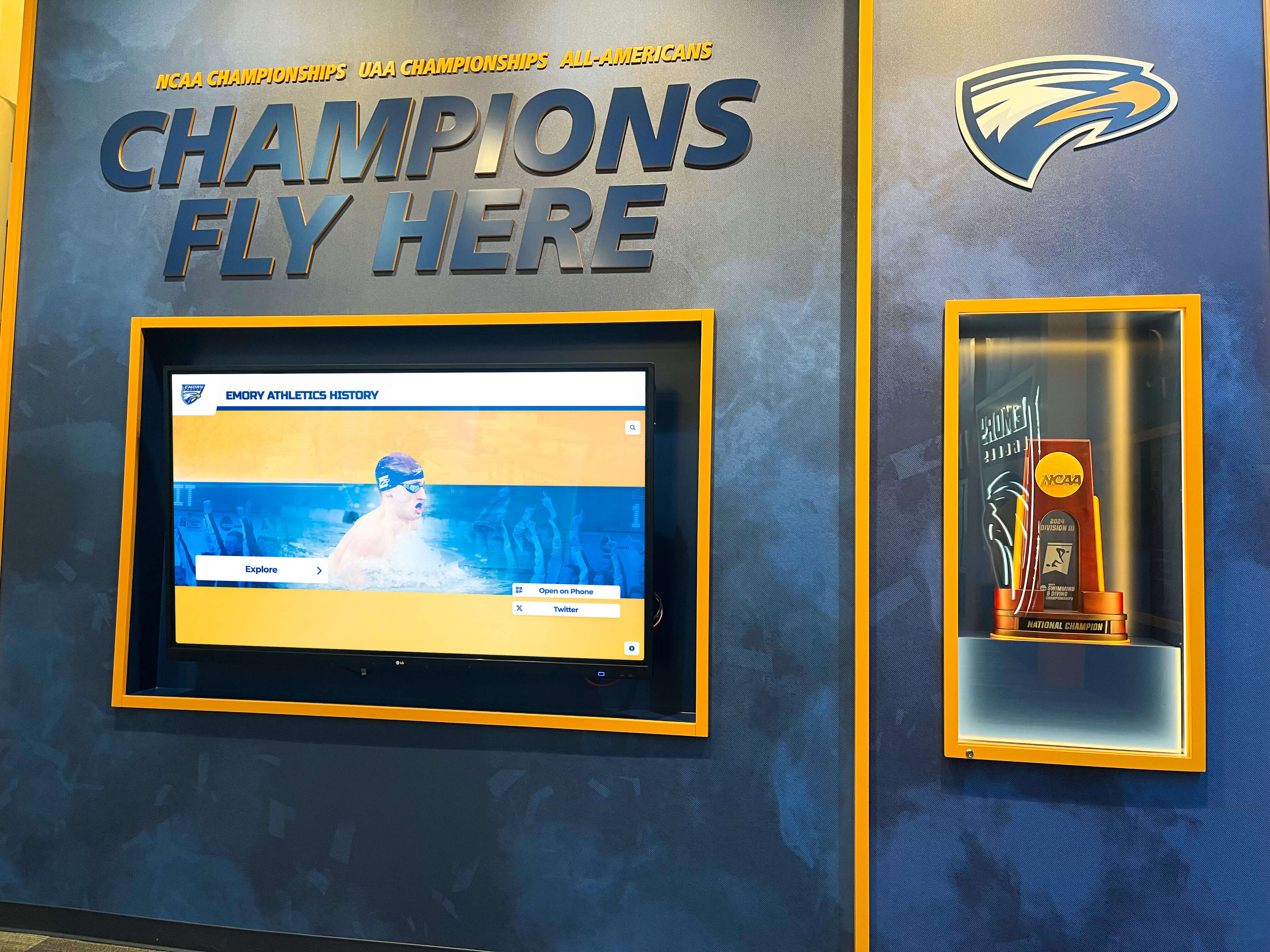
The most effective programs balance multiple recognition types addressing diverse motivations—performance and behavior, public and private, immediate and long-term, individual and team. They leverage both traditional approaches and innovative technologies creating memorable experiences that honor achievement appropriately.
As workplaces continue evolving toward remote and hybrid models, as generational preferences shift, and as competition for sales talent intensifies, recognition programs that adapt while maintaining authenticity and meaning will distinguish exceptional organizations from those that struggle with engagement and retention.
The question facing sales leaders isn’t whether recognition matters—research and experience definitively demonstrate its impact. The relevant question is whether organizations will invest appropriately in comprehensive recognition programs that transform occasional appreciation into systematic capability driving sustained performance excellence.
Every sales leader who exceeds expectations, mentors colleagues, exemplifies company values, or pushes through challenges deserves recognition matching their contributions. Organizations that deliver this recognition consistently and meaningfully will reap rewards in performance, retention, culture, and competitive position that justify recognition investment many times over.
Ready to transform how your organization recognizes sales excellence? Solutions like Rocket Alumni Solutions provide comprehensive platforms for creating engaging, permanent recognition that honors achievement while inspiring continued excellence. Discover how digital recognition systems can showcase your sales leaders’ accomplishments in ways that traditional approaches cannot match, creating lasting motivation that drives sustained high performance.































