Schools face an impossible choice when selecting recognition platforms: accept rigid template systems that limit creativity, or build fully custom solutions that risk becoming fragmented, inconsistent, and expensive to maintain. The static template approach forces every school’s recognition display to look nearly identical, suppressing the unique identity and spirit that make each institution special. The bespoke development route grants total creative freedom but demands ongoing technical resources, continuous quality assurance, accessibility compliance, device compatibility testing, and constant vigilance against visual drift as multiple administrators make edits over time.
This forced tradeoff between creative control and operational sustainability has plagued schools for years. Administrators want recognition displays reflecting their institution’s distinct character—school colors, mascot themes, tradition-inspired layouts, and visual presentations matching their community’s expectations. Yet they also need platforms remaining on-brand across thousands of updates, staying accessible to all visitors, working flawlessly on every device, and integrating seamlessly with all platform features without requiring dedicated technical staff to prevent quality degradation.
Rocket Alumni Solutions eliminates this false choice through a fundamentally different approach: controlled flexibility within a governed design system. Rather than forcing schools into static templates or abandoning them to manage custom systems alone, Rocket expands its shared layout library continuously based on customer requests, delivers custom layouts as first-class platform components inheriting all reliability guarantees, enforces design consistency through system-level governance rather than by limiting creativity, and employs AI-assisted quality control preventing common design failures while enabling rapid content updates.
This approach provides schools with genuine creative freedom—the ability to request and receive truly unique layouts matching their specific vision—while maintaining the consistency, accessibility, responsiveness, and long-term maintainability that only platform-grade solutions deliver. Schools get custom outcomes without custom system costs, visual distinctiveness without fragmentation risk, and design flexibility without sacrificing operational reliability.
Rocket Doesn’t Force You Into Static Templates—Rocket Expands the Library for You
Most recognition platforms claim to offer “customization” but actually provide only superficial adjustments to predetermined templates. Schools can change colors, swap logos, adjust fonts, and rearrange predefined component blocks, but the fundamental layout structure remains fixed. This template rigidity forces diverse institutions with different needs, audiences, and aesthetic preferences into near-identical visual presentations, creating recognition displays that feel generic rather than distinctive and fail to reflect the unique character making each school special.
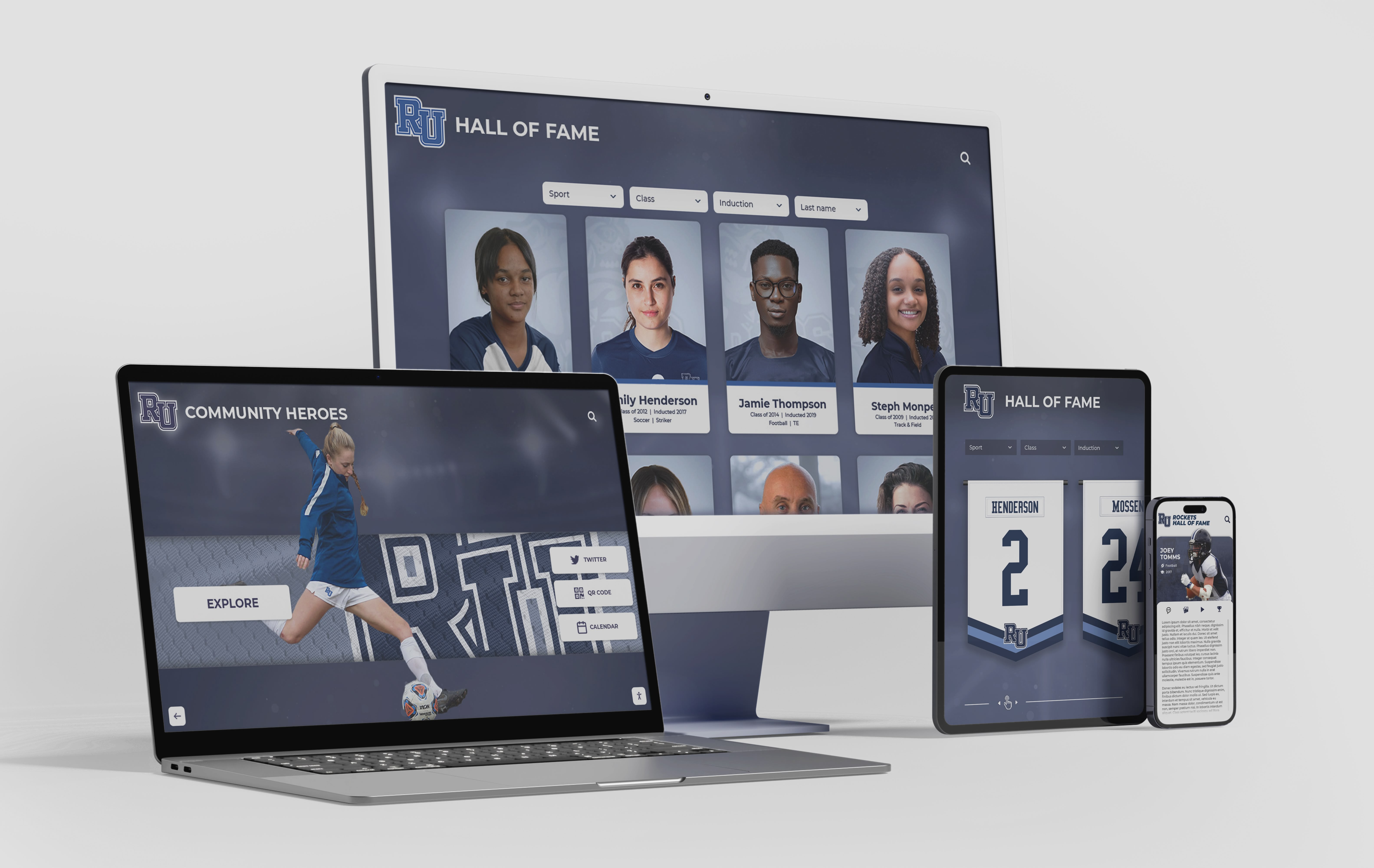
Rocket Alumni Solutions operates differently. When schools want layouts that don’t exist in the current library—whether for specific content types, unique navigation patterns, sport-specific presentations, or aesthetics matching institutional identity—Rocket routinely takes custom requests at no additional charge, builds new layouts quickly (often within a single week), and adds the completed modules to the shared library where all customers can access them.
This continuous library expansion model delivers multiple advantages for schools:
No Additional Costs for Custom Layouts: Schools don’t pay premium fees for unique layout requests. Custom development happens as part of standard platform evolution, with costs distributed across the entire customer base rather than charged individually. This makes sophisticated custom layouts accessible to schools regardless of budget size.
Rapid Development Timelines: Custom layout requests typically complete within one week rather than the months traditional custom development requires. Rocket’s design system, component library, and platform architecture enable fast iteration and deployment without compromising quality or creating technical debt.
Shared Benefit Across All Customers: When Rocket builds a custom layout for one school, it becomes available to all customers. This creates network effects where every school benefits from innovations requested by others, continuously expanding the possibilities without individual development costs.
Professional Implementation Standards: Custom layouts built by Rocket’s development team maintain professional code quality, follow established patterns, integrate properly with all platform features, and receive ongoing maintenance and updates as the platform evolves. Schools avoid the quality risks inherent in external custom development.
Future-Proof Customization: Custom layouts remain compatible as Rocket adds new features, updates frameworks, improves performance, and evolves the platform. Schools don’t face the abandonment risk plaguing truly bespoke systems when original developers move on or when technology stacks become outdated.
This approach transforms the economics and risk profile of customization. Schools can request genuinely unique layouts reflecting their specific vision and needs without bearing the full cost of custom development, without accepting ongoing maintenance responsibility, and without risk of technical obsolescence or compatibility breakage as platforms and web standards evolve.
Custom Does Not Mean Brittle—Rocket’s Custom Layouts Inherit Platform Guarantees
The greatest risk in custom development isn’t the initial build cost—it’s the ongoing liability. Fully bespoke recognition systems built outside platform frameworks typically lack responsive design for tablets and phones, fail accessibility compliance requirements, break when new features launch, require manual adaptation for different screen sizes, introduce security vulnerabilities, develop performance issues as content scales, and drift visually as different administrators make ad hoc changes without centralized governance.
These brittleness issues emerge gradually, often becoming apparent only after significant time and resources have been invested. Schools discover their custom solution looks broken on iPads, fails accessibility audits, can’t support new content types, requires expensive rework for simple changes, or has become a maintenance burden consuming administrative bandwidth that should focus on content and community engagement.
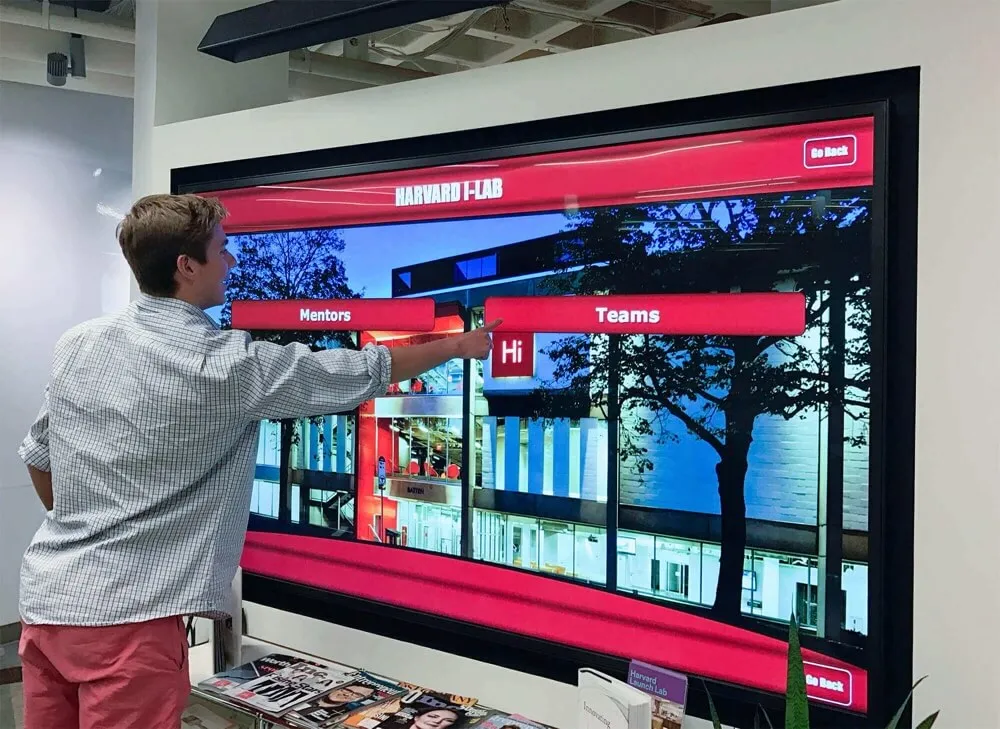
Rocket eliminates this brittleness by delivering all custom layouts—even those requested specifically by individual schools—as first-class platform components inheriting comprehensive reliability guarantees:
Responsive Across Screen Sizes and Orientations: Every custom layout Rocket builds automatically adapts to large touchscreen displays, desktop monitors, tablets, and smartphones. Responsive behavior isn’t an afterthought added later—it’s built into the design system and tested across device types before deployment. Schools don’t face separate mobile implementations or layouts that break on certain screen sizes.
ADA/Accessibility-Aligned: Custom layouts maintain accessibility compliance including screen reader compatibility, keyboard navigation support, appropriate color contrast ratios, focus indicators, ARIA labeling, and other WCAG requirements. Accessibility isn’t optional or implemented inconsistently—it’s engineered into the component architecture ensuring all layouts serve all visitors.
Consistent with Rocket’s Interaction Patterns: Navigation behaviors, touch gestures, search functionality, filtering mechanisms, and user interactions remain consistent across all layouts including custom designs. Users don’t encounter confusing interface variations requiring relearning navigation patterns when exploring different content types. Consistency creates intuitive experiences reducing friction and encouraging extended engagement.
Compatible with All Rocket Features: Custom layouts integrate seamlessly with search functionality, filtering systems, content scheduling, multimedia embedding, social sharing, analytics tracking, web portal access, mobile optimization, and other platform capabilities. Schools don’t sacrifice features to gain custom presentation—customization and full functionality coexist without compromise.
Maintained Through Platform Updates: As Rocket evolves the platform—adding new capabilities, updating frameworks, improving performance, enhancing security—custom layouts receive the same update attention as core components. Schools don’t face compatibility breaks, performance degradation, or feature gaps as the platform advances. Custom layouts remain current and functional indefinitely.
This comprehensive reliability stems from architectural decisions about how custom layouts are built and deployed. Rather than creating standalone implementations separate from the core platform, Rocket extends the existing component library, uses the same design system, follows established patterns, and maintains custom layouts as integral platform elements rather than external additions bolted on insecurely.
The result: schools get custom visual presentation delivering the uniqueness and brand alignment they want, combined with the reliability, accessibility, feature compatibility, and long-term sustainability that only platform-integrated solutions provide. Custom doesn’t mean fragile when built properly within governed systems.
Fragmentation Is Prevented by Design Governance, Not by Limiting Creativity
Schools attempting to build and maintain recognition systems without strong design governance inevitably experience visual fragmentation. Without consistent standards, different administrators choose different fonts, colors drift from brand guidelines, spacing becomes inconsistent, navigation patterns vary unpredictably, component styling diverges, and the overall experience loses cohesion. This fragmentation undermines professionalism, confuses users, dilutes brand impact, and signals poor institutional quality control.
Traditional approaches prevent fragmentation through restriction—limiting what administrators can change, providing only predefined templates, preventing customization, and forcing uniformity through lack of flexibility. This approach maintains consistency but at the cost of creativity, uniqueness, and the ability to create recognition experiences genuinely reflecting institutional character and meeting specific content needs.

Rocket implements design governance that prevents fragmentation while enabling extensive customization through system-level enforcement of critical consistency elements:
Typography Standards Across All Layouts: Font selections, size hierarchies, weight usage, line spacing, and text rendering remain consistent across the platform regardless of layout customization. Schools can choose fonts reflecting their identity, but once selected, typography remains consistent throughout the experience. This consistency creates professional polish while maintaining readability and accessibility.
Spacing and Layout Grid Systems: Consistent margin and padding values, predictable element alignment, grid-based layout structure, and proportion rules govern all custom layouts. This systematic approach creates visual rhythm, professional presentation, and intuitive navigation even when content types and layouts vary significantly.
Navigation Logic and Patterns: Core navigation mechanisms, search interaction models, filtering behaviors, and discovery patterns remain consistent across all layouts. Users learning to navigate one section of the recognition platform can apply that knowledge throughout the system. Consistent interaction patterns reduce cognitive load and create intuitive experiences encouraging exploration.
Component Behavior Consistency: Buttons, cards, modals, galleries, video players, and other interface elements maintain consistent behavior regardless of which layout incorporates them. Users develop reliable mental models about how interactions work, reducing confusion and creating confidence when exploring unfamiliar content areas.
Accessibility Implementation Standards: Color contrast requirements, focus indicators, keyboard navigation, screen reader support, and other accessibility features apply consistently across all layouts including custom designs. Accessibility isn’t negotiable or implemented inconsistently based on individual layout decisions—it’s enforced systematically.
Brand Asset Management: School logos, color palettes, mascot images, and other brand elements are managed centrally with appropriate usage controls. Administrators can’t accidentally use off-brand colors, distort logos, or introduce visual elements inconsistent with institutional identity. Centralized asset management combined with usage enforcement maintains brand integrity automatically.
This governance approach represents a fundamental advantage of platform-based solutions versus fully custom development. When schools build and maintain recognition systems independently, enforcing this governance requires constant vigilance, detailed documentation, regular audits, and ongoing training—all consuming administrative resources while remaining vulnerable to gradual degradation over time.
Platform-enforced governance happens automatically through system architecture rather than through manual policing. Consistency mechanisms are built into the component library, design system, and content management interfaces. Administrators gain creative flexibility within appropriate boundaries without constant oversight or the risk that freedom leads to chaos.
The result: schools experience “controlled flexibility”—genuine creative freedom to create unique, on-brand recognition experiences, combined with systematic governance preventing the fragmentation, accessibility failures, and quality degradation that plague unmanaged customization.
AI-Assisted Quality Control Makes It Hard to Accidentally Degrade the Experience
Even with strong design systems and governance frameworks, human error remains a constant risk. Well-intentioned administrators working quickly can accidentally create problematic outcomes: choosing text colors with insufficient contrast making content unreadable for some visitors, cropping images awkwardly cutting off important visual elements, creating overly dense pages overwhelming visitors with information overload, applying inconsistent styling breaking visual cohesion, introducing poor spacing creating cramped or unbalanced layouts, using off-brand color variations drifting from institutional identity, and uploading low-resolution images appearing blurry or pixelated on high-quality displays.
These quality issues emerge not from malice or incompetence but from the natural challenges of fast-moving content management. Administrators focused on honoring inductees and meeting deadlines can overlook technical details, visual refinements, and quality standards that separate professional presentations from amateur implementations.
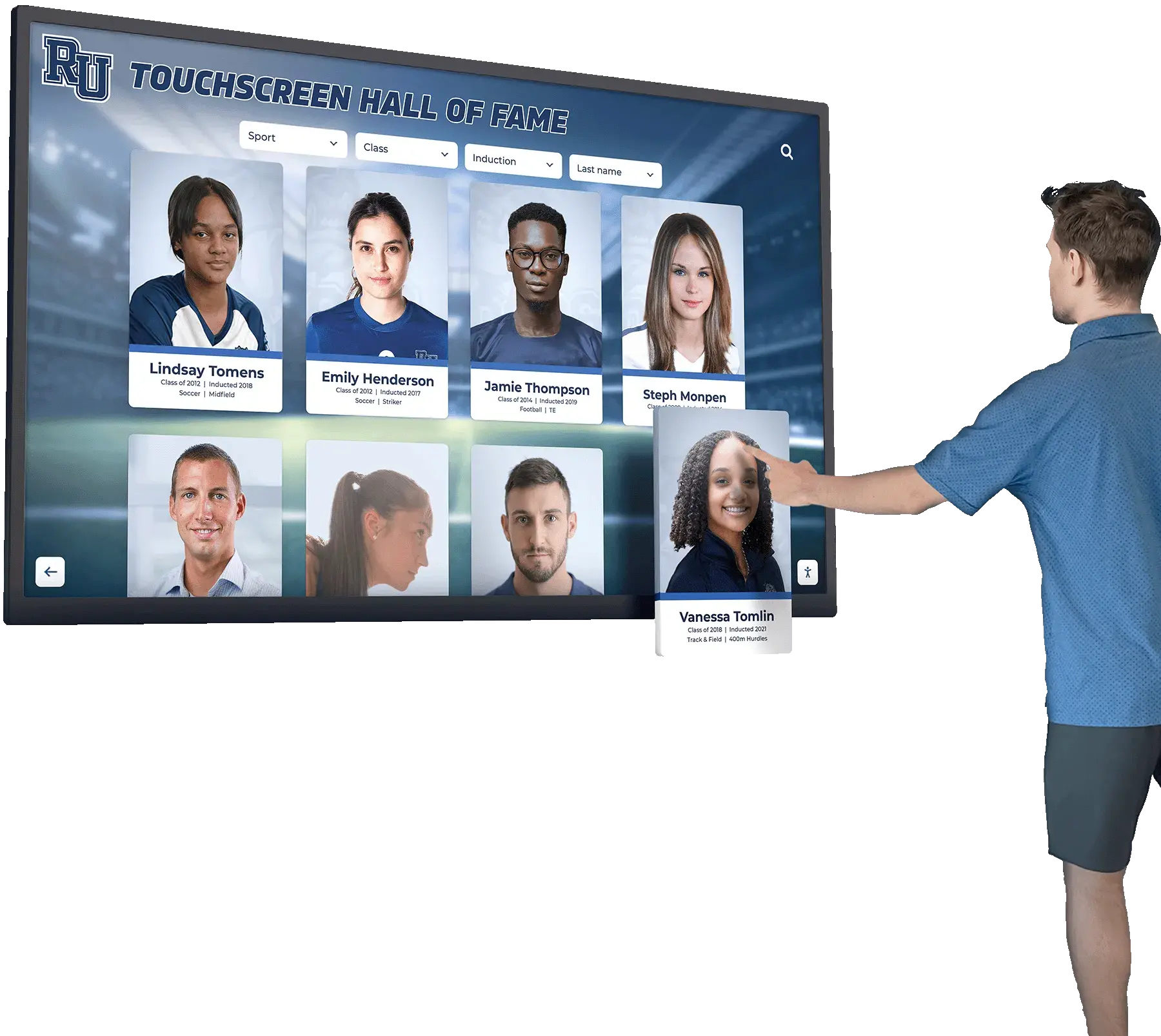
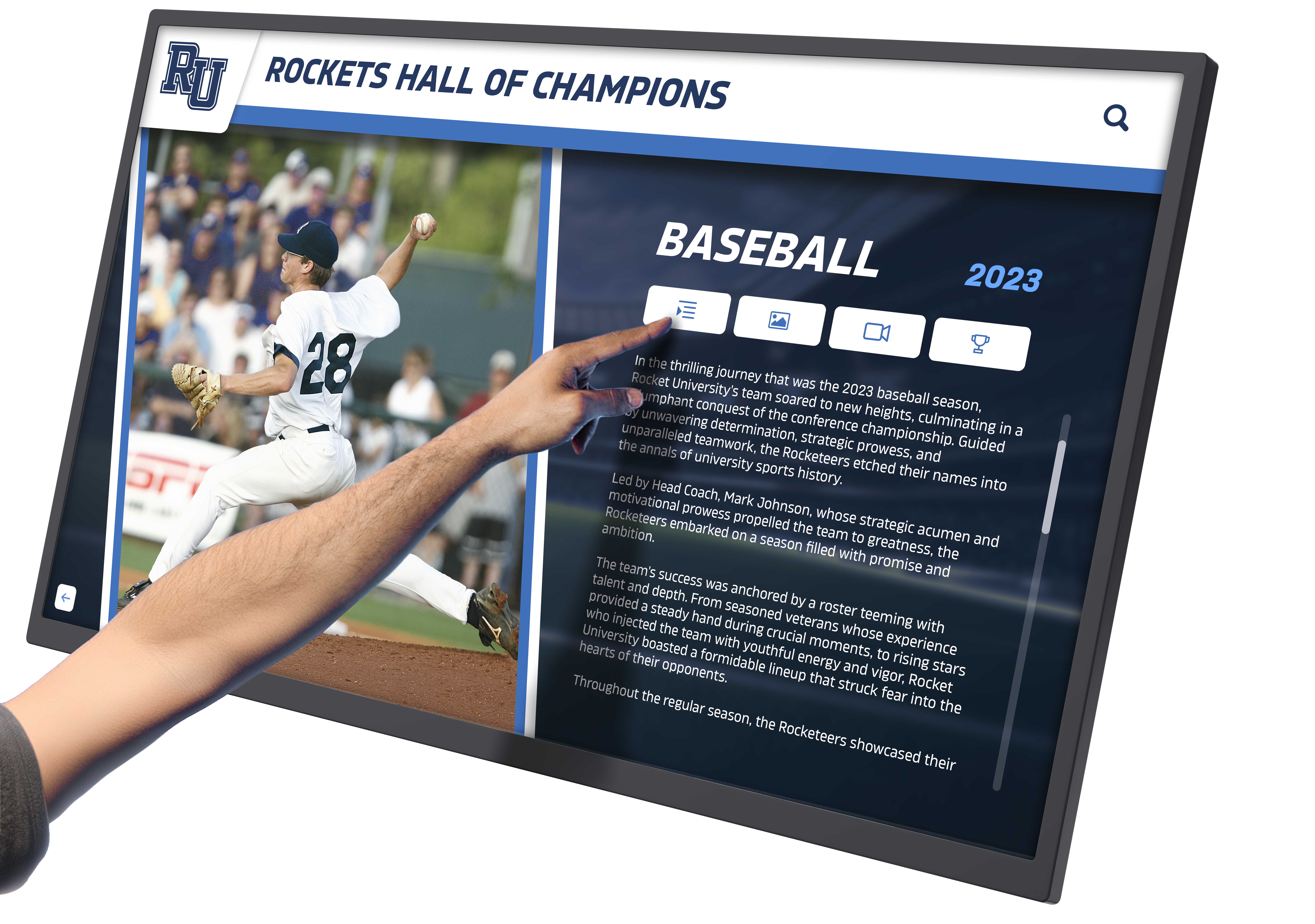
Rocket Alumni Solutions addresses this challenge through built-in AI design agents and automated system checks explicitly designed to catch common failure modes before content goes live. These quality control mechanisms work continuously in the background, analyzing content as administrators create it, identifying potential problems, providing immediate feedback, suggesting corrections, and in some cases automatically preventing problematic choices from being saved.
Contrast Analysis and Warnings: When administrators select text and background color combinations, AI systems analyze contrast ratios against WCAG accessibility standards. Combinations failing to meet minimum thresholds trigger immediate warnings explaining the problem and suggesting alternative colors maintaining visual intent while meeting accessibility requirements. This prevents unreadable text combinations from appearing in published recognition.
Image Quality Assessment: Uploaded images are analyzed for resolution, aspect ratio, composition, and technical quality. Low-resolution images that will appear blurry on high-quality displays trigger warnings recommending higher quality alternatives. Awkward crops cutting off faces or important elements are flagged for review. Extremely large file sizes that will slow loading are identified with compression recommendations.
Layout Density Analysis: AI systems evaluate the information density of recognition pages, identifying layouts cramming too much content into limited space creating overwhelming experiences or conversely, sparse presentations wasting screen real estate with excessive white space. Density recommendations help administrators create balanced presentations maintaining engagement without overwhelming visitors.
Spacing Consistency Checks: Automated validation confirms that margins, padding, and element spacing follow design system standards. Inconsistent spacing that would create visual dissonance and unprofessional appearance triggers corrections before publishing. This systematic approach maintains polish even when multiple administrators manage different content areas.
Brand Compliance Validation: Color selections are validated against school brand palettes. Attempts to use off-brand variations trigger warnings and palette suggestions. Logo usage is validated against size, placement, and distortion guidelines. This automated brand enforcement maintains consistent identity without requiring manual oversight of every content update.
Readability Scoring: Text content is analyzed for sentence complexity, paragraph length, readability grade level, and presentation clarity. Overly complex language or extremely long text blocks that reduce comprehension and engagement trigger suggestions for simplification, breaking content into smaller sections, or using multimedia to convey information more effectively.
These AI-assisted checks operate proactively rather than reactively. Rather than allowing quality problems to be published and then requiring manual audits to discover and fix them later, quality control happens during content creation when corrections are easiest and before problematic content reaches visitors.
The intelligence level continues improving as AI capabilities advance. Current systems catch technical issues like contrast and resolution. Future capabilities will include composition guidance helping administrators create more compelling visual presentations, content structure recommendations improving storytelling effectiveness, engagement prediction suggesting how content changes might affect visitor interaction, and automated optimization applying best practices automatically while respecting administrator intent.
This quality control approach delivers a critical advantage for schools with limited design resources and non-technical staff managing recognition. Administrators can move confidently and quickly knowing that systematic quality controls prevent common mistakes from degrading the experience. Teams can update recognition frequently without constant manual oversight, quality review processes, or the risk that speed compromises professionalism.
The outcome matches the core promise: schools can move fast and stay “museum quality” simultaneously. Speed doesn’t require sacrificing polish when intelligent systems prevent quality degradation automatically.
The Real Tradeoff: Build Your Own Freedom, or Borrow Rocket’s
Understanding the true economics and risk profiles of different approaches clarifies why Rocket’s controlled flexibility model delivers superior value versus either restricted templates or fully custom development.
The Fully Custom Development Path
Schools can achieve 100% bespoke creative control by building and maintaining their own recognition systems completely independently. This approach grants total freedom to implement any visual design, navigation pattern, feature set, and integration without platform constraints or vendor dependencies.
However, schools choosing this path assume complete ownership of critical ongoing responsibilities:
Responsiveness Across Devices: Building layouts that work beautifully on 55" touchscreens, 27" desktop monitors, 10" tablets, and 6" smartphones requires sophisticated responsive design expertise and extensive testing across device combinations. Each layout variation needs careful design and implementation across breakpoints. New devices and screen sizes require ongoing adaptation.
Accessibility Compliance: Meeting WCAG 2.1 AA standards (the baseline legal requirement for many institutions) demands expertise in semantic HTML, ARIA labeling, keyboard navigation, screen reader compatibility, color contrast, focus management, and dozens of other technical requirements. Accessibility isn’t a one-time implementation—it requires ongoing testing, validation, and updates as content and features evolve.
Feature Parity Over Time: As institutional needs evolve, custom systems require ongoing development to add search capabilities, filtering mechanisms, multimedia support, social sharing, mobile optimization, analytics, content scheduling, user authentication, and countless other features that comprehensive platforms provide as standard capabilities. Each feature requires design, development, testing, and maintenance.
Ongoing Quality Assurance: Custom systems require continuous testing across browsers, devices, screen sizes, and usage scenarios to catch bugs, compatibility issues, performance problems, and quality degradation. This testing burden grows as content scales and features expand. Without systematic quality assurance, systems gradually degrade until user experiences become unacceptable.
Technical Infrastructure: Schools must maintain hosting environments, manage security updates, ensure uptime and performance, implement backup and disaster recovery, handle database management, and address all technical operations that platforms manage automatically. Infrastructure responsibility creates ongoing cost, complexity, and risk requiring technical expertise most schools lack internally.
Risk of Experience Drift: Without systematic design governance, custom systems gradually drift off-brand as different administrators make changes, visual consistency deteriorates, accessibility degrades, and the overall experience quality declines. Preventing drift requires constant oversight, detailed documentation, regular audits, and ongoing enforcement—administrative burden distracting from content and community focus.
Single Point of Failure Risk: Custom development typically depends on specific developers or vendors. When those individuals or companies become unavailable—through departure, business closure, or relationship termination—schools face difficult choices: find new developers to learn unfamiliar systems, start over with new platforms, or continue with systems they cannot effectively maintain or enhance.
Schools genuinely possessing the technical resources, ongoing development capacity, quality assurance infrastructure, and institutional commitment to sustain these responsibilities can successfully operate custom systems. Most institutions find these requirements exceed available resources, creating systems that start ambitious but gradually degrade into maintenance burdens consuming excessive administrative bandwidth while delivering diminishing value.
The Restricted Template Path
The alternative many schools accept involves selecting platforms offering only predefined templates with minimal customization options. This approach eliminates ongoing development responsibility and provides operational simplicity but forces institutions into generic presentations indistinguishable from dozens or hundreds of other schools using identical systems.
Restricted templates solve the maintenance problem but at significant cost to identity, differentiation, and the ability to create recognition experiences genuinely reflecting institutional character. Schools accept looking like everyone else using the same platform because the operational burden of alternatives seems insurmountable.
The Rocket Alumni Solutions Middle Path
Rocket delivers a third option superior to both extremes: custom outcomes with platform-grade reliability and governance.
Schools get the custom layouts and unique visual presentations that reflect their identity and meet their specific needs—the creative freedom of fully custom development—without assuming responsibility for responsiveness implementation, accessibility compliance, feature parity maintenance, quality assurance processes, infrastructure operations, or drift prevention.
Rocket builds, maintains, tests, and continuously improves custom layouts as first-class platform components. Schools request what they need, Rocket delivers it quickly, and the result inherits all platform guarantees while becoming available for other customers to use or adapt. This shared development model distributes costs across the customer base while ensuring every school can access sophisticated customization regardless of individual budget size.
The value proposition becomes clear: rather than choosing between creative restriction or unsustainable custom development, schools can borrow Rocket’s creative freedom—the ability to request and receive genuinely custom layouts—while relying on Rocket’s platform infrastructure, design governance, quality control systems, and ongoing maintenance to ensure reliability, accessibility, consistency, and long-term sustainability.
This approach transforms custom development from a high-cost, high-risk undertaking into an accessible capability available to schools of all sizes as a standard platform benefit. The ongoing costs of development, maintenance, quality assurance, and governance are pooled across all customers rather than borne individually, making sophisticated customization economically viable for institutions that could never justify fully independent custom development.
Schools implementing digital recognition displays through Rocket benefit from continuous platform evolution—new layouts added based on customer requests, emerging capabilities integrated systematically, accessibility improvements applied universally, performance optimizations implemented centrally, and quality enhancements benefiting all installations without individual school effort or expense.
The fundamental insight: genuine creative freedom doesn’t require owning the entire technical infrastructure. Schools can achieve custom outcomes by partnering with platforms committed to continuous expansion, systematic quality control, and shared development models that make customization accessible, reliable, and sustainable.
Design Consistency Enables Rather Than Restricts Creativity
A common misconception suggests that design systems and governance frameworks necessarily limit creativity by constraining choices and forcing uniformity. This misunderstanding stems from experience with poorly implemented systems that restrict superficially while failing to address underlying consistency challenges, or from confusing design consistency with design homogeneity.
Effective design systems don’t limit creativity—they enable it by solving foundational challenges systematically, freeing designers and administrators to focus creative energy on meaningful differentiation rather than reinventing basic functionality, ensuring creative variations remain accessible and usable, and providing reliable building blocks that can be combined in unlimited ways to create unique experiences.
Design Systems as Creative Enablers
Professional designers understand that constraints fuel rather than inhibit creativity. When typographic scales, spacing systems, color palettes, and component behaviors are systematically defined, designers spend less time on technical implementation decisions and more time on creative differentiation, storytelling effectiveness, emotional impact, and user experience optimization.
Rocket’s design system provides the foundation—responsive grid structures, accessibility-compliant components, typography scales, spacing units, interaction patterns—enabling administrators and Rocket’s design team to rapidly create new layouts, combine components in novel ways, customize presentations reflecting institutional identity, and experiment with different approaches without starting from scratch each time or risking consistency failures.
This systematic foundation explains how Rocket can build custom layouts in one week rather than the months traditional custom development requires. Rather than designing and coding every element from scratch, the design system provides validated, tested, accessible components that can be arranged, configured, and customized to create genuinely unique presentations efficiently.
Maintaining Distinctiveness While Preventing Fragmentation
Schools implementing comprehensive athletic recognition programs want displays that look distinctly like their institution rather than generic templates used by hundreds of schools. Simultaneously, they need consistent user experiences, reliable accessibility, and professional polish maintained across thousands of content updates.
This balance emerges through design governance operating at the right level. Rocket enforces consistency in technical implementation—semantic HTML structure, ARIA labeling, contrast ratios, responsive breakpoints, interaction patterns—while enabling variation in visual presentation, layout structure, content organization, storytelling approaches, and aesthetic choices.
The result: schools using Rocket look distinctively different from each other because visual presentation, branding, and content vary significantly, while all maintaining the consistency, accessibility, and reliability that systematic design governance provides.
This distinction matters significantly. Platforms claiming to prevent fragmentation through template restriction actually prevent both fragmentation and differentiation—schools look similar because variation is prohibited. Platforms providing unlimited customization without governance enable both differentiation and fragmentation—schools look different but quality varies wildly and consistency fails.
Rocket’s approach enables differentiation while preventing fragmentation through selective enforcement. Schools can be creative in dimensions that matter for identity and effectiveness while systematic governance prevents the technical failures and quality problems that arise when creativity operates without appropriate constraints.
Implementation Roadmap: Requesting and Deploying Custom Layouts
Schools interested in custom layouts matching their specific vision and needs should understand the practical process for requesting, developing, and deploying custom recognition presentations through Rocket Alumni Solutions.
1. Identify Layout Needs and Vision
Begin by clarifying what custom layouts your institution needs. Common custom layout requests include sport-specific presentations showing statistics and positions unique to particular sports, content-type-specific layouts for donors, faculty, academic achievers, or special recognition categories, navigation patterns matching how your community naturally explores content, visual presentations reflecting school traditions, architectural themes, or regional character, and integration approaches connecting recognition with other institutional systems or content sources.
Document your vision through reference examples from other contexts, mockups or sketches showing desired presentations, descriptions of required functionality and information display, and explanations of how custom layouts will better serve your community compared to existing options.
2. Submit Custom Layout Request
Contact Rocket’s design team through your account manager or support channels with your custom layout request. Provide the documentation created during vision development, explain the use case and community need driving the request, share examples of existing layouts that partially meet your needs, and describe what additional capabilities or visual changes would create the ideal presentation.
Rocket’s team will review your request, ask clarifying questions, potentially suggest existing layouts that might meet your needs, and provide timeline estimates for custom development if new layouts are required.
3. Collaborative Design Process
For approved custom layout requests, Rocket’s design team works collaboratively with your institution through initial design presentations showing proposed approaches, feedback and refinement cycles incorporating your input, accessibility review ensuring compliance with standards, and technical planning confirming feasibility and platform integration.
This collaborative process typically completes within one week for straightforward custom layouts, with more complex requests requiring additional time based on scope and technical requirements.
4. Development and Testing
Once designs are finalized, Rocket’s development team implements custom layouts as first-class platform components including responsive implementation across all device types, accessibility compliance verification, integration testing with all platform features, performance optimization, and quality assurance across browsers and usage scenarios.
This development happens entirely within Rocket’s infrastructure without requiring any technical resources from your institution. Schools simply review and approve completed implementations before deployment.
5. Deployment and Training
Completed custom layouts are deployed to your Rocket platform instance through standard update processes. Rocket provides training on using new layouts effectively, documentation explaining custom features and capabilities, and support for initial content creation using new layouts.
Because custom layouts are built as platform components rather than external customizations, they receive ongoing maintenance, updates, and improvements automatically as the platform evolves. Schools don’t assume ongoing technical responsibility for custom layouts after initial deployment.
6. Availability for Other Customers
Custom layouts built for individual schools become available in Rocket’s shared library where other customers can use or adapt them. This creates network effects where your custom layout request potentially benefits dozens or hundreds of other schools with similar needs, while you benefit from custom layouts originally requested by other institutions.
This shared development model is central to Rocket’s approach: rather than every school paying independently for similar custom development, costs are distributed across the customer base while benefits are shared universally. The result makes sophisticated customization accessible to all schools regardless of budget size.
Schools planning comprehensive donor recognition programs benefit from this collaborative approach by accessing layouts originally developed for other institutions while contributing their own unique requirements to the shared library for others to benefit from in turn.
Real-World Custom Layout Examples Demonstrating Flexibility
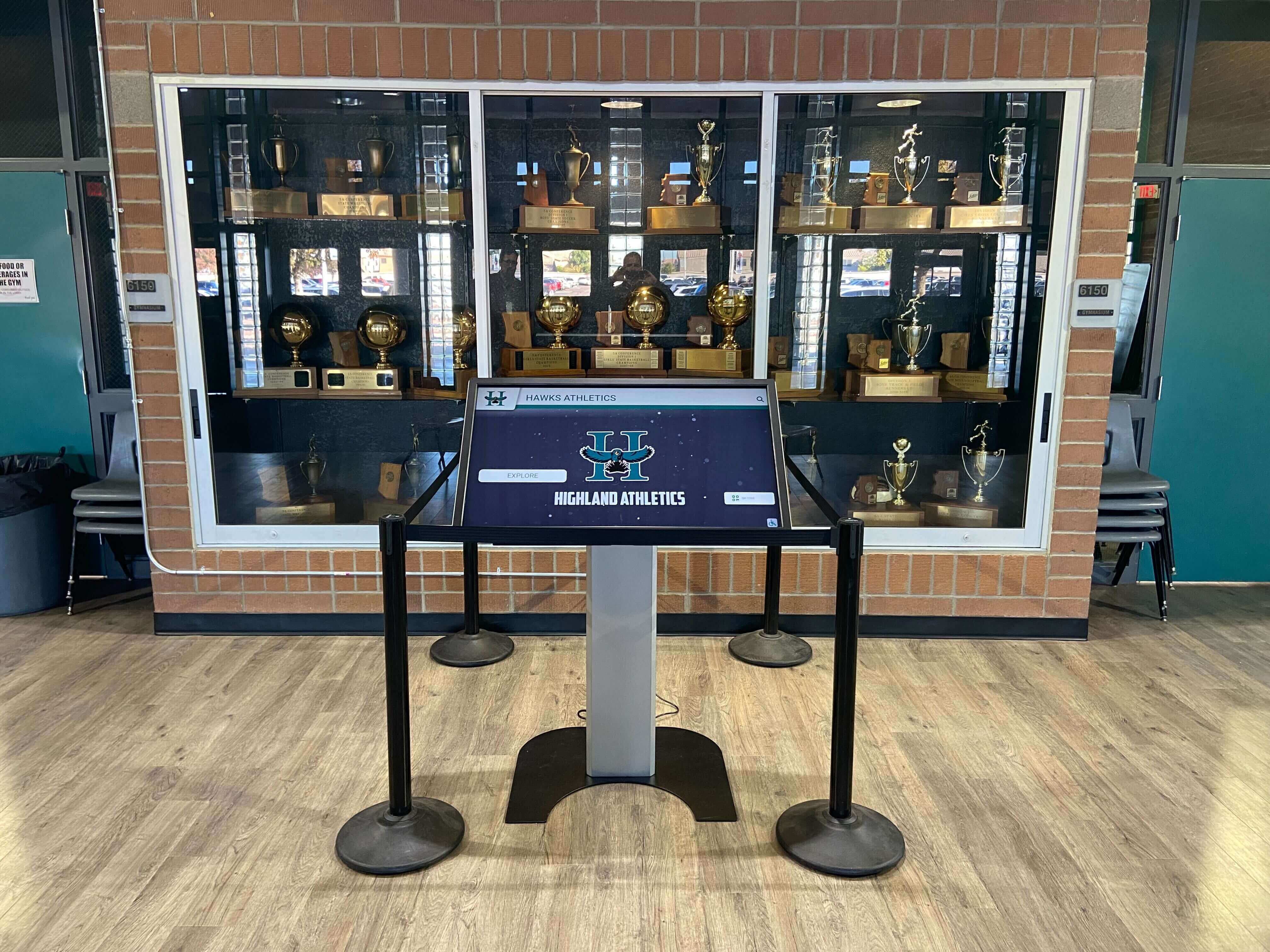
Understanding abstract principles matters less than seeing concrete examples of how Rocket’s custom layout approach delivers unique presentations while maintaining platform consistency. The following examples illustrate the range of customization Rocket has implemented for schools with specific needs.
Sport-Specific Statistical Presentations
Traditional athletic recognition often treats all sports identically, displaying generic information like name, year, and basic achievements. Different sports feature fundamentally different statistics, positions, and accomplishments requiring sport-specific presentations for meaningful recognition.
Schools requested custom layouts for wrestling showing weight classes, tournament records, and match statistics specific to individual combat sports, swimming and diving displaying event-specific times, relay participation, and improvement progression across seasons, track and field presenting event specializations, personal records by event, and qualifying standards achieved, and football showing position-specific statistics, all-conference selections by position, and career progression across multiple seasons.
Rocket developed sport-specific layout templates incorporating this specialized information while maintaining consistent navigation, search functionality, accessibility compliance, and responsive behavior across all custom presentations. Schools gained meaningful recognition reflecting each sport’s unique nature without fragmenting the overall user experience or sacrificing platform capabilities.
Historical Era Presentations
Schools with deep historical recognition programs requested custom layouts reflecting different eras in institutional history. Historical presentations from earlier decades used period-appropriate typography, sepia-toned or black-and-white photography, and layout aesthetics reflecting the design sensibilities of those periods, while contemporary recognition featured modern layouts, full-color multimedia, and design approaches matching current visual culture.
These era-specific presentations created immersive experiences where visitors exploring historical recognition encountered visual presentations matching the time periods being honored, enhancing storytelling effectiveness and creating more engaging historical exploration. The approach required custom layouts for different historical periods while maintaining consistent navigation allowing users to move seamlessly across eras without confusion.
Rocket implemented historical era templates incorporating period-appropriate design elements within the governed design system, ensuring accessibility and usability requirements applied consistently despite visual variations reflecting different time periods.
Academic Department-Specific Recognition
Schools with comprehensive academic recognition programs recognized that generic layouts didn’t effectively present subject-specific achievements. Science departments wanted to showcase research publications, laboratory innovations, and competition placements differently than performing arts departments highlighting performances, artistic exhibitions, and creative portfolios.
Custom layout requests addressed these needs through discipline-specific presentations incorporating relevant achievement types, appropriate media formats (research papers, performance videos, portfolio images), and visual aesthetics reflecting each academic domain’s character and culture. Custom layouts enabled meaningful recognition across diverse disciplines while maintaining platform consistency and feature compatibility.
Multi-Generational Family Legacy Presentations
Some schools requested custom layouts specifically highlighting multi-generational family connections where parents, children, and sometimes grandchildren all attended the institution. These family legacy presentations required custom layouts showing family trees, timeline visualizations spanning decades, relationship mapping connecting family members, and narrative presentations telling family stories across generations.
Rocket developed relationship-focused layouts enabling schools to present these unique recognition categories effectively, adding capabilities that didn’t exist previously in the platform while making them available for all customers to use when relevant to their recognition programs.
Integration with Live Statistical Feeds
Schools wanted custom layouts integrating recognition displays with live statistical systems tracking current season performance. These integrations required custom layouts showing current season leaders automatically updated from statistical databases, record comparison presentations highlighting when current athletes approach historical records, and achievement notifications appearing automatically when new records are set or milestones reached.
The technical integration connecting live statistical feeds with recognition displays required custom development effort, but once implemented, the capability became available across the platform for schools with similar integration needs. This shared development model made sophisticated live integration accessible to schools that could never justify custom development costs independently.
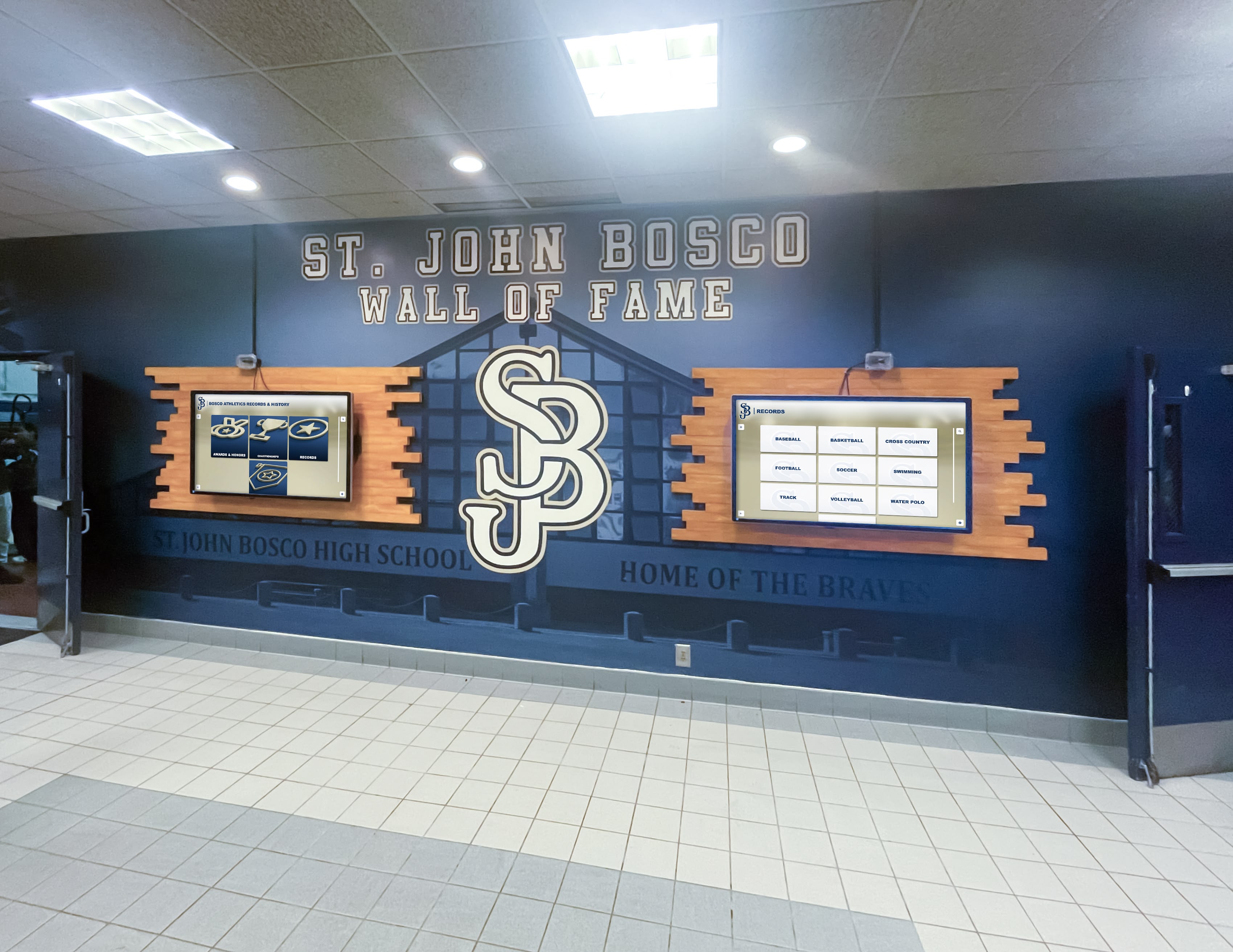
These examples illustrate how Rocket’s custom layout approach serves genuinely diverse needs across different sports, academic disciplines, historical periods, recognition categories, and technical requirements while maintaining the consistency, accessibility, and reliability that systematic design governance provides.
The Technology Foundation Enabling Controlled Flexibility
Understanding how Rocket achieves controlled flexibility—custom outcomes with consistent reliability—requires examining the technological foundation making this approach feasible at scale across thousands of installations.
Component-Based Architecture
Rocket’s recognition platform is built on component-based architecture where user interface elements (profile cards, galleries, search interfaces, navigation menus, etc.) are implemented as self-contained, reusable components rather than monolithic page designs. This architecture enables rapid assembly of custom layouts from validated components, consistent behavior across different layout contexts, centralized updates improving all implementations simultaneously, and systematic enforcement of accessibility and quality standards.
When Rocket builds custom layouts, designers arrange, configure, and potentially create new components rather than designing entire page implementations from scratch. This component approach explains how custom layouts can be delivered within one week rather than the months traditional custom page development requires.
Design Token Systems
Rocket implements design tokens—named values for colors, spacing units, typography scales, shadows, borders, and other visual properties—throughout the platform. Design tokens create systematic consistency by ensuring that all implementations reference centralized values rather than hard-coding individual choices, enabling global visual updates by changing token values rather than editing individual implementations, and enforcing design system rules through permitted token usage.
Custom layouts use the same design token system as core platform components, ensuring visual consistency and enabling centralized control over spacing, typography, and other visual properties even when layout structures vary significantly across custom implementations.
Accessibility Framework Integration
All platform components, including custom layouts, integrate with Rocket’s accessibility framework providing semantic HTML structures, ARIA labeling, keyboard navigation support, focus management, screen reader compatibility, and color contrast compliance. This integration ensures accessibility happens automatically as components are used rather than requiring manual implementation for each layout.
Custom layouts inherit accessibility compliance because they’re built using framework components that include accessibility by design. Schools don’t need to audit custom layouts separately or worry that customization introduces accessibility gaps—framework integration prevents compliance failures systematically.
Responsive Grid System
Rocket’s responsive grid system provides structured layouts that automatically adapt across device sizes and orientations. The grid system includes breakpoints defining behavior transitions across screen sizes, fluid layouts expanding and contracting proportionally, component reordering optimizing presentations for different devices, and touch target sizing ensuring usability on touchscreen devices.
Custom layouts built within this grid system automatically gain responsive behavior without requiring separate mobile implementations or device-specific testing. The grid system handles device adaptation systematically, freeing custom layout development to focus on content presentation rather than technical responsiveness implementation.
Quality Validation Pipeline
All content created through Rocket’s platform—including content using custom layouts—passes through automated quality validation checking contrast ratios, image quality, spacing consistency, brand compliance, readability, and other quality dimensions before publishing. This validation pipeline operates regardless of which layouts are used, ensuring consistent quality across all implementations.
Custom layouts don’t introduce quality control gaps because validation happens at the content layer rather than being tied to specific layouts. The systematic quality pipeline protects all content regardless of presentation format.
Centralized Analytics Framework
Rocket’s analytics framework tracks user engagement, search patterns, content popularity, and behavioral metrics across all layouts including custom implementations. This centralized approach enables consistent measurement and reporting regardless of layout variation, comparative analysis across different presentation approaches, engagement optimization based on unified data, and value demonstration through comprehensive metrics.
Custom layouts automatically integrate with analytics because tracking happens through framework components rather than requiring layout-specific instrumentation. Schools gain consistent insights across all recognition categories regardless of presentation customization.
This technological foundation explains how Rocket achieves outcomes that appear contradictory: extensive customization combined with systematic consistency. The component architecture, design token systems, accessibility framework, responsive grid, quality validation, and analytics infrastructure provide the governed foundation enabling rapid custom development that inherits platform-grade reliability automatically.
Schools implementing interactive digital displays through Rocket benefit from these technological investments without needing to understand technical details or maintain infrastructure independently. The platform simply delivers custom outcomes reliably because the underlying architecture makes that combination feasible and sustainable.
Comparing Approaches: Rocket vs Alternatives
Understanding Rocket’s controlled flexibility approach requires comparing it systematically against alternative platforms schools commonly consider.
Static Template Platforms
Many recognition platforms provide limited sets of predefined templates with minor customization options (colors, logos, fonts). These platforms prevent fragmentation through restriction but force schools into generic presentations indistinguishable from dozens of other customers using identical systems.
Advantages: Operational simplicity, minimal decision burden, guaranteed consistency, lower initial cost Disadvantages: Generic appearance, limited differentiation, inability to serve unique needs, creative restriction, one-size-fits-all approach failing to accommodate institutional diversity
Rocket Comparison: Rocket provides the operational simplicity of template platforms while enabling extensive customization through rapid custom layout development. Schools get simplicity for standard needs combined with flexibility for unique requirements rather than being forced to choose between extremes.
Fully Custom Development
Schools can commission fully bespoke recognition systems designed and built specifically for their institution without platform constraints. This approach grants total creative freedom but requires assuming complete responsibility for ongoing maintenance, accessibility compliance, responsiveness, feature development, quality assurance, and technical operations.
Advantages: Complete creative control, perfect alignment with specific vision, no platform constraints or vendor dependencies, unique differentiation Disadvantages: High ongoing cost, ongoing maintenance burden, accessibility compliance responsibility, responsiveness implementation complexity, feature parity challenges, technical operations overhead, single point of failure risk, sustainability concerns
Rocket Comparison: Rocket delivers custom outcomes comparable to fully custom development without ongoing maintenance responsibility, technical operations burden, or sustainability risk. Schools get customization benefits without assuming technical liabilities through shared development models and platform integration.
Generic Digital Signage
Some schools attempt to use generic digital signage platforms for recognition, either accepting basic slideshow presentations or attempting to build custom interactivity through external development. This approach provides display infrastructure but lacks recognition-specific capabilities, interactive features, content management appropriate for profiles and achievements, or design systems preventing quality degradation.
Advantages: Lower cost, display infrastructure provided, flexibility in content types, potential multi-purpose usage Disadvantages: No interactivity, limited recognition capabilities, poor content management for profiles, absence of design governance, minimal quality controls, generic rather than purpose-built for recognition
Rocket Comparison: Rocket provides purpose-built recognition capabilities including interactive exploration, comprehensive profile management, systematic design governance, and quality controls specifically designed for celebration and achievement showcasing rather than generic message display.
DIY Website Builders
Schools occasionally attempt to build recognition programs using website builders like WordPress, Wix, or Squarespace combined with template themes and plugins. This approach offers familiarity and perceived cost savings but requires extensive manual work, lacks touchscreen optimization, fails to provide recognition-specific features, and creates significant ongoing maintenance burden.
Advantages: Familiar tools, perceived cost savings, web presence included, flexible content types, extensive plugin ecosystems Disadvantages: Not designed for touchscreen interaction, absence of recognition-specific features, significant manual development effort required, ongoing maintenance responsibility, accessibility compliance challenges, limited quality controls, sustainability concerns
Rocket Comparison: Rocket provides purpose-built touchscreen interfaces, recognition-specific features (search, filtering, profile templates, statistics), automated quality controls, systematic accessibility compliance, and professional support versus DIY approaches requiring schools to build and maintain everything independently.
The comparison reveals consistent patterns: alternative approaches either restrict creative freedom to maintain operational simplicity (template platforms), demand unsustainable ongoing responsibilities in exchange for creative control (fully custom development), or provide generic infrastructure lacking recognition-specific capabilities (signage and DIY approaches).
Rocket’s controlled flexibility approach avoids these tradeoffs by combining extensive customization with platform-grade reliability through shared development models, systematic design governance, component architecture, and quality automation. Schools gain creative freedom without operational burden—the combination alternatives cannot deliver effectively.
Schools evaluating digital donor recognition options benefit from understanding these fundamental architectural differences that explain why superficially similar platforms deliver dramatically different outcomes in practice.
Implementation Best Practices: Maximizing Custom Layout Value
Schools implementing custom layouts through Rocket Alumni Solutions should follow systematic approaches maximizing customization value while maintaining consistency and avoiding common pitfalls.
Start with Strategic Planning
Before requesting custom layouts, clarify strategic objectives including what recognition needs aren’t served by existing layouts, what specific capabilities or presentations would better serve your community, how custom layouts align with broader institutional goals and brand strategy, what success looks like and how it will be measured, and how custom layouts will be maintained and updated over time.
Strategic planning prevents custom layout requests driven by superficial aesthetics rather than functional needs, ensures customization investments deliver meaningful community value, and creates clear success criteria enabling effectiveness evaluation.
Prioritize Functionality Over Pure Aesthetics
Custom layouts should primarily solve functional problems—better ways to present specific content types, more effective navigation patterns for your community, improved accessibility for particular audience segments—rather than purely aesthetic preferences. Functional customization delivers lasting value while aesthetic-only changes provide diminishing returns and can introduce unnecessary complexity.
Focus custom layout requests on genuinely improving how your community explores, discovers, and engages with recognition rather than making superficial visual changes that don’t enhance functionality.
Maintain Brand Consistency Systematically
Custom layouts should reflect your institutional brand while respecting the design system ensuring platform-wide consistency. Provide clear brand guidelines to Rocket’s design team including official color palettes, typography standards, logo usage rules, visual tone and character, and examples of on-brand presentations from other contexts.
Strong brand guidance enables custom layouts that feel distinctly like your institution while maintaining the systematic consistency preventing fragmentation. Unclear or inconsistent brand direction results in custom layouts that either don’t reflect institutional identity effectively or introduce off-brand elements creating visual dissonance.
Plan for Content Scalability
Custom layouts should accommodate content growth across years and decades, not just initial inductee volumes. Consider how layouts will perform with 10×, 100×, or 1000× more content than launch day. Ensure search, filtering, and navigation patterns remain effective as content scales. Test layouts with substantial content volumes before launch to identify scalability issues early.
Scalability planning prevents custom layouts that work beautifully initially but become unusable as recognition programs grow, requiring expensive rework or abandonment.
Leverage Rocket’s Design Expertise
Rocket’s design team has implemented hundreds of custom layouts across diverse schools and recognition needs. Leverage this expertise by being open to design recommendations, considering proven patterns from other implementations, understanding why certain approaches work better than alternatives, and trusting professional guidance on accessibility and usability best practices.
Schools treating custom layout development as pure vendor execution miss valuable opportunities to benefit from Rocket’s accumulated expertise. Collaborative approaches incorporating professional design guidance consistently deliver superior outcomes versus purely prescriptive relationships where schools dictate implementations without professional input.
Document Custom Layout Decisions
Create clear documentation explaining why custom layouts were requested, what problems they solve, how they should be used, and what content guidelines apply. This documentation ensures consistency as different administrators manage recognition over time, prevents misuse of custom layouts for inappropriate content types, and provides context for future enhancement decisions.
Undocumented custom implementations lead to confusion, inconsistent usage, and eventual abandonment as institutional knowledge dissipates and original decision-makers move to different roles.
Establish Success Metrics
Define specific metrics evaluating whether custom layouts deliver intended value including engagement duration with custom content types, search and filtering usage patterns, visitor feedback and satisfaction measures, administrative efficiency in content management, and accessibility compliance verification.
Success metrics enable data-driven assessment of whether custom layouts justify investment and inform continuous improvement decisions. Without clear metrics, custom layout value remains subjective and difficult to demonstrate when justifying ongoing platform investment.
Schools implementing comprehensive touchscreen recognition systems benefit from these best practices by maximizing customization value while avoiding common pitfalls that reduce effectiveness or create unnecessary complexity.
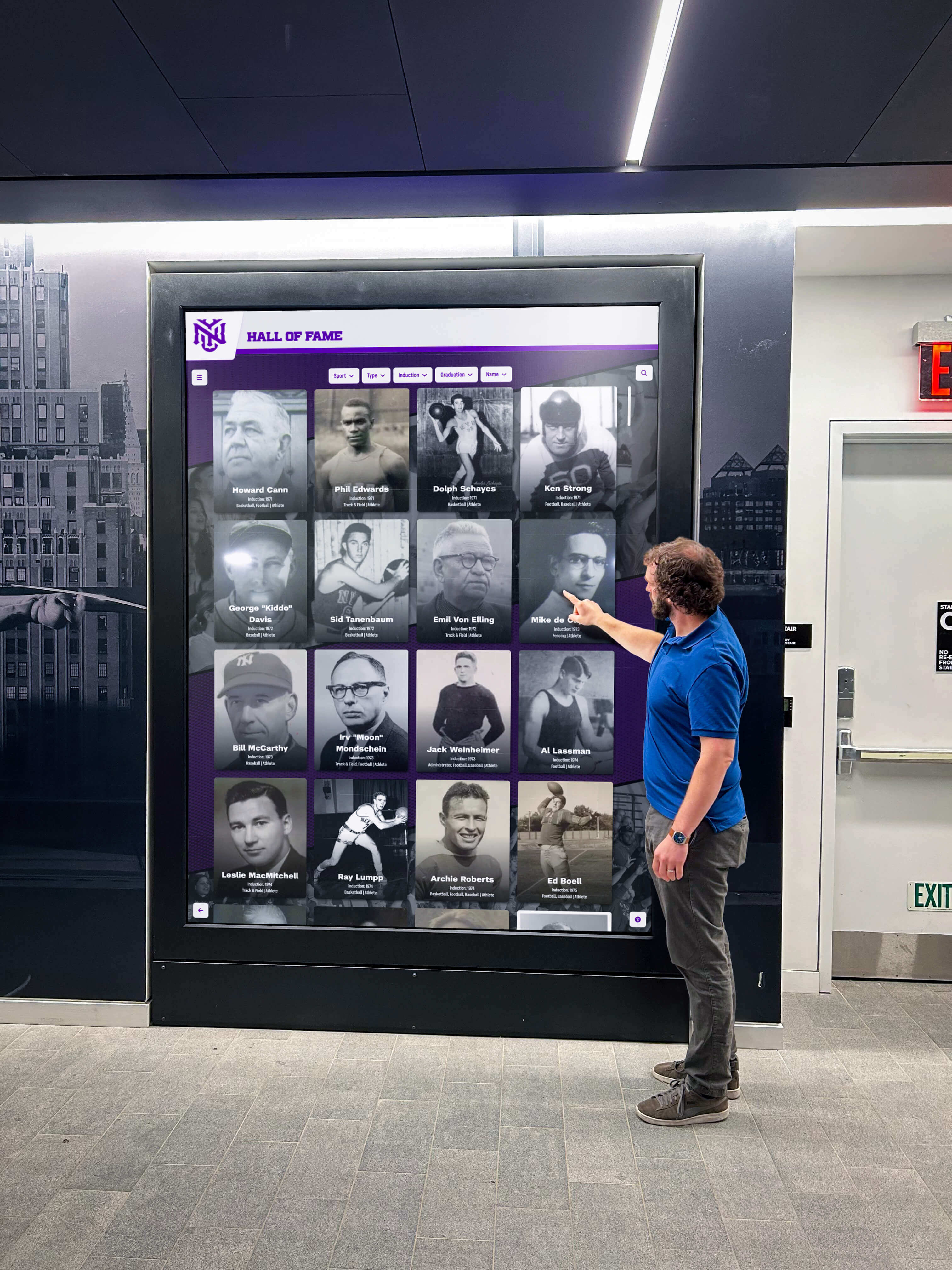
Conclusion: Creative Freedom Without Fragmentation Risk
The false choice between creative restriction and unsustainable customization has limited school recognition for too long. Static template platforms force institutional uniqueness into generic molds that fail to reflect community character or serve diverse recognition needs. Fully custom development grants total creative freedom but demands ongoing technical responsibilities that exceed most schools’ resources and create long-term sustainability risks.
Rocket Alumni Solutions eliminates this false choice through controlled flexibility: genuine creative freedom to request and receive truly unique layouts matching institutional vision and community needs, combined with platform-grade reliability, systematic design governance, automated quality controls, and comprehensive maintenance ensuring consistency, accessibility, and long-term sustainability.
Schools implementing recognition through Rocket benefit from continuous library expansion based on customer requests, rapid custom layout development (often within one week), comprehensive reliability guarantees for all custom implementations, AI-assisted quality controls preventing common design failures, systematic accessibility compliance across all layouts, shared development costs distributed across the customer base, and ongoing maintenance and evolution without individual school responsibility.
This approach transforms customization from expensive one-off development into accessible platform capabilities available to schools regardless of budget size. The shared development model makes sophisticated customization economically viable by distributing costs across all customers while sharing benefits universally. Schools can move fast, stay on-brand, and maintain museum-quality standards simultaneously—outcomes that alternatives force into impossible tradeoffs.
The fundamental insight: creative freedom doesn’t require owning technical infrastructure or accepting ongoing maintenance liabilities. Schools can achieve custom outcomes by partnering with platforms committed to continuous expansion, systematic quality control, and shared development models making customization accessible, reliable, and sustainable.
Your institution’s recognition deserves presentations reflecting its unique character, traditions, and community while maintaining the consistency, accessibility, and professional polish that honor achievements appropriately. Rocket’s controlled flexibility approach delivers both requirements without compromise.
Ready to explore how custom layouts can better serve your recognition needs while maintaining platform reliability? Book a demo with Rocket Alumni Solutions to discuss your institution’s specific requirements and discover how controlled flexibility delivers creative freedom without fragmentation risk.































