Distinguished country clubs face a unique challenge: how to honor decades of member achievements, preserve rich institutional history, and recognize generous donors in ways that match the elegance and sophistication their members expect. Traditional brass plaques and static trophy cases, while timeless, limit what clubs can display and require expensive updates whenever new achievements merit recognition.
The most forward-thinking country clubs are discovering that interactive touchscreen displays offer compelling solutions to these challenges. These sophisticated systems enable clubs to showcase unlimited member achievements, preserve comprehensive historical archives, recognize donors dynamically, and create engaging experiences that members and guests genuinely enjoy exploring—all while maintaining the refined aesthetic that defines distinguished club environments.
This comprehensive guide explores how country clubs are implementing digital recognition solutions, from understanding the unique benefits these systems provide to designing installations that complement traditional club architecture. Whether your club is considering its first digital display or seeking to enhance existing recognition programs, you’ll discover practical strategies for honoring your members and preserving your institution’s legacy through modern technology.
Throughout this guide, we’ll examine why interactive displays work particularly well in country club settings, what features matter most for club applications, how to design installations that feel appropriate rather than jarring, and which implementation approaches yield the best results. You’ll gain insights into how clubs are using these systems while avoiding common pitfalls that can undermine their effectiveness.
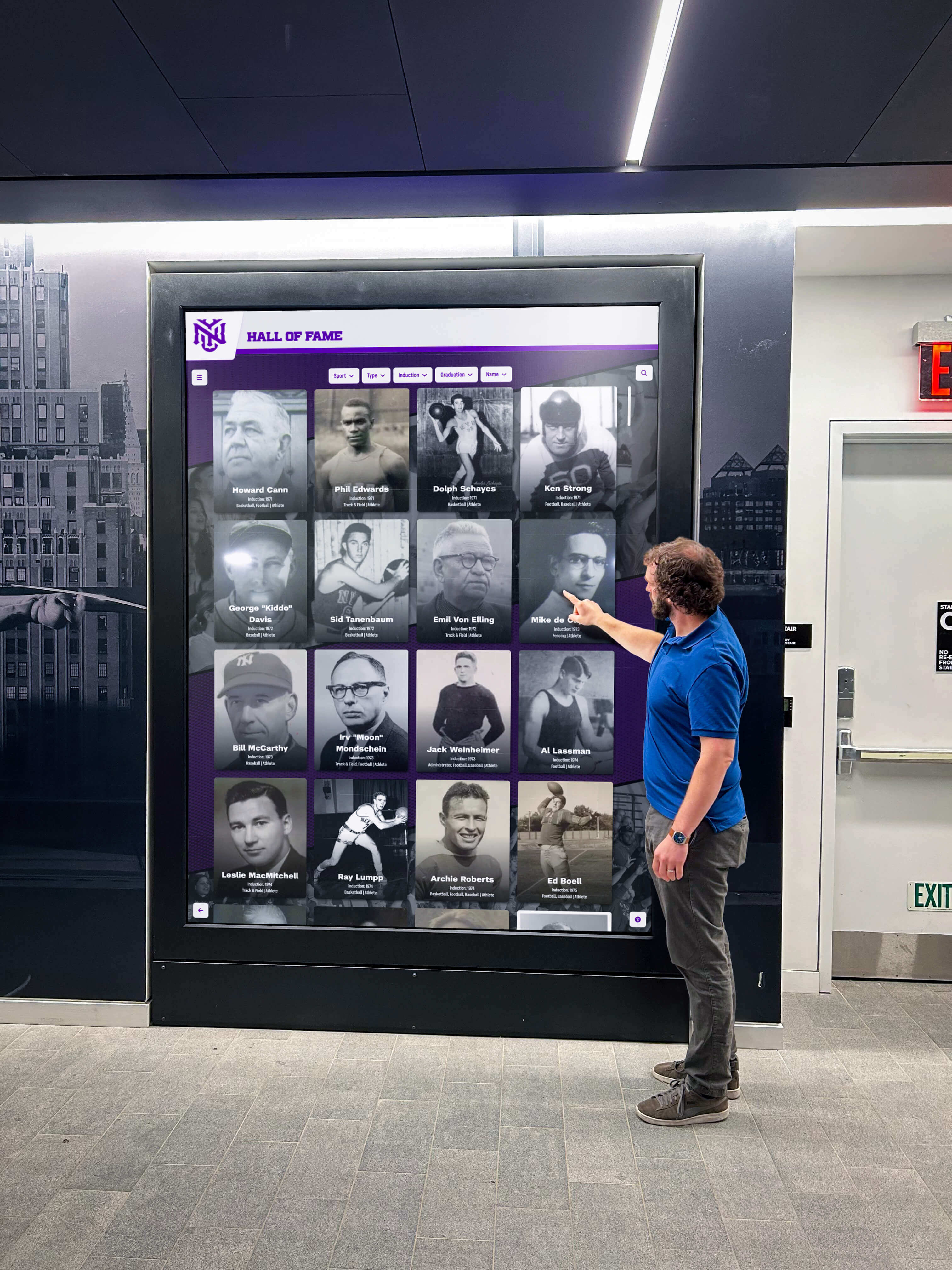
Modern touchscreen displays create elegant, engaging ways for members to explore club history and achievements
Why Distinguished Country Clubs Are Adopting Interactive Recognition Displays
Country clubs traditionally excel at creating refined environments where members feel valued and connected to institutional traditions. Yet many clubs struggle with limited wall space, outdated recognition methods, and the challenge of making historical information accessible to members who might benefit from learning about the club’s rich heritage.
The Limitations of Traditional Recognition Methods
Most country clubs maintain recognition programs through conventional approaches: engraved plaques lining hallways, trophy cases displaying championship artifacts, framed photographs arranged in dedicated galleries, and honor boards listing tournament winners and club champions. These traditional methods possess undeniable elegance and permanence that members appreciate.
However, they also present significant constraints. Wall space remains finite—clubs eventually exhaust available display areas, forcing difficult decisions about which achievements merit recognition and which must be omitted or relegated to storage. Updates require expensive engraving or printing, creating reluctance to refresh information even when circumstances change. Static displays provide minimal context—a name and date without the stories, photographs, or details that would make achievements meaningful to those who didn’t personally know the individual.
Perhaps most significantly, traditional recognition remains passive. Members walk past plaques daily without engaging deeply with the information they contain. Guests have no way to explore club history systematically or discover connections to members they know. And club staff lack efficient methods for helping members research tournament histories or identify past champions.
How Interactive Displays Address Country Club Recognition Needs
Digital touchscreen systems overcome these traditional limitations while introducing capabilities impossible with static recognition. Unlike physical plaques constrained by available wall space, digital recognition displays accommodate unlimited member profiles, tournament results, and historical records—all accessible through intuitive search and browsing interfaces.
Unlimited Recognition Capacity: Clubs can honor every tournament champion, recognize all major donors, document decades of club leadership, and preserve comprehensive membership histories without worrying about running out of display space. As new achievements occur, they’re added instantly through simple content management systems rather than requiring expensive physical modifications.
Rich Multimedia Content: Beyond names and dates, digital systems enable clubs to include professional member photographs, video testimonials from long-time members, scanned historical documents and newspaper articles, tournament action photography, and detailed biographical narratives that bring achievements to life. This depth transforms recognition from simple acknowledgment into engaging storytelling.
Intuitive Search and Discovery: Members can search by name to find their own tournament wins or locate specific individuals. They can browse by year to see who won club championships in particular decades. They can explore by category—golf, tennis, social leadership, philanthropy—to discover achievements across various dimensions. This accessibility ensures information gets discovered and enjoyed rather than passively existing unnoticed.
Flexible, Immediate Updates: When tournaments conclude, results can be added within minutes through cloud-based content management systems. When members achieve milestones, recognition appears immediately. When historical photographs are discovered during archive reviews, they can be integrated seamlessly. This flexibility ensures recognition stays current and relevant.
Elegant Aesthetic Integration: Modern displays come in various sizes and mounting configurations that complement traditional country club architecture. Sleek frames in bronze, black, or custom finishes blend naturally with existing décor. Ambient content featuring club grounds, historical photography, or custom graphics maintains visual elegance when displays aren’t actively being used.
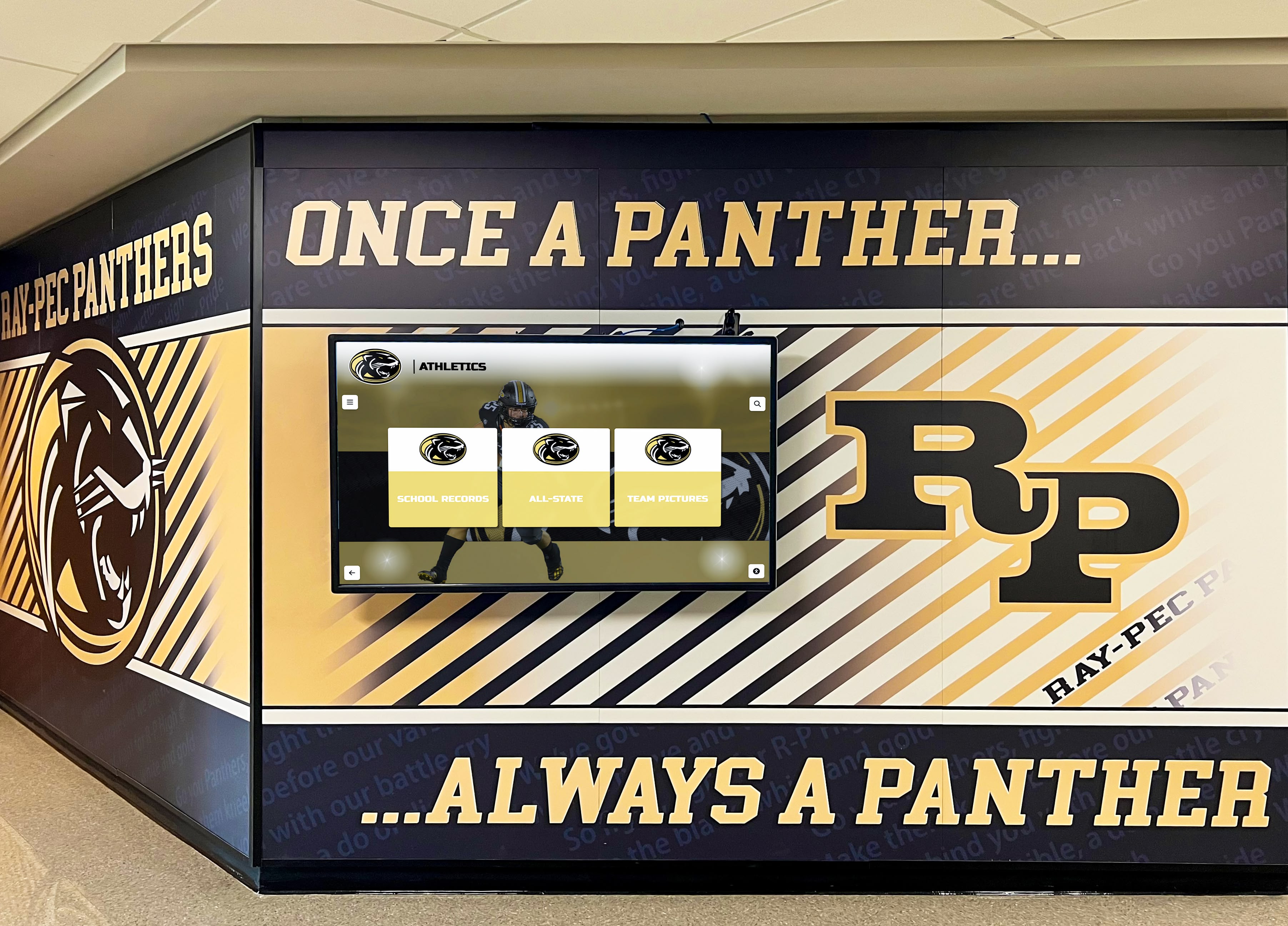
Digital displays integrate seamlessly into refined club environments while providing comprehensive recognition capabilities
Essential Features for Country Club Recognition Systems
Not all digital recognition platforms are created equal. Country clubs evaluating options should prioritize specific capabilities that address their unique recognition requirements and member expectations.
Content Management and Administrative Control
Country club staff need user-friendly content management that doesn’t require technical expertise or IT involvement for routine updates. Look for cloud-based administration accessible from any internet-connected device, drag-and-drop content editors that work like familiar word processors, bulk import capabilities for migrating historical tournament results or member databases, scheduled publishing enabling content preparation in advance with automatic publication at appropriate times, role-based permissions allowing distributed content management while maintaining quality control, and media libraries that organize photographs, videos, and documents for easy reuse.
The best systems, like Rocket Alumni Solutions’ platforms, are designed specifically for recognition applications in clubs and institutions. Purpose-built software offers intuitive workflows refined through hundreds of installations, unlike generic content management systems that require extensive customization and ongoing technical support.
Member and Guest Experience Features
From the member perspective, recognition displays should feel natural and engaging to explore. Essential experience features include responsive touch interfaces as intuitive as smartphones or tablets, visual search that lets users browse through photo galleries rather than requiring exact name spelling, filtering and categorization enabling users to narrow results by championship type, year range, or achievement category, high-resolution media display ensuring photographs and videos appear crisp and professional, social sharing capabilities allowing members to capture screen images of their achievements to share with family and friends, and accessibility compliance including text sizing options and screen reader compatibility for members with visual impairments.
The experience should invite exploration rather than feeling like a database query. Members browsing casually should discover interesting historical information serendipitously, not just when searching for specific people or events.
Technical Reliability and Commercial-Grade Hardware
Country clubs need systems that operate reliably with minimal maintenance. This requires commercial-grade touchscreen displays rated for continuous operation rather than consumer products, solid-state hardware with no moving parts that might fail, automatic content synchronization that updates displays without staff intervention, remote monitoring and diagnostics enabling support teams to address issues proactively, and local content caching that ensures displays function even during temporary internet outages.
Reliable operation matters tremendously in country club environments. Unlike schools where students might report malfunctioning displays immediately, club installations often exist in areas without constant staff presence. Systems must operate dependably month after month without requiring frequent attention.
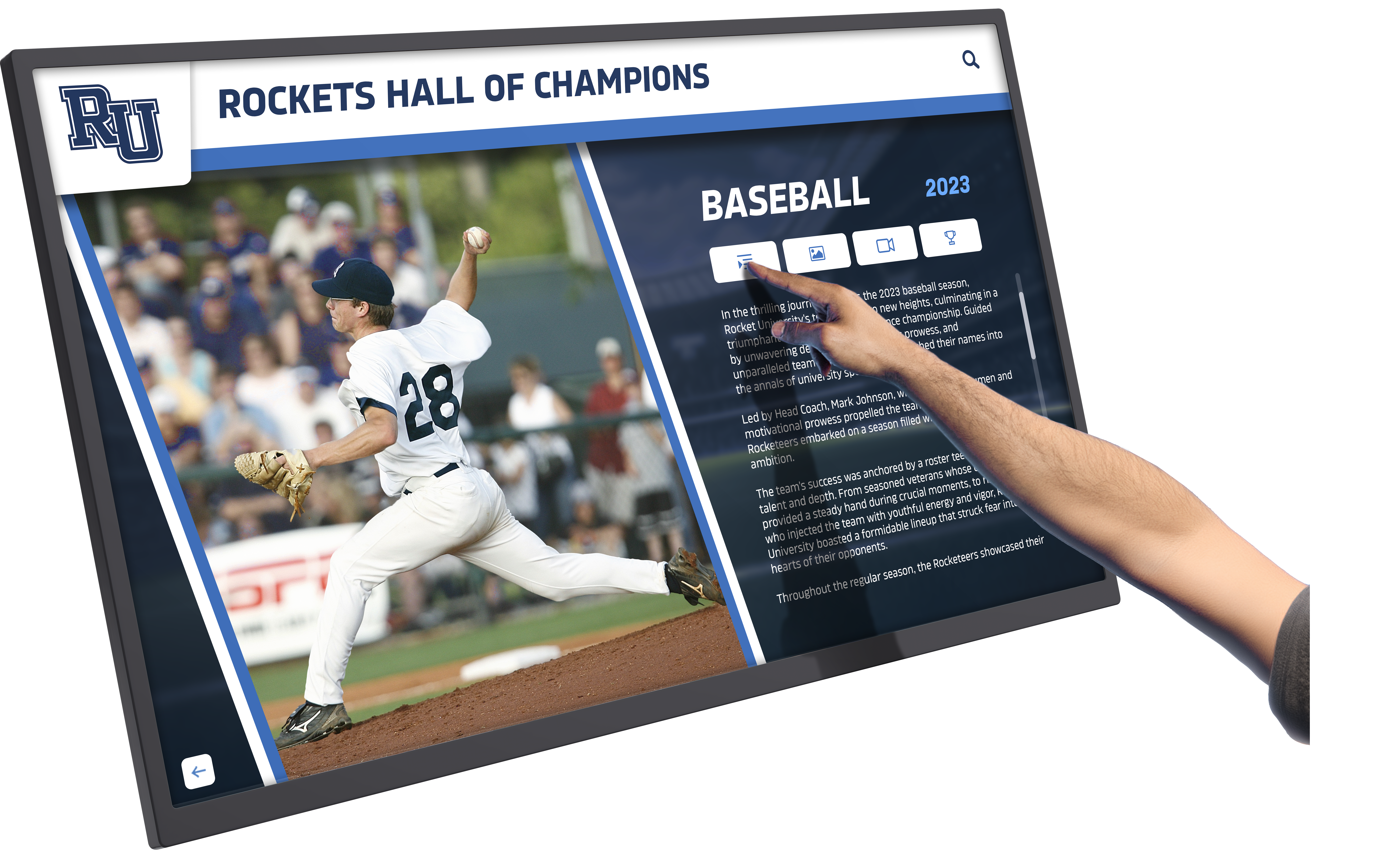
Rich member profiles with photographs, achievements, and biographical details create engaging recognition experiences
Implementing Recognition Displays in Country Club Environments
Successful implementations require thoughtful planning that addresses club-specific considerations from aesthetic integration through content development and member engagement.
Strategic Placement and Installation Planning
Display location significantly impacts utilization and member engagement. The most successful installations occupy high-traffic areas where members naturally congregate or pass through regularly: main lobby entrance areas where displays create welcoming first impressions for members and guests, clubhouse lounges and social spaces where members gather before or after rounds, hallways connecting locker rooms to dining facilities where golfers pass between activities, pro shop areas where members browse merchandise or check in for tee times, and dedicated halls of honor or historical galleries that members specifically visit to explore club heritage.
Consider viewing angles, lighting conditions, and mounting options during planning. Wall-mounted installations provide sleek, space-efficient solutions in locations with appropriate structural support. Freestanding kiosks offer flexibility in spaces where wall mounting isn’t practical. Custom millwork integration seamlessly blends displays into existing architectural elements, particularly valuable in historically significant clubhouses where maintaining aesthetic integrity is paramount.
Content Development Strategies for Club Recognition
Launching with comprehensive, high-quality content ensures strong first impressions and sustained member engagement. Most clubs approach content development through phased priorities: tournament champion recognition documenting winners across golf, tennis, and other competitive events spanning decades, club leadership honoring board members, presidents, and committee chairs who’ve guided the institution, donor recognition celebrating philanthropic support for capital improvements, scholarships, or operational excellence, member milestone celebrations recognizing service anniversaries, life memberships, or significant personal achievements, and historical preservation scanning archival photographs, documents, and records that tell the club’s story.
Rather than attempting to populate every category comprehensively before launching, successful clubs often prioritize recent achievements and living members who can provide content, gradually expanding historical coverage through systematic archival research. This approach enables earlier implementation while establishing quality standards and workflows that accelerate subsequent content development.
Consider enlisting member volunteers, particularly retirees with institutional knowledge and available time, to assist with historical research, photograph identification, and content review. These volunteer contributions extend staff capacity while creating engagement opportunities for members who value the club’s heritage.
Designing Member Engagement and Promotion Strategies
Digital displays only deliver value when members know they exist and feel motivated to engage with them. Launch with multi-channel awareness campaigns including member newsletter features explaining the new recognition system and encouraging exploration, lobby signage directing members to display locations, staff briefings ensuring pro shop personnel, dining staff, and front desk teams understand the system and can answer member questions, and grand unveiling events inviting members to inaugural viewings with demonstrations highlighting features and content.
Sustain engagement through ongoing content updates and promotional touchpoints. Feature new tournament results promptly after championships conclude. Highlight historical content during club anniversaries or significant milestones. Create member spotlight features showcasing interesting biographical stories or achievements. Integrate display promotion into event communications—mention that recent tournament results are now available to explore, or note that historical photographs from similar past events can be viewed through the recognition system.
Some clubs find success with friendly competition encouraging members to discover specific information: “Be the first to find which member won both the club championship and member-guest tournament in the same year during the 1980s.” These engagement tactics transform displays from passive information sources into interactive experiences members actively enjoy.
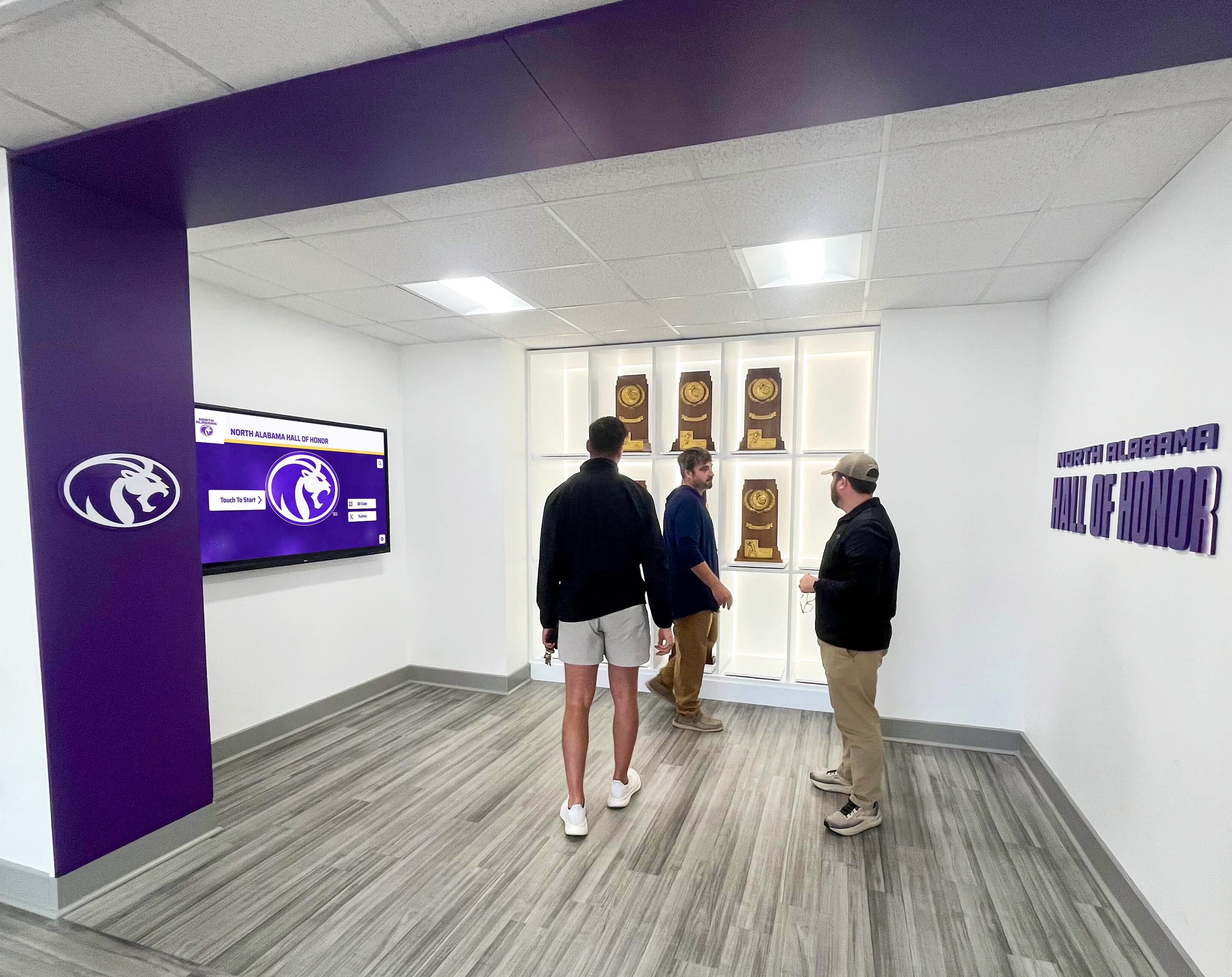
Group viewing experiences create social engagement moments while celebrating shared club heritage
Golf Tournament Recognition and Historical Documentation
For country clubs where golf represents a central component of member life, comprehensive tournament recognition serves multiple strategic purposes beyond simply documenting winners.
Preserving Decades of Tournament History
Many distinguished clubs maintain golf tournament traditions spanning 50, 75, or even 100+ years. This rich competitive history represents valuable institutional heritage that members appreciate, yet comprehensive records often exist only in scattered scorecards, aging logbooks, or long-term members’ memories. Digital recognition systems provide ideal platforms for systematically preserving these tournament legacies.
Comprehensive golf tournament documentation might include club championship winners across all flight divisions and time periods, member-guest tournament results celebrating both members and their guests, invitational tournament histories when clubs host regional competitions, club records for course performance, including lowest competitive rounds, major tournament qualification recognition honoring members who qualified for USGA championships or other significant competitions, and historical tournament format evolution showing how events changed over decades.
This systematic documentation serves current members while preserving institutional memory for future generations. New members joining the club can explore decades of tradition, understanding the heritage they’re now part of. Long-time members can reminisce about their own tournament experiences or those of friends and family. And club staff can easily reference historical information when planning milestone anniversary celebrations or researching questions about past events.
Many clubs discover that digital archives uncover forgotten achievements or interesting historical patterns during the research process: members who dominated particular eras, families with multiple generations of champions, or remarkable streaks of consecutive tournament appearances.
Recognizing Contemporary Tournament Success
Beyond historical documentation, digital systems excel at recognizing current tournament results with immediacy impossible through traditional methods. When club championships conclude, results can be published within hours—complete with photographs from the tournament, final scorecards, and brief narratives about notable performances or competitive highlights.
This quick recognition demonstrates that club leadership values members’ competitive achievements while ensuring results are available when interest peaks immediately following tournaments. Rather than waiting weeks for plaques to be engraved or printed materials to be created, members can explore complete results the day after tournament conclusions.
Digital platforms also enable more comprehensive recognition than traditional methods allow. Beyond just championship flight winners, clubs can honor runners-up, senior division champions, super senior divisions, net winners alongside gross champions, skins game winners, closest-to-the-pin and longest drive competition winners, and team categories within member-guest or team tournaments. This inclusive approach ensures more members see their achievements recognized, strengthening overall engagement and satisfaction.
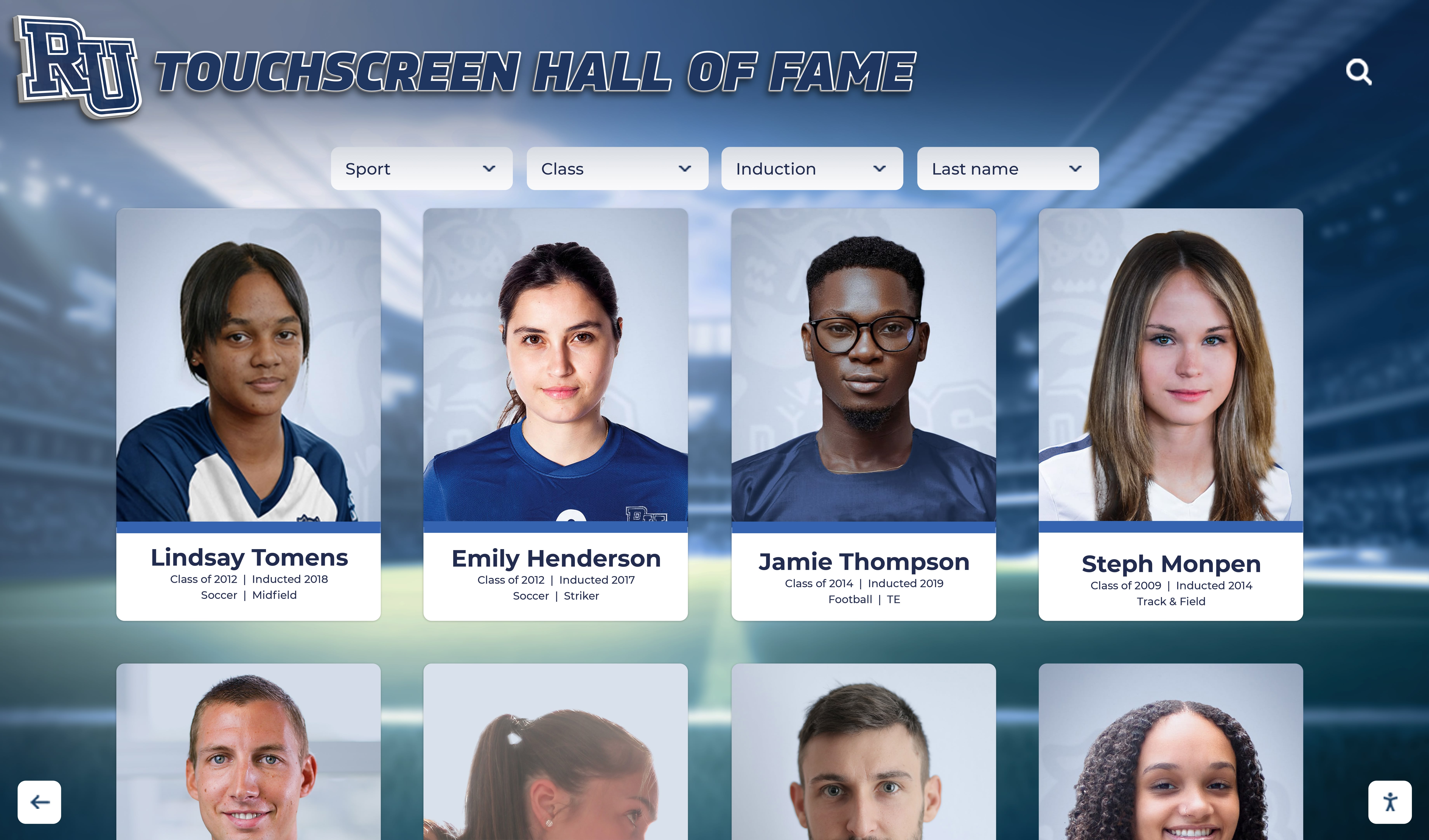
Comprehensive tournament documentation honors competitive excellence while preserving institutional heritage
Donor Recognition and Philanthropic Celebration
Many country clubs rely on member philanthropy to fund capital improvements, facility renovations, scholarship programs, or operational excellence initiatives. Recognizing this generous support appropriately strengthens donor relationships while inspiring additional philanthropic participation.
Dynamic Donor Recognition Capabilities
Traditional donor walls, while elegant, present challenges when contribution levels change or new donors make gifts. Bronze or marble plaques require expensive updates when recognition tiers shift. Physical space constraints limit how many donors can be acknowledged at various giving levels. And static recognition provides minimal information beyond names and amounts.
Digital donor recognition solutions address these limitations while maintaining the dignity and gravitas that philanthropic recognition deserves. Clubs can create tiered recognition categories that update automatically as donors reach new giving milestones, comprehensive donor profiles including photographs and brief narratives about why members support particular causes, campaign progress visualization showing fundraising momentum and community participation, project impact documentation demonstrating how philanthropic support translated into tangible improvements, and flexible recognition hierarchies accommodating planned gifts, multi-year pledges, and in-kind contributions alongside outright cash donations.
The ability to update recognition instantly and indefinitely removes one of the primary barriers that sometimes makes clubs hesitant to publicly acknowledge donor support—the concern that recognition quickly becomes outdated or that future updates will prove cost-prohibitive. With digital systems, donors can be assured their generous support will be celebrated permanently while remaining current as their lifetime giving accumulates.
Stewardship Through Recognition Technology
Beyond initial acknowledgment, digital recognition platforms provide ongoing stewardship opportunities that strengthen donor relationships. Clubs can feature updates showing how donated funds are being utilized—construction progress photographs for facility improvements, student spotlights for scholarship programs, or program impact metrics for supported initiatives.
These stewardship updates transform recognition from static acknowledgment into dynamic storytelling that helps donors understand the meaningful impact their generosity created. When donors see their support translating into tangible results, they experience greater satisfaction and develop stronger inclination toward continued or expanded giving.
Additionally, digital platforms enable recognition personalization impossible with physical plaques. Donor recognition displays can include video testimonials from scholarship recipients, before-and-after photography of renovated facilities, or messages from club leadership expressing specific appreciation for what certain gifts made possible.
Tennis, Social, and Multi-Dimensional Recognition
While golf often dominates country club competitive life, distinguished clubs celebrate achievement across many dimensions including tennis, social leadership, community service, and institutional governance.
Comprehensive Tennis Program Recognition
Many country clubs maintain tennis traditions as rich as their golf heritage. Digital recognition systems enable clubs to honor tennis excellence comprehensively: club tennis championship winners across various divisions, team tennis competition results and league championships, USTA tournament participation and success by club members, junior development program graduates and their achievements, teaching professional histories celebrating pros who shaped club tennis culture, and facility milestone documentation showing tennis facility evolution over decades.
The flexibility of digital platforms allows tennis and golf recognition to coexist within unified systems without competing for limited physical wall space. Members interested primarily in tennis can easily filter content to explore tennis-specific achievements, while those following both sports can appreciate the full spectrum of club competitive traditions.
Social Leadership and Volunteer Recognition
Many members contribute significantly to club vitality through volunteer leadership rather than competitive achievement. These essential contributions merit recognition equal to athletic accomplishments: club officers and board members who guide institutional governance, committee chairs and members who oversee operations, functions, and planning, event organizers who create memorable social programs, long-term volunteers who consistently support club activities and initiatives, and members who represent the club in community partnerships or charitable endeavors.
Recognizing these service contributions communicates that clubs value all forms of member engagement, not just competitive success. This inclusive approach to recognition strengthens overall community while honoring those who dedicate time and energy to institutional benefit.
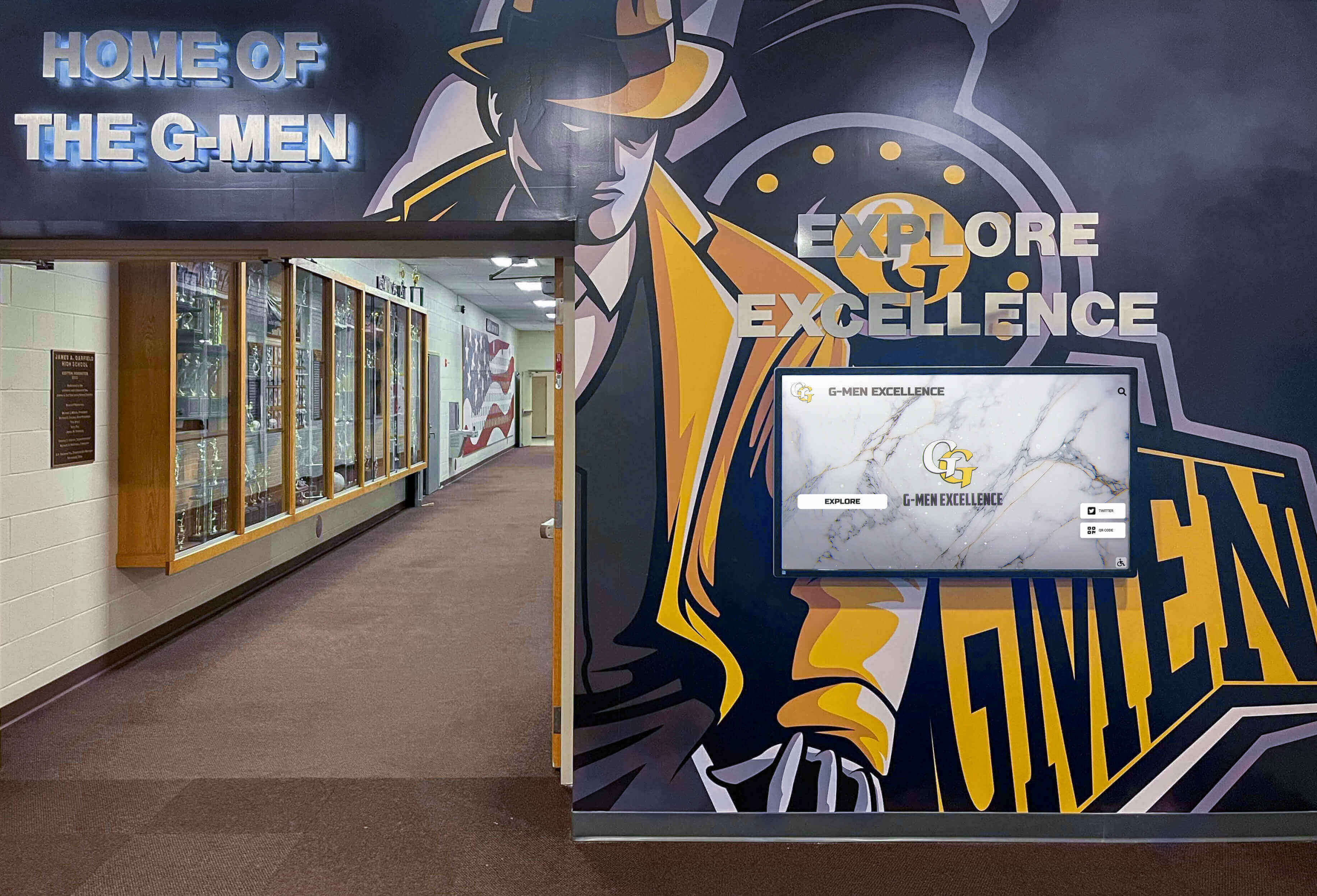
Comprehensive recognition systems celebrate diverse achievements across athletic, social, and leadership dimensions
Selecting the Right Technology Partner for Your Club
The difference between recognition systems that become cherished club amenities versus abandoned technology investments often comes down to selecting the right implementation partner.
Evaluating Recognition Platform Providers
When assessing potential vendors, prioritize those with specific experience serving country clubs and similar membership organizations rather than generic digital signage companies. Purpose-built recognition platforms offer significant advantages: intuitive content management designed for non-technical club staff, recognition-specific features like tournament result formatting and donor acknowledgment tools, proven implementations at comparable institutions providing reference points, dedicated support teams that understand club recognition requirements, and sustainable business models ensuring long-term platform viability and continued development.
Generic digital signage platforms, while less expensive initially, often require extensive customization, ongoing technical support, and lack recognition-specific workflows that make ongoing content management efficient. The modest initial savings rarely justify the long-term administrative burden and frustration.
Understanding Implementation and Support Models
Successful implementations combine quality technology with strong support throughout installation, content migration, staff training, and ongoing operations. Evaluate vendors based on implementation services that handle installation coordination, custom design to match club aesthetics, historical content migration assistance, comprehensive staff training, and go-live support ensuring smooth launches.
Equally important, assess ongoing support quality through available support channels—phone, email, video conferencing, response time commitments for addressing questions or issues, software update frequency and feature enhancement roadmaps, content management assistance when staff need guidance, and customer community resources where clubs can share best practices and learn from peers.
Solutions like Rocket Alumni Solutions provide comprehensive implementation and support specifically designed for membership organizations. From initial planning through years of ongoing operation, experienced partners ensure recognition systems deliver sustained value rather than becoming problematic technology burdens.
Considering Total Cost of Ownership
Recognition system investments extend beyond initial hardware and software purchase to include installation, content development, training, and ongoing subscriptions or support fees. Comprehensive cost evaluation should consider hardware costs including commercial-grade touchscreen displays, mounting solutions, and any required infrastructure, software licensing covering recognition platform subscriptions and content management access, installation expenses for professional mounting, configuration, and integration, initial content development for populating systems with historical and current information, training investment ensuring staff can manage content independently, ongoing support subscriptions providing access to technical assistance and software updates, and future content development continuing to enhance and expand recognition over time.
While cost matters, avoid making decisions based solely on initial price. The least expensive option often becomes most costly long-term when hidden expenses emerge for customization, support, content management difficulties, or premature replacement when systems prove inadequate. Focus instead on total cost of ownership across expected 7-10 year technology lifecycles, ensuring chosen solutions deliver sustained value matching that investment.
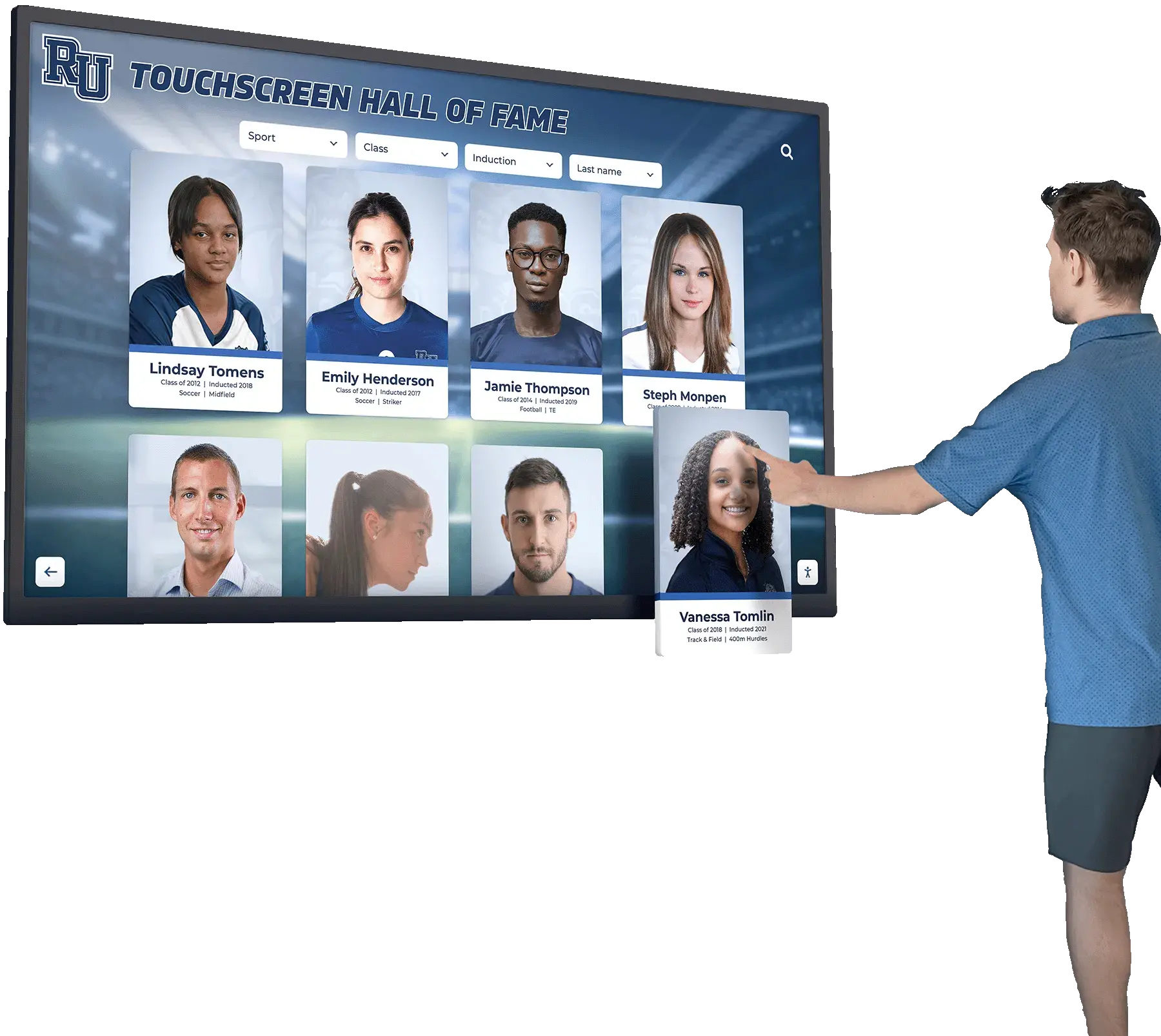
Professional installations with quality hardware and intuitive software create recognition experiences members genuinely value
Best Practices for Long-Term Recognition Program Success
Technology enables sophisticated recognition, but sustained success requires ongoing commitment to content quality, member engagement, and systematic operations.
Maintaining Content Currency and Quality
Recognition displays only deliver value when content remains current, accurate, and engaging. Establish workflows ensuring tournament results are added promptly after events conclude, new member achievements are recognized within appropriate timeframes, donor information stays accurate as giving accumulates, historical content expands systematically rather than remaining static, and media quality meets professional standards with high-resolution photographs and well-written narratives.
Many clubs assign specific staff members or volunteer leaders as content champions responsible for particular categories: head golf professional manages tournament recognition, membership director oversees member profiles and milestones, development staff maintain donor acknowledgment, and club historian coordinates historical preservation. Distributed responsibility with clear accountability ensures comprehensive coverage without overwhelming any single person.
Integrating Recognition into Broader Member Communication
Recognition displays shouldn’t exist in isolation but rather connect to broader member communication and engagement efforts. Feature recognition content in member newsletters showing recent tournament results or highlighting historical photographs from archives. Incorporate display promotion into event marketing mentioning that tournament results will be available to explore. Share interesting content discoveries through social media channels. Use recognition system content during new member orientations introducing club traditions and history.
This integration ensures recognition systems remain top-of-mind for members while reinforcing that exploring club heritage and achievements represents normal, encouraged behavior rather than something only the most curious members do.
Gathering Feedback and Continuous Improvement
Systematic feedback collection reveals what’s working well and what needs enhancement. Consider member satisfaction surveys including questions about recognition system awareness and usage, annual focus groups gathering in-depth input on content priorities and feature desires, staff feedback sessions with those managing content or hearing member comments, and usage analytics from platform providers showing interaction patterns and popular content.
Use this feedback to guide content priorities, inform feature requests to technology partners, refine promotion strategies, and demonstrate program value to club leadership. Recognition systems that incorporate member input naturally stay more relevant and valuable over time than those that remain static after initial implementation.
Conclusion: Modern Recognition for Distinguished Clubs
Distinguished country clubs excel at creating environments where members feel valued, connected to institutional traditions, and proud of their club affiliations. Interactive recognition displays extend these core strengths by enabling clubs to honor members comprehensively, preserve institutional heritage accessibly, recognize philanthropic support dynamically, and create engaging experiences that strengthen member appreciation for club traditions.
The most successful implementations combine quality technology from experienced partners with thoughtful planning around content development, aesthetic integration, and member engagement. Rather than viewing recognition displays as simply technology projects, successful clubs approach them as comprehensive recognition programs that happen to leverage digital capabilities—programs requiring ongoing content curation, promotion, and refinement to deliver sustained value.
For clubs considering recognition display implementation or seeking to enhance existing programs, comprehensive solutions like Rocket Alumni Solutions provide proven platforms combining sophisticated technology with recognition-specific features, dedicated support, and implementation experience serving membership organizations. From strategic planning through ongoing operations, the right partner transforms recognition from administrative burden into engagement asset that celebrates achievement while strengthening institutional community.
Distinguished country clubs deserve recognition solutions matching their commitment to excellence. Interactive displays provide elegant, comprehensive platforms for honoring the members, traditions, and achievements that define institutional character—ensuring that today’s accomplishments are celebrated appropriately while preserving legacies for future generations to discover and appreciate.
Transform Your Country Club Recognition
Discover how Rocket Alumni Solutions can help your distinguished country club honor members, preserve history, and celebrate achievements through sophisticated digital recognition displays designed for membership organizations.
Schedule Your Free Consultation






























