TD Garden stands as New England’s premier sports and entertainment arena, home to the storied Boston Celtics and Boston Bruins franchises that have collectively won 23 NBA championships and 6 Stanley Cup titles. Since opening in 1995 above Boston’s North Station, this 19,600-seat venue has hosted millions of fans celebrating athletic excellence, from Larry Bird’s championship legacy to Bobby Orr’s revolutionary hockey prowess. As modern arenas evolve to meet contemporary fan expectations for interactive digital experiences, venues worldwide are discovering that traditional banners, static displays, and printed programs no longer adequately honor athletic achievement or engage audiences accustomed to immersive technology.
The question facing organizations at every competitive level—from professional arenas like TD Garden to college athletic facilities and high school gymnasiums—has become increasingly clear: How can we create recognition experiences worthy of the achievements we’re celebrating? The answer increasingly involves interactive touchscreen displays that transform static commemoration into dynamic, engaging experiences that resonate with modern audiences while preserving athletic heritage for future generations.
This comprehensive guide explores how digital recognition technology—including solutions like Rocket Alumni Solutions—is reshaping sports venues from premier professional arenas to community athletic facilities across the country. From unlimited recognition capacity and multimedia storytelling capabilities through strategic implementation considerations and measurable engagement benefits, we’ll examine how interactive displays are revolutionizing athletic recognition in the digital age.
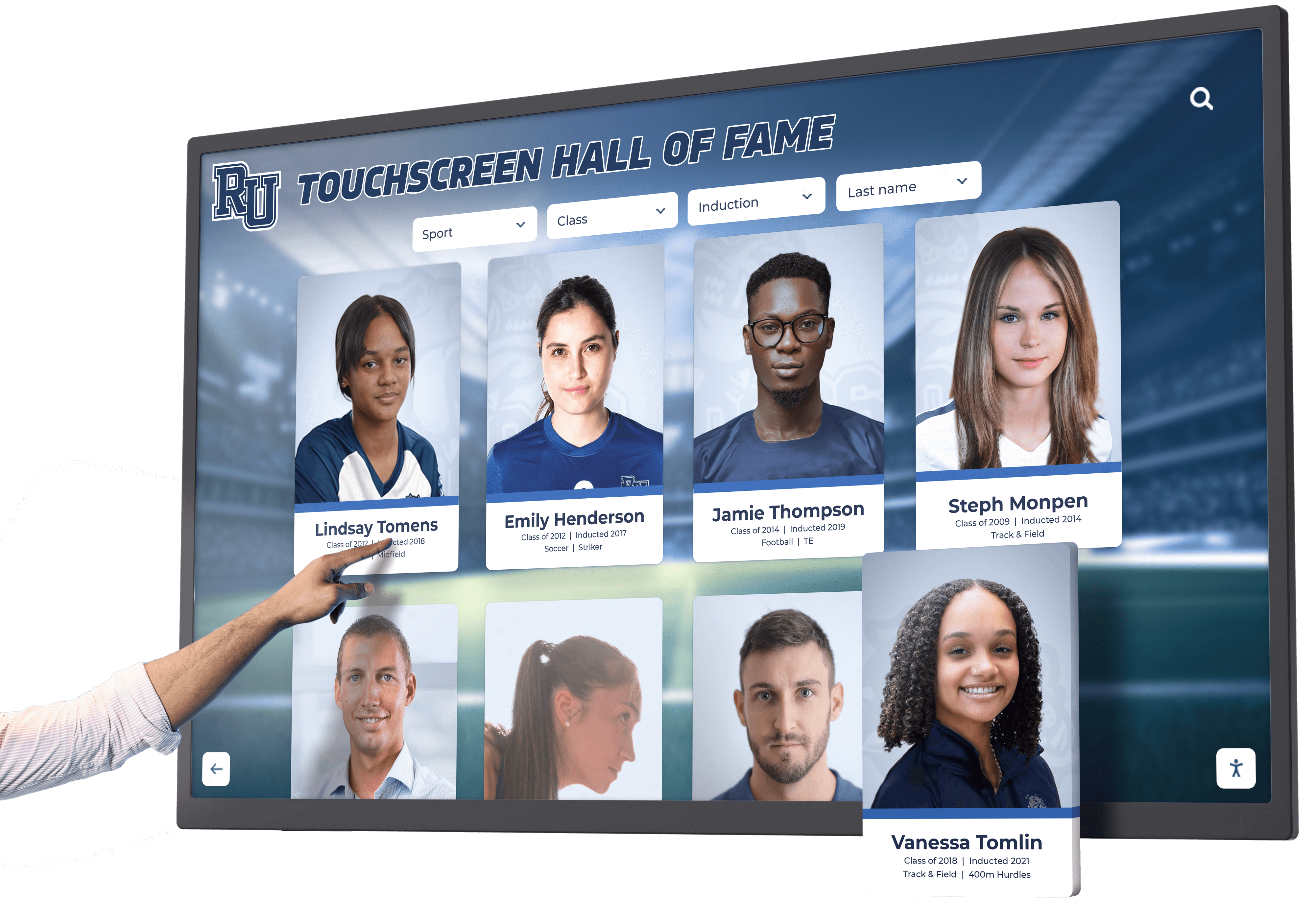
Interactive touchscreen displays enable fans to explore comprehensive player profiles, championship moments, and franchise achievements
TD Garden: New England’s Premier Sports and Entertainment Destination
Understanding TD Garden’s significance within professional sports provides context for why premier venues increasingly invest in advanced recognition technology.
Arena History and Legacy
TD Garden opened in 1995 as the FleetCenter, replacing the beloved but aging Boston Garden that had served as home to Celtics and Bruins triumphs since 1928. The Boston Celtics played their first game at the new arena on November 3, 1995, against the Milwaukee Bucks, while the Boston Bruins inaugurated the facility on October 7 with a 4-4 tie against the New York Islanders.
The arena was renamed TD Garden in 2005 when TD Bank agreed to a naming rights contract. In January 2023, TD Bank and Delaware North—the venue’s owner and operator—extended this partnership through June 2045, cementing the TD Garden name for decades to come.
The $160 million construction project was completed in just over two years, with the arena strategically positioned directly above the MBTA’s North Station transportation hub, making it one of the most accessible professional sports venues in the country. In 2014, Delaware North invested over $70 million in comprehensive renovations upgrading the fan experience through redesigned concourses, new concession offerings, and enhanced technology infrastructure.
According to Pollstar and Billboard, TD Garden ranked as the 7th highest-grossing venue with 15,000+ capacity worldwide for 2024, demonstrating its continued relevance in an increasingly competitive entertainment landscape.
Championship Tradition Worth Celebrating
The franchises calling TD Garden home have produced some of professional sports’ most impressive championship records:
Boston Celtics Legacy: The Celtics have won 17 NBA championships, tied for the most in league history. Legendary players like Bill Russell, Larry Bird, and Paul Pierce created dynasties that defined basketball excellence across different eras. The franchise has retired 24 jersey numbers—more than any other NBA team—honoring legends whose contributions built one of sports’ most successful organizations.
Boston Bruins Heritage: The Bruins, one of the NHL’s Original Six franchises, have captured 6 Stanley Cup championships since their founding in 1924. Icons like Bobby Orr, whose revolutionary skating style transformed hockey, and more recent stars like Patrice Bergeron represent a century of hockey excellence deserving comprehensive recognition.
This championship tradition creates both opportunity and challenge: How can modern venues honor century-long franchise histories comprehensively when physical space for traditional recognition remains finite? Interactive digital technology offers compelling solutions.
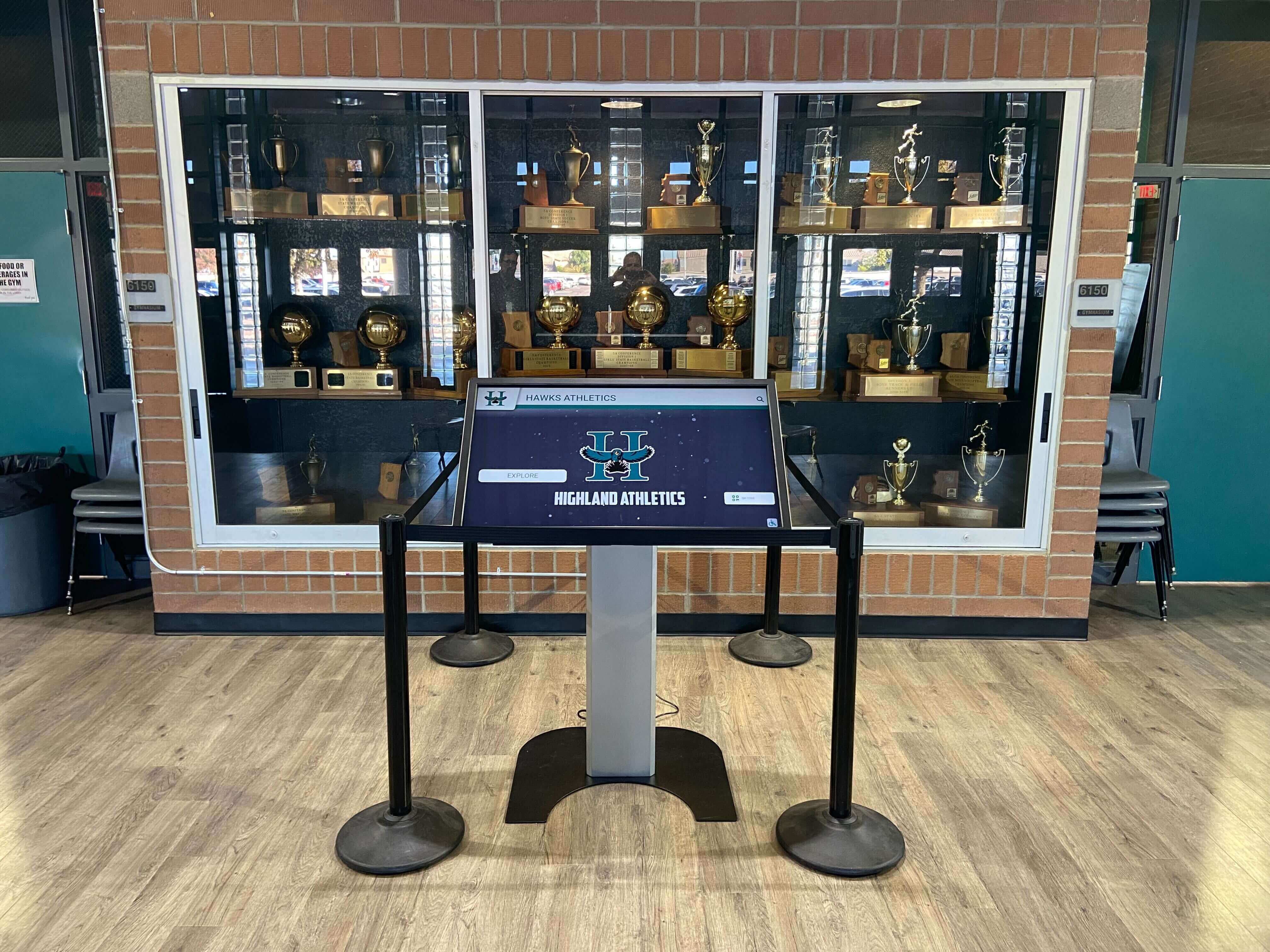
Modern kiosk installations provide dedicated recognition stations accessible to diverse audiences throughout facilities
The Evolution of Sports Venue Recognition Technology
Professional sports venues have consistently embraced technology enhancements that improve fan experiences, from high-definition video boards to mobile ticketing systems. Recognition technology represents the next frontier in this ongoing evolution.
Traditional Recognition Approaches and Their Limitations
Historically, venues like TD Garden relied on several traditional methods for celebrating athletic achievement:
Championship Banners: Banners hanging from arena rafters provide constant visibility for championship victories, but they acknowledge team achievements without celebrating individual contributions or telling complete stories about seasons that produced those titles.
Retired Jersey Numbers: Permanently retiring uniform numbers for franchise legends represents the highest honor, yet this approach limits recognition to only the most exceptional contributors while providing minimal information beyond name, number, and years played.
Display Cases and Trophy Exhibits: Glass-enclosed showcases feature memorabilia, equipment, and historic artifacts, but space constraints force difficult choices about what to display while static presentations lack the engagement of modern interactive experiences.
Printed Programs and Media Guides: Comprehensive historical information distributed through printed materials reaches only those who actively seek them out rather than engaging casual fans who might develop deeper appreciation through accessible interactive content.
While these traditional approaches preserve important history, they face inherent limitations. Physical space constraints force exclusions, static presentations provide minimal information depth, updates require expensive physical modifications, and passive formats fail to engage audiences accustomed to interactive digital experiences throughout daily life.
The Digital Recognition Revolution
The shift toward interactive touchscreen displays addresses traditional recognition limitations while creating capabilities impossible through static approaches:
Unlimited Information Capacity: Digital platforms can house comprehensive databases with thousands of player profiles, complete statistics, championship documentation, and historical content without physical space constraints limiting recognition scope.
Multimedia Integration: High-resolution photographs, video highlights, game footage, interviews, and documentary content create rich storytelling experiences that bring athletic achievement to life rather than simply describing accomplishments through text.
Intuitive Discovery and Exploration: Search and filter functionality allows visitors to find specific athletes, explore particular eras, compare statistics across generations, or browse by achievement category based on personal interests rather than following predetermined sequences.
Regular Updates Without Physical Modification: Cloud-based content management enables immediate additions of new achievements, updated statistics, and fresh content without requiring physical installation work or expensive modifications.
Extended Accessibility: Web-based platforms complement physical displays, allowing fans worldwide to explore franchise history from any device while physical installations serve venue visitors.
According to research on digital storytelling for athletic programs, organizations implementing interactive recognition technology report significantly higher visitor engagement compared to traditional static displays, with average interaction times increasing from under one minute to over seven minutes per visitor.
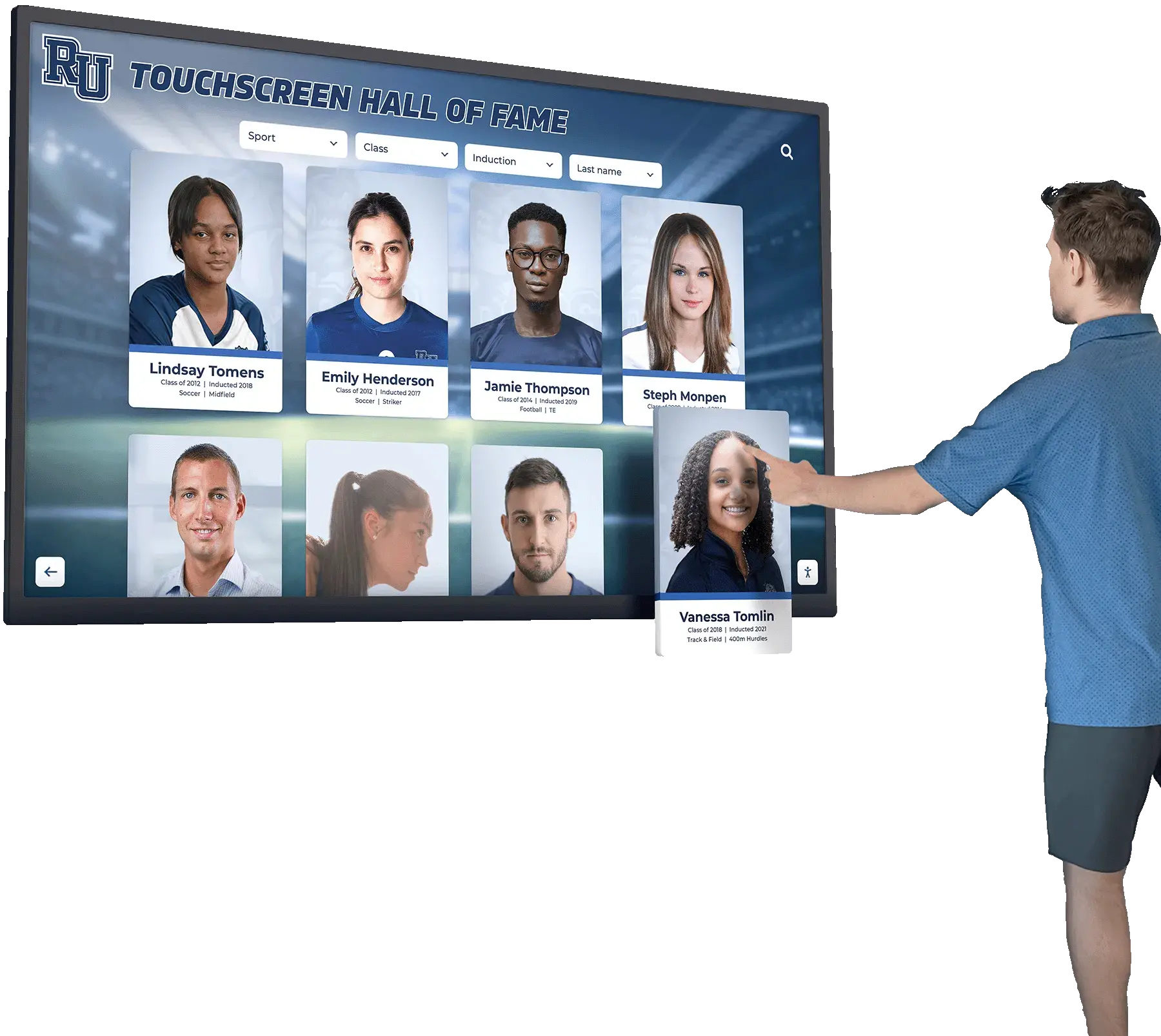
Comprehensive athlete profiles include statistics, photos, videos, and biographical content creating engaging experiences
How Interactive Displays Transform Premier Sports Venues
While TD Garden incorporates advanced video board technology and premium hospitality features, similar interactive touchscreen systems are revolutionizing how venues at all levels celebrate athletic achievement and organizational history.
Creating Comprehensive Multi-Sport Recognition Programs
Premier venues hosting multiple sports franchises face unique recognition challenges that interactive technology addresses effectively.
Accommodating Multiple Franchise Histories: A single interactive display system can seamlessly showcase both Celtics basketball and Bruins hockey achievements without forcing choices about which franchise receives more prominent physical space. Visitors can filter content by sport, exploring franchise-specific histories according to personal interests.
Sport-Specific Recognition Structures: Basketball and hockey require different statistical frameworks, achievement categories, and recognition approaches. Purpose-built platforms like Rocket Alumni Solutions provide sport-specific templates that understand unique requirements—from basketball’s points-rebounds-assists statistics to hockey’s goals-assists-plus-minus metrics—ensuring appropriate recognition without awkward adaptations of generic systems.
Comprehensive Career Documentation: Rather than limited text on bronze plaques, digital profiles can include complete career statistics across regular season and playoffs, biographical information and personal background, achievement timelines documenting major milestones, video highlights showcasing playing styles and memorable moments, contemporary media coverage preserving historical perspectives, and post-playing career information connecting athletic achievement to broader life accomplishments.
Championship Season Deep Dives: Each title deserves thorough documentation celebrating the complete story. Interactive systems enable rich presentations including complete team rosters with individual contributions, season journey documenting key series and turning points, playoff performance statistics and highlights, coaching staff recognition, and multimedia content preserving the excitement of championship runs.
Engaging Modern Audiences Through Interactive Exploration
Today’s sports fans—whether attending professional games at TD Garden or youth events at community facilities—expect interactive digital experiences matching what they encounter throughout daily life.
Intuitive Touch Interfaces: Modern touchscreen displays use the same capacitive technology as smartphones and tablets, creating familiar interaction patterns requiring no instruction. Visitors naturally understand how to tap, swipe, zoom, and explore content without assistance.
Personalized Discovery Pathways: Rather than following predetermined narratives, visitors pursue their own interests—searching for favorite players, comparing statistics across eras, exploring championship seasons with personal significance, or discovering athletes who share hometowns or colleges. This personalization creates deeper engagement than passive viewing of static content.
Multi-Generational Appeal: Interactive displays engage diverse demographics from young fans exploring franchise history for the first time, to longtime supporters reliving memories from attending games decades ago, to alumni reconnecting with their playing days, to casual visitors developing appreciation for organizational heritage through accessible engaging content.
Social Sharing Integration: Modern recognition platforms enable visitors to share discoveries through social media directly from displays, extending venue visibility far beyond physical attendees while creating organic promotion through authentic fan enthusiasm.

Searchable databases enable instant discovery of any athlete regardless of era, sport, or achievement level
Strategic Implementation: Bringing Professional Recognition to All Levels
While TD Garden operates with substantial resources, the underlying interactive touchscreen technology has become increasingly accessible for organizations at all competitive levels seeking to create impressive recognition programs.
Technology Components and Requirements
Understanding the technology powering digital recognition displays helps organizations make informed implementation decisions:
Commercial-Grade Touchscreen Displays: Unlike consumer televisions, commercial displays are rated for continuous operation in public installations with extended lifespans. Sizes typically range from 43" to 86" depending on viewing distance, space constraints, budget considerations, and content requirements.
Responsive Multi-Touch Technology: Modern touchscreens use projected capacitive technology—the same responsive multi-touch capability as smartphones and tablets—providing intuitive interfaces that feel familiar to users across all age groups.
Integrated Computing Systems: Displays include embedded computers running interactive software, either Android systems for straightforward applications or Windows-based computers for more complex functionality including real-time data integration.
Network Infrastructure: Reliable connectivity enables cloud-based content management, remote updates without physical access, real-time information integration, and analytics tracking visitor engagement patterns.
Professional Mounting and Installation: Proper hardware mounting, cable management, power planning, and environmental considerations ensure reliable long-term operation in high-traffic public spaces.
Content Management Software: The software platform determines functionality, ease of use, and long-term maintainability—considerations often more important than hardware specifications when evaluating recognition solutions.
Planning Your Recognition Display Implementation
Organizations inspired by professional venue technology and considering their own interactive recognition installations should follow systematic planning processes:
Phase 1: Strategic Planning and Needs Assessment
Define Recognition Scope: Determine who receives recognition—all varsity athletes, distinguished performers only, record holders, championship teams, or specific achievement categories. Clear criteria ensure consistent, defensible selection decisions while preventing future disputes.
Assess Available Content: Inventory existing photographs, statistics, historical documents, video footage, and other materials. Identify content gaps requiring research, digitization, or acquisition before implementation.
Budget Development: Understand total project costs including hardware, software licensing, content development, professional installation, administrator training, and ongoing operation. Realistic budgets prevent underinvestment that undermines recognition impact.
Space and Location Selection: Identify optimal display locations considering foot traffic patterns, viewing angles, lighting conditions, existing space aesthetics, and integration with facility flow. Prime placement maximizes visibility and engagement.
Stakeholder Input: Gather requirements from coaches, athletic directors, alumni, development staff, and other stakeholders ensuring the system serves diverse organizational needs beyond simple recognition.
Phase 2: Content Development
Content quality determines recognition impact and visitor engagement—superior content on modest hardware outperforms poor content on impressive displays:
Athlete Profile Creation: Write engaging biographical narratives balancing factual achievement documentation with personal stories revealing character, challenges overcome, and journeys to excellence. Compelling storytelling creates emotional connections that dry statistics cannot.
Statistical Compilation: Gather complete career statistics from scorebooks, media guides, online databases, and archival research. Verify accuracy through multiple sources preventing embarrassing errors that undermine credibility.
Media Collection and Processing: Locate historical photographs and digitize at high resolution, scan newspaper clippings and documents, identify or create video highlights, conduct alumni interviews capturing first-person perspectives, and optimize all media for display specifications.
Data Entry and Organization: Input information into management systems using consistent formatting, apply appropriate tags and categories enabling discovery through multiple pathways, and establish quality assurance procedures ensuring accuracy before public display.
This content development often represents the most time-intensive project phase but creates the foundation determining long-term recognition program success.
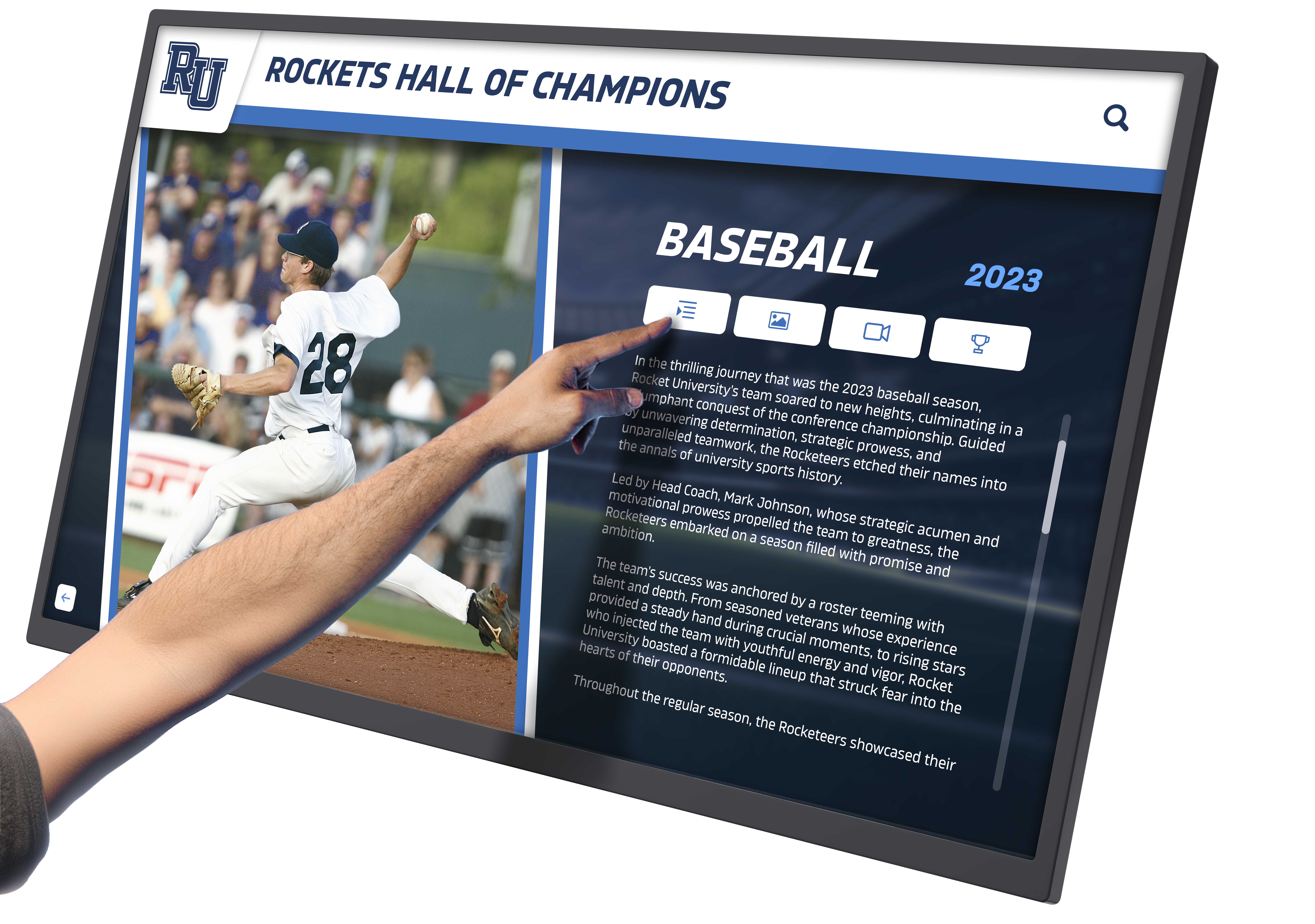
Professional presentation quality honors athletic achievement appropriately while engaging modern audiences
Phase 3: Implementation and Launch
Technology Installation: Professional mounting of displays ensuring proper positioning and viewing angles, configuration of network connectivity with appropriate security, installation and configuration of content management software, and comprehensive testing of all functionality before public launch.
Content Loading: Import developed content into the system, configure navigation structures and search functionality, establish update procedures and administrator permissions, and verify all content displays correctly across different screen sizes and viewing conditions.
Administrator Training: Educate staff on content management tools through hands-on sessions, establish protocols for regular updates and maintenance, create documentation for common tasks and troubleshooting, and identify ongoing technical support resources.
Public Launch Event: Coordinate unveiling with significant occasions like season openers, homecoming weekends, or alumni celebrations. Launch events generate media coverage and community excitement while demonstrating organizational commitment to honoring achievement.
Phase 4: Ongoing Management
Successful recognition programs require sustained attention ensuring long-term value:
Regular Content Updates: Add new inductees or achievements promptly, update alumni career information as accomplishments continue, incorporate newly discovered historical content, and maintain current statistics throughout active seasons.
Usage Analytics Review: Monitor which content receives most attention, identify popular search patterns, track engagement metrics over time, and adjust content priorities based on visitor behavior data.
Technology Maintenance: Perform routine display cleaning using appropriate methods, apply software updates and security patches promptly, monitor system performance and uptime, and address technical issues quickly preventing extended downtime.
Continuous Enhancement: Expand content depth based on new research, add features responding to user needs and feedback, improve navigation based on analytics insights, and refresh design elements periodically maintaining contemporary appeal.
Applications Beyond Professional Venues
While premier arenas like TD Garden represent high-profile applications, interactive recognition technology delivers value across diverse athletic contexts from colleges to high schools to community organizations.
College Athletics and University Recognition Programs
University athletic programs benefit from recognition systems serving both athletic and institutional advancement objectives:
Comprehensive Multi-Sport Coverage: Colleges competing across numerous sports require systems accommodating football, basketball, baseball, soccer, track and field, swimming, and many other programs. Digital platforms provide unlimited capacity celebrating all sports equitably without physical space constraints forcing difficult choices.
Professional Alumni Spotlights: Former college athletes who reached professional levels provide tangible evidence of program quality. Interactive displays showcasing alumni careers—from NFL achievements to professional success in other sports—create powerful recruitment advantages while strengthening institutional pride.
Academic Excellence Integration: Forward-thinking institutions balance athletic recognition with academic honor programs, demonstrating that excellence encompasses intellectual achievement alongside competitive success.
Donor Recognition Connections: Athletic donors receiving appropriate acknowledgment through integrated donor recognition displays understand their contributions support lasting preservation of excellence, encouraging continued philanthropic engagement.
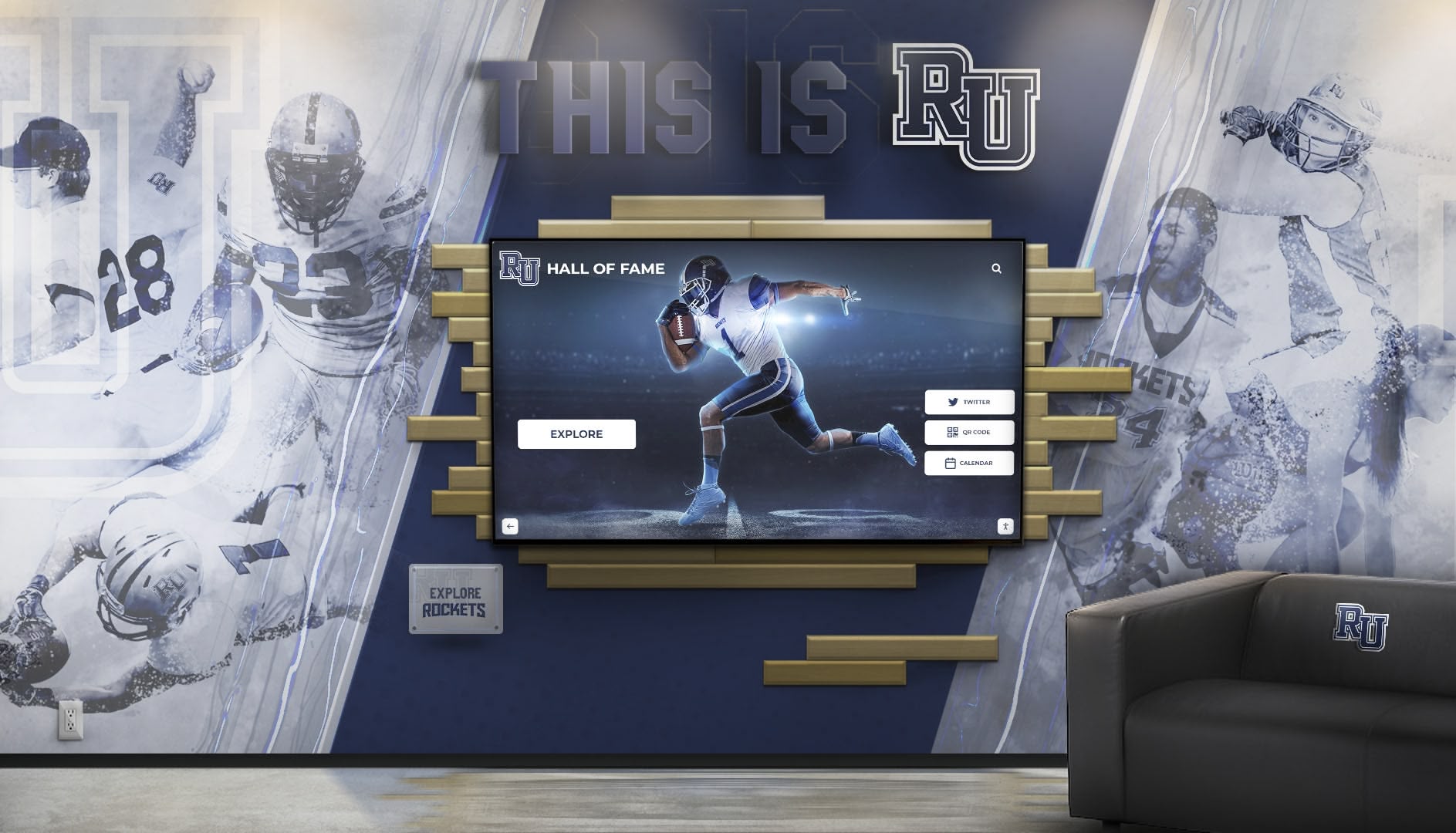
University installations combine athletic recognition with institutional branding creating cohesive visual environments
High School Athletic Recognition
High schools with strong athletic traditions can implement recognition systems that rival professional installations at appropriate scales:
All-Sport Inclusion: Comprehensive recognition across all varsity programs—football, basketball, baseball, softball, soccer, track and field, swimming, wrestling, and more—ensures equitable celebration preventing perceptions that certain sports receive preferential treatment.
Multiple Recognition Categories: State championship displays, individual record holder boards, college signing recognition, all-conference honors, and team achievement documentation provide diverse ways to acknowledge excellence across different achievement types.
Alumni Engagement Opportunities: Former athletes discovering their recognition often reconnect with schools after years of limited contact, creating opportunities for mentorship programs connecting current students with successful alumni, career networking supporting student professional development, and continued financial support from engaged alumni appreciating schools honoring their contributions.
Recruitment and Competitive Advantage: Prospective athletes and families visiting schools see comprehensive documentation of athletic excellence, understanding program quality and tradition while envisioning potential futures as recognized contributors to ongoing legacy.
Youth Sports and Community Organizations
Even youth leagues, club teams, and community sports organizations benefit from recognition technology scaled appropriately for amateur contexts:
Travel Team Documentation: Club programs documenting team achievements, tournament successes, individual player development, and organizational history create valuable institutional memory while building cultures around excellence pursuit.
Coaching Legacy Recognition: Youth organizations honoring volunteer coaches who dedicate thousands of hours developing young athletes demonstrate appreciation while encouraging continued involvement from community members.
Participation Celebration: Beyond elite achievement, youth-focused recognition can celebrate participation milestones, sportsmanship demonstrations, improvement achievements, and team contribution—fostering inclusive cultures valuing all participants regardless of athletic ability.
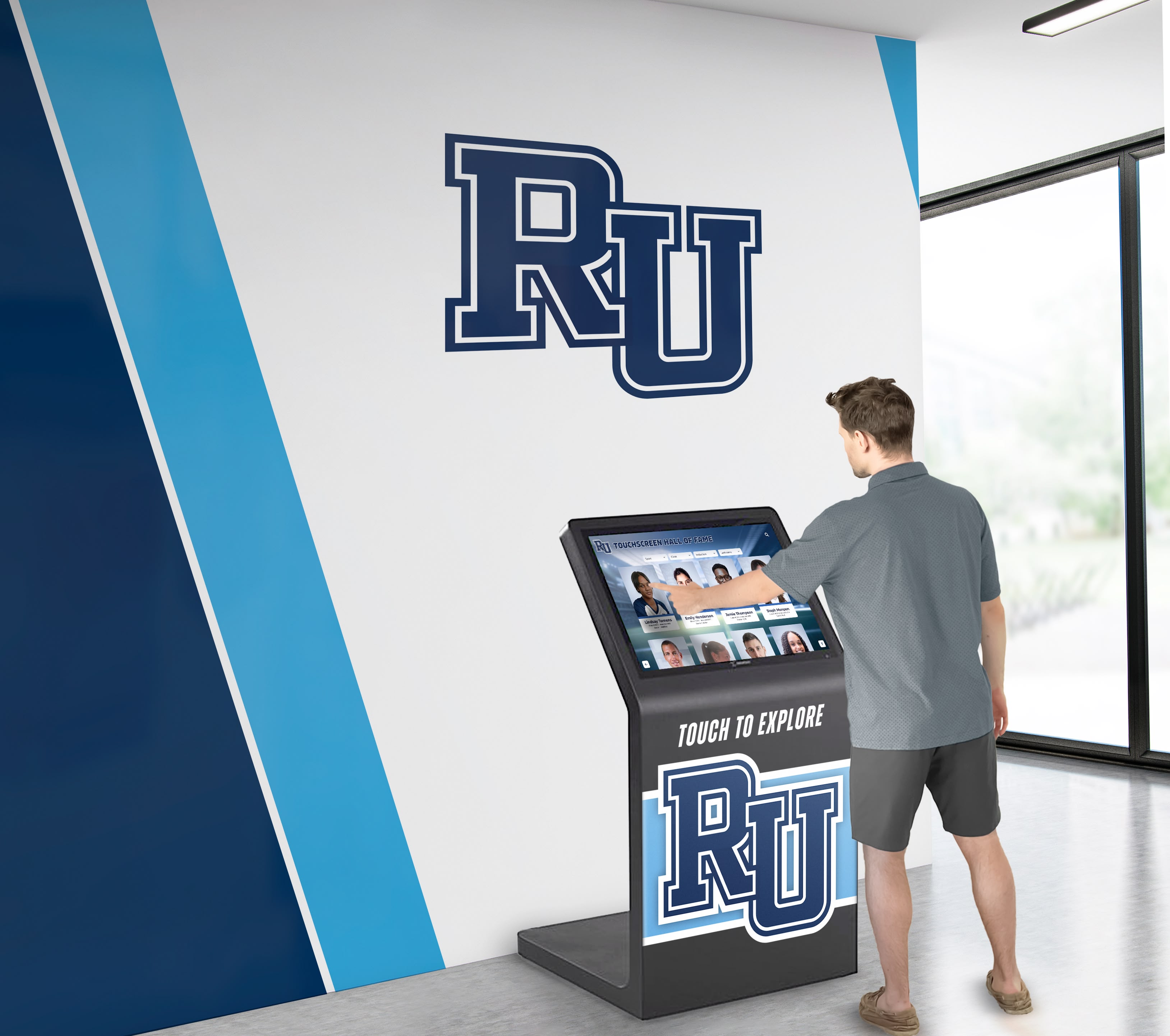
Community installations provide accessible recognition celebrating local athletic achievement and organizational pride
Choosing the Right Recognition Display Solution
Organizations planning digital recognition implementations face numerous technology choices. Understanding key evaluation criteria ensures decisions that deliver lasting satisfaction.
Platform Evaluation Criteria
Ease of Content Management: Can non-technical staff easily update content without IT department involvement or vendor assistance? Intuitive administrative interfaces reduce ongoing burden while enabling responsive updates.
Sport-Specific Features: Does the platform understand athletic recognition with appropriate templates for statistics, positions, achievements, and organizational structures? Purpose-built solutions require less customization than generic digital signage software adapted awkwardly for sports contexts.
Unlimited Recognition Capacity: Can the system accommodate growth without additional licensing costs as your organization adds new honorees over years and decades? Scalable platforms prevent future budget surprises.
Multimedia Support: Does the platform handle photographs, videos, documents, and varied content types with appropriate organization, playback functionality, and quality optimization?
Search and Filtering: Can visitors easily find specific individuals or explore by sport, era, achievement type, position, or other relevant categories through intuitive interfaces?
Mobile and Web Access: Can community members view content from anywhere through responsive web interfaces, extending recognition beyond physical display locations while maintaining consistent experiences?
Analytics and Reporting: Does the system provide insights about which content receives most attention, popular search patterns, engagement duration, and visitor demographics—informing ongoing content development priorities?
Customer Support Quality: What ongoing assistance does the provider offer for technical issues, content questions, or enhancement requests? Responsive support prevents small issues from becoming major frustrations.
Reliability and Uptime: What performance guarantees ensure consistent availability? Recognition displays serve no purpose if they’re frequently offline or experiencing technical problems.
Long-Term Viability: Is the provider financially stable with sustainable business models? Selecting vendors likely to remain operational for decades prevents abandonment of systems requiring ongoing support.
Rocket Alumni Solutions: Purpose-Built Recognition Technology
Solutions like Rocket Alumni Solutions specialize in athletic and academic recognition, offering purpose-built platforms designed for non-technical administrators while delivering engaging experiences for visitors.
Intuitive Content Management: Web-based administrative interfaces allow authorized users to add athletes, upload photos and videos, update statistics, and modify content without technical expertise, physical display access, or vendor assistance for routine updates.
Sport-Specific Templates: Pre-built structures for football, basketball, baseball, hockey, soccer, and other sports eliminate the need to create database schemas or design layouts from scratch. Templates reflect understanding of sport-specific statistics, positions, and recognition conventions.
Unlimited Recognition Capacity: Cloud-based platforms accommodate unlimited athlete profiles without additional costs as organizations grow recognition programs over time, ensuring long-term sustainability without budget surprises.
Comprehensive Multimedia Support: The platform seamlessly integrates photographs, video highlights, document archives, statistical visualizations, and other content types creating rich experiences impossible through static displays.
White-Glove Customer Service: Dedicated support throughout implementation and ongoing use ensures organizations successfully deploy and maintain showcase recognition programs without requiring internal technical expertise.
Proven Track Record: Hundreds of institutions from major universities to small community organizations trust Rocket Alumni Solutions for athletic and academic recognition needs, demonstrating platform reliability and customer satisfaction.
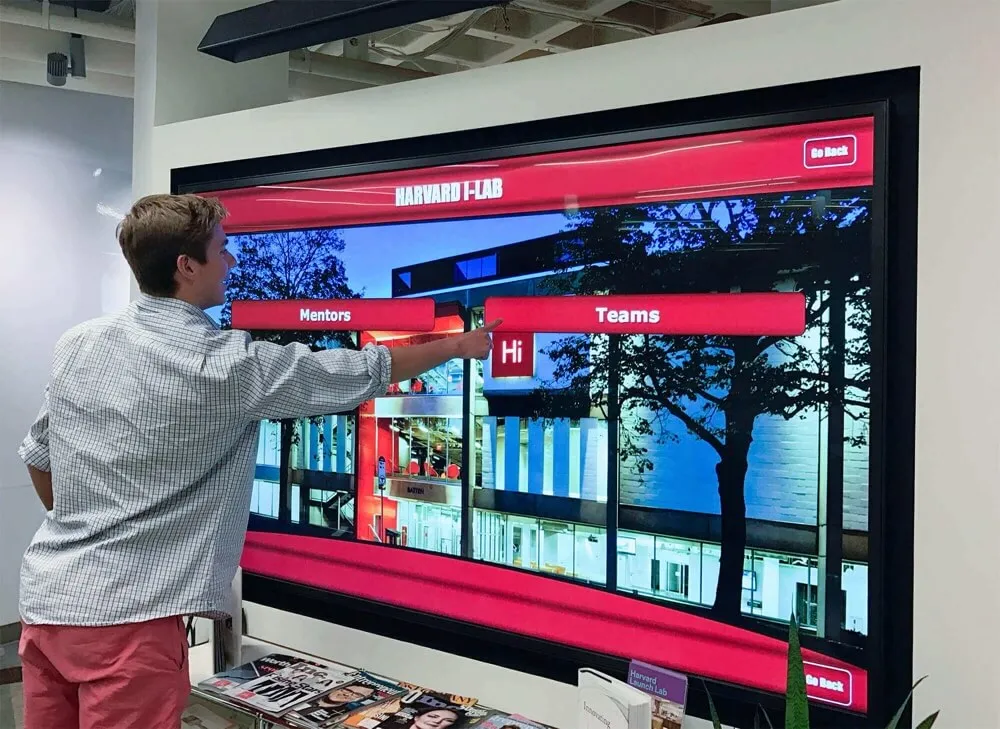
Enterprise-grade installations serve major institutions requiring sophisticated functionality and reliable performance
Budget Considerations and Funding Strategies
While professional installations at venues like TD Garden involve substantial investments, organizations can implement meaningful recognition programs at various budget levels.
Scaled Implementation Approaches
Starter Systems: Single-display installations with 50-100 profiles demonstrate value and establish foundations for expansion. Initial investments typically range from $8,000-$15,000 including hardware, software licensing, basic content development, and professional installation.
Mid-Range Programs: Multiple displays covering different sports or recognition categories with 200-500 profiles provide comprehensive coverage. Investments generally range from $20,000-$40,000 depending on customization and content development requirements.
Comprehensive Installations: Extensive multi-display systems with 1,000+ profiles, advanced features, custom integrations, and professional content production approach installations found in professional venues. These projects typically range from $50,000-$150,000 depending on scope and customization depth.
Creative Funding Approaches
Recognition programs competing with numerous institutional priorities for finite budgets can explore creative funding sources:
Alumni Fundraising Campaigns: Former athletes often contribute specifically to programs honoring athletic achievement, seeing clear value in preserving their playing eras for current and future generations while creating opportunities to reconnect with institutions that shaped their development.
Corporate Sponsorships: Local businesses may sponsor recognition programs in exchange for appropriate acknowledgment through naming opportunities or display placement in high-visibility locations where community members naturally encounter branding.
Capital Campaign Integration: Recognition components can be included in broader facility fundraising campaigns, positioning them as essential elements of modern athletic facilities rather than optional additions competing separately for donor attention.
Naming Opportunities: Specific recognition categories, individual displays, or entire programs can be named in honor of major donors, creating meaningful stewardship at multiple investment levels from individual athlete profiles to comprehensive recognition systems.
Phased Implementation: Rather than comprehensive systems immediately, organizations can start with core functionality and expand annually as budgets allow, demonstration outcomes justify continued investment, and fundraising success enables enhancements.
Measuring Recognition Display Success
Organizations should establish clear metrics for evaluating recognition program effectiveness, demonstrating return on investment while identifying improvement opportunities.
Quantitative Metrics
Interaction Frequency: Modern displays track how often visitors engage with content through touchscreen interactions, revealing usage patterns, peak activity periods, and overall engagement levels demonstrating value.
Session Duration: Average time visitors spend exploring content indicates engagement depth and interest level. Systems reporting 7-10 minute average sessions demonstrate compelling content worthy of extended attention.
Search Patterns: Most-searched athletes, popular era filters, and frequently accessed achievement categories inform content development priorities while revealing visitor interests that might not be obvious through assumptions.
Web Traffic: If recognition extends online, track visits to web-based recognition platforms measuring reach beyond physical locations, geographic distribution of visitors, and referral sources driving traffic.
Alumni Response Rates: Monitor how many recognized individuals reconnect following discovery of their inclusion, indicating effectiveness at engagement while creating opportunities for ongoing institutional relationships.
Qualitative Indicators
Stakeholder Feedback: Gather input from athletes, coaches, administrators, alumni, and community members about their perceptions and satisfaction through surveys, focus groups, or informal conversations revealing emotional responses that quantitative metrics miss.
Media Coverage: Press attention following launches or significant updates demonstrates community interest and recognition value while generating positive publicity that extends benefits beyond direct users.
Recruitment Impact: Assess whether prospective athletes and families reference recognition displays during recruitment processes, campus visits, or commitment decisions—indicating competitive advantages created through impressive recognition programs.
Fundraising Correlation: Track whether recognition programs correlate with increased athletic giving, alumni engagement, or major gift commitments from donors appreciating how contributions support lasting excellence celebration.
Community Pride: Observe whether recognition becomes a point of institutional pride referenced in broader communications, marketing materials, and community conversations—indicating cultural impact beyond direct display interaction.
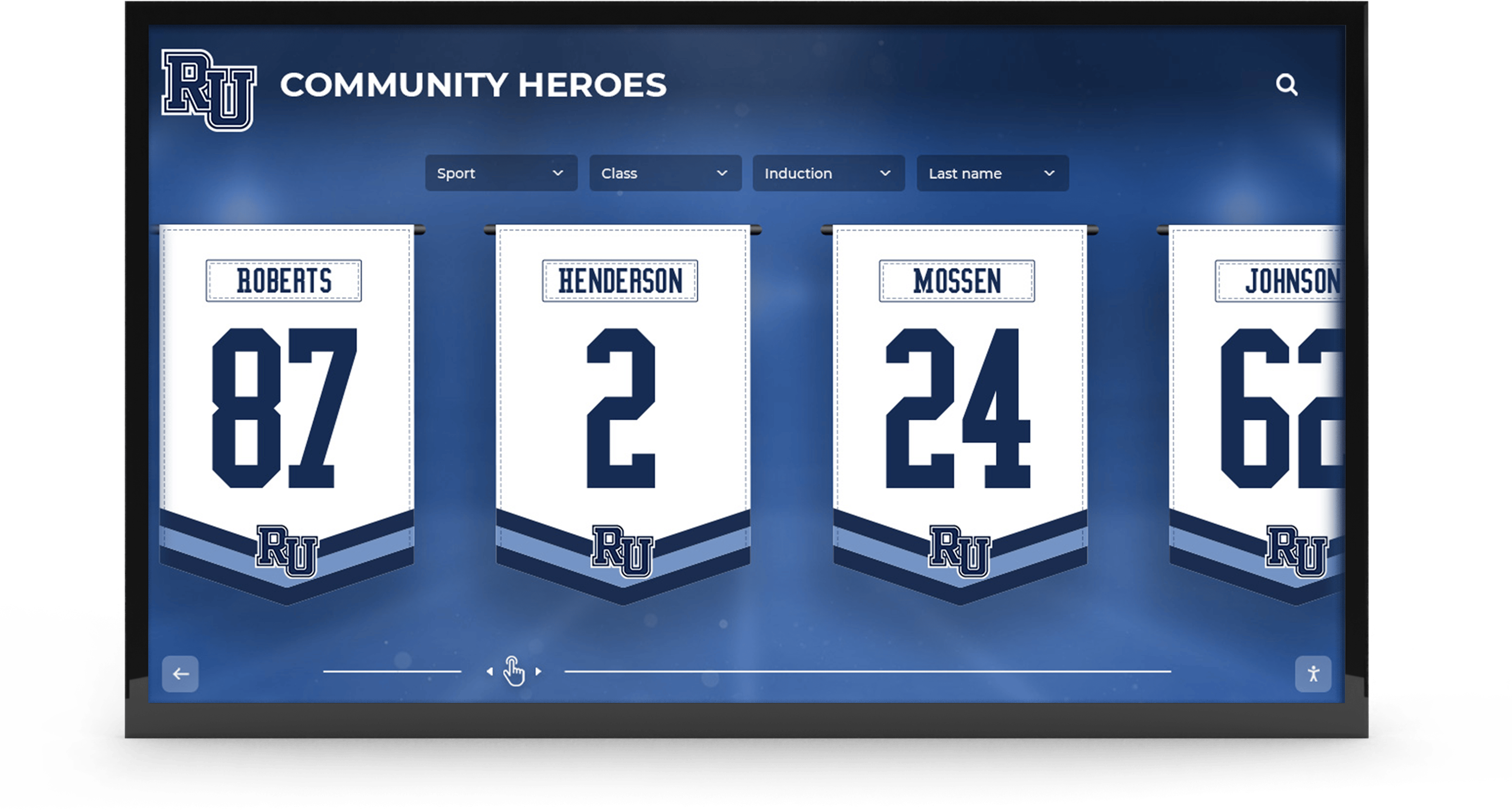
Comprehensive recognition programs celebrate community heroes while strengthening institutional culture and pride
The Future of Sports Venue Recognition Technology
Emerging technologies promise even more sophisticated recognition capabilities as interactive display systems continue evolving to meet rising expectations.
Artificial Intelligence and Personalization
Future recognition systems may leverage AI to create personalized experiences based on user preferences, viewing history, and behavioral patterns:
Intelligent Recommendations: Displays could recognize season ticket holders through mobile app integration, suggesting content matching previous viewing history, highlighting players who performed in games attended, or connecting users with alumni sharing hometowns, high schools, or colleges.
Natural Language Interfaces: Visitors might ask questions conversationally—“Show me all players from Boston,” “Who scored the most points in the 1980s,” or “Which athletes went to my high school”—with AI interpreting intent and delivering relevant results.
Adaptive Complexity: Systems could adjust information depth and presentation complexity based on user signals, providing simplified content for children or casual fans while offering advanced statistics and analytics for knowledgeable enthusiasts.
Augmented Reality Integration
AR technologies could overlay historical information onto physical stadium locations creating immersive experiences:
Location-Based Content: Pointing smartphones at specific sections could reveal famous moments that occurred in those areas, viewing the court or ice through AR could show legendary plays replayed at actual locations, and exploring venues could unlock historical content tied to physical spaces throughout facilities.
3D Visualization: Championship trophies, equipment, or memorable plays could be visualized in three dimensions, allowing visitors to examine artifacts from any angle or see plays from perspectives not possible through traditional video.
Enhanced Social Integration
Advanced platforms might enable deeper social connections between recognition content and community members:
User-Generated Content: Fans could contribute personal stories, photos from attended games, or memories connected to specific players—creating community-driven recognition complementing official content while generating authentic enthusiasm that resonates particularly powerfully with other community members.
Alumni Networking: Recognition platforms could facilitate connections between former teammates, enable mentorship relationships between successful alumni and current athletes, or support fundraising through integrated donation capabilities.
Key Considerations for Successful Implementation
Organizations planning recognition display projects should consider these critical success factors that distinguish thriving programs from abandoned initiatives:
Content Quality Over Technology Flash
The most impressive hardware cannot compensate for poor content quality. Compelling stories, comprehensive information, high-quality media, and accurate data matter more than display size or technical specifications. Invest appropriate time and resources in content development rather than focusing exclusively on technology features that impress initially but fail to sustain engagement.
Strategic Placement for Maximum Impact
Recognition displays deliver greatest value when positioned where maximum community members encounter them regularly. Main lobbies, entrance corridors, athletic facility common areas, and other high-traffic locations ensure visibility and engagement rather than relegating recognition to out-of-the-way locations that only dedicated seekers discover.
Administrator Training and Support
Even the most intuitive content management systems require proper training ensuring staff can confidently update content, troubleshoot common issues, and leverage advanced features. Ensure multiple staff members understand procedures, preventing single points of failure when personnel changes occur through graduation, retirement, or job transitions.
Regular Content Updates
Static displays lose relevance quickly as achievements accumulate, statistics change, and alumni careers progress. Commit to regular update cycles adding new inductees, honoring recent achievements, updating career information, and refreshing featured content maintaining community interest and engagement.
Integration with Broader Communications
Recognition displays function most effectively when integrated with broader institutional communication strategies. Share recognition content through newsletters, social media, websites, and other channels—creating multiple touchpoints that reinforce messages, maximize visibility, and drive traffic to both physical and digital recognition platforms.
Long-Term Organizational Commitment
The difference between successful recognition programs and abandoned projects lies primarily in sustained organizational commitment. Treat recognition as an ongoing program rather than a one-time initiative, allocating appropriate resources and attention across years and decades as programs mature and expand.
Bringing Professional Recognition to Your Organization
TD Garden and other premier sports venues demonstrate how technology enhances recognition and celebration of athletic excellence. While these professional installations operate with substantial budgets, the underlying interactive touchscreen technology has become increasingly accessible for organizations at all competitive levels.
From high schools honoring state championship teams to colleges documenting century-long athletic traditions to community organizations celebrating youth sports achievements, digital recognition displays provide tools for celebrating excellence at scales and depths that traditional approaches simply cannot match.
The question facing organizations isn’t whether interactive recognition delivers value—premier venues worldwide have proven that engaged visitors, enhanced facility experiences, improved recruitment, and strengthened alumni connections justify investment. Rather, the question is whether your organization will embrace these tools to honor achievement appropriately for modern audiences who expect interactive, multimedia, accessible experiences throughout daily life.
Whether celebrating championship legacies at TD Garden, Olympic athlete achievements, high school athletes who achieved state championships, or college competitors who represented institutions with distinction, the mission remains constant: recognizing excellence in ways that inspire current participants, engage alumni, preserve heritage for future generations, and demonstrate organizational commitment to honoring the athletes whose dedication built lasting traditions.
Ready to Transform Your Athletic Recognition Program?
Rocket Alumni Solutions helps sports organizations create engaging recognition displays celebrating athletic excellence through proven technology, comprehensive support, and purpose-built platforms designed specifically for athletic achievement.
Schedule Your Free ConsultationInteractive touchscreen technology transforms how we celebrate athletic achievement, from premier professional arenas like TD Garden to local facilities where communities gather in shared passion for sport. Solutions like Rocket Alumni Solutions make this professional-quality recognition accessible for programs at every level, delivering comprehensive athlete profiles with unlimited capacity, engaging multimedia integration bringing achievements to life, powerful search and discovery tools enabling personalized exploration, sport-specific templates understanding unique recognition requirements, and accessible web platforms extending recognition globally beyond physical installations.
Your athletic program’s history deserves recognition worthy of the athletes who created it—whether honoring Celtics and Bruins legends at TD Garden or celebrating local champions in your community’s gymnasium.































