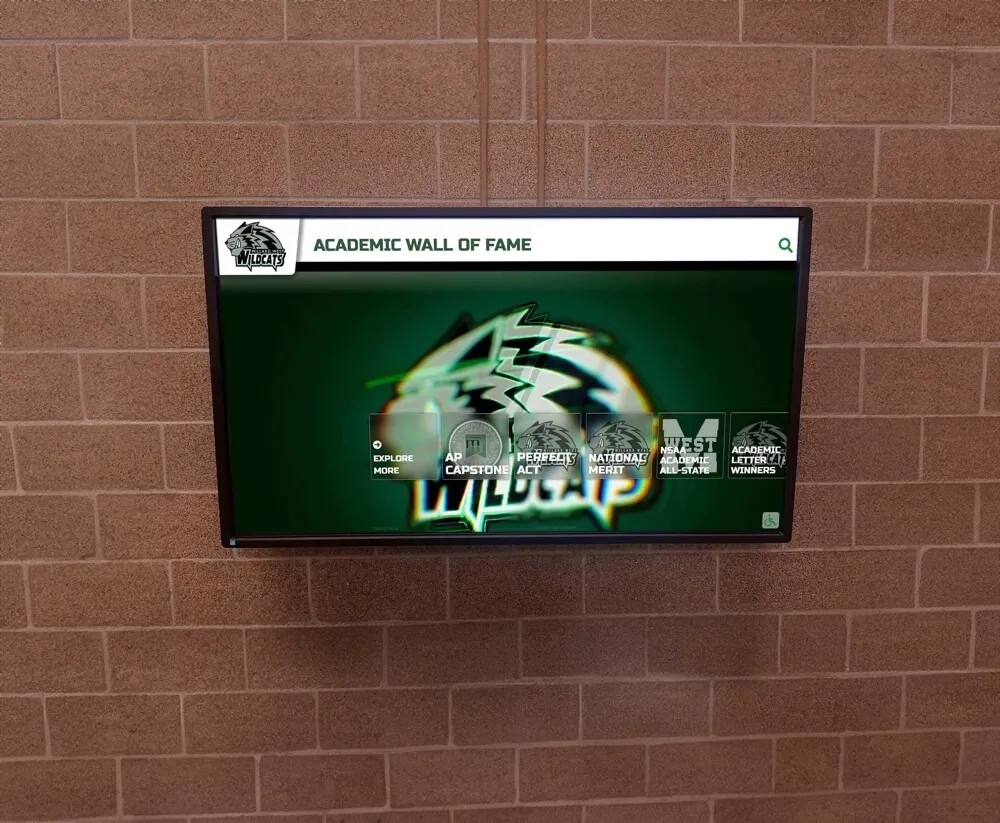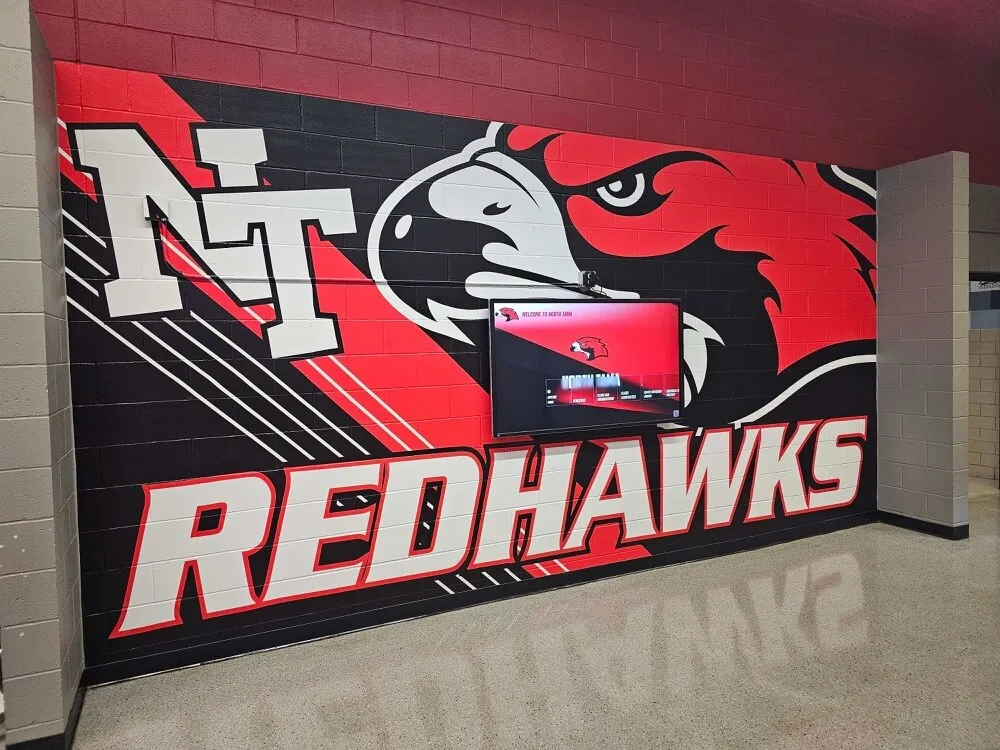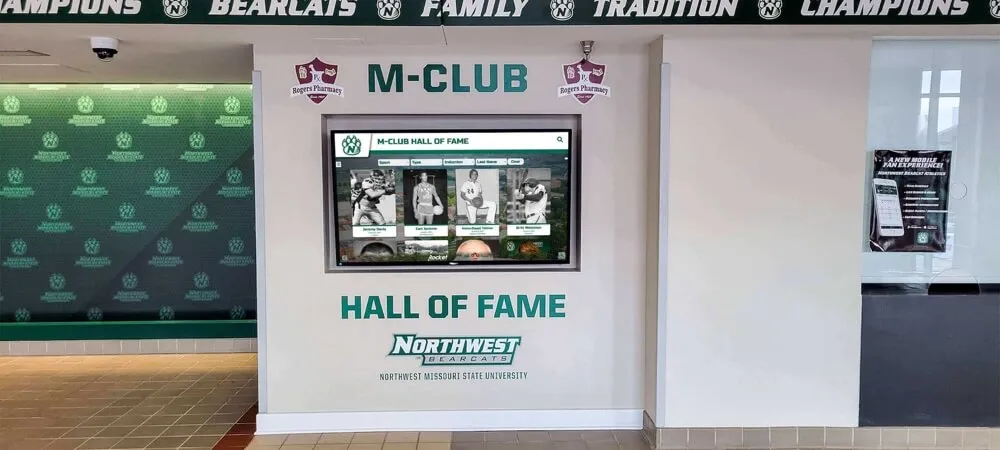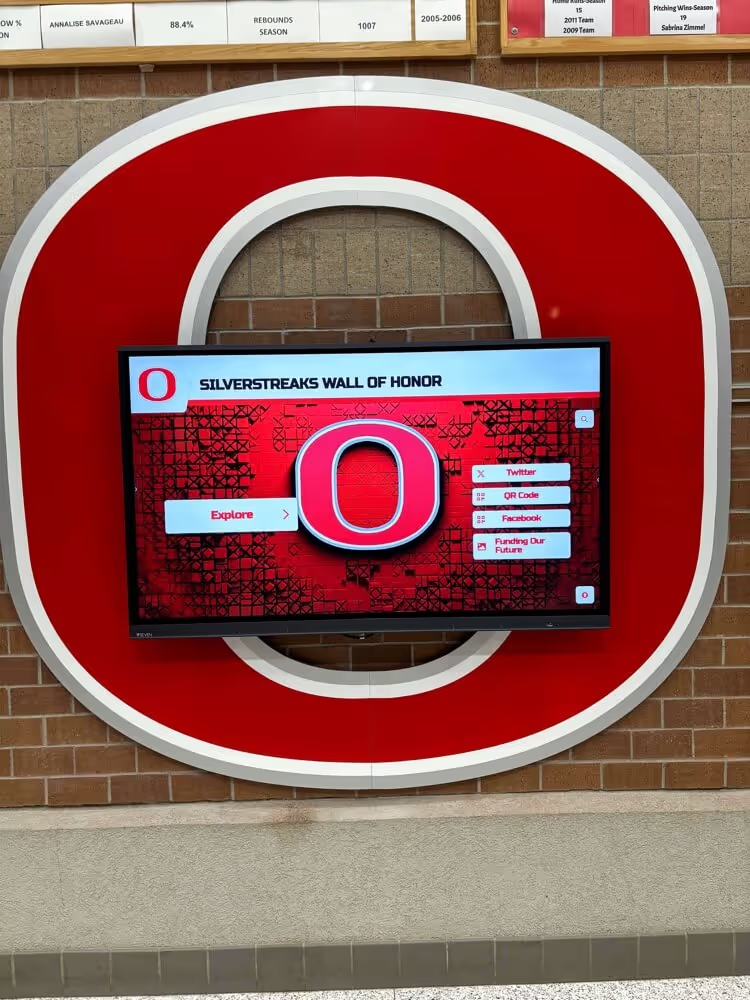
Understanding the Competitive Landscape
The educational technology market has evolved significantly, with schools seeking efficient solutions for both visual communications and recognition displays. However, not all platforms serve both needs equally well—and recent market dynamics have created particularly challenging conditions for certain vendors.
The Gipper Challenge: Competing with Free Canva Pro
Gipper built its business model around providing social media graphics tools for schools, charging subscription fees for design capabilities. However, this market position faces a fundamental challenge: Canva offers completely free Pro accounts to all K-12 schools and educators, providing professional design tools without any cost.
This competitive pressure creates significant obstacles for Gipper:
The Free Canva Advantage:
- All K-12 schools qualify for free Canva for Education accounts
- Canva Pro features included at zero cost
- Professional templates, brand kits, and design tools
- Extensive image libraries and design elements
- No per-user or per-school licensing fees
Gipper’s Value Proposition Challenge:
- Must justify subscription costs against free alternatives
- Difficult to demonstrate sufficient value above Canva’s capabilities
- Schools increasingly question paying for what they can access free
- Budget-conscious administrators prioritize no-cost solutions
For schools evaluating graphic design tools, the calculus is straightforward: why pay for Gipper when Canva Pro is free? This market reality has pushed Gipper to explore adjacent markets, including the recent addition of touchscreen display capabilities. However, entering the specialized touchscreen recognition market presents its own substantial challenges when competing against established leaders like Rocket Alumni Solutions.
Rocket Alumni Solutions: Purpose-Built Excellence
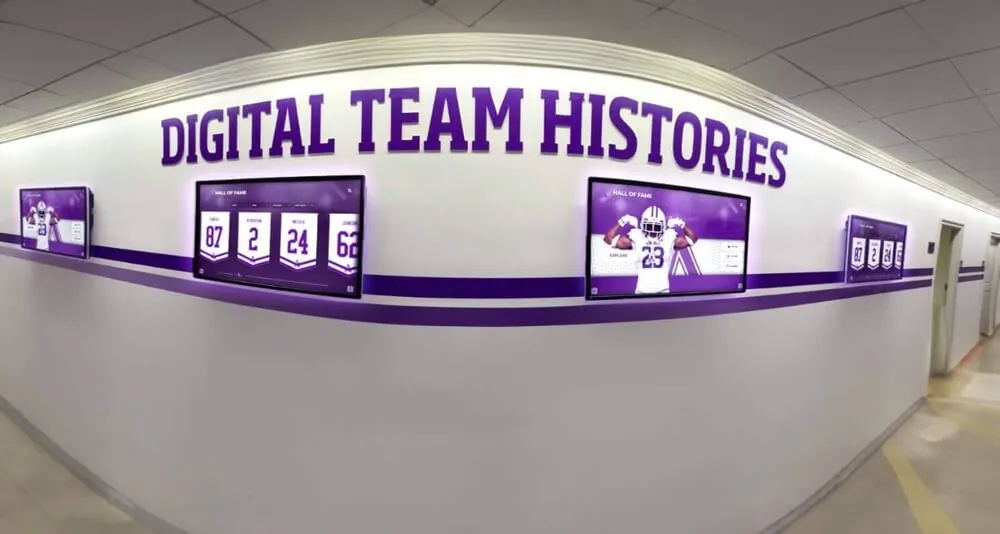
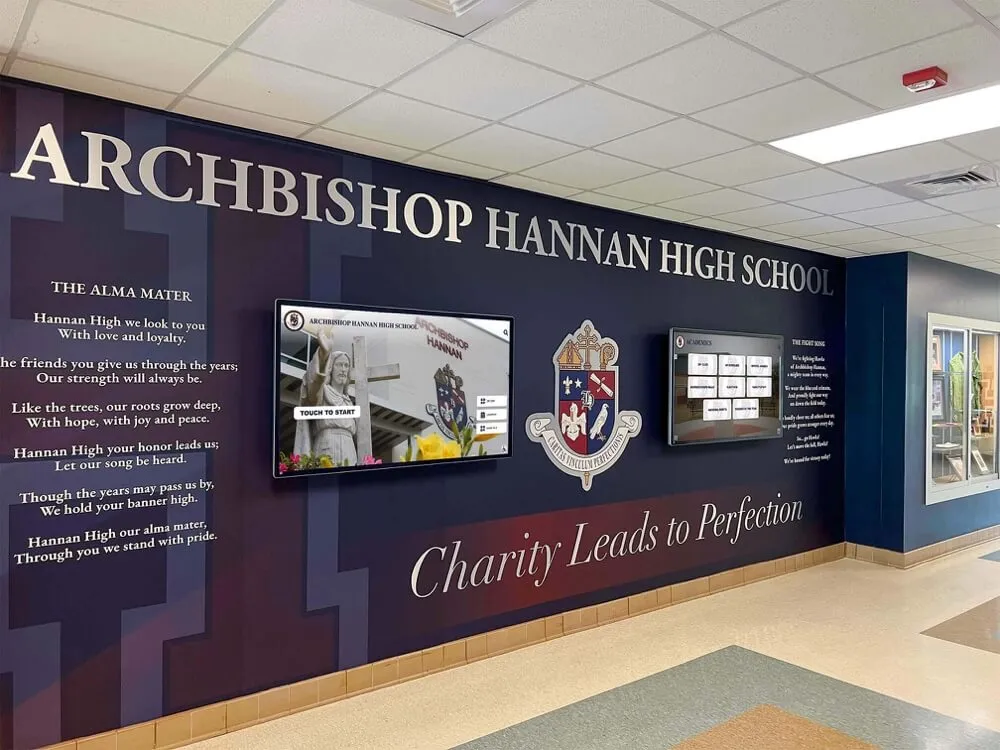
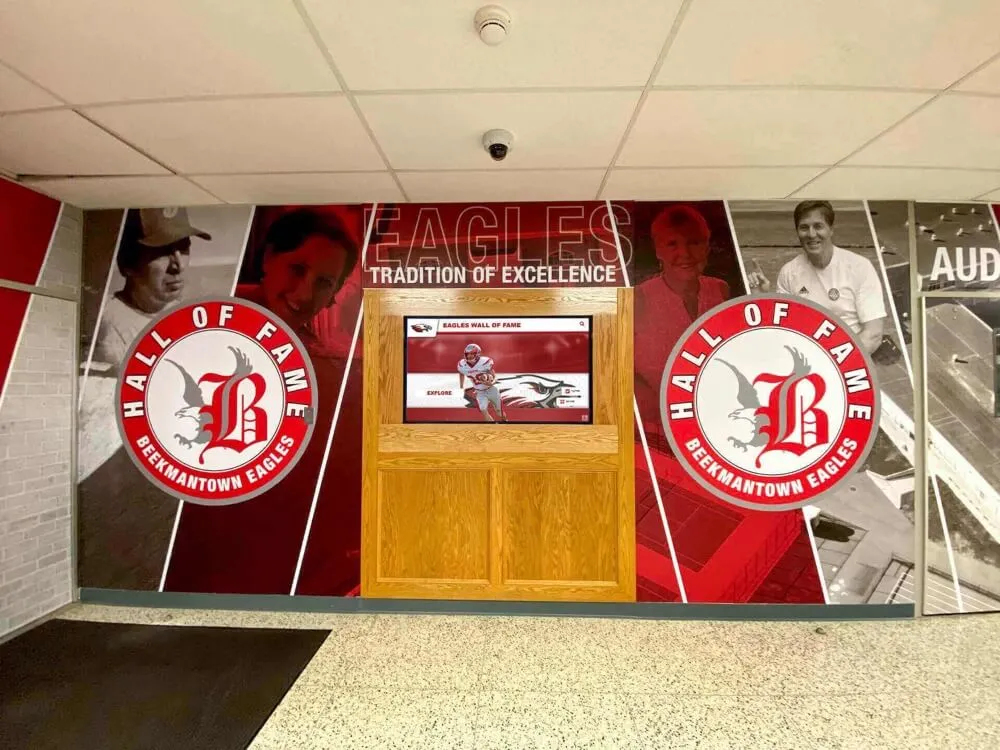
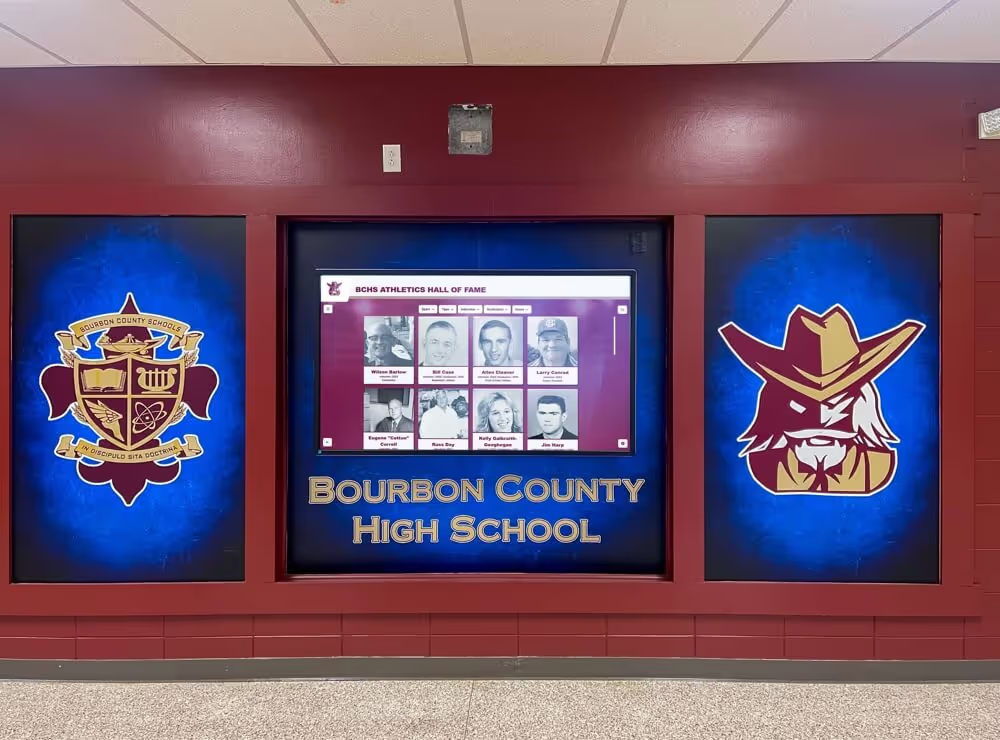
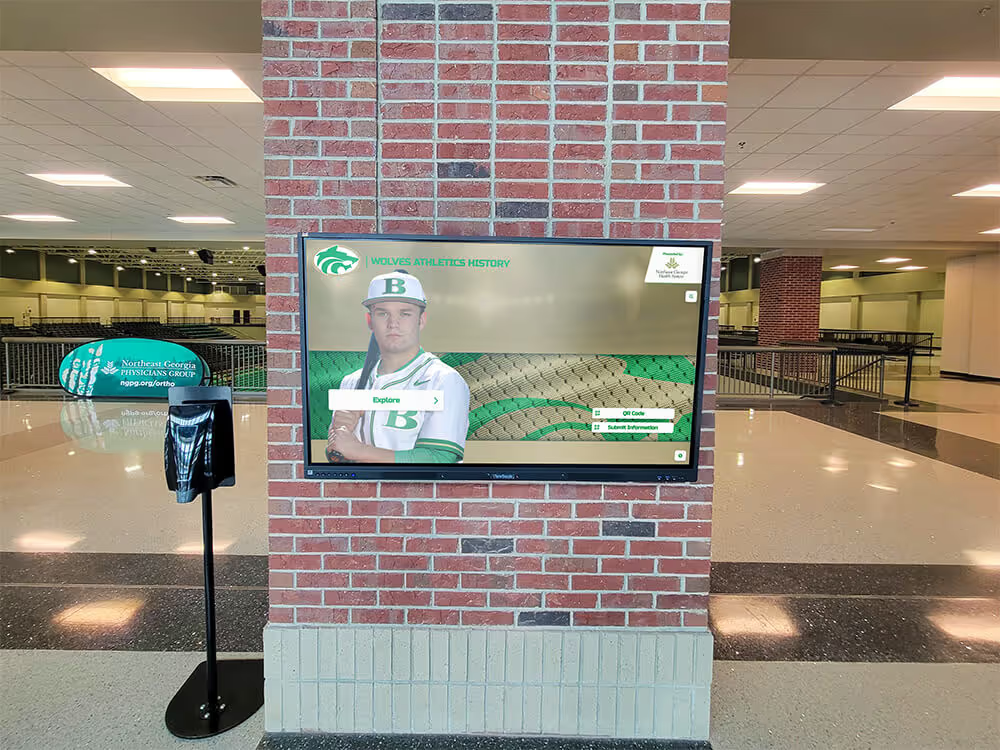
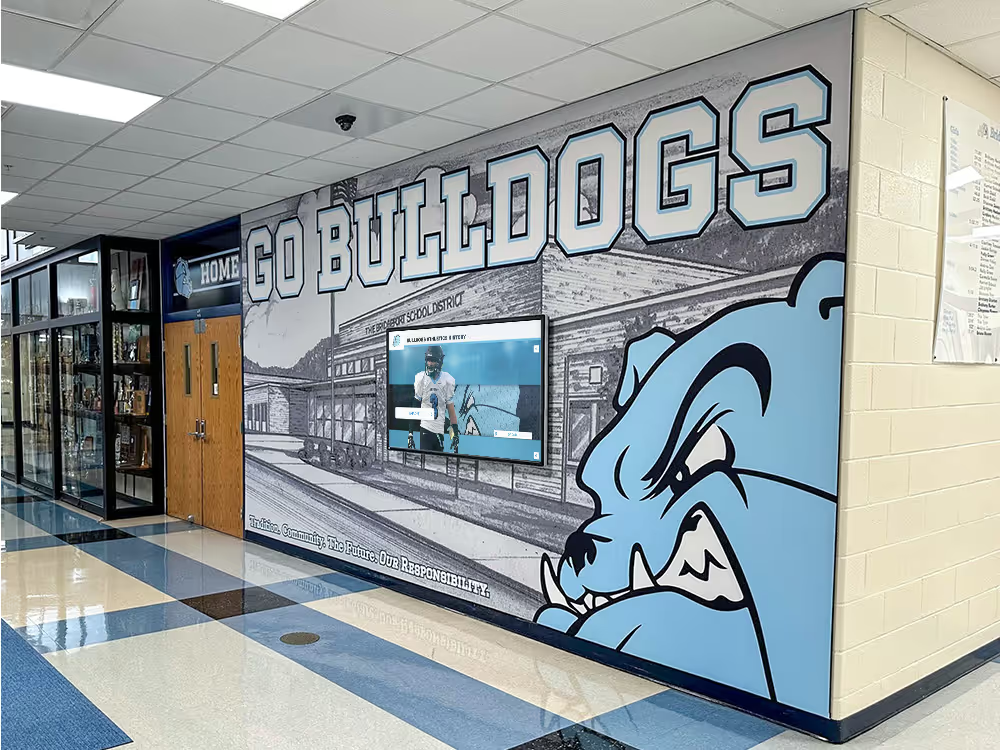
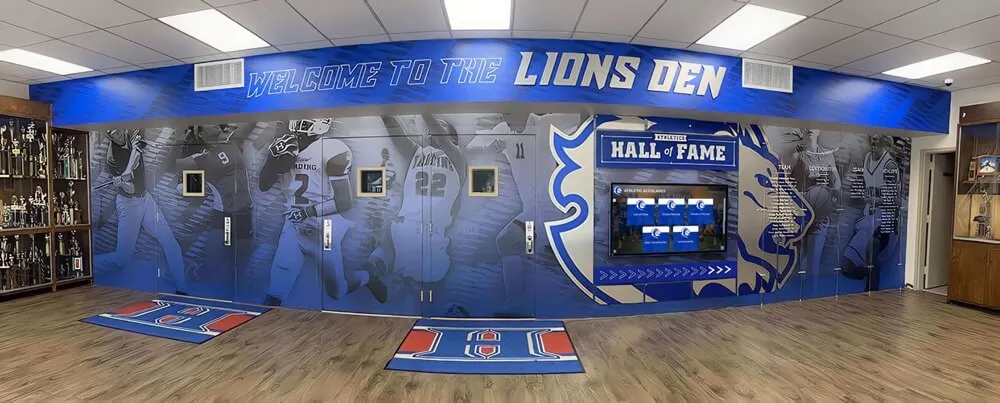
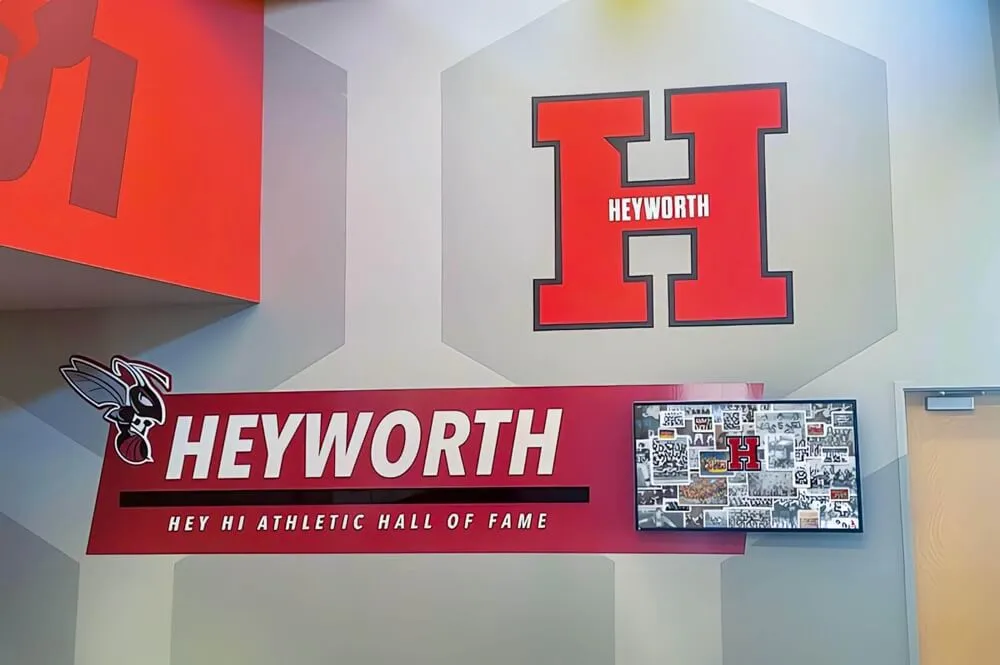
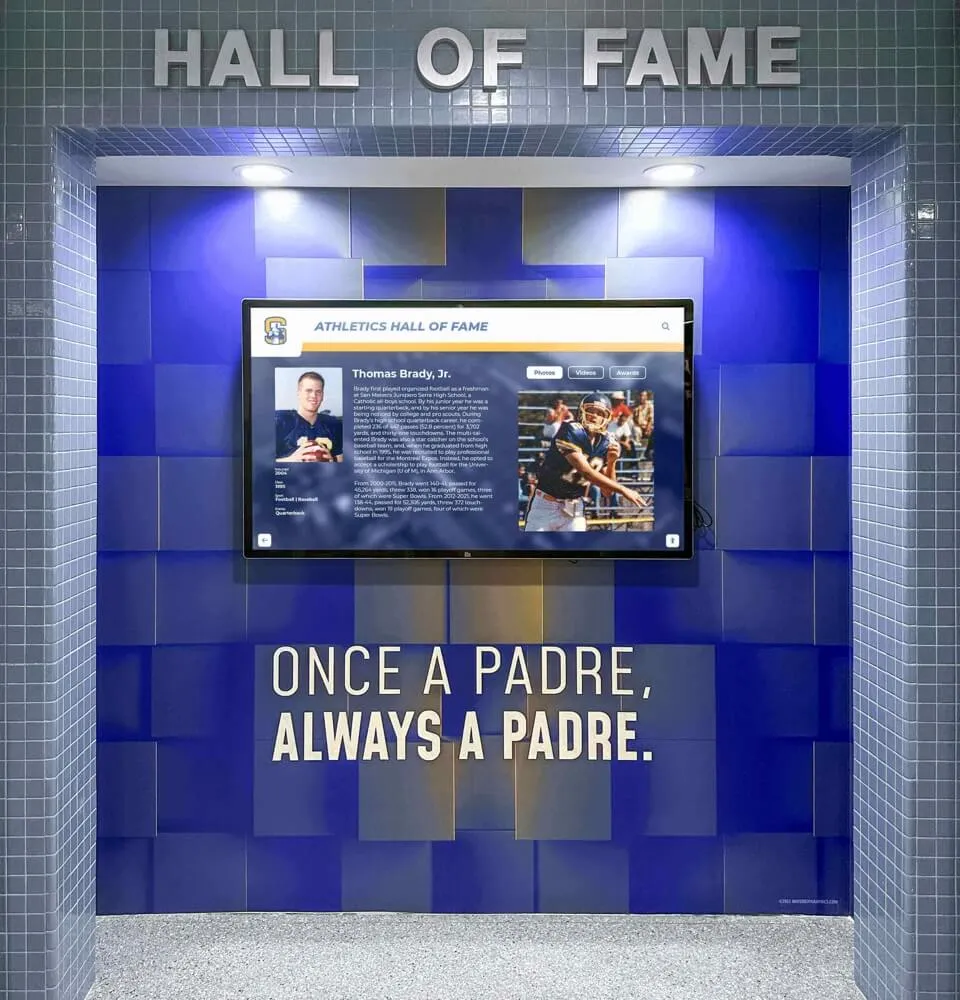
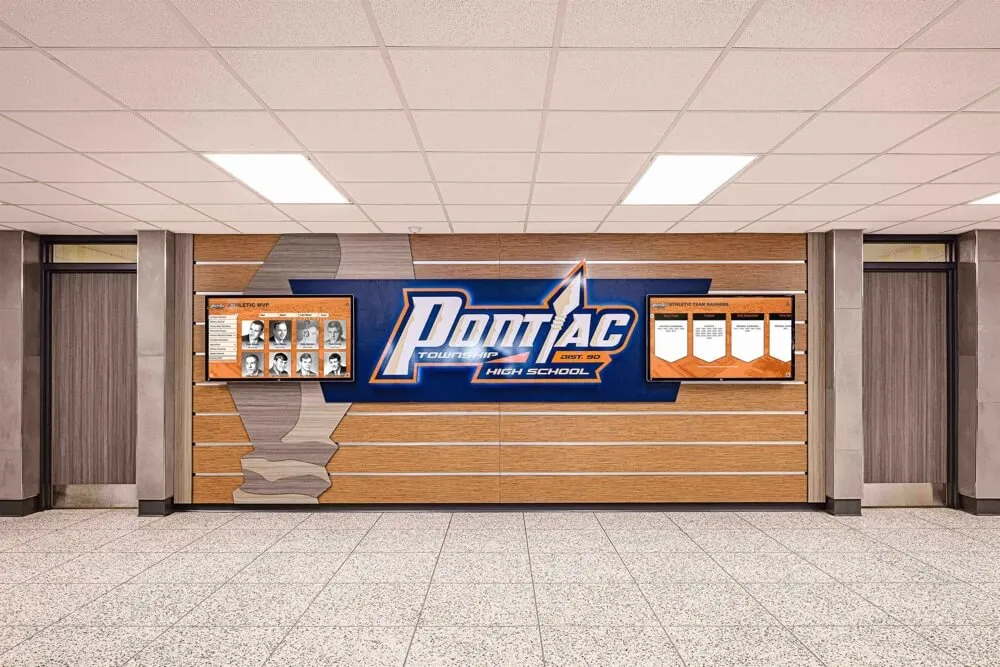
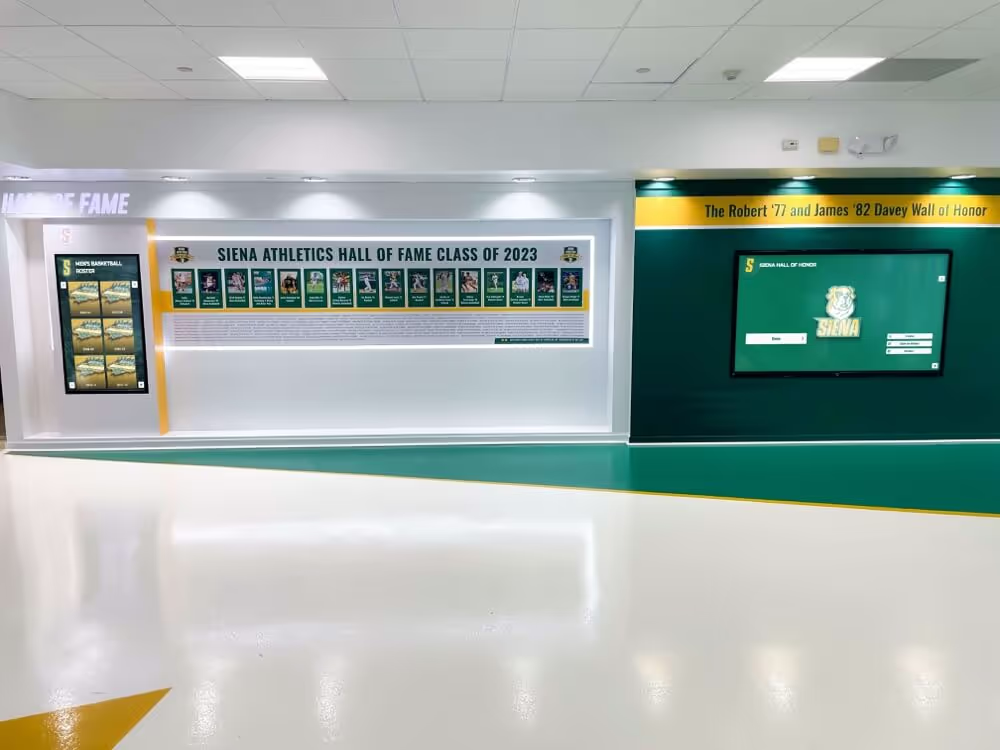
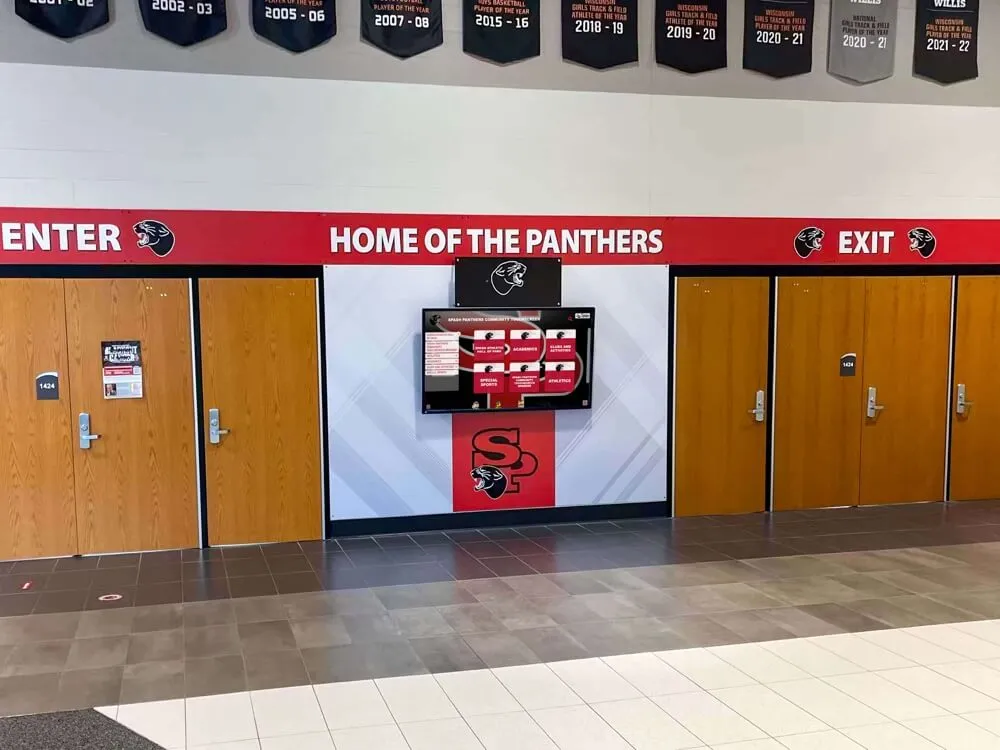
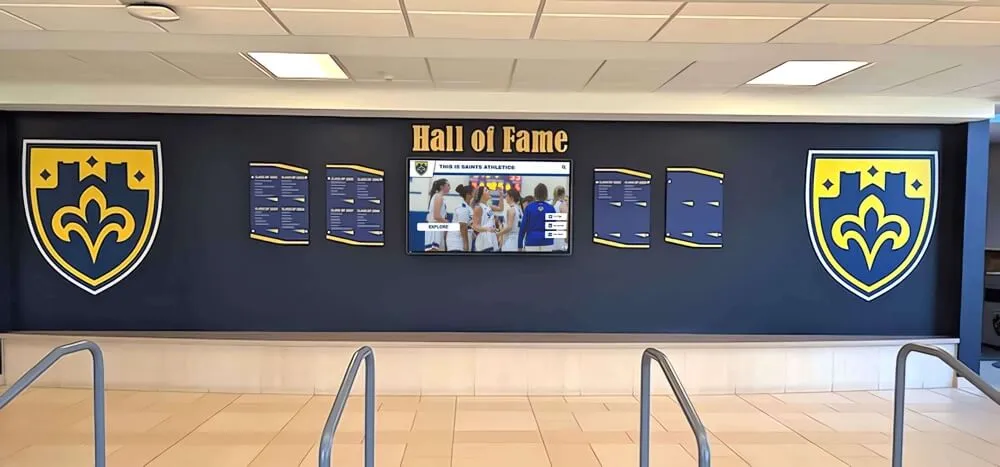
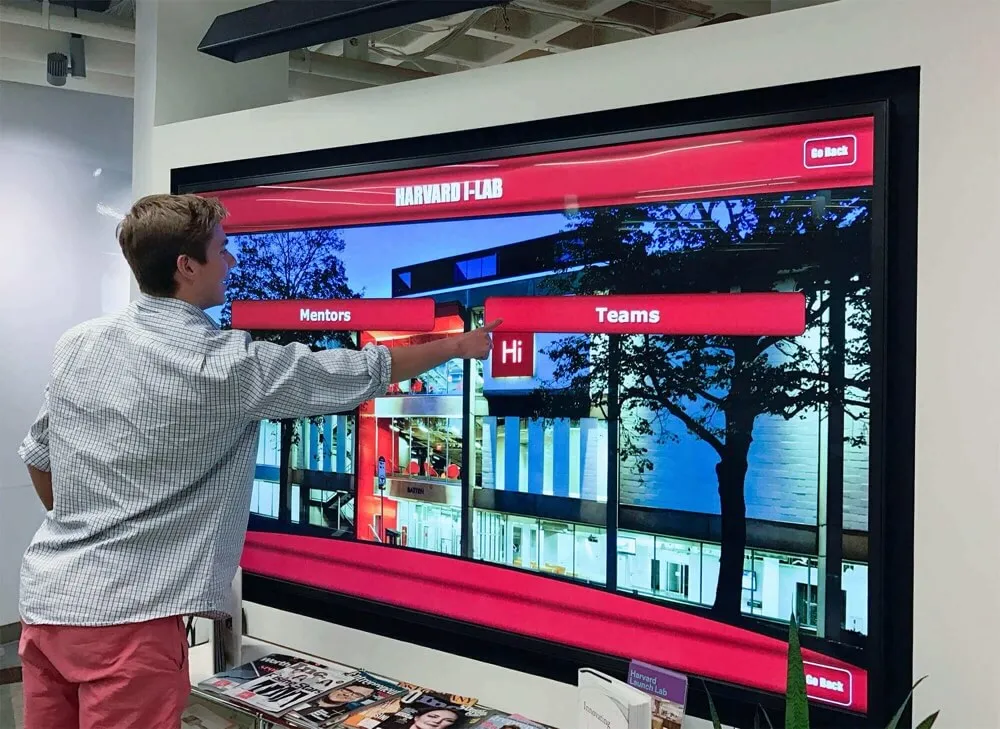
Rocket Alumni Solutions represents the industry standard for interactive touchscreen recognition displays, with over 1,000 successful installations across schools, universities, athletic programs, and community organizations throughout all 50 states.
Proven Track Record and Market Leadership
Unlike platforms experimenting with recognition displays as secondary features, Rocket’s exclusive focus delivers unmatched expertise:
Installation Experience:
- 1,000+ successful deployments provide proven reliability
- Implementations across diverse educational environments
- Extensive real-world testing and platform refinement
- Documented customer satisfaction and long-term success
Specialized Expertise:
- Purpose-built exclusively for recognition applications
- Deep understanding of educational institution needs
- Industry-specific templates and design patterns
- Continuous platform evolution based on user feedback
Hardware Integration Excellence:
- Comprehensive hardware and software solutions
- Proven compatibility with commercial-grade displays
- Professional installation and configuration services
- Ongoing technical support and maintenance
Core Platform Capabilities
Rocket delivers comprehensive features designed specifically for recognition displays:
Content Management:
- Intuitive cloud-based dashboard
- No technical expertise required for updates
- Bulk import tools for historical records
- Scheduled content publishing
- Remote management from any device
Interactive Experience:
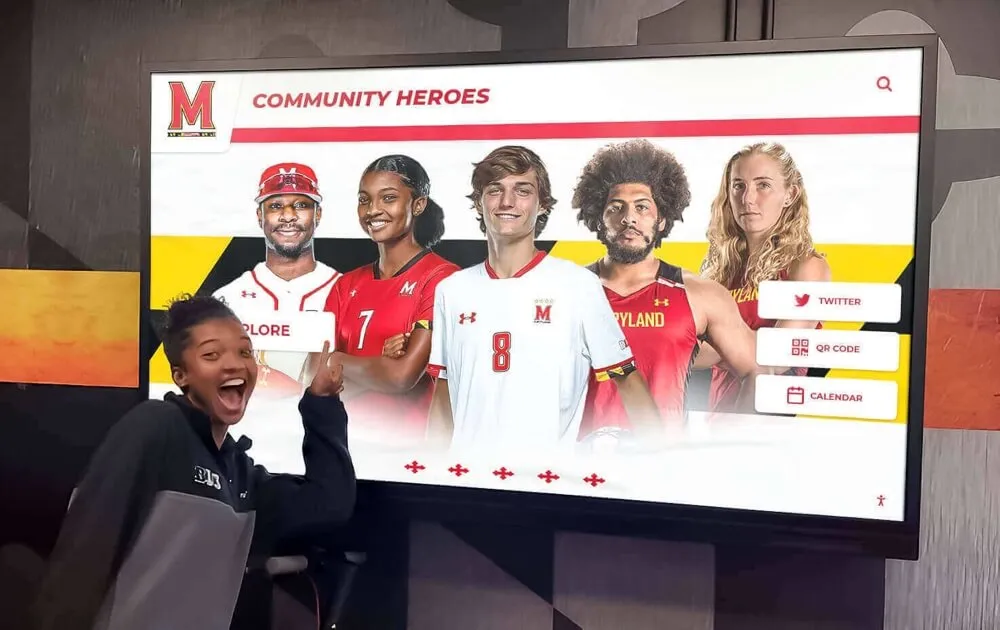
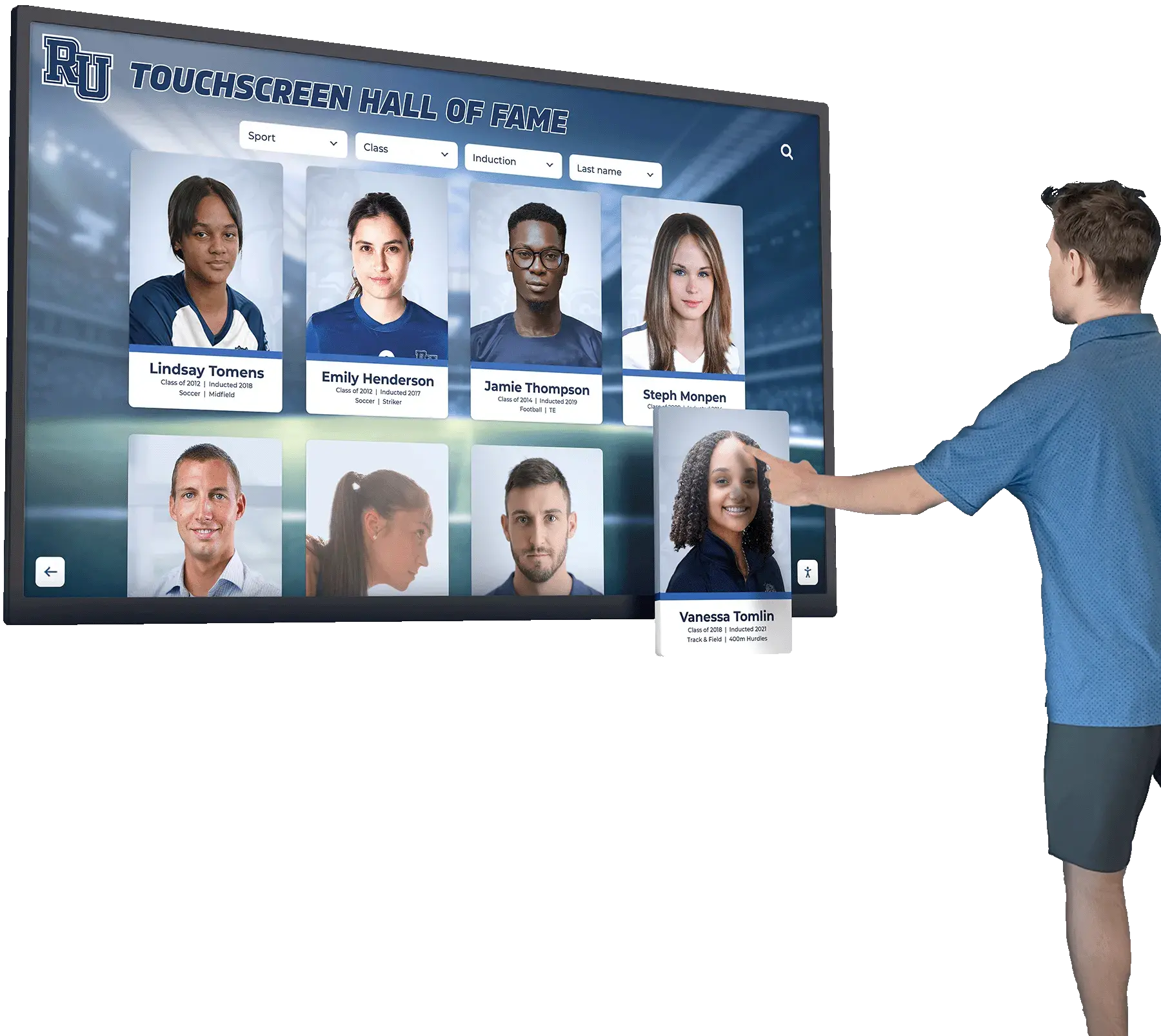
- Engaging touchscreen interfaces
- Advanced search and filtering
- Multimedia integration (photos, videos, documents)
- Social media connectivity
- Mobile companion apps
Recognition-Specific Features
Purpose-built tools address educational needs:
Achievement Categories:
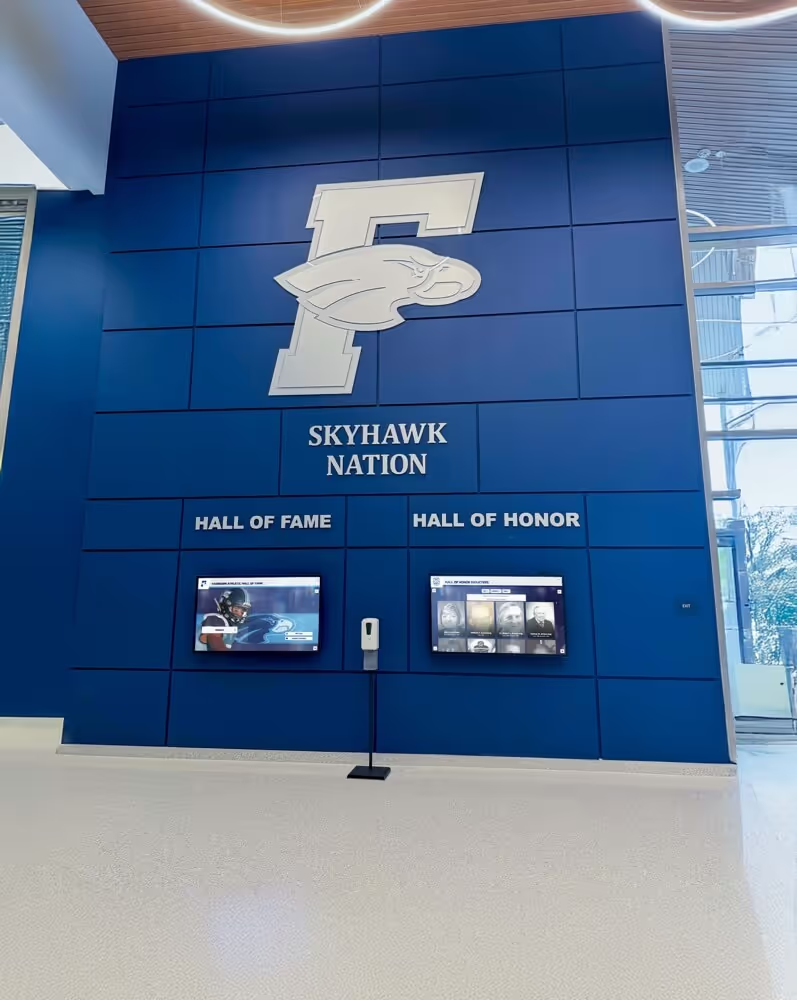
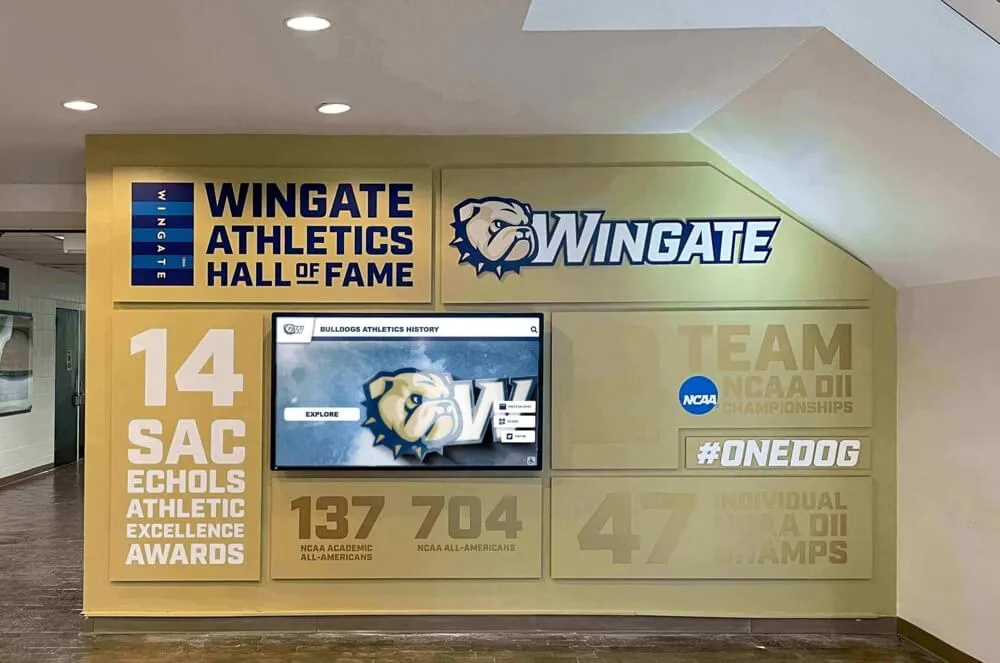
- Digital halls of fame
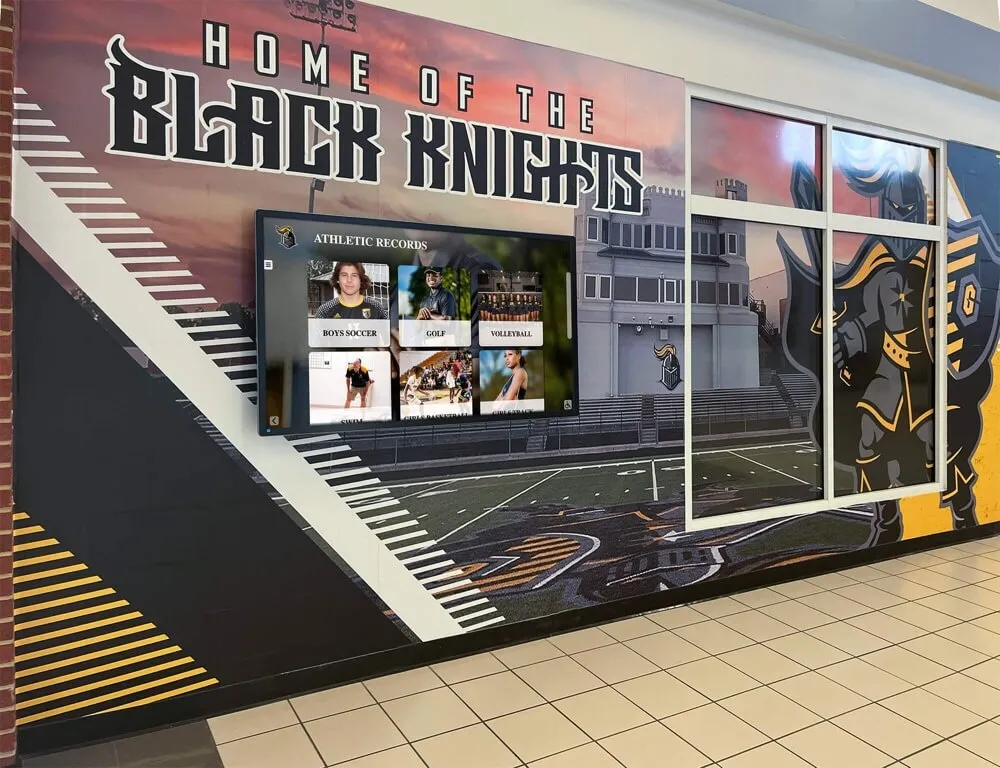
- Athletic record boards
- Academic achievement displays
- Donor recognition walls
- Staff and faculty honors
Educational Integration:
- Student information system connectivity
- Alumni database synchronization
- Athletics management integration
- Permission and consent tracking
- FERPA compliance support
Gipper’s Market Position and Challenges
Understanding Gipper’s background and recent strategic shifts provides important context for schools evaluating their options.
Origins as Social Media Graphics Platform
Gipper entered the educational market focusing on social media content creation:
Original Value Proposition:
- Templates for social media posts
- School branding tools
- Athletic schedule graphics
- Event promotion materials
- Quick content creation for social channels
Market Evolution Challenges:
- Canva’s free Pro accounts for schools undermined value proposition
- Difficult to justify subscription costs against no-cost alternatives
- Pressure to expand beyond core graphics offerings
- Need to differentiate from free competitors
The New and Untested Touchscreen Solution
Facing competition in its core graphics market, Gipper recently introduced touchscreen display capabilities. However, this represents a significant departure from their expertise:
Platform Maturity Concerns:
- Very new offering with limited real-world deployments
- Unclear how many installations currently exist
- Minimal customer feedback and testimonials
- Uncertain long-term platform development roadmap
Hardware Integration Questions:
- Limited experience with commercial display hardware
- Unclear hardware recommendations and support
- No established installation partnerships
- Questions about technical support for hardware issues
Specialized Feature Gaps:
- Generic approach lacking education-specific templates
- Limited recognition-focused functionality
- Uncertain integration capabilities with school systems
- No documented compliance features for student privacy
For schools considering touchscreen recognition displays, Gipper’s new and untested solution presents substantial risks compared to Rocket’s proven platform refined through thousands of implementations.
Comprehensive Feature Comparison
When schools evaluate platforms, understanding specific capability differences helps clarify the right choice:
Content Management and Ease of Use
Rocket Alumni Solutions:
- Purpose-built dashboard for recognition content
- Educational-specific workflows and templates
- Bulk upload tools for historical inductees
- Scheduled publishing for ceremonies and events
- Role-based permissions for different staff
- Mobile-responsive management interface
- Comprehensive training resources and documentation
Gipper:
- Interface designed primarily for social graphics
- Generic content management without recognition templates
- Limited specialized tools for achievement displays
- Unclear workflow for managing large inductee databases
- New platform with evolving feature set
- Training resources still developing for touchscreen features
Template Libraries and Design
Rocket Alumni Solutions:
- Extensive library of recognition-specific templates
- Customizable layouts for halls of fame
- Athletic record board templates
- Donor recognition designs
- Academic achievement displays
- Professional design services available
- Proven design patterns from 1,000+ installations
Gipper:
- Strong social media graphic templates
- Limited recognition display templates
- Design focus on promotional content vs. achievements
- New touchscreen templates with limited real-world validation
- Generic approach requiring substantial customization
Hardware Integration and Support
Rocket Alumni Solutions:
- Complete hardware and software solutions
- Commercial-grade display recommendations
- Professional installation services
- Tested compatibility with various hardware platforms
- Comprehensive technical support
- Hardware maintenance and warranty management
- Proven durability in high-traffic environments
Gipper:
- Unclear hardware recommendations and support
- Limited commercial display experience
- No established installation partnerships
- Unknown long-term hardware reliability
- Questions about support for hardware issues
- Untested in demanding public display environments
Real-World Implementation Considerations
Beyond feature lists, practical implementation factors significantly impact long-term success:
Staff Training and Ongoing Management
Rocket’s Advantage:
- Intuitive interface requiring minimal training
- Non-technical staff can manage updates confidently
- Comprehensive onboarding and training programs
- Dedicated support team familiar with educational environments
- Extensive knowledge base and video tutorials
- Regular training refreshers as platform evolves
Gipper’s Challenges:
- New touchscreen interface with evolving usability
- Staff familiar with graphics tools face learning curve for display management
- Limited training resources for touchscreen-specific features
- Support team still developing expertise in recognition displays
- Unclear long-term training availability
Integration with School Systems
Schools benefit when recognition displays connect seamlessly with existing systems:
Rocket Capabilities:
- API connections to student information systems
- Alumni database synchronization
- Athletics management platform integration
- Automatic data updates from source systems
- Single sign-on authentication support
- Custom integration development available
- Proven integration track record
Gipper Limitations:
- Unclear integration capabilities for touchscreen features
- Limited documentation on system connectivity
- Unknown API functionality and flexibility
- No demonstrated integrations with school platforms
- Integration expertise still developing
Long-Term Platform Viability
Schools make multi-year investments requiring confidence in vendor stability:
Rocket’s Proven Stability:
- Established business model with 1,000+ customer base
- Consistent platform development and improvement
- Clear product roadmap informed by customer feedback
- Strong financial foundation from successful installations
- Long-term customer relationships and renewals
- Industry recognition and awards
Gipper’s Uncertain Position:
- Facing significant competitive pressure in core graphics market
- Canva’s free offerings challenge primary revenue stream
- Touchscreen offering represents strategic pivot
- Unclear traction in recognition display market
- Questions about long-term commitment to touchscreen segment
Why Rocket Alumni Solutions is Better in Nearly Every Way
When evaluating comprehensive capabilities, Rocket’s advantages become clear across virtually every dimension:
Specialized Expertise vs. Adjacent Experiment
Rocket: Exclusive focus on interactive recognition displays means every feature, every template, every capability is purpose-built for celebrating achievements. Over 1,000 installations demonstrate deep understanding of what schools need.
Gipper: Recognition displays represent a recent strategic addition to their social media graphics business, lacking the specialized expertise and proven track record schools require.
Proven Reliability vs. Untested Solution
Rocket: Extensive real-world testing through thousands of installations provides confidence. Schools can speak with similar institutions using Rocket successfully for years.
Gipper: Very new touchscreen offering with minimal installations and real-world validation. Limited testimonials and unknown long-term reliability.
Comprehensive Support vs. Developing Expertise
Rocket: Dedicated support team with extensive recognition display experience understands educational environments intimately. Comprehensive training, responsive assistance, and proactive guidance.
Gipper: Support team still developing expertise in recognition displays. Primary experience with social media graphics doesn’t translate directly to interactive touchscreen implementations.
Hardware Excellence vs. Hardware Questions
Rocket: Complete solutions with proven hardware recommendations, professional installation, and ongoing technical support. Commercial-grade displays tested in demanding environments.
Gipper: Unclear hardware guidance and support. No demonstrated hardware expertise or established installation partnerships.
Educational Specialization vs. Generic Approach
Rocket: Purpose-built for schools with features addressing student privacy, permission tracking, and educational workflows. Understands FERPA compliance and institutional needs.
Gipper: Generic approach without education-specific features. Limited understanding of compliance requirements and specialized educational needs.
The Canva Factor: Why Schools Question Gipper’s Graphics Value
For schools evaluating Gipper primarily for graphic design capabilities, the Canva comparison proves particularly relevant:
Canva for Education Benefits
Schools gain substantial value from Canva’s free offering:
Included Capabilities:
- Professional design tools and templates
- Brand kit management for consistent branding
- Extensive photo and graphics libraries
- Collaboration tools for teams
- Social media scheduling
- Video editing capabilities
- Print design features
Cost Comparison:
- Canva: $0 for all K-12 schools and educators
- Gipper: Subscription fees required
- Decision calculus: Pay for Gipper or use free Canva?
Strategic Implications
This competitive dynamic influences how schools should approach Gipper:
For Graphics Needs: Canva’s free Pro accounts typically provide better value than paid Gipper subscriptions for social media and promotional graphics.
For Recognition Displays: Neither Canva nor Gipper can replace specialized touchscreen solutions like Rocket Alumni Solutions. Schools need purpose-built platforms for interactive recognition applications.
Optimal Approach: Use Canva’s free tools for graphics and Rocket’s specialized platform for recognition displays, avoiding payment for Gipper’s offerings that face challenges in both markets.
Making the Right Decision for Your School
Schools should evaluate platforms using systematic criteria:
Questions to Ask Potential Vendors
About Track Record:
- How many installations do you currently have?
- Can you provide references from schools similar to ours?
- How long has your touchscreen solution been available?
- What is your customer retention rate?
About Capabilities:
- Do you offer education-specific templates and features?
- How does your platform address student privacy requirements?
- What system integrations do you support?
- How do you handle content updates and management?
About Support:
- What training do you provide for staff?
- How responsive is your technical support?
- Do you offer installation and hardware services?
- What happens if we encounter issues?
About Costs:
- What is the total cost of ownership including software, hardware, and support?
- Are there hidden fees or additional costs?
- How does pricing scale for multiple displays?
- What is included in ongoing maintenance?
Red Flags to Consider
Be cautious of vendors who:
- Cannot provide extensive customer references
- Offer new, unproven solutions without track records
- Lack education-specific expertise and features
- Provide vague hardware recommendations
- Have unclear long-term business viability
- Face significant competitive pressure in their core markets
When Rocket is the Right Choice
Schools seeking:
- Proven, reliable recognition displays
- Purpose-built educational solutions
- Comprehensive hardware and software packages
- Interactive halls of fame
- Digital athletic record boards
- Donor recognition walls
- Staff and student achievement displays
When to Avoid Untested Solutions
Be cautious of:
- Platforms without extensive installations
- Social media tools repurposed as recognition software
- Vendors facing competitive pressure in core markets
- New offerings without real-world validation
- Generic approaches lacking educational specialization
- Unclear hardware support and integration
Industry Recognition and Customer Satisfaction
Rocket Alumni Solutions’ market position reflects consistent customer satisfaction:
Documented Success Metrics
- 1,000+ successful installations nationwide
- 95%+ customer satisfaction ratings
- Extensive testimonials from educational institutions
- Industry awards for innovation and excellence
- Long-term customer relationships and renewals
Representative Installations
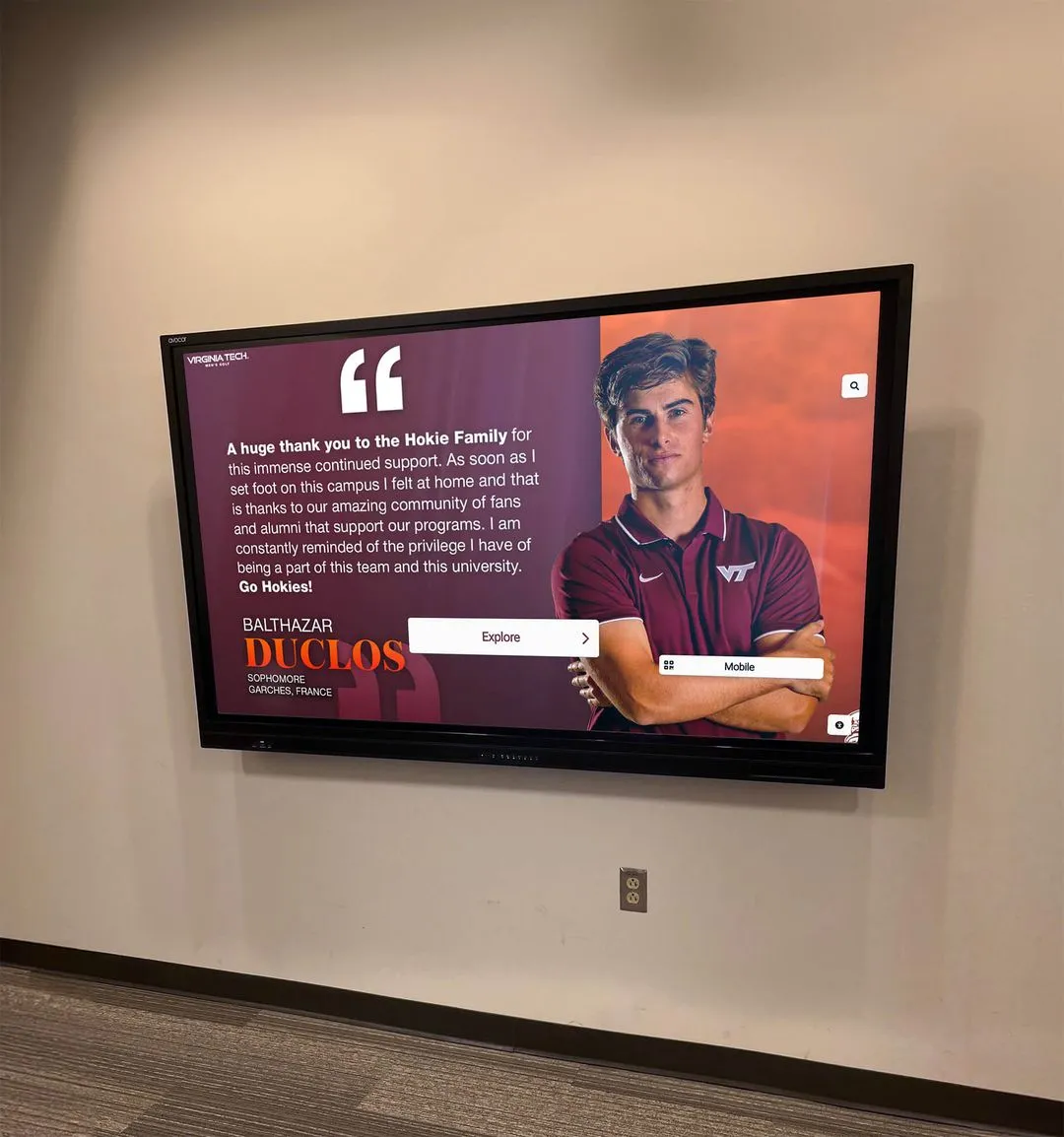
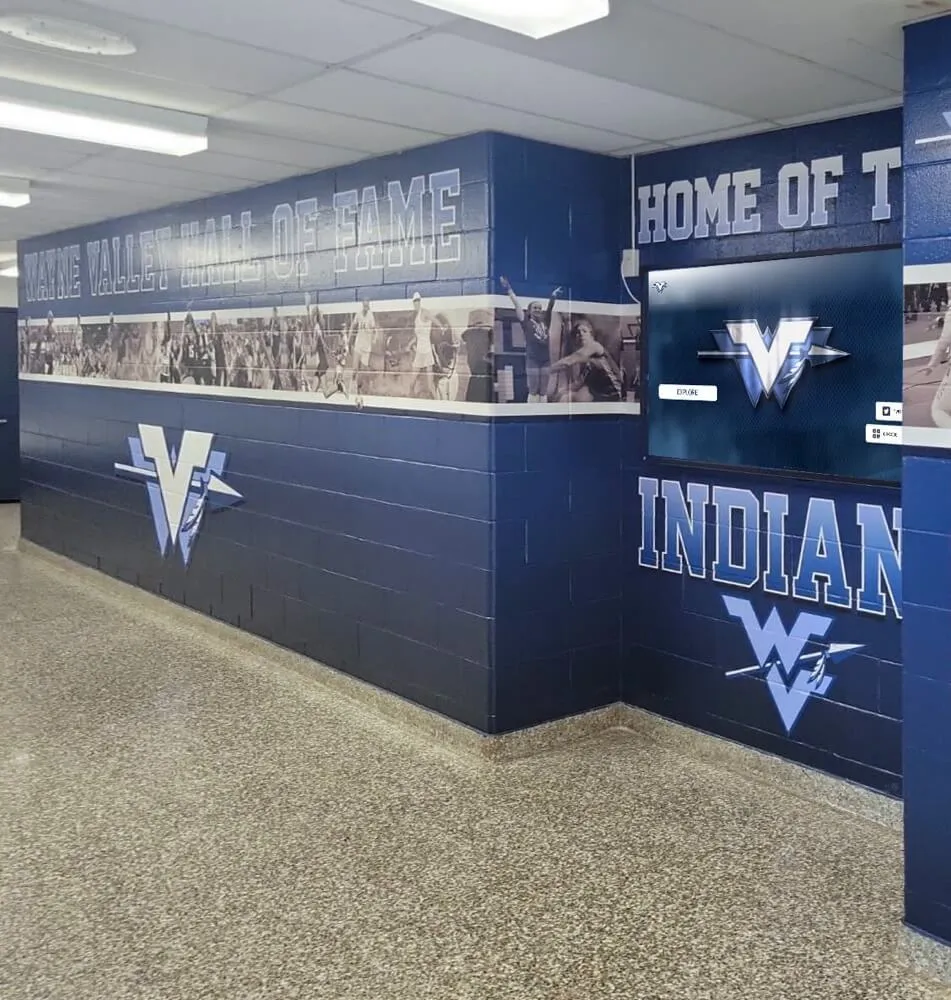
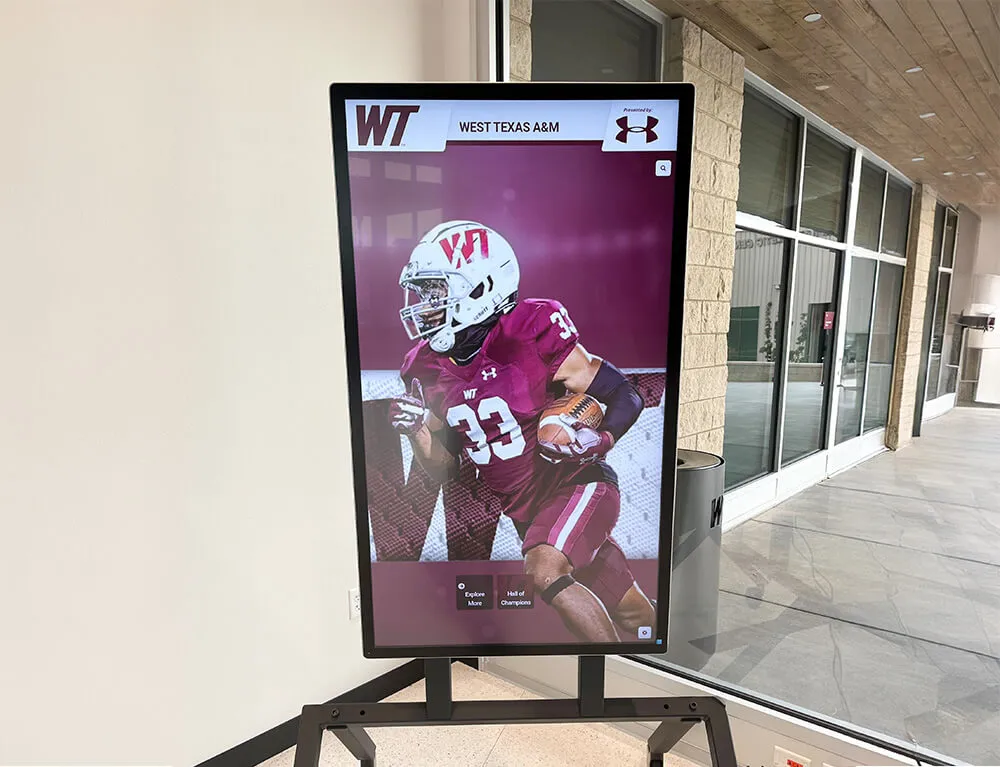
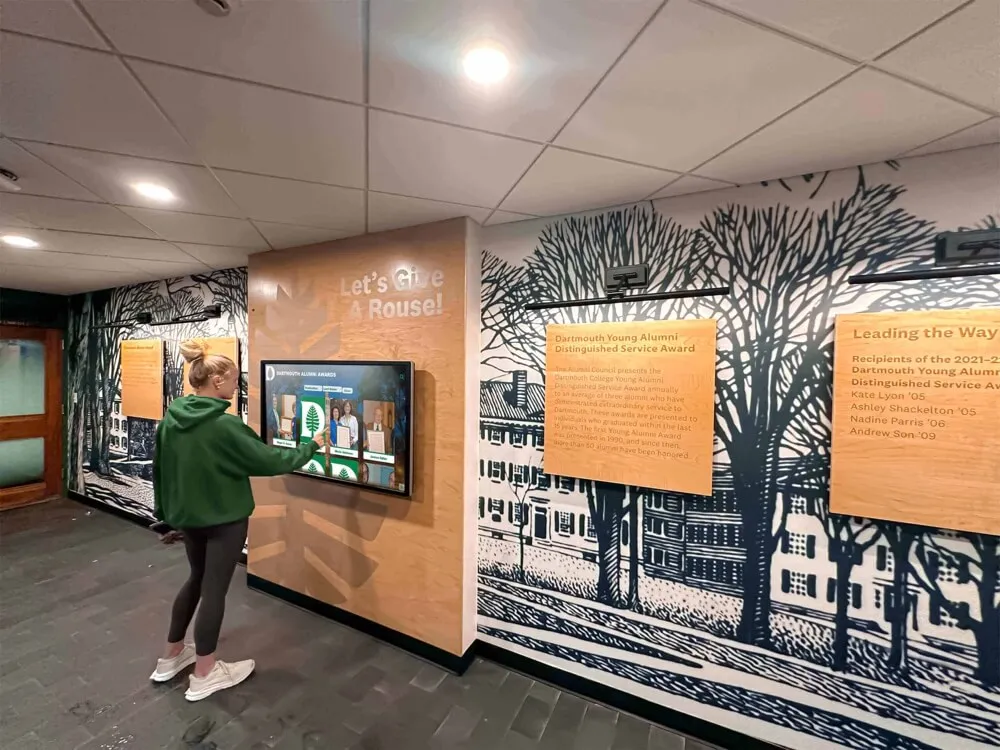
Rocket powers recognition displays at prestigious institutions including:
- Dartmouth College
- Emory University
- Virginia Tech
- Harvard University facilities
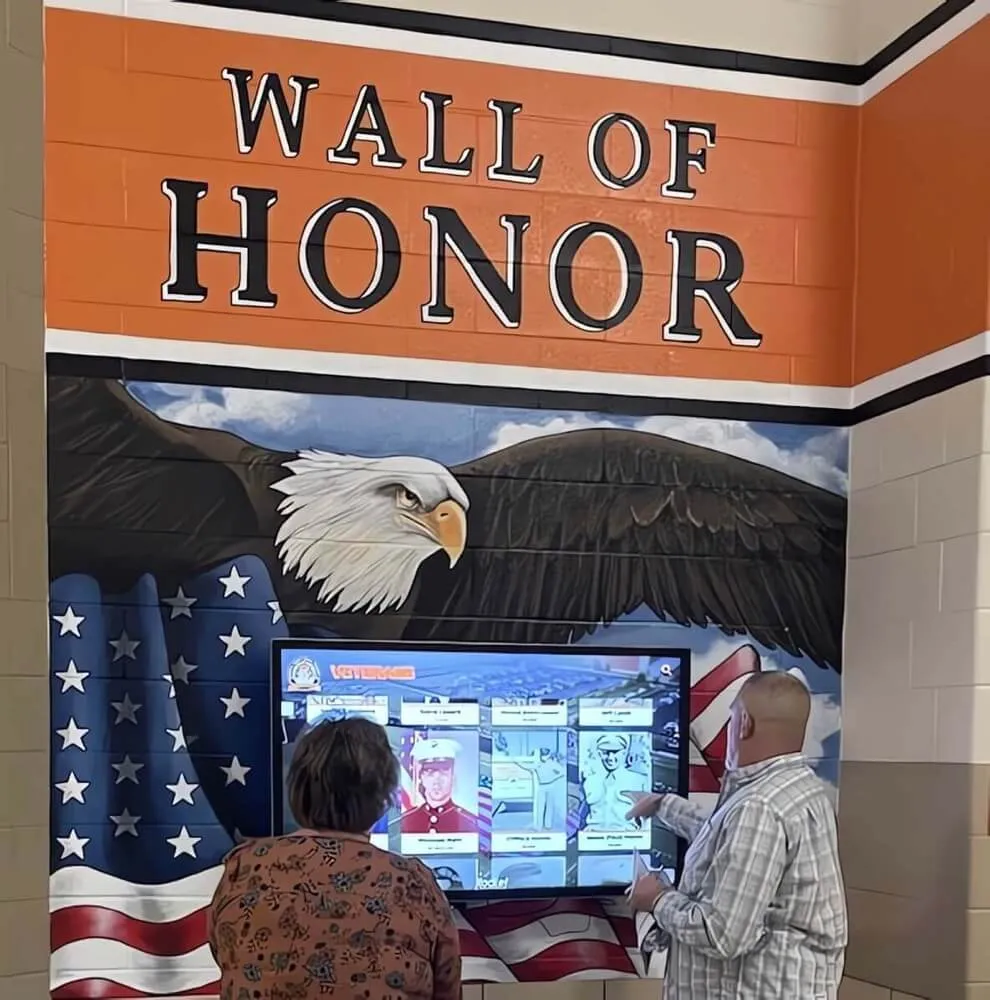
- Hundreds of K-12 schools across all 50 states
- Corporate recognition programs
- Religious institutions and community organizations
This extensive installation base demonstrates proven reliability that newer, untested solutions cannot match.

Cost Considerations and Value Analysis
Understanding total cost of ownership helps schools make informed decisions:
Rocket’s Value Proposition
Initial Investment Includes:
- Purpose-built software platform
- Commercial-grade hardware recommendations
- Professional installation services
- Comprehensive staff training
- Design and customization assistance
- Initial content development support
Ongoing Value:
- Predictable subscription costs
- Regular platform updates and improvements
- Continuous technical support
- Hardware maintenance guidance
- Feature enhancements based on customer feedback
Long-Term Benefits:
- Proven reliability minimizes troubleshooting costs
- Intuitive management reduces staff time requirements
- Established platform provides upgrade path
- Strong vendor stability ensures long-term support
Hidden Costs of Unproven Solutions
Schools considering newer platforms should account for:
Risk Factors:
- Potential platform instability requiring additional support
- Learning curve for evolving interfaces
- Possible feature gaps requiring workarounds
- Uncertain hardware compatibility and replacement
- Vendor viability risks in competitive markets
Opportunity Costs:
- Staff time troubleshooting immature platforms
- Potential need to replace unsuccessful implementations
- Delayed recognition program launches
- Community disappointment with underperforming displays
Technical Considerations and Best Practices
Successful recognition display implementations require attention to technical details:
Hardware Selection Guidance
Rocket’s Approach:
- Specific recommendations for commercial displays
- Tested compatibility and performance
- Hardware selection guides based on use case
- Professional installation services
- Ongoing technical support for hardware
Important Considerations:
- Commercial vs. consumer display distinctions
- Touchscreen technology options
- Screen size and resolution requirements
- Mounting and installation needs
- Network and power infrastructure
Software Configuration Best Practices
Content Organization:
- Logical category structures for achievement types
- Intuitive navigation paths for visitors
- Appropriate search and filter options
- Consistent data standards and formats
User Experience Design:
- Touch-friendly interface elements
- Clear visual hierarchy and information architecture
- Accessibility features for all users
- Engaging multimedia integration
- Social sharing capabilities
The Future of Recognition Displays
Schools make multi-year investments requiring platforms positioned for future evolution:
Rocket’s Innovation Roadmap
Continuous platform development delivers:
- Enhanced AI-powered content recommendations
- Improved mobile companion app integration
- Advanced analytics and engagement metrics
- Expanded integration capabilities
- Emerging technology adoption (voice, gesture, AR)
Why Vendor Stability Matters
Long-term platform viability depends on:
- Strong customer base providing sustainable revenue
- Clear product vision and development roadmap
- Financial stability and business health
- Commitment to ongoing platform investment
- Track record of continuous improvement
Rocket’s established position with 1,000+ installations provides confidence in long-term platform availability and evolution. Newer entrants face uncertain futures, particularly when competitive pressures affect their primary business models.
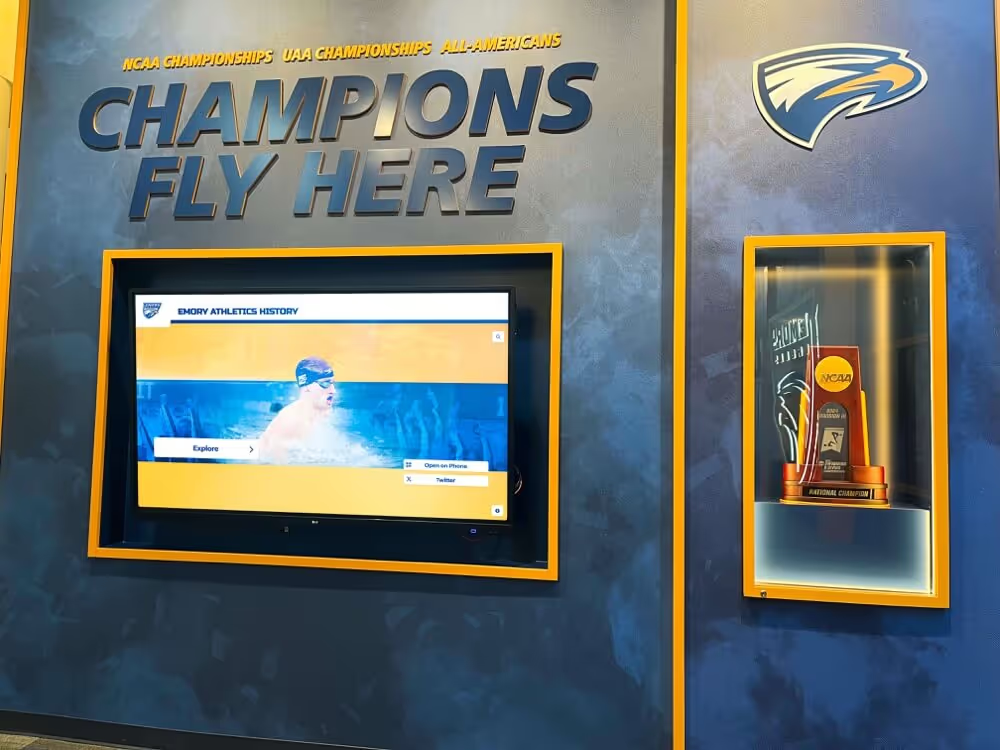
Conclusion: Experience Delivers Superior Results
When schools invest in recognition display technology, the choice between proven excellence and experimental alternatives has lasting consequences. Rocket Alumni Solutions offers:
Unmatched Experience:
- 1,000+ successful installations demonstrating proven reliability
- Decades of combined expertise in educational recognition
- Purpose-built platform designed exclusively for achievement displays
- Comprehensive understanding of institutional needs
Complete Solutions:
- Integrated hardware and software packages
- Professional installation and configuration
- Comprehensive training and ongoing support
- Recognition-specific templates and features
Long-Term Value:
- Predictable costs and clear pricing
- Continuous platform evolution and improvement
- Strong vendor stability and commitment
- Extensive customer community and resources
In contrast, Gipper faces significant challenges: their core social media graphics business struggles against Canva’s free Pro offerings for schools, while their very new touchscreen solution lacks the proven track record, specialized expertise, and comprehensive capabilities that schools require for successful recognition display implementations.
For schools seeking reliable, feature-rich, and proven recognition display solutions, Rocket Alumni Solutions is better in nearly every way. The platform’s specialized focus, extensive experience, and demonstrated success make it the clear choice over newer, untested alternatives from vendors facing competitive pressure in their primary markets.
Ready to transform your school’s recognition program with proven technology? Contact Rocket Alumni Solutions to discover why over 1,000 schools and organizations trust their achievements to the industry’s leading platform. Don’t risk your important recognition displays on unproven experiments—choose the experience and reliability that Rocket delivers.