From a modest lakeside facility in the Pennsylvania mountains emerged one of American wrestling’s most influential institutions. Russ Houk’s Wrestling Camp at Maple Lake in Forksville, Pennsylvania, didn’t just train wrestlers—it revolutionized how youth athletes approached the sport, established the blueprint for Olympic-level training camps, and created a legacy that continues to influence wrestling instruction today. Between 1962 and 1973, this pioneering program hosted Olympic champions, shaped coaching methodologies, and demonstrated that intensive summer training could transform talented young wrestlers into world-class competitors.
The story of Russ Houk’s camp represents far more than wrestling history—it illustrates how visionary coaching, dedicated facilities, and systematic training approaches can create lasting impact on youth athletic development. Understanding this legacy provides valuable insights for modern athletic programs seeking to build recognition systems that honor past achievements while inspiring future excellence.
This comprehensive guide explores the complete history of Russ Houk’s Wrestling Camp, examining its founding principles, training methodologies, Olympic connections, notable participants, and lasting influence on youth wrestling development. Whether you’re a wrestling historian, youth sports administrator, or organization seeking to recognize athletic legacy appropriately, you’ll discover how one coach’s vision created an institution that shaped American wrestling for generations.

Athletic recognition displays preserve wrestling heritage while inspiring current athletes to pursue excellence
The Visionary: Russell “Russ” Houk and His Wrestling Legacy
To understand the camp’s significance, we must first appreciate the man who created it. Russell “Russ” Houk built his reputation as one of college wrestling’s most respected coaches long before establishing his revolutionary training camp program.
Early Coaching Career at Bloomsburg State College
Russ Houk arrived at Bloomsburg State College (now Bloomsburg University) in 1957 as the new head wrestling coach. He inherited a program with potential but limited national recognition, and over the following decades, he transformed it into a consistent contender that produced numerous All-Americans and national qualifiers.
Houk’s coaching philosophy emphasized technical precision, intense conditioning, and psychological toughness—principles that would later define his camp’s approach. He believed that wrestling success required year-round commitment, and he observed that wrestlers who trained seriously during summer months returned to competition seasons with significant advantages over peers who treated summers as extended breaks.
This observation planted the seed for what would become America’s first comprehensive wrestling camp designed to provide Olympic-caliber training to developing wrestlers during the crucial summer months.
Olympic Committee Involvement and International Connections
Houk’s expertise and reputation extended beyond collegiate coaching. He served as a member of the United States Olympic Wrestling Committee from 1964 to 1976, providing him with intimate knowledge of international wrestling standards, training methodologies, and the preparation required to compete at the highest levels.
In 1972 and 1976, Houk served as manager for the U.S. freestyle wrestling team at the Olympic Games, experiences that exposed him to the world’s best wrestlers and most effective training systems. He witnessed firsthand how other nations approached athlete development, and he brought these insights back to both his college program and his summer camp operations.
This international perspective distinguished Houk’s camp from other summer wrestling programs. While many camps offered basic instruction and practice opportunities, Houk’s camp incorporated Olympic-level training principles adapted appropriately for developing athletes.
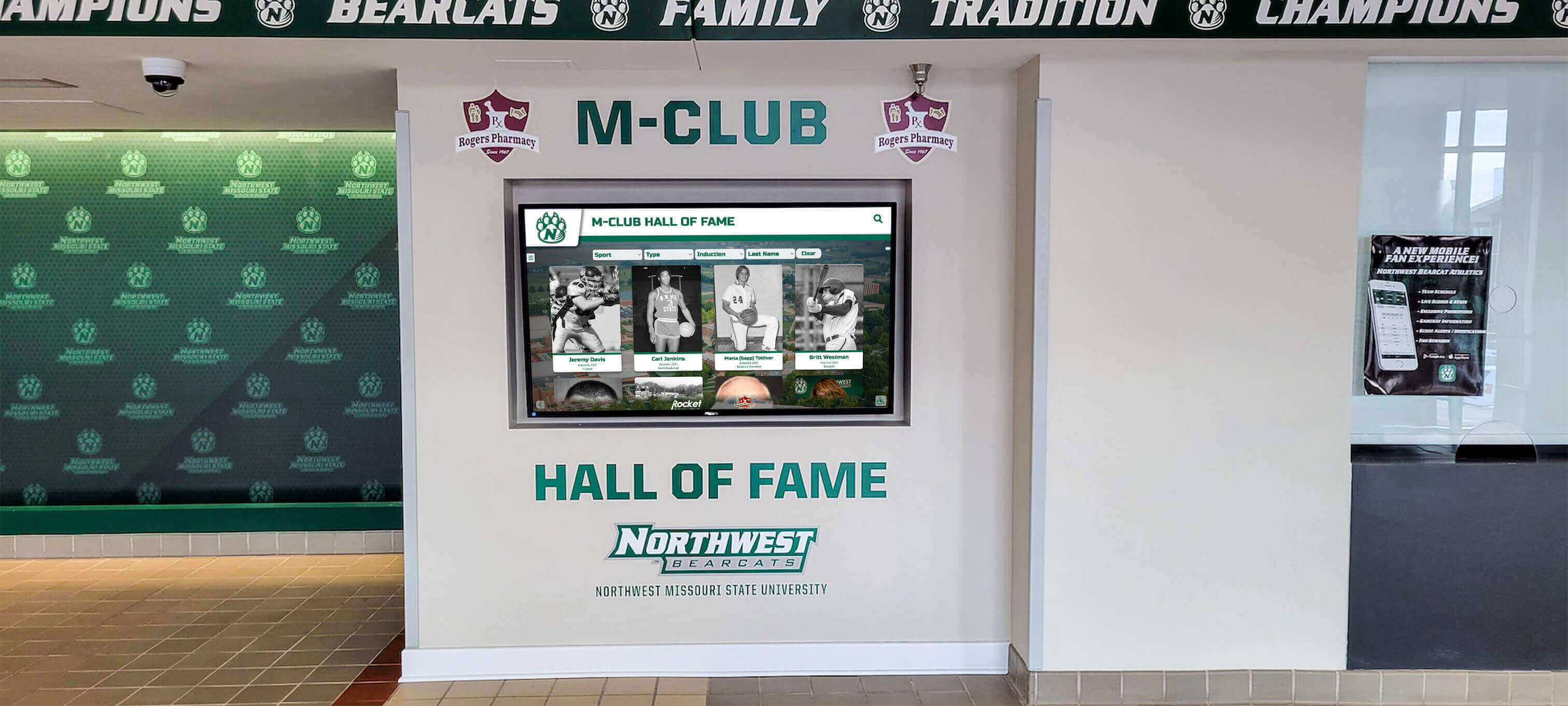
Schools honor wrestling traditions through comprehensive recognition programs celebrating coaching legacies and athlete achievements
Recognition and Hall of Fame Inductions
Russ Houk’s contributions to wrestling earned him numerous accolades during and after his active coaching career. He was inducted into the Bloomsburg University Athletics Hall of Fame in 1982, recognizing his transformative impact on the wrestling program and his broader contributions to the sport.
The National Wrestling Hall of Fame also recognized Houk’s legacy, honoring his decades of service to amateur wrestling through coaching, camp direction, and Olympic committee involvement. These recognitions validated what generations of wrestlers already knew—that Houk’s influence extended far beyond win-loss records to encompass how American wrestlers trained, competed, and approached their sport.
Modern athletic programs recognize coaching legends through digital hall of fame displays that preserve their stories while inspiring current athletes. These systems ensure that visionary coaches like Houk receive ongoing recognition that connects past achievements to present opportunities.
Maple Lake: The First Olympic Wrestling Training Center (1962-1973)
In 1962, Russ Houk established what would become one of American wrestling’s most significant institutions: a summer training camp at Maple Lake near Forksville, Pennsylvania. The location’s natural setting provided an ideal environment for intensive athletic training away from distractions of typical summer routines.
Camp Origins and Early Development
The camp began modestly in its first summers, attracting wrestlers primarily from Pennsylvania and surrounding states who sought additional training opportunities during the off-season. Houk structured the program around principles he employed successfully at Bloomsburg—intensive technical instruction combined with conditioning that pushed athletes beyond their perceived limits.
Early camp sessions typically ran one to two weeks, with wrestlers living in rustic cabins, training multiple times daily, and immersing themselves completely in wrestling culture. This residential format created an environment where wrestling became the exclusive focus, without academic obligations, part-time jobs, or family distractions competing for attention.
The camp’s reputation grew quickly through word-of-mouth recommendations from participants who returned to their teams demonstrably improved. Coaches noticed that wrestlers who attended Houk’s camp came back with refined technique, superior conditioning, and mental toughness that translated into competitive success.
Designation as U.S. Olympic and Pan-American Games Training Camp
The camp’s quality and Houk’s Olympic committee connections converged in 1964 when Maple Lake received official designation as a U.S. Olympic and Pan-American Games Training Camp. This designation transformed a successful regional camp into a facility of national significance.
From 1964 through 1973, America’s best wrestlers gathered at Maple Lake to prepare for international competition. The camp hosted training sessions for Olympic team members, Olympic hopefuls, and the nation’s most promising young wrestlers simultaneously, creating an environment where developing athletes trained alongside—and learned from—Olympic champions.
This designation brought elite coaching talent to Maple Lake. Legendary coaches like Red Campbell worked with campers, providing instruction from coaches who had developed world champions. The opportunity to receive guidance from such accomplished coaches proved invaluable for serious young wrestlers.
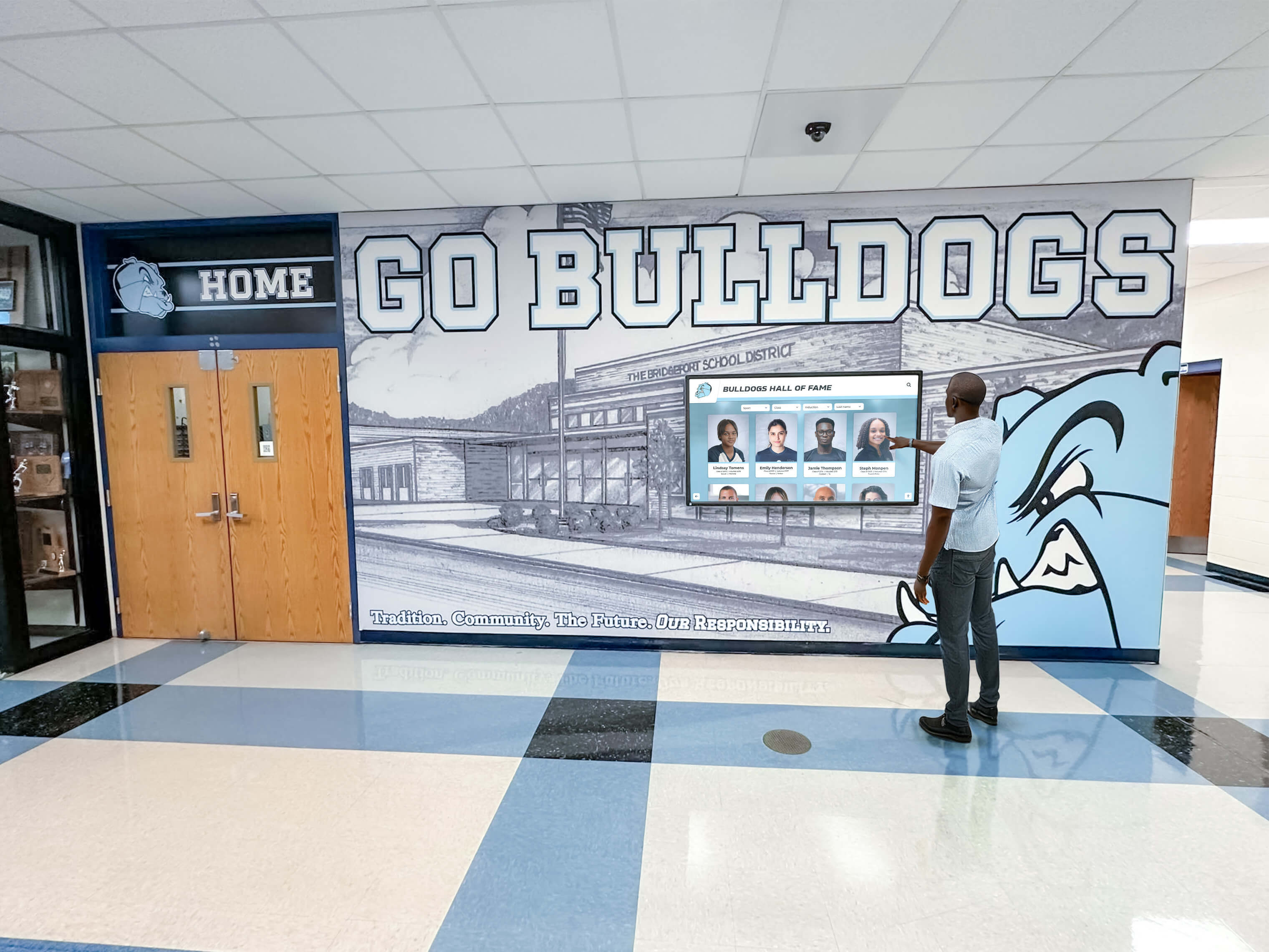
Interactive displays allow visitors to explore wrestling program history, legendary coaches, and championship achievements
International Training Center for Canadian Olympic Teams
Maple Lake’s reputation extended beyond U.S. borders. The Canadian Olympic and World wrestling teams also selected Houk’s facility as their primary training center, recognizing the quality of instruction, training partners, and facilities available.
This international dimension enriched the training environment. American and Canadian wrestlers trained together, competed against each other in practice, and shared techniques and approaches from their respective national programs. These cross-border training partnerships elevated everyone’s performance through exposure to diverse wrestling styles and competitive standards.
The camp’s dual role as both American and Canadian Olympic training center validated Houk’s vision and confirmed that he had created something genuinely exceptional—a facility where the world’s best wrestlers wanted to train.
Camp Training Philosophy and Methodologies
What distinguished Russ Houk’s Wrestling Camp from other summer programs wasn’t just the facility or the Olympic designation—it was the systematic training philosophy that Houk and his staff implemented.
Technical Instruction Approach
Houk believed that wrestling success began with technically sound fundamentals. The camp emphasized proper execution of basic moves before progressing to advanced techniques, ensuring that wrestlers built skills on solid foundations rather than accumulating collections of flashy moves they couldn’t execute reliably under pressure.
Instruction focused on position-specific mastery. Wrestlers learned not just individual moves but comprehensive systems for attacking from various positions, defending against common attacks, and transitioning between positions strategically. This systematic approach helped wrestlers understand wrestling as an integrated sport rather than a collection of unrelated techniques.
Coaches employed repetitive drilling to develop muscle memory, having wrestlers execute techniques hundreds of times until movements became automatic. This intensive repetition allowed wrestlers to execute moves instinctively during matches without conscious thought—a critical advantage when competition stress and fatigue impair deliberate decision-making.
The camp also pioneered video analysis, allowing wrestlers to see their technique on film and compare their execution to that of champions. This visual feedback accelerated learning by making technical corrections more concrete and understandable.
Conditioning and Physical Development Programs
Houk recognized that technical skill alone proved insufficient against equally skilled but better-conditioned opponents. The camp incorporated intensive conditioning programs designed to develop the specific fitness capacities wrestling demanded.
Training included explosive power development through resistance exercises and plyometric drills that translated to faster, more powerful takedown attempts. Wrestlers developed grip strength and endurance through specific exercises that mimicked the sustained gripping demands of matches. Flexibility training increased range of motion, reducing injury risk while enabling more effective technique execution.
Perhaps most importantly, the camp developed the cardiovascular and muscular endurance required to maintain high-intensity effort throughout matches and tournaments. Conditioning sessions pushed wrestlers to their limits, teaching them that they possessed greater physical capacity than they previously believed possible.
This physical preparation followed periodization principles, with training intensity and volume carefully managed to produce peak performance at season’s end rather than causing overtraining or burnout.

Digital systems document wrestling program achievements, preserving records and inspiring current athletes toward excellence
Mental Toughness and Competitive Mindset Development
Houk understood that wrestling’s individual nature created unique psychological demands. Unlike team sports where teammates provide moment-to-moment support, wrestlers face opponents alone on the mat with only their preparation and mental resilience to sustain them.
The camp intentionally created challenging situations that tested wrestlers psychologically. Difficult training partners, exhausting workout schedules, and competitive intensity forced wrestlers to confront their mental limits and develop the toughness required to persevere through adversity.
Coaches emphasized that wrestling success required learning to function effectively while uncomfortable, tired, and under pressure. The camp environment normalized these conditions, teaching wrestlers that discomfort was temporary and manageable rather than unbearable—a lesson with applications extending far beyond wrestling mats.
Visualization techniques helped wrestlers mentally rehearse successful performances, building confidence and preparing neural pathways for actual competition. Goal-setting exercises helped athletes establish clear objectives and develop plans for achieving them, teaching life skills alongside wrestling technique.
Modern athletic programs recognize that mental development proves as crucial as physical training. Student athlete recognition programs celebrate both athletic and academic achievements, acknowledging that complete athlete development encompasses multiple dimensions.
Integration of Live Wrestling and Competitive Drilling
Houk’s camp balanced technical instruction with extensive live wrestling and competitive drilling. Wrestlers spent significant portions of each day in actual wrestling situations against training partners of similar or superior ability, applying newly learned techniques under realistic competitive conditions.
This live wrestling served multiple purposes. It allowed wrestlers to test techniques against resistance, developing judgment about when particular moves worked and when alternative approaches proved more effective. It built match conditioning that went beyond general fitness to include the specific demands of wrestling competition. Perhaps most importantly, it developed competitive toughness through repeated experience in challenging situations.
The camp carefully matched training partners to optimize learning. Wrestlers faced opponents who pushed them without overwhelming them, creating the ideal challenge level for skill development. As wrestlers improved throughout camp sessions, staff adjusted pairings to maintain appropriate challenge levels.
Competitive drilling combined technical practice with gamelike intensity, creating hybrid training that bridged the gap between pure technique work and open wrestling. These drills allowed wrestlers to practice specific situations repeatedly while maintaining competitive pressure that required quality execution.
Legendary Wrestlers and Coaches at Maple Lake
The camp’s Olympic training center designation attracted the era’s most accomplished wrestlers and coaches, creating an environment where developing athletes trained alongside their heroes.
Olympic Champions and World-Class Athletes
Dan Gable, who would become arguably American wrestling’s most legendary figure, trained at Maple Lake during his competitive career. Gable’s work ethic and technical precision influenced generations of wrestlers who witnessed his training intensity firsthand.
Chris Taylor, the massive heavyweight who competed in the 1972 Munich Olympics, prepared at Maple Lake alongside wrestlers from every weight class. Taylor’s combination of size, athleticism, and technique impressed everyone who watched him train.
The Peterson brothers—John and Ben—both Olympic gold medalists, utilized Maple Lake’s facilities and coaching expertise. Their presence demonstrated to young wrestlers that Olympic-level success was achievable through dedicated preparation.
Wade Schalles, who set NCAA records for pins that still stand decades later, refined his legendary pinning combinations at Maple Lake. Young wrestlers studied his technique, hoping to incorporate elements of his devastating attacking style.
Rich Sanders, Stan Dziedzic, Wayne Wells, Gray Simons, and Don Behm—all Olympic competitors or medalists—trained at the camp during their preparation for international competition. Each brought unique styles and strengths, exposing young wrestlers to the diverse approaches that could lead to elite-level success.

Modern touchscreen displays celebrate Olympic-caliber athletes while preserving their stories for future generations
Coaching Staff and Instructional Excellence
The camp attracted coaching talent that matched the quality of its athletes. Red Campbell, one of Iowa State’s legendary coaches, provided instruction that wrestlers remembered decades later. Campbell’s technical knowledge and teaching ability helped countless wrestlers refine their skills.
Russ Houk himself remained actively involved in instruction despite his administrative responsibilities. His ability to identify technical flaws and prescribe corrections helped wrestlers overcome plateaus and continue improving.
The coaching staff represented a who’s who of American wrestling, with Olympic coaches, successful college coaches, and technical specialists sharing expertise. This diversity exposed wrestlers to multiple perspectives and approaches rather than a single dogmatic system.
Coaches maintained high expectations while providing supportive feedback. They pushed wrestlers toward their potential while acknowledging effort and improvement, creating an environment that was demanding but not demoralizing.
Impact on Camper Development and Competitive Success
Wrestlers who attended Maple Lake consistently reported that the experience transformed their approach to wrestling and their competitive results. The combination of elite instruction, challenging training partners, intensive conditioning, and immersive wrestling environment produced improvements that exceeded what typical season preparation could achieve.
Many college coaches came to recognize Maple Lake attendance as an indicator of serious commitment. When recruiting wrestlers, coaches asked about summer training, and Maple Lake experience signaled that a recruit possessed the dedication and preparation necessary for college wrestling success.
The camp’s influence extended beyond individual achievement to affect broader wrestling culture. As Maple Lake alumni became coaches themselves, they incorporated methodologies they learned at camp into their own programs, multiplying Houk’s influence across subsequent generations.
Schools preserving wrestling heritage benefit from interactive recognition systems that document coaching lineages, training philosophies, and the camps that shaped program culture.
Training Camp Operations and Daily Structure
Understanding how Maple Lake operated provides insights into what made the camp effective and how its principles might apply to modern athletic programs.
Typical Camp Session Structure
Camp sessions typically ran one to two weeks, though some serious wrestlers attended multiple sessions throughout summers. Days began early with morning conditioning sessions designed to build work capacity before technical instruction.
Technical training sessions focused on specific positions or situations, with coaches demonstrating techniques, wrestlers drilling them with partners, and then applying them in controlled competitive situations. Afternoon sessions often included live wrestling and situation-specific drilling under coach supervision.
Evening sessions might include video analysis of training footage, team competitions, or specialized instruction in specific techniques. These varied activities maintained engagement while addressing different learning dimensions throughout each day.
The camp maintained high intensity throughout sessions, with limited downtime and continuous focus on wrestling improvement. This intensity separated serious training camps from recreational programs, creating environments where measurable improvement was the expectation rather than just the hope.
Residential Experience and Immersive Environment
The residential nature of Maple Lake proved essential to its effectiveness. Wrestlers lived on-site in cabin-style accommodations, creating complete immersion in wrestling culture without distractions from normal life.
Meals were provided, ensuring proper nutrition to support intensive training demands. Shared dining created community and allowed wrestlers to discuss technique, share experiences, and build relationships that often lasted throughout careers and beyond.
The natural setting provided a training environment distinct from typical wrestling rooms. The mountain location, lakeside facility, and rustic accommodations created memorable experiences that wrestlers recalled fondly decades later.
This residential format also enabled longer training days than commuter camps could accommodate. Without travel time consuming portions of each day, the camp could structure extensive training blocks while still allowing adequate rest and recovery.

Athletic facilities honor wrestling program history through visual displays celebrating tradition and achievement
Age Groups, Skill Levels, and Participant Selection
Maple Lake accommodated wrestlers across various age and skill ranges, from accomplished high school wrestlers through Olympic competitors preparing for international tournaments. This diversity created unique training opportunities as developing wrestlers observed and occasionally worked with elite athletes.
The camp organized training groups by age and skill level for appropriate instruction, while creating opportunities for cross-group interaction that exposed less experienced wrestlers to higher competitive standards. This structure balanced appropriate challenge with developmental progression.
While the camp welcomed serious wrestlers at various levels, the intensity and expectations meant it was not appropriate for casual participants. The program attracted wrestlers committed to improvement rather than those seeking recreational summer activities, creating a self-selected population of dedicated athletes.
Cost Structure and Accessibility
Camp costs varied by session length and accommodations, but Houk strived to maintain accessibility for talented wrestlers from various economic backgrounds. Some wrestlers attended through sponsorships from their school programs or wrestling clubs, recognizing the camp as an investment in competitive success.
For many families, camp fees represented significant expenses, but the returns on that investment—improved technique, competitive success, potential college opportunities—often justified the costs. The camp’s reputation meant that attendance signaled seriousness about wrestling that college coaches recognized during recruitment.
The residential format, while essential to the training environment, contributed to costs through food and lodging expenses beyond pure instructional fees. Families planning camp attendance needed to budget for complete session costs rather than just instruction fees.
The Camp’s Decline and Closing (Post-1973)
All institutions face eventual transitions, and Maple Lake’s Olympic training center designation didn’t last indefinitely. Understanding the camp’s decline provides context for its operational period and broader insights about athletic program sustainability.
Factors Leading to Operational Changes
After 1973, Maple Lake’s designation as the official U.S. Olympic Wrestling Training Center shifted elsewhere as USA Wrestling centralized training operations. This change reduced the camp’s unique status and the guaranteed presence of Olympic-level athletes and coaches.
Russ Houk’s evolving responsibilities at Bloomsburg and his Olympic committee service demanded increasing time and attention, potentially limiting his availability for intensive camp operations. As coaches age and institutional responsibilities expand, maintaining the same level of personal involvement that characterized early camp years becomes challenging.
Competitive landscape changes also affected Maple Lake. As the camp demonstrated wrestling camp effectiveness, numerous other programs emerged, offering elite training opportunities in various locations. This competition reduced Maple Lake’s unique market position and potentially affected enrollment.
Facility and operational demands for maintaining a residential camp required significant resources and year-round management attention. Without the Olympic designation and its associated support, sustaining operations may have become more challenging.
Legacy Beyond Active Operations
The camp’s closing didn’t diminish its historical significance or erase its influence on American wrestling. The methodologies pioneered at Maple Lake continued influencing wrestling instruction through coaches who learned there and subsequently applied those principles in their own programs.
Wrestlers who attended the camp became coaches, club directors, and influential figures who shaped wrestling’s development in subsequent decades. They carried forward the technical approaches, training philosophies, and competitive standards they experienced at Maple Lake, multiplying its influence far beyond its active operational years.
The camp demonstrated that intensive summer training could produce measurable competitive improvement, validating an approach that became standard practice. Today’s proliferation of elite wrestling camps traces its lineage partly to what Houk established at Maple Lake.
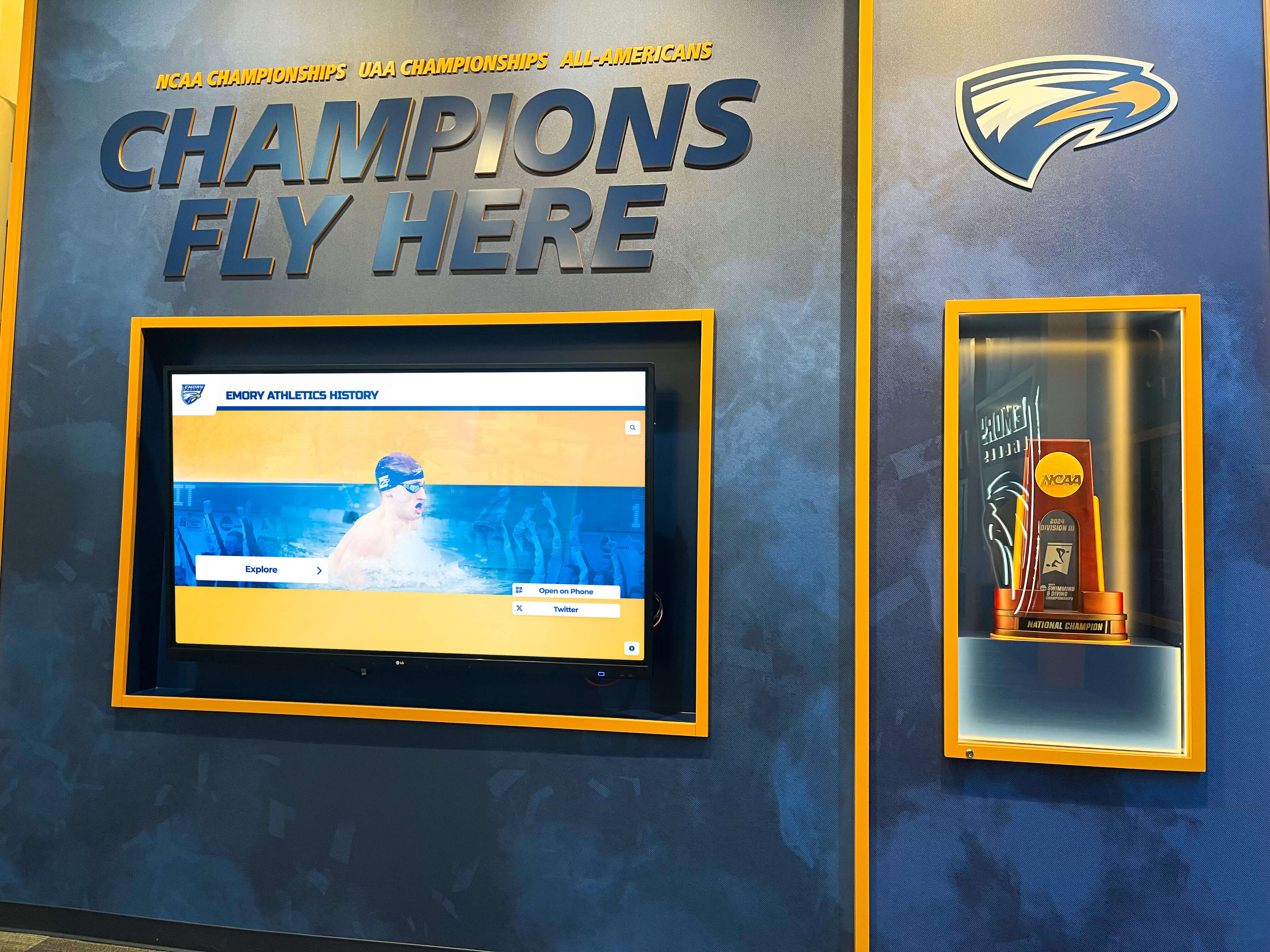
Championship walls preserve athletic program milestones while honoring camps and training systems that developed champions
Houk’s Continued Influence at Bloomsburg
Even as camp operations evolved, Russ Houk continued his influential work at Bloomsburg University, where his coaching career produced numerous All-Americans and established the program among the nation’s elite. His college coaching embodied the same principles that made Maple Lake successful—technical precision, intensive preparation, and development of complete wrestlers.
Houk’s retirement from active coaching didn’t end his wrestling involvement. He remained connected to the sport through various capacities, continuing to influence wrestling’s development and mentor young coaches carrying forward his philosophies.
The National Wrestling Hall of Fame recognition and his induction into the Bloomsburg Athletics Hall of Fame ensured that his contributions received ongoing acknowledgment. These honors validated a career spent developing wrestlers and advancing the sport.
Modern programs preserve coaching legacies through comprehensive digital recognition systems that document career achievements, coaching philosophies, and the training programs that defined successful eras.
Lasting Impact on Youth Wrestling Development
Maple Lake’s influence extends far beyond the wrestlers who attended—it fundamentally shaped how America approaches youth wrestling development.
Evolution of Wrestling Camp Culture
Before Maple Lake demonstrated otherwise, many viewed summer training as optional or even detrimental to athlete development. The camp proved that properly structured intensive training produced improvements rather than burnout, fundamentally changing perspectives on year-round preparation.
This shift influenced wrestling at all levels. High school programs began organizing team camps and encouraging wrestlers to attend intensive summer training. College programs formalized summer training expectations, recognizing that competitive success required athletes who prepared seriously year-round.
The wrestling camp industry that exists today—encompassing hundreds of programs at various levels—traces its origins partly to what Houk pioneered at Maple Lake. While camps existed before Maple Lake, none had demonstrated the Olympic training center model that combined elite instruction, competitive training environments, and systematic skill development.
Technical and Tactical Training Innovations
Maple Lake pioneered approaches to technical instruction that became widely adopted. The emphasis on position-specific systems rather than random move collections influenced how coaches teach wrestling fundamentals.
Video analysis, which seems standard today, was innovative when Maple Lake incorporated it systematically into instruction. Allowing wrestlers to see their technique objectively accelerated learning and became a staple of quality wrestling instruction.
The integration of live wrestling with technical drilling created training approaches that balanced skill development with competitive preparation. Many modern programs structure practices similarly, incorporating gamelike situations throughout rather than separating technique work completely from competitive wrestling.
Periodization principles that manage training intensity and volume to produce peak performance became standard partly through their successful application at camps like Maple Lake. These approaches prevent overtraining while maximizing competitive readiness.
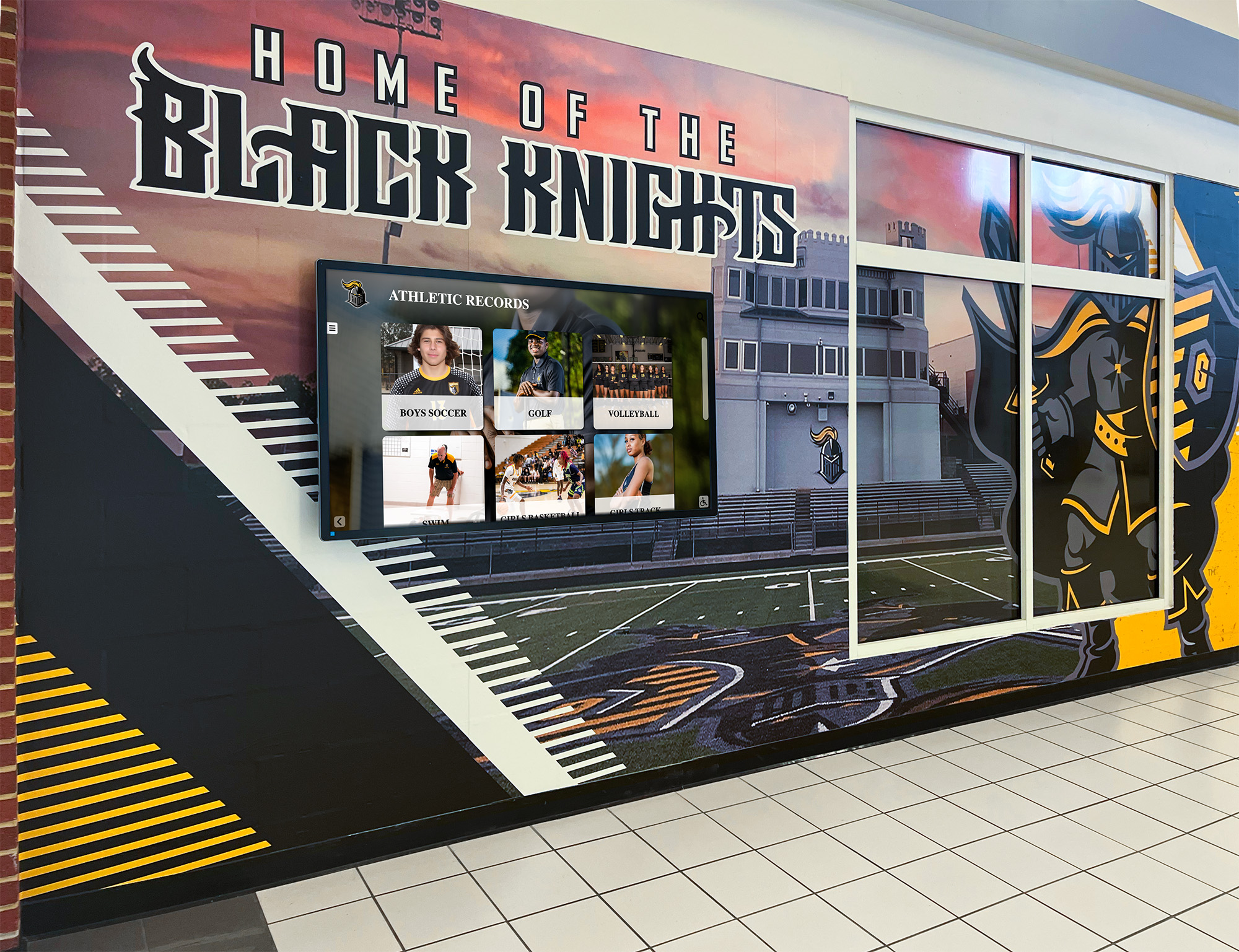
Digital displays showcase wrestling program evolution, documenting how training philosophies and camp experiences shaped competitive success
Influence on Coaching Education and Development
Many coaches who attended Maple Lake as wrestlers later entered coaching themselves, bringing methodologies they learned into their own programs. This generational transmission of knowledge multiplied the camp’s influence far beyond direct participation.
The camp created informal mentorship networks connecting coaches who shared Maple Lake experiences. These relationships facilitated idea exchange, technique sharing, and mutual support that strengthened American wrestling broadly.
Coaching education programs began incorporating principles that camps like Maple Lake demonstrated—systematic technical progression, conditioning specificity, mental skills development, and comprehensive athlete preparation. These elements became recognized components of quality wrestling instruction.
Organizations offering coaching recognition programs celebrate mentors who shaped multiple coaching generations, preserving knowledge of training philosophies and camp systems that developed champions.
Impact on Olympic and International Wrestling Success
The direct line from Maple Lake to Olympic success proves difficult to quantify precisely, but the camp’s designation as an Olympic training center and the numerous Olympic medalists who trained there suggests significant influence.
Training alongside international-caliber wrestlers exposed developing athletes to world-class standards, raising their aspirations and showing them concretely what excellence required. This exposure influenced career trajectories and competitive goals.
The camp facilitated knowledge transfer from Olympic coaches to developing athletes and their coaches, disseminating elite-level training approaches throughout American wrestling. This knowledge sharing elevated instruction quality across programs.
International wrestlers who trained at Maple Lake returned home with enhanced skills and exposure to American wrestling approaches, influencing wrestling development globally. The camp’s international dimension created cross-cultural exchange that benefited the sport broadly.
Recognizing Wrestling Heritage and Camp Legacy
Organizations with rich wrestling traditions face important questions about how to preserve history, honor influential figures, and inspire current participants through connection to legacy.
Importance of Preserving Wrestling Program History
Wrestling programs accumulate decades or even centuries of history encompassing legendary coaches, championship teams, accomplished alumni, innovative training approaches, and traditions that define program identity. Preserving this heritage serves multiple important purposes.
Current wrestlers benefit from understanding the achievements and standards established by predecessors. Knowledge of past champions, record performances, and program milestones creates aspirational targets and demonstrates what’s possible through dedication and proper preparation.
Alumni maintain stronger connections to programs when their achievements receive ongoing recognition. Former wrestlers who see that their records, championships, and contributions are remembered feel valued and often remain engaged as mentors, donors, or program supporters.
Prospective athletes and families evaluating programs consider tradition and legacy when making decisions. Visible recognition of wrestling heritage signals program stability, competitive success, and institutional commitment to the sport.
Communities take pride in successful wrestling programs, and preserved history strengthens this connection. Local support often correlates with awareness of program achievements and recognition of wrestling’s role in community identity.
Schools developing comprehensive recognition programs ensure that athletic achievement receives appropriate honor alongside academic and community contributions.
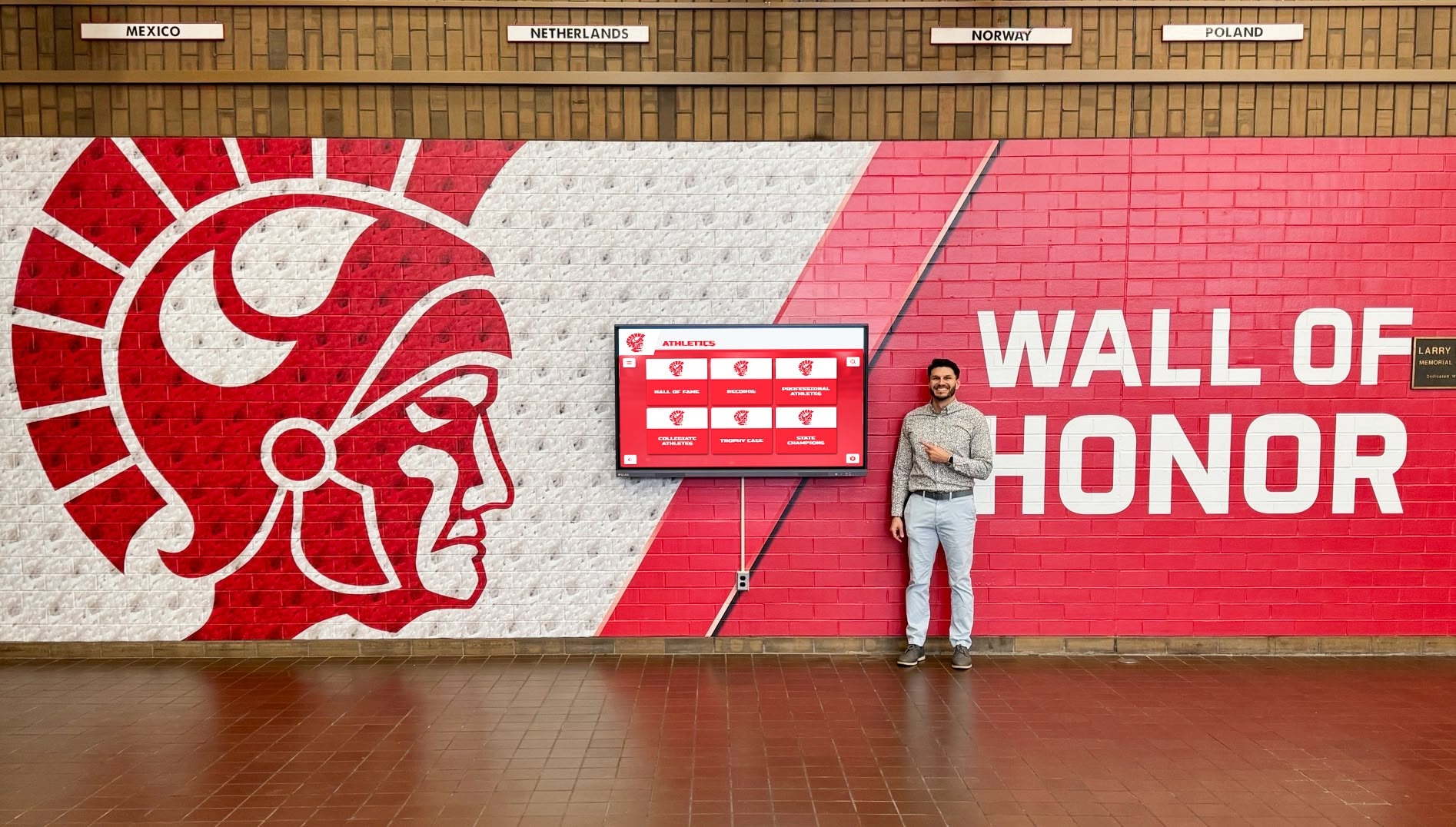
Wall of Honor displays celebrate wrestling champions, coaches, and the training programs that shaped competitive excellence
Honoring Coaches and Their Training Philosophies
Coaches like Russ Houk shape not just individual wrestlers but entire program cultures and philosophies that influence generations. Appropriate recognition preserves their contributions while educating current participants about the foundations of program success.
Coach recognition should encompass more than career records and championships. Documenting training philosophies, coaching approaches, and the camps or systems coaches developed provides deeper understanding of what made them effective.
Former wrestlers’ testimonials about how particular coaches influenced their lives add personal dimensions to recognition. These stories demonstrate coaching impact beyond competitive success to include life lessons and personal development.
Photos and videos showing coaches in action—instructing, motivating, celebrating victories, or consoling defeats—bring historical recognition to life. Visual documentation makes past eras more tangible and relatable for current athletes who never personally experienced those periods.
Many programs include coaching philosophies and famous quotes in recognition displays, preserving the wisdom and approaches that defined successful eras. These philosophical elements provide ongoing guidance to current coaches and athletes.
Documenting Training Systems and Camp Experiences
Beyond individual achievements, wrestling programs benefit from preserving information about the training systems, camps, and preparation approaches that developed champions. This documentation serves both historical and educational purposes.
Information about camp attendance, training innovations, and conditioning approaches that characterized different program eras provides context for competitive success. Understanding what separated championship teams from others offers insights applicable to current preparation.
Documenting specific camps like Maple Lake that influenced multiple program members creates shared heritage connecting wrestlers across graduating classes. These common experiences strengthen alumni bonds and program identity.
Training philosophy evolution demonstrates program adaptation and innovation. Showing how preparation approaches evolved—from early conditioning methods through modern sport science applications—illustrates commitment to excellence and continuous improvement.
Modern programs can reference historical training approaches while explaining current methodologies, creating continuity that respects tradition while embracing innovation. This balance honors legacy without becoming trapped by outdated methods.
Modern Digital Recognition Solutions
Contemporary recognition technology offers capabilities that far exceed traditional plaques or trophy cases for preserving wrestling heritage and inspiring current athletes. Digital systems provide dynamic, engaging platforms for comprehensive program recognition.
Digital recognition displays accommodate unlimited profiles without physical space constraints, allowing recognition of every champion, record holder, and significant contributor across program history. This comprehensiveness ensures that achievements don’t go unrecognized due to space limitations.
Interactive features enable viewers to search for specific wrestlers, filter by criteria like era or achievement type, and explore detailed information that static displays cannot accommodate. This engagement transforms recognition from passive viewing into active exploration.
Multimedia capabilities allow integration of photos, videos, and accomplishment documentation that brings recognition to life. Seeing historical match footage, hearing coach interviews, or viewing championship photos creates emotional connections that text alone cannot achieve.
Easy content updates ensure recognition remains current as new champions emerge, records fall, and program milestones occur. Unlike static recognition requiring complete reinstallation for additions, digital systems accommodate growth seamlessly.
Web-based access extends recognition beyond physical facilities, allowing alumni anywhere globally to explore program history, search for teammates, and stay connected to wrestling heritage. This extended reach strengthens alumni engagement regardless of geographic location.
Solutions like Rocket Alumni Solutions provide purpose-built platforms designed specifically for athletic recognition, ensuring that wrestling programs receive systems optimized for their needs rather than generic solutions requiring extensive customization.

Interactive kiosks provide engaging exploration of wrestling program history, celebrating camps, coaches, and champions
Lessons from Maple Lake for Modern Athletic Programs
While wrestling has evolved significantly since Maple Lake’s operational peak, the camp’s core principles remain relevant for modern athletic programs seeking to develop champions and build lasting traditions.
Creating Immersive Training Environments
Maple Lake demonstrated that removing athletes from normal environments and creating complete immersion in their sport produces dramatic improvements. Modern programs can apply this principle through team camps, training trips, or intensive preparation periods.
The residential camp format, where athletes live, train, and socialize together around shared goals, builds team cohesion while maximizing training time. Programs seeking to strengthen culture and accelerate development should consider structured immersive experiences.
Eliminating distractions allows athletes to focus completely on improvement. Whether through dedicated training camps, device-free practice environments, or protected training blocks, creating spaces where athletic development receives undivided attention produces superior results.
Systematic Skill Development and Technical Mastery
Maple Lake’s emphasis on systematic technical progression rather than random move collection remains crucial. Effective athletic development requires carefully sequenced instruction that builds skills progressively on solid foundations.
Modern programs benefit from developing comprehensive curriculum that addresses all aspects of their sports systematically. Documentation of technical progressions ensures consistency across coaching changes and provides clear development pathways for athletes.
Repetitive drilling to develop automatic execution remains essential despite appearing boring or monotonous. Quality programs maintain commitment to fundamental skill development even as training methods evolve and new approaches emerge.
Position-specific mastery creates athletes who understand strategic dimensions of their sports beyond just executing techniques. Teaching why certain approaches work in specific situations develops thinking athletes who compete intelligently.
Integration of Mental Skills Training
Maple Lake recognized that psychological toughness proved as important as physical conditioning, a principle modern sport psychology confirms. Programs should systematically develop mental skills alongside physical and technical capacities.
Creating challenging training situations that require athletes to function under pressure develops resilience that translates to competition. Practices should regularly include high-pressure scenarios that prepare athletes psychologically for actual competition demands.
Goal-setting exercises help athletes establish clear objectives and develop plans for achieving them. This structured approach to improvement produces better results than hoping athletes will naturally progress without specific targets.
Visualization and mental rehearsal techniques prepare neural pathways for successful performances. Modern programs should teach these skills systematically rather than assuming athletes will develop them independently.
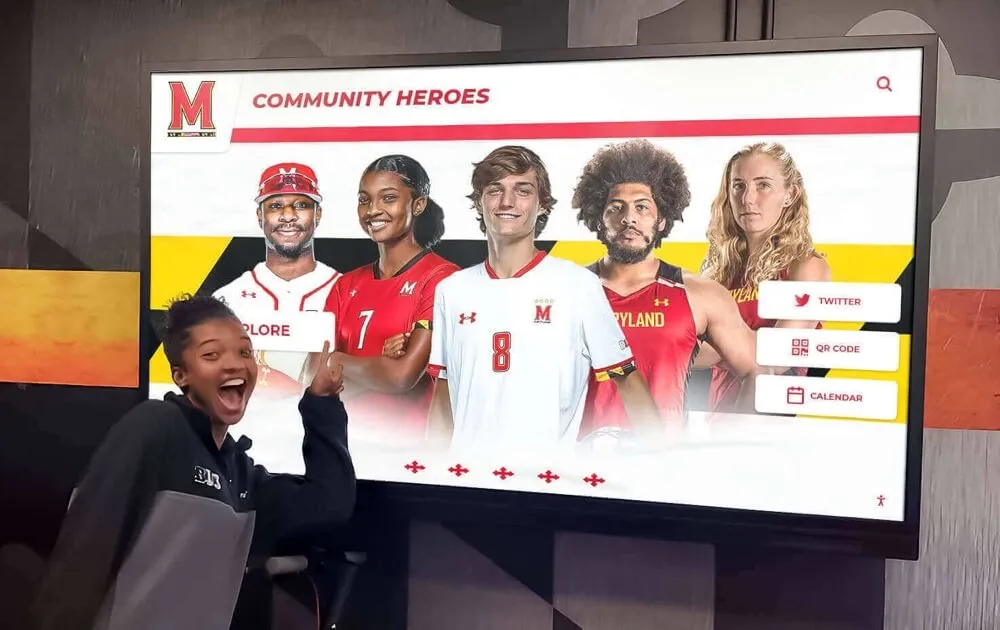
Recognition displays inspire current athletes by showcasing training philosophies and camp experiences that developed champions
Balancing Intensity with Athlete Development
Maple Lake maintained high intensity throughout sessions, but Houk understood sustainable development principles. Modern programs must balance demanding preparation with athlete wellbeing and long-term development perspectives.
Periodization approaches that vary training intensity prevent overtraining while producing peak performance at crucial competition periods. Programs should structure seasons with strategic intensity variations rather than maintaining maximum effort continuously.
Age-appropriate training recognizes developmental stages and adjusts expectations accordingly. What proves appropriate for Olympic-level athletes often exceeds what youth athletes should experience, requiring careful calibration.
Monitoring athlete feedback helps coaches distinguish productive challenge from counterproductive overload. Systems for tracking fatigue, stress, and recovery allow timely adjustments preventing injuries or burnout.
Leveraging Mentorship and Alumni Connections
Maple Lake benefited tremendously from Olympic wrestlers training alongside developing athletes. Modern programs can create similar mentorship by facilitating connections between current athletes and accomplished alumni.
Alumni willing to share experiences, provide guidance, or demonstrate techniques offer invaluable resources. Programs should systematically cultivate these relationships rather than leaving alumni engagement to chance.
Recognition systems that celebrate alumni achievements keep former athletes connected to programs while providing current athletes with role models demonstrating what’s achievable through dedication. Visible alumni success inspires current participants.
Creating opportunities for alumni to attend practices, speak with teams, or participate in camps maintains their involvement while benefiting current athletes. These interactions strengthen program culture across generations.
Schools implementing alumni recognition programs create systematic approaches to maintaining connections that benefit both former and current students.
Conclusion: Preserving Wrestling Heritage While Building Future Champions
The story of Russ Houk’s Wrestling Camp at Maple Lake represents far more than nostalgia for wrestling’s past—it provides a roadmap for developing excellence through systematic training, dedicated coaching, and environments that push athletes toward their potential. From 1962 through 1973, this pioneering program demonstrated that intensive summer preparation could transform talented wrestlers into champions while establishing training methodologies that continue influencing instruction today.
Houk’s vision extended beyond developing individual champions to shaping how America approaches wrestling instruction and youth athletic development broadly. The camp’s Olympic training center designation validated his approaches while attracting the era’s best wrestlers and coaches to a mountaintop facility where magic happened regularly.
The wrestlers who trained at Maple Lake—from Olympic champions to dedicated youth athletes—carried forward the lessons they learned. As they became coaches, program directors, and influential figures, they multiplied the camp’s influence across subsequent generations, ensuring that Houk’s legacy extended far beyond his direct instruction.
For modern wrestling programs, youth sports organizations, and educational institutions, Maple Lake’s story illustrates the lasting impact that visionary leadership and systematic approaches to athlete development can achieve. The principles that made the camp successful—technical mastery, intensive preparation, mental toughness development, and creation of challenging training environments—remain as relevant today as they were decades ago.
Preserving wrestling heritage through appropriate recognition systems honors the coaches, athletes, and training programs that shaped sport history while inspiring current participants. Understanding where excellence originated provides context for present success and guidance for future achievement.
Modern digital recognition platforms enable comprehensive preservation of wrestling legacy—documenting legendary coaches like Russ Houk, celebrating championship teams, recognizing individual achievement, and preserving the training philosophies and camp experiences that defined successful eras. These systems ensure that wrestling heritage remains accessible and inspiring for generations to come.
Whether you’re a wrestling historian seeking to document sport evolution, a coach looking to understand training approaches that produced champions, or an athletic administrator considering how to recognize your program’s legacy appropriately, the story of Russ Houk’s Wrestling Camp demonstrates the profound impact that vision, dedication, and systematic athlete development can achieve.
Your wrestling program has a history worth preserving and sharing—a legacy that can inspire current athletes while honoring the coaches, champions, and training systems that built your tradition. Modern recognition technology makes comprehensive heritage preservation more achievable than ever, ensuring that the lessons of pioneers like Russ Houk continue shaping future champions.
Ready to Preserve Your Wrestling Program's Legacy?
Discover how Rocket Alumni Solutions can help you create engaging recognition displays that honor your program's coaching legends, championship teams, and the training systems that developed excellence—inspiring current athletes while preserving heritage for future generations.
Schedule Your Free Consultation






























