Earning the title of salutatorian represents one of the highest academic honors a student can receive. Recognized as the second-highest-ranked graduate in their class, the salutatorian embodies years of disciplined study, intellectual curiosity, and consistent excellence. Yet despite the prestige attached to the role, many families, students, and educators have questions about exactly how the honor is determined, what it means in practice, and how schools can best celebrate this remarkable achievement.
Whether you’re a student chasing this milestone, a parent proud of a high-achieving child, or an administrator building a stronger academic recognition culture, this guide covers everything you need to know about the salutatorian honor—from its Latin roots to modern digital recognition practices that ensure the title earns the lasting visibility it deserves.
Academic honors like the salutatorian designation carry real weight in a student’s story. They signal sustained commitment and signal to colleges, employers, and communities that this individual brought exceptional dedication to their education. Understanding the full picture of what the honor involves—and how to celebrate it properly—matters enormously for schools and the students they serve.
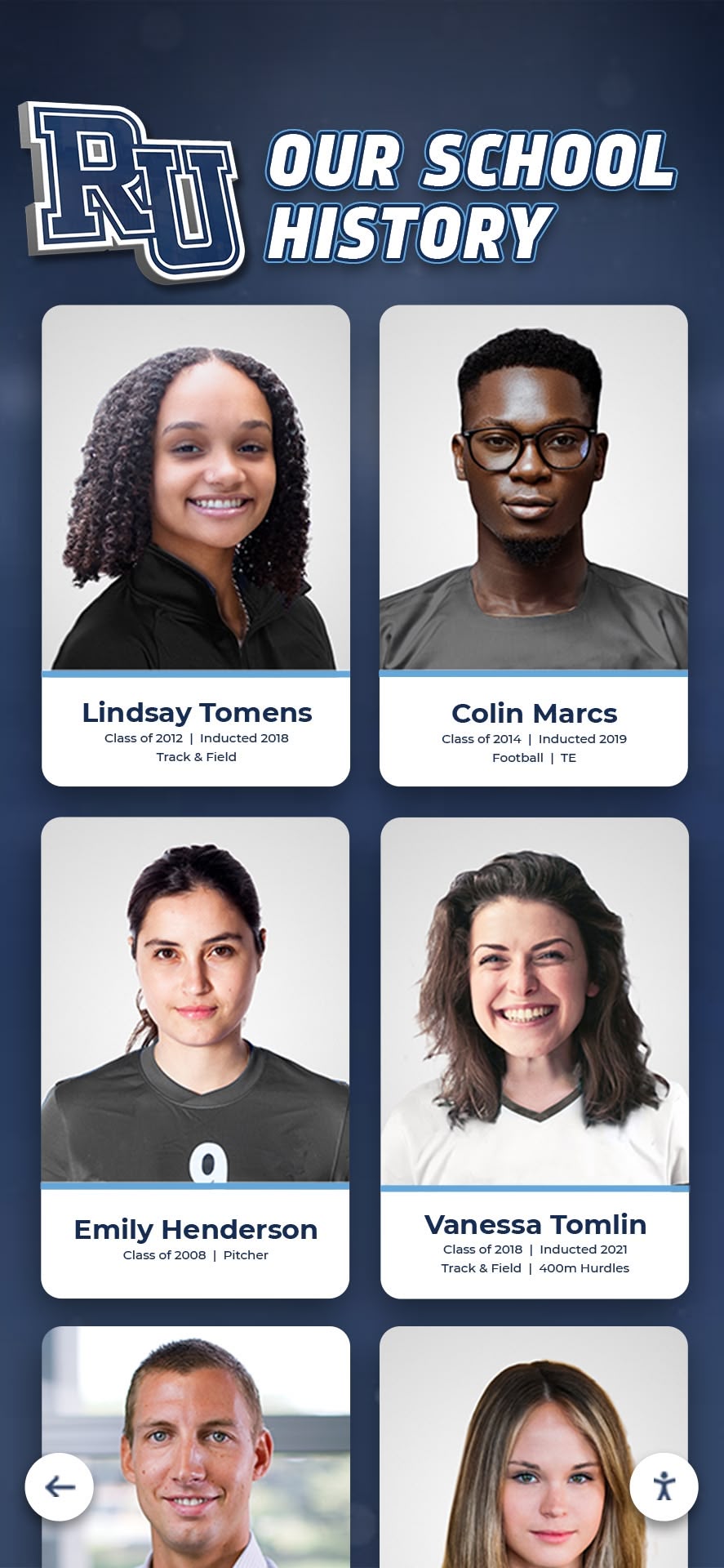
Portrait-style recognition displays celebrate top academic achievers and preserve their legacy for future classes to see
What Is a Salutatorian?
The salutatorian is the student who graduates with the second-highest academic standing in their class, typically measured by cumulative grade point average (GPA). In most American high schools and colleges, the salutatorian ranks immediately behind the valedictorian, the first-ranked graduate.
The word “salutatorian” derives from the Latin salutatio, meaning a greeting or salutation. Traditionally, the salutatorian delivered the opening address at commencement ceremonies—literally greeting the assembled audience before the valedictorian delivered the principal address. This ceremonial role gave the title its name, and while some schools still honor this tradition, the recognition has expanded well beyond any single speech.
The Salutatorian’s Place in Academic Ranking
Most schools determine the salutatorian by ranking all graduating students by cumulative GPA from first through last. The student holding the number-one spot becomes the valedictorian; the student directly behind at number two earns the salutatorian designation. Schools often recognize both positions through diplomas, cords, stoles, medals, or other visible markers worn or displayed during graduation ceremonies.
Some important nuances shape how this ranking works in practice:
- Weighted vs. unweighted GPA: Schools using weighted GPAs give additional grade points for honors, Advanced Placement (AP), or International Baccalaureate (IB) coursework. A student who loads up on rigorous courses may earn a salutatorian ranking based on weighted GPA even if their unweighted GPA doesn’t lead the class.
- Ties and co-salutatorians: When two or more students share identical GPAs, schools may name multiple co-salutatorians. Policies vary widely by institution.
- Recency of grades: Some schools calculate final rankings after junior year to allow time for printed materials; others calculate after the first semester of senior year or at the very end.
- Course load and residency requirements: A handful of schools require a minimum number of semesters in attendance or a minimum course load for eligibility.
Because criteria differ by institution, students and families should always verify their school’s specific policies with the registrar or counseling office.
Salutatorian vs. Valedictorian: Key Differences
Understanding where the salutatorian stands relative to the valedictorian clarifies both the honor and the opportunity it creates.
| Factor | Valedictorian | Salutatorian |
|---|---|---|
| Class Rank | 1st in graduating class | 2nd in graduating class |
| Traditional Speech Role | Closing/principal address | Opening salutation address |
| Name Origin | Latin: vale dicere (to say farewell) | Latin: salutatio (greeting) |
| Recognition Markers | Gold cord, medal, or stole | Silver cord, medal, or stole (varies by school) |
| Transcript Notation | Noted as valedictorian | Noted as salutatorian |
Both titles carry considerable prestige. Colleges and scholarship committees recognize both designations as indicators of exceptional academic performance, and employers often view these honors favorably when evaluating candidates early in their careers.
It’s worth noting that in recent years some high schools have moved away from the valedictorian/salutatorian system entirely, replacing it with Latin honors tiers (summa, magna, and cum laude) or other recognition frameworks designed to celebrate multiple high achievers rather than creating an intense competition for a single top rank. This trend reflects ongoing national conversations about the costs and benefits of class-rank competition.
The Salutatorian Speech: A Tradition with Purpose
At schools that still follow the traditional graduation structure, the salutatorian delivers the opening address before the valedictorian speaks. This salutation address welcomes guests, honors the faculty and administration, and sets the tone for the ceremony.
A strong salutatorian speech typically:
- Opens with a warm welcome to families, friends, faculty, and community members
- Acknowledges the class’s journey with specific references to shared experiences
- Expresses gratitude to teachers, counselors, coaches, and support staff
- Sets up the valedictorian by building energy and anticipation for the principal address
- Runs 3 to 5 minutes in most cases—long enough to be meaningful, short enough to maintain energy
For inspiration on structuring this address, exploring commencement speech examples from memorable graduation ceremonies can help aspiring salutatorians find their voice and craft a truly memorable opening.
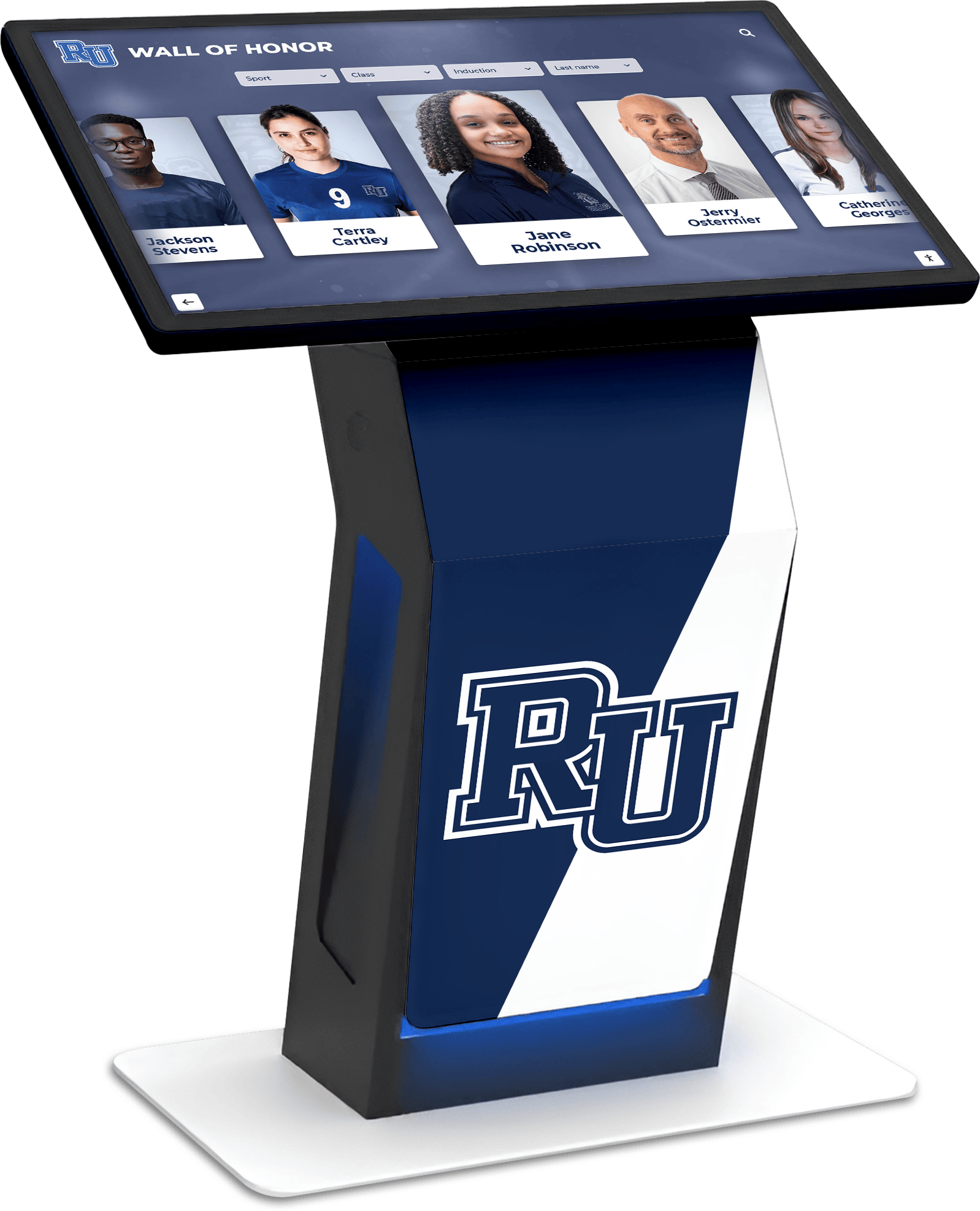
Interactive honor walls give salutatorians and other top achievers a permanent, accessible presence beyond graduation day
How Schools Determine the Salutatorian
The mechanics of identifying your salutatorian depend on your institution’s ranking methodology. Here’s a typical process schools follow:
Step 1: Establish the GPA Calculation Method
Schools decide whether to use weighted or unweighted GPA, and whether to include all courses or exclude electives. They also determine the cutoff date for grade calculations.
Step 2: Pull Transcripts and Calculate Cumulative Averages
Counselors or registrars calculate each graduating student’s cumulative GPA using the established method, ensuring consistency across all records.
Step 3: Rank Students and Identify Ties
The student roster is sorted from highest to lowest GPA. If the top two positions are tied, the school’s tie-breaking policy—extra coursework review, number of advanced courses, or co-designation—comes into play.
Step 4: Notify the Selected Students
Schools typically notify valedictorian and salutatorian candidates privately before any public announcement, giving families time to celebrate and students time to prepare speeches or remarks.
Step 5: Verify Academic Eligibility
Some institutions require the selected students to have enrolled for a minimum number of semesters or completed a minimum number of credits at the school. Transfer students may or may not qualify depending on local policy.
Why the Salutatorian Honor Matters for Schools
Celebrating your salutatorian—and celebrating them well—serves purposes that extend well beyond the individual student.
Motivating Future Students
Visible recognition of past salutatorians gives current students a concrete goal to aspire toward. When a freshman sees the names and portraits of salutatorians going back decades, the honor feels real and achievable.
Building Academic Culture
Schools with strong academic recognition traditions consistently report that students take pride in academic achievement as a valued part of school identity—alongside athletics and the arts.
Engaging Alumni and Families
Former salutatorians become invested alumni. When their name remains visible on campus walls and digital displays, they stay emotionally connected to the school and more likely to give back through volunteering, donations, and advocacy.
Attracting Prospective Students
Families touring campuses notice how a school honors its best students. A clearly celebrated academic recognition culture signals a school that values scholarship—a meaningful selling point in enrollment conversations.
Academic leaders at schools that invest in high school awards ceremony ideas consistently find that thoughtful celebration programs strengthen school culture at every level, not just for the top honorees.
Recognition Beyond Graduation Day
The graduation ceremony is only one moment in a salutatorian’s recognition journey. Schools that want to honor their top graduates in lasting ways use several complementary approaches.
Academic Honor Societies and Co-Curricular Recognition
Many salutatorians are also active in academic honor societies—Mu Alpha Theta for math, National Honor Society, and similar organizations. Understanding the full scope of Mu Alpha Theta honors and recognition helps schools connect salutatorian recognition with the broader academic achievement ecosystem.
Co-curricular leadership is equally worth celebrating. Groups like FBLA (Future Business Leaders of America) produce graduates who combine academic excellence with real-world skills. Schools that understand what FBLA is and how it develops student leaders can craft recognition programs that honor the full picture of their top graduates’ contributions.
Campus Display Programs
Physical and digital displays that feature salutatorian names and portraits create year-round visibility. Schools that implement best practices for highlighting student accomplishments find that well-placed recognition displays in hallways, lobbies, and main entrances keep academic achievement visible to every student, every day—not just during graduation week.

University-level recognition touchscreens allow visitors to explore top achievers and their stories in engaging, interactive formats
Digital Class President and Academic Leader Recognition
Student leaders who combine academic achievement with service roles—like class presidents who also hold salutatorian honors—deserve recognition that reflects both dimensions. Schools exploring class president digital display options can build displays that capture the full scope of a top student’s contributions.
Traditional vs. Digital Recognition: What Lasts Longer?
For decades, schools celebrated salutatorians with plaques, glass cases, printed programs, and paper certificates. These approaches still hold value—but they come with real limitations.
Traditional Recognition
- Printed programs yellowed and misplaced over time
- Plaques require physical space and periodic replacement
- Glass trophy cases limit access to passersby only
- Updating requires physical labor and materials cost
- Photos and context often separate from the name display
- Not accessible to remote alumni and families
Digital Recognition
- Searchable archives preserve every salutatorian indefinitely
- Photos, bios, and achievements integrated in one display
- Interactive touchscreens engage visitors of all ages
- Update remotely via cloud dashboard—no physical work required
- Web-accessible versions allow alumni families to view from anywhere
- Scales to include every class year without running out of wall space
Schools looking at the full landscape of plaque and trophy options—traditional vs. digital recognition consistently find that digital solutions offer better long-term value while creating more engaging visitor experiences.
Digital Displays for Salutatorian Recognition
Modern schools are increasingly turning to interactive touchscreen displays to honor top academic achievers in ways that go far beyond a static plaque. These systems allow visitors—students, families, prospective enrollees, community members—to explore the full history of salutatorians, viewing portraits, reading brief biographies, and learning about each honoree’s path after graduation.

Well-designed recognition walls combine visual identity with interactive digital content to create spaces students and families want to explore
Key Features of Effective Academic Recognition Displays
The most effective recognition displays for salutatorians and other top graduates share several characteristics:
Searchable Graduate Profiles Rather than a simple name list, high-impact displays allow visitors to search by year, program, or achievement—surfacing salutatorians from any point in the school’s history.
Photo Integration Putting a face to the name transforms a list into a story. Portrait photos make past salutatorians feel real and present to current students who never knew them.
Achievement Context Brief bios noting GPA, post-graduation path (college attended, career pursued), and any notable accomplishments give visitors a fuller picture of what excellence looks like in practice.
Easy Content Management Cloud-based content management systems allow administrators to add each year’s new salutatorian without special technical skills. The display updates automatically once data is entered.
Web Accessibility A companion web interface means alumni parents can pull up the school’s salutatorian display from across the country, deepening emotional connection and alumni engagement.
Honor roll touchscreen displays use this same framework to celebrate broader academic achievement lists—and the technology works equally well for highlighting premier honors like the salutatorian designation alongside every other academic achievement category your school recognizes.
Building a Salutatorian Recognition Program: A Practical Checklist
If your school wants to build a more intentional recognition program around its salutatorian and top academic graduates, use this checklist as your starting framework:
Salutatorian Recognition Program Checklist
Effective recognition programs also benefit from thoughtful campus signage best practices that ensure recognition displays appear where students, families, and visitors will actually encounter them—not tucked away in a rarely-visited corridor.
Salutatorian Recognition in Higher Education
The salutatorian tradition isn’t limited to high schools. Many colleges and universities recognize their top academic graduates using similar frameworks, often presenting salutatorian honors alongside summa cum laude designations at undergraduate commencements. Graduate and professional programs sometimes confer equivalent honors on their highest-ranked degree recipients.
For institutions thinking about how to structure recognition at the collegiate level, organizations like Phi Theta Kappa (PTK) at community colleges offer models for celebrating academic distinction beyond simple ranking systems. Exploring how community colleges recognize and celebrate PTK members provides useful context for designing programs that honor top graduates comprehensively.

Digital recognition displays invite community members to explore the school's history of academic excellence across many graduating classes
Alumni Engagement and Long-Term Legacy
Recognizing salutatorians doesn’t end at graduation. Schools that maintain updated recognition systems and proactively engage former top graduates create communities where academic achievement stays visible and valued for decades.
Past salutatorians who feel honored by their school are more likely to:
- Return as guest speakers, mentors, and career day participants
- Support fundraising campaigns and capital initiatives
- Recommend the school to families making enrollment decisions
- Contribute content and stories for school communications and yearbooks
Connecting the salutatorian legacy to broader alumni recognition programs extends the relationship well beyond the graduation stage and turns top graduates into lifelong school advocates.
How Rocket Alumni Solutions Supports Academic Recognition
Rocket Alumni Solutions builds interactive touchscreen recognition systems designed to celebrate exactly the kind of achievements a salutatorian represents. Schools can create dedicated academic achievement sections that feature salutatorians and valedictorians alongside honor rolls, sports record-holders, and co-curricular standouts—all in one centrally managed, beautifully displayed system.
Key advantages for academic recognition use cases include:
- Unlimited honoree capacity: Add every salutatorian from the school’s entire history without ever running out of space
- Cloud-based content management: Update the display from any device—no on-site IT required
- Web-accessible companion site: Alumni families can access recognition displays from anywhere
- ADA-compliant interfaces: Touchscreen systems meet WCAG 2.1 AA standards
- Sponsor panel integration: Generate revenue through optional sponsorship displays alongside recognition content
- Professional installation and ongoing support: White-glove service from initial planning through launch and beyond
Whether your school is building its first formal salutatorian recognition program or upgrading an outdated plaque system to something students actually stop to explore, an interactive display solution makes the investment worthwhile.
Ready to Honor Your Top Graduates Permanently?
Discover how Rocket Alumni Solutions can help your school build an interactive recognition display that celebrates salutatorians, valedictorians, honor roll students, and every other form of academic excellence your community values.
Explore Recognition SolutionsFrequently Asked Questions About the Salutatorian
What GPA do you need to be a salutatorian? There is no universal GPA requirement—the salutatorian is simply the student with the second-highest cumulative GPA in their graduating class. In a highly competitive class, that might require a 4.0 weighted GPA or higher; in other classes, a 3.8 or 3.9 might suffice.
Can there be more than one salutatorian? Yes. When two or more students hold identical GPAs after tie-breaking procedures, some schools name co-salutatorians. Policies differ by institution.
Is salutatorian only for high school? No. Many colleges and universities also recognize a salutatorian as part of their commencement traditions, particularly at the undergraduate level.
Does salutatorian look good on a college application? Absolutely. Holding the second-highest academic rank in your graduating class is a strong credential that colleges recognize as evidence of sustained academic excellence.
What does the salutatorian do at graduation? Traditionally, the salutatorian delivers the opening address—a short speech welcoming guests and setting the tone before the valedictorian speaks. Not all schools still follow this practice.
How is salutatorian different from cum laude? Cum laude (and its variants magna and summa) are Latin honors awarded to all graduates who meet certain GPA thresholds. The salutatorian is a rank-based designation given to exactly one student (or co-salutatorians in the case of ties)—regardless of GPA thresholds.
Conclusion
The salutatorian holds a unique place in academic tradition—second in class rank but first in the ceremony’s greeting, representing the class’s commitment to excellence before the whole community. For schools, the challenge isn’t just selecting and announcing the salutatorian; it’s honoring that achievement in ways that last, inspire future students, and keep top graduates connected to the institution over a lifetime.
Investing in strong recognition practices—from the graduation ceremony through permanent campus displays—ensures that every salutatorian knows their achievement matters, and that future classes understand exactly what’s possible when they bring their best effort every day.































