Nestled in the heart of upstate New York, the Saratoga Springs Race Track stands as a crown jewel of American thoroughbred racing. Since opening its gates in 1863, this legendary venue has witnessed some of horse racing’s most dramatic moments, celebrated the sport’s greatest champions, and earned unforgettable nicknames like “The Graveyard of Champions” and “The Spa.” Today, as modern venues embrace interactive technology to honor their rich histories, Saratoga Race Course exemplifies how historic sports institutions can preserve tradition while engaging contemporary audiences through digital innovation.
In this comprehensive guide, we explore the storied history of Saratoga Springs Race Track, examining the legendary horses, thrilling upsets, and enduring traditions that have made it one of America's most beloved sporting venues. We'll also discover how interactive touchscreen displays help racing venues, sports organizations, and athletic programs at all levels celebrate their heritage, engage fans, and preserve achievements that define their identities.
The Birth of an American Racing Tradition
On August 3, 1863, just one month after the Battle of Gettysburg, gambler, casino owner, ex-boxing champion, and future congressman John Morrissey organized Saratoga’s first thoroughbred racing meet. The timing was audacious—the nation remained locked in Civil War—yet approximately 3,000 spectators gathered to watch the races from their carriages, paying one dollar admission to witness the birth of what would become an American institution.
The success of that inaugural meet inspired Morrissey to establish something permanent. After purchasing 125 acres of land across from the old standardbred track, he built a new grandstand and officially opened Saratoga Race Course on August 2, 1864. With the backing of several prominent sportsmen, Morrissey created not just a racetrack, but a destination that would attract the social elite and racing enthusiasts for generations to come.
The inaugural race on opening day was the Travers Stakes, a competition that continues today as the oldest major thoroughbred horse race in the United States. This remarkable continuity—with the Travers Stakes running annually since 1864—represents the kind of enduring tradition that racing venues, athletic programs, and sports organizations strive to honor and preserve.
A Legacy Written in Legendary Horses
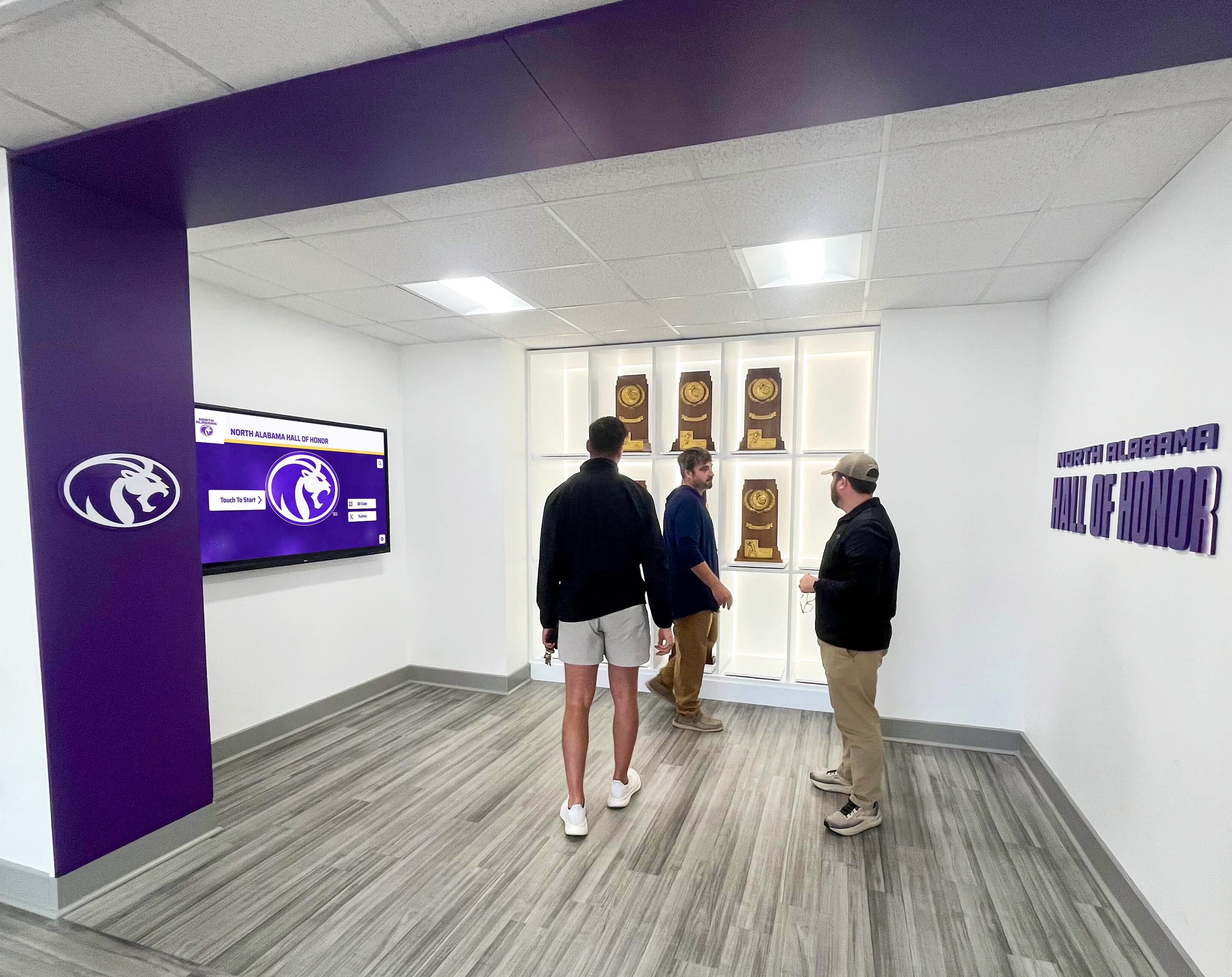
The Saratoga Race Course has hosted some of thoroughbred racing’s most celebrated champions. Names like Secretariat, Seattle Slew, Affirmed, Rachel Alexandra, Curlin, Gallant Fox, Man o’ War, and American Pharoah all spent time in residence on the primeval backstretch and competed on the historic oval. Each of these legendary horses contributed to the track’s rich tapestry of racing excellence.
The Triple Crown Champions
Multiple Triple Crown winners have graced Saratoga’s hallowed grounds. Secretariat, whose 1973 Triple Crown victory remains one of sports’ most dominant performances, competed at Saratoga. Seattle Slew and Affirmed, who won consecutive Triple Crowns in 1977 and 1978, both raced at “The Spa.” More recently, American Pharoah brought his 2015 Triple Crown glory to Saratoga, connecting modern racing to the track’s storied past.
These champions represent the pinnacle of thoroughbred excellence, and their presence at Saratoga elevated the venue’s status as a proving ground for the sport’s elite competitors. For sports venues seeking to honor their own champions, comprehensive digital recognition systems provide platforms to celebrate achievement across eras while making history accessible to contemporary audiences.
The Travers Stakes: “The Midsummer Derby”
Since that first running in 1864, the Travers Stakes has evolved into one of American racing’s most prestigious events. Nicknamed the “Midsummer Derby,” the Travers is now a Grade I stakes race for three-year-olds contested on dirt with a current purse of $1,250,000. According to international classifications, the Travers ranks as the third most important race for American three-year-olds, behind only the Kentucky Derby and Belmont Stakes.
The race has produced countless memorable moments and crowned champions who went on to define their generations. The Travers represents the kind of championship tradition that athletic programs at all levels seek to establish—an annual event that builds prestige over decades and becomes synonymous with excellence.
The Graveyard of Champions: Celebrating the Upsets
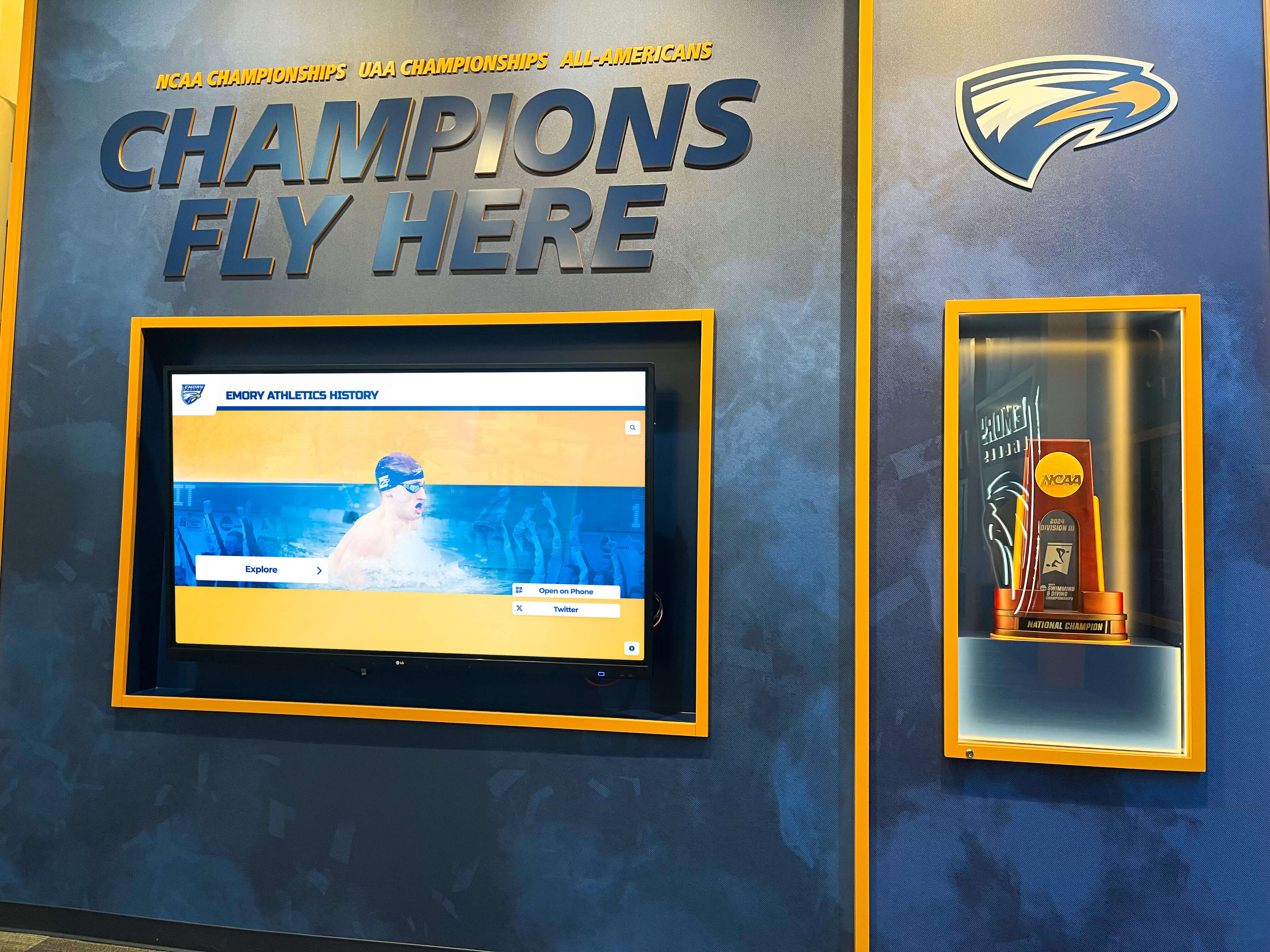
Perhaps no nickname captures Saratoga’s essence more perfectly than “The Graveyard of Champions.” This moniker emerged from the track’s remarkable history of stunning upsets where heavily favored champions suffered unexpected defeats. These dramatic reversals transformed Saratoga into racing’s most unpredictable venue and created stories that have been retold for generations.
Man o’ War Meets Upset (1919)
The mighty Man o’ War is widely considered one of the greatest racehorses in history. In twenty-one career starts, he suffered only a single defeat—and that loss came at Saratoga Race Course in the 1919 Sanford Stakes. A horse aptly named Upset defeated Man o’ War in a race that shocked the racing world and forever enshrined Saratoga’s reputation for the unexpected.
The loss proved to be an anomaly in Man o’ War’s otherwise perfect record, yet it remains one of racing’s most famous upsets. The story illustrates how even the greatest champions can be humbled, creating moments of vulnerability that make sports compelling and unpredictable.
Jim Dandy’s Miracle (1930)
In 1930, Gallant Fox had captured the Triple Crown and entered the Travers Stakes as an overwhelming favorite. His main competition appeared to be Whichone, another highly regarded three-year-old. Few gave any chance to Jim Dandy, a lightly regarded colt who entered the race at 100-1 odds.
Yet on that August day at Saratoga, racing history was rewritten. Jim Dandy defeated both Gallant Fox and Whichone by three lengths in one of the sport’s most stunning upsets. The victory transformed Jim Dandy from an afterthought into a legend and reinforced Saratoga’s reputation as the place where champions fall.
Secretariat Loses to Onion (1973)
Just weeks after completing his historic Triple Crown sweep—including a still-standing 31-length victory in the Belmont Stakes—Secretariat arrived at Saratoga for the Whitney Stakes as racing’s biggest superstar. His opponent, a horse named Onion, was a solid competitor but appeared outmatched against the Triple Crown champion at the peak of his powers.
In another Saratoga surprise, Onion defeated Secretariat in the Whitney Stakes, proving that even the greatest champions could be beaten on Saratoga’s unique oval. The loss didn’t diminish Secretariat’s greatness, but it added another chapter to Saratoga’s legend as the track where anything could happen.
American Pharoah’s 2015 Setback
Even in recent times, Saratoga’s tradition of upsets continues. In 2015, American Pharoah became the first Triple Crown winner in 37 years, captivating the racing world and transcending the sport to become a mainstream cultural phenomenon. When he arrived at Saratoga later that summer, expectations ran high.
Yet in the Travers Stakes, American Pharoah finished second to Keen Ice, extending Saratoga’s remarkable pattern of champion-slaying performances into the modern era. The upset demonstrated that Saratoga’s mystique remains as powerful today as it was a century ago.

Saratoga’s Remarkable Longevity and Cultural Impact
When considering American sporting venues, few can match Saratoga Race Course’s longevity and cultural significance. The track opened in 1863, making it one of America’s oldest major sporting venues still in continuous operation. While some sources debate whether it’s the absolute oldest, the track certainly ranks among the nation’s most historic sporting facilities alongside venues like Fair Grounds Race Course (1852) and Freehold Raceway (1854).
Nearly 160 Years of Summer Racing
Saratoga Race Course has operated almost continuously since 1864, with only a handful of exceptions. The course closed in 1896 due to increasing competition among thoroughbred tracks, making that season’s meet not financially viable. Anti-gambling legislation passed in New York resulted in the cessation of all thoroughbred racing in the state during 1911 and 1912. Beyond these brief interruptions, Saratoga has hosted summer racing for more than 150 years—an achievement virtually unmatched in American sports.
This continuity creates something precious: a direct connection between contemporary racing and the sport’s 19th-century origins. Modern racing fans attending Saratoga aren’t visiting a reconstruction or revival—they’re experiencing a venue that has hosted continuous competition across three centuries.
A Destination Beyond Racing
Saratoga Springs developed into more than just a racing venue. The town’s natural mineral springs attracted visitors seeking health benefits, earning the area the nickname “The Spa.” The combination of racing, mineral baths, casino gambling, and social events transformed Saratoga into a summer destination for wealthy socialites, sports enthusiasts, and those seeking leisure and recreation.
This broader cultural context elevated Saratoga Race Course beyond a simple sporting venue into a social institution. The summer racing season became a fixture on the social calendar, a tradition passed down through generations of families who made the annual pilgrimage to Saratoga part of their summer routine.
Recognition in the Modern Era
In 1999, Sports Illustrated ranked Saratoga Race Course as the #10 sports venue of the 20th century—recognition that placed it among the most significant sporting facilities worldwide. This honor acknowledged not just the racing excellence witnessed there, but the venue’s cultural impact, historical significance, and enduring appeal across generations.
Today, more than one million fans attend Saratoga races each summer. This remarkable attendance demonstrates that historic sporting traditions can thrive in the modern era when they honor their heritage while embracing contemporary expectations for facility quality and fan experience.
The Role of Interactive Technology in Preserving Racing Heritage
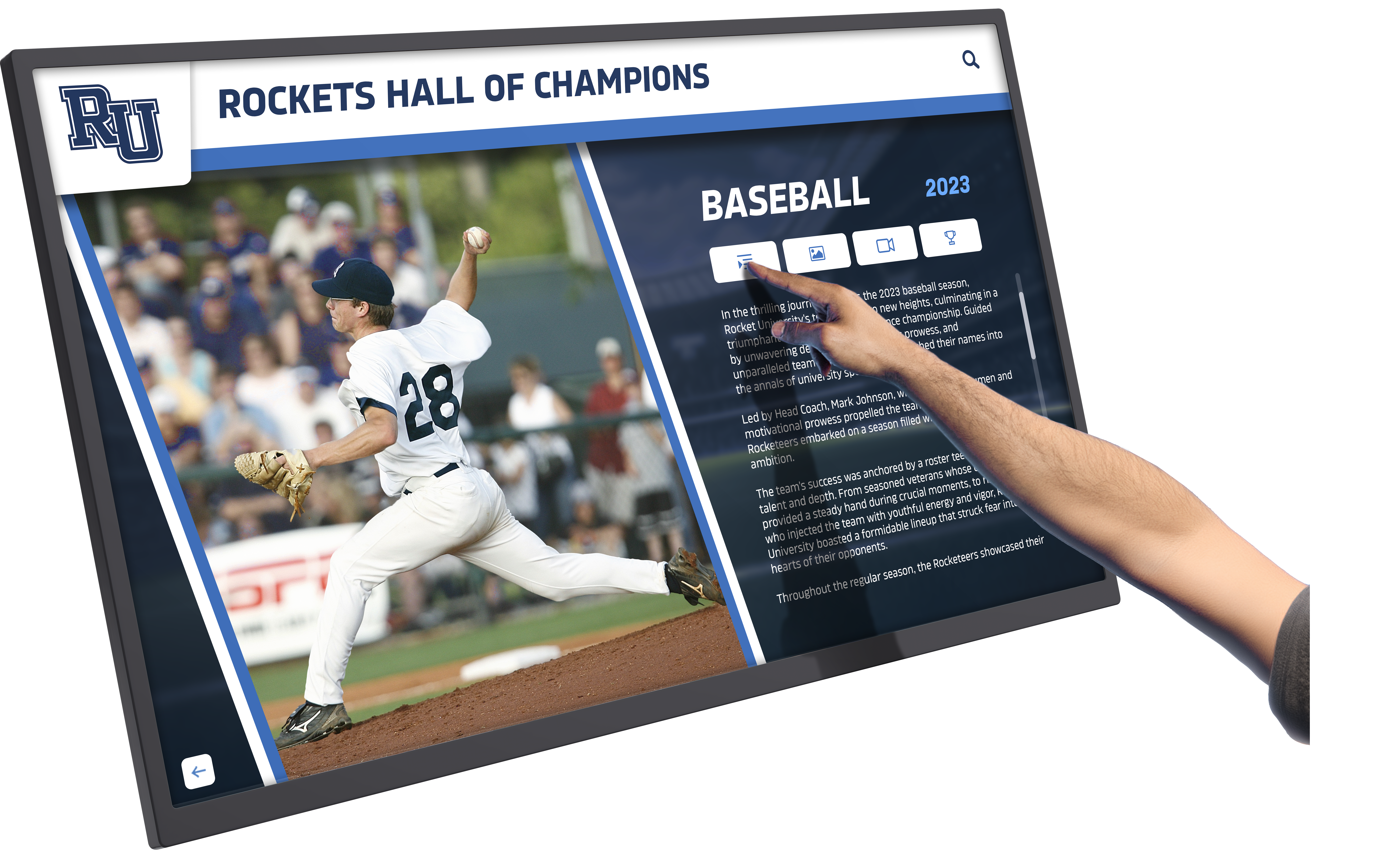
As historic venues like Saratoga Race Course balance tradition with modernization, interactive touchscreen technology offers powerful tools for celebrating heritage while engaging contemporary audiences. Racing venues, sports facilities, and athletic programs increasingly recognize that digital recognition displays provide unique advantages over traditional static exhibits.
Comprehensive Historical Documentation
Traditional plaques and signage can recognize only limited numbers of champions, memorable moments, and significant figures due to physical space constraints. A historic venue like Saratoga, with 160 years of racing history, faces impossible choices about which horses, jockeys, trainers, and moments deserve scarce wall space.
Interactive touchscreen displays solve this limitation by providing virtually unlimited recognition capacity within compact physical footprints. A single interactive touchscreen system can showcase comprehensive databases including every Travers Stakes winner since 1864, profiles of legendary horses who competed at the track, biographies of Hall of Fame jockeys and trainers, documentation of record-setting performances, historical photographs spanning multiple eras, and video footage of memorable races and moments.
This comprehensive approach ensures that racing history is preserved in depth rather than reduced to highlights that fit limited physical space. Visitors can explore as deeply as their interests dictate, discovering stories and achievements that static displays simply cannot accommodate.
Engaging Multimedia Storytelling
Historic racing moments come alive through multimedia presentation in ways that text and still photographs alone cannot match. Interactive displays can incorporate video footage of historic races showing the drama and excitement as it unfolded, audio commentary from legendary announcers capturing the emotion of great moments, side-by-side race comparisons allowing fans to evaluate performances across different eras, statistical analysis and data visualization making racing statistics accessible and engaging, and interactive timelines showing how racing and the track evolved over decades.
Solutions like modern touchscreen digital signage platforms provide the technical capabilities to deliver rich multimedia content while maintaining intuitive user interfaces that even casual fans can navigate easily.
Personalized Discovery and Exploration
One of the most powerful aspects of interactive displays is their support for personalized discovery. Rather than forcing every visitor through the same predetermined information sequence, interactive systems allow individuals to explore based on their specific interests.
A lifelong racing fan might immediately search for information about Man o’ War’s upset loss, diving deep into race conditions, jockey decisions, and post-race analysis. A casual visitor might browse featured highlights, discovering stories they never knew existed. A young racing enthusiast might compare statistics of Triple Crown winners, building understanding of what makes certain horses exceptional.
This personalization transforms passive viewing into active engagement, increasing time spent with content and creating more memorable experiences that strengthen emotional connections to racing heritage.
Applications Beyond Racing: Athletic Recognition Across All Sports
While Saratoga Race Course represents racing excellence, the principles of comprehensive digital recognition apply equally to athletic programs at all levels and across all sports. High schools, colleges, universities, and community organizations face similar challenges preserving their own histories and honoring the athletes who built their traditions.
High School and College Athletic Programs
Athletic programs accumulate decades of achievements deserving recognition—championship teams, record-breaking athletes, dedicated coaches, and defining moments that shape institutional identities. Traditional trophy cases and physical plaques can honor only a fraction of this achievement due to space limitations.
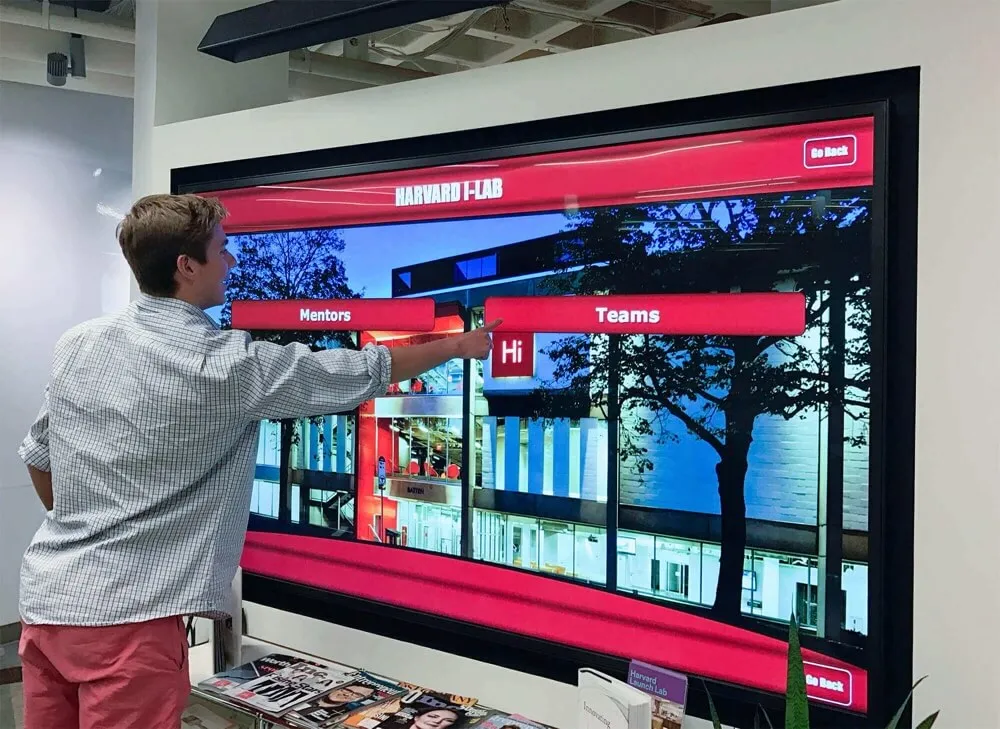
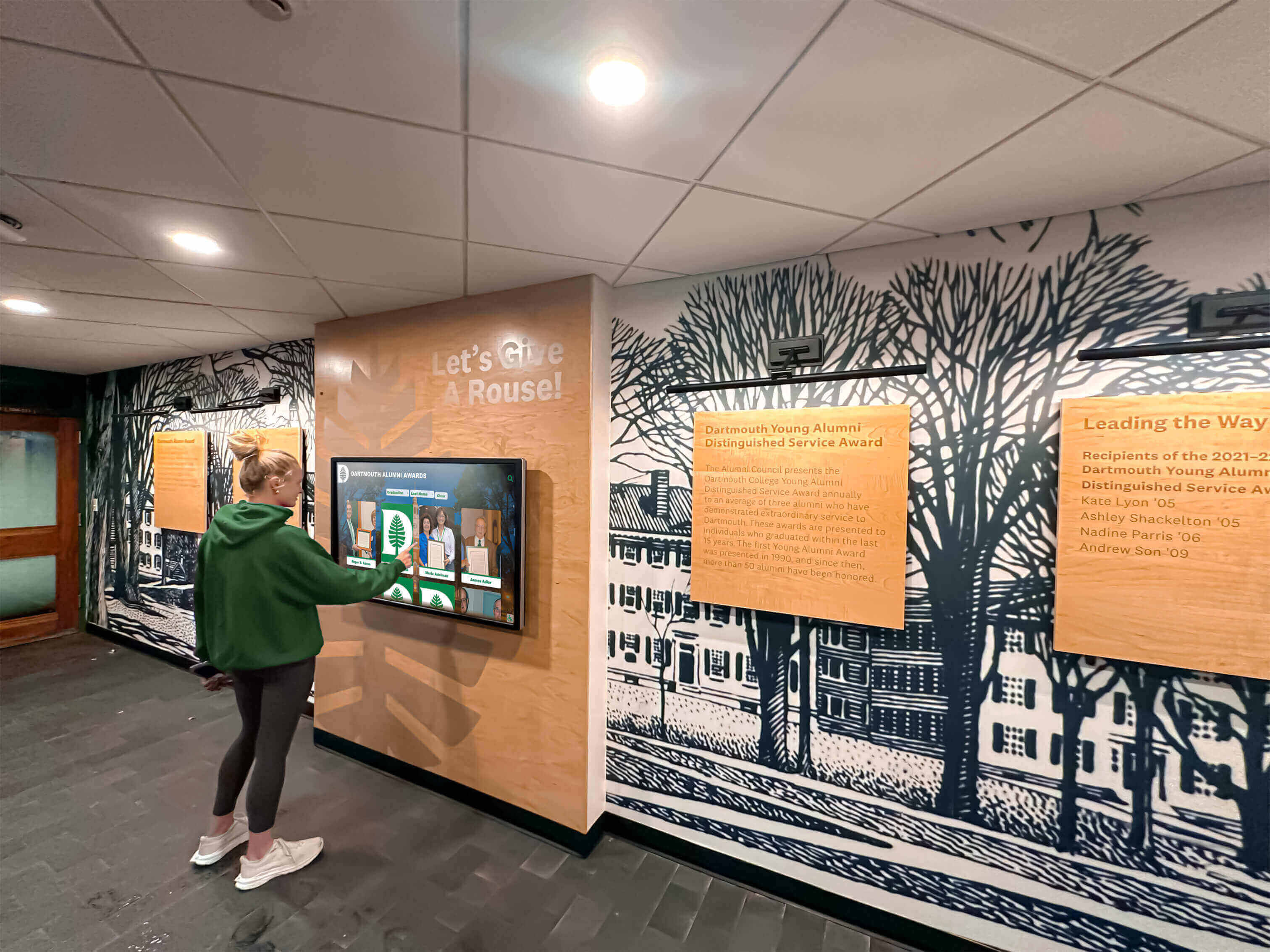
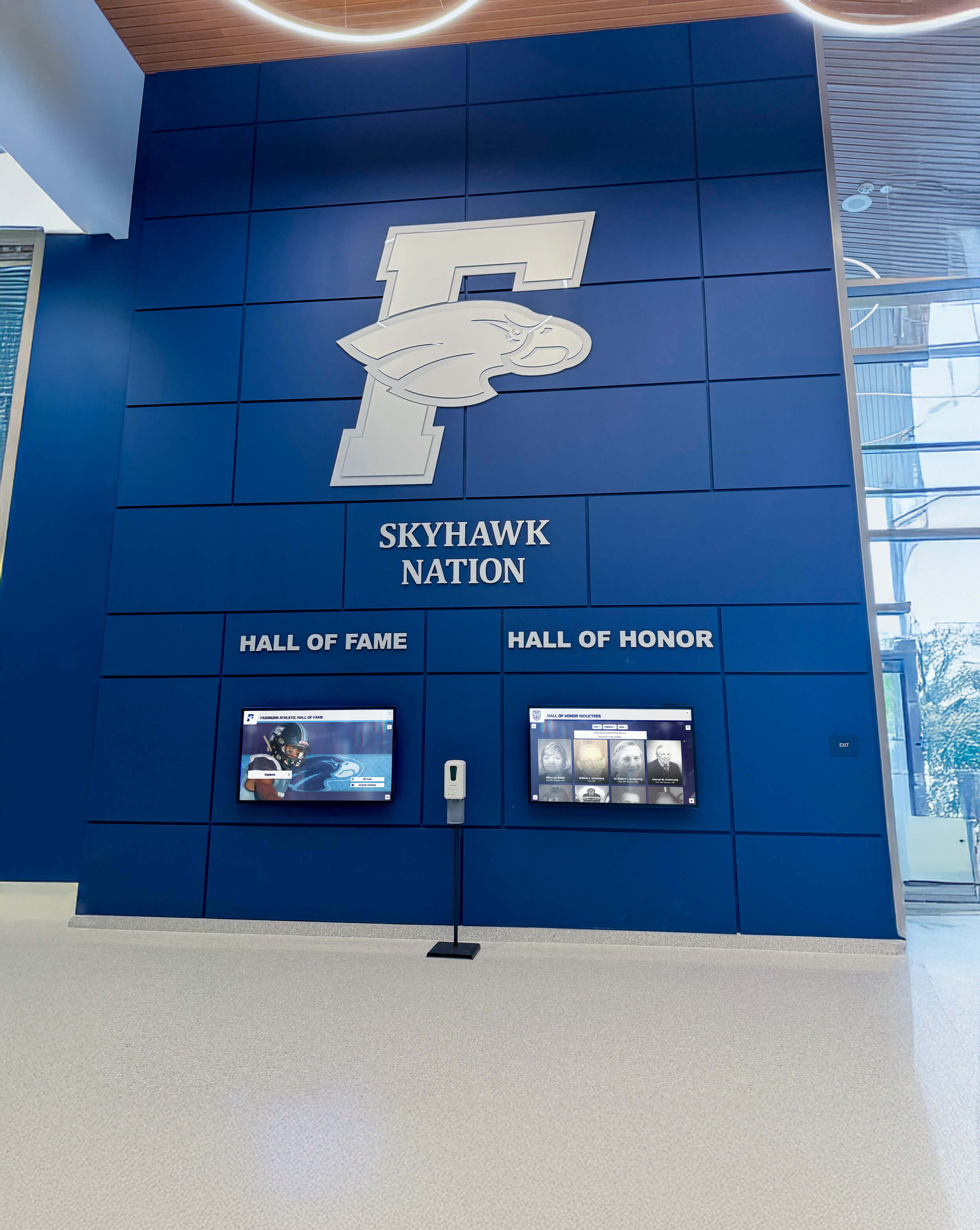
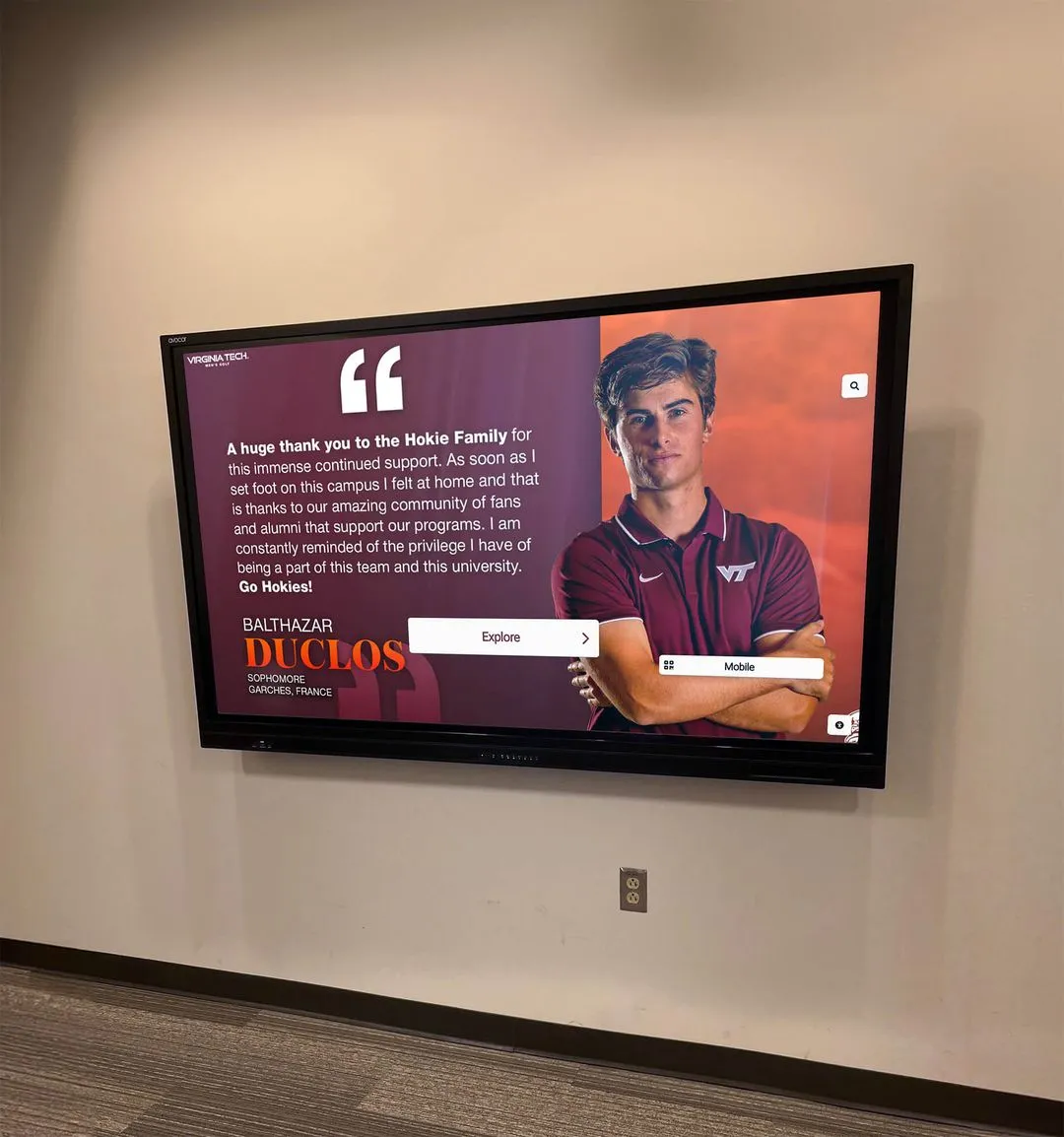
Digital trophy cases and recognition systems allow schools to comprehensively document complete rosters from every varsity team across decades, detailed profiles of record holders across all sports, championship team photos and season narratives, coach career records and milestone achievements, historical photographs showing facility and uniform evolution, and video highlights from memorable games and performances.
This comprehensive recognition ensures that every student-athlete who contributed to program success receives appropriate acknowledgment rather than only the most recent or most celebrated individuals receiving visibility.
Multi-Sport Recognition Solutions
Most educational institutions need recognition systems covering multiple sports rather than single-sport focus. Digital platforms accommodate this through unified navigation and design across all sports, sport-specific templates for baseball, basketball, football, and other activities, cross-sport search identifying multi-sport athletes, balanced content rotation ensuring all sports receive visibility, and comprehensive statistics capturing each sport’s unique metrics.
Recognition programs can extend beyond athletics to honor academic excellence, artistic achievement, community service, and other forms of student success, creating comprehensive celebration of diverse accomplishments.
Inspiring Current Athletes Through Historical Context
When current athletes explore digital recognition displays and discover program records awaiting new record holders, championship teams from previous decades, alumni who progressed to higher competition levels, and traditions spanning generations, these discoveries transform abstract goals into concrete targets while connecting individual effort to larger program legacies.
This motivational dimension makes recognition displays not just historical documentation but active tools for building program culture and inspiring excellence. The same principle that makes Saratoga’s history compelling—connecting present competition to legendary performances—works equally powerfully for high school and college programs celebrating their own traditions.
Implementing Interactive Recognition at Your Venue or Program
Organizations inspired by how venues like Saratoga Race Course balance tradition with modern engagement can implement similar recognition approaches through systematic planning and the right technology partnerships.
Assessment and Planning
Successful recognition programs begin with clear strategic planning including defining recognition scope and criteria, inventorying existing content and identifying gaps, budgeting for hardware, software, content development, and ongoing operation, selecting optimal display locations considering traffic patterns and visibility, and gathering stakeholder input from coaches, alumni, development staff, and other constituents.
Clear planning prevents common pitfalls including underinvestment that compromises impact, poor placement that limits visibility, vague criteria creating selection controversies, and inadequate content development leaving displays feeling empty.
Content Development and Organization
Content quality determines recognition program success. Effective content development includes writing engaging biographical narratives balancing facts with compelling storytelling, compiling comprehensive statistics verified through multiple sources, collecting and processing historical photographs and documents, identifying or creating video highlight content, and organizing information with consistent formatting and appropriate metadata for discovery.
This content development often represents the most time-intensive project phase but creates the foundation determining long-term value and impact. Organizations should budget adequate time and resources for thorough content development rather than rushing to launch with incomplete information.
Technology Selection and Implementation
The right technology platform makes the difference between recognition systems that engage audiences and those that frustrate users or become maintenance burdens. Key considerations include intuitive content management enabling non-technical staff to update information independently, sport-specific templates reducing custom development requirements, cloud-based architecture eliminating local server management, mobile and web accessibility extending recognition beyond physical displays, and analytics revealing usage patterns and popular content.
Rocket Alumni Solutions specializes in recognition-focused platforms designed specifically for honoring athletic, academic, and organizational achievement. This purpose-built approach ensures that schools, colleges, and sports venues can implement professional-quality recognition without requiring technical expertise or extensive custom development.
Ongoing Management and Enhancement
Successful recognition programs require sustained attention including regular content updates adding new achievements and inductees, usage analytics review informing content priorities and improvements, technology maintenance ensuring reliable operation, and continuous enhancement responding to user needs and emerging capabilities.
Establishing clear responsibilities and procedures for ongoing management prevents recognition displays from becoming outdated and ensures they remain vibrant representations of living traditions rather than static snapshots frozen in time.
The Intersection of Tradition and Innovation
Saratoga Race Course demonstrates that historic institutions can honor tradition while embracing innovation. The track maintains cherished rituals—the paddock walks, the call to post, the traditions that make Saratoga special—while modernizing facilities, implementing contemporary betting technology, and enhancing the fan experience through thoughtful improvements.
This balance between tradition and innovation provides a model for all organizations with rich histories. Preservation doesn’t require freezing institutions in amber, pretending that modern expectations and technologies don’t exist. Rather, effective preservation honors what makes traditions meaningful while adapting how those traditions are presented and experienced.
Learning from Iconic Venues
Other legendary sporting venues demonstrate similar approaches to balancing heritage and modernity. Fenway Park integrates interactive recognition displays throughout the historic ballpark, allowing Red Sox fans to explore franchise history without detracting from the venue’s classic character. SAP Center’s interactive hall of fame celebrates hockey excellence through comprehensive multimedia presentations that engage modern audiences.
These implementations show that interactive technology complements rather than competes with traditional recognition when thoughtfully implemented with respect for venue character and audience expectations.
Bringing Recognition into the Digital Age
The same technology that allows racing fans to explore Saratoga’s history enables high school athletes to discover their school’s basketball records, college alumni to revisit their championship seasons, and community members to connect with local sports traditions. Modern touchscreen software has evolved to the point where implementation is straightforward, maintenance is manageable, and costs have become accessible for organizations at all levels.
This democratization of recognition technology means that organizations don’t need Saratoga’s resources or profile to implement professional-quality recognition that honors achievement comprehensively while engaging contemporary audiences effectively.
Racing Recognition Beyond Saratoga
While Saratoga Race Course stands as American racing’s most historic venue, racing programs at all levels can benefit from comprehensive recognition of their own achievements and traditions.
Horse Racing Programs and Organizations
Racing associations, breeding farms, jockey guilds, and other racing organizations accumulate achievement histories deserving preservation including champion horses bred or trained at specific facilities, successful jockeys and their career statistics, breeding program achievements and notable offspring, facility histories and evolution over decades, and race meeting results and highlights from annual events.
Digital recognition platforms can document these achievements comprehensively, creating archives that preserve racing heritage while making it accessible to current and future generations.
Extending to Equestrian Sports
The recognition principles applied to thoroughbred racing extend naturally to other equestrian disciplines including show jumping competitions and champion horses, dressage programs and accomplished riders, eventing achievements across multiple disciplines, youth equestrian programs developing young riders, and collegiate equestrian teams and championships.
Modern digital showcase platforms provide flexible frameworks accommodating diverse sports and recognition needs while maintaining intuitive navigation and professional presentation.
The Future of Sports Recognition and Venue Enhancement
As technology continues evolving, the capabilities of interactive recognition systems will expand, creating even more engaging and personalized experiences for audiences.
Emerging Technologies
Future recognition systems may incorporate augmented reality overlays providing additional context when viewing displays, artificial intelligence enabling conversational interfaces where visitors ask questions naturally, advanced analytics comparing performances across eras with statistical sophistication, social integration allowing visitors to share favorite content and discoveries, and personalization engines adapting content based on visitor interests and behavior.
These emerging capabilities will further enhance how venues and organizations celebrate their heritage while meeting rising audience expectations for interactive, personalized digital experiences.
Accessibility and Global Reach
Modern recognition platforms extend impact far beyond physical venues through responsive web interfaces accessible from any device, mobile applications providing on-the-go access to recognition content, social media integration amplifying visibility and engagement, and virtual tours allowing global audiences to experience recognition displays.
This accessibility ensures that recognition reaches alumni living worldwide, prospective students researching programs, media researching stories, and fans unable to visit physical facilities—exponentially expanding impact compared to displays confined to single locations.
Conclusion: Honoring Excellence Across Generations
Saratoga Springs Race Track’s remarkable 160-year legacy demonstrates how sporting traditions can thrive across generations when institutions balance respect for heritage with thoughtful modernization. The legendary horses, unforgettable upsets, and enduring traditions that make Saratoga special remain at the heart of the experience, while contemporary amenities and technologies enhance accessibility and engagement for modern audiences.
The same principles that make Saratoga compelling—comprehensive documentation of achievement, engaging storytelling that brings history to life, celebration of both champions and unexpected heroes, and accessibility that allows diverse audiences to connect with heritage—apply equally to athletic programs at all levels seeking to honor their own traditions.
Interactive touchscreen technology has evolved to the point where professional-quality recognition is achievable for organizations regardless of size or budget. Whether celebrating racing legends at a historic track, honoring high school state champions, or recognizing college athletic excellence, the mission remains constant: preserving achievement in ways that inspire current participants, engage alumni, and ensure that those who built traditions receive the lasting recognition they deserve.
From Saratoga’s “Graveyard of Champions” to high school gyms celebrating conference titles, the stories of athletic excellence deserve to be told comprehensively, preserved permanently, and shared widely. Modern recognition technology provides the tools to fulfill this mission at unprecedented scale and accessibility.
Honor Your Athletic Tradition with Interactive Recognition
Rocket Alumni Solutions helps sports venues, schools, and organizations create engaging recognition displays that celebrate excellence while preserving heritage for future generations.
Our specialized platform provides intuitive content management, comprehensive multimedia capabilities, and proven technology enabling you to honor your traditions with professional recognition systems designed specifically for athletic achievement.
Schedule a ConsultationWhether your venue hosts thousands like Saratoga Race Course or your program competes in a high school gymnasium, your achievements deserve recognition that matches their significance. Interactive technology provides the tools to deliver that recognition with comprehensiveness, engagement, and accessibility that traditional approaches simply cannot match.
The question isn’t whether your tradition matters—it’s whether you’ll embrace the tools available to celebrate that tradition in ways that resonate with modern audiences while honoring the achievements that define your identity. From racing’s most historic oval to athletic programs building new traditions, comprehensive recognition creates powerful connections between past excellence and future aspiration.































