Every educational institution faces a fundamental challenge: how do you appropriately celebrate the academic achievements that define scholastic excellence while inspiring continued pursuit of knowledge across your entire student body? A scholastic wall of honor represents one of the most powerful solutions available—creating visible, permanent recognition that validates student accomplishment, reinforces institutional values, and builds cultures where intellectual achievement receives the celebration it deserves.
Traditional approaches to academic recognition often fall short. Honor roll lists posted briefly on bulletin boards disappear within weeks. Award ceremonies celebrate students for fleeting moments before recognition fades from memory. Static plaques recognize a privileged few while leaving countless deserving students without visible acknowledgment of their scholastic dedication.
Modern educational institutions are transforming scholastic recognition through digital solutions that overcome these limitations. Interactive displays and comprehensive recognition systems ensure that academic excellence receives ongoing visibility, creating environments where intellectual achievement inspires current students while honoring those who have demonstrated exceptional scholastic accomplishment.
This comprehensive guide explores how schools can implement effective scholastic walls of honor that celebrate diverse academic achievements, motivate student excellence, and create lasting impact throughout educational communities. Whether you’re planning a new recognition program or enhancing existing scholastic honors, these strategies will help you build systems that genuinely celebrate the pursuit of knowledge.
Understanding Scholastic Walls of Honor
A scholastic wall of honor serves as a dedicated recognition display celebrating students who have demonstrated exceptional academic achievement, intellectual growth, and commitment to learning excellence. These displays honor scholastic accomplishment across all grade levels and achievement domains, creating visible testaments to the power of dedication, effort, and intellectual curiosity in advancing educational success.
The Strategic Value of Academic Recognition
Effective scholastic recognition delivers measurable benefits that extend throughout educational communities:
Student Motivation and Achievement: Research consistently demonstrates that meaningful recognition significantly influences student motivation. According to educational psychology studies, students who receive appropriate acknowledgment for scholastic achievements demonstrate higher levels of continued academic effort, stronger connection to educational institutions, and greater likelihood of pursuing advanced learning opportunities.
Creating Academic Culture: Visible recognition of scholastic excellence helps normalize intellectual achievement as desirable and celebrated. When students see peers honored for academic accomplishments, it creates positive peer influence that encourages broader pursuit of scholastic goals. This cultural shift proves particularly powerful in environments where anti-intellectual attitudes sometimes discourage academic effort.
Validating Diverse Pathways: Comprehensive scholastic walls of honor recognize various types of academic achievement—from traditional grade point excellence to subject-specific mastery, from improvement and growth to competition success. This diversity ensures multiple pathways to recognition exist, making scholastic honors accessible to students with different strengths and starting points.
Building Institutional Identity: Schools with prominent scholastic recognition communicate clear values about what matters in their educational communities. These displays demonstrate institutional commitment to intellectual development while providing focal points for school pride centered on academic achievement.
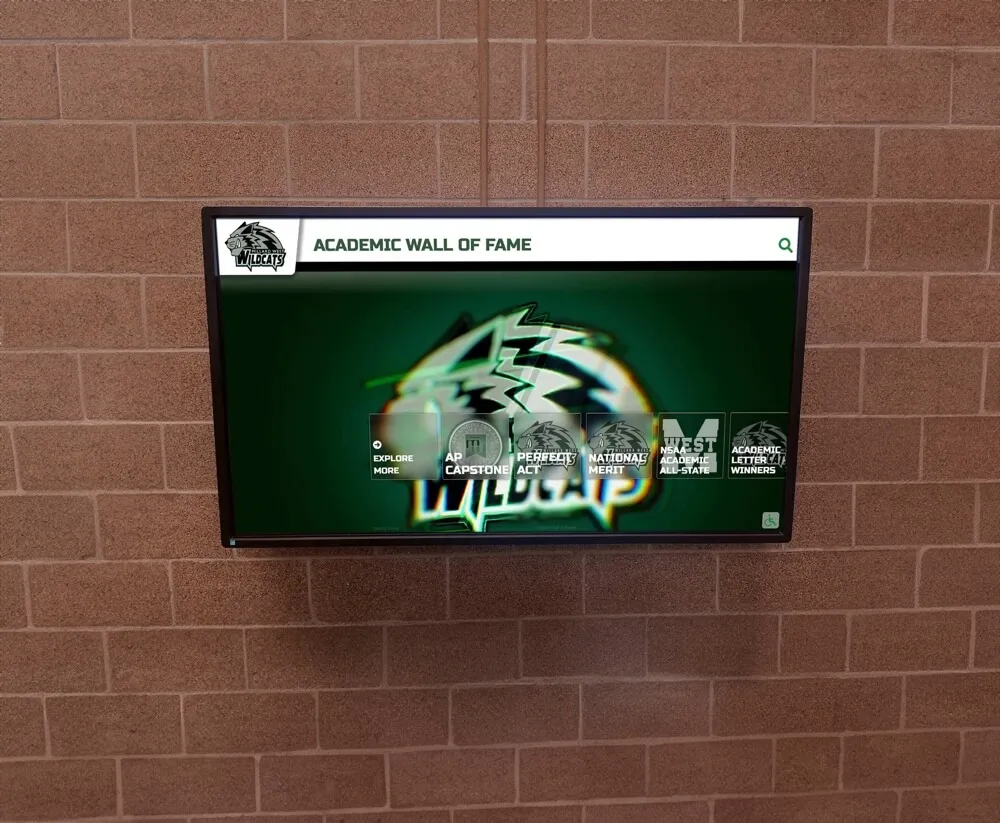
Traditional vs. Digital Scholastic Recognition
For generations, schools have honored academic achievement through traditional methods—engraved honor roll plaques, academic letter jackets, and awards ceremonies. While these approaches established important precedents for celebrating scholastic excellence, they carry limitations that modern institutions increasingly find unacceptable.
Traditional Recognition Limitations:
- Limited Capacity: Physical displays accommodate only finite numbers of students before requiring costly expansions
- Update Challenges: Adding new honorees requires weeks for plaque fabrication and installation
- Static Presentation: No capability for sharing achievement stories, academic journeys, or accomplishment context
- Restricted Visibility: Recognition visible only to those who can physically visit campus locations
- High Ongoing Costs: Each new honoree generates additional manufacturing and installation expenses
Digital Recognition Advantages:
Modern student awards recognition programs overcome traditional limitations while adding capabilities that transform recognition effectiveness:
- Unlimited Capacity: Recognize unlimited students across all academic achievement categories
- Instant Updates: Add new scholars immediately through cloud-based content management
- Rich Storytelling: Incorporate achievement narratives, academic portfolios, and success stories
- Interactive Exploration: Enable search, filtering, and detailed profile viewing
- Extended Accessibility: Provide web-based access allowing families worldwide to celebrate accomplishments
- Comprehensive Analytics: Track engagement patterns and recognition program effectiveness
- Lower Long-Term Costs: Eliminate ongoing plaque expenses after initial platform investment
Organizations implementing digital scholastic walls of honor typically report significant improvements in student engagement, enhanced visibility for academic programs, improved college recruitment outcomes, and operational efficiencies in recognition management.
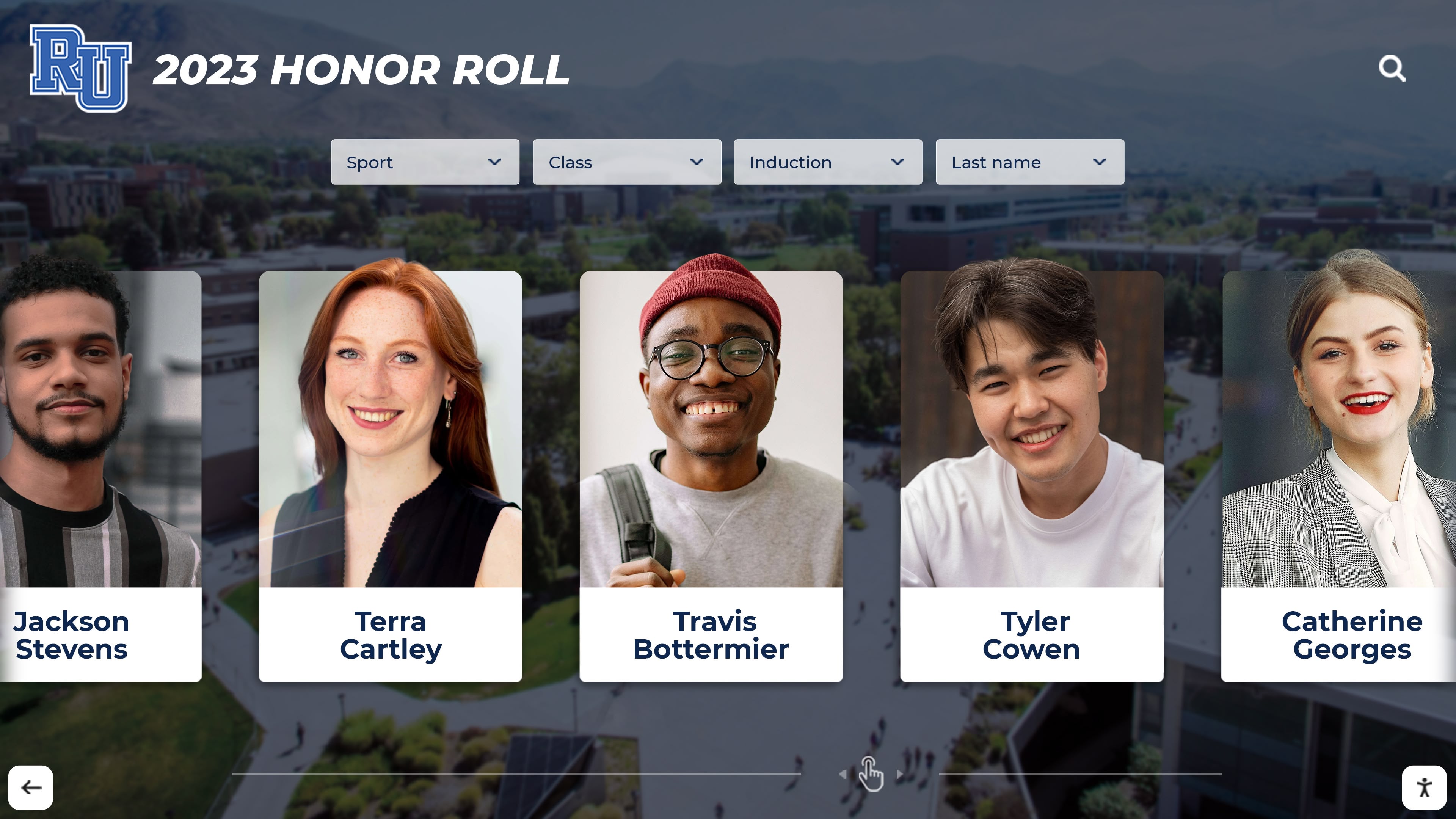
Comprehensive Academic Recognition
Effective scholastic walls of honor celebrate diverse achievement types—honor roll excellence, subject-specific mastery, academic improvement, competition success, and scholarship awards. This comprehensive approach ensures various forms of intellectual accomplishment receive appropriate acknowledgment, creating inclusive recognition accessible to students across all ability levels and learning profiles.
Planning Your Scholastic Wall of Honor
Successful recognition systems require thoughtful planning that addresses scholastic criteria, institutional culture, technical requirements, and long-term sustainability.
Defining Recognition Criteria for Scholastic Excellence
Clear criteria ensure scholastic recognition maintains credibility while honoring diverse accomplishments appropriately. Consider these strategic decisions:
Honor Roll Recognition Tiers:
Systematic grade point average recognition provides foundational scholastic acknowledgment. Consider establishing multiple recognition levels:
- Highest Honors: 4.0 GPA or equivalent (perfect academic performance)
- High Honors: 3.75-3.99 GPA (outstanding scholastic achievement)
- Honors: 3.5-3.74 GPA (strong academic performance)
- Honorable Mention: 3.25-3.49 GPA (commendable scholastic effort)
Specific thresholds should reflect your student population realities and institutional standards. More competitive institutions might establish higher minimums, while comprehensive schools serving diverse populations may create additional recognition tiers ensuring accessibility.
Subject-Specific Excellence Categories:
Beyond cumulative GPA, recognize mastery in individual academic domains:
- STEM Excellence: Mathematics, science, technology, engineering achievements
- Humanities Recognition: English, history, social studies, philosophy accomplishments
- World Language Proficiency: Foreign language mastery and cultural competency
- Fine Arts Achievement: Visual arts, music, theater, creative expression excellence
- Career-Technical Education: Vocational skills, industry certifications, applied learning
Subject-specific categories ensure specialized knowledge receives acknowledgment alongside general academic performance.
Academic Growth and Improvement Recognition:
Scholastic walls of honor should celebrate growth alongside absolute achievement levels. Consider recognizing:
- Most Improved Students: Significant GPA increases over marking periods or years
- Growth Mindset Exemplars: Students overcoming academic challenges through persistence
- Subject-Specific Improvement: Dramatic performance increases in particular disciplines
- Attendance Improvement: Academic re-engagement reflected in consistent participation
Growth recognition ensures students at all starting points can earn scholastic honors through genuine effort and improvement rather than only those beginning with advantages.
National and State Scholastic Programs:
Connect local recognition with broader achievement designations enhancing college applications. Schools should celebrate students earning:
- College Board National Recognition Programs: First-generation scholars, rural area scholars, school recognition award recipients
- National Merit Recognition: Semifinalists, finalists, and scholars
- Advanced Placement Scholars: AP Scholar awards with distinction and honor
- Presidential Scholars Program: National scholastic excellence recognition
- State Scholar Designations: State-specific academic honor programs
Integrating these prestigious external recognitions with local scholastic honors demonstrates achievement context while inspiring others toward similar accomplishments.
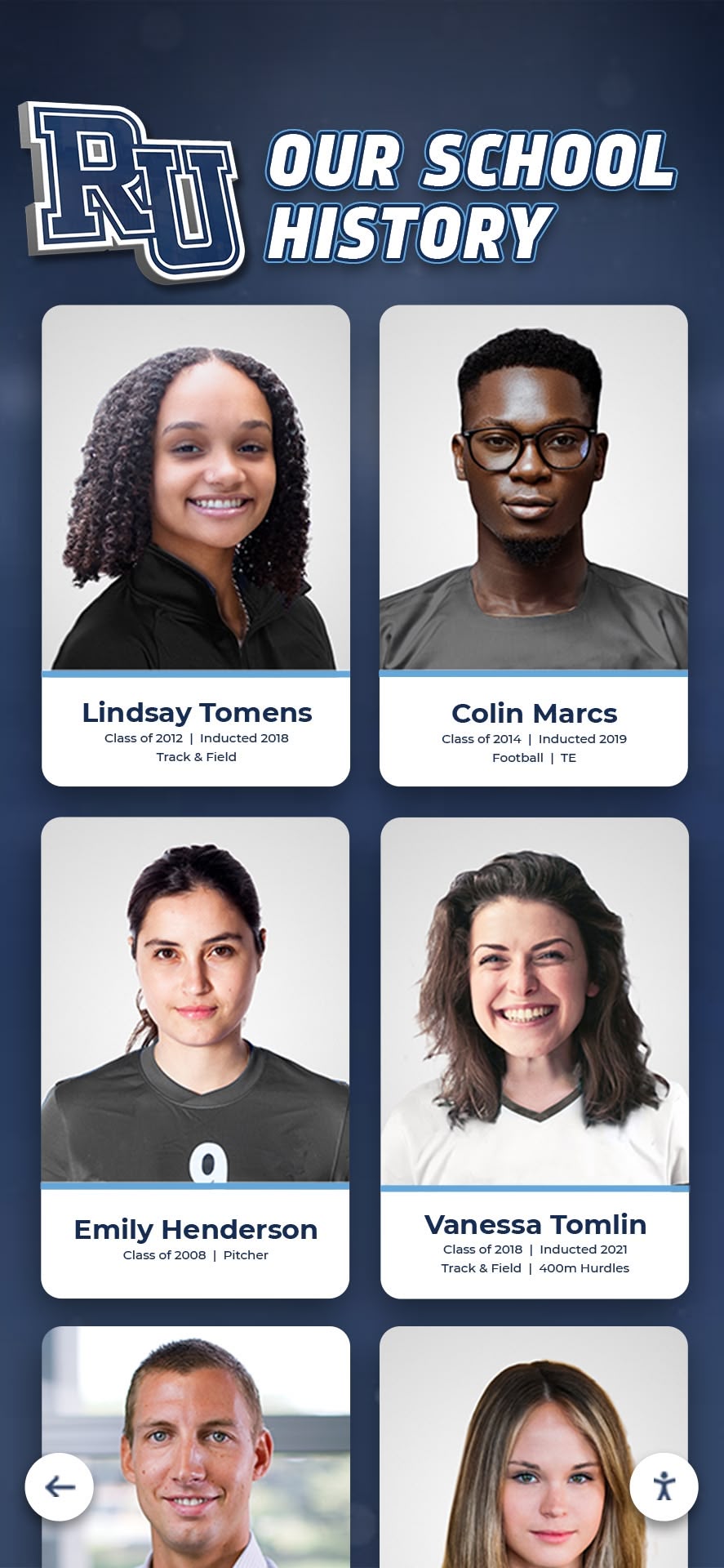
Determining Physical and Digital Presence
Modern scholastic recognition strategies increasingly combine physical campus installations with digital platforms accessible remotely:
Physical Display Considerations:
Location profoundly influences scholastic recognition impact. High-traffic areas ensure maximum visibility:
- Main building entrances and lobbies
- Library entrances and study areas
- Academic support center locations
- Counseling and college guidance offices
- Administrative suite common areas
- Classroom building main corridors
Display size and configuration depend on available space, viewing distances, and intended experiences. Solutions like Rocket Alumni Solutions provide comprehensive guidance on installation specifications and optimal configurations for educational recognition systems.
Online Recognition Extensions:
Web-based platforms dramatically expand scholastic recognition reach to families living anywhere globally. Online systems should provide full functionality including:
- Search capabilities by student name, year, or achievement type
- Filtering by academic category, GPA level, or recognition program
- Detailed achievement profiles with academic portfolios
- Social sharing enabling families to celebrate student accomplishments
- Mobile optimization ensuring excellent experiences across all devices
This omnichannel approach maximizes recognition investment by serving both on-campus visitors and geographically distant families through appropriate channels.
Budgeting for Implementation and Operations
Comprehensive budgeting addresses both initial investment and ongoing operational expenses:
Initial Investment Components:
- Hardware: Commercial-grade touchscreen displays, mounting systems, network infrastructure ($8,000-$35,000 depending on size and features)
- Software: Content management platforms, user interface design, web hosting ($3,000-$15,000)
- Professional Services: Installation, network configuration, content migration ($2,000-$8,000)
- Content Development: Achievement documentation, photography, profile creation ($3,000-$10,000)
- Training: Administrator instruction on system operation ($500-$2,000)
Ongoing Operational Costs:
- Software Subscriptions: Annual fees for cloud hosting, CMS platforms, technical support ($1,500-$4,000 annually)
- Content Updates: Staff time for adding scholars, updating profiles ($1,500-$6,000 annually in allocated time)
- Technical Maintenance: Hardware servicing, software updates, troubleshooting ($800-$2,500 annually)
Importantly, digital systems’ operational costs remain relatively constant regardless of student numbers, unlike traditional plaques that incur per-honoree manufacturing and installation expenses. Most institutions achieve cost parity with traditional recognition within 2-4 years when accounting for eliminated plaque costs and enhanced engagement results from improved visibility.
Scholastic Recognition Categories and Programs
Comprehensive walls of honor celebrate diverse academic achievements ensuring various forms of intellectual excellence receive appropriate acknowledgment.
Traditional Academic Honors
Valedictorian and Salutatorian Recognition:
Top academic performers deserve special prominence in scholastic recognition systems. Feature comprehensive profiles highlighting:
- Academic excellence across all subject areas
- Advanced coursework and challenging curriculum selections
- Academic competition successes and recognitions
- Post-graduation college plans and scholarship awards
- Personal statements about academic journeys
- Faculty testimonials about scholastic dedication
Honor Roll Programs:
Systematic recognition of grade point achievement provides foundational scholastic acknowledgment. Implement quarterly or semester-based honor roll recognition featuring:
- Individual student profiles with achievement details
- Class year and academic program information
- Cumulative and current term GPA documentation
- Consecutive honor roll achievement tracking
- Photographic recognition creating personal connection
Consider creating academic recognition programs that celebrate honor roll achievement alongside other scholastic accomplishments for comprehensive academic culture development.
Advanced Placement and Honors Recognition:
Students pursuing rigorous coursework deserve specific acknowledgment. Recognize:
- AP Scholar awards (scores of 3+ on three or more AP exams)
- AP Scholar with Honor (average score 3.25+ on four exams)
- AP Scholar with Distinction (average score 3.5+ on five exams)
- International Baccalaureate Diploma recipients
- Honors course completion across multiple disciplines
- Dual enrollment college credit achievements
This recognition validates academic challenge-seeking while inspiring underclassmen toward similar pursuits.
Subject-Specific Excellence
Departmental recognition ensures specialized knowledge receives appropriate acknowledgment. Create dedicated recognition for mathematics excellence, science achievement, English and language arts mastery, social studies and history scholarship, world language proficiency, fine arts academic achievement, and career-technical education excellence. Subject-specific categories provide recognition pathways for students with particular academic strengths and intellectual interests.
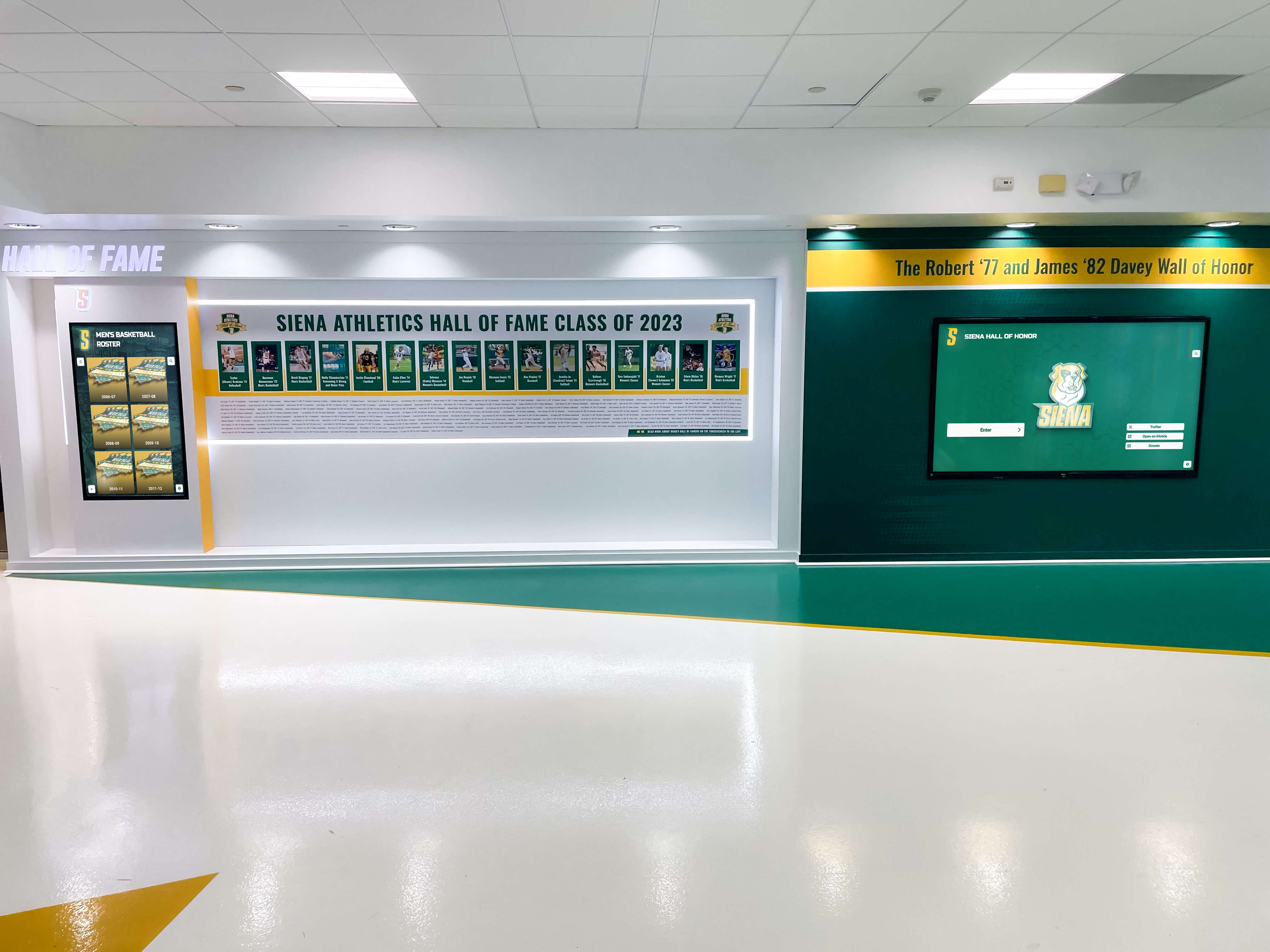
Competition-Based Scholastic Recognition
Academic Competitions and Contests:
Success in intellectual competitions demonstrates scholastic excellence deserving prominent recognition:
- Math Competitions: MATHCOUNTS, AMC contests, state math league achievements
- Science Competitions: Science Olympiad, regional and state science fairs, research competitions
- Writing Contests: Scholastic Art & Writing Awards in literary categories, essay competitions, journalism awards
- Debate and Speech: Forensics competitions, Model United Nations, mock trial successes
- Robotics and Technology: FIRST Robotics, programming competitions, cybersecurity challenges
- Academic Decathlon/Quiz Bowl: Team and individual competition achievements
According to information from the Scholastic Art & Writing Awards, these prestigious recognitions celebrate student creativity and academic excellence across 28 categories. Schools should prominently feature students earning regional, state, and national recognition in these and similar academic competitions.
National Examination Programs:
Standardized assessment excellence deserves recognition alongside coursework achievement:
- National Merit Scholarship Program recognition (semifinalists, finalists, scholars)
- SAT/ACT exceptional score achievement
- Subject-specific standardized test excellence
- PSAT/NMSQT high achievement recognition
- State assessment perfect or near-perfect scores
While avoiding over-emphasis on standardized testing, acknowledging exceptional performance validates this aspect of scholastic achievement important for college admissions.
Scholarship and College Recognition
Scholarship Awards and Financial Aid Recognition:
Celebrate students earning merit-based scholarships demonstrating both academic excellence and college preparation success:
- Full-ride scholarship recipients
- Presidential and trustee scholarship awardees
- Academic merit scholarship recognition
- Competitive scholarship program winners
- Need-based scholarship achievements demonstrating academic persistence
This recognition validates the connection between scholastic excellence and real-world opportunities while demonstrating pathways to educational affordability.
College Admissions Excellence:
Consider recognizing students accepted to highly selective institutions, particularly when admissions reflect exceptional academic achievement. Balance this recognition carefully to avoid creating hierarchies where only elite college attendance receives acknowledgment.
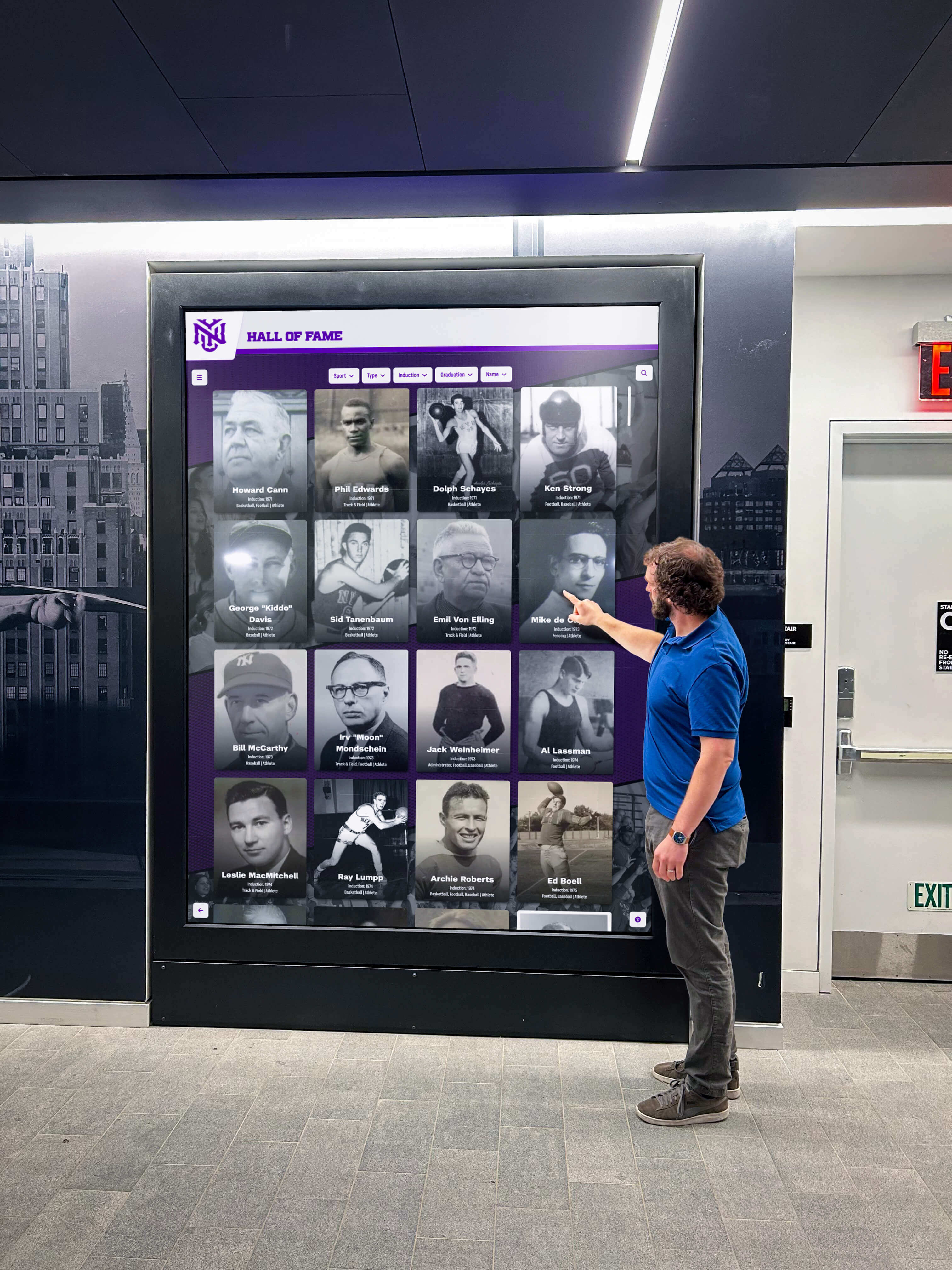
Implementing Digital Scholastic Recognition Systems
Technology enables comprehensive, engaging, and permanent recognition extending far beyond traditional trophy cases and plaques.
Advantages of Digital Recognition Platforms
Modern digital solutions transform scholastic recognition through capabilities traditional approaches cannot match:
Unlimited Recognition Capacity: Digital systems accommodate unlimited students across unlimited achievement categories without physical space constraints. Single displays can showcase hundreds or thousands of scholars with detailed profiles, ensuring comprehensive recognition never limited by display area.
Rich Multimedia Storytelling: Beyond names and GPAs, digital recognition incorporates achievement narratives, academic project portfolios, competition videos, scholarship essay excerpts, and personal reflections. This depth creates engaging storytelling that brings scholastic accomplishments to life.
Interactive Discovery Experiences: Students, families, and visitors actively explore scholastic recognition through intuitive touchscreen interactions. Search by student name, filter by achievement type, browse by graduation year, or discover specific academic programs through user-friendly navigation.
Remote Accessibility: Web extensions enable families anywhere globally to explore scholastic recognition, share student achievements through social media, and celebrate accomplishments from any internet-connected device. This accessibility dramatically increases recognition reach and impact.
Comprehensive Analytics: Digital platforms provide engagement data showing which scholastic achievements generate most interest, enabling schools to understand recognition effectiveness while demonstrating program value through measurable interaction metrics.
Solutions like scholarship recognition programs integrate seamlessly with comprehensive digital recognition systems, creating unified platforms celebrating academic excellence across multiple dimensions.
Selecting Recognition Technology Partners
Technology selection significantly impacts long-term satisfaction, user experience, and total cost of ownership. Evaluate providers across multiple dimensions:
Purpose-Built Educational Solutions: Recognition-specific platforms offer purpose-designed features that generic digital signage systems lack. Look for:
- Profile templates optimized for academic achievement recognition
- Search and filtering tailored to scholastic criteria
- Integration capabilities with student information systems
- Content management workflows designed for school administrators
- Educational institution expertise and reference implementations
Vendor Evaluation Criteria:
- School-specific experience and educational customer references
- Product development roadmap indicating continued innovation
- Training quality and ongoing technical support responsiveness
- Financial stability suggesting long-term partnership viability
- Data security and student privacy compliance (FERPA)
- Mobile optimization and accessibility standards adherence
Solutions like Rocket Alumni Solutions’ interactive recognition displays benefit from specialization in educational recognition, with school implementations informing feature development and support practices refined through diverse institutional experiences.
Implementation Best Practices
Organizations achieving exceptional results with scholastic walls of honor follow proven practices:
Content Collection Strategies:
Gathering comprehensive information for potentially hundreds of scholars requires systematic approaches. Establish workflows for:
- Automated honor roll data export from student information systems
- Achievement documentation submission from students and families
- Faculty nomination processes for special recognition categories
- Competition results tracking and verification
- Scholarship award documentation collection
- Photograph acquisition and release form management
Launch and Promotion Strategies:
Strategic launches maximize visibility and engagement. Consider coordinating unveiling events with significant school occasions—academic honors nights, back-to-school orientations, homecoming celebrations, or graduation ceremonies. Feature recognized scholars at launch events when possible, adding significance while providing networking opportunities among high-achieving students.
Integration with Advancement Programs:
Scholastic recognition supports broader institutional objectives when integrated thoughtfully with college counseling, admissions marketing, and alumni relations. Use recognition displays during prospective student tours, feature in admissions materials, connect with alumni scholarship programs, and demonstrate academic culture strength to community stakeholders.
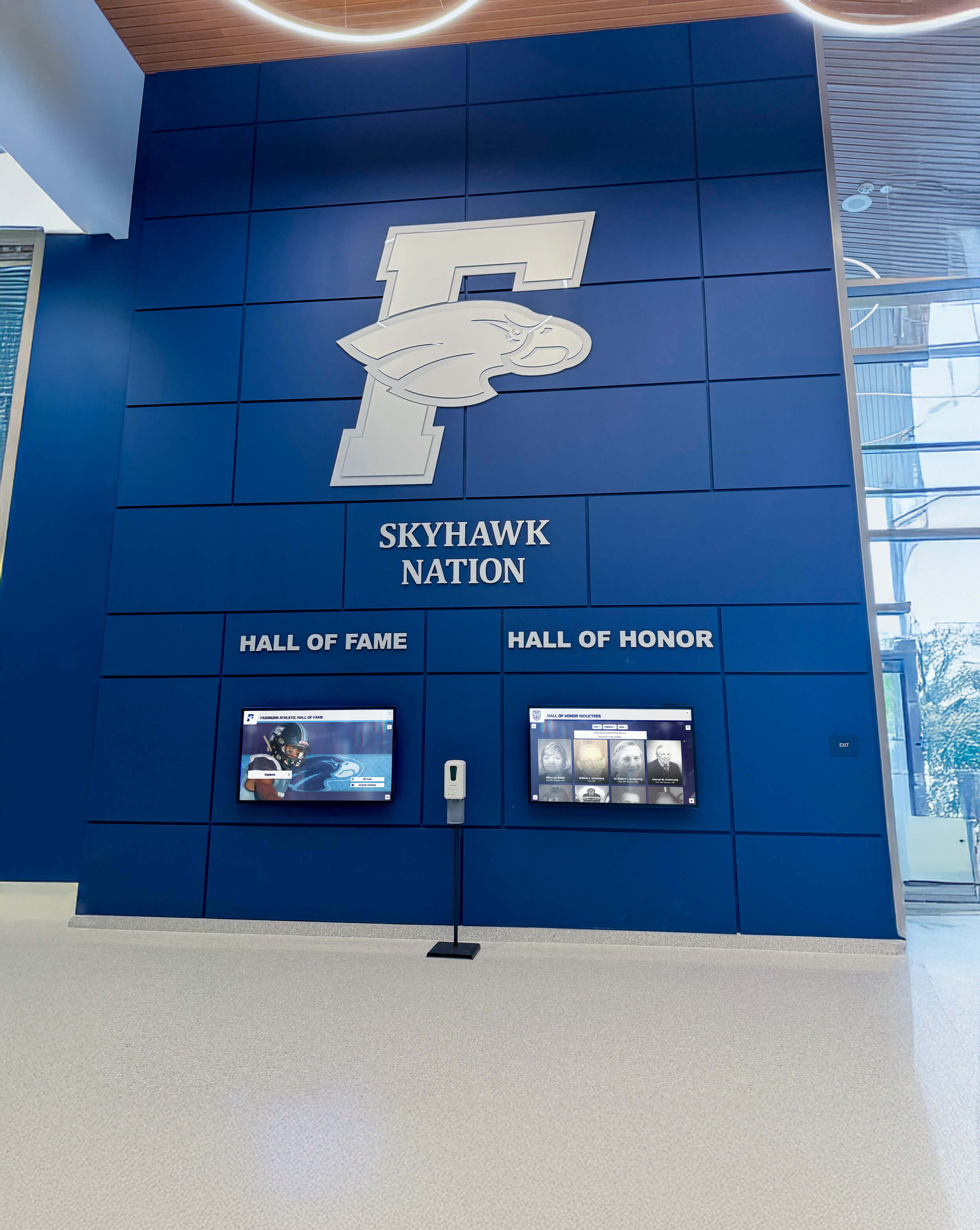
Creating Equitable and Inclusive Scholastic Recognition
Effective programs ensure recognition opportunities exist for students across all learning profiles and backgrounds while maintaining credibility and standards.
Multiple Recognition Pathways
Absolute Achievement Recognition: Traditional honor roll and GPA-based recognition celebrates sustained academic excellence, providing acknowledgment for students maintaining high performance across coursework.
Growth and Improvement Recognition: Celebrate students demonstrating significant academic growth regardless of current achievement levels. Most improved GPA recognition, subject-specific improvement awards, and growth mindset exemplar recognition ensure students at all starting points can earn scholastic honors through genuine effort.
Effort and Persistence Recognition: Some students work exceptionally hard despite facing learning challenges, family circumstances, or other obstacles that make traditional academic recognition less accessible. Consider creating recognition for extraordinary academic perseverance, consistent effort despite challenges, and educational resilience.
Subject-Specific Depth: Allow students to earn recognition for exceptional performance in particular subjects even when overall GPAs don’t reach honor roll thresholds. This approach acknowledges that many students have specific academic strengths and interests deserving celebration.
Accessibility and Inclusion Considerations
Digital recognition platforms should incorporate comprehensive accessibility ensuring all students and families can fully engage with scholastic honors:
- ADA-Compliant Physical Placement: Appropriate mounting heights and clearance spaces
- Screen Reader Compatibility: Support for visually impaired users
- High-Contrast Viewing Modes: Enhanced visibility for diverse vision needs
- Multilingual Content Options: Supporting diverse language communities
- Mobile Access: Ensuring smartphone accessibility for families without campus proximity
These accessibility features ensure scholastic recognition programs comply with educational accessibility requirements while demonstrating inclusive values through implementation.
Measuring Scholastic Recognition Program Success
Effective assessment ensures recognition programs achieve intended purposes while identifying continuous improvement opportunities.
Key Performance Indicators
Student Engagement Metrics:
- Percentage of student body receiving scholastic recognition annually
- Recognition distribution across grade levels and demographic groups
- Student awareness of recognition criteria and programs
- Student-reported influence of recognition on academic motivation
- College acceptance rates and scholarship awards for recognized students
Program Visibility and Reach:
- Physical display interaction frequency and duration
- Web platform usage statistics and unique visitor counts
- Social media engagement with scholastic recognition content
- Family awareness of student recognition opportunities
- Community perception of school academic culture
Academic Outcome Correlations:
While causation remains difficult to establish definitively, monitor correlations between:
- Recognition program implementation and overall GPA trends
- Visibility of scholastic recognition and advanced course enrollment
- Academic honor awareness and student study habits
- Recognition program strength and college admissions outcomes
Continuous Program Improvement
Regular Assessment and Refinement: Schedule annual comprehensive program reviews examining effectiveness, gathering stakeholder input, identifying gaps in recognition coverage, and planning enhancements based on assessment data.
Criteria Evolution: Adjust recognition criteria as institutional priorities evolve, student population characteristics change, or assessment reveals unintended consequences of current standards.
Communication Enhancement: Refine promotional strategies, announcement methods, and family information based on awareness surveys and engagement metrics ensuring scholastic recognition maintains appropriate visibility.
Common Challenges and Solutions
Organizations implementing scholastic walls of honor encounter predictable obstacles. Understanding issues and proven solutions ensures successful outcomes:
Challenge: Balancing Exclusivity and Inclusivity
Scholastic recognition risks becoming either too exclusive (recognizing only top few students) or too inclusive (recognizing so many students that acknowledgment loses meaning).
Solutions:
- Establish clear criteria ensuring recognition requires genuine achievement
- Create multiple recognition tiers celebrating different accomplishment levels
- Balance absolute achievement recognition with growth-based recognition
- Maintain standards while providing diverse recognition pathways
- Regularly evaluate whether recognition distribution matches intentions
Challenge: Managing Privacy and FERPA Compliance
Academic achievement constitutes educational record information protected under FERPA regulations, requiring careful attention to student privacy.
Solutions:
- Obtain explicit consent before publicly recognizing students
- Provide opt-out options for students uncomfortable with public acknowledgment
- Limit personal information to academic achievements and school-approved data
- Implement secure content management with appropriate access controls
- Consult with legal counsel ensuring FERPA compliance in recognition practices
Challenge: Maintaining Fresh, Current Content
Recognition programs risk becoming outdated when content updates don’t keep pace with ongoing student achievements.
Solutions:
- Establish regular update schedules aligned with marking period transitions
- Designate specific staff responsible for recognition program maintenance
- Automate data integration with student information systems when possible
- Create simple content management workflows minimizing update burden
- Monitor recognition currency and address outdated content promptly
Additional guidance on overcoming implementation challenges appears in resources about student recognition that increases future success and best ways to highlight student accomplishments.
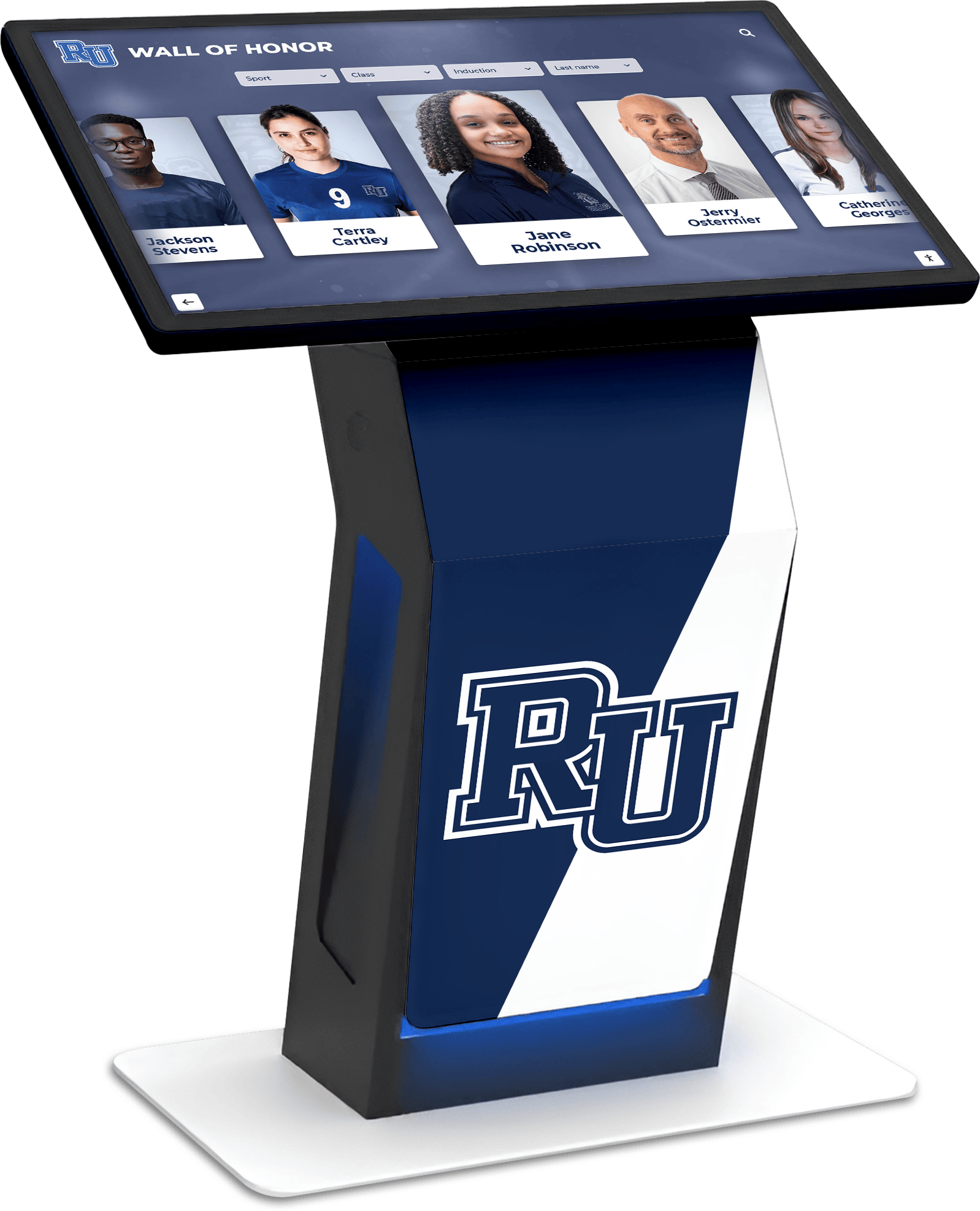
Future Trends in Scholastic Recognition
Understanding emerging developments helps schools make forward-looking investments while anticipating recognition program evolution.
Digital Credential Integration
Educational institutions increasingly implement comprehensive digital credential systems where students accumulate achievement documentation across school years. These systems connect K-12 scholastic recognition to college applications by providing verifiable accomplishment records sharable through digital portfolios and credential platforms.
Competency-Based Recognition
As education moves toward competency-based models emphasizing skill mastery over seat time, scholastic recognition will increasingly acknowledge specific competency attainment. Schools may recognize demonstrated proficiency in critical thinking, quantitative reasoning, scientific inquiry, historical analysis, and other competencies transcending traditional subject-based categories.
Personalized Achievement Tracking
Technology enables personalized scholastic tracking where students pursue individualized academic goals aligned with their interests and development needs. Recognition systems will track personal growth providing customized acknowledgment of individual progress rather than purely comparative achievement metrics.
Enhanced Family Engagement
Digital recognition increasingly enables family involvement through mobile notifications when students earn scholastic honors, easy social sharing of achievements, contributed family testimonials celebrating student academic journeys, and remote participation in recognition events through virtual attendance options.
Conclusion: Building Academic Excellence Culture Through Recognition
Scholastic walls of honor represent far more than acknowledgment systems—they embody institutional commitment to intellectual development, inspire academic excellence across student populations, and build communities united by shared dedication to learning and knowledge pursuit. While traditional plaques served recognition purposes for generations, modern student expectations and technological capabilities demand more comprehensive, engaging, and accessible approaches.
Digital recognition solutions overcome traditional limitations while adding capabilities that fundamentally transform academic culture development. Unlimited capacity ensures every achieving student receives appropriate acknowledgment regardless of specific accomplishment type. Instant updates provide timely recognition reinforcing positive academic behaviors. Multimedia storytelling creates emotional connections with achievement narratives. Remote accessibility serves distributed families equitably. Analytics reveal patterns informing strategic optimization.
Successful implementation requires viewing scholastic recognition as strategic educational infrastructure rather than one-time projects. Thoughtful planning addressing criteria, content, technology, and sustainability ensures programs deliver lasting value. Ongoing commitment to quality, promotion, and optimization separates beloved institutional assets from underutilized displays.
For institutions ready to transform scholastic recognition from sporadic acknowledgment to sustained excellence celebration, comprehensive solutions like those from Rocket Alumni Solutions provide proven platforms combining sophisticated technology with intuitive management and dedicated support. From initial planning through years of sustained engagement growth, the right partner makes the difference between displays and transformative recognition experiences celebrating your institution’s academic community while building stronger support for intellectual development.
When students receive recognition genuinely honoring their scholastic dedication while demonstrating tangible achievement validation, they develop stronger academic identities, increased motivation for continued learning, and lasting connections to institutions that celebrated their intellectual growth. This transformation from acknowledged to inspired represents the ultimate success of effective scholastic recognition programs—creating self-perpetuating cultures of academic excellence that advance educational missions for generations to come.































