School assemblies represent powerful opportunities to unite students, staff, and sometimes families around shared values, celebrate achievements, and build the community spirit that defines exceptional schools. Yet too often, assemblies become routine obligations—students file into gymnasiums for predictable announcements, a few awards get distributed, and everyone returns to class without genuine engagement or lasting impact.
The difference between forgettable assemblies and transformative community experiences lies in thoughtful theme selection, creative programming, and authentic connection to what matters in students’ lives. When assemblies celebrate real achievements, honor diverse contributions, address timely topics, and create participatory experiences rather than passive viewing, they become highlights students anticipate rather than interruptions they endure.
This comprehensive guide provides 30 engaging school assembly ideas organized across recognition, achievement, cultural celebration, and community-building themes. Whether you’re planning assemblies for elementary, middle, or high school communities, these ideas provide frameworks for creating memorable experiences that strengthen school culture while honoring the diverse ways students contribute and excel.
Why Thoughtful Assembly Planning Matters
School assemblies serve multiple critical functions beyond simply gathering everyone in one space. Effective assemblies communicate institutional values through what and who receives recognition and attention, build community by creating shared experiences across grade levels and social groups, motivate students by showcasing achievement pathways and celebrating excellence, strengthen culture through traditions and rituals that define school identity, and provide belonging by ensuring all students see themselves reflected in recognition and programming.
Research on school climate consistently demonstrates that students who feel connected to their school communities show higher academic achievement, better attendance, improved behavior, greater social-emotional wellbeing, and increased likelihood of graduation. Assemblies contribute directly to these connection outcomes when designed intentionally.
The most impactful assemblies balance several key elements: Recognition that celebrates genuine achievement while honoring diverse talents and contributions, Participation that involves students as performers, speakers, and active contributors rather than passive audiences, Relevance that connects to current student interests, timely topics, or immediate school priorities, Energy through music, movement, visuals, and pacing that maintain engagement, and Inclusivity ensuring all student groups, grade levels, and achievement types receive visibility and celebration.
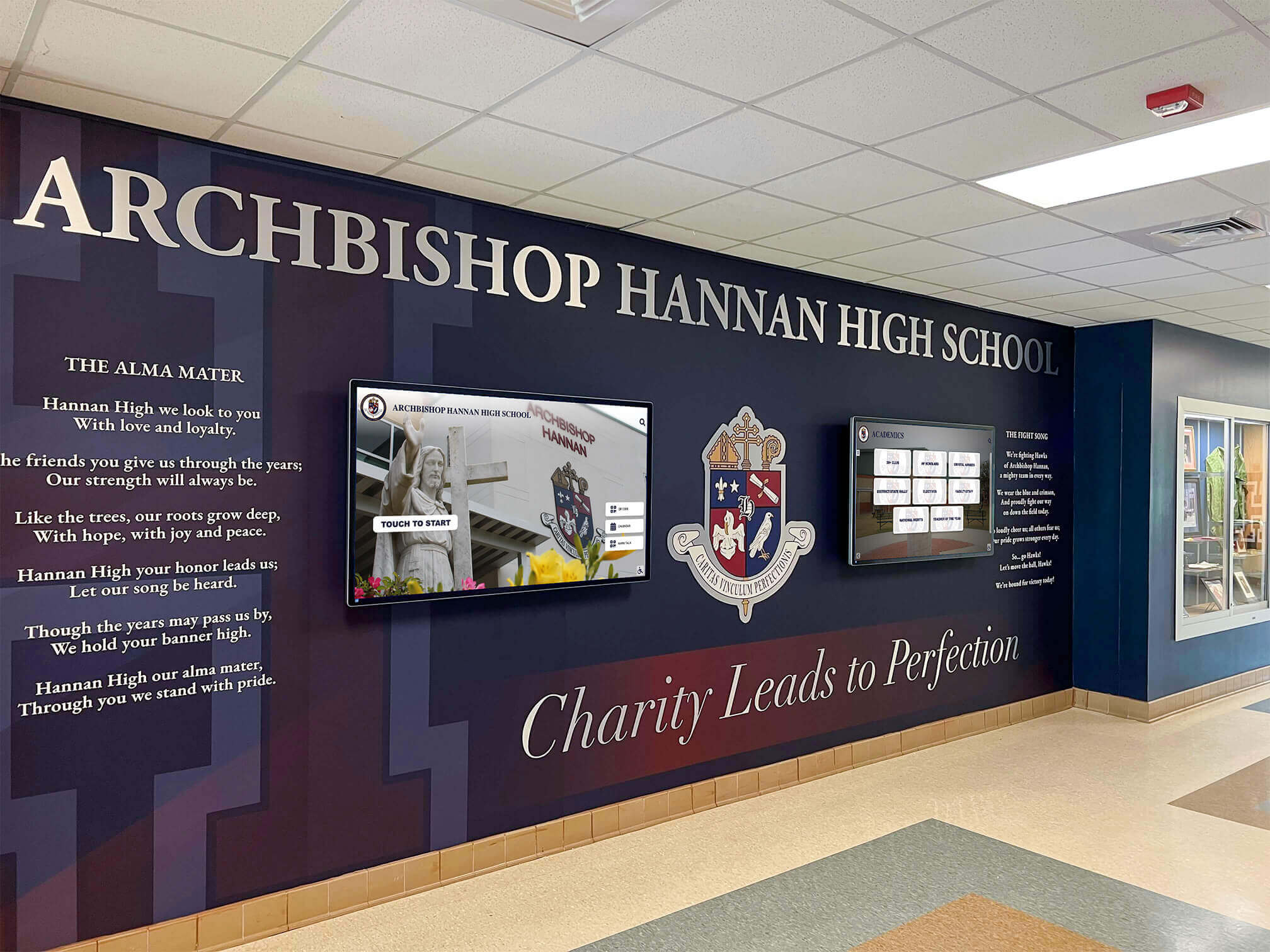
School assemblies create powerful community moments, especially when combined with permanent recognition displays that extend celebration beyond individual events
Academic Achievement Assembly Themes
Academic recognition assemblies celebrate intellectual accomplishment while motivating continued learning excellence.
1. Honor Roll Recognition Assembly
Celebrate students achieving academic honors each marking period through formal recognition ceremonies. Honor roll assemblies work particularly well at the end of each quarter or semester, creating regular academic celebration touchpoints throughout the year.
Program Elements:
- Formal certificate presentation for honor roll and high honor roll students
- Recognition organized by grade level to allow peer celebration
- Student achievement spotlights highlighting exceptional academic growth
- Principal or academic dean remarks connecting achievement to school values
- Photo opportunities for students and families (if held during accessible hours)
Many schools enhance honor roll assemblies with digital honor roll displays that provide year-round visibility beyond assembly moments, creating permanent records accessible to students, families, and visitors.
2. Academic Awards Ceremony
End-of-year academic awards assemblies recognize departmental excellence, subject-specific achievement, and overall academic distinction. These comprehensive ceremonies celebrate the full spectrum of intellectual accomplishment.
Recognition Categories:
- Departmental awards (highest achievement in math, science, English, history, world languages, arts)
- Special subject awards (computer science, music theory, advanced placement, dual enrollment)
- Academic improvement awards celebrating growth trajectories
- Perfect attendance academic recognition
- Research and project excellence awards
- Academic competition recognition (spelling bee, math olympiad, science fair, academic bowl)
Schools can preserve these achievements through academic hall of fame displays that create lasting institutional memory while inspiring future students.
3. National Merit and Scholarship Recognition
Celebrate students receiving significant academic honors and scholarship awards with dedicated recognition assemblies. These events honor exceptional achievement while demonstrating college and career pathway possibilities.
Program Components:
- National Merit Scholars, Commended Students, and semifinalists recognition
- Significant scholarship award announcements
- College acceptance celebrations for seniors
- Academic competition winners (National Honor Society, academic decathlons)
- Student speakers sharing their academic journeys and preparation strategies
4. Reading and Literacy Celebration
Build excitement around literacy through assemblies celebrating reading achievement, author visits, book clubs, and reading challenges.
Assembly Ideas:
- Reading challenge winners recognition (pages read, books completed, genre diversity)
- Student book review presentations and recommendations
- Author visit presentations and Q&A sessions
- Dramatic readings or reader’s theater performances
- Library program showcases and new resource announcements
- Reading buddy program celebrations connecting older and younger students
5. STEM Achievement Showcase
Highlight science, technology, engineering, and mathematics accomplishments through demonstration-based assemblies featuring student projects and discoveries.
Showcase Elements:
- Science fair winners presenting discoveries and experimental results
- Robotics team demonstrations and competition highlights
- Coding and computer science project showcases
- Engineering challenge presentations
- Math competition recognition
- STEM career speaker presentations from alumni or community professionals
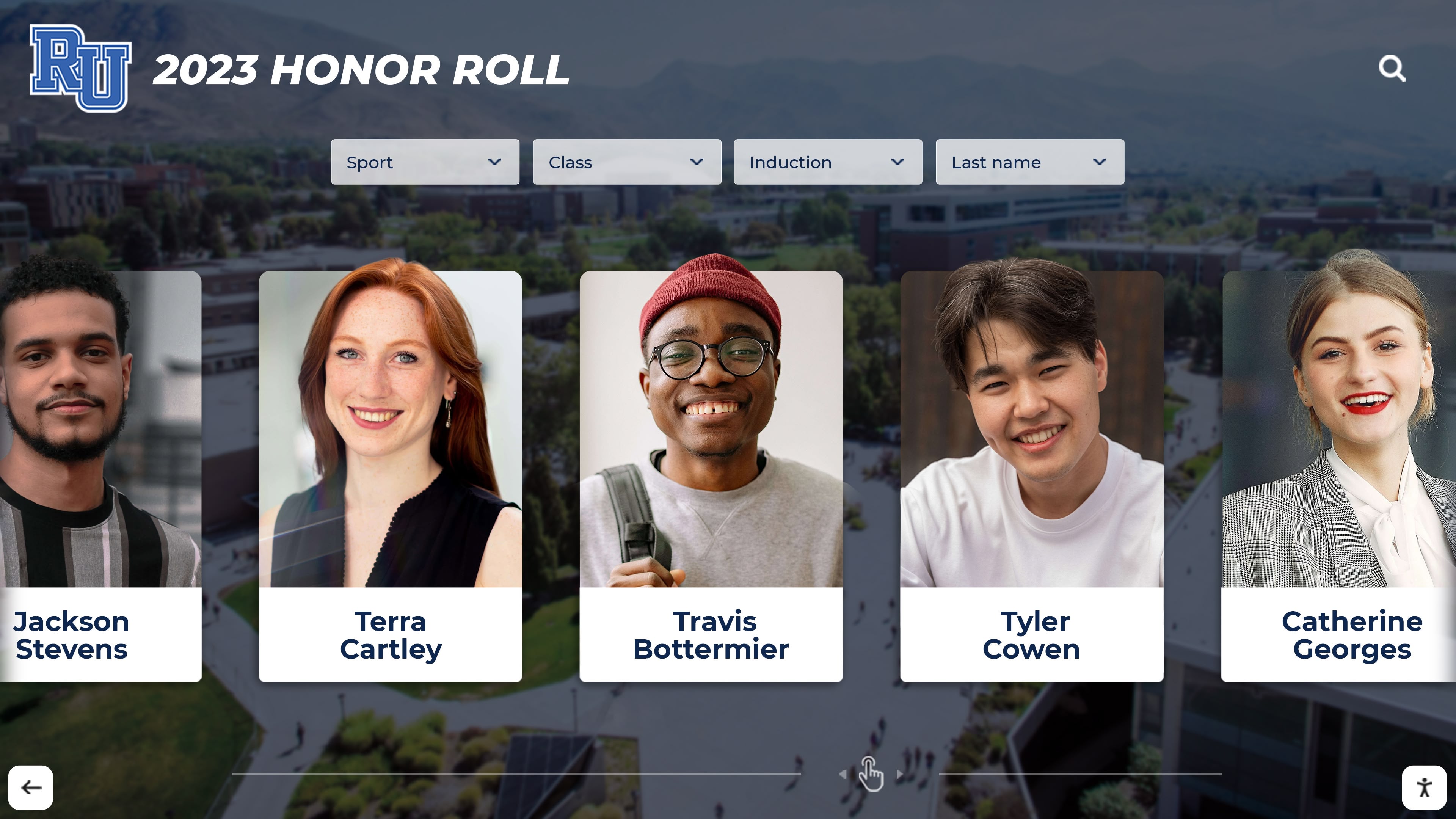
Academic recognition creates lasting impact when students see their achievements celebrated both during assemblies and through permanent displays
Athletic Achievement and Sports Assembly Themes
Athletic assemblies celebrate physical achievement, teamwork, and competitive excellence while building school spirit around athletic programs.
6. Fall/Winter/Spring Sports Recognition
Season-ending assemblies celebrate athletic teams, individual accomplishments, and sportsmanship. Organize these by athletic season to maintain momentum throughout the year.
Recognition Components:
- Team introductions and season highlight videos
- Conference champions and tournament success recognition
- Individual achievement awards (most valuable player, most improved, sportsmanship)
- All-conference and all-state athlete recognition
- Senior athlete recognition and tribute presentations
- Coach acknowledgments and appreciation
Schools can extend athletic recognition through digital record boards and championship displays that preserve accomplishments for years.
7. Homecoming Pep Rally
Traditional homecoming pep rallies build excitement for homecoming week activities and football games while celebrating school spirit and tradition.
Rally Activities:
- Class competition games and challenges
- Cheerleading and dance team performances
- Homecoming court introductions
- Fall sports team recognition
- School song and fight song performance
- Alumni athlete or distinguished graduate speaker
- Homecoming theme reveal and spirit week announcement
Consider documenting homecoming traditions through digital displays showcasing homecoming history and past royalty, creating continuity across years.
8. Athletic Hall of Fame Induction
Honor legendary athletes, coaches, and contributors to school athletic programs through formal hall of fame induction assemblies.
Induction Program:
- Inductee biographical videos highlighting athletic careers and achievements
- Presentation speeches from coaches, teammates, or athletic directors
- Inductee acceptance remarks and school memory sharing
- Display of career statistics, championship contributions, and post-graduation achievements
- Permanent recognition addition to athletic hall of fame displays
9. Championship Celebration Assembly
Immediate assemblies following significant athletic championships create spontaneous celebration moments that unite school communities in shared pride.
Celebration Elements:
- Championship team recognition with trophy presentation
- Game highlight video or live play analysis
- Player and coach interviews and reactions
- Student body celebration with cheers and school songs
- Championship banner presentation for gymnasium display
- Social media moment creation for school community sharing
10. Multi-Sport Athlete Recognition
Celebrate students competing in multiple sports seasons, recognizing their year-round athletic dedication, time management, and versatility.
Recognition Focus:
- Three-sport athlete recognition
- Four-year varsity athlete honors
- Captain and leadership role acknowledgment across multiple sports
- Academic athlete recognition (athletic participation combined with academic excellence)
- Iron person awards for exceptional training and conditioning dedication
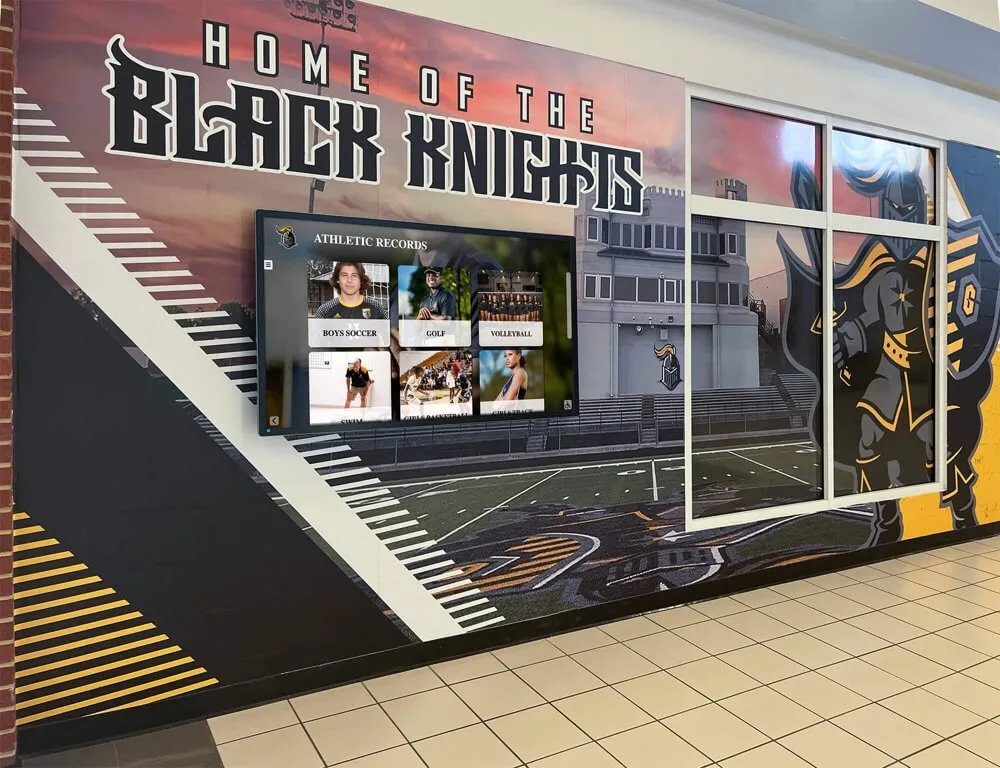
Athletic achievement displays create permanent records of excellence while inspiring current students to pursue athletic goals
Character, Service, and Leadership Assembly Themes
These assemblies celebrate the qualities and contributions that build positive school culture beyond academic and athletic achievement.
11. Character Education Assembly
Dedicated assemblies focusing on specific character traits reinforce behavioral expectations and celebrate students exemplifying these qualities.
Character Themes:
- Respect and kindness month recognition
- Integrity and honesty celebration
- Perseverance and resilience acknowledgment
- Responsibility and leadership recognition
- Empathy and compassion honors
Program Elements:
- Student character award presentations
- Peer nomination testimonials
- Student-performed skits demonstrating character principles
- Community speaker presentations on character importance
- Character pledge or commitment activities
12. Anti-Bullying and Inclusion Assembly
Assemblies addressing bullying prevention, inclusion, and belonging create safe, respectful school communities through awareness and skill-building.
Program Components:
- Student testimonial presentations about bullying impact (with appropriate support)
- Inclusion activities building empathy and understanding
- Upstander (vs. bystander) skill demonstrations
- Resource information for students experiencing bullying
- School commitment pledges to inclusive community
- Counseling and support service introductions
13. Community Service Recognition
Celebrate students dedicating time to community service, volunteer work, and making positive differences beyond school walls.
Service Recognition:
- Total volunteer hours achieved by student body or classes
- Presidential Service Award recipients (bronze, silver, gold medals)
- Individual service project highlights and impact presentations
- Service organization recognition (Key Club, National Honor Society, service learning classes)
- Community partner acknowledgment and appreciation
- Future service opportunity announcements
Schools implementing comprehensive service programs benefit from volunteer recognition systems that track and celebrate ongoing contributions.
14. Student Leadership Summit Assembly
Assemblies featuring student leaders from various organizations create visibility for leadership opportunities while celebrating current student leaders.
Leadership Components:
- Student government presentations and initiatives showcase
- Club and organization leader introductions
- Leadership workshop or skill-building activities
- Alumni leader speakers sharing leadership journey insights
- Leadership opportunity information for interested students
- Recognition of student-initiated projects and improvements
15. Peer Mentoring and Buddy Program Celebration
Recognize students serving as peer tutors, mentors, reading buddies, or orientation leaders, celebrating their investment in supporting fellow students.
Celebration Elements:
- Mentor-mentee pair recognition and testimonials
- Program impact data and success stories
- Mentorship relationship highlight videos
- Younger student appreciation for older buddies
- Program expansion announcements and mentor recruitment
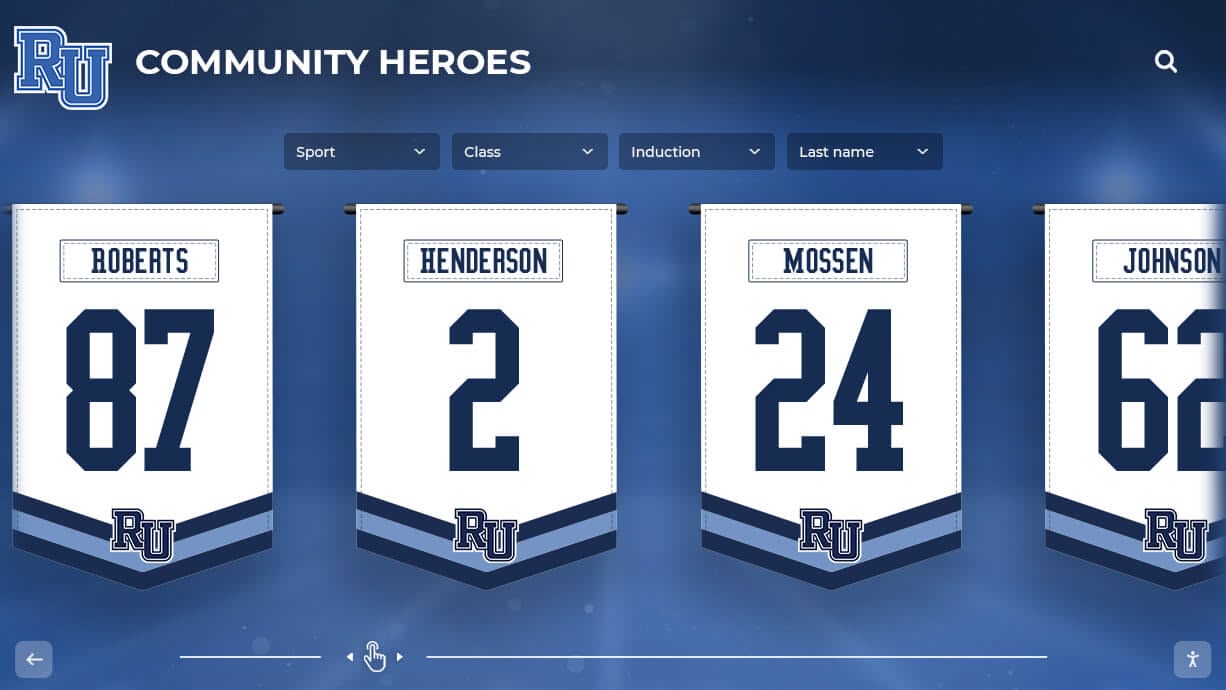
Recognizing community heroes and service contributions reinforces institutional values while inspiring student engagement
Cultural Celebration and Heritage Assembly Themes
Cultural assemblies honor diversity, celebrate heritage, and build understanding across different backgrounds and experiences.
16. Black History Month Assembly
February assemblies celebrating Black history, achievement, and cultural contributions educate students while honoring African American community members.
Program Ideas:
- Student presentations on historical Black figures and their contributions
- Performance of Black cultural arts (poetry, music, dance)
- Local Black community leader or notable alumni speakers
- Recognition of current Black student achievements and leadership
- Discussion of contemporary civil rights issues and student activism
- Artistic displays showcasing Black artists and creators
17. Hispanic Heritage Month Celebration
September-October assemblies recognizing Hispanic and Latino cultures, contributions, and community members build cultural awareness and celebration.
Assembly Components:
- Cultural performances featuring Hispanic music, dance, and arts
- Student presentations on Hispanic heritage and historical contributions
- Spanish language program showcases
- Hispanic student organization recognition
- Latino community leader or professional speakers
- Traditional food, art, or cultural artifact displays
18. Women’s History Month Assembly
March assemblies celebrating women’s achievements, contributions, and ongoing equality efforts create awareness while honoring female community members.
Program Elements:
- Historical women’s achievement presentations by students
- Female student athlete, scholar, and leader recognition
- Women in STEM career presentations
- Female alumni speakers sharing career journeys
- Discussion of women’s rights, equality, and contemporary challenges
- Female teacher, staff, and coach appreciation
19. International Festival Assembly
Assemblies celebrating the diverse cultural backgrounds represented in your school community build inclusion and cultural awareness.
Festival Components:
- Student cultural performances (music, dance, traditional arts)
- Country or culture spotlight presentations
- International food sampling or cultural artifact displays
- World language program showcases
- International student recognition and welcome
- Study abroad and exchange program information
- Cultural trivia competitions or interactive learning activities
20. Veterans Day and Military Appreciation
November assemblies honoring military service, veterans, and active-duty family members recognize sacrifice while teaching civic appreciation.
Recognition Program:
- Veteran family member invitations and formal recognition
- Student veteran family member presentations about service
- Military branch information and history presentations
- Patriotic music performances and color guard presentations
- Moment of silence for fallen service members
- Military honor wall unveiling or updates recognizing community military connections
Arts, Performance, and Creative Assembly Themes
Arts-focused assemblies showcase student creativity while building appreciation for diverse artistic expression.
21. Fine Arts Showcase Assembly
Comprehensive arts assemblies featuring visual arts, music, theater, and dance celebrate creative achievement across artistic disciplines.
Showcase Elements:
- Visual art display featuring student works (painting, sculpture, photography, digital art)
- Musical performances from band, orchestra, choir, and individual musicians
- Theater department scene performances or musical numbers
- Dance team or dance class choreography presentations
- Creative writing readings or poetry performances
- Art competition winner recognition and display
- Arts program information and recruitment for interested students
Schools can create digital art galleries that extend art recognition beyond assembly moments while providing permanent showcases for student creativity.
22. Talent Show Assembly
Student talent showcases provide platforms for diverse abilities while building community appreciation for peer talents beyond traditional academic and athletic categories.
Talent Categories:
- Musical performances (vocal, instrumental)
- Dance performances (various styles)
- Magic and illusion acts
- Comedy and spoken word performances
- Unique talents and skills demonstrations
- Faculty talent performances for surprise entertainment
23. Band and Choir Concert Assembly
Formal musical performance assemblies showcase instrumental and vocal music programs while providing performance experience and audience building.
Concert Components:
- Grade-level or skill-level ensemble performances
- Solo and small group featured performances
- Contest and festival preparation preview performances
- Award-winning piece performances
- Senior musician recognition for graduating students
- Music program information and recruitment
24. Drama Production Preview Assembly
Assemblies previewing upcoming theater productions build excitement, promote ticket sales, and celebrate theater program participation.
Preview Elements:
- Scene performances from upcoming production
- Cast and crew introductions
- Behind-the-scenes technical theater demonstrations
- Director commentary about production themes and preparation
- Ticket information and performance schedule
- Drama program recognition and recruitment
25. All-State and Competition Recognition
Celebrate students selected for regional or state-level arts honors (all-state band, choir, orchestra, art shows, writing competitions, drama festivals).
Recognition Program:
- Individual achievement recognition for all-state selections
- Performance or demonstration of award-winning work
- All-state musician recognition displays documenting program excellence over time
- Competition experience sharing and reflection
- Program director acknowledgment and appreciation
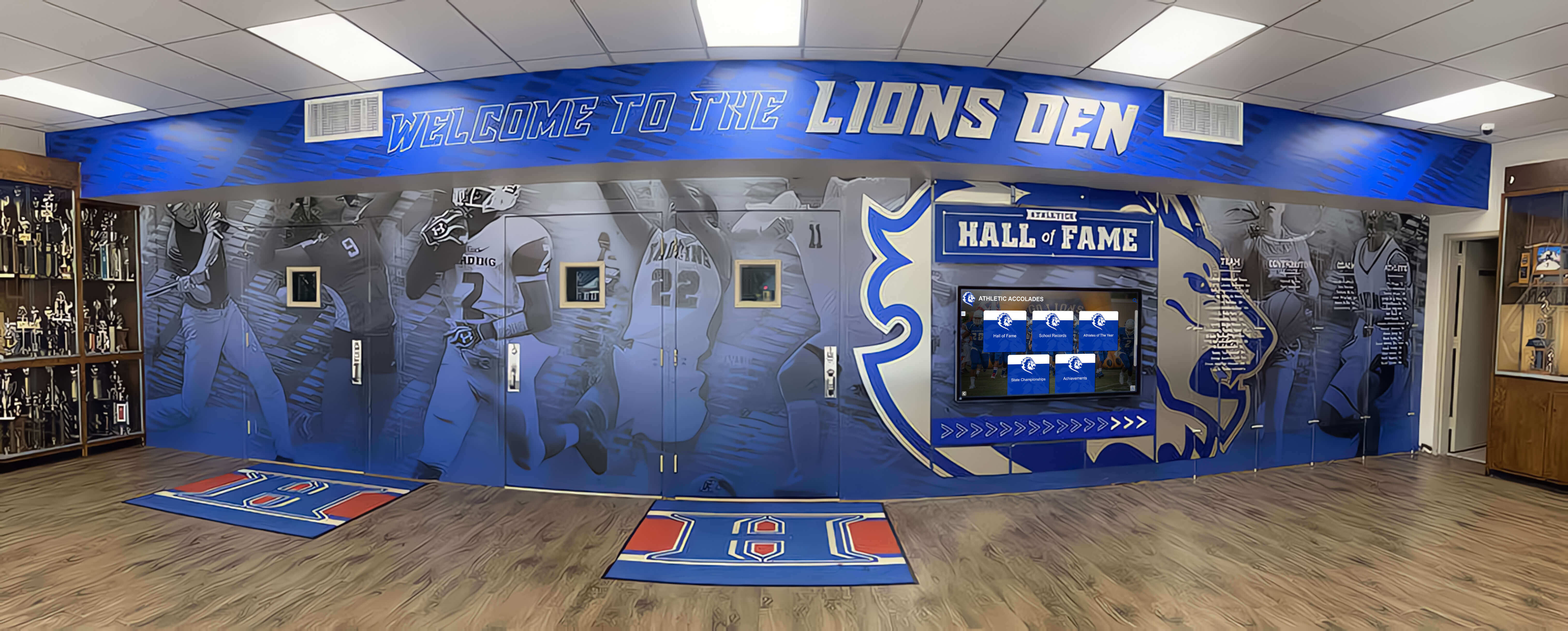
Comprehensive recognition systems celebrate achievements across academics, athletics, arts, and service, ensuring all students see pathways to acknowledgment
Special Recognition and Milestone Assembly Themes
These assemblies mark significant moments in the school year or celebrate specific achievements worthy of dedicated recognition.
26. Senior Recognition and Graduation Preview
Assemblies honoring graduating seniors celebrate their school contributions while creating transition moments as they prepare to leave.
Senior Celebration:
- Senior class accomplishments and statistics
- Senior athlete, scholar, and leader recognition
- Graduation honor cords and distinctions explanation and recipient recognition
- Valedictorian and salutatorian introduction
- Senior class legacy project presentation
- Graduation ceremony information and senior activity schedules
- Underclassman appreciation for senior leadership and mentorship
27. New Student Welcome Assembly
Beginning-of-year assemblies welcoming new students create inclusive environments while establishing school culture expectations and traditions.
Welcome Components:
- Administrative welcome and school mission presentation
- School traditions, mascot, and spirit introduction
- Student organization fair and club recruitment
- Campus tour video or live guide presentations
- New student ambassador or peer mentor introductions
- Interactive icebreaker activities building connections
- Resource information (counseling, academic support, extracurriculars)
28. Teacher and Staff Appreciation Assembly
Assemblies honoring teachers and staff flip traditional recognition, allowing students to celebrate the adults who support their success.
Appreciation Elements:
- Student testimonials about favorite teachers and meaningful impact
- Teacher awards voted by students (categories like most inspirational, most caring, funniest, best at explaining difficult concepts)
- Years of service recognition for staff milestones
- Student-created appreciation videos or presentations
- Surprise performances or gifts for teachers
- Administrative acknowledgment of staff contributions and dedication
29. Perfect Attendance and Punctuality Recognition
Assemblies celebrating consistent attendance and punctuality reinforce these foundational behaviors while recognizing student commitment.
Attendance Recognition:
- Perfect attendance recognition by marking period or year
- Attendance improvement recognition for students showing growth
- Class attendance competition results
- Discussion of attendance importance and academic correlation
- Incentive or reward distribution for attendance achievements
- Attendance goal setting for upcoming periods
30. End-of-Year Celebration Assembly
Final assemblies of the school year celebrate collective accomplishments, recognize diverse achievements, and create positive closure before summer.
Year-End Celebration:
- Year in review video highlighting major events, accomplishments, and memorable moments
- Final academic, athletic, and extracurricular recognition
- Student and class superlative awards (school-appropriate categories)
- Retiring teacher and staff tributes
- Summer program and opportunity information
- Motivational messages for summer learning and upcoming year preparation
- Class spirit competitions and school song performances
Enhancing Assembly Impact Through Digital Recognition
While assemblies create powerful moments of community celebration, their impact often fades quickly once students return to class. Modern schools enhance assembly recognition through permanent digital displays that extend visibility and accessibility far beyond individual events.
Permanent Recognition Archives
Interactive touchscreen displays installed in school lobbies, gymnasiums, or common areas create year-round archives of assembly recognitions. Students honored during assemblies appear in searchable databases featuring photos, achievement descriptions, and detailed profiles accessible to school community members, families, and visitors.
These systems transform assembly recognition from momentary acknowledgment into lasting institutional memory. Students can revisit their recognition years later, families can share achievements with distant relatives through web access, and current students can explore recognition history for inspiration and goal-setting.
Digital Display Benefits:
- Unlimited recognition capacity without physical space constraints
- Multimedia content including photos, videos, and detailed narratives
- Search and browse capabilities helping visitors find specific content
- Regular updates adding new assembly honorees without replacement costs
- Web accessibility extending recognition beyond physical location
- Mobile access enabling convenient exploration from anywhere
Integration With Assembly Programming
Schools implementing digital recognition systems often integrate them directly into assembly programs through live display updates during assemblies, QR codes on certificates linking to digital profiles, assembly highlight videos added to recognition displays, real-time social media integration during events, and post-assembly content additions preserving recognition permanently.
This integration creates seamless connections between assembly moments and ongoing recognition visibility, maximizing impact and engagement.
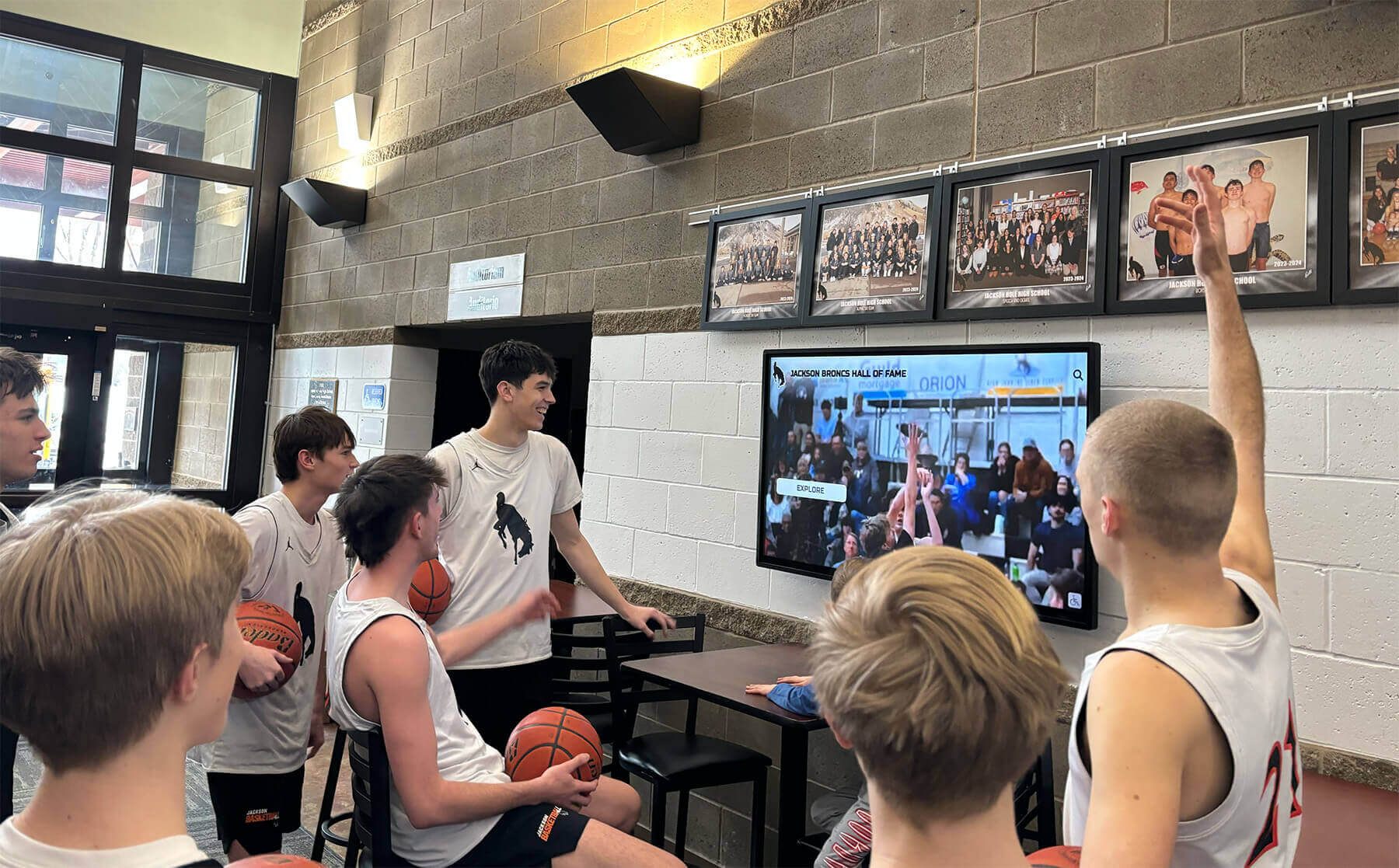
Interactive displays engage students beyond assembly events, allowing them to explore achievements, relive highlights, and discover recognition history
Best Practices for Assembly Planning and Execution
Effective assemblies require thoughtful planning, professional execution, and attention to details that maintain engagement and maximize impact.
Planning Timeline
Begin planning major assemblies 6-8 weeks in advance through initial theme and date selection, speaker or performer outreach, venue reservation and setup coordination, and content development for programs, scripts, and presentations. Four weeks before, finalize recognition lists and award recipients, confirm all speakers and performers, begin rehearsals for student performances, and design printed programs or digital presentations. Two weeks before, conduct full run-throughs with timing, complete audio-visual testing and troubleshooting, finalize all recognition materials and awards, and communicate assembly details to staff and families. One week before, hold final rehearsals with all participants, confirm all logistics and materials, brief student leaders on roles and responsibilities, and promote assembly to build anticipation.
Engagement Strategies
Maintain student attention through varied pacing alternating between recognition, performance, and interactive elements; student involvement as performers, speakers, and program participants; multimedia integration using video, music, and visual presentations; appropriate length matching audience age and attention spans (30-45 minutes for elementary, 45-60 minutes for secondary); energy and enthusiasm from presenters and speakers; surprise elements creating memorable moments; and connection to student interests and current school culture.
Inclusive Recognition
Ensure assemblies honor diverse student populations through varied recognition categories beyond academics and athletics, intentional representation across grade levels, demographic groups, and programs, accessibility accommodations for students with disabilities, cultural sensitivity in programming and presentation, family invitation and inclusion when appropriate, and multiple language support for multilingual communities.
Technical Excellence
Professional production quality enhances assembly impact through reliable audio systems ensuring all speakers can be heard clearly, visual presentations visible from all seating areas, appropriate lighting for performances and presentations, smooth transitions between program elements, backup plans for technical difficulties, and photography or videography documenting assembly moments for later sharing.
Transform Assembly Recognition Into Lasting Impact
Discover how interactive digital recognition displays can extend your assembly celebrations beyond individual events, creating permanent archives that honor student achievement while building school pride year-round.
Explore Recognition SolutionsMeasuring Assembly Effectiveness
Thoughtful assessment ensures assembly programs achieve their community-building and recognition objectives.
Attendance and Participation Metrics
Track assembly effectiveness through attendance rates and participation patterns, student engagement observations during assemblies, performer and speaker diversity across assemblies, recognition recipient distribution across student demographics, and family attendance at assemblies open to parents and community.
Qualitative Feedback
Gather input through brief student surveys following major assemblies, staff debriefs discussing what worked and improvement opportunities, family feedback about assemblies they attended, student organization and class representative input, and observation of post-assembly conversation and excitement indicators.
Cultural Impact Indicators
Assess broader impact through school climate survey data, student sense of belonging measures, participation rates in recognized programs and activities, nomination numbers for recognition categories, and behavioral and academic data correlating with assembly programming.
Continuous Improvement
Use assessment data to refine future assemblies through program format adjustments based on engagement feedback, recognition category modifications ensuring inclusive representation, timing and scheduling optimizations, technical production improvements, and new assembly theme development responding to student interests and school priorities.
Conclusion: Assemblies That Build Community and Celebrate Excellence
School assemblies represent far more than logistical necessities gathering students in one location. Thoughtfully planned assemblies with engaging themes, inclusive recognition, and authentic connection to student achievement transform these gatherings into community-defining experiences that communicate values, motivate excellence, celebrate diverse contributions, and strengthen the belonging essential for student success.
The 30 assembly ideas presented in this guide span academic achievement, athletic excellence, character and service, cultural celebration, artistic expression, and special milestones. Together, they create comprehensive recognition systems ensuring all students see pathways to acknowledgment while honoring the full spectrum of ways students contribute to school communities.
Effective assembly planning requires intentional theme selection matching school culture and priorities, diverse recognition categories celebrating varied achievement types, professional execution maintaining engagement and energy, inclusive programming representing all student groups, and integration with ongoing recognition systems extending impact beyond individual events.
Schools implementing these assembly ideas create cultures where achievement receives regular celebration, where diverse talents find recognition, where community gathers regularly around shared pride, and where every student experiences the belonging that enables their fullest development. Whether you’re planning a traditional homecoming pep rally, an innovative arts showcase, a solemn veterans appreciation ceremony, or an energetic academic awards celebration, thoughtful assembly programming makes lasting differences in school culture and student experience.
For schools seeking to extend assembly recognition beyond individual events, Rocket Alumni Solutions provides interactive digital recognition displays that preserve assembly honors in permanent, accessible archives. These systems ensure that moments of celebration during assemblies translate into lasting institutional memory, creating recognition that continues inspiring students, engaging families, and building school pride for years to come.
Start with the assembly themes that best match your school’s current priorities and culture. Build from successful assemblies while continuously refining based on feedback and outcomes. Most importantly, approach assemblies as strategic opportunities to communicate what you value, celebrate who you are as a community, and inspire students to pursue excellence in its many forms. The investment in thoughtful assembly programming pays immeasurable dividends in culture, achievement, and the shared pride that defines outstanding schools.































