Strong visual identities transform schools from institutional spaces into recognizable communities with distinct personalities. Walk through any memorable school building and you’ll immediately sense its brand—consistent colors marking hallways, logos reinforcing identity at every turn, coordinated displays celebrating achievements, and unified messaging communicating values without words.
Yet many schools approach branding haphazardly, accumulating disconnected visual elements over years without strategic coordination. Athletic programs use different color palettes than academic departments. Recognition displays clash with school signage. Marketing materials fail to reflect the environment students experience daily. This fragmentation weakens institutional identity while missing opportunities to build the pride and belonging that strengthen school culture.
Cohesive school branding isn’t superficial decoration—it’s strategic communication reinforcing what makes your institution distinctive while creating visual consistency that builds recognition, pride, and community. This comprehensive guide examines how schools create unified visual identities spanning physical spaces, digital platforms, and communication materials that strengthen culture while authentically representing institutional values.

Cohesive branding throughout facilities creates strong visual identity and institutional pride
Understanding School Branding Fundamentals
School branding extends far beyond logo design, encompassing every visual element through which your institution communicates identity. Before developing specific brand components, understanding fundamental branding principles ensures strategic, effective implementation.
What School Branding Actually Means
School branding represents the visual and experiential identity distinguishing your institution from others while communicating values, culture, and community to stakeholders. Strong school brands create immediate recognition—families identify your school through consistent visual presentation across facilities, digital platforms, communications, and events.
Effective school branding serves multiple strategic purposes simultaneously. It builds pride among students, staff, and alumni by creating distinctive identity worth celebrating. It attracts prospective families by presenting professional, appealing institutional image. It unifies diverse programs under shared identity despite different activities and priorities. It reinforces values through visual consistency communicating what matters to your community.
Unlike commercial brands primarily driving sales, school brands strengthen culture, build community, and communicate educational values. This distinction shapes branding strategies emphasizing authenticity and community over marketing tactics designed purely for external audiences.
Brand Components Beyond the Logo
While logos anchor visual identity, comprehensive school branding encompasses numerous interconnected elements working together to create cohesive presentation.
Core Brand Elements:
- Logo system including primary mark, wordmarks, and secondary marks for different applications
- Color palette defining primary, secondary, and accent colors with specific usage guidelines
- Typography specifying fonts for headlines, body text, and display applications
- Imagery style establishing photo guidelines, illustration approaches, and visual tone
- Voice and messaging defining language patterns, values communication, and tone
- Mascot representation standardizing character appearance and personality across contexts
- Pattern and texture systems creating visual interest while maintaining consistency
- Icon libraries providing consistent symbolic representation for wayfinding and communication
Each element requires clear definition and usage standards ensuring consistent application across hundreds of touchpoints throughout school environments.
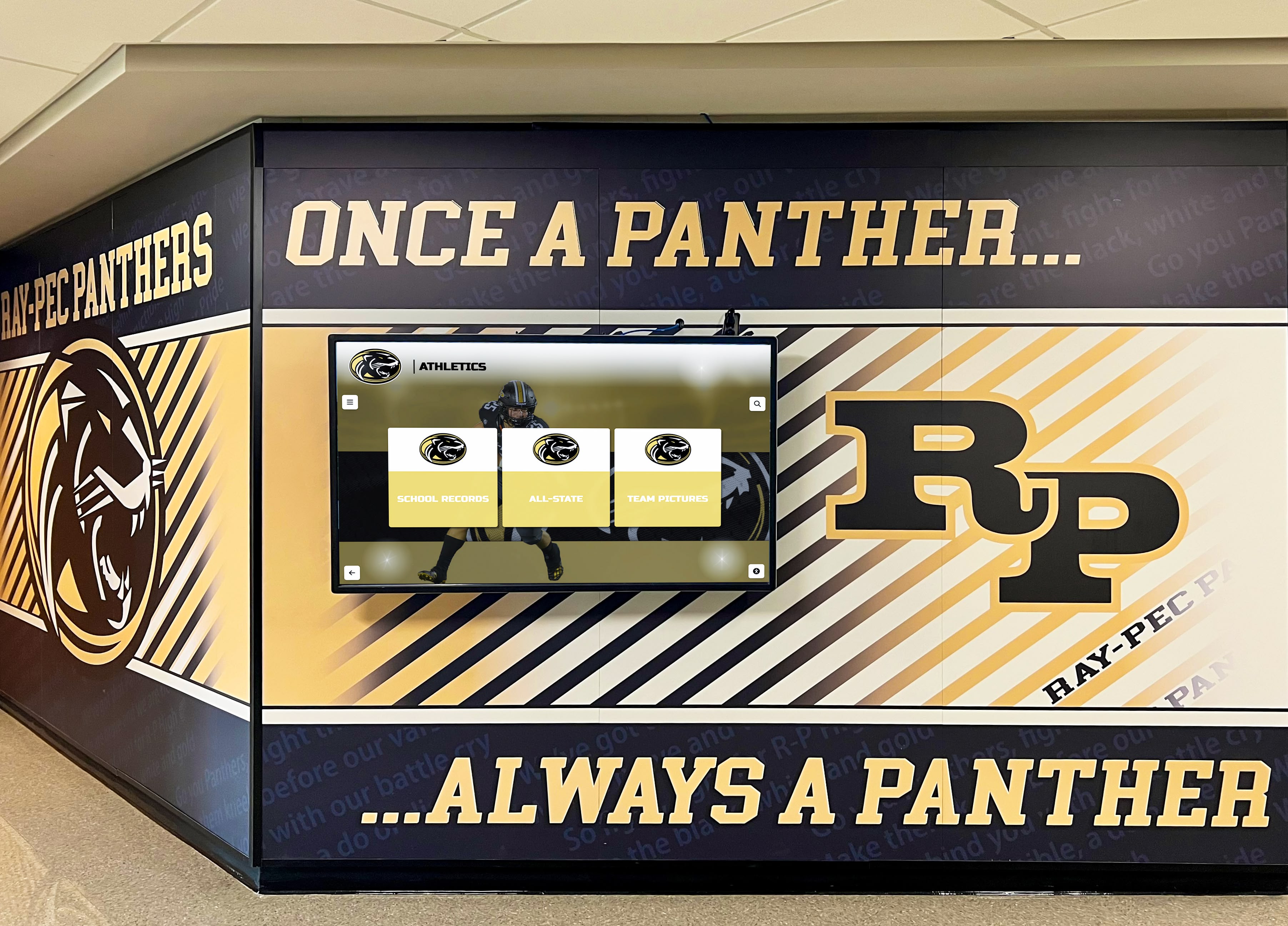
Coordinated visual elements create unified branding throughout educational facilities
Brand Architecture in Multi-Program Schools
Schools managing multiple programs—athletics, arts, academics, grade levels, departments—face brand architecture decisions determining relationships between institutional identity and sub-brands.
Common Brand Architecture Approaches:
Unified Identity System: All programs use identical branding with minimal differentiation. Athletics, academics, arts, and departments share logo, colors, and visual standards. This approach maximizes institutional recognition and simplifies brand management but provides limited program distinction.
Endorsed Architecture: Programs develop individual identities while maintaining clear connection to school brand. Athletic programs might use dedicated athletic marks alongside school logo. Arts departments create program-specific visual systems while incorporating school colors. This balanced approach allows program personality while preserving institutional identity.
Separate Brands: Programs operate with largely independent visual identities loosely connected to school brand. This approach suits situations where programs target distinct audiences or have established separate reputations, but risks fragmenting institutional identity.
Most schools benefit from endorsed architecture allowing program differentiation within consistent institutional framework—athletic programs can develop distinct spirit while remaining clearly part of the school community.
Cultural Authenticity in School Branding
Effective school brands authentically reflect institutional culture rather than imposing generic corporate identity. The most successful school branding emerges from community values, history, traditions, and aspirations rather than trendy design divorced from institutional reality.
Authenticity requires understanding what makes your school distinctive. What traditions do students, staff, and alumni cherish? What values guide decision-making? What accomplishments define institutional pride? What personality characterizes your community—academic rigor, creative expression, athletic excellence, inclusive community, innovative thinking?
Brand development engaging stakeholders—students, teachers, staff, families, alumni—produces identities resonating with community rather than feeling imposed by administrators or external consultants. This participatory approach takes more time but creates ownership supporting long-term brand consistency as community members become brand stewards rather than passive recipients.
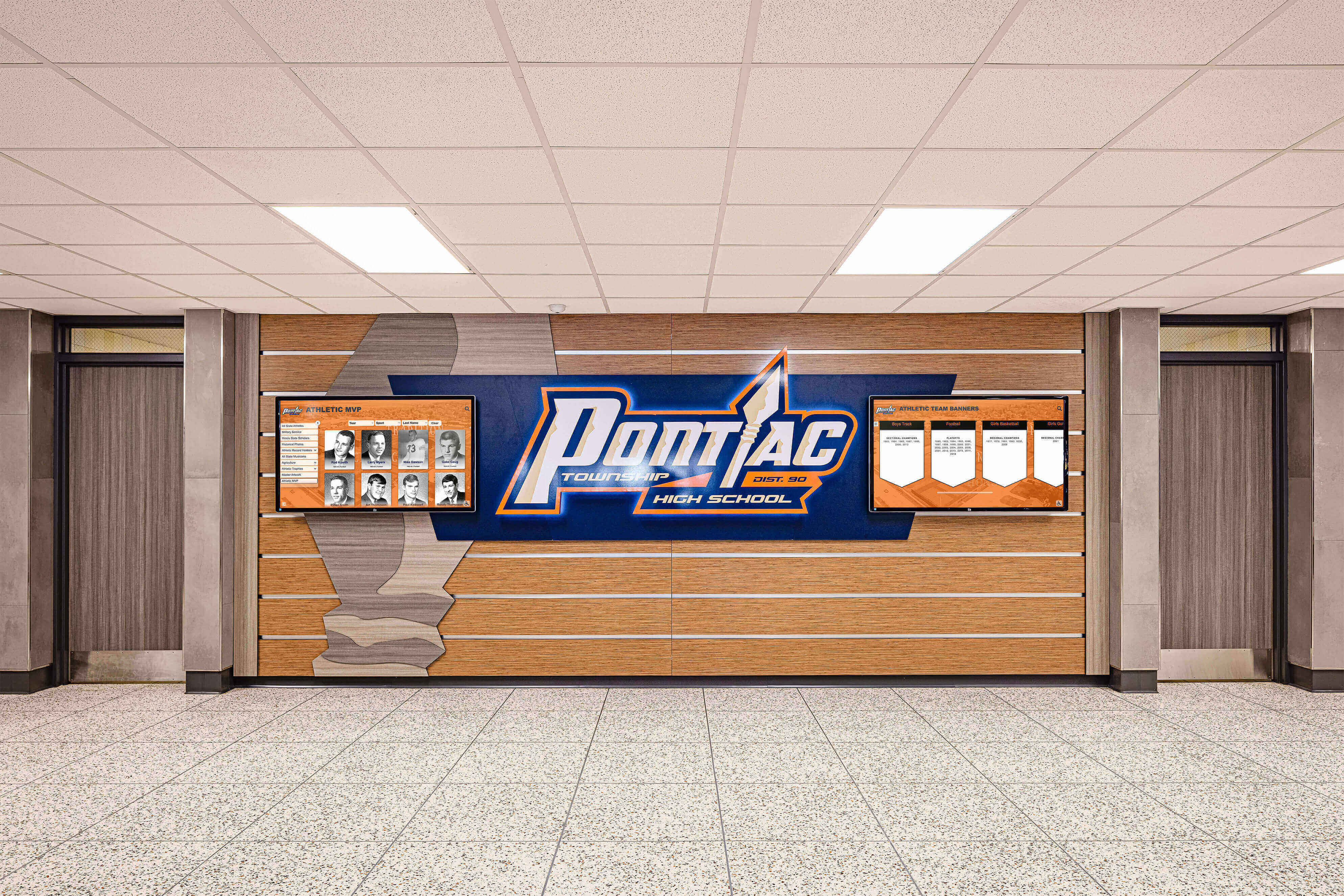
Effective branding integrates logo systems with facility design and recognition displays
Developing Your Core Visual Identity System
Once you understand branding fundamentals, develop specific visual components forming your brand foundation. These core elements must be carefully defined before broader implementation.
Logo Design and Refinement
Logos serve as primary brand identifiers—the visual shorthand through which communities instantly recognize schools. Whether creating new logos or refining existing marks, several considerations guide effective development.
Effective School Logo Characteristics:
Simplicity: Logos work across applications from massive building signs to tiny website favicons. Simple forms with clear details reproduce effectively at any scale while remaining recognizable. Overly complex designs become illegible at small sizes or from distances.
Memorability: Distinctive designs create stronger recognition than generic symbols. While many schools use similar elements—shields, crests, athletic mascots—memorable logos incorporate unique characteristics distinguishing your school from others using comparable forms.
Timelessness: Logos should remain effective for decades rather than following design trends becoming dated quickly. Classic, enduring designs avoid the need for frequent redesigns disrupting brand recognition while eliminating costs associated with replacing outdated branding throughout facilities.
Versatility: Logos must work across diverse applications and contexts. Test designs at multiple sizes, in single-color versions, on various backgrounds, and in both digital and print contexts before finalizing.
Appropriate Complexity: Logo complexity should match application breadth. Schools needing simple marks for athletic uniforms and embroidery might use simplified athletic logos while maintaining more detailed institutional seals for ceremonial contexts.
Many schools benefit from logo family systems including primary institutional mark, simplified athletic mark, wordmark-only version, and icon-only symbol. This flexibility ensures appropriate logo application across varying contexts while maintaining visual connection between versions.
Color Palette Strategy
Color creates immediate emotional response and recognition—consistent color application represents one of the most powerful branding tools for building institutional identity.
Building Effective School Color Systems:
Primary Colors: Define two to three core colors forming brand foundation. Traditional school colors typically serve as primary palette—these colors should dominate most applications creating immediate recognition.
Secondary Colors: Establish additional colors expanding palette flexibility while maintaining brand consistency. Secondary colors might include lighter and darker variations of primary colors or complementary hues providing accent options.
Accent Colors: Specify limited accent colors for highlighting important information or creating visual interest. Accent colors should be used sparingly—overuse diminishes their impact.
Neutral Foundation: Define neutral grays and whites supporting primary colors without competing for attention. Neutrals provide background colors allowing primary brand colors to dominate.
Color Specifications: Document exact color values in multiple formats ensuring consistency across applications. Specify Pantone colors for printing, CMYK values for process printing, RGB values for digital displays, and hexadecimal codes for web applications. These precise specifications prevent color drift as different vendors interpret vague color descriptions differently.
Usage Guidelines: Establish clear standards for color application—which combinations are acceptable, minimum contrast requirements for readability, background color options, and prohibited color uses. Clear guidelines prevent well-intentioned staff from inadvertently creating off-brand applications.
Digital recognition systems like those from Rocket Alumni Solutions enable dynamic color implementation in hallway displays that can be updated to reflect seasonal themes, program identities, or special events while maintaining underlying brand consistency through template systems enforcing color standards.
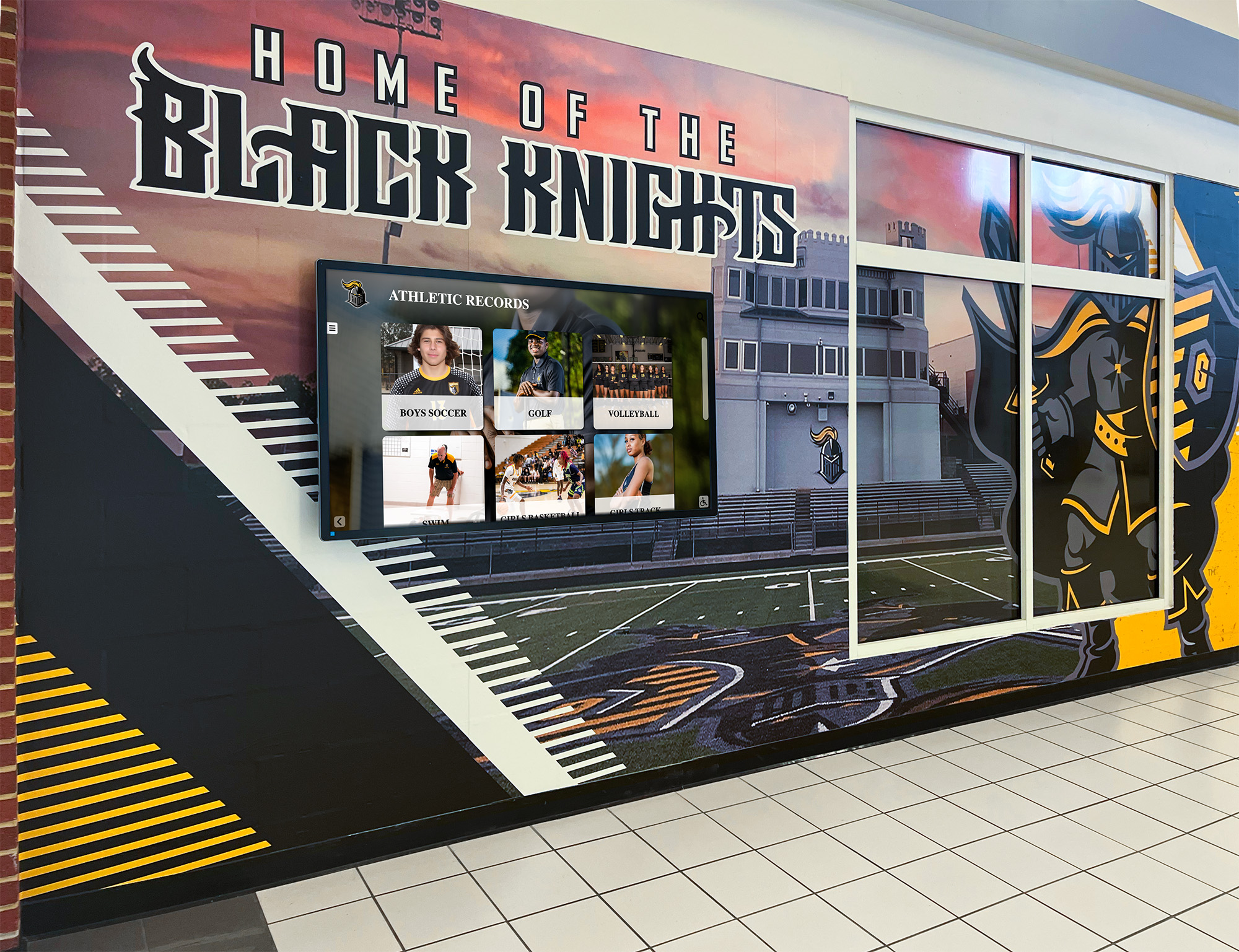
Strong color systems create immediate visual identity and brand recognition in facilities
Typography Standards and Applications
Typography dramatically affects brand perception—font selection communicates personality while influencing readability and accessibility across applications.
Typography Selection Considerations:
Font Personality: Typefaces convey distinct personalities. Serif fonts suggest tradition, authority, and academic rigor. Sans-serif fonts communicate modernity, clarity, and accessibility. Script fonts add elegance or playfulness depending on style. Select fonts aligning with institutional personality and values.
Readability Priority: Regardless of aesthetic appeal, fonts must remain readable across sizes, backgrounds, and viewing distances. Test typography in realistic applications—hallway signage viewed from 20 feet, website text on mobile devices, printed materials in varied lighting—before finalizing selections.
Hierarchy Clarity: Typography systems need fonts for different applications creating clear visual hierarchy. Specify distinct fonts or font weights for headlines, subheadings, body text, captions, and display applications. Clear hierarchy guides readers’ attention while adding visual interest to branded materials.
Practical Font Systems: Many schools adopt three-font systems balancing variety and consistency:
- Display/headline font for attention-grabbing applications
- Body text font for readable extended text
- Accent font for limited special applications
This controlled variety creates visual interest while maintaining cohesive appearance across materials.
Licensing and Accessibility: Ensure selected fonts include necessary licenses for all intended uses—print, web, signage, merchandise. Many popular fonts require separate licenses for different applications. Additionally, verify fonts meet accessibility standards for students with visual impairments or learning differences.
Application Guidelines: Document specific typography applications—which font for building signage, what sizes for website headings, line spacing for printed materials, letter spacing adjustments for large displays. Detailed specifications ensure consistent application regardless of which staff member or vendor creates branded materials.
Visual Standards and Imagery Guidelines
Beyond logos, colors, and fonts, comprehensive brand systems define broader visual standards ensuring consistent appearance across all communications.
Imagery Style Guidelines:
Photography Standards: Establish photo style guidelines addressing lighting (bright and natural versus dramatic), composition (candid versus formal), subject matter (emphasize students versus facilities), color treatment (full color versus monochrome), and editing approach (natural versus stylized). Consistent photo style creates immediate brand recognition while communicating institutional values through visual storytelling.
Illustration Approaches: If using illustrations, define style parameters—line work, color application, level of detail, and subject representation. Consistent illustration style prevents jarring shifts between different visual approaches.
Mascot Representation: Mascots require strict visual standards preventing quality deterioration through inconsistent rendering. Provide approved mascot artwork in various poses, perspectives, and styles. Specify acceptable mascot uses while prohibiting alterations maintaining character integrity.
Graphic Elements: Define supporting graphic elements—patterns, textures, borders, dividers, shapes—that can add visual interest to layouts while maintaining brand consistency. These elements create branded appearance without always requiring logo inclusion.
Layout Templates: Develop layout templates for common applications—flyers, programs, social media graphics, presentation slides—providing starting points ensuring brand-consistent materials even when created by non-designers.
Visual standards seem restrictive but actually increase efficiency—staff spend less time making design decisions and more time on content knowing visual framework is predetermined. Consistency builds stronger recognition than constantly varied creative approaches ever achieve.
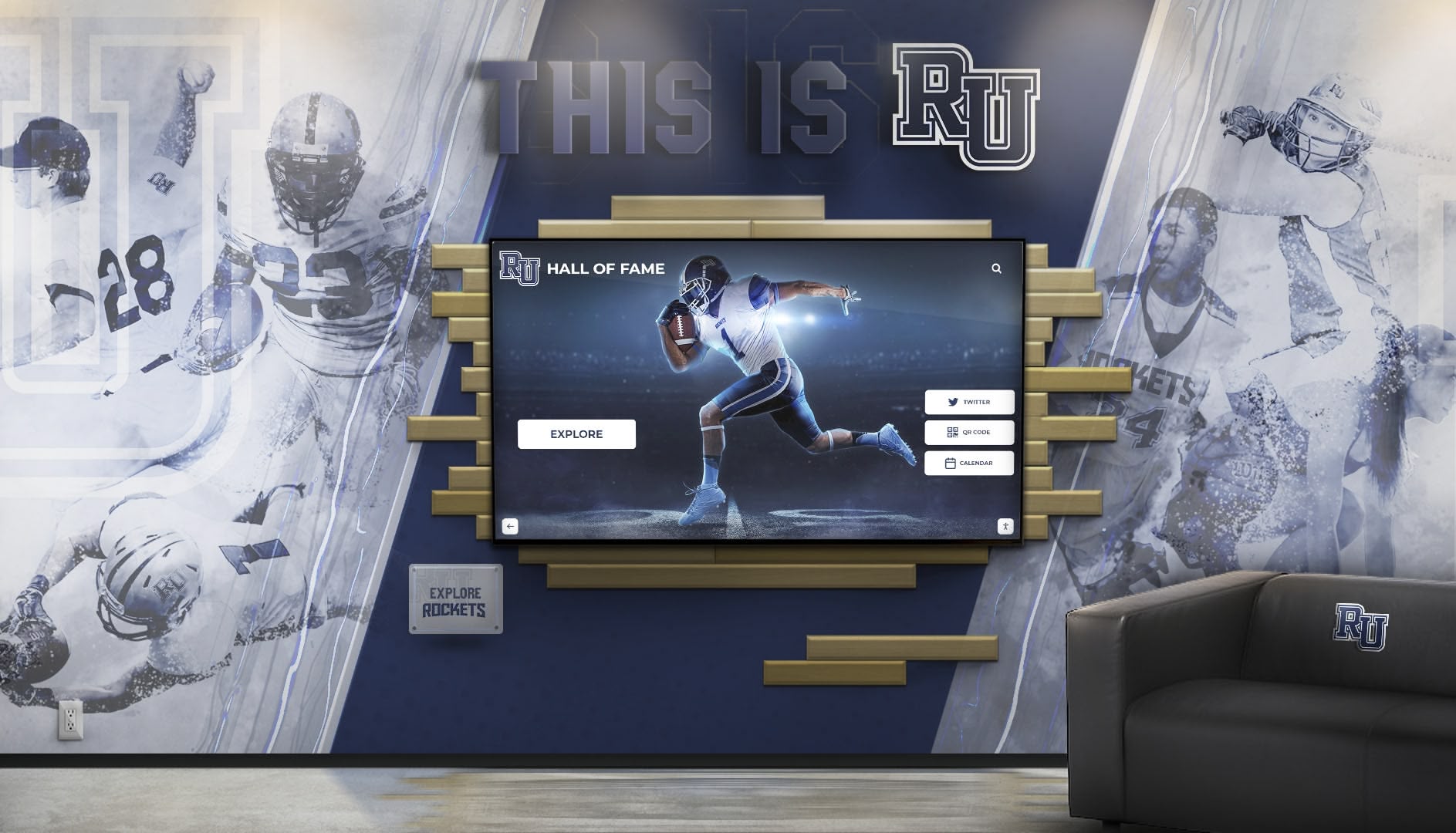
Digital displays enable dynamic content presentation while maintaining consistent brand identity
Implementing Physical Space Branding
Visual identity must extend from documents into physical school environments creating immersive brand experiences as students, staff, and visitors move through facilities.
Building Exterior and Entry Branding
First impressions form immediately—exterior and entry branding establishes institutional identity before anyone steps inside.
Exterior Branding Elements:
Building Signage: Primary building signs represent most visible brand elements, requiring careful design balancing visibility from streets with architectural integration. Signs must be large enough for legibility from intended viewing distances while incorporating logo, wordmark, and potentially mascot representation. Material selection—metal, stone, dimensional letters, illuminated signs—communicates institutional values through visual permanence and quality.
Marquee Signs: Reader board marquees announcing events and celebrating achievements provide dynamic branding opportunities. Digital marquees offer flexibility traditional letter-board signs lack, enabling full-color graphics, photos, and frequent message updates. Ensure marquee designs incorporate school colors and branding rather than generic templates undermining visual identity.
Campus Wayfinding: Directional signage guiding visitors to athletic fields, parking areas, building entrances, and specific facilities should consistently incorporate school branding. Coordinated wayfinding using unified design language, colors, and materials creates professional appearance while easing navigation for unfamiliar visitors.
Fence and Field Branding: Athletic field fencing, dugouts, scoreboards, and press boxes represent prominent branding opportunities visible during events and in aerial photography. Coordinated field branding creates impressive visual impact demonstrating program investment and pride.
Entry Experience: Main entry vestibules and lobbies set tone for entire building experience. These critical transition spaces merit significant branding investment through floor patterns, wall graphics, dimensional logos, donor recognition, achievement displays, and branded wayfinding preparing visitors for the branded environment they’re entering.
Strong entry branding creates immediate institutional pride—students feel they’re entering someplace special rather than generic institutional space. This sense of place contributes significantly to school culture and community identity.
Hallway and Common Area Branding
While classrooms primarily support instruction, hallways and common areas provide prime branding opportunities that students, staff, and visitors experience throughout days and events.
Strategic Hallway Branding:
Color Coordination: Hallway color schemes should incorporate school colors through paint, lockers, flooring, and accent elements. Color-coordinated environments create subconscious brand reinforcement even without explicit logo placement.
Logo Placement: Strategic logo placement throughout hallways builds recognition—floor medallions, wall graphics, ceiling elements, and door treatments incorporating school marks. Balance brand reinforcement with aesthetic restraint preventing overwhelming visual clutter.
Recognition Displays: Hallway spaces excel for achievement recognition creating branded celebration environments. Traditional trophy cases serve this purpose but face space limitations and update difficulties. Modern digital recognition displays overcome these limitations while reinforcing brand identity through customizable interfaces incorporating school colors, logos, and design elements.
Murals and Wall Graphics: Large-scale murals celebrating school history, values, mascots, or achievements create dramatic branding impact transforming otherwise blank walls into community storytelling. Professionally designed murals aligned with brand standards avoid the dated appearance and quality issues plaguing many well-intentioned but poorly executed wall graphics.
Motivational Messaging: Hallway spaces can reinforce institutional values through strategically placed messaging—school motto, core values, inspirational quotes—presented with consistent typography and design language. Effective messaging repeats core themes rather than overwhelming viewers with varied content.
Department Identification: In larger schools, departmental identification helps with wayfinding while allowing limited identity expression within overall brand framework. Academic wings might use secondary brand colors or themed graphics distinguishing spaces while maintaining clear connection to institutional identity.
Solutions like Rocket Alumni Solutions integrate seamlessly with physical branding strategies, offering touchscreen displays that reinforce brand identity through customized interfaces while providing unlimited recognition capacity impossible with traditional physical displays.
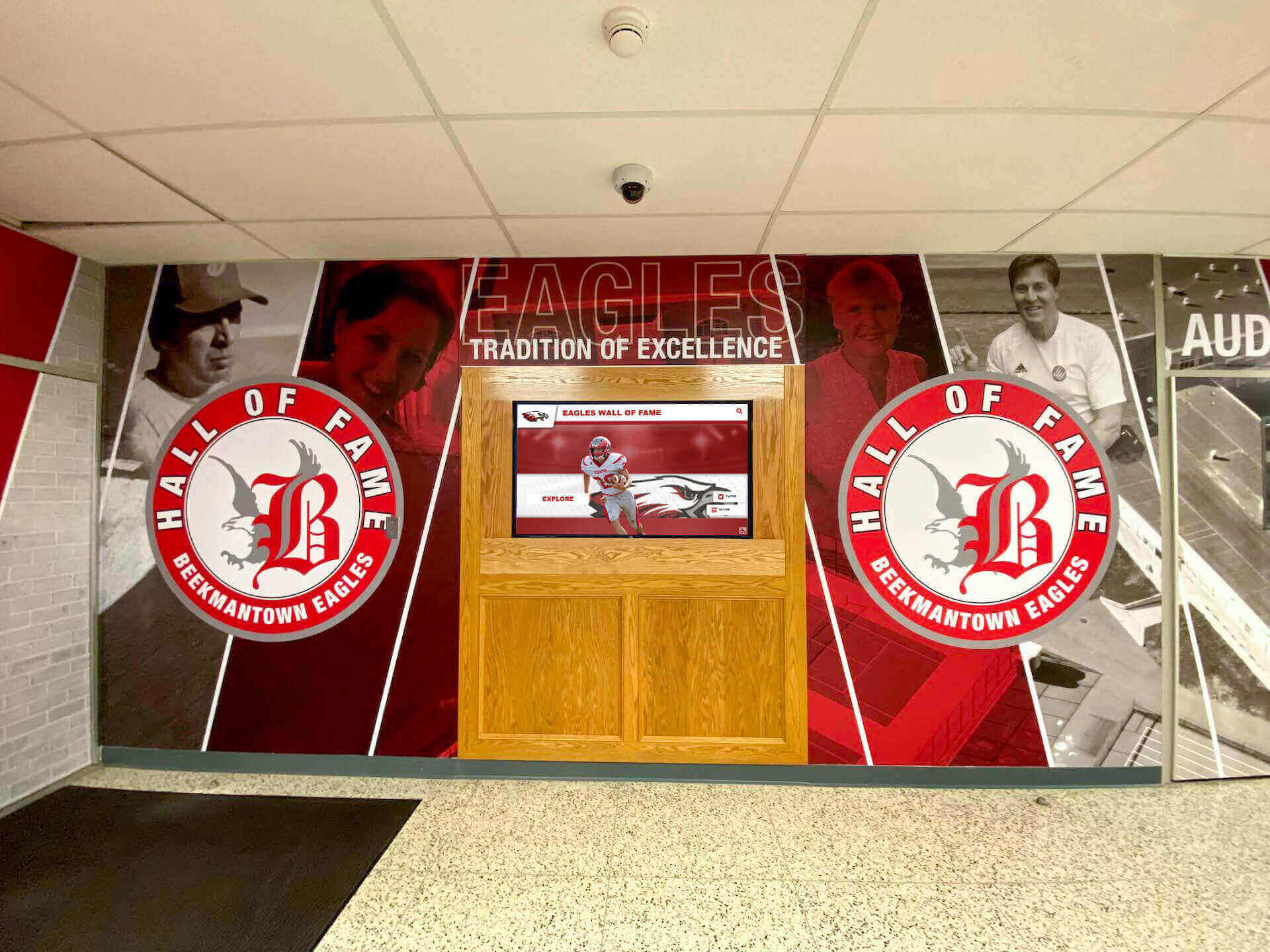
Entry spaces set tone through comprehensive branding creating immediate institutional identity
Athletic Facilities and Gyms
Athletic facilities provide exceptional branding opportunities given their visibility during events attended by large community audiences.
Gymnasium Branding Elements:
Court and Floor Design: Gym floor designs represent most prominent athletic facility branding. Center court logos, sideline graphics, and end zone treatments create impressive visual impact during games while appearing in event photography shared widely. Modern floor graphics enable full-color designs impossible with traditional paint approaches, creating striking brand presentations.
Wall Graphics and Banners: Gymnasium walls accommodate large-scale graphics—championship banners, retired numbers, record displays, inspirational messaging, and mascot artwork. Coordinated banner systems using consistent sizes, colors, and design templates maintain professional appearance compared to accumulated varied banner styles collected over years.
Bleacher Branding: Bleacher faces visible to upper seating sections and appearing in broadcast shots represent prime real estate for school branding, sponsor recognition, or championship listings.
Scoreboard Integration: Digital scoreboards increasingly offer customization incorporating school logos, colors, and branding throughout game presentation. Coordinated scoreboard branding creates polished presentation rivaling college and professional venues.
Locker Room Environment: Locker rooms may not be public-facing but strongly impact athlete experience and recruiting impressions. Branded locker room environments demonstrate program investment while building team pride and culture. Consider logo integration, motivational graphics, achievement recognition, and facility naming honoring significant contributors.
Athletic spaces represent significant investment—ensure branding aligns with institutional standards rather than creating disconnected athletic identity undermining broader school branding.
Cafeteria and Student Commons
Student gathering spaces shape daily experience—branded cafeterias and commons reinforce identity in spaces where students spend significant time.
Student Space Branding:
Environmental Graphics: Large-scale wall graphics, ceiling elements, and floor patterns create immersive branded environments transforming institutional cafeterias into distinctive school spaces. Graphics might celebrate school history, showcase student work, reinforce values, or create thematic environments aligned with brand personality.
Furniture and Finishes: While furniture selection primarily addresses function and budget, color coordination with school brand creates subtle but effective brand reinforcement. Custom furniture in school colors proves expensive, but accent furniture, cushions, or selected pieces in brand colors balance budget with brand consistency.
Digital Displays: Cafeteria and commons areas suit digital display installation for announcements, event promotion, lunch menus, and student recognition. These displays should incorporate brand templates ensuring consistent presentation rather than generic digital signage appearance.
Naming Opportunities: Named spaces—cafeterias honoring donors, student commons commemorating alumni—create donor recognition opportunities while building branded identity when signage and environmental graphics incorporate both naming and institutional branding.
Student input in commons branding creates ownership and relevance—involve student voice in design decisions ensuring spaces reflect student culture within institutional brand framework rather than imposing adult-designed branding students reject as inauthentic.
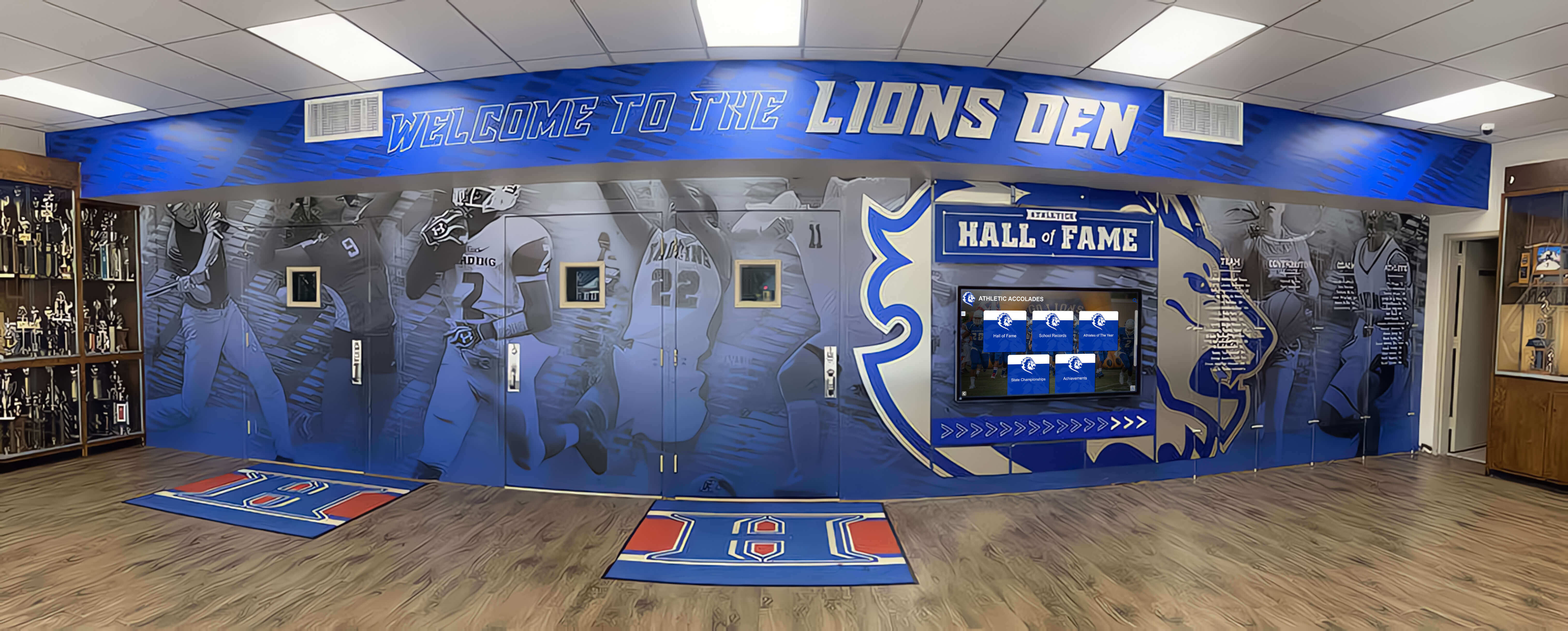
Comprehensive athletic facility branding builds program pride and community recognition
Digital Branding and Online Presence
Modern school brands must work seamlessly across physical and digital environments as stakeholders increasingly interact with schools through websites, social media, and digital platforms.
Website Design and Brand Consistency
School websites represent primary digital brand expression requiring careful coordination with physical branding while addressing unique digital considerations.
Website Branding Elements:
Visual Design Alignment: Website color palettes, typography, logo treatment, and imagery style should directly reflect physical brand standards creating seamless experience as stakeholders move between digital and physical interactions. Websites abandoning established brand standards in favor of generic templates or trendy designs undermine brand consistency.
Logo and Header Treatment: Website headers typically incorporate logo, school name, and navigation—prime real estate requiring thoughtful design balancing brand presence with usability. Oversized logos consume screen space limiting content visibility. Undersized logos fail to establish brand presence. Appropriate scaling maintains brand prominence while prioritizing content and functionality.
Color Application: School colors should dominate website design—backgrounds, headers, navigation, buttons, accents—but require careful implementation ensuring readability. Dark school colors might work beautifully for athletic uniforms but reduce text readability when used as backgrounds. Establish digital color applications balancing brand consistency with usability.
Photography and Imagery: Website photos should follow established imagery guidelines showing authentic student experience rather than generic stock photography obviously unrelated to your school. Invest in professional photography capturing real students, staff, and facilities creating authentic visual representation reinforcing brand authenticity.
Mobile Responsiveness: With majority website traffic occurring on mobile devices, ensure brand presentation translates effectively to smaller screens. Simplified navigation, appropriately scaled logos, and responsive layouts maintain brand consistency across all devices rather than degrading on mobile platforms.
Loading Speed: Brand-rich websites shouldn’t sacrifice performance. Optimize images, use efficient code, and balance visual appeal with loading speed ensuring positive user experience regardless of connection quality. Slow websites frustrate users regardless of attractive branding.
Social Media Brand Guidelines
Social media platforms require adapted brand application respecting platform norms while maintaining institutional identity.
Social Media Branding Standards:
Profile Consistency: Use consistent profile images, cover photos, and bio text across platforms creating unified presence. While platform dimensions vary, adapt core brand elements rather than creating entirely different presentations for each network.
Content Templates: Develop graphic templates for common social media content—announcements, event promotions, achievement recognition, quote graphics—incorporating school branding. Templates enable non-designer staff to create on-brand content quickly without starting from scratch each time.
Hashtag Strategy: Establish official school hashtags used consistently across posts and promoted to community. Consistent hashtags facilitate content discovery while creating branded community conversation around school activities and achievements.
Voice and Tone: Define social media voice reflecting school personality—formal versus casual, serious versus playful, informational versus conversational. Consistent voice across platforms and posts creates recognizable brand personality beyond just visual elements.
Content Categories: Establish content categories ensuring balanced representation—academics, athletics, arts, student life, community engagement—rather than allowing accounts to drift toward single focus misrepresenting comprehensive school experience.
Crisis Communication Standards: Predetermine how school brand adjusts during crises or sensitive situations. Emergency communications might temporarily replace branded headers with alert graphics. Tone shifts from typical content to appropriate seriousness. Planning these adjustments prevents brand-inappropriate communications during stressful crisis situations.
Platform-Specific Adaptations: While maintaining core brand consistency, adapt to platform norms. Instagram emphasizes visual storytelling through photos and video. Twitter prioritizes concise text and real-time engagement. LinkedIn targets professional audiences with formal tone. Effective brand management adapts presentation to platform while maintaining recognizable institutional identity.
Coordinating social media presence with physical recognition programs creates powerful synergy. Digital recognition platforms generate shareable content families distribute through their social networks, exponentially expanding recognition reach while reinforcing brand identity across digital channels.
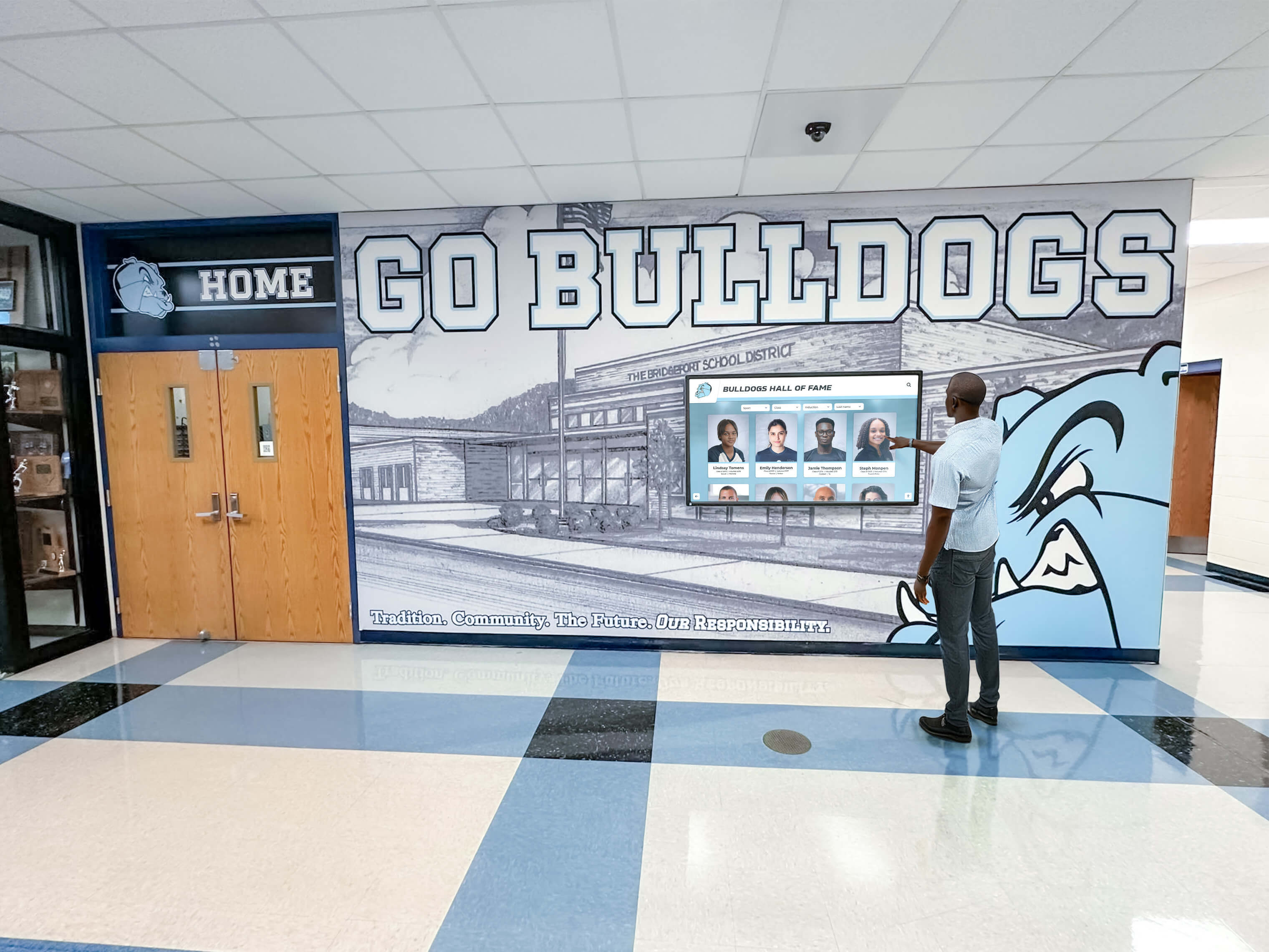
Interactive digital displays bridge physical and digital branding creating seamless brand experience
Email and Digital Communications
Regular email communications with families, staff, and community require brand-consistent templates preventing communication quality from undermining institutional identity.
Email Branding Components:
Email Headers: Branded email headers incorporating logo, school colors, and design elements create professional appearance immediately distinguishing school communications from personal messages. Header designs should remain consistent across communication types—newsletters, announcements, emergency alerts—while potentially adjusting emphasis based on content type.
Typography and Layout: Email typography should reflect brand standards to extent email platforms allow. Many email clients limit font options, requiring thoughtful specification of web-safe fonts approximating brand fonts when exact matches aren’t supported. Consistent layout templates—heading hierarchy, spacing, section divisions—create recognizable structure even when exact fonts vary.
Footer Standardization: Email footers provide consistent contact information, social media links, website URL, and potentially brief messaging about school values or upcoming events. Standardized footers eliminate need to recreate this information for each communication while ensuring accuracy and brand consistency.
Newsletter Templates: Regular newsletters benefit from established templates balancing visual interest with production efficiency. Templates should accommodate varying content while maintaining recognizable structure creating familiar reading experience recipients anticipate.
Responsive Design: Email templates must render effectively across devices from desktop computers to smartphones. Responsive email design adjusts layout and sizing based on screen dimensions ensuring positive experience regardless of how recipients access communications.
Digital Donor Walls and Recognition Systems
Modern recognition increasingly occurs through digital platforms extending physical displays while providing capabilities impossible with traditional approaches.
Digital Recognition Advantages:
Brand Customization: Digital recognition platforms enable complete brand customization—interface colors matching school palette, logo integration throughout navigation, typography aligned with brand standards, and custom layouts reflecting institutional design language. This customization creates branded recognition experiences impossible with generic platforms.
Unlimited Capacity: Physical recognition faces space constraints forcing difficult decisions about what to display. Digital systems accommodate unlimited honorees, achievements, and content without space limitations. This capacity enables comprehensive recognition across athletics, academics, arts, and community involvement without choosing between programs.
Multimedia Storytelling: Digital platforms incorporate photos, videos, biographical narratives, and accomplishment details creating rich profiles impossible with plaques or trophy cases. Multimedia capability enables deeper storytelling reinforcing school values through detailed achievement celebration.
Interactive Engagement: Touchscreen interaction transforms recognition from passive viewing into active exploration. Interactive recognition displays enable searching for specific individuals, filtering by achievement type, exploring related honorees, and accessing detailed information creating engaging experiences averaging several minutes per session rather than seconds spent glancing at traditional displays.
Brand-Consistent Updates: Cloud-based content management enables adding recognition content using brand-consistent templates ensuring new additions maintain visual standards regardless of who creates content. This template-based approach prevents quality drift over time as different staff members contribute content.
Cross-Platform Presence: Modern recognition systems work across multiple platforms—hallway touchscreens, website integration, mobile apps, social media—extending recognition reach while maintaining brand consistency across all channels.
Solutions like Rocket Alumni Solutions specifically address educational branding needs through platforms designed for comprehensive customization enabling perfect brand alignment while providing intuitive management requiring no technical expertise from school staff.
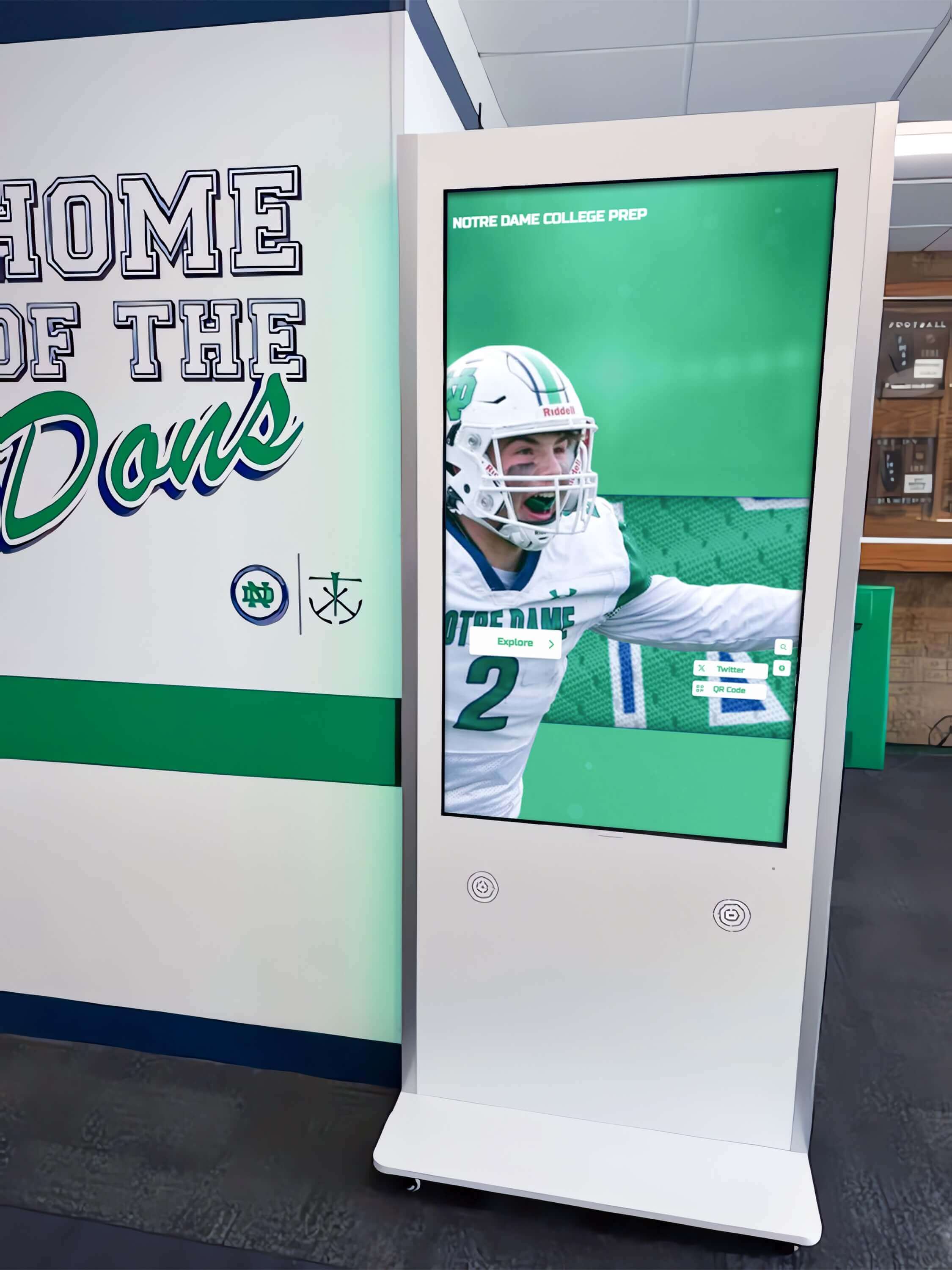
Modern recognition technology integrates seamlessly with overall brand strategy and facility design
Creating Comprehensive Brand Guidelines
Effective brand implementation requires documented standards guiding application across countless touchpoints by numerous individuals over many years.
Developing Your Brand Standards Manual
Brand guidelines document core identity elements with sufficient detail enabling consistent application by anyone creating school-related materials.
Brand Manual Essential Components:
Brand Story and Values: Begin manuals with narrative explaining brand meaning, institutional values informing visual identity, and strategic objectives brand serves. This context helps users understand why standards matter rather than viewing them as arbitrary restrictions.
Logo Usage Standards: Document all logo variations with clear guidance about appropriate applications. Specify minimum sizes ensuring legibility, clear space requirements preventing crowding by other elements, acceptable backgrounds and colors, and prohibited alterations like stretching, recoloring, or modifying logos.
Color Specifications: Provide exact color values in all relevant formats—Pantone for printing, CMYK for process color, RGB for digital, hex codes for web. Include color swatches showing appearance with usage notes explaining appropriate applications and combinations.
Typography Guidelines: Specify approved fonts with examples showing various applications—headlines, body text, captions, display usage. Provide font files or purchasing information enabling authorized users to access approved typefaces. Include fallback font specifications for situations where primary fonts aren’t available.
Photography and Imagery Standards: Establish photo style guidelines with examples showing appropriate and inappropriate approaches. Provide image specifications for various uses—resolution requirements, file formats, aspect ratios, editing standards.
Application Examples: Show correct brand application across common materials—letterhead, business cards, signage, website elements, social media graphics, banners, vehicle graphics. Seeing proper application across contexts clarifies expectations more effectively than text descriptions alone.
Dos and Don’ts: Explicitly show prohibited treatments preventing common mistakes. Visual examples of incorrect applications—stretched logos, wrong color combinations, poor contrast, inappropriate backgrounds—prevent mistakes that written prohibitions might not fully communicate.
Vendor Specifications: Include technical specifications vendors need for producing branded materials—print specifications, digital file requirements, material standards for signage and promotional items.
Contact Information: Designate brand stewards responsible for answering questions, reviewing materials, and providing approved assets. Clear contacts ensure staff get help rather than making potentially incorrect assumptions.
Digital Asset Management and Distribution
Brand guidelines prove ineffective if approved assets remain inaccessible—establish systems enabling easy access to logos, templates, and approved materials.
Asset Management Systems:
Centralized Asset Library: Create central repository housing all approved brand assets—logo files in various formats, font files, photo libraries, template files, and brand manual PDFs. Cloud-based storage enables access from anywhere without emailing files creating version control chaos.
Organized File Structure: Organize assets logically by type and application enabling quick location of needed files. Categories might include logos (with subfolders for different formats), photos (organized by subject), templates (by application type), and reference materials.
File Naming Conventions: Establish clear file naming standards incorporating descriptive information—asset type, version, date, format. Consistent naming prevents confusion about which file is current or appropriate for specific applications.
Version Control: Implement version tracking preventing outdated assets from circulating. When updating logos or templates, remove old versions from shared folders rather than allowing both versions to coexist creating confusion about which to use.
Access Permissions: Set appropriate access levels—some users need editing access while others require only viewing and downloading capabilities. Appropriate permissions prevent accidental deletions or modifications while enabling necessary access.
Usage Tracking: Monitor which assets are most frequently accessed identifying popular templates meriting updates or additional similar resources. Usage data also reveals unused assets that might need promotion or retirement.
Several platforms specifically address educational asset management including digital asset systems designed for school communications and branding needs.
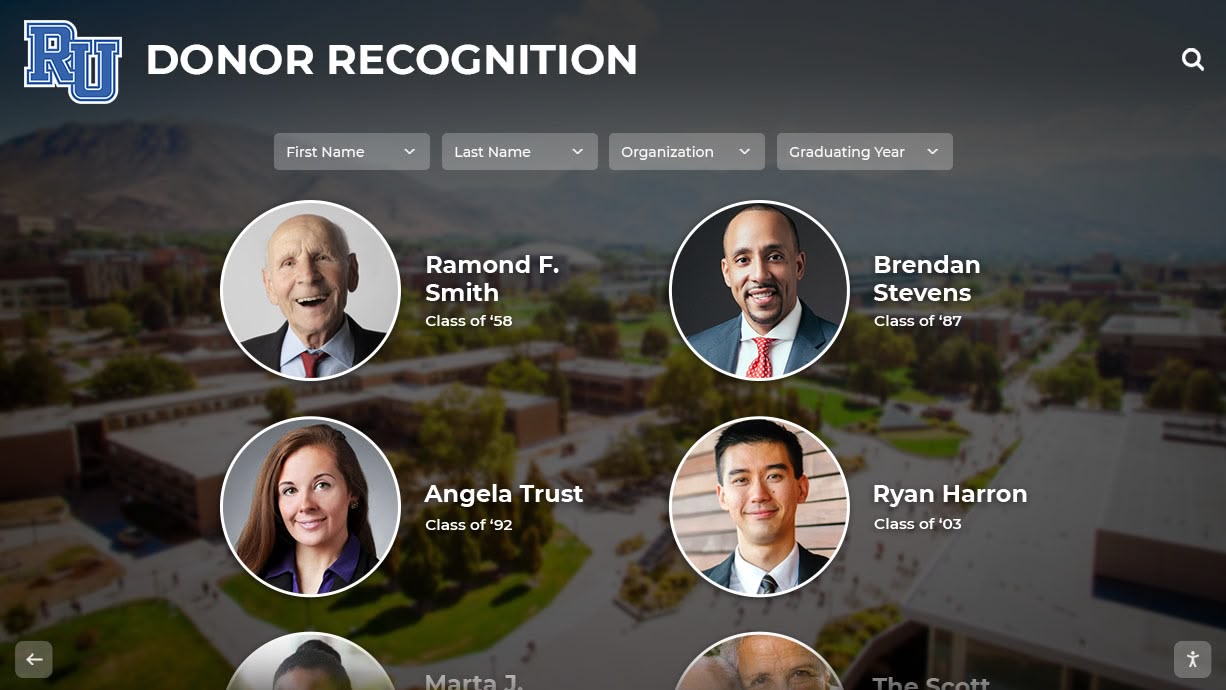
Comprehensive brand systems enable consistent application across all recognition and communication platforms
Training Staff and Stakeholders
Brand guidelines become effective only when people understand and apply them—invest in training ensuring stakeholder buy-in and capability.
Brand Training Approaches:
Initial Rollout Training: When launching new or updated brand standards, conduct comprehensive training for all staff creating materials—communications staff, administrative assistants, teachers, coaches, department heads. This foundational training covers brand rationale, guidelines overview, asset access, and common applications.
Role-Specific Training: Different roles need different training depth. Communications staff require comprehensive understanding of all guidelines. Teachers might need only basic familiarity with presentation templates. Athletic coaches need detailed knowledge of athletic branding applications. Target training to specific needs rather than one-size-fits-all approaches overwhelming some while under-serving others.
Template Workshops: Hands-on workshops demonstrating how to use branded templates prove more effective than simply distributing files. Walk users through customizing templates for their specific needs while maintaining brand standards. Address common questions and problems during workshops preventing future mistakes.
Ongoing Refreshers: Brand knowledge erodes over time especially as staff turnover occurs. Schedule periodic refresher training reinforcing standards, introducing new templates or assets, and addressing common mistakes observed since initial training.
Quick Reference Guides: Develop condensed quick-reference guides highlighting most essential brand standards for easy consultation during daily work. Single-page guides showing logo usage, color codes, and template access prove more practical than expecting users to consult comprehensive brand manuals for routine tasks.
Brand Champions: Designate brand champions within departments who receive more comprehensive training then serve as first-line resources for colleagues. Champions reduce burden on central communications staff while building distributed brand expertise throughout organization.
Vendor Education: External vendors producing school materials need brand standards too. Provide vendors with guidelines, assets, and specifications ensuring materials produced externally maintain brand consistency equal to internally created items.
Enforcement and Quality Control
Brand guidelines remain theoretical without enforcement mechanisms ensuring actual compliance across all applications.
Quality Control Strategies:
Review Processes: Establish approval workflows for materials receiving wide distribution—printed publications, major signage, website updates, large-scale graphics. Requiring review by designated brand stewards prevents costly mistakes appearing in prominent applications.
Template Systems: Templates inherently enforce brand standards by providing approved starting points. Expanding template availability for common applications reduces need for creating materials from scratch while ensuring brand compliance. Consider templates for presentations, flyers, programs, social media graphics, signs, and email newsletters.
Vendor Requirements: Require external vendors to submit proofs for approval before final production. Contractual language specifying brand compliance and approval processes prevents miscommunication about expectations.
Regular Audits: Periodically audit brand applications across physical facilities, digital platforms, and communication materials identifying inconsistencies requiring correction. Systematic audits catch problems that individual reviews might miss.
Constructive Feedback: When identifying non-compliant materials, provide constructive feedback explaining why applications don’t meet standards and how to correct them. Educational approach builds understanding rather than just rejecting work without explanation.
Celebrating Excellent Examples: Recognize outstanding brand applications praising staff who create exemplary materials. Positive reinforcement proves more motivating than only correcting mistakes while providing models for others to emulate.
Gradual Implementation: When introducing new brand standards, allow reasonable transition period rather than immediately requiring perfect compliance. Phase out old materials while transitioning to new standards balancing consistency ideals with practical realities and budget constraints.
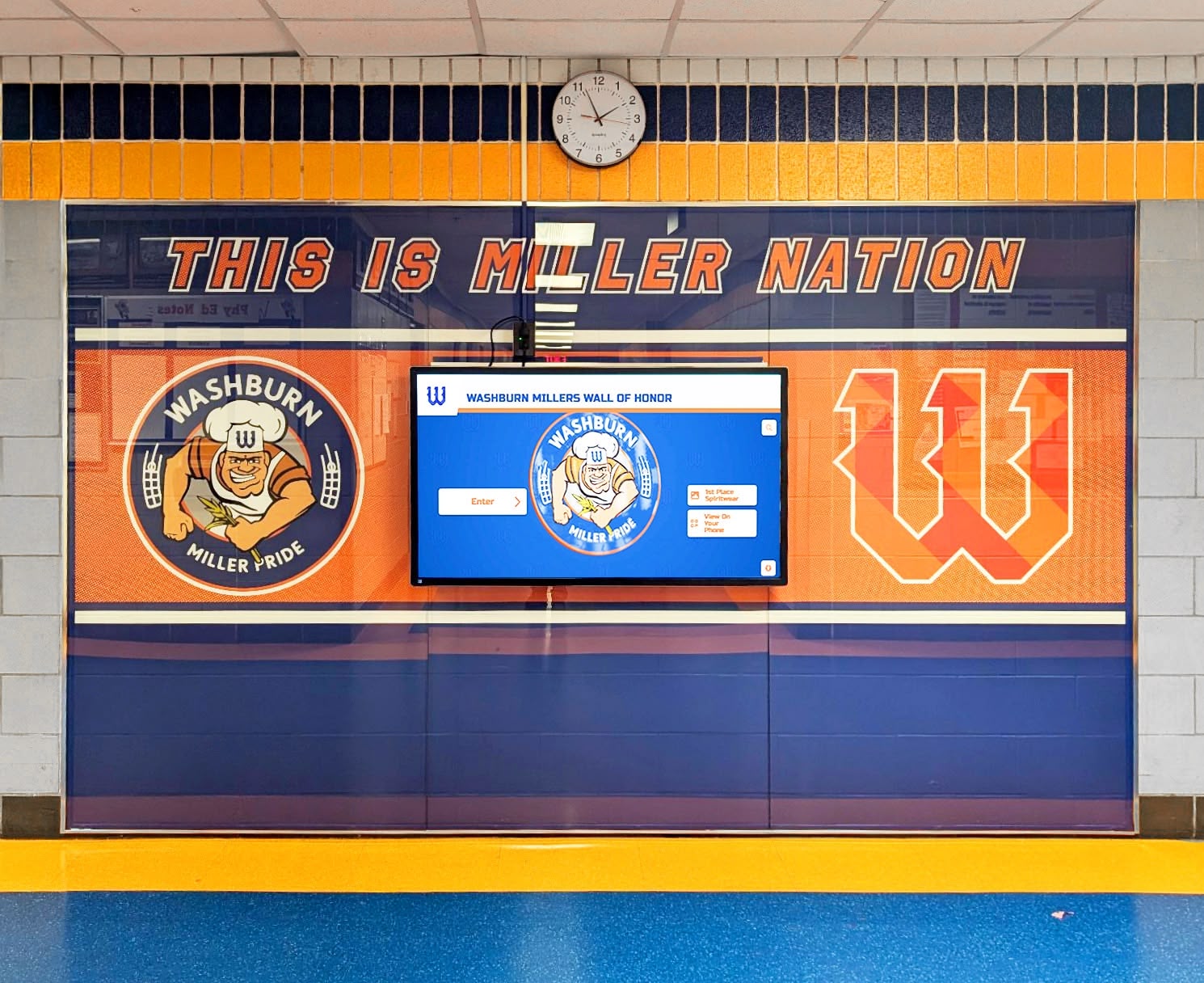
Consistent brand application across facilities creates professional institutional image and strong identity
Athletic Program Branding Integration
Athletic programs present unique branding challenges requiring balance between program identity and institutional brand consistency.
Coordinating Athletic and Institutional Branding
Athletics often desires distinct visual identity reflecting competitive spirit while maintaining connection to overall school brand.
Athletic Brand Integration Strategies:
Shared Color Palette: Athletic programs should use institutional color palette as foundation even when developing distinct athletic identity. Consistent colors maintain visual connection while allowing other elements like typography or graphics to create athletic distinction.
Logo Family Systems: Develop athletic logo variations clearly connected to institutional mark but optimized for athletic contexts. Athletic marks might emphasize mascot representation, adopt more dynamic design, or simplify details for uniform embroidery while maintaining recognizable connection to school logo.
Unified Visual Language: Even when athletics uses distinct logos or marks, maintain visual connection through shared design elements—similar shapes, consistent line weights, related typography, or complementary graphic styles creating family resemblance.
Clear Sub-Brand Relationship: Athletic branding should clearly indicate institutional connection rather than appearing completely separate. Lock-ups combining athletic marks with school wordmarks, taglines referencing school name, or visual indicators showing athletic brand as component of larger institutional identity maintain necessary connection.
Coordinated Implementation: Physical athletic spaces—gymnasiums, locker rooms, athletic hallways, outdoor facilities—should integrate both institutional and athletic branding creating layered identity rather than competing systems. Coordinated implementation prevents visual conflict between institutional standards and athletic expression.
Many schools successfully implement athletic recognition systems bridging institutional and athletic branding through customizable interfaces incorporating both institutional colors and athletic-specific visual elements.
Team and Sport-Specific Branding
Individual teams sometimes desire unique identity within broader athletic program—managing this impulse while maintaining coherence requires clear frameworks.
Managing Team Identity:
Consistent Foundation with Limited Personalization: Establish athletic brand foundation all teams share—core colors, primary athletic marks, typography standards—while allowing limited personalization through secondary colors, unique graphics, or team-specific marks operating within established framework.
Tiered Brand Architecture: Define brand hierarchy clarifying relationships between institutional brand, athletic program brand, and individual team identities. Visual systems should make relationships clear rather than creating confused jumble of competing identities.
Standard Templates with Customization Options: Provide teams with customizable templates for common needs—roster posters, spirit wear, social media graphics, event programs—maintaining consistent structure while enabling team-specific content and limited design variation.
Approval Processes: Require team-specific materials to undergo approval ensuring compliance with athletic brand standards. This oversight prevents teams from inadvertently creating off-brand applications undermining program coherence.
Shared vs. Unique Elements: Clarify which elements must remain consistent across all teams (institutional colors, school name, primary logos) versus elements permitting team customization (secondary graphics, motivational messaging, team-specific marks). Clear boundaries enable appropriate personalization within necessary constraints.
Merchandise and Spirit Wear Standards
School merchandise and spirit wear represent highly visible brand applications purchased and worn by students, families, and alumni throughout communities.
Spirit Wear Brand Management:
Approved Vendor Networks: Establish relationships with approved vendors understanding brand standards and having access to approved assets. Requiring merchandise production through approved vendors maintains quality and brand consistency compared to allowing anyone to create products.
Design Approval Requirements: Require design approval for all merchandise bearing school name, logo, or brand elements regardless of producer. This approval process prevents inappropriate, low-quality, or off-brand merchandise from circulating.
Quality Standards: Specify minimum quality standards for merchandise including material quality, printing/embroidery standards, sizing consistency, and construction durability. Low-quality merchandise damages brand perception regardless of correct logo application.
Online Merchandise Platforms: Partner with merchandise platforms enabling families to order spirit wear online while ensuring brand consistency through vendor-managed templates and approval processes. Modern platforms integrate design approval into ordering workflow eliminating bottlenecks.
Seasonal Collections: Coordinate merchandise releases creating seasonal collections rather than chaotic continuous launches of disconnected designs. Collections enable coordinated marketing while ensuring visual cohesion across merchandise offerings.
Licensing for External Sales: If allowing external retailers to sell school merchandise, implement licensing agreements specifying brand standards, required approvals, and quality requirements. Licensing protects brand integrity while enabling appropriate merchandise availability.

Athletic branding successfully balances program identity with institutional brand consistency
Branding Across School Communications
Every communication represents brand expression requiring consistent application across diverse materials and channels.
Print Communications and Publications
Despite digital dominance, printed materials remain important brand touchpoints requiring careful standards implementation.
Print Material Branding:
Letterhead and Business Materials: Professional letterhead, business cards, and envelopes establish credibility while reinforcing brand identity in official correspondence. Templates should incorporate logo, colors, typography, and potentially subtle graphic elements creating branded appearance without overwhelming functionality.
Newsletters and Publications: Regular publications—newsletters, annual reports, program books, yearbooks—benefit from consistent branded templates balancing recognizable structure with content flexibility. Multi-page publications require establishing design systems for various content types maintaining visual interest while preserving coherent brand presentation.
Marketing and Recruitment Materials: Materials recruiting students, promoting programs, or marketing events typically receive highest design investment meriting professional creative development within brand standards. Recruitment materials should showcase institutional strengths while maintaining authentic brand representation avoiding exaggerated claims or imagery misrepresenting actual experience.
Forms and Administrative Documents: Even utilitarian documents benefit from branding—forms, permits, official documents, certificates—can incorporate brand colors, logos, and typography creating professional appearance and authenticity verification. Consistent design language across administrative materials builds trust and legitimacy.
Event Programs and Materials: Materials for athletic events, performances, ceremonies, and community gatherings represent high-visibility brand opportunities. Programs, tickets, banners, signage, and promotional materials should coordinate creating comprehensive branded event experience.
Printing Specifications: Document printing specifications ensuring consistent output regardless of vendor—color specifications, paper stocks, finishing options, file formats. Specific guidance prevents interpretation variations resulting in quality inconsistencies.
Signage and Wayfinding Systems
Signage creates physical brand presence throughout facilities requiring comprehensive planning ensuring consistency.
Signage System Components:
Primary Building Identification: Main building signs represent most prominent brand expression requiring investment in quality materials, professional fabrication, and appropriate scale. Primary signs should incorporate logo, school name, and potentially mascot or tagline in designs aligned with architectural character while ensuring visibility and longevity.
Interior Directional Signage: Wayfinding signage guiding visitors through facilities should use consistent design language incorporating brand colors, typography, and graphic elements. Coordinated wayfinding creates professional appearance while functional clarity remains priority—decorative impulses shouldn’t compromise information hierarchy.
Room and Space Identification: Door signs, room numbers, and space labels should follow uniform standards throughout facilities. Consistent identification creates navigable environment while contributing to overall branded aesthetic through material choices and design details.
Regulatory and ADA Signage: Required signage meeting building codes and accessibility standards can incorporate brand elements where regulations permit. While compliance requirements limit design freedom, thoughtful specification of colors, fonts, and materials creates brand-aligned signage even within regulatory constraints.
Temporary Event Signage: Signage for events, activities, and temporary situations should use templates maintaining brand consistency despite short-term nature. Providing branded templates for common temporary needs—event directional signs, parking instructions, building closure notices—prevents proliferation of handwritten or poorly designed temporary signage undermining brand quality.
Digital Signage Networks: Permanent digital displays for announcements, events, menus, and information should use branded templates ensuring consistent presentation. Digital signage platforms enable template-based content creation maintaining brand standards while enabling frequent updates.
Event and Ceremonial Branding
Special events—graduations, awards ceremonies, athletic championships, performing arts productions—represent opportunities for elevated brand expression.
Event Branding Elements:
Stage and Venue Decoration: Event venues merit special branding treatment creating memorable experiences. Consider branded backdrops, banners, podium treatments, and environmental graphics transforming generic spaces into branded event environments.
Ceremonial Materials: Programs, certificates, awards, and commemorative materials should receive premium design investment reflecting event significance while maintaining brand consistency with other materials.
Photo and Video Branding: Event photography and videography provides lasting record and social media content. Branded photo backdrops, video lower-thirds, title graphics, and opening/closing sequences create professional presentation while reinforcing identity.
Digital Event Presence: Virtual or hybrid events require digital branding including presentation templates, virtual backgrounds, website graphics, and streaming overlays maintaining brand consistency in digital event environments.
Commemorative Items: Special event merchandise, programs, or keepsakes provide lasting brand impressions and revenue opportunities when thoughtfully designed within brand standards.
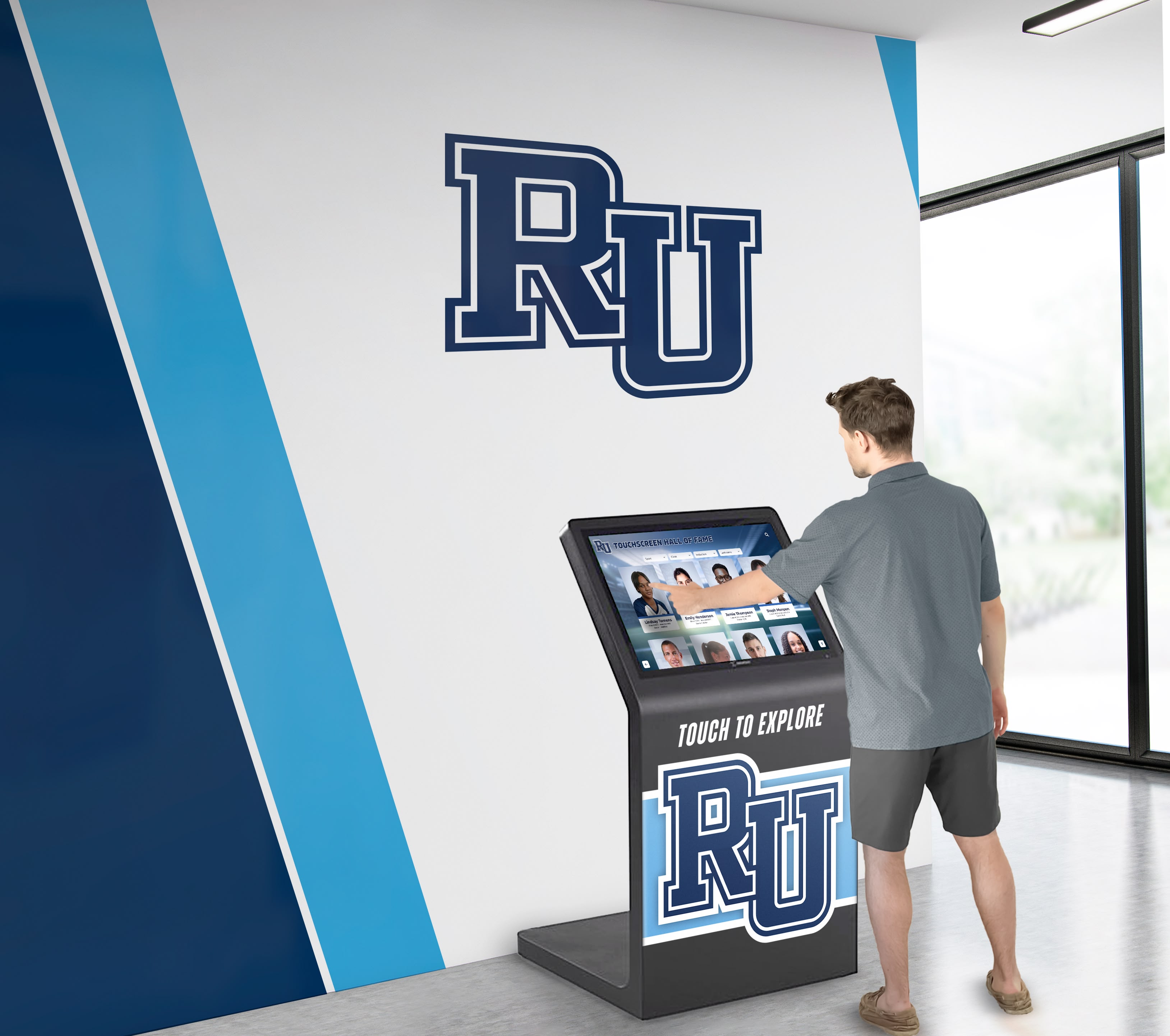
Event environments showcase comprehensive brand implementation creating memorable experiences
Measuring Brand Impact and Effectiveness
Brand investment merits evaluation ensuring efforts achieve intended outcomes and identifying improvement opportunities.
Brand Awareness and Recognition Metrics
Tracking Brand Awareness:
Stakeholder Surveys: Periodic surveys assessing brand recognition among students, families, staff, and community measure whether branding efforts increase awareness and create desired perceptions. Survey questions might address logo recognition, color association, institutional personality attributes, and comparative positioning versus peer schools.
Enrollment Inquiries: Track whether prospective family inquiries mention specific brand elements or institutional characteristics communicated through branding. Inquiry content analysis reveals whether brand successfully communicates intended messages.
Social Media Engagement: Monitor social media metrics including follower growth, engagement rates, share statistics, and hashtag usage indicating brand reach and resonance. Strong brands generate higher engagement as community members actively spread branded content.
Alumni Connection Rates: Evaluate alumni engagement levels potentially influenced by brand-driven recognition programs and communications. Increased alumni participation suggests successful brand connection creating lasting institutional loyalty.
Community Recognition: Assess brand visibility through community awareness surveys, local media coverage mentioning school brand elements, and comparative recognition studies versus peer institutions.
Brand Consistency Audits
Evaluating Implementation Quality:
Physical Environment Audits: Systematically photograph and evaluate brand implementation throughout facilities identifying inconsistencies, outdated materials, and improvement opportunities. Facility audits reveal whether branding extends comprehensively or exists only in limited high-profile locations.
Digital Presence Reviews: Assess website, social media, digital signage, and online communications for brand consistency. Digital audits identify outdated materials, off-brand applications, and platform-specific inconsistencies.
Communication Material Sampling: Collect samples of printed and digital communications across departments evaluating adherence to brand standards. Sample reviews reveal whether guidelines are understood and followed or ignored in practice.
Vendor Compliance Assessment: Review materials produced by external vendors checking brand standard compliance. Vendor assessment indicates whether brand guidelines are sufficiently clear and whether vendors receive adequate oversight.
Stakeholder Feedback: Gather feedback from staff creating branded materials understanding perceived clarity of guidelines, asset accessibility, and support adequacy. User feedback identifies training needs and guideline improvements enhancing practical usability.
Return on Investment Analysis
Assessing Brand Value:
Cost Avoidance Calculations: Document costs avoided through consistent branding preventing waste from incorrect materials requiring reproduction, outdated inventory disposal, or piecemeal uncoordinated purchasing. Consistent standards enable volume purchasing and reduce redundant creative development.
Efficiency Improvements: Measure time savings from template systems and clear guidelines enabling faster content creation compared to starting from scratch each time. Staff time represents significant cost—efficiency gains deliver measurable value.
Enrollment and Retention Impact: While multiple factors influence enrollment, examine correlations between brand investment and enrollment trends. Strong brands potentially attract families while building pride supporting retention.
Fundraising Success: Evaluate donor engagement potentially enhanced through professional brand presentation and recognition programs. Donors invest more readily in organizations presenting professional, cohesive identity suggesting operational excellence.
Merchandise Revenue: If school sells branded merchandise, track sales trends potentially increasing with stronger brand identity building pride and demand for spirit wear.
Competitive Positioning: Assess brand strength relative to competitor schools potentially providing enrollment advantages when families compare options. Superior brand presentation suggests quality and investment supporting enrollment decisions.
While brand ROI proves challenging to isolate from other factors, tracking multiple indicators provides evidence supporting continued investment in brand development and consistent implementation.
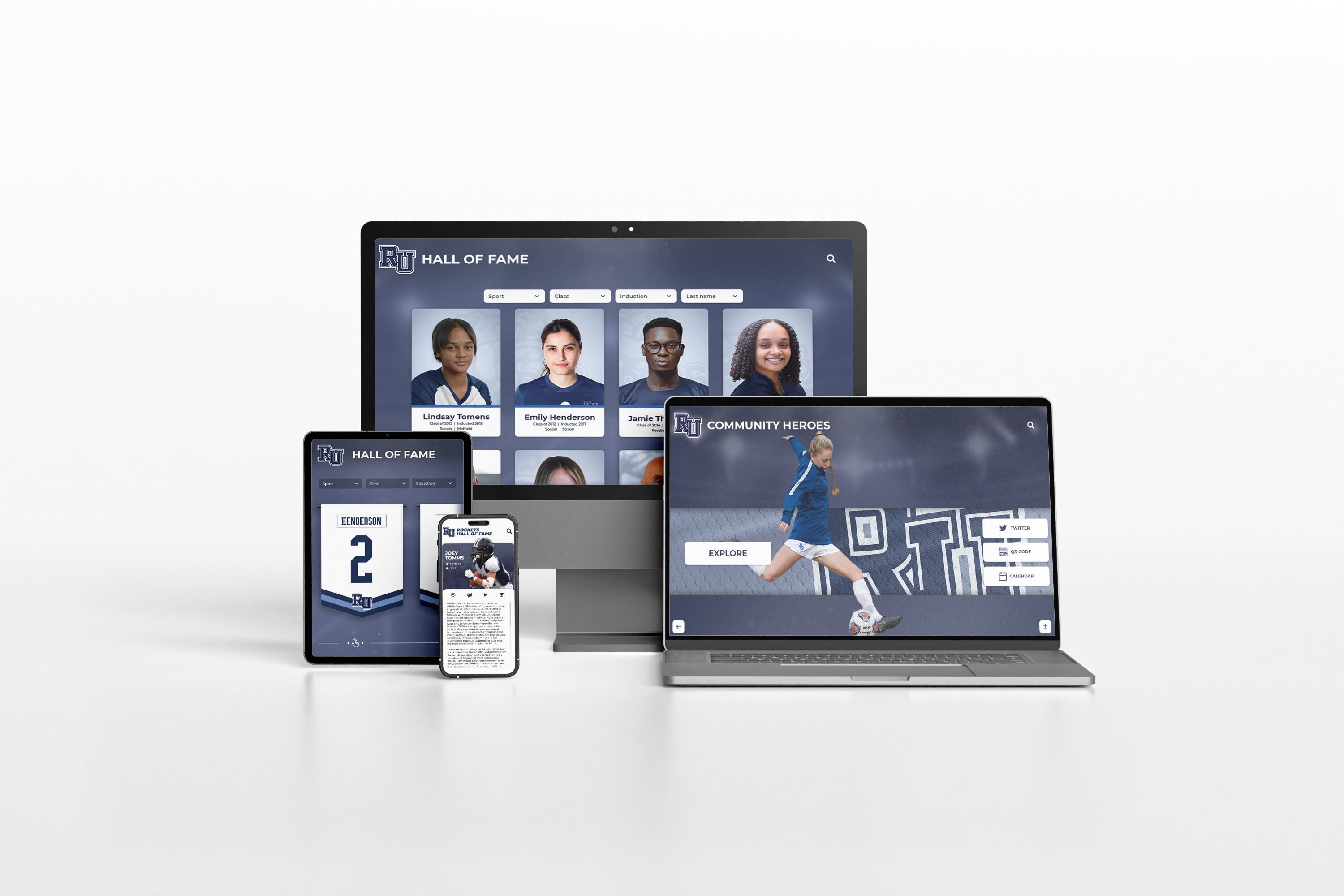
Successful brands maintain consistency across digital and physical platforms creating unified identity
Maintaining and Evolving Your Brand
School brands require ongoing stewardship balancing consistency with appropriate evolution as institutions grow and culture shifts.
Long-Term Brand Stewardship
Sustaining Brand Consistency:
Designated Brand Leadership: Assign clear responsibility for brand stewardship—typically communications directors, marketing coordinators, or designated committee—ensuring accountability for maintaining standards rather than diffused responsibility leading to erosion.
Regular Guidelines Updates: Schedule periodic guideline reviews ensuring standards remain current as design trends, technologies, and institutional priorities evolve. Annual or biannual reviews keep guidelines relevant without constant disruption.
Asset Library Maintenance: Continuously maintain asset libraries adding new templates, removing outdated materials, updating logos or graphics as needed, and ensuring organization remains logical as content volume grows.
Ongoing Training: Provide brand training to new staff preventing knowledge gaps as turnover occurs. Integrate brand orientation into onboarding processes ensuring all staff understand basic standards regardless of roles.
Quality Monitoring: Continuously monitor brand applications across touchpoints addressing problems promptly rather than allowing standards erosion. Proactive monitoring maintains quality while preventing significant drift requiring major correction efforts.
Community Engagement: Maintain stakeholder connection to brand through regular communication about brand importance, celebrations of excellent applications, and invitation for feedback ensuring community ownership rather than viewing brand as administrative imposition.
Strategic Brand Evolution
When and How to Update Branding:
Evolution vs. Revolution: Most school brands benefit from evolutionary refinement rather than revolutionary complete overhauls disrupting recognition. Gradual improvements maintain equity in existing brand while addressing legitimate needs for updates.
Update Triggers: Consider brand updates when significant institutional changes occur—mergers, name changes, program additions, facility renovations—creating natural opportunities for brand evolution. Technology shifts making existing materials obsolete, demonstrated brand weaknesses through assessment, or significant stakeholder feedback may also justify updates.
Stakeholder Involvement: Engage stakeholders in evolution discussions gathering input about perceived brand strengths, weaknesses, and desired directions. Participatory processes build support for changes while ensuring updates reflect community values rather than external trends.
Phased Implementation: When updating brands, phase implementation gradually rather than requiring immediate wholesale adoption. Natural replacement cycles for signage, materials, and assets spread financial impact while allowing stakeholders to adjust to changes without disruptive sudden shifts.
Maintaining Recognition: Ensure brand evolution maintains sufficient continuity that community members recognize evolved brand as connected to predecessor. Dramatic departures sacrifice accumulated brand equity confusing stakeholders who no longer recognize their school.
Communication Strategy: Clearly communicate reasons for brand changes building understanding and support. Unexplained changes generate resistance—transparent communication about evolution rationale builds acceptance.
Technology Integration and Digital Innovation
Adapting Brands to Emerging Technologies:
Modern schools must ensure brand flexibility enabling implementation across emerging technologies and platforms beyond those anticipated during initial brand development.
Future-Proofing Strategies:
Technology-Agnostic Core Elements: Ensure core brand elements—logos, colors, typography—work across technologies rather than optimizing exclusively for current platforms. Flexible brands adapt to unexpected future applications.
Digital-First Design: Recognize digital contexts now dominate brand experiences. While physical applications remain important, design systems prioritizing digital effectiveness ensure brands work where most stakeholders encounter them.
Responsive Design Systems: Implement design systems adapting appropriately to various platforms, screen sizes, and contexts automatically rather than requiring manual optimization for each new application.
Dynamic Brand Elements: Consider motion and animation as brand elements extending beyond static marks. Modern digital platforms enable animated logos, transitional effects, and motion graphics extending brand language into temporal dimension.
Interactive Brand Expressions: Interactive technologies enable brands to respond to user actions. Touchscreen displays, voice interfaces, and gesture controls represent brand interaction opportunities beyond static presentation.
API and Data Integration: Modern platforms increasingly share data through APIs. Brands might need expression through data visualizations, dynamically updated content, and information displays extending brand consistency into data-driven applications.
Solutions like Rocket Alumni Solutions exemplify technology integration enabling complete brand customization across touchscreen displays, web platforms, and mobile applications while maintaining consistency through template systems adapting to each context appropriately.
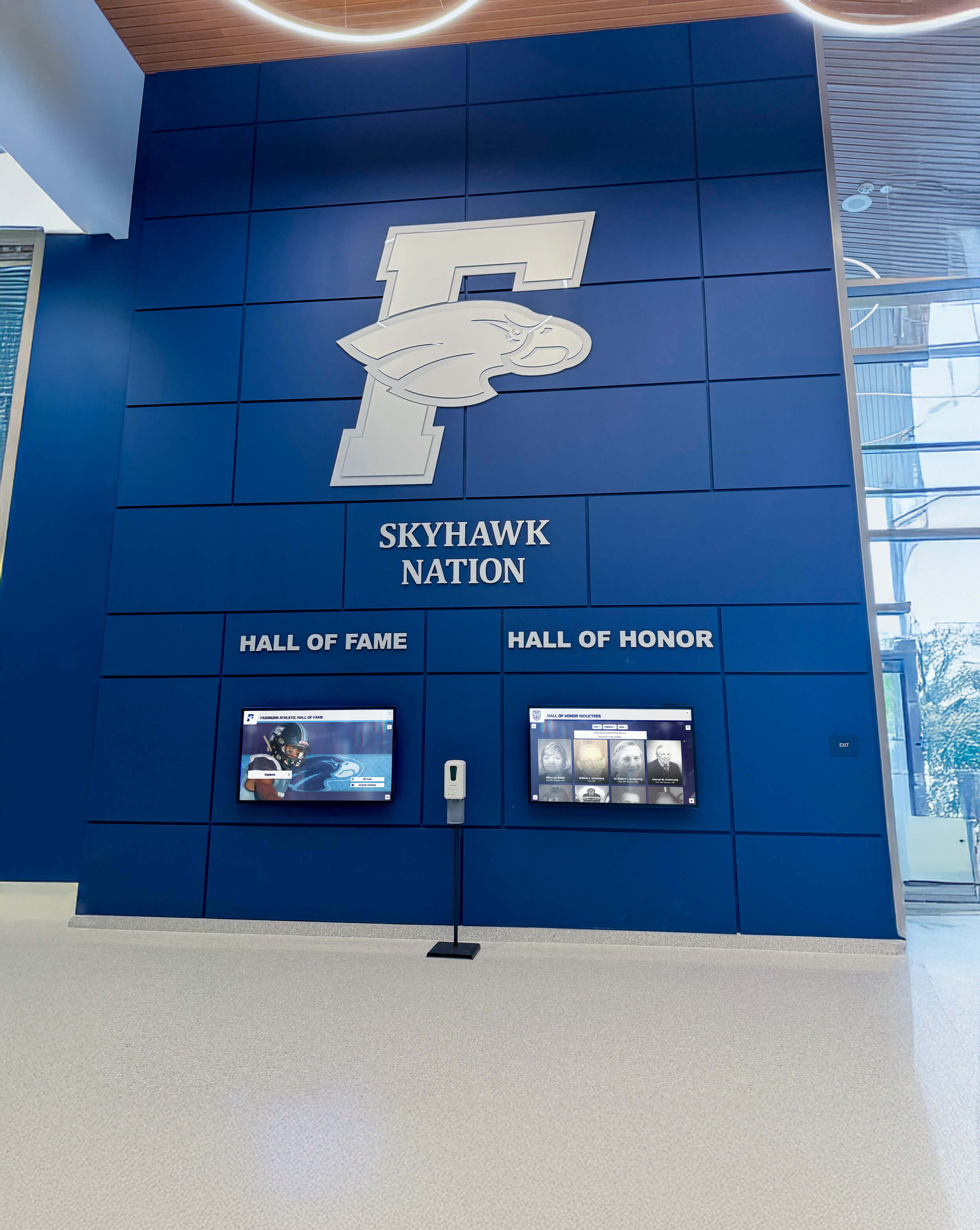
Contemporary school branding balances tradition with innovation creating timeless yet modern identity
Common School Branding Challenges and Solutions
Schools implementing comprehensive branding face predictable challenges—understanding common obstacles enables proactive planning preventing problems.
Budget Constraints and Phased Implementation
Managing Limited Resources:
Many schools recognize branding value but face significant budget limitations constraining comprehensive implementation.
Budget-Conscious Strategies:
Prioritized Phasing: Identify highest-impact applications receiving priority implementation while deferring lower-priority elements. Entrance spaces, primary signage, and digital platforms typically merit early investment creating maximum visibility. Less visible applications can wait for future budget cycles.
Template Development: Invest in developing comprehensive template libraries enabling staff to create branded materials without ongoing design costs. Templates represent one-time investment generating long-term savings compared to custom designing every piece.
DIY-Friendly Guidelines: Develop guidelines enabling capable staff to handle routine applications rather than requiring external professional design for everything. Reserve professional services for highest-stakes applications while empowering internal capabilities for routine needs.
Partnership and Sponsorship: Explore partnership opportunities with local businesses, parent organizations, or alumni willing to sponsor specific branding elements. Naming opportunities for facilities or recognition displays generate funding while building community engagement.
Student and Parent Talent: Leverage student design capabilities and parent professional skills for appropriate projects. Many schools include talented designers, photographers, and communications professionals in parent community willing to contribute expertise.
Vendor Negotiations: Negotiate favorable terms with preferred vendors providing volume pricing, extended payment terms, or value-added services in exchange for exclusive relationship or referral opportunities.
Grant Opportunities: Research grants supporting facility improvements, technology integration, or school climate initiatives potentially funding brand implementation as component of broader programs.
Resistance to Change and Stakeholder Buy-In
Overcoming Implementation Resistance:
Brand changes often generate resistance from stakeholders attached to existing identities or skeptical about branding importance.
Building Support:
Inclusive Development: Involve stakeholders in brand development gathering input about values, reviewing design directions, and providing feedback throughout processes. Participatory development creates ownership reducing resistance to outcomes stakeholders helped shape.
Clear Communication: Articulate compelling reasons for brand investment connecting branding to valued outcomes—increased pride, improved recruitment, enhanced community recognition, professional image. Unexplained initiatives generate skepticism—clear strategic communication builds understanding.
Quick Wins and Visible Impact: Implement high-visibility improvements early demonstrating brand impact. Impressive entry displays, transformed hallway spaces, or professional digital presence create enthusiasm building support for continued investment.
Champions and Advocates: Identify and cultivate brand champions—enthusiastic early adopters modeling excellent implementation and advocating to peers. Champions prove more persuasive than administrative directives when building grassroots support.
Gradual Implementation: Allow transition time rather than demanding immediate perfect adoption. Gradual phase-in enables adjustment while natural material replacement cycles prevent waste of functional existing materials.
Celebrate Successes: Regularly recognize and celebrate excellent brand applications highlighting staff creating exemplary materials. Positive recognition proves more effective than criticism while providing models inspiring others.
Maintaining Consistency Across Decentralized Organizations
Coordinating Complex Institutions:
Large schools and multi-campus districts face particular challenges maintaining consistency across numerous locations, departments, and staff members.
Consistency Strategies:
Centralized Creative Services: Establish central creative services providing professional design support to departments and schools. Centralization ensures quality and consistency while providing departments access to expertise they might not afford independently.
Template Libraries: Develop extensive template collections for common needs enabling departments to create materials independently while maintaining brand consistency through structured starting points.
Clear Approval Processes: Implement efficient review and approval processes for materials exceeding template scope. Well-designed workflows balance quality control needs with operational efficiency avoiding bottlenecks frustrating users.
Brand Portal Systems: Create online brand portals providing asset access, guideline reference, design resources, and submission tools in centralized location accessible to all authorized users regardless of physical location.
Regular Audits: Systematically audit brand implementation across locations and departments identifying inconsistencies requiring correction. Regular monitoring prevents significant drift while demonstrating organizational commitment to standards.
Distributed Brand Champions: Designate brand representatives at each location or in major departments serving as first-line resources and liaison to central brand leadership. Champions build distributed expertise reducing burden on central resources while improving responsiveness.
Continuous Training: Provide regular training opportunities ensuring all staff understand standards. Online training modules, workshop sessions, and reference materials accommodate different learning preferences and schedules.
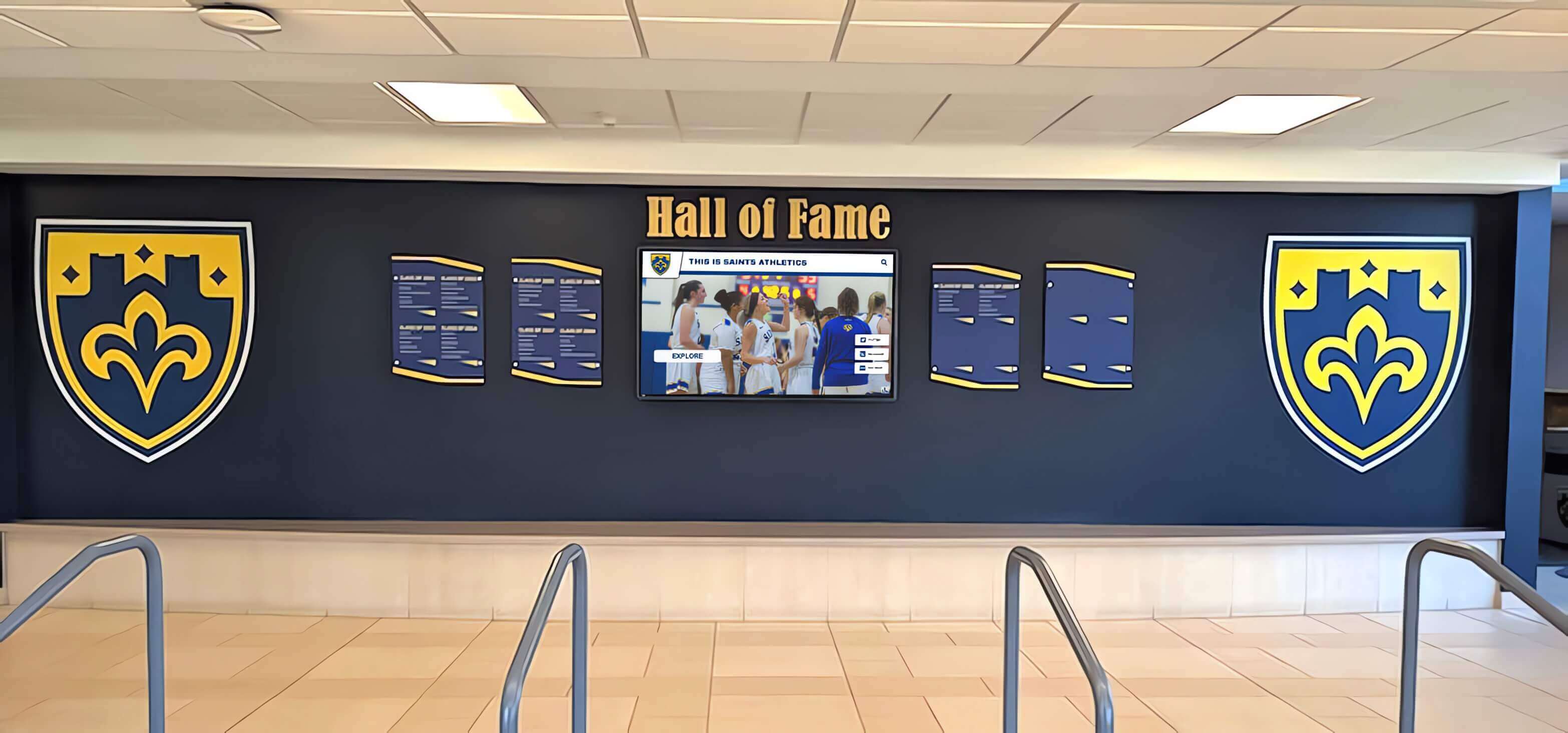
Large institutions maintain consistency through systematic implementation and ongoing stewardship
Conclusion: Building Brands That Strengthen School Communities
School branding extends far beyond aesthetic improvement, representing strategic investment in institutional identity that builds pride, strengthens culture, and communicates values to every stakeholder encountering your school. Cohesive visual identity creates immediate recognition transforming institutional spaces into distinctive communities with clear personality and purpose.
The comprehensive branding framework presented throughout this guide—core visual identity development, physical space implementation, digital platform integration, communication standardization, and ongoing stewardship—provides roadmap for schools at any stage of brand journey. Whether developing initial brand standards, refreshing outdated identity, or enhancing existing strong brands, systematic attention to brand components creates consistency that multiplies impact.
Strong school brands emerge from authentic connection to institutional values and culture rather than generic visual templates divorced from community reality. The most effective branding processes engage stakeholders understanding what makes schools distinctive while translating these authentic characteristics into visual systems communicating identity clearly and consistently across countless applications.
Implementation determines brand success as much as initial design quality. Beautiful brand standards failing to extend beyond isolated applications miss opportunities for comprehensive identity communication. Template systems, clear guidelines, adequate training, accessible resources, and ongoing stewardship transform brand standards from documents into lived experience throughout school environments.
Modern schools must coordinate branding across expanding array of physical and digital touchpoints. Traditional applications—signage, printed materials, facility decoration—remain important while digital platforms—websites, social media, email communications, interactive recognition displays—increasingly dominate stakeholder brand experience. Integrated approaches maintaining consistency across all channels create seamless brand presence regardless of interaction context.
Recognition programs particularly benefit from cohesive branding strategies. Digital recognition platforms like Rocket Alumni Solutions enable complete brand customization creating recognition experiences perfectly aligned with institutional identity while providing unlimited capacity impossible with traditional physical displays. These modern systems combine branded interfaces with comprehensive content management creating recognition programs reinforcing school identity while celebrating diverse achievements across athletics, academics, arts, and community involvement.
Effective school branding requires patience and sustained commitment. Brand equity builds gradually through consistent application across years creating accumulated recognition and associations in stakeholder minds. Schools treating branding as one-time project rather than ongoing institutional priority inevitably experience quality erosion undermining investment. Long-term success requires designated leadership, adequate resources, clear standards, accessible systems, continuous training, regular auditing, and cultural commitment to excellence in all brand expressions.
Your school’s achievements, values, and community deserve brand presentation worthy of their significance. Cohesive visual identity communicates institutional excellence while building pride that strengthens every dimension of school culture. Whether you’re beginning brand development journey or refining established identity, strategic attention to comprehensive brand implementation creates lasting value extending far beyond visual improvement to fundamental strengthening of school community and culture.
Elevate Your School's Visual Identity
Discover how digital recognition displays can reinforce your school brand while celebrating achievements across your entire community. Create cohesive, engaging experiences that honor tradition while embracing modern communication.































