Planning a successful school dance requires careful coordination across venue logistics, student safety protocols, entertainment selection, budget management, and post-event documentation. Whether you’re organizing homecoming, prom, winter formal, or a casual school dance, the difference between an event students merely attend and one they remember for years comes down to systematic planning that addresses both operational requirements and memorable experience creation.
School administrators, student council advisors, and parent volunteers responsible for dance planning face competing pressures: students expect professional-quality entertainment and atmosphere, administrators need documented safety protocols and budget accountability, and everyone wants an event that strengthens school community without creating liability risks or budget overruns.
This guide provides the implementation framework school dance planners need—from venue capacity calculations and timeline templates to music selection strategies and post-event recognition approaches that extend the impact of your event throughout the school year.
Planning Timeline: 8-12 Weeks Before the Dance
Successful school dances require advance planning across multiple operational areas. Use this timeline to ensure nothing falls through the cracks.
12 Weeks Before: Foundation Planning
Form Planning Committee
- Student representatives from multiple grade levels and social groups
- Faculty advisor with event management authority
- Parent volunteer coordinator (if applicable)
- School administrator for policy approval
- Student government or council leadership
Establish Budget Framework Determine total available budget from:
- School activity fund allocations
- Ticket sale projections (conservative estimates)
- Sponsorship contributions from parent organizations or local businesses
- Fundraising event proceeds designated for the dance
Document all projected expenses across categories:
- Venue costs (if off-campus) or facility fees
- DJ or band entertainment
- Decorations and theme implementation
- Food and beverages
- Security and supervision staffing
- Photography services or photo booth rental
- Promotional materials and tickets
- Cleanup and restoration costs
10 Weeks Before: Critical Decisions
Select Dance Theme Theme selection impacts every other planning decision. Consider:
- Student preference surveys to gauge interest
- Budget implications of different themes
- Decoration availability and implementation complexity
- Cultural sensitivity and inclusivity
- Alignment with school values and standards
Popular themes that work across different dance types:
- Classic formal: Hollywood Glamour, Night Under the Stars, Enchanted Garden
- Seasonal: Winter Wonderland, Spring Garden Party, Autumn Harvest
- Decade-specific: Roaring ’20s, ’80s Neon, ’90s Throwback
- Location-inspired: Parisian Night, Tropical Paradise, New York City Lights
Secure Venue and Date If hosting on campus:
- Reserve gymnasium, cafeteria, or multipurpose space
- Verify availability doesn’t conflict with athletic events or other activities
- Document cleanup requirements and facility restrictions
- Identify storage locations for tables and chairs during event
If hosting off-campus:
- Research venues with appropriate capacity for your student body
- Compare costs including deposit, per-person fees, and service charges
- Review venue policies on decorations, food service, and music volume
- Verify parking availability and transportation logistics
- Confirm venue provides adequate restrooms and climate control
8 Weeks Before: Vendor Selection
Entertainment Options
DJ Services: Most cost-effective for school dances
- Request references from other schools in your area
- Verify equipment includes professional sound system and lighting
- Confirm DJ experience with school-appropriate music selection
- Discuss playlist development process and request procedures
- Typical cost: $500-$1,500 depending on equipment and duration
Live Bands: Premium experience with higher costs
- Requires larger performance space and staging area
- Verify band repertoire includes current popular music
- Confirm backup plans if band members become unavailable
- Typical cost: $1,500-$5,000 depending on band popularity and size
Hybrid Approach: DJ for most of event with student band performance
- Showcases school talent while maintaining music variety
- Provides student performers with memorable experience
- Requires careful sound check and transition planning
Photography and Documentation
Professional photography services provide:
- Formal portraits against themed backdrop
- Candid event photography throughout the evening
- Post-production editing and digital delivery
- Print packages for purchase by students and families
Alternative approaches:
- Photo booth rental with props and instant prints ($400-$1,200)
- Student photography club volunteers with faculty supervision
- Designated selfie stations with professional lighting and backdrops
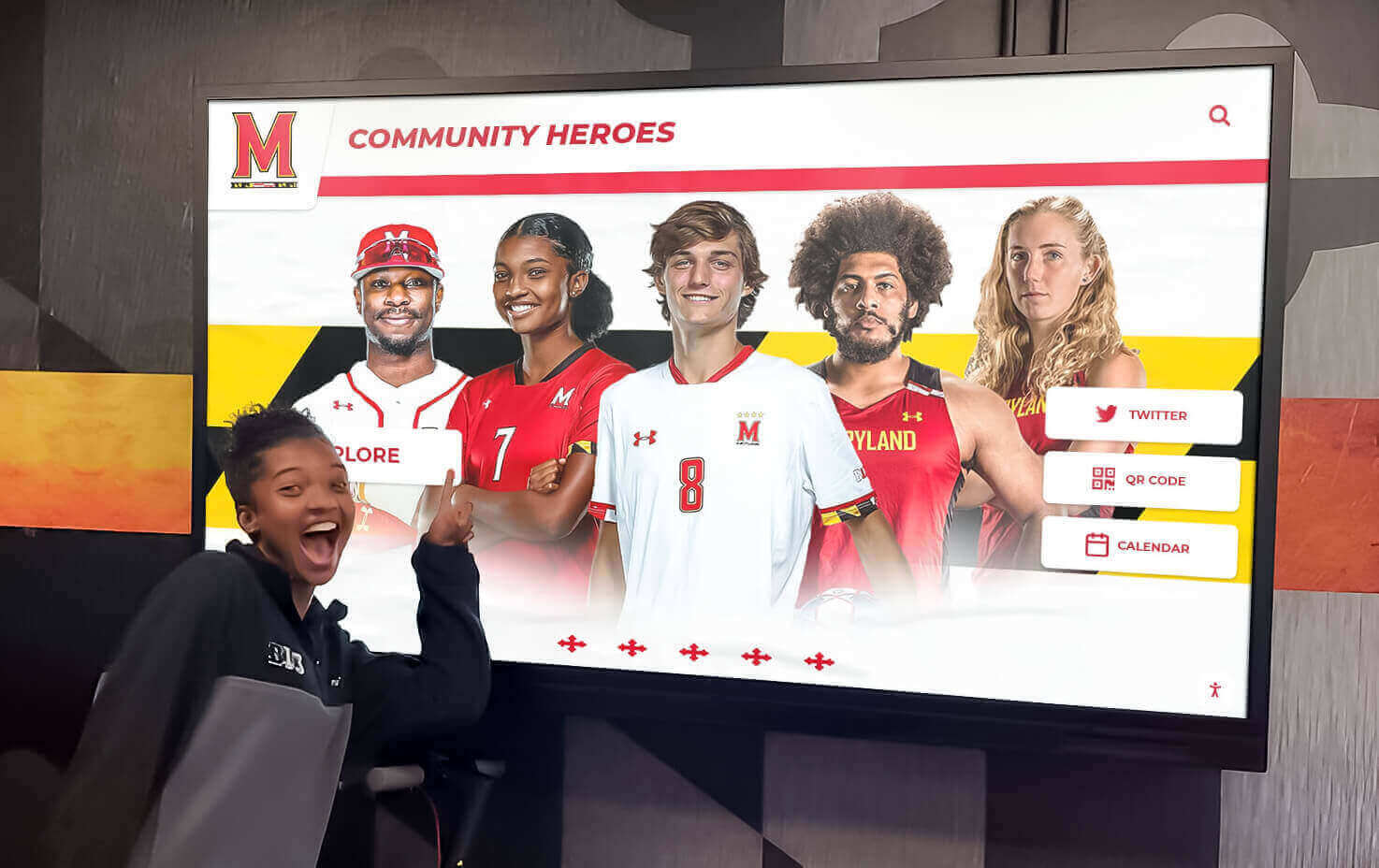
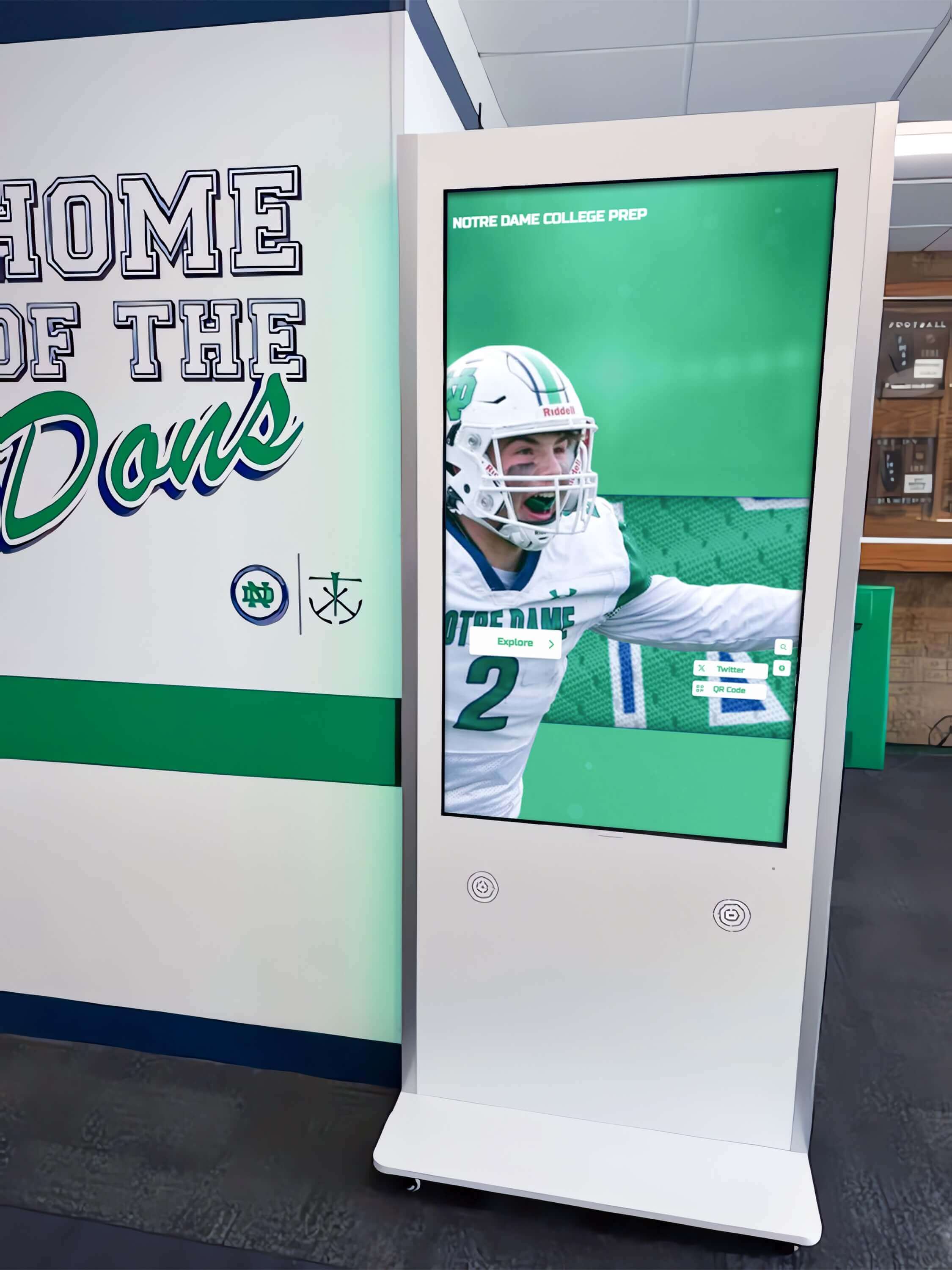
- Digital displays that showcase event photos in real-time and persist afterward
Learn about digital signage content ideas that can enhance your event documentation.
Venue Setup and Decoration Strategy
Transform your venue from everyday school space to memorable event location through strategic decoration and layout planning.
Space Planning Fundamentals
Calculate Appropriate Capacity
- Dance floor: 2-3 square feet per person for comfortable dancing
- Seating areas: 10-12 square feet per person at tables
- Food and beverage stations: 100 square feet minimum per station
- Entry/coat check/ticket table: 150-200 square feet
- Photography area: 200-300 square feet
For a 400-student dance with 75% attendance (300 students):
- Dance floor: 600-900 square feet
- Seating for 100 students (not everyone sits simultaneously): 1,000-1,200 square feet
- Support spaces: 500-700 square feet
- Total space needed: 2,100-2,800 square feet minimum
Layout Optimization
- Position DJ or band where sound distributes evenly without overwhelming conversation areas
- Create natural traffic flow from entry through coat check to main space
- Separate food/beverage areas from dance floor to prevent spills
- Provide multiple exit points that remain accessible throughout event
- Position chaperone stations with clear sightlines across entire space
Decoration Implementation
Entrance and Arrival Area The first impression sets tone for the entire event:
- Grand entrance archway or balloon columns
- Themed signage welcoming students to the event
- Red carpet or fabric runner creating formal entrance
- Lighting effects highlighting entrance area
- Photo opportunity backdrop immediately upon entry
Main Space Transformation
Ceiling Treatment
- Fabric draping creating elegant ambiance
- String lights or twinkle lights for romantic atmosphere
- Paper lanterns in theme-coordinated colors
- Balloon installations forming ceiling clouds or chandeliers
Wall Coverage
- Fabric panels hiding institutional features
- Themed murals created by art students
- Photo collages celebrating school year highlights
- Projected images or videos creating immersive environment
- Balloon walls creating distinct areas within larger space
Lighting Design Lighting transforms space more effectively than any other element:
- Uplighting along walls in theme-coordinated colors
- Spotlights highlighting key areas (DJ, photo station, food tables)
- Dance floor lighting synced to music
- Ambient lighting preventing completely dark spaces (safety requirement)
- LED strips creating visual interest on architectural features
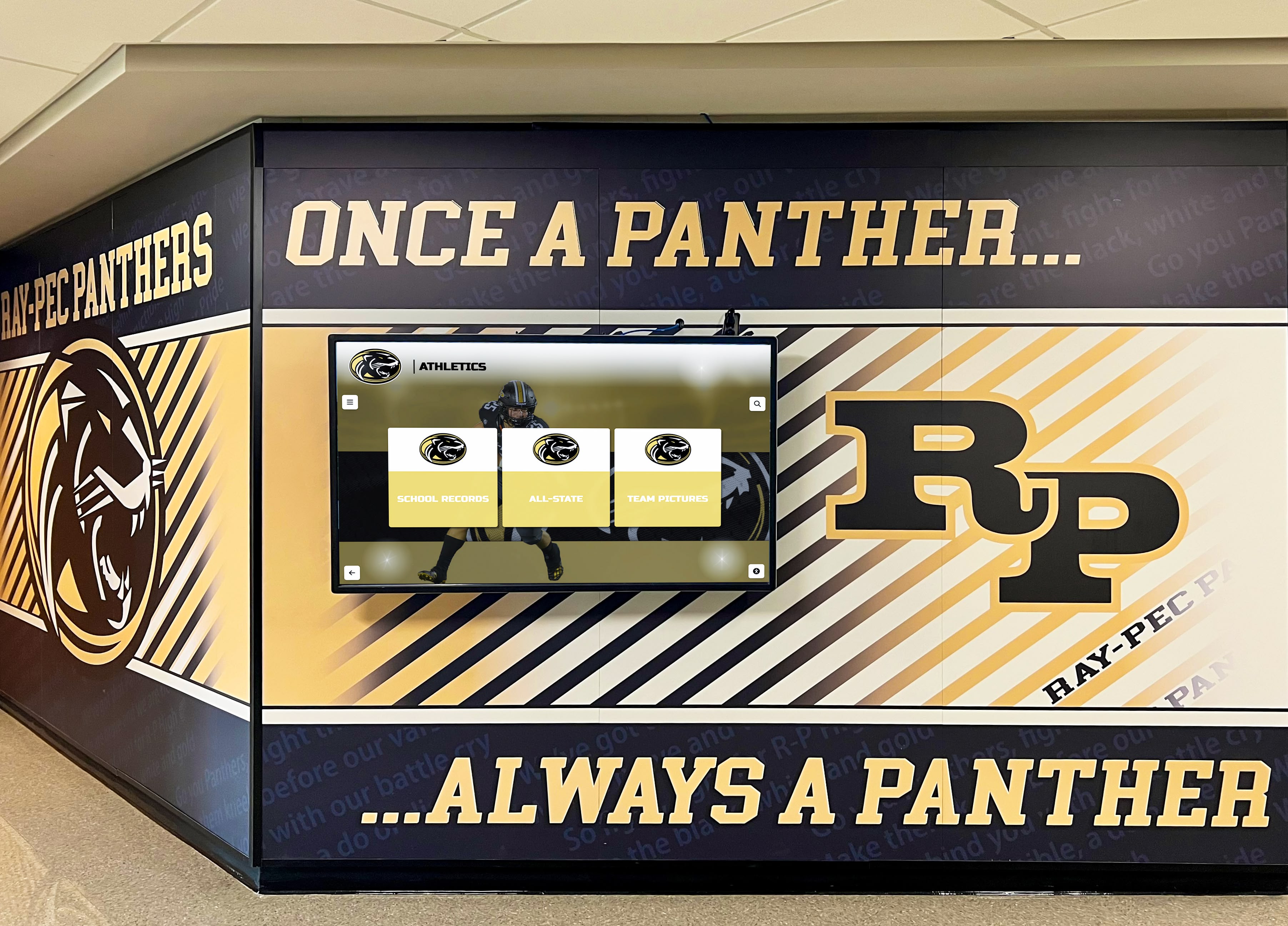
Schools planning multiple events throughout the year benefit from interactive display technology that showcases upcoming events and documents past celebrations.
Centerpiece and Table Decoration
For dances with seated components:
Budget-Conscious Centerpieces
- Mason jar arrangements with LED lights and flowers
- Balloon bouquets in school colors
- Themed items (books, sports equipment, seasonal items) as focal points
- Student-created art pieces reflecting theme
- Candles (battery-operated for safety) grouped at varying heights
Table Setting Standards
- Tablecloths covering institutional furniture
- Coordinating napkins and disposable plates (if serving food)
- Small favor or memento at each place setting
- Table numbers or names following theme
- Adequate spacing allowing comfortable seating and movement
Student Safety and Supervision Protocols
School administrators require documented safety procedures before approving any dance event. These protocols protect students while limiting institutional liability.
Supervision Requirements
Chaperone Coverage Appropriate supervision ratios vary by:
- School size and expected attendance
- Venue layout and visibility challenges
- Student age (middle school requires more supervision than high school)
- Event timing (late-night events need additional monitoring)
General Guidelines:
- Minimum 1 adult chaperone per 20-30 students
- Faculty members or approved parent volunteers
- Administrator or designated authority figure on-site throughout event
- Security or school resource officer for dances exceeding 200 students
Strategic Chaperone Positioning
- Entry/exit points monitoring arrivals and departures
- Restroom hallways (outside, not inside, facilities)
- Parking lot or exterior areas
- Dark corners or areas with limited visibility
- Rotating positions throughout event maintaining alert coverage
Entry and Attendance Management
Ticket Sales and Pre-Registration Pre-selling tickets provides multiple benefits:
- Attendance projections enabling appropriate food and supply ordering
- Budget certainty before incurring expenses
- Reduced entry congestion on event night
- Opportunity to verify student eligibility and guest approval
Check-In Procedures
- Ticket verification table separate from coat check
- Guest list for pre-sold tickets
- ID verification ensuring only approved attendees enter
- Wristbands or hand stamps preventing re-entry issues
- Sign-in sheet documenting attendance (important for liability purposes)
Guest Policies Establish and communicate clear policies regarding:
- Whether non-student guests are permitted
- Age restrictions for guests (within 2-3 years of current students)
- Advance registration and approval requirements for guests
- Behavior expectations and removal policies
- Escort responsibility (student inviting guest accountable for behavior)
Prohibited Items and Search Policies
Standard Prohibited Items List
- Alcohol, drugs, or tobacco products
- Weapons of any type
- Outside food or beverages
- Large bags or backpacks
- Laser pointers or other disruptive items
Search and Entry Procedures
- Clear signage at entrance listing prohibited items
- Visual bag inspection for all attendees
- Metal detector screening for high-capacity events
- Refusal of entry for non-compliance
- Documentation procedures for confiscated items
Communicate search policies clearly in advance through:
- Ticket purchase agreements
- School announcements
- Permission forms sent to parents
- Event promotional materials
Conduct Expectations and Removal Policies
Behavioral Standards
- Appropriate dress code aligned with school standards
- Prohibition on inappropriate dancing or physical contact
- No leaving and re-entering (prevents alcohol/drug access)
- Respect for venue property and decorations
- Compliance with chaperone directions
Removal and Parent Contact Procedures Document procedures before the event:
- Initial warning for minor infractions
- Removal from dance floor to designated area
- Parent contact for behavior requiring departure
- Documentation of incident for administrative follow-up
- No refund policy for removal due to policy violations
Music Programming and Entertainment
Music quality and selection make the difference between students actively participating and standing along the walls. Strategic music programming keeps energy high while maintaining school-appropriate content.
Music Selection Strategy
Understanding Your Audience
- Survey students about current music preferences
- Recognize generational differences (what chaperones liked doesn’t match current preferences)
- Balance between familiar hits and current trending music
- Account for diverse musical tastes within your student body
Programming Structure
First Hour (Warm-Up Period)
- Mid-tempo popular songs students recognize
- Mix of current hits and recent past (1-2 years old)
- Music that encourages gradual movement to dance floor
- Volume allowing conversation as students settle in
Second Hour (Energy Building)
- Uptempo current hits dominating radio and streaming
- Popular dance challenges and trending songs
- Group dance songs encouraging participation (Cupid Shuffle, Cha Cha Slide for appropriate ages)
- Building energy through consistent beat and tempo
Third Hour (Peak Energy)
- Highest energy songs when full participation achieved
- Back-to-back hits minimizing breaks between songs
- Strategic slow songs every 4-5 fast songs preventing exhaustion
- Requests from students (pre-screened for appropriateness)
Final Period (Wind Down)
- Gradual tempo decrease preparing for event end
- Nostalgic favorites from earlier in school year
- Traditional last dance song
- Clear musical cue that event is concluding
Content Appropriateness Screening
School dances require music screening to ensure lyrics and themes align with institutional values.
Pre-Event DJ Briefing Provide DJ with explicit guidelines:
- No explicit language or sexual content
- No references to drug or alcohol use
- No derogatory language toward any group
- Edited versions of popular songs when available
- DJ authority to skip songs not meeting standards
Request System Management Student requests need screening:
- Request cards submitted to DJ with student name
- DJ or faculty advisor reviews before playing
- Alternative suggestions for inappropriate requests
- Announcement system explaining appropriate music standards
Backup Song Lists Provide DJ with pre-approved song lists:
- Current popular songs verified as appropriate
- Classic dance songs always successful at school events
- Theme-appropriate music supporting your decoration concept
- Emergency backup music if request flow slows
Schools implementing spirit week activities throughout the year can leverage the same music programming strategies for pep rallies and other events.
Budget Management and Fundraising Strategies
School dance budgets vary dramatically based on venue choice, entertainment selection, and decoration scope. Strategic planning ensures memorable events without budget overruns.
Budget Template and Allocation
Sample Budget for 300-Student Dance
| Category | Budget-Conscious | Mid-Range | Premium |
|---|---|---|---|
| Venue/Facility | $0 (on-campus) | $500-$1,000 | $2,000-$4,000 |
| Entertainment (DJ/Band) | $500-$800 | $1,000-$1,500 | $2,000-$3,000 |
| Decorations | $300-$500 | $800-$1,200 | $1,500-$2,500 |
| Photography/Photo Booth | $200-$400 | $600-$900 | $1,200-$2,000 |
| Food and Beverages | $400-$600 | $800-$1,200 | $1,500-$2,500 |
| Promotional Materials | $50-$100 | $100-$200 | $200-$400 |
| Security/Supervision | $0 (volunteer) | $200-$400 | $500-$1,000 |
| Total Budget | $1,450-$2,400 | $4,000-$6,400 | $8,900-$15,400 |
Per-Student Cost Calculation Total budget ÷ expected attendance = per-student cost
Mid-range example: $5,000 ÷ 300 students = $16.67 per student
Set ticket prices to cover costs:
- Cost-recovery model: Ticket price = per-student cost
- Profit-generating model: Ticket price = per-student cost × 1.3-1.5
- Subsidized model: Ticket price below cost, difference covered by activity funds
Revenue Generation Strategies
Ticket Sales Structure
- Early bird pricing encouraging advance purchase ($15-$20)
- Regular pricing closer to event ($20-$25)
- At-door pricing (if allowing) at premium ($25-$30)
- Guest tickets at higher rate than student tickets
- Couples discount encouraging paired attendance
Additional Revenue Opportunities
- Professional photo packages purchased at event or post-event
- Concessions or snack sales during dance
- Spirit wear or merchandise sales coordinating with theme
- Raffle or auction items donated by local businesses
- Commemorative items (keychains, photos, favors) sold separately
Fundraising Events Generate funds for dance budget through:
- Pre-dance fundraising events (car washes, bake sales)
- School-wide spirit competitions with entry fees
- Crowdfunding campaigns through parent organizations
- Local business sponsorships with recognition at event
- Alumni donations supporting student activities
Schools with established student recognition programs can leverage event sponsorships to support both recognition displays and major events.
Cost-Cutting Strategies Without Sacrificing Quality
Decoration Cost Reduction
- DIY decorations created by student volunteers and art classes
- Borrow or rent items from other schools or community organizations
- Reusable decorations stored for future events
- Natural elements (branches, greenery) supplementing purchased items
- Dollar store finds creatively assembled into impressive displays
Entertainment Alternatives
- Student DJ or band reducing professional entertainment costs
- Spotify or Apple Music playlist through quality sound system
- Combined entertainment (DJ for most of event, student performance for portion)
- Alumni DJs offering services at reduced rates
Venue Cost Management
- On-campus venues eliminating rental fees
- Community partner facilities (parks departments, community centers) offering reduced rates
- Weeknight events typically cheaper than weekend dates
- Afternoon or early evening events reducing lighting and security costs
Post-Event Documentation and Recognition
The school dance experience shouldn’t end when students leave the venue. Strategic post-event activities extend the impact throughout the school year and provide content for future promotion.
Digital Photo Galleries and Archives
Modern schools document major events through comprehensive photo galleries accessible to students, families, and community members.
Photo Collection Strategy
- Professional photographer capturing key moments
- Student photography club volunteers with assigned coverage areas
- Photo booth images automatically compiled
- Designated parent volunteers photographing arrivals and group shots
- Faculty advisors capturing behind-the-scenes planning and setup
Sharing and Display Options
Immediate Post-Event
- Private online gallery (password-protected) available within 48 hours
- Social media highlights (with appropriate permissions and privacy considerations)
- Email slideshow to all attendees
- Digital photo frame in school lobby showcasing highlights
Long-Term Recognition Solutions like Rocket Alumni Solutions provide permanent digital displays where school dance photos become part of institutional memory alongside athletic achievements, academic recognition, and historical milestones.
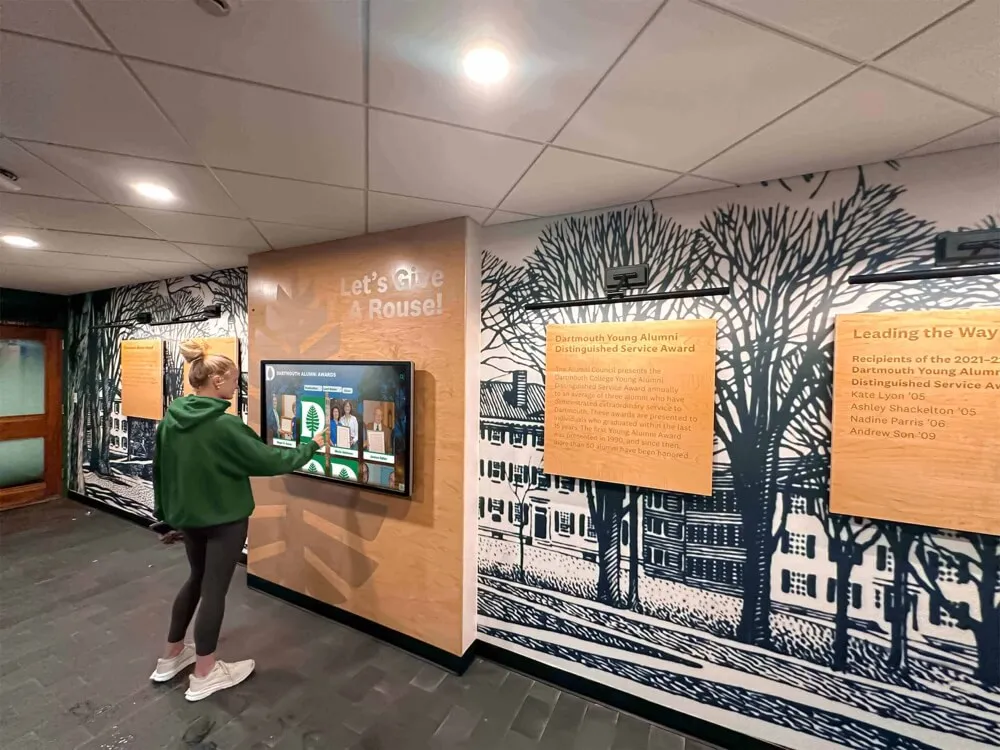
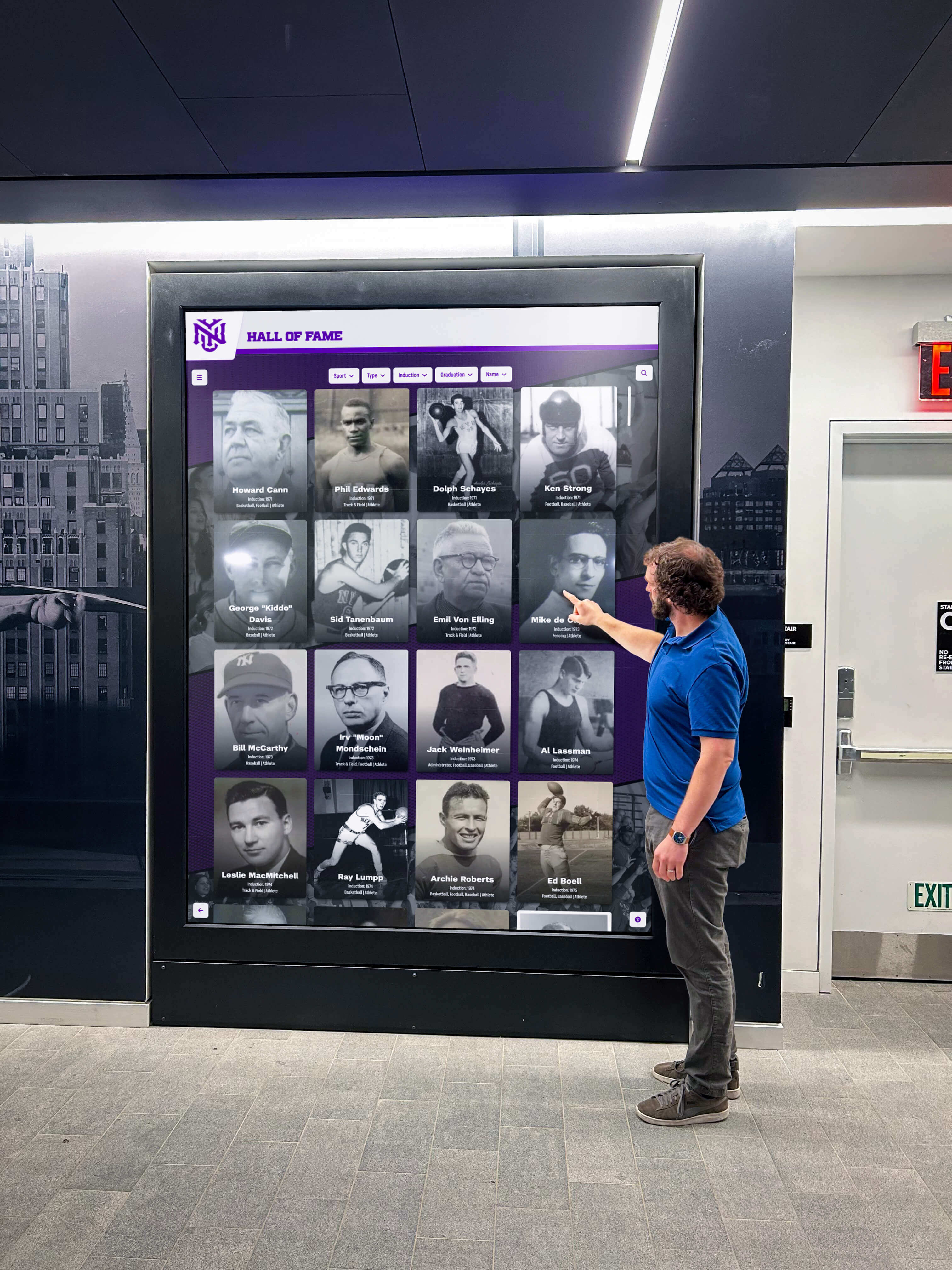
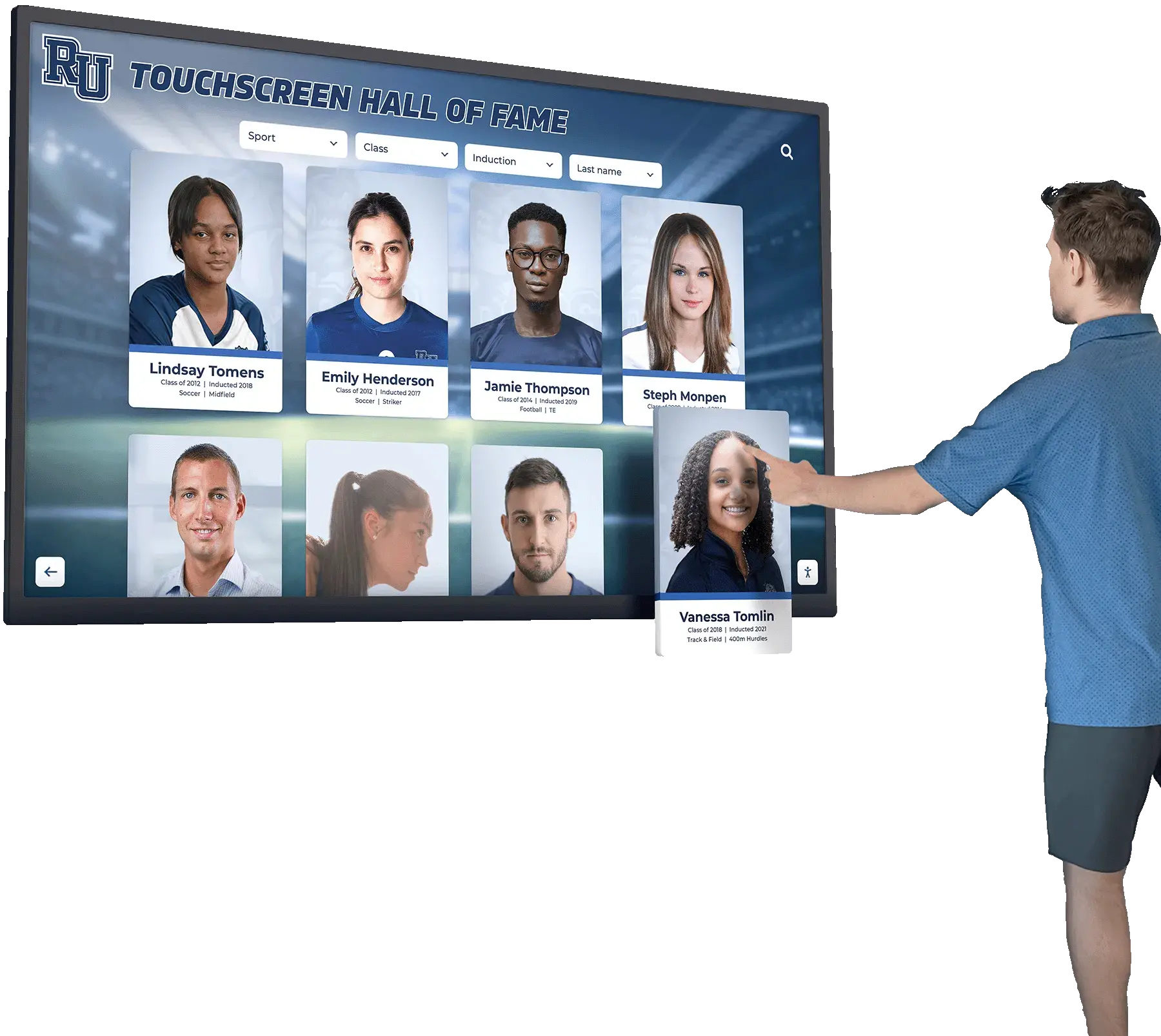
Interactive touchscreen displays positioned in high-traffic areas enable students to:
- Browse photos from multiple school dances across years
- Search for themselves and friends in event galleries
- View memories from their entire school career in one location
- Share digital access with family members who couldn’t attend
- Connect current events with school traditions and history
Student Recognition and Participation Acknowledgment
Recognize the significant student effort that makes dances successful:
Planning Committee Recognition
- Certificate of appreciation for student planners
- Feature in school announcements and newsletter
- Academic recognition programs crediting event planning as leadership experience
- Reference letters for college applications highlighting organizational skills
- Digital recognition on school displays celebrating student leadership
Volunteer Appreciation
- Thank you notes to all volunteers and chaperones
- Faculty meeting recognition of participating teachers
- Parent organization appreciation for supporting volunteers
- Student worker recognition for setup and cleanup crews
Special Moment Highlights Create lasting memories through:
- “Best Dressed” or theme-appropriate recognition categories
- Dance royalty or court recognition (where appropriate for event type)
- Superlative awards voted by students (Best Dancer, Best Entrance, etc.)
- Photo contest encouraging student submissions of favorite moments
Schools implementing building school pride initiatives find that documenting and celebrating major events like dances contributes significantly to positive school culture.
Special Event Types: Customizing Your Approach
Different school dance types require adjusted planning approaches.
Homecoming Dance
Homecoming dances coordinate with athletic events and school spirit activities:
Timing Considerations
- Schedule following homecoming football game or main sporting event
- Allow 2-3 hours between game end and dance start for student preparation
- Consider whether to require game attendance for dance admission
Spirit Integration
- Incorporate school colors and mascot into decoration scheme
- Recognize homecoming court during dance
- Display athletic achievements and school history
- Alumni attendance or recognition connecting past to present
Learn about comprehensive homecoming planning that coordinates multiple events throughout homecoming week.
Prom (Junior/Senior Formal)
Prom represents the premium school dance experience with elevated expectations:
Venue Selection
- Off-campus venues creating special occasion atmosphere
- Hotel ballrooms, banquet halls, or unique venues
- Adequate space for 200-400 students depending on school size
- Professional ambiance matching student expectations
Photography and Keepsakes
- Professional photography packages as primary revenue source
- Elaborate themed backdrop for formal portraits
- Video montages or highlight reels from high school years
- Commemorative programs or favors
Post-Prom Activities Many schools organize supervised post-prom events reducing unsafe celebrations:
- All-night lock-in events at school or entertainment venues
- Bowling, laser tag, or amusement center group activities
- Breakfast gathering before students depart
- Prize drawings incentivizing safe post-prom participation
Winter Formal or Semi-Formal Dances
Mid-year dances provide formal experience with less intensity than prom:
Seasonal Theme Integration
- Winter wonderland, holiday, or seasonal decoration themes
- Incorporate seasonal elements (snowflakes, lights, evergreen branches)
- Cocoa bar or winter-appropriate refreshments
- Photography with seasonal backdrop
Attendance Building Winter formals often attract lower attendance than homecoming or prom:
- Price tickets lower than prom encouraging broader participation
- Emphasize informal nature reducing pressure
- Allow underclassmen to invite senior dates expanding attendance
- Combine with winter sports recognition or spirit activities
Middle School and Junior High Dances
Younger students require adjusted approaches addressing developmental considerations:
Supervision Intensity
- Higher chaperone-to-student ratios (1:15-20)
- Well-lit venue with no dark areas
- Structured activities supplementing free dancing
- Earlier timing (6-9 PM vs. 7-11 PM for high school)
Age-Appropriate Programming
- Heavily monitored music selection
- Organized group dances reducing self-consciousness
- Games or activities providing dancing alternatives
- Snack bar or food as focal point
- Photo booth entertaining students not yet comfortable dancing
Technology Integration: Enhancing the Dance Experience
Strategic technology use enhances student experience before, during, and after school dances.
Pre-Event Digital Promotion
Social Media Campaigns
- Countdown posts building anticipation
- Theme reveal and decoration teasers
- Ticket sale reminders and deadlines
- Dress code clarification and styling ideas
- Transportation and logistics information
Digital Ticketing Systems
- Online ticket purchases reducing lines and administrative burden
- QR code tickets streamlining check-in process
- Automated attendee lists for chaperone reference
- Revenue tracking and budget management
During-Event Technology
Live Photo Sharing
- Event hashtag encouraging student posts (with appropriate guidelines)
- Photo booth images automatically uploading to event gallery
- Real-time slideshow displaying arriving couples and group photos
- Social media walls (moderated) showing student posts
Interactive Elements
- Digital voting for student-choice music
- Live polling for best dressed or other recognition categories
- QR codes linking to photo galleries or event information
- Digital displays showing event schedule and special activities
Post-Event Digital Engagement
Photo Access and Sharing
- Cloud-based galleries accessible via smartphone
- Download options for personal photo collections
- Professional portrait ordering through online system
- Multi-year archives allowing students to revisit memories
Recognition and Reflection
- Student feedback surveys improving future events
- Digital yearbook integration documenting major events
- End-of-year recognition including dance highlights
- Permanent displays celebrating school traditions
Schools implementing comprehensive digital recognition systems find that major events like dances become part of larger institutional storytelling that connects students to school tradition and community.
Event Day Operations: Final Preparations and Execution
The week before your dance requires systematic preparation ensuring smooth event execution.
Final Week Checklist
7 Days Before
- Confirm all vendor bookings (DJ, photographer, catering)
- Finalize chaperone schedule with confirmed attendees
- Review decoration plan and verify all supplies acquired
- Communicate final logistics to planning committee
- Send parent communication explaining policies and procedures
3 Days Before
- Pre-event meeting with all chaperones reviewing protocols
- Final ticket sale count for food and supply ordering
- Test sound system and lighting if using school equipment
- Prepare check-in materials (guest lists, wristbands, stamps)
- Create event timeline for planning committee and chaperones
Day Before
- Begin non-perishable decoration setup if venue allows
- Charge all devices (microphones, lighting controllers, cameras)
- Prepare emergency contact list for all volunteers
- Brief student volunteers on their responsibilities
- Pack emergency supply kit
Event Day Morning
- Arrive early for complete venue transformation
- Supervise decoration setup by student volunteers
- Conduct safety walkthrough identifying potential issues
- Test all equipment (sound, lighting, photo booth)
- Position signage directing students from entry to main space
Emergency Supply Kit
Experienced event planners keep supplies addressing common issues:
Decoration Emergencies
- Extra tape, zip ties, fishing line, and pins
- Scissors, box cutters, and utility knife
- Extension cords and power strips
- Extra lightbulbs for decorative lighting
- Backup batteries for LED elements
Student Needs
- First aid kit with band-aids and pain relievers
- Safety pins for wardrobe malfunctions
- Deodorant and breath mints
- Tampons and pads
- Stain remover wipes
- Phone chargers (multiple types)
Operational Supplies
- Extra tickets or wristbands
- Permanent markers and pens
- Cash box with change for door sales
- Trash bags for ongoing cleanup
- Paper towels and cleaning spray
During-Event Operations
Check-In Procedures
- Separate ticket verification from coat check reducing congestion
- Faculty or parent volunteers (not students) managing entry
- Clear communication of policies at entry point
- Efficient system preventing long lines at event start
Chaperone Rotation
- 30-minute rotation schedule preventing fatigue
- Break area with refreshments for volunteers
- Clear communication system (radios or group text)
- Designated authority figure making behavioral decisions
Ongoing Management
- Regular restroom checks by same-gender chaperones
- Periodic volume monitoring ensuring appropriate levels
- Food and beverage replenishment before depletion
- Trash removal maintaining clean environment
- Photography coordination capturing key moments
Post-Event Breakdown
Immediate Cleanup
- Student volunteer crews assigned to specific areas
- Secure all valuable equipment before general cleanup begins
- Separate reusable decorations from disposable items
- Return furniture to original configuration
- Complete walkthrough verifying venue restoration
Next-Day Follow-Up
- Secure all remaining supplies and decorations for storage
- Organize photos for distribution
- Compile attendance data for administrative records
- Process any incident reports or behavioral issues
- Send thank-you communications to all volunteers
Post-Event Assessment and Continuous Improvement
Learning from each dance improves future events. Systematic assessment ensures planning committees build on success while addressing challenges.
Stakeholder Feedback Collection
Student Input Within one week of event:
- Digital survey to all attendees (5-10 minutes maximum)
- Questions about music satisfaction, decoration quality, food options
- What worked well and what needs improvement
- Suggestions for future themes and enhancements
- Overall satisfaction rating
Chaperone and Volunteer Feedback
- Operational issues observed during event
- Safety concerns or protocol improvements needed
- Student behavior observations
- Supervision adequacy assessment
- Suggestions for future events
Administrative Review
- Budget performance vs. projections
- Policy compliance and safety protocols
- Vendor performance evaluation
- Attendance vs. expectations
- Revenue generation success
Financial Reconciliation
Complete accurate financial reporting:
Revenue Documentation
- Ticket sales by category and timing
- Additional revenue (photos, concessions, fundraising)
- Sponsorship contributions received
- Total revenue vs. projections
Expense Verification
- Final vendor invoices vs. contracted amounts
- Supply and decoration costs
- Unexpected expenses requiring budget adjustment
- Per-student cost calculation
Financial Summary
- Profit/loss statement for administrative reporting
- Comparison to budget projections identifying variances
- Recommendations for future budget planning
- Documentation for student activity fund accounting
Planning Committee Debrief
Schedule formal planning meeting 1-2 weeks after event:
Success Celebration
- Acknowledge successful elements and thank committee members
- Share positive feedback from students and administration
- Recognize outstanding volunteer contributions
- Distribute certificates or recognition to planning team
Challenge Discussion
- Review problems encountered and response effectiveness
- Identify planning gaps or communication breakdowns
- Discuss vendor performance issues
- Analyze budget variances and unexpected costs
Documentation for Future
- Create written summary of lessons learned
- Update planning templates and checklists
- Organize decoration inventory for future events
- Compile vendor recommendations and warnings
- Store all documentation in accessible location for next planning committee
Schools implementing student council initiatives find that systematic planning processes transfer across multiple event types throughout the school year.
Creating Lasting Impact: Beyond the Night Itself
The most successful school dances create memories that extend far beyond the event itself, strengthening school community and tradition.
Integrating Dances Into School Culture
Historical Documentation School dances become part of institutional memory:
- Photo archives documenting fashion, music, and social trends
- Theme history showing creativity across planning committees
- Attendance and participation data tracking engagement
- Connection to larger school history and traditions
Tradition Building Consistent elements create recognizable traditions:
- Signature opening and closing songs year after year
- Traditional theme elements that recur
- Venue partnerships creating consistent experience
- Recognition traditions (court, superlatives, etc.)
Cross-Event Connection Link dances to broader school pride initiatives:
- Spirit week activities building excitement before homecoming
- Pep rally coordination connecting athletic events to social activities
- Year-end recognition celebrating event planning leadership
- Alumni engagement through shared dance memories
Permanent Recognition of Major Events
Modern schools document major events like dances alongside academic and athletic achievements through digital recognition systems. These displays:
Preserve Memories
- Searchable photo galleries from multiple years
- Theme documentation showing creative planning evolution
- Student planner recognition celebrating leadership
- Connection to graduating class memories
Engage Multiple Audiences
- Current students exploring their school experience
- Alumni revisiting their high school memories
- Prospective families understanding school culture
- Community members seeing school vibrancy
Strengthen Community
- Shared memories connecting different grade levels
- Pride in school traditions and culture
- Visual representation of student life beyond academics
- Evidence of vibrant student activity program
Schools implementing comprehensive recognition programs find that documenting social events alongside academic and athletic achievements creates holistic representation of student experience.
Preserve Your School Dance Memories Permanently
Rocket Alumni Solutions provides digital recognition displays that transform school dance photos from one-night memories into permanent parts of your school's story. Our interactive touchscreen systems enable students, families, and alumni to explore event galleries alongside athletic achievements, academic recognition, and institutional history.
Modern schools use our platform to document homecoming, prom, winter formal, and other major events in searchable galleries that remain accessible year after year. Students can explore their entire school career—from dance photos to honor roll recognition to athletic achievements—in one engaging digital experience positioned in high-traffic school areas.
Conclusion: Planning Dances That Build Community
Successful school dances require systematic planning addressing venue logistics, student safety, entertainment quality, and budget management. But beyond operational competence, the dances that truly matter create shared experiences strengthening school community and building traditions connecting students across grade levels and years.
The frameworks provided in this guide—from timeline templates and budget calculators to safety protocols and decoration strategies—enable planning committees to execute professional-quality events regardless of prior experience. When schools systematically plan dances addressing both operational requirements and memorable experience creation, they develop traditions students anticipate, appreciate, and remember throughout their lives.
Technology now enables schools to extend dance impact far beyond the evening itself. Digital displays showcasing event photos alongside athletic championships, academic honors, and school history create comprehensive representation of student experience. These permanent installations transform one-night events into enduring memories accessible to current students, returning alumni, and prospective families understanding your school culture.
Start planning your next school dance using these frameworks, adapting them to your specific student population, budget constraints, and school culture. Document the process, learn from challenges, and build on successes. The traditions you create this year become the memories students carry forward and the legacy future planning committees inherit.
Your school’s dance traditions deserve celebration alongside every other achievement defining your institution. Whether you’re planning your first homecoming or your fiftieth prom, systematic preparation combined with authentic celebration of student community creates experiences students remember decades later—long after they’ve forgotten individual test scores or homework assignments.
Ready to begin planning? Gather your committee, establish your timeline, and start creating the memorable experience your students deserve. And explore Rocket Alumni Solutions to learn how modern schools preserve these precious memories permanently.































