Every educational institution has a unique story worth telling—a chronicle of achievements, challenges overcome, traditions established, and lives transformed that spans decades or even centuries. Yet many schools struggle to document and display this rich heritage in ways that genuinely engage modern students, inspire alumni connections, and preserve institutional memory for future generations. Traditional static plaques and dusty photo displays often fail to capture the dynamic evolution of educational communities, leaving valuable history hidden in storage rooms or forgotten in old yearbooks.
Creating an effective school historical timeline transforms institutional heritage from archived records into living narratives that connect past achievements with present excellence and future aspirations. Whether you’re documenting a school’s founding decades, celebrating century milestones, or creating comprehensive heritage displays that honor every era, the right approach combines historical accuracy with engaging presentation methods that resonate with contemporary audiences while preserving authentic stories for generations to come.
This comprehensive guide explores proven strategies for creating school historical timelines that capture attention, communicate institutional identity, and create meaningful connections between past and present community members. From initial research and content development through physical display design and interactive digital implementation, you’ll discover actionable frameworks for telling your school’s unique story in ways that strengthen community pride, support alumni engagement, and ensure that the accomplishments of previous generations continue inspiring current and future students.
Whether you’re planning your first heritage display, replacing outdated recognition systems, or seeking to modernize existing historical presentations, this guide provides the insights and strategies needed to create timeline displays that genuinely honor your school’s legacy while meeting the expectations of today’s visually sophisticated, digitally native audiences.
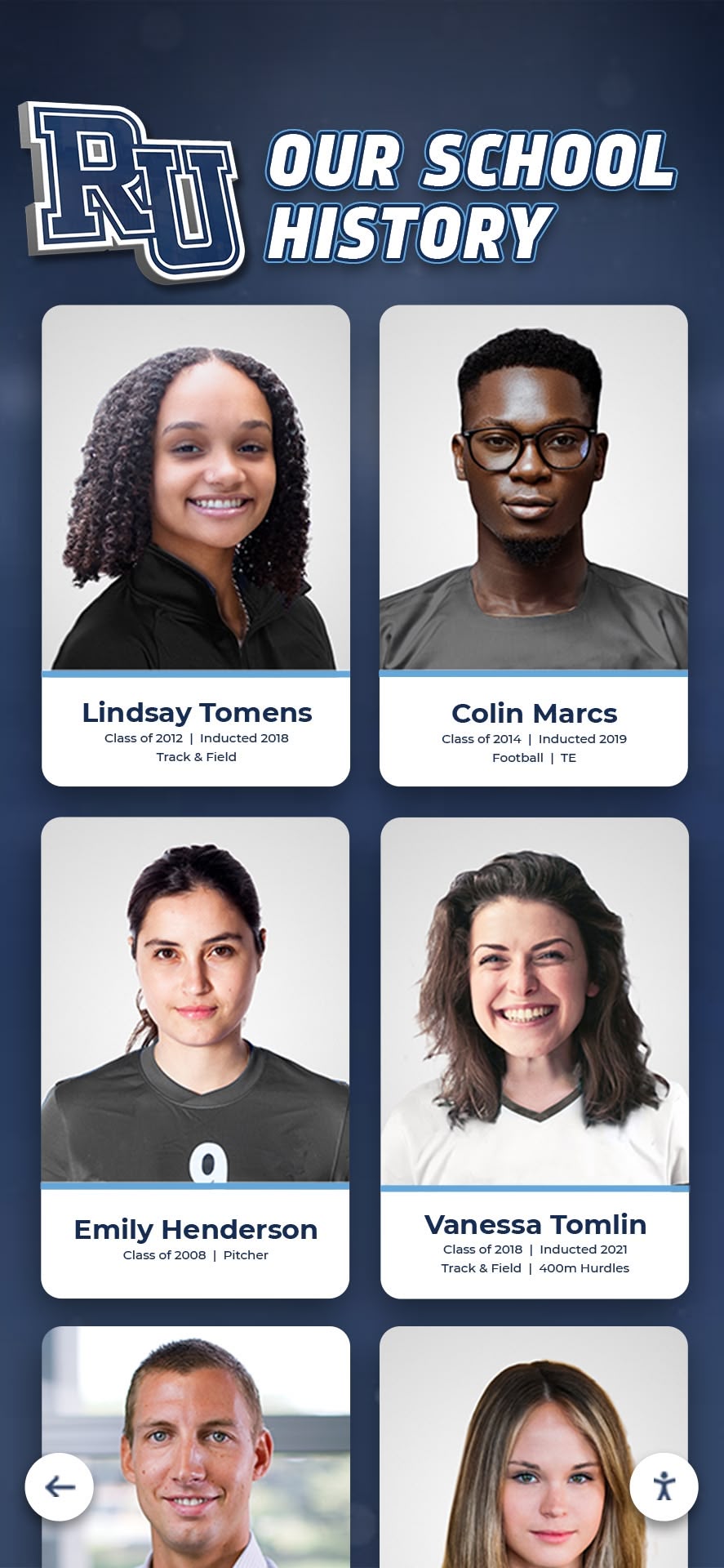
Digital preservation of historical portraits creates searchable archives that make institutional heritage accessible to all community members
Why School Historical Timelines Matter More Than Ever
Before exploring specific creation strategies, understanding the strategic value of historical timeline displays helps prioritize these important institutional investments.
Building Institutional Identity and Community Pride
School historical timelines create powerful visual narratives that define institutional identity beyond current achievements alone. When students see decades or centuries of excellence displayed comprehensively, they understand they’re part of something larger than their individual graduating classes. This historical perspective builds deeper pride in institutional affiliation while creating emotional connections to educational communities that persist long after graduation.
Research consistently demonstrates that students who understand their school’s history show stronger institutional loyalty, increased participation in school activities, and greater likelihood of maintaining alumni engagement. Historical timelines provide the foundation for this historical consciousness by making institutional heritage visible, accessible, and compelling to contemporary audiences.
Preserving Institutional Memory Before It’s Lost
Educational institutions face constant threats to historical preservation. Longtime faculty members retire taking decades of institutional knowledge with them, physical records deteriorate from age and poor storage conditions, and organizational changes can disrupt historical documentation continuity. Schools that fail to systematically document their heritage risk losing irreplaceable historical information forever.
According to preservation experts, physical photographs and documents begin significant deterioration after 50-75 years. Schools founded in the mid-20th century now face critical preservation windows where materials from their founding decades require immediate attention to prevent permanent loss. Creating comprehensive historical timelines often serves as the catalyst for broader preservation initiatives that protect institutional heritage before deterioration or loss makes recovery impossible.
Supporting Multiple Strategic Priorities
Well-executed historical timelines deliver value extending far beyond heritage preservation alone. These displays support numerous institutional objectives including alumni engagement by creating emotional connection points and reunion focal points, recruitment efforts by demonstrating tradition, quality, and sustained excellence, fundraising initiatives by showcasing long-term institutional impact, community relations by honoring local educational heritage, and accreditation processes by documenting continuous improvement and sustained quality.
Strategic schools recognize that historical timeline investments deliver returns across multiple priority areas simultaneously, making them among the most cost-effective institutional improvements available.
Meeting Contemporary Expectations for Visual Storytelling
Modern students and community members encounter sophisticated visual storytelling everywhere—through streaming services, social media, museums, and entertainment venues. Schools displaying history through outdated methods like small plaques with dense text or faded photographs behind glass fail to meet these contemporary expectations, resulting in displays that community members walk past without engagement or interest.
Effective modern historical timelines employ visual design principles, multimedia integration, and interactive technologies that deliver engaging experiences meeting the expectations of audiences accustomed to high-quality visual presentations. This contemporary approach doesn’t diminish historical authenticity—rather, it makes authentic heritage accessible to audiences who might otherwise ignore traditional static displays.
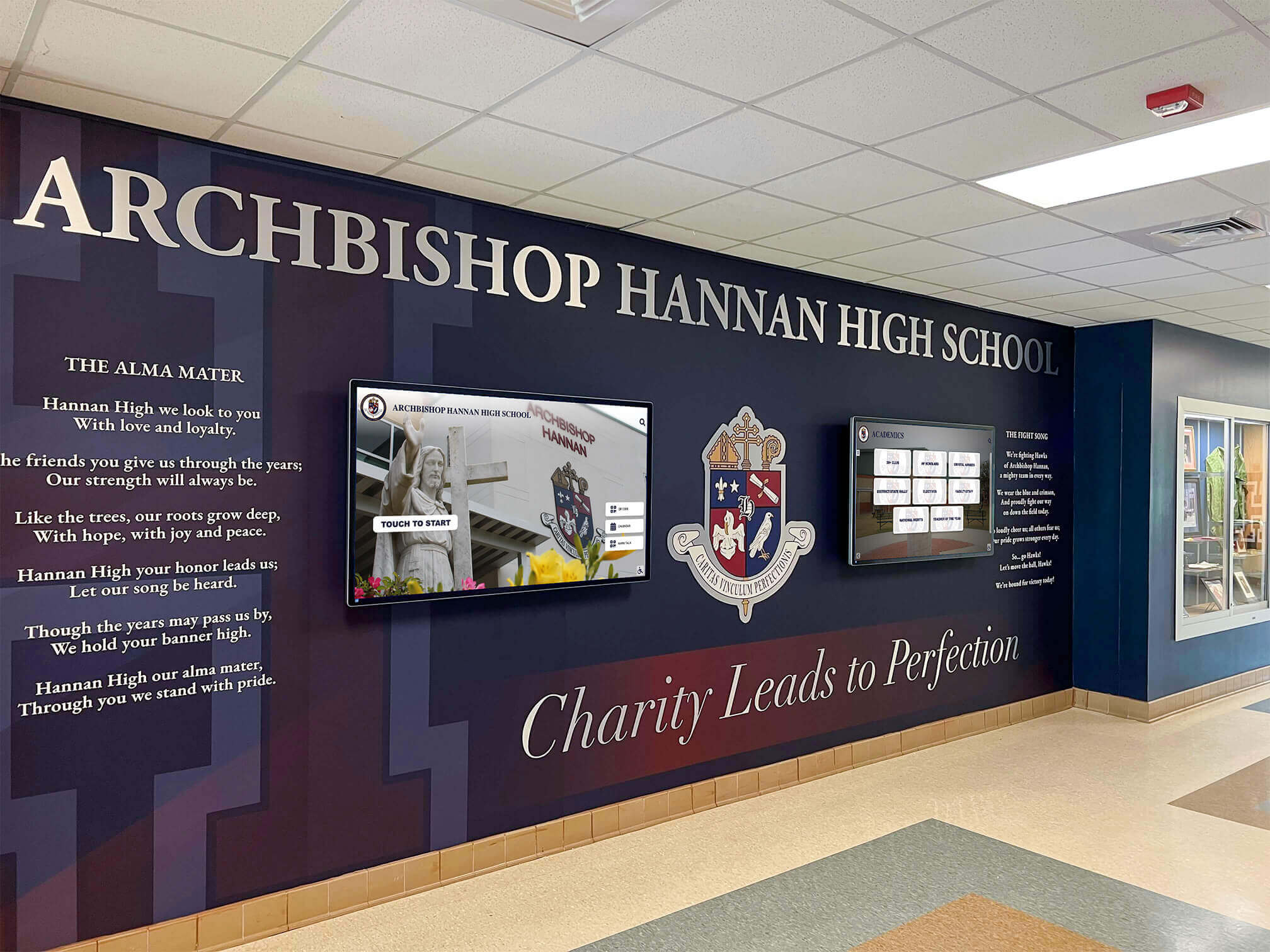
Combining traditional architectural elements with modern digital displays creates comprehensive historical presentations that honor heritage while embracing contemporary technology
Phase 1: Historical Research and Content Development
Creating accurate, comprehensive historical timelines begins with systematic research that uncovers institutional stories worth telling while ensuring historical accuracy and authenticity.
Conducting Comprehensive Historical Research
Effective historical timeline development requires thorough investigation across multiple source types. Begin by reviewing official institutional records including board meeting minutes documenting major decisions, annual reports showing institutional evolution, accreditation documents reflecting educational standards, enrollment records revealing growth patterns, and financial documents indicating resource development over time.
Yearbook collections provide invaluable visual and narrative documentation of student life, athletic achievements, academic programs, faculty composition, and facility evolution across decades. Many schools discover their most complete historical documentation exists within yearbook archives systematically published annually regardless of other record-keeping gaps.
Newspaper archives offer external perspectives on institutional milestones, controversies, achievements, and community relationships. Local newspaper morgues or digital archives often contain school-related coverage unavailable in institutional records, providing context about how broader communities viewed schools during different eras.
Oral history interviews with longtime faculty members, retired administrators, distinguished alumni, and community members provide irreplaceable perspectives on why events happened, who influenced outcomes, what challenges were overcome, and how programs developed. For guidance on systematic oral history projects, resources on displaying school history provide structured approaches to capturing these invaluable memories.
Alumni collections represent distributed archives where graduates possess personal photographs, documents, programs, and memorabilia unavailable in official institutional records. Systematic crowdsourcing campaigns can recover extensive historical materials from these personal collections, dramatically enriching available source materials.
Identifying Key Historical Themes and Milestones
Comprehensive historical timelines organize institutional narratives around significant themes rather than simply listing chronological events. Common organizational themes include founding and early development periods documenting institutional establishment, facility expansion and campus evolution showing physical growth, academic program development tracking curricular changes, athletic achievement highlighting championship teams and individual accomplishments, arts and activities celebrating non-athletic excellence, leadership transitions documenting administrators and board members, and community impact demonstrating institutional contributions beyond campus boundaries.
Within these themes, identify milestone moments that deserve prominent timeline placement including founding dates and charter approvals, first graduating classes, significant facility constructions or renovations, championship victories and record-breaking performances, distinguished alumni achievements, accreditation milestones, enrollment landmarks, significant curriculum innovations, and major gifts or endowment establishment.
Balancing celebratory achievements with authentic institutional narratives requires acknowledging challenges and difficulties alongside successes. Schools that present sanitized histories lacking complexity risk creating timelines that feel like propaganda rather than authentic heritage documentation. Including context about challenges overcome—economic difficulties, natural disasters, social changes, or controversial moments—creates richer, more credible historical narratives.
Organizing Historical Content for Timeline Presentation
Timeline structures significantly impact how audiences engage with historical content. Several organizational approaches serve different institutional needs and audiences.
Chronological timelines present history in strictly sequential order, typically organized by decades or years. This straightforward approach works well for institutions with clear developmental phases or those celebrating specific anniversary milestones. Chronological organization helps audiences understand institutional evolution while providing clear frameworks for adding new content as history continues.
Thematic timelines organize content around specific subjects—athletic history, academic achievements, facility development, distinguished alumni, or leadership succession. This approach allows deeper exploration of particular institutional aspects while accommodating audiences with specialized interests. Schools often create multiple thematic timelines positioned throughout campuses rather than single comprehensive displays attempting to document everything.
Comparative timelines position institutional milestones alongside broader historical context—local, regional, national, or global events occurring simultaneously. This approach helps audiences understand schools within larger historical narratives while creating interesting connections between institutional and world events. Comparative formats work particularly well in educational settings where historical context supports curricular objectives.
Most effective school historical timelines combine these approaches—using chronological organization as primary structure while incorporating thematic subdivisions and contextual references that enrich basic chronological frameworks.
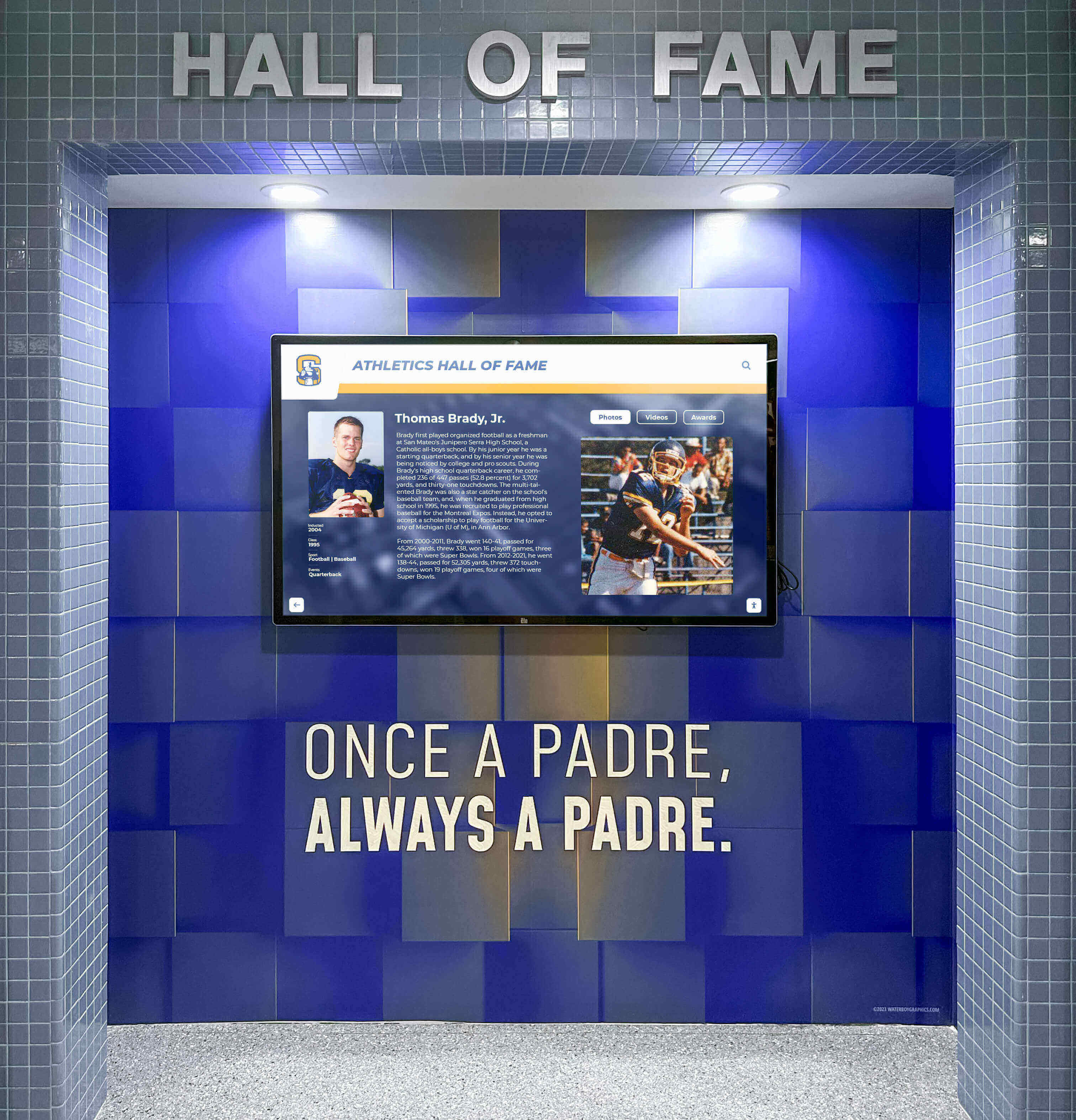
Digital displays in athletic facilities create natural intersections between historical achievement and current competition
Phase 2: Design Principles for Engaging Historical Displays
Visual presentation quality significantly impacts whether historical timelines capture attention or fade into ignored background elements of campus environments.
Visual Hierarchy and Information Architecture
Effective timeline displays employ clear visual hierarchy directing audience attention to most important information while allowing deeper exploration for interested viewers. Primary elements—major milestones, era headings, landmark achievements—should be immediately visible from typical viewing distances using large typography, high-contrast color schemes, prominent imagery, and strategic positioning in prime viewing locations.
Secondary information—supporting details, contextual explanations, individual recognition—appears in smaller formats requiring closer approach for full engagement. This tiered approach prevents overwhelming viewers with dense information while rewarding engaged audiences with rich detailed content.
Consistent visual systems employing recurring design elements, standardized typography, coherent color palettes, and unified layout grids create professional presentations that communicate institutional quality through execution excellence. Amateur-looking displays with inconsistent fonts, clashing colors, or haphazard layouts undermine historical content regardless of narrative quality.
Typography and Readability Considerations
Text-heavy historical displays fail regardless of content quality if viewers cannot comfortably read information. Effective timeline typography prioritizes legibility through appropriate font selection, adequate sizing, sufficient contrast, and proper spacing.
For physical displays, text sizing should consider typical viewing distances. Headline text visible from 15-20 feet requires minimum 72-point type, while body text read from 3-5 feet needs at least 18-24 points depending on typeface characteristics. Digital displays accommodate variable text sizing through zoom functions or detail views, but default sizes should remain comfortably readable without requiring special interaction.
High-contrast color combinations—dark text on light backgrounds or vice versa—ensure readability across diverse lighting conditions and for viewers with vision limitations. Avoid low-contrast combinations like light gray on white or design-forward approaches sacrificing readability for aesthetic preferences.
Line length limitations prevent eye fatigue during extended reading. Text columns should contain 50-75 characters per line maximum—wider columns require excessive eye movement causing reading fatigue while narrower columns create choppy, uncomfortable reading patterns.
Color Theory and Institutional Branding Integration
Historical timeline color schemes should reinforce institutional identity while ensuring visual appeal and information clarity. Most effective approaches incorporate school colors as primary palette elements while adding complementary colors that provide visual interest without conflicting with institutional branding.
Color coding can organize information by era, theme, or content type—using consistent color associations throughout displays helps audiences navigate complex historical information. For example, athletic achievements might appear in one consistent color, academic milestones in another, and facility developments in a third, creating visual systems that communicate content categories before viewers read detailed text.
Consider color psychology effects on emotional responses. Warm colors like reds and oranges create energy and excitement suitable for athletic achievements, while cooler blues and greens convey stability and trust appropriate for institutional heritage. Neutral colors provide sophisticated backgrounds allowing content to dominate without competing with elaborate color schemes.
Balancing Historical Imagery with Modern Design
Historical timeline displays walk fine lines between preservation authenticity and contemporary visual appeal. Overly modern design approaches may feel disconnected from historical content, while strictly period-appropriate aesthetics can appear dated or dull to contemporary viewers.
Effective approaches typically employ clean, contemporary layout structures and typography while incorporating authentic historical imagery, documents, and artifacts. This combination respects historical authenticity while meeting modern audience expectations for visual sophistication.
High-quality image reproduction proves essential—grainy, poorly reproduced historical photographs undermine display quality regardless of their historical significance. Invest in professional scanning of historical images at adequate resolutions for large-format reproduction. When original materials cannot produce acceptable reproduction quality, consider commissioning illustrated recreations or using period-appropriate design elements that evoke eras without relying on poor-quality source materials.
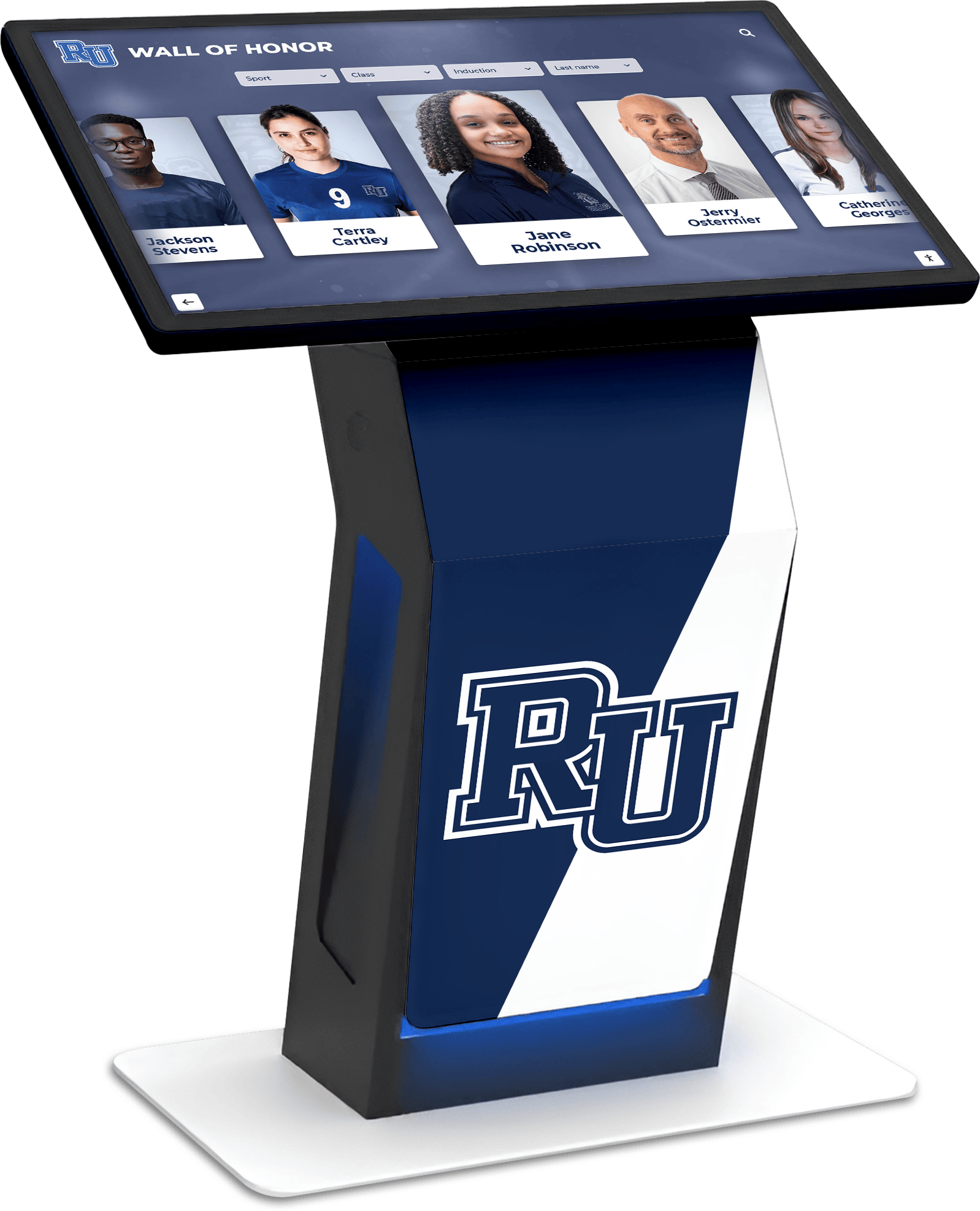
Freestanding interactive kiosks bring comprehensive historical content to high-traffic areas where students and visitors naturally gather
Phase 3: Traditional Physical Timeline Implementation
Physical timeline displays installed permanently in school facilities create constant historical presence that becomes part of daily campus experience for students, staff, and visitors.
Wall-Mounted Timeline Displays
Traditional wall-mounted timelines remain popular and effective when executed with appropriate scale, design quality, and strategic placement. These permanent installations work particularly well in high-traffic corridors, entrance lobbies, library spaces, and administrative areas where sustained viewing traffic ensures community exposure.
Linear timeline formats following hallway lengths allow extensive historical documentation within relatively narrow vertical spaces. These horizontal progressions create natural left-to-right reading patterns familiar to Western audiences while accommodating virtually unlimited chronological spans through extended lengths.
Panel-based systems using modular mounted sections offer flexibility for phased installation or future expansion. Schools might install founding era panels immediately while planning additional era panels for future budget years. This modular approach also facilitates updates when new milestones merit timeline inclusion without requiring complete reinstallation.
Material selection impacts both aesthetic appeal and long-term durability. High-quality options include printed vinyl applied directly to walls, rigid mounted panels using materials like aluminum composite, printed acrylic for premium appearance and easy cleaning, fabric systems allowing future updates through panel replacement, and dimensional letters adding physical depth and visual interest.
Professional installation ensures proper alignment, secure mounting, and long-term durability. Amateur installations using improper techniques or inadequate mounting hardware risk panel failure, misalignment, or wall damage requiring expensive corrections.
Trophy Case and Display Case Integration
Many schools incorporate historical timeline elements within traditional trophy case installations, combining three-dimensional artifact display with two-dimensional historical documentation. This approach works particularly well for athletic history timelines where trophies, uniforms, equipment, and other physical artifacts complement photographic and textual historical documentation.
When integrating timeline content within display cases, ensure adequate lighting prevents shadows or glare that obscure visibility. Internal LED systems provide excellent illumination while minimizing heat that could damage sensitive materials like photographs, documents, or fabric artifacts.
Climate control considerations protect valuable historical artifacts from deterioration. Enclosed display cases should maintain stable temperature and humidity levels, avoiding direct sunlight exposure that fades photographs and documents. For particularly valuable or fragile materials, consult preservation specialists about appropriate display conditions.
Security measures prevent theft or vandalism of valuable historical items. Locked cases, security cameras, and regular inventory checks protect irreplaceable school heritage from loss or damage.
Wayfinding Integration and Campus Placement Strategy
Strategic timeline placement maximizes community exposure while supporting broader campus wayfinding objectives. Consider positioning historical displays along routes connecting major destinations—between parking and main offices, along paths from athletic facilities to academic buildings, or in circulation spaces where students naturally gather between classes.
Creating “heritage zones” or “history corridors” transforms extended campus areas into immersive historical experiences. Rather than isolated timeline installations, comprehensive approaches might feature decade-by-decade displays progressing along hallway lengths, thematic displays in related facility areas (athletic history in gyms, academic achievements near classrooms), and complementary recognition installations celebrating current and historical excellence together.
For schools with limited wall space or challenging architectural constraints, consider alternative placement strategies including freestanding timeline structures in open areas, ceiling-suspended timeline banners in multi-story atriums, exterior timeline installations on weather-resistant materials, or window graphics transforming glass surfaces into historical displays.
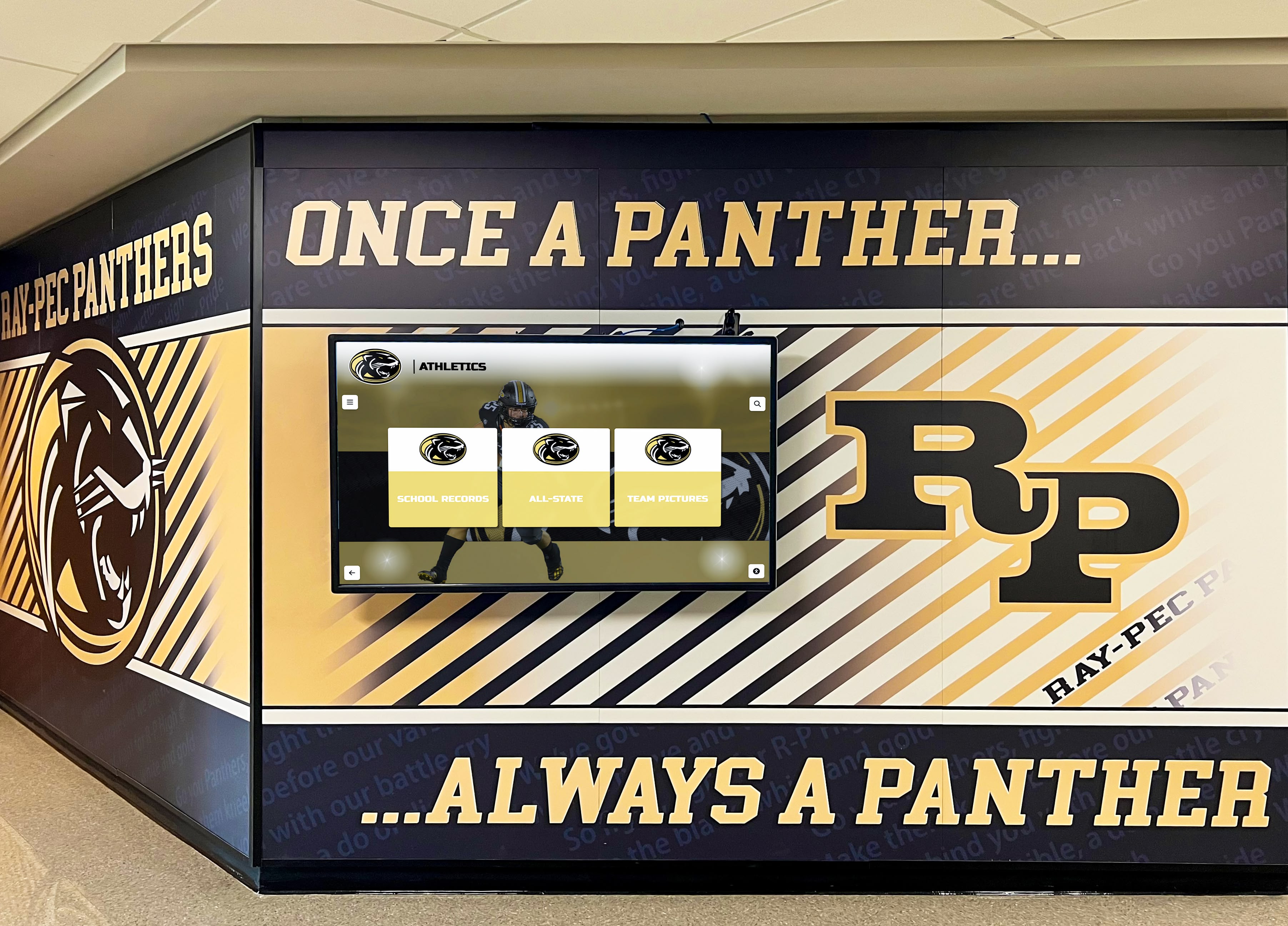
Integrated designs combining traditional murals with digital displays create visually impressive historical presentations that capture attention
Phase 4: Interactive Digital Timeline Solutions
Modern digital technology transforms historical timeline presentations from static displays into engaging, interactive experiences that provide vastly more comprehensive content while accommodating ongoing updates without physical modifications.
The Power of Digital Timeline Platforms
Interactive digital timelines overcome fundamental limitations of physical displays. Traditional installations face space constraints limiting historical content to highest-priority highlights, require expensive reinstallation when adding new milestones, present information identically to all viewers regardless of interests, and offer no capacity for multimedia content beyond static images and text.
Digital timeline solutions from providers like Rocket Alumni Solutions address these limitations through unlimited content capacity documenting comprehensive institutional history, simple remote updates adding new content without physical changes, personalized exploration allowing viewers to focus on personally relevant content, and rich multimedia integration combining photographs, videos, audio recordings, and interactive elements.
According to engagement research, visitors typically spend less than one minute viewing traditional static displays but average 7-10 minutes actively exploring interactive digital exhibitions. This extended engagement creates deeper emotional connections with institutional history while ensuring community members actually experience timeline content rather than walking past displays without meaningful interaction.
Touchscreen Interface Design for Historical Exploration
Effective digital timeline interfaces balance comprehensive content access with intuitive navigation preventing confusion or frustration. Well-designed systems typically employ familiar tablet-style touch interactions, clear navigation hierarchies with obvious entry points and paths, visual timeline representations allowing direct period selection, multiple search and filter options serving different exploration strategies, and breadcrumb navigation helping users track their position within content hierarchies.
Interface aesthetics should reflect institutional branding while maintaining contemporary design standards. Outdated-looking interfaces suggest neglected technology regardless of content quality, while overly trendy designs may feel disconnected from historical subject matter. Clean, timeless design approaches generally serve historical timeline applications best.
Accessibility considerations ensure all community members can engage with digital timelines regardless of physical abilities. Important accommodations include text sizing controls for vision-impaired users, audio narration options supporting reading difficulties, intuitive touch targets sized appropriately for diverse motor abilities, and high-contrast display modes improving visibility for various vision conditions.
Content Organization for Digital Timeline Systems
Digital timelines can organize content through multiple simultaneous structures serving different user needs and exploration preferences. Most effective implementations offer several navigation approaches including chronological browsing through decades or years, thematic filtering by subject categories, keyword search for specific people, events, or topics, and featured content highlighting particularly significant or interesting stories.
Individual timeline entries should follow consistent structures providing expected information in predictable locations. Comprehensive entries typically include clear dating and era identification, concise headlines capturing essential information, extended narrative descriptions providing context and details, high-quality historical imagery and documents, related content links connecting associated timeline entries, and social sharing options enabling content distribution beyond physical displays.
Multimedia enhancements dramatically increase engagement and emotional impact. Consider incorporating video interviews with alumni or longtime community members, audio recordings of historical events or performances, interactive comparisons showing facility changes across decades, virtual tours of historical campus configurations, and animated transitions between historical imagery and current conditions.
Integration with Broader Digital Recognition Systems
The most powerful digital timeline implementations integrate seamlessly with comprehensive recognition platforms serving multiple institutional objectives simultaneously. Rather than standalone historical displays, integrated approaches might combine historical timeline documentation with current alumni recognition profiles, athletic achievement tracking, donor acknowledgment systems, and academic excellence celebration.
This integration creates unified platforms where community members explore institutional heritage, discover distinguished alumni, review championship histories, and understand comprehensive institutional narratives through single cohesive interfaces. Content management efficiency improves dramatically when single entries simultaneously populate historical timelines, alumni directories, and recognition displays rather than requiring separate data entry for each application.
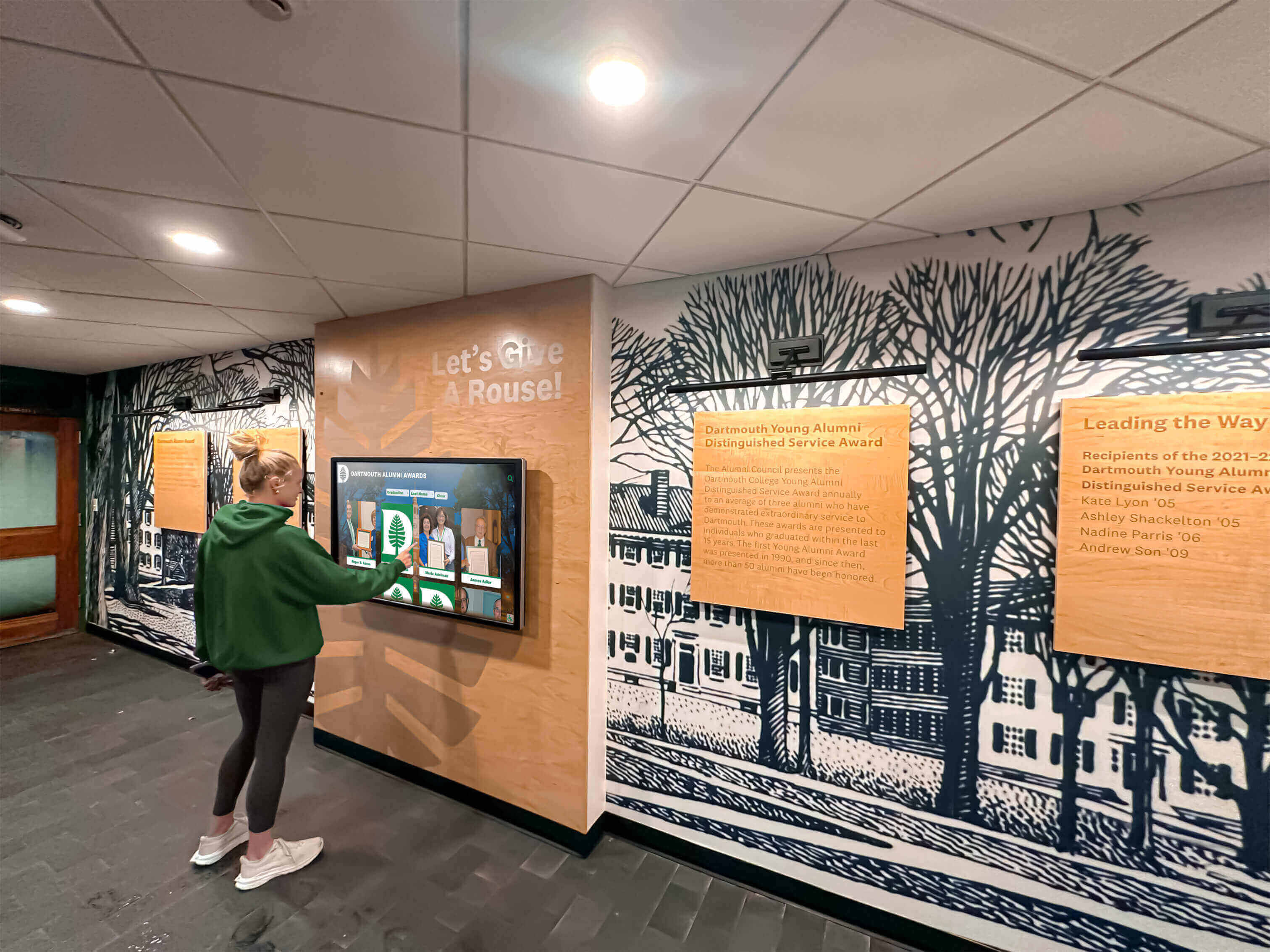
Students naturally engage with historical content when presented through familiar touchscreen interfaces in comfortable viewing environments
Phase 5: Hybrid Approaches Combining Physical and Digital Elements
Many schools discover optimal solutions combine traditional physical displays with digital technology, leveraging respective strengths while mitigating individual limitations.
Digital Enhancement of Physical Timeline Installations
Physical timeline displays can incorporate digital elements that expand content capacity without abandoning traditional installation benefits. Common hybrid approaches include wall-mounted screens integrated within physical timeline designs, QR codes linking to extended digital content accessible via smartphones, near-field communication (NFC) tags triggering content on visitor devices, and augmented reality markers revealing additional content through mobile apps.
These digital enhancements allow physical displays to maintain clean, uncluttered aesthetics highlighting most significant historical content while providing access to comprehensive detail for engaged viewers willing to use personal devices or approach integrated screens. This tiered approach serves casual viewers who simply walk past displays absorbing prominent information while rewarding engaged community members with rich extended content.
Strategic Placement of Complementary Display Types
Rather than choosing exclusively between physical or digital approaches, comprehensive strategies might position different display types throughout campuses serving distinct functions and audiences. Main entrance lobbies might feature impressive physical timeline installations creating immediate visual impact for visitors while athletic facilities incorporate interactive digital displays with deep sports history content appealing to specific audiences, libraries install research-focused digital systems supporting student historical projects, and administrative areas present leadership succession timelines in traditional formats.
This diversified approach recognizes that different campus locations, audience types, and institutional objectives may benefit from different display modalities rather than presuming single solutions serve all situations equally.
Creating Cohesive Historical Narratives Across Multiple Installations
When deploying multiple historical displays using various formats, maintain narrative coherence through consistent organizational structures, unified design aesthetics, complementary content avoiding excessive repetition, and clear differentiation helping community members understand each display’s specific focus.
Well-coordinated multiple installations create comprehensive campus-wide historical presentations exceeding what single displays could accomplish while avoiding confusing redundancy or contradictory information undermining institutional credibility.
Phase 6: Content Updates and Long-Term Maintenance
Historical timelines require ongoing attention ensuring accuracy, adding recent milestones, and maintaining physical or technological condition over time.
Establishing Update Schedules and Responsibilities
Sustainable timeline programs designate clear responsibility for ongoing maintenance and updates. Without assigned ownership, timeline content inevitably grows outdated as new milestones occur without incorporation and physical or digital systems deteriorate without proper maintenance.
Typical maintenance responsibilities include annual content reviews ensuring continued accuracy, regular addition of recent milestones worthy of timeline inclusion, physical display inspection and cleaning, digital system updates and security patches, and broken link monitoring for QR codes or web-based content.
Many schools establish annual update cycles coinciding with major school events—adding previous year’s significant milestones during summer planning periods, incorporating new inductees when announcing annual recognition awards, or conducting comprehensive timeline reviews during milestone anniversary years.
Digital System Advantages for Timeline Updates
Digital timeline platforms offer dramatic advantages for ongoing content updates. Adding new entries to traditional physical displays requires expensive reinstallation—removing and reprinting panels, modifying layouts to accommodate additional content, or accepting increasingly cramped information density as history accumulates.
Digital systems enable instant remote updates adding new content without physical modifications or installation costs. Content managers simply upload new entries through web-based interfaces, with changes appearing immediately on physical displays and web-based access points. This update ease ensures timelines remain current rather than becoming historical artifacts documenting institutional history only through specific dates before installation.
Solutions like Rocket Alumni Solutions provide cloud-based content management enabling authorized staff to update timeline content from any internet-connected device without requiring technical expertise or physical access to display hardware. This accessibility ensures timeline maintenance integrates easily into regular workflow rather than requiring special arrangements or external contractor engagement.
Quality Control and Historical Accuracy Verification
As timelines grow through accumulated updates, establish review processes ensuring maintained accuracy and consistent quality standards. Periodic comprehensive audits should verify factual accuracy of all timeline entries, assess whether older content requires updating with new information, evaluate whether early entries meet current quality standards, and identify gaps where significant institutional milestones lack appropriate timeline representation.
Creating style guides documenting content standards, formatting requirements, image quality specifications, and approval workflows ensures consistency across multiple content contributors and extended time periods. These documented standards particularly matter when staff transitions occur, preventing degradation as institutional knowledge changes hands.
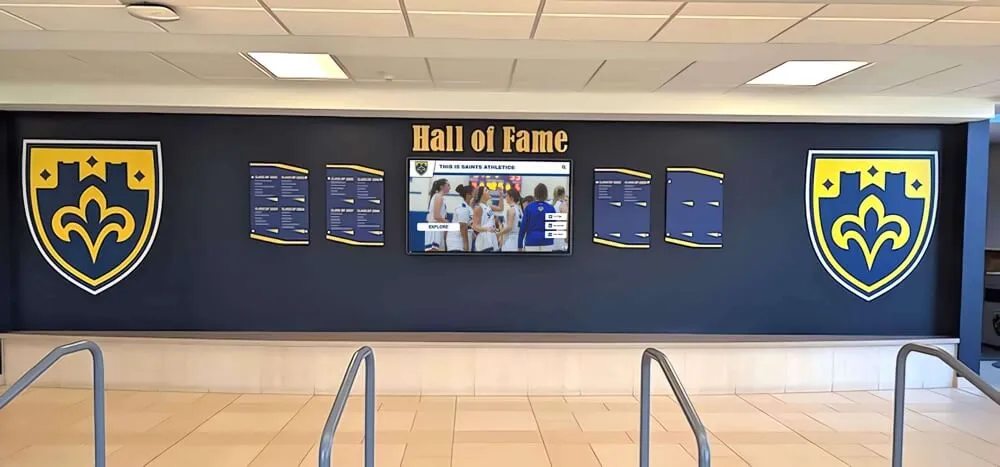
Thoughtful integration of traditional recognition elements with modern digital displays honors heritage while embracing contemporary capabilities
Special Considerations for Different School Types
Historical timeline approaches vary based on institutional characteristics, with different school types facing unique opportunities and challenges.
K-12 School Historical Timelines
Primary and secondary schools creating historical timelines should consider age-appropriate content complexity, reading level accessibility, visual engagement strategies capturing younger attention spans, and educational integration connecting timelines with curriculum objectives.
Elementary schools might employ more visual, less text-heavy presentations with simpler language and more colorful, engaging designs. Middle schools can introduce more complex historical narratives while maintaining strong visual interest. High schools can present sophisticated historical analysis approaching college-level complexity while remaining accessible to general audiences.
For schools implementing developing college history timelines, similar developmental considerations apply when creating content serving diverse audiences from prospective students through distinguished alumni.
Higher Education Institution Timelines
Colleges and universities often possess more extensive historical documentation, longer institutional histories, and more complex organizational structures creating both opportunities and challenges for timeline development.
Higher education timelines might require more sophisticated organizational structures accommodating multiple schools or departments, academic program development across diverse disciplines, research achievement documentation, leadership succession through numerous administrative levels, and facilities evolution across extensive campuses.
The scale of higher education history often necessitates selective highlighting rather than comprehensive documentation. Identify institutional milestones with broad significance while recognizing that school-specific achievements might better suit departmental displays rather than institutional timeline inclusions.
Private and Independent School Considerations
Independent schools often emphasize distinctive educational philosophies, founding missions, or religious affiliations deserving timeline prominence. These institutions should ensure timelines communicate their unique identities while documenting historical evolution.
Consider highlighting founding vision and philosophy evolution, head of school leadership contributions, distinctive program development, facility expansions funded through independent means, and alumni achievement demonstrating educational philosophy success.
Private school timelines also offer opportunities for candid presentation less constrained by political considerations affecting public institutions. This freedom enables authentic storytelling acknowledging both triumphs and challenges throughout institutional histories.
Specialized Schools and Alternative Education
Career and technical schools, arts-focused institutions, special education schools, and alternative education programs possess unique historical narratives deserving celebration despite sometimes lacking traditional academic or athletic milestones dominating conventional school timelines.
Focus timeline content on specialized program development, unique student achievement in focus areas, employment or college placement success, community partnerships supporting specialized missions, and facility or equipment acquisitions enabling program excellence.
These specialized institutions often benefit from explaining their distinctive missions prominently within historical timelines, helping audiences understand educational approaches that may differ substantially from mainstream schooling.
Measuring Timeline Success and Community Impact
Effective timeline implementations establish clear success metrics demonstrating value and informing continuous improvement.
Quantitative Engagement Metrics
For digital timeline systems, comprehensive analytics reveal usage patterns including total interactions and viewing sessions, average engagement duration per session, most-viewed content identifying popular subjects, search queries revealing community interests, and peak usage times informing staffing or promotional strategies.
Physical timeline displays lack built-in analytics but can still gather meaningful data through observation studies counting viewer interactions, surveys measuring awareness and recall, QR code scan tracking when hybrid approaches include digital elements, and attendance comparisons at timeline-adjacent events before and after installation.
Qualitative Impact Indicators
Beyond numerical metrics, successful timelines demonstrate community impact through alumni testimonials about increased institutional connection, student reports of greater school pride or historical awareness, donor comments connecting giving decisions to historical inspiration, and visitor feedback from prospective families or community guests.
Collect these qualitative indicators systematically through formal surveys, informal conversations, social media monitoring, and stakeholder interviews rather than relying on occasional anecdotal comments.
Return on Investment Analysis
For administrators evaluating timeline investments, consider both direct and indirect benefits. Direct value includes alumni engagement increases potentially driving higher giving rates, recruitment advantages from demonstrated tradition and excellence, event attendance improvements at reunions or homecoming, and volunteer participation growth.
Indirect benefits prove harder to quantify but matter substantially including institutional pride strengthening school culture, preserved historical memory preventing knowledge loss, community relations benefits from heritage celebration, and strategic planning insights from institutional history review.
Many schools discover comprehensive historical timeline investments deliver measurable returns within 3-5 years when assessed holistically across multiple benefit categories rather than single narrow metrics.
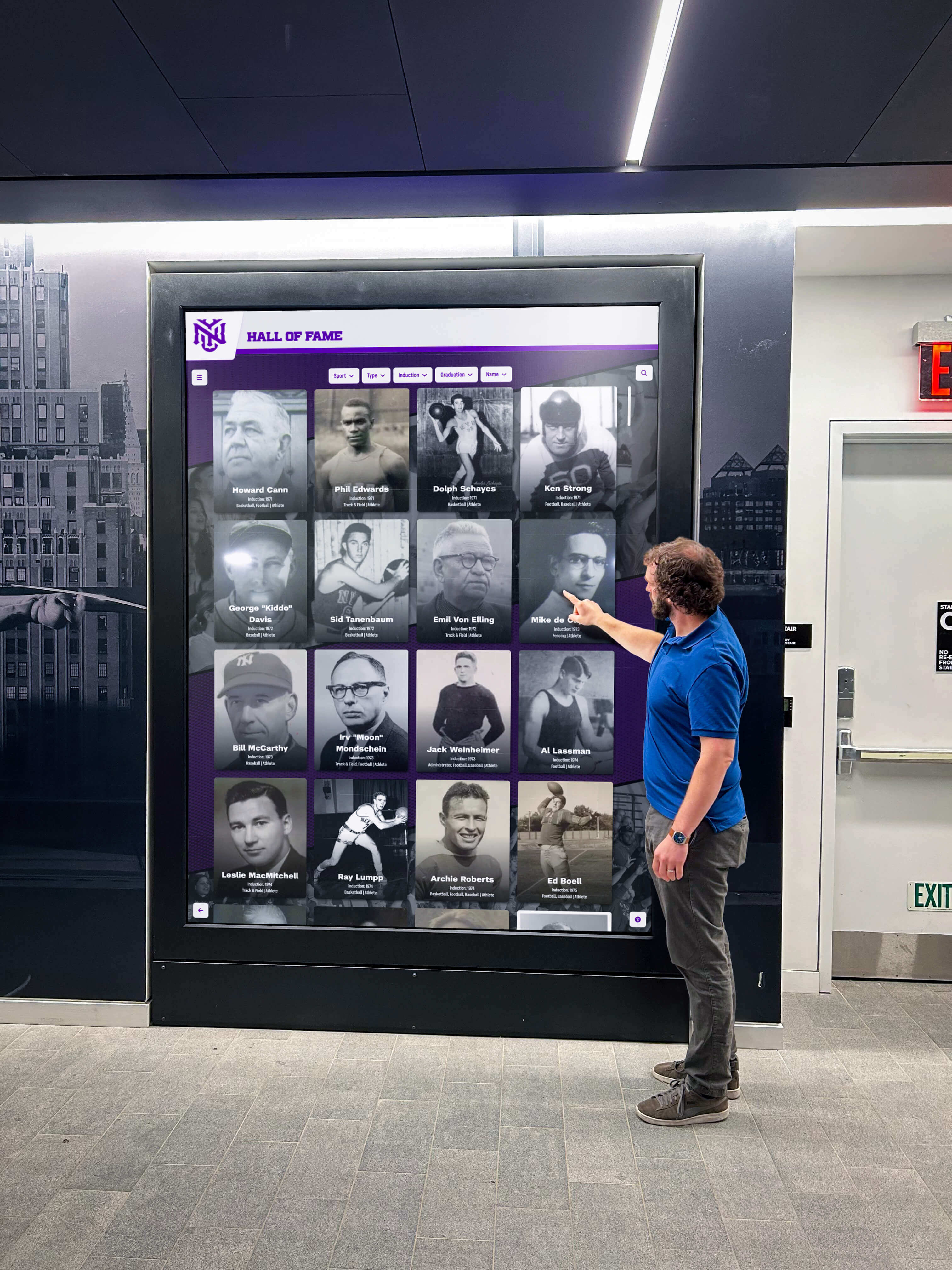
Interactive displays create gathering points where community members explore shared heritage while discovering personal connections to institutional history
Funding Historical Timeline Projects
Comprehensive historical timeline installations represent significant investments requiring strategic funding approaches beyond operating budget allocations.
Grant Opportunities for Heritage Projects
Numerous foundations and organizations provide grants supporting educational heritage preservation. Research opportunities from state humanities councils funding cultural heritage projects, historical society grants supporting local history preservation, educational foundations emphasizing institutional excellence documentation, and community foundations supporting projects benefiting local institutions.
Successful grant applications typically require clear project descriptions, detailed budgets, demonstrated community support, and assessment plans measuring project impact. Invest adequate time developing compelling proposals rather than submitting rushed applications unlikely to receive serious consideration.
Alumni and Donor Campaigns
Many graduates feel strong emotional connections to institutional heritage, making historical timeline projects natural fundraising opportunities. Consider targeted campaigns focusing on reunion class gifts supporting historical preservation, naming opportunities for timeline sections or digital interfaces, memorial designations honoring deceased community members, and matching challenges incentivizing broader participation.
Connect timeline projects explicitly to donor interests—alumni passionate about athletics might fund sports history sections, former student government leaders could support leadership succession documentation, and arts-focused graduates might champion performing arts historical recognition.
Phased Implementation Spreading Costs
When comprehensive timeline visions exceed available budgets, implement projects in phases spreading costs across multiple years. Begin with highest-priority eras or themes while planning future phases as budgets allow.
Modular physical designs and expandable digital platforms accommodate phased approaches without requiring complete reinstallation as projects expand. This strategy demonstrates immediate progress justifying continued investment while preventing project abandonment due to overwhelming total costs.
Partnerships Reducing Individual Institution Costs
Explore collaborative opportunities reducing costs through shared resources including partnering with historical timeline display providers offering financing or phased payment options, coordinating with local historical societies providing research or documentation support, engaging university partners providing student assistance, and working with technology providers offering educational discounts or grant matching.
These partnerships often provide valuable expertise alongside cost reduction, improving final project quality while maintaining budget feasibility.
Common Challenges and Proven Solutions
Schools implementing historical timeline projects encounter predictable obstacles. Understanding common challenges and proven solutions improves success likelihood.
Challenge: Incomplete Historical Documentation
Many schools discover significant historical gaps—missing yearbooks, undocumented decades, or lost records preventing comprehensive timeline development.
Solutions: Accept imperfect documentation rather than delaying projects indefinitely. Present available information honestly while acknowledging known gaps. Implement crowdsourcing campaigns requesting community assistance filling documentation holes. Focus substantial effort on current documentation preventing future gaps rather than becoming paralyzed by past deficiencies.
Challenge: Competing Institutional Priorities
Historical timeline projects compete with numerous pressing priorities for limited resources and staff attention.
Solutions: Connect timeline initiatives explicitly to strategic institutional priorities demonstrating how historical documentation supports alumni engagement, recruitment, fundraising, or community relations goals. Seek dedicated funding sources preventing competition with operating budget priorities. Build broad stakeholder coalitions creating political support ensuring projects maintain momentum despite competing demands.
Challenge: Technology Obsolescence Concerns
Schools fear investing in digital timeline systems that might become obsolete or unsupported.
Solutions: Partner with established providers demonstrating long-term commitment to educational markets. Ensure cloud-based systems allow hardware replacement without content loss. Verify content export capabilities preventing vendor lock-in. Maintain offline content backups preventing loss if platforms become unavailable.
Challenge: Maintaining Historical Accuracy
Ensuring timeline accuracy across extensive historical content proves challenging, particularly when documentation conflicts or community members dispute official narratives.
Solutions: Establish clear sourcing standards requiring documentation for all timeline claims. Create review processes involving knowledgeable community members before publication. Present contested information with appropriate qualifications acknowledging uncertainty. Implement correction protocols addressing inaccuracies discovered after publication.
Ready to Preserve Your School's Heritage?
Discover how Rocket Alumni Solutions helps schools create engaging historical timeline displays combining comprehensive research support, intuitive content management platforms, and stunning visual presentations that honor institutional heritage while inspiring current and future generations.
Explore Timeline SolutionsConclusion: Your School’s Story Deserves Professional Presentation
Every educational institution possesses a unique heritage worth documenting, celebrating, and preserving for future generations. Creating effective school historical timelines transforms scattered memories and archived records into cohesive narratives that strengthen community identity, inspire institutional pride, and ensure that the accomplishments of previous generations continue informing current excellence.
The most successful historical timeline projects combine thorough historical research with engaging presentation methods meeting contemporary audience expectations. They balance comprehensive documentation with selective highlighting preventing overwhelming information density. They integrate physical and digital display technologies leveraging respective strengths while mitigating individual limitations. They establish sustainable maintenance processes ensuring timelines remain accurate and current as institutional history continues accumulating.
Whether implementing traditional physical wall displays, interactive digital systems, or hybrid approaches combining both modalities, the fundamental imperative remains consistent—honoring institutional heritage through professional presentations demonstrating that schools value their histories enough to invest in quality documentation and display.
Modern technology platforms from providers like Rocket Alumni Solutions make comprehensive historical timeline creation achievable for schools of all sizes and resource levels. These purpose-built educational solutions combine intuitive content management with sophisticated display capabilities specifically designed for institutional heritage presentation. From initial content development through ongoing maintenance and updates, comprehensive support ensures timeline projects succeed while staff focus on core educational missions rather than becoming technology experts.
Your school’s unique story—the achievements, challenges, traditions, and transformations that define institutional identity—deserves professional presentation that honors the past while inspiring the future. Begin your historical timeline project today, ensuring that generations of educational excellence receive the recognition and preservation they merit.
The time to document your school’s history is now, before additional memories fade, community members pass away, or physical materials deteriorate beyond recovery. Every day that passes without comprehensive historical documentation represents irreplaceable knowledge and heritage lost forever. Start preserving your institutional legacy today, creating timeline displays that will inspire pride, strengthen community bonds, and honor educational excellence for decades to come.































