Every school day, librarians transform lives through the books they recommend, the research skills they teach, the safe spaces they create, and the quiet encouragement they offer struggling students. They curate collections reflecting diverse voices, champion literacy across content areas, navigate shrinking budgets with creative resourcefulness, and adapt continuously to evolving technologies and pedagogical approaches. Yet librarians often work in relative anonymity, their profound impact on student achievement and school culture underappreciated by the broader community.
School librarian appreciation day provides the perfect opportunity to change that narrative. Whether you celebrate National School Librarian Day (fourth Wednesday in April), National Library Week (typically in mid-April), or create your own appreciation timeline, thoughtful recognition honors the professionals who serve as reading advocates, information literacy experts, technology integrators, and cultural curators for your entire school community.
This comprehensive guide explores creative, meaningful ways to celebrate school librarians—from immediate, low-cost gestures to lasting recognition that honors their contributions long after appreciation day concludes. You’ll discover how modern schools are using permanent recognition displays to ensure librarian achievements receive the same visibility as athletic championships and academic honors.
School libraries represent far more than book repositories. They function as academic hubs, community gathering spaces, inclusive sanctuaries, technology access points, and creative laboratories. The professionals managing these multifaceted environments deserve recognition reflecting the breadth and depth of their contributions to student success and school culture.
Why School Librarian Recognition Matters
Before exploring specific appreciation ideas, understanding the unique challenges librarians face and the scope of their contributions helps ensure recognition resonates authentically.
The Expanding Scope of School Librarianship
Modern school librarians wear countless hats that extend far beyond traditional book circulation:
Literacy Advocacy and Reading Promotion
Librarians champion reading across all formats and genres through personalized book recommendations matching students to perfect titles, reader’s advisory services introducing students to new authors and genres, reading incentive programs motivating reluctant readers, author visit coordination bringing literature to life, and book club facilitation creating communities around shared reading experiences.
Their deep knowledge of children’s and young adult literature enables them to connect every student—regardless of reading level, interest, or background—with books that inspire, comfort, challenge, or entertain.
Information Literacy Instruction
In an era of information overload and misinformation, librarians teach critical research and evaluation skills including effective search strategies across databases and resources, source evaluation and credibility assessment, citation practices and academic integrity, digital citizenship and online safety, and media literacy distinguishing fact from opinion and identifying bias.
These competencies prove essential for academic success and informed citizenship in democratic societies.
Technology Integration and Support
Librarians frequently serve as school technology leaders providing device troubleshooting and circulation management, educational technology training for staff and students, digital resource curation and access, online learning platform support, and makerspace facilitation with 3D printing, coding, and creative technologies.
Many librarians pioneered remote learning infrastructure during pandemic disruptions, creating systems that continue benefiting school communities.
Curriculum Collaboration
Effective librarians partner with classroom teachers through collaborative lesson planning integrating library resources, resource curation supporting specific units and projects, differentiated material selection meeting diverse learning needs, and cross-curricular project design connecting disciplines through information literacy.
This collaborative approach transforms libraries from isolated spaces into integral components of school-wide instructional programs.
Student Support and Advocacy
Beyond academic support, librarians provide essential social-emotional resources including safe spaces for students needing respite from social pressures, reading recommendations addressing personal challenges or identity development, connection to community resources for students and families in need, advocacy for students with diverse learning needs, and inclusive collection development ensuring all students see themselves represented in library materials.
For many students, the library and librarian represent a refuge where they feel genuinely seen, valued, and supported.
Recognition Gaps and Opportunities
Despite these extensive contributions, librarians often experience recognition deficits compared to other educational professionals:
- Athletic achievements receive prominent trophy case displays while librarian contributions go uncelebrated
- Teacher appreciation efforts sometimes overlook library staff as “non-classroom” personnel
- Budget cuts frequently target library programs despite research linking robust libraries to academic achievement
- Administrative transitions can leave new leaders unfamiliar with library program scope and value
- Physical isolation from main office areas can create “out of sight, out of mind” dynamics
Intentional recognition addresses these gaps while communicating to students, families, and broader communities that literacy, information access, and intellectual freedom represent core institutional values.
Immediate School Librarian Appreciation Ideas
Effective recognition combines immediate gestures demonstrating appreciation with lasting acknowledgment honoring sustained contributions. Start with these actionable ideas requiring minimal lead time.
Personal and Heartfelt Recognition
The most meaningful appreciation often costs nothing but demonstrates genuine understanding of individual librarians’ contributions.
Student-Created Appreciation
Student voices carry special weight for educators who dedicate their careers to young people:
- Video messages from students sharing favorite library memories or impactful book recommendations
- Student-written letters expressing specific ways the librarian helped them academically or personally
- Collaborative art projects creating library-themed murals, posters, or digital artwork
- Student performances in the library including poetry readings, musical performances, or dramatic readings
- Book recommendation displays where students share titles the librarian introduced them to
Facilitate student participation through classroom time dedicated to appreciation message creation, ensuring even shy students have opportunities to contribute through written cards if verbal messages feel uncomfortable.
Staff and Family Testimonials
Gather appreciation from the broader school community:
- Teacher testimonials describing effective library collaborations and student impact
- Administrator messages acknowledging library program achievements and leadership
- Parent letters sharing how library resources or librarian recommendations benefited their children
- Alumni messages from former students describing lasting library influence
- Community partner appreciation from public libraries, literacy organizations, or local bookstores
Compile testimonials into a bound appreciation book the librarian can revisit whenever they need encouragement, or display excerpts on digital recognition screens throughout the building.
Material Appreciation Gifts
Thoughtful gifts demonstrate appreciation while providing resources librarians genuinely value.
Professional Development and Resources
Support librarians’ continued growth through opportunities they might not otherwise access:
- Conference registration for state, regional, or national library association events
- Professional organization membership renewals
- Subscriptions to professional journals or library-focused publications
- Book purchasing budget increases enabling collection expansion
- Technology or makerspace equipment librarians have been requesting
- Professional development stipends for courses, workshops, or certification programs
Material gifts supporting professional growth communicate that you value their expertise and want to invest in continued excellence.
Library Enhancement Resources
Provide materials directly benefiting library programs:
- Author visit funding bringing writers students love to campus
- New furniture creating more welcoming, functional library spaces
- Signage upgrades improving wayfinding and space functionality
- Display materials showcasing new arrivals and student work
- Subscription databases expanding student research capabilities
- Technology upgrades including devices, charging stations, or presentation equipment
Enhancements benefiting the library program honor librarians by supporting the work they’re passionate about while creating lasting improvements students and staff appreciate.
Personal Appreciation Gifts
Include thoughtful personal gestures alongside professional recognition:
- Gift cards to bookstores, coffee shops, or restaurants
- Reading-themed items like literary tote bags, bookmarks, or book lights
- Classroom or office supplies librarians personally fund but shouldn’t have to
- Plants or desk accessories personalizing their workspace
- Treats and refreshments for appreciation day celebrations
- Handcrafted items from students or craft-oriented staff members
Personal gifts work best when they reflect knowledge of individual preferences rather than generic “teacher appreciation” items. A gift card to a librarian’s favorite bookstore demonstrates more thoughtfulness than generic corporate swag.
Public Recognition and Celebration
Make appreciation visible to the broader school community through public acknowledgment.
School-Wide Announcements and Communications
Broadcast appreciation across all communication channels:
- Morning announcements sharing librarian achievements and contributions
- Social media posts with photos celebrating library programs and staff
- Newsletter features highlighting librarian expertise and impact
- Website spotlights on library program innovations
- Email messages from administrators to full community
- Digital display content in building entry areas and high-traffic locations
Public recognition validates librarian contributions while educating families and community members about modern school library programs.
Appreciation Events and Celebrations
Create memorable experiences honoring library staff:
- Breakfast or lunch celebrations with administrators and teacher leaders
- Library open houses inviting families to explore resources and meet librarians
- Staff meetings beginning with librarian program presentations
- Assembly programs where students perform for librarians
- Award presentations during faculty meetings or school board sessions
- Surprise appreciation parties organized by grateful staff and students
Events create shared positive experiences while demonstrating institutional appreciation through invested time and attention.
Media Coverage and Community Awareness
Extend recognition beyond school walls:
- Press releases to local newspapers highlighting librarian achievements
- Features in district communications and publications
- Nominations for state or national library awards and recognitions
- Speaking opportunities at school board meetings or community events
- Profiles in community publications or local news programs
- Recognition from local government through proclamations or certificates
External recognition elevates librarian profiles while educating broader communities about the sophisticated, essential work school libraries perform.
Creating Lasting Librarian Recognition
While immediate appreciation gestures matter, the most meaningful recognition extends beyond single appreciation days to honor librarian contributions permanently alongside other celebrated school achievements.
The Case for Permanent Library Staff Recognition
Schools routinely create permanent displays celebrating athletic championships, academic achievements, and distinguished alumni. Librarians deserve equal visibility through recognition that:
Communicates Institutional Values
Recognition choices reveal what schools genuinely value beyond stated mission statements. When trophy cases overflow with sports awards while literacy leaders go unrecognized, students absorb messages about relative importance of different contributions. Permanent librarian recognition demonstrates that intellectual pursuits, literacy advocacy, and educational support receive equal institutional honor.
Inspires Current and Future Students
Visible librarian recognition teaches students to value educators beyond classroom teachers. When students regularly encounter displays honoring library staff contributions, they develop appreciation for diverse roles supporting their education. Recognition also attracts future talent by demonstrating that schools honor all professional contributions, not just those in traditional teaching roles.
Preserves Institutional History
Librarian recognition creates historical records documenting who served the school community, when they worked, and what they accomplished. As librarians retire or transition to other positions, permanent recognition ensures their contributions aren’t forgotten. This preserved history strengthens school culture and community identity across generations.
Provides Ongoing Motivation
Unlike fleeting appreciation day celebrations, permanent recognition provides sustained motivation. Librarians passing their honored profiles daily receive ongoing affirmation that their work matters and their contributions are valued. This sustained recognition combats the isolation and underappreciation many librarians experience.
Modern Solutions for Librarian Recognition Displays
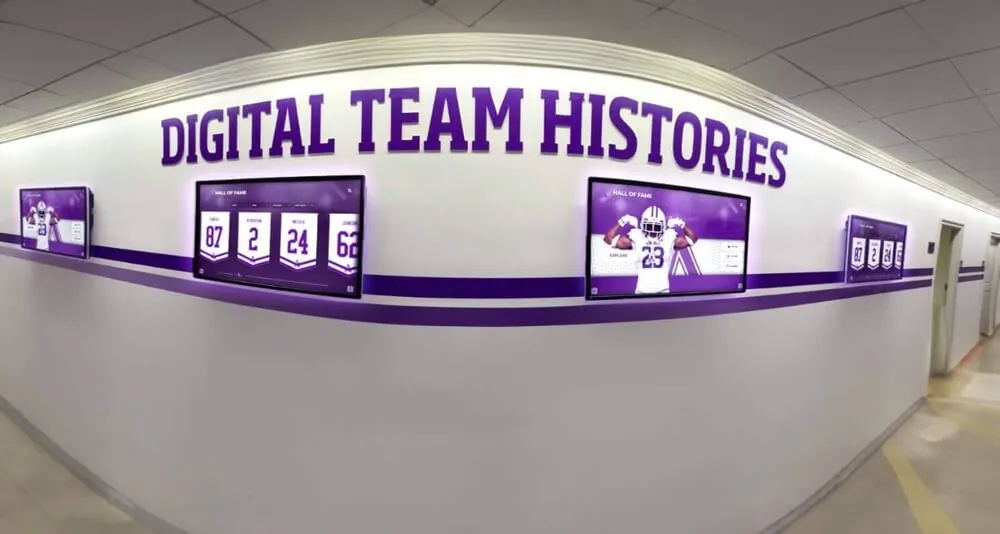
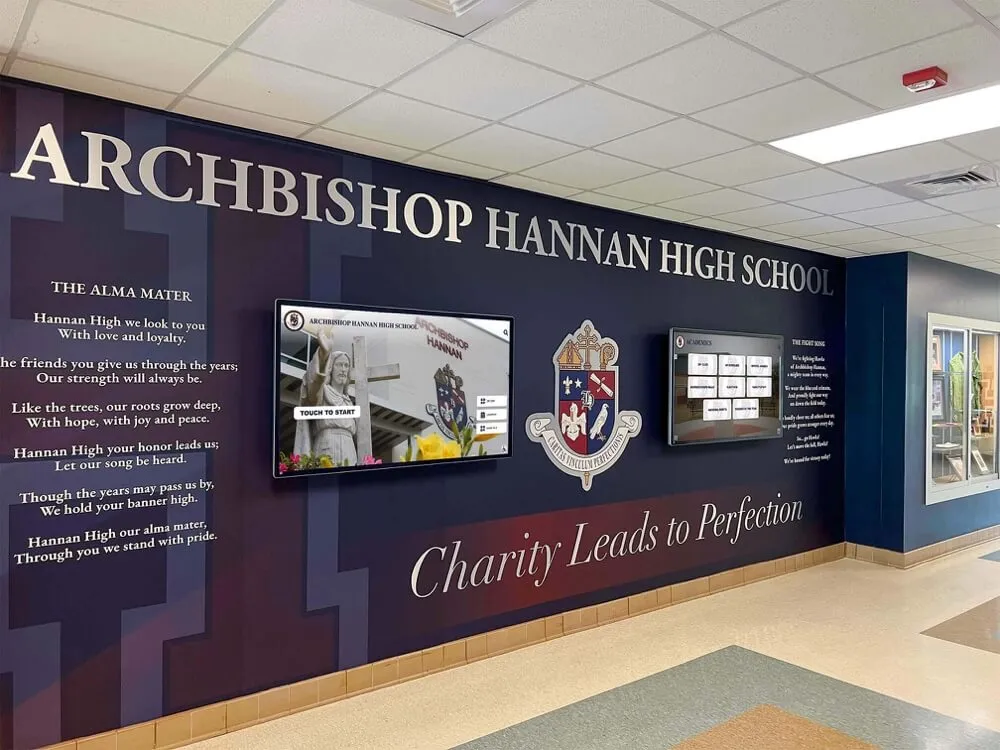
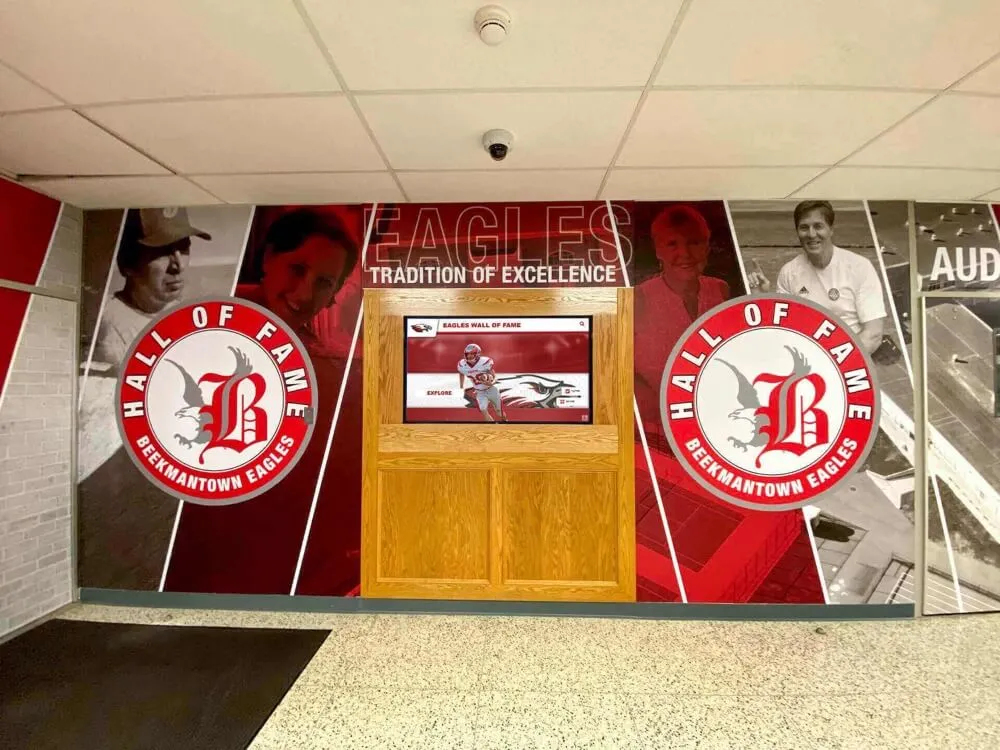
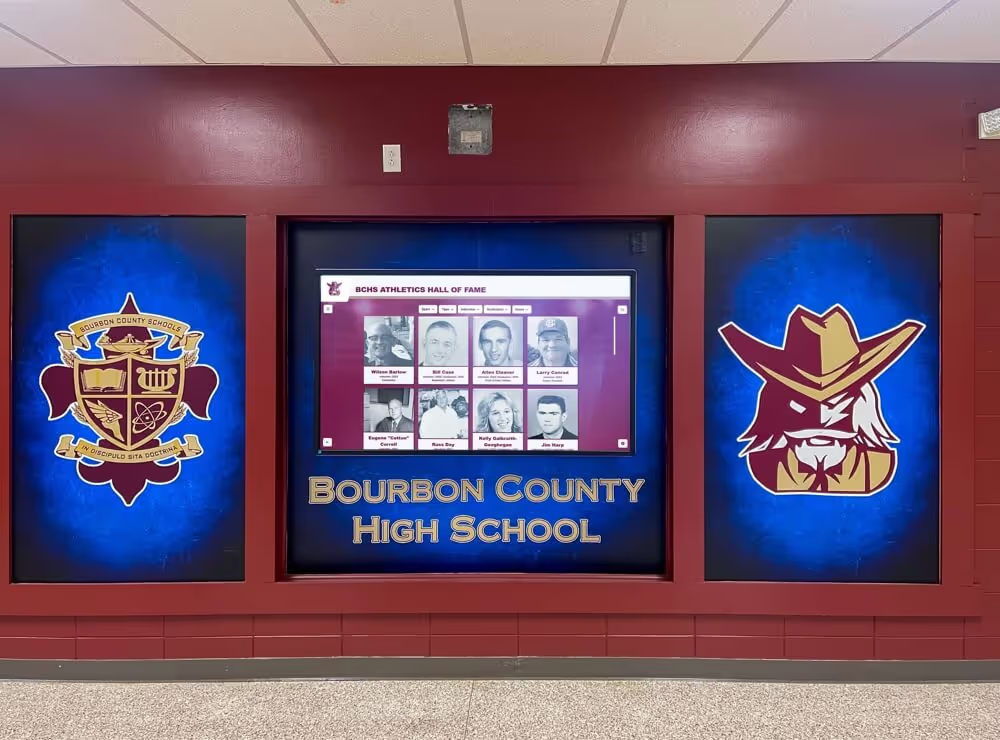
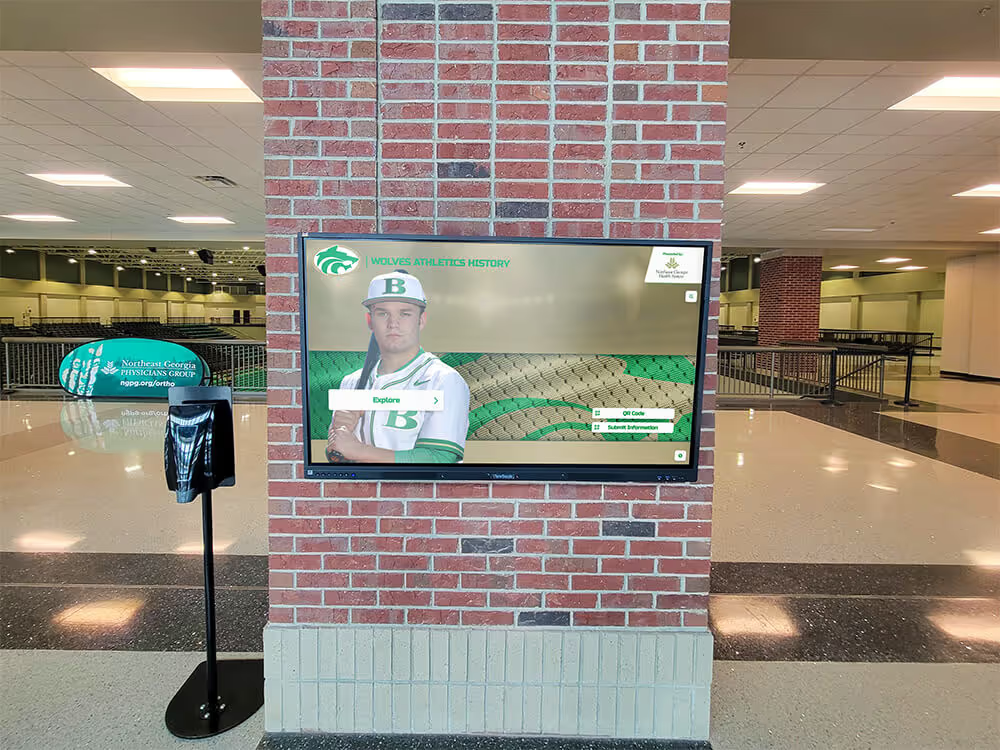
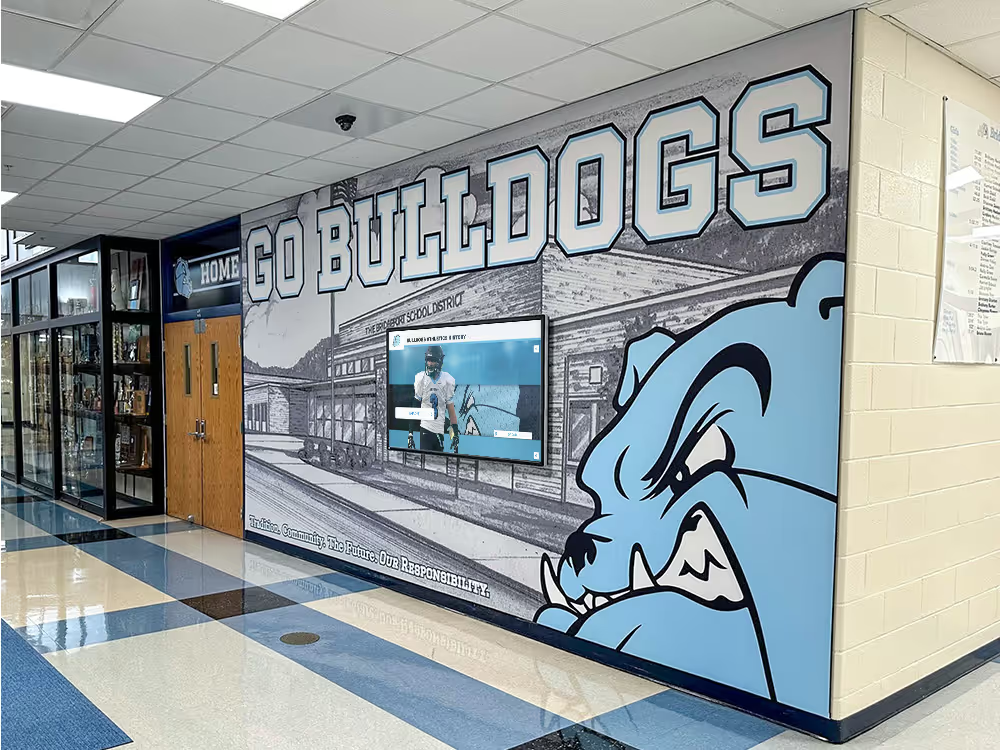
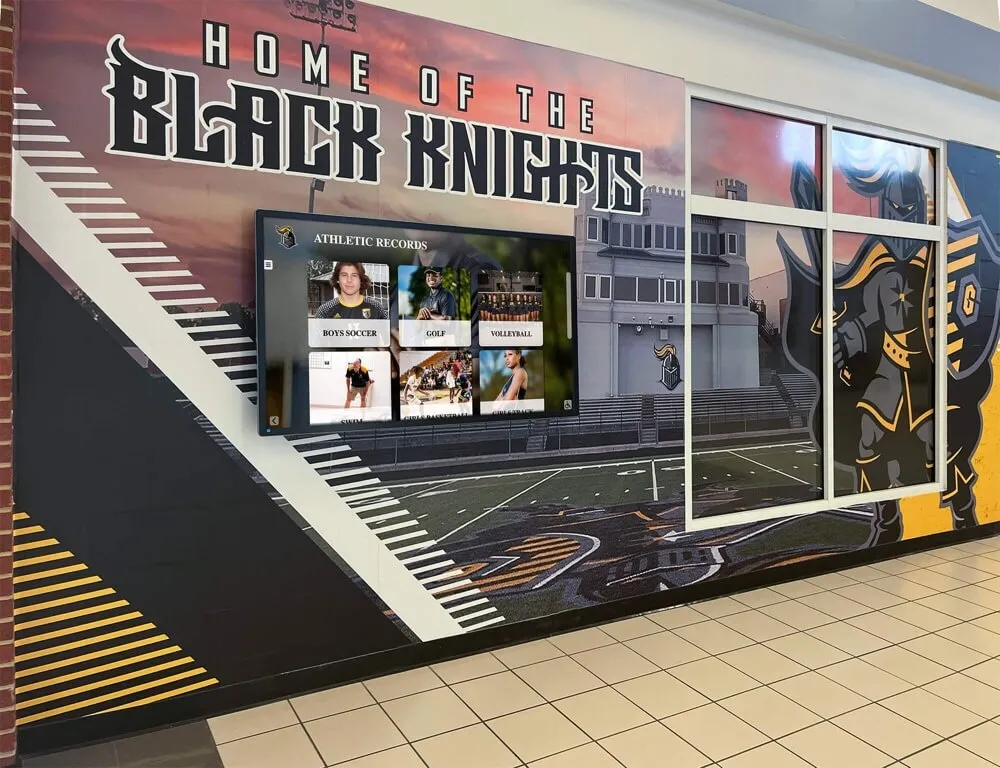
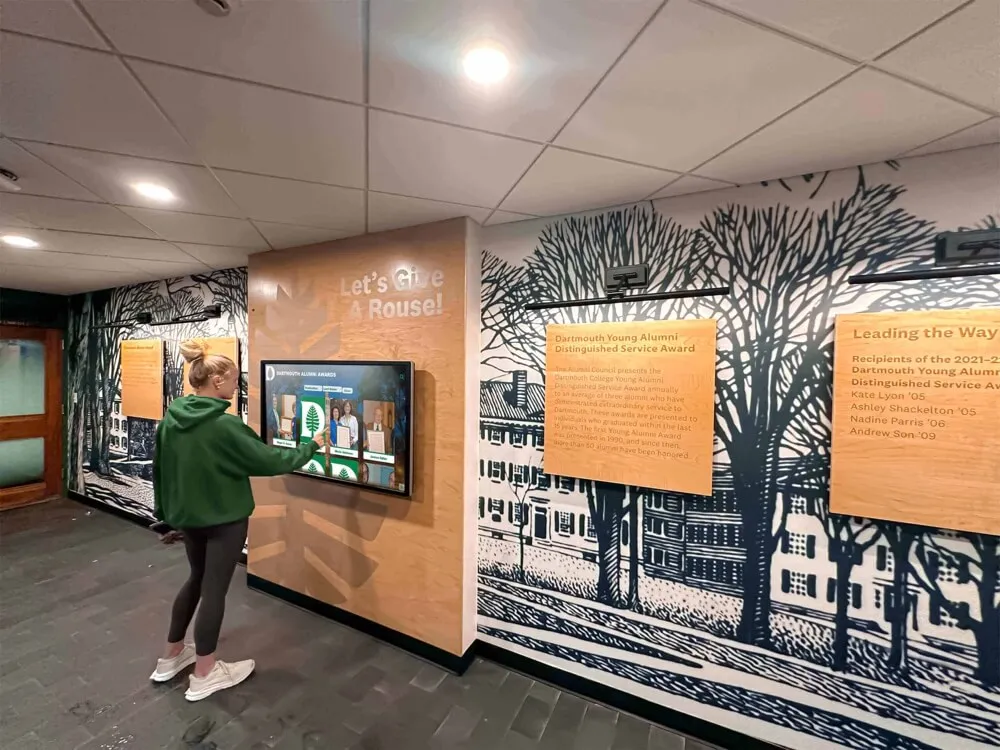
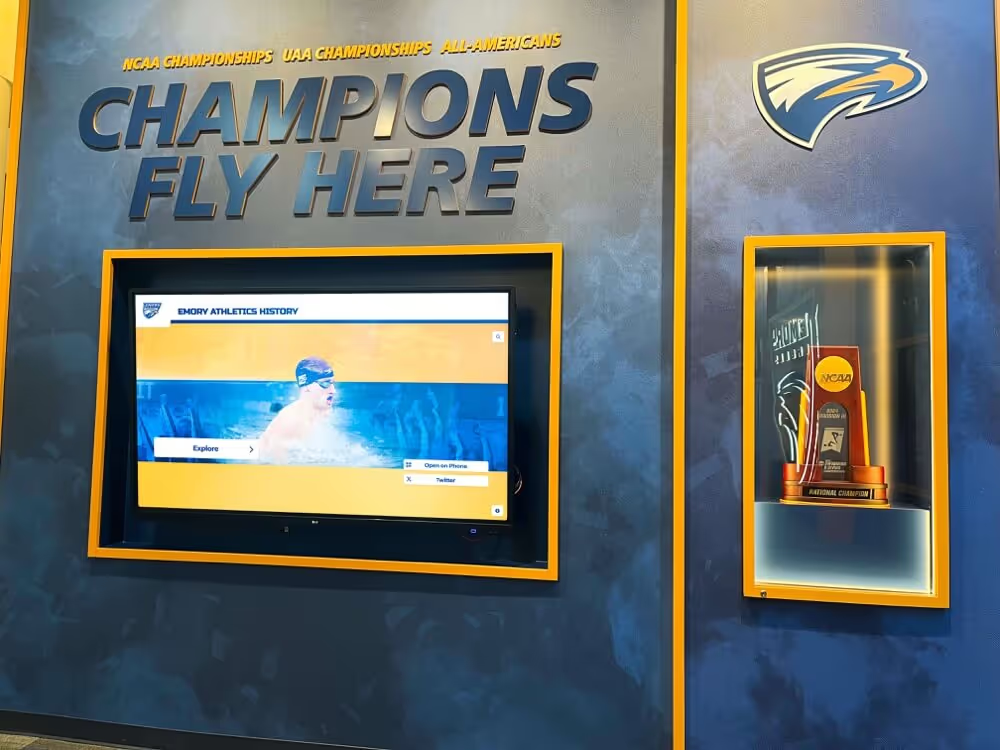
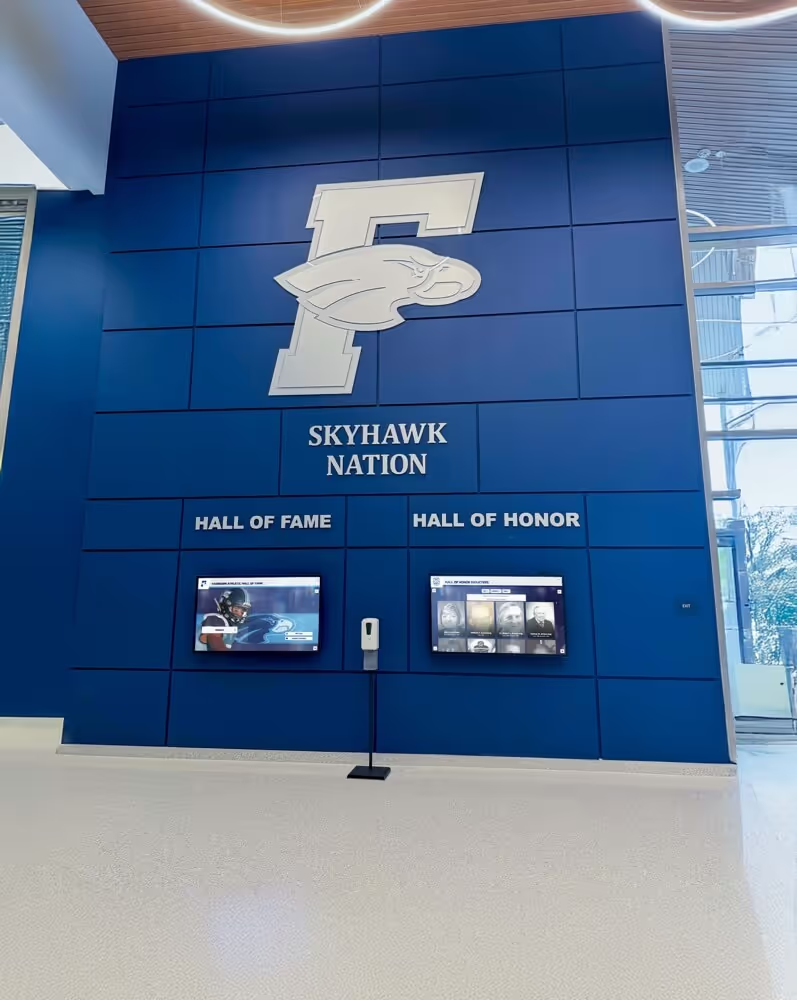
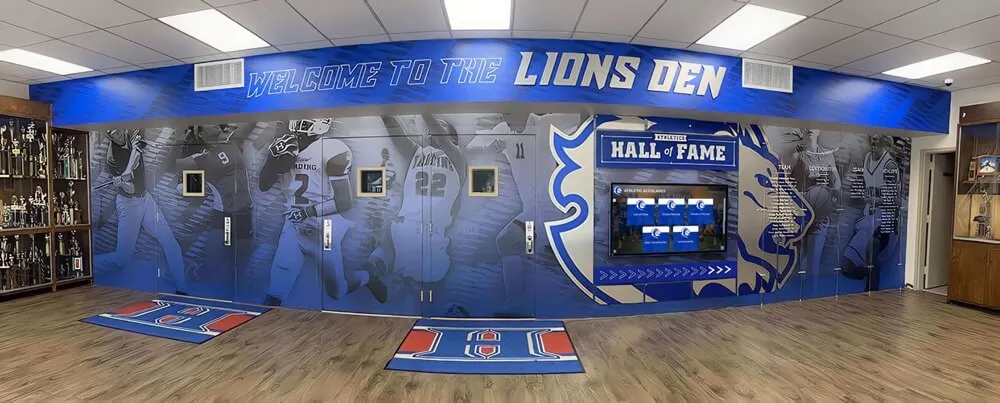
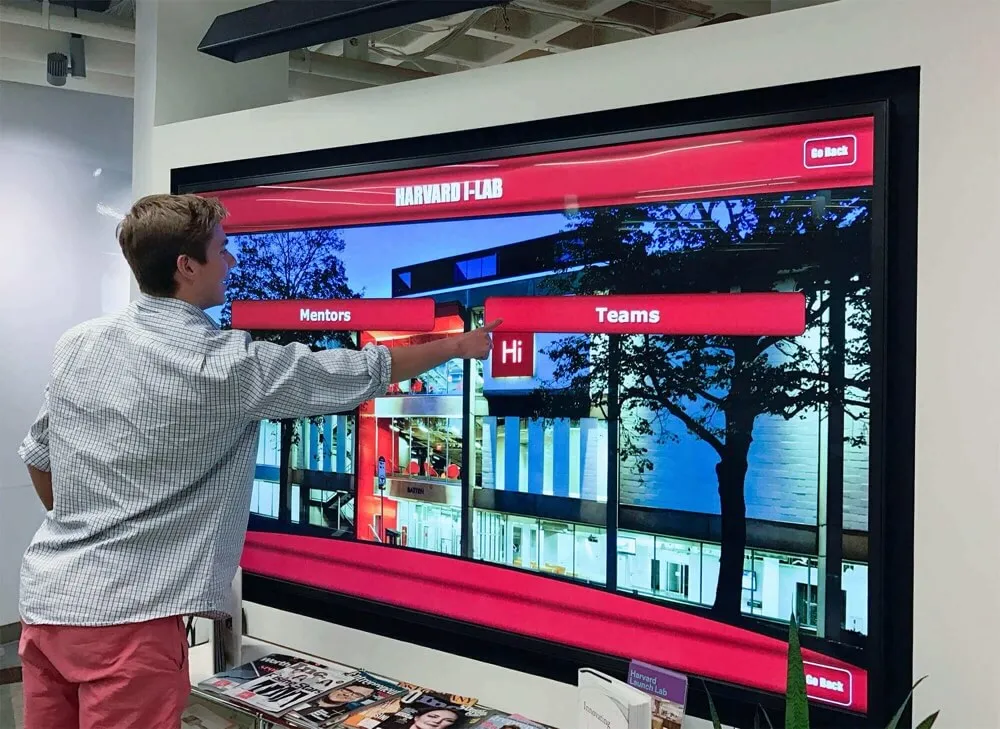
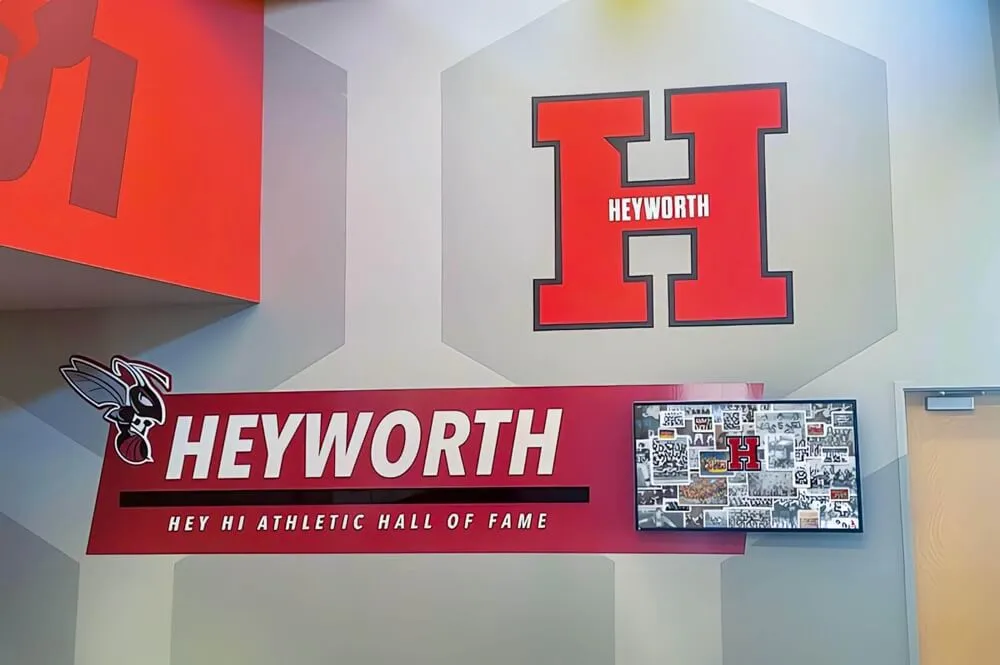
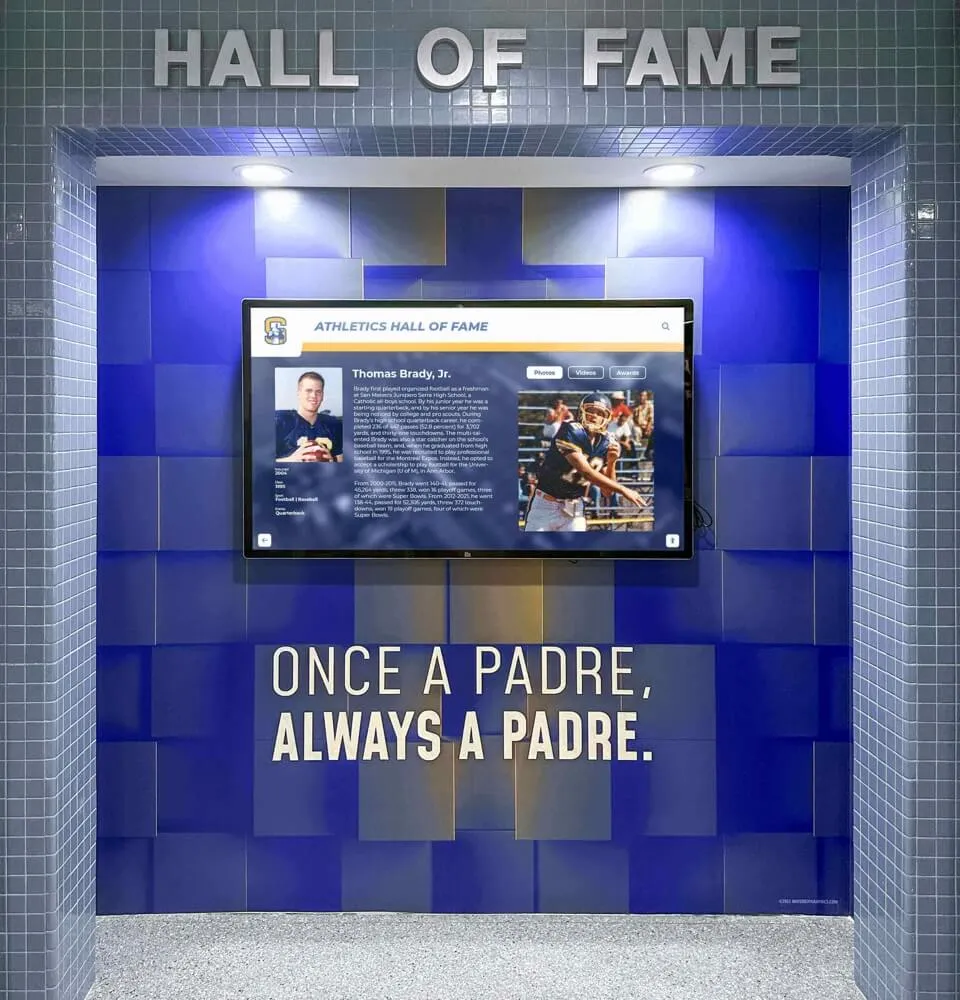
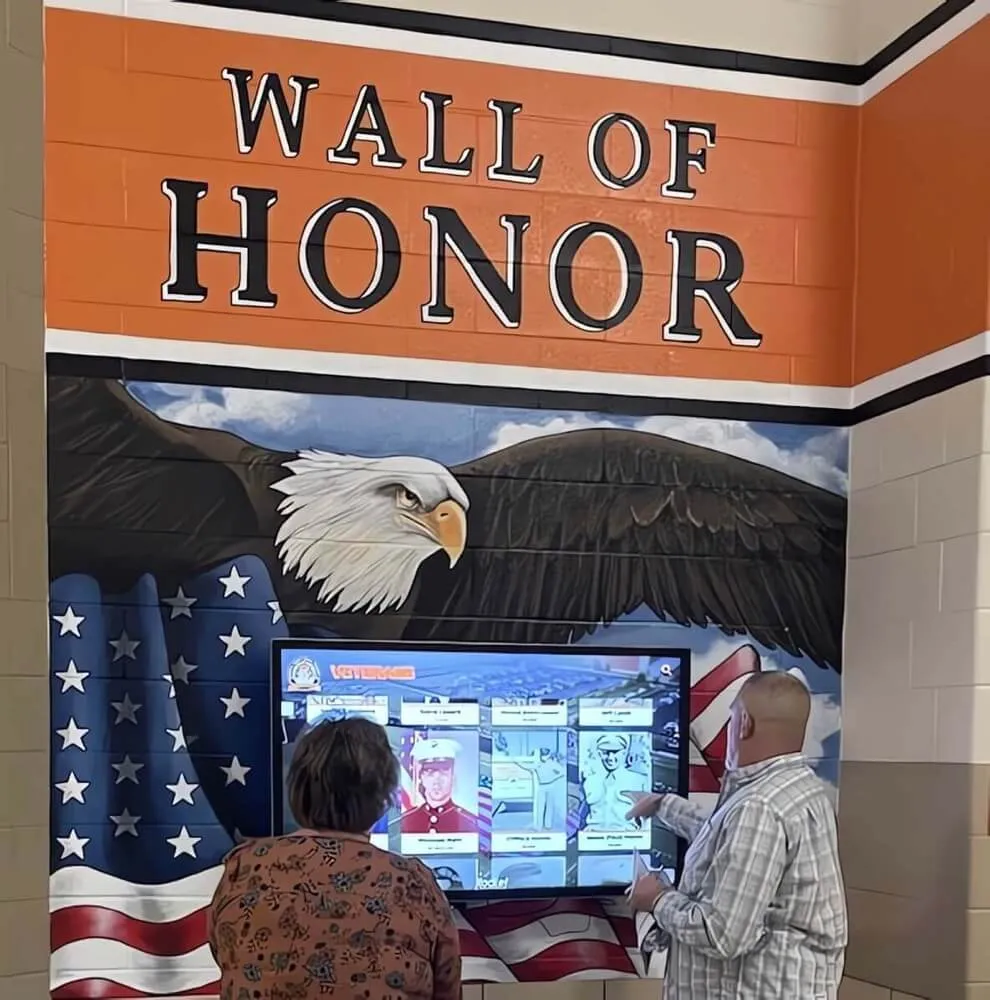
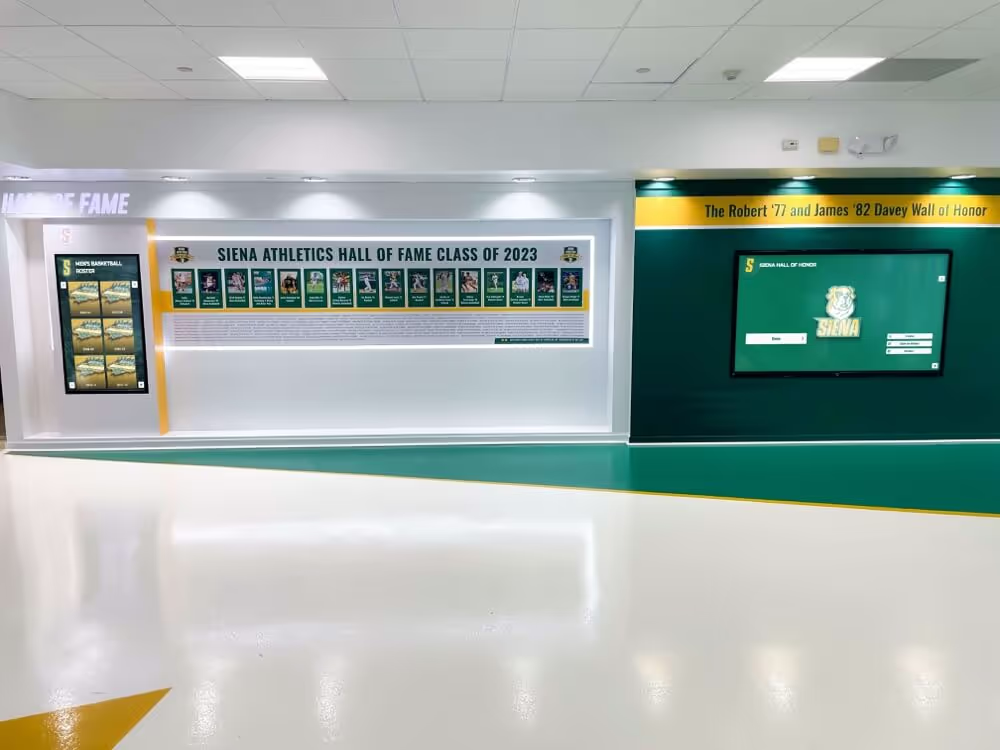
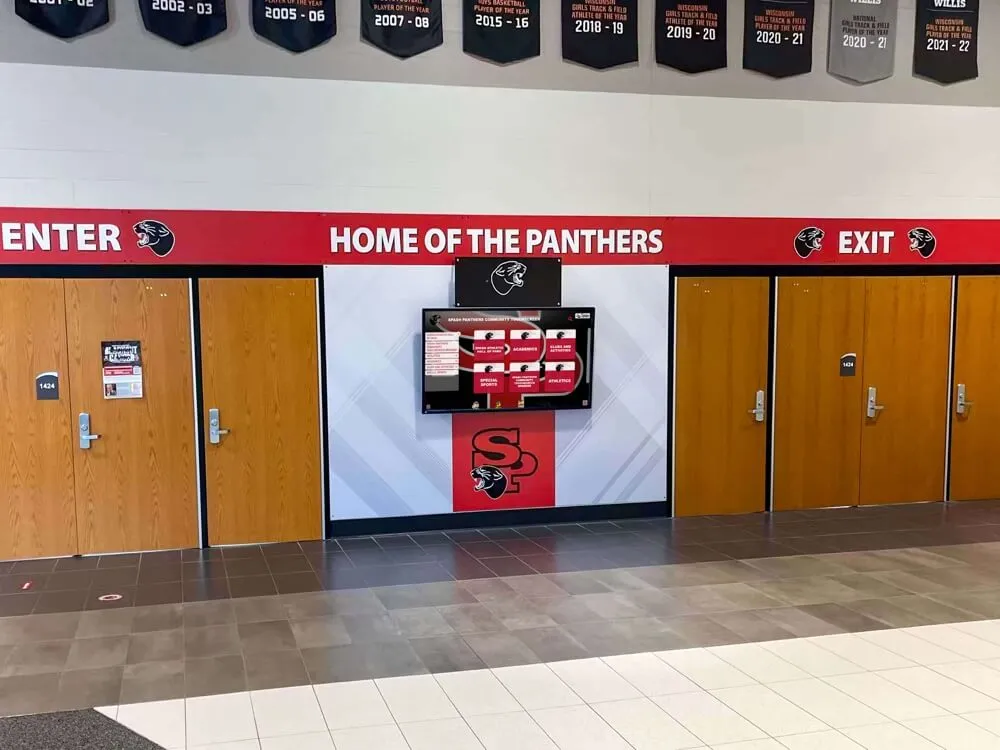
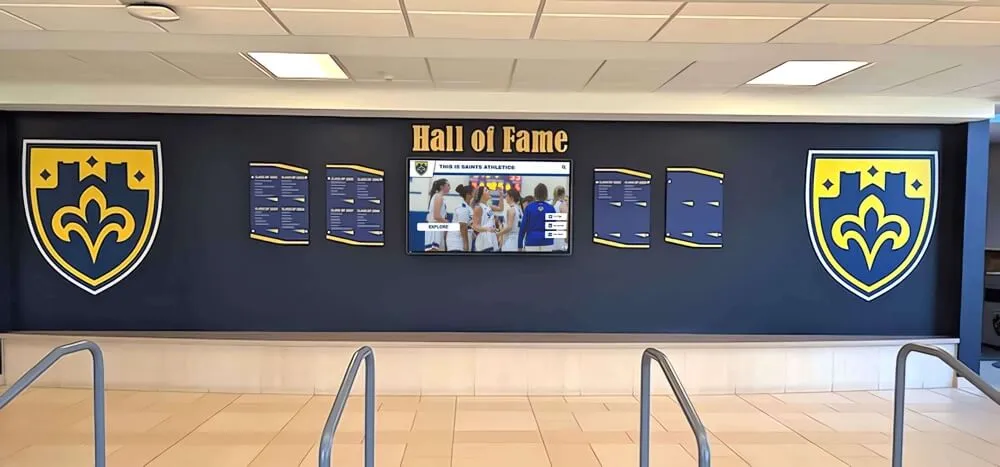
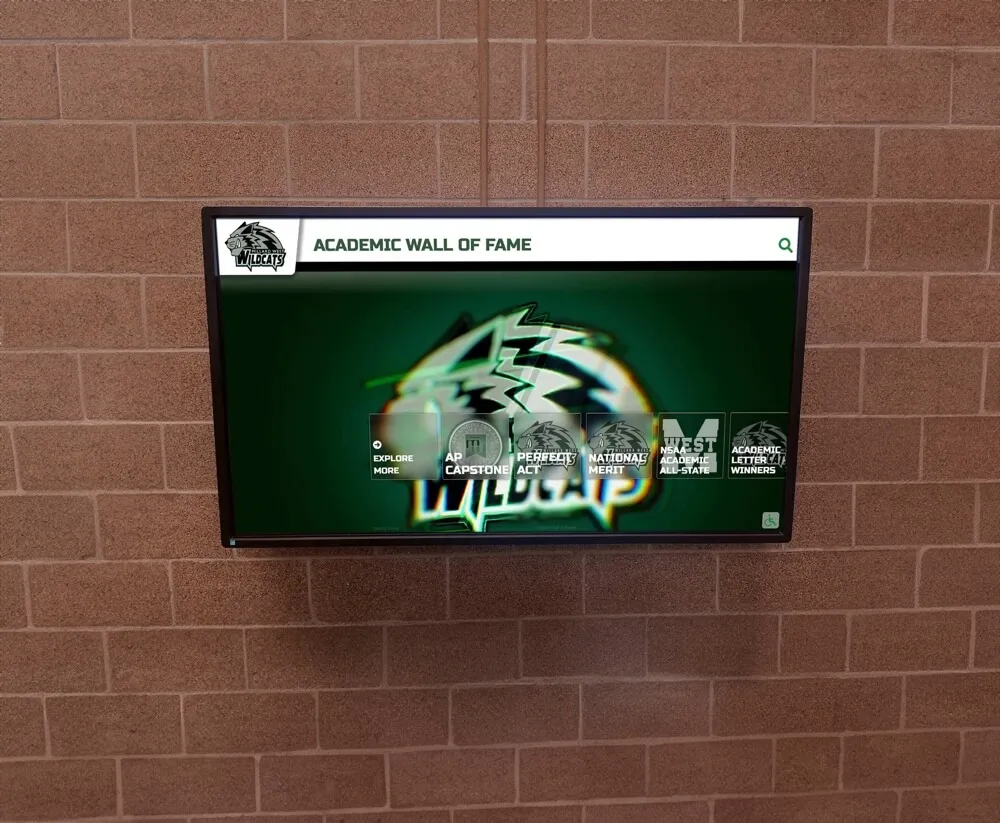
Traditional static plaques and wall-mounted frames face significant limitations for comprehensive staff recognition. Modern digital recognition systems overcome these constraints while creating engaging, expandable platforms.
Interactive Digital Recognition Displays
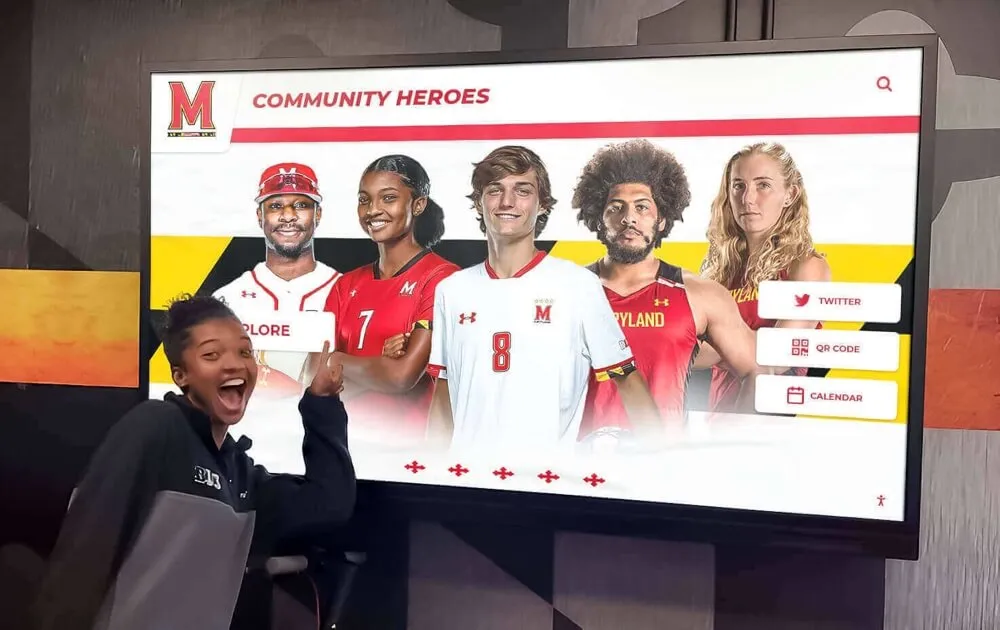
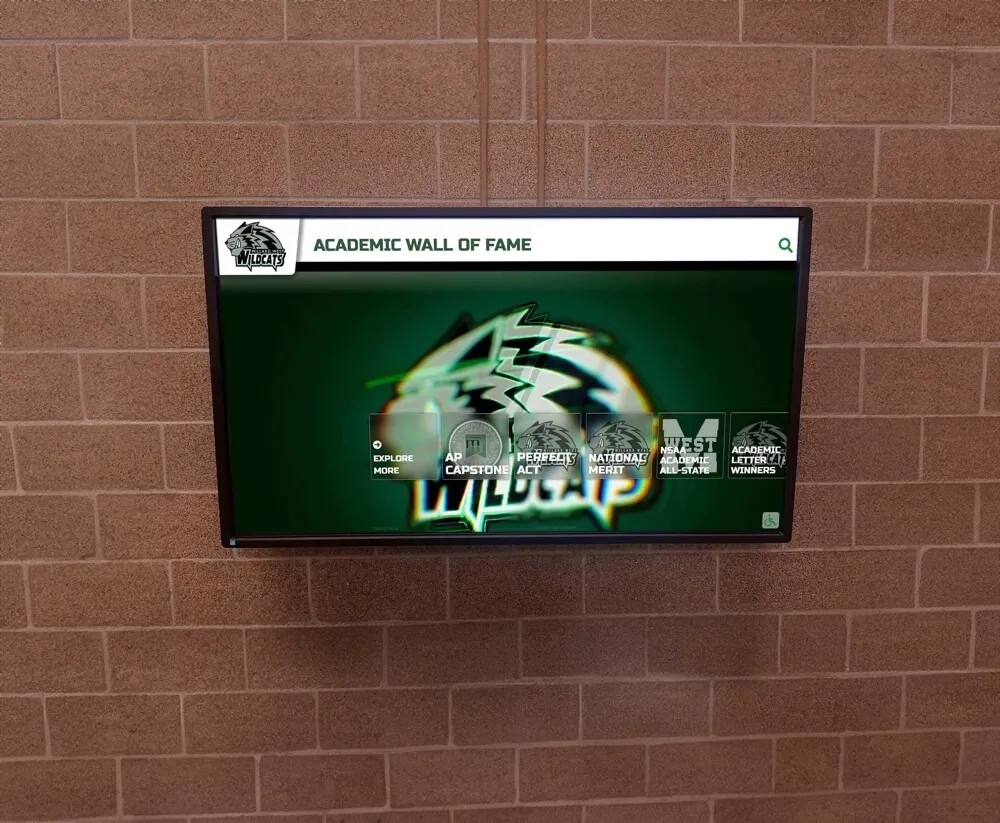
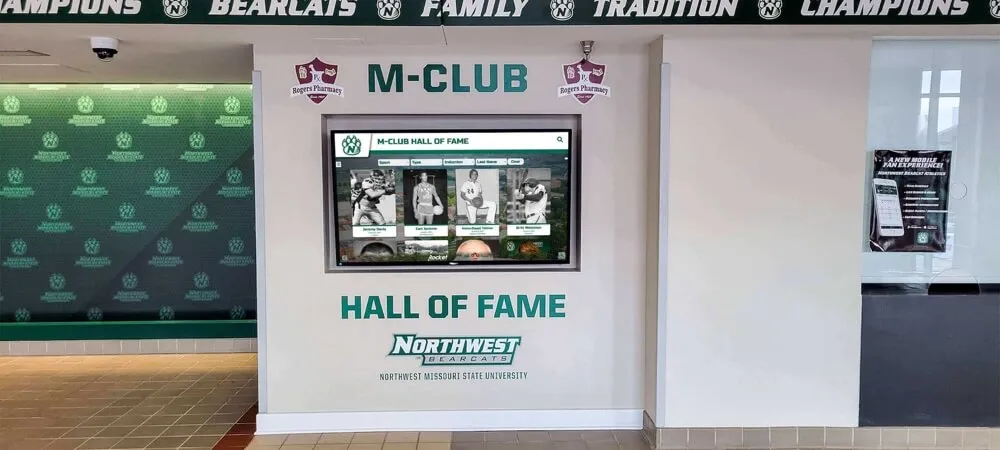
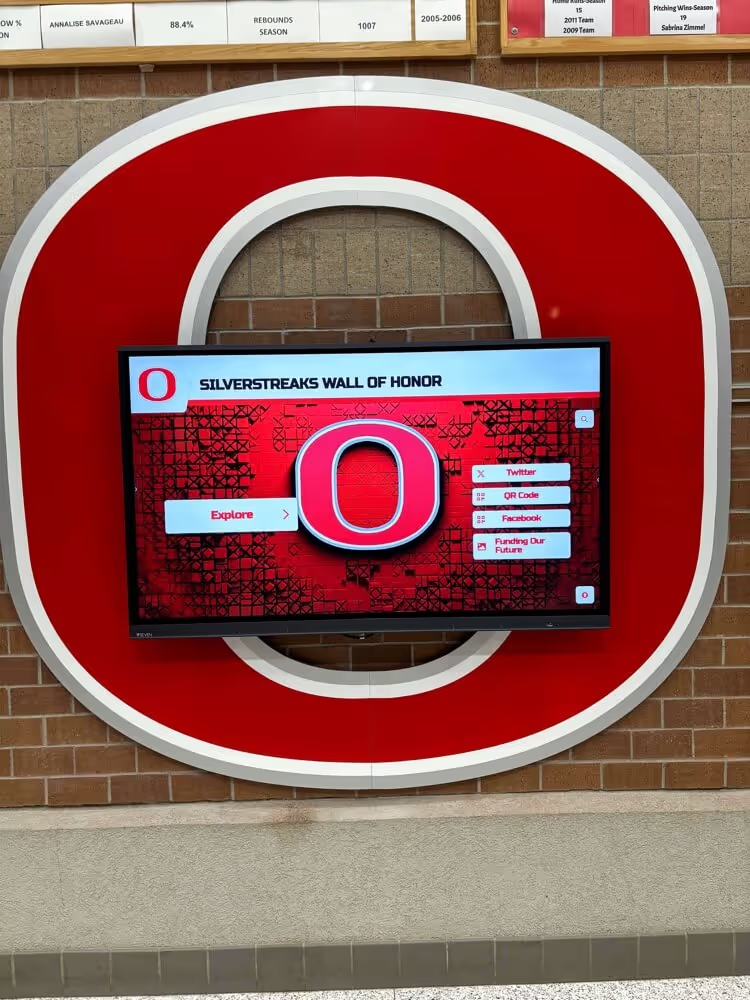
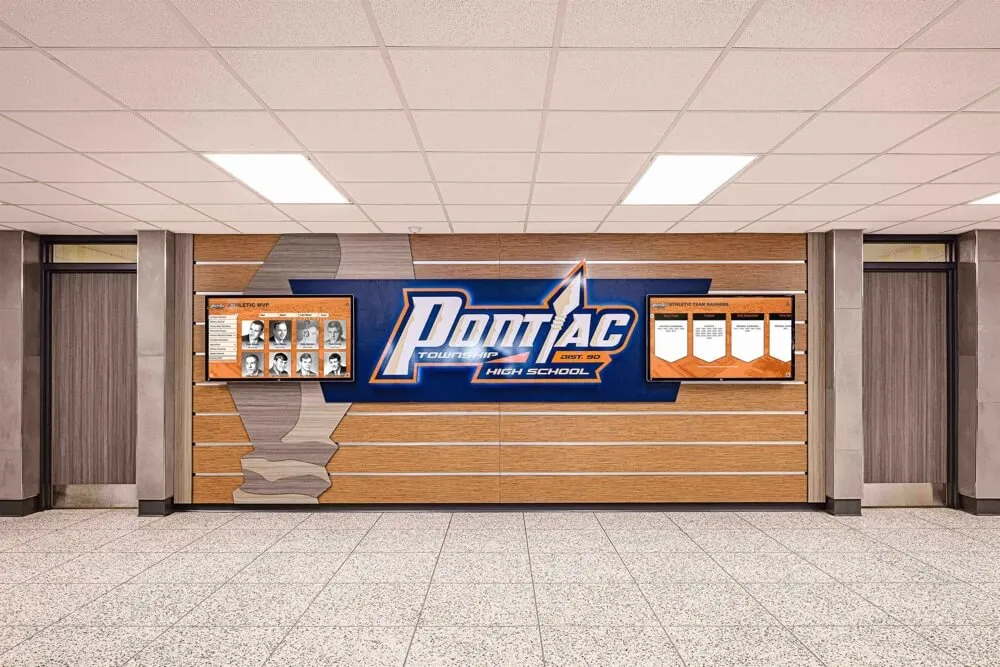
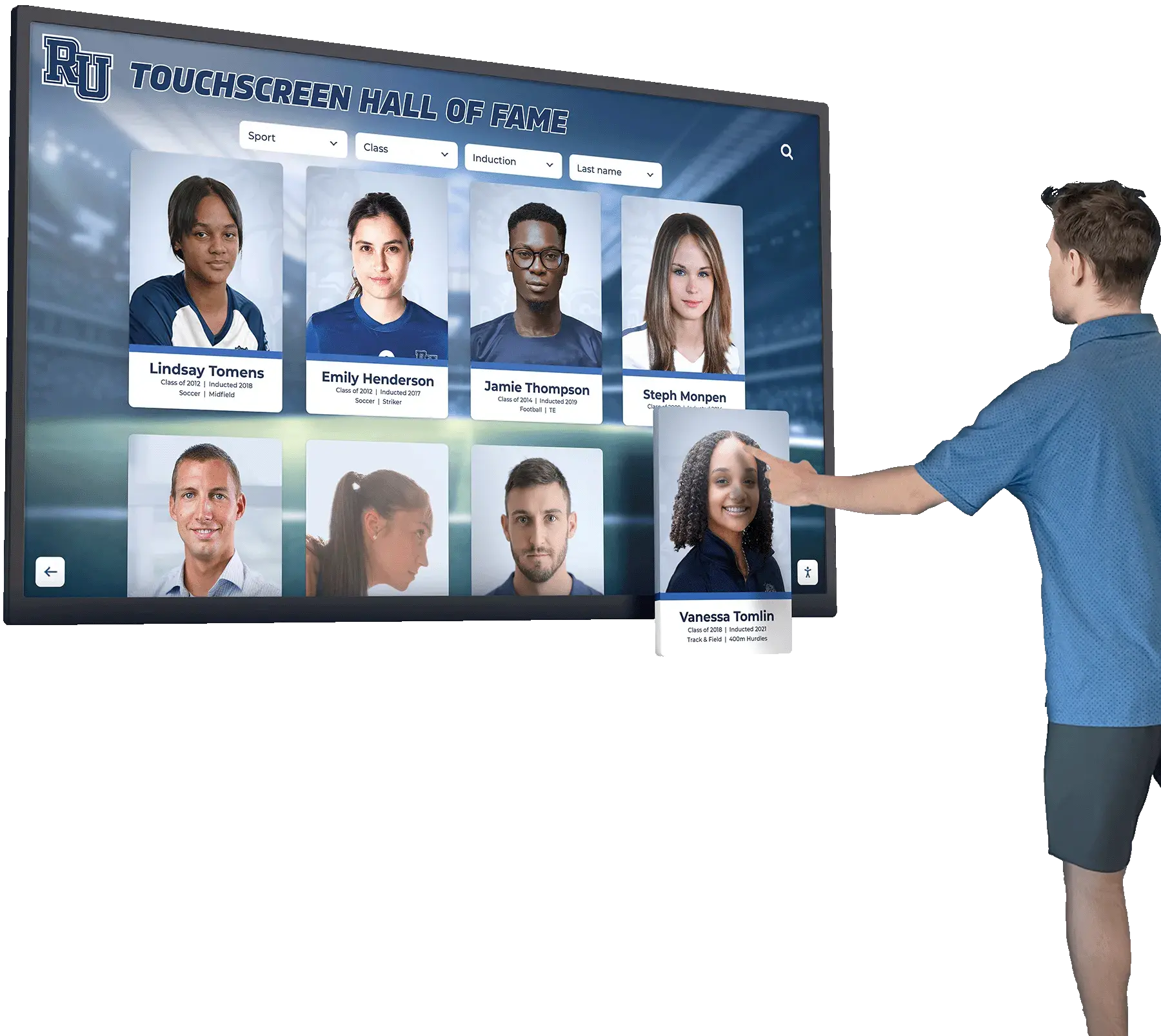
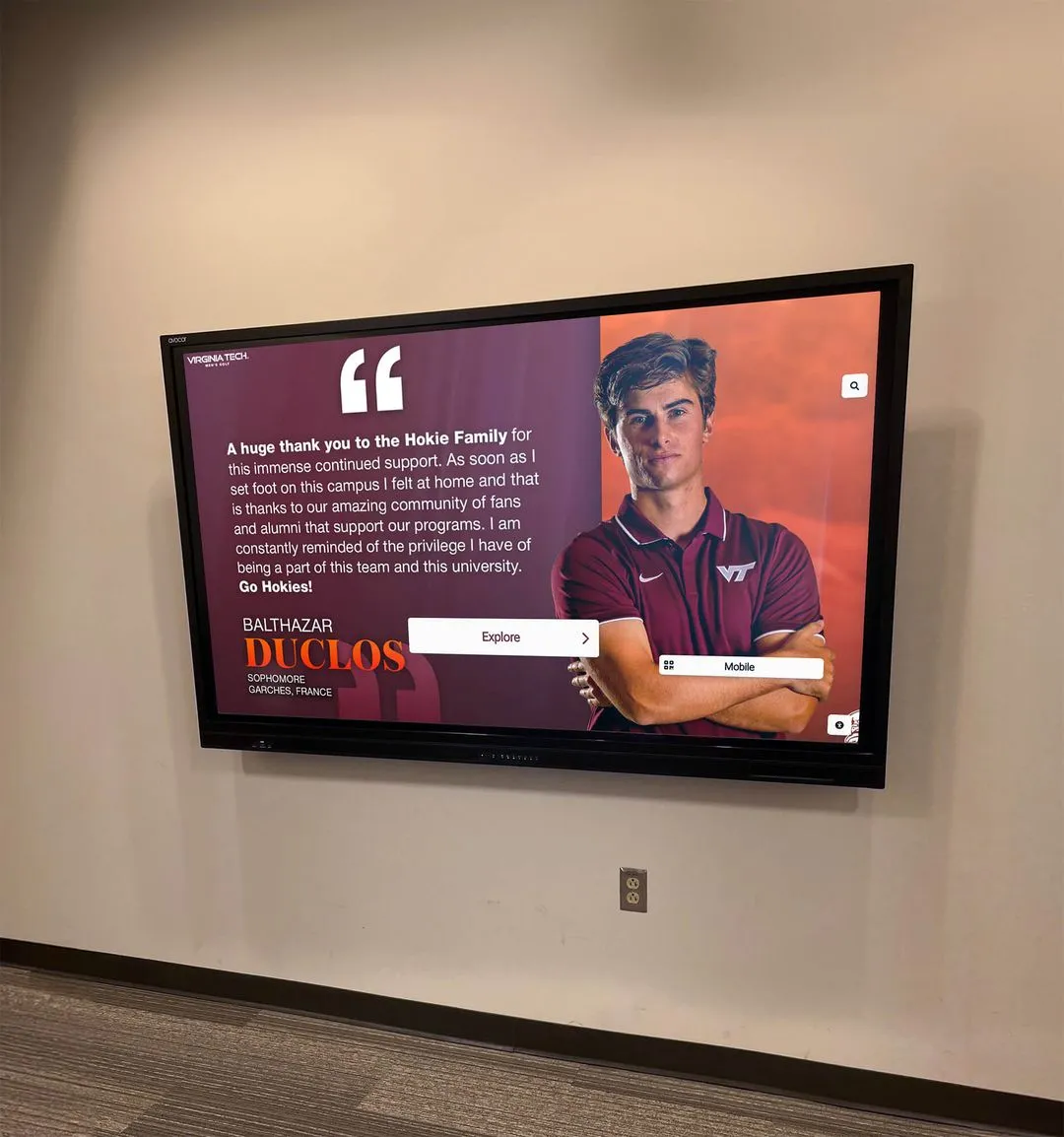
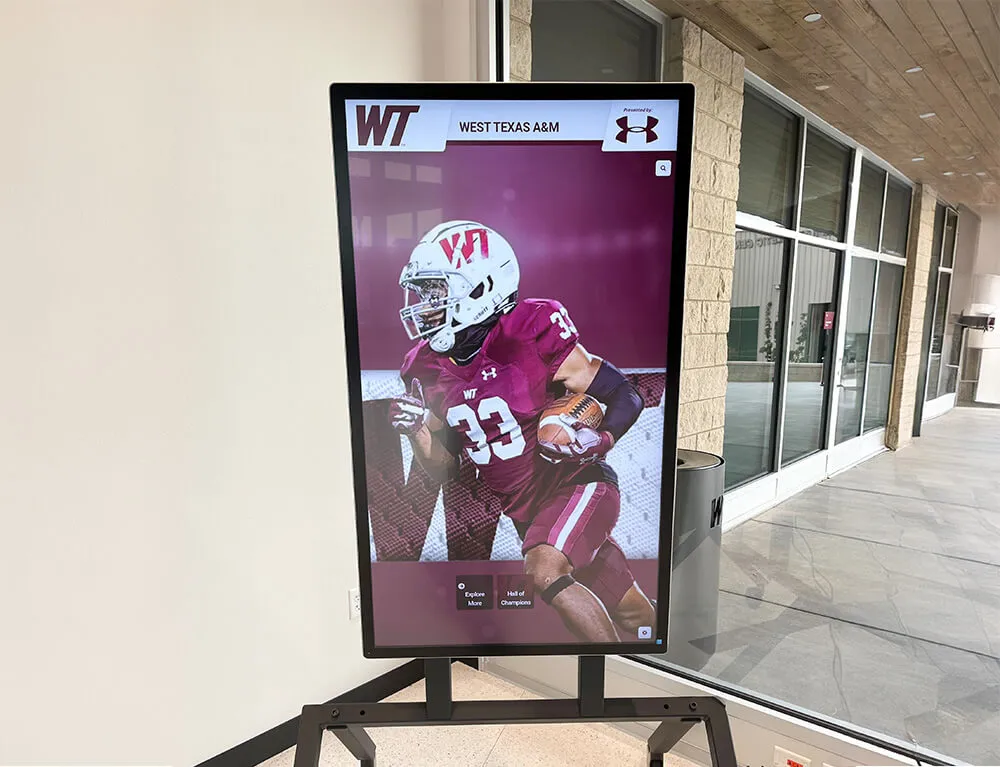
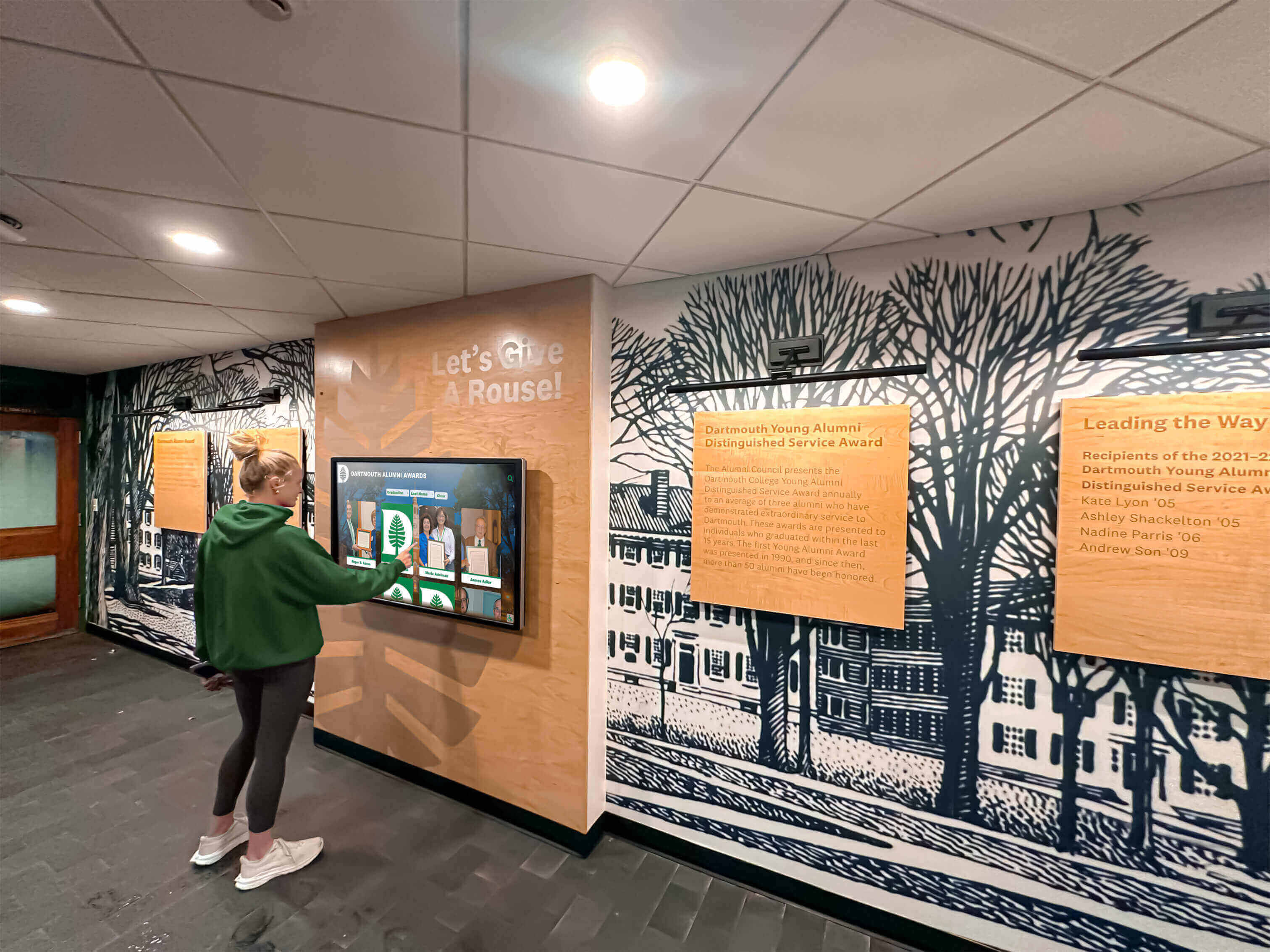
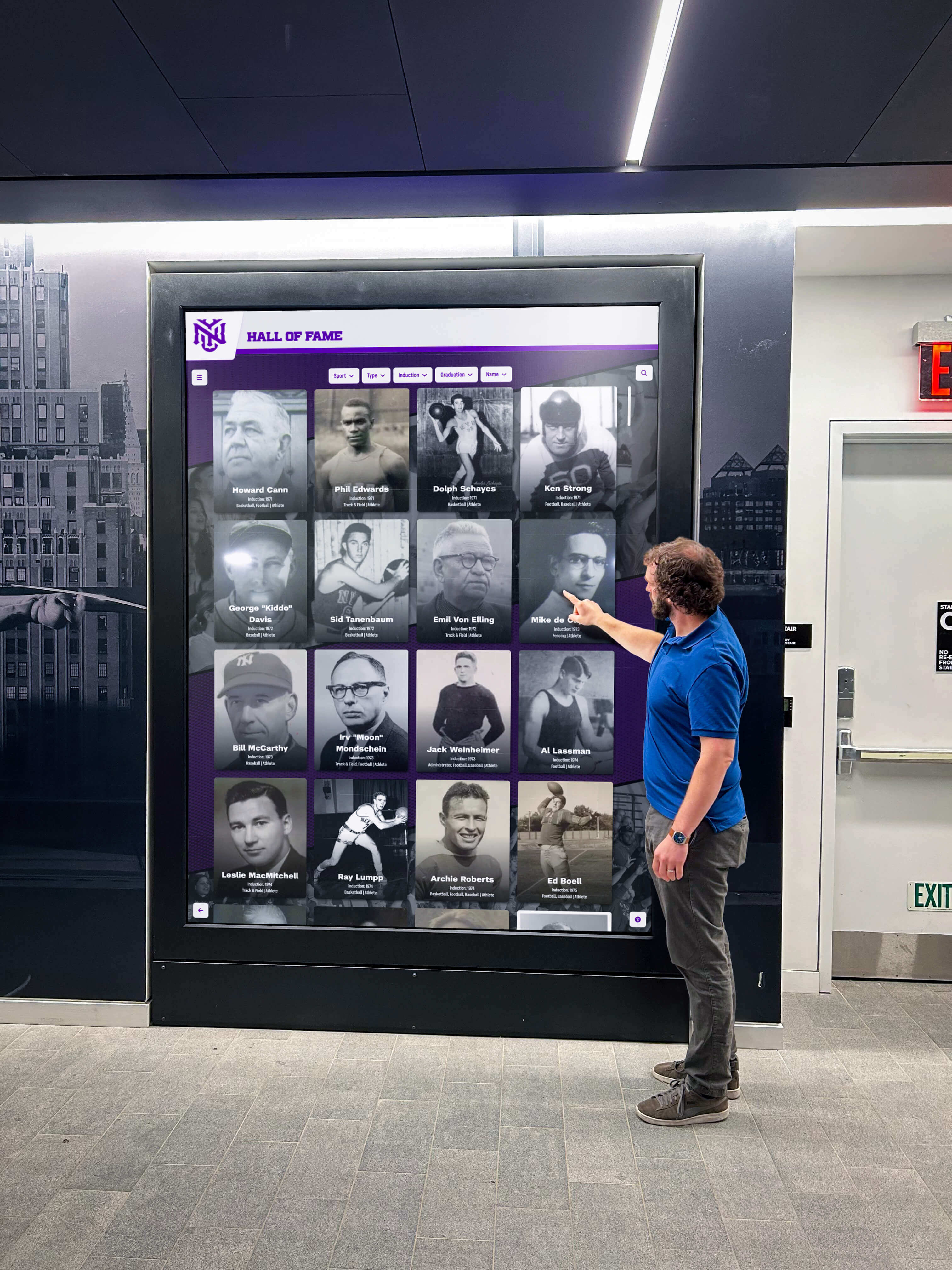
Contemporary schools are implementing sophisticated digital recognition systems specifically designed to honor all contributors to student success, including library staff:
Solutions like Rocket Alumni Solutions provide comprehensive platforms where schools can:
- Create detailed librarian profiles with photos, biographies, and achievement highlights
- Showcase special programs librarians developed or innovative initiatives they led
- Feature student testimonials about favorite books or research assistance
- Display librarian professional credentials and specialized expertise areas
- Update content easily as programs evolve or new staff join the team
- Integrate library achievement recognition alongside athletic and academic honors
These systems ensure library staff receive visibility proportional to their impact on student learning and school culture.
Strategic Display Placement
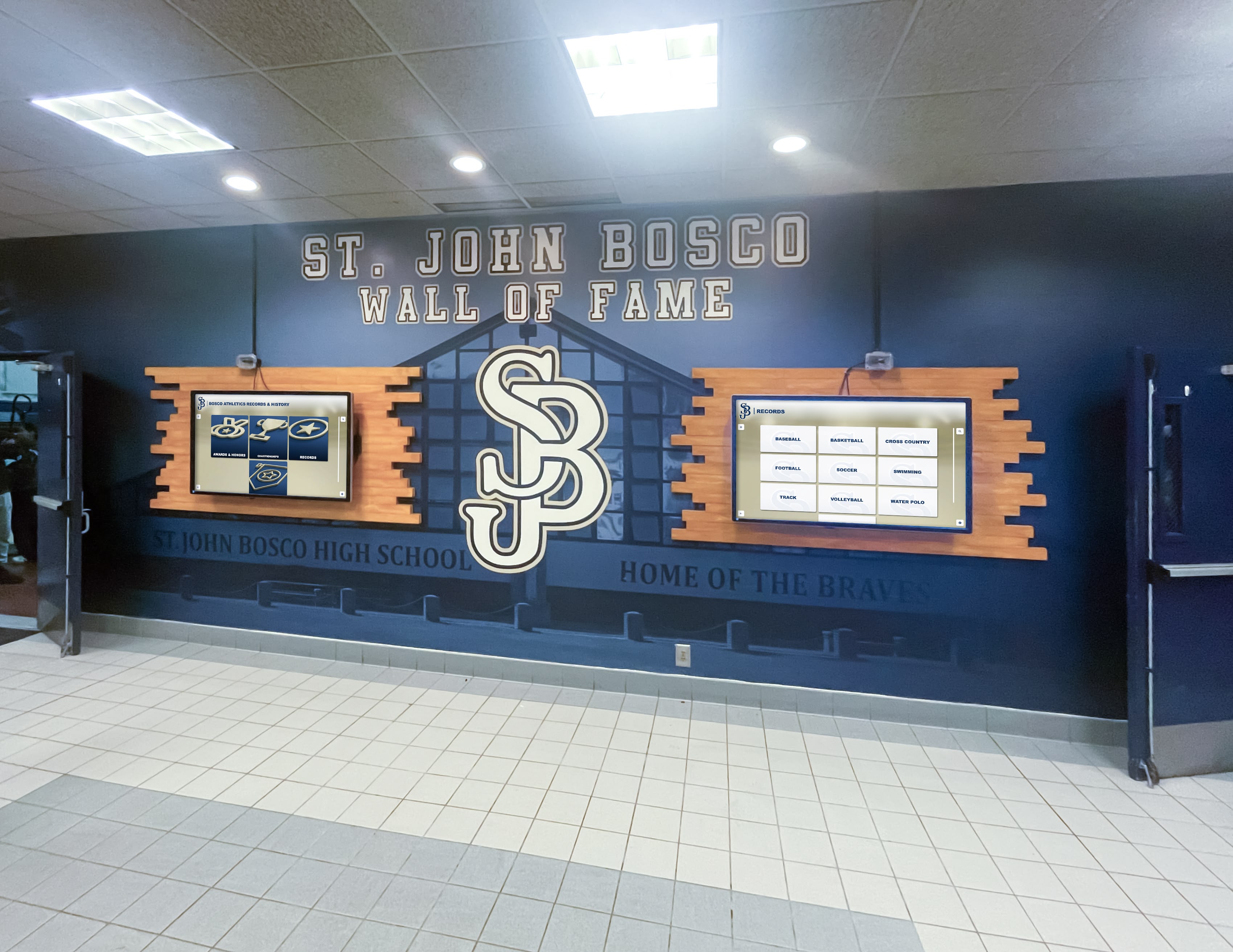
Location determines recognition visibility and impact. Effective placement includes:
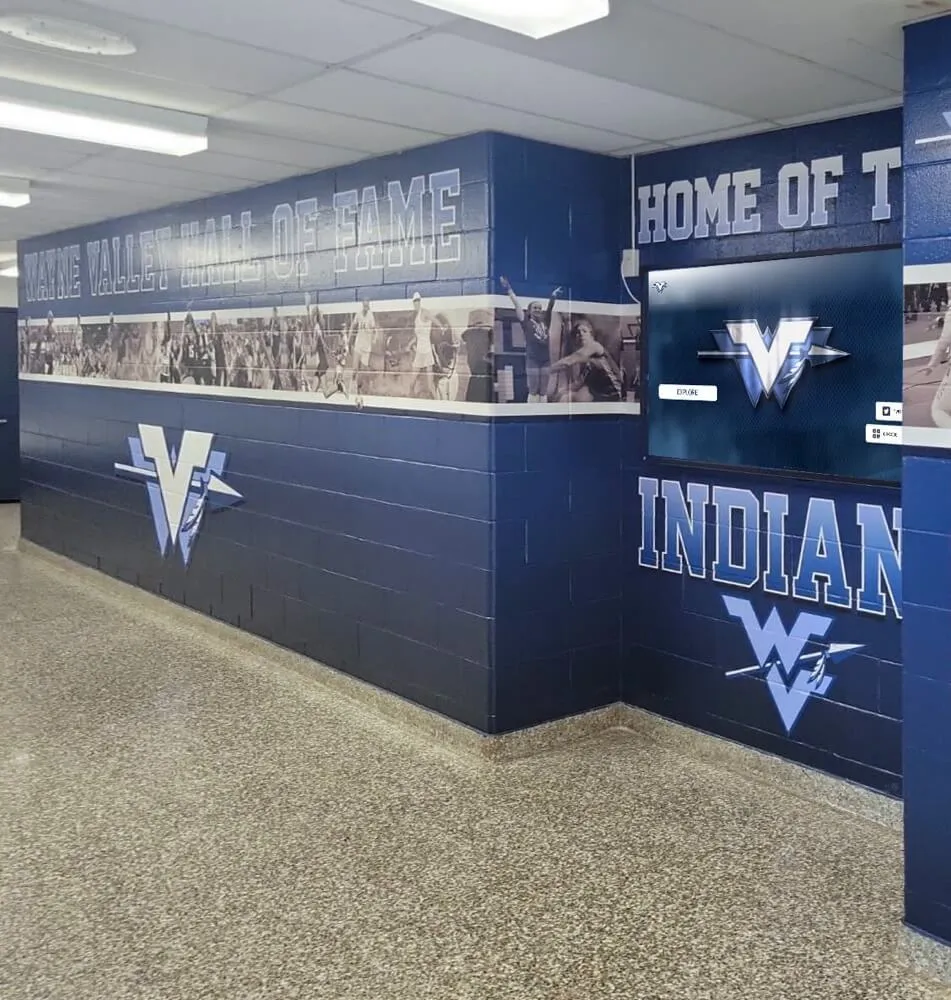
- Main entrance lobbies where all visitors encounter recognition immediately upon arrival
- Library entrances celebrating the staff who make the space special
- Student-frequented hallways ensuring regular student exposure to recognition
- Administrative areas where district leaders and community partners visit
- Cafeteria or commons areas with high daily traffic from entire school population
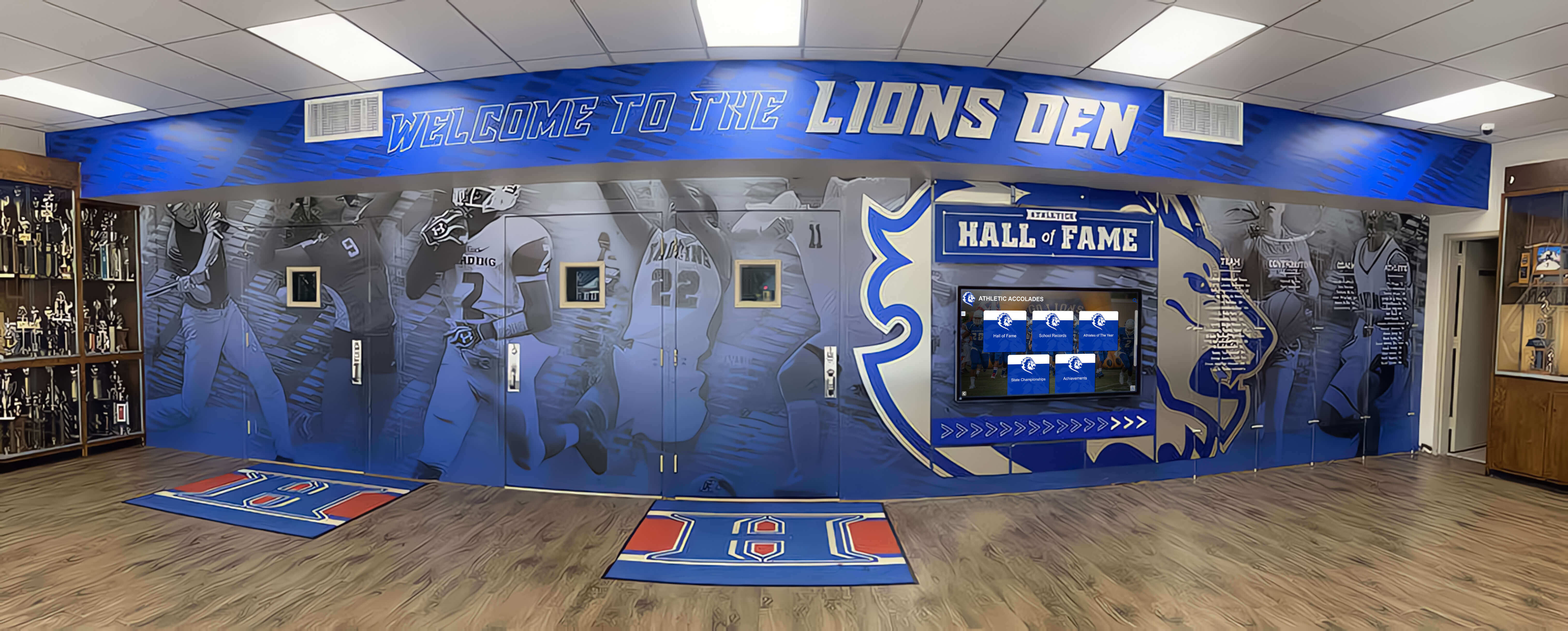
Schools often implement multiple displays in different locations, with library-specific recognition appearing both in the library itself and in school-wide recognition displays alongside other honored community members.
Comprehensive Recognition Content
Effective librarian profiles include:
Professional Background and Credentials
- Educational background including degrees, certifications, and specialized training
- Years of service to the school and broader educational career history
- Professional association involvement and leadership roles
- Awards and recognitions received throughout their career
- Special expertise areas or content focus (early literacy, makerspaces, research instruction)
Program Achievements and Innovations
- Signature programs or initiatives the librarian developed
- Collection development achievements like specialized collections or significant acquisitions
- Technology integration leadership or digital resource implementation
- Collaborative projects with teachers, administrators, or community partners
- Grant funding secured for library program enhancement
- Facility improvements or space redesigns librarian led
Student Impact Stories
- Testimonials from students describing meaningful library experiences
- Reading achievement improvements linked to library programs
- Research skill development through librarian instruction
- Personal support stories from students facing challenges
- Alumni reflections on lasting library influence
Visual Elements
- Professional portraits capturing personality and approachability
- Action photos showing librarian working with students
- Program images showcasing library events, displays, or activities
- Before/after photos of library improvements or transformations
- Student artwork or projects inspired by library programs
Content Development and Management
Creating compelling recognition content requires systematic approaches ensuring quality while managing workload.
Information Gathering Methods
Collect recognition content through:
- Structured interviews with librarians about career highlights and achievements
- Student surveys gathering testimonials and favorite library memories
- Teacher input about effective collaborations and student impact
- Portfolio review of librarian-developed materials, programs, and initiatives
- Photo collection from library events, programs, and daily operations
- Achievement documentation including awards, certifications, and recognitions
Collaborative Content Creation
Distribute content development across multiple contributors:
- Student writing classes creating librarian profile narratives
- Photography students capturing professional portraits and action shots
- Media production classes developing video testimonials or program highlights
- Library assistants compiling achievement timelines and program documentation
- Parent volunteers conducting interviews or gathering testimonials
- Professional recognition display providers offering content development support
Collaborative approaches build broader investment in recognition while teaching students valuable communication and documentation skills.
Updating and Maintaining Recognition Content
Establish regular review cycles ensuring recognition remains current:
- Annual reviews adding new achievements, programs, or recognitions
- Milestone updates when librarians reach service anniversaries
- Program feature updates highlighting current initiatives
- Student testimonial refreshes incorporating recent student voices
- Photo updates maintaining contemporary visual representation
- Retirement or transition tributes when librarians leave positions
Cloud-based content management systems enable easy updates without requiring specialized technical expertise or vendor coordination.
Program-Based Librarian Appreciation
Beyond recognizing individual librarians, celebrate the programs and initiatives that demonstrate their expertise and impact.
Reading Achievement Recognition
Highlight how library programs drive reading engagement and literacy development:
Reading Challenge Celebrations
Create recognition for reading program milestones:
- Student participation rates in library-sponsored reading challenges
- Total books read by student body through library promotions
- Reading level growth improvements correlated with library program participation
- Genre diversity in student reading selections
- Summer reading program engagement preventing summer slide
Display these achievements alongside librarian profiles demonstrating tangible program impact on student literacy.
Book Recommendation Systems
Showcase librarians’ expertise in connecting students with perfect books:
- “Recommended by the Librarian” display features with student testimonials
- Reading pathway maps showing how librarian recommendations built reading confidence
- Student-created book reviews for librarian-suggested titles
- Statistics showing circulation increases for featured recommendations
- Alumni reflections on books that changed their lives discovered through librarian suggestions
This recognition validates librarians’ deep literature knowledge while encouraging more students to seek personalized recommendations.
Information Literacy Achievements
Celebrate how librarians build essential research and critical thinking skills:
Research Competency Development
Document student information literacy growth:
- Research project quality improvements through librarian collaboration
- Database usage statistics showing student research sophistication
- Citation accuracy improvements from library instruction
- College readiness improvements in research and writing skills
- Student success in research competitions or scholarly programs
Connect these outcomes directly to librarian instruction and support, making visible contributions that often remain invisible to broader communities.
Digital Citizenship Impact
Recognize librarians’ leadership in teaching responsible technology use:
- Reduced plagiarism incidents through academic integrity instruction
- Improved online safety behaviors from digital citizenship education
- Media literacy competency demonstrated in student work
- Responsible social media use promoted through library programs
- Reduced cyberbullying through library-led awareness initiatives
These outcomes demonstrate librarians’ essential role beyond books in developing informed, ethical digital citizens.
Collection Development Excellence
Honor thoughtful curation creating inclusive, relevant library collections:
Diverse Representation Initiatives
Celebrate collection diversity efforts:
- Percentage of collection representing diverse authors, characters, and perspectives
- Specialized collection development addressing community needs or interests
- Student input in collection development through review teams or purchase suggestions
- Community partnership acquisitions from diverse bookstores or publishers
- Recognition of #OwnVoices authors and marginalized perspective inclusion
Diverse, inclusive collections require intentional effort, expertise, and often additional funding advocacy. Recognition honors this important work.
Innovative Resource Access
Highlight creative approaches expanding resource availability:
- Digital resource subscriptions providing 24/7 access beyond physical library hours
- Interlibrary loan systems extending collection beyond campus resources
- Makerspace tool and equipment collections supporting hands-on learning
- Specialized collections supporting unique programs or student interests
- Community resource partnerships providing supplemental materials
These innovations demonstrate librarian creativity and resourcefulness, especially important in budget-constrained environments.
Involving the Broader Community in Librarian Appreciation
Effective recognition extends beyond school walls to engage families, alumni, and community partners.
Family Engagement in Library Recognition
Families often don’t understand the full scope of modern school library programs. Use appreciation as an educational opportunity:
Library Program Showcases
Invite families to experience library programs firsthand:
- Family library nights highlighting resources, programs, and services
- Open houses featuring student work from library-integrated projects
- Book fair events introducing families to diverse literature
- Technology showcases demonstrating makerspace equipment and digital resources
- Reading celebration events honoring student and librarian achievements
These events educate families about library value while creating appreciation for the professionals managing these multifaceted programs.
Home Reading Connection
Help families understand how library programs support home reading:
- Summer reading program promotions preventing learning loss
- Family literacy night events with book giveaways and reading strategies
- Digital literacy resources families can access remotely
- Newsletter features highlighting new acquisitions and librarian recommendations
- Parent workshops on supporting young readers or research skill development
When families understand library program value, they become advocates for adequate funding and staffing.
Alumni Connection to Libraries
Former students often have powerful library memories. Leverage alumni relationships:
Alumni Testimonial Collection
Gather stories from alumni about library influence:
- Surveys asking alumni about favorite library memories and lasting impact
- Video testimonials from successful alumni crediting library experiences
- Alumni book donations honoring influential librarians
- Reunion event programs featuring library tours and current program showcases
- Social media campaigns encouraging alumni to share library stories
Alumni voices carry special weight demonstrating long-term library impact extending years beyond graduation.
Alumni Support for Library Programs
Convert appreciation into tangible support:
- Alumni-funded book purchases or collection endowments
- Career speaker programs connecting alumni to current students through library coordination
- Technology donations from alumni in relevant industries
- Scholarship support for library student assistants
- Capital campaign support for library facility improvements
Alumni often happily support programs that influenced their educational journeys when asked.
Community Partner Recognition
Librarians frequently build community partnerships extending library reach. Honor these collaborations:
Public Library Partnerships
Recognize collaborative programs with public libraries:
- Summer reading coordination ensuring seamless transition between school and public libraries
- Resource sharing agreements expanding access for all community members
- Joint programming reaching broader audiences
- Professional development collaboration between school and public librarians
- Shared collection development addressing community gaps
Public library partners can co-present appreciation recognition, strengthening relationships while celebrating shared literacy advocacy.
Literacy Organization Connections
Highlight partnerships with reading advocacy groups:
- Book donation programs from literacy organizations
- Author visit coordination with reading promotion nonprofits
- Volunteer reading buddy programs from community organizations
- Little Free Library network participation
- Family literacy program collaborations
Community organization participation in appreciation events strengthens networks while demonstrating library leadership in community-wide literacy efforts.
Librarian Appreciation Day Planning Timeline
Systematic planning ensures meaningful appreciation rather than last-minute scrambling.
6-8 Weeks Before
Begin planning early enough to implement substantive recognition:
- Form appreciation planning committee including administrators, teachers, students, and parents
- Establish budget for appreciation activities, events, and gifts
- Determine appreciation timeline (single day, week-long celebration, or ongoing initiatives)
- Identify which recognition ideas align with budget, timeline, and school culture
- Assign roles and responsibilities to planning committee members
- Begin collecting student testimonials, photos, and appreciation messages
4-6 Weeks Before
Develop specific plans and begin implementation:
- Finalize event logistics including dates, times, locations, and participants
- Order gifts, food, decorations, or materials requiring advance purchase
- Create communication materials for announcements, social media, and newsletters
- Develop digital recognition content if implementing permanent displays
- Coordinate with teachers for student participation during class time
- Contact media for potential coverage of appreciation events
- Invite special guests including district administrators, school board members, or community partners
2-4 Weeks Before
Execute tactical details and begin communications:
- Launch social media campaigns building appreciation momentum
- Distribute newsletter features and website content
- Finalize student performances, presentations, or creative projects
- Complete gift purchasing and presentation preparation
- Confirm event logistics including catering, room setup, and technology needs
- Send invitations to all participants including families if planning open events
- Brief students on participation expectations and schedules
Final Week
Complete preparations and build anticipation:
- Daily countdown announcements generating excitement
- Final confirmation of all logistical details
- Preparation of physical spaces for events or celebrations
- Last-minute content collection for digital displays or presentations
- Morning of event setup and coordination
- Implementation of surprise elements if planned
After Appreciation Day
Extend recognition impact beyond celebration:
- Thank you messages to all contributors and participants
- Photo and story sharing on social media and school communications
- Media follow-up sharing appreciation event coverage
- Reflection on what worked well and improvement opportunities for future years
- Permanent recognition display launch or update
- Ongoing incorporation of library highlights in school communications
Sustaining Librarian Appreciation Year-Round
While designated appreciation days provide focus, authentic recognition requires consistent attention throughout the year.
Integrating Libraries into School Culture
Regular Administrative Support
Demonstrate ongoing appreciation through:
- Library program representation in administrative meetings and planning
- Budget advocacy ensuring adequate funding for collections and programming
- Staffing support maintaining appropriate librarian-to-student ratios
- Professional development time and funding for librarian growth
- Inclusion in curriculum planning and school improvement initiatives
- Public acknowledgment of library contributions in routine communications
Actions demonstrate appreciation more powerfully than occasional words alone.
Collaborative Program Development
Involve librarians as educational leaders:
- Curriculum mapping partnerships integrating information literacy across subjects
- School improvement team participation leveraging library expertise
- Technology planning input from library technology leaders
- Literacy initiative leadership from reading experts
- Professional learning community facilitation by librarians
- New teacher mentoring about library resources and collaboration opportunities
When librarians participate as valued professional colleagues rather than service providers, appreciation becomes embedded in school culture.
Building Student Appreciation Habits
Students should view library professionals as valued educators worthy of respect and appreciation:
Library Etiquette and Respect
Teach students to:
- Greet librarians respectfully and express thanks for assistance
- Treat library spaces and materials with care showing appreciation for resources
- Acknowledge librarian recommendations by reporting back on books they enjoyed
- Involve librarians early when starting research projects rather than last-minute desperate searches
- Nominate favorite librarians for awards and recognition opportunities
Basic courtesy becomes cultural habit when modeled and expected consistently.
Student Leadership in Library Programs
Provide opportunities for students to support library programs:
- Library assistant positions helping with circulation, shelving, and program support
- Student library advisory committees providing input on collections and programming
- Peer reading recommendations through student review teams
- Technology mentorship where students assist others with devices and resources
- Library event planning committees helping organize celebrations and programs
Student investment in library success creates natural appreciation for professionals managing these programs.
Honor Your Library Staff with Lasting Recognition
Discover how modern digital recognition displays can showcase your librarians alongside other school achievements, creating lasting appreciation that inspires students and honors the professionals who champion literacy and learning every day.
Explore Recognition SolutionsAddressing Budget Constraints for Librarian Appreciation
Meaningful recognition doesn’t require extensive budgets. Creativity and authenticity matter more than expense.
No-Cost Appreciation Ideas
Implement meaningful recognition with zero budget:
Time and Attention Investments
The most valuable gifts for overworked educators:
- Coverage for librarian classes or duties allowing personal time or professional development
- Reduced meeting obligations during appreciation periods
- Flexibility for conference attendance or learning opportunities
- Help with routine library tasks from administrator, teacher, or parent volunteers
- Extra planning periods for program development or collection work
Professional autonomy and time represent the most precious resources for time-strapped librarians.
Public Acknowledgment
Recognition costs nothing but means everything:
- Detailed thank you notes from administrators describing specific valued contributions
- Staff meeting time dedicated to librarian program presentations and recognition
- School board meeting appearances celebrating library achievements
- Social media spotlights on library programs and staff
- Newsletter features educating community about library value
- Assembly or all-school meeting recognition presentations
Thoughtful public acknowledgment validates contributions while educating communities about library program scope and impact.
Low-Cost High-Impact Recognition
Modest budgets can create substantial appreciation:
Student-Created Recognition
Harness student creativity:
- Art class projects creating library-themed murals, posters, or decorations
- Writing class features interviewing librarians and documenting their impact
- Video production class tributes highlighting library programs
- Music or drama class performances dedicated to library staff
- Photography class portraits creating professional images for recognition displays
- Technology class digital recognition projects
Student-created recognition builds their skills while creating meaningful appreciation artifacts.
Food and Fellowship
Simple gathering creates community:
- Potluck breakfasts or lunches requiring minimal budget for beverages or paper products
- Coffee and treats in the library encouraging staff visits and conversation
- Themed food days where students bring favorite snacks
- Simple cake or cookies celebrating at staff meetings
- Community restaurant donations of meals or gift cards
Shared meals create positive experiences and demonstrate appreciation through time together.
Grant Funding for Recognition Programs
External funding can support more ambitious recognition initiatives:
Education Foundation Grants
Many local education foundations fund staff recognition or library programs:
- Recognition display installations honoring all staff categories
- Library enhancement projects improving facilities or resources
- Reading celebration events and programs
- Professional development funding for librarian conferences or training
- Technology upgrades for library programs
Education foundations often prioritize staff appreciation and literacy initiatives when reviewing grant applications.
Library Association Awards
Professional organizations offer recognition opportunities:
- American Association of School Librarians awards at national and affiliate levels
- State library association recognitions and honors
- Reading advocacy organization awards
- Technology integration honors from educational technology associations
- Community service recognition from local foundations
External awards provide both recognition and often monetary prizes supporting professional development or program enhancement.
Special Considerations for Different School Levels
Librarian appreciation should reflect the unique contexts and challenges of different educational settings.
Elementary School Library Recognition
Elementary librarians often work with youngest students developing foundational literacy:
Age-Appropriate Student Participation
Engage young students meaningfully:
- Drawing and art projects elementary students can complete successfully
- Simple verbal thank-you messages recorded as video or audio
- Class visits to the library sharing favorite books or library memories
- Performance opportunities like songs or poems about reading and libraries
- Thank-you card creation with personal messages and illustrations
Keep participation age-appropriate while ensuring even youngest students contribute to appreciation.
Family Engagement Focus
Elementary families often have stronger school connections:
- Family library night celebrations inviting parents and caregivers
- Reading achievement recognition honoring both students and library programs
- Parent volunteer appreciation for library program support
- Book fair events connecting appreciation with fundraising
- Home reading connection resources distributed during appreciation events
Family involvement extends appreciation impact while educating parents about library program value.
Middle School Library Recognition
Middle school librarians navigate unique adolescent developmental needs:
Peer Influence Leverage
Harness middle school social dynamics:
- Student leadership teams planning and implementing appreciation activities
- Peer testimonials from respected student leaders
- Social media campaigns created and shared by students
- Library assistant recognition programs honoring student helpers
- Student-organized flash mob performances or surprise celebrations
Student voice carries special weight during adolescence. Student-led appreciation demonstrates authentic peer recognition.
Identity and Belonging Focus
Middle school librarians often provide crucial belonging spaces:
- Recognition of inclusive collection development representing diverse identities
- Acknowledgment of safe space creation for students navigating social challenges
- Celebration of programs supporting identity exploration and development
- Honor for advocacy on behalf of students with specialized needs
- Appreciation for differentiated support meeting students where they are
Middle school libraries often serve as refuges. Recognition should acknowledge this essential social-emotional support role.
High School Library Recognition
Secondary librarians prepare students for college, career, and informed citizenship:
Academic Partnership Emphasis
Highlight college and career readiness support:
- Recognition of research instruction preparing students for college-level work
- Acknowledgment of college application support and resource guidance
- Celebration of database and information literacy instruction
- Honor for curriculum collaboration enhancing classroom instruction
- Appreciation for differentiated support from struggling students through honors and AP scholars
High school librarians’ academic impact deserves prominence in recognition.
Student Independence and Leadership
Secondary students can lead sophisticated appreciation:
- Student government-sponsored appreciation initiatives
- Honor society service projects supporting library programs
- Student-created digital tributes or documentary features
- Peer-to-peer recognition campaigns across social platforms
- Graduate testimonials from seniors reflecting on library influence
High school students possess capabilities for complex, meaningful appreciation projects that themselves demonstrate skills librarians helped develop.
Conclusion: Recognition That Honors the Heart of School Communities
School librarians represent the intellectual and cultural hearts of educational communities. They champion literacy across all subjects and formats. They teach essential information evaluation skills for democratic citizenship. They curate diverse collections ensuring every student sees themselves represented in literature. They create inclusive spaces where all students feel welcome and valued. They partner with teachers to strengthen instruction across disciplines. They advocate for students, reading, intellectual freedom, and educational excellence.
This profound, multifaceted work deserves recognition proportional to its impact on student achievement and school culture. School librarian appreciation day provides focus for celebrating these essential professionals, but authentic recognition extends throughout the year through administrative support, collaborative partnerships, adequate resources, and permanent acknowledgment alongside other celebrated school achievements.
The most meaningful appreciation combines immediate heartfelt gestures—student testimonials, staff acknowledgment, celebration events—with lasting recognition honoring librarian contributions for years to come. Modern digital recognition solutions enable schools to showcase library staff profiles, program achievements, and student impact stories with the same sophistication and visibility as athletic championships or academic honors. These permanent recognition displays communicate to students, families, and communities that literacy, information access, and intellectual development represent core institutional values worthy of prominent celebration.
Whether implementing no-cost recognition through student testimonials and public acknowledgment, mid-range appreciation through events and professional development support, or comprehensive permanent recognition through digital display systems, the essential element remains authentic appreciation demonstrating genuine understanding of librarian contributions and their impact on every aspect of school life.
Start planning your librarian appreciation by gathering student and staff testimonials that capture specific impacts, identifying budget-appropriate recognition approaches that feel authentic to your school culture, involving students in appreciation planning and implementation, communicating library program value to families and broader community, and exploring permanent recognition solutions that honor librarians alongside other school achievements.
Your librarians transform lives daily through the books they recommend, the skills they teach, the spaces they create, and the support they provide. They deserve recognition that sticks—appreciation extending far beyond single celebration days to permanent acknowledgment of their essential contributions to student success, school culture, and community vitality. This school librarian appreciation day, commit to recognition that truly honors these remarkable professionals who dedicate their careers to ensuring every student finds the books, resources, support, and inspiration they need to thrive.
Ready to create permanent recognition for your library staff? Explore how employee recognition solutions can showcase your librarians’ achievements, or learn about comprehensive staff recognition programs celebrating all who contribute to student success.