Your school mascot represents more than just a symbol on uniforms and signage—it embodies your institution’s identity, values, and community spirit. The right mascot creates instant recognition, builds pride among students and alumni, and becomes woven into decades of tradition and memory. Whether you’re establishing a new school, rebranding an existing institution, or simply exploring options for a mascot refresh, choosing a mascot that resonates with your community requires thoughtful consideration.
This comprehensive guide presents 75+ unique school mascot ideas organized into practical categories. You’ll find traditional favorites that have proven their staying power, creative alternatives that help your school stand out, and strategic guidance for selecting a mascot that authentically represents your community while building lasting school pride.
Selecting a school mascot involves balancing multiple considerations: memorability, uniqueness within your region, appropriateness for your community values, visual representation potential, and longevity across decades of use. The most successful mascots connect to something meaningful about your school’s location, history, or community while offering flexibility for branding across athletics, academics, and school-wide recognition programs.
The mascot ideas presented here span animals, mythological creatures, natural phenomena, historical figures, and abstract concepts. Each category includes examples with notes about their strengths and considerations for implementation.
Classic Animal Mascots with Timeless Appeal
Animal mascots dominate school branding for good reasons: they’re immediately recognizable, offer rich symbolism, and provide clear visual representation opportunities. These classic options remain popular because they connect to qualities schools want to cultivate.
Powerful Predators and Fierce Competitors
These mascots emphasize strength, determination, and competitive excellence:
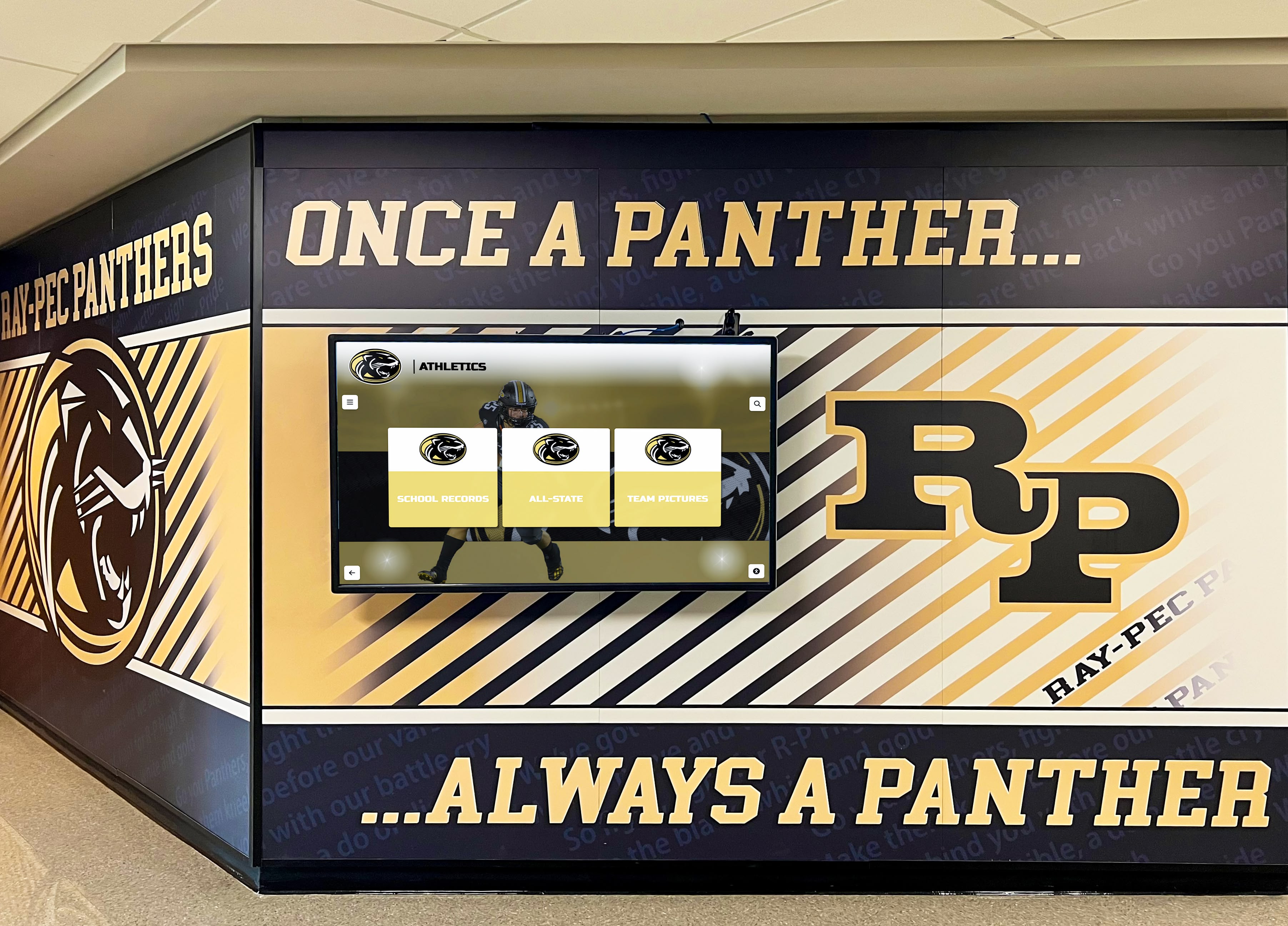
1. Panthers: Sleek, powerful, and versatile. Panthers work well across all school levels and sports programs. The black panther variation offers particularly striking visual branding opportunities.
2. Tigers: One of the most popular school mascots, combining power with beauty. Tigers suggest fierce competition tempered with grace and intelligence.
3. Lions: The traditional “king of beasts” symbolizes leadership, courage, and pride—all desirable school qualities. Lions also connect to concepts of community (pride as a group).
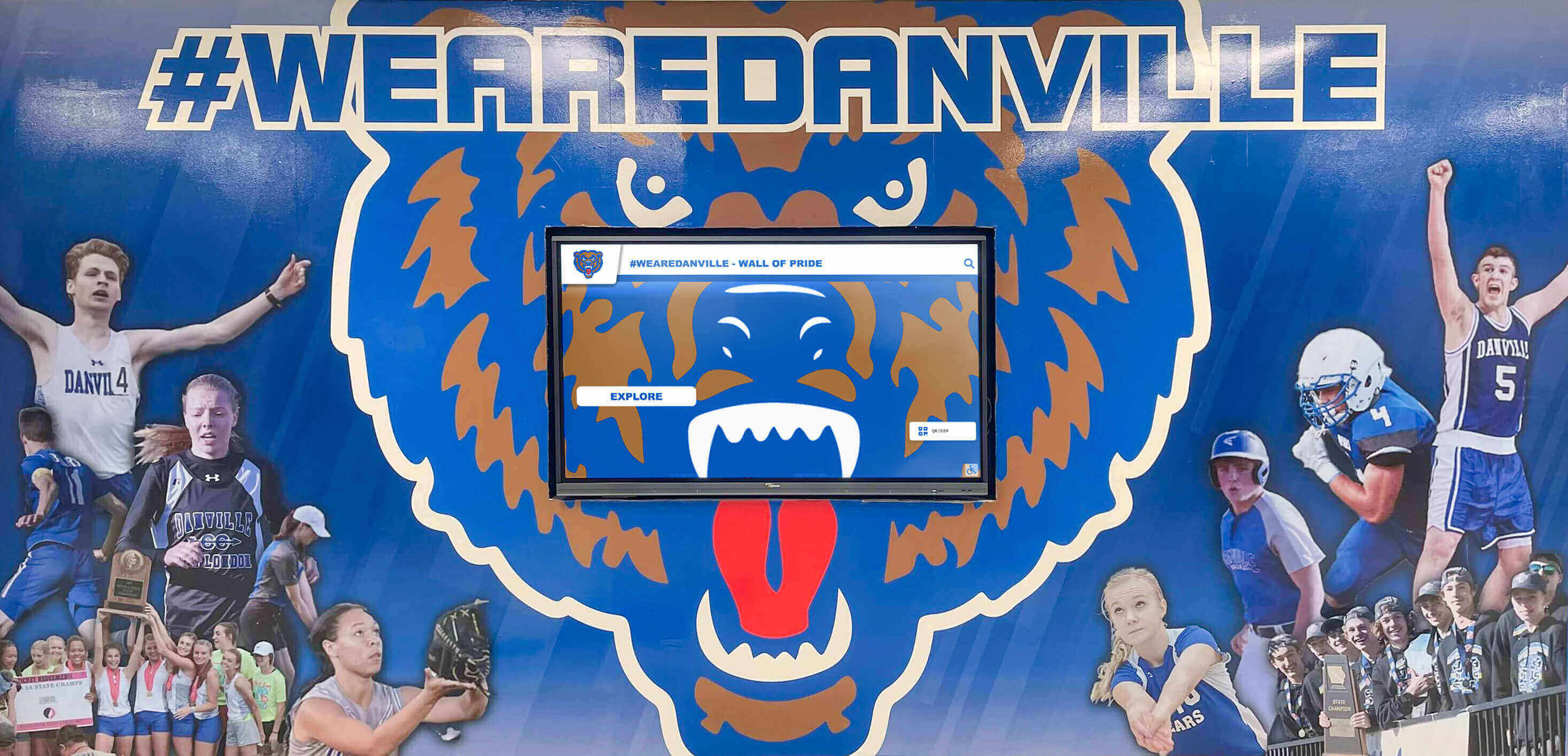
4. Bears: Strong, protective, and resilient. Bears work particularly well for schools emphasizing community values alongside competitive excellence. Grizzly, Black, Brown, and Polar variations offer regional connection opportunities.
5. Wolves: Pack mentality makes wolves ideal for emphasizing teamwork and loyalty. Wolves suggest intelligence and strategy alongside strength.
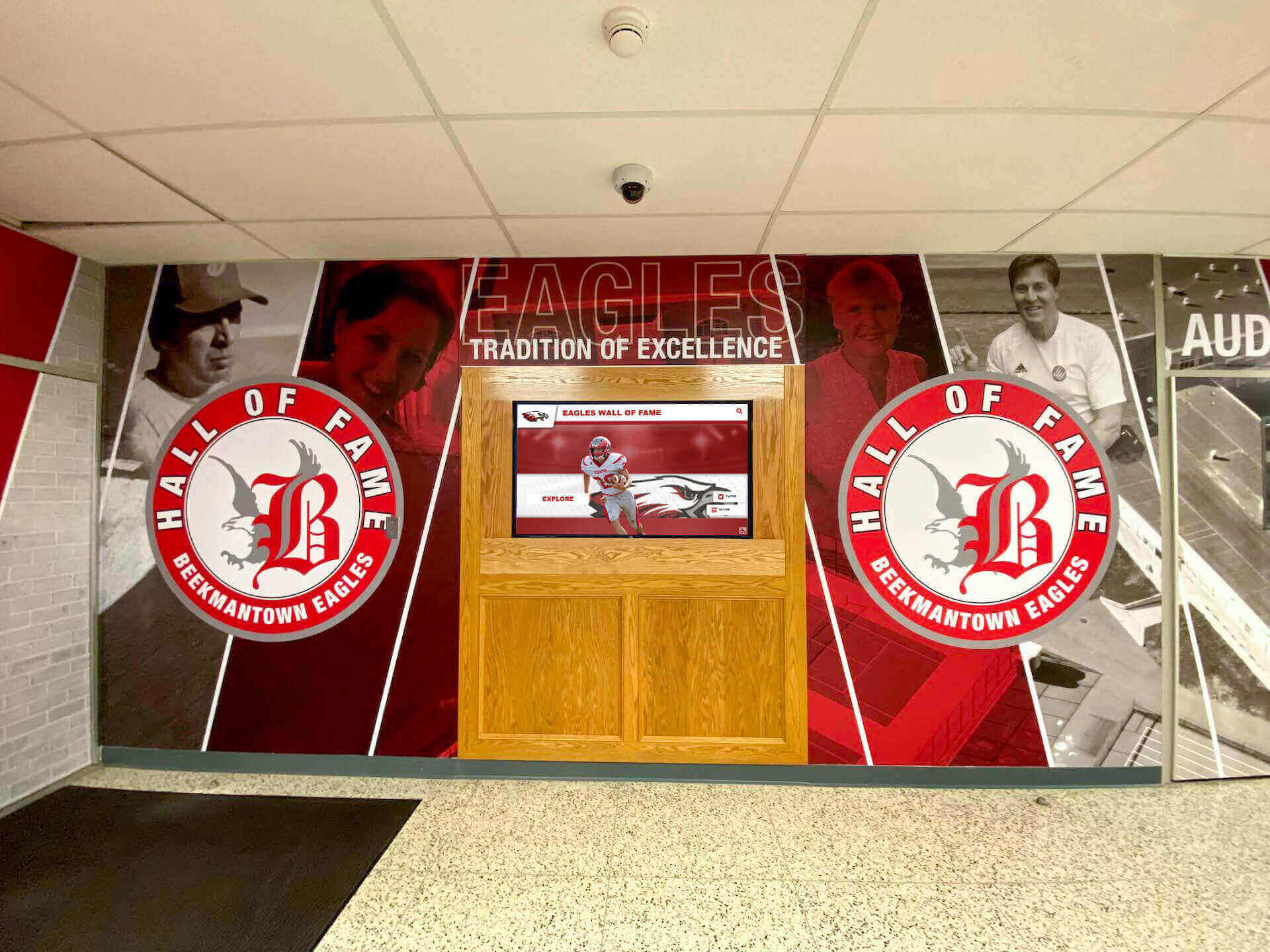
6. Eagles: Soaring above challenges, eagles represent vision, freedom, and reaching great heights. One of the most common mascots, but beloved for good reasons.
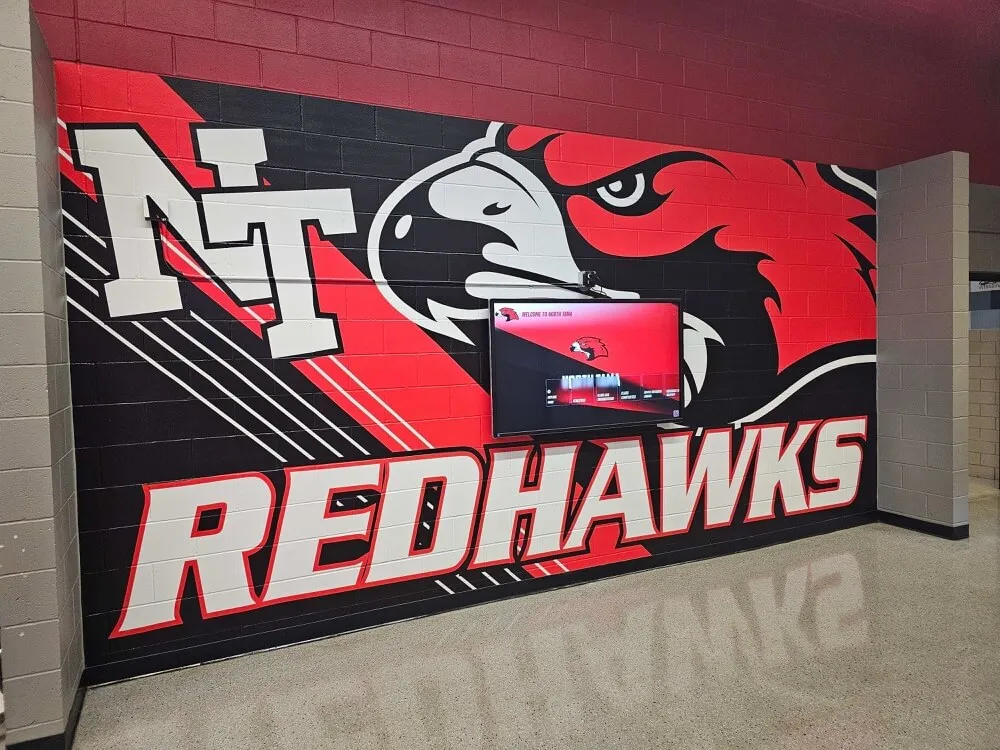
7. Hawks: Similar symbolism to eagles but slightly less common. Hawks suggest focus, precision, and swift action—excellent for academic and athletic programs.
8. Falcons: Speed, agility, and trained excellence. Falcons work well for schools emphasizing both natural talent and developed skill.
9. Jaguars: Powerful, agile jungle cats suggesting both strength and speed. Jaguars offer visual distinctiveness compared to more common big cats.
10. Cougars/Pumas/Mountain Lions: Regional variations of the same species allow connection to local wildlife while suggesting power and territorial pride.
11. Bulldogs: Tenacity, determination, and refusing to quit. Bulldogs suggest toughness and loyalty—working-class values many communities appreciate.
12. Wildcats: Fierce, untamed, and versatile. “Wildcats” works as a general category allowing schools to avoid competing with nearby schools using specific cat species.
Strategic and Intelligent Animals
These mascots emphasize cleverness, strategy, and adaptability:
13. Foxes: Cunning, adaptable, and quick. Foxes suggest intelligence and strategic thinking—valuable for academic programs.
14. Owls: Wisdom, knowledge, and night vision. Owls work exceptionally well for schools emphasizing academic excellence alongside athletics.
15. Ravens: Intelligent, adaptable, and associated with mystery and problem-solving. Ravens offer literary connections (Edgar Allan Poe) and mythological depth.
16. Coyotes: Adaptable, clever survivors. Coyotes work particularly well for schools in western regions where they’re part of local wildlife.
Resilient and Determined Animals
These mascots emphasize perseverance and hard work:
17. Mustangs: Wild, free-spirited, and untamed. Mustangs suggest energy and independence while connecting to western American heritage.
18. Stallions: Similar to mustangs but emphasizing power and competitive drive more than wild freedom.
19. Broncos: Bucking challenges and refusing to be broken. Broncos work well for schools emphasizing resilience and determination.
20. Rams: Determined, powerful, and willing to challenge obstacles head-on. Rams suggest both power and persistence.
21. Bison/Buffalo: Powerful, resilient plains animals with strong regional connections for schools in central United States. Buffalo suggest both individual strength and herd protection.
22. Beavers: Hardworking, industrious, and community-focused. Beavers work well for schools emphasizing effort and collaboration over pure competition.
Birds Beyond Eagles: Unique Avian Mascots
Birds offer flight symbolism suggesting aspiration and achievement, but schools can look beyond the common eagle:
23. Cardinals: Bright, distinctive, and beloved regional birds (especially in eastern/midwestern states). Cardinals offer excellent color branding (red) and year-round visibility.
24. Blue Jays: Intelligent, adaptable, and distinctively colored. Blue Jays work well for schools wanting bird mascots with built-in color schemes.
25. Orioles: Beautiful, distinctive birds particularly connected to Baltimore and Maryland but found throughout eastern North America.
26. Roadrunners: Quick, clever, and distinctively southwestern. Roadrunners offer immediate recognition and built-in speed symbolism.
27. Thunderbirds: Mythological birds from Native American traditions suggesting power, strength, and connection to natural forces. Requires respectful treatment of indigenous cultural heritage.
28. Phoenixes: Mythological birds rising from ashes, suggesting renewal, resilience, and transformation. Phoenix mascots work particularly well for schools with comeback stories or new beginnings.
29. Hornets: Technically not birds, but included here as flying creatures. Hornets suggest organized group action, defense of territory, and fierce competition when provoked.
30. Yellow Jackets: Similar to hornets with slightly different connotations. Yellow Jackets emphasize quickness, agility, and swarming team tactics.
31. Seahawks: Coastal variation suggesting both flight and connection to water. Seahawks work well for schools near oceans or large lakes.
32. Ospreys: Fish-hunting hawks suggesting focus, precision, and mastery of their domain. Ospreys work particularly well for coastal schools.
Reptiles and Amphibians: Distinctive Cold-Blooded Options
Reptile mascots offer unique alternatives to mammal and bird options:
33. Alligators: Powerful, patient predators particularly connected to southeastern United States. Alligators suggest both power and strategic patience.
34. Crocodiles: Similar to alligators but with slightly more aggressive connotations and broader geographic connections.
35. Vipers: Quick strikes and defensive power. Vipers work well for schools wanting edgy, competitive branding.
36. Rattlesnakes: Warning before striking, suggesting both power and fairness. Rattlesnakes connect strongly to southwestern American regions.
37. Cobras: Exotic, powerful snakes suggesting both danger and grace. Cobras offer distinctive visual branding opportunities.
38. Dragons: Technically mythological rather than real reptiles. Dragons combine power, wisdom (in Eastern traditions), and magical elements. One of the most popular mascots that isn’t a real animal.
39. Komodo Dragons: Real reptiles with dragon-like qualities. Komodo dragons suggest ancient power and apex predator status.
40. Turtles/Terrapins: Steady, persistent, and long-lived. Turtles work well for schools emphasizing consistency and endurance over flash.
Marine and Aquatic Mascots
Water-themed mascots work particularly well for coastal schools or those near major waterways:
41. Sharks: Apex predators suggesting power, focus, and dominance. Sharks offer excellent visual branding and immediate recognition.
42. Dolphins: Intelligent, social marine mammals. Dolphins work well for schools emphasizing intelligence, teamwork, and positive energy.
43. Barracudas: Quick, aggressive fish suggesting speed and striking power. Barracudas offer uniqueness among marine mascots.
44. Marlins: Powerful game fish suggesting both strength and grace. Marlins work particularly well for schools with fishing heritage.
45. Stingrays: Unique, graceful creatures suggesting both beauty and hidden power (defensive tail).
46. Orcas/Killer Whales: Apex marine predators combining intelligence with power. Orcas suggest both individual excellence and pod cooperation.
47. Sailors: Human rather than animal, but strongly connected to maritime traditions. Sailors suggest adventure, exploration, and navigation through challenges.
48. Pirates: Adventurous, rebellious, and treasure-seeking. Pirates work well for schools wanting edgy branding with maritime connections. Requires careful handling to avoid glorifying actual piracy’s problematic history.
Mythological and Fantasy Mascots
Mythological mascots offer limitless creative possibilities while connecting to cultural traditions:
49. Griffins: Part eagle, part lion, combining the best qualities of both. Griffins suggest strength, wisdom, and guardianship—particularly of treasures (knowledge).
50. Titans: Giants from Greek mythology suggesting enormous strength and foundational power. Titans work well for schools wanting to emphasize greatness and legendary status.
51. Spartans: Ancient Greek warriors legendary for discipline, training, and courage. Spartans emphasize warrior culture and competitive excellence.
52. Knights: Medieval warriors suggesting honor, chivalry, and protective strength. Knights work well for schools emphasizing character alongside competition.
53. Vikings: Norse seafarers suggesting exploration, courage, and warrior spirit. Vikings offer strong visual branding opportunities.
54. Trojans: Ancient warriors from Troy, suggesting legendary battles and heroic resistance. Trojans carry literary connections (Homer’s Iliad).
55. Warriors: General category allowing flexibility while emphasizing competitive spirit and battle-ready attitude.
56. Crusaders: Historical warriors with religious connections. Requires careful consideration of historical complexity and religious sensitivity.
57. Lancers: Medieval cavalry emphasizing charging forward and breaking through obstacles.
58. Mavericks: Unbranded cattle or independent thinkers refusing to follow the herd. Mavericks suggest independence and non-conformity.
Natural Phenomena and Forces
These abstract mascots suggest power beyond living creatures:
59. Thunder: Powerful natural force suggesting loud, commanding presence. Thunder works well for schools wanting to emphasize impact and intensity.
60. Lightning: Quick strikes and electrical power. Lightning suggests speed, energy, and transformative force.
61. Tornadoes/Cyclones: Unstoppable natural forces particularly connected to midwest/plains states. Tornado mascots suggest overwhelming power and whirlwind energy.
62. Hurricanes: Massive storm systems suggesting organized power and coastal connections. Hurricanes work well for schools in hurricane-prone regions.
63. Avalanche: Unstoppable mountain force suggesting momentum and overwhelming opponents. Avalanche works particularly well for mountain region schools.
64. Blizzards: Winter storm force particularly connected to northern regions. Blizzards suggest both power and the ability to thrive in harsh conditions.
65. Flames/Inferno: Fire-based mascots suggesting passion, energy, and transformative power. Flames work well for schools emphasizing intensity and burning desire to succeed.

Geographic and Regional Identity Mascots
These mascots connect directly to local identity and place:
66. Mountaineers: Perfect for schools in mountain regions. Mountaineers suggest exploration, determination (climbing), and connection to rugged terrain.
67. Miners: Historical connection to mining heritage in specific regions. Miners suggest hard work, digging deep, and extracting value from challenges.
68. Lumberjacks: Forest region identity emphasizing strength, hard work, and mastery of challenging environments.
69. Rangers: Forest rangers or Texas Rangers depending on region. Rangers suggest protection, territory knowledge, and outdoor skills.
70. Pioneers: Westward expansion heritage emphasizing exploration, courage, and settlement of new territory. Requires sensitivity to complex settlement history.
71. Patriots: American revolutionary heritage emphasizing independence, freedom, and founding values. Patriots work particularly well on significant historical dates (1776, etc.).
Color-Based and Abstract Mascots
Some schools choose mascots emphasizing colors or abstract concepts:
72. Crimson Tide: Color-based identity (Alabama’s famous example). Crimson Tide combines color with natural force for unique branding.
73. Blue Devils: Color plus mythological element creating memorable combination. Blue Devils work well for schools with blue primary colors.
74. Golden Eagles/Golden Bears: Color modifier distinguishing from standard Eagles/Bears while emphasizing excellence and value.
75. Scarlet Knights: Color-descriptor combination creating specific identity distinct from generic “Knights.”
76. Silver Hawks: Color modifier creating unique variation on hawk mascot while suggesting value (silver medal/silver lining).
Modern and Unique Contemporary Options
These less traditional options offer distinctiveness in crowded mascot landscapes:
77. Atoms: Science-focused mascot suggesting fundamental building blocks and powerful forces. Atoms work particularly well for STEM-focused schools.
78. Comets: Space objects suggesting speed, brilliance, and rare appearances making lasting impacts.
79. Rockets: Space-age mascots suggesting propulsion forward, reaching for stars, and technological advancement. Rockets work well alongside digital recognition displays that share the forward-thinking spirit.
Strategic Mascot Selection Process
Choosing your school’s mascot requires more than picking from a list. Follow this systematic process to select a mascot that serves your school well for decades.
Stakeholder Input and Community Values
Start by identifying who should participate in mascot selection. Include administration and school board members who understand long-term institutional needs, current students who will live with the mascot daily, teaching staff who interact with students across all programs, parents and families who support the school community, and alumni who maintain lifelong connection to school identity.
Survey these groups about values they want the mascot to represent. Ask about preferred characteristics (strength, wisdom, speed, loyalty, etc.), geographic or historical connections to your community, animals or concepts with local significance, and qualities distinguishing your school from nearby institutions.
Schools that involve broad stakeholder input create buy-in for the selected mascot rather than facing resistance from excluded groups.
Regional Distinctiveness Analysis
Research mascots used by schools in your athletic conference, geographic region, and state. Aim for distinctiveness within your competitive and regional context. Being the fifth “Eagles” in your conference dilutes identity impact, while being the only “Falcons” or “Ospreys” creates immediate recognition.
Map competing schools’ mascots to identify oversaturated options in your area. Look for gaps—popular mascot types without representation nearby. Consider whether being different matters more than choosing a beloved traditional mascot.
Visual Representation Potential
Your mascot must translate effectively across multiple mediums and contexts. Evaluate how well potential mascots work as:
- Costume mascots for athletic events and school functions
- Graphic logos for uniforms, signage, and publications
- Simplified icons for small-scale applications (letterhead, digital icons)
- Mural artwork for school facilities
- Three-dimensional sculptures or statues
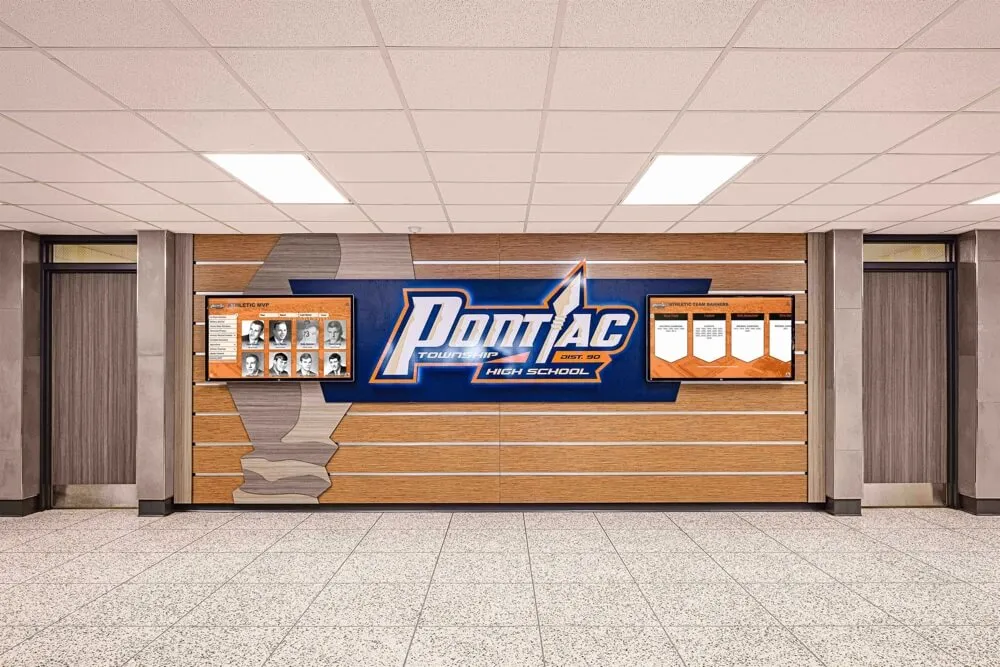
- Digital recognition displays and interactive touchscreens
Some mascots look impressive in detailed illustrations but become indistinct when simplified. Others work beautifully as simple logos but offer limited costume possibilities. The best mascots translate well across all applications.
Cultural Sensitivity and Appropriateness
Certain mascot categories require particular care:
Native American References: Many schools have retired Native American mascots due to concerns about stereotyping and appropriating indigenous culture. If your community has authentic, respectful relationships with local tribes who support specific mascot use, document that partnership carefully. Otherwise, avoid Native American mascots regardless of intentions.
Animal Species Considerations: Ensure your chosen animal species actually inhabits your region if you’re claiming local connection. Don’t select “Gators” for a school in Montana unless you have very specific reasoning.
Historical Figures: Some historical references carry problematic baggage. Research thoroughly before selecting mascots tied to specific historical periods, conflicts, or figures.
Gender Neutrality: Ensure your mascot works equally well for all sports and activities regardless of participant gender. Avoid mascots with strongly gendered associations.
Schools save future controversy by addressing sensitivity issues during initial selection rather than defending problematic choices later.
Longevity and Timelessness
Mascot changes disrupt tradition and require expensive rebranding across facilities, uniforms, and materials. Select mascots that will serve your school well across decades, not just current trends.
Consider whether the mascot will seem dated in 20-30 years. Avoid mascots tied to temporary pop culture references or contemporary slang that won’t age well. Choose mascots with timeless qualities and enduring symbolism.
Ask whether alumni from past decades and students from future generations will feel equal connection to the mascot. The best choices create multi-generational pride.
Implementing Your New Mascot Brand
After selecting your mascot, implementation determines whether it successfully builds school pride and community identity.
Professional Design Development
Invest in professional graphic design creating polished mascot logos and visual standards. Amateur mascot designs undermine school brand perception and create inconsistent representation.
Work with designers who understand educational institution branding. Request multiple variations: detailed illustration for large-scale applications, simplified logo for small-scale use, single-color version for certain printing contexts, and outline version for specific applications.
Develop comprehensive brand guidelines documenting acceptable mascot uses, required clear space around logos, approved color combinations, and prohibited alterations. Distribute guidelines to all groups using the mascot (athletic department, student organizations, outside vendors).
Facility Integration and Signage
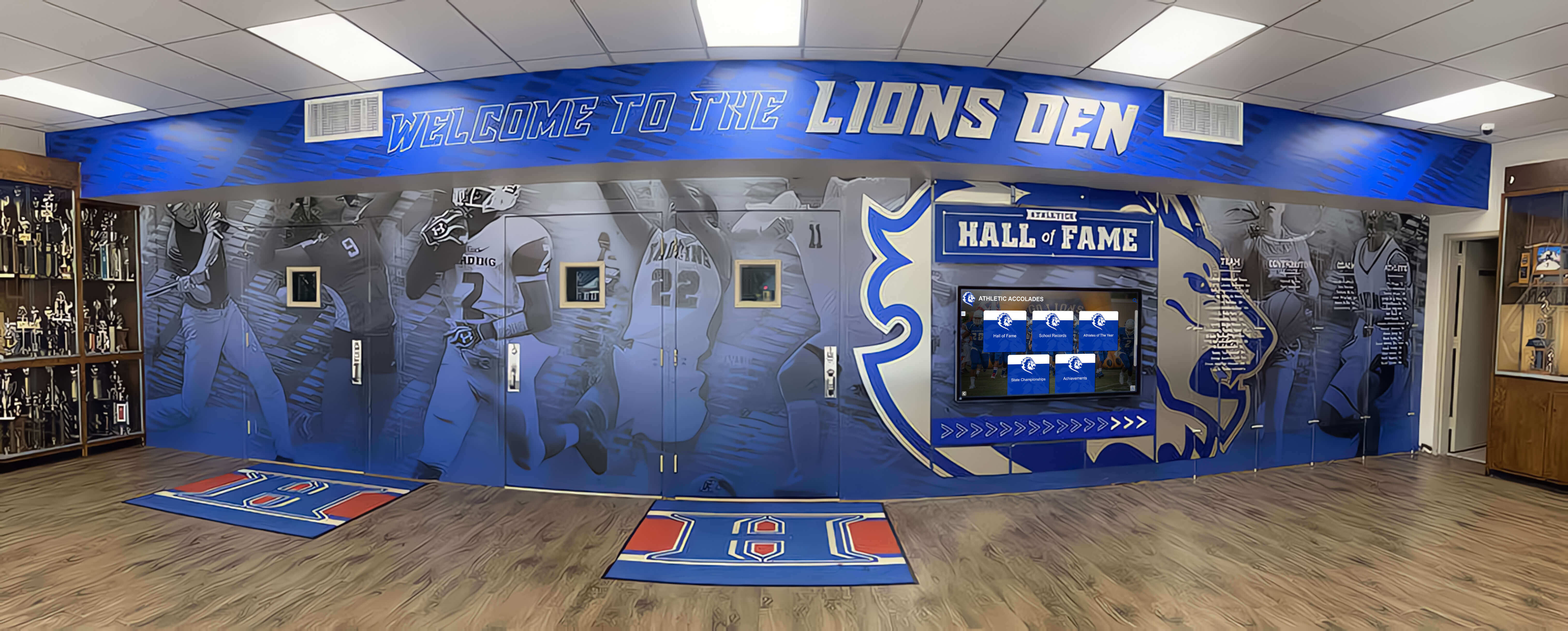
Update school facilities systematically to reflect new mascot identity. Prioritize high-visibility locations where community members regularly interact with school branding:
- Main entrance signage and welcome areas
- Athletic facility scoreboards and displays
- Gymnasium wall murals and decorations
- Interactive recognition displays featuring new branding
- Cafeteria and common spaces
- Exterior building signage
- Stadium and field graphics
Budget constraints often prevent simultaneous updates to all locations. Create phased implementation plans replacing most visible elements first while gradually updating lower-priority locations over several years.
Costume Mascot Development
Physical mascot costumes bring your mascot to life at games, assemblies, and community events. Quality costume investment pays dividends in school spirit building and community engagement.
Research experienced costume companies specializing in school mascots. Request samples of previous work and references from other schools. Discuss durability, ventilation for performers, vision limitations, and maintenance requirements.
Plan for student mascot performers through formal tryouts or applications. Establish training for safe performance, behavior expectations representing school values, and scheduled appearances at key events throughout the year.
Budget for costume replacement every 5-7 years as wear accumulates. Maintain backup costume pieces for repairs and cleaning between performances.
Athletics Uniform and Equipment Updates
Athletic programs require phased uniform updates incorporating new mascot branding. Most schools can’t afford simultaneous replacement of all sport uniforms.
Create multi-year transition plans prioritizing sports with highest visibility (football, basketball, volleyball) or uniform replacement urgency. Coordinate with booster clubs and parent organizations about fundraising for uniform updates.
Ensure consistent mascot representation across all sports—not different variations creating visual confusion. Work with athletic uniform vendors who understand your complete needs across all sports programs.
Update athletic facility signage, equipment, and displays alongside uniform changes. New uniforms with old gymnasium signage creates disjointed visual identity.
Spirit Wear and Merchandise Development
School spirit wear helps students, families, and community members demonstrate school pride while generating revenue for school programs.
Develop approved spirit wear vendors who use properly licensed mascot designs. Establish approval processes preventing off-brand merchandise that dilutes visual identity. Consider online spirit wear stores making merchandise accessible year-round rather than limited sale periods.
Offer diverse product options appealing to different community segments: athletic-focused apparel for sports fans, academic-themed items for scholastic achievement, general school pride items for broader community, alumni-specific merchandise maintaining connections, and youth sizes for younger siblings and elementary students.
Revenue from spirit wear can fund recognition programs and facility improvements strengthening school pride further.
Building Lasting Pride Around Your Mascot
Simply selecting and implementing a mascot doesn’t automatically create school pride. Intentional programs make mascots meaningful to school community.
Mascot Origin Story and Traditions
Develop compelling narratives explaining mascot selection and what it represents. Document the selection process, community values reflected in the choice, regional or historical connections, and symbolic meaning of mascot characteristics.
Share mascot stories with incoming students during orientation programs. Include mascot history in school publications, websites, and facility displays. Create traditions connecting current students to mascot heritage.
Establish mascot-related traditions that become anticipated rituals:
- Mascot appearances at specific events (first day of school, championship games, graduation)
- Mascot-themed spirit week activities and competitions
- Student artwork contests featuring mascot interpretations
- Mascot birthday celebrations or founding day commemorations
- Senior night recognitions incorporating mascot themes
Mascot Performer Program Excellence
The person inside the mascot costume significantly impacts how community members perceive and connect with your mascot. Establish formal mascot performer programs treating this role with appropriate importance.
Create clear expectations for mascot performers: representing school values at all times, maintaining character (not breaking mascot silence), appropriate physical interactions with children and adults, learning signature moves and gestures, and attending required events throughout the year.
Provide training covering costume care and safety, heat management and hydration, performance techniques and crowd engagement, appropriate boundaries and behavior, and emergency procedures.
Recognize mascot performers for their contributions through awards, letters of recommendation, and public appreciation. Quality performers create memorable positive experiences influencing how hundreds of people perceive your school.
Digital Recognition and Social Media
Modern school pride extends beyond physical campus to digital platforms where students and families spend significant time. Integrate your mascot throughout digital presence:
Feature the mascot prominently on school websites, social media profiles, digital signage, email communications, and virtual learning platforms. Create mascot social media accounts that engage students with appropriate humor and school spirit content.
Interactive touchscreen displays and digital recognition systems provide dynamic platforms showcasing student achievements while reinforcing mascot identity. These systems allow unlimited recognition without physical space constraints while maintaining consistent visual branding.
Solutions like Rocket Alumni Solutions specialize in educational recognition technology that strengthens school identity through interactive celebration of student accomplishments. Digital platforms keep mascot presence visible year-round, not just during athletic seasons.
Alumni Connection and Multi-Generational Pride
Your mascot creates lasting connections extending decades beyond graduation. Emphasize mascot identity in alumni engagement programs:
Feature mascot prominently at reunion events, homecoming celebrations, and alumni gatherings. Create alumni merchandise lines maintaining mascot consistency over time. Document mascot evolution through historical displays showing how visual representation has developed while core identity remained constant.
Digital alumni recognition platforms help maintain alumni connections to current school activities while celebrating past achievements under the shared mascot identity.
Multi-generational mascot pride occurs when current students and decades-old alumni feel equal connection to school symbol. This requires consistent mascot use across many years rather than frequent rebranding that disrupts tradition.
Measuring Mascot Impact on School Culture
Effective mascots demonstrably strengthen school pride and community identity. Track indicators showing whether your mascot implementation succeeds:
Quantitative Success Indicators
Monitor spirit wear sales trends showing community interest in displaying mascot identity. Track student attendance at school events where mascot appears. Survey student, family, and staff members about school pride levels before and after mascot implementation. Measure social media engagement with mascot-related content.
Document participation rates in mascot-themed activities and competitions. Count requests for mascot appearances at community events outside school. Track merchandise licensing revenue from appropriate mascot use.
Qualitative Impact Assessment
Observe how frequently students voluntarily wear school colors and mascot apparel. Note whether students reference mascot identity in conversations and self-descriptions. Listen for mascot integration into student-created cheers, chants, and spirit activities.
Gather feedback from community members about school reputation and identity clarity. Ask alumni whether new/changed mascot strengthens or weakens their school connection. Survey prospective families about whether school identity comes across clearly during visits.
Track whether local media and community members consistently use correct mascot name (vs. generic “the school” or confused references). Monitor whether mascot appears in student artwork, projects, and creative expressions.
Adjustments and Refinements
Use feedback and data to refine mascot implementation. If costume performer program struggles with recruitment, enhance recognition and incentives. If certain mascot designs don’t translate well in specific applications, work with designers on improvements. If community members express confusion about mascot meaning, enhance storytelling and connection-building.
Successful mascot programs evolve and strengthen over time rather than remaining static after initial rollout.
Common Mascot Selection Mistakes to Avoid
Learn from schools that struggled with mascot choices or implementation:
Following Trends Over Timeless Appeal
Selecting mascots based on current popularity rather than enduring symbolism creates dated identity within years. Mascots that felt edgy and contemporary in specific decades often seem embarrassing to later generations.
Choose mascots with qualities and symbolism that transcend temporary trends. Classic options remain classic because they represent universal values (strength, wisdom, courage) rather than specific cultural moments.
Insufficient Stakeholder Input
Mascot changes imposed by small groups (administration alone, athletic department only) often face community resistance from excluded stakeholders. Students, alumni, and families feel disconnected from mascots they didn’t help select.
Invest time in authentic stakeholder engagement even though it complicates and extends selection processes. Buy-in from broad community creates lasting support versus ongoing criticism from excluded groups.
Overlooking Cultural Sensitivity
Schools save enormous future controversy by addressing appropriateness issues during initial selection. Defending problematic mascot choices consumes administrative time and energy while dividing communities.
When stakeholders raise sensitivity concerns about potential mascots, take concerns seriously rather than dismissing them as excessive political correctness. Future students and families will likely share these concerns increasingly over time.
Inadequate Brand Guidelines and Quality Control
Allowing inconsistent mascot representations across different programs and vendors creates visual confusion weakening brand identity. Amateur mascot artwork appearing alongside professional designs undermines overall quality perception.
Develop comprehensive brand standards from the beginning rather than trying to establish consistency after various groups have created incompatible versions. Enforce guidelines consistently even when doing so creates short-term inconvenience.
Underinvesting in Professional Implementation
Selecting an excellent mascot but implementing it poorly through amateur designs, low-quality costumes, and inadequate facility updates wastes the selection effort. Strong mascot identity requires quality execution matching vision.
Budget realistically for professional design, quality costume investment, and facility updates. Phased implementation over several years succeeds better than rushed, low-quality immediate rollout across all applications.
Conclusion: Your Mascot as Foundation for Lasting Pride
Your school mascot serves as visible symbol unifying diverse students, staff, and community members around shared identity and values. The right mascot creates instant recognition, builds multi-generational pride, and becomes inseparable from your school’s reputation and legacy.
The 75+ mascot ideas presented here provide starting points for discovering the right fit for your unique community. Whether you select powerful predators emphasizing competitive excellence, wise animals reflecting academic values, mythological figures suggesting legendary aspirations, or natural forces representing unstoppable momentum, ensure your chosen mascot authentically represents what makes your school distinctive.
Successful mascot selection requires balancing stakeholder input, regional distinctiveness, visual representation potential, cultural sensitivity, and timeless appeal. Implementation quality determines whether great mascot choices translate into genuine school pride and community connection.
From professional graphic design and facility integration to costume programs and digital presence, every implementation element contributes to how your community experiences and connects with mascot identity. Interactive recognition displays and modern technology platforms extend mascot visibility year-round while celebrating student achievements under that shared identity.
Celebrate Your School Mascot and Build Lasting Pride
Discover how interactive digital displays can showcase your mascot identity while celebrating student achievements across athletics, academics, and activities. Create recognition programs that strengthen school spirit and connect current students with decades of tradition.
Explore Recognition SolutionsThe mascot you select today becomes part of your school’s permanent legacy. Decades from now, alumni will remember participating in mascot-themed events, wearing school colors with pride, and feeling part of something larger than themselves. Current students deserve mascot identity that inspires that same lasting connection.
Make your choice thoughtfully, implement it professionally, and build intentional programs connecting students to mascot meaning. The result will be strengthened school pride that benefits every member of your community while creating traditions lasting for generations.
Ready to enhance your mascot presence throughout your facilities? Explore how digital recognition displays can showcase student achievements while reinforcing your mascot identity, or learn more about building comprehensive school recognition programs that strengthen community pride across all programs and activities.































