Strong school pride transforms an educational institution from a collection of classrooms into a vibrant community where students feel connected, staff members are engaged, and families actively participate. When pride flourishes, students perform better academically, attendance improves, and the entire school culture shifts toward excellence. Yet building authentic school spirit requires more than pep rallies and sports banners—it demands intentional strategies that celebrate achievements, honor traditions, and create belonging for every member of the school community.
This comprehensive guide explores practical, creative approaches to building school pride that lasts. From implementing modern recognition systems to establishing meaningful traditions, you’ll discover actionable strategies that strengthen community bonds and create the positive culture your school deserves.
School pride doesn’t happen by accident. The schools with the strongest sense of community have deliberately cultivated that spirit through consistent recognition, inclusive programming, and authentic celebration of what makes their institution unique.
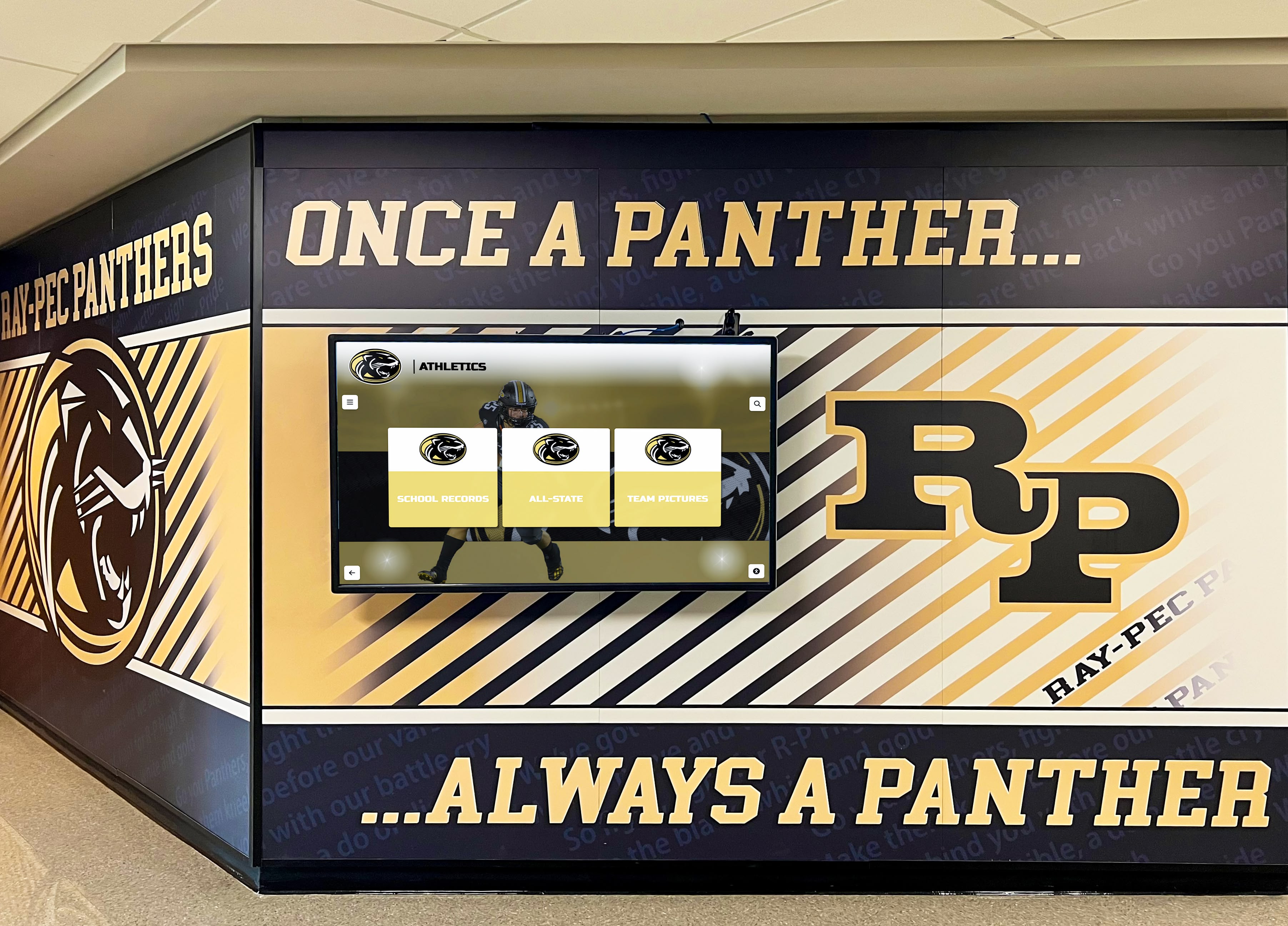
Visual displays of achievement and pride create constant reminders of community excellence throughout campus
The Foundation: Why School Pride Matters
Before implementing specific strategies, understanding the impact of school pride helps prioritize these community-building efforts.
Academic and Behavioral Benefits
Research consistently demonstrates that strong school pride correlates with measurable improvements:
Student Achievement Impact
- Schools with high pride report 15-20% better attendance rates
- Students demonstrating school pride show improved academic motivation
- Positive school culture reduces disciplinary incidents significantly
- Sense of belonging increases student persistence through challenges
Community Connection Effects
- Families feel more invested in schools with visible pride
- Local community members become active supporters and volunteers
- Alumni maintain lifelong connections to institutions they’re proud of
- Staff retention improves in schools with strong, positive culture
Long-Term Outcomes
- Students develop leadership skills through pride-building activities
- School reputation attracts quality teachers and engaged families
- Community support translates into volunteering, donations, and advocacy
- Graduates return as mentors and contributors
These benefits create virtuous cycles where pride generates success, which in turn reinforces pride—making initial investments in school spirit strategically valuable.
Strategy 1: Implement Comprehensive Recognition Programs
Recognition sits at the heart of school pride. When students, staff, and community members see their contributions valued and celebrated, they develop deeper connections to the institution.
Expand Recognition Beyond Traditional Categories
Many schools limit recognition to academics and major sports, excluding significant portions of their community:
Diverse Achievement Categories
- Academic excellence across all subjects, not just core curriculum
- Athletic accomplishments in all sports, including individual achievements
- Arts participation and excellence in music, theater, visual arts, and creative pursuits
- Service and citizenship through volunteering and character demonstrations
- Improvement and growth recognizing progress from any starting point
- Specialized talents in career education, technology, and vocational programs
This comprehensive approach ensures every student can find a pathway to recognition, strengthening their connection to school community.
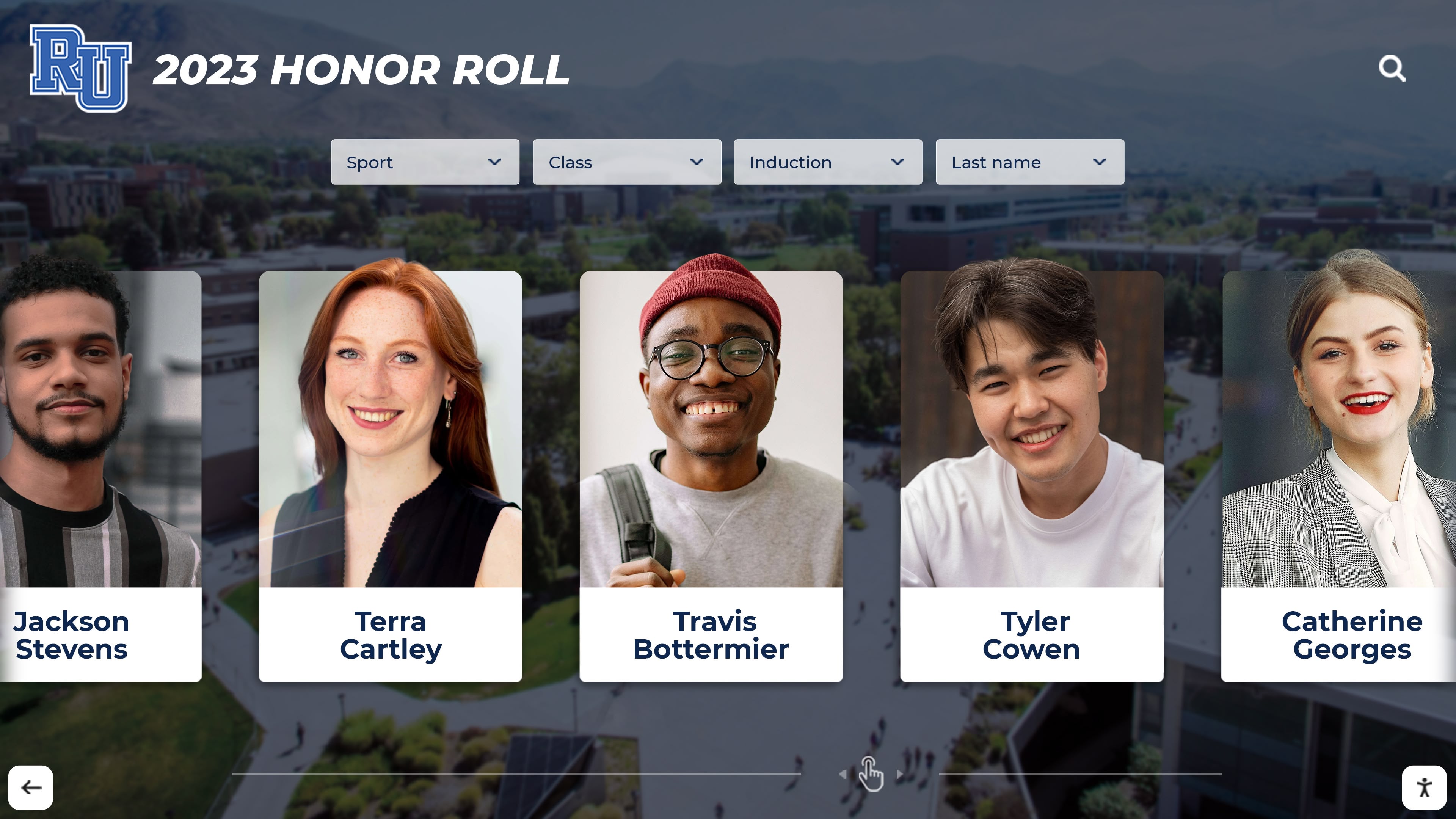
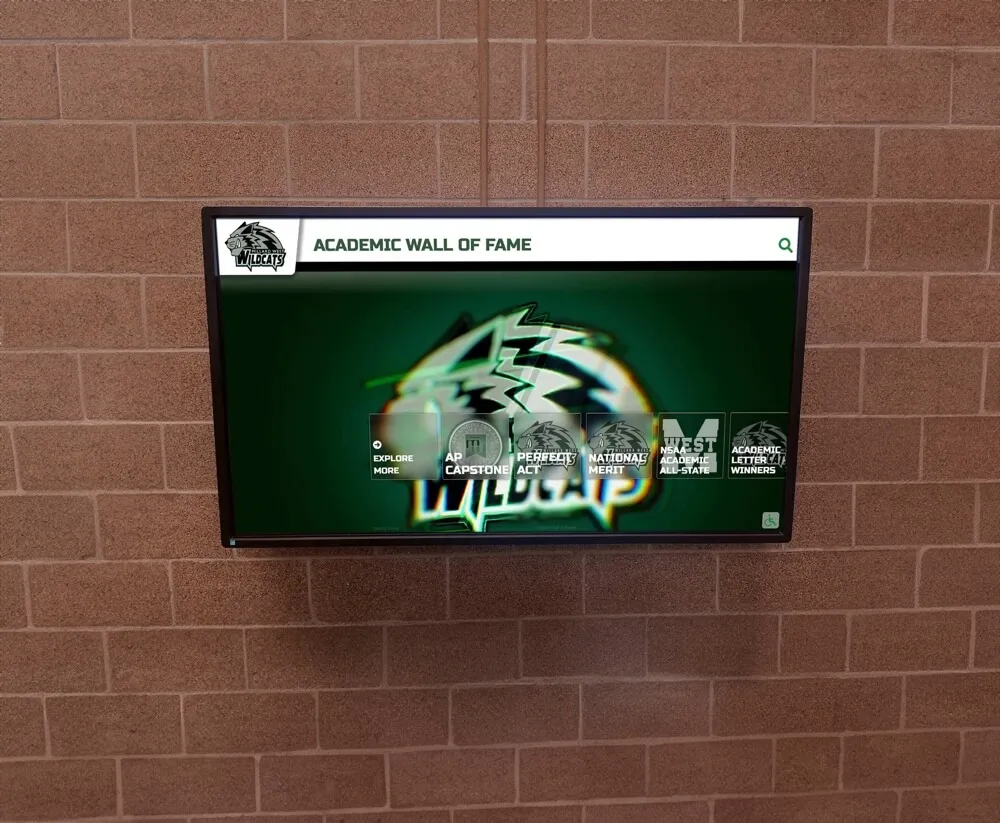
Modern recognition displays celebrate achievements across academics, athletics, arts, and service
Modern Recognition Display Solutions
Traditional trophy cases and bulletin boards face significant limitations—restricted space, outdated information, and limited visibility. Interactive digital recognition displays transform how schools honor achievements:
Unlimited Capacity
- No space constraints limiting who receives recognition
- Comprehensive archives preserving decades of school history
- Multiple categories displayed simultaneously without competition
- Detailed profiles with photos, videos, and achievement descriptions
Engaging Interactive Features
- Touchscreen exploration inviting students to discover achievements
- Search functionality helping families find specific individuals
- Filtering by category, year, sport, or achievement type
- Social sharing capabilities extending recognition beyond campus
Simplified Management
- Remote updates from any internet-connected device
- Cloud-based platforms requiring no technical expertise
- Scheduled publishing for semester and annual recognition
- Bulk import tools for historical achievement data
Solutions like Rocket Alumni Solutions provide integrated systems combining physical touchscreen displays with web-accessible platforms, ensuring recognition reaches the entire school community regardless of physical campus access.
Create Visible Recognition Throughout Campus
Strategic placement maximizes recognition impact:
High-Traffic Locations
- Main entrance creating immediate pride impression
- Athletic facilities where community gathers
- Cafeteria and common areas with consistent student traffic
- Hallways connecting academic spaces
- Library and media centers
Integration with School Aesthetics
- Displays reflecting school colors and brand identity
- Coordination with existing signage and decor
- Professional installation creating polished appearance
- Lighting ensuring visibility and visual appeal
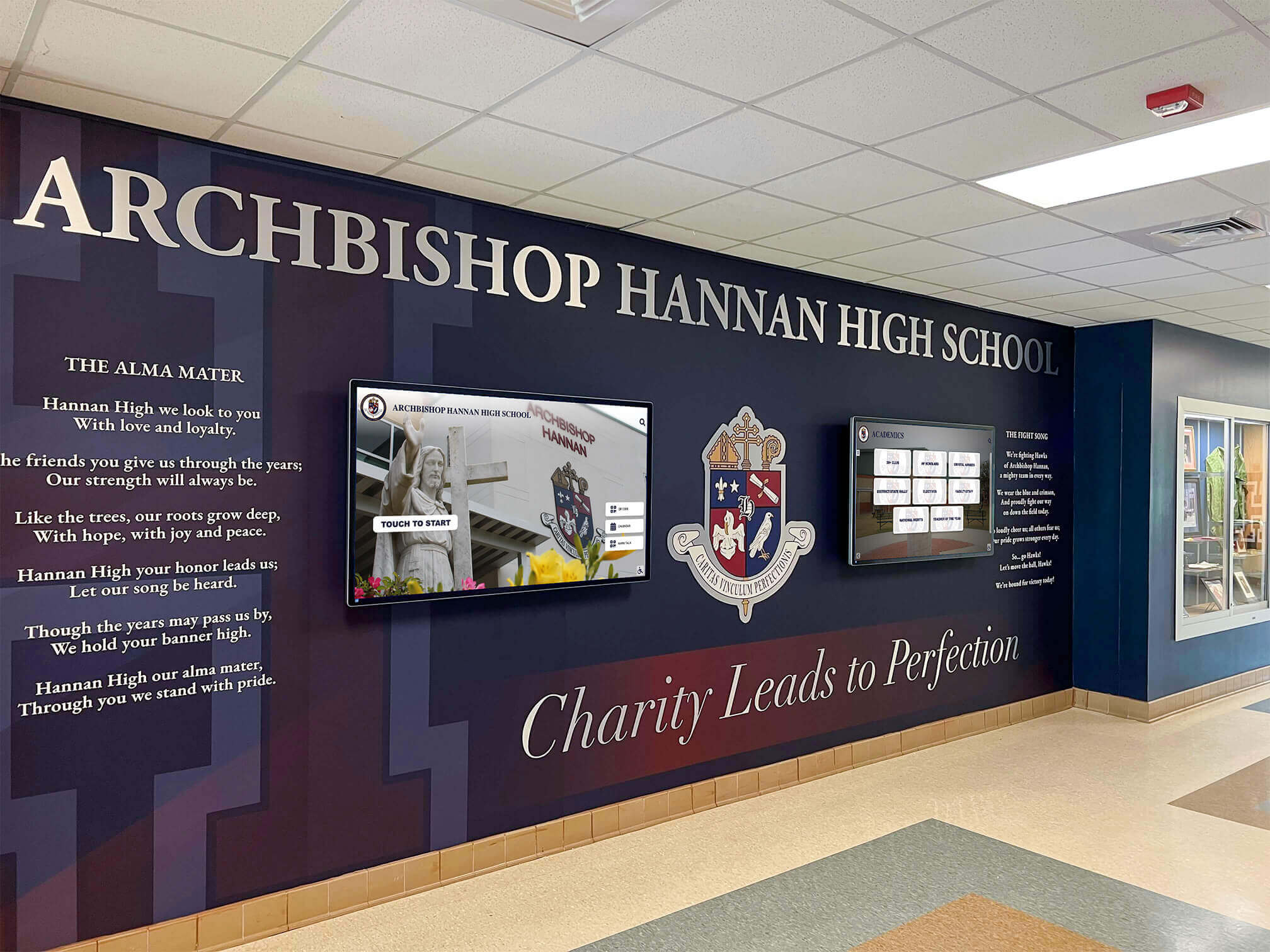
Entrance displays set the tone for school pride from the moment visitors arrive
Multiple recognition touchpoints throughout campus create constant reminders of community excellence, reinforcing pride with every encounter.
Strategy 2: Establish Meaningful School Traditions
Traditions create continuity, shared identity, and memorable experiences that define school culture across generations.
Annual Signature Events
Consistent annual events become touchstones students anticipate and remember:
Welcome and Orientation Activities
- Opening day ceremonies setting positive tone for the year
- Freshman orientation programs building immediate connection
- New student welcome activities creating early relationships
- Transfer student integration programs ensuring inclusion
Spirit Weeks and Celebrations
- Homecoming week with daily themed activities
- Championship celebrations honoring athletic achievements
- Academic excellence recognition events each semester
- Arts showcases highlighting performance and visual achievements
- Service recognition programs honoring volunteer contributions
Explore creative ideas for spirit week activities that engage the entire school community.
Class Competitions and Challenges
- Grade-level friendly competitions building class identity
- School-wide challenges with participation incentives
- Field days and outdoor activities
- Talent showcases highlighting diverse abilities
- Academic competitions and quiz bowls
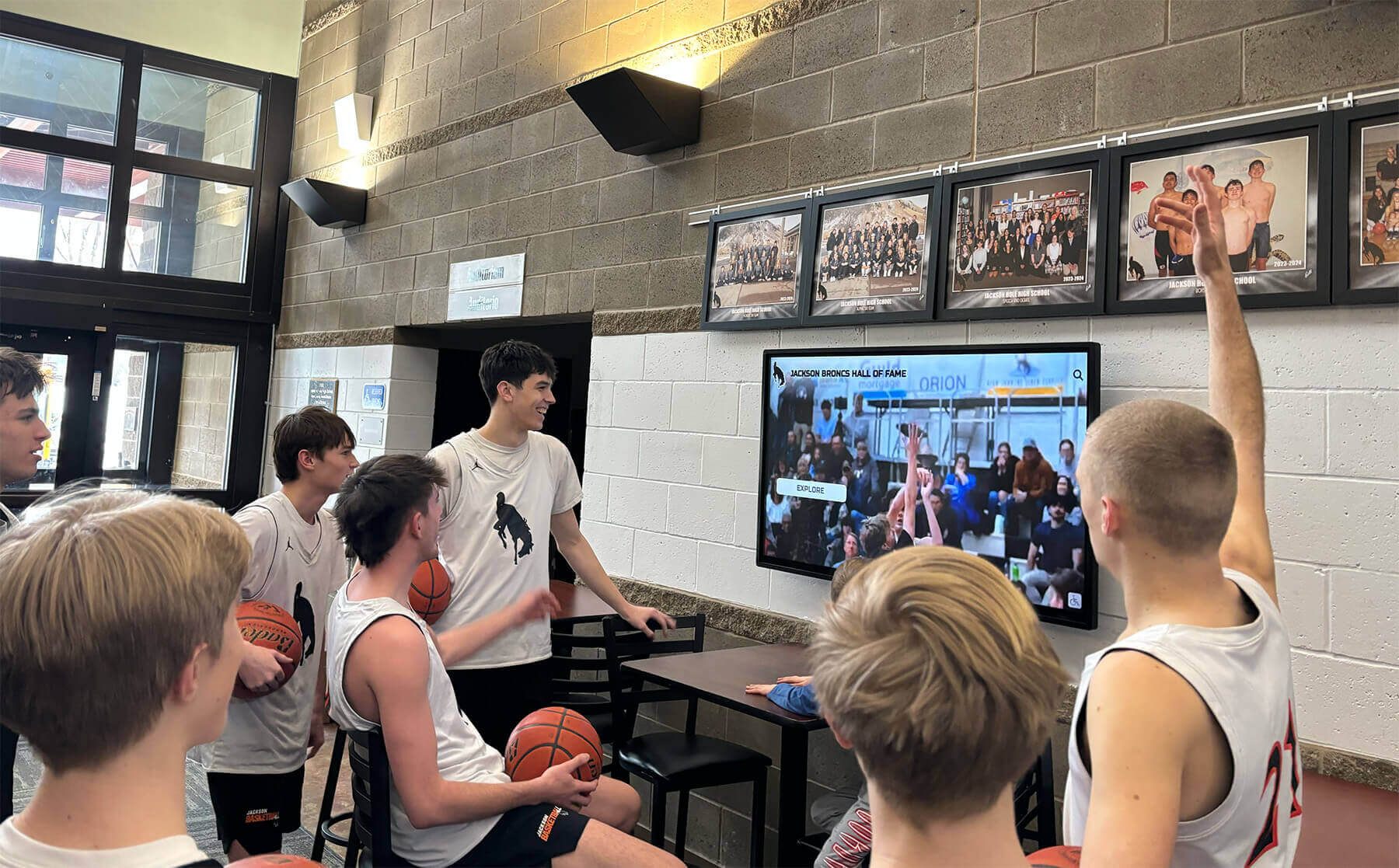
Interactive displays at events create engagement opportunities that strengthen school connections
Create New Traditions Authentically
Starting traditions requires intentional planning:
Tradition Development Process
- Involve students in tradition creation and planning
- Start small with pilot programs before major commitments
- Document traditions through photos, videos, and written records
- Assign responsibility for tradition continuation each year
- Evaluate and adjust traditions based on participation and feedback
Making Traditions Stick
- Consistency in timing and execution year after year
- Broad participation involving multiple grade levels
- Connection to school values and mission
- Flexibility allowing evolution while maintaining core elements
- Digital documentation preserving traditions for future generations
Successful traditions balance innovation with stability, creating experiences that feel both fresh and familiar.
Strategy 3: Build Visible School Identity
Strong visual identity reinforces pride through constant environmental reminders of school community and values.
Strategic Campus Beautification
Physical environment profoundly influences how students and visitors perceive your school:
Priority Improvement Areas
- Main entrance creating powerful first impression
- Hallways transformed from purely functional to inspiring
- Common spaces where students gather during free time
- Athletic facilities showcasing team achievements
- Outdoor spaces with comfortable gathering areas and school branding
Visual Identity Elements
- Consistent use of school colors throughout campus
- Mascot representation in appropriate locations
- Historic photo displays documenting school evolution
- Student artwork displays celebrating creativity
- Achievement murals highlighting school excellence
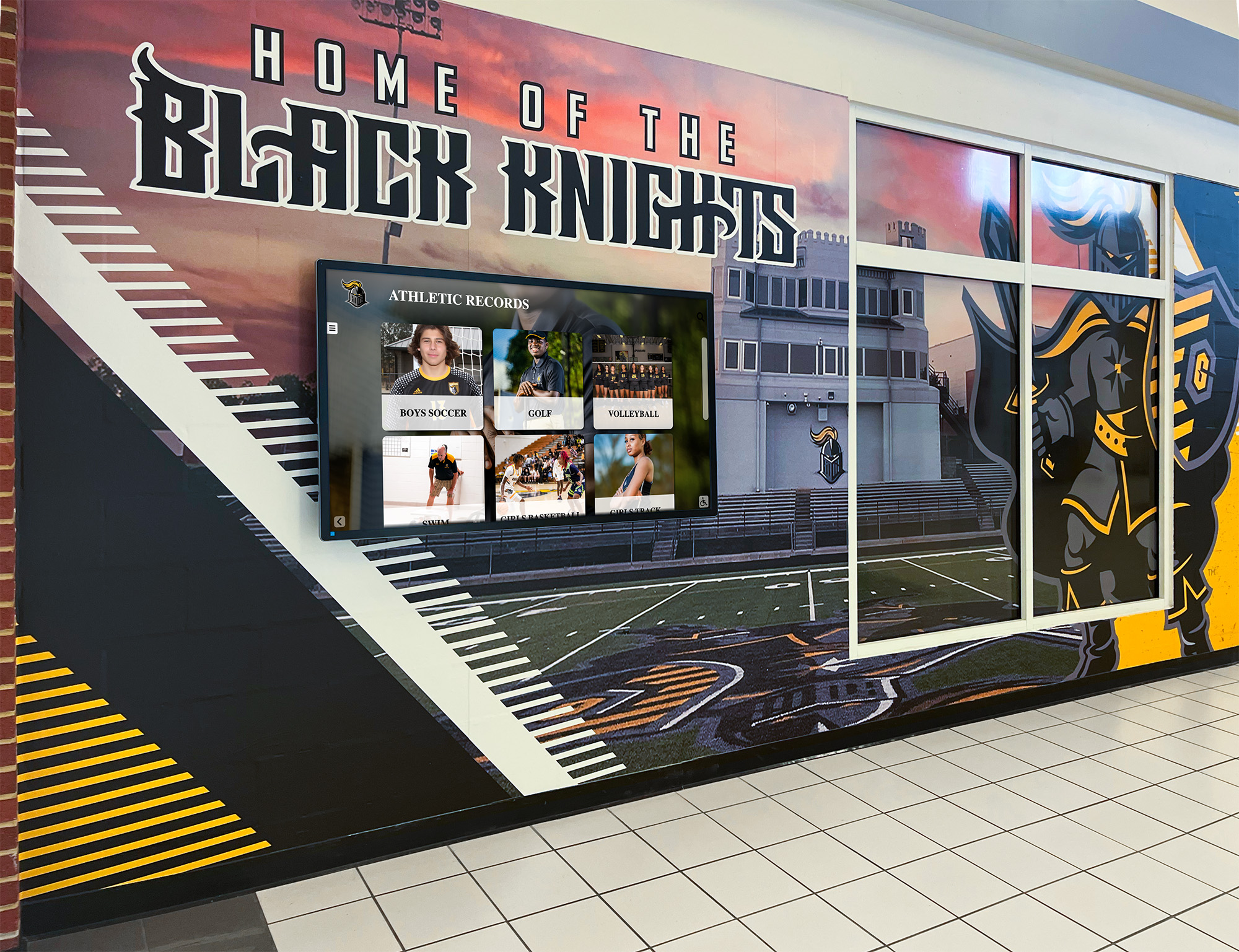
Hallway transformations create inspiring environments that reinforce school pride daily
Recognition Display Integration
Modern recognition displays become architectural features celebrating achievement:
Display Design Considerations
- Professional installation creating polished appearance
- Integration with existing architecture and design
- Appropriate sizing for viewing distance and space
- Accessibility compliance ensuring universal access
- Weather-appropriate solutions for outdoor installations
Content Strategy
- Regular updates keeping displays current and relevant
- Historical content connecting past achievements to present
- Diverse achievement representation ensuring inclusivity
- Engaging visual design attracting viewer attention
- Clear organization helping visitors navigate content
These visible symbols of achievement surround students with reminders that their school values and celebrates excellence.
Strategy 4: Empower Student Voice and Leadership
Pride increases dramatically when students have genuine influence over their school experience.
Expand Student Leadership Opportunities
Effective student involvement goes beyond traditional student government:
Leadership Pathways
- Student council with meaningful budget authority
- Grade-level representatives ensuring all voices
- Club and organization leadership
- Peer mentoring and tutoring program leaders
- Event planning and execution committees
- School improvement initiative leaders
Meaningful Responsibilities
- Real input on policies affecting student experience
- Budget control for student activities and events
- Planning and executing major school events
- Representing student perspective to administration
- Serving as ambassadors to prospective families
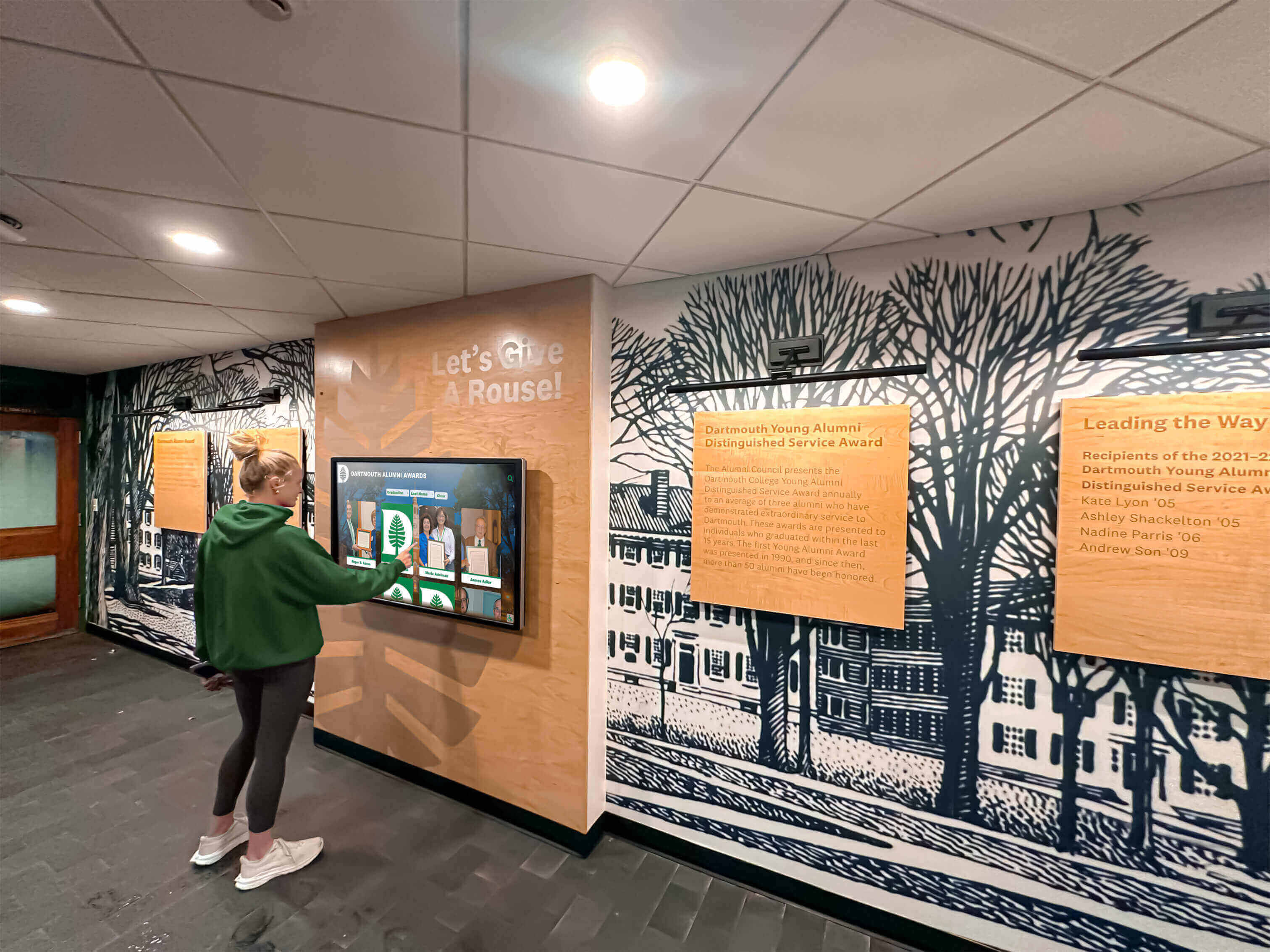
Student interaction with school displays demonstrates ownership and pride in community
Support Student-Led Initiatives
Pride strengthens when students drive improvements:
Initiative Categories
- School culture improvements addressing student-identified needs
- Community service projects connecting school to broader needs
- Environmental sustainability programs
- Inclusivity and belonging initiatives
- Academic support and peer tutoring programs
- Social event planning and execution
Supporting student initiatives demonstrates trust and validates that student ideas matter, creating powerful investment in school success.
Strategy 5: Celebrate Teachers, Staff, and Community Partners
School pride must extend beyond students to include everyone who contributes to school success.
Teacher and Staff Recognition Programs
When schools honor educators and support staff, they demonstrate institutional values:
Recognition Approaches
- Monthly or quarterly staff spotlight features
- Student nomination programs for favorite teachers
- Peer recognition allowing staff to honor colleagues
- Milestone celebrations for service anniversaries
- Retirement tributes documenting career impact
- Teacher appreciation displays highlighting contributions
Creating Meaningful Recognition
- Specific examples of impact rather than generic praise
- Student and parent testimonials showing real influence
- Public celebration at assemblies and events
- Permanent recognition through digital displays
- Tangible benefits like preferred parking or planning time
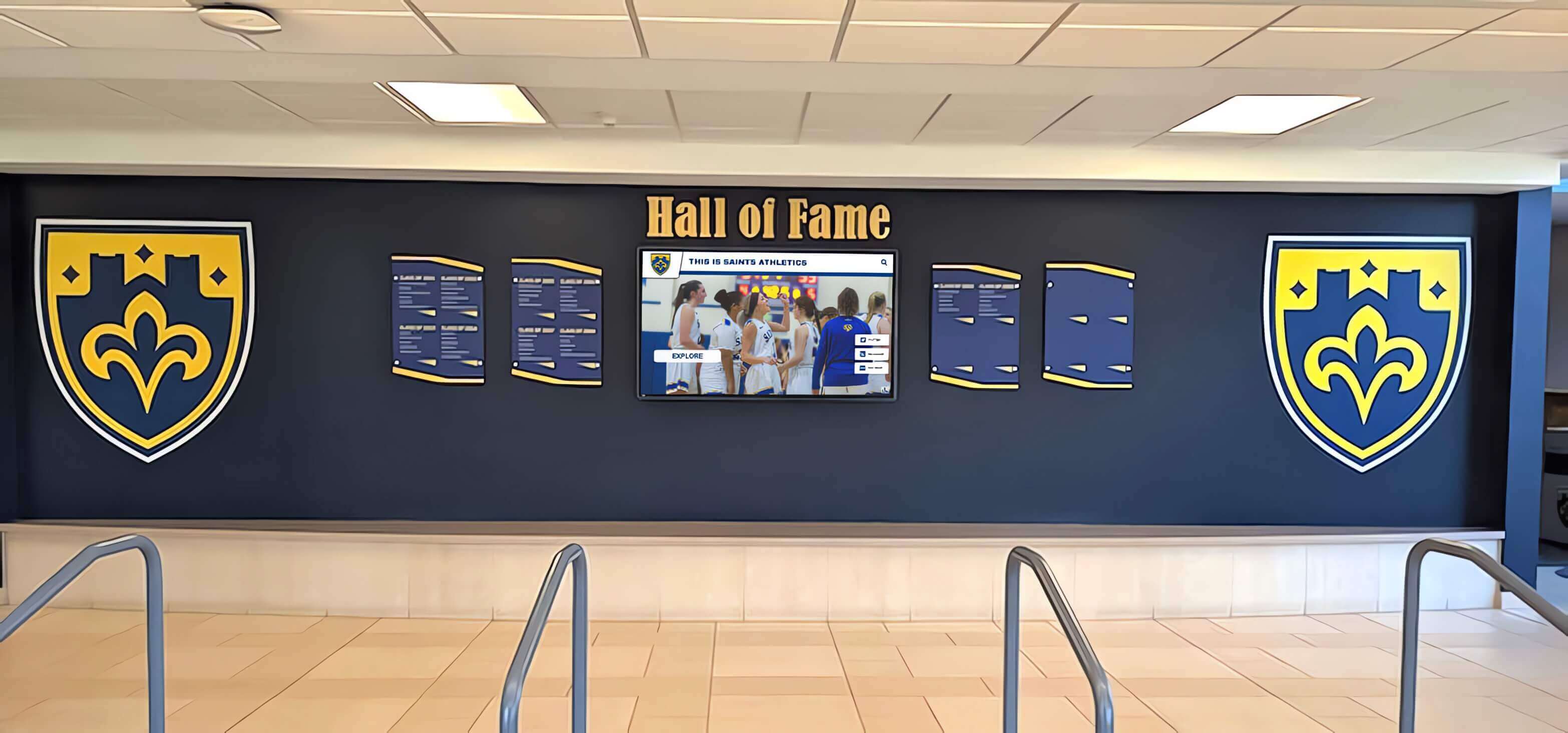
Lobby displays honoring staff contributions demonstrate that schools value all community members
Community Partnership Recognition
Schools don’t exist in isolation—community partnerships strengthen both institutions and neighborhoods:
Partner Categories to Recognize
- Local business sponsors supporting programs and events
- Volunteer organizations providing service opportunities
- Professional mentors offering career guidance
- Alumni contributors maintaining school connections
- Booster club members supporting athletic and academic programs
- Parent volunteers investing time in school improvement
Recognition Methods
- Donor recognition walls acknowledging financial support
- Partner spotlights in newsletters and social media
- Event recognition during games and performances
- Digital displays showcasing partnerships
- Annual appreciation events thanking contributors
This recognition creates virtuous cycles where acknowledged partners increase involvement while new supporters see their contributions will be valued.
Strategy 6: Leverage Athletics for Community Building
Athletic programs provide natural opportunities for school pride expression and community gathering.
Support All Athletic Programs Equitably
Strong athletic culture recognizes every sport:
Equitable Recognition Practices
- Equal celebration of championships across all sports
- Attendance promotion for all athletic events
- Comprehensive record boards for every sport
- Media coverage for less-publicized sports
- Facility improvements benefiting all programs
Building Athletic Tradition
- Systematic documentation of achievements and records
- Historic displays connecting current teams to program legacy
- Recognition of multi-sport athletes
- Coaching staff appreciation and milestone celebrations
- Alumni athlete connections and mentorship opportunities
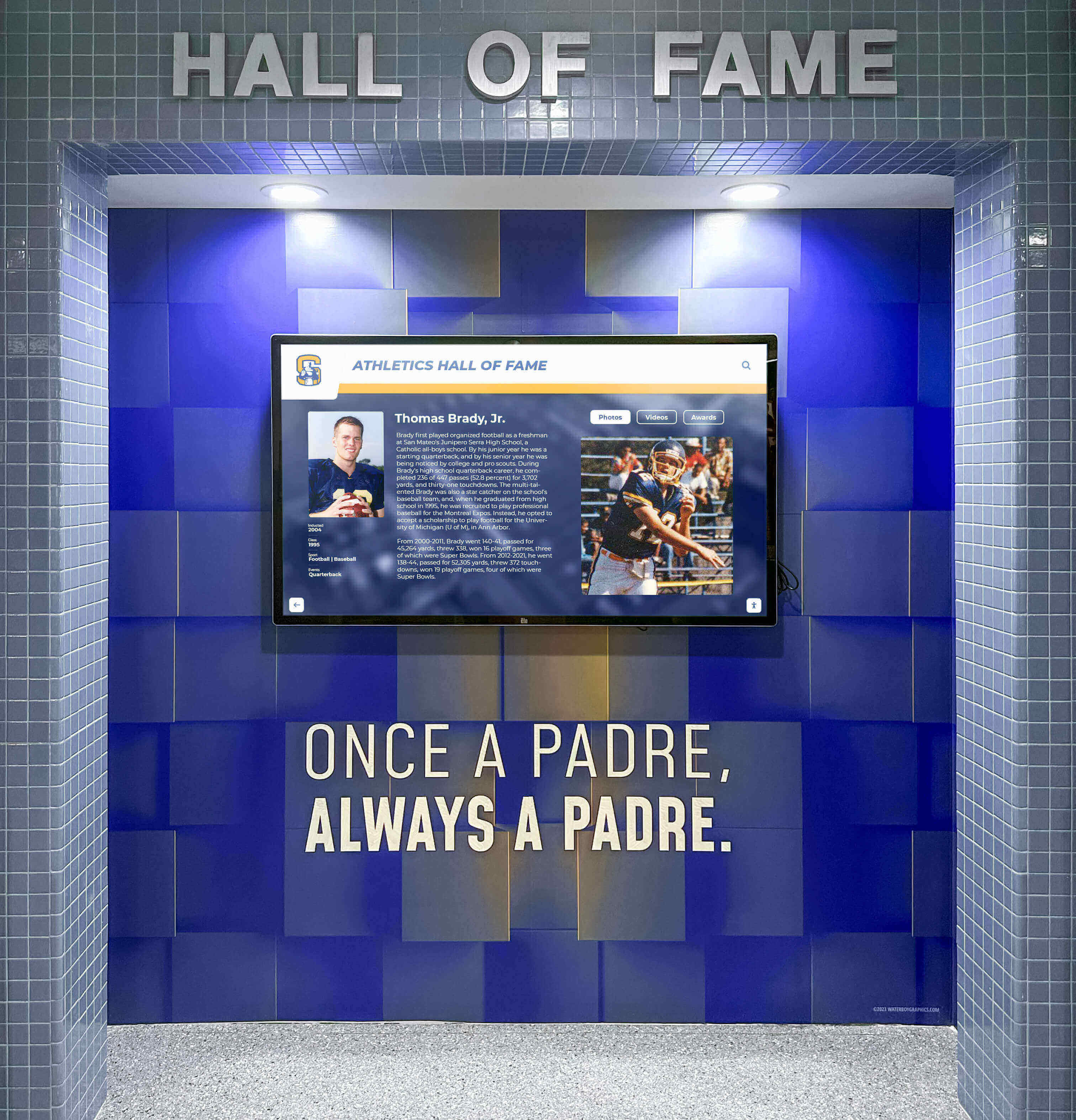
Athletic displays celebrating all sports demonstrate that schools value every team equally
Create Memorable Game Day Experiences
Athletic events become community rallying points when designed thoughtfully:
Pre-Game Activities
- Tailgating opportunities for families and community
- Student section organization and leadership
- Band performances and entertainment
- Youth programs connecting young fans to teams
- Themed game promotions and special events
Game Experience Enhancement
- Professional-quality announcements and commentary
- Video displays showing replays and recognition
- Halftime activities and entertainment
- Achievement recognition during games
- Concessions supporting school programs
- Social media integration and sharing
Learn about displaying athletic achievements in ways that build lasting pride and tradition.
Strategy 7: Build Digital Community Connections
Modern school pride extends beyond physical campus to digital platforms where students and families spend significant time.
Strategic Social Media Presence
Effective school social media celebrates community while engaging audiences:
Content Pillars
- Achievement celebrations across all categories
- Behind-the-scenes glimpses of school life
- Student and staff spotlights with personal stories
- Event promotion and live coverage
- Throwback content connecting to school history
- Community contributions and supporter recognition
Engagement Tactics
- Student takeovers letting students control accounts
- Contests and challenges encouraging participation
- Interactive polls and questions
- Hashtag campaigns creating unity
- User-generated content featuring student submissions
- Live streaming of major events

Interactive displays bridge physical and digital experiences, encouraging social sharing and extended engagement
Web-Based Recognition Extensions
Digital recognition platforms extend school pride globally:
Online Platform Benefits
- Alumni worldwide can view current achievements
- Families access recognition anytime from anywhere
- Mobile optimization ensures accessibility across devices
- Integration with school websites and communications
- Social sharing capabilities amplifying recognition
- Analytics tracking engagement and program effectiveness
Schools implementing web-accessible recognition platforms report significantly increased family engagement and alumni connections.
Strategy 8: Create Inclusive Recognition and Belonging
School pride flourishes when every community member feels valued and included.
Expand Recognition to All Students
Inclusive recognition creates pride opportunities for diverse students:
Multiple Achievement Pathways
- Academic excellence and improvement recognition
- Athletic participation and achievement at all skill levels
- Arts and creative expression celebration
- Service and citizenship acknowledgment
- Character and kindness recognition
- Attendance and engagement appreciation
- Special talent and unique contribution celebration
Equity Considerations
- Recognition requiring no fees or purchases
- Achievement criteria accessible to students at all starting points
- Growth and improvement measures valuing progress
- Diverse selection ensuring representation across demographics
- Multilingual recognition for diverse communities
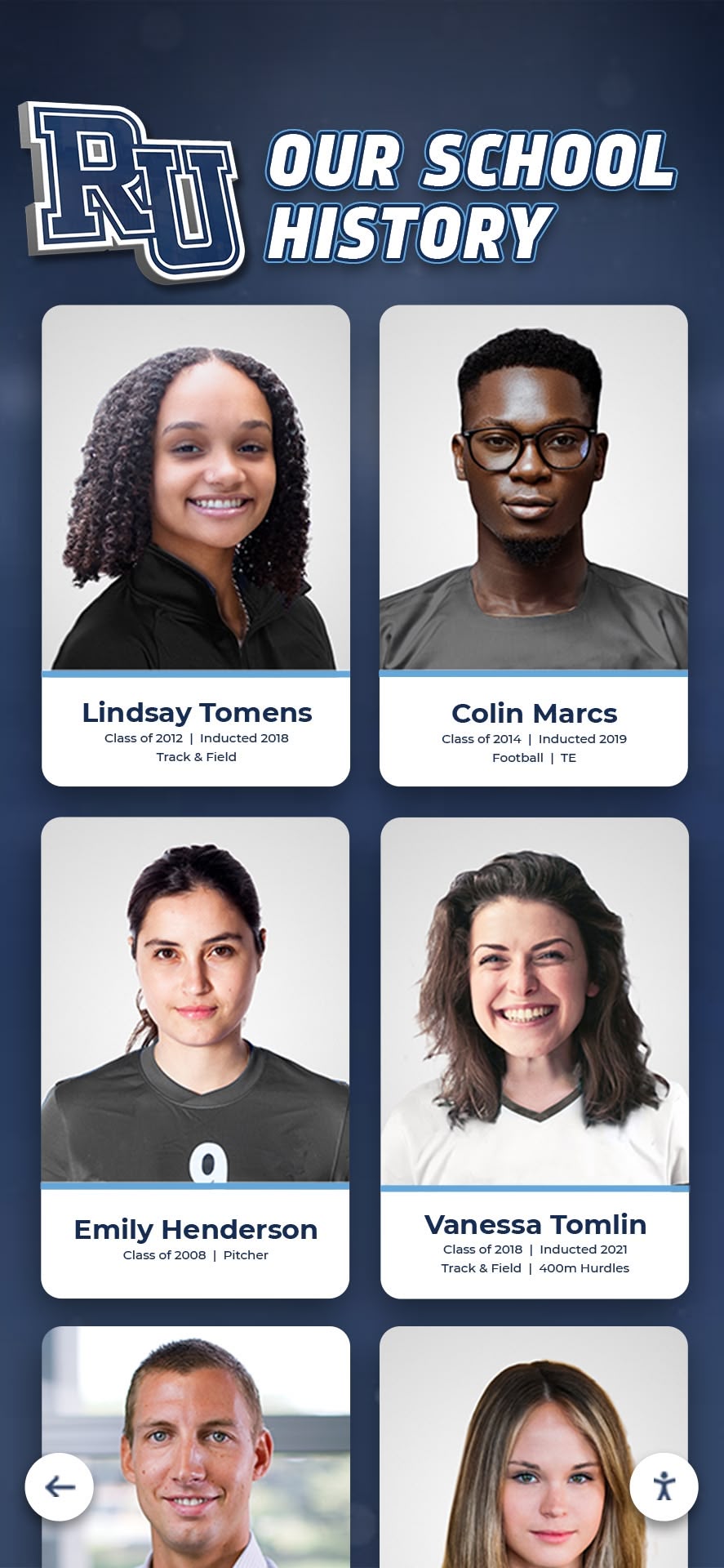
Comprehensive recognition systems ensure every student can find achievement pathways aligned with their strengths
Address Barriers to Participation
Creating belonging requires removing obstacles:
Accessibility Improvements
- Financial assistance for activity fees and participation costs
- Transportation support for after-school events and activities
- Flexible scheduling accommodating work and family obligations
- Language support for multilingual families
- Physical accessibility ensuring participation for all abilities
- Technology access removing digital divide barriers
Inclusive Culture Development
- Clear anti-discrimination policies and consistent enforcement
- Cultural celebration events throughout the year
- Affinity groups and identity-based organizations
- Staff training on inclusive practices
- Student voice in culture and policy development
- Safe reporting systems for concerns
When students feel safe, included, and supported, they develop the positive associations that fuel genuine school pride.
Strategy 9: Preserve and Showcase School History
Connecting current students to institutional legacy builds appreciation for tradition while inspiring future achievement.
Document and Archive School History
Preserving history prevents valuable stories from being lost:
Documentation Approaches
- Systematic digitization of physical archives and yearbooks
- Video interviews with long-time staff and notable alumni
- Historic artifact displays in appropriate contexts
- Timeline displays showing school evolution
- Facility naming honoring significant contributors
- Annual commemorations marking school milestones
Learn about preserving school history digitally to ensure future generations can explore institutional heritage.
Historical displays connect current students to decades of school tradition and excellence
Make History Accessible and Engaging
Preserved history only builds pride when made accessible:
Interactive Historical Experiences
- Digital archives searchable by name, year, sport, or achievement
- Interactive timelines showing school evolution
- Then-and-now photo comparisons
- Alumni spotlights featuring successful graduates
- Video archives of historic events and ceremonies
- Oral history collections capturing alumni memories
Integration with Current Programming
- Historical references during school events and assemblies
- Anniversary celebrations marking significant milestones
- Alumni speaker programs connecting past to present
- Reunion support bringing graduates back to campus
- Mentorship programs linking alumni with current students
Schools effectively using digital tools to showcase history report stronger alumni connections and increased student appreciation for institutional heritage.
Implementing Your School Pride Strategy
Successful school pride development requires systematic planning and sustained commitment.
Assessment and Planning Phase
Evaluate Current State
- Survey students, staff, and families about current pride levels
- Identify existing programs and traditions that work well
- Recognize gaps where additional initiatives would help
- Review available resources and budget considerations
- Assess physical spaces and technology infrastructure
Set Clear Goals
- Define specific, measurable pride objectives
- Establish timelines for implementation phases
- Identify required resources and potential funding sources
- Assign responsibilities across staff and leadership
- Create accountability measures tracking progress
Implementation Sequence
Phase 1: Quick Wins (First Semester)
- Implement high-impact, low-cost initiatives immediately
- Generate visible momentum and community enthusiasm
- Launch initial recognition programs and displays
- Establish new traditions starting this school year
- Celebrate early successes publicly
Phase 2: Major Initiatives (Year One)
- Install comprehensive recognition display systems
- Establish annual signature events and traditions
- Implement student leadership program expansions
- Launch digital communication and social media strategy
- Create facility improvements and campus beautification
Phase 3: Sustainability (Years 2-3)
- Regular assessment and program adjustment
- Leadership succession planning for student initiatives
- Budget allocation ensuring program continuation
- Continuous improvement based on feedback and data
- Expansion to additional recognition categories and programs
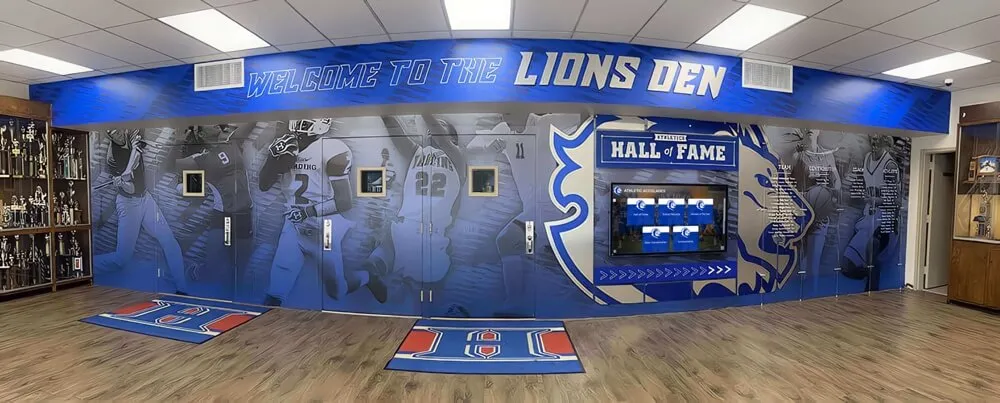
Comprehensive installations combining murals, displays, and recognition create powerful pride environments
Measuring School Pride Success
Regular assessment ensures programs achieve intended outcomes:
Quantitative Metrics
Participation Indicators
- Event attendance trends over time
- Activity participation rates across student demographics
- Volunteer engagement from families and community
- Social media engagement metrics
- Recognition program participation rates
Outcome Measures
- Student attendance and tardiness rates
- Disciplinary incident frequency
- Academic performance indicators
- Staff retention and satisfaction rates
- Application and enrollment trends
Qualitative Assessment
Stakeholder Feedback
- Student surveys about sense of belonging
- Family perception of school culture
- Staff assessment of community engagement
- Alumni reflection on school connections
- Community perception surveys
Cultural Indicators
- Observed changes in student behavior and attitudes
- School climate survey results
- Participation in optional activities
- Sense of community during events
- Stories and testimonials from community members
This comprehensive assessment provides evidence demonstrating program effectiveness while identifying areas for continuous improvement.
Conclusion: Building Lasting School Pride
School pride represents one of the most valuable intangible assets educational institutions can develop. Strong pride creates better learning environments, increases student achievement, strengthens community bonds, and builds lasting connections extending decades beyond graduation.
The strategies explored in this guide—comprehensive recognition programs, meaningful traditions, visible identity, student leadership, staff celebration, athletic support, digital connections, inclusive belonging, and historical preservation—provide comprehensive frameworks for building authentic school pride that unites your entire community.
Ready to Transform Your School Pride?
Discover how modern digital recognition solutions can help you celebrate achievements, honor diverse contributions, and strengthen school pride throughout your community. Rocket Alumni Solutions provides comprehensive platforms combining interactive touchscreen displays, web-accessible recognition, and simple content management.
Explore Recognition SolutionsBuilding school pride isn’t a one-time initiative but an ongoing commitment requiring sustained attention, resources, and authentic effort. Schools that prioritize pride create environments where students thrive academically, develop socially, and form lasting connections to their institution and each other.
Start where you are with resources you have. Even small steps toward building pride—recognizing an overlooked achievement, starting a new tradition, improving a visible space—create momentum that builds over time. Involve students, staff, families, and community members in the journey, ensuring pride initiatives reflect authentic values rather than imposed mandates.
Your school’s unique culture, history, and community provide the foundation. These proven strategies offer roadmaps for building on that foundation to create school pride that transforms daily experiences and lasts for generations to come.































