Spirit week stands as one of education’s most beloved traditions, transforming ordinary school days into celebrations of community, creativity, and shared identity. When executed thoughtfully, these weeklong celebrations create infectious enthusiasm that connects students across grade levels, strengthens school culture, and generates memories that alumni cherish decades later. From classic dress-up days to innovative competitions and digital engagement strategies, spirit week offers limitless opportunities to showcase what makes your school community unique.
Yet many schools fall into predictable patterns—recycling the same handful of themes year after year until participation wanes and activities feel more obligatory than exciting. Students scroll past spirit week announcements on their phones, teachers struggle to generate enthusiasm, and what should be a highlight of the school calendar becomes just another week marked by half-hearted participation and missed opportunities for genuine community building.
This comprehensive guide presents 50+ creative school spirit week ideas designed to maximize student engagement, accommodate diverse interests and comfort levels, and create the authentic enthusiasm that transforms school culture. Whether you’re planning spirit week for homecoming, celebrating a school milestone, or simply seeking to inject fresh energy into your community, you’ll discover proven themes, activities, and implementation strategies that deliver meaningful results.
Spirit week success hinges on understanding what motivates contemporary students while honoring the traditions that connect current celebrations to institutional legacy. The best spirit weeks balance accessibility—ensuring all students can participate regardless of resources or background—with creativity that captures attention in environments where students encounter highly engaging content constantly. Let’s explore the essential elements that make spirit weeks truly memorable.
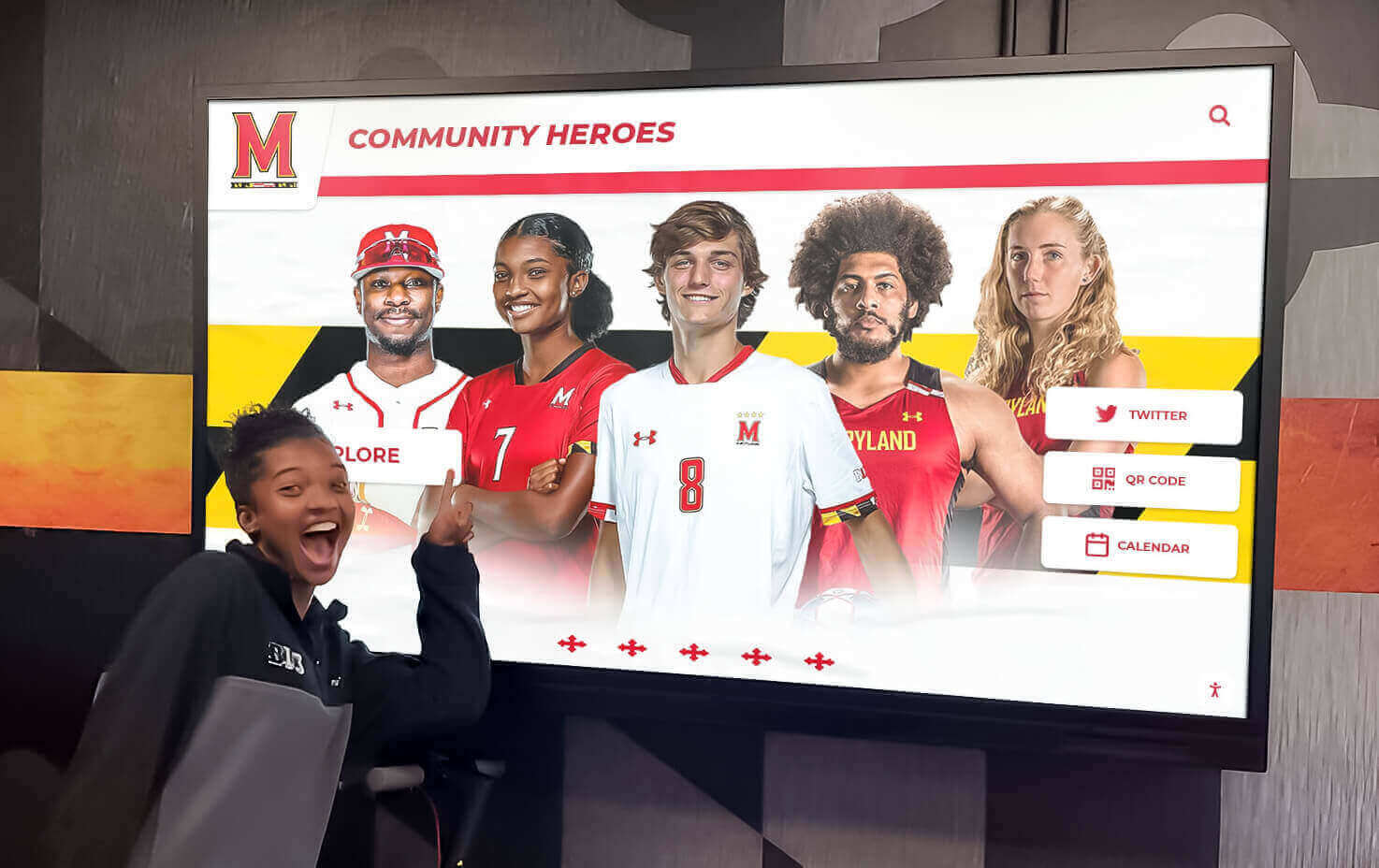
Why Spirit Week Matters: Building Culture Through Celebration
Before diving into specific themes and activities, understanding the strategic value spirit weeks deliver helps ensure your planning focuses on outcomes that truly matter for school communities.
Strengthening School Culture and Identity
Spirit week creates concentrated opportunities for students, staff, and families to demonstrate pride in shared community membership. When students participate in themed dress-up days, compete in class challenges, or contribute to collaborative projects, they’re making visible statements about belonging and investment in something larger than individual interests.
This collective participation builds school culture in ways that mission statements and administrative directives cannot achieve. Students learn institutional values more effectively through participation in traditions that demonstrate what communities celebrate and prioritize. Schools that consistently execute engaging spirit weeks cultivate stronger cultures where students feel genuine connection to institutional identity.
Increasing Student Engagement and Connection
Spirit week provides natural entry points for students who might otherwise feel disconnected from school communities. Participating in lighthearted themed activities requires no special skills, academic achievement, or athletic ability—just willingness to engage with peers in shared experience. This accessibility makes spirit week particularly valuable for reaching students who may not participate in traditional extracurricular programs.
Research on student engagement consistently demonstrates that students who feel connected to school communities through positive relationships and shared experiences show improved attendance, better academic performance, enhanced behavioral outcomes, and stronger social-emotional wellbeing. Spirit week represents a relatively low-barrier strategy for building these critical connections.
Creating Traditions and Shared Memories
The most successful schools understand that institutional loyalty develops through accumulated positive experiences and emotional connections formed during formative years. Spirit week creates the memorable moments students discuss years later—the year their class won the hallway decorating contest, the faculty vs. students basketball game where the principal attempted a slam dunk, the creative costumes classmates assembled for decade day.
These shared memories become part of institutional lore, stories that connect graduating classes across years and strengthen the bonds between alumni and their alma mater. Schools that invest in creating memorable spirit week experiences build the foundation for lasting alumni engagement that benefits institutions long after students receive diplomas.
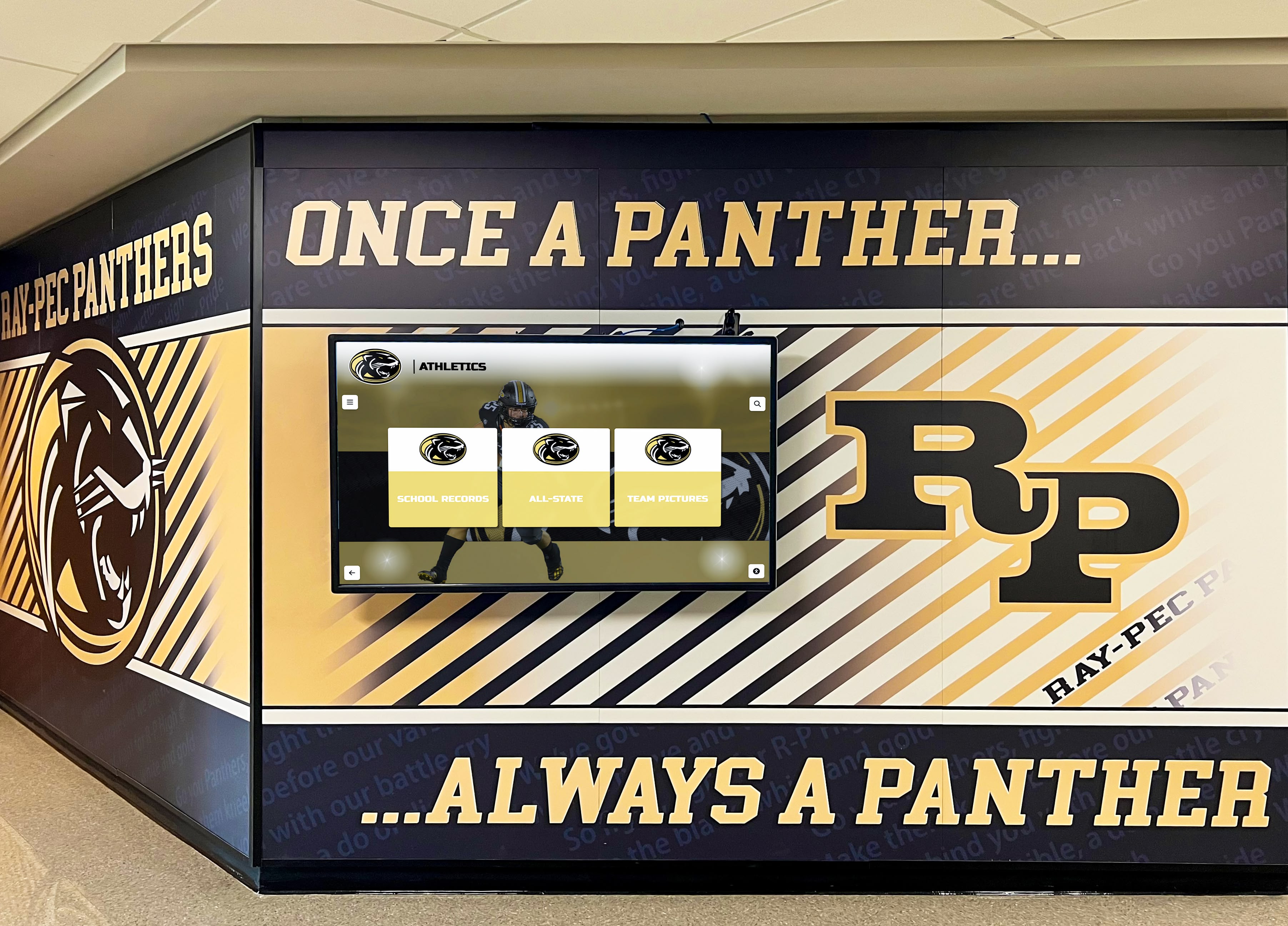
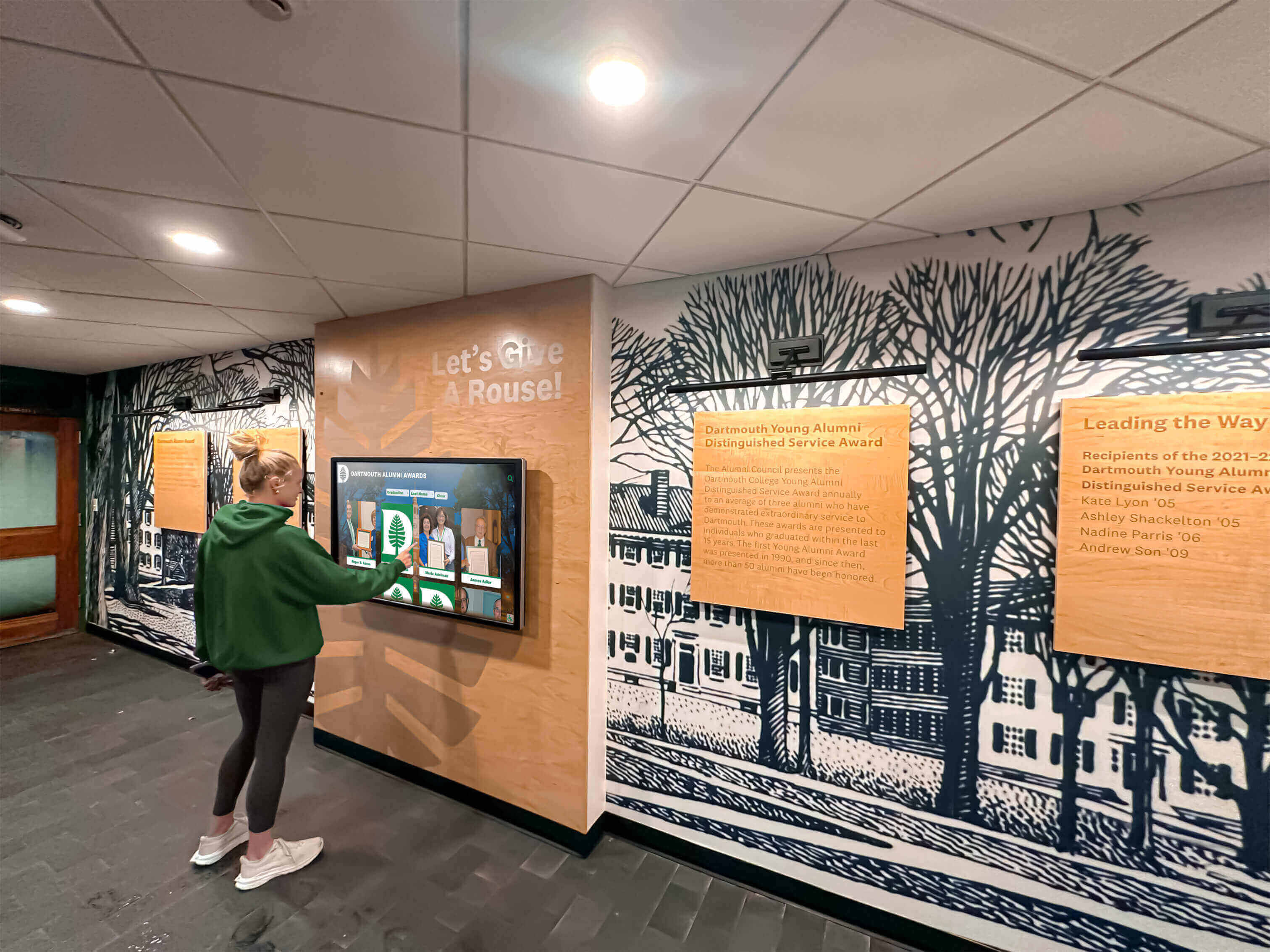
Year-round displays of school pride provide the foundation for memorable spirit week celebrations
50+ Creative Spirit Week Theme Ideas
Successful spirit weeks combine classic favorites that students expect with fresh themes that generate new excitement. The following ideas span multiple categories, allowing you to build diverse weeklong celebrations that offer something for every student.
Classic Dress-Up Day Themes
These time-tested themes consistently deliver high participation because they’re easily accessible, require minimal preparation, and appeal to broad student populations.
1. Pajama Day: Students wear comfortable sleepwear to school (following appropriate dress code guidelines). This universally popular theme requires no special purchases and appeals across all grade levels.
2. Twin Day: Pairs or groups of students coordinate matching outfits, celebrating friendships while encouraging creativity in outfit planning.
3. Jersey Day: Students wear jerseys representing favorite sports teams, school athletics, or recreational leagues—celebrating athletic identity without requiring specific team affiliation.
4. School Colors Day: The simplest yet often most visually impactful theme, where students wear school colors to create striking visual unity throughout campus.
5. Decades Day: Students represent different eras—’50s greasers, ’60s hippies, ’70s disco, ’80s neon, ’90s grunge, or 2000s trends. This theme works particularly well when assigning different decades to different grade levels.
6. Mismatch Day: Students intentionally wear clashing patterns, mismatched shoes, and conflicting colors—celebrating creativity and humor while being easily achievable for all participants.
7. Hat Day: Students showcase favorite hats, caps, or creative headwear (within dress code parameters). This accessible theme works well for schools where regular hat-wearing isn’t permitted.
8. Formal Day: Students dress in formal attire—suits, dresses, ties—creating humorous contrast with typical school casual wear while teaching appropriate formal dress.
9. Character Day: Students dress as favorite book, movie, TV, or video game characters, showcasing diverse interests across fandoms and entertainment preferences.
10. Career Day: Students dress representing future career aspirations or professions they admire, encouraging reflection on goals while creating opportunities to discuss diverse career paths.
11. Backwards Day: Students wear clothes backwards, inside-out, or in reverse order—silly and simple theme requiring no special costumes.
12. Superhero Day: Students dress as favorite superheroes or create original hero personas, celebrating heroic values while encouraging creative costume assembly.
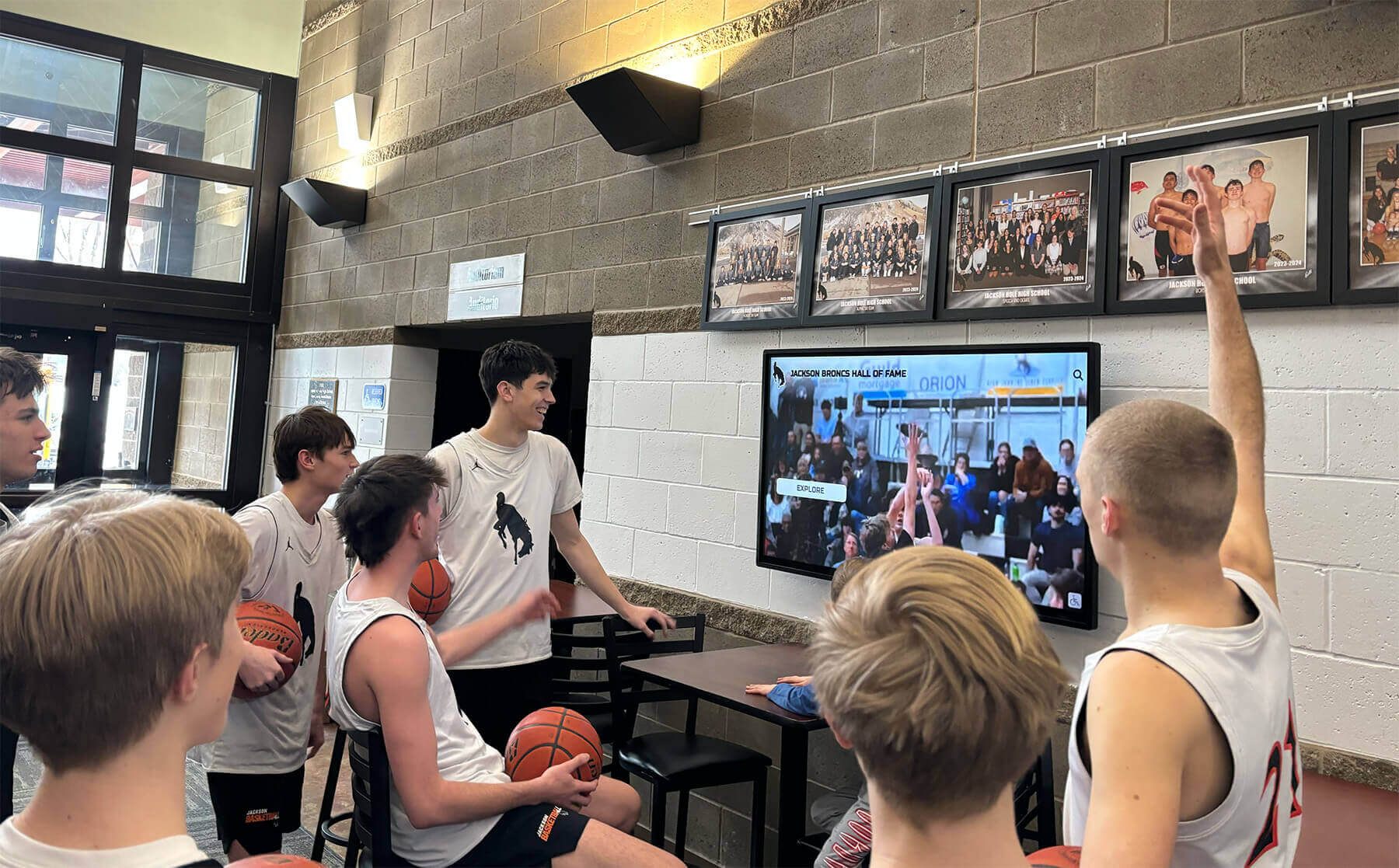
Creative and Contemporary Themes
These modern themes reflect current student interests and social media trends while maintaining the accessibility that ensures broad participation.
13. Meme Day: Students dress representing popular internet memes (school-appropriate, of course), connecting spirit week to contemporary digital culture students engage with daily.
14. Influencer Day: Students dress as favorite social media influencers or content creators, recognizing the personalities that shape contemporary teen culture.
15. APP-tastic Day: Students create costumes representing favorite phone applications—social media platforms, games, productivity apps—celebrating digital age identity.
16. TikTok Trend Day: Students participate in current TikTok trends (dance challenges, outfit aesthetics, popular sounds) that reflect contemporary culture.
17. Aesthetic Day: Students embrace specific aesthetic styles popular on social media—cottagecore, dark academia, Y2K, indie kid, soft girl/boy—celebrating diverse style expressions.
18. Video Game Day: Students dress as characters from favorite video games or wear gaming-themed clothing, recognizing this major aspect of contemporary student culture.
19. Music Genre Day: Students dress representing favorite music genres—country, hip-hop, rock, K-pop, indie—or different grade levels represent different genres.
20. Emoji Day: Students create costumes or outfits representing favorite emojis, combining simple concept with creative interpretation possibilities.
Class Competition Themes
These themes create friendly rivalry between grade levels, fostering class unity while building excitement through competition.
21. Class Color Day: Each grade level wears designated colors, creating visual representation of class pride and making it easy to see which grade shows strongest participation.
22. Beach vs. Ski Day: Underclassmen wear beach attire while upperclassmen wear ski/winter gear (or vice versa), creating visual contrast and playful class rivalry.
23. Heroes vs. Villains Day: Different grades or class divisions dress as heroes or villains, creating thematic opposition while allowing creative costume choices.
24. Space vs. Ocean Day: Upperclassmen embrace space themes (astronauts, aliens, stars) while underclassmen represent ocean themes (marine life, surfers, mermaids).
25. Jungle vs. Desert Day: Different classes represent different ecosystems through costumes and accessories, combining learning opportunity with creative dress-up.
26. Time Travelers Day: Each grade represents different time periods—past, present, near future, distant future—showing progression through eras.
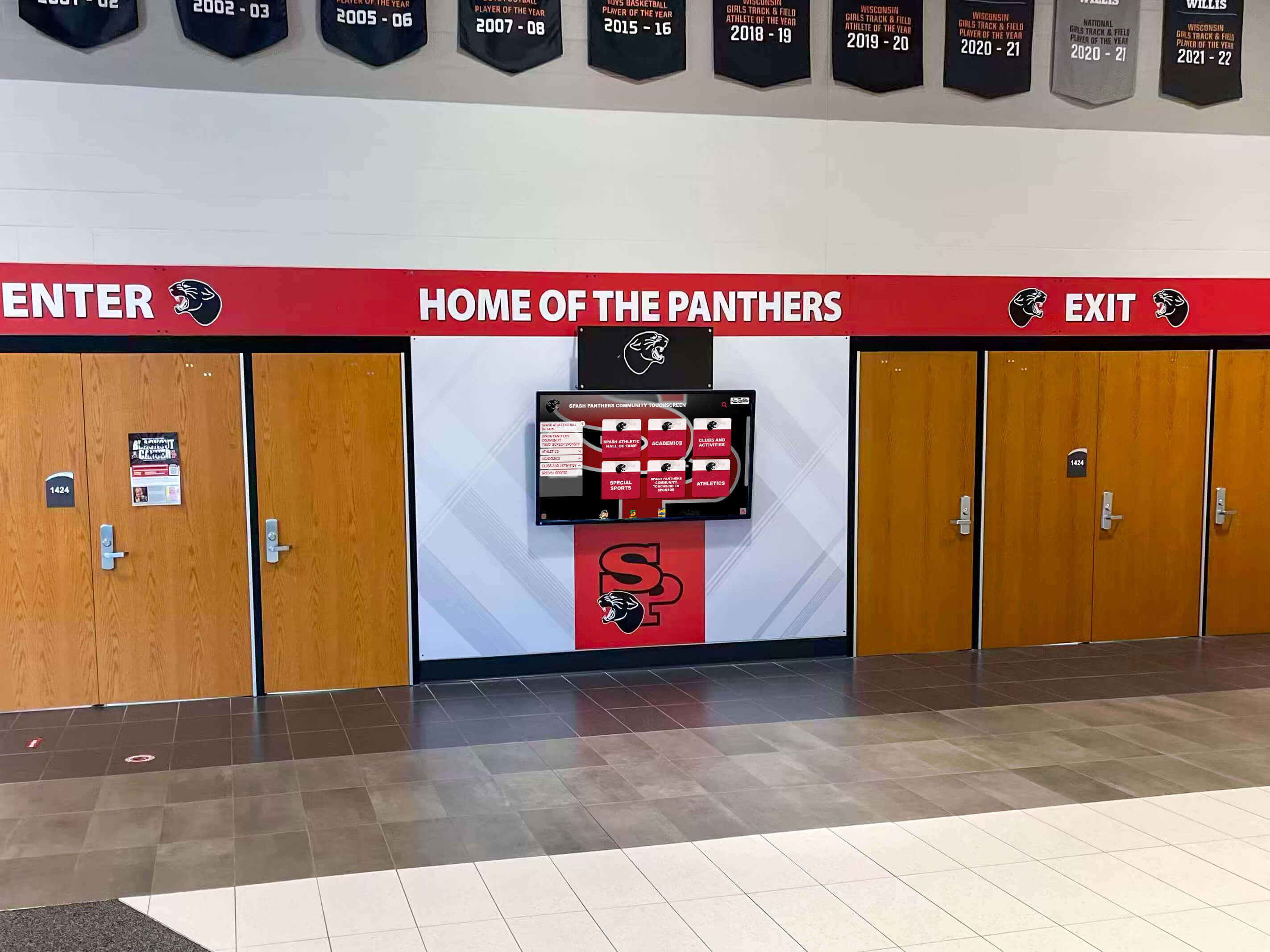
Creating welcoming school environments that celebrate community pride enhances spirit week impact
Cultural Celebration Themes
These themes honor diversity, promote cultural awareness, and celebrate the rich backgrounds represented in school communities.
27. Heritage Day: Students wear clothing representing their cultural heritage or family backgrounds, creating opportunities to celebrate diversity and learn about classmates’ traditions.
28. International Day: Students dress representing different countries or world cultures, promoting global awareness and multicultural appreciation.
29. Language Day: Students wear clothing with writing in different languages or representing language study programs, celebrating linguistic diversity.
30. Food Culture Day: Students dress representing favorite cultural foods or cuisines, combining cultural celebration with discussion of culinary traditions worldwide.
School-Specific and Local Pride Themes
These themes connect spirit week directly to unique aspects of your school identity, local community, or regional culture.
31. Mascot Day: Students dress as the school mascot or in mascot-themed clothing, directly celebrating school identity and athletic tradition.
32. State/Region Pride Day: Students wear clothing representing state symbols, local landmarks, or regional cultural elements unique to your location.
33. School Anniversary Day: If celebrating a school milestone, students dress in styles from the founding era or different periods in institutional history.
34. Alumni Recognition Day: Students dress representing college where parents, siblings, or family members attended, celebrating family educational legacy while discussing college planning.
35. Local Sports Team Day: Students wear gear supporting professional or college teams from your region, celebrating local athletic identity.
36. Founder’s Day: Students research and dress representing time period when school was founded, combining history lesson with themed participation.
Activity-Based Theme Days
These themes incorporate interactive elements beyond just dress-up, increasing engagement through participatory activities.
37. Fitness Day: Students wear athletic gear and participate in physical activity challenges throughout the day—dance parties, relay races, yoga sessions, or walk/run events.
38. Outdoor Adventure Day: Students dress for camping, hiking, or outdoor activities while participating in outdoor education activities or nature-themed challenges.
39. Art Day: Students wear art-inspired outfits or create wearable art while participating in school-wide collaborative art projects displayed throughout campus.
40. Science Day: Students dress as scientists, wear STEM-themed clothing, and participate in demonstration stations or interactive science activities.
41. Kindness Day: Students wear kindness-themed clothing while participating in service projects, writing appreciation notes, or completing random acts of kindness challenges.
42. Reading Day: Students dress as favorite book characters while sharing favorite reads, participating in read-alouds, or donating books to community programs.
Seasonal and Holiday-Adjacent Themes
These themes align spirit week with seasonal context or proximity to holidays, creating natural thematic connections.
43. Fall Festival Day: Students wear autumn colors, flannel, or harvest-themed clothing during fall spirit weeks, often coordinating with homecoming celebrations.
44. Winter Wonderland Day: Students wear winter-themed clothing, ugly sweaters, or holiday colors during winter spirit weeks.
45. Spring Fling Day: Students wear bright colors, floral patterns, or spring-themed outfits celebrating the season.
46. Summer Vibes Day: Students wear beach attire, tropical prints, or summer vacation themed clothing, celebrating warm weather and upcoming break.
47. Color Wars: Different days feature different colors, with students competing to show highest participation in each day’s designated color.
48. Neon Day: Students wear bright neon colors that pop under black lights during pep rallies or evening events.
Alternative and Inclusive Themes
These themes provide options for students who may feel uncomfortable with costume-heavy dress-up or who prefer subtler participation methods.
49. Accessory Day: Students participate by wearing specific accessories—sunglasses, ties, scarves, badges—rather than full costume changes, accommodating students with limited clothing options or dress code sensitivities.
50. School Spirit Sticker Day: Students collect stickers at participation stations throughout the day, accommodating those uncomfortable with dress-up while still allowing visible participation.
51. Social Media Frame Day: Students take photos with custom photo frames or filters celebrating school spirit, creating shareable content that extends spirit week visibility beyond campus.
52. Playlist Day: Students contribute to collaborative school spirit playlists shared throughout campus, participating through music curation rather than dress-up.
53. Quote Day: Students share favorite inspirational quotes, school mantras, or motivational messages on sticky notes displayed throughout campus, participating through written expression.
Beyond Dress-Up: Interactive Activities and Competitions
While themed dress-up days form spirit week’s core, complementary activities and competitions deepen engagement and create additional participation pathways for students who may not enthusiastically embrace costume themes.
Hallway and Classroom Decoration Contests
Class-level decoration competitions transform campus environments while fostering teamwork and creative expression. Each grade level decorates assigned hallway sections or classroom doors according to overall spirit week theme or specific daily themes.
Effective decoration contests provide clear parameters regarding materials, timeline, and judging criteria while encouraging creativity within those boundaries. Consider establishing categories like Most Creative, Best Use of School Colors, Most Spirited, and Best Overall to recognize diverse achievement types rather than single winner.
Documentation and recognition matter tremendously. Schools using digital displays to showcase achievements can photograph decorated spaces and feature them on screens throughout campus and on school websites, extending recognition beyond the immediate decoration period.
Daily Challenges and Competitions
Structured daily challenges create participation opportunities throughout spirit week while building competitive excitement.
Spirit Points System: Award points to grade levels based on dress-up participation percentages, challenge completion, contest placements, and behavioral excellence, culminating in announced winner during final pep rally.
Scavenger Hunts: Create school-wide scavenger hunts requiring students to locate items, solve clues related to school history, or complete challenge stations, fostering collaboration and campus exploration.
Trivia Competitions: Host daily trivia challenges testing knowledge about school history, staff facts, mascot information, or academic subjects, recognizing students who demonstrate both school knowledge and competitive spirit.
Creative Contests: Organize photography contests, TikTok creation challenges, spirit video competitions, or other creative expression opportunities that produce shareable content celebrating school pride.
Athletic Challenges: Coordinate grade-level relay races, obstacle courses, dance-offs, or sport-specific skill challenges that showcase athletic talent while encouraging broad participation.
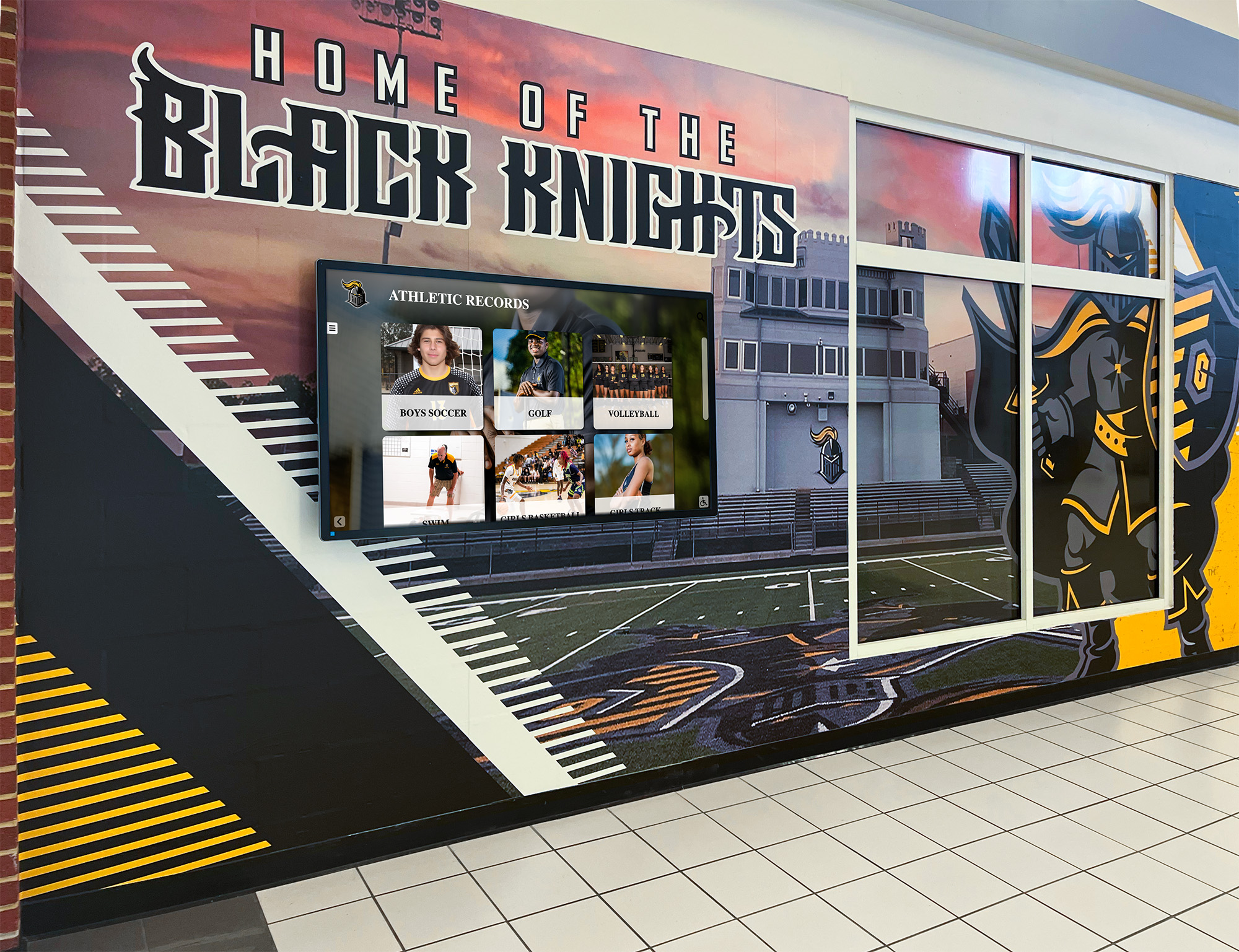
Permanent recognition displays celebrating achievement provide inspiration during spirit week and throughout the year
Pep Rallies and Assembly Programs
Well-executed pep rallies serve as spirit week crescendos, bringing entire school communities together in shared celebration.
Successful pep rallies balance entertainment with recognition, competitive elements with inclusive participation, and school tradition with fresh innovation. Consider incorporating performances by student groups (dance teams, bands, step teams, cheerleaders), competitive games between grade levels or student/staff teams, recognition of students excelling in academics, service, or character, announcement of spirit week competition results, and special presentations by alumni sharing school spirit memories.
Interactive elements dramatically increase engagement. Rather than passive audience observation, incorporate sections where all students participate in coordinated chants, movements, or responses. Technology integration—displaying student-created content on large screens, streaming to remote participants, or incorporating interactive voting—meets contemporary expectations for engaging experiences.
Modern digital recognition systems can enhance pep rallies by displaying scrolling achievement lists, featuring nominated spirit week standouts, or showing historical school accomplishments that connect current students to institutional legacy.
Community Service and Giving Back Activities
Spirit weeks focused exclusively on entertainment and competition miss opportunities to channel student energy toward meaningful service that benefits broader communities while demonstrating institutional values.
Consider integrating service components like food drives supporting local pantries, fundraisers for selected charities or causes, environmental cleanup projects around campus or community, care package assembly for deployed military members or hospital patients, or appreciation initiatives for school staff, first responders, or community helpers.
These service activities add depth to spirit week celebrations, demonstrating that school spirit includes caring for others and contributing positively to communities beyond campus boundaries. Students develop more nuanced understanding that genuine pride includes responsibility and service.
Schools can recognize student service contributions through digital displays that make ongoing impact visible to entire communities, reinforcing the message that service represents core institutional values worthy of celebration.
Planning and Implementing Successful Spirit Week
Creative themes mean little without strategic planning ensuring smooth execution and maximum participation. The following implementation strategies help transform good ideas into memorable experiences.
Establish Planning Timeline and Committee
Spirit week planning should begin 2-3 months before the event, allowing adequate time for theme selection, approval processes, promotional planning, and logistical coordination.
Form a spirit week planning committee including student government representatives offering peer perspectives, administrators providing oversight and policy guidance, activities coordinator or student life staff managing logistics, faculty representatives ensuring classroom impact consideration, and parent organization members potentially supporting materials or volunteers.
Divide responsibilities clearly—theme selection and approval, daily activity planning, decoration contest coordination, promotional campaign management, pep rally programming, awards and recognition, budget and materials, and documentation and social media.
Select Themes Strategically
When selecting specific themes for your spirit week, apply filters ensuring choices maximize participation and minimize barriers.
Accessibility: Can all students participate regardless of financial resources? Avoid themes requiring expensive costumes, specialized items, or significant purchases.
Inclusivity: Do themes respect and celebrate diversity? Avoid themes that could marginalize cultural groups, mock religious traditions, or make students uncomfortable.
Age Appropriateness: Are themes suitable for all grade levels served? Elementary themes differ from high school themes in complexity and cultural references.
Dress Code Compliance: Can students participate while following school dress codes? Provide clear guidelines about acceptable execution within policies.
Safety: Do themes create any safety concerns? Consider physical education participation, lab safety, or other contexts where costumes might create hazards.
Educational Alignment: Do themes support broader educational goals? Consider themes connecting to curriculum, values, or learning objectives rather than purely entertainment.
Build Comprehensive Promotional Campaign
Even brilliant themes fail without effective promotion building awareness and enthusiasm. Develop multi-channel promotional strategies reaching students, staff, and families through diverse touchpoints.
Social Media: Create dedicated hashtags, countdown posts, theme reveals, participation examples, and shareable graphics building anticipation across platforms students actually use.
Digital Displays: Use hallway digital screens to display spirit week countdowns, daily theme reminders, and real-time participation photos celebrating student engagement.
Morning Announcements: Include daily spirit week updates, participation shout-outs, and competition standings in regular announcement routines.
Posters and Signage: Create eye-catching visual reminders displayed throughout campus in high-traffic areas.
Family Communications: Send information home via email, newsletters, or school apps ensuring families know themes in advance and can support student participation.
Student Ambassadors: Recruit student leaders to promote participation within peer groups, model enthusiastic participation, and encourage friends to engage.
Create Clear Participation Guidelines
Ambiguity about expectations undermines participation. Provide specific guidance about appropriate theme execution within school policies.
Distribute detailed descriptions for each theme including acceptable examples, dress code reminders, what to avoid, and suggestions for budget-friendly participation. Visual examples prove particularly helpful—share photos of acceptable costume executions or create inspiration boards showing diverse interpretation possibilities.
For themes that might create confusion or policy concerns, provide pre-approval processes where students can check costume appropriateness with administrators before spirit week begins, preventing day-of-event disappointment when students arrive in unacceptable attire.
Maximize Participation Through Incentives
While intrinsic motivation drives some participation, strategic incentives significantly increase engagement across broader student populations.
Class Competitions: Spirit point systems where grade levels compete for overall spirit week championship create peer pressure encouraging participation while building class unity.
Individual Recognition: Acknowledge outstanding participants through various channels—social media features, hallway display recognition, certificate or prize drawings, or special recognition during final pep rally. Student recognition programs extend beyond athletics to celebrate diverse student contributions.
Small Rewards: Consider modest prizes for participation—extra recess time for elementary students, homework passes for secondary students, dress-down privileges, or school store credit.
Social Incentives: Create participation that’s inherently fun and socially rewarding—photo opportunities with fun backdrops, peer recognition through voting, or collaborative challenges requiring team participation.
Document and Share the Experience
Capturing spirit week through photos, videos, and student testimonials accomplishes multiple objectives—it celebrates participants, creates shareable content extending visibility, and documents successful elements for future planning.
Designate photography team or student media members to document each day’s themes, activities, and standout moments. Create same-day or next-day social media posts celebrating participation while energy remains high. Compile end-of-week highlight videos or photo collages suitable for sharing with families and broader communities.
Schools with digital recognition displays can feature spirit week photos prominently, extending the celebration beyond the immediate week while demonstrating institutional investment in student experience and school culture.
Overcoming Common Spirit Week Challenges
Even well-planned spirit weeks encounter obstacles. Anticipating common challenges and preparing response strategies ensures smoother execution.
Low Participation Rates
If participation proves disappointing, resist immediately abandoning spirit week concept and instead diagnose underlying causes.
Are themes too complex or expensive? Shift toward simpler, more accessible themes requiring minimal preparation or purchases. Are students aware and reminded consistently? Intensify promotional efforts across more channels with greater frequency. Is participation socially acceptable among peer groups? Recruit influential student leaders to model participation and encourage peers. Are there competing priorities or events? Examine scheduling and consider alternative timing.
Elementary schools typically achieve higher participation percentages than secondary schools where self-consciousness and social concerns increase. Adjust expectations based on developmental context while continuing efforts to maximize engagement at all levels.
Dress Code Compliance Issues
Theme interpretation sometimes results in dress code violations requiring careful navigation balancing spirit week fun with policy enforcement.
Prevent issues through proactive communication providing clear acceptable examples before spirit week begins, offering pre-approval processes for questionable costume choices, training staff on consistent policy interpretation and enforcement, and planning backup options for students sent home for dress code violations.
When violations occur, enforce policies consistently while maintaining positive spirit week atmosphere. Having backup school spirit t-shirts available allows students to participate after changing from inappropriate costumes.
Equity and Inclusion Concerns
Spirit weeks risk inadvertently creating situations where students feel excluded due to financial limitations, cultural differences, or other factors beyond their control.
Mitigate equity concerns by selecting themes achievable with items students already own, establishing costume closets where students can borrow items for participation, offering alternative participation methods not requiring costumes, ensuring themes respect diverse cultural and religious backgrounds, and being sensitive to students from difficult home situations who may lack support for participation.
Create cultures where creativity and effort matter more than costume expense. Celebrate students who create innovative looks from everyday items, emphasizing that spirit week celebrates participation and creativity rather than costly costumes.
Staff Participation and Buy-In
Student engagement increases dramatically when staff participate enthusiastically in spirit week activities. Yet securing consistent staff participation sometimes proves challenging.
Build staff buy-in by involving staff in theme selection and planning, creating separate staff-specific participation opportunities or competitions, recognizing enthusiastic staff participants publicly, connecting spirit week to broader school culture and climate goals administrators value, and keeping requirements reasonable given instructional and professional responsibilities.
Remember that even minimal staff participation—wearing school colors, sporting a simple accessory, or expressing verbal encouragement—models school spirit for students and validates their participation efforts.
Measuring Spirit Week Success and Impact
Assessing spirit week effectiveness helps refine future events while demonstrating value to stakeholders who might question resource investment in seemingly frivolous celebrations.
Quantitative Metrics
Track measurable participation indicators including daily participation percentages by grade level, overall weekly participation rates, event attendance numbers for pep rallies and competitions, social media engagement metrics (likes, shares, comments, hashtag usage), and year-over-year participation trends showing program growth or decline.
Compare these metrics against baseline data from previous years or similar schools to contextualize performance and identify improvement opportunities.
Qualitative Feedback
Numbers tell incomplete stories. Gather qualitative input about spirit week experiences through student surveys or focus groups about favorite activities and improvement suggestions, staff feedback about participation levels and execution challenges, parent comments about student enthusiasm and home conversations, and observation of student energy and engagement during spirit week versus typical weeks.
This qualitative data often reveals important nuances about why certain themes or activities resonate while others fall flat, informing more strategic future planning.
Long-Term Culture Indicators
Spirit week’s greatest value emerges not during celebration week itself but through lasting cultural impacts including strengthened student sense of belonging and school connection, improved school climate and reduced behavioral incidents, increased student leadership and ownership of school culture, enhanced alumni engagement as graduates fondly remember spirit week traditions, and stronger community identity visible through various measures.
While difficult to attribute directly to spirit week alone, schools consistently executing high-quality spirit weeks typically demonstrate stronger overall culture indicators than comparable schools neglecting these traditions.
Enhancing Spirit Week with Digital Recognition
Modern schools increasingly leverage technology to amplify spirit week impact and extend celebration visibility beyond immediate event days. Digital recognition platforms transform temporary celebrations into permanent acknowledgments demonstrating institutional investment in student experience.
Rocket Alumni Solutions provides touchscreen displays and digital recognition systems that enhance spirit week through several applications:
Live Participation Display: Feature real-time photos of students participating in daily themes, creating immediate recognition that encourages continued participation throughout the week.
Historical Spirit Week Archives: Build permanent digital archives showcasing spirit week highlights from previous years, connecting current celebrations to institutional tradition while inspiring future participation.
Competition Standings: Display real-time spirit point standings by grade level, building competitive excitement as classes monitor their position throughout the week.
Student Spotlights: Highlight particularly creative or enthusiastic participants through featured profiles students can explore via touchscreen, recognizing individual contributions beyond class-level competitions.
Interactive Voting: Enable digital voting for best costumes, most creative decorations, or other competitive categories, increasing engagement through participatory judging.
These digital systems extend beyond spirit week, serving year-round purposes for athletic achievement recognition, academic honor acknowledgment, and general school culture building. The investment supports spirit week while delivering value across numerous school functions, making sophisticated recognition technology accessible for schools of all sizes.
Conclusion: Creating Spirit Week Traditions Worth Remembering
Exceptional spirit weeks don’t happen accidentally. They result from thoughtful planning, creative theme selection, inclusive participation strategies, and consistent execution that demonstrates genuine institutional investment in student experience and school culture.
The 50+ themes and activities presented in this guide provide starting points for customization matching your unique school community, student demographics, and institutional culture. Mix classic favorites students anticipate with fresh themes generating new excitement. Balance dress-up simplicity with interactive activities creating diverse participation pathways. Connect celebration to service, entertainment to education, and temporary events to lasting cultural impact.
Most importantly, remember that spirit week’s ultimate purpose extends beyond momentary fun—these celebrations build the belonging, pride, and community connection that transform schools from buildings where students attend classes into communities where young people develop identity, form lasting relationships, and create memories they’ll cherish throughout their lives.
Start planning your next spirit week today. Your students—and future alumni—will thank you for the investment in creating the traditions and experiences that make their educational journey truly memorable.
Ready to enhance your school’s recognition and spirit week programs with interactive digital displays? Rocket Alumni Solutions offers touchscreen systems that celebrate student achievements, display spirit week highlights, and build lasting school pride year-round. Discover how modern digital recognition transforms school culture by connecting with our team today.































