Every student artist deserves to see their creative work celebrated and preserved. Yet in many schools, student artwork faces a limited lifecycle: displayed briefly on classroom walls or hallway bulletin boards before being sent home or discarded. Individual artist galleries transform this experience by creating permanent, searchable collections of student artwork—comprehensive portfolios documenting creative development from kindergarten through graduation and beyond.
This comprehensive guide explores how schools are implementing individual artist gallery systems that preserve every student’s artistic journey, create engaging online exhibitions accessible to families worldwide, and elevate art programs by demonstrating the depth and breadth of creative excellence happening in classrooms every day.
The concept is powerful in its simplicity: every art student receives their own dedicated gallery space—digital or physical—where their complete body of work is organized, preserved, and showcased. Rather than treating each artwork as an isolated creation that disappears after brief display, individual artist galleries create continuity, documenting growth and development over time while giving students genuine pride in their expanding portfolios.
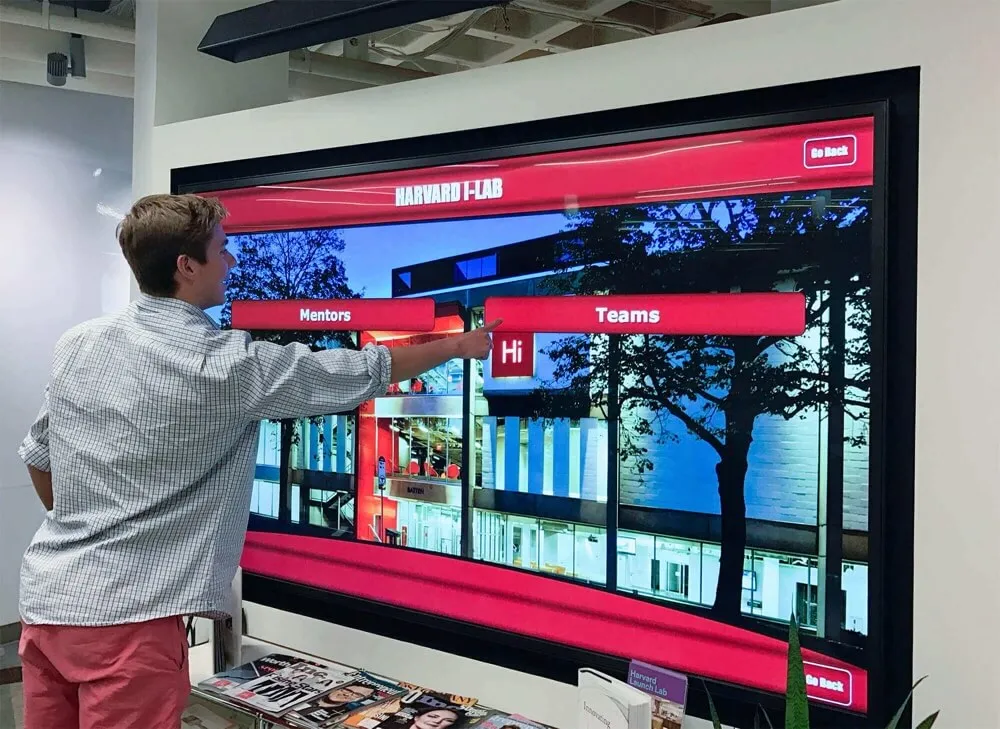
Digital displays enable schools to showcase comprehensive student art portfolios with interactive browsing capabilities
Why Individual Artist Galleries Matter for Schools
Before exploring implementation strategies, understanding why comprehensive art portfolios deserve institutional investment helps build support for these programs.
Honoring Creative Development and Artistic Growth
Art education isn’t about producing isolated masterpieces—it’s about developing creative thinking, visual literacy, technical skills, and personal expression through sustained practice. Individual artist galleries make this developmental journey visible.
Documenting Progress Over Time
When schools maintain comprehensive portfolios for each student artist, remarkable patterns emerge:
- Freshman drawings compared to senior capstone projects show extraordinary technical development
- Experimentation with different media and styles reveals creative exploration
- Thematic interests and artistic voice emerge through multiple works
- Risk-taking and problem-solving become visible across projects
- Refinement of skills demonstrates the value of sustained practice and instruction
This longitudinal perspective transforms how students, families, and educators understand artistic development. A single artwork represents a moment; a complete portfolio tells a story of growth, dedication, and emerging creative identity.
Creating Genuine Pride and Ownership
Students with dedicated gallery spaces develop different relationships with their artwork:
- They understand they’re building a body of work rather than creating disposable projects
- They see themselves as artists with portfolios rather than students completing assignments
- They experience genuine pride seeing their complete collection in one place
- They gain motivation to create quality work knowing it joins their permanent portfolio
- They develop critical reflection skills reviewing their development over time
This shift from transient assignments to permanent portfolios fundamentally changes student engagement with art education and creative practice.
Elevating Art Programs and Visual Arts Education
In educational environments often dominated by emphasis on tested subjects, comprehensive art galleries demonstrate the significance and quality of visual arts programs while advocating for their continued support and expansion.
Demonstrating Program Value
Individual artist galleries provide powerful evidence of art program impact through:
- Comprehensive collections showing depth and breadth of student learning
- Quality work demonstrating effective instruction and student achievement
- Diverse media and techniques showcasing comprehensive curriculum
- Advanced work proving students develop genuine expertise through art programs
- Longitudinal development showing sustained learning over multiple years
This evidence proves invaluable during budget discussions, program evaluations, and community outreach when stakeholders question arts education investments.
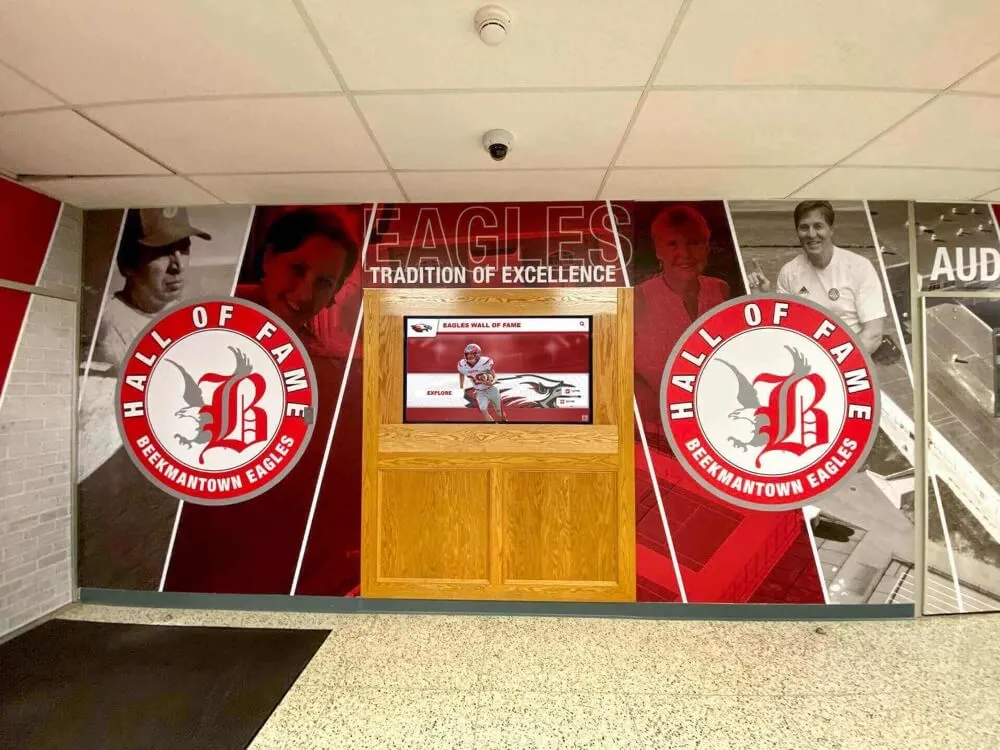
Comprehensive art displays demonstrate program quality and student achievement to entire school community
Creating Recruitment and Retention Tools
Strong visual arts programs attract students and families who value creative education:
- Prospective families touring schools see impressive art portfolios demonstrating program strength
- Current students considering art courses explore work by peers at various skill levels
- Talented artists recognize schools offering meaningful opportunities to develop their practice
- Advanced students see pathways to building substantial portfolios for college applications
- Families value programs that preserve and celebrate their children’s creative work
Individual artist galleries become tangible proof of program quality that abstract descriptions cannot match.
Supporting College Applications and Career Pathways
For students pursuing art-related college programs or careers, comprehensive portfolios provide essential application materials and professional development tools that separate serious artists from casual participants.
Streamlined College Art Portfolio Development
Most visual arts college programs require application portfolios showcasing artistic ability, development, and potential. Individual artist galleries dramatically simplify this process:
- Students have organized collections of work spanning multiple years readily available
- High-quality documentation of artwork already exists rather than requiring last-minute photography
- Breadth and depth requirements are easily met from comprehensive collections
- Process work and preliminary studies are preserved showing creative development
- Written reflections and artist statements can accompany works throughout creation
Rather than scrambling senior year to assemble portfolios, students with individual galleries curate from extensive existing collections, selecting strongest pieces that demonstrate their unique artistic voice and technical competence.
Professional Development and Career Preparation
Beyond college applications, comprehensive art portfolios support broader career development:
- Students learn professional practices of maintaining and organizing bodies of work
- They develop curation skills selecting and sequencing pieces for different audiences
- They practice articulating artistic intentions and describing their creative processes
- They build online presence useful for internships, competitions, and opportunities
- They establish foundations for lifelong creative practice and professional portfolios
These professional competencies extend far beyond K-12 education, preparing students for creative careers and meaningful engagement with visual arts throughout their lives.
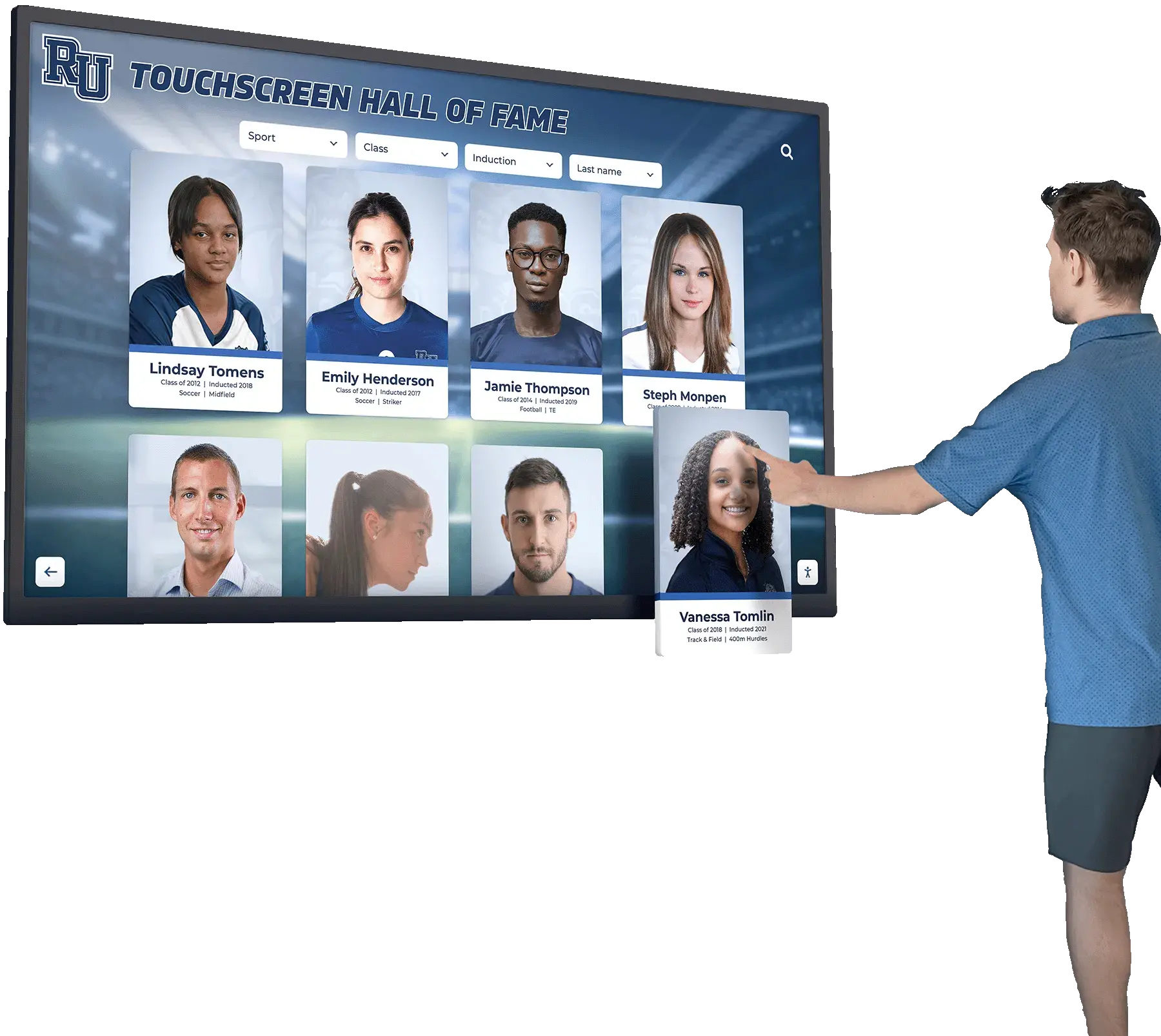
Digital portfolio systems allow students to review and reflect on their artistic development over time
Digital vs. Physical Individual Artist Galleries
Schools implement artist gallery systems using physical displays, digital platforms, or hybrid approaches combining both methods. Understanding the strengths and limitations of each approach helps schools select solutions matching their specific needs, resources, and goals.
Physical Gallery Spaces and Rotating Exhibitions
Traditional physical galleries create tangible spaces where student artwork can be experienced directly—viewing original works rather than reproductions or digital representations.
Dedicated Gallery Spaces
Schools with available space create permanent gallery areas featuring:
- Professional gallery lighting highlighting artwork appropriately
- Consistent display systems with professional mounting and labeling
- Organized sections for different students, grades, or media
- Comfortable viewing areas encouraging sustained engagement
- Reception spaces for opening events and celebrations
These dedicated spaces communicate that student artwork deserves the same respect and presentation quality as professional art, elevating both the work and the students who created it.
Rotating Individual Exhibitions
When permanent individual displays aren’t feasible, rotating spotlight exhibitions feature:
- Monthly or quarterly featured artist displays highlighting one student’s complete portfolio
- Thematic group shows organized around media, subjects, or artistic concepts
- Grade-level showcases rotating through different student populations
- Senior capstone exhibitions celebrating graduating artists’ complete bodies of work
- Alumni artist returns featuring former students’ continued creative development
Rotation systems ensure all students receive featured recognition while maintaining fresh, engaging displays that community members visit repeatedly.
Physical Gallery Limitations
Despite their value, physical galleries face inherent constraints:
- Space limitations restrict how much work can be displayed simultaneously
- Installation and rotation require significant labor and planning
- Artwork can be damaged through handling, environmental conditions, or vandalism
- Viewing is limited to those who can physically visit the school
- Documentation and preservation require separate processes beyond display
- Equity challenges arise when limited space forces difficult selection decisions
These limitations have led many schools to explore digital alternatives that complement or supplement physical displays.
Digital Artist Gallery Platforms
Online gallery systems solve many physical display limitations while creating new possibilities for comprehensive art program showcasing and student portfolio development.
Comprehensive Digital Portfolio Capabilities
Modern digital platforms enable:
- Unlimited storage capacity preserving every student’s complete body of work
- High-resolution documentation ensuring quality representation of original artwork
- Organized individual artist pages creating dedicated spaces for each student’s portfolio
- Search and filter functions helping viewers discover work by student, media, theme, or date
- Multimedia integration including process videos and artist statements
- Remote accessibility allowing viewing from anywhere with internet connection
- Permanent preservation protecting artwork documentation for decades
Digital systems particularly excel at longitudinal documentation, preserving complete artistic journeys from elementary through high school and beyond.
Interactive Exploration and Engagement
Digital galleries transform passive viewing into active exploration through:
- Touchscreen navigation enabling intuitive browsing in school settings
- Zoom capabilities allowing detailed examination impossible with hung works
- Comparative viewing placing multiple pieces side-by-side for analysis
- Timeline organization showing artistic development chronologically
- Collection features allowing users to create personal galleries from larger collections
- Social sharing enabling students to share specific works with families and communities
These interactive capabilities create engagement levels that static physical displays cannot achieve, particularly for digitally-native student audiences.
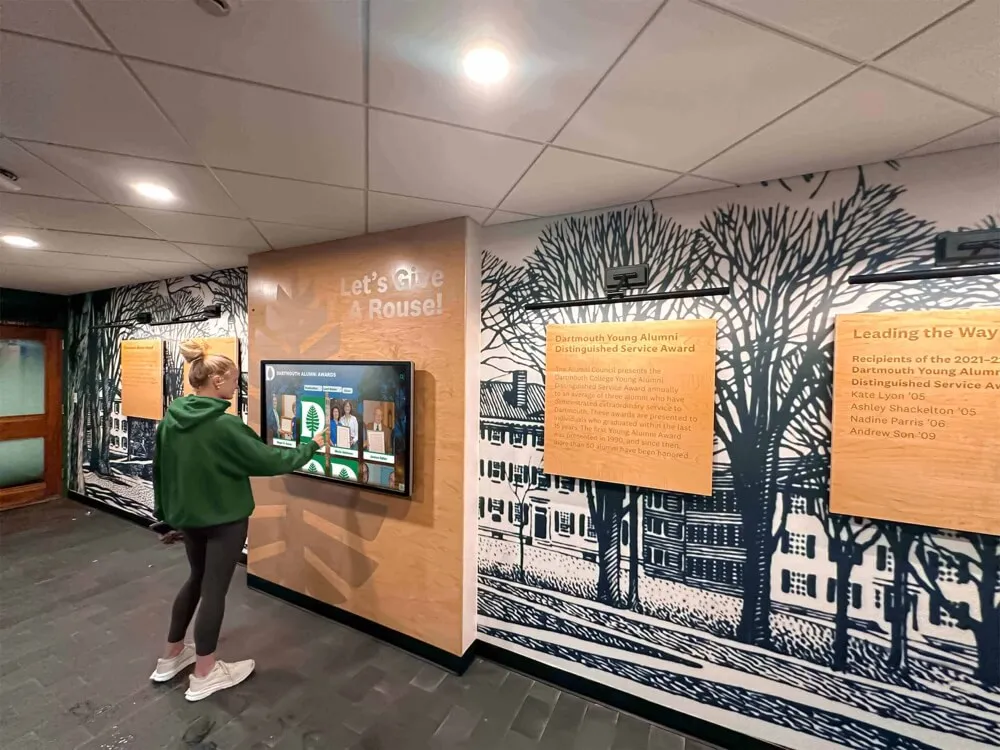
Touchscreen gallery interfaces invite active exploration of student art portfolios throughout school facilities
Accessibility and Extended Reach
Digital platforms extend gallery access far beyond school walls:
- Families anywhere in the world can view their children’s complete art portfolios
- Alumni can revisit and share their student artwork decades after graduation
- College admissions officers can review portfolios during application review
- Community members unable to visit schools physically can engage with student work
- Prospective families researching schools can evaluate art program quality
- Social media integration amplifies recognition across students’ personal networks
This extended accessibility dramatically increases the audience for student artwork while creating opportunities for recognition and engagement impossible with physical galleries alone.
Hybrid Approaches Combining Physical and Digital
Many successful programs leverage both physical and digital presentations, capturing advantages of each approach while mitigating their respective limitations.
Complementary Systems
Effective hybrid approaches include:
- Physical rotating exhibitions in school spaces supplemented by comprehensive online archives
- Touchscreen digital galleries in prominent school locations alongside traditional displays
- Featured physical exhibitions with QR codes linking to complete digital portfolios
- Online galleries serving as permanent archives while physical displays rotate current work
- Digital documentation of physical exhibitions preserving installation and event documentation
These combined approaches honor the value of experiencing original artwork while ensuring comprehensive preservation and broad accessibility through digital platforms.
Implementing Individual Artist Gallery Systems
Moving from concept to operational artist gallery programs requires systematic planning, technology selection, content development workflows, and sustainable management practices ensuring long-term success.
Planning and Goal Setting
Successful implementations begin with clear vision, stakeholder engagement, and realistic assessment of resources and capabilities required for sustainable programs.
Defining Program Scope and Purpose
Establish clarity about:
- Which grades and programs will be included in the gallery system
- What types of artwork qualify for inclusion in individual portfolios
- Whether participation is automatic for all students or selective
- How the system supports educational goals beyond simple display
- What success looks like and how program impact will be assessed
- Timeline for phased implementation if comprehensive launch isn’t immediately feasible
Clear scope prevents feature creep and unrealistic expectations while ensuring the program serves identified needs effectively.
Stakeholder Engagement and Buy-In
Form planning committees including:
- Visual arts teachers who will contribute student work and use the system pedagogically
- Technology staff addressing infrastructure, platform selection, and technical support
- Administration providing leadership support and resource allocation
- Students offering user perspectives and helping identify desired features
- Families representing parent interest in viewing and celebrating student work
- College counselors understanding portfolio requirements for art school applications
Broad stakeholder engagement during planning builds ownership and support while surfacing diverse perspectives that strengthen program design.
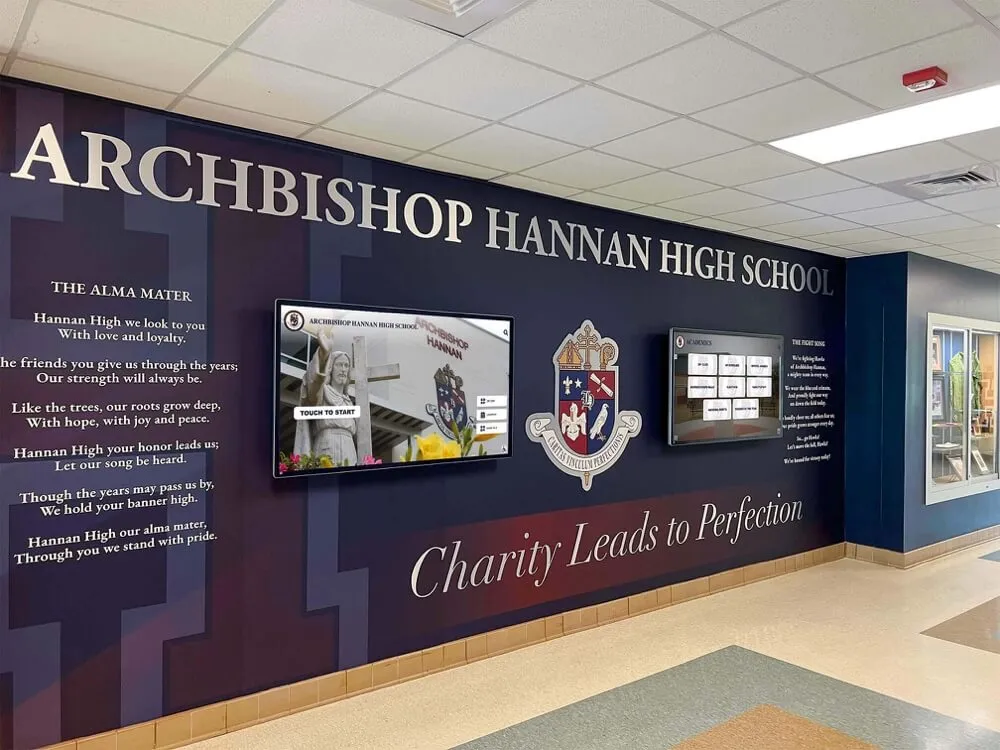
Thoughtful planning and installation create professional art gallery environments in schools
Platform and Technology Selection
Schools implementing digital components must evaluate available platforms ensuring alignment with educational goals, technical capabilities, budget constraints, and long-term sustainability.
Essential Platform Features for Art Galleries
Comprehensive systems should provide:
- Individual artist pages creating dedicated spaces for each student’s portfolio
- High-resolution image handling preserving artwork quality and detail
- Organizational tools by media, date, course, theme, or other relevant categories
- Artist statement and reflection tools allowing students to contextualize their work
- Privacy controls respecting student and family preferences about public sharing
- Responsive design ensuring quality presentation on all devices
- Intuitive content management enabling easy artwork uploads and updates
- Search and discovery features helping users find specific artists or artwork types
Platform Options and Approaches
Schools select from several platform types:
Dedicated Student Art Portfolio Platforms
Purpose-built systems like Artsonia specialize in student artwork with features specifically designed for educational settings including classroom integration, teacher workflows, and age-appropriate interfaces. These platforms typically offer extensive artwork-specific features but may lack flexibility for other types of student recognition.
Digital Recognition Platforms
Comprehensive recognition systems like Rocket Alumni Solutions can accommodate art portfolios alongside athletic achievements, academic honors, and other recognition types. These platforms provide professional presentation, unlimited storage, and flexible organization while supporting broader institutional recognition strategies beyond arts programs alone. This approach proves particularly valuable for schools seeking unified systems for showcasing diverse student achievement across multiple domains.
Learning Management System Extensions
Some schools leverage existing LMS platforms (Canvas, Google Classroom, etc.) with portfolio add-ons. This approach provides familiar interfaces and existing authentication but may offer limited public gallery features and less sophisticated presentation capabilities compared to dedicated platforms.
Custom Development
Well-resourced districts sometimes build custom solutions tailored precisely to their needs. While offering maximum flexibility, custom development requires significant technical expertise, ongoing maintenance, and careful attention to accessibility, security, and scalability that off-the-shelf solutions provide automatically.
Infrastructure Requirements
Successful implementations address:
- Network capacity for uploading and viewing high-resolution images
- Display hardware for in-school touchscreen gallery installations
- Photography equipment for documenting student artwork professionally
- Storage systems ensuring secure backups and long-term preservation
- Training resources helping teachers and students use systems effectively
Content Development Workflows
Sustainable artist gallery programs require efficient processes for documenting artwork, uploading content, organizing portfolios, and maintaining quality standards without creating unsustainable workloads for teachers and staff.
Artwork Documentation Best Practices
High-quality photography preserves artwork authentically:
- Consistent lighting eliminates shadows and color distortion
- Neutral backgrounds prevent visual distraction from artwork
- High-resolution capture ensures detail visibility and zoom capabilities
- Proper framing includes complete works without cropping
- Consistent file naming enables organized asset management
- Metadata tagging includes student name, date, media, and course information
Some schools establish photography stations where students document their own work as projects are completed, integrating documentation into the creative process while distributing workload.
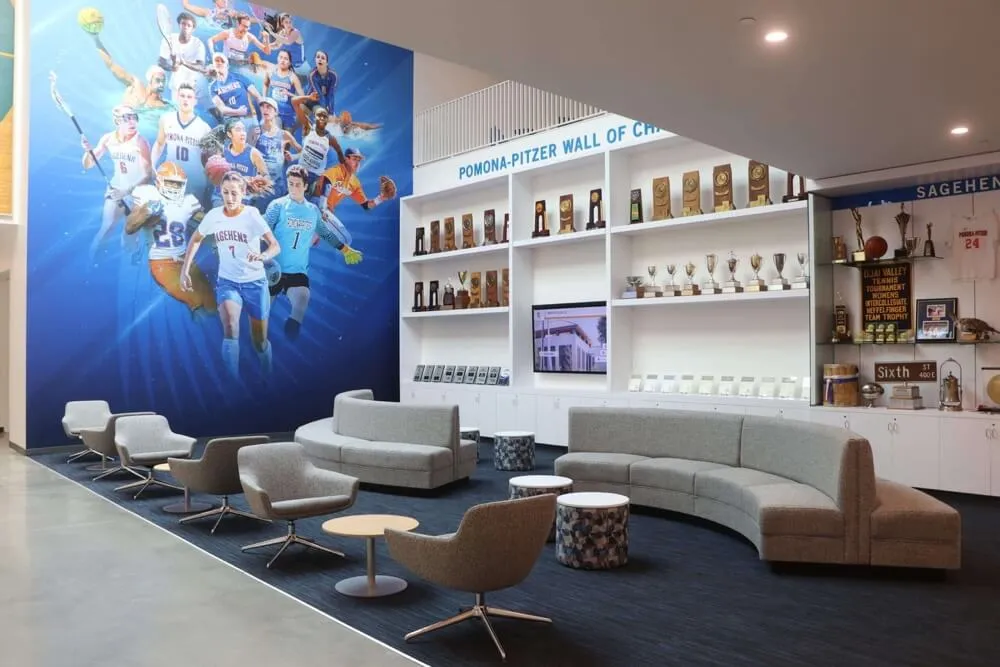
Professional documentation and display systems honor student creative work appropriately
Efficient Upload and Organization Processes
Streamlined workflows prevent documentation backlogs:
- Batch upload capabilities allow adding multiple works simultaneously
- Template forms streamline required information entry
- Default settings auto-populate common fields reducing repetitive entry
- Student involvement in uploading and organizing builds ownership and digital literacy
- Dedicated time in art class schedules ensures documentation happens consistently
- End-of-semester reviews maintain portfolio organization and completeness
Integration with existing digital asset management approaches ensures artwork portfolios connect with broader school documentation strategies.
Artist Statements and Contextual Information
Rich portfolios include more than images alone:
- Brief descriptions explaining media, techniques, and dimensions
- Artist statements articulating intentions, concepts, and creative decisions
- Process documentation showing preliminary studies and development
- Reflection prompts encouraging students to analyze their growth
- Teacher commentary providing educational context and assessment connections
- Exhibition history noting shows or competitions where work appeared
This contextual information transforms image collections into meaningful portfolios that reveal students’ creative thinking and development.
Pedagogical Integration and Educational Applications
Individual artist galleries serve purposes far beyond display—when thoughtfully integrated into curriculum and instruction, they become powerful educational tools supporting learning, assessment, and creative development.
Supporting Art Education and Creative Development
Gallery systems enhance art instruction when teachers leverage them as pedagogical tools rather than merely display mechanisms.
Portfolio-Based Learning and Assessment
Comprehensive portfolios enable:
- Developmental assessment examining growth over time rather than single-point evaluation
- Self-assessment through guided portfolio reviews where students analyze their development
- Goal-setting based on reflection about strengths and growth areas
- Process documentation capturing preliminary studies and creative problem-solving
- Competency demonstration through accumulated evidence across multiple projects
This shift toward portfolio-based approaches aligns with authentic assessment practices in visual arts education that value growth, process, and demonstration of learning over grades alone.
Peer Learning and Artistic Community
When students can explore classmates’ portfolios:
- They discover diverse approaches to similar assignments or themes
- They see progression models as less experienced artists view advanced work
- They build appreciation for different artistic styles and voices
- They develop critical vocabulary discussing others’ work respectfully
- They experience themselves as members of artistic communities rather than isolated makers
This community dimension proves particularly valuable in schools where art students might otherwise feel isolated from peers with different interests and priorities.
Professional Practice Development
Maintaining galleries teaches professional competencies:
- Students learn to document their work systematically like practicing artists
- They develop curation skills selecting and organizing pieces for different purposes
- They practice writing artist statements articulating their creative intentions
- They experience presenting work publicly and receiving feedback gracefully
- They build digital literacy managing online portfolios and personal websites
These professional practices prepare students for continued creative work whether as career artists, amateur makers, or informed appreciators of visual arts.
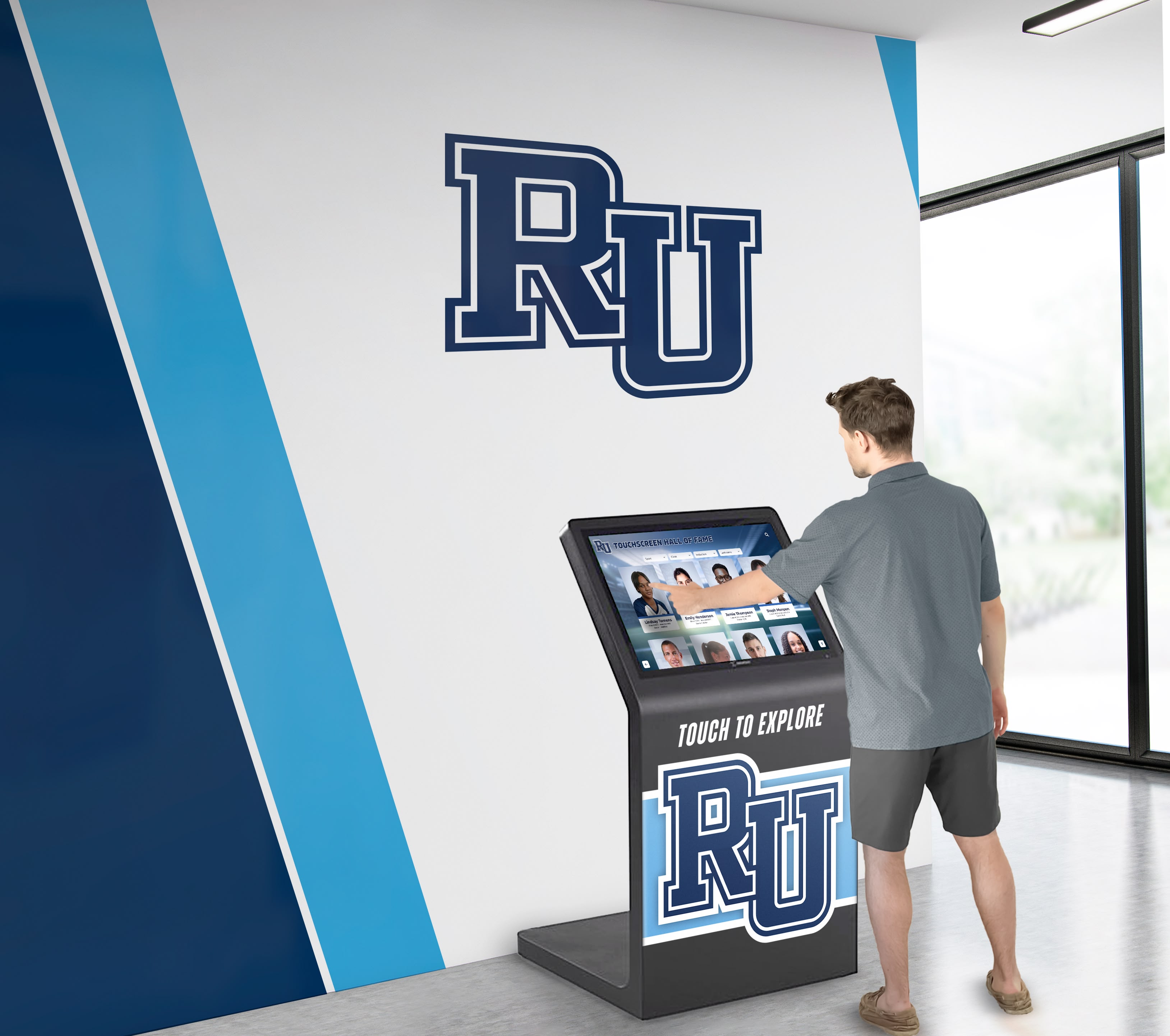
Portfolio review becomes collaborative learning experience when students explore each other's artistic development
Creating Exhibitions and Showcasing Student Work
Gallery platforms enable sophisticated exhibition curation that teaches important skills while celebrating student achievement in authentic artistic contexts.
Student-Curated Virtual Exhibitions
Advanced students can create:
- Thematic exhibitions selecting work from across grade levels addressing specific concepts
- Retrospective shows documenting one artist’s development over multiple years
- Comparative exhibitions juxtaposing different approaches to similar subjects
- Portfolio shows preparing graduating seniors for college application processes
- Community exhibitions addressing local issues or celebrating cultural heritage
Curation projects develop critical thinking, written communication, and professional skills while giving students agency in how their school’s art program presents itself publicly.
Opening Events and Reception Programs
Even digital galleries benefit from ceremonial unveiling:
- Virtual exhibition openings streamed for families unable to attend in person
- Featured artist talks where students present their work and creative processes
- Panel discussions with student artists discussing themes or techniques
- Community feedback sessions building connection between school and broader public
- Alumni artist returns featuring former students discussing their continued creative journeys
These events create meaningful moments celebrating artistic achievement while modeling professional practices of the broader art world.
Recognizing All Forms of Creative Achievement
While individual artist galleries often focus on traditional visual arts, comprehensive approaches recognize diverse creative accomplishments across multiple domains, ensuring all students with creative talents receive appropriate acknowledgment.
Expanding Beyond Traditional Visual Arts
Creative excellence manifests in many forms deserving recognition:
Performing Arts Documentation
Include portfolios for:
- Theater students with performance photos, video clips, and production portfolios
- Dance students with choreography documentation and performance recordings
- Music students with recital videos, composition portfolios, and ensemble participation records
- Technical theater students with lighting designs, set constructions, and production management documentation
Digital and Media Arts
Showcase modern creative media:
- Graphic design portfolios with branding projects and publication designs
- Photography collections documenting technical and artistic development
- Video production portfolios with short films, documentaries, and editing demonstrations
- Animation and digital art including 3D modeling, game design, and interactive media
- Web design and user experience projects demonstrating digital creative competencies
Creative Writing and Literary Arts
Honor written creative work:
- Poetry portfolios with published and unpublished works
- Short story collections demonstrating narrative craft development
- Creative nonfiction essays and personal narrative portfolios
- Playwriting and screenwriting samples for dramatic writers
- Literary magazine contributions and publication histories
Comprehensive recognition systems like digital recognition displays can accommodate diverse creative achievements alongside traditional visual arts, creating inclusive celebrations of all forms of creative excellence.
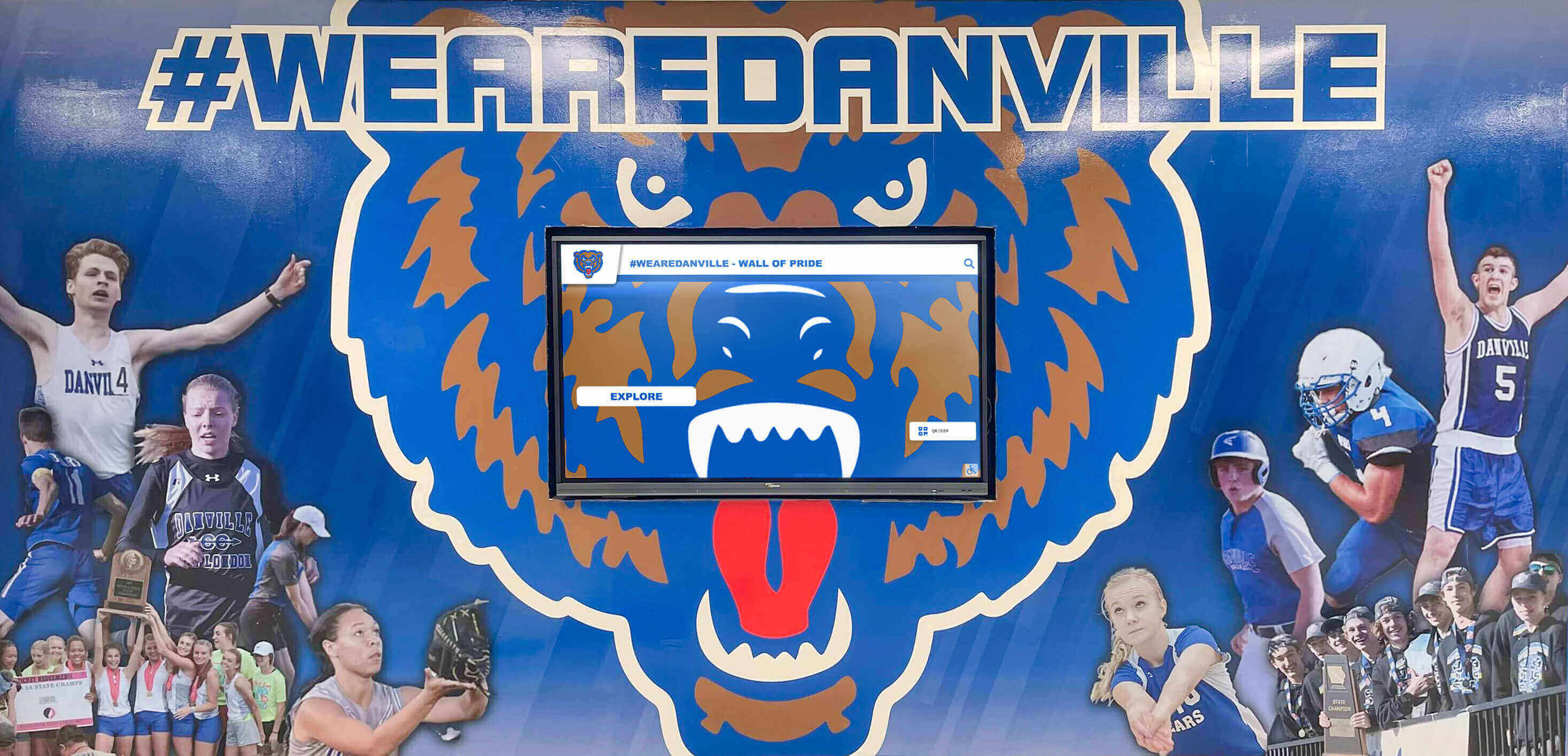
Comprehensive recognition celebrates diverse forms of creative achievement across all artistic disciplines
Celebrating Creative Process and Artistic Development
Focus recognition not only on finished products but on creative processes and developmental journeys that represent genuine learning.
Process Documentation and Preliminary Work
Value the complete creative journey:
- Preliminary sketches showing initial concept development
- Research and inspiration documentation revealing creative influences
- Multiple iterations demonstrating problem-solving and refinement
- Technique experimentation across various media and approaches
- Failed attempts and productive mistakes revealing learning through risk-taking
When galleries include process work alongside finished pieces, they communicate that creativity involves exploration, experimentation, and learning from unsuccessful attempts—essential lessons for developing artists and creative thinkers.
Growth and Improvement Recognition
Celebrate development at all skill levels:
- Comparison displays showing freshman work alongside senior projects
- “Then and now” features highlighting individual artistic growth
- Technique mastery documentation across progressive skill-building
- Comfort zone expansion as students try new media or styles
- Personal breakthrough moments where students overcome creative challenges
This developmental focus ensures recognition for all committed students rather than only those who begin with natural talent or prior training, creating inclusive creative communities where effort and growth receive validation.
Family Engagement and Community Connection
Individual artist galleries create powerful opportunities for family involvement and community engagement with school creative programs, strengthening relationships and building support networks essential for arts education.
Enabling Family Participation and Support
Art portfolios provide tangible ways for families to engage with their children’s education and creative development.
Remote Access for Geographically Distributed Families
Digital portfolios particularly benefit:
- Military families and others who move frequently maintaining connections across relocations
- Divorced or separated parents both having access to their children’s work
- Extended family members living far from schools sharing in achievements
- International families maintaining connections across continents and time zones
- Homebound family members unable to attend in-person school events
This accessibility ensures all families can participate in celebrating their children’s creative accomplishments regardless of geographic, economic, or mobility constraints.
Facilitating Family Conversations About Learning
Comprehensive portfolios support meaningful discussions:
- Parents have concrete evidence of what their children are learning and creating
- Families can observe development over time rather than seeing only current work
- Artist statements help families understand creative intentions and concepts
- Portfolio reviews create structured opportunities for families to discuss education
- Preservation enables continued conversation about creative development years later
These conversations deepen family engagement with education while validating the importance of creative work within broader academic priorities.
Building School-Home Partnerships
Gallery systems strengthen school-family connections:
- Regular communication about newly added portfolio pieces keeps families engaged
- Family commentary and encouragement features allow loved ones to support student work
- Portfolio milestones celebrate achievements families can acknowledge
- Exhibition invitations create opportunities for families to visit schools and meet teachers
- Alumni portfolio access maintains lifelong connections between families and schools
When families feel welcomed into their children’s creative education through accessible portfolio systems, they become stronger advocates for arts programs and more engaged partners in comprehensive education.
Accessible gallery displays enable families to engage with their students' creative development and achievements
Connecting Schools with Broader Communities
Art galleries extend recognition beyond school walls, connecting creative programs with broader communities and building public understanding and support for arts education.
Community Exhibition Opportunities
Partner with local venues:
- Public libraries hosting rotating student art exhibitions
- Coffee shops and restaurants displaying student work
- Community centers featuring collaborative projects
- Municipal buildings showcasing student perspectives on civic themes
- Local businesses sponsoring student art displays
These community connections demonstrate real-world value of arts education while building public support for creative programs. Integration with community engagement strategies amplifies recognition beyond school environments.
Professional Artist Connections
Link students with practicing artists:
- Working artists providing portfolio feedback and guidance
- Gallery owners discussing professional exhibition practices
- Art educators from colleges offering insights about higher education
- Alumni artists returning to mentor current students
- Community artist collaborations on joint projects
These professional connections help students understand potential career pathways while building networks supporting continued creative development beyond K-12 education.
Measuring Success and Program Evaluation
Systematic assessment ensures individual artist gallery programs achieve intended purposes while identifying opportunities for continuous improvement and demonstrating value to stakeholders.
Quantitative Metrics and Usage Data
Data-driven evaluation provides objective measures of program reach, engagement, and impact.
Participation and Inclusion Metrics
Track program breadth:
- Percentage of art students with active portfolios showing program reach
- Distribution across grade levels ensuring equitable representation
- Participation across different art courses and media
- Demographic representation confirming inclusive access
- Portfolio completeness indicating whether students’ full bodies of work are captured
These metrics reveal whether gallery systems serve all students equitably or concentrate recognition on narrow populations.
Engagement and Usage Patterns
For digital galleries, monitor:
- Total portfolio views indicating community interest
- User demographics revealing who engages with galleries
- Time spent viewing portfolios showing engagement depth
- Most viewed artists and artworks revealing popular content
- Search patterns indicating how users discover work
- Social sharing frequency and reach extending recognition beyond initial viewers
Understanding usage patterns helps optimize content, improve navigation, and demonstrate gallery value to stakeholders questioning resource investments.
Educational Impact Indicators
Assess effects on learning:
- Art course enrollment trends over time
- Student participation in optional art activities
- Student self-assessment data about artistic growth
- College art program applications and acceptances
- Student pursuit of creative opportunities beyond required coursework
While gallery systems alone don’t cause these outcomes, positive trends suggest comprehensive recognition contributes to thriving creative programs and engaged student artists.
Digital gallery systems provide analytics demonstrating program reach and community engagement
Qualitative Feedback and Stakeholder Perspectives
Beyond numbers, qualitative evidence reveals gallery systems’ true impact on students, families, and school culture.
Student Voice and Experience
Gather student perspectives through:
- Surveys about portfolio pride, motivation, and perceived value
- Focus groups discussing how galleries influence their creative work
- Artist statements reflecting on their development visible through portfolios
- Senior exit interviews about gallery impact on their art education experience
- Alumni feedback about how portfolios supported college applications or career development
Student testimony provides powerful evidence of educational impact while surfacing improvement opportunities from user perspectives.
Family and Community Feedback
Understand stakeholder perceptions:
- Parent surveys about gallery access, quality, and appreciation
- Family testimonials describing meaningful experiences with portfolios
- Community partner feedback about exhibition programs and collaborations
- Alumni comments about accessing their student work years after graduation
- External reviewer assessments comparing programs to broader standards
This qualitative data demonstrates program value in human terms that resonate with decision-makers beyond quantitative metrics alone.
Overcoming Common Implementation Challenges
Schools implementing individual artist gallery systems frequently encounter predictable obstacles. Understanding common challenges and proven solutions helps schools navigate implementation successfully.
Time and Workload Management
The most frequently cited barrier is concern about teacher workload and time required for documentation and portfolio management.
Efficient Workflow Solutions
Address time concerns through:
- Student-led documentation where artists photograph and upload their own work as part of art class activities
- Scheduled portfolio time built into curriculum rather than added as extra responsibility
- Batch processing tools enabling efficient upload and organization of multiple works simultaneously
- Template forms with default settings reducing repetitive data entry
- Student technology assistants supporting upload and organization processes
- Integration with existing lesson plans and assessment practices rather than separate initiatives
When documentation becomes routine part of art education rather than additional burden, sustainability improves dramatically.
Setting Realistic Expectations
Manage scope appropriately:
- Start with current student work rather than attempting immediate historical digitization
- Focus initially on significant final projects rather than every sketch or study
- Phase implementation by grade level or course rather than comprehensive launch
- Establish minimum viable portfolios (10-15 works) rather than exhaustive complete collections
- Evolve quality standards over time as processes become routine
Phased approaches build momentum and capability while avoiding overwhelming teachers and derailing programs before they demonstrate value.
Privacy and Permission Concerns
Schools must balance celebrating student work publicly with respecting privacy preferences and maintaining appropriate safeguards for minors.
Thoughtful Privacy Frameworks
Implement protective policies:
- Opt-in or opt-out systems respecting family preferences about public sharing
- Tiered privacy levels allowing school-only, password-protected, or fully public access
- Name display options enabling anonymous portfolios if families prefer
- Age-appropriate policies with stricter protections for younger students
- Regular permission renewals rather than one-time permanent authorizations
- Clear policies about appropriate work subjects and content for public galleries
These frameworks demonstrate respect for student and family preferences while enabling broad participation for those comfortable with public sharing.
Addressing Safety Concerns
Mitigate legitimate worries:
- Minimal personal information beyond first names and graduation years
- No contact information or location data associated with student profiles
- Platform security preventing unauthorized access or data breaches
- Content moderation ensuring appropriate material only appears publicly
- Clear procedures for removing work if concerns arise
Thoughtful safety measures address legitimate concerns while avoiding overly restrictive policies that undermine program benefits.
Sustainability and Long-Term Maintenance
Many well-intentioned programs falter after initial enthusiasm wanes. Planning for sustainability ensures longevity.
Institutional Integration
Build sustainability through:
- Assignment of clear responsibility for program coordination and oversight
- Integration into art teacher job descriptions and evaluation criteria
- Budget allocation for platform subscriptions, hardware maintenance, and support
- New teacher onboarding including gallery system training
- Administrative support signaling institutional commitment beyond individual champions
- Succession planning ensuring program continues when key personnel change
When gallery systems become institutional practice rather than initiatives dependent on particular individuals, they survive leadership transitions and competing priorities.
Continuous Improvement and Evolution
Maintain vitality through:
- Regular stakeholder feedback collection and responsive improvements
- Annual program reviews assessing what’s working and what needs adjustment
- Professional development keeping staff current with platform features
- Technology updates ensuring systems remain contemporary and functional
- Expansion of features and capabilities as initial implementations mature
Programs that evolve based on experience and feedback remain relevant and valuable rather than becoming stagnant legacy systems that lose user engagement.
Future Directions and Emerging Possibilities
Individual artist gallery systems continue evolving as technology advances and educational practices develop. Forward-looking schools anticipate emerging possibilities that will shape next-generation creative recognition.
Emerging Technologies and Enhanced Capabilities
New technologies create possibilities unimaginable with traditional physical galleries.
Artificial Intelligence and Machine Learning Applications
AI enables sophisticated features:
- Automated artwork tagging and categorization based on visual analysis
- Style and influence recognition connecting student work to artistic movements
- Personalized recommendation engines suggesting artworks visitors might appreciate
- Natural language search allowing queries like “colorful abstract paintings”
- Quality assessment tools providing objective feedback about technical competencies
While human judgment remains essential for art appreciation and evaluation, AI tools can enhance discovery, organization, and educational feedback.
Virtual and Augmented Reality Exhibitions
Immersive technologies transform viewing experiences:
- Virtual gallery spaces where users “walk through” curated exhibitions
- Augmented reality features overlaying digital portfolios onto physical environments
- 3D artwork documentation allowing examination from multiple angles
- Virtual reality artist studios showing creative processes and workspaces
- Mixed reality collaborative exhibitions connecting students across distances
As these technologies become more accessible, they’ll enable viewing experiences transcending limitations of both physical and traditional digital galleries.
Blockchain and Digital Ownership
Emerging frameworks address authentication and ownership:
- Digital certificates of authenticity for student artwork
- Non-fungible tokens (NFTs) creating verifiable ownership of digital art
- Permanent archiving ensuring artwork documentation survives platform changes
- Provenance tracking documenting exhibition history and recognition
- Rights management clarifying usage permissions for student work
These technologies may prove particularly valuable for students pursuing professional creative careers, establishing authenticity for their early work.
Expanding Creative Recognition Ecosystems
Individual artist galleries increasingly connect with broader recognition and celebration systems creating comprehensive creative achievement documentation.
Integration with Comprehensive Recognition Platforms
Forward-looking schools leverage unified systems like Rocket Alumni Solutions that accommodate art portfolios alongside athletic achievements, academic honors, service recognition, and other accomplishments. Integrated approaches enable:
- Holistic student profiles showing well-rounded achievement across multiple domains
- Unified search and discovery across all recognition types
- Consistent user experiences rather than fragmented separate systems
- Efficient administration through single platform rather than multiple specialized tools
- Comprehensive institutional storytelling celebrating diverse forms of excellence
This integration honors creative achievement while contextualizing it within broader recognition of student success and development.
Connecting K-12 Portfolios with Higher Education
Emerging systems bridge educational transitions:
- Portfolio portability allowing transfer to college platforms
- Direct college application integration streamlining art program admissions
- Alumni portfolio access maintaining connections after graduation
- Longitudinal tracking following creative development from elementary through professional practice
- Cross-institutional exhibitions connecting students across schools and regions
These connections transform K-12 portfolios from terminal endpoints into foundations for lifelong creative documentation.
Conclusion: Honoring Every Student’s Creative Journey
Individual artist galleries represent more than digital displays or archived collections—they embody institutional commitments to honoring every student’s creative voice, preserving artistic development, and celebrating the visual arts as essential components of comprehensive education. When schools create permanent, accessible spaces for student artwork—whether through physical galleries, digital platforms, or hybrid approaches—they communicate that creative work matters, artistic development deserves documentation, and every student artist has value worthy of recognition and preservation.
The transformation from temporary hallway displays that disappear after brief visibility to comprehensive, permanent portfolios accessible for decades fundamentally changes students’ relationships with their creative work. They understand they’re building bodies of work rather than completing disposable assignments. They experience themselves as artists with developing practices rather than students checking boxes. They gain genuine pride seeing their growth across multiple projects and years. And they receive validation that their creative voices matter to their school communities and deserve preservation and celebration.
Ready to Create Individual Artist Galleries for Your Students?
Discover how digital recognition solutions can help you build comprehensive student art portfolios, create engaging gallery exhibitions, and celebrate creative excellence across your visual and performing arts programs.
Explore Portfolio SolutionsFor visual arts programs seeking to elevate recognition, demonstrate value, and support student development, individual artist gallery systems provide practical solutions addressing authentic needs. They solve real problems around artwork preservation, portfolio development, family engagement, and program advocacy while creating new possibilities for creative education and artistic community building. The investment in comprehensive gallery systems pays dividends across multiple dimensions: enhanced student motivation and pride, stronger family engagement and support, improved program visibility and advocacy, streamlined college application preparation, and lasting preservation of creative achievement that honors students’ developmental journeys for generations.
Begin where you are with resources you have. Even simple digital portfolios using free platforms demonstrate institutional commitment to preserving and celebrating student artwork. As programs mature and demonstrate value, expand capabilities, enhance presentation quality, and broaden scope to create increasingly sophisticated and comprehensive recognition systems. The essential element isn’t perfect technology or unlimited budgets—it’s genuine commitment to honoring student creativity by ensuring their artistic voices are heard, preserved, and celebrated throughout their educational journeys and beyond.
Every student artist deserves to see their creative work valued. Individual artist galleries make this aspiration tangible reality, transforming abstract commitments to arts education into concrete systems that preserve, celebrate, and showcase the remarkable creative achievement happening in schools every day.































