The Southeastern Conference represents the pinnacle of American college athletics, consistently producing national champions, Olympic athletes, and professional sports stars across multiple sports. SEC athletics halls of fame serve as powerful tributes to the exceptional athletes, coaches, and teams who have elevated their institutions to competitive excellence while building the conference’s legendary reputation. These recognition spaces transform individual achievements into lasting institutional legacies while celebrating the traditions that make SEC athletics a cultural force throughout the American South and beyond.
This comprehensive guide explores how SEC universities can create impactful athletics halls of fame that honor achievement across all sports, strengthen program culture, enhance recruiting competitiveness, and engage alumni through both traditional displays and modern interactive digital recognition systems that bring SEC athletic history to life for new generations of fans and student-athletes.
The Southeastern Conference’s athletic excellence extends far beyond the football fields that capture national attention each autumn. From basketball courts to baseball diamonds, from swimming pools to gymnastics venues, SEC universities have produced extraordinary athletes across the full spectrum of collegiate competition. Effective halls of fame celebrate this comprehensive excellence while honoring the individuals whose achievements define institutional and conference identity.
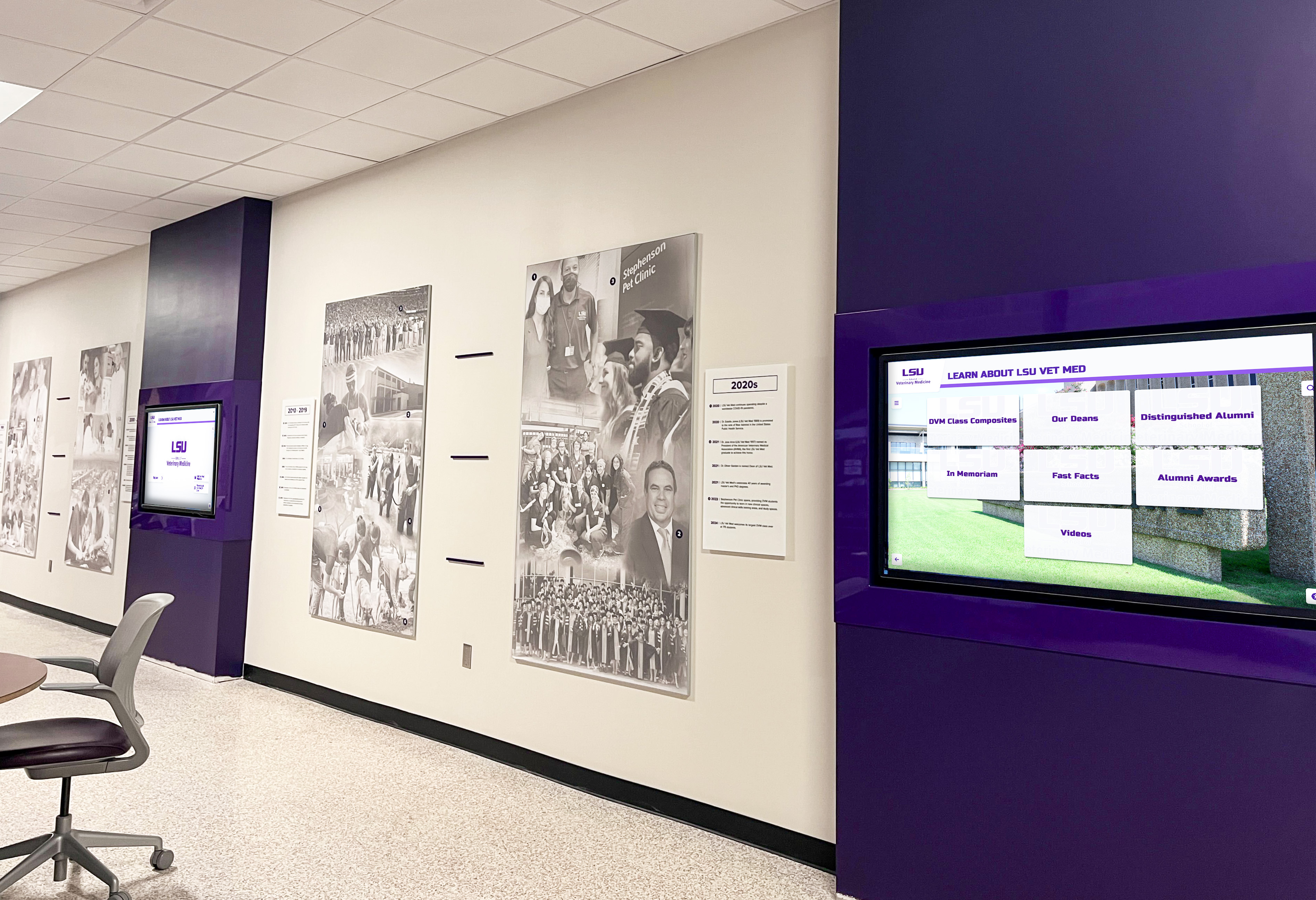
SEC universities utilize modern recognition solutions to celebrate athletic excellence across all sports
The Unique Culture of SEC Athletics Recognition
SEC athletics operates within a distinctive cultural context that shapes how universities approach recognition and celebration of athletic achievement. Understanding these unique characteristics helps create recognition programs that resonate with SEC constituencies.
The Tradition-Rich Environment of SEC Competition
SEC universities typically maintain athletic traditions spanning decades or even more than a century of competition. Programs like Alabama football, Kentucky basketball, and LSU baseball carry legacies that deeply influence institutional identity and community culture. Athletics halls of fame in this environment must honor these rich traditions while remaining accessible to contemporary audiences.
The weight of tradition creates both opportunities and challenges. Alumni and fans possess deep knowledge of program history and strong opinions about who deserves recognition. This passionate engagement means that hall of fame programs receive significant attention and scrutiny, but also tremendous support when executed thoughtfully. Selection processes must be transparent and criteria must be clearly communicated to maintain credibility with knowledgeable constituencies.
Many SEC programs have produced athletes who achieved legendary status not just institutionally but throughout the conference and nationally. Heisman Trophy winners, Olympic gold medalists, and professional sports Hall of Famers populate SEC athletic histories. Recognition programs must appropriately celebrate these transcendent figures while also honoring significant contributors who may not have achieved national fame but proved essential to program success.
Conference Identity and Institutional Pride
SEC membership creates dual identity for athletic programs—student-athletes compete for their universities while simultaneously representing the conference in national competition. This dual identity influences how institutions approach recognition. Hall of fame programs typically emphasize institutional achievement while acknowledging conference context.
Conference championships carry particular significance within SEC culture. Winning the conference regular season or tournament represents a major achievement given the consistently high level of competition across member institutions. Athletics halls of fame should prominently feature conference championship teams and individual conference honors alongside national recognition.
The intense rivalries that characterize SEC athletics—Auburn-Alabama, Florida-Georgia, Kentucky-Louisville (when competing), Ole Miss-Mississippi State, Tennessee-Vanderbilt—create defining moments in program histories. Recognition displays often feature content about legendary rivalry games, dramatic upsets, and competition series that shaped program trajectories. These rivalry contexts help visitors understand why specific achievements carried such significance.

Conference championships and rivalry victories hold special significance in SEC athletics culture
Multi-Sport Excellence Across Men’s and Women’s Programs
While football often dominates SEC public attention and media coverage, the conference consistently produces national champions across diverse sports. University of Florida has won national championships in football, basketball, baseball, softball, gymnastics, swimming, and other sports. Alabama excels beyond football in gymnastics, softball, and other programs. Arkansas maintains tradition in track and field. LSU dominates baseball. Georgia celebrates gymnastics excellence. These multi-sport successes deserve comprehensive recognition.
Women’s athletics have achieved particular prominence within the SEC in recent decades. SEC women’s basketball produces WNBA stars and Olympic athletes. Softball programs regularly compete for national championships. Gymnastics attracts massive fan support and produces Olympic athletes. Soccer, volleyball, swimming, and other women’s sports achieve competitive excellence. Comprehensive college athletics hall of fame programs must celebrate these achievements equitably alongside traditional men’s programs.
Creating recognition systems that honor excellence across all sports—both men’s and women’s, both revenue and Olympic sports—proves essential for modern SEC institutions committed to comprehensive athletic excellence and Title IX compliance. Digital recognition platforms make this comprehensive approach practical by eliminating the space constraints that often force difficult decisions about which sports receive prominence in traditional physical displays.
Essential Content Categories for SEC Athletics Halls of Fame
Comprehensive recognition programs include diverse content types that tell complete stories about institutional athletic achievement within the SEC context.
Legendary Athletes and All-Americans
Individual athlete recognition forms the foundation of most SEC athletics halls of fame. The conference has produced an extraordinary collection of athletic talent that has achieved success at collegiate, Olympic, and professional levels across multiple sports.
Effective athlete profiles should include comprehensive biographical information such as hometown, high school background, major, years of competition, and position or events. Detailed statistical achievements organized by season and career provide concrete evidence of excellence. All-American selections, All-SEC honors, conference awards, and national recognition document achievement within appropriate competitive contexts.
Beyond statistics, engaging profiles incorporate narrative elements that reveal character and impact. What challenges did they overcome during their collegiate career? How did they develop as athletes and students? What relationships with coaches and teammates proved most influential? What do they remember as defining moments? How has their SEC experience shaped their life trajectory after graduation?
The most compelling athlete profiles balance celebrating extraordinary achievement with humanizing the individuals behind the statistics. Video interviews where possible, historical photographs showing progression from freshman to senior, and quotes revealing personality create connections that pure statistics cannot achieve. For programs implementing digital recognition systems, these multimedia elements significantly enhance engagement compared to traditional text-only plaques.

Detailed athlete profiles preserve individual stories while celebrating competitive achievement
Championship Teams and Historic Seasons
Team achievements often resonate more powerfully than individual statistics, particularly in SEC culture where championship traditions define programs. Recognition of championship seasons should include complete rosters identifying every contributor, detailed season narratives with game-by-game results, championship game or tournament documentation, and contextual information about obstacles overcome and competition defeated.
Conference championship seasons deserve particular emphasis given their significance within SEC athletics. Winning a conference title in football, basketball, or any sport represents extraordinary achievement against elite competition. Many programs create timeline displays showing all conference championship seasons, allowing visitors to explore specific years for detailed team information and individual contributor profiles.
National championship recognition naturally receives the highest prominence, but SEC programs should also celebrate runner-up finishes, Final Four appearances, College World Series participation, and other significant postseason achievements that demonstrate sustained excellence. These accomplishments, while not resulting in ultimate championships, often represent program peaks worthy of recognition and remembrance.
The most effective team recognition connects collective achievement to individual contributions. Visitors exploring a championship team should be able to access individual player profiles, understand coaching strategies that produced success, and appreciate the specific circumstances that made that season special within program history.
Coaching Legends and Program Builders
Coaches shape program identity and competitive success as significantly as athletes, often across decades of influence. The SEC has been home to coaching legends whose names remain synonymous with their sports—Bear Bryant, Pat Summitt, Adolph Rupp, Skip Bertman, and many others who built enduring traditions of excellence.
Comprehensive coaching recognition should include career records and winning percentages across all seasons at the institution, conference championships and division titles won, national championships and significant postseason achievements, notable athletes developed and their subsequent success, and coaching philosophy and system innovations that influenced the sport more broadly. Beyond competitive statistics, effective coaching profiles explore character, mentorship approaches, program building during facility development or down periods, and lasting impact on institutional culture.
Assistant coaching staffs, coordinators, strength and conditioning professionals, and support staff also deserve recognition when their contributions prove essential to program success. Acknowledging these broader contributions demonstrates understanding that championship programs result from collective organizational excellence rather than individual brilliance alone.
Many SEC programs have benefited from multi-generational coaching stability where assistants eventually became head coaches or where coaching trees produced successful leaders at other institutions. These connections and relationships add rich narrative elements to coaching recognition that help visitors understand how programs developed and sustained excellence across decades.

Coaching legends deserve recognition for building programs and developing generations of student-athletes
Conference Records and Statistical Leaders
Statistical achievement provides objective measures of excellence that translate across eras and enable meaningful comparisons. SEC athletics halls of fame should prominently feature conference records and statistical leaders across all sports to celebrate extraordinary individual performances.
Conference records in football might include career and season marks for passing yards, rushing yards, receiving yards, tackles, sacks, and interceptions. Basketball records span points, rebounds, assists, steals, and blocks. Baseball includes batting average, home runs, RBIs, wins, strikeouts, and saves. Every sport maintains relevant statistical categories that identify exceptional performers.
Digital record board systems prove particularly effective for statistical recognition because they can accommodate extensive records across multiple sports and categories while providing filtering and search capabilities that traditional physical displays cannot match. Visitors can explore records by sport, by era, or by specific statistical category based on their interests.
Statistical displays should include historical context explaining how records were set, what competition was overcome, and how statistical achievements translated to team success. Numbers alone tell incomplete stories—the narrative context transforms statistics into compelling achievements worthy of recognition and celebration.
Modern Recognition Solutions for SEC Athletic Programs
Digital technology has transformed possibilities for honoring athletic achievement, addressing limitations of traditional approaches while creating new engagement opportunities particularly valuable for SEC institutions with extensive athletic histories.
Interactive Touchscreen Display Systems
Large-format touchscreen displays create engaging recognition experiences where visitors actively explore athlete profiles, team championships, coaching histories, and program milestones across all sports. These systems typically feature commercial-grade displays ranging from 55 to 85 inches, intuitive touch interfaces requiring no instructions, searchable databases allowing visitors to find athletes by name, sport, era, or achievement, and cloud-based content management platforms enabling easy updates from any internet-connected device.
The advantages for SEC programs prove substantial. Unlimited digital capacity means every deserving athlete across all sports receives recognition without physical space constraints that force difficult exclusion decisions. Instant updates through software rather than physical construction allow timely recognition of new inductees. Rich multimedia storytelling through video highlights, extended biographies, and photo galleries brings achievements to life in ways traditional plaques cannot. Advanced search and filtering help visitors navigate extensive content collections spanning decades of SEC athletic excellence.
Solutions like Rocket Alumni Solutions provide purpose-built platforms specifically designed for athletic recognition, addressing unique needs of comprehensive college programs with features including sport-specific categorization, statistical integration and record tracking, team roster displays with individual athlete links, and championship season documentation with game-by-game details. These specialized platforms typically prove more effective than generic digital signage systems adapted for recognition purposes.

Interactive digital displays provide unlimited recognition capacity with engaging multimedia content
Web-Based Hall of Fame Platforms
Digital recognition extends beyond physical displays through online hall of fame platforms accessible to SEC alumni and fans worldwide. Web platforms enable alumni anywhere to explore hall of fame content across all sports, social sharing that amplifies recognition reach throughout broader networks, integration with athletic fundraising and engagement systems, mobile accessibility for visitors during campus tours and facility visits, and preservation of historical content in formats more durable than physical artifacts.
Many SEC programs implement hybrid approaches combining physical touchscreen installations in high-visibility athletic facility locations with online companion platforms accessible globally. This omnichannel strategy maximizes both on-campus impact for current student-athletes and recruits while enabling worldwide alumni engagement across all sports and eras.
Online platforms prove particularly valuable for Olympic sports that may receive less physical prominence than football or basketball in traditional facility displays. A swimming alumnus can explore fellow sport participants easily through online filtering regardless of whether swimming occupies equivalent physical display space to revenue sports. This digital equity addresses fairness concerns while ensuring comprehensive recognition across entire athletic programs.
Analytics and Engagement Measurement
Digital recognition systems provide valuable data about visitor engagement including total interactions and unique sessions, average engagement duration per visit, most-viewed athlete profiles and content, search patterns revealing visitor interests across sports and eras, and peak usage times identifying when engagement occurs most frequently. This analytics information helps athletic departments understand what content resonates most powerfully, informs decisions about where to invest in additional content development, and demonstrates return on investment to stakeholders who approved recognition expenditures.
For comprehensive SEC programs, analytics reveal whether all sports receive proportional engagement or whether certain sports dominate visitor attention. This information can guide promotional strategies to build awareness of historically significant achievements in underutilized sports or eras, ensuring that comprehensive recognition investments achieve their full potential for strengthening connections across entire alumni populations.
Implementing SEC Athletics Hall of Fame Programs
Successfully launching or enhancing comprehensive SEC athletics recognition requires systematic planning addressing multiple strategic dimensions.
Establishing Selection Criteria and Processes
Clear selection criteria ensure fairness and maintain recognition program prestige. Most SEC athletic departments establish criteria considering multiple factors including exceptional athletic achievements and statistical excellence, All-American and All-SEC selections across sports, professional sports career success at highest levels, impact on program building and competitive advancement, character and sportsmanship demonstrated throughout career, academic achievement and degree completion, and post-graduation contributions to university or community.
Many programs require minimum time periods since graduation—typically 5-10 years for most athletes, potentially longer for active professional athletes—ensuring recognition reflects sustained accomplishment rather than momentary success that may not stand the test of time.
Selection committees typically include diverse representation from athletic administration, former student-athletes from multiple sports and eras, faculty athletics representatives, alumni association leadership, and sometimes emeritus coaches or community representatives with deep program knowledge. This diversity ensures all sports receive fair consideration and that committee composition doesn’t overweight revenue sports or specific eras at the expense of comprehensive recognition.

Systematic selection processes ensure fair recognition across all sports and eras
Budget Planning and Funding Strategies
Recognition program costs vary significantly based on approach and scope. Initial investments for digital implementations typically range from $15,000 to $60,000+ for comprehensive systems including commercial-grade touchscreen hardware, specialized recognition software with annual licensing, initial content development including research and media production, professional installation and integration with facility infrastructure, and launch event and promotional expenses.
Ongoing costs include annual induction ceremony expenses, periodic content updates and new inductee additions, software licensing and technical support, facility maintenance and hardware refresh cycles, and communications promoting recognition across constituencies.
Funding strategies for SEC athletics programs often combine athletic department operating budget allocations, dedicated fundraising campaigns positioning recognition as giving opportunities, corporate sponsorships from regional or national companies, naming opportunities for major facility components or recognition elements, and sport-specific fundraising where individual teams or alumni groups support content development for their sports.
Framing recognition as investment in tradition, recruiting, and alumni engagement proves more successful than requesting one-time project funding. The ongoing benefits across multiple strategic priorities justify sustained budget commitments that ensure long-term program vitality and relevance.
Location and Visibility Planning
Recognition display location significantly impacts effectiveness for serving multiple audiences including current student-athletes, prospective recruits and families, alumni and donors, and general campus visitors. Ideal locations provide high visibility in areas with consistent traffic, symbolic significance within athletic facilities, adequate space for comfortable viewing and interaction, and appropriate environmental conditions protecting hardware investments.
Common successful locations for SEC hall of fame displays include athletic complex main lobbies serving multiple sports, stadium or arena club levels and main concourses, combined academic-athletic facilities demonstrating student-athlete balance, dedicated athletic heritage rooms when space permits, and strategic positions along official recruiting tour routes. Some comprehensive programs implement multiple display locations—perhaps a primary installation in a central facility with secondary displays in sport-specific venues. Digital platforms make this multi-location approach practical because the same content database populates all displays.
Leveraging Recognition for Recruiting Excellence
SEC athletics recruiting operates at the highest level of competition, with programs competing against conference rivals and national powers for elite talent. Comprehensive halls of fame provide tangible recruiting advantages when integrated thoughtfully into overall recruiting strategies.
Demonstrating Tradition and Development Pathways
Prospective student-athletes evaluate programs based on numerous factors including coaching quality, facilities, academic offerings, and program tradition. Comprehensive halls of fame provide concrete evidence of developmental success and championship tradition that distinguishes programs during competitive recruiting.
When elite recruits tour facilities and encounter displays honoring All-Americans, Olympic athletes, professional sports alumni, and championship teams, they visualize themselves as potential future honorees. This aspirational element influences decision-making particularly when comparing programs with similar competitive profiles and facility quality.
Coaching staffs can use interactive digital recognition systems during official visits to showcase relevant position-specific examples, demonstrate consistent athlete development across multiple eras, highlight academic achievement alongside athletic success, and connect recruits with relevant alumni mentors in their sport. This personalized approach creates more impactful recruiting experiences than static traditional displays presenting all content identically to every visitor.
Showcasing Comprehensive Excellence
Top recruits increasingly consider program balance and institutional commitment across all sports rather than focusing solely on their specific sport. Recognition displays that celebrate excellence across football, basketball, baseball, softball, gymnastics, swimming, track and field, and other programs demonstrate institutional commitment to comprehensive athletic excellence rather than singular focus on revenue sports.
This comprehensive approach appeals particularly to academically accomplished recruits whose families prioritize institutional quality and balanced athletic culture alongside competitive opportunity. Demonstrating that the institution values and celebrates achievement across all sports creates perception of healthy athletic culture focused on student-athlete development rather than purely commercial athletic enterprise.

Recognition displays provide powerful recruiting tools demonstrating tradition and developmental success
Strengthening SEC Alumni Engagement Through Recognition
Athletic alumni represent some of the most passionate and engaged constituencies for SEC universities. Thoughtful recognition programs strengthen these connections while supporting broader institutional advancement priorities.
Creating Emotional Connections That Drive Engagement
Recognition creates powerful emotional responses when former student-athletes see their achievements honored publicly. This public celebration strengthens identification with alma mater and athletic programs, creating goodwill that manifests through increased attendance at athletic events and reunions, participation in mentorship programs for current student-athletes, enhanced financial support through annual giving and major gifts, advocacy during institutional decision-making processes, and professional networking benefiting current student-athletes and recent graduates.
Many SEC universities report direct correlation between hall of fame recognition and increased philanthropic support from inducted athletes and their families. The recognition itself often catalyzes renewed engagement with institution and athletic programs after years of limited contact. This engagement proves particularly valuable when institutions launch capital campaigns, facility projects, or endowment initiatives requiring broad alumni support.
Extending Recognition Reach Through Digital Access
Not all SEC alumni can visit campus regularly given geographic dispersion throughout United States and internationally. Web-based hall of fame platforms extend recognition access to alumni worldwide, enabling engagement regardless of distance from campus. Online recognition platforms should provide searchable databases across all sports and eras, multimedia content including videos, photos, and audio, social sharing capabilities amplifying reach, submission portals where alumni can update profiles or contribute memories, and mobile optimization ensuring access from any device.
These digital extensions democratize recognition access while creating engagement opportunities for alumni who may never visit campus again but remain deeply connected to their athletic experiences and teammates. The combination of physical displays for on-campus constituencies and digital platforms for worldwide access maximizes recognition program impact across entire alumni populations.
Measuring Success and Demonstrating Value
Evaluating recognition program effectiveness helps justify continued investment and identifies opportunities for program enhancement across all sports and constituencies.
Quantitative Engagement Metrics
Digital systems provide valuable data including total interactions and unique visitors, average session duration indicating engagement depth, most-viewed profiles revealing which sports and individuals attract greatest interest, search patterns showing how visitors explore content, and sport-specific engagement comparing activity across different athletic programs. This quantitative data demonstrates recognition program utilization while revealing content gaps or underutilized elements that may benefit from enhanced promotion or additional content development.
Qualitative Impact Assessment
Beyond quantitative metrics, qualitative indicators reveal recognition program impact including alumni feedback about emotional responses to recognition, current student-athlete awareness of program traditions and standards, recruiting feedback from prospects and families about facility impressions, coaching staff input about cultural impact on teams, and development officer reports about recognition influence on donor cultivation. These qualitative measures often prove more valuable than pure usage statistics for understanding whether recognition achieves strategic objectives around culture building, recruitment, and alumni engagement.

Modern recognition solutions create engaging experiences serving multiple strategic purposes
The Future of SEC Athletics Recognition
Recognition technology and approaches continue evolving, bringing new capabilities that will enhance how SEC programs celebrate athletic excellence.
Enhanced Multimedia and Immersive Experiences
Future recognition systems will likely incorporate increasingly sophisticated technologies including virtual reality experiences recreating championship moments, augmented reality features overlaying historical content on physical spaces, AI-enhanced video restoration bringing vintage footage to modern quality, holographic displays creating three-dimensional athlete presentations, and interactive storytelling that adapts based on visitor interests and engagement patterns.
These technologies will make historical achievements more accessible and engaging for younger audiences who connect naturally with immersive digital experiences, ensuring that recognition remains relevant and compelling across generations of student-athletes and fans.
Social Integration and Community Content
Recognition will increasingly incorporate social and participatory elements including verified alumni contributions of memories and photographs, community voting on special recognition categories or greatest moments, live-streaming of induction ceremonies reaching global audiences, collaborative storytelling where supporters contribute personal connections to honorees, and social media integration enabling easy sharing and discussion across platforms.
This participatory approach transforms recognition from institutional top-down initiative into community-owned celebration of shared athletic tradition, strengthening connections across diverse constituencies while generating authentic content that enriches official recognition.
Conclusion: Celebrating SEC Athletic Excellence for Generations
SEC athletics halls of fame serve purposes extending far beyond displaying names on walls. They preserve institutional and conference memory ensuring extraordinary achievements remain visible to future generations. They strengthen alumni connections by demonstrating that contributions matter and deserve celebration. They inspire current student-athletes by showcasing concrete examples of excellence in their sports. And they support recruiting, fundraising, and institutional pride by celebrating traditions of competitive success that define SEC athletic culture.
Whether implemented through traditional physical displays, modern digital interactive systems, or hybrid approaches combining both elements, effective SEC athletics hall of fame programs require thoughtful planning addressing selection criteria, content development across all sports, appropriate technology enabling comprehensive recognition, integration with recruiting and advancement priorities, and sustained commitment to ongoing management and enhancement.
The evolution from space-constrained trophy cases to unlimited-capacity digital platforms has fundamentally transformed recognition possibilities for SEC institutions with extensive athletic histories across multiple sports. Programs no longer face impossible decisions about which achievements deserve recognition or which sports receive prominence. Digital solutions like Rocket Alumni Solutions enable comprehensive celebration of entire athletic program histories while creating engaging experiences accessible both on campus and worldwide.
For SEC athletic departments seeking to honor excellence while building traditions for future generations, comprehensive hall of fame recognition represents investment delivering returns across multiple dimensions—enhanced recruiting competitiveness, increased alumni engagement and philanthropic support, strengthened institutional and conference pride, and motivated student-athletes pursuing their own paths to legendary status in America’s premier collegiate athletic conference.
Transform Your SEC Athletics Recognition Program
Discover how modern digital recognition solutions can help your SEC institution honor athletic legends, inspire current student-athletes, and strengthen alumni connections across all sports for generations to come.
Schedule Your ConsultationReady to celebrate your SEC program’s athletic legacy? Explore comprehensive recognition solutions designed specifically for major college athletics programs, or learn more about high school alumni hall of fame displays and sports hall of fame design approaches that preserve athletic excellence while creating engaging experiences for current and future generations of student-athletes, alumni, and SEC athletics supporters.
























