Every spring, schools nationwide gather their communities to celebrate graduating seniors through awards nights that recognize academic excellence, athletic achievement, artistic talent, leadership qualities, and character development. These ceremonies represent pivotal moments when institutions formally acknowledge the diverse accomplishments that define a senior class while creating memories families treasure for lifetimes.
Yet planning effective senior awards nights challenges even experienced administrators. How many awards become too many? Which achievements deserve formal recognition versus simple mentions? How do you balance celebrating top performers while ensuring broader student participation? What format keeps audiences engaged for hours of recognition? How do you create equitable selection processes while maintaining award prestige? When should ceremonies occur relative to graduation? These questions confront planners annually as they design events honoring students appropriately.
This comprehensive guide provides actionable frameworks for designing senior awards nights that genuinely celebrate achievement while engaging audiences meaningfully. You’ll discover proven strategies for selecting appropriate awards, establishing fair nomination processes, organizing ceremony logistics, incorporating technology to enhance presentations, engaging families throughout planning, and creating recognition systems that extend beyond single-evening events.
Whether you’re planning your first senior awards night or seeking to revitalize established ceremonies that have grown stale, these practical approaches will help transform recognition events into meaningful celebrations that honor seniors authentically while strengthening your school community.
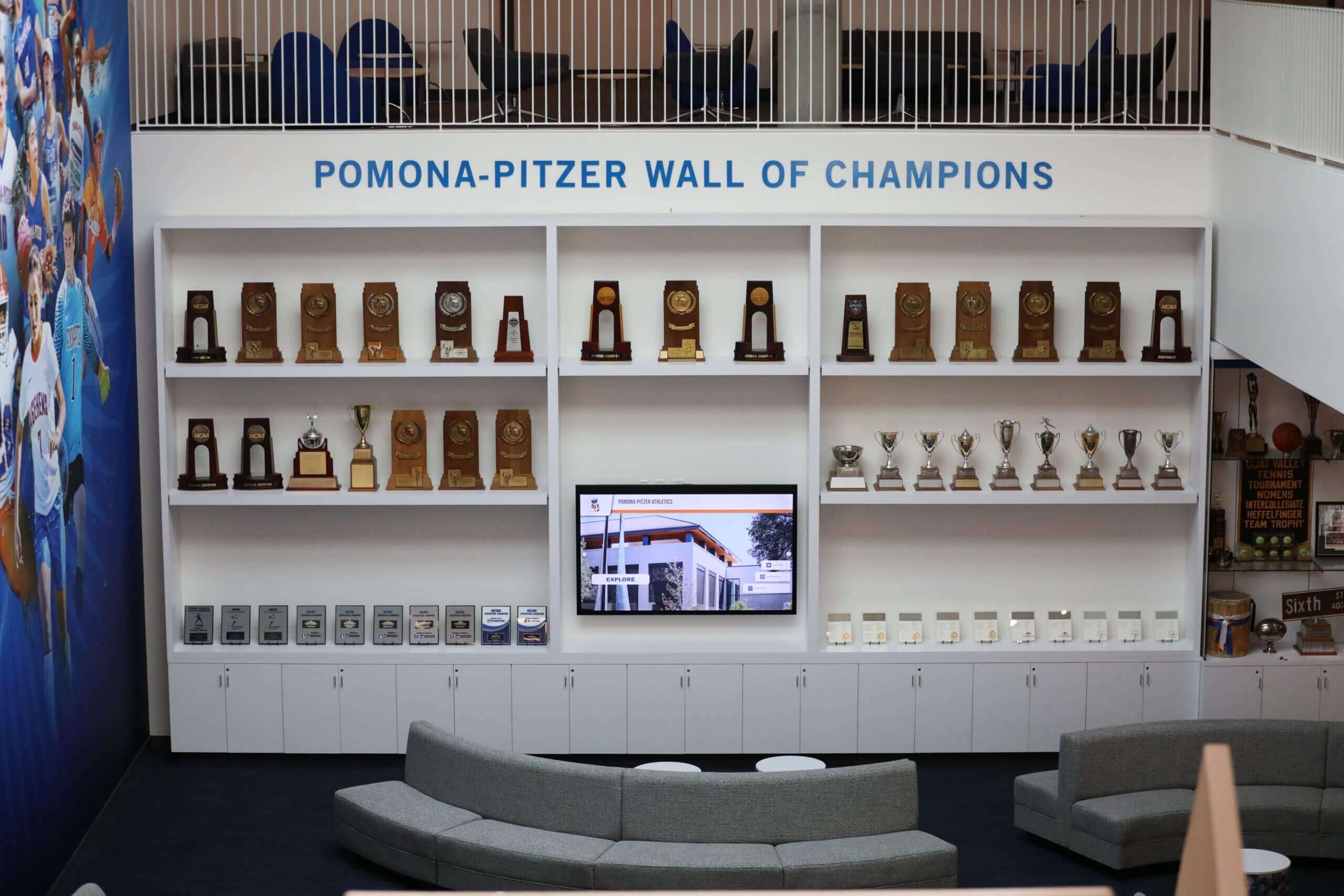
Thoughtfully designed recognition spaces celebrate diverse student achievements year-round while building anticipation for senior awards night
Why Senior Awards Night Matters: Strategic Benefits Beyond Recognition
Senior awards nights deliver value extending far beyond the ceremony itself when planned with clear purpose and thoughtful execution. Understanding these strategic benefits helps secure stakeholder support while ensuring recognition efforts align with broader educational goals.
Validating Diverse Forms of Excellence
Comprehensive awards nights recognize that excellence manifests across multiple dimensions—not solely through highest GPAs or championship victories. When schools celebrate academic scholars alongside artistic performers, community volunteers beside athletic champions, and character exemplars together with student leaders, ceremonies communicate that institutions value varied talents and contributions equally.
This breadth combats narrow achievement definitions that leave many deserving students feeling invisible. The senior who improved dramatically from freshman to senior year, the athlete who modeled exemplary sportsmanship despite limited playing time, the artist whose creativity enriched school culture, the volunteer whose service impacted communities—all deserve recognition creating inclusive celebrations where more students feel valued.
Schools implementing comprehensive recognition programs find that broader award structures increase engagement while strengthening institutional culture around appreciating diverse contributions rather than singular achievement types.
Creating Memorable Milestone Moments
For many families, senior awards night represents the culmination of thirteen years invested in education. These ceremonies acknowledge that the journey mattered, that effort produced results, and that institutions noticed students’ growth. Formal recognition in front of peers, family members, teachers, and community representatives provides validation that impacts self-perception and future trajectory.
Research consistently demonstrates that meaningful recognition during formative transitions influences confidence, motivation, and willingness to persist through future challenges. Students who receive authentic acknowledgment for specific accomplishments develop stronger self-efficacy while forming positive associations with achievement and excellence pursuit.
Strengthening Community Bonds
Awards nights bring together diverse community segments—students, families, faculty, administrators, board members, community partners, and alumni—creating shared experiences celebrating collective success. These gatherings reinforce that education represents collaborative endeavors requiring multiple stakeholders working toward common goals.
Ceremonies particularly benefit from honoring the support systems enabling student achievement. When programs recognize parent volunteers, teacher mentors, or community sponsors alongside students, events acknowledge the networks surrounding individual success while expressing institutional gratitude to those who contribute beyond formal job descriptions.
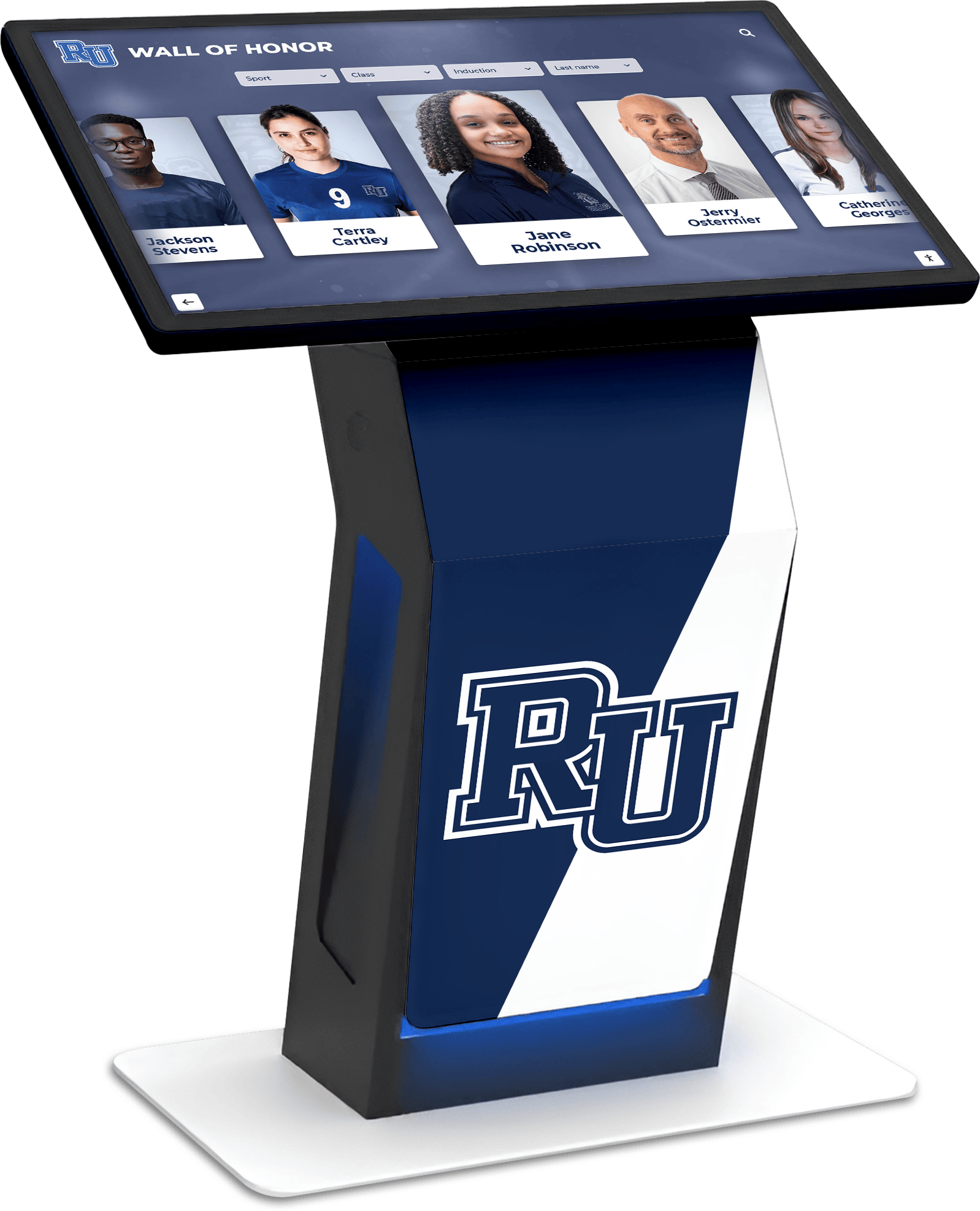
Modern recognition platforms enable year-round celebration of achievements while preserving award night honorees in permanent digital archives
Designing Comprehensive Award Categories: Balancing Prestige and Inclusion
Effective senior awards nights feature carefully curated award categories that collectively honor diverse achievements while maintaining individual award significance. Category design determines whether ceremonies feel inclusive or exclusive, meaningful or perfunctory, engaging or endless.
Academic Excellence Awards
Academic recognition forms the foundation of most senior awards nights, celebrating intellectual achievement across multiple dimensions.
Highest Achievement Awards:
- Valedictorian/Salutatorian: Highest cumulative GPA recognition with specific tie-breaking criteria clearly defined
- Summa/Magna Cum Laude: Latin honors recognizing exceptional academic achievement at defined GPA thresholds
- Departmental Academic Excellence: Top student in each academic department (English, Mathematics, Science, Social Studies, World Languages, etc.)
- AP Scholar Recognition: Students achieving distinction through Advanced Placement examination performance
- National Merit Scholars: Recognition for National Merit Scholarship program achievement
Progress and Growth Recognition:
Consider awards honoring academic improvement and effort alongside absolute achievement:
- Most Improved Scholar awards recognizing dramatic GPA growth
- Academic Perseverance awards for students overcoming significant learning challenges
- Subject-Specific Improvement awards celebrating growth in particular disciplines
- Academic Comeback awards for students recovering from early struggles
Specialized Academic Honors:
- Career and Technical Education (CTE) Excellence awards for vocational program achievement
- Bilingual Proficiency awards recognizing multilingual competency
- Research Project awards for outstanding senior thesis or capstone work
- Academic Competition Team awards for quiz bowl, debate, or academic olympiad participation
Athletic Achievement Recognition
Athletic awards celebrate physical excellence, competitive success, and sportsmanship development through sports participation.
Individual Athletic Honors:
- All-State/All-Conference selections in each sport
- Team MVP awards for each varsity program
- Coaches’ Awards recognizing dedication, leadership, or improvement
- Scholar-Athlete awards combining academic and athletic excellence
- Athletic department Female/Male Athlete of Year overall recognition
Team Achievement Celebrations:
Recognize teams achieving significant success:
- Conference championship teams
- State qualifier or state championship teams
- Teams achieving program records or historical milestones
- Teams demonstrating exceptional sportsmanship recognition
Schools can showcase athletic excellence year-round through digital athletic recognition displays that complement annual awards night celebrations.
Arts and Activities Recognition
Comprehensive ceremonies honor achievements beyond traditional academic and athletic domains.
Performing Arts Awards:
- Outstanding performers in band, choir, orchestra, or music ensembles
- Theater excellence for acting, technical theater, or production contributions
- Dance achievement for technique, performance, or choreography
- Speech/Forensics recognition for competitive speaking or interpretation
Visual Arts Excellence:
- Outstanding achievement in specific media (painting, sculpture, photography, digital arts)
- Portfolio excellence awards for sustained artistic development
- Art competition recognition for external contest achievements
Publications and Communications:
- Journalism excellence for newspaper, yearbook, or broadcast contributions
- Creative writing awards for poetry, fiction, or nonfiction achievement
Leadership and Service Awards:
- Student government leadership recognition
- Club officer excellence acknowledging organizational contributions
- Community service hour milestone recognition (100, 200, 500+ hours)
- Service project impact awards for initiatives creating measurable community change
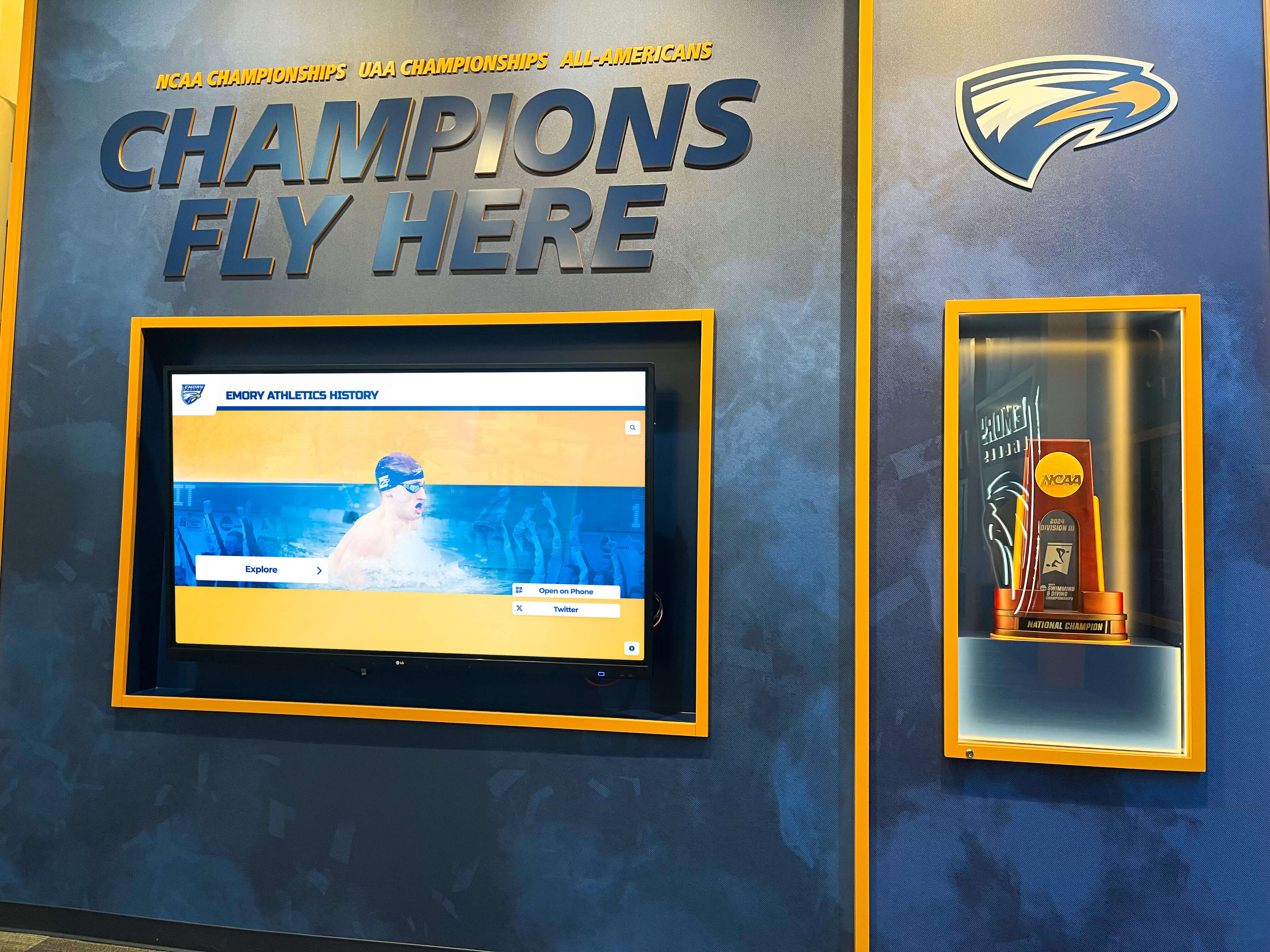
Permanent recognition displays preserve senior awards night honorees alongside historical achievements creating comprehensive institutional memory
Establishing Fair Selection Processes: Transparency and Criteria
Award credibility depends entirely on selection process integrity. Arbitrary decisions or perceived favoritism undermine recognition value while creating community distrust that persists for years.
Creating Objective Selection Criteria
Document specific, measurable criteria for each award before any selection occurs. Transparent standards enable consistent evaluation while helping potential nominees understand qualification requirements.
GPA-Based Academic Awards:
For recognition tied to grade point averages:
- Define exact calculation methodology (weighted vs. unweighted, which courses count, how many decimal places)
- Specify tie-breaking procedures before ties occur (most rigorous course load, standardized test scores, alphabetical)
- Establish minimum GPA thresholds for honors tiers
- Document special circumstance policies (transfer students, dual enrollment credits, mid-year calculations)
Subjective Achievement Awards:
For recognition requiring judgment:
- Identify 3-5 specific evaluation factors with relative weighting
- Establish rating scales or rubrics enabling consistent assessment
- Require documentation supporting nominations (portfolios, statistics, testimonials, project descriptions)
- Define minimum qualification thresholds before comparative evaluation begins
Coach and Teacher Nominated Awards:
When faculty select recipients:
- Provide selection criteria and evaluation factors in writing
- Request brief justification statements explaining recipient selection
- Establish timelines ensuring thoughtful consideration rather than rushed decisions
- Encourage consideration of diverse candidates representing different achievement dimensions
Implementing Committee-Based Selection
Multi-person committees provide balanced perspectives while distributing decision-making responsibility reducing single-person bias concerns.
Committee Composition Strategies:
- Include faculty from different departments preventing single-perspective dominance
- Add administrator representatives ensuring institutional values alignment
- Consider student representatives for appropriate award categories
- Rotate committee membership preventing entrenchment and ensuring fresh viewpoints
Selection Process Best Practices:
- Distribute nomination materials with clear criteria and deadlines
- Allow sufficient review time enabling thorough candidate evaluation
- Conduct structured discussions addressing each award systematically
- Vote by secret ballot for contested decisions
- Document selection rationale for potential future questions
- Maintain confidentiality until official announcements
Schools managing multiple recognition categories benefit from systematic tracking systems ensuring consistent processes across departments and programs.
Planning Ceremony Logistics: Format, Timing, and Flow
Well-executed ceremonies balance celebrating achievement thoroughly with maintaining audience engagement through thoughtful pacing and structure.
Optimal Timing and Scheduling
Calendar Placement:
Senior awards nights typically occur 2-4 weeks before graduation, providing sufficient separation from commencement while remaining close enough to feel connected to graduation season. This timing allows:
- Inclusion of spring athletic season achievements
- Completion of final semester GPA calculations
- Scheduling after other end-of-year events competing for family attention
- Sufficient production time for recognition materials and programs
Day and Time Selection:
- Weekday evenings (Tuesday-Thursday) often work better than Mondays or Fridays
- 6:30-7:00 PM start times accommodate work schedules while preventing late endings
- Consider religious observances and community events when selecting specific dates
- Avoid scheduling conflicts with other school events or major community occasions
Duration Management:
Plan ceremonies lasting 90-120 minutes maximum. Longer programs lose audience attention regardless of content quality. If award volume requires more time, consider:
- Splitting into two separate nights (Academic/Arts Awards and Athletic/Service Awards)
- Streamlining presentation formats with group rather than individual recognitions
- Reducing administrator speeches to brief welcome and closing remarks
- Eliminating low-value elements like lengthy musical performances between award sections
Ceremony Structure and Flow
Opening Elements (10-15 minutes):
- Welcome and program overview by administrator
- National anthem or school song
- Brief inspirational remarks establishing evening’s purpose
- Introduction of presenters and special guests
Award Presentation Sequence (60-90 minutes):
Organize awards thoughtfully to maintain energy and engagement:
- Group Related Categories: Present all academic awards together, followed by athletics, then arts and activities
- Build Toward Prestige: Within categories, progress from specific to general, culminating in highest honors
- Vary Presentation Formats: Alternate between individual stage crossings, group recognitions, and video segments
- Include Context: Provide 1-2 sentence descriptions explaining each award’s significance
- Maintain Pace: Limit individual presenter remarks to brief congratulations rather than extended speeches
Closing Elements (10-15 minutes):
- Recognition of seniors as collective class
- Special acknowledgments (retiring faculty, major donors, volunteer supporters)
- Principal or superintendent closing remarks
- Invitation to reception or photo opportunities
- Recessional or closing music
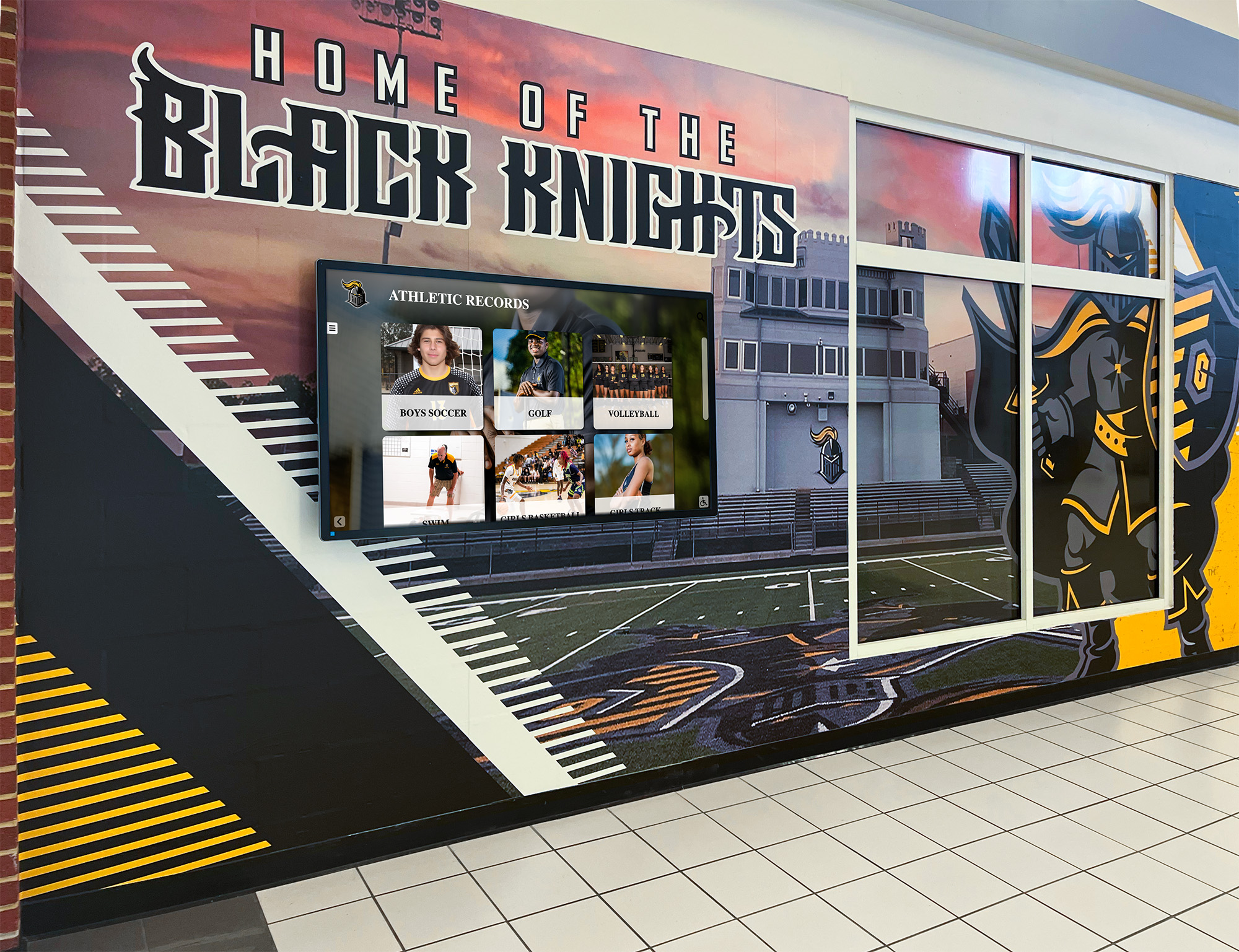
Integrating digital displays into award ceremony presentations creates engaging visual elements while preserving recognition permanently
Leveraging Technology to Enhance Recognition Presentations
Modern technology transforms senior awards nights from simple name readings into engaging multimedia experiences that amplify achievement celebration while creating shareable content extending beyond the ceremony itself.
Digital Presentation Integration
Multimedia Award Announcements:
Rather than simply reading names from lists, incorporate:
- Professional slide presentations featuring recipient photos and achievement details
- Video montages showcasing athletic highlights, artistic performances, or academic competitions
- QR codes enabling audience members to access detailed achievement information
- Social media integration encouraging real-time sharing and engagement
Live Streaming and Recording:
Enable family members unable to attend physically to participate remotely:
- Stream ceremonies via YouTube Live, Facebook Live, or school platforms
- Record complete ceremonies making them available for on-demand viewing
- Create shortened highlight videos for social media and future recruitment
- Provide captioning or ASL interpretation ensuring accessibility
Creating Permanent Digital Recognition
While ceremonies create momentary experiences, technology enables lasting recognition extending far beyond single evenings. Solutions like digital recognition displays from Rocket Alumni Solutions transform senior awards night into permanent archives where achievements remain visible indefinitely.
Interactive Recognition Platforms:
Modern systems enable schools to:
- Preserve every award recipient in searchable digital archives
- Display recognition on interactive touchscreen kiosks in school lobbies or athletic facilities
- Integrate photos, videos, achievement descriptions, and recipient biographies
- Enable web access so families can view recognition remotely years after ceremonies
- Update content easily as additional achievements emerge or corrections become necessary
Year-Round Visibility:
Digital platforms extend recognition beyond annual ceremonies:
- Showcase current year’s award recipients throughout summer orientation and following academic year
- Build cumulative recognition archives showing institutional excellence across decades
- Create recruitment content demonstrating achievement culture to prospective students
- Generate engagement from alumni who discover their historical recognition preserved digitally
Schools implementing comprehensive recognition infrastructure often combine athletic banquet celebrations with all-school senior awards nights, using digital systems to showcase achievements across multiple events and platforms.
Engaging Families Throughout the Planning Process
Family involvement transforms awards nights from administrative obligations into community celebrations that families anticipate and appreciate.
Pre-Event Communication and Preparation
Save-the-Date Notifications:
Announce ceremony dates 2-3 months in advance enabling family scheduling:
- Email announcements to all senior families
- Calendar reminders through school communication systems
- Social media posts and website updates
- Include preliminary timeline and program overview
Nomination and Selection Transparency:
Communicate clearly about award selection:
- Publish award categories and selection criteria on school website
- Explain nomination processes and timelines
- Share when decisions will be finalized and announcements made
- Provide contact information for questions about specific awards
Ceremony Invitations:
Send formal invitations 2-3 weeks before ceremonies:
- Personalized invitations to families of award recipients
- General invitations to entire senior class and families
- Digital invitations with RSVP capability enabling attendance planning
- Detailed program information including duration and reception plans
Photo Submission Requests:
Request high-quality student photos creating professional presentation materials:
- Specify technical requirements (resolution, format, background preferences)
- Establish submission deadlines allowing production time
- Provide upload instructions using simple platforms
- Follow up with families who miss initial deadlines
Creating Participation Opportunities
Family Presenter Involvement:
Invite family members or community partners to present specific awards:
- Local business owners presenting career-specific awards they sponsor
- Alumni presenting awards they previously received creating generational connections
- Coaches presenting team-specific athletic recognition
- Teachers presenting departmental academic awards
Photo and Memory Sharing:
Encourage families to contribute to ceremony experience:
- Set up designated photo areas with professional backdrops
- Create hashtags for social media sharing
- Invite families to submit student photos for pre-ceremony slideshow
- Provide digital photo sharing platforms where ceremony images become available
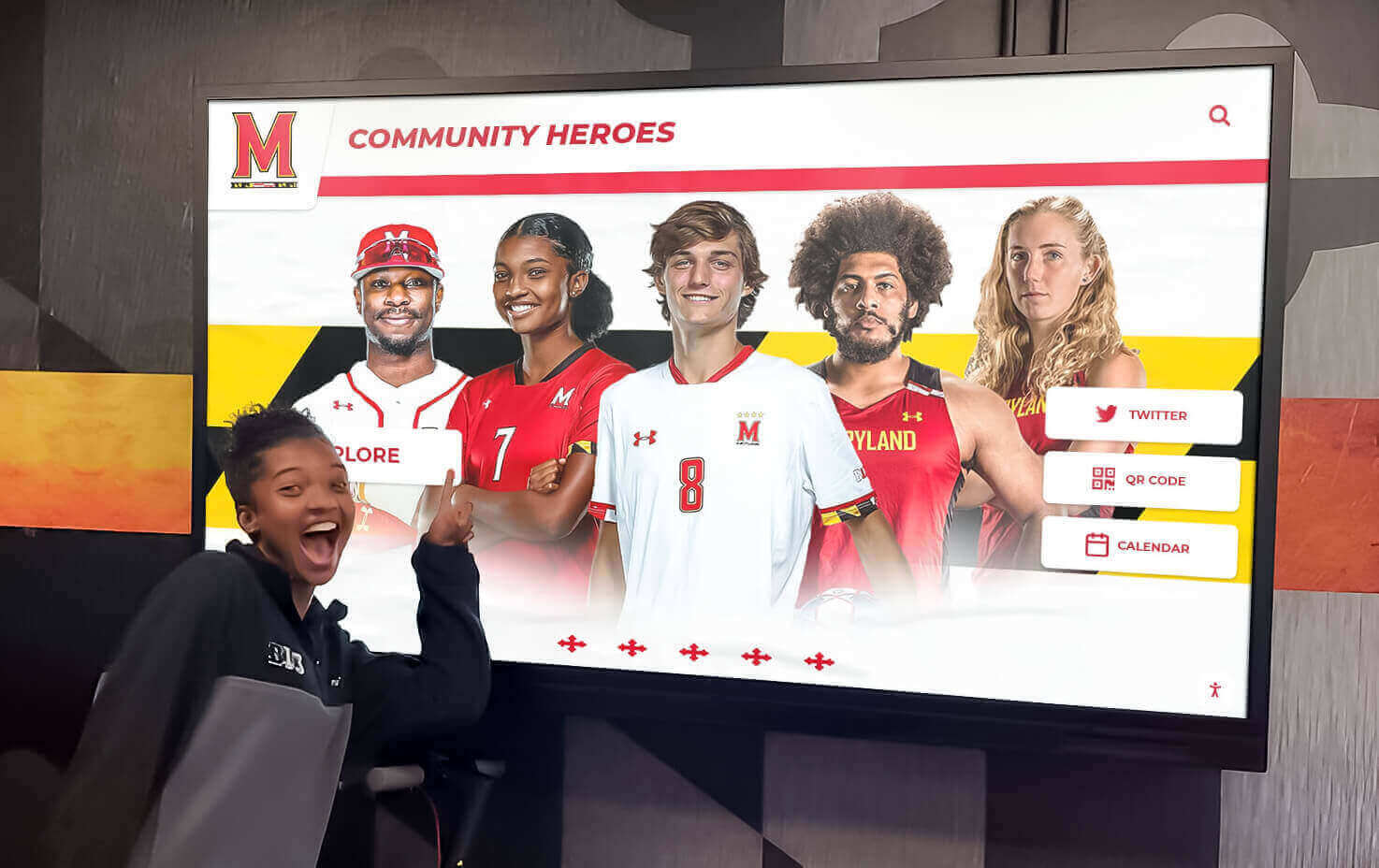
Interactive displays engage students year-round while building anticipation for senior awards night recognition
Managing Common Senior Awards Night Challenges
Even well-planned ceremonies encounter predictable challenges. Anticipating these obstacles enables proactive solutions preventing problems from undermining events.
Challenge: Excessive Ceremony Length
Problem: Too many awards or lengthy presentations cause audience fatigue and disengagement.
Solutions:
- Establish maximum ceremony duration (90-120 minutes) during planning
- Group related awards with batch presentations rather than individual stage crossings for each recognition
- Limit presenter remarks to brief congratulations rather than extended speeches
- Eliminate or significantly shorten musical performances and administrator addresses
- Consider splitting into multiple evening events if award volume requires extended time
Challenge: Balancing Prestige and Inclusion
Problem: Ensuring enough students receive recognition while maintaining individual award significance.
Solutions:
- Distinguish between major awards (individual stage recognition with presenter remarks) and honor roll acknowledgments (group recognition with name listings)
- Create tiered recognition levels clearly communicating achievement hierarchy
- Supplement stage awards with printed programs listing all honorees comprehensively
- Establish clear selection criteria preventing perception that “everyone gets awards”
- Consider additional recognition events (departmental ceremonies, team banquets) for specialized achievement
Challenge: Family Attendance Barriers
Problem: Work schedules, transportation limitations, or family circumstances prevent some families from attending.
Solutions:
- Live stream ceremonies for remote viewing
- Record complete programs for on-demand access
- Create shortened highlight videos featuring individual recipients
- Mail certificates and awards to families unable to attend
- Provide alternative small-group recognition for students whose families cannot participate
Challenge: Technical Difficulties
Problem: Presentation equipment failures, sound system issues, or connectivity problems disrupt ceremonies.
Solutions:
- Test all equipment thoroughly 24 hours before and again immediately before ceremonies
- Prepare backup USB drives with complete presentations
- Have printed award lists available if projection fails
- Designate technical support person attending throughout program
- Create contingency plans allowing ceremonies to proceed if technology fails completely
Extending Recognition Beyond the Ceremony
The most impactful senior awards nights represent starting points rather than endpoints for achievement recognition.
Print and Physical Recognition
Award Certificates and Trophies:
Provide tangible recognition students keep permanently:
- Professional certificates with official seals and signatures
- Personalized plaques or medals for major awards
- Ribbons, cords, or medallions worn at graduation
- Custom awards reflecting specific achievement types (subject-specific symbols, athletic equipment replicas)
Permanent School Displays:
Create lasting recognition visible to current and future students:
- Engraved plaques in trophy cases or award hallways
- Photo displays featuring award recipients
- Department-specific recognition boards
- Historical achievement timelines showing recipients across decades
Schools increasingly transition from static plaques to digital hall of fame displays enabling unlimited recognition without physical space constraints while providing rich multimedia content impossible with traditional approaches.
Digital and Social Recognition
Website Features:
- Dedicated award recipients page with photos and achievement descriptions
- Searchable archives enabling exploration by year, category, or student name
- Integration with student profiles or senior class pages
- Mobile-responsive design ensuring accessibility across devices
Social Media Celebration:
- Individual recognition posts highlighting specific recipients
- Photo galleries from ceremony events
- Video clips of award presentations or recipient interviews
- Alumni engagement posts connecting current recipients with past winners
Ongoing Engagement Opportunities
Mentorship Connections:
Connect award recipients with younger students:
- Pair academic award winners with students in similar programs
- Connect service award recipients with student volunteers
- Link athletic honorees with team underclassmen
- Create formal mentoring programs leveraging recognized excellence
Alumni Network Integration:
Incorporate senior award recipients into broader alumni engagement:
- Add new recipients to alumni recognition databases
- Invite past award winners back for future ceremonies
- Create networking events connecting recipients across graduation years
- Track long-term outcomes demonstrating award recipient success
Many schools discover that comprehensive student recognition programs combining annual ceremonies with year-round visibility create cultures where achievement becomes institutionally valued and systematically celebrated.
Measuring Senior Awards Night Success
Systematic assessment identifies what works while revealing improvement opportunities ensuring ceremonies remain effective and valued over time.
Gathering Stakeholder Feedback
Family and Student Surveys:
Distribute brief post-ceremony surveys collecting perception data:
- Overall satisfaction with ceremony (rating scale)
- Specific elements working well (open response)
- Suggestions for improvement (open response)
- Whether duration felt appropriate
- Audio quality, visibility, and venue adequacy ratings
- Likelihood of recommending attendance to others
Faculty and Staff Input:
Gather insights from those managing ceremony elements:
- Selection process effectiveness and fairness
- Timeline adequacy for completion of required tasks
- Communication clarity and timeliness
- Presentation technology and logistics assessment
- Suggestions for structural changes
Quantitative Success Indicators
Attendance Metrics:
- Percentage of senior families attending
- Total audience size relative to venue capacity
- Virtual viewing numbers for streamed ceremonies
- Photo reception or post-ceremony event participation
Recognition Breadth:
- Number and percentage of seniors receiving at least one award
- Distribution across award categories (academic, athletic, arts, service, character)
- Demographic representation ensuring equitable recognition
Engagement Measures:
- Social media reach, impressions, and engagement
- Website traffic to award recipient pages
- Video view counts for ceremony recordings
- Media coverage secured (local news, community publications)
Continuous Improvement Implementation
Use assessment data driving systematic enhancements:
- Adjust award categories based on community feedback and participation patterns
- Modify ceremony structure addressing pacing and engagement concerns
- Enhance technology integration based on audience response
- Refine communication strategies improving family participation
- Update selection processes addressing equity or transparency issues
Conclusion: Creating Recognition That Lasts
Senior awards nights represent far more than simple recognition ceremonies—they demonstrate institutional values about what achievement means, which contributions matter, and how communities celebrate excellence. When designed thoughtfully and executed professionally, these events create powerful moments validating student effort while inspiring continued growth and contribution.
The most successful programs share common characteristics: comprehensive award categories celebrating diverse achievement types, transparent selection processes maintaining credibility and fairness, engaging ceremony formats balancing thoroughness with pacing, thoughtful technology integration enhancing presentations, genuine family engagement throughout planning, and permanent recognition extending beyond single-evening celebrations.
Today’s technology makes comprehensive recognition more achievable than traditional approaches. Digital platforms eliminate physical space limitations constraining traditional plaques while enabling rich multimedia content impossible with static displays. Solutions specifically designed for educational institutions provide features addressing unique school needs while remaining accessible to administrators without technical backgrounds.
Whether you’re planning your first senior awards night or seeking to revitalize ceremonies that have lost impact, the strategies in this guide provide practical frameworks for creating events that genuinely honor graduating seniors. Begin with clear selection criteria applied consistently, develop engaging presentations celebrating achievement authentically, leverage technology simplifying administration while maximizing visibility, and create recognition systems that preserve accomplishments permanently rather than momentarily.
Your graduating seniors have worked for years earning the achievements you’ll celebrate. They deserve recognition that matches their dedication—ceremonies thoughtfully planned, professionally executed, and permanently preserved through systems ensuring their accomplishments inspire current students and future generations.
Ready to Transform Your Senior Awards Night Recognition?
Discover how Rocket Alumni Solutions makes senior recognition simple and permanent through interactive displays, intuitive content management, and comprehensive platforms designed specifically for schools. From annual award ceremonies to year-round achievement celebration, we provide everything needed to honor your students effectively while building lasting institutional pride.
Schedule Your Free Consultation TodayRecognition programs succeed when they combine meaningful acknowledgment with sustainable implementation, modern technology with authentic celebration, individual honor with community building. The students who exemplify your institutional mission through their achievements deserve recognition systems matching their accomplishments—and the underclassmen watching deserve the inspiration that thoughtful recognition provides.































