Senior Day celebrations represent some of the most emotionally significant moments in student athletes’ careers—ceremonies that mark the end of competitive journeys, honor years of dedication, celebrate family support, and create memories lasting far beyond final whistles. Whether in high school or college athletics, these special recognition events unite communities in appreciation for graduating athletes who embodied school values, inspired teammates, and contributed to program legacies through countless practices, competitions, triumphs, and challenges.
As athletic programs seek to create meaningful Senior Day experiences that properly honor departing athletes while engaging families and communities, many are discovering that thoughtful planning, authentic recognition, and modern digital displays transform these ceremonies from brief acknowledgments into powerful celebrations strengthening program culture and preserving athlete legacies for generations to come.
Senior Day celebrations deserve the same careful attention that coaches invest in game preparation. When executed thoughtfully, these events validate years of athlete commitment, create emotional connections between past and present, demonstrate institutional appreciation, and establish traditions inspiring current and future athletes. This comprehensive guide explores every dimension of successful Senior Day celebrations from planning timelines and ceremony formats to family engagement strategies and leveraging interactive recognition displays that preserve senior memories permanently.
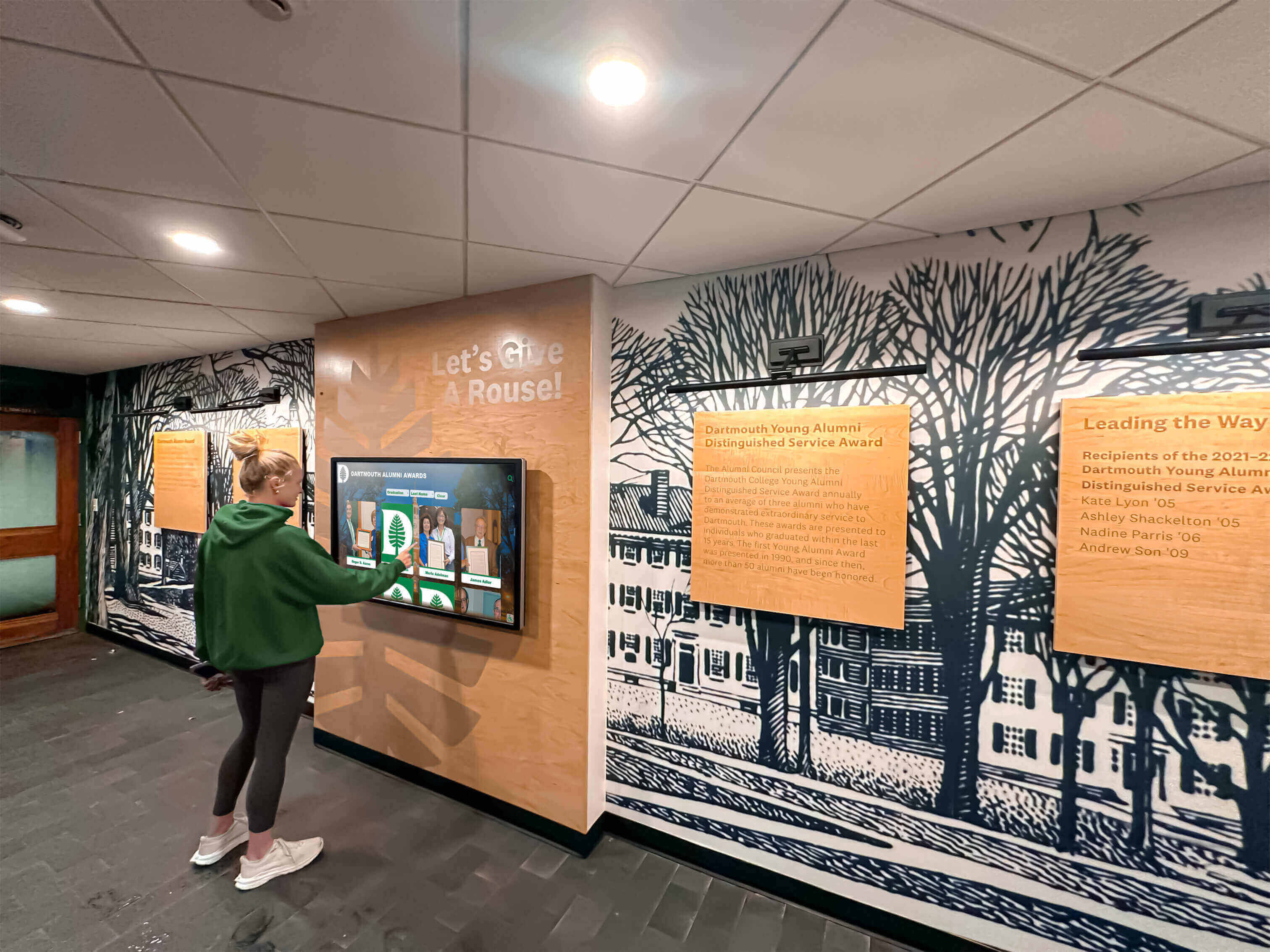
Meaningful Senior Day celebrations honor athlete dedication while creating lasting memories for families and communities
Understanding the Significance of Senior Day Celebrations
Before planning specific ceremony elements, understanding what makes Senior Day meaningful helps ensure celebrations create genuine emotional impact rather than perfunctory rituals that fail to resonate with athletes, families, and communities.
Why Senior Day Matters to Student Athletes
For graduating athletes, Senior Day represents far more than recognition before another competition. These celebrations mark transition points loaded with emotional significance and personal meaning.
Closure and Transition Recognition
Senior Day provides formal acknowledgment that competitive chapters are ending—closure rituals that help athletes process transitions from identities centered around athletics to post-graduation lives. Years of defining themselves as athletes require intentional recognition as these roles conclude. Ceremonies that thoughtfully acknowledge what athletics meant help athletes honor past experiences while preparing for future identities beyond competition.
Validation of Commitment and Sacrifice
Student athletes dedicate thousands of hours to practices, conditioning, competitions, team meetings, film sessions, and travel. They balance demanding athletic schedules with academic requirements, social opportunities, and personal relationships. Many sacrifice alternative experiences to prioritize athletic commitments. Senior Day celebrations communicate that schools, coaches, teammates, families, and communities noticed these commitments and appreciated the sacrifices required for athletic participation and excellence.
Recognition Beyond Statistics and Wins
While performance metrics and competitive results matter, Senior Day recognition should celebrate complete athlete contributions including leadership qualities and teammate mentorship, character development and personal growth, resilience through injuries and setbacks, positive influence on program culture, academic achievement balancing athletics, and community representation and service. Comprehensive recognition acknowledges that athletic programs develop people, not just players, and that value extends far beyond statistics and championship banners.

Recognition displays preserve senior athlete legacies with comprehensive profiles celebrating complete contributions
Shared Experience With Families
For most athletes, Senior Day represents the first time parents and families receive public acknowledgment for their support enabling athletic participation. Years of transportation to practices and games, financial investment in equipment and fees, schedule rearrangements accommodating athletic commitments, emotional support through successes and struggles, and countless hours in gyms and on fields rarely receive formal recognition. Senior Day ceremonies that appropriately honor family contributions create meaningful experiences validating parental sacrifices while allowing athletes to express gratitude publicly.
Connection to Program Tradition
Senior Day ceremonies link departing athletes to program legacies extending before and beyond their individual tenures. When recognized alongside distinguished alumni and historical achievements, graduating athletes understand they contributed to traditions larger than themselves. This connection to something enduring provides meaning and perspective about their athletic experiences, helping athletes see their participation within broader institutional narratives spanning generations.
The Multi-Generational Impact of Senior Day Traditions
Well-executed Senior Day celebrations create value extending far beyond immediate honorees to benefit entire program communities across multiple stakeholder groups.
Current Underclassmen and Future Recruits
Underclassmen witnessing meaningful senior recognition observe that programs value complete athlete contributions and honor commitments appropriately. Quality Senior Day celebrations communicate to younger teammates that their dedication will eventually receive similar appreciation, motivating sustained effort and reinforcing that sacrifices matter to institutions beyond immediate competitive utility. Prospective athletes and families evaluating programs during recruiting assess how schools treat graduating seniors—recognition quality signals program values and athlete care extending beyond immediate competitive needs.
Alumni and Program History
Senior Day events create opportunities for alumni engagement by featuring distinguished graduates, honoring milestone anniversary classes, connecting current seniors to successful alumni, and demonstrating that program traditions endure. Alumni who experienced meaningful Senior Day recognition often maintain stronger connections to programs and schools, creating engaged communities supporting current teams through attendance, mentorship, fundraising, and advocacy.
Community and Institutional Pride
Communities that celebrate senior athletes through thoughtful ceremonies demonstrate values beyond winning and losing. Public recognition of character, academic achievement, community service, and personal development alongside athletic accomplishments signals that athletic programs prioritize holistic student development. These celebrations build community pride in programs developing exceptional people, not just competitive teams, strengthening institutional reputations and community support.
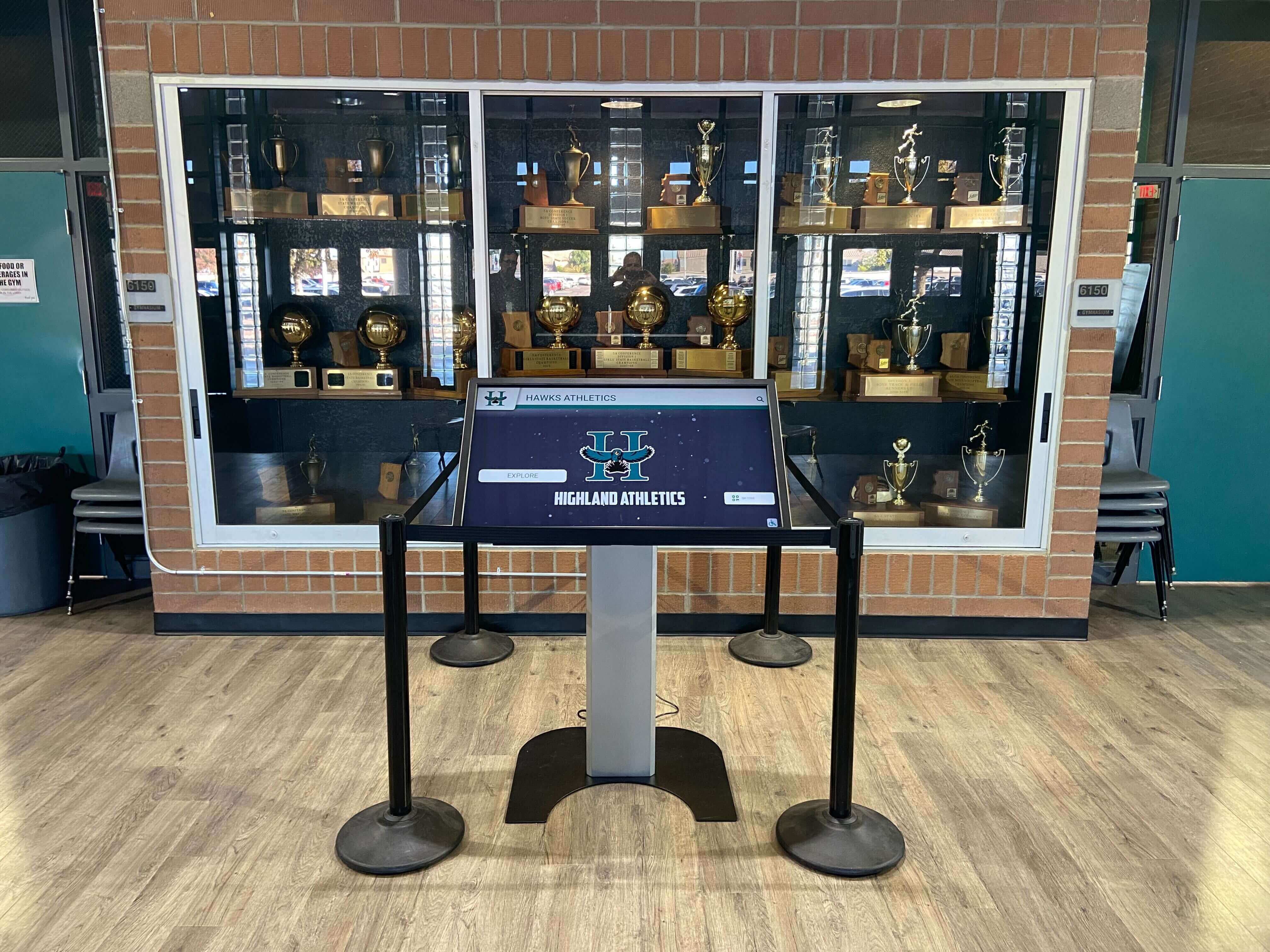
Senior Day celebrations unite communities in appreciation for athlete contributions and family support
Planning Comprehensive Senior Day Celebrations
Meaningful Senior Day experiences require thoughtful planning addressing logistical, emotional, and ceremonial dimensions ensuring celebrations honor athletes appropriately while creating engaging experiences for all participants.
Establishing Planning Timelines
Successful Senior Day celebrations benefit from early planning allowing time for coordination, communication, and quality execution.
3-4 Months Before Senior Day
Begin planning with identification of senior athletes across all programs if coordinating multi-sport recognition, designation of ceremony coordinators and planning committees, selection of Senior Day date considering conference schedules and competitive implications, initial family communication outlining expectations and participation requirements, and preliminary budget development for ceremony elements and recognition materials.
Early planning ensures adequate time for content development, family coordination, and addressing unexpected challenges before ceremony dates approach.
6-8 Weeks Before Senior Day
Intensive planning includes collecting senior athlete information and photographs for programs and displays, developing ceremony scripts with coach and administrator input, coordinating with athletic department staff on logistics, ordering recognition items like flowers, plaques, or commemorative gifts, arranging photography and videography coverage, preparing facility decorations and displays, and communicating detailed ceremony information to families and participants.
This timeline allows sufficient production time for quality recognition materials while enabling family travel planning and schedule coordination.
2-4 Weeks Before Senior Day
Final preparation involves conducting walk-throughs and ceremony rehearsals if needed, confirming all participant attendance and addressing absence contingencies, finalizing ceremony scripts and speaking assignments, testing audio-visual equipment and displays, preparing recognition items and ceremonial materials, briefing all ceremony participants on expectations and timing, and communicating final details to families, teams, and attendees.
Thorough preparation prevents ceremony disruptions while ensuring all participants understand their roles and timing.
Week of Senior Day
Immediate pre-event tasks include final confirmation with all ceremony participants, setup of decorations, displays, and ceremonial areas, preparation of recognition items and distribution logistics, technical testing of audio, video, and display systems, and coordination with game day operations staff ensuring ceremony integration with competition schedules.
Day of Senior Day
Execute ceremonies according to plans while maintaining flexibility adapting to unexpected situations. Designate ceremony coordinators authorized to make real-time decisions addressing unforeseen circumstances without disrupting overall event flow.
Determining Appropriate Senior Day Formats
Senior Day ceremonies should balance meaningful recognition with practical considerations including sport schedules, venue capacities, family participation, and competitive preparations.
Pre-Game Recognition Ceremonies
Traditional pre-game ceremonies conducted before competitions allow maximum family and community attendance while creating special moments before athletic contests. Ceremonies typically feature processional entries with senior athletes and families, public address announcement reading athlete biographies and accomplishments, presentation of flowers or gifts to athletes and family members, photograph opportunities for families and teams, and brief athlete remarks or messages when appropriate.
Pre-game timing provides visibility and attendance while allowing families to remain for competitions and post-game celebrations with their athletes.
Halftime or Mid-Competition Recognition
Some sports utilize competition breaks for senior recognition including basketball and volleyball halftime ceremonies, soccer and lacrosse mid-game recognition, wrestling and swimming meet intermissions, and multi-day competition scheduling allowing ceremony flexibility.
Mid-event recognition ensures maximum crowd attendance while creating memorable competition day atmospheres, though timing constraints may limit ceremony depth and family participation opportunities compared to pre-game alternatives.
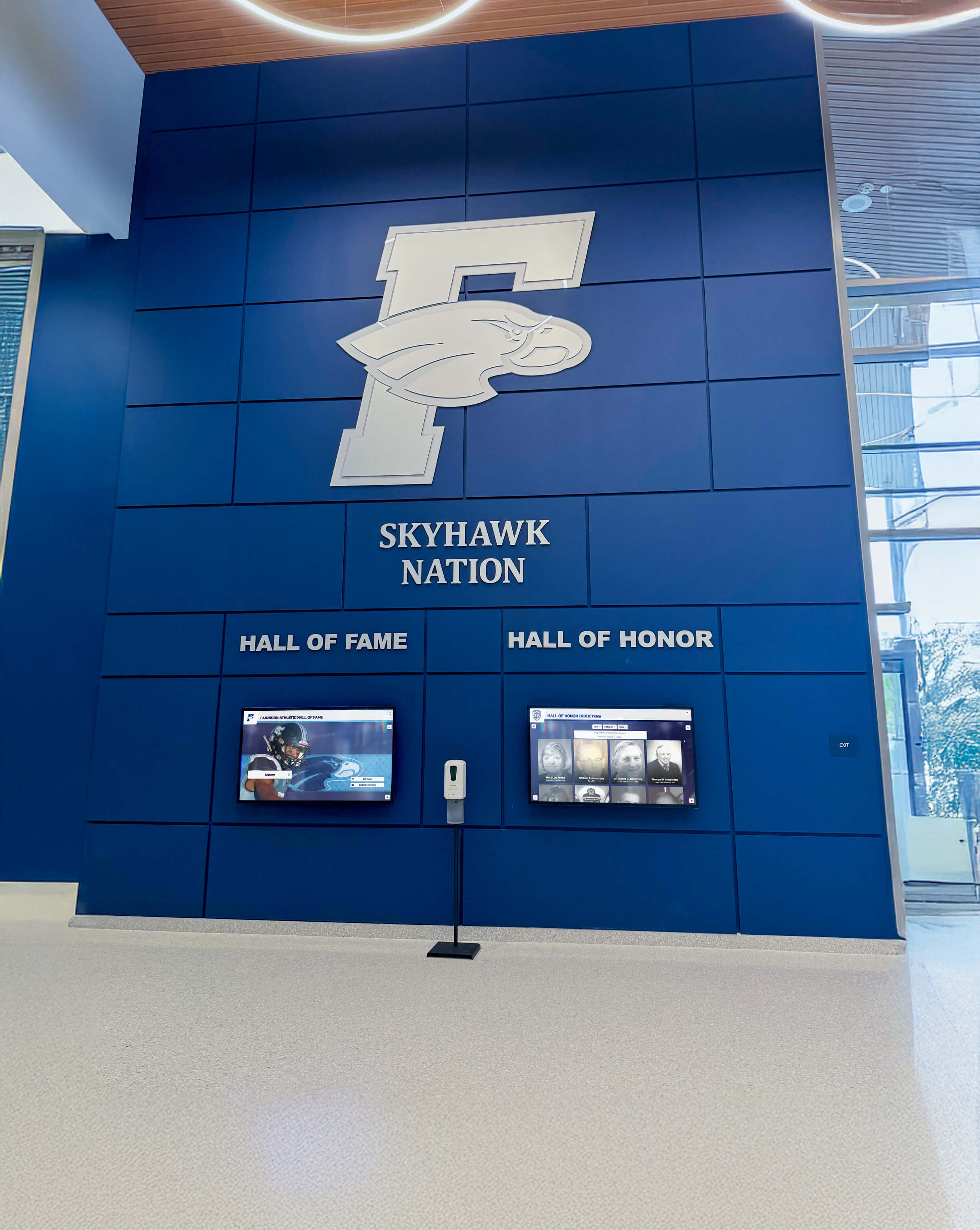
Well-planned Senior Day ceremonies balance meaningful recognition with practical competition day logistics
Dedicated Senior Day Events Separate From Competition
Some programs conduct dedicated senior recognition events separate from competitions, particularly when competition schedules or formats make in-game recognition challenging. Dedicated events allow more comprehensive ceremonies without timing constraints, greater family participation and flexibility, integration of multi-sport senior recognition celebrating multiple programs together, and community attendance without competition admission requirements.
Separate events work well for cross country, track and field, golf, tennis, and swimming where competition formats make traditional recognition challenging, or for coordinated multi-sport celebrations honoring all senior athletes together.
Season-End Banquets With Senior Focus
Team banquets provide intimate settings for comprehensive senior recognition including extended athlete remarks and reflections, detailed recognition of individual achievements and contributions, video tributes and photo montages, coach testimonials about senior impacts, teammate appreciation and peer recognition, and family acknowledgment and parent participation.
Banquet settings allow more personal, emotionally rich recognition compared to public competition venues, though smaller audiences reduce community engagement and visibility.
Selecting Meaningful Recognition Elements
Quality Senior Day celebrations incorporate multiple recognition components creating comprehensive experiences honoring athletes authentically.
Biographical Introductions
Comprehensive senior introductions should include athlete hometown and family information, years of program participation and position details, notable athletic achievements and records, academic accomplishments and post-graduation plans, leadership roles and character recognition, memorable moments or defining contributions, and coach reflections about athlete impact and legacy.
Specific, personalized introductions demonstrate genuine knowledge of and appreciation for individual athletes rather than generic acknowledgments that could apply to anyone.
Family Recognition and Appreciation
Appropriate family acknowledgment might include escorting parents or family members during ceremonies, presenting flowers or gifts to parents and athletes, public thank-you messages from athletes to families, coach recognition of parental support and sacrifices, and photograph opportunities documenting family celebration.
Family inclusion creates shared experiences validating years of parental commitment while allowing athletes to express appreciation publicly.
Ceremonial Gifts and Keepsakes
Meaningful recognition items include framed photographs from athletic careers, engraved plaques commemorating participation, personalized team items like jerseys or equipment, program-branded gifts useful beyond athletics, and digital recognition profiles preserved permanently on interactive displays.
Quality gifts balance sentiment with utility while creating lasting reminders of athletic experiences and institutional appreciation.
Visual Documentation and Preservation
Professional documentation ensures memories endure through high-quality photography of ceremony moments, video recording for families and archives, live streaming for distant family members, social media coverage engaging broader communities, and addition to digital recognition displays preserving senior legacies permanently.
Quality documentation proves particularly valuable for families and creates content supporting program promotion and tradition building.
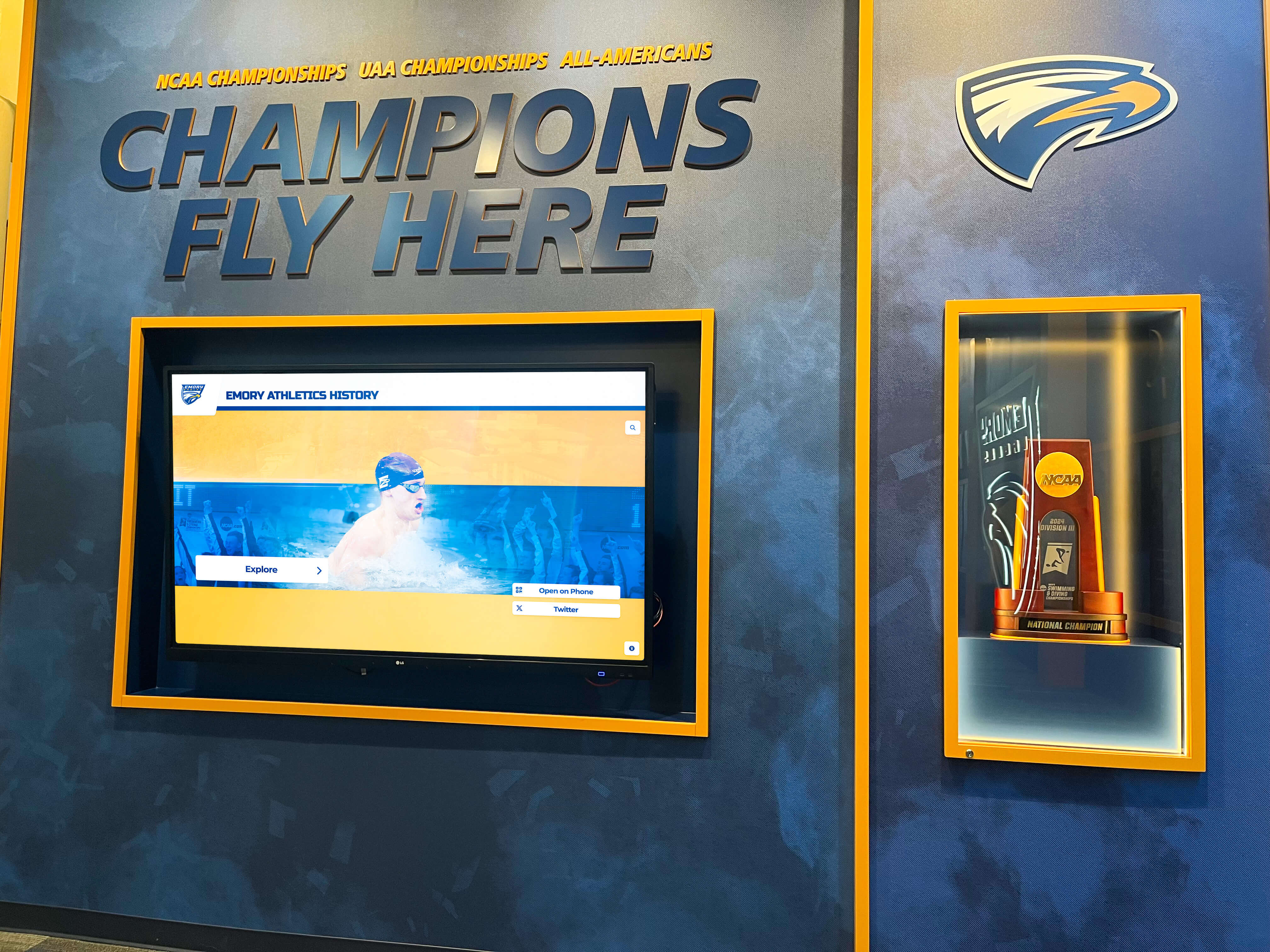
Professional documentation and digital preservation ensure Senior Day memories endure beyond ceremony moments
Creating Emotionally Meaningful Ceremonies
Beyond logistical execution, the most memorable Senior Day celebrations create authentic emotional experiences resonating with athletes, families, and communities through thoughtful details demonstrating genuine appreciation.
Personalized Recognition Over Generic Acknowledgments
Generic senior recognition feels perfunctory and forgettable. Meaningful ceremonies demonstrate specific knowledge of individual athletes through personalized elements.
Detailed Individual Stories
Rather than listing basic statistics, comprehensive profiles should tell athlete stories including personal journeys and development arcs, defining moments and memorable performances, challenges overcome and resilience demonstrated, impact on teammates and program culture, character growth and personal development, academic achievements and balanced commitments, and future plans and aspirations beyond athletics.
Storytelling recognition creates emotional connections while honoring complete athlete experiences rather than reducing complex individuals to basic statistics and positions.
Coach and Teammate Testimonials
First-person reflections provide authenticity that announcer scripts cannot match. Consider incorporating coach remarks about each senior’s unique contributions and personal qualities, captain or teammate testimonials describing peer leadership and friendship, position coach insights about athlete development, and video messages from coaches unable to attend ceremonies.
Personal testimonials communicate genuine appreciation while highlighting specific qualities and contributions that defined individual athlete experiences.
Athlete Voice and Reflection
When comfortable and appropriate, allow senior athletes opportunities to address teammates, families, and communities through brief prepared remarks expressing gratitude and reflection, video testimonials about athletic experience meaning, written messages included in programs or displays, or collaborative senior statements representing entire classes.
Athlete voice ensures their perspectives and reflections become part of permanent records while creating vulnerable, authentic moments strengthening ceremony emotional impact.
Honoring the Complete Athlete Journey
Effective recognition celebrates comprehensive athlete development rather than focusing exclusively on competitive achievements and statistics.
Academic Excellence and Balance
Recognize academic accomplishments alongside athletic achievements including honor roll status and academic awards, scholarship offers and college acceptance, academic major interests and career aspirations, successful balance of demanding athletic and academic commitments, and future educational plans beyond athletics.
Academic recognition reinforces that athletic programs develop student athletes, not just players, while validating the challenging balance required for excellence in both domains.
Character Development and Leadership
Celebrate personal growth and positive influence through demonstration of core values like integrity, respect, and perseverance, peer leadership and positive teammate influence, community service and social responsibility, overcoming adversity and displaying resilience, and positive program culture contributions beyond competitive performance.
Character recognition demonstrates that programs value who athletes become as people, sending powerful messages about institutional priorities beyond wins and championships.
Program Contributions Beyond Statistics
Honor diverse forms of program contribution including consistent work ethic and practice dedication, mentorship of younger teammates, positive attitudes through winning and losing, sacrifice of personal recognition for team success, and ambassadorship representing programs to communities.
Recognizing contributions beyond statistics ensures all seniors—starters and reserves, high performers and solid contributors—receive appropriate appreciation validating their commitment and value regardless of playing time or individual accolades.

Complete recognition honors athletic achievement alongside academic excellence, character development, and program contributions
Creating Family-Centered Experiences
Senior Day represents significant moments for families, not just athletes. Thoughtful ceremonies create meaningful experiences appropriately acknowledging parental support and family celebration.
Meaningful Family Participation
Include families actively rather than as passive spectators through ceremonial escorting of senior athletes, presentation of flowers or gifts to parents, invitation to field or court for photographs, recognition of specific parental sacrifices and support, and reserved premium seating ensuring quality ceremony viewing.
Active family participation creates shared experiences families remember and treasure while allowing athletes to honor parents publicly.
Accommodating Complex Family Situations
Recognize that family situations vary significantly and plan ceremonies accommodating diverse circumstances including divorced or separated parents and appropriate inclusion, extended family members providing primary support, legal guardians or foster families, single parents managing commitments alone, and siblings or other family members important to athletes.
Flexible, sensitive approaches ensure all families feel welcome and appropriately honored regardless of configurations or circumstances.
Supporting Families Emotionally
Senior Day carries emotional weight for parents experiencing transitions as their children’s athletic careers conclude. Support families through advance communication about ceremony format and timing, availability of tissues in anticipation of emotional moments, photograph opportunities preserving memories, post-ceremony gathering spaces for extended family time, and acknowledgment that emotional responses are normal and welcome.
Recognizing parental emotions validates that Senior Day marks significant life transitions deserving of celebration and appropriate grieving as familiar roles and routines conclude.
Leveraging Digital Recognition Technology for Lasting Impact
While ceremony moments create immediate emotional experiences, modern digital recognition displays extend Senior Day impact indefinitely by preserving senior legacies in engaging formats accessible to current and future community members.
Permanent Digital Senior Recognition Profiles
Traditional Senior Day recognition exists primarily in fleeting ceremony moments and personal photographs. Digital recognition platforms create permanent, comprehensive tributes accessible long after ceremonies conclude.
Rich Multimedia Senior Tributes
Digital platforms enable recognition depth impossible with traditional approaches through high-resolution photographs spanning athletic careers, video highlights showcasing athletic abilities and memorable moments, detailed biographical information and accomplishment descriptions, season and career statistics presented in engaging formats, coach testimonials and personal reflections, post-graduation updates about college and career paths, and searchable profiles enabling easy discovery by name, year, or sport.
Interactive digital displays transform brief recognition moments into enduring tributes celebrating senior contributions with depth and permanence unachievable through physical plaques or paper programs.
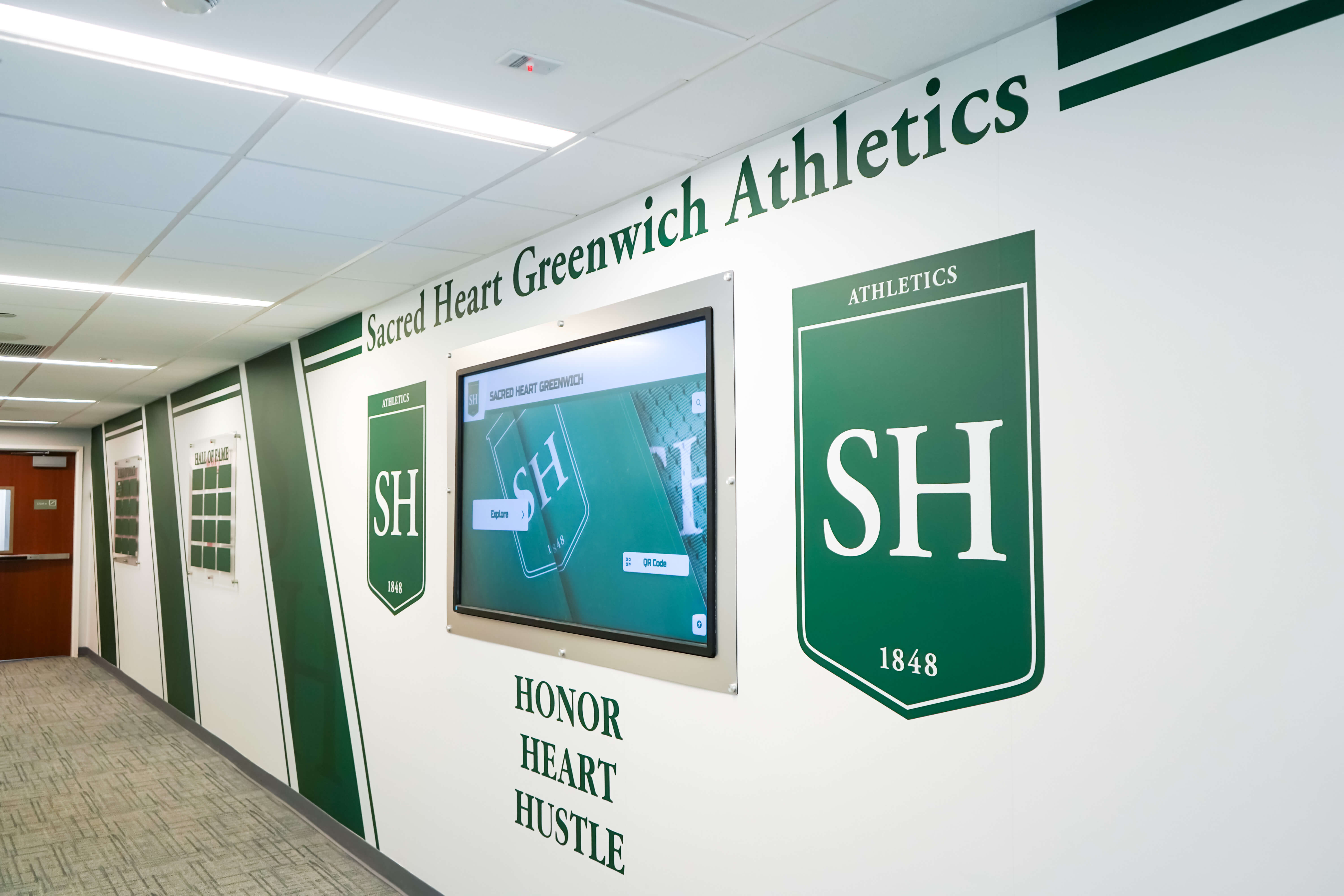
Digital recognition platforms preserve comprehensive senior tributes accessible to current and future community members
Connecting Past and Present
Digital platforms create valuable connections between graduating seniors and program history through alumni profiles showing distinguished career graduates, historical recognition enabling seniors to see predecessors from their positions or hometowns, year-by-year senior class documentation preserving program evolution, and searchable databases enabling exploration of decades of program participation.
These connections help seniors understand themselves as parts of continuing traditions while providing inspiration and perspective about program legacies they contributed to and will soon join as alumni.
Post-Graduation Updates and Legacy Continuation
Unlike static plaques documenting only high school or college careers, digital recognition allows ongoing profile updates as seniors progress through post-graduation lives including college athletic continuation and achievements, academic accomplishments and degree completion, professional career developments and achievements, personal milestones like marriages or children, and continued connections to programs through volunteering, mentoring, or support.
Ongoing updates demonstrate that institutions continue caring about graduates beyond their immediate competitive utility while maintaining alumni connections supporting future program success.
Integration With Senior Day Ceremonies
Digital recognition platforms enhance rather than replace traditional ceremonies by extending impact before, during, and after events.
Pre-Ceremony Content as Promotion
Publish senior recognition profiles before Senior Day ceremonies to build anticipation and engagement through social media promotion featuring profile previews, family sharing of digital recognition with extended networks, community viewing of senior accomplishments prior to ceremonies, and underclassmen exposure to senior contributions and examples.
Pre-event content builds ceremony attendance and engagement while demonstrating institutional investment in comprehensive recognition.
Ceremony Day Display and Engagement
Integrate digital displays into ceremonies through lobby or entrance displays showing senior profiles as attendees arrive, halftime or break engagement allowing community exploration during events, post-ceremony gathering areas featuring recognition displays, and photography backdrops showcasing digital senior tributes.
Live integration creates engagement opportunities and directs community attention to permanent recognition available beyond ceremony moments.
Post-Ceremony Continuation and Sharing
Following Senior Day, digital platforms enable continued engagement through family and alumni sharing of recognition profiles, social media continuation featuring comprehensive biographies and highlights, permanent accessibility ensuring recognition endures indefinitely, and annual alumni updates maintaining engagement and connections.
Digital preservation ensures Senior Day recognition impact extends far beyond ceremony conclusion, creating lasting value for athletes, families, and programs.
Administrative Efficiency and Content Management
Beyond recognition benefits, digital platforms simplify Senior Day logistics through streamlined content collection and management.
Simplified Information Gathering
Digital platforms typically include online forms for senior information collection, file upload systems for photographs and videos, automated reminders ensuring timely content submission, centralized databases organizing all senior information, and quality control workflows ensuring accuracy before publication.
Structured collection processes reduce administrative burden while ensuring comprehensive, accurate content supporting quality recognition.
Template-Based Profile Creation
Professional recognition platforms provide pre-designed templates ensuring visual consistency, customizable layouts accommodating varying content amounts, automated formatting reducing manual design work, bulk processing capabilities for efficient multi-athlete profile creation, and preview functions allowing review before publication.
Template systems enable non-designers to create professional-quality recognition profiles efficiently while maintaining consistent visual standards across athletes and years.
Multi-Year Historical Preservation
Digital platforms organize senior recognition across decades through chronological browsing showing senior classes year by year, sport-specific filtering highlighting program-specific seniors, searchable archives enabling discovery of specific athletes, statistical leaderboards comparing achievements across eras, and complete historical documentation preserving institutional memory.
Comprehensive historical organization creates valuable program archives while supporting tradition building and alumni engagement.
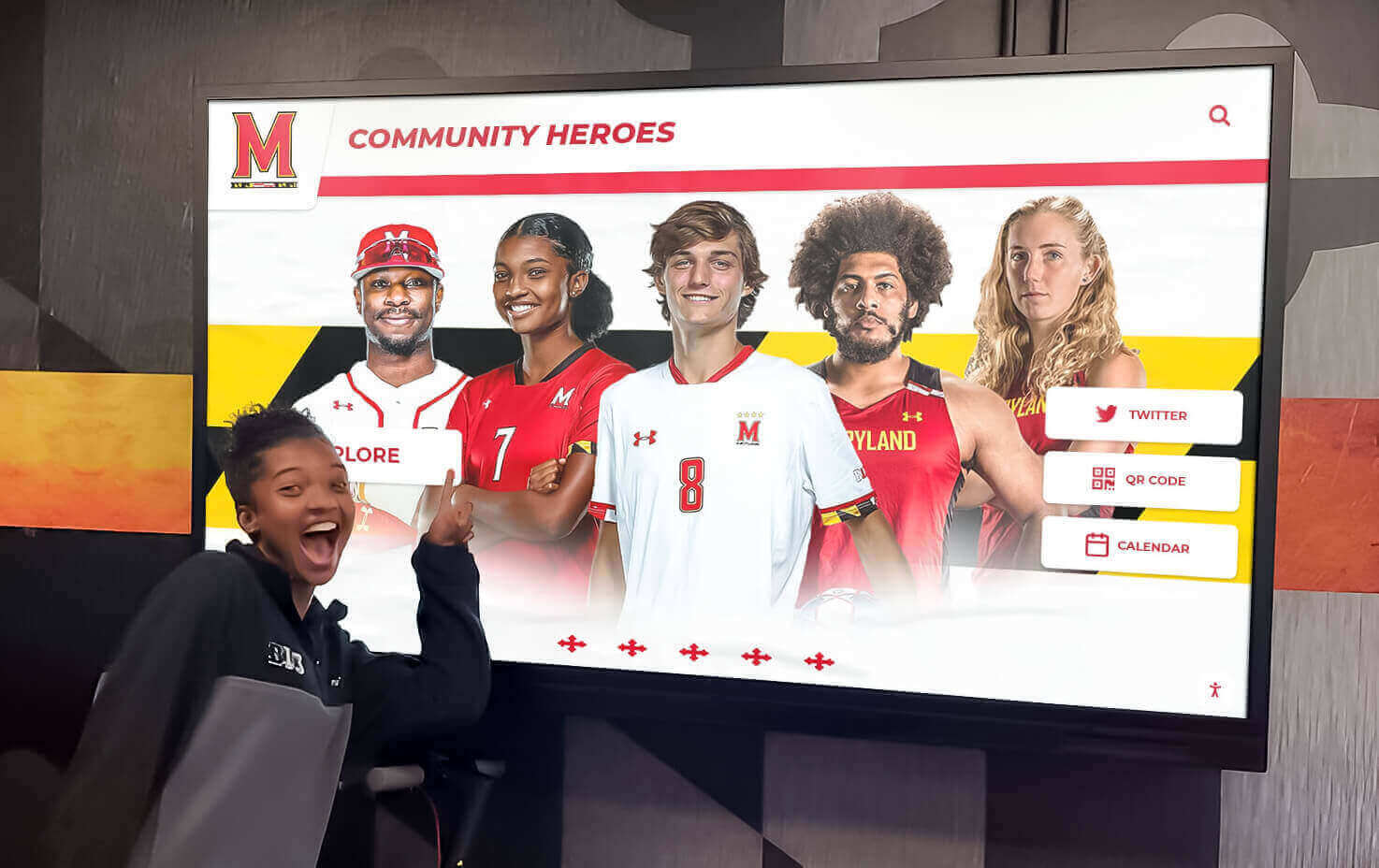
Digital platforms organize decades of senior recognition enabling historical exploration and program tradition preservation
Special Considerations for Different Senior Day Contexts
While core principles apply universally, Senior Day celebrations benefit from context-specific approaches addressing unique circumstances and needs across different competitive levels, sports, and situations.
High School Senior Day Celebrations
High school senior recognition carries particular emotional weight as many students conclude competitive athletic careers rather than continuing at collegiate levels.
Acknowledging That High School May End Athletic Careers
For most high school seniors, athletic participation concludes after graduation. Recognition should appropriately honor complete athletic journeys understanding these may be final competitive experiences through comprehensive career recognition spanning multiple sports when applicable, acknowledgment that athletics provided meaningful developmental experiences regardless of collegiate continuation, celebration of what athletics taught beyond competitive skills, and encouragement about applying athletic lessons to future pursuits.
Appropriate framing helps seniors process athletic career conclusions positively while transitioning to identities extending beyond athletics.
Multi-Sport Senior Athletes
Many high school seniors participate across multiple sports throughout years. Consider coordinated multi-sport recognition approaches including combined ceremonies honoring all sport participation, comprehensive profiles showing complete athletic involvement, and acknowledgment of versatility and dedication across programs.
Multi-sport recognition ensures athletes receive appropriate appreciation for complete athletic commitments rather than fragmented recognition treating each sport separately.
College Recruiting Considerations
For college-bound athletes continuing athletics, Senior Day recognition might incorporate celebrations of college commitments and scholarship achievements, recognition of recruiting processes and decisions, acknowledgment of coaches supporting recruitment, and connection between high school foundations and future opportunities.
Appropriate celebration of college transitions honors successful recruitment while maintaining focus on high school career commemoration.
Collegiate Senior Day Celebrations
College senior recognition honors athletes who achieved goals of competing at higher levels while often marking true endings of competitive careers for most graduates.
Academic Achievement at Higher Education Level
College athletes balance rigorous Division I, II, or III athletic demands with genuine academic coursework. Recognition should emphasize impressive academic achievements including degree completion often in demanding majors, successful balance of athletic and academic Division requirements, academic honors and distinctions, and graduate school admissions and professional career preparations.
Academic recognition validates that college student athletes excel beyond athletics while preparing for life after sports.
Fifth-Year Seniors and Graduate Students
Additional eligibility years create unique recognition situations requiring thoughtful approaches for athletes honored in previous senior classes but returning with remaining eligibility, graduate students competing while pursuing advanced degrees, medical redshirt athletes with extended careers, and COVID-year athletes with extra eligibility.
Clear policies determine when athletes receive primary senior recognition while appropriately acknowledging those with extended careers or returning eligibility.
Professional Aspirations and Elite Competition
Some college seniors pursue professional athletic careers or elite competitive opportunities including professional sport draft prospects, Olympic or national team aspirations, international competition opportunities, and semi-professional athletic pursuits.
Recognition can appropriately celebrate elite achievement potential while maintaining focus on college career commemoration regardless of professional outcomes.
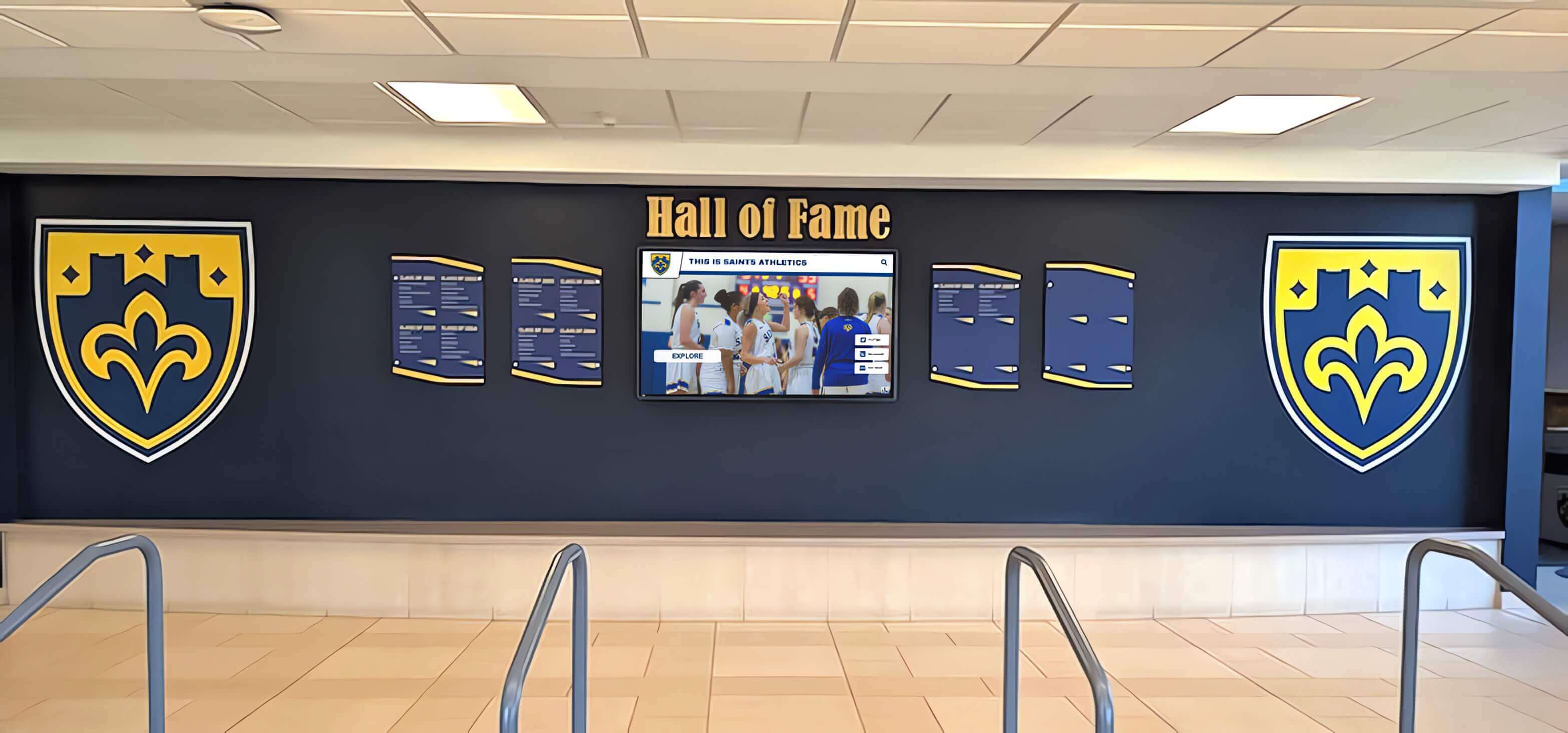
College Senior Day celebrations honor achievement of competing at higher levels while preparing athletes for post-competitive lives
Sport-Specific Senior Day Approaches
Different sports present unique logistical and cultural considerations affecting optimal Senior Day formats.
Team Sport Ceremonies
Team sports like football, basketball, soccer, volleyball, lacrosse, and hockey typically feature pre-game or halftime ceremonies with processional athlete and family entry, individual introductions with biographical readings, team photograph opportunities, and ceremonial first lineups or starting positions for seniors.
Team sport settings provide built-in audiences and natural ceremony moments while creating emotionally charged competitive atmospheres.
Individual and Dual Sport Recognition
Sports like tennis, golf, swimming, diving, track and field, cross country, and wrestling require adapted recognition approaches including meet day recognition during competition warmups or breaks, dedicated senior recognition meets focusing on senior celebration, season-end senior acknowledgments during final competitions, or separate senior day events outside competition formats.
Individual sport recognition may require creativity accommodating competition formats that make traditional ceremonies challenging.
Season Timing and Weather Considerations
Sport season timing affects ceremony planning through spring sport outdoor venues with weather contingencies, fall sport Senior Days often conflicting with playoffs and championships, winter sport indoor venues with limited family accommodation, and multi-season sports requiring decisions about primary recognition timing.
Season-specific planning accounts for weather, facility limitations, and competitive schedule pressures affecting ceremony quality and family participation.
Addressing Challenging Senior Day Situations
Some circumstances require sensitive approaches ensuring all seniors receive appropriate recognition despite complicated situations.
Athletes Not Playing Due to Injury or Circumstances
Injured or non-participating seniors deserve equal recognition through full participation in ceremonies regardless of playing status, acknowledgment of contributions extending beyond current season, recognition of perseverance through injury or difficulty, and celebration of complete careers rather than only final seasons.
Inclusive recognition ensures seniors facing disappointments still experience appropriate appreciation and celebration.
Athletes Who Left Programs or Transferred
Thoughtfully handle recognition of athletes who left programs before senior years through acknowledgment of contributions during participation tenures, appropriate inclusion in historical recognition when applicable, and sensitive handling of departures that may have involved conflict or difficulty.
Professional, respectful approaches honor athletes’ contributions while avoiding uncomfortable situations or inappropriate recognition.
Athletes With Behavioral or Academic Challenges
Seniors facing disciplinary or academic issues create recognition dilemmas requiring balanced approaches that maintain recognition standards while avoiding punishment that extends beyond athletic participation removal, acknowledge that mistakes or challenges don’t erase positive contributions, and demonstrate that institutions separate behavioral consequences from fundamental human dignity and appropriate recognition.
Contextual decisions balance accountability with compassion while considering specific circumstances and institutional values.
Building Sustainable Senior Day Traditions
Individual Senior Day celebrations create immediate impact, but sustained traditions developed over years create cumulative value strengthening program culture and institutional identity.
Establishing Consistent Recognition Standards
Predictable, consistent Senior Day approaches create expectations and traditions rather than varying celebrations that feel arbitrary or dependent on particular coaches or administrators.
Documented Senior Day Policies and Procedures
Formalize recognition through written Senior Day policies specifying eligibility criteria for senior recognition, ceremony format and content standards, family participation expectations and guidelines, recognition materials provided to all seniors, documentation and photography standards, and budget allocation and resource commitments.
Documentation ensures consistency across coaching changes, administrative transitions, and year-to-year variations while preventing arbitrary decisions about recognition approaches.
Equitable Recognition Across Sports and Genders
Ensure all athletic programs receive comparable Senior Day support through equivalent ceremony formats regardless of sport profile, similar recognition materials and quality across programs, comparable financial resources supporting ceremonies, equal promotion and institutional attention, and consistent digital recognition standards across all athletic programs.
Equitable treatment demonstrates that institutions value all athletes equally regardless of sport revenue, attendance, or competitive success.
Continuous Improvement Based on Experience
Treat Senior Day planning as iterative process improving through regular assessment gathering athlete, family, and coach feedback, review of what elements resonated and what felt less meaningful, comparison to peer institutions and recognition best practices, and annual refinement improving ceremonies year over year.
Continuous improvement maintains program quality and relevance rather than repeating identical ceremonies without critical evaluation.
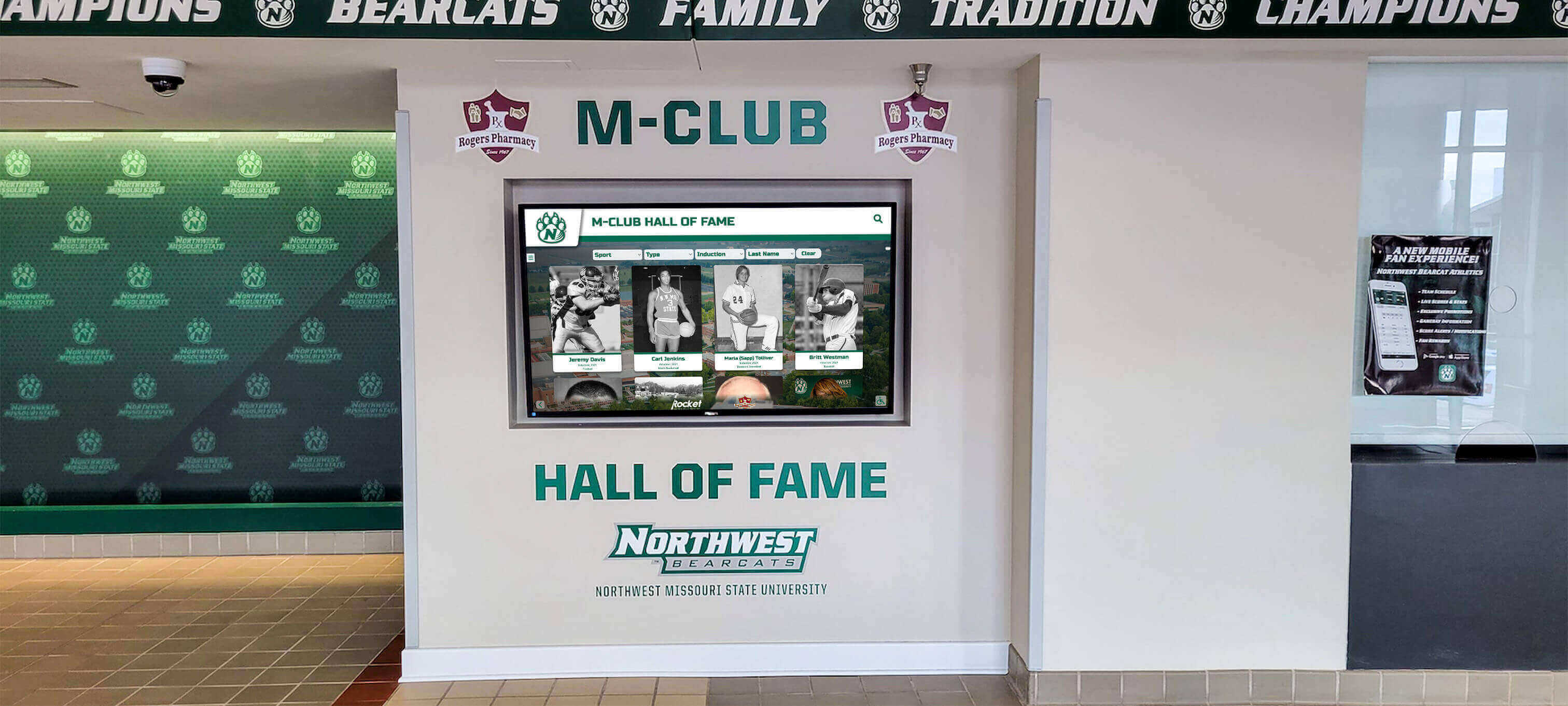
Consistent Senior Day traditions developed across years strengthen program culture and institutional identity
Connecting Senior Day to Broader Recognition Programs
Senior Day represents one component of comprehensive athletic recognition systems creating consistent cultures celebrating achievement and commitment.
Year-Round Recognition Systems
Integrate Senior Day into broader recognition including student athlete of the week or month honors, academic all-conference recognition, character and leadership awards, team award ceremonies at season conclusion, and historical achievement displays preserving program legacies.
Comprehensive recognition systems create consistent cultures where appreciation permeates programs rather than concentrating exclusively on senior ceremonies.
Digital Recognition Platform Integration
Digital recognition displays unify diverse recognition initiatives through consolidated platforms showing seniors alongside other awards and achievements, searchable databases enabling exploration across recognition categories, consistent visual presentation creating professional institutional branding, and permanent preservation accessible to current and future community members.
Unified digital platforms create comprehensive recognition ecosystems that extend far beyond individual Senior Day ceremonies while maintaining permanent accessibility.
Alumni Engagement and Continued Connection
Leverage senior recognition to build alumni relationships supporting programs through invitation of distinguished alumni to participate in ceremonies, recognition of milestone anniversary senior classes returning for celebrations, alumni mentorship programs connecting graduates with current seniors, and ongoing communication maintaining relationships beyond graduation.
Senior Day represents the beginning of alumni relationships rather than endpoints, creating foundations for lifelong connections benefiting programs and graduates mutually.
Implementation Guide: Creating Your Senior Day Program
Schools and athletic programs ready to enhance senior recognition benefit from systematic implementation approaches ensuring quality while managing resources and logistics effectively.
Budget Planning and Resource Allocation
Successful Senior Day celebrations require appropriate resource investments balanced against competing priorities and budget realities.
Essential Budget Components
Comprehensive budgets address ceremony materials including programs, flowers, or gifts for seniors and families, recognition items like plaques, frames, or commemorative pieces, facility decorations and ceremony staging, photography and videography documentation, digital recognition platform licensing and implementation if applicable, and administrative time coordinating planning and execution.
Clear budgeting ensures adequate resources supporting quality recognition while preventing last-minute compromises due to insufficient funding.
Funding Sources and Partnerships
Creative funding approaches supplement athletic department budgets through booster club support and fundraising, parent-teacher organization contributions, alumni association funding for senior recognition, local business sponsorships and partnerships, foundation grants supporting athletic programs, and donor recognition opportunities linking major gifts to senior recognition endowments.
Diversified funding creates sustainable recognition programs less vulnerable to single budget source fluctuations.
Cost-Effective Approaches Maintaining Quality
Programs with limited resources can implement meaningful recognition through phased implementation starting with core elements and expanding over time, hybrid approaches mixing traditional and digital recognition, student or parent volunteer photographers supplementing professional documentation, partnership with school media programs integrating recognition into curriculum, and modest but thoughtful recognition items emphasizing meaning over expense.
Quality recognition depends more on authenticity and care than on expensive materials, enabling meaningful ceremonies within various budget constraints.
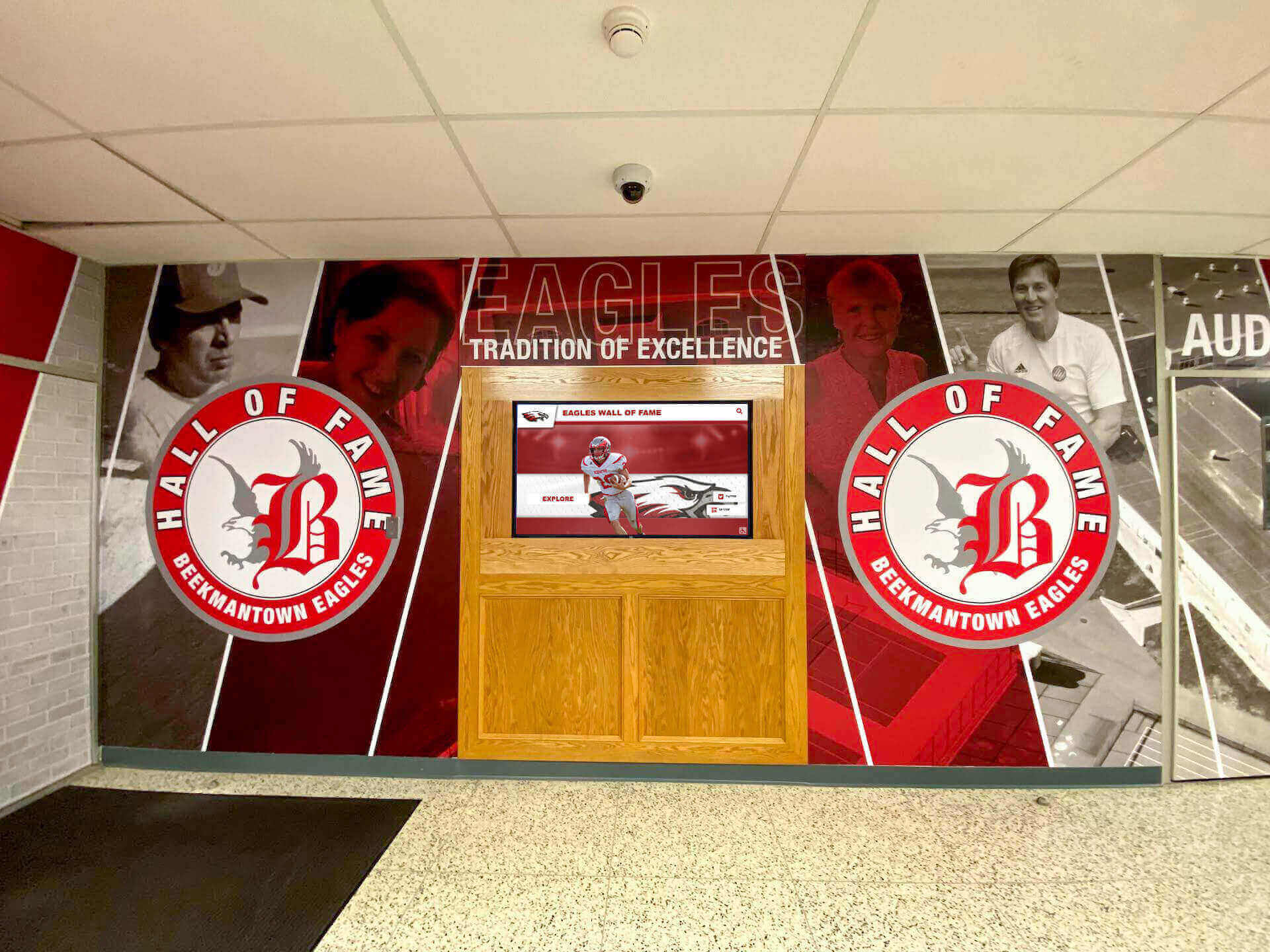
Meaningful Senior Day recognition depends more on authenticity than expensive production, enabling quality within diverse budgets
Building Stakeholder Support and Engagement
Successful Senior Day programs require support from multiple constituencies including athletes, coaches, families, administrators, and communities.
Coach and Athletic Department Buy-In
Engage coaching staffs as primary recognition advocates through early involvement in ceremony planning and format decisions, clear communication about planning timelines and coach responsibilities, recognition that quality ceremonies support recruiting and program culture, efficiency in processes minimizing coach time burden, and demonstration that recognition strengthens programs coaches lead.
Coach support proves essential as primary athlete and family contacts who communicate recognition value and facilitate participation.
Family Communication and Involvement
Engage families as partners in recognition through early communication about Senior Day dates and ceremony formats, clear explanation of information needed and submission deadlines, invitations to participate in ceremony planning when appropriate, advance ceremony details enabling family travel and attendance planning, and post-ceremony follow-up with photographs and appreciation for participation.
Well-informed, engaged families become Senior Day advocates while preventing logistical difficulties from inadequate communication or unclear expectations.
School and Community Promotion
Build attendance and engagement through school-wide promotion of Senior Day events, social media campaigns featuring senior previews, local media outreach encouraging community support, connection to broader school traditions and community events, and engagement of younger athletes and students as ceremony participants.
Promotion transforms Senior Day into community celebrations rather than team-only events, maximizing attendance and impact while demonstrating institutional support for athletics.
Technology Selection for Digital Recognition
Programs implementing digital recognition platforms benefit from systematic evaluation ensuring selected solutions meet specific needs and contexts.
Key Platform Capabilities to Evaluate
Important considerations include intuitive content management enabling non-technical staff to maintain recognition, flexible organization accommodating sports, years, and achievement types, rich multimedia support for photos, videos, and detailed content, search and filtering functionality enabling discovery, responsive design ensuring quality display across devices, accessible web portals extending reach beyond physical displays, analytics tracking engagement and informing improvements, and reliable vendor support and customer success assistance.
Platforms like Rocket Alumni Solutions specialize in educational and athletic recognition, providing purpose-built functionality addressing common institutional needs and challenges.
Implementation Timeline and Resource Requirements
Digital recognition implementation requires realistic timelines for hardware selection, procurement, and installation if using physical displays, content management system configuration and customization, staff training on platform operation and content creation, initial content development including historical senior recognition, testing and quality assurance before launch, and promotional campaigns driving awareness and engagement.
Typical implementations require 3-6 months from selection to full launch, with phased approaches enabling faster initial deployment followed by progressive feature expansion.
Vendor Selection and Partnership
Quality vendor relationships matter beyond initial platform capabilities through responsive customer support and technical assistance, proactive training and best practice sharing, regular platform updates and feature enhancements, flexibility accommodating institutional needs and changes, and demonstrated success with similar institutions.
Athletic recognition solutions proven in educational contexts typically provide smoother implementations and better long-term value than generic digital signage platforms lacking specialized recognition functionality.
Conclusion: Honoring Athlete Legacies Through Meaningful Celebration
Senior Day celebrations represent far more than ceremonial obligations—they create powerful moments validating years of athlete dedication, honoring family sacrifices, preserving program legacies, and strengthening traditions that inspire current and future participants. When executed thoughtfully with genuine care and appropriate resources, these recognition events demonstrate that institutions value athletes as complete people, appreciate contributions extending beyond statistics and wins, and commit to honoring commitments appropriately rather than discarding athletes once competitive utility concludes.
The most meaningful Senior Day celebrations balance tradition with innovation, honor time-tested ceremonial elements while leveraging modern recognition technologies extending impact indefinitely. They create immediate emotional experiences through carefully planned ceremonies featuring personal recognition, family participation, and community celebration, while ensuring senior legacies endure through comprehensive digital profiles accessible to current and future community members.
Schools and athletic programs committed to quality Senior Day recognition benefit from systematic approaches including early planning with adequate timelines and communication, personalized recognition demonstrating specific knowledge of individual athletes, family-centered ceremonies appropriately honoring parental support, integration of digital recognition displays preserving senior tributes permanently, consistent traditions developed across years rather than varying ceremonies, equitable recognition across sports and athlete profiles, continuous improvement based on stakeholder feedback, and sustainable resource allocation ensuring quality continues across budget cycles.
Whether celebrating high school seniors concluding athletic careers or college athletes transitioning to post-competitive lives, thoughtful Senior Day recognition communicates values extending far beyond ceremony moments—values about human dignity, appreciation for commitment, recognition of growth and development, and institutional commitments to athletes as people rather than merely competitive assets. These celebrations strengthen program cultures, build traditions, engage communities, and create lasting memories treasured by athletes, families, and institutions alike.
Ready to transform how your school or program celebrates senior athletes? Modern recognition solutions like Rocket Alumni Solutions provide comprehensive platforms designed specifically for athletic recognition, offering intuitive content management, engaging interactive displays, unlimited digital space for senior profiles, and proven approaches helping institutions honor athlete legacies appropriately while building traditions strengthening programs for generations to come.
Your senior athletes deserve recognition matching their dedication—meaningful celebrations honoring complete contributions, creating lasting memories, and preserving legacies inspiring future generations to pursue excellence, embody character, and contribute to traditions larger than individual achievements.































