When students engage with their communities through meaningful service while reflecting on the experience and connecting it to academic learning, something remarkable happens. They develop empathy, build critical thinking skills, strengthen civic responsibility, and discover the profound satisfaction that comes from making a genuine difference. Service learning projects combine community service with intentional learning objectives, creating experiences that benefit both students and the communities they serve.
Yet many schools struggle to move beyond isolated volunteer activities that lack connection to curriculum or fail to create lasting impact. Students might collect canned goods or complete one-time cleanup days without understanding root causes, developing sustained engagement, or reflecting on how service connects to larger social issues and their own growth. Meanwhile, community organizations receive inconsistent support that doesn’t address their most pressing needs.
This comprehensive guide explores service learning projects that create meaningful impact for communities while providing rich developmental experiences for students. You’ll discover implementation frameworks, project ideas across multiple domains, strategies for recognizing student service achievements, and approaches for building sustainable programs that make genuine differences.
Service learning differs fundamentally from traditional community service through its integration of academic learning objectives, structured reflection, and reciprocal partnerships where students and community members learn from one another. When executed thoughtfully, these projects develop students into engaged citizens while addressing real community needs through sustained, well-designed interventions.
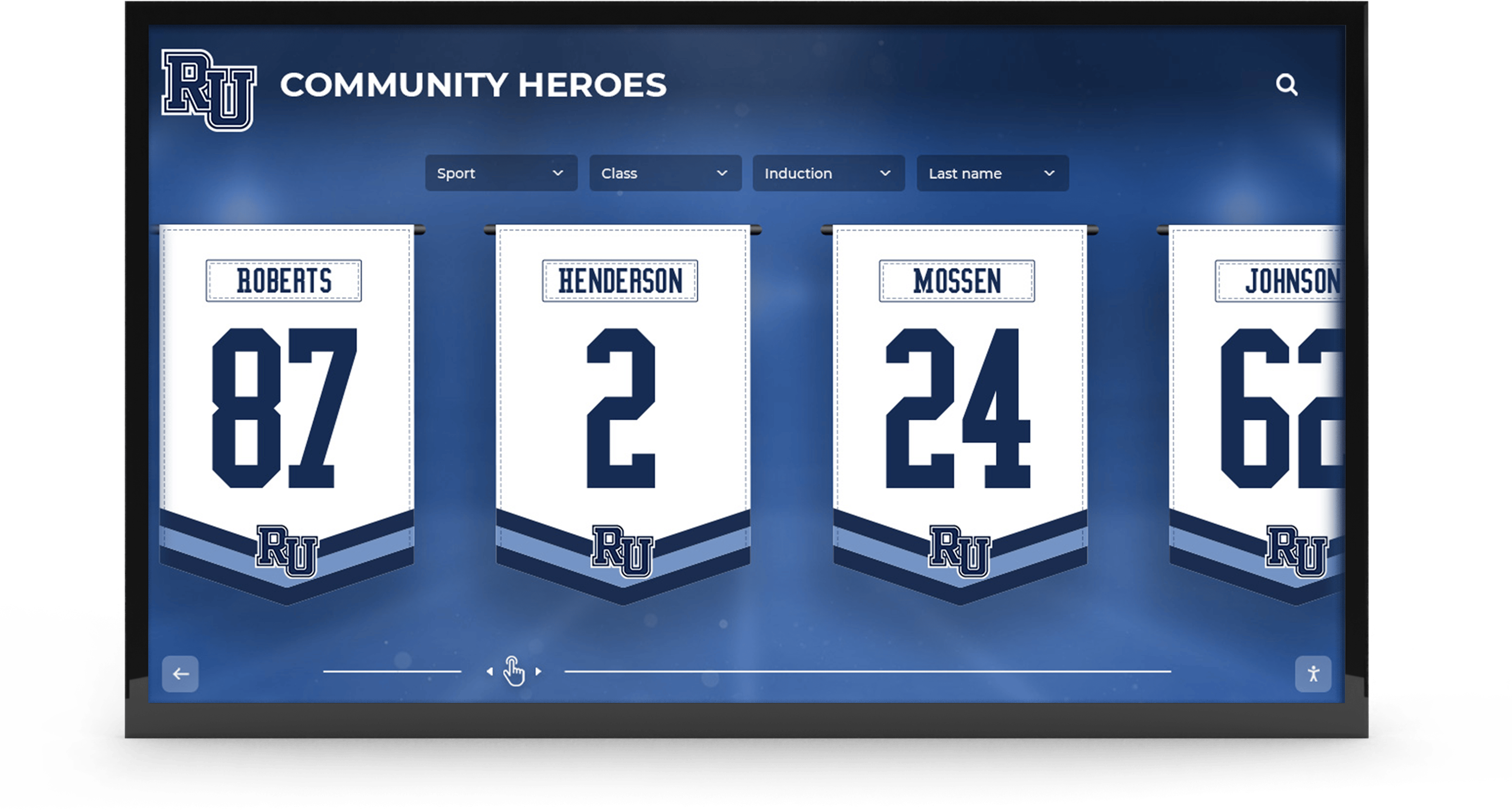
Recognizing student community service achievements inspires continued engagement and validates contributions
Understanding Service Learning: More Than Just Volunteering
Service learning represents a teaching methodology that combines community service with academic instruction, focusing on critical reflection and civic responsibility. This pedagogical approach distinguishes itself from traditional volunteering through several key characteristics that maximize both educational and community impact.
Core Elements of Effective Service Learning
Authentic service learning incorporates essential components that ensure experiences benefit all participants while achieving educational objectives:
Meaningful Service: Projects address actual community needs identified through partnership with community organizations rather than manufactured activities designed primarily for student benefit. Authentic service responds to real problems with solutions community partners genuinely value.
Curriculum Integration: Service connects explicitly to academic content, standards, and learning objectives across disciplines. Students might analyze environmental data in science while restoring local habitats, explore economic concepts while supporting small business development, or examine historical patterns of inequality while addressing contemporary social justice issues.
Structured Reflection: Intentional reflection activities—journaling, discussion, presentations, creative expression—help students process experiences, connect service to learning objectives, examine personal growth, and develop deeper understanding of complex social issues. Reflection transforms service from doing to learning.
Reciprocity: True service learning creates mutual benefit where students and community partners learn from one another in relationships based on respect rather than charity. This reciprocal approach values community expertise while recognizing that students gain as much or more than they give through service experiences.
Student Voice: Effective programs incorporate student input in planning, implementation, and evaluation rather than positioning students as passive volunteers following adult directives. Student ownership increases engagement, develops leadership skills, and ensures projects reflect authentic youth perspectives.
Sustained Engagement: Meaningful impact typically requires ongoing commitment rather than one-time activities. Multi-session or semester-long projects enable students to develop relationships, understand complexity, see tangible results, and experience the sustained effort genuine change requires.
Understanding these foundational elements helps educators design service learning experiences that avoid common pitfalls—treating service as add-on rather than integral learning, imposing student ideas without community input, neglecting reflection, or prioritizing student learning at community expense.
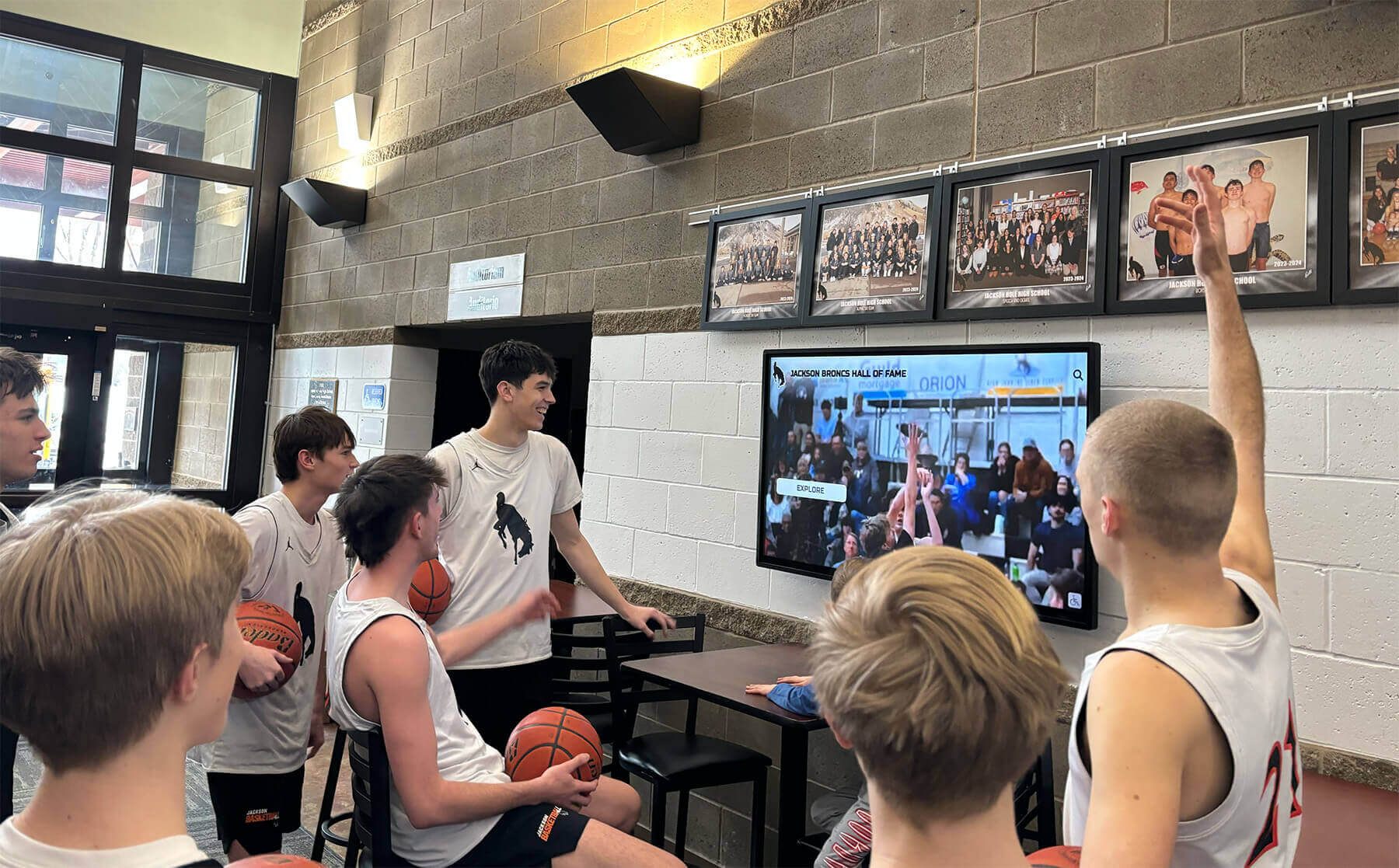
Creating visibility for service achievements motivates continued community engagement among students
Benefits of Service Learning Programs
Research consistently demonstrates that well-designed service learning produces significant benefits across multiple dimensions for students, schools, and communities.
Academic Achievement Impact
- Students participating in quality service learning show improved grades and test scores compared to non-participating peers
- Service learning enhances critical thinking, problem-solving, and analytical skills through real-world application
- Academic content becomes more meaningful and memorable when connected to authentic community contexts
- Students develop research, presentation, and communication skills through project documentation and sharing
Personal and Social Development
- Service experiences build empathy, cultural competence, and understanding of diverse perspectives
- Students develop confidence, self-efficacy, and leadership capabilities through meaningful contribution
- Collaborative project work strengthens teamwork, conflict resolution, and interpersonal skills
- Reflection activities enhance self-awareness and understanding of personal values and beliefs
Civic Engagement Formation
- Service learning creates foundation for lifelong civic participation and community involvement
- Students develop understanding of democratic processes, social systems, and pathways for creating change
- Meaningful service experiences increase likelihood of future volunteering and civic action
- Young people develop sense of agency—belief that their actions can make genuine differences
Career and College Readiness
- Service learning provides concrete examples of leadership, initiative, and impact for college applications
- Students explore potential career paths and develop relevant skills through authentic work contexts
- Community connections create mentorship opportunities and professional network development
- High school achievement recognition of service accomplishments enhances student profiles
Community Benefits
- Well-designed projects provide genuine assistance addressing community organization capacity gaps
- Student energy, creativity, and fresh perspectives offer valuable resources to community partners
- Service learning creates positive intergenerational connections and challenges negative youth stereotypes
- Sustained programs build long-term community-school partnerships that benefit both institutions
These multifaceted benefits explain why service learning has gained widespread adoption across educational settings from elementary through university levels. The key lies in thoughtful implementation that maintains focus on quality rather than quantity of service hours.
Service Learning Project Categories and Ideas
Effective service learning addresses diverse community needs across multiple domains. The following categories provide frameworks for designing projects that align with student interests, academic objectives, and authentic community needs.
Environmental and Sustainability Projects
Environmental service learning connects students to ecological issues while creating tangible improvements in local environments.
Habitat Restoration and Conservation
- Stream restoration projects removing invasive species and planting native vegetation
- Wildlife habitat creation including nesting boxes, pollinator gardens, and bat houses
- Trail maintenance and development in local parks and natural areas
- Wetland monitoring and protection initiatives
- Coastal cleanup and dune restoration projects
Students integrate science standards studying ecosystems, biodiversity, and environmental systems while engaging in hands-on conservation work. Long-term monitoring projects enable students to collect authentic data, analyze trends, and contribute to scientific understanding of local environments.
School and Community Sustainability Initiatives
- Comprehensive waste audits identifying reduction and diversion opportunities
- Composting program development for cafeteria and landscape waste
- School garden establishment providing fresh produce for cafeterias or food banks
- Energy efficiency assessments and conservation campaigns
- Water conservation projects including rain gardens and rainwater harvesting systems
These projects connect to multiple disciplines—science, math, economics, communications—while creating measurable environmental impact. Students develop project management, data analysis, and persuasive communication skills while addressing real sustainability challenges.
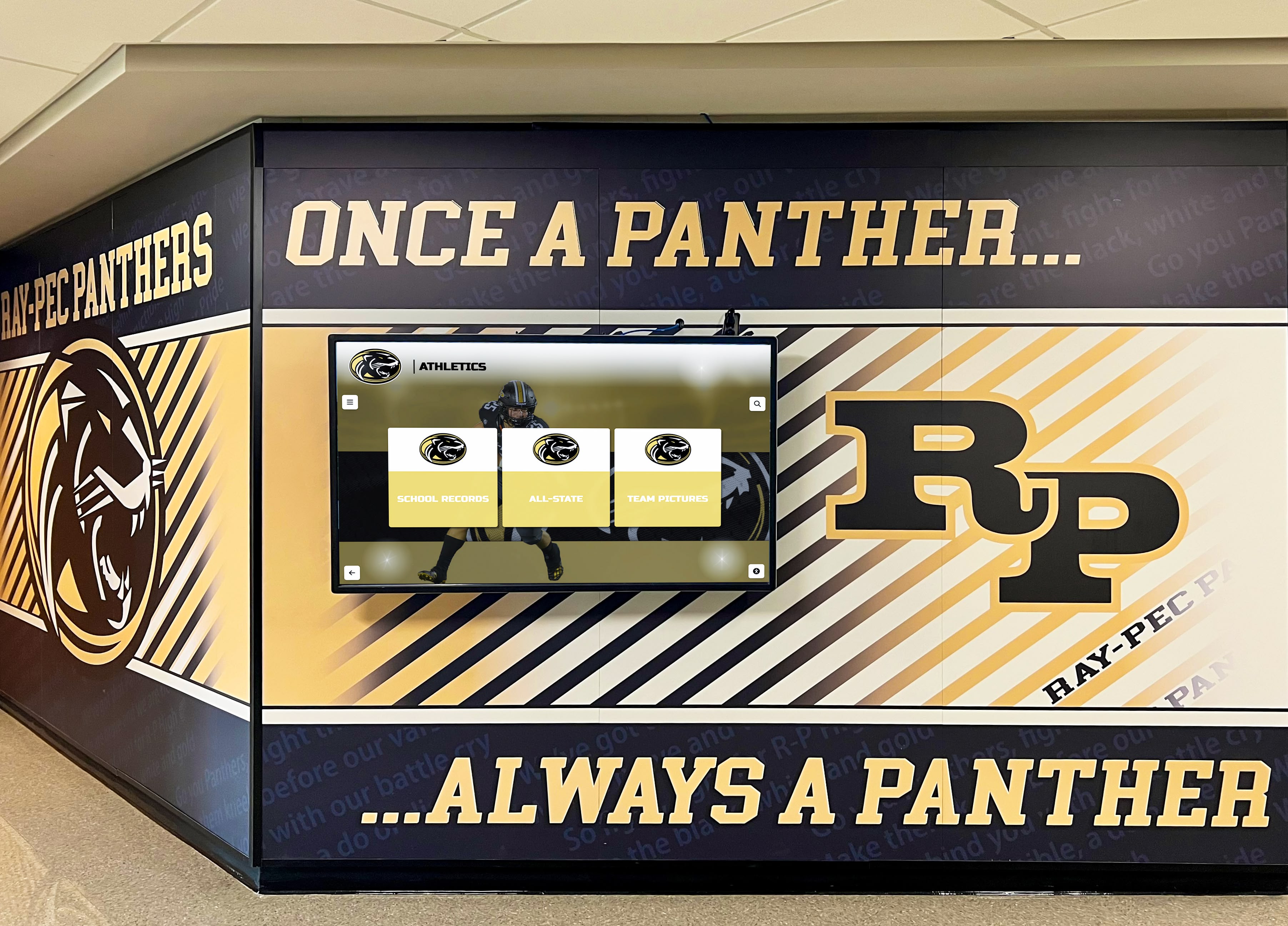
Strategic placement of service recognition displays in high-traffic areas celebrates student contributions
Community Environmental Education
- Elementary environmental education programs teaching younger students about local ecosystems
- Community workshop facilitation on composting, water conservation, or sustainable living
- Nature trail development with interpretive signage educating visitors
- Environmental awareness campaigns addressing local issues like water quality or air pollution
- Citizen science projects engaging community members in data collection
Education-focused environmental service learning develops students’ communication and teaching skills while multiplying impact as they equip others to make environmentally responsible choices.
Food Security and Nutrition Projects
Food insecurity affects millions of families, creating opportunities for meaningful student engagement addressing hunger while exploring complex social issues.
Food Production and Distribution
- Community garden development providing fresh produce for food banks or community centers
- School garden programs supplying cafeterias or teaching nutrition education
- Mobile food pantry support assisting with distribution logistics
- Gleaning projects harvesting surplus from farms for food assistance organizations
- Greenhouse operations extending growing seasons and production capacity
Food production projects integrate science, math, and health education while creating tangible resources addressing nutrition access gaps. Students learn agricultural systems, nutrition science, and food justice issues while growing real food for community members experiencing food insecurity.
Hunger Relief and Food Recovery
- Food bank sorting, packing, and distribution assistance
- Food rescue programs collecting surplus from restaurants or grocery stores
- Weekend backpack programs providing food for students facing food insecurity
- Community meal preparation for shelters, senior centers, or community dinners
- Food preservation projects creating shelf-stable donations from surplus fresh produce
Direct service projects connect students to community members, building empathy and understanding of food insecurity while providing essential support. Reflection activities help students explore root causes and systemic factors contributing to hunger rather than viewing food insecurity as individual failure.
Nutrition Education and Cooking Skills
- Cooking classes teaching meal preparation on limited budgets
- Nutrition education workshops for elementary students, families, or seniors
- Recipe development creating healthy, affordable meal guides
- Community kitchen programs building food preparation skills and confidence
- Garden-based learning programs connecting children to food sources
Education-focused food projects address knowledge and skill gaps while empowering community members with capabilities for healthier, more affordable eating. Students develop teaching, curriculum development, and communication skills while addressing nutrition challenges.
Literacy and Educational Support Projects
Educational service learning creates opportunities for students to serve as tutors, mentors, and educational program leaders while reinforcing their own learning.
Reading and Literacy Programs
- Elementary reading buddy programs pairing older students with early readers
- Adult literacy tutoring supporting community members developing English or literacy skills
- Book collection and distribution creating home libraries for children without books
- Digital literacy programs teaching technology skills to seniors or underserved populations
- Storytelling programs engaging preschoolers or library program participants
Literacy projects benefit both tutors and students, with research showing that students who teach reading improve their own literacy skills while building confidence and communication abilities. These programs address educational inequity while creating meaningful cross-age relationships.
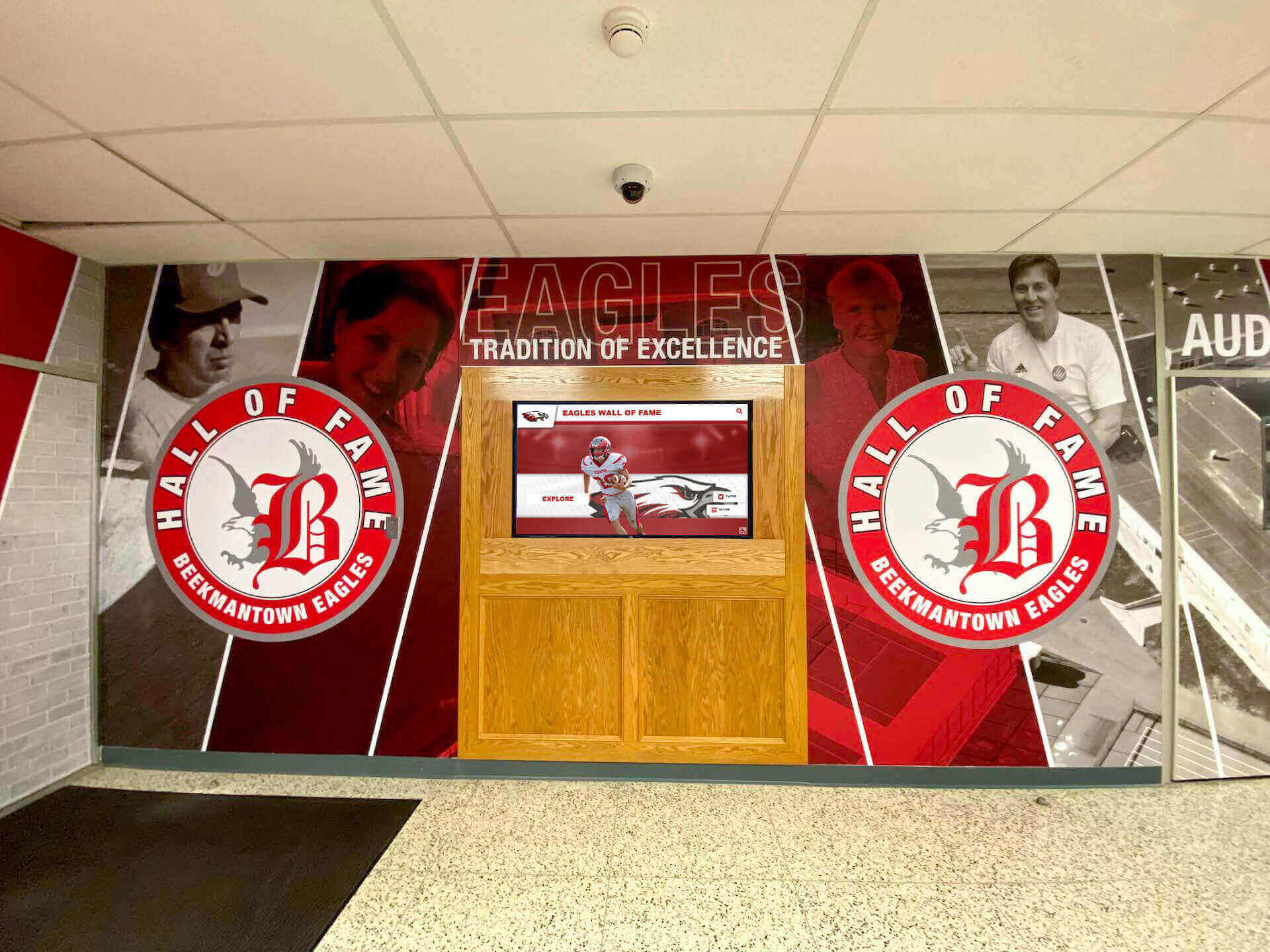
Prominent recognition displays communicate that service achievements receive equal honor to athletic and academic excellence
Academic Tutoring and Mentoring
- After-school homework help programs supporting elementary or middle school students
- Subject-specific tutoring in math, science, or other areas where students excel
- Test preparation assistance for standardized assessments
- College application mentoring helping students navigate application processes
- STEM program leadership introducing younger students to science and technology
Tutoring and mentoring projects provide academic support while developing leadership, patience, and communication skills in student tutors. Programs addressing achievement gaps make direct contributions to educational equity while helping tutors master content through teaching.
Educational Program Development
- Summer learning program creation preventing summer slide for elementary students
- Science and technology education initiatives like coding clubs or robotics workshops
- Arts education programs teaching music, drama, visual arts, or creative writing
- Career exploration workshops connecting middle school students to various professions
- Academic enrichment camps providing engaging summer learning experiences
Program development projects require students to design curriculum, plan logistics, manage budgets, and coordinate implementation—developing sophisticated project management and leadership capabilities while creating educational opportunities for younger students.
Senior Support and Intergenerational Projects
Older adults represent valuable but often overlooked service learning partners, with intergenerational programs benefiting both students and seniors.
Companionship and Social Connection
- Regular visits to senior centers or assisted living facilities
- Technology assistance teaching seniors smartphone, tablet, or computer skills
- Letter writing or card creation connecting isolated seniors with community
- Oral history projects documenting seniors’ life experiences and historical perspectives
- Reading or musical performances entertaining and engaging senior audiences
Social isolation significantly impacts senior health and wellbeing. Student companionship provides meaningful connection while enabling students to learn from seniors’ experiences, gain historical perspectives, and develop respect for elders. These relationships often become deeply meaningful for both generations.
Practical Assistance Programs
- Yard work and home maintenance for seniors with limited mobility
- Grocery shopping or errand assistance for homebound seniors
- Technology setup and training helping seniors use devices for connection
- Meal delivery programs bringing nutritious food to homebound individuals
- Home safety assessments and modification assistance preventing falls and injuries
Practical support enables seniors to maintain independence and age in place while teaching students valuable life skills and building work ethic. Students learn home maintenance, time management, and responsibility while making concrete differences in seniors’ daily lives.
Memory Preservation and Legacy Projects
- Digital storytelling projects documenting seniors’ memories and experiences
- Scrapbook creation organizing photos and documents for families
- Life story writing capturing biographical narratives
- Family history research tracing genealogy and heritage
- Memorial gardens or recognition displays honoring community elders
Legacy projects honor seniors while preserving valuable community history and personal stories. Students develop interviewing, writing, multimedia production, and historical research skills while creating meaningful artifacts families treasure.
Community Improvement and Beautification
Physical improvement projects create visible community impact while building student pride and ownership in local spaces.
Public Space Enhancement
- Mural creation beautifying underpass walls, building exteriors, or community spaces
- Playground construction or renovation for community centers or underserved neighborhoods
- Community garden development creating shared growing spaces
- Park improvement projects including benches, picnic tables, or landscaping
- Little free library construction and installation promoting reading access
Beautification projects produce tangible, lasting improvements students can revisit and take pride in for years. These projects integrate arts, design, construction, and project management skills while addressing community aesthetics and functionality needs.
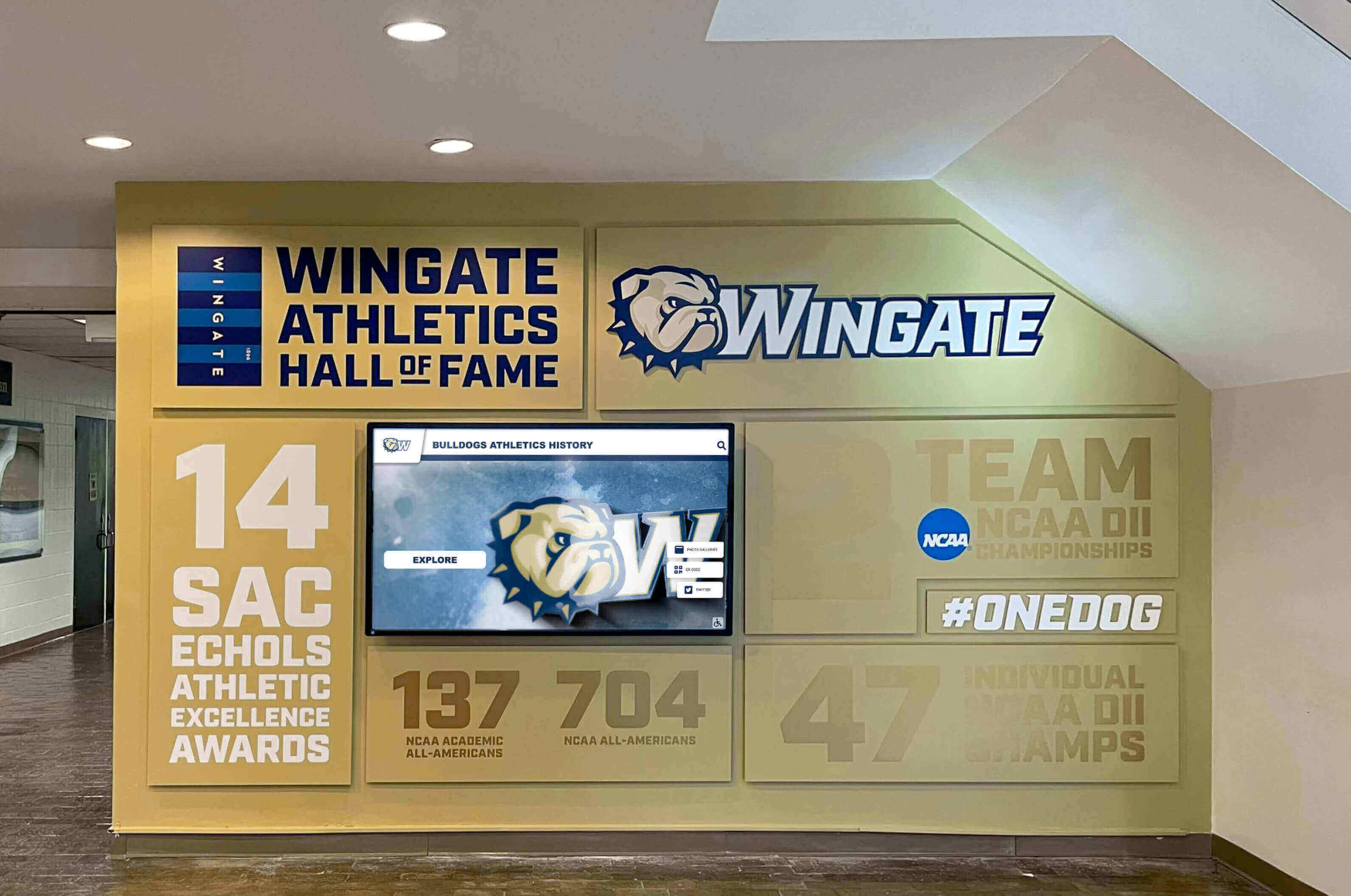
Comprehensive recognition systems celebrate service achievements alongside athletic and academic excellence
Neighborhood Revitalization
- Vacant lot cleanup and transformation into community assets
- Graffiti removal and prevention programs
- Neighborhood cleanup campaigns addressing litter and illegal dumping
- Historic building preservation and restoration projects
- Streetscape improvement including planter installation and maintenance
Revitalization projects tackle visible neighborhood challenges while teaching students about community development, urban planning, and civic improvement processes. Students learn that collective action can transform communities while developing investment in neighborhood wellbeing.
Community Safety and Accessibility
- Crosswalk painting and traffic safety improvements near schools
- Accessibility audit and improvement projects for public buildings
- Bike lane advocacy and infrastructure improvement
- Storm drain marking programs preventing water pollution
- Emergency preparedness education and planning assistance
Safety and accessibility projects connect to civic engagement, disability rights, and environmental protection while creating community improvements with direct quality-of-life impacts. Students engage with municipal systems, policy processes, and infrastructure development.
Social Justice and Advocacy Projects
Service learning can address systemic issues and empower students as advocates for positive social change.
Awareness Campaigns and Education
- Homelessness awareness projects educating community about local housing insecurity
- Racism and discrimination education initiatives
- Mental health awareness campaigns reducing stigma
- Environmental justice education addressing disproportionate environmental impacts
- Human rights education about global and local issues
Advocacy-focused service learning develops students’ understanding of complex social issues, persuasive communication skills, and belief that youth voices can influence community attitudes and policies.
Community Resource Connection
- Resource guide development connecting community members to available services
- Translation services supporting non-English speakers navigating systems
- Legal clinic support assisting with immigration, housing, or other legal issues
- Health fair organization connecting underserved populations to healthcare
- Social service navigation assistance helping families access benefits and programs
Connection projects address information and access gaps while teaching students about social service systems, inequality factors, and community resources. Students develop cultural competence, communication skills, and understanding of barriers many community members face accessing essential services.
Policy Advocacy and Civic Action
- Research and testimony on local policy issues affecting youth or communities
- Voter registration and civic participation campaigns
- Accessibility advocacy for improved disability accommodations
- Sustainable policy advocacy promoting environmental protection
- Youth voice initiatives ensuring young people influence decisions affecting them
Advocacy projects position students as active democratic participants rather than passive recipients of civic decisions. Through research, testimony, community organizing, and direct engagement with decision-makers, students learn that civic participation creates change while developing confidence in their voices and capabilities.
Implementing Effective Service Learning Programs
Successful service learning requires systematic planning, community partnership development, structured reflection, and continuous improvement. The following frameworks guide implementation that maximizes impact for students and communities.
Planning and Partnership Development
Strong community partnerships form the foundation of authentic, impactful service learning.
Identifying Community Needs
- Conduct formal community needs assessments through surveys, focus groups, or interviews
- Consult existing community plans, reports, and organizational priorities
- Engage community organizations in dialogue about genuine needs rather than imposing student-generated ideas
- Consider both immediate service opportunities and long-term systemic issues
- Ensure identified needs align with student developmental levels and academic objectives
Authentic needs identification prevents “service tourism” where students complete feel-good activities that fail to address what communities actually need or value.
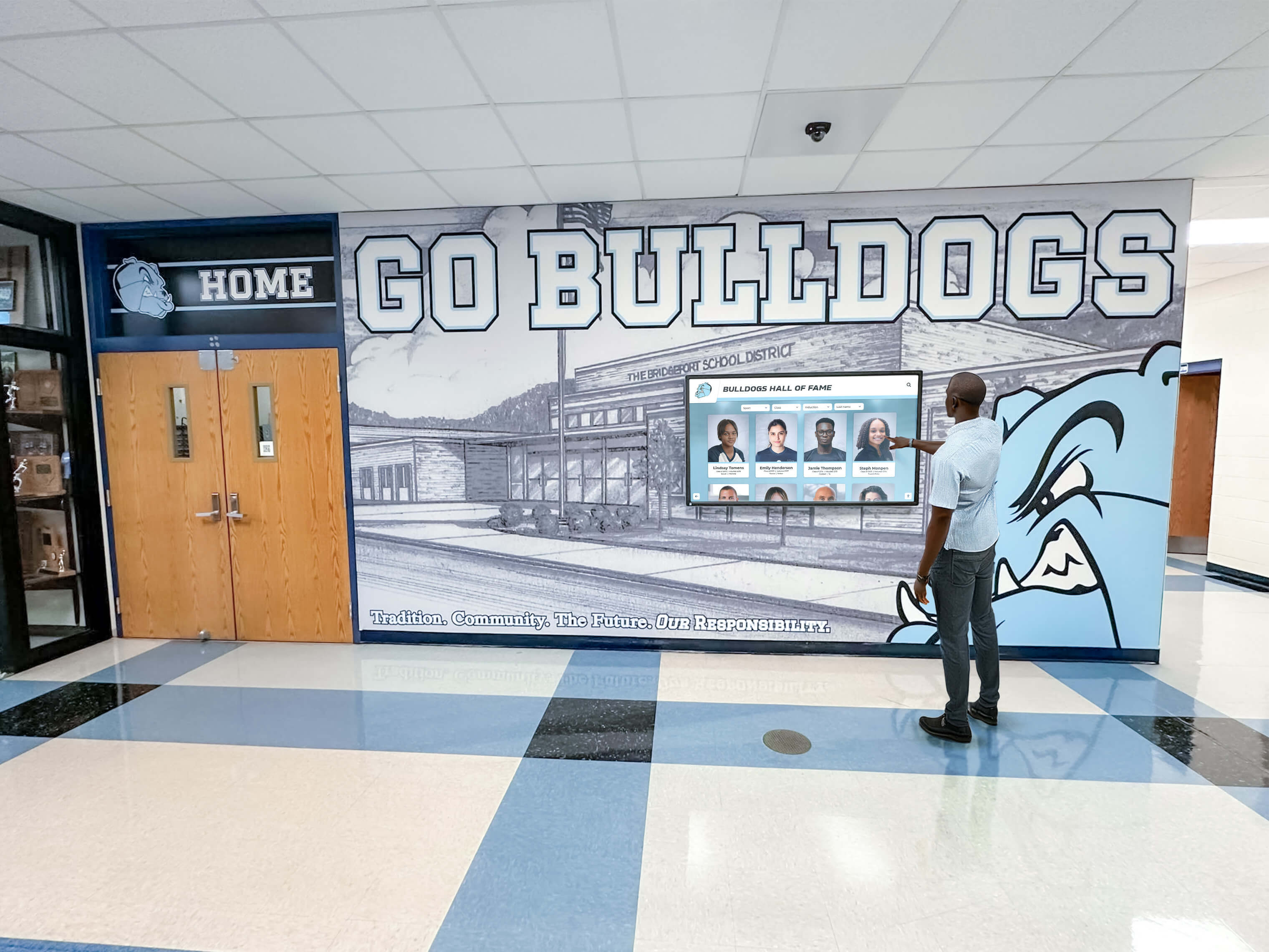
Interactive displays enable schools to showcase service achievements with photos, stories, and impact documentation
Developing Community Partnerships
- Establish relationships with community organization staff before student involvement
- Clarify expectations, roles, timelines, and desired outcomes through written agreements
- Ensure reciprocity where both students and organizations benefit from partnership
- Build long-term relationships rather than one-time transactional arrangements
- Include community partners in project planning, implementation, and evaluation
Strong partnerships create sustainable programs where organizations receive consistent, valuable support while students engage in meaningful service with proper supervision and context.
Aligning with Academic Standards
- Identify specific learning objectives and standards service experiences address
- Design reflection and assessment activities measuring learning objective achievement
- Integrate service experiences into curriculum rather than treating as add-on
- Create explicit connections between service activities and academic content
- Document alignment for administrators, parents, and external reviewers
Curriculum integration ensures service learning receives appropriate time and attention while demonstrating educational value beyond generic “volunteering is good” rationales.
Preparation and Orientation
Adequate student preparation ensures safe, respectful, effective service experiences.
Pre-Service Education
- Provide context about community issues students will encounter
- Discuss stereotypes, assumptions, and respectful interaction approaches
- Teach specific skills students will need during service activities
- Establish behavioral expectations and safety protocols
- Address logistics including transportation, schedules, and required materials
Thorough preparation reduces anxiety, prevents problematic behaviors, and ensures students arrive ready to contribute meaningfully rather than requiring extensive on-site orientation.
Asset-Based Framing
- Frame communities in terms of assets, strengths, and resilience rather than deficits
- Emphasize that service involves learning from community members, not just helping them
- Discuss root causes and systemic factors rather than implying community members caused problems
- Recognize student privilege where applicable without inducing guilt
- Position students as junior partners in change efforts led by community members
Asset-based approaches prevent harmful “savior” mindsets while building authentic respect and reciprocity essential for meaningful service learning.
Structured Reflection Activities
Intentional reflection transforms service from doing to learning, helping students process experiences and connect service to academic content.
Reflection Methods and Formats
- Journaling capturing immediate reactions, observations, and questions
- Small group discussions processing experiences with peers
- Class conversations connecting service to academic content and broader issues
- Creative expression through art, music, drama, or multimedia projects
- Presentations sharing learning with peers, families, or community audiences
- Portfolio development documenting service journey and growth
Varied reflection formats accommodate different learning styles and preferences while maintaining engagement through diverse approaches.
Effective Reflection Questions
- What did you observe during service? What surprised or challenged you?
- How does this experience connect to what we’re learning in class?
- What did you learn about the community, the issue, or yourself?
- How did your assumptions or perspectives change through this experience?
- What questions do you have after this service experience?
- What could you do next to continue addressing this issue?
Thoughtful questions promote critical thinking rather than superficial “I feel good about helping” responses. Questions should balance personal processing with intellectual analysis connecting service to academic learning.
Ongoing and Cumulative Reflection
- Schedule reflection throughout projects, not just at conclusion
- Early reflection captures initial reactions and assumptions for later comparison
- Mid-project reflection addresses challenges and adjusts approaches
- Final reflection synthesizes learning and considers next steps
- Multi-year programs include cumulative reflection on growth over time
Distributed reflection enables processing while experiences remain fresh and provides opportunities to adjust implementation based on student insights and concerns.
Assessment and Evaluation
Comprehensive assessment measures student learning, community impact, and program quality.
Student Learning Assessment
- Traditional assessments measuring academic standard achievement through tests, papers, or projects
- Performance assessments evaluating applied skills demonstrated during service
- Portfolio assessment documenting learning journey through collected artifacts and reflections
- Self-assessment where students evaluate their own growth and achievement
- Peer assessment providing feedback on teamwork and collaboration
Assessment should measure defined learning objectives using multiple methods that capture both knowledge acquisition and skill development.
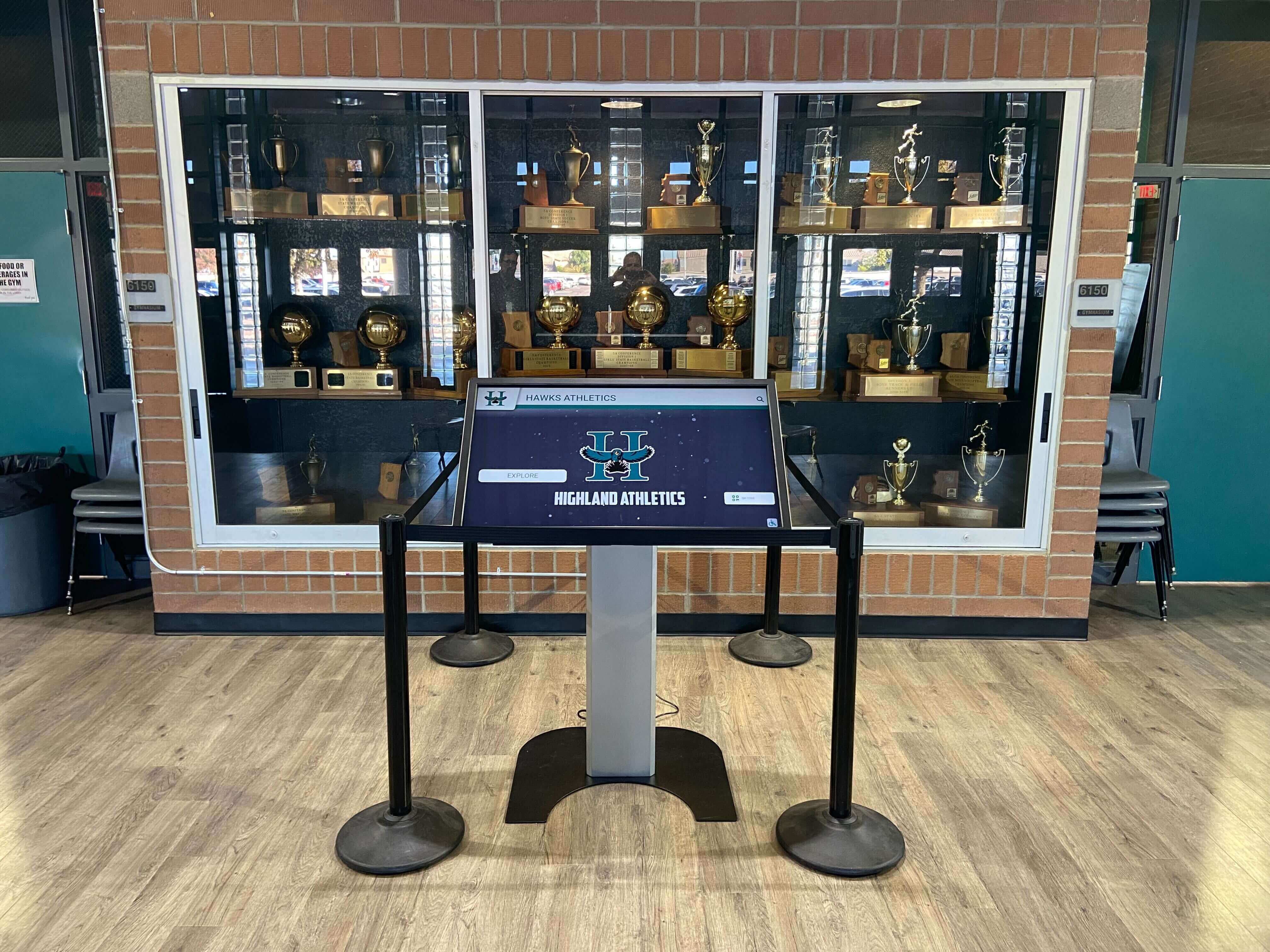
Integrating service recognition with athletic and academic displays communicates equal value across achievement domains
Community Impact Evaluation
- Collect quantitative data measuring service outcomes (hours served, items collected, people assisted)
- Gather qualitative feedback from community partners about service value and effectiveness
- Document tangible deliverables created through service projects
- Survey community members who received services about impact and quality
- Track sustained changes resulting from service interventions
Impact evaluation demonstrates program value while identifying improvement opportunities and celebrating successes with students, families, and stakeholders.
Program Quality Review
- Analyze whether projects achieved intended learning objectives
- Evaluate community partnership strength and satisfaction
- Assess logistical elements including preparation, transportation, and supervision
- Review reflection activity effectiveness at promoting deep learning
- Identify barriers students encountered and potential solutions
- Consider scalability, sustainability, and replication opportunities
Systematic program evaluation enables continuous improvement while documenting lessons learned for future implementation cycles.
Recognizing Student Service Learning Achievements
Meaningful recognition honors student service contributions while inspiring continued engagement and communicating institutional values around community involvement.
Creating Comprehensive Service Recognition
Schools should celebrate service achievements with the same visibility and enthusiasm as athletic and academic accomplishments.
Service Recognition Programs
- Community service awards honoring students with exceptional service contributions
- Service hour milestone recognition for cumulative contribution thresholds
- Project-based recognition celebrating specific initiative impacts
- Team awards honoring collaborative service efforts
- Service leadership awards recognizing students organizing or leading projects
Recognition programs should include multiple levels ensuring both extraordinary and sustained service receive acknowledgment rather than only recognizing statistical outliers.
Documentation and Credentials
- Service transcripts documenting hours, projects, and roles
- Digital badges or certificates acknowledging specific competencies or achievements
- Recommendation letters from community partners describing student contributions
- Portfolio evidence students can share in college applications or job interviews
- National Honor Society and service organization recognition
Formal documentation provides concrete evidence of service achievements that students leverage for college admissions, scholarships, and employment opportunities.
Digital Recognition Solutions for Service Learning
Modern recognition technology enables schools to showcase service achievements comprehensively while inspiring continued community engagement.
Interactive Service Recognition Displays Solutions like Rocket Alumni Solutions provide sophisticated platforms for celebrating student community service:
- Unlimited student profiles documenting service projects, hours, and impacts
- Photo galleries showing students engaged in meaningful service work
- Project descriptions explaining community needs addressed and outcomes achieved
- Video testimonials from students and community partners
- Service hour leaderboards motivating friendly competition
- Project impact statistics demonstrating collective community contributions
Digital recognition displays overcome physical space limitations while creating engaging experiences that inspire student interaction and pride.
Web-Based Service Recognition Online platforms extend service celebration beyond campus:
- Public recognition websites showcasing student service achievements
- Social media integration enabling students to share recognition
- Alumni access allowing graduates to reconnect with service traditions
- Community partner testimonials validating student contributions
- Real-time updates as students complete projects throughout the year
Web access enables families, community partners, and college admissions offices to explore service achievements regardless of physical location.
Content Management for Service Recognition User-friendly management systems enable non-technical staff to maintain service recognition:
- Simple interfaces for adding student profiles and project descriptions
- Bulk import capabilities for service hour data
- Photo and video upload tools
- Scheduled publishing coordinating recognition with ceremonies or events
- Analytics tracking engagement with recognition displays
Cloud-based platforms eliminate IT infrastructure requirements while enabling remote administration from any device.
Building Sustainable Service Learning Programs
Long-term success requires institutional commitment, adequate resources, and systematic structures preventing dependence on individual champions.
Institutional Integration Strategies
Curriculum Integration
- Incorporate service learning into course requirements across disciplines
- Develop department-specific service learning courses with community partners
- Create interdisciplinary service learning projects engaging multiple subjects
- Align service requirements with graduation standards
- Provide professional development supporting teachers implementing service learning
Curriculum integration ensures service learning receives appropriate time, resources, and attention rather than competing with academic priorities.
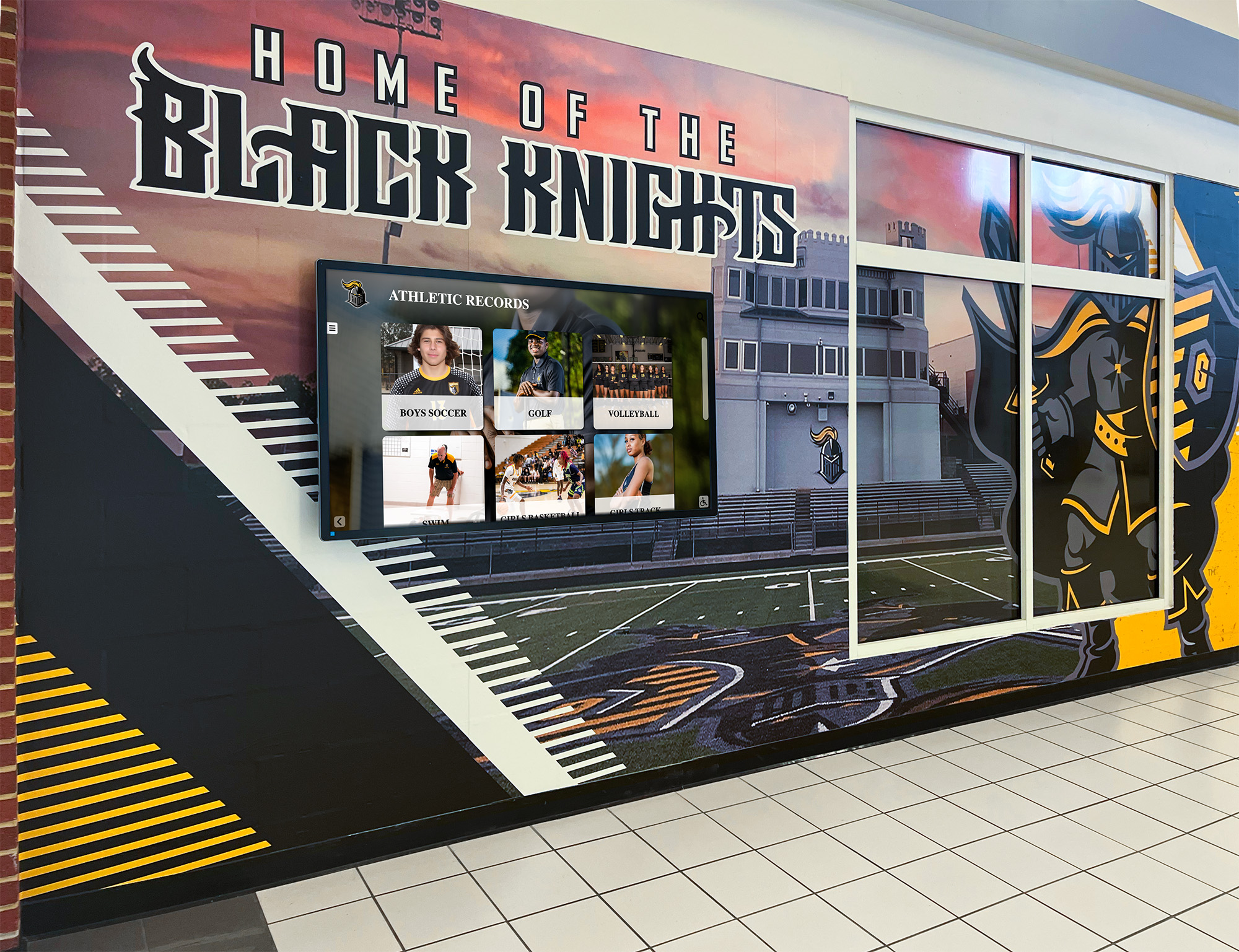
Visible service recognition throughout campus reinforces institutional values around community engagement
Program Infrastructure
- Designate service learning coordinator positions with dedicated time
- Establish service learning offices or centers supporting program development
- Create community partnership databases tracking relationships and opportunities
- Develop transportation solutions enabling off-campus service
- Allocate budget resources specifically for service learning implementation
Infrastructure investment signals institutional commitment while providing practical support ensuring program sustainability.
Recognition and Incentives
- Incorporate service learning achievements into student recognition programs
- Celebrate teacher implementation through professional recognition
- Provide stipends or release time for teachers developing programs
- Recognize community partners through appreciation events
- Showcase program successes in school communications and marketing
Recognition motivates continued participation while demonstrating that service learning represents institutional priority rather than optional extra.
Building Community Partnerships
Partnership Development and Maintenance
- Conduct annual community partner meetings gathering feedback and planning
- Create formal agreements clarifying expectations, roles, and responsibilities
- Provide community partner training about working with students effectively
- Schedule regular check-ins throughout projects addressing challenges proactively
- Celebrate partnership successes publicly through recognition and appreciation
Strong partnerships require ongoing cultivation, communication, and mutual accountability ensuring relationships remain beneficial for all participants.
Reciprocity and Mutual Benefit
- Ensure projects address genuine organizational needs rather than manufactured activities
- Provide consistent, reliable support organizations can incorporate into operations
- Respect community partner expertise and defer to their guidance
- Share credit and celebrate community partner contributions publicly
- Facilitate student-organization connections that extend beyond structured programs
Authentic reciprocity creates sustainable partnerships where community organizations value student contributions and invest in program success.
Engaging Students in Program Leadership
Youth Voice in Program Design
- Include students in community needs assessment and project selection
- Establish student advisory committees informing program development
- Support student-initiated service projects addressing issues they identify
- Provide leadership opportunities in project planning and coordination
- Recognize student leaders through special acknowledgment and opportunities
Student ownership increases engagement, develops leadership capabilities, and ensures programs remain relevant to youth perspectives and priorities.
Peer Education and Mentorship
- Train experienced student leaders to mentor newcomers
- Create opportunities for students to share service experiences with peers
- Develop student-led orientations preparing others for service
- Establish peer reflection facilitation expanding processing capacity
- Enable students to present at professional conferences or community events
Peer leadership multiplies program capacity while developing sophisticated skills in teaching, mentoring, and public speaking.
Special Considerations for Different Educational Levels
Service learning implementation should adapt to developmental stages and institutional contexts.
Elementary Service Learning
Young students benefit from service learning designed for their developmental level:
Age-Appropriate Projects
- Local, short-duration projects maintaining engagement
- Concrete activities with visible, immediate results
- Projects connecting to existing relationships and familiar contexts
- Service addressing issues children understand from experience
- Collaborative projects emphasizing teamwork over individual contribution
Elementary service learning builds foundation for civic engagement while respecting cognitive and emotional development appropriate for younger children.
Simplified Reflection Activities
- Picture drawing depicting service experiences
- Show-and-tell presentations sharing what they did and learned
- Class discussions using age-appropriate questioning
- Thank-you letters to community partners practicing literacy skills
- Photo documentation creating visual memory of service
Reflection should feel natural and engaging rather than abstract or overly analytical for young learners.
Middle School Service Learning
Adolescent development creates unique opportunities and challenges for service learning:
Identity-Focused Projects
- Service connecting to identity development and belonging needs
- Peer-based projects emphasizing social connection
- Projects addressing issues adolescents experience directly
- Leadership opportunities satisfying autonomy and competence needs
- Service connecting to career exploration and interest development
Middle school service learning should acknowledge adolescent development stages while providing meaningful contribution opportunities.
Enhanced Reflection Sophistication
- Journal prompts encouraging critical analysis beyond surface description
- Socratic discussion examining root causes and systemic issues
- Multi-modal reflection accommodating varied communication preferences
- Connection to current events and broader social patterns
- Personal goal-setting and growth tracking across experiences
Middle school reflection should bridge concrete and abstract thinking as students develop more sophisticated analytical capabilities.
High School Service Learning
Secondary service learning prepares students for college, career, and civic life:
Complex, Sustained Projects
- Semester or year-long projects enabling deep engagement
- Student-designed initiatives addressing self-identified issues
- Advocacy and policy projects influencing systemic change
- Research-based projects investigating root causes and effective interventions
- Leadership roles coordinating projects or mentoring younger students
High school service learning should provide challenges commensurate with developing capabilities while maintaining appropriate adult support and guidance.
College and Career Connection
- Service connecting to career exploration and professional skill development
- Documentation supporting college applications and scholarship competitions
- Recommendation letters from community partners validating contributions
- Portfolio development showcasing initiative, leadership, and impact
- Recognition through honor society induction and awards
High school service learning should position students for post-graduation success while developing genuine civic commitment.
Measuring and Communicating Service Learning Impact
Demonstrating program value builds stakeholder support while guiding continuous improvement.
Impact Documentation Strategies
Quantitative Metrics
- Total service hours contributed across programs
- Number of students participating and retention rates
- Community members or organizations served
- Tangible deliverables created (meals served, books collected, habitats restored)
- Academic performance data for participating versus non-participating students
Numbers provide concrete evidence of program scale and reach while enabling comparison across time periods or peer institutions.
Qualitative Evidence
- Student testimonials describing personal growth and learning
- Community partner feedback about service value and effectiveness
- Reflection excerpts demonstrating critical thinking development
- Parent observations about student engagement and development
- Teacher assessments of learning objective achievement
Stories and descriptions capture impacts that numbers cannot quantify while making abstract benefits concrete through specific examples.
Multi-Year Tracking
- Alumni surveys investigating sustained civic engagement
- Longitudinal academic performance analysis
- Career and college outcome tracking for service learning participants
- Community relationship sustainability and deepening over time
- Cultural shift indicators around service values and participation
Long-term tracking demonstrates lasting impacts beyond immediate program completion while justifying sustained investment.
Sharing Program Success
Internal Communication
- Regular program updates in staff meetings and professional development
- Service learning features in student announcements and assemblies
- Digital displays showcasing service achievements in high-traffic areas
- Newsletter articles highlighting specific projects and impacts
- School website dedicated service learning pages with photos and stories
Internal visibility builds community understanding, appreciation, and support while inspiring broader participation.
External Promotion
- Press releases sharing major projects and milestones with local media
- Social media posts celebrating student achievements and community impact
- Community presentation opportunities at city council or service organizations
- Annual reports documenting program achievements for stakeholders
- Conference presentations sharing best practices with educational community
External communication elevates school reputation while recognizing community partners and attracting resources supporting program expansion.
Overcoming Common Service Learning Challenges
Even well-designed programs encounter predictable obstacles. Proactive strategies address challenges before they undermine program success.
Logistical Barriers
Transportation Challenges
- Partner with community organizations providing on-site service opportunities within walking distance
- Coordinate with parent volunteers providing transportation for off-campus projects
- Utilize public transportation teaching students independent mobility skills
- Schedule service during school hours eliminating after-school logistics
- Seek grant funding specifically supporting transportation costs
Transportation remains the most common logistical barrier. Creative solutions ensure access doesn’t limit participation.
Scheduling Constraints
- Integrate service learning into regular class time rather than requiring additional hours
- Develop flexible scheduling allowing different classes or groups to serve at various times
- Create weekend or summer intensive options for sustained projects
- Coordinate with community partners offering flexible scheduling
- Start with smaller pilot programs before scaling to full implementation
Time represents another significant barrier. Starting small and building gradually often succeeds better than ambitious programs that quickly overwhelm capacity.
Maintaining Quality and Depth
Avoiding “Drive-By Service”
- Require minimum engagement duration enabling relationship development and meaningful impact
- Design projects addressing root causes rather than only symptoms
- Include structured reflection preventing “feel-good” service without critical examination
- Build sustained partnerships rather than one-time activities
- Engage community partners in defining service quality standards
Quality matters more than quantity. Twenty hours of thoughtful, sustained service benefits students and communities more than 100 hours of superficial activities.
Preventing Savior Mentality
- Frame communities in terms of assets and strengths rather than deficits
- Emphasize learning from community members alongside contributing to them
- Discuss privilege, power, and systemic factors creating community challenges
- Critique charity models that position students as rescuers
- Center community voices in defining needs and solutions
Thoughtful framing and reflection prevent harmful attitudes while promoting genuine respect and reciprocity essential for ethical service learning.
Sustaining Community Partnerships
Preventing Partnership Fatigue
- Avoid overburdening popular community partners with excessive student groups
- Ensure students arrive prepared and provide genuinely useful assistance
- Respect community partner time through punctuality and reliability
- Express appreciation through recognition events and public acknowledgment
- Maintain communication even during non-service periods
Community organizations invest significant time supervising and training students. Thoughtful partnership management ensures relationships remain mutually beneficial rather than burdensome.
Building Partnership Resilience
- Establish formal agreements clarifying expectations and responsibilities
- Develop multiple community partnerships diversifying project options
- Create succession plans ensuring staff turnover doesn’t end partnerships
- Schedule annual partner meetings gathering feedback and planning
- Share assessment results demonstrating student learning and community impact
Strong systems prevent partnerships from depending on single individuals while building institutional relationships that transcend personnel changes.
Conclusion: Service Learning as Transformative Education
Service learning represents one of education’s most powerful tools for developing engaged citizens while addressing genuine community needs through authentic youth contribution. When students combine meaningful service with academic learning, structured reflection, and sustained community partnerships, they develop empathy, critical thinking, civic efficacy, and the profound understanding that their actions can create positive change in the world around them.
The most effective programs maintain focus on quality over quantity, prioritize reciprocal partnerships grounded in respect and community voice, integrate service seamlessly with academic learning, and implement structured reflection that transforms doing into understanding. These principles apply across all educational levels and project types, from elementary students creating care packages for seniors to high school students conducting environmental restoration or policy advocacy.
Modern recognition technology enables schools to celebrate service achievements with the same visibility and sophistication as athletic and academic accomplishments. Digital recognition displays showcase student contributions through photos, stories, impact statistics, and testimonials that inspire continued engagement while communicating institutional values around community involvement. Solutions like Rocket Alumni Solutions provide intuitive platforms that make comprehensive service recognition achievable without overwhelming staff capacity.
Celebrate Student Service Achievements
Discover how digital recognition solutions can help you showcase community service contributions, inspire continued engagement, and demonstrate your institution's commitment to developing engaged citizens making real differences in their communities.
Explore Recognition SolutionsSuccessful implementation requires institutional commitment through dedicated coordination, adequate resources, professional development supporting teacher implementation, and recognition systems that honor service alongside other achievements. Community partnership development demands ongoing cultivation, clear communication, genuine reciprocity, and respect for community expertise. Student engagement thrives when young people have voice in project selection and design, receive adequate preparation and support, and participate in meaningful reflection that promotes critical thinking about complex social issues.
Start building or enhancing your service learning program by identifying authentic community needs through partnership development, aligning projects with academic standards and student developmental levels, designing structured reflection activities that promote deep learning, and creating recognition systems that celebrate contribution while inspiring continued civic engagement. Whether implementing elementary reading buddy programs, middle school environmental restoration projects, or high school policy advocacy initiatives, the fundamental principles remain consistent—meaningful service, curriculum integration, structured reflection, reciprocal partnerships, student voice, and sustained engagement.
Your students possess tremendous capacity for creating positive community impact while developing into thoughtful, engaged citizens. Service learning provides the framework for channeling youthful energy, idealism, and capabilities toward addressing real challenges while building academic skills, personal growth, and civic commitment that will sustain lifelong community involvement. The communities you serve gain valuable assistance from dedicated young people bringing fresh perspectives, enthusiasm, and concrete support to important work. These reciprocal benefits justify the investment of time, resources, and attention comprehensive service learning programs require.
Ready to elevate your service learning recognition? Explore how donor and community recognition displays can showcase student contributions, or learn about student achievement recognition programs that celebrate service alongside academic and athletic excellence.































