When a former student-athlete signs an NFL contract, steps onto a professional field, or achieves elite-level college success, that moment represents the pinnacle of athletic development and program excellence. These extraordinary achievements deserve recognition that extends far beyond social media posts or temporary displays. NFL alumni and professional athlete recognition creates powerful connections between current students and proven pathways to athletic excellence while demonstrating to prospective families that your program develops talent at the highest levels.
This comprehensive guide explores how high schools and colleges effectively showcase their NFL alumni and professional athletes through modern recognition solutions including interactive digital displays, creating inspiration for current athletes while strengthening institutional pride and recruiting competitiveness.
The journey from high school or college athletics to professional sports represents exceptional achievement accomplished by a tiny fraction of student-athletes. Schools that produced these elite performers possess powerful stories worth celebrating permanently—stories that inspire current athletes, validate coaching excellence, attract top recruits, and create lasting institutional pride.
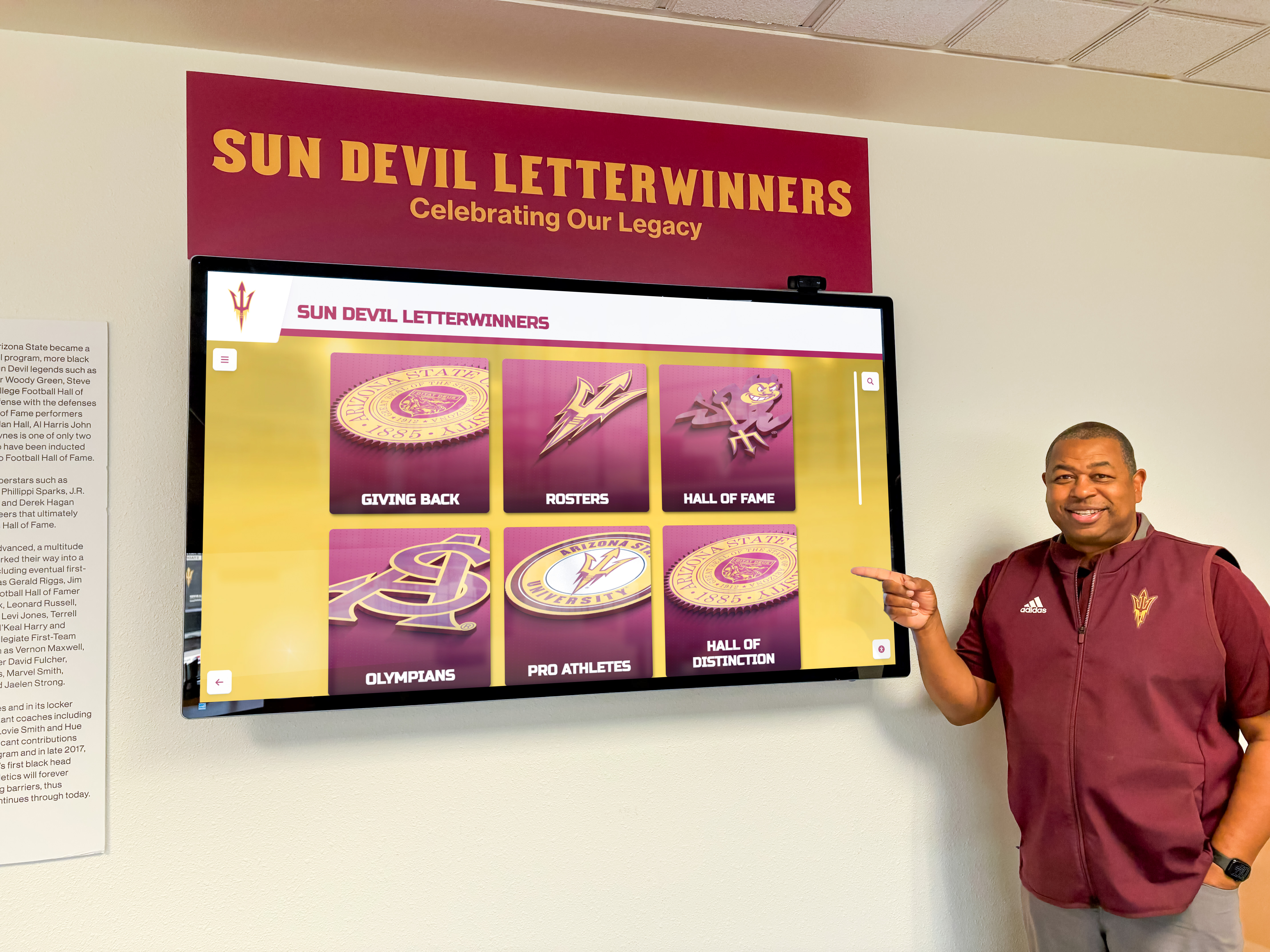
Modern digital recognition displays bring professional athlete achievements to life through comprehensive, engaging tributes
Why Recognizing NFL Alumni and Professional Athletes Matters
Professional athlete recognition serves multiple essential purposes within educational athletic programs that extend well beyond simply celebrating individual success.
Inspiring Current Student-Athletes Through Proven Pathways
Today’s high school and college athletes dream of competing at the highest levels. When they encounter displays honoring program alumni who achieved those dreams, abstract aspirations become tangibly achievable. Recognition transforms “maybe someday” into “others from here have done this.”
This inspiration effect proves particularly powerful when recognition includes contextual information about athletes’ development journeys—the work ethic they demonstrated, obstacles they overcame, skills they developed within your program, and mentors who guided their progress. Current athletes facing similar challenges find encouragement discovering how program legends navigated comparable paths.
Athletic departments implementing comprehensive professional athlete recognition report that student-athletes frequently reference these displays when setting personal goals, understanding what elite performance requires, and connecting their daily training to larger career possibilities.
Validating Program Quality and Coaching Excellence
Professional athlete alumni provide objective, irrefutable evidence of program quality and coaching effectiveness. When schools showcase these success stories, they demonstrate to prospective families, administrators, and community supporters that their programs don’t just participate—they develop talent at levels that lead to college scholarships and professional opportunities.
This validation proves particularly valuable during recruiting conversations. While every program claims development expertise, schools with documented professional alumni possess tangible proof. Recruits researching programs discover concrete evidence that your coaching staff, training systems, and competitive environment prepare athletes for the highest levels of competition.
Many schools report direct correlations between professional athlete recognition and increased recruiting interest from elite prospects. When top recruits see programs’ track records of developing professional talent, they perceive those programs as legitimate pathways to their own professional aspirations.
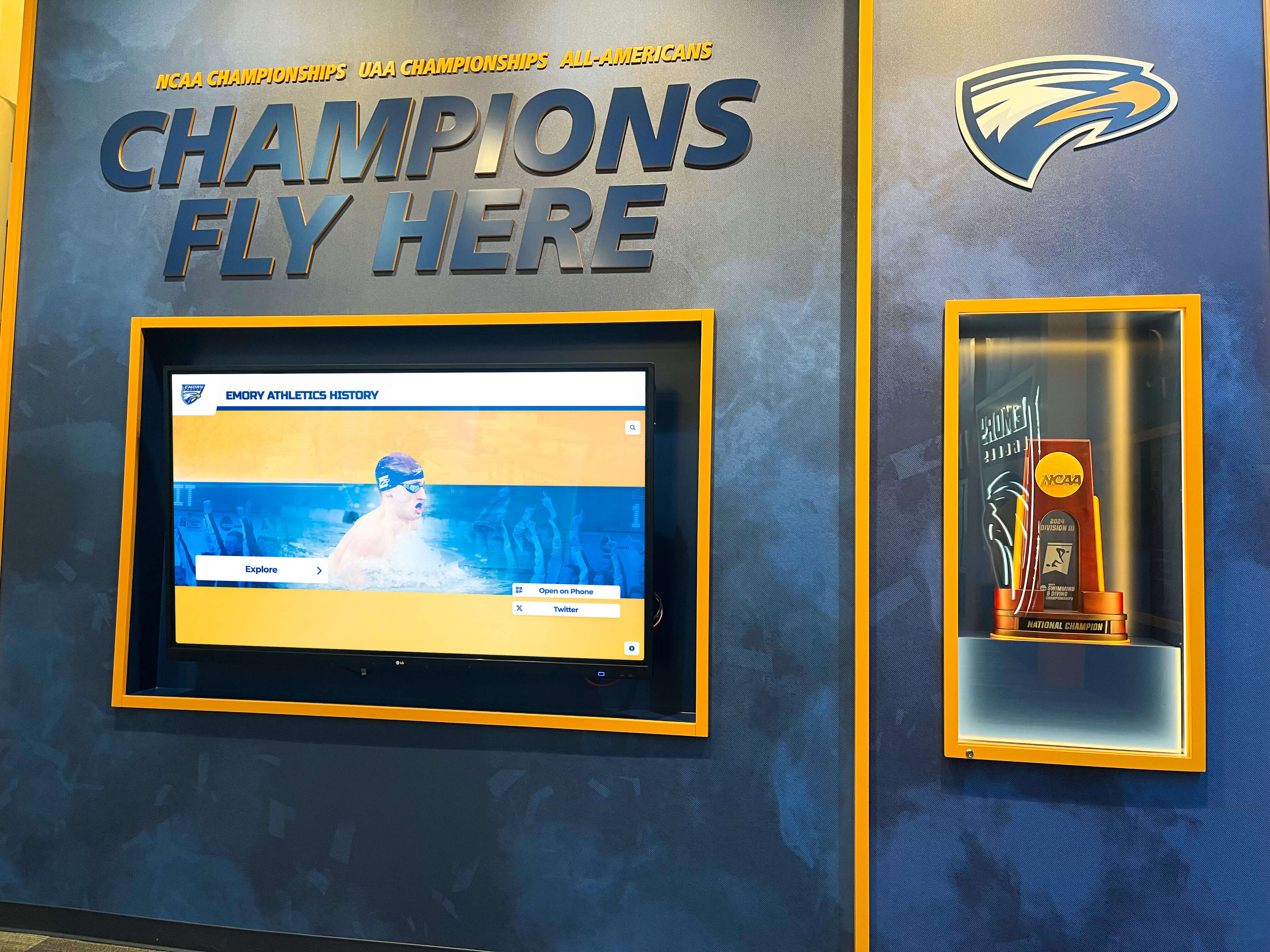
Comprehensive recognition systems celebrate both professional and collegiate athletic excellence
Building Institutional Pride and Community Connection
In many communities, local athletic programs serve as sources of collective identity and pride. When former student-athletes achieve professional success, communities experience validation and pride in the institutions that developed that talent. This community pride manifests through increased game attendance, positive word-of-mouth promotion about athletic programs, enhanced local media coverage and publicity, stronger business community support for athletic initiatives, and elevated overall institutional reputation extending beyond athletics.
Professional athlete recognition transforms individual achievements into collective community accomplishments. The message becomes “we produced that talent” rather than simply “they achieved success”—a subtle but powerful distinction that strengthens stakeholder identification with programs and institutions.
Creating Recruiting Advantages and Competitive Differentiation
When multiple programs compete for the same top recruits, professional alumni recognition can serve as meaningful differentiation. Recruits evaluating similar scholarship offers, facilities, and coaching staffs often make final decisions based on factors like program tradition, development track record, and evidence that programs consistently prepare athletes for next-level opportunities.
Programs that prominently showcase professional alumni demonstrate credible pathways from current competition to professional sports. This tangible evidence influences decision-making, particularly when comparing programs with similar competitive profiles. Coaching staffs frequently incorporate professional alumni recognition into official recruiting visits, using displays to communicate development capabilities and illustrate athlete progression pathways—as explored in depth in guides on athletic recruiting with recognition displays.
Traditional Approaches to Professional Athlete Recognition
Educational institutions have employed various methods to honor professional athlete alumni throughout athletic history, each with distinct advantages and limitations.
Physical Trophy Cases and Wall Displays
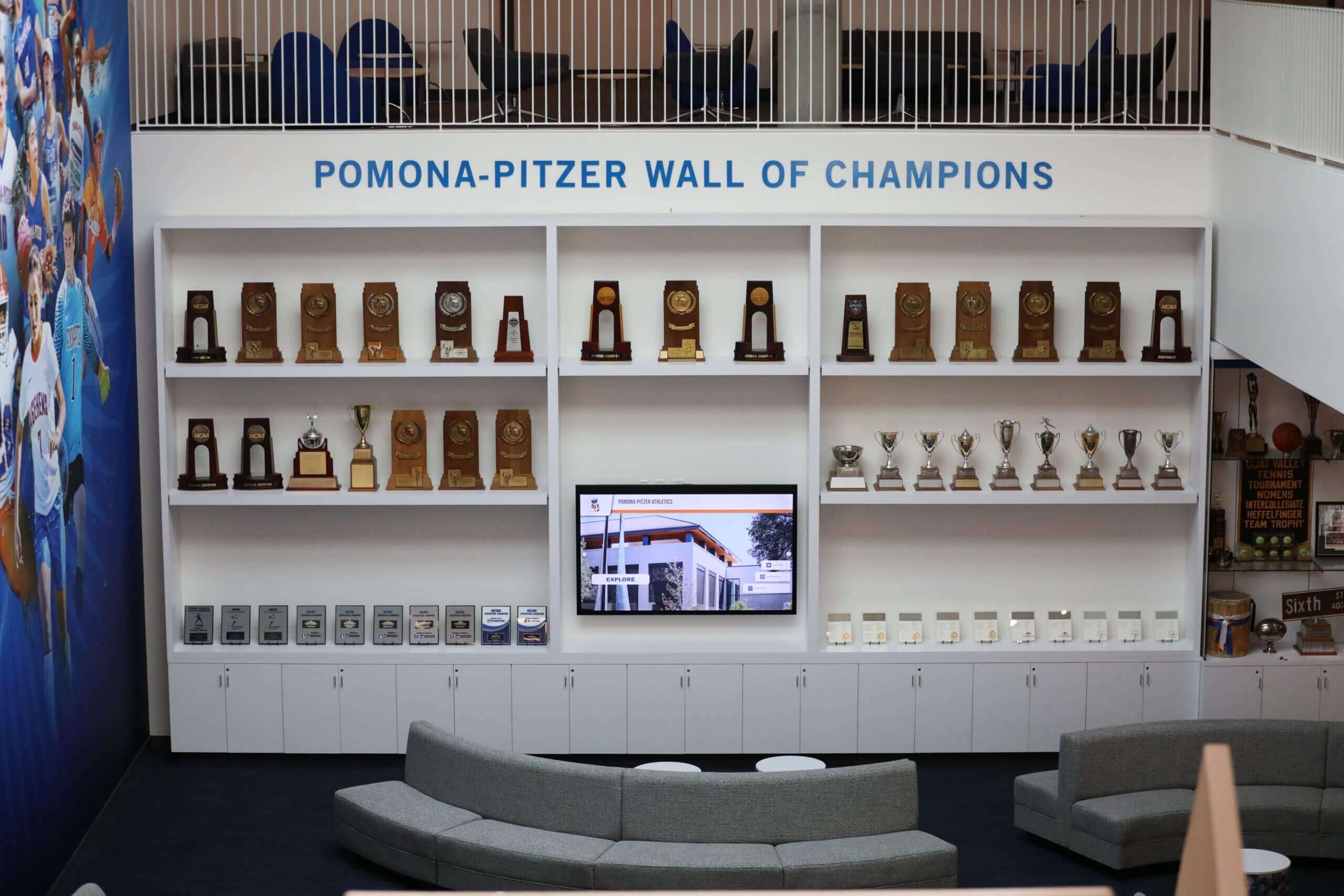
The most common traditional approach involves glass-enclosed trophy cases or wall-mounted displays featuring professional athlete photographs, signed jerseys or equipment, newspaper clippings about professional achievements, career milestone documentation, and plaques with biographical information and statistics.
These displays offer several advantages including tangible, permanent recognition conveying prestige and accomplishment, visual impact from authentic memorabilia and artifacts, minimal technical infrastructure requirements, and relatively straightforward maintenance consisting primarily of cleaning and occasional reorganization.
However, traditional trophy cases face significant limitations in how effectively they can showcase professional athletes. Physical space constraints severely limit how many athletes can be recognized comprehensively. Adding new inductees requires fabrication delays, installation costs, and often difficult decisions about what existing content to remove. Static displays provide minimal context beyond basic information plaques. Older achievements frequently get relegated to storage as space becomes scarce, potentially creating perceptions that only recent professional success matters.
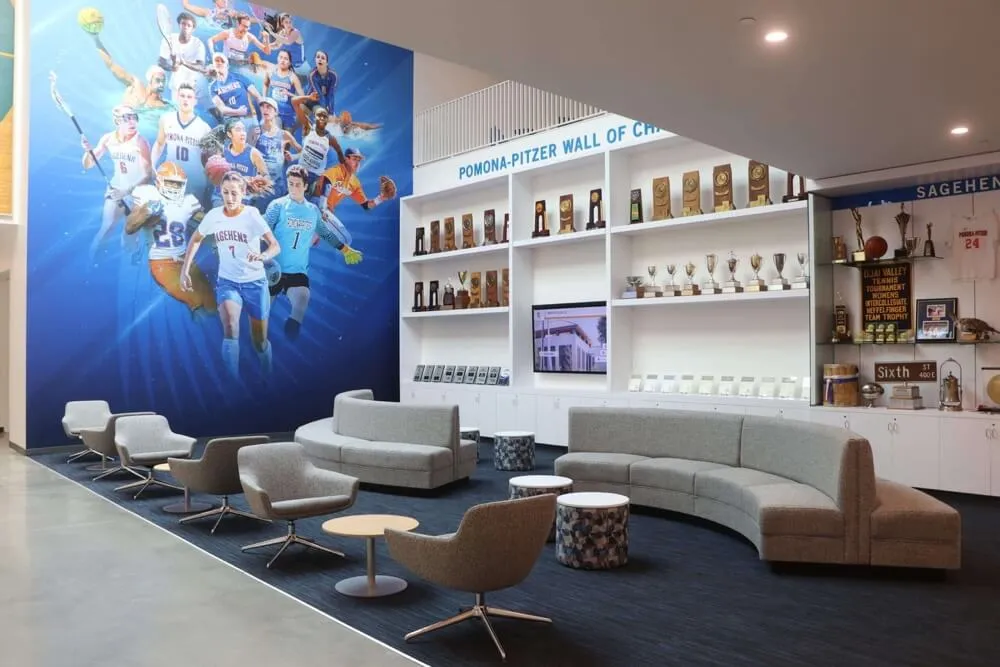
Traditional recognition approaches create impressive visual statements but face space and flexibility limitations
Dedicated Athletic Heritage Spaces
Many athletic departments create dedicated rooms, corridors, or museum-like spaces specifically for celebrating program history including professional alumni. These heritage spaces often include position-specific displays organized by sport or era, comprehensive timeline presentations showing program evolution, interactive elements like photo opportunities with replica equipment, and curated collections of memorabilia from professional careers.
Heritage spaces allow more comprehensive storytelling about professional alumni and program development history. They create destination experiences that recruits, alumni, and fans specifically seek out during facility visits. Thematic organization helps visitors navigate extensive achievement histories across multiple decades or sports.
However, dedicated spaces require significant square footage that athletic departments may not possess or wish to dedicate exclusively to recognition. They can become isolated from daily student-athlete experiences if not positioned in high-traffic areas. Maintaining engaging content across large spaces requires ongoing resource commitment that smaller programs struggle to sustain.
Printed Media and Publications
Traditional programs also recognized professional alumni through annual media guides documenting all professional alumni, alumni newsletters featuring career updates, printed programs distributed at games, and yearbooks preserving historical information.
While these printed approaches document professional achievements, they suffer from limited distribution reach, inability to update once printed, minimal engagement beyond initial reading, and storage challenges as materials accumulate over years. Most printed materials eventually end up discarded or forgotten in storage rather than serving as ongoing inspiration for current athletes.
Modern Digital Recognition Solutions for Professional Athletes
Digital technology has fundamentally transformed possibilities for honoring professional athlete alumni, addressing many limitations of traditional approaches while creating entirely new engagement opportunities.
Interactive Touchscreen Display Systems
Digital recognition systems built around commercial-grade interactive touchscreens provide comprehensive solutions for athletic departments seeking to honor unlimited professional achievements without space constraints or update difficulties. These systems typically feature large displays ranging from 55 to 85 inches providing excellent visibility, intuitive touch interfaces requiring no instructions for visitor interaction, powerful search and filtering capabilities enabling instant athlete discovery, cloud-based content management platforms allowing easy remote updates, and multimedia integration supporting photos, videos, statistics, and documents.
Solutions like digital recognition displays overcome fundamental limitations of physical recognition approaches. A single touchscreen can showcase hundreds of professional athletes with complete profiles including photographs from both current careers and high school/college days, comprehensive statistics from professional and collegiate careers, biographical information and personal stories, video highlights of professional performances, career timeline documentation showing progression, and current team and contract information when publicly available.
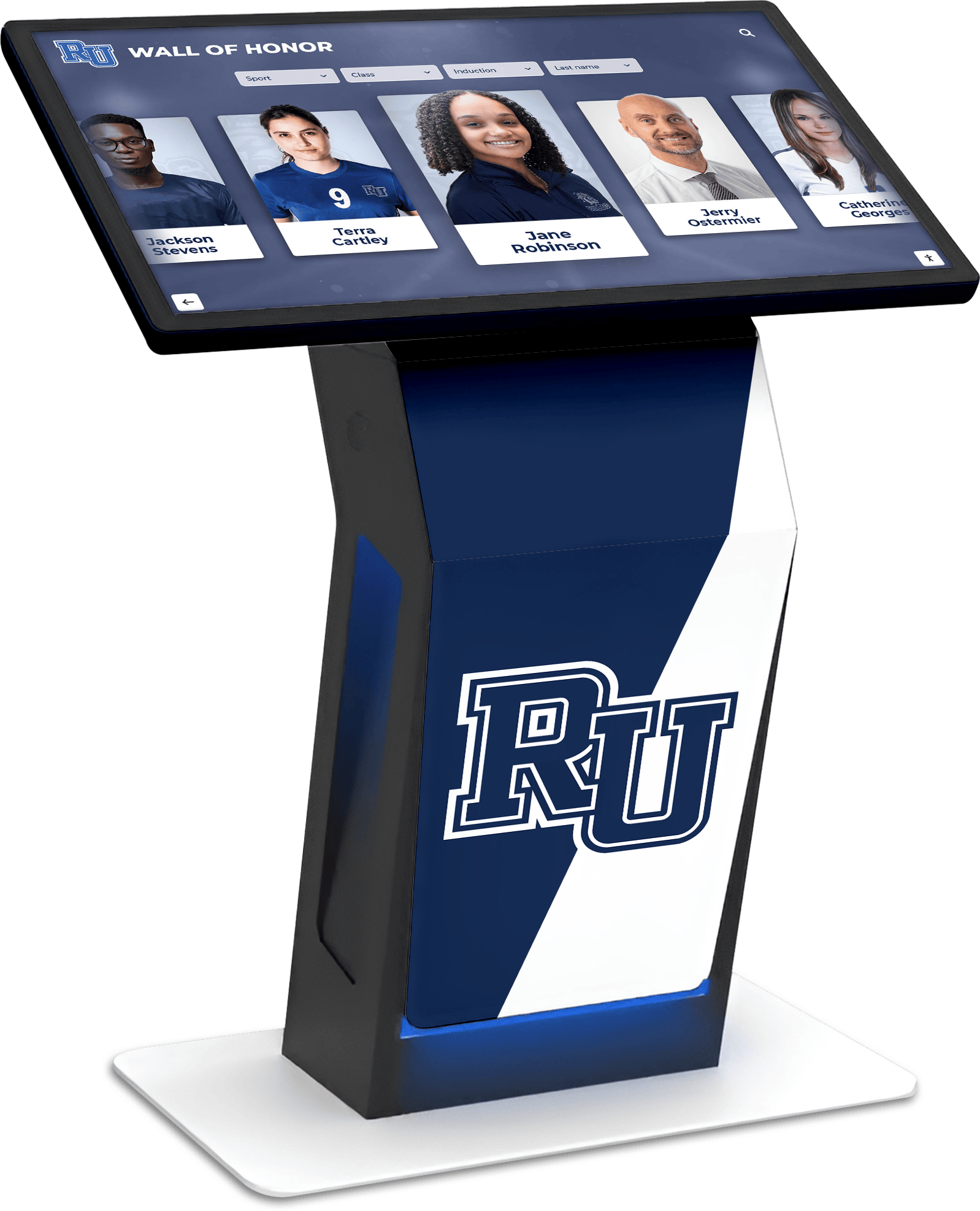
Digital recognition systems provide unlimited capacity with easy updates and rich multimedia storytelling
The unlimited capacity proves particularly valuable for programs with extensive professional alumni across multiple sports and eras. Every professional athlete can receive comprehensive recognition rather than only the most famous names. This inclusive approach strengthens connections across entire athletic alumni populations rather than limiting recognition to superstar performers.
Updates happen instantly through cloud-based platforms rather than requiring physical fabrication and installation. When alumni sign new contracts, get traded, achieve career milestones, or retire, recognition profiles can be updated within minutes from any location. This real-time capability keeps displays perpetually current and relevant—critical for maintaining credibility with audiences who notice outdated information immediately.
Multimedia Storytelling Capabilities
Digital platforms enable rich multimedia content impossible with traditional displays. Athletic departments can include high-quality photographs from professional and collegiate careers, video highlights of legendary performances and defining moments, audio interviews with athletes discussing their journeys, documentary-style career retrospectives, interactive timelines showing achievement progression, and statistical visualizations comparing professional and college performance.
This multimedia storytelling creates emotional connections that static plaques simply cannot match. When visitors watch video of a game-winning touchdown in the NFL or hear an athlete discuss overcoming adversity to reach professional sports, they experience the achievement rather than simply reading about it. These emotional connections prove particularly powerful for current student-athletes seeking inspiration and understanding of potential career pathways.
Many institutions discover that collecting multimedia content for professional alumni recognition creates valuable archival assets useful beyond displays themselves—including recruiting videos highlighting development success, fundraising campaigns demonstrating program impact, documentary projects preserving institutional history, and promotional materials for community engagement.
Advanced Search and Discovery Features
Traditional displays require visitors to scan through lists or physically move along walls to find specific athletes. Digital systems provide powerful discovery tools enabling visitors to instantly locate specific athletes by name or sport, filter professional alumni by league, position, or era, browse athletes by graduation year or program, discover statistical leaders across categories, and explore career progressions from high school through professional levels.
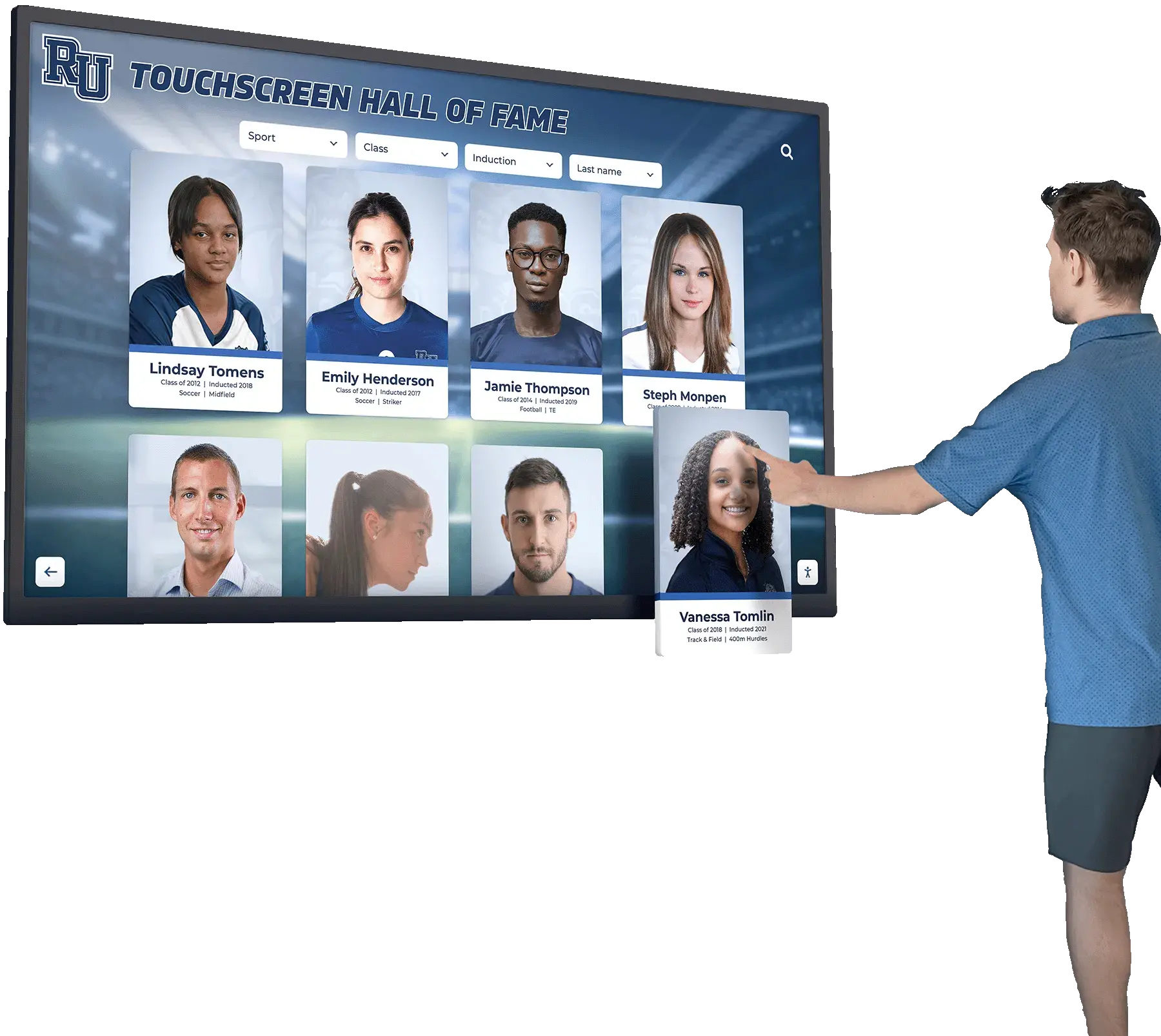
Intuitive search and filtering capabilities help visitors discover athletes and stories of personal interest
These discovery features prove particularly valuable during recruiting visits when coaches want to quickly showcase relevant alumni examples, during alumni events where attendees seek former teammates now playing professionally, and for casual browsing by students discovering inspiring program history. The ability to search creates deeper engagement as visitors explore related content after finding initial items of interest.
Programs implementing comprehensive digital record systems report that search capabilities significantly increase engagement time as visitors discover unexpected connections and interesting profiles they wouldn’t have encountered through linear browsing alone.
Essential Content Categories for Professional Alumni Recognition
Comprehensive recognition programs include diverse content types that collectively tell complete stories about professional athlete development and achievement.
Individual Professional Athlete Profiles
Detailed athlete profiles form the foundation of professional alumni recognition. Effective individual recognition includes essential biographical information such as full name, hometown, years at your institution, sport and position, comprehensive professional career information including all teams played for, professional statistics and career highlights, major awards and honors earned professionally, memorable performances and defining career moments, draft information or signing details when applicable, and post-playing career information when athletes retire.
The most engaging profiles balance statistical achievements with narrative elements that reveal character, work ethic, preparation habits, and connections back to their development at your institution. When possible, including athletes’ own voices through quotes, video interviews, or written reflections adds authenticity and depth.
Digital platforms allow athletic departments to create tiered recognition levels—basic profiles for all professional alumni, enhanced content for significant contributors to professional leagues, and comprehensive multimedia tributes for legendary performers. This approach ensures inclusive recognition while reserving most detailed content for exceptional achievements.
College Success Stories and Pathways
High schools should prominently recognize not only NFL alumni but also former athletes who achieved significant college athletic success—including all-conference selections at collegiate level, college athletic scholarship recipients, athletes who competed at Division I programs, standout performers at any collegiate division, and students who balanced athletics and academics successfully.
This broader recognition demonstrates multiple pathways to success rather than implying professional sports represents the only meaningful outcome. Many student-athletes will compete at college levels without professional opportunities. Recognizing these achievements appropriately creates inclusive recognition cultures while still highlighting professional alumni as pinnacle achievements.
For colleges showcasing professional alumni, contextual information about their collegiate careers provides important continuity—college statistics and achievements, conference and national recognition earned, development milestones during college years, coaching staff who developed their skills, and teammates who competed alongside them.
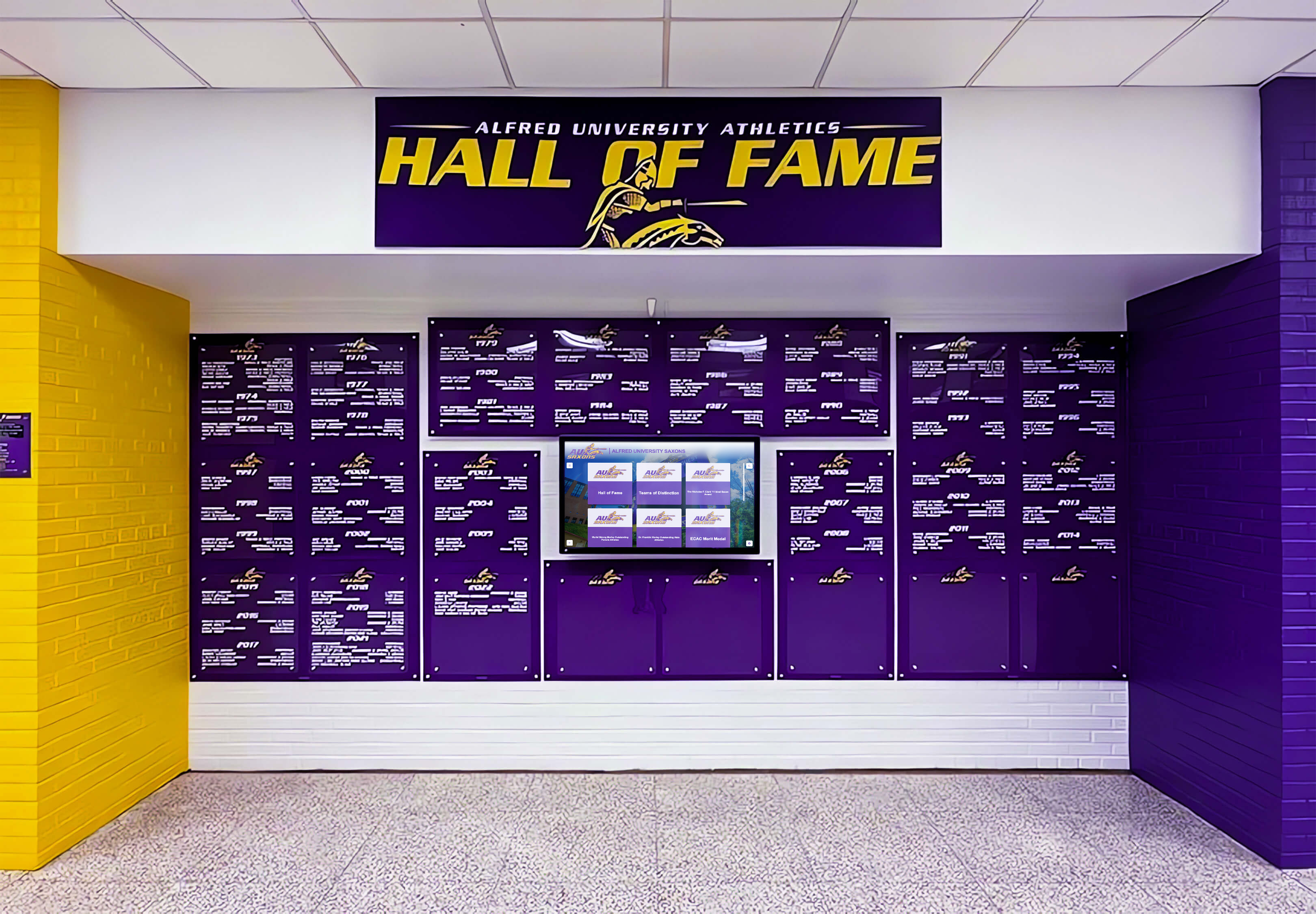
Effective recognition systems connect professional achievement to collegiate development foundations
Career Progression and Development Narratives
The most compelling recognition tells stories about how athletes progressed from your program to professional success. Development narratives should document recruitment to your institution and early career beginnings, notable improvement and skill development during their time with you, competitive achievements in high school or college, transition to next level including draft selection or signing, professional career evolution and key milestones, and reflections connecting professional success to institutional development.
These progression stories demonstrate that professional achievement doesn’t happen by accident—it results from systematic development, excellent coaching, supportive environments, and athlete dedication. Telling these complete stories validates your program’s development capabilities while providing current athletes with realistic understanding of what professional pathways require.
Many programs create visual timelines showing athlete progression from first day on campus through professional retirement, with key milestones highlighted along the way. These chronological presentations prove particularly effective for inspiring current athletes who can envision themselves at various stages of similar journeys.
Team Context and Era Recognition
Individual professional achievements occurred within larger team contexts worth recognizing. Comprehensive recognition should include information about championship teams that developed professional talent, notable coaching staffs who developed professional athletes, significant program eras that produced multiple professional alumni, and relationships between professional alumni who competed together.
This team context demonstrates that professional talent development often results from strong program cultures rather than isolated individual efforts. Recruits considering programs want to understand environmental factors that enabled success—quality coaching, competitive teammates, training resources, and program culture—all of which team context recognition communicates effectively.
Some programs create special “professional pipeline” content sections highlighting eras or positions that consistently produced professional talent, helping current athletes identify position groups or training approaches with proven professional development track records.
Strategic Implementation for Maximum Impact
Creating effective professional athlete recognition requires thoughtful planning addressing technology selection, content development, strategic placement, and ongoing management.
Location and Display Placement Strategy
Where you position professional athlete recognition dramatically affects recruiting value, stakeholder engagement, and overall program impact. Strategic placement ensures maximum visibility among target audiences while creating appropriate context for the recognition.
High-Traffic Athletic Facility Locations
Main entrance areas and lobbies should feature prominent professional alumni recognition providing immediate visual impact that sets the tone for entire facilities. Locker room corridors where athletes encounter displays daily create ongoing inspiration and connection to program tradition. Weight room and training facility entrances emphasize the connection between preparation and professional achievement. Competition venue club levels or concourses ensure recognition visibility during games when recruits visit.
For digital displays, ensure adequate electrical power and network connectivity, appropriate viewing distances and angles for selected screen sizes, protection from environmental factors like direct sunlight that could affect visibility, and ADA-compliant mounting heights ensuring accessibility for all visitors.
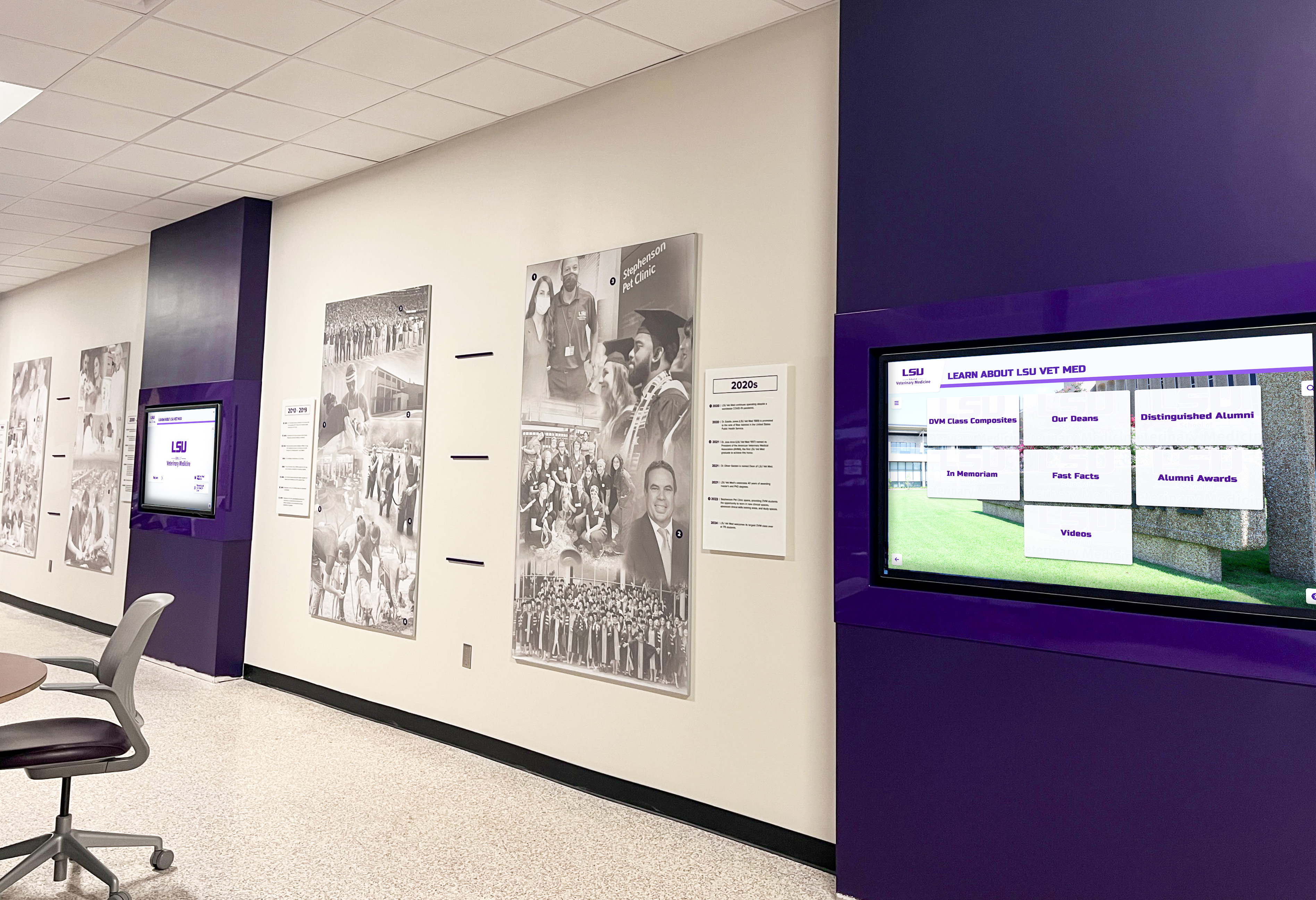
Strategic placement in high-traffic areas maximizes visibility and impact of recognition displays
Recruiting Tour Route Integration
Every prospective student-athlete touring your facilities should encounter professional alumni recognition during their visit. Work with coaches to identify standard recruiting tour routes, ensuring displays are positioned on these pathways. Consider creating featured content that coaches can quickly access and display during tours, making professional alumni recognition a standard talking point in recruiting presentations.
Many programs specifically position displays in areas where recruiting conversations naturally occur—outside coaching offices, in team meeting rooms, near practice facilities—enabling coaches to reference recognition content naturally during discussions rather than requiring special detours to dedicated recognition spaces.
Content Development and Management Processes
Creating compelling professional athlete recognition requires systematic approaches ensuring comprehensive, accurate, and engaging content.
Initial Content Research and Collection
Begin with identifying all professional alumni across all sports and eras through reviewing historical records, yearbooks, and media guides, researching current professional rosters and alumni databases, interviewing long-time coaches and staff who remember various eras, connecting with alumni associations for contact information and input, and conducting online research verifying professional career details.
For living alumni, establish outreach processes including questionnaires requesting career information and personal reflections, photo submissions from both professional and collegiate careers, video interview sessions capturing personal stories when possible, and review opportunities before content publication ensuring accuracy and appropriate representation.
Many institutions engage students in content development as experiential learning opportunities. Journalism students write athlete profiles and conduct interviews, digital media students create video content and multimedia presentations, graphic design students develop visual elements and layouts, and sports management students research professional career details and statistics. This student involvement provides educational value while distributing workload across multiple contributors and creating ongoing content pipelines.
Ongoing Update Strategies
Professional athletes’ careers continue evolving after initial recognition. Establish processes for tracking and updating including monitoring professional league transactions and signings, celebrating major achievements and milestones as they occur, documenting career progression through teams and seasons, recognizing retirement and post-playing careers, and maintaining accuracy as public information changes.
Digital recognition platforms make these ongoing updates practical through intuitive content management systems accessible from anywhere. Many programs designate specific staff members or student workers responsible for monitoring professional alumni and maintaining current information, ensuring recognition remains perpetually relevant rather than becoming quickly outdated.
Integration with Comprehensive Athletic Recognition
Professional athlete recognition achieves maximum value when integrated within broader recognition ecosystems rather than functioning as isolated initiatives.
Connection to Current Athlete Recognition
Link professional alumni profiles to current roster information when former teammates are on current teams, team record books showing records set during collegiate careers, college commitment recognition celebrating when athletes originally committed to your program, and coaching staff profiles connecting current coaches to athletes they developed.
These connections create continuity demonstrating ongoing tradition and helping current athletes envision their own potential progression from present competition through potential professional careers.
Alumni Engagement and Networking Opportunities
Professional athlete recognition creates natural opportunities for structured alumni engagement including mentorship programs connecting professional athletes with current student-athletes, panel discussions where professional alumni discuss their journeys and offer advice, networking events during professional athletes’ off-seasons when they return to campus, and fundraising initiatives where professional alumni support current program needs.
Many professional athletes appreciate opportunities to give back to programs that developed their talents. Recognition that honors their achievements while facilitating their continued involvement creates mutually beneficial relationships—current athletes gain valuable mentorship while professional alumni maintain meaningful connections to their institutional roots.
Measuring Recognition Program Impact and Success
Evaluating professional athlete recognition effectiveness helps justify continued investment while identifying improvement opportunities.
Engagement Analytics and Usage Metrics
For digital systems, built-in analytics track valuable engagement data including total interactions and unique visitors over time periods, average session duration indicating depth of engagement, most-viewed professional athlete profiles revealing which stories resonate, popular search terms showing what content visitors seek, peak usage times informing staffing and content strategy decisions, and geographic origin of web-based visitors when systems include online access.
This quantitative data reveals what content attracts attention, which professional athletes generate most interest, and how audiences interact with recognition systems—enabling data-driven decisions about content development priorities and display enhancements.
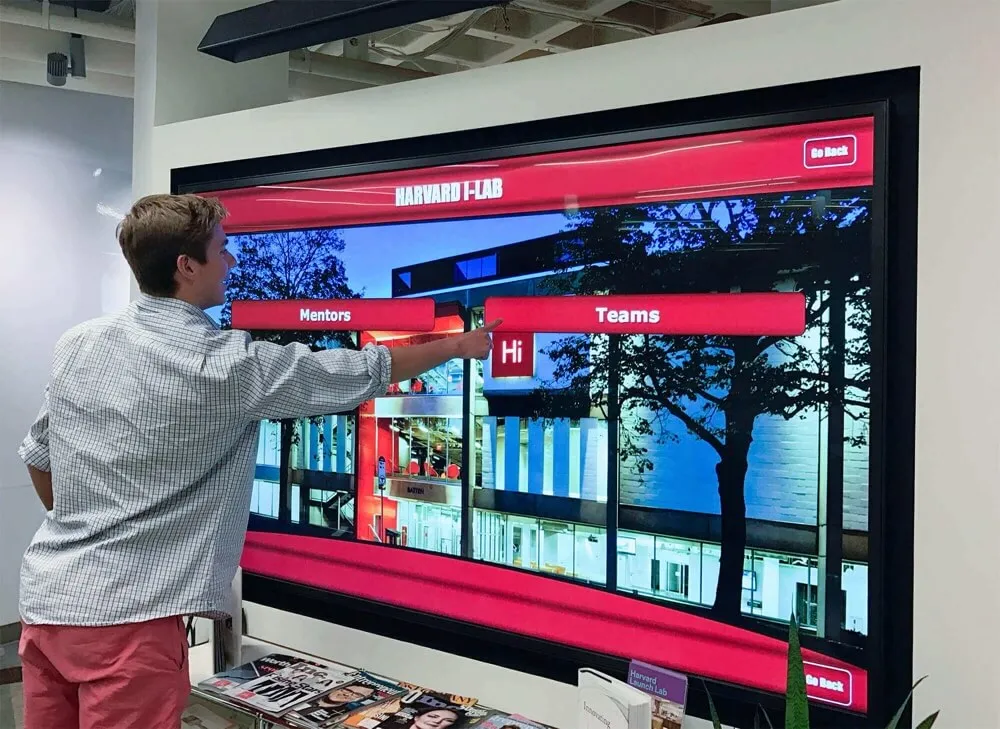
Analytics and usage data inform continuous improvement of recognition programs
Recruiting Effectiveness Indicators
While numerous factors influence recruiting success, athletic departments can assess whether professional alumni recognition contributes to competitive advantages through recruit and family feedback during campus visits mentioning recognition displays, commitment decisions referencing program development track record and professional alumni, comparative recruiting class rankings versus peer institutions after recognition implementation, and increased inquiry volume from elite prospects after prominent recognition launches.
Coaching staffs can provide qualitative assessment of how professional alumni recognition factors into recruiting conversations and competitive positioning relative to similar programs. This input helps refine recognition approaches ensuring they effectively address recruiting priorities and resonate with target recruit audiences.
Alumni Relations Impact Assessment
Recognition programs primarily exist to honor achievement and strengthen alumni connections. Assessment should track metrics including attendance at athletic events and alumni gatherings, participation in mentoring programs or volunteer opportunities, giving rates and average contribution amounts to athletics, qualitative feedback through surveys, interviews, and focus groups, and professional athletes’ willingness to engage with current programs through appearances and support.
Many institutions report that prominent professional athlete recognition creates measurable increases in alumni engagement across multiple dimensions. While isolating causation proves difficult, athletic departments consistently observe correlation between recognition initiatives and enhanced alumni involvement with programs and institutions.
Current Student-Athlete Motivation and Inspiration
Perhaps the most important assessment focuses on whether recognition inspires and motivates current student-athletes. Relevant measures include athlete awareness of professional alumni and program development history, goal-setting influenced by recognition of previous athletes’ achievements, leadership development and positive team culture attributes, qualitative feedback through focus groups, surveys, or coach observations, and team performance trends potentially linked to enhanced motivation.
Athletic departments report that visible professional athlete recognition creates aspirational effects where student-athletes set higher standards for themselves based on documented examples of professional pathways. This motivational impact represents significant return on recognition investment that contributes directly to competitive success and athlete development.
Overcoming Common Implementation Challenges
Schools implementing professional athlete recognition should anticipate and address predictable obstacles that commonly arise.
Budget and Resource Constraints
Digital recognition systems require financial investment that some programs find challenging. Solutions include pursuing funding from booster clubs or athletic support organizations, seeking alumni donations specifically for recognition projects, applying for educational technology or facility enhancement grants, implementing phased approaches starting with core features and expanding over time, and calculating long-term total cost of ownership showing that digital systems achieve cost neutrality over 5-7 years compared to ongoing traditional recognition expenses.
Many schools discover that highlighting recognition programs during fundraising generates enthusiastic donor response, particularly from professional athletes and successful alumni who appreciate permanent celebration of program achievements and development traditions.
Information Gathering and Verification Challenges
Collecting comprehensive, accurate information about professional alumni careers presents challenges, particularly for athletes from earlier eras or those who played professionally in less prominent leagues. Address these challenges through systematic outreach to alumni associations and historical record keepers, engaging long-time community members who remember various program eras, utilizing online resources and professional league archives, accepting that some historical profiles may remain incomplete pending information discovery, and implementing processes for alumni and families to submit corrections or additions.
Set realistic expectations acknowledging that some information may prove impossible to verify. Document what you know while noting gaps transparently rather than speculating or inventing details that could undermine credibility.
Maintaining Long-Term Currency and Relevance
Initial implementation enthusiasm sometimes fades after launch, causing recognition to become outdated and less valuable. Prevent this through building update responsibilities into staff job descriptions, designating specific individuals accountable for monitoring professional alumni, scheduling regular content audits ensuring accuracy and currency, celebrating recognition program milestones generating ongoing attention, and integrating recognition program management into annual planning cycles.
The most successful programs treat professional athlete recognition as ongoing initiatives requiring sustained attention rather than one-time projects completed at implementation and never revisited. This long-term perspective ensures recognition continues delivering value indefinitely rather than declining after initial launch periods.
Successful recognition programs maintain currency and relevance through ongoing content updates
The Future of Professional Athlete Recognition
Recognition technology and best practices continue evolving with emerging capabilities promising enhanced engagement and expanded applications.
Enhanced Social Integration and Community Features
Future recognition systems will likely incorporate increasingly sophisticated social features including easy content sharing to social media platforms with automatic formatting, comment capabilities allowing community engagement with athlete stories, crowdsourced content contributions from alumni and fans sharing memories, collaborative storytelling where multiple stakeholders add perspectives, and live streaming integration during professional games or milestone moments.
These social capabilities will extend recognition reach far beyond physical displays to create ongoing digital communities celebrating professional alumni achievements while maintaining connections between current programs and successful alumni.
Artificial Intelligence and Personalization
AI integration may enable sophisticated features improving content discovery and presentation including intelligent content recommendations based on viewing patterns, personalized recognition feeds adapting to individual interests, natural language search accepting conversational queries, automated highlight reel generation from professional game footage, and predictive analytics identifying potential future professional talent based on historical development patterns.
These capabilities could reduce manual content management burden while improving relevance and engagement for each individual visitor based on their demonstrated interests and backgrounds.
Virtual and Augmented Reality Experiences
Immersive technologies may soon enable more engaging recognition experiences including virtual reality environments recreating professional venues and milestone moments, augmented reality overlays adding information and media when visitors point devices at physical displays, holographic presentations creating three-dimensional athlete representations, and interactive storytelling experiences that adapt based on viewer choices and interests.
These immersive technologies could dramatically enhance emotional engagement with recognition content while making professional athlete stories more vivid and memorable for current student-athletes seeking inspiration.
Conclusion: Professional Athletes as Program Legacy and Inspiration
Professional athlete alumni represent the pinnacle of athletic program development—living proof that your institution develops talent at levels that lead to the most competitive opportunities in sports. These extraordinary achievements deserve recognition that extends far beyond momentary social media posts or cramped trophy cases with limited space.
The evolution from space-constrained traditional displays to unlimited-capacity digital platforms has fundamentally transformed what’s possible in recognizing professional athletic achievement. Institutions no longer face impossible decisions about which professional alumni deserve recognition or which accomplishments must be removed to accommodate new achievements. Modern digital recognition solutions enable comprehensive celebration of entire professional alumni populations while creating engaging multimedia experiences that inspire current athletes and strengthen institutional pride.
Whether implementing sophisticated digital displays, developing comprehensive online platforms, or creating hybrid approaches combining traditional and digital elements, successful professional athlete recognition programs share common characteristics—they provide comprehensive coverage recognizing all professional alumni across sports and eras, tell compelling development stories connecting professional success to institutional preparation, maintain currency through regular updates reflecting current career information, integrate professional recognition with broader athletic program recognition, and create accessible experiences both in physical facilities and online for remote audiences.
For athletic programs seeking to honor professional alumni while building traditions for future generations, recognition represents an investment delivering returns across multiple dimensions—enhanced recruiting competitiveness through demonstrated development success, inspired current athletes setting higher goals based on proven pathways, stronger alumni engagement and institutional support, comprehensive historical documentation preserving program legacy, and elevated community pride in institutional athletic achievement.
Celebrate Your Professional Alumni and Inspire Future Generations
Discover how modern digital recognition solutions can help your institution honor NFL alumni and professional athletes while strengthening recruiting competitiveness, motivating current student-athletes, and preserving program legacy for generations to come.
Schedule Your ConsultationReady to transform how your program recognizes professional athletes and college success stories? Explore comprehensive recognition solutions designed specifically for educational athletic programs, or learn more about athletic recruiting with digital displays and how strategic recognition programs build lasting competitive advantages while celebrating achievement and inspiring current student-athletes to pursue their own dreams of professional and collegiate athletic success.































