Creating a hall of fame doesn’t require massive budgets, technical expertise, or extensive facilities. While elaborate recognition displays certainly have their place, many institutions achieve powerful results with simple hall of fame ideas that focus on authentic acknowledgment rather than expensive installations. Whether you’re a small school operating on limited resources, a community club looking to honor volunteers, or an organization taking its first steps toward formal recognition, straightforward approaches can deliver meaningful impact.
The most effective hall of fame programs share a common characteristic—they genuinely celebrate achievement in ways that resonate with their communities. This doesn’t necessarily demand cutting-edge technology, professional designers, or substantial financial investment. Often, the simplest recognition solutions prove most sustainable because they’re easy to implement, straightforward to maintain, and focused on what truly matters: honoring people who’ve made meaningful contributions.
This comprehensive guide explores practical, achievable hall of fame ideas suitable for organizations of all sizes and budgets. You’ll discover low-cost physical display options, digital solutions that maximize value, creative approaches requiring minimal resources, and hybrid strategies combining multiple methods for enhanced impact. Whether you’re working with a few hundred dollars or have more substantial resources available, you’ll find actionable ideas you can implement to create recognition programs that inspire your community and celebrate excellence appropriately.
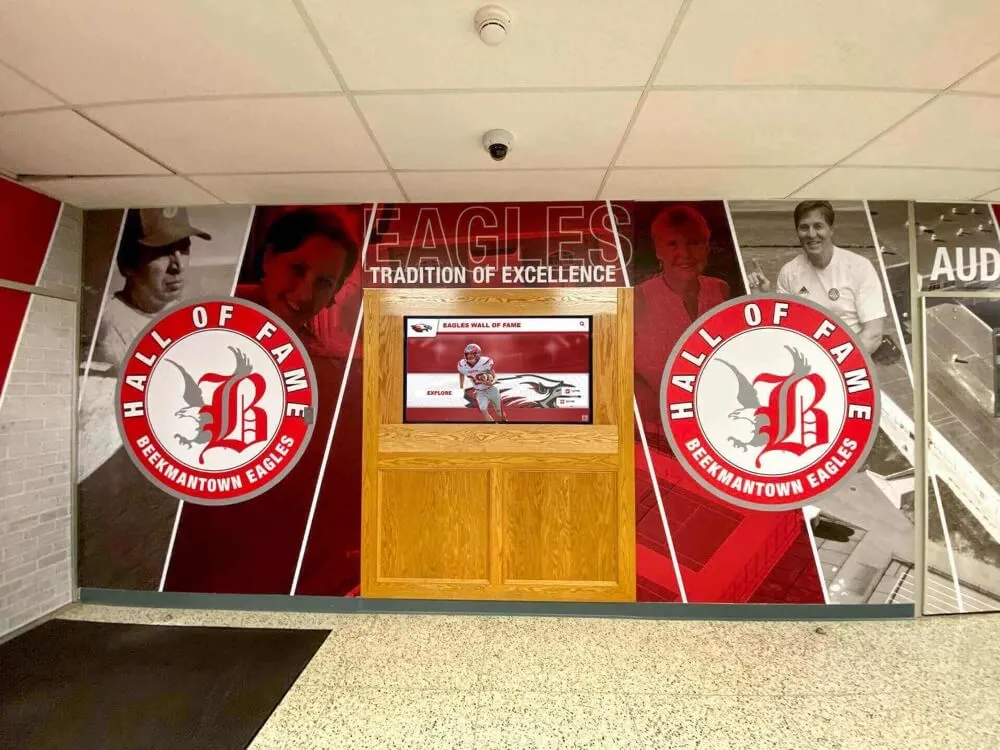
Why Simple Hall of Fame Solutions Work Best for Many Organizations
Before exploring specific ideas, it’s worth understanding why straightforward approaches often succeed where elaborate programs struggle. Simple recognition solutions offer distinct advantages that shouldn’t be underestimated.
Sustainability and Long-Term Viability
Complex hall of fame programs frequently start with enthusiasm but fade when initial champions move on or budgets tighten. Simple systems prove more sustainable because fewer people need specialized training to maintain them, updates require less time and technical knowledge, ongoing costs remain manageable even during budget constraints, and transitions between responsible staff members happen more smoothly.
Organizations implementing hall of fame programs should prioritize longevity over initial impressiveness. A modest recognition system maintained consistently for decades delivers far more value than an elaborate display that becomes outdated or abandoned after a few years.
Accessibility for Smaller Organizations
Not every institution has dedicated advancement departments, substantial facilities budgets, or professional design resources. Simple solutions democratize recognition, enabling clubs, small schools, community organizations, and volunteer groups to honor achievements despite limited resources. This accessibility ensures excellence receives acknowledgment regardless of organizational size or financial capacity.
Focus on Content Over Presentation
The most important element of any hall of fame is the people being honored and their stories. Elaborate displays can sometimes overshadow inductees themselves, with visitors remembering impressive technology more than actual achievements. Simple approaches keep focus where it belongs—on honoring individuals and their contributions rather than showcasing the recognition system itself.
Flexibility and Adaptability
Straightforward hall of fame systems adapt more easily to changing needs, new recognition categories, expanded scope, different physical locations, and evolving organizational priorities. This flexibility proves invaluable as organizations grow, priorities shift, and recognition needs evolve over time.
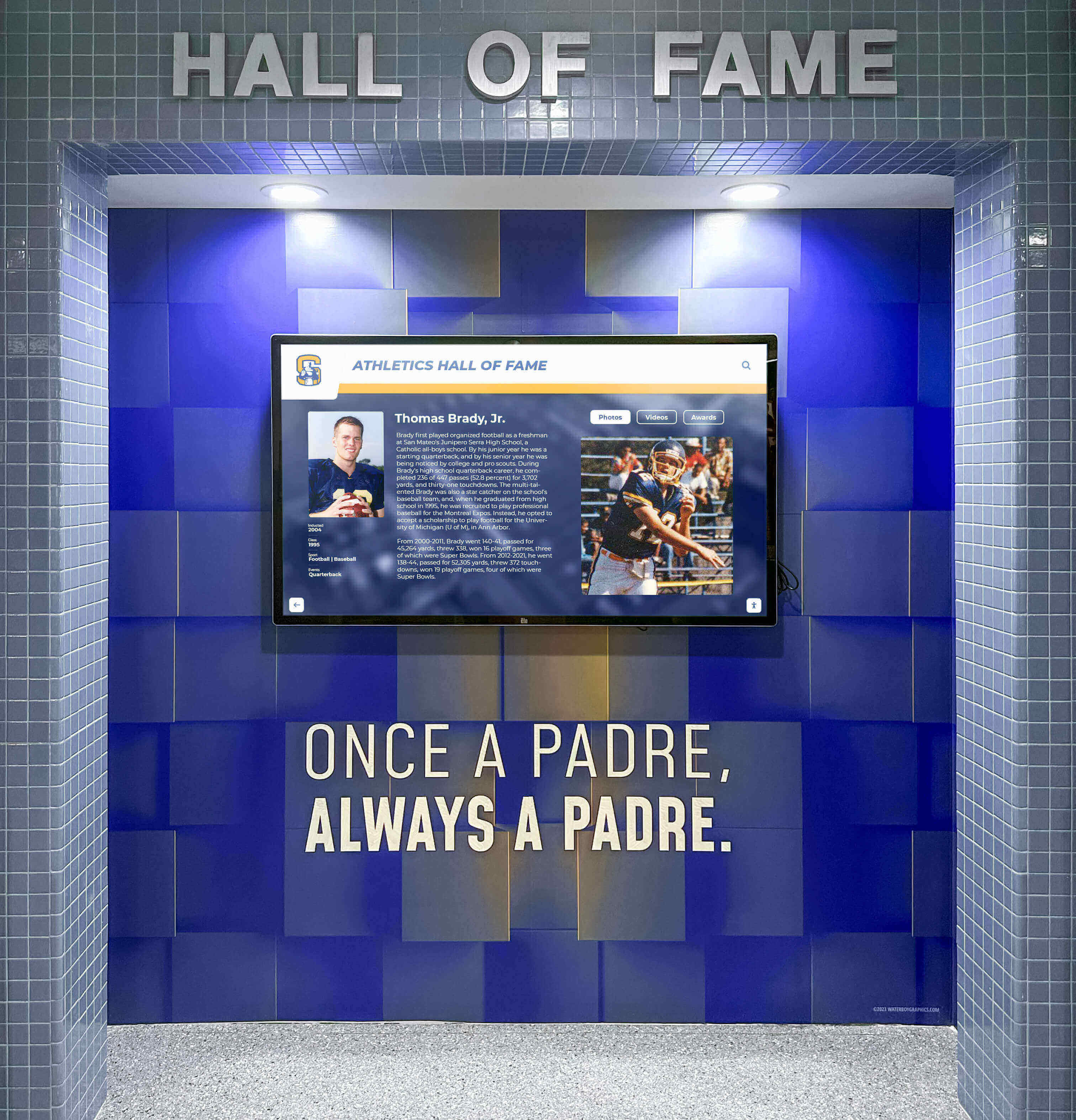
Budget-Friendly Physical Hall of Fame Ideas
Traditional physical displays remain popular for their tangible presence and ceremonial gravitas. Many cost-effective approaches deliver professional results without extensive investment.
1. Wall-Mounted Plaque Galleries
Individual engraved plaques represent the classic hall of fame approach. While custom bronze plaques can be expensive ($150-400 each), more affordable alternatives deliver similar impact including standard-size name plates from office supply vendors ($15-40 each), laser-engraved acrylic plaques offering modern aesthetics at lower costs ($25-60 each), and wood plaques with engraved metal plates combining traditional appearance with affordability ($30-75 each).
Implementation Tips: Purchase blank plaques in bulk for discounts, maintain consistent sizing for professional appearance, arrange plaques in organized grids rather than random placement, and leave space for future inductees to avoid crowded additions later.
2. Framed Photo Displays
Printed photographs in matching frames create visual recognition walls at minimal cost. Standard frame sizes (8x10 or 11x14) keep costs manageable while providing sufficient space for portraits and basic achievement information.
Budget Approach: Purchase frames in bulk from discount retailers ($5-12 each), print photos using high-quality home printers or local print shops ($1-3 each), create consistent information cards using standard templates, and mount frames in organized patterns on dedicated walls.
This approach works particularly well for community hall of fame programs where personalization and visual recognition matter more than elaborate production.
3. Trophy Case Recognition Boards
Many schools and organizations already have trophy cases that can accommodate recognition boards. Simple printed boards featuring inductee names, photos, and brief achievements fit existing displays without additional installation costs.
Materials Needed: Foam core boards or poster boards ($3-8 each), adhesive vinyl lettering for professional appearance ($15-30 per board), printed photos and graphics ($5-15 per board), and protective clear acrylic sheets if desired ($10-20).
4. Banner Displays
Fabric or vinyl banners provide flexible, portable recognition options. Modern printing services produce professional banners at reasonable costs, and they can be rotated, relocated, or updated more easily than permanent installations.
Advantages: Banners cost $50-150 depending on size and quality, installation requires only hanging hardware or portable stands, seasonal rotation keeps displays fresh and maintains interest, and banners can be stored when not displayed and reused for special events.
5. Bulletin Board Hall of Fame
For organizations with extremely limited budgets, well-designed bulletin boards create functional recognition displays. While less formal than other options, they provide legitimate acknowledgment when approached thoughtfully.
Professional Execution: Use quality backing materials (fabric-covered boards or painted backgrounds), maintain consistent formatting for all inductees, add decorative borders or headers establishing the recognition purpose, protect materials with clear plastic sheet covers, and update regularly to maintain professional appearance.
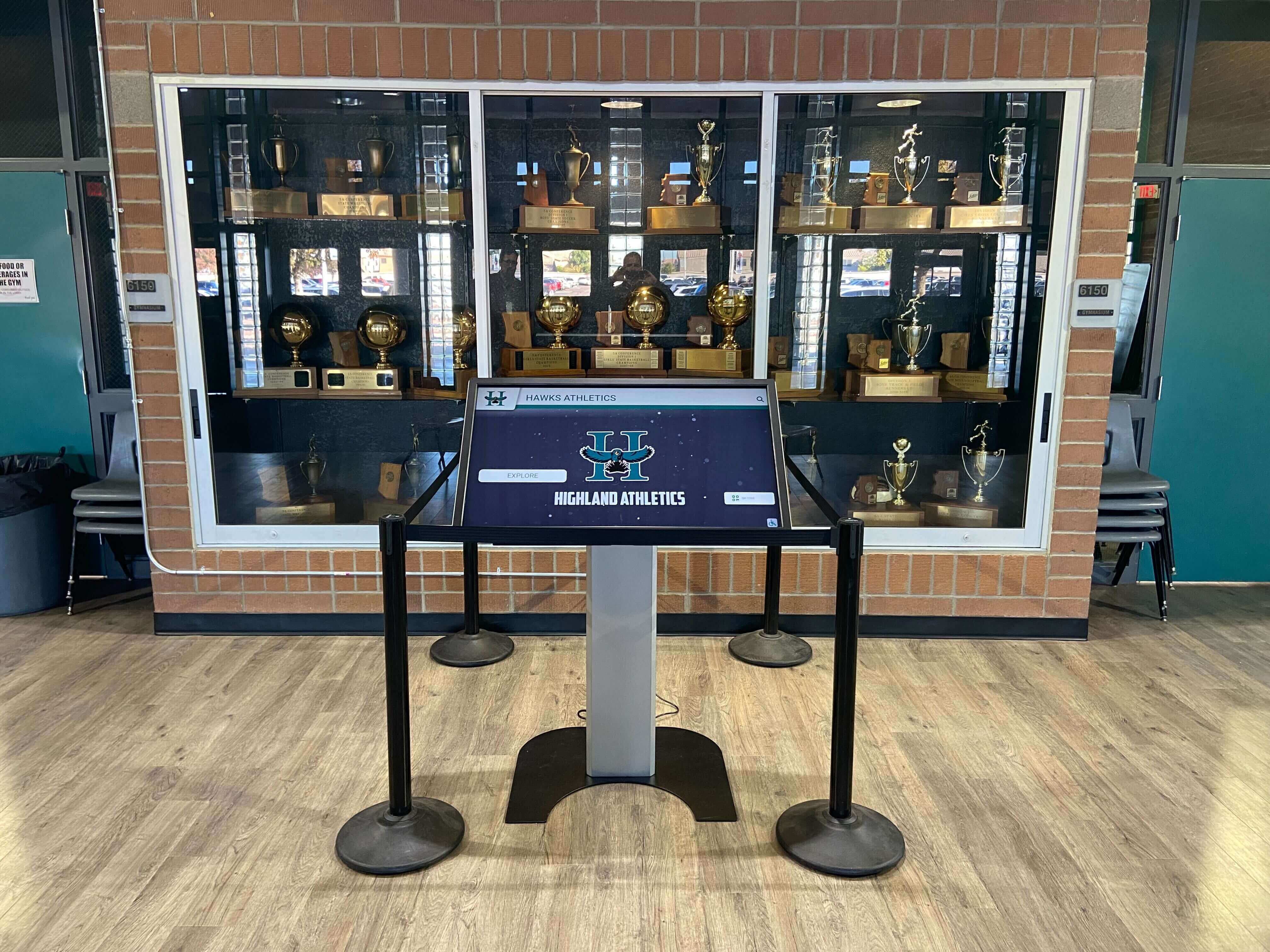
Simple Digital Hall of Fame Solutions
Technology enables powerful recognition experiences at various price points. Digital solutions often prove more cost-effective long-term than continuously producing physical materials while offering significantly greater capacity and flexibility.
6. Website Hall of Fame Pages
If your organization maintains a website, dedicated hall of fame pages provide global accessibility at minimal additional cost. Simple content management systems enable non-technical staff to add new inductees easily.
Implementation Steps: Create a dedicated hall of fame section within your existing site, develop consistent profile templates ensuring uniform presentation, include photos, biographical information, and achievement descriptions, organize content by year, category, or alphabetically, and implement basic search functionality helping visitors find specific inductees.
Many athletic recognition programs begin with simple web pages before expanding to more sophisticated systems as programs mature.
7. Digital Photo Slideshows
Basic digital displays showing rotating photo slideshows require minimal technical expertise or investment. A computer, tablet, or affordable media player connected to a television or monitor creates dynamic recognition displays.
What You Need: Basic media player or repurposed computer ($0-150 if using existing equipment), television or monitor (may already be available), slideshow software (free options widely available), and digital photos and basic text information about inductees.
Pro Tip: Set slideshows to change photos every 10-15 seconds, include multiple photos per inductee when available, add basic text overlays with names and achievements, and update content quarterly to maintain interest.
8. Social Media Recognition Campaigns
Leverage existing social media platforms to create digital hall of fame presence. Regular posts featuring inductees extend recognition beyond physical locations while engaging broader communities.
Campaign Structure: Create a recurring post series (e.g., “Hall of Fame Friday”), develop consistent formatting and hashtags, include photos and achievement highlights, encourage community engagement through comments and shares, and archive posts in highlighted collections for easy reference.
This approach costs nothing beyond time investment while potentially reaching far more people than physical displays alone.
9. Interactive Touchscreen Displays
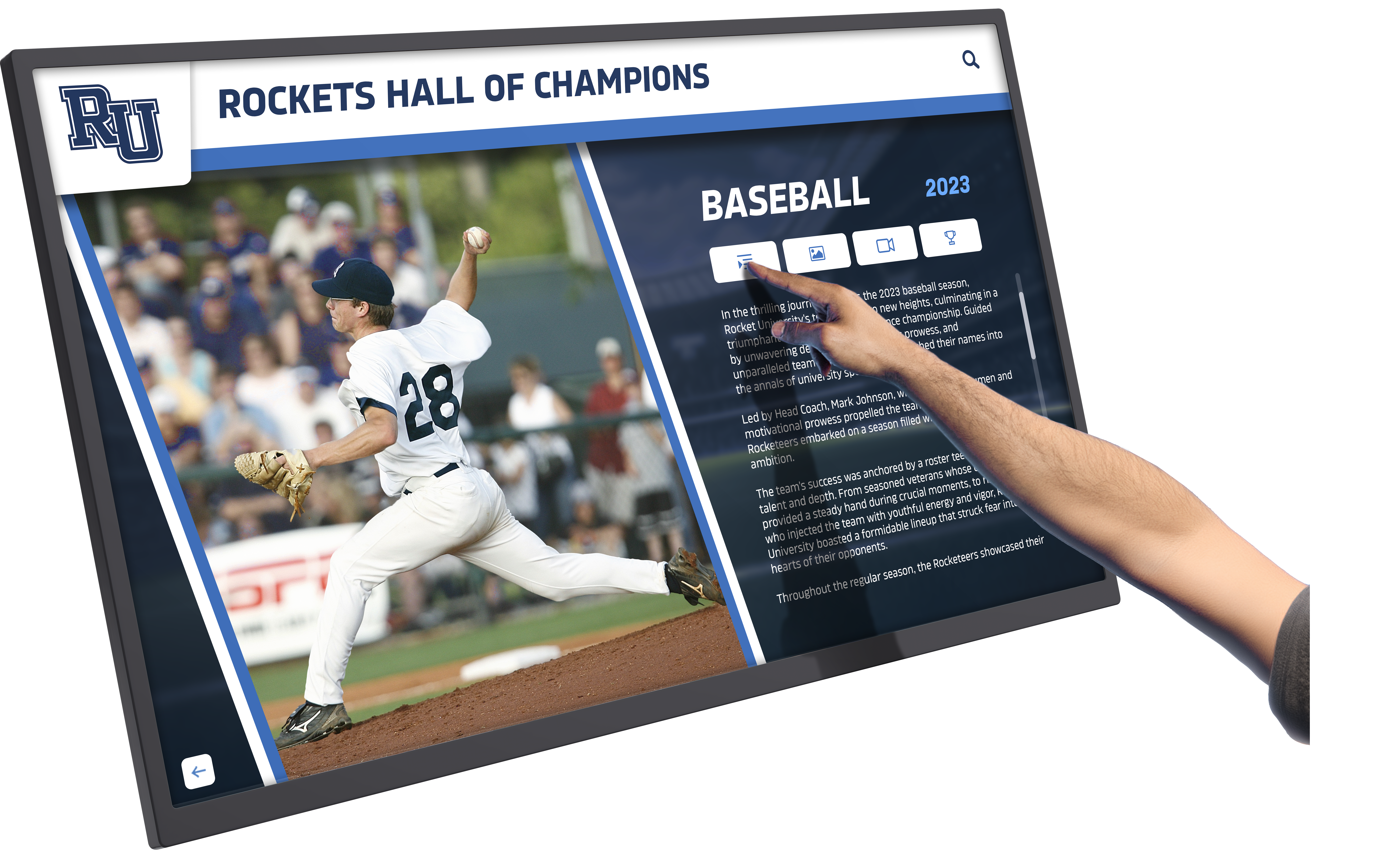
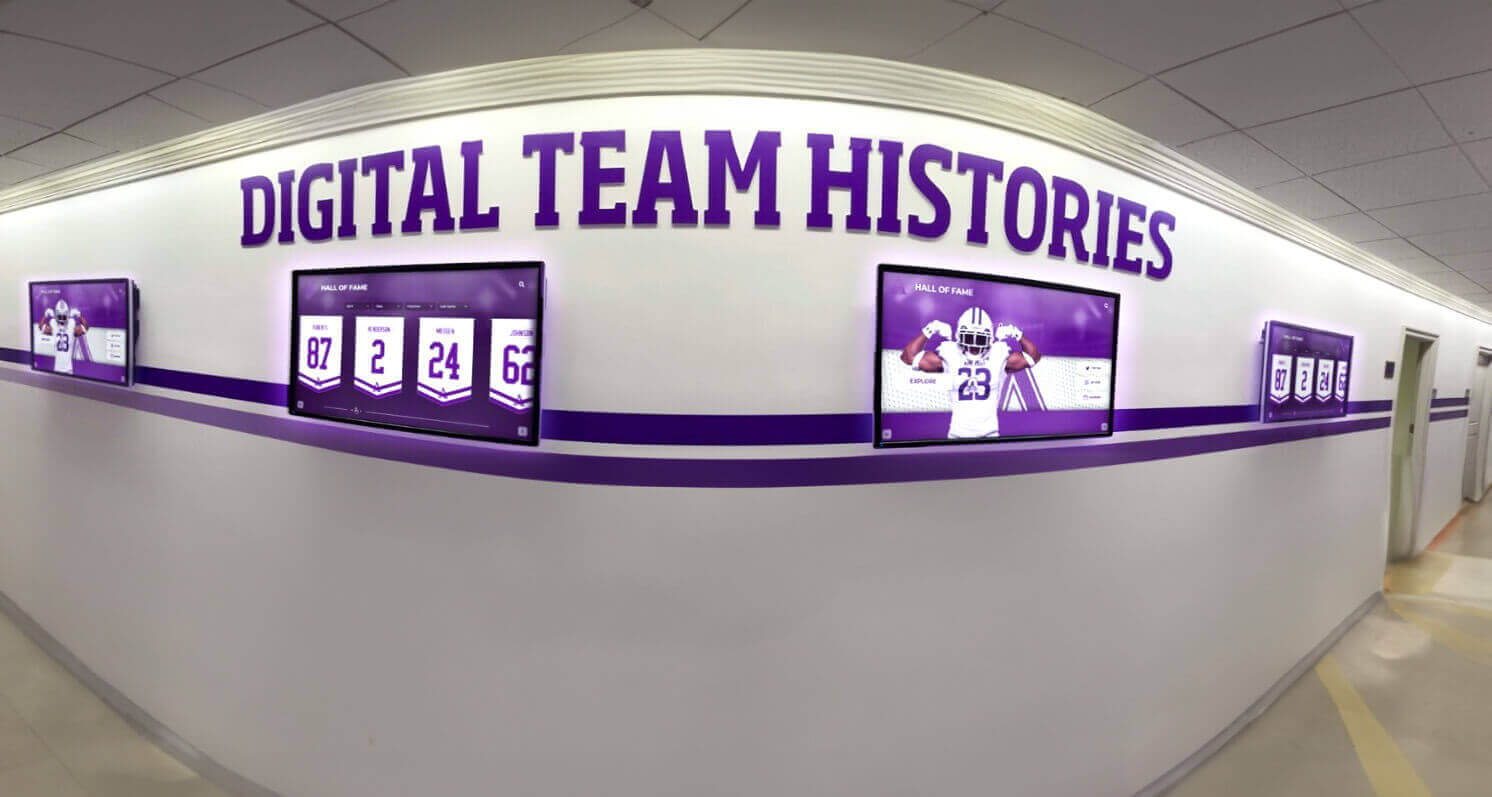
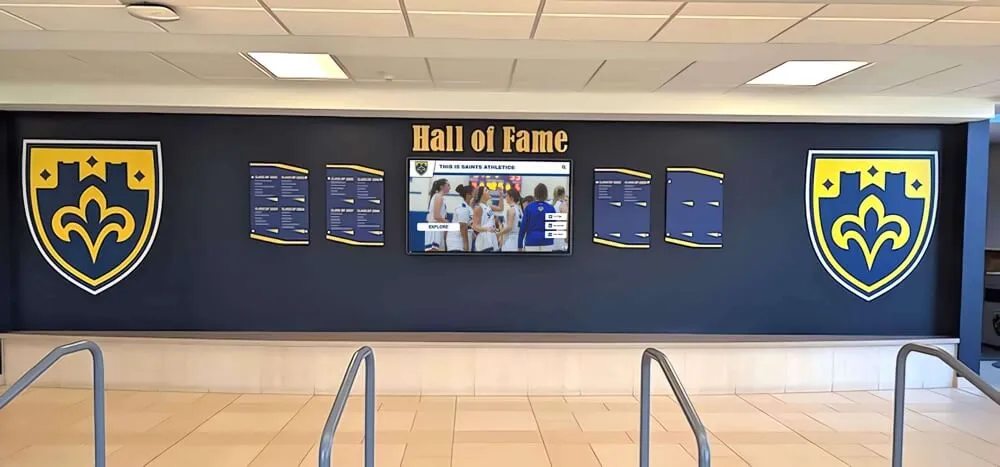
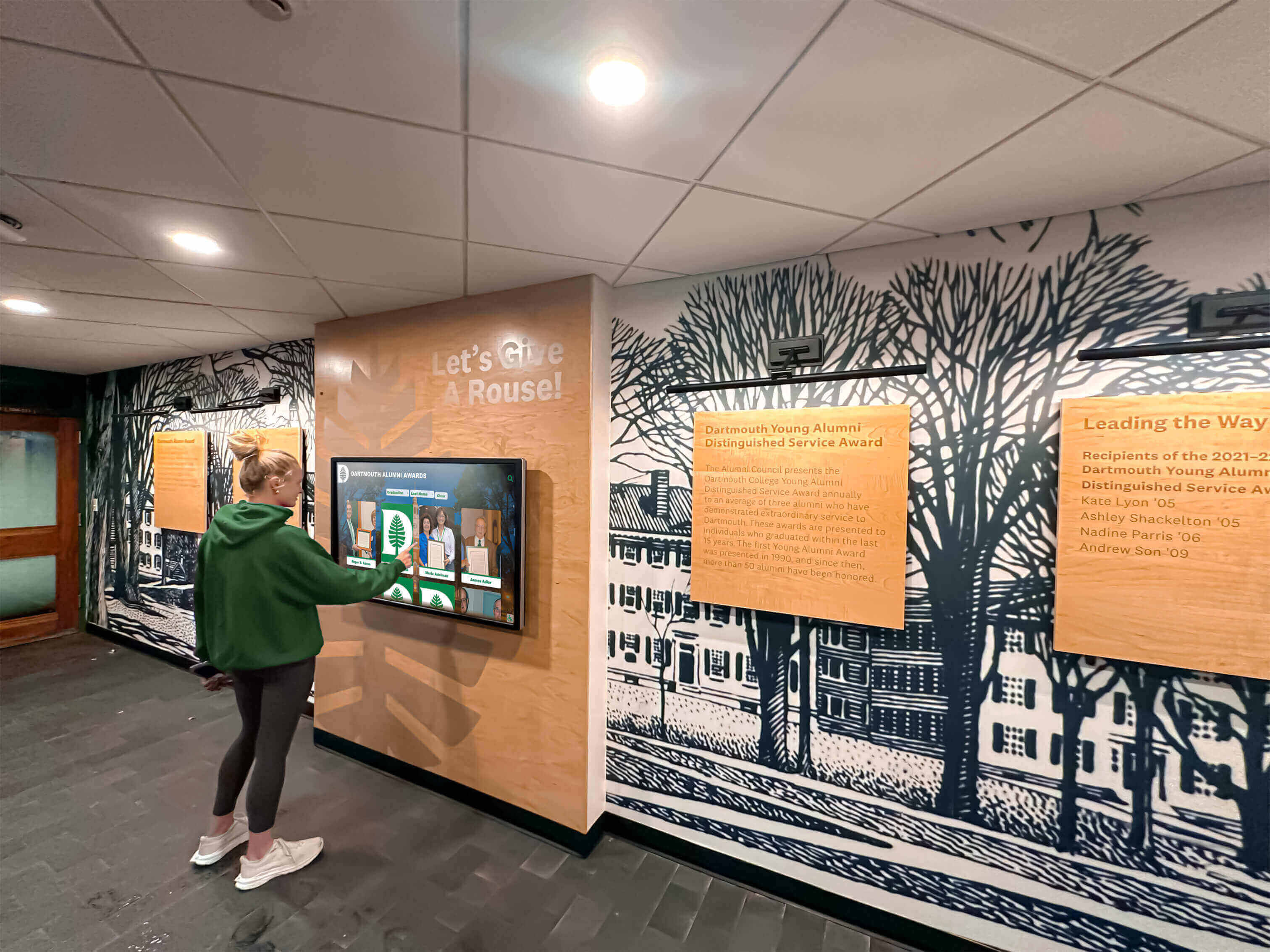
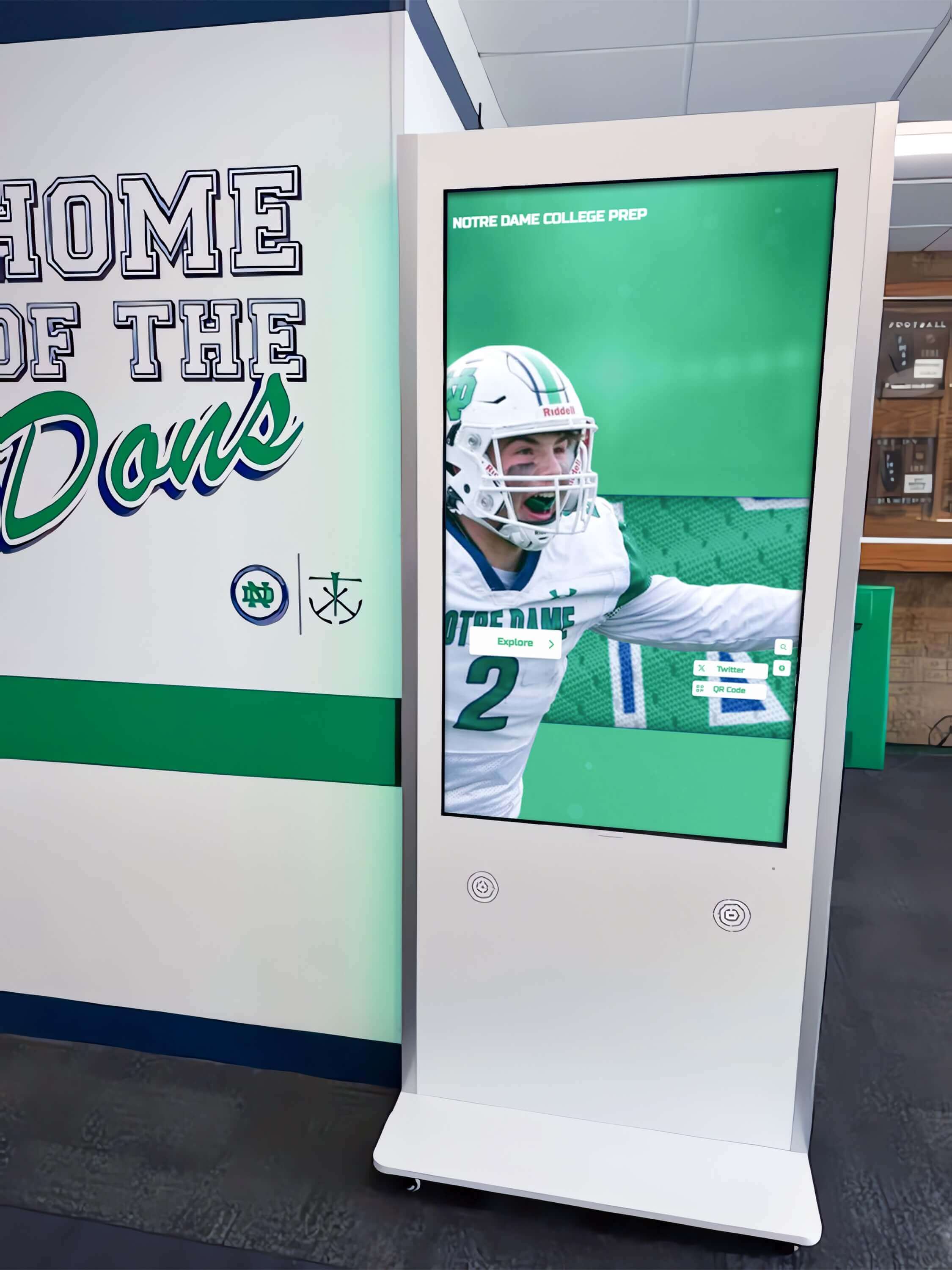
Purpose-built recognition platforms like Rocket Alumni Solutions provide professional digital hall of fame experiences designed specifically for schools and organizations. While representing more investment than basic options, these systems deliver significant advantages including unlimited capacity for inductees, easy content management through user-friendly interfaces, professional templates and designs, search and filtering capabilities, and multimedia support for photos and videos.
Many institutions find that comprehensive digital platforms become cost-effective compared to ongoing physical material production, typically achieving break-even within 3-5 years while offering dramatically superior functionality.
10. QR Code Enhanced Physical Displays
Combine minimal physical presence with extensive digital content through QR codes. Small plaques or labels with QR codes link to comprehensive online profiles, reducing physical display costs while providing rich information.
Implementation: Create basic physical name plates with QR codes ($15-30 each including code generation and printing), develop simple web pages with detailed inductee information, and visitors scan codes with smartphones to access expanded content immediately.
This hybrid approach works exceptionally well for organizations with space constraints but strong web presence.
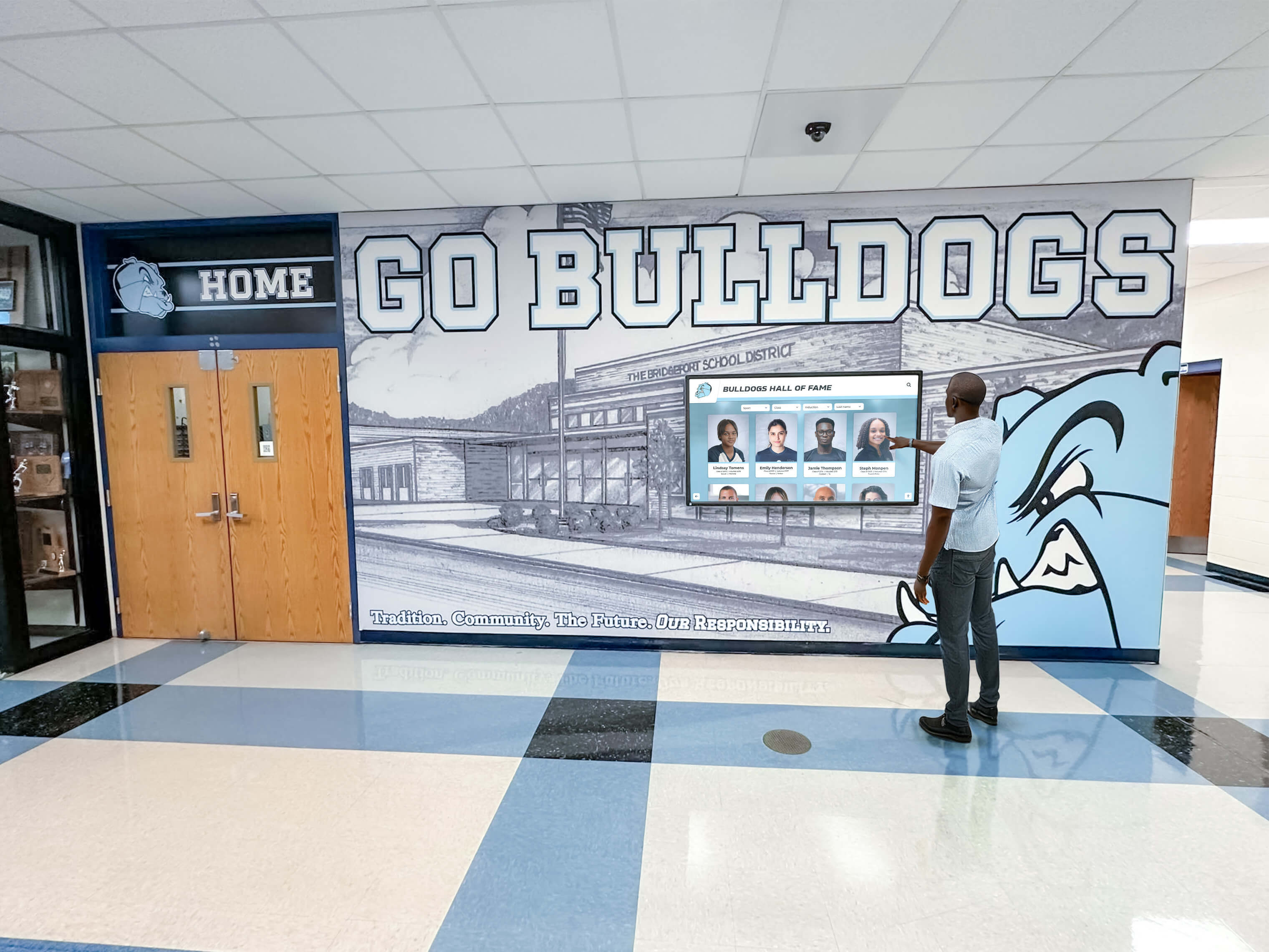
Creative Low-Cost Recognition Ideas
Innovation often compensates for limited budgets. These creative approaches provide meaningful recognition through resourcefulness rather than extensive spending.
11. Student or Volunteer-Created Displays
Engage students, members, or volunteers in creating recognition displays as service projects or learning opportunities. This approach reduces costs while providing valuable experience and strengthening community connections.
Project Structure: Art students design displays or create portraits, technology students build basic digital systems, writing students craft biographical profiles, and community service volunteers conduct research and compile information.
Educational institutions implementing school history preservation programs often leverage student involvement to manage costs while enriching student learning.
12. Rotating Recognition Spotlight
Instead of permanent displays for all inductees, create a single high-quality spotlight area that rotates featured honorees monthly or quarterly. This approach requires only one display space while ensuring every inductee receives featured recognition periodically.
Benefits: Concentrate resources on one professional display area, maintain continuous fresh content keeping recognition visible, highlight different achievement categories systematically, and create recurring reasons for inductees to visit and share their recognition.
13. Memorial Bench or Garden Markers
For outdoor recognition or memorial purposes, simple engraved markers, bricks, or bench plaques provide permanent acknowledgment at moderate cost. Many vendors specialize in bulk brick or tile programs specifically designed for halls of fame.
Typical Costs: Engraved bricks or tiles: $50-150 each, memorial bench plaques: $75-250 each, garden markers or pavers: $40-120 each, and installation typically included in pricing.
These physical installations work well for programs where donors or families contribute toward recognition costs, partially or fully offsetting organizational expenses.
14. Yearbook or Program Book Hall of Fame
Annual publications provide permanent recognition records without requiring display space. Yearbook sections, program books, or special hall of fame publications document inductees affordably.
Implementation: Dedicate yearbook or annual report sections to hall of fame inductees, create simple printed booklets distributed at ceremonies ($2-5 per copy), publish PDF versions available for free download, and archive all editions building comprehensive historical records.
While these lack visual prominence of physical displays, they create permanent documentation serving research and historical preservation purposes effectively.
15. Pennant or Flag Displays
Colorful pennants or flags featuring inductee names create eye-catching displays at modest cost. This approach works particularly well for athletic recognition or outdoor settings.
Execution: Order custom printed pennants ($8-20 each depending on quantity), hang in high-traffic corridors or along fences, group by year, category, or achievement type, and rotate or refresh periodically to maintain visual appeal.
Category-Specific Simple Hall of Fame Ideas
Different achievement types sometimes benefit from specialized recognition approaches. These category-specific ideas address common recognition needs simply and effectively.
16. Athletic Recognition Boards
Sports programs require space-efficient methods for honoring numerous athletes, teams, and records. Simple athletic halls of fame often focus on key categories like individual record holders, championship teams, all-state or all-conference athletes, and distinguished coaches.
Simple Formats: Printed record boards showing top performances ($75-200 for professional printing), team photo collages celebrating championship seasons ($50-150 per season), and digital slideshows rotating through different sports and eras (minimal cost with existing equipment).
Resources on all-state athlete recognition explore approaches specifically designed for acknowledging competitive excellence efficiently.
17. Academic Excellence Recognition
Celebrating scholarly achievement requires approaches accommodating large numbers of honorees while maintaining appropriate prestige. Simple academic halls of fame might include honor roll displays updated each term, national merit scholars and scholarship recipients, valedictorians and salutatorians from each graduation class, and academic competition winners.
Practical Displays: Rolling displays showing recent honorees ($100-300 for quality bulletin boards), digital screens rotating through current and historical academic achievers (using existing equipment), and simple web pages documenting academic excellence (minimal cost).
18. Teacher and Staff Appreciation Recognition
Honoring educators and staff members demonstrates organizational values while building positive culture. Simple approaches include service milestone recognition for 10, 20, 30+ years, teacher of the year award history, distinguished career retrospectives for retired educators, and staff contribution spotlights.
Budget-Friendly Options: Photo collages with brief biographical summaries ($50-150), simple name plaques for milestone anniversaries ($25-60 each), and regular spotlight features in newsletters or websites (no additional cost).
19. Volunteer and Community Service Recognition
Organizations dependent on volunteer support benefit from simple recognition honoring service contributions. Effective approaches acknowledge lifetime service hour milestones, leadership roles in key programs, consistent long-term volunteers, and exceptional project contributions.
Simple Solutions: Certificate displays in standard frames ($8-15 per volunteer), annual appreciation events with simple recognition announcements (venue and refreshment costs), and social media honor campaigns featuring different volunteers regularly (free).
20. Donor Recognition Displays
Acknowledging financial supporters encourages continued philanthropy. Simple donor recognition tiers might include cumulative giving level categories, annual fund consistent supporter lists, legacy society members who’ve included the organization in estate plans, and named fund or scholarship creators.
Economical Approaches: Printed donor lists refreshed annually ($50-200 for professional printing), simple plaques for major gift donors ($75-200 each), and dedicated website pages listing supporters by level (minimal cost).
Implementation Tips for Simple Hall of Fame Success
Even straightforward recognition programs benefit from thoughtful execution. These practical tips help simple halls of fame achieve maximum impact.
Maintain Consistency and Quality Standards
Simple doesn’t mean sloppy. Professional appearance matters regardless of budget constraints. Establish standard formats for all inductee materials ensuring uniform presentation, use consistent fonts, colors, and design elements throughout displays, invest in reasonable quality materials that won’t quickly deteriorate, and ensure accurate information through careful proofreading and verification.
Start Small and Expand Gradually
Don’t attempt comprehensive recognition immediately. Begin with recent or most distinguished honorees, add historical inductees incrementally as time and resources permit, expand to additional categories once initial implementation succeeds, and build content and display quality progressively rather than rushing to cover everything immediately.
This phased approach proves more sustainable than overly ambitious initial launches that become overwhelming to maintain.
Leverage Available Resources
Look for existing assets and capabilities before purchasing new materials. Utilize existing display spaces, equipment, and furniture, engage volunteer talents including photographers, writers, and designers, partner with local businesses for printing discounts or material donations, and seek grant opportunities from community foundations or civic organizations.
Many budget-friendly recognition programs achieve professional results primarily through resourcefulness rather than extensive spending.
Establish Clear Selection Criteria and Processes
Credibility depends on fair, transparent recognition decisions. Document achievement thresholds required for induction, establish nomination procedures allowing broad community participation, form diverse selection committees representing multiple perspectives, and communicate processes publicly building confidence in recognition integrity.
Plan for Ongoing Maintenance
Recognition programs require sustained attention. Assign specific responsibility for updates and maintenance, establish annual schedules for adding new inductees, budget modest amounts for materials and updates, and create succession plans ensuring continuity when responsible individuals transition.
Promote Your Recognition Program
Even excellent halls of fame deliver limited value if communities don’t know they exist. Announce new inductees through multiple communication channels, integrate recognition into events and gatherings, feature inductees regularly in newsletters or social media, and encourage inductees to share their recognition through their networks.
When to Consider Upgrading from Simple to More Advanced Systems
Simple hall of fame solutions serve many organizations indefinitely. However, certain situations suggest considering more sophisticated approaches might deliver better results.
Signs You’ve Outgrown Basic Systems
Your recognition program may benefit from enhancement if space constraints prevent honoring all deserving individuals, physical displays can’t accommodate growing inductee numbers, updating content has become excessively time-consuming, community feedback requests more detailed information than basic displays provide, or recognition program success creates demand for expanded capabilities.
Cost-Effective Upgrades
Transitioning to more advanced systems doesn’t require massive investment. Digital platforms like those from Rocket Alumni Solutions provide professional capabilities at reasonable costs, offering unlimited digital capacity eliminating space constraints, easy content management reducing update time requirements, rich multimedia capabilities enhancing storytelling, and professional appearance elevating recognition prestige.
These purpose-built solutions typically achieve break-even compared to ongoing physical material costs within 3-5 years while delivering dramatically superior functionality and capacity.
Hybrid Approaches Combining Simple and Advanced Elements
Many successful programs blend straightforward and sophisticated components strategically. Maintain simple physical displays for highest-profile recent inductees, implement comprehensive digital systems accommodating all honorees, use basic web pages supplementing physical installations, and reserve elaborate production for special anniversary recognitions.
This balanced approach manages costs while maximizing recognition reach and impact.
Common Mistakes to Avoid with Simple Hall of Fame Programs
Even basic recognition initiatives encounter predictable pitfalls. Avoiding these common errors improves program effectiveness significantly.
Mistake 1: Inconsistent Quality and Formatting
Mixing different plaque sizes, frame styles, or formatting creates unprofessional appearance undermining recognition credibility. Establish clear standards from the beginning and maintain them consistently.
Mistake 2: Poor Physical Placement
Locating displays in low-traffic areas wastes recognition potential. Position halls of fame where community members naturally congregate—main lobbies, central hallways, or popular common areas.
Mistake 3: Neglecting Updates and Maintenance
Recognition displays that stagnate or deteriorate suggest institutional indifference. Schedule regular maintenance, clean displays periodically, update content promptly when adding inductees, and replace damaged or faded materials immediately.
Mistake 4: Inadequate Information
Names and dates alone don’t tell compelling stories. Include at minimum names and years, achievement categories or reasons for recognition, brief biographical information, and specific accomplishments deserving acknowledgment.
Mistake 5: Forgetting Accessibility
Ensure recognition serves entire communities through readable font sizes and sufficient contrast, wheelchair-accessible viewing heights, content available in multiple formats when possible, and inclusive selection processes considering diverse achievement types.
Resources on digital wall of fame accessibility provide comprehensive guidance ensuring programs serve all community members equitably.
Real-World Examples: Simple Hall of Fame Success Stories
Examining how organizations successfully implement straightforward recognition provides practical insights and inspiration for your own programs.
Small School Athletic Recognition
A rural high school with 200 students created an effective athletic hall of fame for under $800 using printed banners featuring championship teams ($250), simple plaques for individual record holders ($300), and basic digital slideshow on existing TV ($150 for media player). The program honored 50+ athletes and teams within their first year, creating visible pride that positively influenced school culture and community support.
Community Club Volunteer Recognition
A service club with 75 members implemented recognition for sustained service contributions through framed certificates in club meeting space ($120 for 10 frames), annual spotlight features in monthly newsletters (no cost), and social media campaigns honoring long-term volunteers (free). This simple approach significantly improved volunteer retention and attracted new members who appreciated the culture of recognition.
Youth Sports League Hall of Fame
A recreational sports league serving 300 families created coach and volunteer appreciation recognition including rotating spotlight board in facility entrance ($85), website page documenting all coaches with photos ($0—used existing site), and annual recognition ceremony during season-end event ($150 for certificates and refreshments). The program addressed chronic volunteer shortage by demonstrating that contributions receive genuine appreciation.
Church Heritage Recognition
A congregation established a simple hall of fame honoring pastoral leadership and significant contributors through basic photo display wall ($200 for frames and printing), historical booklet distributed to members ($180 for 100 copies), and dedicated section on church website ($0—existing platform). This initiative strengthened congregational identity while preserving important institutional history.
These examples demonstrate that meaningful recognition succeeds through authentic appreciation rather than expensive implementations.
Taking Action: Getting Started with Your Simple Hall of Fame
If you’re ready to establish recognition for your organization, these actionable steps guide initial implementation successfully.
Step 1: Define Your Recognition Purpose and Scope
Clarify what you want your hall of fame to accomplish, which achievement categories deserve acknowledgment, how many inductees you’ll honor initially, and what growth you anticipate over the next 3-5 years.
Step 2: Assess Available Resources
Inventory existing assets including available physical space for displays, current equipment (TVs, computers, existing cases), volunteer skills and talents (designers, photographers, writers), modest budget you can allocate ($100-$1,000 typically sufficient for simple programs), and potential partnerships or donations.
Step 3: Select Your Recognition Approach
Based on resources and needs, choose appropriate methods from the ideas presented in this guide. Many organizations combine 2-3 simple approaches—perhaps basic physical displays plus web pages—for enhanced reach without excessive complexity.
Step 4: Establish Selection Criteria and Committees
Document clear standards for induction, form diverse selection committees, establish nomination procedures, and communicate processes to your community building confidence in recognition integrity.
Step 5: Develop Initial Content
Begin with manageable inaugural class—typically 10-50 honorees depending on organization size. Collect photos and biographical information, create consistent profile formats, verify accuracy of all details, and prepare materials for your chosen display methods.
Step 6: Implement Your Recognition Displays
Install physical displays professionally despite simplicity, launch digital components with clear navigation, test all systems ensuring they work properly, and prepare promotional materials announcing your new hall of fame.
Step 7: Launch with Appropriate Ceremony
Celebrate inaugural inductees through recognition event appropriate to organizational culture, public announcements via multiple communication channels, social media campaigns featuring new hall of fame, and outreach to inductees’ families and networks encouraging their engagement.
Step 8: Establish Ongoing Maintenance Plans
Assign clear responsibility for updates and maintenance, create annual calendars for induction cycles, budget modest amounts for continued operations, and document procedures ensuring continuity through transitions.
Conclusion: Simple Solutions, Powerful Impact
Creating meaningful hall of fame recognition doesn’t require elaborate installations, substantial budgets, or technical expertise. The most important elements—authentic appreciation, fair recognition, and sustained commitment—cost nothing yet deliver tremendous value. Whether you implement basic plaque displays, straightforward digital slideshows, simple web pages, or creative combinations of multiple approaches, what matters most is that you honor those who’ve contributed meaningfully to your organization’s mission and community.
Simple hall of fame ideas provide accessible entry points for organizations at any resource level. Starting with straightforward recognition that you can sustain proves far more valuable than elaborate programs that consume disproportionate resources or fade when initial enthusiasm wanes. Focus on core purposes—celebrating achievement, preserving history, and inspiring future excellence—and simple solutions will serve these goals effectively for years to come.
As your programs mature and resources allow, you can always enhance recognition systems while maintaining the authentic appreciation that made simple approaches successful initially. Many organizations begin with basic displays and eventually transition to comprehensive platforms like those from Rocket Alumni Solutions that provide professional capabilities without sacrificing the straightforward administration that makes programs sustainable.
The individuals you recognize deserve acknowledgment regardless of available resources. Simple hall of fame ideas ensure that budget constraints never prevent you from celebrating excellence, honoring contribution, and building community pride through recognition that matters. Your community’s heroes deserve recognition—start simple, start now, and build something meaningful that will inspire others for generations to come.
Ready to implement your simple hall of fame? Whether you choose basic physical displays, straightforward digital solutions, or creative combinations, the recognition you provide will strengthen your community and honor those who make it exceptional.































