Youth soccer programs serve more than 3 million young players across America, providing opportunities to build athleticism, teamwork skills, and personal confidence. Recognition programs that celebrate diverse achievements—from first goals to most improved defense to exemplary sportsmanship—reinforce the values that make soccer a transformative childhood experience.
Effective soccer awards for kids extend beyond trophies for top scorers. The most impactful recognition systems honor technical skill development, character growth, teamwork contributions, and personal improvement across all age groups. This comprehensive guide presents age-appropriate recognition ideas designed specifically for youth soccer programs, from recreational leagues through competitive travel teams.
Recognition shapes what young players value and how they define success. When soccer programs only celebrate goals and wins, they miss opportunities to motivate the majority of players who contribute in equally important ways—tenacious defenders, supportive teammates, players showing dramatic improvement, and those demonstrating exceptional sportsmanship.
The recognition strategies explored here address the full spectrum of youth soccer excellence while remaining appropriate for different developmental stages. Whether you’re coaching six-year-olds taking their first touches or leading competitive teen players, you’ll find award ideas that align with your program’s values and inspire your athletes.
Understanding Age-Appropriate Soccer Recognition
Soccer recognition must adapt to children’s developmental stages to maximize motivation while maintaining appropriate expectations.
Recognition for Ages 4-6: Introduction to Soccer
Very young players are building fundamental movement patterns and learning basic soccer concepts. Recognition at this stage emphasizes participation, effort, and fun rather than competitive performance.
Appropriate Recognition Focus:
- Participation awards for all players equally
- Celebration of basic skill attempts regardless of execution
- Attendance recognition for showing up consistently
- Positive attitude and enthusiasm acknowledgment
- Team spirit and supporting teammates
- Trying new positions and activities
At this age, every child should receive equal recognition. The goal is building positive associations with soccer, physical activity, and team experiences. Competitive or performance-based awards are developmentally inappropriate and can damage intrinsic motivation.
Recognition Formats:
- Participation medals or ribbons for all players
- Team celebration parties including everyone equally
- Individual certificates highlighting one positive attribute per child
- Fun superlative awards that rotate so all players receive something
- Photo displays showing every team member in action
- Coach recognition notes to parents about specific positive moments
Recognition for Ages 7-9: Developing Soccer Skills
Elementary-age players are developing fundamental soccer techniques and beginning to understand tactical concepts. Recognition expands beyond pure participation to celebrate emerging skills while maintaining inclusive approaches.
Appropriate Recognition Categories:
- Most improved player showing measurable skill development
- Best hustle and effort throughout the season
- Outstanding sportsmanship and respect for rules
- Best teammate who supports and encourages others
- Defensive excellence for players prioritizing defense
- Offensive effort for players showing attacking intent
- Practice player who brings consistent energy
- Team spirit leader maintaining positive attitude
Recognition should still ensure every player receives meaningful acknowledgment for authentic achievements. The expanded categories celebrate different contribution types, ensuring recognition pathways exist for all players regardless of natural athletic ability.
Recognition Considerations:
- Balance skill-based awards with character-based recognition
- Recognize different players for different strengths rather than repeatedly honoring the same athletes
- Include coach commentary explaining why each player earned recognition
- Create certificates or small trophies acknowledging specific achievements
- Maintain team focus alongside individual recognition
- Communicate recognition criteria to players early in the season
Programs serving this age group benefit from end of the year awards for students approaches that celebrate diverse achievements.
Recognition for Ages 10-12: Competitive Skill Development
Pre-teen players are refining technical skills, understanding sophisticated tactics, and experiencing more competitive soccer. Recognition can incorporate performance metrics while maintaining emphasis on character and improvement.
Performance-Based Recognition:
- Top scorer acknowledging offensive production
- Assist leader celebrating playmaking contributions
- Defensive player of the year for back-line excellence
- Goalkeeper award for shot-stopping performance
- Most valuable player combining multiple dimensions
- Best technical skills for superior ball control and technique
- Fastest player recognizing speed and quickness
- Most consistent performer for reliable contributions
Character and Development Recognition:
- Leadership award for on-field direction and teammate support
- Most improved player showing greatest skill advancement
- Hardest worker in training and matches
- Best attitude maintaining positivity regardless of outcomes
- Coachability award for responding to instruction
- Team player prioritizing collective success
- Courage award for playing beyond comfort zones
- Perseverance recognition for continuing through challenges
At this stage, establish clear, transparent criteria for performance awards while ensuring character-based recognition remains equally prominent. Track statistics objectively and communicate how winners are determined.
Comprehensive soccer awards ideas provide additional recognition frameworks applicable to this age group.
Recognition for Ages 13-18: Advanced Competition
Teen players are competing at higher levels with increased sophistication in tactics, fitness, and mental approach. Recognition systems can mirror elite soccer while maintaining educational focus appropriate for youth programs.
Advanced Performance Recognition:
- All-conference and all-region selections
- Statistical leaders in goals, assists, saves, clean sheets
- Tournament MVP and best XI selections
- Technical excellence awards for superior skill execution
- Tactical awareness recognition for game intelligence
- Fitness and conditioning achievement
- Clutch performer excelling in critical moments
- Position-specific awards recognizing specialized excellence
Leadership and Character Recognition:
- Captain’s award determined by coaches and teammates
- Unsung hero celebrating crucial but unheralded contributions
- Mental toughness award for competitive resilience
- Academic excellence recognition for classroom achievement
- Community service award for volunteer contributions
- Mentor award for developing younger players
- Program commitment recognizing multi-year dedication
- Improvement awards celebrating development trajectory
Teen recognition should acknowledge that soccer may be pathway to college opportunities. Document achievements systematically to support athletic recruiting and scholarship applications. Senior night ideas help programs celebrate graduating players appropriately.
Position-Specific Soccer Awards for Kids
Different positions require distinct skills deserving specialized recognition.
Goalkeeper Recognition
Goalkeepers face unique challenges requiring specific acknowledgment:
Performance-Based Goalkeeper Awards:
- Most saves recognizing shot-stopping volume
- Best save percentage acknowledging efficiency
- Most clean sheets celebrating defensive excellence
- Best distribution honoring ball-playing ability
- Penalty save award for spot-kick stops
- Commanding presence for organizing defense
- Bravest goalkeeper for fearless play
Development-Focused Goalkeeper Awards:
- Most improved goalkeeper showing technical advancement
- Best footwork recognizing positioning development
- Communication leader for defensive organization
- Mental toughness acknowledging position-specific pressure
- Training dedication for specialized goalkeeper work
Goalkeepers often receive less recognition than field players. Establishing goalkeeper-specific awards ensures these crucial contributors get appropriate acknowledgment.
Defender Recognition
Defensive players perform essential work that doesn’t appear on typical stat sheets:
Defensive Performance Awards:
- Best defender for overall back-line excellence
- Tackle leader recognizing ball-winning ability
- Aerial dominance for winning headers
- Best one-on-one defender for individual matchup success
- Defensive positioning excellence
- Recovery runs award for tracking back
- Communication leader organizing defensive shape
Defender Character Awards:
- Defensive consistency maintaining reliable performance
- Warrior mentality for physical commitment
- Defensive intelligence for tactical understanding
- Last line of defense determination
- Defensive improvement showing development
Recognition of defensive excellence reinforces the importance of all positions and ensures players in less glamorous roles receive appropriate celebration.
Midfielder Recognition
Midfielders contribute across all game phases requiring diverse skill sets:
Midfield Performance Awards:
- Best midfielder for comprehensive excellence
- Engine award for running and work rate
- Box-to-box midfielder recognizing complete game
- Playmaker award for creating opportunities
- Passing accuracy leader for technical excellence
- Transition excellence for turning defense to attack
- Set piece specialist for dead ball delivery
Midfield Development Awards:
- Most improved midfielder
- Tactical awareness for positional intelligence
- Versatility award for playing multiple midfield roles
- Two-way midfielder for defensive and offensive balance
- Work rate recognition for tireless running
Midfielders often perform crucial work that goes unnoticed. Specialized recognition ensures these players receive appropriate acknowledgment for their comprehensive contributions.
Forward Recognition
Attackers traditionally receive significant recognition but benefit from awards celebrating dimensions beyond goal scoring:
Attacking Performance Awards:
- Top scorer for goal production
- Assist leader for creating goals
- Best finisher for conversion efficiency
- Speed and quickness recognition
- Best dribbler for take-on ability
- Hold-up play award for target forward excellence
- Pressing leader for defensive work from attackers
Attacking Development Awards:
- Most improved attacker
- Off-ball movement excellence
- Unselfish attacker for team-first mentality
- Competitive mindset despite tough marking
- Work rate recognition for attackers who defend
Expanding forward recognition beyond goals ensures attackers who contribute in multiple ways receive appropriate acknowledgment. Sports end of year awards provide comprehensive frameworks applicable to soccer programs.
Character-Based Soccer Awards for Kids
Soccer builds character through teamwork, competition, and facing challenges. Recognition should celebrate this development prominently.
Sportsmanship and Respect Awards
Character qualities define excellent soccer citizens:
Core Sportsmanship Recognition:
- Best sportsmanship award for exemplary conduct
- Respect for officials showing appreciation for referees
- Respect for opponents honoring competitive spirit
- Grace in victory and defeat maintaining perspective
- Fair play award for ethical competition
- Team spirit leader maintaining positive culture
- Encouragement award for supporting teammates
Document specific examples when presenting character awards. Abstract recognition feels less meaningful than concrete instances illustrating why players earned acknowledgment.
Leadership and Influence Awards
Young players demonstrating leadership deserve recognition:
Leadership Recognition Categories:
- Team captain award for formal leadership
- Vocal leader for communication and direction
- Lead by example through consistent excellent behavior
- Mentor award for developing younger or newer players
- Positive influence for healthy team culture contribution
- Locker room leader for off-field influence
- Practice leader maintaining training intensity
Leadership awards motivate players to consider how they impact teammates and program culture beyond their individual performance.
Effort and Dedication Awards
Work ethic and commitment deserve systematic celebration:
Effort-Based Recognition:
- Hardest worker combining practice and match effort
- Best attendance for consistent participation
- Training dedication for off-field development work
- Hustle award for maximum effort moments
- Never-give-up attitude for persistent play
- First-to-arrive, last-to-leave recognition
- Commitment to improvement showing development focus
Effort-based recognition reinforces that success comes from dedication and work rather than innate talent alone. These awards motivate players across all ability levels.
For comprehensive approaches to character-based recognition, explore academic recognition programs that balance achievement with character development.
Creative and Fun Soccer Awards for Kids
Not all recognition needs to be serious. Fun awards build team culture and create memorable experiences.
Personality and Culture Awards
Lighthearted recognition celebrates team personality:
Fun Award Categories:
- Best goal celebration for memorable scoring reactions
- Team comedian keeping spirits high
- Best pregame ritual for unique preparation routines
- Fashion forward for creative uniform styling
- Best soccer nickname
- Social media star for creative team content
- Team spirit award for showing most enthusiasm
- Best team bonding moment contributor
Fun awards should remain positive and inclusive. Avoid categories that could embarrass players or highlight negative behaviors, even humorously.
Skill-Specific Creative Awards
Technical skills can inspire creative recognition:
Creative Technical Awards:
- Nutmeg king for megging opponents
- Bicycle kick attempt award (regardless of success)
- Best rabona or trick move
- Most creative flick-ons
- Best rainbow or Maradona turn
- Scorpion kick attempt
- Rocket shot for hardest strikes
Celebrate attempt and creativity rather than only successful execution. This encourages players to try skills that expand technical ability.
Team Achievement Awards
Collective accomplishments deserve recognition:
Group Recognition:
- Best team chemistry
- Comeback team showing resilience
- Most improved team record
- Best defensive unit by goals allowed
- Best offensive unit by goals scored
- Tournament champions
- Undefeated streak achievement
- Perfect attendance team (all players present for all matches)
Team awards reinforce collective identity and shared purpose beyond individual accomplishment. They’re particularly appropriate for younger age groups where team focus remains paramount.
Comprehensive youth sports awards ideas provide additional creative recognition frameworks.

Implementing Effective Soccer Recognition Programs
Creating awards represents just the first step. Implementation determines recognition impact.
Establishing Fair Selection Criteria
Recognition credibility depends on transparent, consistent criteria:
Performance Award Criteria:
- Define objective measurement methods (goals, assists, saves, clean sheets)
- Track statistics systematically throughout the season
- Document evaluation standards for subjective categories
- Use multiple evaluators for coaching staff awards
- Consider peer voting for teammate-focused awards
- Balance statistical leadership with overall contribution
Character Award Criteria:
- Identify specific observable behaviors demonstrating desired qualities
- Document instances rather than relying on general impressions
- Use input from multiple coaches observing different contexts
- Consider player consistency across season rather than isolated moments
- Involve assistant coaches and team managers in evaluation
- Create rubrics defining what excellence looks like in character categories
Share criteria with players and families at season start. When players understand recognition standards, awards motivate throughout the season rather than surprising at the end.
Planning Recognition Presentations
How awards are presented affects their perceived value:
Presentation Format Considerations:
- End-of-season team banquet providing formal celebration
- Casual team gathering creating relaxed atmosphere
- Integration into final game-day activities
- Family-inclusive vs. player-only events
- Virtual presentations for remote families
- Multiple recognition moments throughout season
Presentation Quality Elements:
- Explain each award and why it matters to the program
- Share specific examples of why recipients earned recognition
- Include photos or video highlights of award winners
- Allow peer acknowledgment and congratulations
- Provide context about past winners when applicable
- Ensure every player receives meaningful recognition of some kind
Quality presentations make recognition feel significant. Rushed award ceremonies where names are simply read diminish perceived value.
Physical Award Considerations
Physical awards provide tangible recognition memories:
Award Format Options:
- Trophies for major program awards
- Medals for broader recognition categories
- Certificates suitable for all award types
- Ribbons and patches for jersey or bag display
- Team photo plaques combining images with recognition
- Customized soccer balls signed by teammates
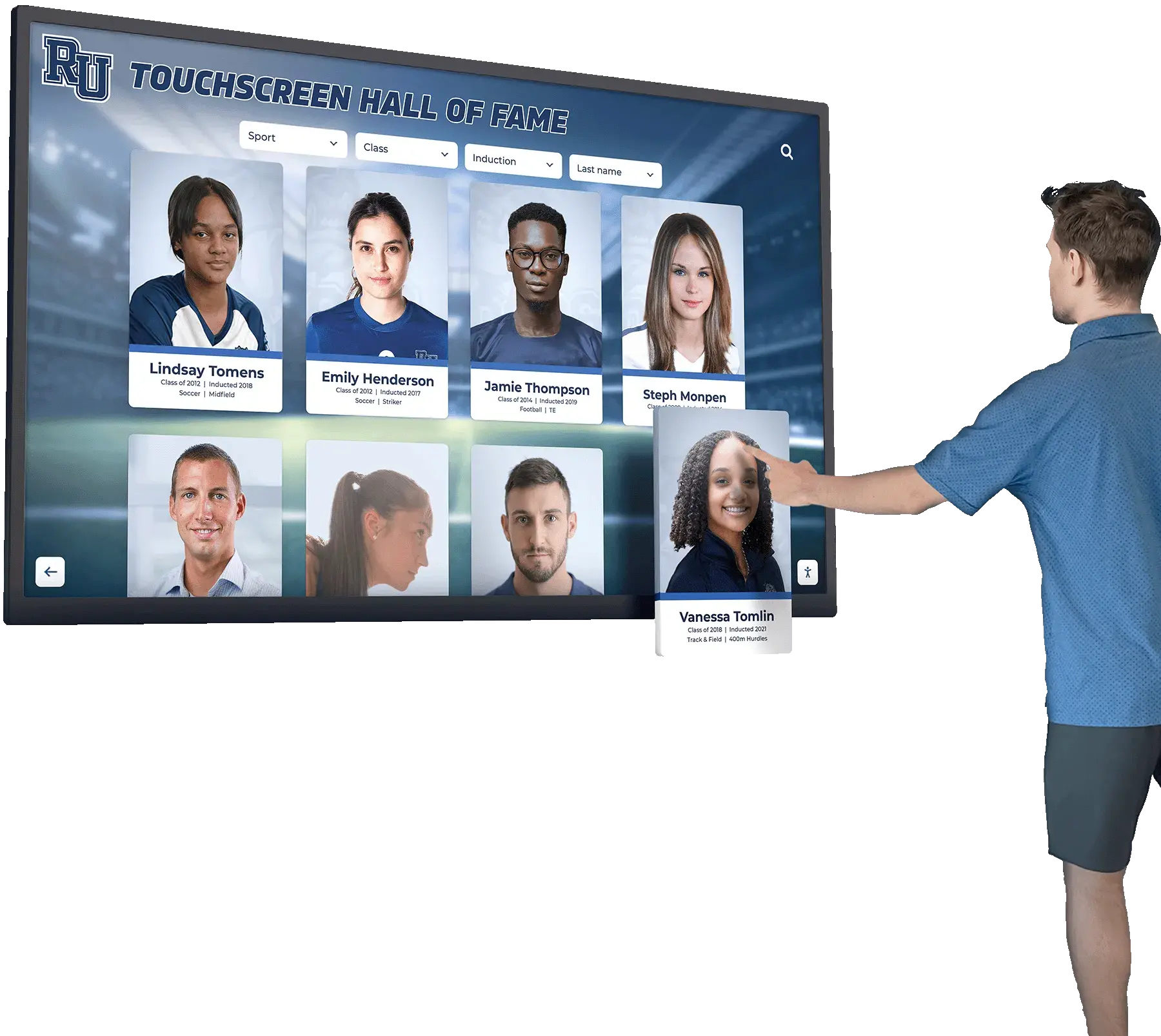
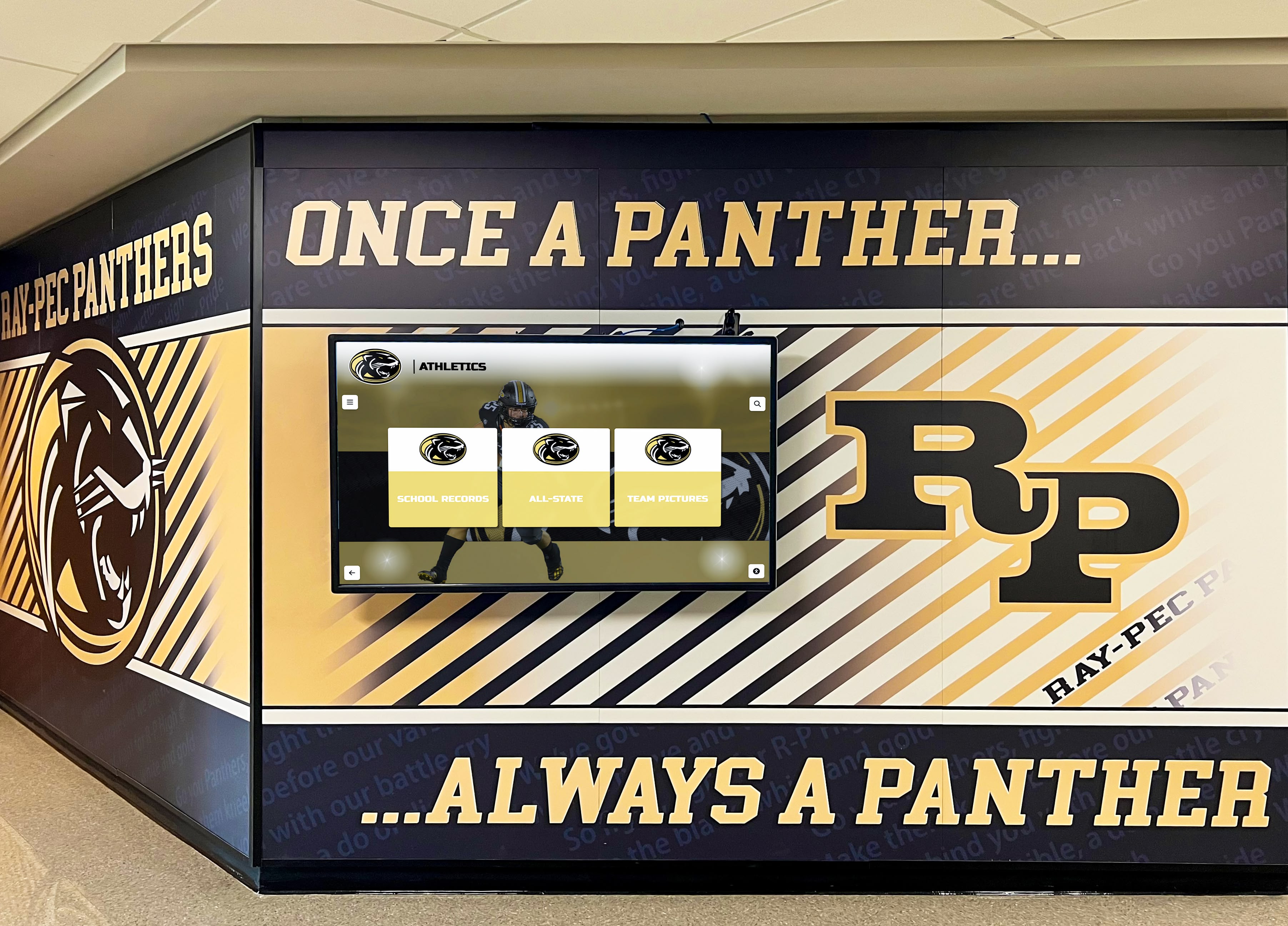
- Digital displays for permanent program recognition
Budget considerations influence format choices. Mix prestigious awards for major recognition with certificates for broader categories. The presentation matters more than award cost, though meaningful physical items create lasting reminders.
Explore golf awards ideas for creative recognition format inspiration applicable to soccer programs.
Digital Recognition Integration
Modern recognition programs combine physical awards with digital platforms extending reach and longevity:
Digital Recognition Advantages:
- Unlimited recognition capacity without physical space constraints
- Rich media integration including photos, videos, and detailed profiles
- Remote accessibility for families unable to attend presentations
- Searchable databases allowing easy access to specific players or seasons
- Permanent preservation protecting against loss or deterioration
- Social sharing capabilities amplifying recognition reach
- Multi-year tracking showing player development over time
Solutions like Rocket Alumni Solutions provide specialized youth sports recognition platforms that combine touchscreen displays with cloud-based management systems. These systems make it simple for soccer programs to document achievements across seasons while creating engaging displays that motivate current players.
Digital recognition works particularly well for soccer programs that want to maintain historical records, showcase achievements year-round in clubhouses or facilities, and extend recognition beyond single-event ceremonies.
Balancing Competition and Participation
Youth soccer exists on a spectrum from recreational participation to elite competition. Recognition should align with program philosophy.
Recreational League Recognition
Recreational programs prioritize broad participation, skill development, fun, and positive experiences:
Recreational Program Recognition Emphasis:
- Ensure every player receives meaningful recognition
- Emphasize improvement over absolute performance
- Celebrate effort, attitude, and character prominently
- Limit competitive awards to broad categories (team awards, participation)
- Focus on what players learned and how they developed
- Maintain emphasis on enjoyment and continued participation
Recreational programs succeed when they keep players engaged in soccer long-term. Recognition supporting this goal avoids creating competitive pressure that diminishes fun.
Competitive Program Recognition
Competitive programs emphasize skill development, tactical sophistication, and achieving results:
Competitive Program Recognition Emphasis:
- Performance-based awards carry more weight
- Statistical leaders receive prominent recognition
- Competition results (tournament victories, league championships) celebrated significantly
- Individual excellence honored alongside team achievement
- Balance performance recognition with character awards
- Recognition connects to competitive aspirations (college recruitment, elite pathway)
Even in competitive programs, maintain recognition for character, improvement, and contributions beyond statistics. Elite programs succeed by developing complete players, not just statistically productive ones.
Striking the Right Balance
Most programs exist between pure recreation and elite competition:
Balanced Recognition Approaches:
- Define program philosophy clearly to guide recognition priorities
- Ensure recognition patterns authentically reflect stated values
- Track recognition distribution ensuring diverse players receive acknowledgment
- Solicit feedback from players and families about recognition balance
- Adjust recognition emphasis if patterns don’t match program goals
- Recognize competition realities while celebrating development journey
Programs maintaining balance between competition and participation typically see better long-term player retention, stronger team culture, and more consistent development than those emphasizing either extreme exclusively.
Special Soccer Award Categories
Beyond traditional awards, specialized categories acknowledge unique contributions and achievements.
Improvement and Development Awards
Growth deserves recognition equal to absolute performance:
Skill Development Recognition:
- Most improved technical skills for measurable advancement
- Most improved fitness showing conditioning gains
- Most improved tactical understanding
- Breakthrough performance exceeding previous standards
- Position transition success for players moving roles
- Skill challenge winner for technical competitions
- Off-season development showing summer growth
Track baseline and endpoint measurements to document improvement objectively. Before-and-after assessments make improvement recognition feel earned and meaningful.
Team Contribution Awards
Soccer requires contributions that don’t appear in statistics:
Unheralded Contribution Recognition:
- Unsung hero for crucial but overlooked work
- Best teammate for supporting others
- Sixth player for top non-starter contribution
- Versatility award for playing multiple positions
- Glue player holding team together
- Energy player bringing enthusiasm
- Practice player maintaining training intensity
Team contribution awards ensure players in less glamorous roles receive appropriate acknowledgment for essential work.
Milestone Achievement Awards
Specific accomplishments deserve recognition:
Soccer Milestone Recognition:
- First career goal for breakthrough scoring
- Hat trick achievement
- Multiple-assist game recognition
- Clean sheet achievement for defenders and goalkeepers
- Games played milestones (50, 100 career games)
- Multi-year program participation
- Tournament appearance streaks
- Perfect attendance seasons
Milestone awards work across ability levels since they recognize specific achievements rather than requiring consistently elite performance.
For comprehensive end-of-season recognition approaches, review high school end of year awards frameworks applicable to youth soccer programs.
Parent and Family Recognition
Youth soccer depends on adult volunteers whose contributions deserve acknowledgment.
Volunteer Recognition Categories
Parents and volunteers enable youth soccer programs:
Family Contribution Recognition:
- Team parent of the year for organizational support
- Best snack provider
- Most helpful volunteer for setup and breakdown
- Transportation coordinator for carpool organization
- Fundraising champion for financial support
- Social coordinator for team bonding events
- Photo/video documentation volunteer
- Equipment manager for gear organization
Parent recognition strengthens program community while acknowledging essential support that makes youth soccer possible.
Coach Recognition
Assistant coaches, team managers, and volunteer coaches deserve acknowledgment:
Coaching Recognition:
- Assistant coach appreciation
- Most dedicated volunteer coach
- Best practice planner
- Development coach for skill improvement focus
- Positive influence coach for character emphasis
- Technical expertise recognition
- First-year coach achievement
Coach recognition models appreciation while ensuring volunteer coaches feel valued for their time investment and contributions.
Common Soccer Award Mistakes to Avoid
Learn from implementation challenges that undermine recognition effectiveness.
Recognition Pitfalls
Predetermined Winners: Recognition loses motivational power when winners seem inevitable. Ensure legitimate evaluation processes rather than automatically awarding the same players regardless of actual achievement.
Limited Categories: Programs that only recognize top performers exclude most participants. Expand categories celebrating character, improvement, position-specific excellence, and other dimensions beyond statistical production.
Inconsistent Criteria: Changing recognition standards arbitrarily undermines credibility. Document clear criteria and apply them consistently across seasons.
Poor Presentation: Rushed or inadequate award presentations diminish perceived value. Dedicate appropriate time to recognition. Provide context and specific examples for each award.
Missing Documentation: Failing to document recognition means awards exist only in short-term memory. Photograph ceremonies, maintain records of all winners, and create systems ensuring achievements are permanently preserved.
Gender Bias: Ensure recognition systems treat boys’ and girls’ programs equally. Avoid subtle biases in award prestige, presentation quality, or recognition emphasis.
Excessive Participation Awards: While younger players need inclusive recognition, older competitive players benefit from meaningful distinctions. Adjust recognition approaches to developmental appropriateness.
Creating Sustainable Recognition
Long-term program success requires sustainable recognition systems:
Sustainability Considerations:
- Assign clear responsibilities for recognition program management
- Budget appropriately for awards and presentations
- Create documentation simplifying year-to-year transitions
- Train multiple people ensuring continuity despite personnel changes
- Use technology reducing administrative burden
- Build recognition traditions that persist beyond individual coaches
- Regularly evaluate program effectiveness and adjust as needed
Sustainable systems continue delivering value regardless of coaching changes or program transitions.
Technology Solutions for Soccer Recognition
Modern platforms simplify recognition program management while enhancing presentation quality.
Interactive Display Systems
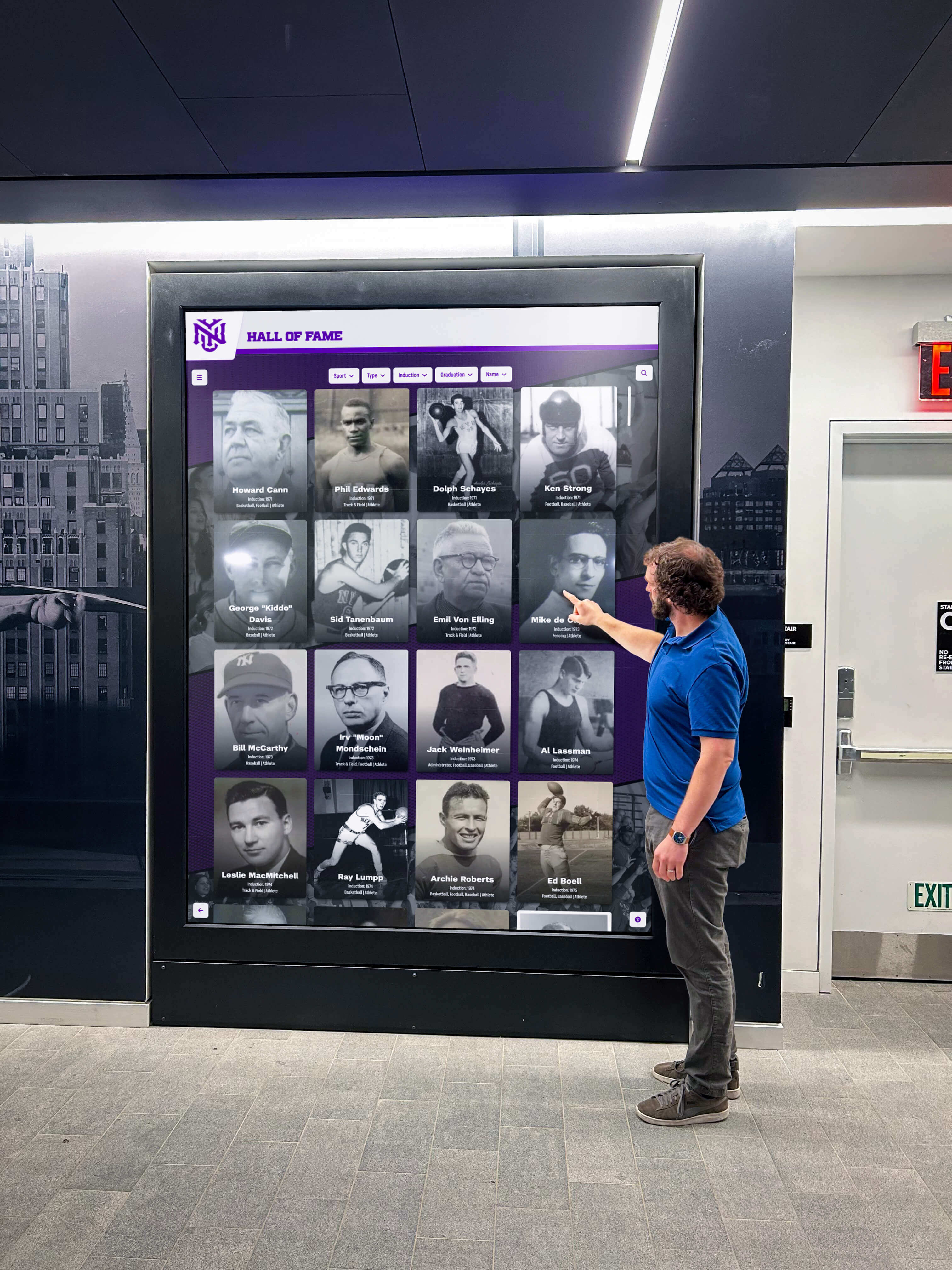
Digital touchscreen displays transform youth soccer recognition:
Touchscreen Display Advantages:
- Showcase unlimited players without space constraints
- Include photos, videos, statistics, and detailed profiles
- Enable searches for specific players, teams, or seasons
- Update remotely through cloud-based management
- Provide year-round visibility in clubhouses, schools, or facilities
- Create engaging experiences that motivate current players
- Preserve historical program achievements permanently
Interactive displays work particularly well for club programs with dedicated facilities where displays can provide consistent visibility. They’re also valuable for school-based programs wanting to showcase soccer achievements alongside other athletics.
Web-Based Recognition Platforms
Online systems extend recognition reach beyond physical locations:
Online Platform Benefits:
- Accessible to families worldwide
- Mobile-optimized for smartphone viewing
- Social sharing capabilities for players to celebrate achievements
- Integration with team websites and communication platforms
- Analytics tracking engagement with recognition content
- Alumni access maintaining connection to program history
- Recruitment tool for attracting new players to programs
Web platforms complement physical recognition, ensuring achievements remain accessible long after award ceremonies end.
Content Management Systems
Recognition programs need simple administrative tools:
Management System Features:
- Intuitive interfaces requiring no technical expertise
- Template-based content creation ensuring consistency
- Bulk import tools for historical data
- Role-based permissions for appropriate access
- Automated backup protecting information
- Scheduling capabilities for timed recognition releases
- Media libraries organizing photos and documents
Simple management tools ensure recognition programs remain sustainable rather than creating administrative burden that causes discontinuation.
Solutions like Rocket Alumni Solutions combine touchscreen displays, web platforms, and cloud-based management specifically designed for youth sports recognition programs. These integrated systems make it straightforward for soccer clubs and coaches to implement sophisticated recognition without requiring technical expertise or significant time investment.
Measuring Recognition Program Impact
Assess whether recognition programs achieve intended goals and justify resource investment.
Quantitative Success Indicators
Track measurable outcomes:
Participation Metrics:
- Player retention rates across seasons
- New player recruitment success
- Practice and game attendance patterns
- Program growth trends
- Family engagement indicators
Recognition Distribution:
- Percentage of players receiving recognition
- Award diversity across different categories
- Recognition balance across ability levels
- Multiple-award recipient patterns
- Year-over-year recognition trends
Engagement Measures:
- Recognition ceremony attendance
- Digital platform usage statistics
- Social media engagement with recognition content
- Recognition communication response rates
- Photo and video documentation viewing
Qualitative Impact Assessment
Observe cultural and developmental outcomes:
Player Development Indicators:
- Skill improvement rates
- Attitude and motivation changes
- Goal-setting behavior
- Peer relationship quality
- Self-confidence development
Program Culture Measures:
- Team cohesion and chemistry
- Sportsmanship and respect behaviors
- Coach-player relationship quality
- Parent satisfaction feedback
- Alumni connection maintenance
Community Perception:
- Program reputation in broader community
- Parent testimonials about experiences
- Player reflections on recognition meaning
- Coach assessment of recognition effectiveness
- Comparison to other programs
Regular assessment enables continuous improvement ensuring recognition programs remain meaningful, effective, and aligned with program values.
Conclusion: Building Soccer Recognition That Motivates Young Players
Effective soccer awards for kids celebrate authentic achievement across multiple dimensions, align with program values and developmental appropriateness, include all players through diverse award categories, create memorable experiences reinforcing positive soccer associations, and document accomplishments for lasting preservation.
Youth soccer recognition succeeds when it honors the complete player—technical skills, tactical understanding, physical fitness, mental toughness, character development, and team contribution. The recognition ideas presented here provide frameworks for building systems appropriate to your program’s competitive level, age groups, and values.
Implementation matters as much as award selection. Establish clear criteria ensuring fairness and consistency. Create quality presentations making recognition feel meaningful. Document achievements preserving them beyond single ceremonies. Consider digital platforms extending recognition reach and longevity.
Whether you coach recreational six-year-olds experiencing their first sport or competitive teens pursuing college opportunities, thoughtful recognition reinforces why youth soccer matters. The awards you present this season become memories your players carry throughout their lives—make those memories meaningful by recognizing the full spectrum of valuable contributions every young player can make.
Transform Your Youth Soccer Recognition Program
Discover how digital recognition displays can help your program celebrate all player achievements, build positive team culture, and create lasting memories that inspire young athletes to continue their soccer journey.
Explore Recognition Solutions






























