Soccer senior night marks one of the most meaningful moments in any player’s athletic journey—a special evening that celebrates years of early morning practices, weekend tournaments, team bonding, skill development, and unwavering dedication to the beautiful game. For soccer programs at the high school and college levels, creating a memorable senior night experience requires thoughtful planning that honors each graduating player’s unique contributions while bringing together families, teammates, coaches, and the broader soccer community in heartfelt celebration.
As soccer programs nationwide look for creative ways to make senior night truly special, many are discovering that combining traditional ceremony elements with modern recognition technology creates powerful experiences that honor seniors appropriately while preserving their legacies for future players to admire and aspire toward.
Senior night represents more than just pre-game introductions and flower bouquets—it’s an opportunity to tell each player’s complete story, acknowledge family sacrifices that made their soccer journey possible, and create lasting memories that graduating seniors will treasure long after their final whistle. This comprehensive guide explores creative soccer senior night ideas spanning ceremony formats, recognition elements, family engagement strategies, and innovative approaches using digital recognition displays to ensure senior legacies endure permanently within your program.
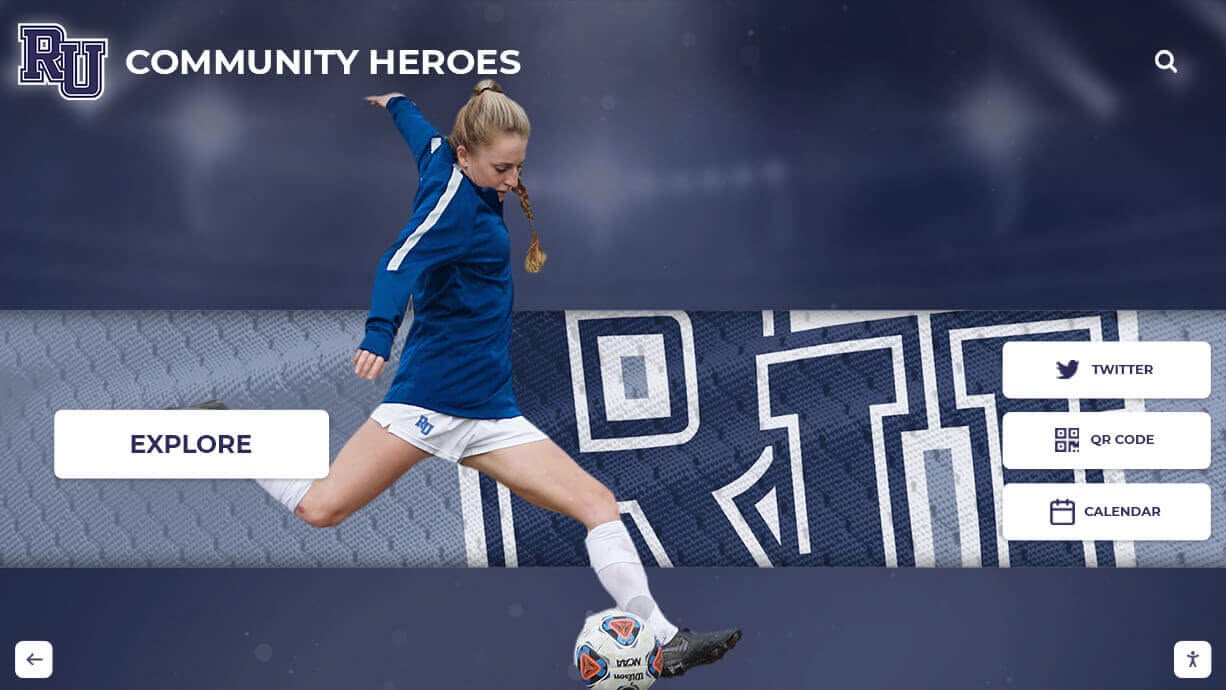
Thoughtful soccer senior night celebrations honor player dedication while creating cherished memories for athletes and families
Understanding What Makes Soccer Senior Night Special
Soccer culture brings unique traditions and elements that should shape your senior night approach. Unlike sports with built-in game stoppages, soccer’s continuous flow requires strategic planning to integrate meaningful recognition without disrupting competitive preparation or game rhythm.
The Soccer Community Connection
Soccer programs often develop particularly tight-knit communities built through years of club team relationships carrying into high school programs, extensive travel creating shared experiences and bonding, intense practice schedules demanding significant commitment, and diverse cultural backgrounds enriching team dynamics. These strong community connections mean senior night celebrations resonate deeply when they honor not just individual players but the relationships and experiences that defined their soccer journeys.
Multi-Year Program Participation
Many soccer seniors have participated in programs across multiple levels including youth recreational leagues, competitive club teams, middle school programs, junior varsity experience, and finally varsity soccer careers. Recognition that acknowledges this complete journey demonstrates understanding of the extensive commitment soccer athletes make to their sport from early ages through graduation.
International Soccer Traditions
Soccer’s global nature offers opportunities to incorporate international recognition traditions into your celebrations, such as guard of honor formations where teams line up to applaud honored players, exchange of pennants or scarves representing program tradition, team chants or songs celebrating seniors in soccer’s passionate style, and ceremonial captain’s armbands presented to each senior during recognition.
These culturally rich elements add authentic soccer atmosphere to ceremonies while connecting your program to the sport’s worldwide traditions and passionate fan culture.
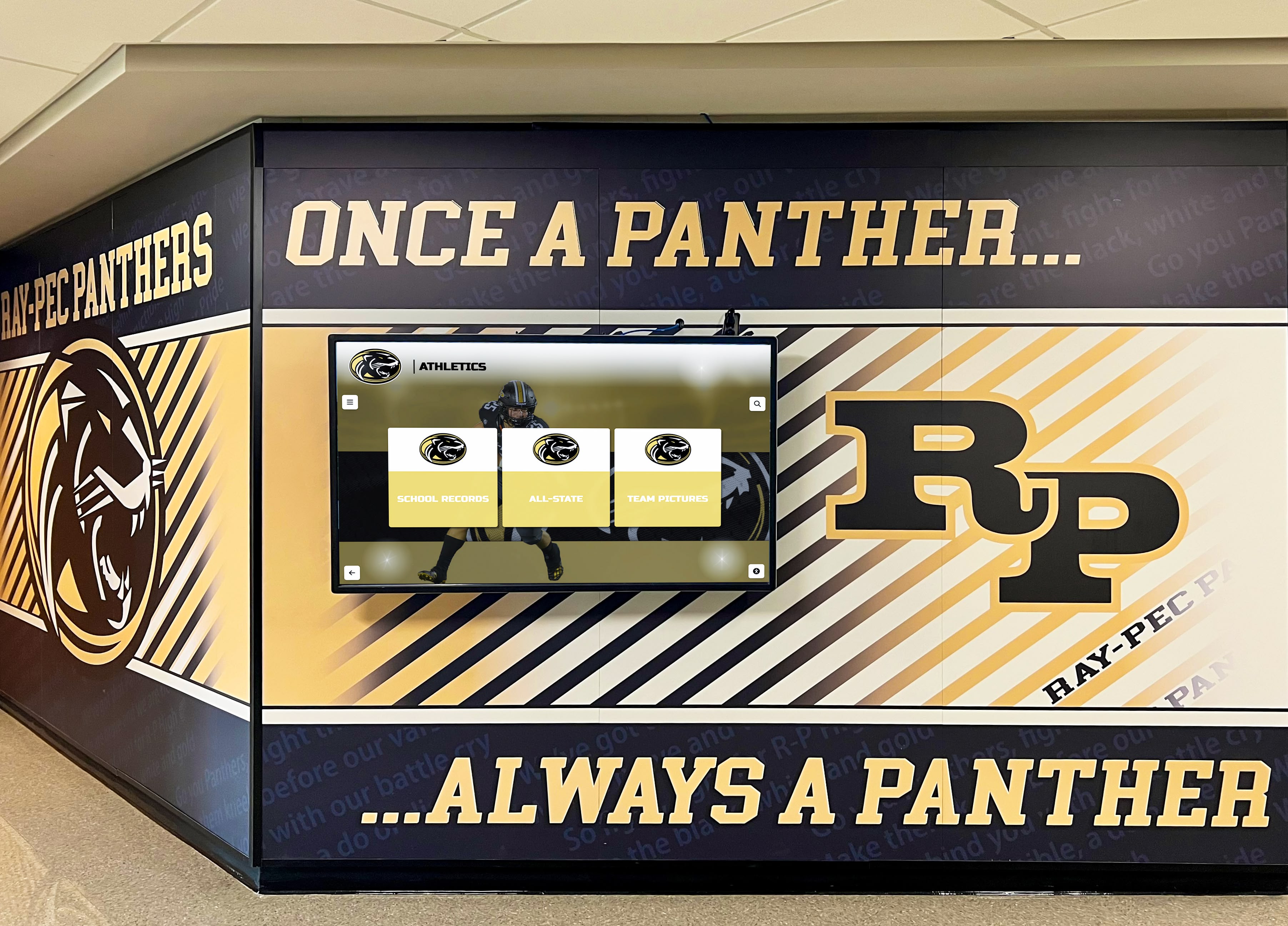
Soccer programs build especially strong community bonds through years of shared commitment and experiences
Timing Considerations for Soccer Senior Night
Soccer’s continuous game format requires thoughtful timing decisions balancing meaningful recognition with competitive preparation and game flow.
Pre-Game Ceremony Advantages
Most soccer programs conduct senior night ceremonies before kickoff, offering several benefits including full attendance with families arriving early for recognition, adequate time for comprehensive introductions without rushing, better photo opportunities in good lighting conditions, relaxed atmosphere before competitive intensity begins, and flexibility if ceremony elements take longer than anticipated.
Pre-game timing allows seniors to focus fully on recognition before shifting mentally to competition, creating clear separation between celebration and athletic performance.
Halftime Recognition Alternatives
Some programs utilize halftime for senior night ceremonies, particularly effective when half allows 15+ minutes for comprehensive recognition, weather conditions might make pre-game ceremonies uncomfortable, your conference or league has specific senior night timing requirements, or you want maximum crowd attendance during ceremony moments.
Halftime recognition ensures all game attendees witness senior celebrations, though shorter time constraints may limit ceremony depth and personal touches possible compared to pre-game alternatives.
Post-Game Celebration Integration
Regardless of when formal ceremonies occur, post-game celebrations complete senior night experiences through private team gatherings with speeches and reflections, family photo opportunities on the field, informal reception with refreshments and continued celebration, and presentation of recognition items requiring more time or privacy.
Post-game time allows emotional expressions and personal connections that public ceremonies sometimes constrain while giving seniors opportunities to process both recognition and competition before final goodbyes.
Traditional Soccer Senior Night Ceremony Elements
While innovation adds freshness to recognition, certain traditional elements remain meaningful cornerstones of soccer senior night celebrations that players and families expect and appreciate.
Player and Family Introductions
The centerpiece of most soccer senior night ceremonies involves public recognition of each graduating player and their families through carefully crafted introductions celebrating individual contributions.
Comprehensive Player Biographies
Effective senior introductions include player name, jersey number, and position, years of program participation and notable team roles, statistical highlights such as goals scored, assists provided, shutouts earned for goalkeepers, or games played, academic achievements including honors, scholarships, and college plans, leadership contributions and team awards received, memorable moments or defining characteristics teammates associate with each player, and coach reflections about impact on program culture and development.
Detailed, personalized introductions demonstrate genuine knowledge of and appreciation for each senior’s unique journey rather than generic acknowledgments that could apply to anyone. Taking time to tell complete stories honors the totality of each player’s contributions beyond simply statistics.
Family Recognition and Appreciation
Soccer senior night should appropriately honor families whose support made athletic participation possible through escort of parents, guardians, or family members onto field during introductions, presentation of flowers, roses, or small gifts to family members as tokens of appreciation, public acknowledgment of family sacrifices including transportation, financial support, and time commitments, opportunity for brief family remarks when appropriate and desired, and reserved premium seating ensuring quality viewing during both ceremony and game.
Family inclusion creates shared experiences that parents treasure as validation of years supporting their children’s athletic pursuits. Many parents describe senior night recognition as emotional highlights of their children’s athletic careers equal to or exceeding competitive achievements.

Thoughtful family recognition acknowledges years of support enabling athletic participation and program success
Ceremonial Presentation Elements
Physical ceremony components add visual impact and create photo opportunities families cherish long after senior night concludes.
Traditional Recognition Items
Consider incorporating time-honored presentations including fresh flower bouquets presented to seniors and family members, framed photographs capturing memorable moments from soccer careers, personalized plaques or certificates acknowledging program contributions, team-signed jerseys, balls, or memorabilia as keepsakes, and special captain’s armbands or ceremonial items representing leadership.
Quality recognition items balance sentiment with utility while creating tangible reminders of athletic experiences and institutional appreciation that seniors display proudly in homes and dorm rooms.
Team-Created Recognition Gifts
Some of the most meaningful senior night gifts come from teammates who know seniors best, such as video tributes featuring teammate testimonials and favorite memories, team-written letters expressing appreciation and describing senior impact, custom t-shirts or gear featuring inside jokes and shared experiences, memory books collecting photographs and stories from entire team, and collaborative art projects like signed team banners or painted soccer balls.
Teammate-created recognition carries special emotional weight because it comes from peers who shared daily experiences and understand seniors’ true contributions to team chemistry and program culture.
Symbolic Soccer Traditions
Soccer-specific ceremonial elements add authentic athletic flavor including final kickoff performed by each senior, symbolic “last touch” moment allowing each senior to take ceremonial shots, exchange of team scarves or pennants between seniors and underclassmen representing tradition continuation, and placement of seniors’ jerseys or names in permanent team displays or halls of honor.
These soccer-specific traditions connect your program to the sport’s rich ceremonial culture while creating unique moments specific to your team’s identity and values.
Creative and Memorable Soccer Senior Night Ideas
Beyond traditional ceremony elements, innovative approaches can make your soccer senior night truly distinctive and memorable for graduating players and their families.
Pre-Game Personalization Strategies
Creative pre-event touches set the tone for special senior night experiences beginning before ceremonies officially commence.
Personalized Field Decorations
Transform your soccer venue through senior-specific visual elements such as yard signs or banners along sidelines featuring each senior’s photo and jersey number, custom field entrance tunnels with senior names and accomplishments, decorated goal areas or corners of field designated for each graduating player, illuminated displays or projections (if facilities permit) showcasing senior photographs, and temporary field markings or paint celebrating the senior class.
Visual personalization creates festival atmosphere communicating to seniors, families, and fans that this night holds special significance while providing excellent photography backdrops for memory preservation.
Individual Player Spotlights
Create enhanced personal recognition through senior spotlight videos (2-3 minutes each) played on scoreboards or screens featuring highlights, photos from youth through high school years, testimonials from coaches and teammates, printed programs distributed to attendees containing comprehensive senior profiles with statistics, photographs, future plans, and personal statements, and social media campaigns in days leading to senior night sharing daily senior features and building community anticipation.
These expanded storytelling formats allow deeper recognition than ceremony time constraints permit while creating shareable content that extends senior night’s impact beyond those physically attending.
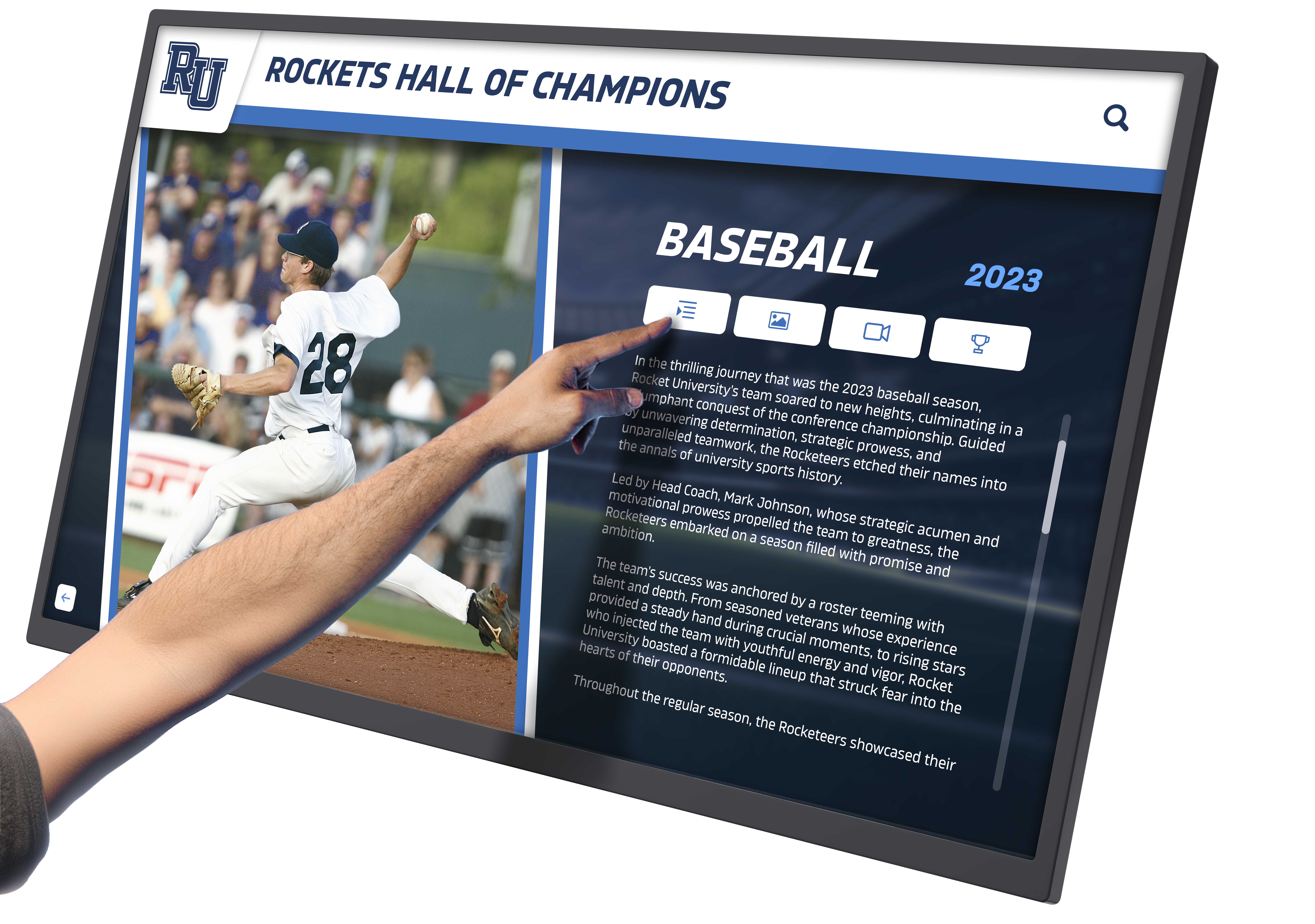
Enhanced recognition formats tell complete senior stories beyond what ceremony time constraints allow
Family Engagement and Participation
Senior night celebrates families as much as athletes. Creative approaches to family involvement create meaningful shared experiences.
Parent and Guardian Involvement
Consider innovative family participation elements including invitation for parents to share brief written messages read during introductions or included in programs, opportunity for family members to escort seniors wearing special “soccer parent” sashes or jerseys, parent participation in pre-game warmup activities or ceremonial kickoff when appropriate, family recognition wall or board where relatives post supportive messages visible during senior night, and coordination with booster clubs for family appreciation gifts recognizing years of program support.
Active family involvement transforms passive spectatorship into engaged participation creating memorable experiences for parents who sacrificed significantly to support their children’s athletic pursuits.
Sibling and Extended Family Recognition
Many seniors have siblings who also contributed to their soccer journeys through younger siblings serving as ball retrievers or junior program participants, older siblings who paved way in same program creating family legacy, extended family members providing transportation, attendance, or other support, and youth soccer coaches or mentors from early years invited to participate in ceremonies.
Inclusive recognition acknowledging broader support networks honors the reality that athletic success rarely results from athletes and parents alone but reflects contributions from entire family ecosystems.
Multi-Generational Soccer Families
For families with multiple generations participating in your soccer program, consider special recognition including acknowledgment of parents who played in same program establishing family tradition, presentation of ceremonial items connecting generations such as parents wearing their old jerseys, displays documenting family soccer legacy through photographs and accomplishments across generations, and invitation for family members to participate in post-ceremony field activities or photographs.
Multi-generational recognition strengthens program identity while celebrating families who invested across decades in your soccer tradition and community.
Teammate Tributes and Team Bonding Activities
Senior night offers opportunities to strengthen bonds between graduating seniors and teammates who will continue the program they helped build.
Underclassmen-Led Celebrations
Empower younger teammates to honor seniors through guard of honor formations where team lines up creating pathway for senior walkout, teammate testimonial videos or live speeches describing senior leadership and influence, collaborative gift creation such as memory books, signed items, or custom team memorabilia, and symbolic jersey retirement or jersey presentation ceremonies passing tradition to rising players.
Teammate-led recognition validates that seniors’ most important legacy often lies in how they influenced peers rather than just statistical achievements or awards collected.
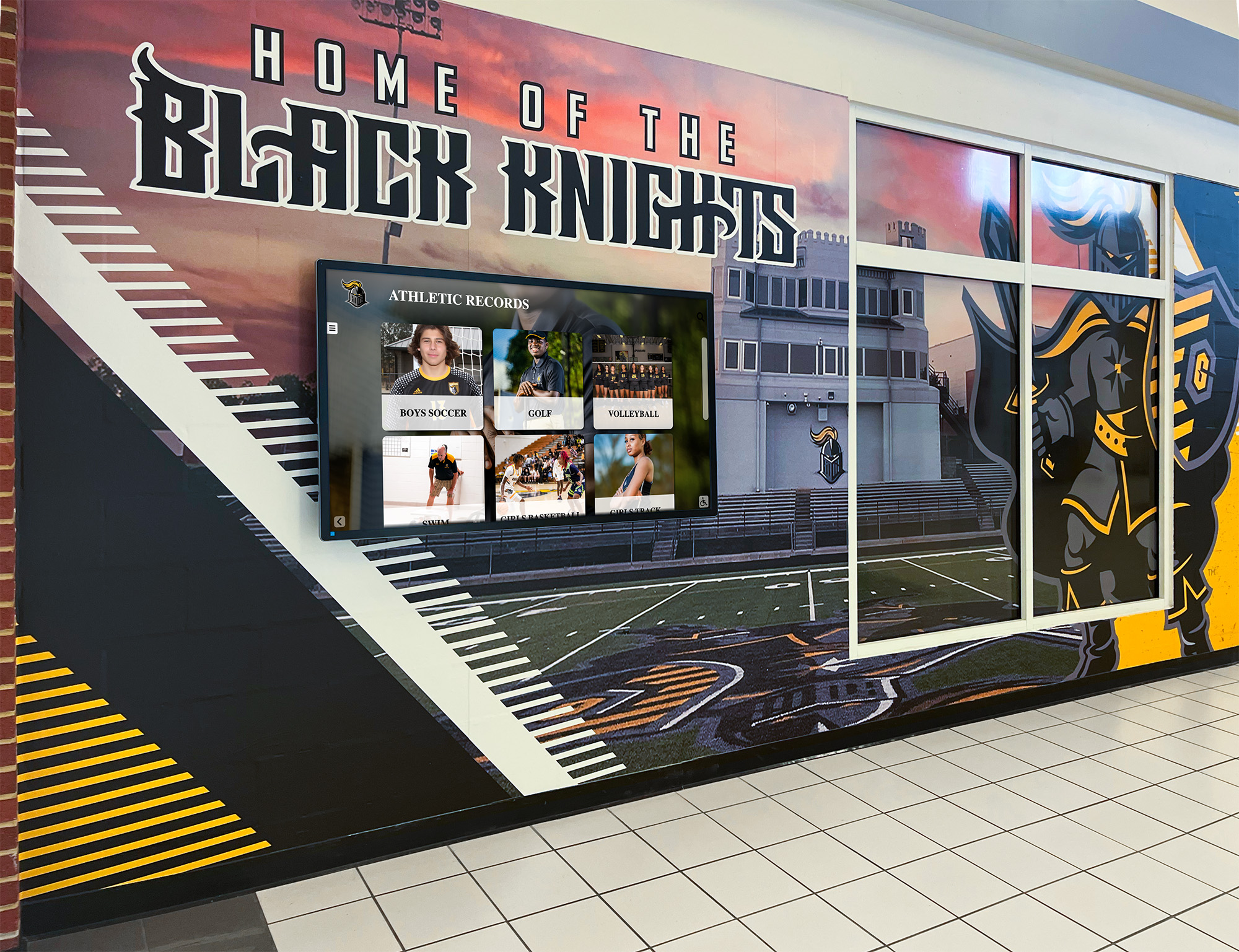
Teammate tributes honor seniors' leadership influence and impact on program culture beyond individual statistics
Team Unity Activities
Create bonding moments connecting entire team including pre-ceremony team dinners or gatherings building anticipation, team huddle or chant specifically dedicated to honoring seniors, unified warm-up routines featuring all players wearing special senior night attire, post-ceremony team photographs ensuring memories include complete rosters, and team recognition displays celebrating both seniors and continuing team identity.
Activities emphasizing unity reinforce that senior night celebrates program continuity and collective team identity rather than simply marking departures and endings.
Senior Leadership Legacy Projects
Invite seniors to leave lasting program contributions through creation of team mission statements or value declarations defining program culture, establishment of leadership awards or recognitions named after graduating seniors, video messages to future teams sharing wisdom and program traditions, donation of equipment, training resources, or facility improvements as senior class gifts, and mentorship commitments offering guidance to younger players as they advance in program.
Legacy projects help seniors process athletic career transitions by focusing on contributions to something enduring beyond their individual participation while giving underclassmen tangible connections to graduates they’ll remember and aspire to emulate.
Leveraging Digital Recognition for Lasting Senior Night Impact
While traditional ceremonies create powerful immediate experiences, modern digital recognition platforms extend senior night’s impact indefinitely by preserving graduating players’ legacies in engaging formats accessible to current and future community members.
Permanent Digital Senior Profiles
Physical plaques and printed programs fade or get lost over time. Digital recognition creates enduring tributes accessible years after graduation.
Comprehensive Multimedia Recognition
Digital platforms enable recognition depth impossible with traditional physical approaches through high-resolution action photographs spanning soccer careers, video highlights showcasing playing style and memorable goals, assists, or defensive plays, detailed statistical profiles documenting goals, assists, games played, shutouts, and career milestones, biographical narratives telling complete stories of athletic journeys from youth leagues through graduation, coach testimonials and personal reflections about player contributions and character, post-graduation updates tracking college soccer careers, academic achievements, and life paths, and searchable databases enabling easy discovery by name, year, or accomplishment.
Solutions like Rocket Alumni Solutions provide purpose-built platforms specifically designed for athletic recognition, transforming brief senior night moments into permanent tributes celebrating player contributions with depth and permanence unachievable through traditional physical recognition alone.
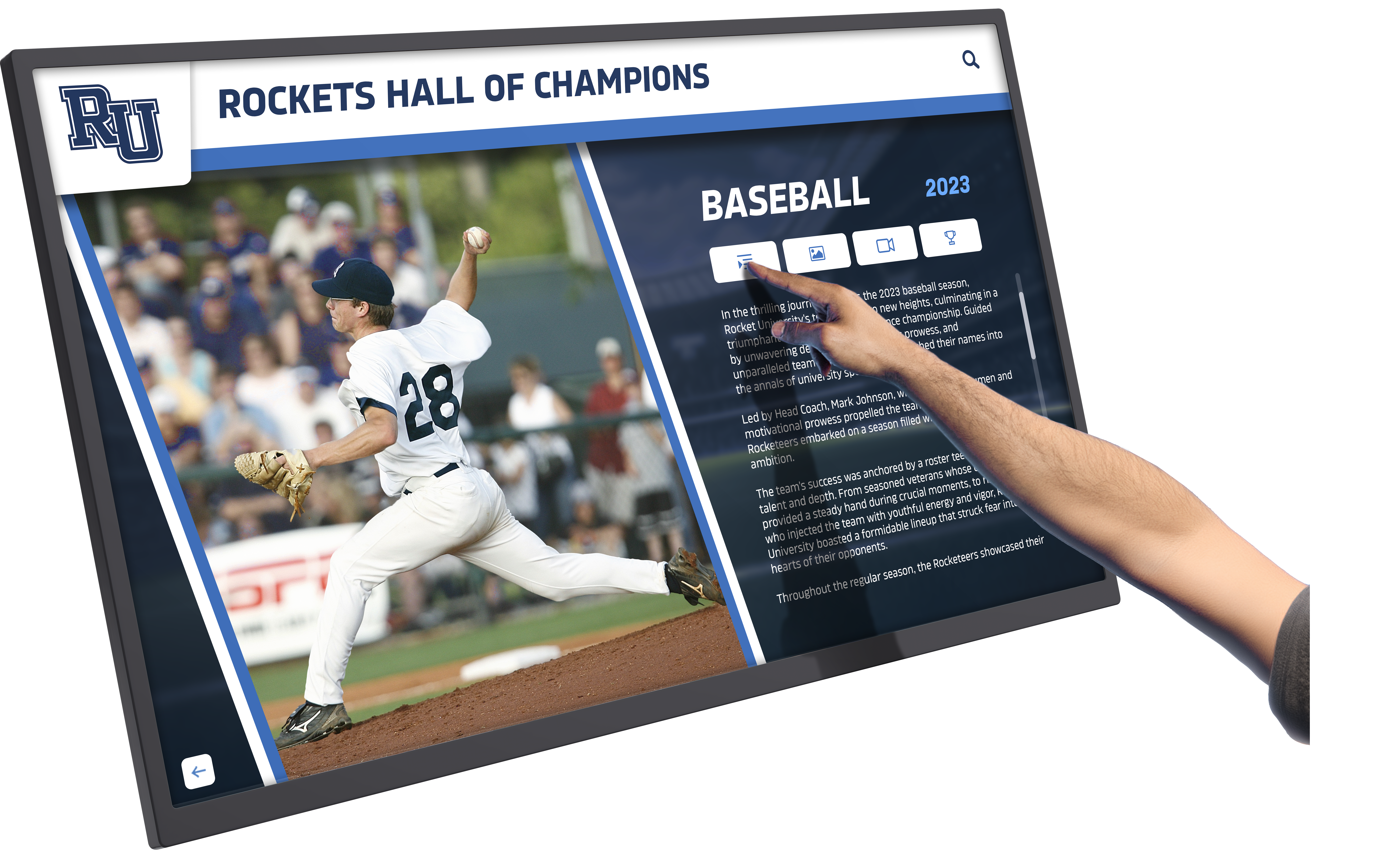
Digital recognition platforms preserve comprehensive senior tributes accessible to current and future program communities
Integration with Senior Night Ceremonies
Digital platforms enhance rather than replace traditional ceremonies by extending recognition before, during, and after senior night events.
Pre-Event Digital Promotion
Leverage digital recognition to build senior night anticipation through social media sharing of senior profile previews generating excitement, digital displays in school hallways or athletic facilities featuring countdown to senior night, online galleries allowing families to view and share recognition content before ceremonies, and email or text campaigns encouraging community attendance at senior night celebrations.
Pre-event digital engagement builds ceremony attendance while demonstrating institutional investment in comprehensive recognition that extends beyond single ceremony moments.
Ceremony Day Integration
Incorporate digital displays into senior night events through entrance lobby displays showing senior profiles as families and fans arrive, sideline or scoreboard integration featuring senior highlights during pre-game ceremonies, halftime displays allowing community exploration of complete senior recognition, and post-ceremony gathering areas featuring interactive recognition displays inviting extended viewing and family photographs.
Live integration creates multiple engagement touchpoints while directing community attention to permanent recognition available beyond ceremony time constraints.
Post-Senior Night Continuation
Following senior night, digital platforms enable ongoing engagement through family and alumni sharing of comprehensive senior profiles via social media and personal networks, permanent accessibility ensuring recognition endures for decades, annual updates as seniors progress through college soccer or post-athletic careers, and alumni features connecting current players with distinguished program graduates.
Digital preservation ensures senior night recognition extends indefinitely rather than concluding when ceremonies end, creating lasting value for graduating players, families, programs, and communities.
Administrative Efficiency Benefits
Beyond recognition advantages, digital platforms simplify senior night logistics through streamlined content collection and management.
Simplified Information Gathering
Professional recognition platforms typically provide online forms enabling efficient senior information collection, file upload systems for photographs and videos submitted directly by families, automated reminder workflows ensuring timely content submission, centralized databases organizing all senior information accessibly, and quality control processes allowing review before publication.
Structured collection reduces administrative burden creating senior night content while ensuring comprehensive, accurate recognition supporting quality ceremonies and permanent tributes.
Multi-Year Historical Organization
Digital systems organize soccer senior recognition across program history through chronological browsing showing senior classes year by year, position-specific filtering (goalkeepers, defenders, midfielders, forwards) enabling focused exploration, searchable archives allowing discovery of specific players or accomplishments, statistical leaderboards comparing achievements across eras, and complete historical documentation preserving institutional memory and program tradition.
Comprehensive historical organization creates valuable program archives supporting tradition building and alumni engagement while helping current players understand themselves as parts of continuing legacies.
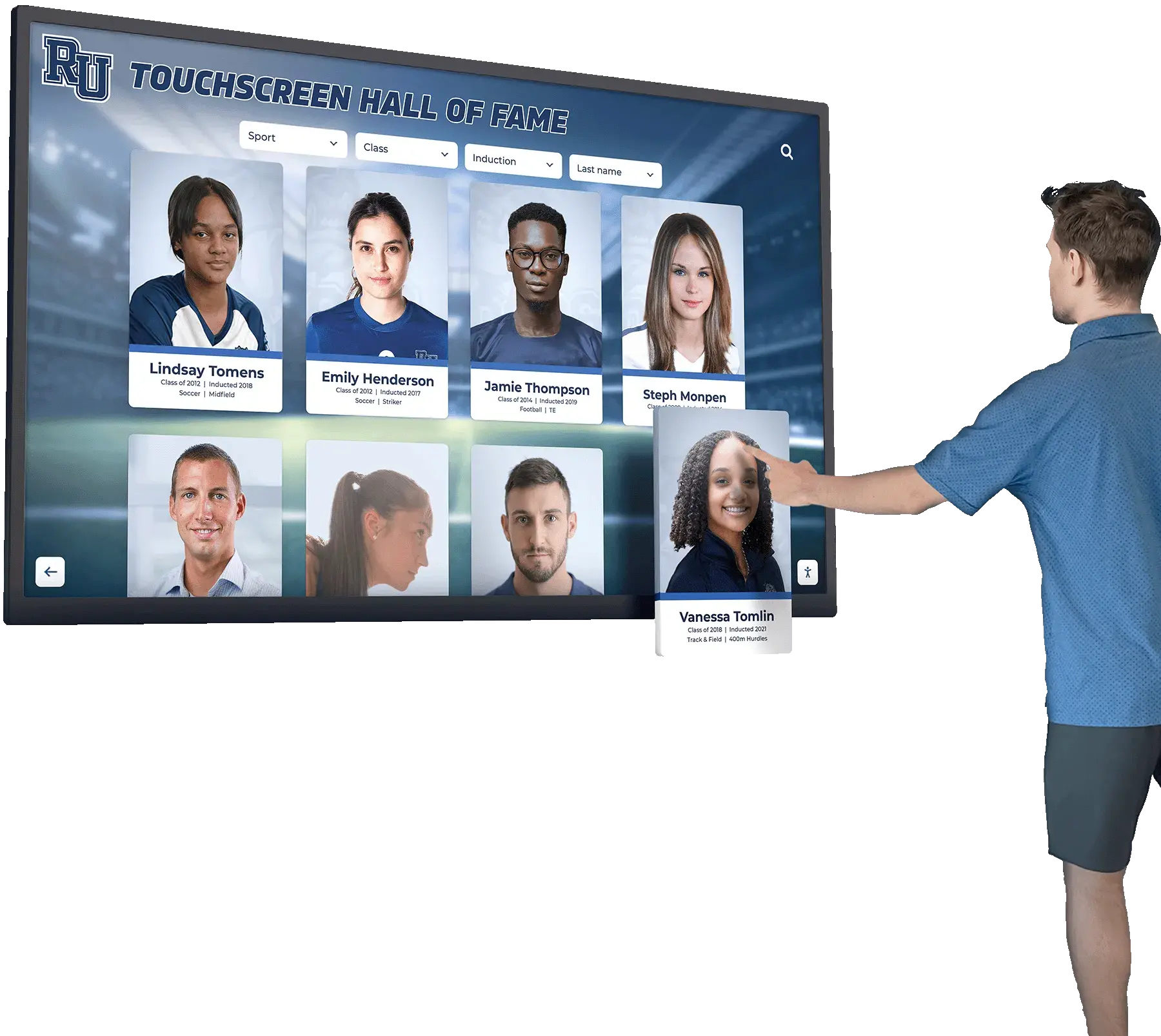
Digital platforms organize decades of senior recognition enabling historical exploration and program tradition preservation
Position-Specific Recognition Strategies
Soccer’s specialized positions offer opportunities for tailored recognition acknowledging unique contributions different players make to team success.
Goalkeeper Recognition
Goalkeepers occupy unique roles requiring specialized recognition reflecting their distinctive contributions.
Statistics and Achievements Specific to Goalkeepers
Highlight goalkeeper-specific accomplishments including career shutouts and clean sheets, save percentage and total saves made, goals against average across seasons, penalty kick stops during crucial moments, distribution accuracy and assist contributions, and leadership communication directing defensive organization.
Goalkeeper-specific statistics ensure proper recognition of contributions that differ fundamentally from field players’ offensive production but prove equally critical to team success.
Symbolic Goalkeeper Traditions
Consider goalkeeper-specific ceremonial elements such as presentation of game gloves from memorable shutout performances, recognition of penalty kick stops in critical matches, symbolic “clean sheet” awards or certificates, acknowledgment of defensive communication leadership, and display of goalkeeper training dedication including specialized conditioning and skill development.
Position-specific recognition honors the unique demands and contributions goalkeepers make while validating specialized skills that teammates and fans may not fully appreciate without explicit acknowledgment.
Field Player Contributions Beyond Goals and Assists
While offensive statistics receive natural attention, comprehensive recognition celebrates diverse contributions all positions make to team success.
Defensive Player Recognition
Honor defensive specialists through acknowledgment of tackles won and defensive plays made, clearances and interceptions preventing dangerous attacks, blocks and last-ditch defending preserving victories, leadership organizing defensive shape and communication, and consistent marking shutting down opposing attackers.
Defensive recognition ensures players whose contributions often go unnoticed by casual observers receive appropriate appreciation for unglamorous but essential work enabling team success.
Midfield Versatility and Work Rate
Recognize midfielders’ comprehensive contributions including possession statistics and pass completion percentages, box-to-box play connecting defense and attack, transition play initiating attacks and recovering defensively, versatility playing multiple positions as team needs require, and work rate statistics reflecting extensive running and field coverage.
Midfielder recognition honors players whose all-around contributions resist simple statistical measurement but prove fundamental to team function and competitive success.
Utility Players and Team-First Attitudes
Some seniors deserve special recognition for flexibility and selfless commitment through willingness to play multiple positions as coaches request, acceptance of changing roles throughout careers without complaint, consistent positive attitudes regardless of playing time, practice dedication and preparation intensity, and leadership by example demonstrating team-first values.
Character-based recognition ensures seniors who prioritized team success over personal statistics receive appropriate appreciation validating that programs value attitude, commitment, and team contribution as highly as individual achievement and statistical production.
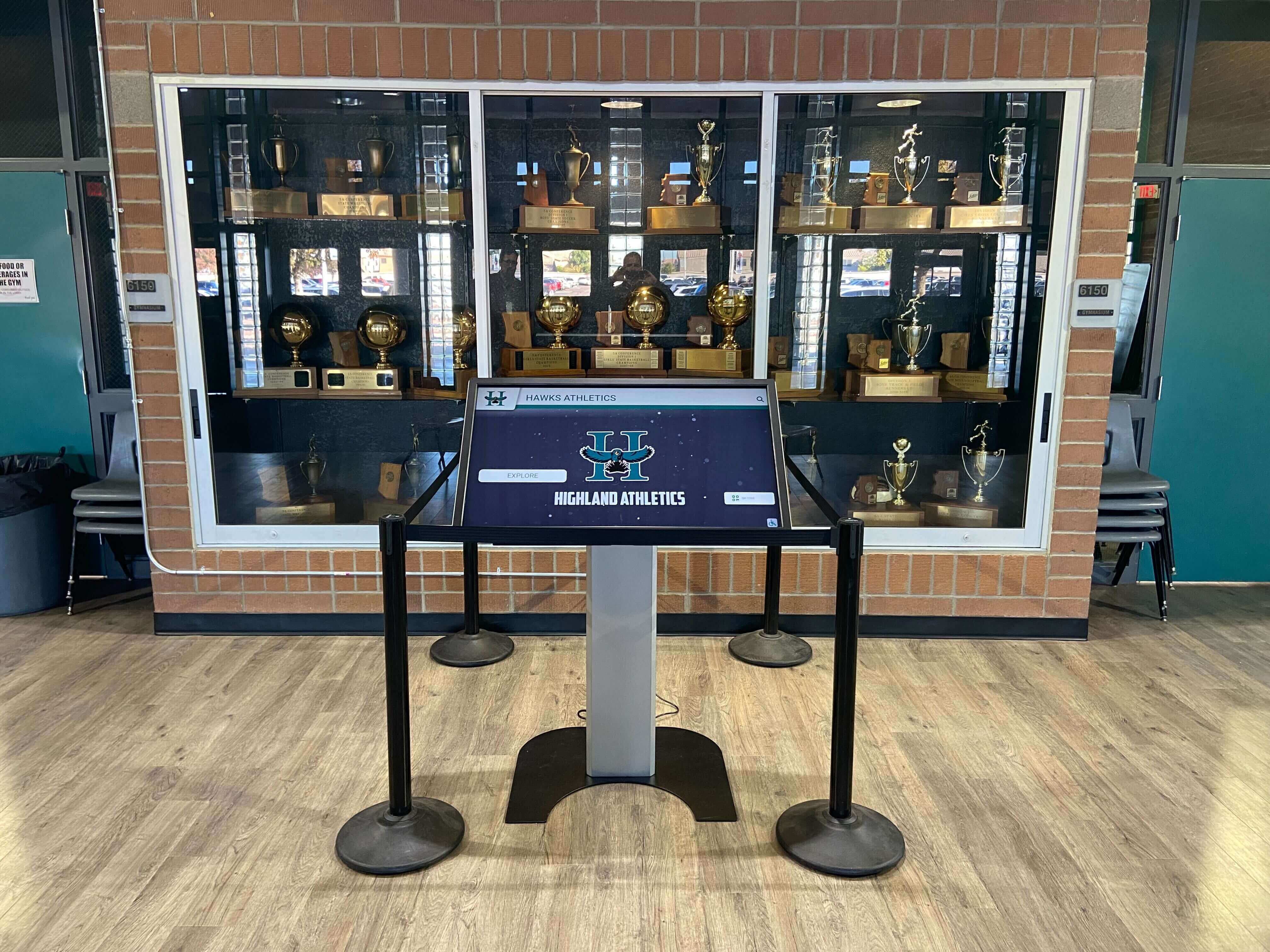
Position-specific and character-based recognition honors diverse contributions all players make to team success
Budget-Conscious Soccer Senior Night Ideas
Meaningful senior night celebrations don’t require extensive budgets. Creative, thoughtful approaches create emotional impact regardless of resource constraints.
Cost-Effective Recognition Elements
Quality recognition emphasizes authenticity over expensive production through implementation of budget-friendly yet meaningful approaches.
DIY and Team-Created Recognition Items
Leverage team creativity for impactful recognition including teammate-designed certificates or awards using free design software, team-created video tributes using smartphones and free editing applications, handwritten letters from coaches and teammates expressing personal appreciation, team-painted or decorated soccer balls signed by all players, and collaborative poster boards or banners featuring photographs and messages.
Personally created recognition often carries greater emotional weight than expensive purchased items because authenticity and effort communicate care more effectively than production polish.
Digital-First Recognition Strategies
Emphasize digital recognition maximizing impact while minimizing costs through social media campaigns requiring only time investment, free website galleries displaying senior photographs and biographies, email newsletters featuring senior spotlights distributed to program communities, video conferencing enabling distant family participation without travel expense, and digital recognition platforms providing permanent tributes at lower cost than physical plaques and displays.
Digital-first approaches often provide broader reach and greater permanence than traditional physical recognition while fitting constrained budgets more readily.
Community Partnerships and In-Kind Donations
Reduce costs through strategic partnerships including local florists donating or discounting flowers for senior presentations, photography businesses providing pro bono or reduced-rate documentation, printing companies offering discounted programs or certificates, restaurants or businesses sponsoring post-ceremony receptions, and parent volunteers contributing time, skills, and materials reducing purchased services.
Community partnerships reduce expenses while strengthening program connections to local businesses and demonstrating how athletic programs unite broader communities in support of student athletes.
Phased Implementation Approaches
Programs unable to implement comprehensive senior night enhancements immediately can adopt phased strategies building over time.
Starting With Core Elements
Begin with essential recognition establishing quality foundation for future expansion including reliable pre-game ceremony with comprehensive player introductions, basic recognition items like certificates or small gifts, family inclusion through escort and acknowledgment, photography documentation preserving memories, and social media promotion extending reach beyond physical attendees.
Solid core elements ensure quality recognition even with limited resources while creating foundation for progressive enhancement as budgets or capacities allow.
Progressive Enhancement Over Seasons
Build recognition programs incrementally by adding enhanced elements year over year such as first year establishing consistent ceremony formats and timing, second year introducing team-created videos or expanded biographical content, third year implementing basic digital recognition platforms or expanded programs, and fourth year and beyond refining all elements based on experience while exploring innovations.
Phased implementation prevents overwhelming resource constraints while demonstrating commitment to continuous improvement showing that senior night quality matters to your program regardless of immediate budget limitations.
Special Considerations for Different Soccer Contexts
While core principles apply universally, soccer senior nights benefit from context-specific approaches addressing unique circumstances across different competitive levels and program situations.
High School Soccer Senior Night
High school senior nights carry particular emotional weight as many students conclude competitive athletic careers rather than continuing at collegiate levels.
Acknowledging Career Conclusions
For most high school soccer players, graduation marks the end of organized competitive participation. Recognition should honor complete athletic journeys understanding these may be final competitive experiences through comprehensive career recognition spanning youth, club, and high school soccer when applicable, acknowledgment that soccer provided meaningful development regardless of college continuation, celebration of what soccer taught beyond competitive skills including discipline, teamwork, resilience, and friendship, and encouragement about applying athletic lessons to future pursuits in college, careers, and life.
Appropriate framing helps seniors process athletic career conclusions positively while transitioning to identities extending beyond soccer participation.
Multi-Sport Senior Athletes
Many high school soccer players participate in additional sports throughout school years. Consider coordinated multi-sport recognition including combined ceremonies or program elements honoring all athletic participation, comprehensive profiles showing complete athletic involvement across sports and seasons, and acknowledgment of versatility, dedication, and time management balancing multiple competitive commitments.
Multi-sport recognition ensures athletes receive appropriate appreciation for complete athletic commitments rather than fragmented recognition treating each sport participation separately and potentially diminishing perceived value of comprehensive athletic contribution.
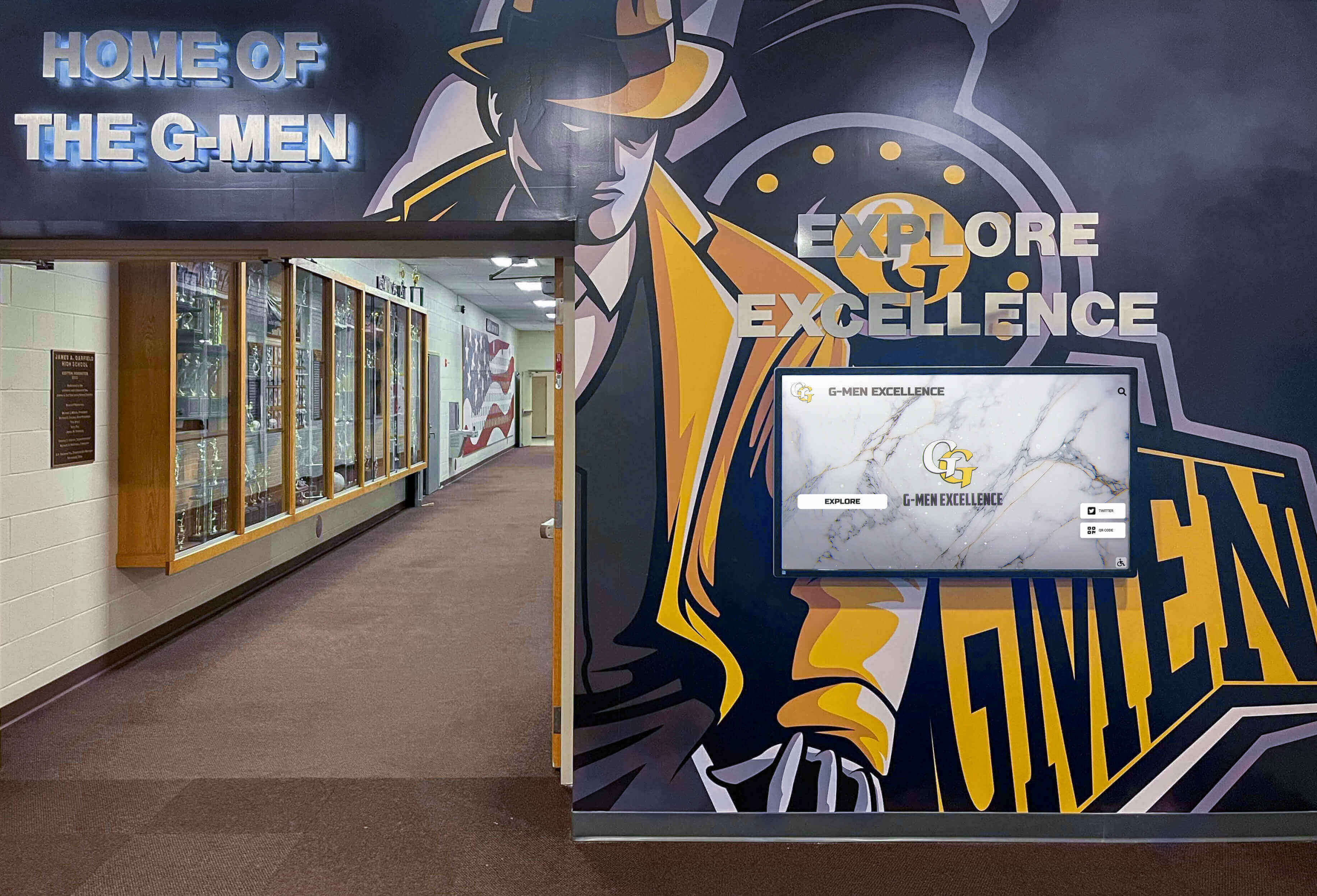
High school recognition often celebrates multi-sport athletes whose complete athletic contributions span multiple programs
College Soccer Senior Night
College senior recognition honors athletes who achieved goals of competing at higher levels while often marking true endings of competitive careers for most graduates.
Academic Achievement Emphasis
College athletes balance rigorous athletic demands with genuine academic coursework. Recognition should emphasize impressive academic achievements including degree completion often in demanding majors while maintaining athletic commitments, successful balance of NCAA division athletic and academic requirements, academic honors, dean’s list recognition, and distinctions received, graduate school admissions and professional career preparations beyond athletics, and research, internship, or other academic experiences pursued alongside soccer.
Academic emphasis validates that college student athletes excel beyond athletics while preparing for professional lives after competitive soccer concludes.
Post-Eligibility Life Preparation
Unlike high school where many futures remain uncertain, college seniors often have clearer post-graduation plans warranting recognition including graduate school acceptances and academic pursuits, professional career opportunities and positions secured, military service or public service commitments, professional or semi-professional soccer opportunities being pursued, and coaching, referee, or other soccer industry involvement continuing sport connection.
Future-focused recognition celebrates preparedness for post-athletic life while acknowledging that athletic participation contributed significantly to professional development and opportunity creation.
Competitive Level Considerations
Soccer senior night approaches might vary based on program competitive level and context.
Highly Competitive Programs
Elite soccer programs might emphasize conference championships and tournament achievements, individual honors such as all-conference, all-state, or all-region recognition, college recruitment success and scholarship achievements, statistical leaders and program record holders, and connections to distinguished program alumni creating tradition continuity.
Achievement-focused recognition suits highly competitive contexts while ensuring comprehensive acknowledgment of character and leadership contributions beyond purely competitive accomplishments.
Developmental and Inclusive Programs
Programs prioritizing participation and development might emphasize personal growth and skill development throughout careers, positive attitude and consistent effort regardless of playing time or results, leadership by example and positive teammate influence, balancing athletic participation with academic and personal commitments, and joy of game and lasting friendships formed through shared soccer experiences.
Development-focused recognition ensures all seniors—regardless of playing time, statistics, or team competitive success—receive meaningful appreciation validating that participation itself holds inherent value deserving recognition and celebration.
Implementation Timeline and Planning Checklist
Successful soccer senior nights require systematic planning beginning weeks before events to ensure quality execution and comprehensive recognition.
8-10 Weeks Before Senior Night
Early planning establishes foundation for quality ceremonies through identification of all senior players across boys’ and girls’ programs if coordinating, establishment of planning committee including coaches, athletic directors, and parent representatives, selection of senior night date considering conference schedule and competitive implications, initial budget development for ceremony, recognition items, and enhancement elements, and communication to senior families about upcoming recognition and information needed.
Early initiation ensures adequate preparation time while preventing rushed planning that compromises recognition quality or causes unnecessary stress approaching ceremony dates.
6-8 Weeks Before Senior Night
Intensive planning phase addresses detailed logistics including collection of senior photographs spanning youth through high school soccer careers, completion of biographical questionnaires gathering statistics, achievements, memories, and future plans, ordering recognition items such as flowers, plaques, frames, or commemorative gifts allowing production time, coordination with photographers or videographers for ceremony documentation, initial social media campaign planning building senior night anticipation, and preliminary ceremony script development ensuring comprehensive, personalized recognition.
Mid-range timeline allows sufficient lead time for quality recognition materials while enabling family travel planning and attendance coordination for extended relatives.
2-4 Weeks Before Senior Night
Final preparation intensifies with ceremony script finalization ensuring accurate, meaningful content for each senior, confirmation of family attendance and escort participants for each player, coordination with game day operations staff integrating ceremony into overall event flow, technical testing of audio systems, scoreboards, or displays used during ceremonies, finalization of programs, certificates, or printed materials for distribution, social media intensification featuring daily senior spotlights and ceremony promotion, and communication of detailed logistics to all ceremony participants including coaches, administrators, and families.
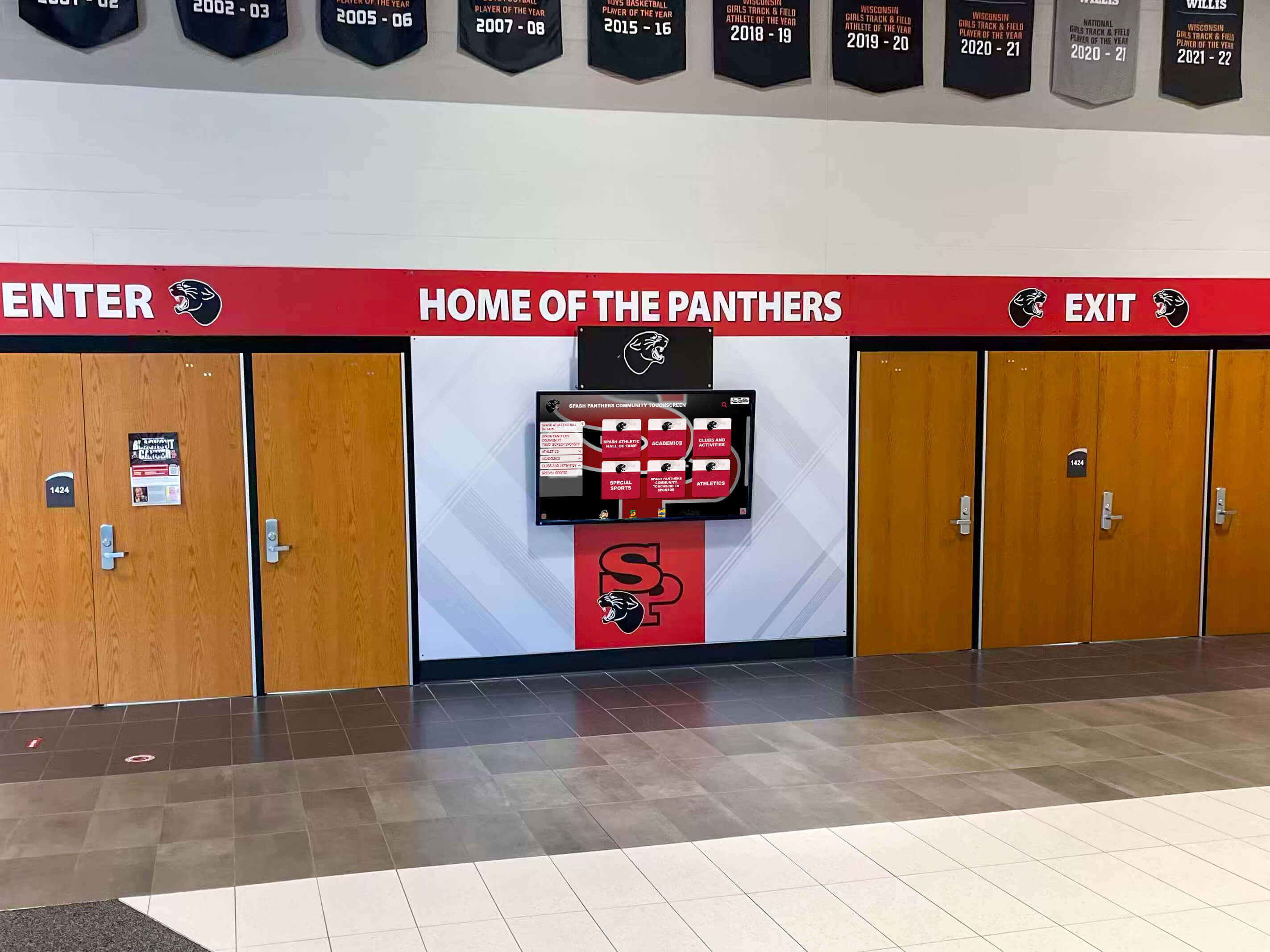
Systematic planning timelines ensure comprehensive preparation supporting quality senior night experiences
Week of Senior Night
Immediate pre-event tasks include final confirmation with all ceremony participants addressing any last-minute changes, setup of field decorations, banners, or displays creating special senior night atmosphere, preparation of recognition items and distribution logistics, final technical checks of audio, video, and display systems, photography and videography coordination ensuring comprehensive documentation, weather contingency planning for outdoor venues, and brief ceremony walk-through with participants when possible.
Day of Senior Night
Execute ceremony according to plan while maintaining flexibility through arrival early ensuring adequate setup and testing time, designation of ceremony coordinator managing timing and addressing unexpected issues, positive, celebratory atmosphere emphasizing joy and appreciation over rigid formality, photography and video documentation capturing all ceremony moments, and post-ceremony family time allowing extended celebration and field access for photographs.
Successful execution balances advance planning with flexibility adapting to inevitable surprises while maintaining focus on honoring seniors meaningfully regardless of minor challenges or unexpected adjustments.
Creating Lasting Program Traditions
Individual soccer senior nights create immediate impact, but sustained traditions developed over years create cumulative value strengthening program culture and institutional identity.
Establishing Consistent Recognition Standards
Predictable, consistent senior night approaches create expectations and traditions rather than varying celebrations feeling arbitrary or dependent on particular coaches or administrators.
Documented Policies and Procedures
Formalize recognition through written senior night policies specifying eligibility criteria for senior recognition, ceremony format and content standards ensuring quality, family participation expectations and guidelines, recognition materials provided to all seniors equitably, documentation and photography standards, budget allocation demonstrating institutional commitment, and timeline expectations establishing planning calendars.
Documentation ensures consistency across coaching changes and year-to-year variations while preventing arbitrary decisions about recognition approaches that might inadvertently create perception of favoritism or inequity.
Annual Assessment and Improvement
Treat senior night as iterative program element improving through systematic evaluation gathering feedback from senior athletes, families, coaches, and attendees, review of ceremony elements identifying what resonated and what felt less meaningful, comparison to peer programs and recognition best practices, analysis of budget efficiency identifying cost-effective approaches maximizing impact, and implementation of refinements enhancing ceremonies progressively year over year.
Continuous improvement maintains program quality and relevance rather than repeating identical ceremonies without critical evaluation potentially allowing quality degradation over time.
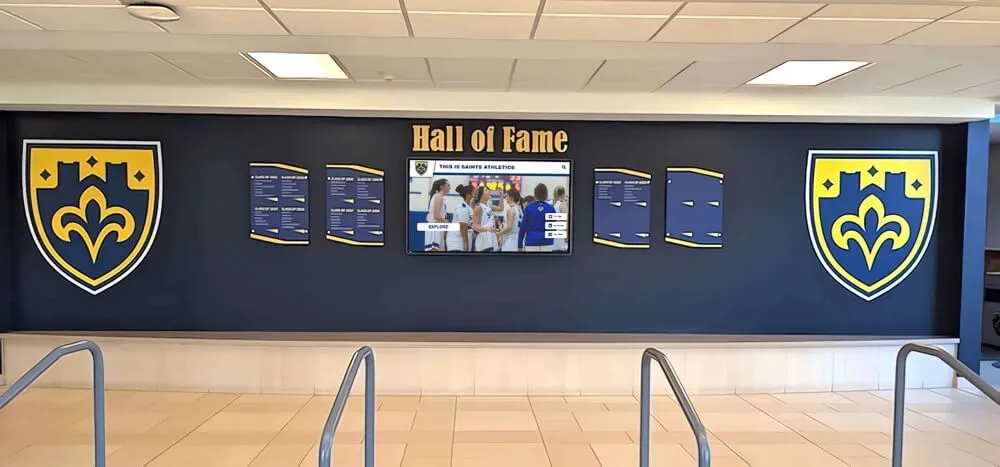
Consistent traditions developed across years strengthen program culture and create meaningful institutional identity
Connecting Senior Night to Broader Recognition Programs
Senior night represents one component of comprehensive athletic recognition systems creating consistent cultures celebrating achievement, commitment, and character.
Year-Round Recognition Integration
Integrate senior night into broader recognition including athlete of the week or match recognition throughout seasons, academic all-conference and scholar athlete honors, character and leadership awards presented at season conclusions, captaincy recognition and team award ceremonies, and historical achievement displays preserving program records and traditions.
Comprehensive recognition systems create consistent cultures where appreciation permeates programs rather than concentrating exclusively on senior night ceremonies in isolation.
Digital Platform Unification
Digital recognition displays can unify diverse recognition initiatives through consolidated platforms showing seniors alongside other awards and achievements, searchable databases enabling exploration across recognition categories, consistent visual presentation creating professional institutional branding, unlimited digital space accommodating growth without physical constraints, and permanent preservation accessible to current and future community members.
Unified platforms create comprehensive recognition ecosystems extending far beyond individual senior night ceremonies while maintaining permanent accessibility supporting ongoing alumni engagement and program tradition building.
Conclusion: Honoring Soccer Seniors’ Complete Journeys
Soccer senior night represents far more than pre-game ceremony obligation—it creates powerful moment validating years of dedication, honoring family sacrifices, preserving program legacies, and strengthening traditions inspiring current and future players. When executed thoughtfully with genuine care and appropriate resources, these recognition events demonstrate that programs value athletes as complete people, appreciate contributions extending beyond statistics and wins, and commit to honoring graduating players appropriately rather than simply moving on to next season’s rosters.
The most meaningful soccer senior nights balance tradition with innovation, honoring time-tested ceremonial elements while leveraging modern recognition technologies extending impact indefinitely. They create immediate emotional experiences through carefully planned ceremonies featuring personalized recognition, active family participation, and community celebration, while ensuring senior legacies endure through comprehensive digital profiles accessible to current and future community members discovering program history and tradition.
Soccer programs committed to quality senior night recognition benefit from systematic approaches including early planning with adequate preparation timelines, personalized recognition demonstrating specific knowledge of individual players, family-centered ceremonies appropriately honoring parental support and sacrifice, integration of digital recognition displays preserving senior tributes permanently, consistent traditions developed across years building program identity, equitable recognition ensuring all seniors receive comparable appreciation, budget-conscious creativity maximizing impact within resource constraints, and continuous improvement based on stakeholder feedback and evolving best practices.
Whether celebrating high school seniors concluding athletic careers or college athletes transitioning to post-competitive lives, thoughtful soccer senior night recognition communicates values extending beyond ceremony moments—values about human dignity, appreciation for commitment, recognition of growth and development, and institutional commitment to athletes as people rather than merely competitive assets. These celebrations strengthen program cultures, build enduring traditions, engage communities, and create lasting memories treasured by athletes, families, and institutions for decades to come.
Ready to transform how your soccer program celebrates senior players? Modern recognition solutions like Rocket Alumni Solutions provide comprehensive platforms designed specifically for athletic recognition, offering intuitive content management, engaging interactive displays, unlimited digital space for senior profiles, and proven approaches helping institutions honor athlete legacies appropriately while building traditions strengthening programs for generations of players to come.
Your soccer seniors deserve recognition matching their dedication—meaningful celebrations honoring complete contributions, creating lasting memories, and preserving legacies inspiring future players to pursue excellence, embody character, and contribute to traditions larger than individual achievements.































