Athletic administrators face unprecedented challenges in today’s educational landscape. Managing athlete eligibility, coordinating schedules across multiple sports and facilities, ensuring compliance with conference and state regulations, communicating with coaches and families, tracking performance data, and recognizing achievement—all while working within limited budgets and staffing constraints—requires more than spreadsheets and manual processes.
The right software tools transform these overwhelming responsibilities into manageable workflows. Modern athletic administration platforms automate tedious tasks, centralize communication, provide data-driven insights, and free administrators to focus on what matters most: supporting student-athletes and building exceptional programs. This comprehensive guide explores the top 30 software products that athletic directors, coordinators, and administrative staff need to operate efficient, compliant, and successful athletic departments in 2025.
Understanding Modern Athletic Administration Software
Athletic administration software has evolved dramatically from basic scheduling tools to comprehensive management ecosystems. Today’s platforms integrate multiple functions previously handled by separate systems or manual processes, creating seamless workflows that span every aspect of program operations.
The best athletic administration software shares several core characteristics. Cloud-based architecture allows access from anywhere with internet connectivity, enabling administrators to update schedules during away games or approve registrations from home. Mobile optimization ensures functionality on smartphones and tablets, not just desktop computers. Integration capabilities allow different systems to share data automatically, eliminating redundant entry. User-friendly interfaces designed for non-technical users reduce training time and increase adoption. Robust security protections safeguard sensitive student and financial data while meeting educational privacy standards like FERPA.
Understanding your specific needs guides software selection. Small high schools managing 8-12 sports with limited administrative staff require different solutions than large universities coordinating 25+ varsity programs plus intramural athletics. Conference and state association requirements vary significantly by region and competitive level. Budget constraints, existing technology infrastructure, and staff technical comfort levels all influence which solutions work best for your situation.
Registration and Eligibility Management Software
Efficient registration processes form the foundation of athletic administration. These platforms streamline how student-athletes sign up for sports, submit required documentation, verify eligibility, and maintain compliance with athletic association requirements.
Comprehensive Registration Platforms
Bound stands out as registration software engineered specifically for athletic departments by professionals with over 200 years of combined experience in athletic administration. The platform eliminates dysfunction and missed details by centralizing scheduling, registration, ticketing, and more in one integrated system. Athletic directors appreciate how Bound automates eligibility verification, compiles rosters automatically, and ensures all required forms are collected before participation begins.
BigTeams provides comprehensive student-athlete registration software that collects digital forms, verifies eligibility requirements, and compiles accurate rosters across all sports. Their event management tools automate tedious administrative tasks while streamlining communication between athletic directors, coaches, and families. The platform’s intuitive interface requires minimal training, making adoption easier for staff members with varying technical backgrounds.
DragonFly Athletics delivers powerful membership management capabilities designed specifically for high school sports administration. Their platform handles player rosters and eligibility tracking, secure digital payments, communication tools, injury reports, and official assignments. DragonFly’s focus on the high school market means their feature set directly addresses the specific requirements of state athletic associations and conference regulations that high school programs must navigate.
Active Network powers registration for thousands of athletic programs ranging from youth leagues to large school districts. Their platform handles complex registration scenarios including multi-sport discounts, family registration, waitlist management, and automated payment plans. Integration with financial systems ensures accurate revenue tracking and simplified reconciliation.
LeagueApps combines registration management with league and tournament organization tools. Athletic directors managing both school teams and recreational programs benefit from unified registration while maintaining separate organizational structures. The platform’s flexibility accommodates diverse program models from traditional school sports to club teams and intramural leagues.
Key Registration Features to Prioritize
Effective registration platforms should offer online registration accessible 24/7, allowing families to register during times convenient for them rather than being constrained to office hours. Digital forms replace paper documents, automatically routing submissions to appropriate staff for review and approval. Eligibility verification tools check requirements like physical examinations, insurance documentation, academic standing, and parent consent against your specific criteria, flagging incomplete registrations before athletes participate.
Automated communication triggered by registration events keeps families informed—confirmation emails when registration is received, reminders about missing documents, notifications when eligibility is approved. Secure payment processing integrated directly into registration eliminates separate collection systems while providing families convenient payment options including installment plans. Roster compilation automatically generates accurate team lists from registration data, eliminating manual roster creation and reducing errors.
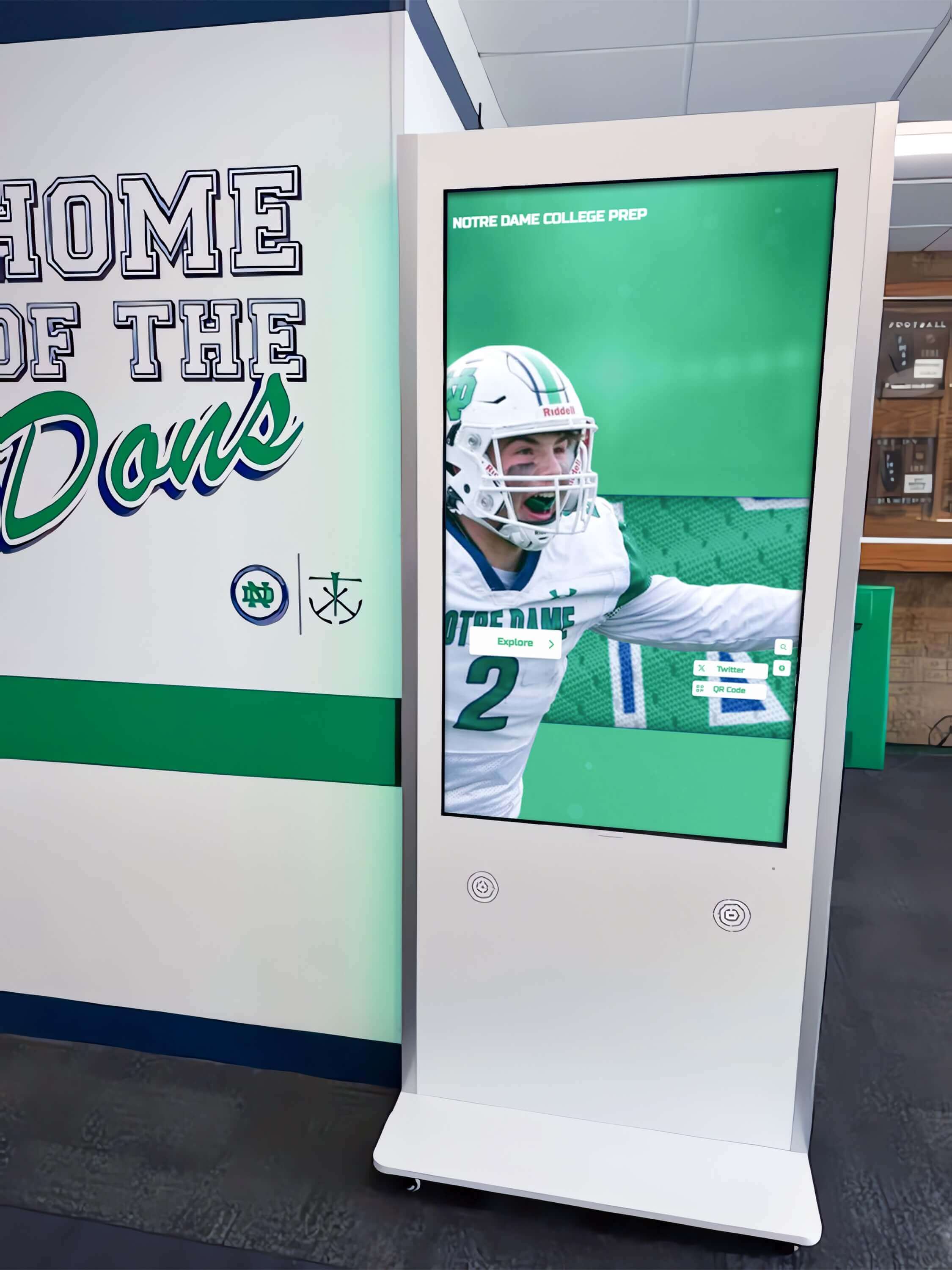
Solutions like these registration platforms handle the administrative complexity of getting athletes properly registered and eligible, but athletic programs also need ways to celebrate and recognize the achievements that result. Digital recognition displays provide an excellent complement to registration systems by showcasing the student-athletes whose eligibility these platforms help manage.
Scheduling and Calendar Management Tools
Coordinating practice times, competition schedules, facility usage, official assignments, and bus transportation across multiple teams represents one of the most time-consuming aspects of athletic administration. Specialized scheduling software transforms this complex puzzle into manageable processes.
Advanced Scheduling Solutions
TeamWorks provides sophisticated scheduling capabilities designed for athletic departments managing multiple teams sharing limited facilities. Their platform handles facility conflicts automatically, identifies scheduling constraints, and optimizes resource allocation. Calendar integration syncs schedules with Google Calendar, Outlook, and other standard calendar applications, ensuring coaches and families see current schedules regardless of which system they use.
SportsEngine delivers comprehensive scheduling tools integrated with their broader sports management platform. Their system manages game schedules, practice calendars, facility reservations, and official assignments in one centralized location. Automated notifications alert relevant parties when schedules change, reducing the communication burden when weather or other factors force rescheduling.
Arbitersports specializes in official assignment and game scheduling for high schools and athletic conferences. Their platform manages official availability, assigns games based on proximity and experience, handles schedule conflicts automatically, and processes official payments. Many state athletic associations use Arbitersports as their standard platform, making familiarity with the system essential for athletic administrators.
Jersey Watch provides schedule management focused on youth sports and high school athletics. Their platform handles team calendars, facility booking, transportation coordination, and communication about schedule changes. The mobile app ensures coaches and families have current schedule information readily accessible.
Essential Scheduling Features
Effective scheduling platforms must handle facility conflict management, identifying when multiple teams need the same space and flagging conflicts before they become problems. Resource allocation tools track not just facilities but also equipment, transportation, training staff, and other limited resources that teams share. Official assignment features match available officials to games based on qualifications, location, and availability, automating a process that otherwise requires numerous phone calls and emails.
Calendar synchronization ensures schedules automatically update across multiple platforms and devices without manual re-entry. Automated change notifications alert everyone affected when weather, facility issues, or other factors necessitate schedule modifications. Public schedule publishing allows families and fans to view schedules online without requiring phone calls to the athletic office.
Many scheduling platforms also include transportation coordination features that assign buses, track departure times, and provide directions to competition venues. Integration with communication systems ensures transportation details reach coaches and chaperones automatically.
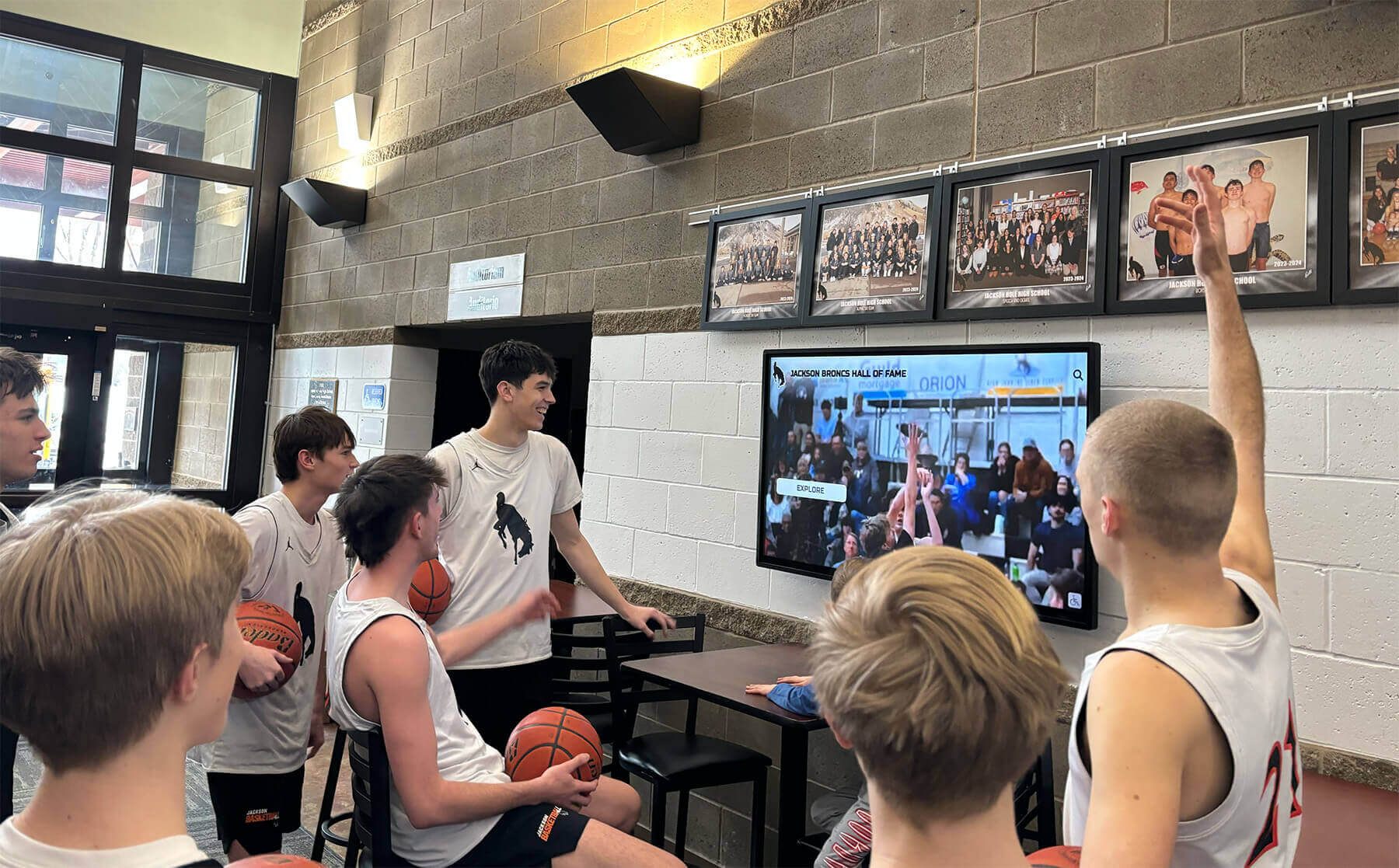
While scheduling software manages when and where athletes compete, digital recognition displays preserve and celebrate the achievements that occur during those competitions, creating permanent records of championship victories and record-breaking performances.
Communication and Engagement Platforms
Effective communication connects athletic departments with coaches, student-athletes, families, officials, and the broader school community. Modern communication platforms centralize these interactions while ensuring messages reach the right audiences through their preferred channels.
Integrated Communication Systems
TeamSnap empowers millions worldwide to efficiently handle team communication alongside game schedules and vital information. Their platform provides messaging tools, emergency contact management, availability tracking, and automated reminders. Coaches appreciate how TeamSnap reduces the time spent on communication logistics, allowing them to focus on coaching rather than administrative details.
Remind specializes in school-safe messaging that maintains appropriate boundaries between staff and students. Their platform delivers announcements, schedule changes, and important updates via text message, ensuring time-sensitive information reaches recipients quickly. Two-way communication features allow replies while maintaining professional boundaries and documentation.
FinalForms combines registration and communication functions, allowing athletic departments to collect paperwork while maintaining ongoing communication with families. Their platform handles both routine announcements and emergency notifications, with delivery tracking showing who has received and viewed important messages.
Spry supports intercollegiate athletic departments with comprehensive communication tools designed specifically for managing student-athlete interactions. Their platform facilitates compliance monitoring, digital form distribution, scheduling communication, and NIL activity management for college programs.
Critical Communication Capabilities
Modern communication platforms must provide multi-channel delivery options including email, text message, push notifications, and social media posting. Audience segmentation allows targeted messaging—sending practice changes only to affected teams rather than entire athletic departments. Emergency notification features deliver urgent messages instantly through multiple channels simultaneously, ensuring critical information reaches recipients during time-sensitive situations.
Two-way communication enables families to ask questions and receive responses within the same platform rather than requiring separate email exchanges. Delivery and read receipts confirm that important messages have been received and viewed. Translation capabilities support families whose primary language isn’t English, ensuring all families can access important information.
Communication platforms should integrate with scheduling systems to automatically send schedule reminders, cancellation notifications, and location information. Integration with registration systems allows welcoming messages to new registrants and targeted communication to families who haven’t completed required paperwork.
Strong communication tools help athletic departments share information effectively, but thoughtful programs also communicate recognition and appreciation for achievement. Digital recognition systems like those from Rocket Alumni Solutions complement communication platforms by providing ongoing visibility for athletic accomplishments that messaging apps can announce but not permanently showcase.
Financial Management and Fundraising Tools
Athletic programs operate on limited budgets that require careful tracking of revenue from registrations, ticket sales, fundraisers, and sponsorships alongside expenses for equipment, transportation, officials, and facility maintenance. Financial management software designed for athletic departments simplifies these accounting challenges.
Athletic Finance Platforms
RevTrak provides financial management specifically designed for school athletic departments and activities programs. Their platform handles online payments for registrations, tickets, and fees while maintaining proper accounting segregation for each sport and activity. Automated reporting generates financial statements required by school business offices and booster clubs.
MySchoolBucks processes payments for school athletics alongside cafeteria meals and other school fees. Families appreciate the convenience of one payment platform for all school-related expenses. Athletic administrators benefit from automated reconciliation that reduces manual bookkeeping time.
QuickBooks remains the standard accounting software for many athletic booster organizations operating as independent nonprofits. While not athletics-specific, QuickBooks provides the financial tracking, reporting, and tax documentation that booster clubs require. Many athletic administrators maintain basic QuickBooks knowledge to support booster club financial management.
Snap! Raise revolutionizes athletic fundraising through digital campaigns that replace traditional product sales. Their platform allows teams to create online fundraising campaigns with automated communication tools, donation processing, and performance tracking. Athletic departments using Snap! Raise commonly report higher fundraising results with significantly less time investment than traditional fundraising approaches.
Essential Financial Capabilities
Athletic financial management requires separate fund accounting that tracks each sport’s revenue and expenses independently while rolling up to department-wide reporting. Online payment processing accepts credit cards, debit cards, and electronic checks while maintaining PCI compliance for secure transactions. Automated reconciliation matches payments to registrations and other revenue sources, reducing manual bookkeeping hours.
Financial reporting generates statements required by school business offices, booster clubs, and external auditors. Budget tracking compares actual spending against approved budgets, alerting administrators when expenses approach budget limits. Fundraising campaign management tracks donations, generates donor receipts, and provides performance analytics showing which campaigns and approaches generate optimal results.
Integration with registration systems ensures registration fees are properly recorded and tracked. Integration with ticket sales platforms captures gate receipts accurately. Integration with bank accounts allows automated transaction import that reduces manual data entry.
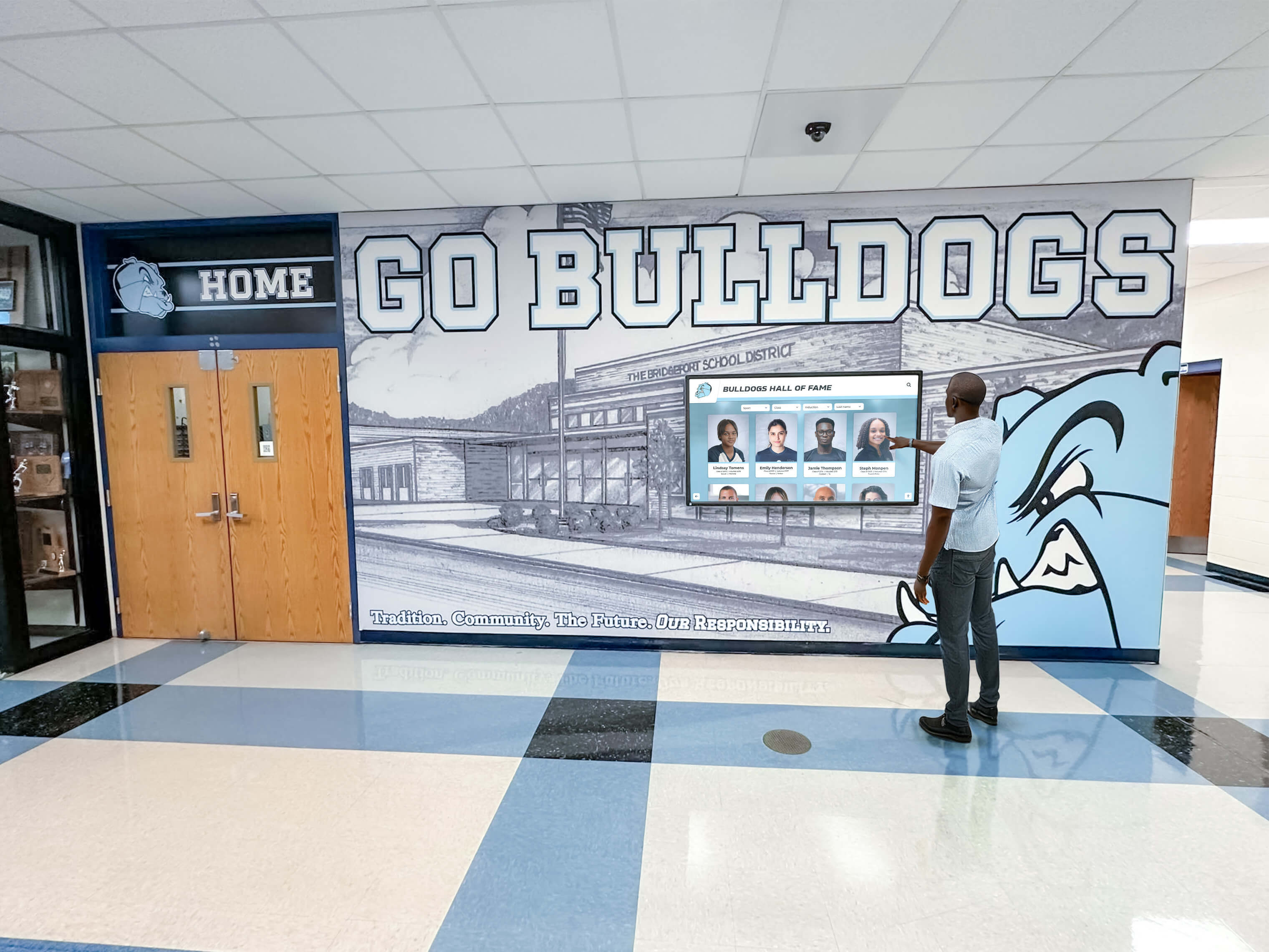
While financial software manages the resources that fund athletic programs, those resources should include investment in recognition systems that preserve program history and motivate continued excellence. Digital athletic walls of honor provide cost-effective recognition solutions that deliver long-term value for programs operating within tight budgets.
Performance Tracking and Analytics Software
Data-driven decision making has transformed modern athletic programs. Performance tracking platforms help coaches and administrators monitor athlete development, identify injury risks, optimize training approaches, and measure program effectiveness.
Comprehensive Performance Platforms
Catapult Sports leads the global sports analytics market, providing sophisticated performance tracking used by elite programs in over 40 sports across 137 countries. Their wearable technology captures metrics including distance covered, speed, acceleration, deceleration, and impact load. Coaches use these insights to optimize training intensity, manage athlete workload, and reduce injury risks.
AthleteMonitoring serves sport academies, national sports organizations, universities, sport medicine research centers, and Olympic programs worldwide. Their platform tracks training load, wellness data, medical records, and performance metrics in one integrated system. The comprehensive approach helps strength coaches, athletic trainers, and sports medicine staff coordinate athlete care and development.
CoachMePlus provides strength and conditioning software with tools for safely preparing athletes for competition. Their platform includes exercise libraries, program planning tools, performance tracking, and video analysis. Strength coaches appreciate the ability to assign workouts, monitor completion, track performance progression, and adjust programs based on athlete response.
Hudl has become synonymous with video analysis in high school and college athletics. Their platform allows coaches to film practices and games, break down video into specific plays, create highlight reels, and share video with athletes for review. The analysis tools help coaches identify technical issues, evaluate opponent tendencies, and communicate corrections more effectively than verbal descriptions alone.
DASH by Elite Form combines video analysis with biomechanical assessment. Their platform uses computer vision to analyze movement patterns, identify form deficiencies, and track correction over time. Sports like swimming, track and field, and baseball benefit particularly from this detailed movement analysis.
Performance Analytics Features
Effective performance tracking requires wearable technology integration that captures real-time data during training and competition. Data aggregation combines information from multiple sources including GPS trackers, heart rate monitors, force plates, and timing systems into unified athlete profiles. Longitudinal tracking maintains historical performance data showing athlete development over seasons and years.
Injury risk prediction analyzes workload patterns, fatigue indicators, and movement quality to identify athletes at elevated injury risk. This predictive capability allows coaches to adjust training loads before injuries occur rather than reacting after athletes are sidelined. Recovery monitoring tracks sleep quality, soreness, mood, and other wellness indicators that signal whether athletes are recovering adequately from training stress.
Video analysis tools allow frame-by-frame review, drawing tools for highlighting specific movements, comparison features for viewing proper form alongside athlete execution, and sharing capabilities for remote coaching. Performance reports generate visual summaries of key metrics that coaches, athletes, and parents can understand without specialized statistical knowledge.
Integration with training program software ensures performance data informs program adjustments. Integration with medical records connects performance metrics with injury history for comprehensive athlete health management. Integration with scheduling systems helps manage training loads around competition schedules.
Performance tracking focuses on improvement and achievement—outcomes that athletic programs should celebrate publicly. Interactive athletic recognition displays provide the perfect platform for showcasing the records and accomplishments that performance tracking software helps athletes achieve.
Compliance and Eligibility Monitoring Systems
Athletic administrators carry significant responsibility for ensuring programs comply with conference rules, state athletic association regulations, academic eligibility standards, and other requirements. Compliance software reduces the risk of violations while simplifying eligibility monitoring.
Compliance Management Solutions
Rank One Sport provides eligibility and compliance management designed specifically for state athletic associations and their member schools. Their platform tracks academic eligibility based on grades and credits, monitors transfer student status, verifies residence requirements, tracks age eligibility, and manages hardship waivers. Many state athletic associations mandate Rank One Sport use by member schools, making familiarity with the platform essential.
Compliance Solutions serves college athletic programs with tools for monitoring NCAA and conference regulations. Their platform tracks official visits, recruiting communications, athletic financial aid, playing and practice hours, and academic progress. Compliance officers use the system to document adherence to complex NCAA rules that require extensive record-keeping.
Privva focuses on privacy compliance including FERPA (Family Educational Rights and Privacy Act) requirements that govern how schools handle student records. Athletic departments dealing with medical information, academic records, and personal data must maintain strict privacy controls. Privva provides the frameworks and documentation to demonstrate compliance with these regulations.
CoreSense tracks concussion protocols and return-to-play clearances. Their platform documents baseline testing, injury reporting, symptom monitoring, medical clearances, and graduated return protocols. With concussion management under intense scrutiny and significant legal liability, systematic documentation through specialized software provides essential protection.
Essential Compliance Features
Compliance platforms must provide automated eligibility checking against your specific requirements, whether state athletic association rules, conference standards, or institutional policies. Rules engine configuration allows customization to your particular requirements without requiring programming expertise. Audit trails document every eligibility decision with timestamps and responsible personnel for accountability.
Document management stores required paperwork including physicals, insurance documentation, consent forms, and medical clearances in organized, searchable repositories. Expiration tracking alerts administrators when documents approach expiration dates requiring renewal. Bulk verification processes multiple athletes simultaneously rather than requiring individual checks.
Reporting capabilities generate eligibility rosters required by conferences and state associations. Exception handling flags unusual situations requiring administrator review rather than automated processing. Integration with student information systems automatically imports grades and credits for academic eligibility monitoring. Integration with registration systems ensures athletes complete eligibility requirements before participation begins.
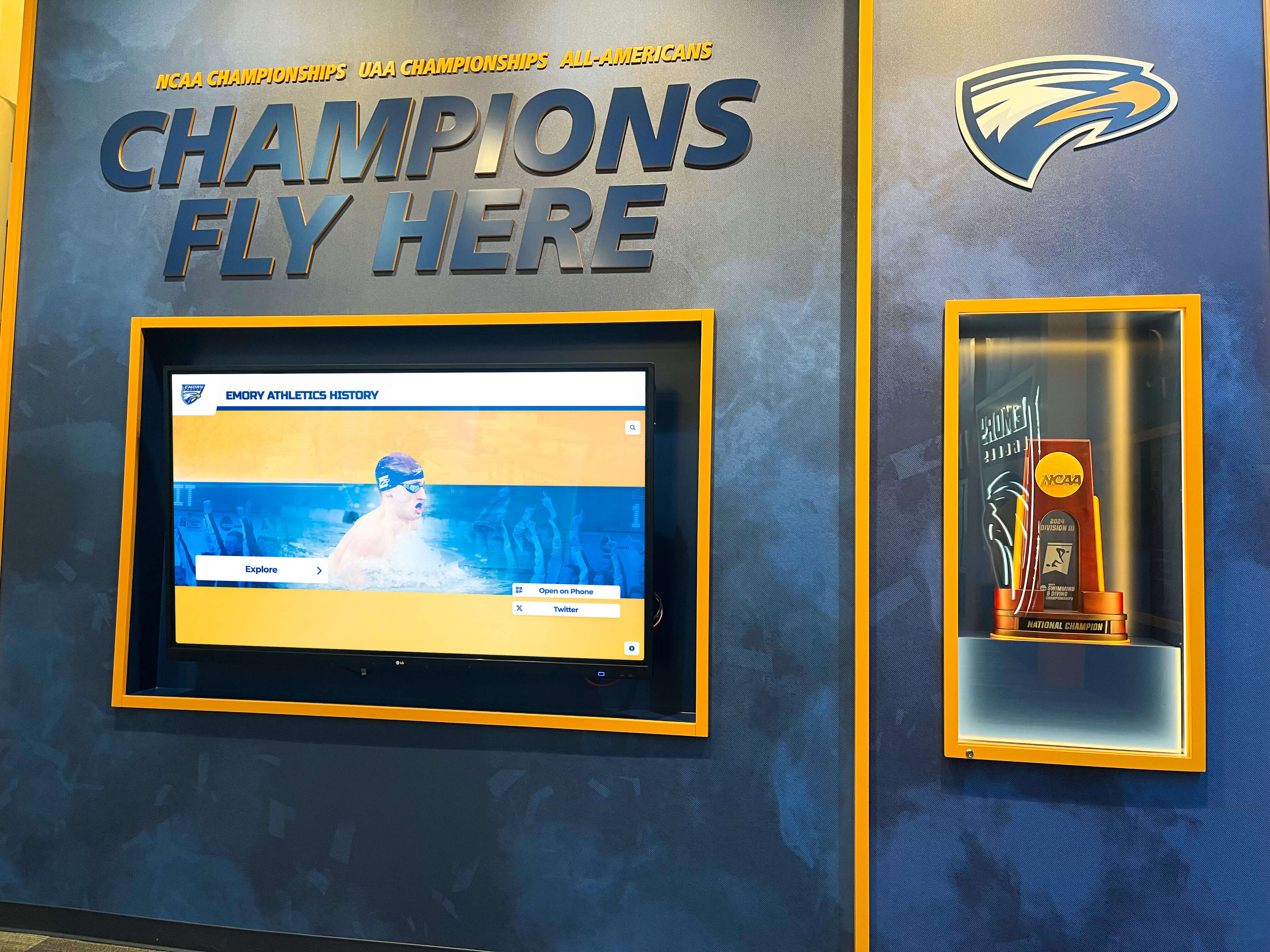
While compliance software manages the rules that allow athletic participation, comprehensive athletic administration also includes celebrating those who participate with excellence. Digital recognition systems provide the means to honor compliant, successful student-athletes while reinforcing program values and standards.
Facility and Equipment Management Software
Physical resources including gymnasiums, athletic fields, weight rooms, and equipment require systematic management to ensure availability, maintenance, and replacement planning. Facility management software brings order to these operational requirements.
Facility Management Platforms
ArbiterSports FMS provides facility and event management capabilities that integrate with their official assignment and scheduling systems. Their platform manages facility calendars, tracks maintenance requirements, handles rental inquiries, processes facility use agreements, and generates usage reports. Athletic directors sharing facilities with community groups benefit from systematic facility allocation that prevents conflicts and ensures proper agreements.
eSoft Planner offers comprehensive facility scheduling across entire school districts. Their platform manages athletic facilities alongside classrooms, auditoriums, and other spaces, providing district-wide visibility into space utilization. Calendar integration and automated notifications ensure everyone has current facility information.
SchoolDude serves K-12 facilities management across all facility types including athletic spaces. Their maintenance tracking features document work orders, schedule preventive maintenance, track service history, and manage vendor relationships. Athletic directors often coordinate with facilities departments using SchoolDude to ensure proper maintenance of athletic facilities.
AssetWorks provides enterprise facility management commonly used by universities managing extensive athletic facility portfolios. Their platform handles space planning, energy management, preventive maintenance scheduling, and capital project tracking. The comprehensive approach suits complex operations where athletic facilities are part of larger institutional facility portfolios.
Equipment Management Solutions
EquipmentShare Track brings construction equipment tracking approaches to athletic equipment management. Their platform uses QR codes or RFID tags to track individual items, monitor check-out and return, schedule maintenance, and plan replacement. Programs with significant equipment inventories—football, hockey, or lacrosse programs with extensive protective equipment, for example—benefit from systematic tracking that reduces losses and ensures proper maintenance.
Sortly provides visual inventory management suitable for athletic equipment rooms. Their smartphone app allows quick inventory with photos, tracks item locations, monitors quantities, and sends reorder alerts. The visual approach works particularly well for athletic equipment where photos clearly identify specific items.
Critical Facility Management Capabilities
Facility management platforms need calendar management that prevents double-booking and clearly shows availability. Maintenance tracking documents work performed, schedules preventive maintenance before failures occur, and maintains service history for each facility. Usage reporting shows which facilities are heavily used versus underutilized, informing capital planning decisions.
Rental management handles external organizations using athletic facilities, processing rental applications, generating use agreements, tracking payments, and ensuring proper insurance documentation. Event management coordinates the many moving parts of athletic events including facility setup, ticket sales, concessions, security, and cleanup.
Equipment tracking monitors inventory quantities, individual item check-out and return, and maintenance schedules. Asset lifecycle management plans equipment replacement before failures disrupt programs. Integration with financial systems tracks facility and equipment costs for accurate budget planning.
Well-maintained facilities and equipment form the foundation for successful programs, but even the best facilities benefit from prominent recognition displays that celebrate the achievements occurring within them. Touchscreen recognition displays can be installed in facility lobbies and corridors, connecting physical spaces with the competitive excellence they host.
Medical and Injury Management Software
Athletic trainers and sports medicine staff use specialized software to document injuries, track treatment protocols, manage return-to-play decisions, and maintain medical records. These systems provide essential documentation while facilitating coordinated care.
Athletic Training Management Platforms
Sportsware Online serves as the industry standard for athletic training documentation at many universities and larger high schools. Their platform manages injury reports, treatment documentation, rehabilitation protocols, medical supply inventory, insurance billing, and comprehensive medical records. Certified athletic trainers appreciate the professional documentation that meets legal and insurance requirements.
ATS Magnus provides athletic training software used by professional sports teams and major college programs. Their platform includes injury documentation, treatment planning, rehabilitation tracking, clearance workflows, and detailed medical reporting. The comprehensive approach supports sophisticated sports medicine programs with multiple practitioners coordinating athlete care.
TeamBuildr combines strength and conditioning program management with injury tracking and rehabilitation protocols. Their integrated approach allows seamless transitions when athletes move from training to rehabilitation and back to full participation. Strength coaches and athletic trainers collaborate through the shared platform.
SimplePractice serves many athletic training practices operating as independent entities serving multiple schools. Their platform handles appointment scheduling, clinical documentation, billing and insurance, HIPAA-compliant client communication, and practice management. Athletic trainers running private practices while contracting with schools benefit from comprehensive practice management features.
Injury Management Essentials
Injury management platforms must provide detailed injury documentation including mechanism of injury, anatomical location, initial assessment findings, and severity classification. Treatment tracking records all interventions with dates, treating practitioners, and athlete response. Rehabilitation protocol management assigns graduated return activities, tracks completion and response, and documents clearance decisions.
Concussion management requires specialized capabilities including baseline testing, symptom monitoring, graduated return protocols, medical clearance workflows, and comprehensive documentation. With concussion protocols under regulatory scrutiny and legal exposure, systematic documentation through specialized software is essential rather than optional.
Medical records maintain comprehensive athlete health histories including pre-participation physical examinations, past injuries, chronic conditions, medications, allergies, and family medical history. Emergency medical information must be immediately accessible during urgent situations. Insurance information including policy details, billing requirements, and claims status requires organized tracking.
Reporting capabilities generate injury statistics showing program injury rates by sport and injury type. These reports inform injury prevention strategies and demonstrate program safety. Integration with performance monitoring systems connects training load with injury occurrence. Integration with compliance systems documents medical clearances required for eligibility.
While medical software manages athlete health and safety, healthy athletes produce achievements worth recognizing. Digital athletic recognition displays provide inspiring examples of athletic excellence that motivate athletes through injury rehabilitation and recovery.
Video and Streaming Platforms
Video has become essential for modern athletic programs—filming games for coaching analysis, streaming competitions for distant families, creating recruitment highlights, and documenting program history. Video management platforms organize these capabilities.
Video Analysis Systems
Hudl dominates the high school and college coaching video analysis market. Their platform handles video capture, cloud storage, play breakdown, drawing and notation tools, playlist creation, and athlete sharing. Coaches film games with standard cameras or specialized Hudl equipment, upload to the cloud, and access from any device for analysis. The platform’s ubiquity means athletes transferring between programs often find familiar Hudl interfaces.
Krossover provides automated game breakdown for basketball, using computer vision to identify possessions, catalog plays, and generate statistics without manual tagging. Coaches receive fully broken-down game video within hours of uploading, dramatically reducing the time required for game analysis. The automated approach works particularly well for programs without dedicated video coordinators.
Veo offers automated filming through AI-powered cameras that follow action without human operation. Their system mounts one camera that captures the entire field or court, automatically tracks the ball, and generates multiple viewing angles from the single camera perspective. Programs without personnel available to film every practice and competition benefit from Veo’s automated approach.
Live Streaming Solutions
NFHS Network streams high school athletic events nationwide, partnering with state athletic associations to provide official streaming. Schools and athletic associations receive subscription revenue sharing while providing families viewing access to competitions anywhere. The platform has become the standard high school streaming solution in many states.
StretchInternet provides streaming services for college athletics, particularly at Division II and III levels where conference media deals are less common. Their platform handles video capture, encoding, streaming delivery, and viewer subscriptions. Athletic directors appreciate the turnkey service that doesn’t require in-house technical expertise.
Pixellot combines automated filming with live streaming through cameras that track action without operators. Their systems suit venues where running cameras for every junior varsity game or less prominent sports isn’t feasible. Automated operation provides streaming coverage that manual approaches couldn’t sustain.
YouTube Live and Facebook Live offer free streaming options for programs with limited budgets. While lacking the sophisticated features of specialized platforms, these mainstream options make basic streaming accessible to any program with smartphones or tablets. Families appreciate any viewing access, even without professional production quality.
Essential Video Capabilities
Video platforms need cloud storage sufficient for entire seasons or multiple years of video content. Organizing tools must allow search by date, opponent, player, or play type. Sharing controls determine who can view specific video—private for coaches only, team-accessible for athletes, or public for recruiting purposes.
Drawing and notation tools allow coaches to highlight specific aspects of plays, add text annotations, and draw diagrams showing proper positioning or movement. Playlist creation compiles specific plays across multiple games showing patterns over time. Download capabilities allow coaches to create highlight reels for recruitment or recognition purposes.
Streaming requires reliable video capture and encoding, sufficient bandwidth for viewers, adaptive bitrate streaming that adjusts to viewer connection speeds, and viewer authentication when streams should be limited to ticket purchasers or subscribers. DVR functionality allows viewers to pause and rewind live streams. On-demand archives make streamed events available for future viewing.
Integration with statistics systems can overlay real-time statistics during live streams. Integration with scheduling systems automatically publishes streaming links with event information. Integration with ticketing systems can bundle streaming access with ticket purchases.
Video captures athletic achievement in the moment, but permanent recognition requires different approaches. Digital recognition displays provide lasting showcases for the accomplishments that game video documents, creating permanent tributes beyond video archives.
Ticketing and Revenue Management Systems
Gate receipts, season ticket sales, tournament admission, and other ticketing revenue require professional management that balances revenue generation with fan convenience. Modern ticketing platforms address these needs.
Ticketing Solutions
GoFan has become the dominant digital ticketing platform for high school athletics, replacing cash at gates with mobile tickets. Their platform handles ticket sales, digital ticket delivery, gate scanning, settlement processing, and financial reporting. Athletic directors appreciate the elimination of cash handling, reduced ticket printing costs, and comprehensive reporting. Families benefit from convenient online ticket purchasing and electronic ticket storage on smartphones.
Hometown Ticketing provides ticketing services for schools, municipal venues, and community organizations. Their platform handles advance sales, will-call management, season tickets, parking passes, and concessions. The comprehensive approach suits programs managing multiple revenue streams through ticketing events.
TicketSpicket offers affordable ticketing solutions designed for smaller organizations including high schools. Their platform handles online sales, on-site printing, gate scanning, and settlement. The lower-cost model works for programs with modest ticketing volumes that don’t justify expensive enterprise platforms.
TicketReturn serves many college athletic departments with ticketing systems handling season tickets, single-game sales, donor seat allocation, parking permits, and mobile ticket delivery. Their platform integrates with athletic department donor management systems to connect giving levels with seating priority.
Gate Management Tools
TixiFi combines ticketing with contactless entry and capacity management. Their platform handles reservation systems, capacity tracking required during COVID restrictions, gate scanning, and attendance reporting. The flexible approach works for both ticketed events and free-admission events requiring attendance tracking.
Spotlight provides gate management for venues using multiple entry points. Their handheld scanners connect via cellular data, allowing ticket validation at any gate location without requiring wired infrastructure. The distributed scanning approach works particularly well for outdoor venues with numerous entry points.
Ticketing Platform Essentials
Ticketing systems need online sales capabilities allowing fans to purchase in advance from computers or mobile devices. Mobile ticket delivery via email or smartphone wallet apps eliminates printing and reduces ticket fraud. Gate scanning using smartphones or dedicated scanners validates tickets, prevents duplicates, and tracks actual attendance versus sales.
Season ticket management handles multi-game purchases, assigns seat locations, manages renewals, and processes payment plans. Reserved seating allows fans to select specific seats from facility maps. General admission handling manages capacity limits without assigned seating. Complimentary ticket distribution tracks free admissions for scouts, media, recruiters, and other authorized guests.
Revenue reporting shows sales by event, date range, and ticket type. Settlement processing calculates net revenue after platform fees, payment processing costs, and any revenue sharing arrangements. Integration with financial systems ensures proper accounting of ticketing revenue. Integration with donor management connects ticket purchases with donor records for athletic supporters.
While ticketing software manages who attends athletic events, comprehensive programs also ensure that significant achievements from those events receive permanent recognition. Digital recognition displays can be placed in venue lobbies where they’re visible to every ticket holder entering facilities.
Digital Recognition and Hall of Fame Systems
Celebrating athletic achievement motivates current athletes, honors past excellence, strengthens alumni connections, and builds program culture. Digital recognition systems have revolutionized how athletic programs preserve and showcase accomplishments.
Comprehensive Recognition Platforms
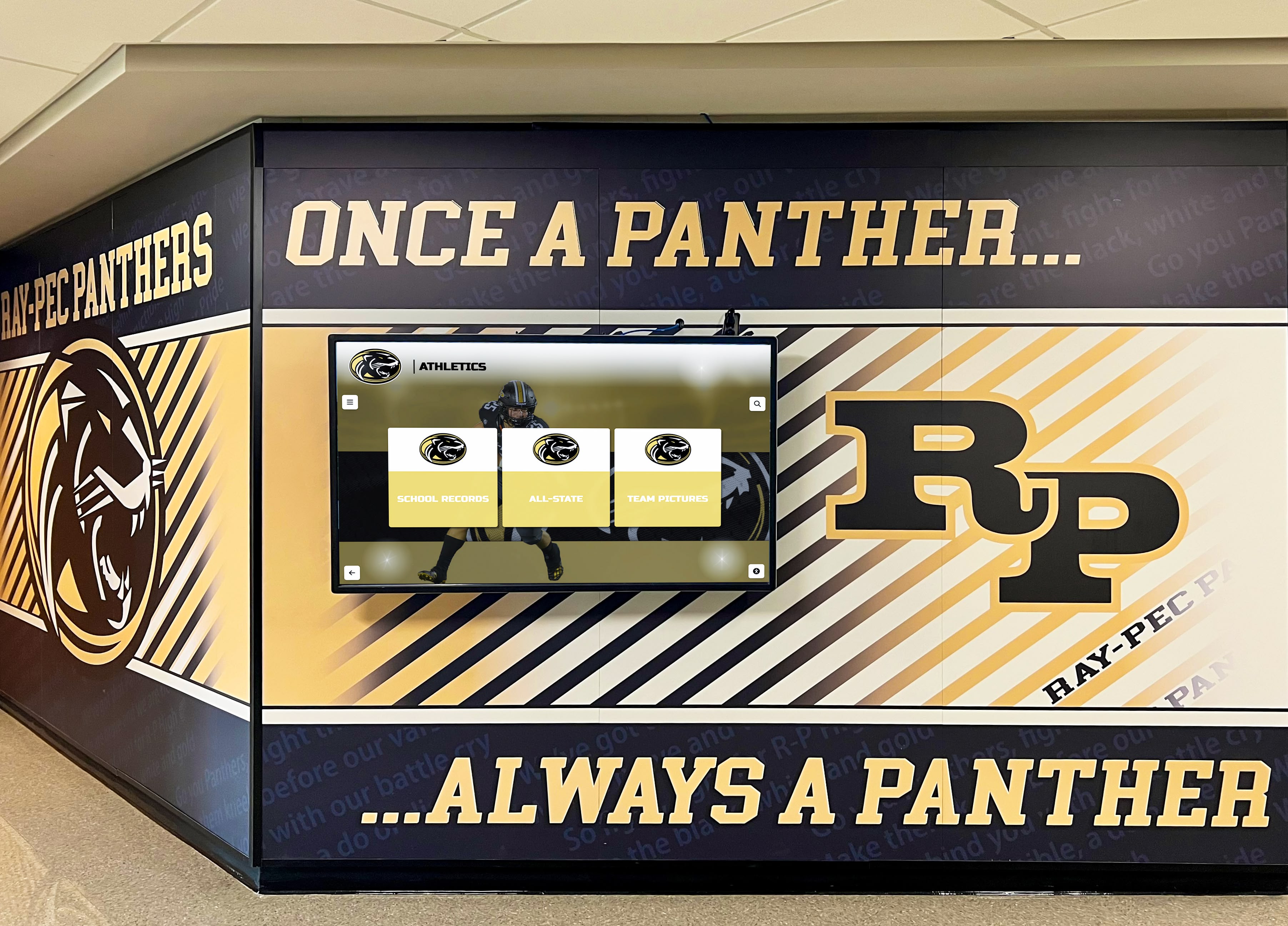
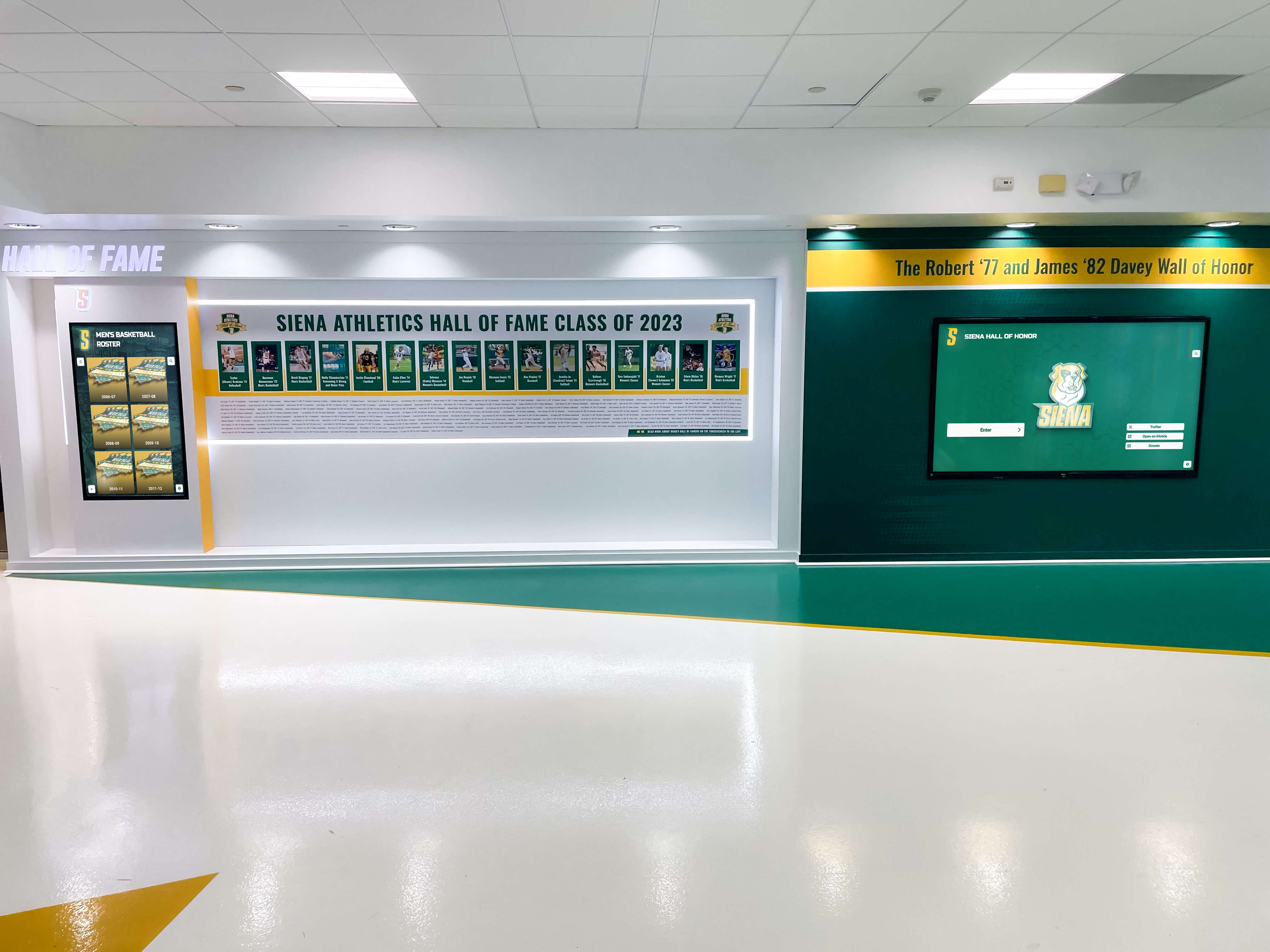
Rocket Alumni Solutions provides sophisticated digital recognition displays specifically designed for athletic halls of fame and achievement showcases. Their touchscreen systems allow visitors to explore championship teams, individual records, all-state honors, and program history through intuitive interactive interfaces. The platforms feature unlimited capacity for recognition content, cloud-based content management requiring no technical expertise, web and mobile accessibility allowing remote viewing, and professional design customization reflecting program branding.
Athletic administrators appreciate how Rocket Alumni Solutions eliminates the space constraints of traditional trophy cases and engraved plaques. A single touchscreen can showcase hundreds of championship teams and thousands of individual athlete profiles with photos, statistics, career summaries, and video highlights. Content updates happen remotely through simple web interfaces without requiring physical modifications, engraving, or construction.
The dual presence of physical touchscreen displays in athletic facilities combined with web accessibility extends recognition beyond campus visitors to distant alumni worldwide. This expanded reach transforms static trophy cases into engagement platforms that strengthen alumni connections and support advancement objectives.
Digital Recognition Advantages
Digital recognition systems deliver benefits impossible with traditional trophy cases and plaques. Unlimited capacity eliminates difficult decisions about what to display versus store away as achievements accumulate—every worthy accomplishment receives recognition. Rich multimedia integration combines photos, video highlights, detailed statistics, biographical information, and historical context that static plaques cannot convey.
Interactive exploration allows visitors to search for specific athletes, filter by sport or year, compare current performances against historical records, and create personalized exploration paths through content. Remote accessibility extends recognition globally through web browsers and mobile devices, allowing alumni anywhere to explore their school’s athletic history. Effortless updates through cloud-based management eliminate the physical labor of modifying displays, ensuring current recognition remains accurate as records fall.
Professional presentation reflects well on programs during recruiting visits, facility tours, and community events. Cost-effectiveness over long timeframes—while initial investment exceeds traditional displays, the elimination of ongoing engraving, printing, and physical expansion costs creates favorable long-term economics. Accessibility features including screen reader support, high contrast modes, and adjustable viewing heights ensure recognition is inclusive for all abilities.
Implementation Considerations
Successful digital recognition requires thoughtful planning. Content organization must present information logically through clear categories, intuitive navigation, and effective search capabilities. Design customization should reflect program colors, logos, and branding consistently. Installation location in high-traffic areas maximizes visibility and impact.
Content development involves researching historical achievements, gathering photos and statistics, verifying accuracy, and creating consistent formatting. Many programs phase implementation by starting with recent achievements and adding historical content over time. Update protocols establish who maintains content, how often updates occur, and the approval process for new additions.
Integration opportunities connect recognition systems with other athletic department platforms—automatically displaying upcoming games from scheduling software, highlighting athletes currently registered through registration systems, or showcasing recent performances tracked through statistics platforms.
Athletic administrators consistently report that digital recognition displays create positive impacts across multiple objectives. They motivate current athletes who see the standard for recognition and strive to achieve it themselves. They honor past athletes whose accomplishments receive lasting tribute beyond graduation. They engage alumni who can explore their former team’s current success. They impress prospective families during campus visits by demonstrating program quality and tradition. They build program culture by making history and tradition visible and accessible.
Beyond their direct recognition functions, these displays often become gathering points—athletes showing visiting family members their recognition, alumni reconnecting with their former teammates’ accomplishments, and families exploring program history before games. This community-building function extends the value beyond simple recognition into creating physical spaces that strengthen program bonds.
For athletic administrators evaluating recognition approaches, digital systems represent evolution beyond traditional methods rather than abandoning recognition altogether. The fundamental purpose—honoring achievement and inspiring excellence—remains constant. Digital platforms simply accomplish these timeless goals with greater capacity, flexibility, and engagement than physical trophy cases could provide.

Website and Social Media Management Tools
Athletic programs need strong digital presence through websites showcasing schedules, rosters, results, and program information alongside active social media sharing success stories and building community engagement. Website and social media tools designed for athletic departments simplify these requirements.
Athletic Website Platforms
VNN Sports provides complete website solutions specifically designed for high school athletic departments. Their platform includes mobile-responsive templates, automatic schedule integration, roster management, news and announcement publishing, photo galleries, and social media integration. Athletic directors without web development expertise can maintain professional athletic websites through intuitive administrative interfaces.
SportsEngine Websites offers customizable website platforms integrated with their broader sports management ecosystem. Schedule, roster, and statistics data automatically populate website displays without duplicate entry. Template designs reflect athletic department branding while ensuring mobile responsiveness and modern aesthetics.
TeamSites by Varsity Networks serves college athletic departments with comprehensive website platforms including ticketing integration, live streaming, donation processing, and athlete recognition. Their enterprise approach suits larger programs requiring sophisticated functionality and custom development.
Wix and Squarespace provide general website building platforms many smaller athletic programs use due to low costs and user-friendly interfaces. While not athletics-specific, their template-based approaches and drag-and-drop editors make basic website maintenance accessible without technical expertise.
Social Media Management Solutions
Gipper specializes in social media graphics for athletic departments, providing templates for game schedules, score updates, athlete recognition, and event promotions. Their platform includes school branding, one-click multi-platform posting, and template libraries specifically designed for athletics. Athletic administrators report significantly reduced time creating social media graphics after implementing Gipper.
Hootsuite and Buffer provide social media scheduling across multiple platforms. These tools allow athletic departments to plan content in advance, schedule posts for optimal timing, monitor engagement metrics, and manage multiple sport-specific accounts from unified dashboards. The batch scheduling approach makes consistent social media presence manageable without requiring real-time attention.
Canva offers design tools that many athletic administrators use for creating social media graphics, programs, posters, and other marketing materials. Their template library and user-friendly interface make basic graphic design accessible without requiring professional design software expertise.
Digital Presence Essentials
Athletic websites must be mobile-responsive, displaying properly on smartphones and tablets since many families access information via mobile devices. Schedule integration automatically displays current schedules without requiring manual updates. Live scoring during games keeps families informed of competition progress. Results and statistics provide post-game information for media and interested families.
Roster management displays athlete information, photos, positions, and statistics. Photo galleries showcase program activities and achievements. News and announcements communicate program information. Coach profiles and contact information connect families with appropriate coaching staff. Recruiting information helps prospective athletes understand program expectations and opportunities.
Social media presence requires consistent posting schedules that maintain visibility without overwhelming followers. Content variety balances game results, practice highlights, athlete recognition, upcoming events, and community engagement. Visual content including photos, graphics, and videos generates higher engagement than text-only posts. Hashtag strategy makes content discoverable beyond immediate followers. Engagement response shows that the program values follower interactions.
Integration between websites and social media allows automatic posting of website content to social channels. Integration with scheduling systems displays current schedules on websites and social media. Integration with registration systems provides convenient online registration links. Integration with ticketing systems sells tickets directly through website links.
Strong digital presence helps athletic programs share information and build community, but the most significant achievements deserve more permanent recognition than social media posts provide. Digital recognition displays offer lasting tributes to accomplishments that social posts can announce but not permanently preserve.
Selecting the Right Software for Your Athletic Department
The extensive array of available software options can overwhelm athletic administrators facing selection decisions. Systematic evaluation processes help identify solutions that address your specific requirements within available resources.
Assess Your Specific Needs
Begin by documenting your current administrative challenges and desired improvements. Which tasks consume the most time? Where do errors or oversights most commonly occur? What functionality would most significantly improve your operations or outcomes? Which compliance requirements create the most complexity? What complaints or issues do coaches, families, or staff raise most frequently?
Consider your program’s scale and complexity. Small high schools managing 8-12 sports with one administrator need different solutions than large schools managing 25+ programs with dedicated support staff. The number of participating athletes, variety of sports offered, level of competition, and administrative staffing all influence which solutions are appropriate.
Evaluate your current technology infrastructure and staff capabilities. Reliable internet connectivity enables cloud-based systems. Mobile device availability allows smartphone-based solutions. Staff technical comfort levels determine how sophisticated solutions can be without creating adoption challenges. IT support availability affects whether you need fully managed services or can handle technical issues internally.
Identify your budget parameters including initial implementation costs and ongoing subscription or maintenance expenses. Determine whether multi-year commitments are acceptable or if year-to-year flexibility is required. Consider whether phased implementation that spreads costs over time makes comprehensive solutions more feasible.
Evaluate Software Options
Once you understand your needs, systematically evaluate candidate solutions. Request demonstrations of platforms you’re considering, focusing on the specific workflows most relevant to your situation. Ask vendors for trial access allowing hands-on exploration before commitment. Contact reference clients in similar situations to learn about their implementation experiences and satisfaction levels.
Review pricing structures carefully, ensuring you understand what’s included in base costs versus add-on charges. Calculate total cost of ownership including implementation services, training, data migration, ongoing subscriptions, and potential integration expenses. Compare multiple options to understand market pricing and identify the best value.
Assess the vendor’s implementation support including training availability, documentation quality, migration assistance from existing systems, and customization services. Evaluate ongoing support quality through reviews, reference calls, and support availability during demonstrations. Understand the vendor’s development roadmap—are they actively improving the platform or maintaining legacy software without innovation?
Consider integration capabilities with your existing systems. Does the new software connect with your student information system, financial software, website platform, or other current tools? Can it export data in formats your other systems can import? Integration eliminates redundant data entry and ensures consistency across systems.
Evaluate user experience from multiple perspectives. Is the interface intuitive for your administrative staff? Can coaches access the features they need without extensive training? Will families find registration and communication functions straightforward? User-friendly systems achieve higher adoption rates and deliver greater value.
Implementation Best Practices
Successful implementation requires more than simply purchasing software. Begin with thorough planning that identifies implementation team members, establishes realistic timelines, and documents requirements clearly. Migrate existing data systematically, verifying accuracy rather than assuming automated imports succeeded without errors.
Train all users appropriately for their roles—administrators need comprehensive training across all features, coaches require training on their specific functions, and families benefit from orientation to registration or communication features they’ll use. Provide documentation and quick-reference guides supporting ongoing use beyond initial training.
Implement in phases when possible rather than attempting simultaneous deployment of all features. Start with core functionality, achieve stable operation, then add advanced features. This staged approach reduces overwhelming users with too much change simultaneously while allowing time to address issues before they compound.
Monitor adoption and usage after implementation. Are people actually using the new system or reverting to old approaches? Which features are utilized versus ignored? What support requests or complaints arise? Active monitoring allows you to address adoption barriers before they become entrenched resistance.
Gather feedback from users about their experiences, needed improvements, and desired features. Communicate this feedback to vendors—they often implement suggested improvements when multiple clients request them. Share successes and best practices among staff to encourage full utilization of available capabilities.
Athletic administration software should simplify operations, not create new complexities. The right solutions for your specific situation become essential tools supporting excellent program management rather than burdens requiring more work than they save.
Conclusion: Building Efficient, Effective Athletic Programs Through Technology
Modern athletic administration demands more than enthusiasm and long hours. The complexity of managing registrations and eligibility, coordinating schedules across multiple sports and facilities, ensuring compliance with countless regulations, communicating with diverse stakeholders, tracking financial resources, managing facilities and equipment, documenting medical care, showcasing achievements, and maintaining digital presence requires systematic approaches that manual processes cannot sustainably provide.
The software products explored throughout this guide transform these overwhelming responsibilities into manageable workflows. Registration platforms automate eligibility verification and roster compilation. Scheduling systems optimize complex resource allocation. Communication tools ensure messages reach intended audiences through their preferred channels. Financial management software tracks diverse revenue and expense streams accurately. Performance analytics inform training decisions. Compliance systems reduce violation risks. Digital recognition platforms celebrate achievements while inspiring continued excellence.
No athletic department needs every tool discussed here—your specific requirements, program scale, competitive level, available resources, and strategic priorities determine which solutions deliver the greatest value for your situation. The systematic evaluation approach outlined above helps identify the platforms that address your most pressing challenges within available budgets.
What remains constant across all situations is that thoughtfully selected, properly implemented software tools allow athletic administrators to focus their time and energy on their core mission: supporting student-athletes in pursuing competitive excellence while developing character, skills, and relationships that extend far beyond athletics. Technology should serve that mission, not distract from it.
As you evaluate and implement athletic administration software, remember that systems exist to support people, not replace human judgment and relationship building. The best technology enhances what exceptional athletic administrators already do—it doesn’t substitute for caring, engaged leadership. Use these tools to eliminate repetitive tasks, reduce errors, improve communication, and gain insights, thereby creating more time for the human connections and strategic decisions that technology cannot automate.
The athletic programs that thrive in coming years will combine excellent leadership with intelligent technology adoption. They’ll leverage software tools to operate more efficiently while keeping the student-athlete experience central to every decision. They’ll embrace innovations like digital recognition that engage communities in new ways while preserving timeless values of honoring achievement and building tradition. They’ll use data to inform decisions without losing sight of the fundamentals that have always defined excellent coaching and administration.
Your thoughtful evaluation and implementation of the right software tools for your unique situation positions your athletic program for sustained success—operationally, competitively, and in fulfilling your educational mission through athletics.
Sources:
- Best Athlete Management Software: User Reviews from October 2025
- Spry - Mission Control for Your Athletic Departments
- BigTeams: Software Products for Athletic Administrators
- High School Sports and Activities Management Software | Bound
- The Operating System for Sports™ | Teamworks
- DragonFly Athletics | Leading Athletic Management Software Solution
- A Buyer’s Guide for Athlete Management System Software - SimpliFaster
- 18 Powerful Sports Management Software Tools That Save Time and Money
- Top 10 Athlete Data Management Software
- The Best Sports Management Software in 2025 - Jumbula Blog































