Preserving Spirit and Honoring Tradition Through Modern Recognition
Every school has a unique spirit—an intangible essence shaped by decades of traditions, achievements, values, and shared experiences. A spirit and tradition wall transforms this abstract culture into tangible recognition that inspires current students, connects generations, and celebrates what makes your institution distinctive. More than simple decoration, these displays serve as living archives that document your school's evolving story while strengthening community bonds and institutional pride.
Schools with strong traditions understand that culture doesn’t happen by accident. The institutions with the deepest sense of community deliberately preserve their heritage, celebrate their values, and create visible reminders of what they stand for. Spirit and tradition walls anchor this cultural preservation, providing focal points where students, staff, alumni, and visitors can connect with institutional identity and discover the achievements and moments that define your school.
This comprehensive guide explores what makes an effective spirit and tradition wall, how modern interactive displays enhance traditional recognition approaches, the specific elements that build meaningful connections, and practical strategies for creating recognition programs that strengthen school culture for generations to come.

A well-designed spirit and tradition wall becomes a gathering place where community members connect with institutional heritage
Understanding Spirit & Tradition Walls
Spirit and tradition walls represent more than lists of names or static plaques—they’re dynamic storytelling platforms that communicate institutional values, celebrate community achievements, and preserve cultural heritage.
What Defines a Spirit & Tradition Wall
These specialized recognition displays focus specifically on elements that define school culture:
Spirit Elements
- School colors, mascots, and visual identity
- Fight songs, cheers, and beloved traditions
- Student sections, fan culture, and game day rituals
- Spirit week celebrations and community events
- School mottos, values, and defining characteristics
- Student-led initiatives that shaped culture
Tradition Elements
- Historic milestones and founding stories
- Long-standing annual events and celebrations
- Multi-generational family connections
- Championship traditions and athletic heritage
- Academic excellence patterns and teaching legacies
- Community partnerships and institutional relationships
Cultural Identity
- What makes your school unique and distinctive
- Values that guide institutional decisions
- Stories that current students should know
- Achievements that define excellence standards
- Challenges overcome that demonstrate resilience
- Evolution from founding to present day
Why Spirit & Tradition Walls Matter
Recognition focused on spirit and tradition serves specific purposes beyond general achievement celebration:
Identity Formation
- Help students understand what their school stands for
- Provide context for current experiences
- Create shared reference points across generations
- Build sense of belonging to something larger
Cultural Transmission
- Pass institutional knowledge to new community members
- Ensure important stories don’t get lost over time
- Maintain connections between past and present
- Preserve achievements and milestones permanently

Spirit and tradition walls help new generations understand and embrace school culture
Community Building
- Create common ground among diverse community members
- Strengthen alumni connections to current school
- Build pride through collective heritage
- Foster conversations that connect generations
Traditional vs. Digital Spirit & Tradition Walls
Spirit and tradition recognition has evolved significantly from fixed physical displays to dynamic interactive systems that enhance cultural preservation.
Limitations of Traditional Physical Displays
Conventional spirit and tradition walls face inherent constraints:
Space Restrictions
- Limited wall space forces difficult choices about content
- Physical additions require renovation and expense
- Older recognition often gets removed to accommodate new additions
- Growing schools quickly outgrow available display space
- Multiple locations fragment recognition across campus
Static Content
- Information cannot be easily updated or corrected
- No way to add context or background as stories develop
- Photos fade and plaques wear over time
- Difficult to reorganize content as priorities evolve
- Damaged elements often go unrepaired due to cost
Limited Engagement
- Visitors passively view fixed content
- No search or filtering to find specific information
- Minimal detail due to space constraints
- No multimedia to bring stories to life
- Accessibility challenges for visitors with disabilities
Maintenance Burden
- Physical updates require professional fabrication
- Annual additions become expensive over time
- Cleaning and maintenance ongoing requirements
- Damage from vandalism or accidents costly to repair
- Upgrades require significant investment

Traditional displays face space constraints and maintenance challenges that limit their effectiveness
Advantages of Digital Spirit & Tradition Walls
Modern interactive recognition displays overcome traditional limitations while enhancing cultural preservation capabilities:
Unlimited Capacity
- No space constraints limiting content volume
- Can include every significant tradition and achievement
- Comprehensive archives preserving complete institutional history
- Ability to add unlimited photos, videos, and documents
- Multiple categories organized intuitively without competing for space
Dynamic and Interactive
- Touchscreen interfaces invite active exploration
- Search capabilities help visitors find specific content quickly
- Filters allow browsing by year, category, or theme
- Multimedia integration brings traditions to life
- Regular updates keep content current and accurate
Enhanced Storytelling
- Detailed narratives providing context and background
- Video interviews with tradition founders and key figures
- Photo galleries showing traditions evolving over time
- Audio recordings of fight songs, cheers, and oral histories
- Documents, artifacts, and primary sources digitally preserved
Extended Access
- Web-based platforms accessible globally 24/7
- Alumni worldwide can explore their school’s culture remotely
- Social sharing amplifies spirit beyond physical campus
- Mobile optimization enables viewing on any device
- Virtual tours incorporate tradition walls into campus presentations
Simplified Management
- Cloud-based content management requires no technical skills
- Updates accomplished in minutes from any location
- Scheduled publishing for anniversary and milestone recognition
- Automatic backups protect against content loss
- Version history tracks changes and enables rollback if needed
Solutions from providers like Rocket Alumni Solutions combine robust hardware with intuitive software specifically designed for educational recognition needs.
Essential Elements of Effective Spirit & Tradition Walls
Successful spirit and tradition recognition includes specific content categories that comprehensively represent school culture.
Championship and Achievement History
Athletic and academic accomplishments form core elements of many school traditions:
Athletic Heritage
- State championships and conference titles across all sports
- Undefeated seasons and tournament runs
- Record-breaking performances and career achievements
- Historic team photos and rosters documenting championship squads
- Coaching legends and their program-building contributions
- Rival game histories and memorable victories
Academic Excellence
- Academic championship teams and competition successes
- Notable scholars and National Merit achievements
- Research accomplishments and academic publications
- Spelling bee, debate, and academic bowl championships
- Valedictorian recognition and top scholar traditions
- Academic program milestones and accreditations
Arts Achievements
- All-state music selections and ensemble honors
- Theater production highlights and awards
- Visual arts competition successes
- Individual artist recognition and career achievements
- Performance recordings and exhibition documentation
- Arts program development and facility milestones

Championship recognition preserves competitive heritage and inspires future generations
Beloved Traditions and Annual Events
Long-standing traditions define school identity and create continuity across generations:
Annual Celebration Traditions
- Homecoming histories and evolution over decades
- Pep rally traditions and spirit week celebrations
- Graduation ceremonies and senior traditions
- Annual concerts, performances, and exhibitions
- Founding day celebrations and milestone anniversaries
- Community service traditions and giving programs
Ritual and Custom Recognition
- School songs, fight songs, and alma mater origins
- Mascot history and costume evolution
- Rival traditions and competitive customs
- Senior privileges and class traditions
- Initiation ceremonies and welcoming rituals
- Award ceremonies and recognition events
Facility and Location Significance
- Historic buildings and architectural heritage
- Named facilities honoring significant contributors
- Beloved gathering spaces and their informal traditions
- Athletic venues and their competitive atmospheres
- Memorial spaces and commemorative locations
- Campus landmarks with cultural significance
Distinguished Alumni and Community Connections
Alumni achievements demonstrate long-term impact while strengthening current student aspirations:
Notable Graduate Recognition
- Professional achievements in diverse fields
- Alumni serving in public office and community leadership
- Entrepreneurs and business leaders
- Educators and academic professionals
- Artists, performers, and creative professionals
- Military service and civic contributions
Multi-Generational Families
- Legacy families with multiple generations attending
- Parent-child-grandchild connections documenting decades
- Sibling groups and family clusters
- Alumni who became staff members
- Families with sustained involvement and support
- Marriage connections between alumni
Community Partnership History
- Long-standing business and organizational relationships
- Volunteer recognition for sustained community support
- Donor acknowledgment for significant contributions
- Community leaders who shaped institutional development
- Partnership milestones and collaborative achievements
- Service learning connections and community impact
Content Organization Strategies
Effective spirit and tradition walls organize content logically:
Chronological Approach
- Timeline format showing institutional evolution
- Decade-by-decade presentation of key milestones
- Anniversary-focused organization highlighting significant years
- Era-based groupings reflecting institutional development phases
Thematic Organization
- Category-based presentation (athletics, academics, arts, service)
- Tradition-type clustering (annual events, rituals, achievements)
- Value-aligned organization reflecting institutional priorities
- Story-based presentation connecting related elements
Hybrid Models
- Primary organization by theme with chronological sub-organization
- Featured rotating content highlighting specific traditions
- Search and filter capabilities enabling multiple navigation pathways
- Curated collections for specific audiences or purposes
Planning Your Spirit & Tradition Wall Implementation
Creating an effective spirit and tradition recognition program requires systematic planning and execution.
Assessment and Goal Setting
Begin with clear understanding of objectives and existing resources:
Current State Assessment
- Inventory existing recognition displays and their condition
- Identify what traditions and achievements are currently recognized
- Evaluate physical space constraints and opportunities
- Review available historical materials and archives
- Survey community preferences and priorities
- Assess budget and resource availability
Defining Success Criteria
- Determine what traditions must be preserved and highlighted
- Identify gaps in current recognition approaches
- Set engagement goals for student, alumni, and community interaction
- Establish timeline for implementation phases
- Define roles and responsibilities for ongoing management
- Create measurement systems for evaluating impact
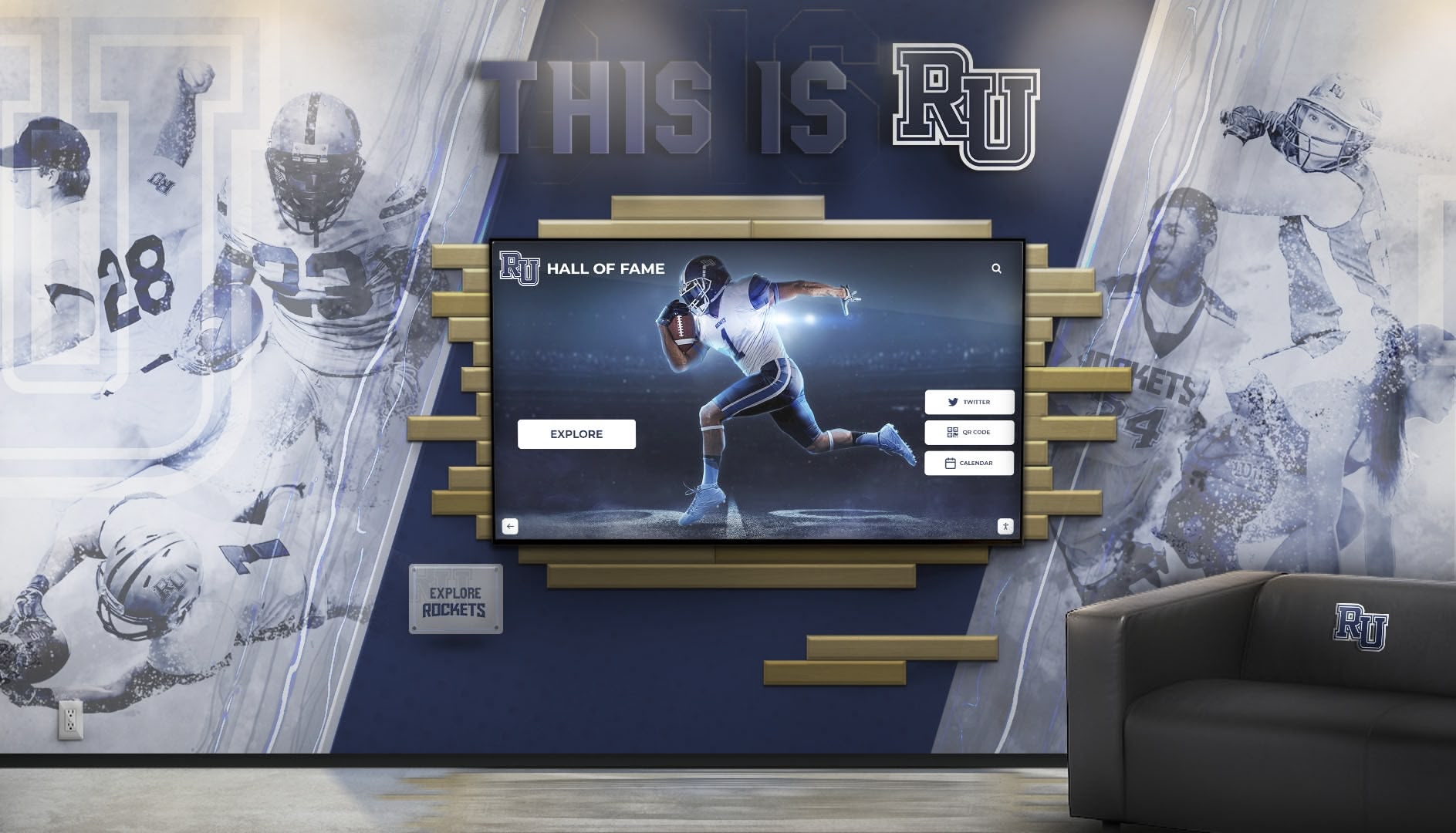
Careful planning ensures spirit and tradition walls effectively represent institutional culture
Content Development Process
Comprehensive content creation ensures rich, accurate cultural representation:
Historical Research
- Review yearbooks, newspapers, and archived materials
- Interview long-serving staff members and alumni
- Consult athletic records and achievement documentation
- Examine facility naming and commemorative plaques
- Research founding documents and institutional records
- Compile photographic and video archives
Story Collection
- Conduct oral history interviews with tradition participants
- Gather alumni reflections and memories
- Document personal experiences from multiple perspectives
- Capture anecdotes that illustrate cultural elements
- Preserve institutional knowledge before it’s lost
- Create narrative context for achievements and milestones
Multimedia Asset Development
- Professional photography of current traditions
- Video documentation of annual events and ceremonies
- Audio recordings of school songs and cheers
- Digitization of historical photographs and documents
- Graphic design for visual consistency and impact
- Accessibility accommodations including captions and descriptions
Content Organization and Curation
- Develop content taxonomy and categorization system
- Write clear, engaging descriptions and narratives
- Fact-check all information for accuracy
- Establish editorial standards and style guidelines
- Create metadata for search and filtering functionality
- Build content workflows for ongoing additions
Technology Selection and Installation
Choosing appropriate technology ensures long-term success:
Hardware Considerations
- Display size appropriate for viewing distance and content volume
- Touchscreen capability for interactive exploration
- Commercial-grade durability for continuous operation
- Mounting options suited to available space
- Connectivity requirements for network access
- Maintenance accessibility and serviceability
Software Platform Requirements
- Intuitive content management system for non-technical users
- Robust search and filtering capabilities
- Multimedia support for photos, videos, and documents
- Web accessibility extending reach beyond physical location
- Mobile responsiveness for smartphone and tablet viewing
- Security features protecting content integrity
Professional Installation
- Proper mounting ensuring safety and stability
- Professional electrical and network connections
- Optimal positioning for visibility and accessibility
- ADA compliance for inclusive access
- Protection from environmental factors
- Integration with campus security systems
Rocket Alumni Solutions provides complete turnkey installations including hardware selection, software configuration, professional mounting, and comprehensive training.
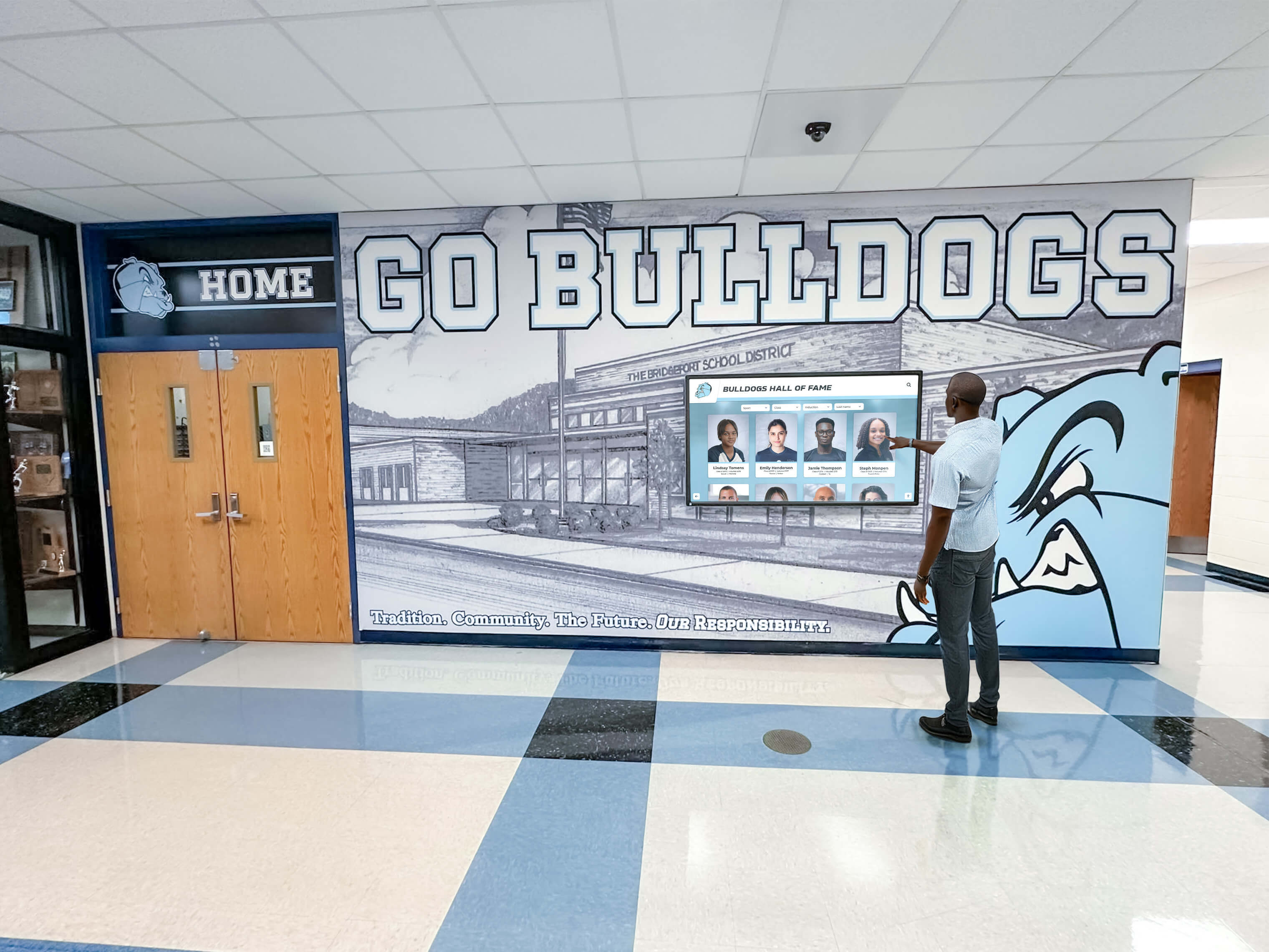
Professional installation ensures displays are properly mounted, connected, and configured
Engaging Content Strategies for Maximum Impact
Content quality determines whether spirit and tradition walls become beloved community resources or ignored displays.
Storytelling Approaches That Connect
Effective content does more than list facts—it tells compelling stories that create emotional connections:
Personal Narratives
- First-person accounts from tradition participants
- Alumni reflections on how traditions shaped their experience
- Coach and teacher perspectives on program development
- Student voices describing what traditions mean to them
- Parent and family stories of multi-generational connections
- Community member testimonials about school impact
Historical Context
- Background on how traditions started and evolved
- Social and cultural factors influencing institutional development
- Challenges overcome and obstacles navigated
- Decision points that shaped current culture
- Connections between seemingly separate traditions
- Significance of traditions within broader educational history
Visual Storytelling
- Photo sequences showing traditions evolving over decades
- Before-and-after comparisons of facilities and programs
- Action shots capturing energy and emotion
- Candid moments revealing authentic experiences
- Historic photos showing fashions, technology, and culture changes
- Panoramic images capturing scope of events and gatherings
Multimedia Enhancement
- Video interviews adding personality and voice
- Recordings of performances, games, and ceremonies
- Audio of school songs, cheers, and crowd reactions
- Time-lapse sequences showing event preparation and execution
- Animation explaining complex traditions or histories
- Interactive elements inviting visitor participation
Maintaining Relevance and Freshness
Spirit and tradition walls must balance historical preservation with current relevance:
Regular Content Updates
- Add new traditions as they develop
- Update existing content with new milestones
- Rotate featured content seasonally
- Highlight anniversary dates automatically
- Incorporate current student experiences
- Refresh photos with contemporary examples
Seasonal Themes
- Homecoming focus during autumn
- Championship celebrations during tournament seasons
- Graduate recognition during graduation periods
- Alumni spotlight during reunion weekends
- Founding anniversary emphasis on milestone dates
- Athletic history during relevant sports seasons

Regular updates keep spirit and tradition walls relevant and engaging for current community
User-Generated Content
- Alumni submission portals for memories and updates
- Student reflection projects adding contemporary perspectives
- Staff contributions sharing institutional knowledge
- Parent stories about family connections
- Community submissions documenting partnerships
- Moderated comment systems enabling conversation
Interactive Features That Drive Engagement
Modern recognition technology enables participation beyond passive viewing:
Exploration Tools
- Keyword search finding specific traditions or people
- Decade filters showing traditions from particular eras
- Category browsing organizing by achievement type
- Person-based search locating specific alumni or staff
- Location mapping connecting traditions to specific spaces
- Timeline navigation showing chronological development
Social Integration
- One-click sharing to social media platforms
- QR codes connecting physical displays to mobile content
- Email sharing of specific profiles or traditions
- Social media feeds showing related current content
- Hashtag integration connecting to broader conversations
- User tagging enabling personal connections
Accessibility Features
- Screen reader compatibility for visually impaired visitors
- High-contrast viewing modes
- Text magnification options
- Closed captioning for video content
- Multiple language support when appropriate
- Alternative text descriptions for images
Solutions incorporating these features, like those from Rocket Alumni Solutions, transform static recognition into dynamic engagement platforms that strengthen cultural connections.
Integration with Broader School Culture Initiatives
Spirit and tradition walls work most effectively as part of comprehensive cultural strengthening strategies.
Connecting Recognition to School Pride Programs
Spirit and tradition recognition amplifies broader pride-building efforts:
Pride Initiative Integration
- Feature traditions prominently in orientation programs
- Incorporate into new student and staff onboarding
- Reference in marketing and recruitment materials
- Highlight during alumni events and reunions
- Include in campus tours for prospective families
- Connect to student leadership training programs
Cross-Program Coordination
- Align with athletic spirit initiatives
- Support academic excellence recognition
- Complement arts program celebration
- Enhance service learning connections
- Reinforce diversity and inclusion efforts
- Strengthen alumni engagement activities
Supporting Alumni Relations and Development
Tradition recognition creates powerful touchpoints for advancement programs:
Alumni Engagement Applications
- Class reunion planning and promotion
- Milestone anniversary celebrations
- Legacy family identification and recognition
- Volunteer recruitment for mentoring and speaking
- Career networking facilitating professional connections
- Regional chapter development in geographic areas
Development and Fundraising Support
- Donor recognition integrated with tradition preservation
- Giving impact storytelling connected to traditions
- Campaign themes built around cultural preservation
- Named opportunity marketing highlighting tradition continuation
- Stewardship touchpoints demonstrating institutional values
- Major gift prospect identification through engagement tracking

Tradition recognition strengthens alumni connections and supports advancement goals
Educational Applications and Student Learning
Spirit and tradition walls serve as teaching tools beyond cultural preservation:
Curriculum Integration
- History classes studying institutional and local history
- Research projects investigating specific traditions
- Writing assignments creating biographical profiles
- Journalism students covering current traditions
- Digital media classes creating content for displays
- Service learning preserving and documenting culture
Student Leadership Development
- Student curator programs managing content
- Peer historian roles documenting current experiences
- Ambassador training using traditions in campus tours
- Spirit committee connections to recognition programs
- Class legacy projects creating new traditions
- Student government involvement in tradition planning
Measuring Success and Demonstrating Impact
Effective spirit and tradition walls generate measurable outcomes demonstrating their value.
Engagement Metrics and Analytics
Modern digital platforms provide comprehensive usage data:
Quantitative Measures
- Total visits to physical displays and web platforms
- Average session duration and page views
- Most viewed traditions and profiles
- Search terms revealing content interests
- Geographic distribution of web visitors
- Device types and platform usage patterns
- Social sharing volume and reach
- Time-based patterns showing peak engagement
Qualitative Indicators
- Visitor feedback and suggestions
- Alumni testimonials about recognition impact
- Student survey responses about cultural awareness
- Staff observations of community conversations
- Media coverage and public relations value
- Anecdotal stories of personal connections
- Fundraising correlations with engagement
- Recruitment testimonials mentioning traditions
Sample Success Metrics
Schools with effective spirit and tradition recognition typically observe:
Engagement Indicators
- 40-60% of current students interact with displays annually
- 7-12 minute average session duration on touchscreen displays
- 25-35% of alumni engage within first year of implementation
- 3-5x increase in tradition-related social media mentions
- 15-20% increase in homecoming and reunion attendance
Cultural Impact Signs
- Increased student knowledge of institutional history
- More tradition references in student conversations and activities
- Enhanced community pride demonstrated through surveys
- Improved alumni satisfaction with institutional connection
- Stronger institutional identity in external perceptions
Continuous Improvement Based on Data
Analytics inform ongoing refinement:
Content Optimization
- Identify high-interest traditions for expansion
- Recognize underperforming content for improvement
- Discover content gaps through search term analysis
- Optimize organization based on navigation patterns
- Adjust featured content based on engagement
- Expand popular content categories
Technical Refinements
- Improve search functionality based on query data
- Enhance navigation based on user behavior
- Optimize performance addressing technical issues
- Expand accessibility features based on needs
- Update design elements improving usability
- Integrate new features responding to requests
Common Challenges and Solutions
Schools implementing spirit and tradition walls encounter predictable obstacles with proven solutions.
Budget Constraints
Comprehensive recognition requires investment that some schools struggle to allocate:
Phased Implementation
- Begin with core content and basic functionality
- Expand categories and features over multiple years
- Prioritize high-impact traditions and achievements
- Add hardware displays as budget permits
- Leverage existing materials before creating new content
Alternative Funding Sources
- Alumni association support for culture preservation
- Specific donors interested in legacy recognition
- Grant programs supporting educational technology
- Booster club contributions for athletic traditions
- Parent organization funding for school improvements
- Corporate partnerships with community businesses
Cost-Effective Approaches
- Focus on digital platforms before adding physical displays
- Utilize existing computer hardware for initial implementation
- Leverage student and volunteer labor for content development
- Repurpose existing materials rather than creating from scratch
- Choose scalable platforms allowing gradual expansion
Content Development Capacity
Creating comprehensive tradition recognition requires significant effort:
Volunteer Engagement
- Alumni volunteers contributing content and research
- Retired staff assisting with historical documentation
- Parent committees supporting specific traditions
- Student class projects creating content
- Community historians sharing local knowledge
- Subject matter experts for specific programs
Efficient Workflows
- Templates standardizing content creation
- Clear editorial guidelines ensuring consistency
- Batch processing for similar content types
- Prioritization focusing on high-value traditions
- Incremental approach building content over time
- Quality thresholds appropriate for resources
Professional Support
- Providers like Rocket Alumni Solutions offering content development services
- Historical consultants for research assistance
- Photography and video professionals for media creation
- Writers producing biographical and narrative content
- Student interns providing staffing capacity
- Contracted services for specific project phases

Successful content development often involves collaboration across multiple stakeholders
Maintaining Accuracy and Sensitivity
Historical content raises questions about accuracy, completeness, and appropriate representation:
Research Standards
- Multiple source verification for factual claims
- Primary source preference over secondary accounts
- Clear attribution for contributed information
- Correction processes when errors identified
- Version tracking showing content evolution
- Editorial review before publication
Inclusive Representation
- Diverse tradition recognition reflecting full community
- Multiple perspectives on complex historical events
- Acknowledgment of exclusionary past practices
- Contemporary context for historical traditions
- Balanced coverage across different groups and activities
- Ongoing assessment of representation equity
Sensitive Topics
- Thoughtful approach to controversial traditions
- Community input on potentially sensitive content
- Historical context explaining past practices
- Recognition of tradition evolution and improvement
- Opportunities for dialogue about difficult history
- Professional guidance for complex situations
Future Trends in Spirit & Tradition Recognition
Tradition recognition continues evolving as technology creates new possibilities.
Augmented and Virtual Reality
Emerging technologies create immersive cultural experiences:
AR Applications
- Smartphone overlays adding digital content to physical spaces
- Historic photo comparisons showing location changes
- Interactive tradition demonstrations and explanations
- Scavenger hunts connecting students to cultural locations
- Real-time translation and accessibility features
- Social sharing of AR experiences
VR Environments
- Virtual campus tours highlighting tradition locations
- Immersive recreation of historic events and ceremonies
- 360-degree video of current traditions
- Virtual attendance at past ceremonies and celebrations
- Training simulations for tradition participation
- Remote engagement for distant alumni and families
Artificial Intelligence Integration
AI technologies enhance personalization and discovery:
Personalized Experiences
- Content recommendations based on user interests
- Customized tours highlighting relevant traditions
- Predictive suggestions connecting related content
- Language translation enabling multilingual access
- Accessibility enhancements for diverse needs
- Learning pathways guiding exploration
Enhanced Discovery
- Visual recognition identifying people in photos
- Automatic tagging and categorization
- Relationship mapping showing connections
- Pattern identification revealing cultural trends
- Sentiment analysis understanding impact
- Automated content generation for routine updates
Integration with Broader Digital Ecosystems
Recognition platforms increasingly connect with other systems:
System Integrations
- Student information systems for automatic updates
- Alumni databases synchronizing biographical data
- Development platforms connecting recognition to giving
- Social media platforms for content distribution
- Calendar systems for anniversary automation
- Analytics platforms for comprehensive reporting
Unified Digital Presence
- Mobile apps incorporating recognition content
- Website widgets displaying featured traditions
- Digital signage throughout campus
- Virtual event platforms for remote participation
- Learning management systems for educational applications
- Communication platforms for announcement distribution
Conclusion: Preserving Culture for Future Generations
Spirit and tradition walls represent far more than nostalgic displays—they’re strategic cultural investments that strengthen institutional identity, build community connections, and preserve heritage that might otherwise be lost.
Schools with vibrant cultures don’t achieve that vitality by accident. They deliberately celebrate their traditions, document their heritage, recognize their achievements, and create visible reminders of what makes them special. Spirit and tradition recognition provides the framework for this cultural preservation while making institutional values tangible and accessible.
The evolution from static physical displays to interactive digital platforms dramatically enhances schools’ ability to preserve comprehensive cultural representation. Modern recognition technology removes space constraints that forced difficult choices about what to include, enables rich multimedia storytelling that brings traditions to life, extends access to global audiences connecting distant alumni, and provides management tools making updates simple rather than burdensome.
Ready to Celebrate Your School's Spirit & Tradition?
Discover how modern interactive recognition displays can help you preserve institutional heritage, strengthen cultural identity, and build lasting community connections through comprehensive spirit and tradition celebration.
Explore Spirit & Tradition SolutionsWhether your institution is young and building new traditions or established with rich heritage deserving preservation, spirit and tradition recognition deserves thoughtful attention and appropriate investment. The stories you preserve today become the cultural foundation that shapes future generations of students, staff, and alumni.
Start by assessing what traditions define your school, what achievements deserve permanent recognition, and what stories risk being lost without deliberate preservation. Engage alumni, long-serving staff, and community historians in documenting institutional memory. Invest in technology platforms that can grow with your needs and provide flexibility as priorities evolve.
Most importantly, recognize that spirit and tradition walls serve living purposes beyond historical archiving. They inspire current students by connecting them to legacy, strengthen alumni bonds by honoring their contributions to culture, build community pride through shared heritage, and demonstrate institutional values through what you choose to recognize and celebrate.
Your school’s unique traditions, defining achievements, and cultural identity deserve recognition equal to their importance. Spirit and tradition walls transform abstract culture into tangible celebration, creating touchpoints where community members across generations can connect with the institutions that shaped their lives.
Explore how interactive recognition technology can enhance your spirit and tradition preservation, learn more about school culture building through recognition programs, or discover comprehensive digital recognition solutions designed specifically for educational institutions committed to celebrating their distinctive spirit and honoring their cherished traditions.
























