Sport end of year awards ceremonies represent one of the most meaningful traditions in athletic programs, providing formal recognition for athletes who dedicated countless hours to training, competing, and representing their schools or organizations. These celebrations acknowledge not only championship performances and record-breaking achievements but also the character development, leadership growth, and personal commitment that define successful athletic experiences beyond wins and losses.
Yet many athletic directors and coaches struggle to create awards ceremonies that genuinely resonate with today’s athletes and families. Traditional banquets with predictable MVP trophies often feel formulaic, failing to capture the unique stories and diverse contributions that made each season memorable. Programs seeking to elevate their recognition approach need fresh ideas that honor athletic excellence while celebrating the complete athlete experience—the perseverance through injury, the mentorship of younger teammates, the academic achievements alongside athletic success, and the character demonstrated both on and off the field.
This comprehensive guide provides athletic directors, coaches, and program administrators with actionable frameworks for planning sport end of year awards that create lasting impact. From strategic planning and creative award categories through ceremony execution and modern recognition displays, you’ll discover proven approaches for celebrating athletic achievement in ways that inspire current athletes, honor graduating seniors, and strengthen program culture for years to come.
Whether you’re revitalizing an awards program that’s lost momentum, planning your first formal recognition ceremony, or seeking innovative ideas to complement traditional honors, this guide delivers the complete roadmap for creating memorable celebrations that athletes and families will cherish long after final scores are forgotten.
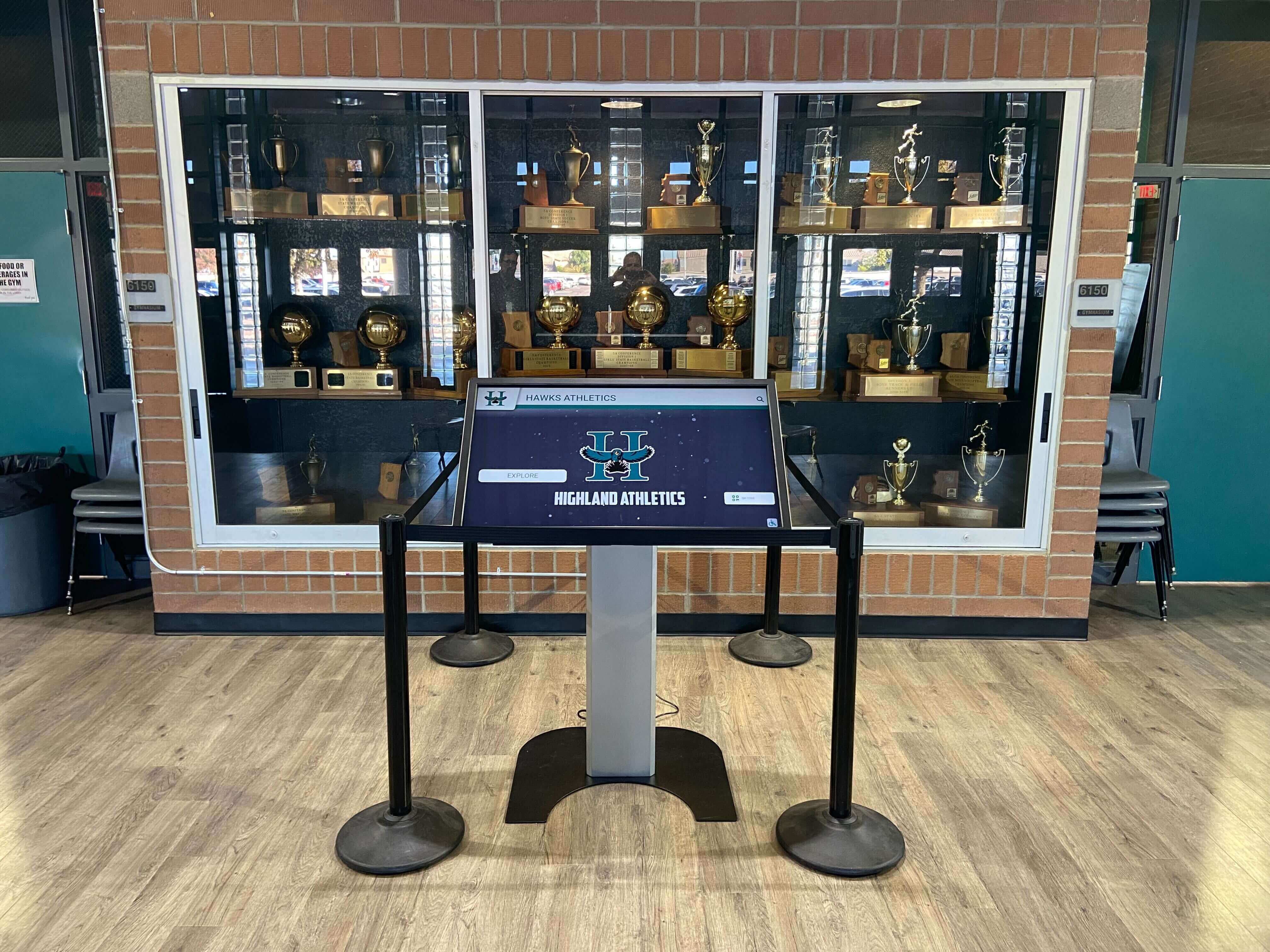
Modern athletic recognition combines traditional trophies with digital displays that preserve achievements permanently
Understanding the Value of Sport End of Year Awards
Sport end of year awards serve purposes that extend far beyond simply distributing trophies at season’s conclusion. Well-designed recognition programs deliver strategic value that strengthens athletic departments and enhances the complete student-athlete experience.
Building Team Culture and Program Identity
Awards ceremonies create formal opportunities to articulate and reinforce the values defining your athletic program. When you recognize not only the leading scorer but also the athlete who best exemplifies sportsmanship, you communicate clearly that your program values character alongside performance. When you celebrate academic achievement equal to athletic success, you demonstrate your commitment to developing complete student-athletes rather than single-dimensional competitors.
These value statements shape program culture in powerful ways. Athletes competing for recognition in diverse categories naturally embody the qualities your program celebrates. Younger athletes observing what earns recognition from coaches and administrators understand clearly what your program stands for and what behaviors lead to honor and respect.
Motivating Continued Excellence and Improvement
Recognition programs create positive motivational frameworks that encourage athletes to pursue excellence across multiple dimensions. Athletes who might never win MVP awards based purely on athletic performance can still earn meaningful recognition through categories celebrating improvement, leadership, dedication, or character—creating pathways for every team member to experience acknowledgment and success. Similar to comprehensive academic recognition programs, athletic awards should honor diverse forms of excellence.
This inclusive approach to recognition prevents programs from becoming environments where only elite performers feel valued. Research in sports psychology consistently demonstrates that athletes who feel recognized for their contributions show higher motivation, greater persistence through challenges, and stronger commitment to team success compared to those who perceive recognition as accessible only to top performers.
Creating Lasting Memories and Emotional Connections
The most successful sport end of year awards create emotional experiences that athletes remember decades later. These ceremonies mark transitions—the conclusion of seasons, the graduation of seniors, the end of high school athletic careers—and provide ritual space for communities to acknowledge these meaningful passages together.
Athletes who experience genuine recognition and celebration during awards ceremonies develop stronger emotional connections to their programs and schools. These bonds often translate into sustained engagement as alumni, whether through mentorship of current athletes, financial support for program needs, or simply the pride they carry throughout life about their athletic experiences.
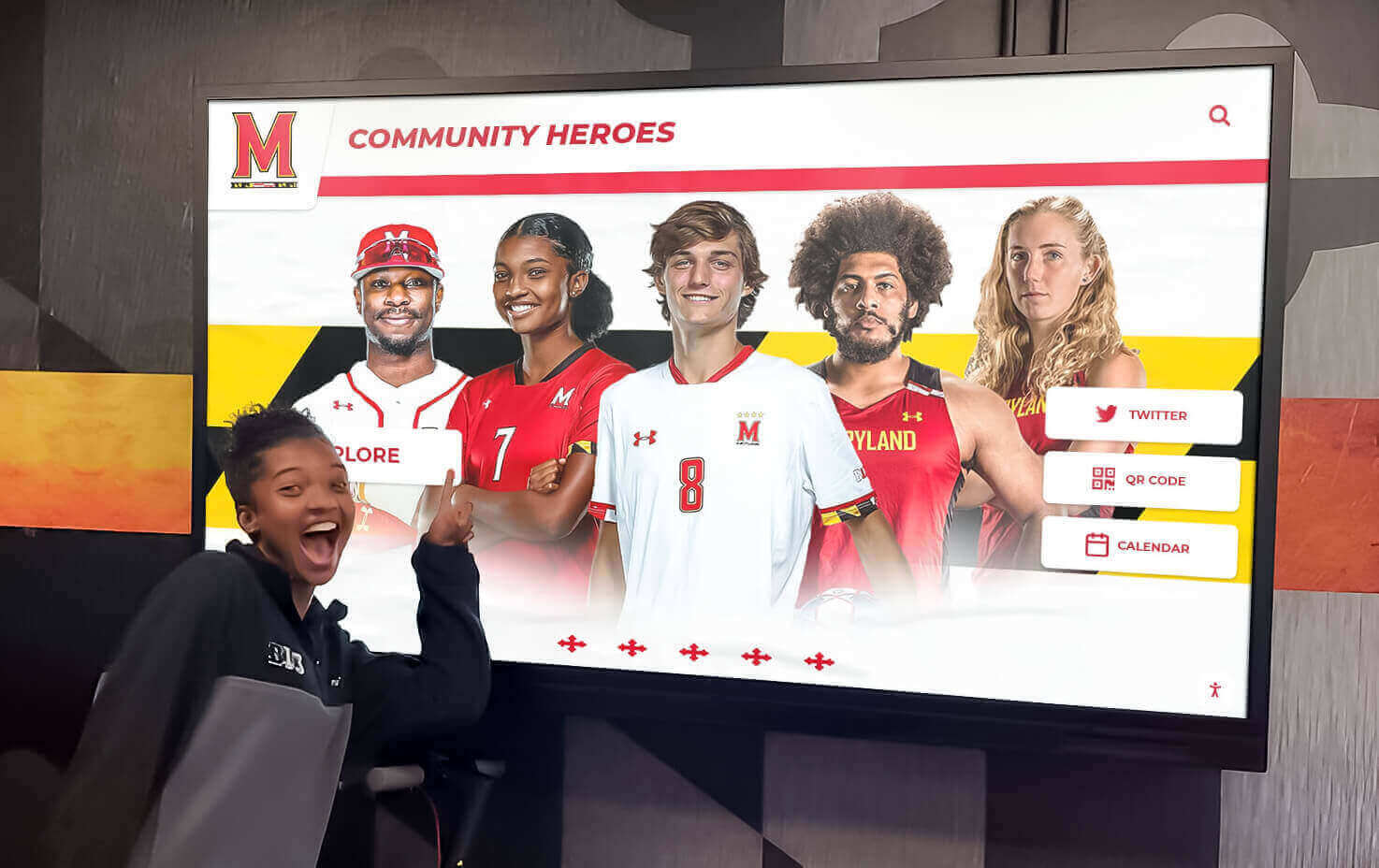
Year-round recognition displays keep achievements visible beyond single ceremony events
Engaging Families and Building Community Support
Awards ceremonies create opportunities for families to witness the growth and achievements their athletes accomplished throughout seasons. Parents who attended countless games and practices experience validation that their support mattered, while siblings see models of dedication and achievement to aspire toward.
These gatherings also strengthen relationships among team families, creating communities that support programs beyond individual athletes’ participation. When families feel genuinely welcomed and see their children meaningfully recognized, they become advocates and supporters willing to volunteer time, contribute financially, and promote program success within broader communities.
Planning Comprehensive Sport End of Year Awards: Essential Framework
Successful awards ceremonies require thoughtful planning that begins well before season conclusions. Programs that establish clear frameworks and timelines ensure recognition events run smoothly while genuinely celebrating athletic achievements and program values.
Establishing Award Categories and Selection Criteria
The foundation of meaningful recognition programs lies in creating award categories that reflect program values while providing recognition pathways for diverse contributions and achievement types. Most comprehensive programs include combinations of performance-based awards, character and leadership recognition, and special achievement categories.
Performance-Based Athletic Awards: Traditional performance recognition remains important, acknowledging athletes whose competitive excellence contributed directly to team success. Common categories include Most Valuable Player recognizing the athlete whose overall contribution most impacted team performance, Offensive Player of Year celebrating athletes who excelled in scoring or offensive execution, Defensive Player of Year honoring athletes whose defensive performance prevented opponent success, and Rookie of Year recognizing outstanding performance by first-year varsity athletes.
These awards should use transparent selection criteria that athletes understand throughout seasons. Will MVP be determined by statistical performance, coach evaluation, team voting, or combinations of these approaches? Establishing clear criteria prevents perception of favoritism while ensuring awards genuinely reflect the achievements they’re meant to celebrate.
Character and Leadership Recognition: Successful athletic programs understand that character development and leadership growth represent achievements equally important as competitive success. Categories recognizing these dimensions include Coaches Award honoring athletes who best exemplify program values and team commitment, Leadership Award celebrating athletes who inspired teammates and demonstrated positive influence, Sportsmanship Award recognizing athletes who competed with integrity and represented programs with class, and Unsung Hero Award acknowledging athletes whose contributions might not appear in statistics but proved essential to team success.
These awards often carry special significance for athletes because they recognize who they are as people rather than simply how they performed athletically. Selection should involve input from multiple perspectives including coaching staff observations, teammate recognition, and specific examples of character or leadership demonstrated throughout seasons.
Achievement and Improvement Recognition: Creating categories that celebrate growth and achievement beyond elite performance ensures every athlete can earn meaningful recognition. Consider awards like Most Improved Player recognizing athletes who demonstrated greatest development from season start to finish, Hustle Award celebrating athletes whose effort and energy consistently exceeded expectations, Academic Excellence Award honoring athletes who achieved outstanding academic performance alongside athletic participation, and Perfect Attendance Award acknowledging athletes who never missed practices or team commitments.
These categories communicate that your program values dedication, growth, and holistic excellence—not merely innate athletic talent or competitive outcomes. They create recognition opportunities for athletes who might never win performance-based awards but contribute substantially to program success through reliability, effort, and commitment.
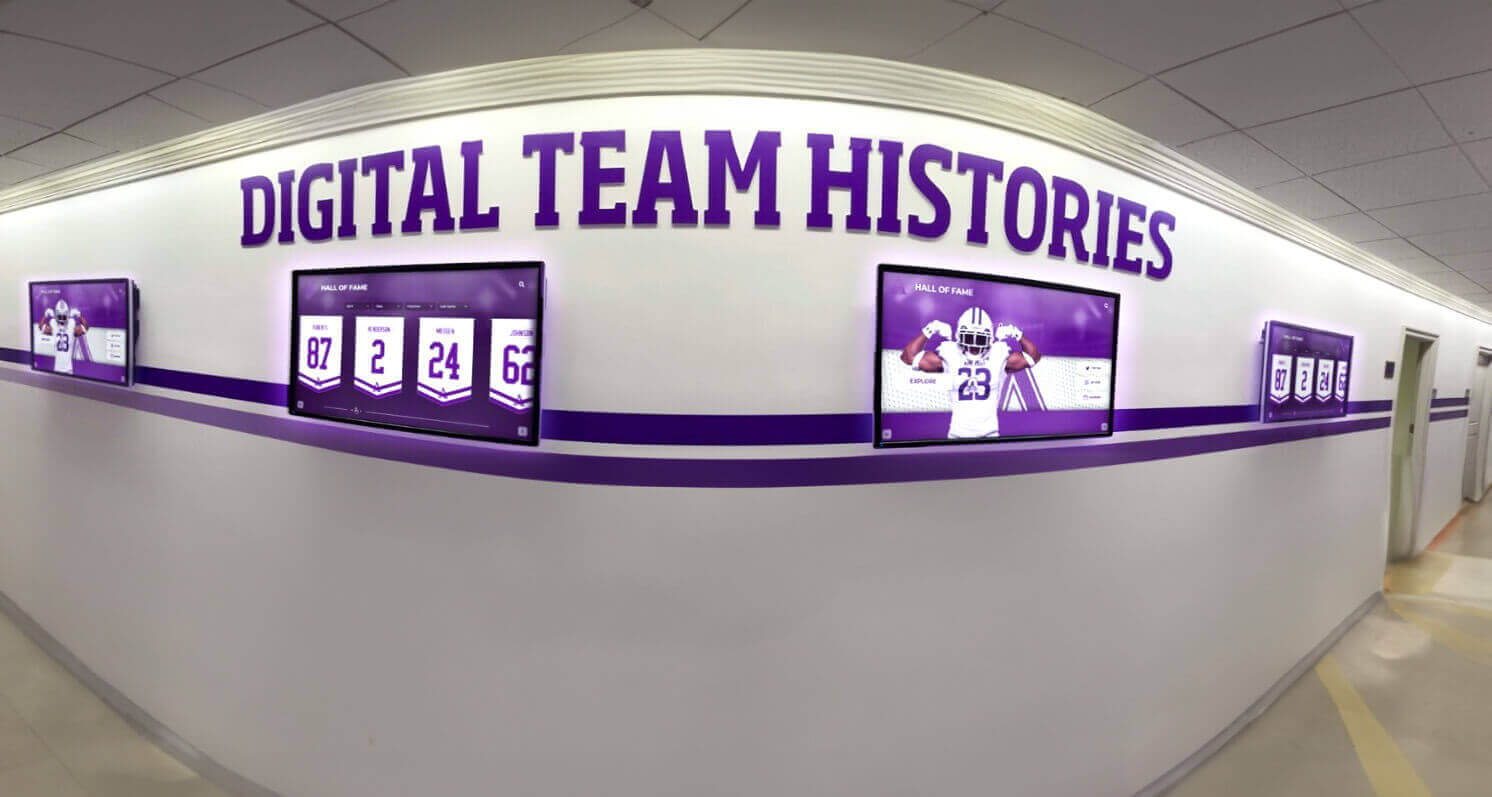
Comprehensive recognition systems celebrate both team and individual achievements across multiple categories
Creating Transparent Selection Processes
Athletes and families accept recognition outcomes most readily when selection processes feel fair and transparent. Establish clear procedures for determining award recipients that combine objective criteria with subjective evaluation while minimizing perception of bias or favoritism.
Many successful programs use weighted voting systems where head coaches have primary input but assistant coaches and even team captains contribute perspectives. For certain awards like sportsmanship or leadership recognition, anonymous teammate voting can provide valuable insights into which athletes genuinely embody the qualities being celebrated.
Document selection criteria clearly and communicate these standards to athletes at season start. When athletes understand what earns recognition from the beginning, awards feel like natural consequences of demonstrated qualities rather than arbitrary decisions made behind closed doors.
Determining Event Format and Logistics
Sport end of year awards ceremonies range dramatically in formality, scale, and structure depending on program resources, tradition, and community preferences. Consider these format options when planning your recognition event.
Formal Banquet Format: Traditional awards banquets provide structured environments where families dress formally, enjoy catered meals together, and participate in programs that include speeches, video presentations, and award distributions. These events communicate that you consider athletic achievement worthy of formal celebration comparable to academic honors ceremonies.
Banquets work well for larger programs with parent organizations that can coordinate logistics and fundraising to cover venue and catering costs. They create memorable experiences that families often consider highlights of athletic careers, though they require substantial planning and financial investment.
Casual Team Gathering: Less formal celebrations held in school cafeterias, team facilities, or outdoor spaces can feel more authentic and inclusive while requiring fewer resources. Pizza parties, cookouts, or potluck gatherings remove financial barriers that might prevent some families from attending formal banquets while creating relaxed atmospheres where athletes interact naturally.
Casual formats particularly suit youth leagues, recreational programs, or schools serving communities where formal banquets feel culturally uncomfortable or financially prohibitive. Recognition remains meaningful even in casual settings when planning ensures ceremonies feel intentional rather than afterthoughts.
Sport-Specific Ceremonies vs. Department-Wide Events: Decide whether each sport hosts individual awards ceremonies or whether your athletic department conducts comprehensive events recognizing all programs together. Individual ceremonies allow sport-specific traditions and deeper focus on each team’s season, while combined events create efficiency and demonstrate department-wide unity. Many athletic administrators rely on specialized software to coordinate these complex recognition events efficiently.
Many schools use hybrid approaches, hosting individual team celebrations that are smaller in scale while also participating in annual athletic department awards nights recognizing athletes across all programs for major honors like athlete of the year, academic achievement, or character awards.
Scheduling for Maximum Attendance and Impact
Timing significantly affects attendance and overall event success. Consider multiple factors when selecting dates for sport end of year awards.
Schedule ceremonies relatively soon after season conclusions while memories remain fresh and emotions around season experiences still feel immediate. Waiting months between season end and recognition diminishes impact as athletes and families shift focus to upcoming activities and next seasons.
However, allow sufficient time after seasons end to properly plan events, finalize award selections, order trophies or recognition items, and promote attendance. Most programs schedule awards ceremonies two to four weeks after season conclusions—close enough to maintain relevance while providing adequate planning time.
Avoid conflicts with major school events, standardized testing periods, other sports’ competition schedules, and significant community calendar items that might prevent attendance. Survey athletes and families about date preferences rather than assuming availability.
Consider whether ceremonies occur during school years or after graduation. Spring sport awards often occur after senior athletes have graduated, requiring intentional communication to ensure graduating athletes attend events honoring their contributions. Some programs schedule spring awards before graduation specifically to ensure senior participation and recognition.
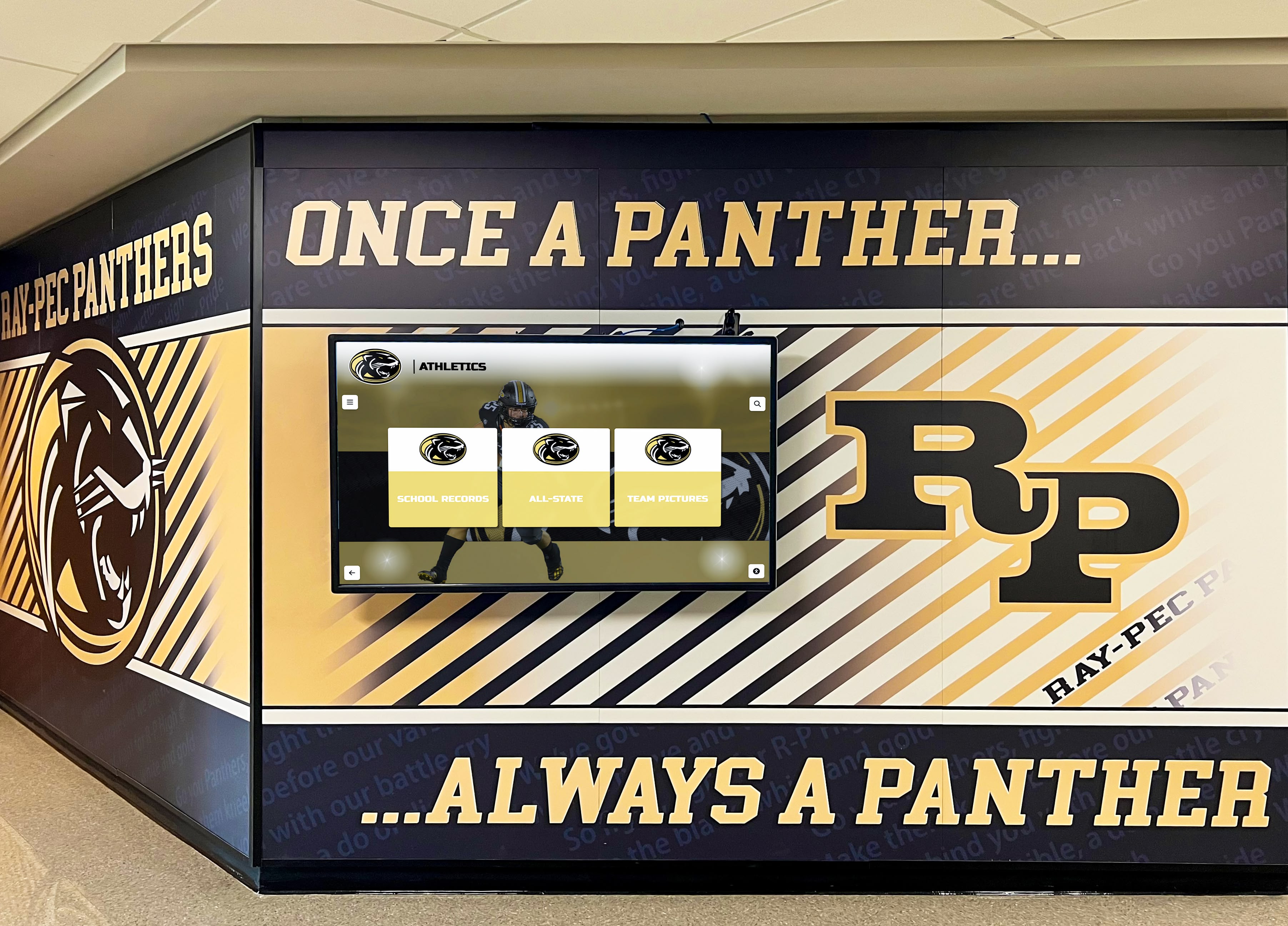
Permanent recognition displays complement annual ceremonies by keeping achievements visible year-round
20 Creative Sport End of Year Award Ideas
Beyond traditional MVP and most improved categories, creative award ideas can capture unique personalities, memorable moments, and diverse contributions that made your season special. These 20 innovative awards help ensure every athlete can earn meaningful recognition while celebrating what made your team distinctive.
Performance and Skill Recognition
1. Clutch Performer Award: Recognizes the athlete who consistently elevated performance in high-pressure moments—the player who wanted the ball with the game on the line or delivered best performances against toughest competition. This award celebrates mental toughness and competitive fire, qualities that often determine championship outcomes.
2. Iron Person Award: Honors the athlete who logged the most minutes, played every game, or demonstrated exceptional durability throughout the season. This recognition acknowledges physical conditioning, mental toughness, and the reliability that allows coaches to depend on athletes in all situations.
3. Best Hands/Footwork Award: Sport-specific recognition celebrating technical excellence in fundamental skills—whether that’s catching ability in football, ball handling in basketball, first touch in soccer, or any fundamental skill central to your sport. This award emphasizes mastery of basics that often separate good athletes from great ones.
4. Game Changer Award: Recognizes the athlete whose presence on the field or court consistently altered game dynamics—perhaps through defensive intensity that disrupted opponents, vocal leadership that energized teammates, or versatility that allowed multiple tactical approaches. This honors athletes whose impact extends beyond statistics.
5. Sixth Player Award: Celebrates the non-starter who made the greatest impact when entering competition—athletes who accepted roles coming off the bench while maintaining readiness to contribute meaningfully whenever called upon. This recognition honors selflessness and team-first mentality.
Character and Team Culture Awards
6. Energy Award: Recognizes the athlete whose enthusiasm, positive attitude, and vocal encouragement consistently lifted team spirits. Every successful team has energy-givers who create positive environments through encouragement, celebration of teammate success, and refusal to show negative body language regardless of circumstances.
7. Warrior Award: Honors the athlete who competed through injury, adversity, or challenging personal circumstances while maintaining commitment to team success. This celebrates resilience, mental toughness, and the refusal to make excuses or quit when situations become difficult.
8. Best Teammate Award: Perhaps the highest honor on this list, this peer-nominated award recognizes the athlete whom teammates most appreciated having on their team. Winners consistently support others, maintain positive attitudes, work hard, and create better experiences for everyone around them.
9. Student-Athlete Excellence Award: Celebrates athletes who achieved highest academic performance while maintaining athletic commitment. This award reinforces that academic achievement matters equally to athletic success in developing complete student-athletes prepared for life beyond sports.
10. Vocal Leader Award: Recognizes athletes who led through communication—those who held teammates accountable, communicated effectively during competition, and weren’t afraid to address issues directly. Not all leaders lead vocally, making this recognition important for athletes whose leadership style involves direct communication and accountability.
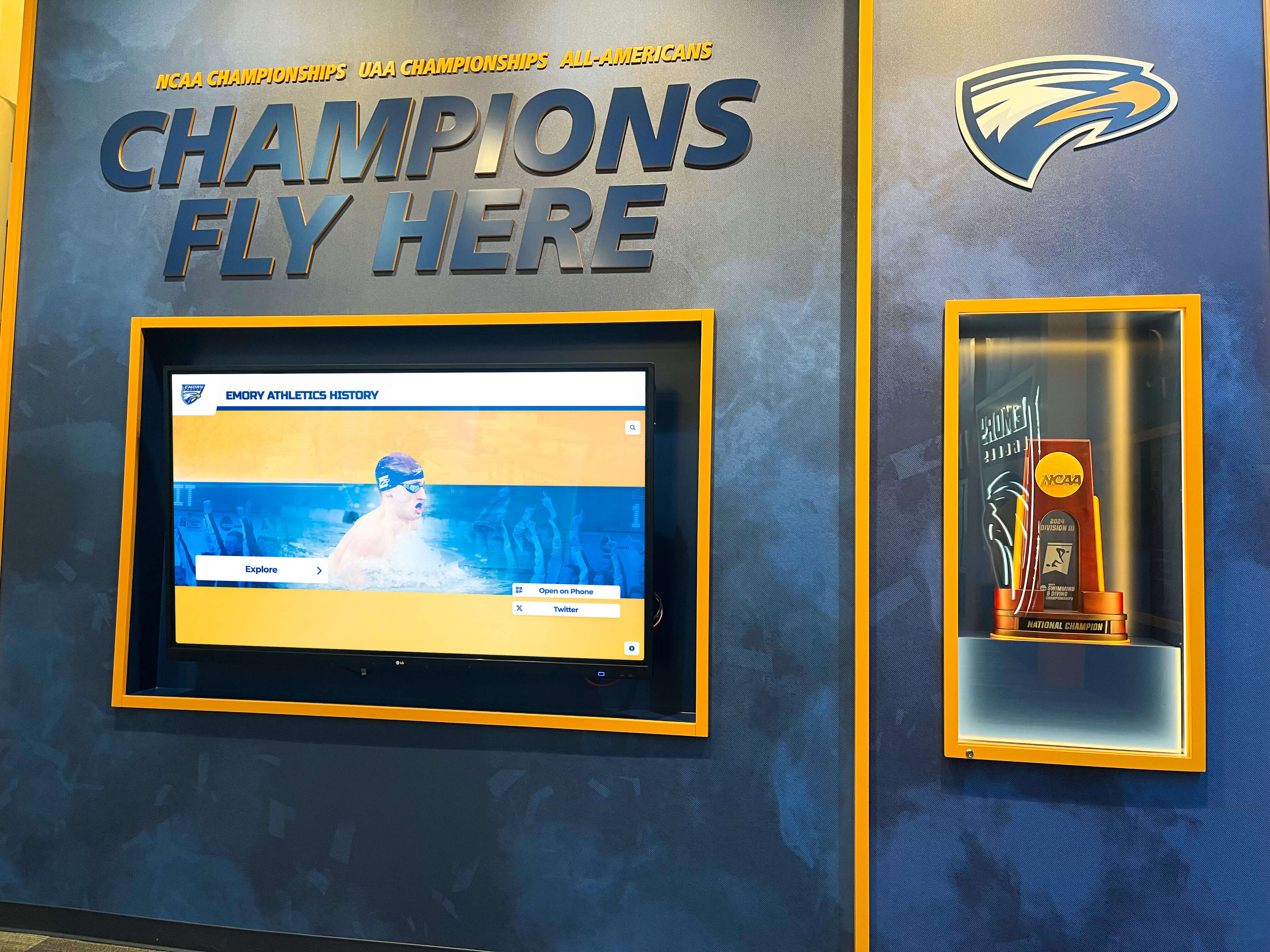
Championship trophies and individual recognition combine to tell complete stories of team success
Fun and Memorable Moment Awards
11. Best Celebration Award: Recognizes the athlete with most creative, enthusiastic, or memorable celebrations after scoring or successful plays. This lighthearted award acknowledges personality and the joy athletes bring to competition while creating fun moments during awards ceremonies as you show highlights of celebration moments.
12. Fashion Statement Award: Celebrates the athlete with best pregame outfits, most distinctive practice gear, or most memorable team trip fashion choices. This fun category acknowledges that teams create memories beyond competition and that personality expression contributes to team culture.
13. Best Highlight Award: Recognizes the athlete who produced the single most spectacular play of the season—the jaw-dropping catch, impossible shot, game-saving defensive play, or highlight-reel moment that people will remember and discuss for years. Show the highlight during your ceremony for maximum impact.
14. Toughest Out Award: Sport-specific recognition for athletes opponents least wanted to face—perhaps the pitcher batters consistently struggled against, the defender strikers avoided, or the competitor whose intensity and skill made every matchup difficult. This acknowledges respect earned from opponents.
15. Team Mom/Dad Award: Recognizes the athlete who took care of everyone—remembering birthdays, organizing team activities, ensuring everyone felt included, checking on teammates having difficult days, or serving as the emotional caretaker who kept team culture positive and inclusive.
Improvement and Development Recognition
16. Breakout Player Award: Celebrates the athlete whose performance exceeded all expectations—perhaps a player who barely made the team or received limited playing time previously but emerged as significant contributor. This honors hard work that transforms potential into performance.
17. Next Level Award: Recognizes the athlete most ready to succeed at the next competitive level—whether that’s moving from JV to varsity, high school to college, or recreational to competitive. This forward-looking award identifies athletes whose development trajectory points toward continued success.
18. Film Room MVP Award: Honors the athlete who most improved through film study, attention to coaching feedback, and intentional work on weaknesses identified through video analysis. This celebrates intellectual approach to athletic development and willingness to learn.
19. Offseason Warrior Award: Recognizes the athlete who demonstrated greatest commitment during offseason training, attending optional workouts consistently, improving strength and conditioning, and working on skill development when no games or practices were scheduled. This emphasizes that championship preparation occurs year-round. Programs celebrating state championship achievements understand that consistent offseason dedication separates championship teams from competitors.
20. Legacy Award: Honors senior athletes who leave programs better than they found them—those who mentored younger athletes, maintained positive attitudes through challenges, represented programs with class, and embodied values you want every athlete to emulate. This award looks beyond single-season contributions to recognize cumulative impact on program culture.
Executing Memorable Awards Ceremonies
Planning excellent award categories and selecting deserving recipients represents only half the equation for successful sport end of year awards. Ceremony execution determines whether recognition events create lasting positive memories or feel like obligatory rituals everyone endures before receiving trophies.
Creating Engaging Ceremony Programs
Awards ceremonies should balance formality appropriate to the occasion with entertainment value that maintains energy and engagement throughout events. Consider these elements when designing your program flow.
Open with Impact: Begin ceremonies with elements that immediately capture attention and set positive tones—perhaps a highlight video celebrating season’s best moments set to music athletes love, a motivational speech from a distinguished alumnus, or an unexpected surprise guest. Strong openings prevent ceremonies from starting with low energy that proves difficult to overcome.
Tell Stories Behind Awards: Rather than simply announcing winners and handing out trophies, share brief stories explaining why each athlete earned recognition. Specific examples of plays, practices, or moments of character make recognition personal and meaningful while helping audiences appreciate why selections were made.
Coaches delivering these explanations should prepare in advance rather than improvising, ensuring recognition feels thoughtful and specific rather than generic. Mention the game-saving tackle in the championship, the extra film study that led to breakthrough performance, or the moment you witnessed character that exemplified program values. These details transform awards from predictable rituals into genuine celebrations of individual athletes.
Incorporate Multimedia Elements: Video highlights, photo slideshows, and music create emotional impact and entertainment value while breaking up the monotony of speech after speech. Even programs with limited resources can create compelling video content using smartphones and free editing apps.
Consider creating individual tribute videos for senior athletes that include photos from their athletic careers, statistics and achievements, brief interviews with coaches or teammates, and messages from family members. These videos become cherished keepsakes that families watch repeatedly while creating emotional ceremony moments that forge stronger connections to programs.
Include Athlete Voices: Rather than coaches and administrators delivering all ceremony content, involve athletes in presentations, reflections, or award announcements. Senior speeches sharing favorite memories, team captains recognizing teammate contributions, or athletes presenting awards to coaches or volunteers make ceremonies feel less like adult-organized obligations and more like authentic team celebrations.
Balance Recognition Breadth with Time Management: Comprehensive recognition programs can include dozens of awards across multiple categories, creating tension between ensuring everyone receives acknowledgment and preventing ceremonies from becoming exhaustingly long. Find balance through creative approaches.
Consider presenting some awards as group recognitions—announcing all academic excellence award recipients together rather than individually, for example. Reserve extended individual recognition and storytelling for major awards while handling others more efficiently. Athletes value being recognized even if their moment doesn’t include five-minute speeches about their contributions.
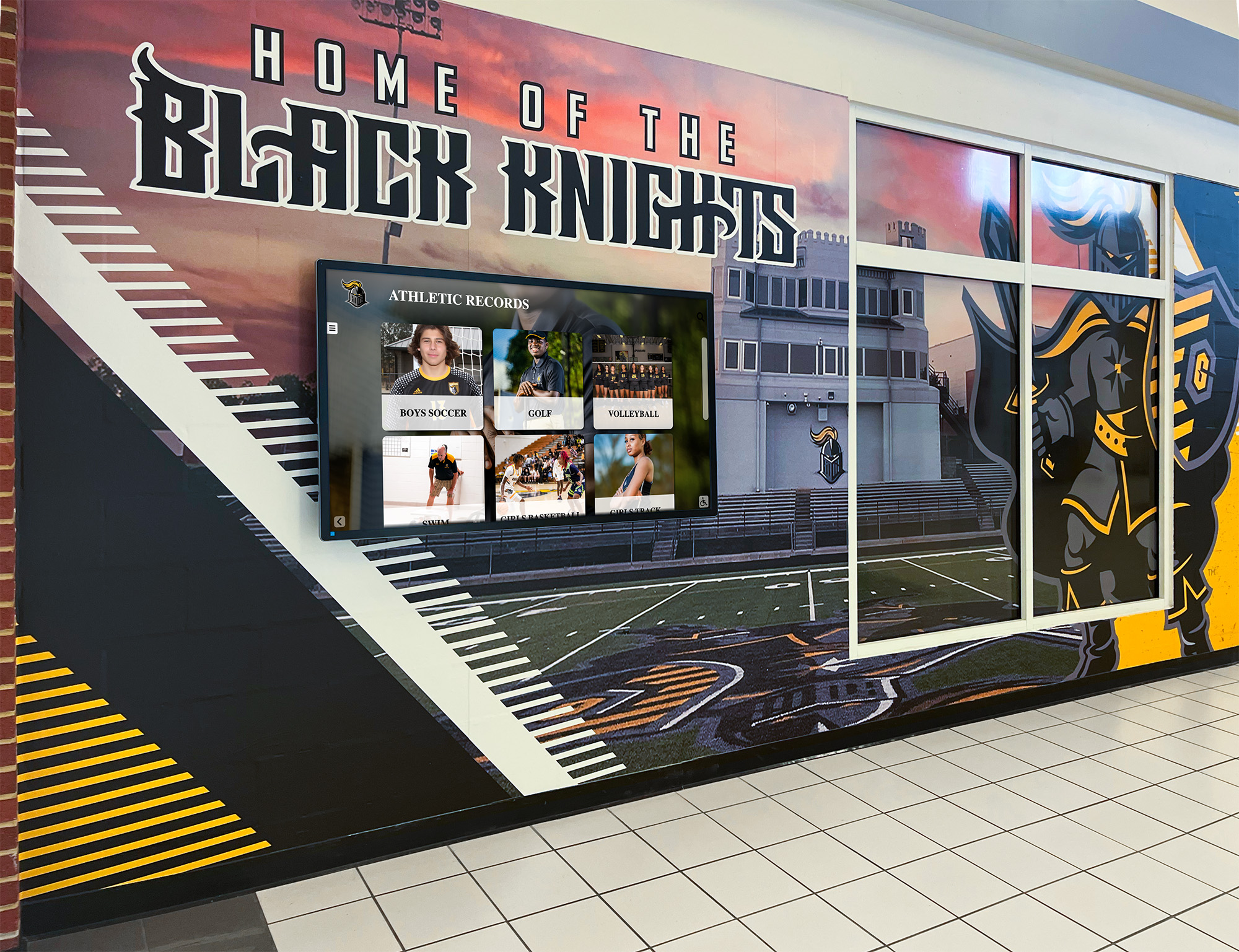
Modern displays showcase team statistics and records alongside individual achievements
Selecting Meaningful Recognition Items
The physical items athletes receive become lasting reminders of recognition and achievement. Selection should balance meaning, quality, and budget constraints.
Traditional Trophies and Plaques: Despite jokes about participation trophies, athletes genuinely value physical awards commemorating achievements. Trophies serve as visible reminders in homes, offices, or dorm rooms of accomplishments and positive experiences athletes want to remember.
Quality matters—cheap plastic trophies feel disposable while substantial awards communicate that you consider achievements worthy of meaningful commemoration. Many programs personalize trophies with engraving including athlete names, award categories, years, and relevant statistics or achievements.
Specialized Award Items: Consider unique recognition items that align with specific award categories or program traditions. Perhaps champion teams receive letter jackets, MVPs receive autographed equipment from professional athletes, or leadership award winners receive books about character and success.
Creative items become more meaningful than generic trophies while allowing differentiation between award significance levels. A beautifully framed photo of the award-winning moment, a custom piece of equipment, or an experience like tickets to professional games creates memorable recognition distinct from standard trophies.
Digital Recognition Platforms: While physical awards remain important, modern recognition increasingly incorporates digital elements that extend impact beyond single ceremonies. Digital recognition displays allow schools to celebrate achievements year-round, share accomplishments with broader audiences, and preserve legacies permanently. Modern digital showcase platforms provide purpose-built solutions for athletic recognition.
Solutions like Rocket Alumni Solutions provide interactive touchscreen platforms where athletic achievements remain visible and accessible long after ceremonies conclude. Rather than trophies sitting in cases that most people never view, digital systems enable anyone visiting athletic facilities to explore athlete profiles, review season statistics, watch highlight videos, and understand program history comprehensively. These platforms complement physical awards by creating permanent, accessible recognition that extends far beyond what traditional approaches accomplish.
Managing Special Situations and Challenges
Several common scenarios require thoughtful handling to ensure awards ceremonies remain positive experiences for everyone involved.
Recognizing Athletes Who Quit or Were Dismissed: Deciding whether athletes who left teams mid-season receive recognition at awards ceremonies requires balancing grace with accountability. Some coaches exclude athletes who quit voluntarily, reasoning that recognition should honor those who committed fully. Others include former athletes for portions of ceremonies acknowledging their contributions before departures.
Consider circumstances carefully—athletes dealing with mental health challenges, family crises, or other legitimate issues deserve different treatment than those who simply quit when seasons became difficult. When in doubt, err toward inclusion while being clear about which achievements you’re recognizing.
Handling Awards for Athletes with Difficult Seasons: Sometimes athletes who typically earn recognition experience disappointing seasons due to injury, performance struggles, or other factors. Forcing recognition these athletes didn’t genuinely earn feels hollow, yet ignoring their previous contributions feels harsh.
Consider special recognition categories that honor career achievements or multi-year contributions rather than single-season performance. A senior who dominated for three years but struggled through injury-plagued final season deserves recognition for cumulative impact even if current-year awards go to others.
Addressing Controversial Selections: Despite best efforts, some award selections prove controversial when athletes, families, or community members disagree with decisions. Manage these situations by referring to your established selection criteria and processes, emphasizing that decisions involved multiple perspectives and considerations, and avoiding defensive responses or lengthy justifications that often worsen situations.
Having clear, transparent selection processes established before conflicts arise provides solid ground for defending decisions if questioned. When processes feel fair and transparent, most controversy diminishes even when people disagree with specific outcomes.
Modern Recognition: Beyond Single-Night Ceremonies
While awards ceremonies provide important formal recognition moments, the most effective athletic recognition programs extend far beyond single-night events. Modern approaches integrate year-round visibility, digital accessibility, and permanent preservation of achievements alongside traditional ceremonies.
Creating Year-Round Recognition Visibility
Sport end of year awards ceremonies last a few hours, yet athletic accomplishments deserve ongoing celebration that keeps achievements visible throughout school years and beyond. Consider how your program maintains recognition visibility between annual ceremonies.
Traditional trophy cases provide some ongoing recognition but face significant limitations. Physical space constraints mean only recent achievements or most significant trophies receive display space. Static displays offer no way to share complete stories behind achievements, show video highlights, or provide context about what specific accomplishments meant. Once athletes graduate and new achievements fill limited case space, previous recognition often disappears into storage where no one ever views it again. Schools transitioning from trophy cases to digital displays overcome these physical limitations while enhancing recognition impact.
Digital recognition displays solve these limitations by creating unlimited space for athletic achievement celebration without physical constraints. Interactive touchscreen systems allow visitors to explore comprehensive athlete profiles, view career statistics, watch highlight videos, and understand complete stories behind achievements in ways that physical trophies alone can never accomplish.
These systems integrate seamlessly with awards ceremonies rather than replacing them. Athletes still receive physical trophies at formal events, but those recognitions connect to digital profiles where achievements remain permanently accessible. When alumni return to schools years or decades later, they can still find their accomplishments celebrated and their contributions to program history preserved comprehensively.

Interactive displays let visitors explore athlete achievements, statistics, and stories in engaging formats
Integrating Recognition Across Multiple Platforms
Comprehensive recognition programs utilize multiple channels to celebrate achievements, ensuring visibility across the various ways athletes, families, and communities access information.
Social Media Recognition: Share award announcements, ceremony highlights, and athlete spotlights across your program’s social media platforms. Athletes and families appreciate public recognition that they can share within their own networks, extending visibility far beyond those who attended ceremonies.
Create graphics announcing individual award winners with photos, achievement details, and congratulatory messaging. Share video clips of emotional recognition moments, acceptance speeches, or highlight reels celebrating season accomplishments. Tag athletes and families to ensure they see and can easily share recognition posts.
Social media recognition proves particularly important for engaging younger athletes and maintaining connection with graduated athletes who may not regularly visit school facilities but remain active on digital platforms.
Website Integration: Athletic department websites should include recognition sections highlighting award winners, celebrating achievements, and preserving program history. Many programs create dedicated pages for each sport that include season recaps, athlete profiles, statistical leaders, and award recipient announcements. Schools implementing touchscreen software solutions can integrate physical displays with web platforms for consistent recognition across all channels.
Regular website updates keep content fresh and give people reasons to visit repeatedly throughout years. Include photos, statistics, and narrative content that tells complete stories about what made seasons and individual achievements special.
Digital Signage Throughout Facilities: Beyond dedicated recognition displays, incorporate athlete celebration into digital signage appearing throughout athletic facilities, school lobbies, and other high-traffic areas. Rotating recognition content keeps achievements visible to daily audiences who might never specifically visit hall of fame areas or memorial displays.
Brief athlete spotlights, statistical leaders, upcoming awards ceremony information, and throwback recognition of historical achievements all work well in these contexts. The key is creating regular content that keeps recognition presence consistent rather than concentrated in single events or specific locations.
Preserving Legacy for Future Generations
Perhaps the most important function of modern recognition programs involves preserving athletic achievements and program history so future generations understand and appreciate the legacy they inherit. Too many schools lack comprehensive records of athletic history—statistics are lost, photos disappear, and stories fade from memory when the people who lived them graduate or retire.
Digital recognition platforms serve as institutional memory systems that preserve complete records permanently. When you document current athletes’ achievements, statistics, photos, and stories in digital systems, that information remains accessible decades later when those athletes’ children attend your school or when program anniversaries prompt reflection on historical excellence.
This preservation proves particularly meaningful in communities where multiple generations attend the same schools. Imagine the impact when current athletes can explore digital displays showing their parents’ or grandparents’ athletic achievements at the same institution, creating tangible connections across generations and deepening family bonds to programs.
Professional sports organizations understand this principle—the Baseball Hall of Fame in Cooperstown doesn’t merely host an annual ceremony, but rather creates permanent museum experiences where fans explore baseball history comprehensively. Schools can apply similar approaches through modern digital platforms that make athletic legacy accessible and engaging for current and future community members.
Solutions like Rocket Alumni Solutions specialize in creating these comprehensive recognition platforms specifically for educational athletic programs. Rather than generic digital signage that happens to show some sports content, these purpose-built systems include features designed specifically for athletic achievement celebration—athlete profile management, statistical tracking, multimedia integration, season and team organization, and unlimited historical capacity that ensures nothing gets lost as years pass.
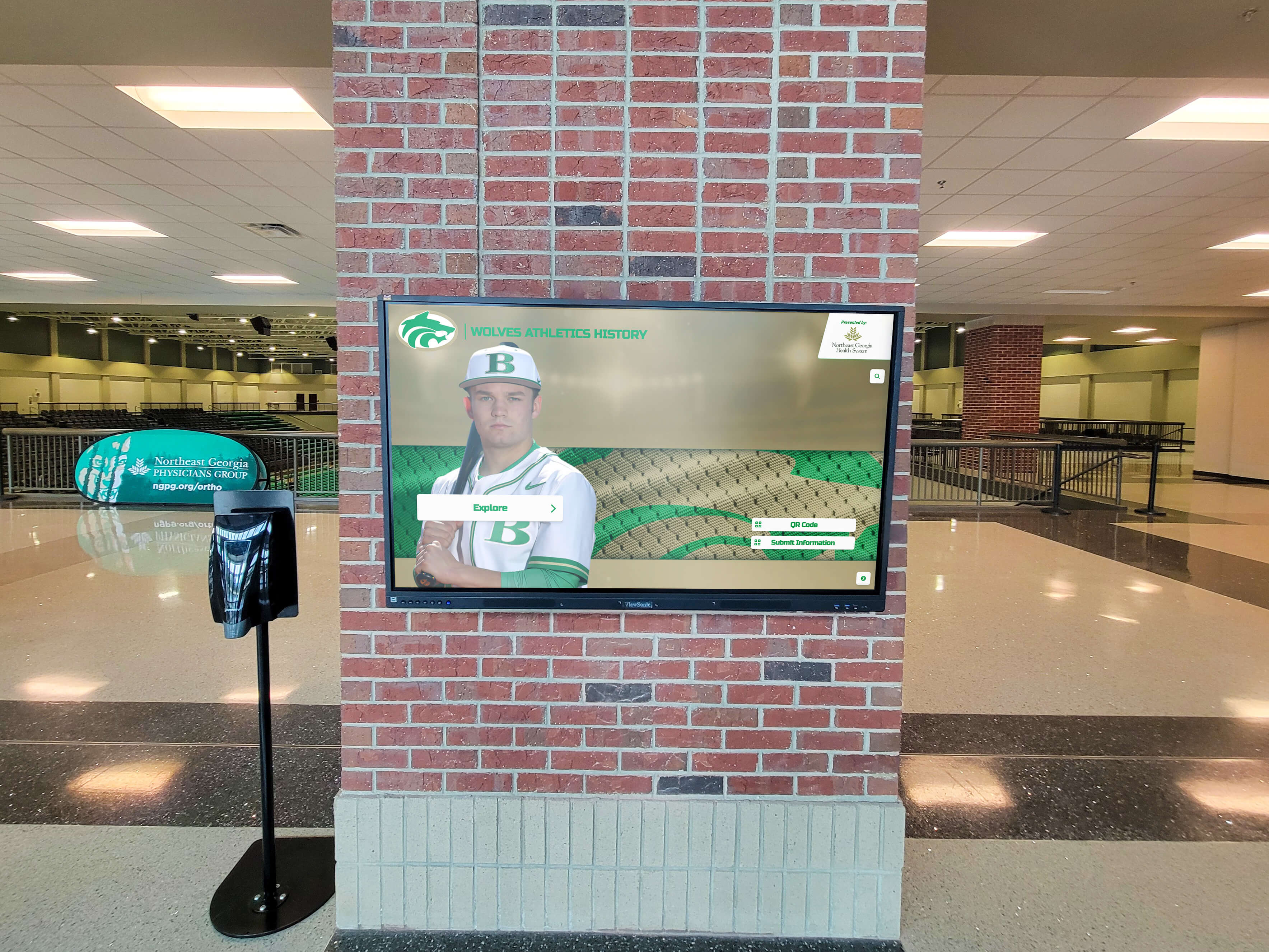
Large-format displays create impressive visual presence while making athletic recognition a central facility feature
Engaging Stakeholders: Athletes, Families, Alumni, and Community
Successful sport end of year awards involve more than distributing trophies to athletes. The most effective programs intentionally engage all stakeholder groups who invest in athletic success and benefit from recognition programs.
Making Awards Meaningful to Athletes
Athletes represent the primary audience for recognition programs, yet not all approaches resonate equally with today’s student-athletes. Understanding what makes recognition meaningful from athlete perspectives helps design programs that genuinely motivate and inspire.
Peer Recognition Matters Most: Research consistently demonstrates that peer recognition and respect matters more to athletes than adult approval in many contexts. Awards that involve teammate voting or recognition carry special significance because athletes understand that respect from those who competed alongside them reflects genuine appreciation for their contributions.
Consider incorporating peer voting into several award categories, allowing team members to recognize the athletes they most appreciated playing with. Make voting processes confidential to encourage honest assessment rather than popularity contests.
Specificity Creates Meaning: Generic recognition that could apply to anyone feels less meaningful than specific acknowledgment of unique contributions. When presenting awards, reference specific plays, moments, statistics, or examples that illustrate why athletes earned recognition.
Athletes can tell when adults prepared thoughtful recognition versus simply going through motions. The coach who remembers and mentions the junior varsity athlete’s diving catch in an early-season game demonstrates that even athletes who don’t receive major awards remain noticed and appreciated.
Public vs. Private Recognition: While many athletes appreciate public recognition during ceremonies, others feel uncomfortable with attention and prefer private acknowledgment. Understanding these personality differences helps deliver recognition in forms that feel rewarding rather than anxiety-inducing.
Consider approaches like personal letters from coaches to athletes who prefer private recognition, one-on-one conversations before public ceremonies preparing athletes for what will be said, or offering choices about whether athletes want certain personal stories shared publicly. Recognition should honor athletes’ preferences and comfort levels rather than assuming everyone wants maximum public attention.
Creating Meaningful Family Experiences
Athletes’ families invest tremendous time, financial resources, and emotional energy supporting athletic participation. Recognition events provide opportunities to acknowledge family contributions while creating experiences families remember fondly.
Communicate Clearly and Early: Ensure families receive detailed information about awards ceremonies well in advance, including dates, times, locations, format expectations (formal or casual dress), and whether events include meals or are purely recognition ceremonies. Clear communication prevents confusion and ensures families can prioritize attendance.
Many families coordinate extended family attendance, take time off work, or travel significant distances for awards ceremonies. Respecting these sacrifices by ensuring events run professionally and start on time demonstrates appreciation for the priority they place on supporting their athletes.
Design Family-Friendly Formats: Consider family situations when planning ceremonies. Evening events on school nights may conflict with younger siblings’ bedtimes or work schedules. Weekend afternoon events often enable broader family participation. Providing childcare for younger siblings removes barriers that might prevent parents with multiple children from attending.
If serving meals, offer options accommodating dietary restrictions and preferences. Detailed planning around these logistics communicates that you want everyone to attend comfortably rather than making attendance difficult for families dealing with specific circumstances.
Include Family Recognition: While athletes are primary recipients, consider ways to acknowledge family support during ceremonies. Some programs invite families forward when athletes receive major awards, recognizing that achievements represent family commitments beyond individual athlete effort.
Brief parent thank-yous from coaches or team captains, opportunities for families to take photos with awards and athletes, or small tokens of appreciation distributed to attending family members all communicate gratitude for support that enables programs to exist and athletes to succeed.
Connecting with Alumni and Building Legacy
Sport end of year awards create natural opportunities to strengthen alumni connections by demonstrating that athletic achievements are remembered, celebrated, and preserved as part of ongoing program legacy.
Invite Alumni as Ceremony Participants: Former athletes attending or participating in current team awards ceremonies creates powerful connections between past and present. Alumni can present certain awards, deliver brief motivational messages about how their athletic experiences influenced life beyond sports, or simply attend as honored guests who current athletes meet and learn from.
These interactions demonstrate to current athletes that program community extends beyond current rosters and that the relationships and achievements they’re building today will be remembered and valued long after they graduate. Seeing successful alumni who still care about programs they competed for decades earlier provides visible proof that what they’re currently experiencing matters beyond immediate present.
Maintain Digital Records that Alumni Can Access: When alumni return to schools for reunions or nostalgic visits, they often want to revisit their own athletic accomplishments and reconnect with memories of teammates and competitions. Digital recognition platforms that preserve historical achievements permanently enable these connections in ways physical trophies stored in basements cannot.
Interactive displays allowing alumni to search for their own names, explore their team’s achievements, and view photos or statistics from their competitive days create engaging experiences that strengthen emotional bonds to institutions. These platforms can include features enabling alumni to share memories, contribute photos from their eras, or connect with former teammates—transforming static recognition into ongoing community engagement tools.
Programs that help alumni maintain connection to athletic experiences often see those relationships translate into mentorship for current athletes, volunteer coaching support, financial contributions to program needs, and advocacy that strengthens community support for athletics. Digital platforms like Rocket Alumni Solutions provide these engagement capabilities specifically designed for schools and athletic programs seeking to turn recognition into lasting alumni relationships.
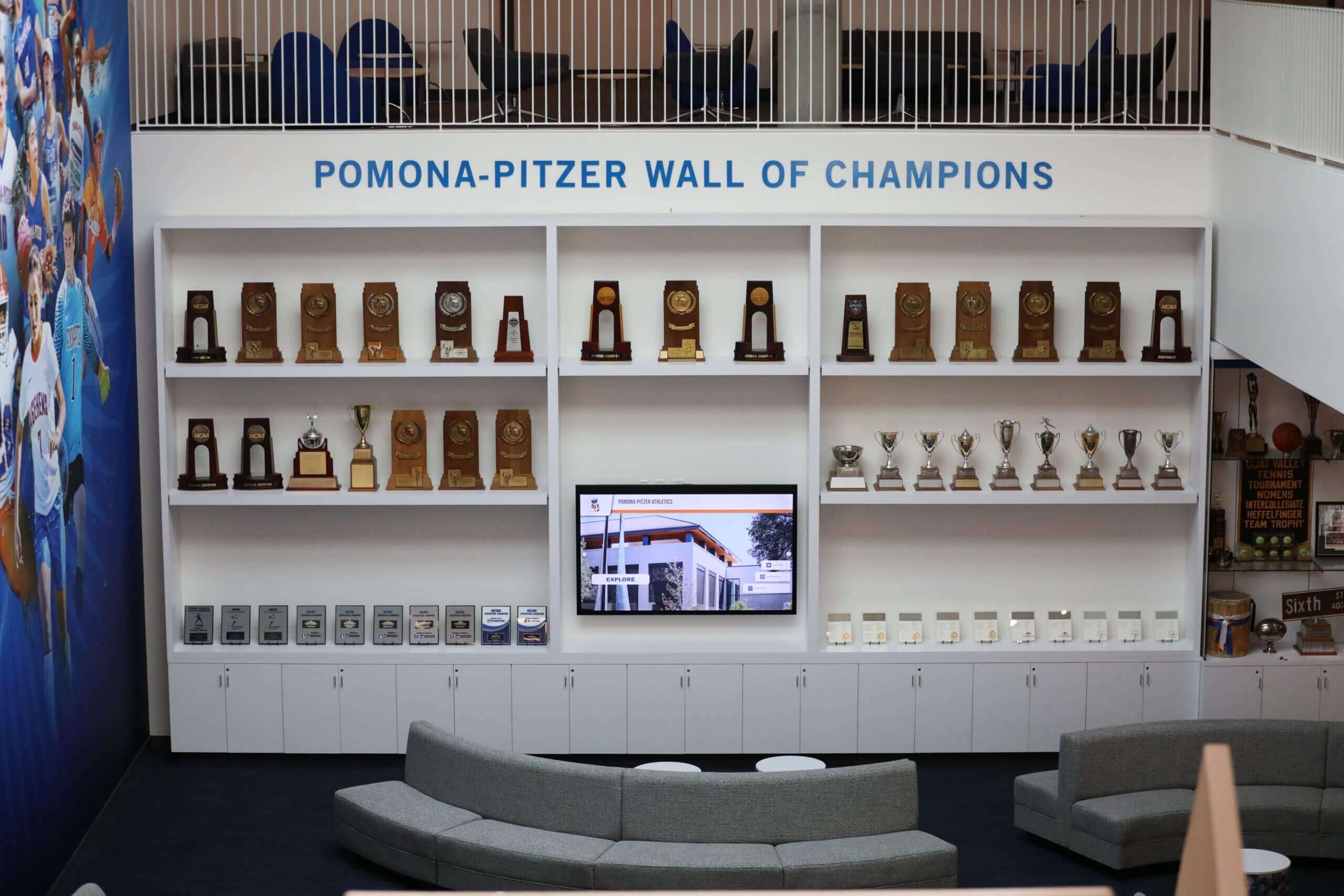
Comprehensive recognition displays honor multiple eras and achievement types, connecting current athletes with program legacy
Budget Considerations and Resource Management
Creating meaningful sport end of year awards doesn’t require unlimited budgets, but does demand strategic resource allocation that prioritizes impact over expensive elements that add little genuine value.
Determining Appropriate Investment Levels
Awards ceremony budgets vary dramatically across programs depending on community resources, traditional expectations, and strategic priorities. Small recreational programs might spend a few hundred dollars on pizza, certificates, and small trophies, while large high school athletic departments might invest several thousand dollars in formal banquets with catering, professional photography, multimedia production, and substantial awards. Similar to donor recognition displays for booster clubs, athletic award programs benefit from strategic multi-year budget planning.
Neither approach is inherently superior—what matters is creating recognition experiences that feel special within your specific context and resource constraints. Athletes at schools hosting casual team dinners can feel equally recognized as those attending formal banquets if ceremonies are well-planned and genuine.
Honest assessment of available resources prevents either under-investing to the point that ceremonies feel like afterthoughts or over-committing financially in ways that create stress or disadvantage other important program needs. Consider recognition programs as ongoing budget items rather than one-time expenses, planning for annual costs and building reserves during years when circumstances allow.
Identifying Funding Sources Beyond Athletic Budgets
Many programs find creative funding sources for awards ceremonies beyond limited athletic department operating budgets. Parent organizations, booster clubs, and alumni associations often willingly support recognition events because visible celebration of achievements increases community pride and engagement that benefits programs long-term.
Local businesses may sponsor awards ceremonies in exchange for recognition during events or on promotional materials. Community members who value athletic programs might contribute financially to specific elements like awards for graduating seniors or specialized recognition items. Small individual contributions from team families can collectively fund substantial improvements to recognition programs when everyone contributes modest amounts.
Some programs incorporate fundraising into recognition events themselves—selling tickets to banquets, offering commemorative merchandise, or conducting silent auctions during ceremonies. While primary focus should remain on athlete recognition rather than fundraising, thoughtfully integrated revenue generation can make more elaborate programs financially sustainable.
Allocating Resources Strategically for Maximum Impact
When resources are limited, strategic allocation ensures investment delivers maximum recognition impact. Consider where spending creates genuine value versus where less expensive alternatives work equally well.
High-Impact Investment Areas: Quality awards that athletes will keep and value for years justify greater spending than generic cheap trophies that end up in basements or trash. Professional photography or videography that captures ceremony moments and creates content families will treasure proves worthwhile. Venue selection that creates appropriate atmosphere for the occasion matters—whether that’s a formal banquet space or simply a well-decorated cafeteria depends on program culture and expectations.
Digital recognition platforms represent strategic investments that deliver value for years beyond single ceremonies. While initial costs exceed simple trophies, comprehensive systems preserve achievements permanently, enable ongoing visibility, support alumni engagement, and strengthen program culture in ways that justify higher investment. Schools implementing modern recognition displays often find that community response and stakeholder engagement increase substantially, validating the strategic value these systems provide.
Lower-Value Spending: Elaborate printed programs that few people keep and most recycle immediately often consume significant budget without delivering lasting value. Expensive centerpieces or decorations that look nice during ceremonies but are forgotten immediately afterward might be eliminated in favor of simpler approaches that redirect resources toward recognition elements athletes actually value. Extended ceremony durations that require additional venue rental or catering costs without improving recognition quality often represent poor value.
Focus spending on elements that directly enhance athlete recognition and create lasting value—quality awards, compelling multimedia content, meaningful recognition items, and permanent preservation systems—while minimizing expenses on peripheral elements that add little genuine impact to ceremonies.
Managing In-Kind Contributions and Volunteer Support
Not all resources come in financial form. Successful programs leverage volunteer talents and in-kind donations that provide significant value without depleting budgets.
Parents with event planning skills might coordinate logistics and decorations. Community members with photography or videography abilities might document ceremonies professionally. Local restaurants might donate meals or significant discounts. Booster clubs might provide volunteers for setup, cleanup, and day-of coordination.
These contributions often enable recognition programs that would be financially impossible if purchasing all services and materials at market rates. Acknowledging volunteers and donors publicly during ceremonies ensures they feel appreciated while encouraging continued support in future years.
Common Mistakes to Avoid in Sport End of Year Awards
Even well-intentioned programs sometimes make recognition mistakes that diminish impact or create unintended negative consequences. Avoiding these common pitfalls helps ensure ceremonies achieve intended purposes while preventing issues that undermine recognition effectiveness.
Overly Predictable or Formulaic Recognition
When athletes can predict every award recipient before ceremonies occur because the same athletes always win regardless of actual performance, recognition loses meaning and motivational power. While top performers naturally earn many awards, programs should ensure recognition pathways exist for diverse contributions so ceremonies don’t feel like coronations of predetermined winners.
Create enough award variety that different athletes can shine in different categories. Avoid giving every award to the same two or three athletes even when they genuinely performed exceptionally. Consider whether adding categories that recognize different contribution types might enable broader recognition without diminishing standards.
Excessive Duration That Tests Patience
Awards ceremonies that drag on for hours exhaust audiences and diminish impact of recognition. Athletes zone out, families become restless, and what should be celebratory events feel more like endurance tests. Respect people’s time by planning efficient programs that maintain energy throughout.
If you have many awards to present across large programs, consider creative approaches like efficient group presentations for certain categories, dividing ceremonies across multiple events, or streamlining speeches and presentations without eliminating them entirely. Generally, programs lasting 60-90 minutes feel appropriate for most contexts—long enough to provide meaningful recognition without becoming excessive.
Neglecting Non-Star Athletes
Programs that exclusively recognize top performers while ignoring athletes whose contributions might not appear in highlight reels create cultures where only elite athletes feel valued. This approach damages team cohesion, reduces motivation among athletes who recognize they’ll never receive acknowledgment, and contradicts claims that you value all team members equally.
Ensure recognition programs celebrate the complete team contributor—the reliable athlete who never missed practice, the enthusiastic teammate who kept energy positive, the selfless role player who accepted limited playing time while maintaining commitment to team success. These athletes deserve recognition equally to statistical leaders because their contributions proved equally essential to whatever success programs achieved.
Poor Audio/Visual Quality That Undermines Messages
Few things damage ceremony impact more than inaudible speeches, invisible presentations, or technical difficulties that consume time and create awkward interruptions. If incorporating multimedia elements, test all equipment thoroughly before events and have backup plans ready when technology fails.
Ensure microphone systems work properly and that speakers understand how to use them. Make presentations visible from all audience locations. Have technical support available to troubleshoot problems quickly. When technical elements work smoothly, they enhance ceremonies significantly; when they fail, they undermine otherwise excellent recognition.
Failing to Preserve Recognition Permanently
Perhaps the most common missed opportunity involves treating sport end of year awards as single-night events rather than creating permanent records that preserve achievements and honor athletes long after ceremonies conclude. Physical trophies get stored away, ceremony programs get discarded, and within a few years little tangible evidence remains of recognition that felt so meaningful when it occurred.
Modern programs address this limitation by integrating digital preservation that makes recognition permanent and accessible. Ceremony photos, videos, award lists, athlete profiles, and achievement details preserved digitally remain available indefinitely rather than disappearing into forgotten storage. This permanent preservation honors athletes’ accomplishments appropriately while creating resources that benefit programs for years as they build institutional memory and legacy.
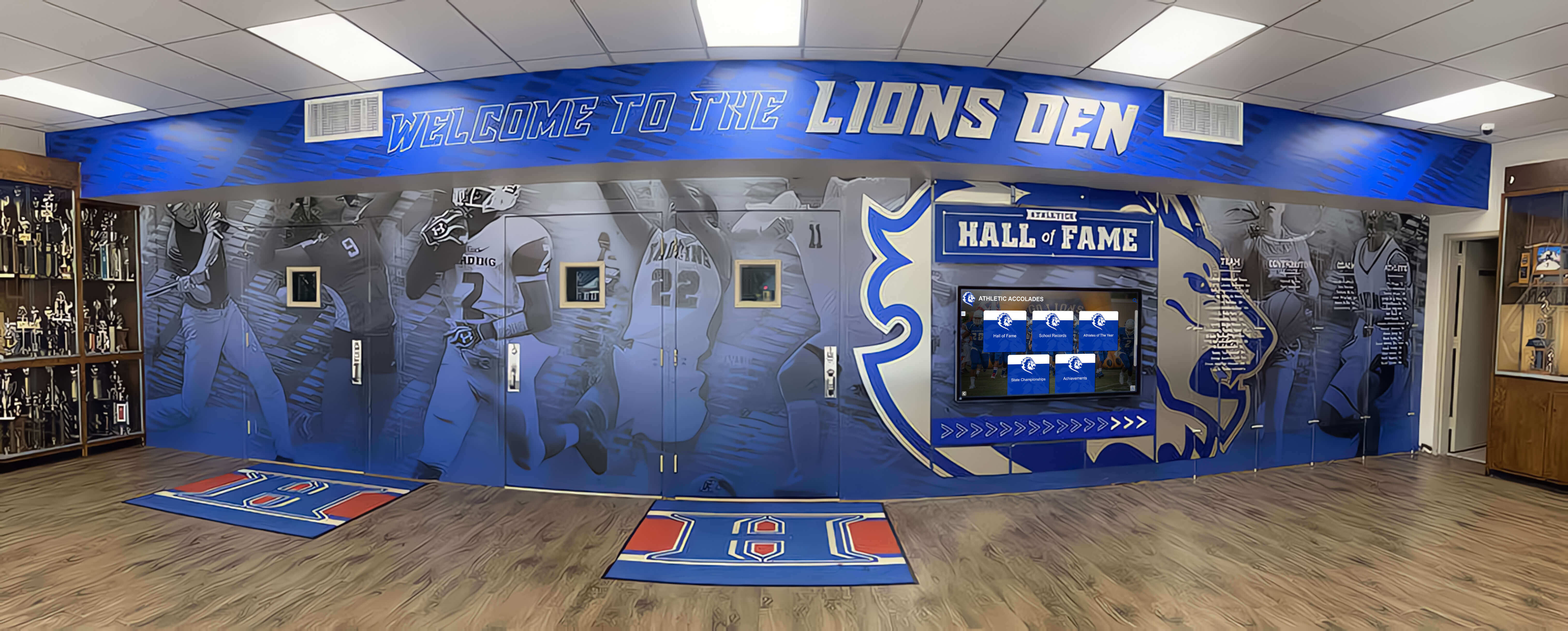
Integrated recognition combining traditional displays with modern technology creates comprehensive celebration of program history
Implementing Modern Recognition Technology
While traditional trophies and banquets remain important, forward-thinking athletic programs increasingly complement these approaches with digital recognition platforms that extend impact far beyond annual ceremonies. Understanding how modern technology enhances recognition helps programs make informed decisions about strategic investments.
Benefits of Digital Recognition Platforms
Digital platforms deliver advantages that traditional approaches simply cannot match, creating new possibilities for how athletic achievements receive celebration and preservation.
Unlimited Recognition Capacity: Physical trophy cases hold limited items before becoming overcrowded. Digital systems have essentially infinite capacity, allowing schools to recognize every award recipient across all sports throughout entire institutional histories without space constraints. This means athletes from decades ago remain honored alongside current stars, creating comprehensive program legacy rather than recognition limited to recent years.
Rich Multimedia Storytelling: While trophies indicate that achievements occurred, they provide no context about what those achievements meant or stories behind them. Digital platforms integrate photos, videos, statistics, biographical information, and narrative content that tells complete stories. Visitors exploring athlete profiles see highlight reels, read about challenges overcome, understand statistics in context, and appreciate full dimensions of achievements.
This comprehensive storytelling creates more meaningful recognition than physical awards alone while preserving institutional memory that would otherwise fade as coaches retire and graduates lose touch with programs.
Interactive Engagement: Traditional static displays offer no way for viewers to interact or explore information based on personal interests. Digital touchscreen platforms let visitors search for specific athletes, filter by sports or years, compare statistics across eras, and navigate content according to what interests them personally.
This interactivity creates engaging experiences that people naturally gravitate toward rather than briefly glancing at trophy cases before moving on. Schools consistently report that interactive recognition displays attract significant attention from students, families, and visitors who spend substantial time exploring content and engaging with program history.
Remote Accessibility: Digital platforms can include online components allowing people to access recognition content from anywhere rather than requiring physical presence at schools. This capability proves particularly valuable for alumni who live far from home schools, families who want to share athlete achievements with distant relatives, and community members who support programs but rarely visit facilities.
Cloud-based systems ensure content remains accessible indefinitely even as hardware gets updated, operating systems change, or specific computers become obsolete. Recognition preserved digitally in properly designed systems outlasts any physical storage medium.
Ongoing Updates and Fresh Content: Trophy cases rarely change except when new championships are won. Digital displays update easily and frequently, keeping content fresh and giving people reasons to check back regularly. Schools can highlight different historical athletes monthly, countdown to upcoming competitions, celebrate recent achievements, recognize birthdays of distinguished alumni, or feature any content that keeps displays dynamic rather than static.
This regular content refresh maintains interest and engagement while ensuring recognition platforms remain valued facility features rather than occasionally noticed installations.
Selecting Appropriate Recognition Technology
Schools considering digital recognition platforms face numerous options ranging from general digital signage systems to purpose-built athletic recognition solutions. Understanding key distinctions helps make informed selections aligned with recognition goals and institutional needs.
Purpose-Built Athletic Recognition Systems: Specialized platforms designed specifically for athletic achievement recognition include features that generic digital signage lacks—athlete profile management, team and season organization, statistical tracking, achievement categorization, and content structures that make sense for sports contexts. These systems understand athletic program needs from design foundations rather than trying to adapt general software for purposes it wasn’t built to serve.
Solutions like Rocket Alumni Solutions exemplify this purpose-built approach, creating platforms specifically for schools and athletic programs seeking comprehensive recognition capabilities. Features include intuitive content management systems that coaches and administrators can update easily without technical expertise, touchscreen interface designs optimized for public interactive displays, organizational structures matching how athletic programs naturally categorize teams and achievements, and integration capabilities connecting with existing school websites and databases.
Integration with Existing Systems: Evaluate how recognition platforms integrate with technologies your school already uses. Can content sync from athletic administration software? Do platforms connect with your website so online and physical recognition stays consistent? Can you import existing data about historical athletes rather than re-entering everything manually?
Integration capabilities significantly affect implementation success and long-term sustainability. Systems requiring completely separate data management create ongoing workload that may become unsustainable, while integrated solutions that connect with existing tools fit naturally into current workflows.
Maintenance and Update Requirements: Consider what ongoing maintenance and content updates systems require. Some platforms need regular technical support from IT specialists to keep running properly. Others include cloud-based management and automatic updates that minimize ongoing technical requirements.
Similarly, evaluate how easily non-technical staff can update content. If only IT personnel can add new athletes or update achievements, content updates become bottlenecks. Systems with user-friendly content management that coaches and athletic directors can handle independently ensure recognition remains current without depending on busy technical staff.
Long-Term Viability and Support: Recognition platforms should serve programs for decades, preserving achievements permanently rather than becoming obsolete when companies go out of business or abandon product lines. Evaluate vendor stability, user base size, and commitment to ongoing platform development when selecting systems.
Established companies with significant user bases and demonstrated long-term commitment to educational markets present lower risk than brand-new startups or companies for whom educational recognition represents small side businesses. Make selections with decade-plus time horizons rather than focusing exclusively on current features or costs.
Implementation Planning for Digital Recognition
Successfully implementing digital recognition technology requires planning that addresses technical, content, and organizational considerations.
Content Planning and Development: Before installing systems, plan what content you’ll include and how you’ll organize it. Will you start with only recent athletes or invest time documenting historical achievements? What information will you include for each athlete? Who will gather photos, statistics, and biographical details?
Many schools phase implementation, starting with comprehensive recent content while gradually adding historical athletes as time and resources allow. This approach creates immediate value while acknowledging that completely documenting decades of program history represents significant undertaking.
Staff Training and Responsibility Assignment: Identify who will manage content updates and train them thoroughly on system capabilities. Unclear responsibility assignment often leads to systems that quickly become outdated because everyone assumes someone else handles updates.
Establish regular update schedules—perhaps reviewing content monthly, adding new achievements after each season, or updating featured athletes quarterly. These routines ensure platforms remain current rather than becoming static installations that lose relevance.
Launch Strategy and Promotion: Plan how you’ll introduce new recognition systems to maximize impact and engagement. Consider unveiling displays during major events like homecoming or awards ceremonies when audiences are gathered. Create promotion through social media, school communications, and local media coverage that builds awareness and excitement.
Many schools host dedication events when installing significant recognition displays, inviting distinguished alumni, community supporters, and media to celebrate commitment to honoring athletic legacy. These launch events create positive visibility while demonstrating institutional commitment to recognition that strengthens community pride and support.
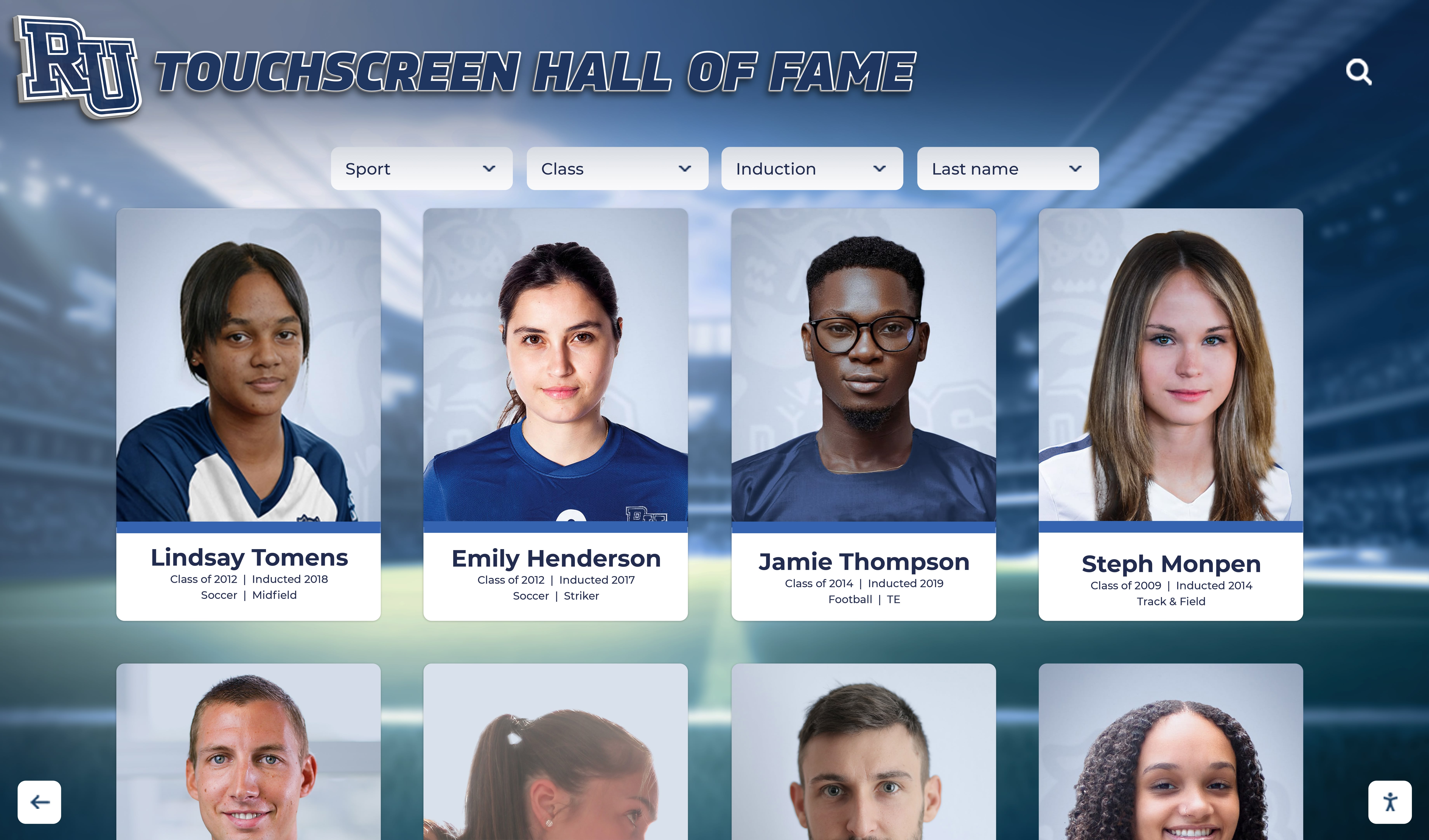
Purpose-built athletic recognition systems organize athlete profiles in intuitive formats designed for exploration and discovery
Measuring Success and Continuous Improvement
Creating effective sport end of year awards represents ongoing work rather than one-time accomplishments. The best programs systematically evaluate recognition effectiveness and implement continuous improvements based on feedback and observed outcomes.
Establishing Recognition Program Metrics
How do you know whether awards ceremonies and recognition programs effectively serve intended purposes? Establish metrics and feedback mechanisms that provide insight into program effectiveness.
Attendance and Participation: Track ceremony attendance rates over time. Declining attendance might signal that ceremonies aren’t meeting stakeholder expectations or that scheduling creates barriers. Strong sustained attendance suggests recognition programs resonate with communities.
Consider participation breadth—do the same core families attend while others consistently skip? If certain demographic groups underattend, investigate whether format, timing, cultural factors, or other elements create barriers that inclusivity-focused adjustments might address.
Athlete and Family Feedback: Gather structured feedback from athletes and families about recognition experiences. Anonymous surveys after ceremonies asking what worked well, what could improve, and how recognition felt to recipients provide valuable improvement insights.
Include questions about specific elements: Was ceremony duration appropriate? Did recognition feel meaningful and genuine? Were awards fair and appropriately distributed? Would you recommend attending to others? This specific feedback identifies issues and strengths that general impressions might miss.
Alumni Engagement Impact: Monitor whether recognition programs influence alumni engagement with athletic programs. Do athletes who experienced strong recognition show higher rates of returning for events, volunteering, or contributing financially? While many factors influence alumni engagement, recognition programs that help athletes feel valued and maintain emotional connections often see positive engagement impacts.
Community Response and Perception: Pay attention to how broader communities respond to athletic recognition. Do local media cover ceremonies positively? Do community members mention feeling proud of how your school honors athletes? Does strong recognition increase parent willingness to have children participate in programs?
Community pride and positive perception often manifest in increased program support, enrollment, volunteer availability, and advocacy that benefits athletic departments substantially. Recognition programs contributing to these outcomes deliver strategic value beyond immediate ceremony experiences.
Gathering Meaningful Feedback
Beyond quantitative metrics, qualitative feedback provides rich insights into recognition program strengths and opportunities for improvement.
Post-Ceremony Conversations: Pay attention to informal feedback shared immediately after ceremonies. Athletes talking excitedly about recognition experiences, families expressing appreciation for thoughtful program elements, or people suggesting improvements they’d like to see all provide valuable intelligence for future planning.
Encourage planning committees to circulate during and after ceremonies specifically to listen for feedback and engage stakeholders in conversations about their experiences. These informal conversations often reveal insights that formal surveys miss.
Coach and Staff Perspectives: Coaches and program staff experience ceremonies from unique perspectives, recognizing what worked logistically, where technical issues occurred, how athletes responded to recognition, and where improvements might enhance experiences. Conduct debriefing meetings after ceremonies where everyone involved shares observations and improvement suggestions.
Document these discussions so insights inform next year’s planning rather than being forgotten as time passes. Many excellent improvements come from small adjustments based on lessons learned from previous events.
Comparative Research: Learn from other programs by attending their recognition events, researching approaches different schools use, and identifying elements that might work in your context. Athletic director professional associations, coaching organizations, and state activity associations often share resources about recognition best practices and innovative approaches worth considering.
While every program operates in unique contexts, learning from others prevents reinventing wheels while providing inspiration for creative recognition approaches you might never develop independently.
Implementing Continuous Improvements
Gathering feedback matters only when programs actually implement changes based on insights gathered. Establish processes ensuring that evaluation leads to action rather than simply documenting issues that never get addressed.
Annual Planning Incorporating Feedback: Each year’s recognition planning should begin with reviewing previous year’s feedback and identifying specific changes addressing areas for improvement. Perhaps feedback indicated ceremonies ran too long—adjust program duration accordingly. Maybe athletes wanted more peer input on awards—incorporate teammate voting into selection processes.
Making visible changes based on stakeholder feedback demonstrates that you genuinely care about their perspectives and experiences rather than simply going through feedback motions without actual responsiveness.
Experimentation with New Approaches: Don’t assume current methods represent the only or best ways to provide recognition. Experiment with different award categories, ceremony formats, recognition items, or technology integrations. Some experiments will work brilliantly while others fall flat, but willingness to try new approaches prevents recognition programs from becoming stagnant traditions that no longer resonate with contemporary athletes.
Frame experiments as pilot programs you’re testing rather than permanent changes, giving yourself freedom to discontinue approaches that don’t work while adopting successful innovations permanently.
Regular Program Reviews: Rather than only evaluating after each individual ceremony, conduct comprehensive program reviews periodically that examine overall recognition strategy. Does your complete approach to athletic recognition align with program values and goals? Are certain sports or athlete types systematically underrecognized? Do recognition programs effectively serve your most important purposes?
These broader evaluations help ensure incremental annual improvements don’t miss strategic issues requiring more fundamental adjustments to recognition philosophies or approaches.
Conclusion: Creating Recognition That Honors Excellence and Inspires Growth
Sport end of year awards represent far more than trophy distribution ceremonies marking season conclusions. When designed thoughtfully and executed well, recognition programs serve as powerful tools for building team culture, motivating excellence, engaging families and communities, preserving institutional legacy, and demonstrating that athletic achievement and character development receive the celebration they deserve.
The most effective programs balance tradition with innovation, honoring time-tested recognition approaches while embracing modern technologies and creative ideas that make celebrations resonate with contemporary athletes. They create inclusive recognition frameworks where every athlete can experience meaningful acknowledgment while maintaining standards that ensure awards genuinely celebrate achievement. They extend recognition beyond single ceremonies through year-round visibility and permanent preservation that honor athletes appropriately.
As you plan or evaluate your program’s approach to sport end of year awards, remember that recognition serves purposes beyond immediate athlete gratification. The athlete receiving sportsmanship recognition learns that character matters as much as scoring. The family attending ceremony witnesses that their support and sacrifices were noticed and appreciated. The alumni visiting digital displays years later reconnects with memories and achievements that remain valued by institutions they competed for. The community observing robust recognition programs develops pride in athletic departments that honor excellence while developing complete student-athletes.
Whether you’re hosting traditional banquets, casual team celebrations, or comprehensive athletic department recognition nights, the principles remain constant: make recognition specific and meaningful, celebrate diverse contribution types and achievement forms, tell stories that provide context and emotional connection, involve multiple stakeholders in planning and execution, and preserve achievements permanently beyond single-event moments.
Modern technology makes comprehensive recognition more accessible and impactful than ever before. Digital platforms eliminate space constraints that limited physical recognition, provide multimedia storytelling capabilities that honor achievements completely, create interactive engagement that traditional displays cannot match, and preserve legacy permanently for future generations to explore and appreciate.
For schools ready to elevate athletic recognition beyond traditional approaches, Rocket Alumni Solutions provides purpose-built platforms designed specifically for educational athletic programs. These interactive touchscreen systems complement annual awards ceremonies by creating year-round recognition visibility, preserving achievements permanently in engaging formats, supporting alumni connection and engagement, and strengthening program culture through comprehensive celebration of athletic excellence and character.
Sport end of year awards at their best create experiences that athletes remember throughout lives—not because of trophies received, but because recognition communicated clearly that their dedication, growth, and contributions mattered deeply to programs and communities they competed for. That message, delivered authentically through thoughtful recognition programs, inspires excellence, builds character, and creates bonds that transcend sports themselves.































