The invitation arrives announcing the annual sports banquet—a culminating celebration recognizing months of dedication, teamwork, and athletic achievement. Along with excitement about receiving awards and celebrating with teammates comes an immediate practical question: what exactly should I wear to a sports banquet?
Athletic awards ceremonies occupy a unique space in the formal event spectrum. They’re more dressed-up than typical team gatherings but often less formal than prom or traditional galas. The dress code varies widely between programs—some high school banquets request “church attire” while college athletics departments may specify “business casual” or even “semi-formal.” Understanding appropriate sports banquet attire ensures athletes, parents, and coaches feel confident and appropriately dressed for these important recognition moments.
This comprehensive guide eliminates guesswork around sports banquet dress codes, providing specific outfit recommendations for athletes, parents, coaches, and special guests while addressing common questions about formality levels, seasonal considerations, and how to interpret vague dress code instructions that often accompany banquet invitations.
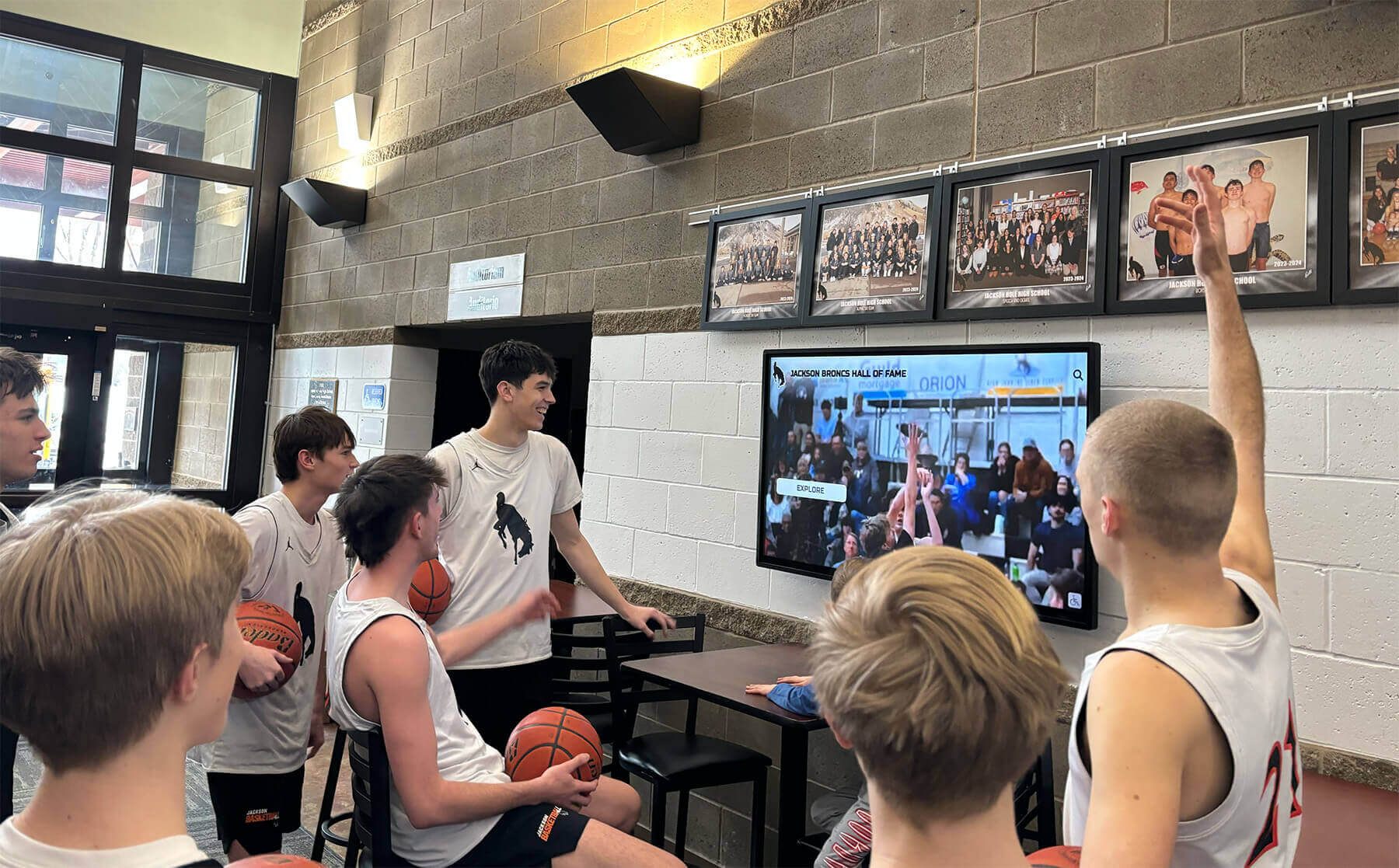
Sports banquets represent significant milestone moments in athletic careers—particularly for seniors celebrating final seasons or young athletes receiving first major recognitions. The atmosphere combines celebration with formality, honoring achievement through structured programs that typically include award presentations, coach speeches, highlight videos, and shared meals. Creating environments where achievement receives appropriate recognition increasingly includes modern elements like interactive digital displays showcasing season highlights and athlete profiles.
Understanding Sports Banquet Dress Codes
Before selecting specific outfits, understanding what different dress code terms actually mean helps ensure appropriate attire choices for athletic awards ceremonies.
Common Dress Code Terms Explained
Athletic programs use various terminology to communicate expected formality levels, though interpretation varies between schools and regions.
Casual/Smart Casual: The most relaxed sports banquet dress code, smart casual typically means neat, presentable clothing without formal requirements. Athletes might wear khakis or chinos with polo shirts or button-downs. Jeans are sometimes acceptable if clean and without distressing, paired with nicer tops. This dress code appears most frequently at youth sports team parties or informal end-of-season celebrations rather than formal awards banquets.
Business Casual: A step up from casual, business casual represents the most common sports banquet dress code. For athletes, this means dress pants or khakis with collared shirts—button-downs or polos work well. Blazers or sport coats remain optional but add polish. Ties are not typically required but sometimes worn. This level suits most high school athletic banquets and many college team celebrations.
Semi-Formal/Dressy Casual: Semi-formal requests indicate elevated formality approaching formal events but with some flexibility. Athletes generally wear suits or sport coats with dress pants, dress shirts, and ties. This dress code commonly appears at championship celebrations, all-sports banquets recognizing multiple teams simultaneously, or college athletics department formal ceremonies.
Formal: True formal dress codes remain relatively rare at sports banquets but occasionally appear at college championship celebrations or prestigious award ceremonies. Formal attire means suits for athletes, potentially with vests, and evening dresses or formal pantsuits for others attending. Understanding the specific context helps determine whether “formal” means business formal or black-tie formal.
Interpreting Vague Dress Code Instructions
Many sports banquet invitations provide frustratingly vague guidance—“dress nicely,” “Sunday best,” or simply “appropriate attire”—leaving attendees uncertain about expectations.
“Dress Nicely” or “Look Your Best”: These general phrases typically indicate business casual expectations. Choose outfits you’d wear to religious services, nice restaurants, or family milestone celebrations. Err toward slightly more formal rather than too casual when interpretation remains unclear.
“Sunday Best” or “Church Attire”: This traditional phrasing suggests business casual to semi-formal attire similar to what families wear to religious services—dress pants and collared shirts for athletes, with the option of adding blazers for extra polish.
“Appropriate Attire”: The vaguest instruction of all, “appropriate attire” generally means business casual minimum. When specific guidance isn’t provided, consider the venue as a clue—banquets in hotel ballrooms or country clubs likely expect higher formality than those in school cafeterias or gymnasiums.
When in Doubt, Ask: Coaches, athletic directors, and fellow athletes who’ve attended previous years’ banquets can clarify expectations. No one judges students for asking about dress codes—showing you care about meeting expectations demonstrates respect for the event’s significance.
Sports Banquet Attire for Male Athletes
Young men attending sports banquets benefit from clear guidelines about appropriate outfit selections across different formality levels.
Business Casual Options for Male Athletes
For most high school sports banquets requesting business casual attire, several reliable outfit formulas work consistently well.
The Classic Combination: Dress pants or chinos in navy, gray, khaki, or black paired with a collared button-down shirt create timeless appropriate looks. Choose solid colors or subtle patterns avoiding busy prints. Tuck shirts in and wear a leather belt matching shoe color. This foundation works for virtually any business casual banquet.
Polo Alternative: Quality polo shirts offer slightly more relaxed options while maintaining appropriate formality. Stick with solid colors or minimal branding, ensure proper fit without being too loose or tight, and pair with dress pants rather than jeans unless specifically told jeans are acceptable.
Footwear: Dress shoes remain the safest choice—leather oxfords, loafers, or dress boots in brown or black. Clean white or neutral sneakers sometimes work at the most casual end of business casual, but traditional dress shoes eliminate any uncertainty. Ensure shoes are clean and in good condition regardless of style chosen.
Optional Blazer: Adding a blazer or sport coat elevates any business casual outfit, providing extra polish appropriate even if not required. Navy blazers work with virtually any pant and shirt combination, making them versatile investments. Sport coats in gray, tan, or subtle patterns offer alternatives for those wanting options beyond basic navy.
Semi-Formal and Formal Attire for Male Athletes
Championship banquets, all-sports awards ceremonies, and some college athletics events request elevated formality requiring more dressed-up approaches.
The Full Suit: For semi-formal events, complete suits in navy, charcoal, or gray provide appropriate attire. Pair with dress shirts in white or light blue and coordinate ties adding personality while maintaining professionalism. Black suits work but sometimes read more formal—better saved for true formal events unless black suits are all you own.
Mix and Match: When full matching suits aren’t available, navy blazers paired with gray dress pants or khaki pants create elevated looks approaching suit formality. Ensure top and bottom don’t match too closely—avoid navy blazer with navy pants, which attempts to look like a suit but misses the mark.
Tie Considerations: Semi-formal typically includes ties, though some flexibility exists. When wearing ties, ensure they’re properly tied with appropriate length (ending at belt level), coordinate with shirt and overall outfit, and avoid novelty ties unless specifically themed banquets request them. If unsure whether ties are expected, bring one and observe what others wear upon arrival.
Formal Accessories: At the highest formality levels, add pocket squares, tie bars, or cufflinks as subtle finishing touches. Keep accessories understated—formal recognition events aren’t opportunities for flashy displays but rather appropriate professional presentation.
Planning comprehensive recognition for athletic achievements extends beyond single banquet events. Programs implementing digital athletic halls of fame create year-round celebration spaces highlighting both historic and current athlete accomplishments.
Sports Banquet Attire for Female Athletes
Female athletes face more outfit variety and options when selecting sports banquet attire, but also sometimes navigate less clear-cut guidelines than male dress code standards.
Business Casual Options for Female Athletes
Business casual sports banquets allow flexibility while maintaining professional appearance appropriate for recognition ceremonies.
Dress Options: Knee-length or midi dresses in solid colors or subtle patterns provide easy one-piece solutions. Avoid extremely short hemlines, low necklines, or highly formal fabrics like sequins and satin better saved for semi-formal occasions. Casual sundresses typically fall too informal unless specifically indicated as acceptable.
Separates Combinations: Dress pants, khakis, or skirts paired with blouses, sweaters, or nice tops offer versatile options. Skirt lengths should reach at least mid-thigh when standing, with knee-length being safest choice. Tops should avoid excessive skin exposure—if you’d question whether a top is appropriate for school, it probably isn’t right for banquets either.
Footwear: Dress shoes, flats, low heels, or dressy ankle boots all work well for business casual sports banquets. Choose footwear you can comfortably walk and stand in for extended periods—banquets typically involve standing during receptions, walking to stages for awards, and remaining for multi-hour programs. Break in new shoes before events to avoid painful distractions during meaningful recognition moments.
Layering Options: Cardigans, blazers, or structured jackets add polish to outfits while providing temperature flexibility in varying venue conditions. These layers allow transitioning from potentially cool spring evenings to warm banquet halls without compromising appearance.
Semi-Formal and Formal Attire for Female Athletes
More formal sports banquets request elevated dress approaching what you’d wear to proms, weddings, or formal dances, though typically slightly less elaborate.
Cocktail Dresses and Formal Dresses: Semi-formal sports banquets are appropriate occasions for cocktail dresses in various lengths and styles. Look for dresses you’d wear to nice parties or formal school dances—beyond everyday wear but not full-length formal gowns unless specifically requested. Fabrics can include some shine or embellishment but avoid extremely flashy or revealing styles.
Dressy Separates: For those preferring pants to dresses, dressy trousers or dress pants paired with elegant tops or silk blouses create semi-formal looks. Add heels and statement jewelry to elevate the overall appearance to appropriate formality levels.
Appropriate Formality Balance: Remember that sports banquets, even formal ones, differ from proms or weddings. The focus remains on athletic achievement recognition rather than fashion display. Choose outfits that look polished and appropriate without overshadowing the event’s purpose or making you feel costume-like during what should be comfortable celebrations.
Accessories and Finishing Touches: Simple jewelry, appropriate makeup, and neat hairstyles complete sports banquet looks without requiring elaborate styling. The goal is looking put-together and celebrating achievement, not auditioning for red carpets.
Parent and Family Attire for Sports Banquets
Parents, siblings, and extended family members attending to support athletes sometimes receive even less specific dress code guidance than the athletes themselves.
Matching the Athletes’ Dress Code Level
The safest approach for family members involves matching or slightly exceeding the formality level indicated for athletes.
If Athletes Dress Business Casual: Parents should aim for similar business casual attire—dress pants or skirts with collared shirts or blouses, potentially adding blazers or cardigans. Jeans typically remain too casual for parents even if sometimes acceptable for athletes, unless specifically indicated otherwise.
If Athletes Dress Semi-Formal: Parents can interpret this as business professional to dressy casual—suits or sport coats for fathers, dresses or dressy separates for mothers. This formality level is comparable to attending nice restaurants, theater performances, or professional events.
If Athletes Dress Formal: Parents should select formal attire similar to what they’d wear to weddings, galas, or evening events—suits with ties for fathers, cocktail dresses or elegant pantsuits for mothers.
Practical Considerations for Parents
Beyond matching formality levels, parents should consider practical factors affecting outfit selections for multi-hour recognition events.
Photography Considerations: Sports banquets typically include many photo opportunities—award presentations, team photos, family pictures. Choose outfits that photograph well and you’ll feel good seeing in images preserving these milestone moments. Avoid extremely bright patterns, logos, or styles that might distract from athletes being recognized in photos.
Venue Factors: Consider the venue when selecting attire. Hotel ballrooms and country clubs generally warrant dressier approaches than school cafeterias or gymnasiums. Similarly, outdoor components or open-air venues during transitional seasons require weather-appropriate clothing including layers or light jackets.
Comfort for Duration: Sports banquets often last 2-4 hours including pre-ceremony receptions, meals, award presentations, and post-ceremony socializing. Select footwear you can comfortably wear for extended periods and avoid clothing requiring constant adjustment or causing discomfort during lengthy programs.
Respecting the Occasion: Your outfit choice communicates respect for your athlete’s achievement and the significance of the recognition event. Investing effort into appropriate attire demonstrates that you value the occasion and the achievement being celebrated.
Recognition extends beyond single banquet nights when schools implement comprehensive systems celebrating ongoing achievement. Modern approaches to student recognition create year-round visibility for accomplishment across academics, athletics, and activities.
Coach and Staff Attire for Sports Banquets
Coaches, athletic directors, administrators, and support staff attending sports banquets navigate dual roles—they’re both hosts facilitating events and participants celebrating with their athletes.
Professional Standard Expectations
Coaching and administrative staff typically face higher dress standards than athletes and families, reflecting their leadership positions and event hosting responsibilities.
Business Professional Minimum: Regardless of athlete dress code, coaches and staff should aim for business professional attire as baseline. For men, this means suits or at minimum dress pants with blazers, dress shirts, and ties. For women, business suits, dressy separates, or professional dresses maintain appropriate authority and professionalism.
Representing the Institution: Coaches and administrators represent their schools or programs during banquets. Professional appearance reinforces institutional credibility and demonstrates respect for the occasion’s significance. Dressing below athletes’ formality level sends problematic messages about leadership taking recognition less seriously than those being recognized.
Consistency Among Staff: When multiple coaches or staff members attend, coordinate general formality levels to present unified professional appearance. While exact outfits needn’t match, significant disparity among staff—some in full suits while others wear casual attire—creates inconsistent impressions.
Practical Considerations for Long Events
Coaches often arrive early for setup, remain throughout multi-hour programs, and stay late for breakdown, requiring practical attire selections.
Comfort Through Extended Wear: Choose professional attire you can comfortably wear for 4-6 hours including significant standing time. Well-fitted clothing, comfortable footwear, and breathable fabrics help maintain professional appearance despite extended duration.
Layering Options: Banquet venues often fluctuate between cool during setup and warm during crowded ceremonies. Removable blazers, cardigans, or suit jackets allow temperature adjustment while maintaining professional appearance throughout varying conditions.
Movement Requirements: Coaches frequently move throughout venues during banquets—transitioning between athlete tables, approaching podiums for speeches, assisting with award distribution, and circulating during receptions. Ensure attire allows free movement without constant readjustment or restriction.
Seasonal Considerations for Sports Banquet Attire
Athletic banquet timing varies by sport, creating seasonal factors affecting appropriate attire selections.
Fall and Winter Sports Banquets
Football, volleyball, cross country, soccer, and winter sports like basketball and wrestling typically hold banquets during late fall through early spring.
Weather-Appropriate Outerwear: Cold weather banquets require appropriate outerwear for travel to and from venues. Bring dress coats, blazers, or professional jackets rather than athletic wear or casual hoodies. Consider coat check availability at venues or plan for where you’ll place outerwear during ceremonies if coat check isn’t provided.
Venue Temperature Variations: While winter weather is cold, banquet venues are often overheated—particularly crowded spaces. Choose attire that works in warm indoor environments even if outdoor temperature is freezing. Layers allow adjusting to temperature changes throughout events.
Holiday Season Timing: Late-season winter sports banquets sometimes occur near holidays, potentially coinciding with parties and celebrations. Avoid overly festive attire unless banquets specifically request holiday themes. Standard business casual or semi-formal attire remains more appropriate than holiday party outfits for most sports banquets regardless of timing.
Spring and Summer Sports Banquets
Baseball, softball, tennis, track and field, lacrosse, and spring sports celebrate seasons through late spring and summer banquets occurring during warmer weather.
Lighter Fabrics and Colors: Warm weather banquets allow lighter fabrics like cotton and linen and permit lighter color palettes beyond dark winter standards. Lighter grays, tans, pastels, and brighter colors work well in spring and summer contexts while maintaining appropriate formality.
Warm Weather Challenges: Hot weather creates comfort challenges for formal attire. Choose breathable fabrics, consider short-sleeve dress shirts or sleeveless dresses when formality allows, and account for potential outdoor components during venue selection. Even with air conditioning, crowded banquet spaces can become warm.
Outdoor Venue Considerations: Some spring and summer banquets incorporate outdoor elements—reception areas, photo spaces, or even full outdoor ceremonies. Consider footwear that works on grass or outdoor surfaces, bring light jackets or wraps for evening temperature drops, and plan for weather contingencies if outdoor spaces are primary venues.
Special Situations and Common Questions
Beyond general guidelines, specific situations create unique questions about appropriate sports banquet attire.
What About Team Gear and Athletic Apparel?
Athletes sometimes wonder whether wearing team gear—jerseys, warm-ups, or branded athletic apparel—is appropriate at sports banquets.
Generally Avoid Team Athletic Wear: Unless specifically requested by coaches or programs, standard athletic gear typically falls too casual for formal recognition events. Sports banquets represent opportunities to celebrate achievement in elevated contexts beyond typical practice and game environments. The formality communicates that achievement matters enough to warrant special recognition beyond everyday athletic activities.
Themed Exceptions: Some programs specifically request athletes wear team gear for portions of banquets—uniform jerseys for photo opportunities, team warm-ups for arrival, or matching team polos. When programs make specific requests, follow those guidelines. Absent specific direction, assume business casual or better is expected.
Incorporating Team Colors: If you want to show team pride while maintaining appropriate formality, incorporate team colors through ties, dresses, accessories, or pocket squares rather than wearing athletic apparel directly. This approach shows support while respecting formality expectations.
Dressing for Multi-Sport Athletes at All-Sports Banquets
Athletes participating in multiple sports sometimes attend all-sports banquets recognizing entire athletics programs rather than individual team celebrations.
Higher Formality Standard: All-sports banquets typically request elevated formality compared to individual team banquets—often semi-formal rather than business casual. These events celebrate entire programs and often include administrators, donors, and community members beyond team families, warranting more formal presentation.
Neutral Over Team-Specific: When all sports are celebrated together, avoid clothing too specific to individual teams. Choose neutral colors and styles that represent the school broadly rather than single-team identity. Schools often implement comprehensive athletic recognition displays at these events showcasing achievements across all programs.
Award Presentation Preparedness: Athletes receiving multiple awards may approach stages several times during ceremonies. Choose attire you’re comfortable wearing during repeated public recognition moments and that looks appropriate from all angles given stage positioning.
Budget-Conscious Attire Options
Not all families can invest significantly in formal attire for single-use occasions, yet athletes deserve to attend banquets feeling appropriately dressed regardless of budget constraints.
Borrowing and Sharing: Many families loan formal attire between friends, teammates, older siblings, or cousins. Borrowing suits, sport coats, dresses, or accessories represents practical approaches eliminating purchase requirements for items worn once or twice.
Thrift and Consignment Shopping: Thrift stores, consignment shops, and organizations like Goodwill often carry quality formal and business casual attire at fraction-of-retail prices. With patience, you can find excellent condition suits, blazers, dress pants, and dresses for minimal investment.
Basic Wardrobe Building: Focus on versatile foundational pieces you’ll wear beyond single events—navy blazers, khaki or gray dress pants, white or blue dress shirts, simple dresses. These items work for banquets, family events, college visits, job interviews, and many future occasions, making them worthwhile investments.
School and Program Resources: Some schools maintain clothing closets or assistance programs providing formal attire loans to students needing support. Coaches, counselors, or athletic directors can confidentially connect families with available resources. Don’t let financial concerns prevent participation in meaningful recognition events.
Hair, Accessories, and Finishing Touches
Beyond clothing, personal grooming and accessories complete appropriate banquet appearance.
Neat and Tidy Standard: Ensure hair is clean, neatly styled, and appropriate for formal settings. Elaborate styling isn’t required, but tidy appearance demonstrates respect for the occasion. For athletes with long hair, consider whether up or down styles work best with your chosen outfit and personal comfort.
Minimal Accessories: Simple jewelry, watches, and accessories complement outfits without overwhelming them. Avoid extremely large, noisy, or distracting accessories that detract from the recognition focus. Think understated elegance rather than statement pieces.
Grooming Standards: Ensure nails are clean, facial hair is groomed if applicable, and overall presentation is polished. These details contribute to overall impressions and photograph well during award presentations.
Appropriate Fragrances: If wearing cologne or perfume, use sparingly. Crowded banquet spaces amplify scents, and strong fragrances can trigger allergies or sensitivities in close quarters. Light application or skipping fragrance entirely represents considerate choices.
Creating Memorable Recognition Experiences
While appropriate attire contributes to sports banquet success, the most memorable recognition events result from thoughtful celebration of achievement through comprehensive approaches valuing all contributions.
Beyond Clothing: The Recognition Experience
Sports banquets represent opportunities to celebrate seasons of dedication, growth, teamwork, and achievement. The experience extends far beyond what attendees wear to encompass how schools honor accomplishment.
Comprehensive Achievement Celebration: Effective banquets recognize diverse achievement types—competitive success, character development, leadership, improvement, and contributions to team culture. When recognition extends beyond top performers to celebrate all team members’ contributions, banquets become more meaningful for entire programs rather than only star athletes.
Engaging Presentation Elements: Modern recognition increasingly incorporates engaging presentation elements creating memorable experiences. Planning comprehensive athletic banquets involves coordinating venues, catering, audio-visual components, and interactive elements that bring seasons to life beyond simple award distribution.
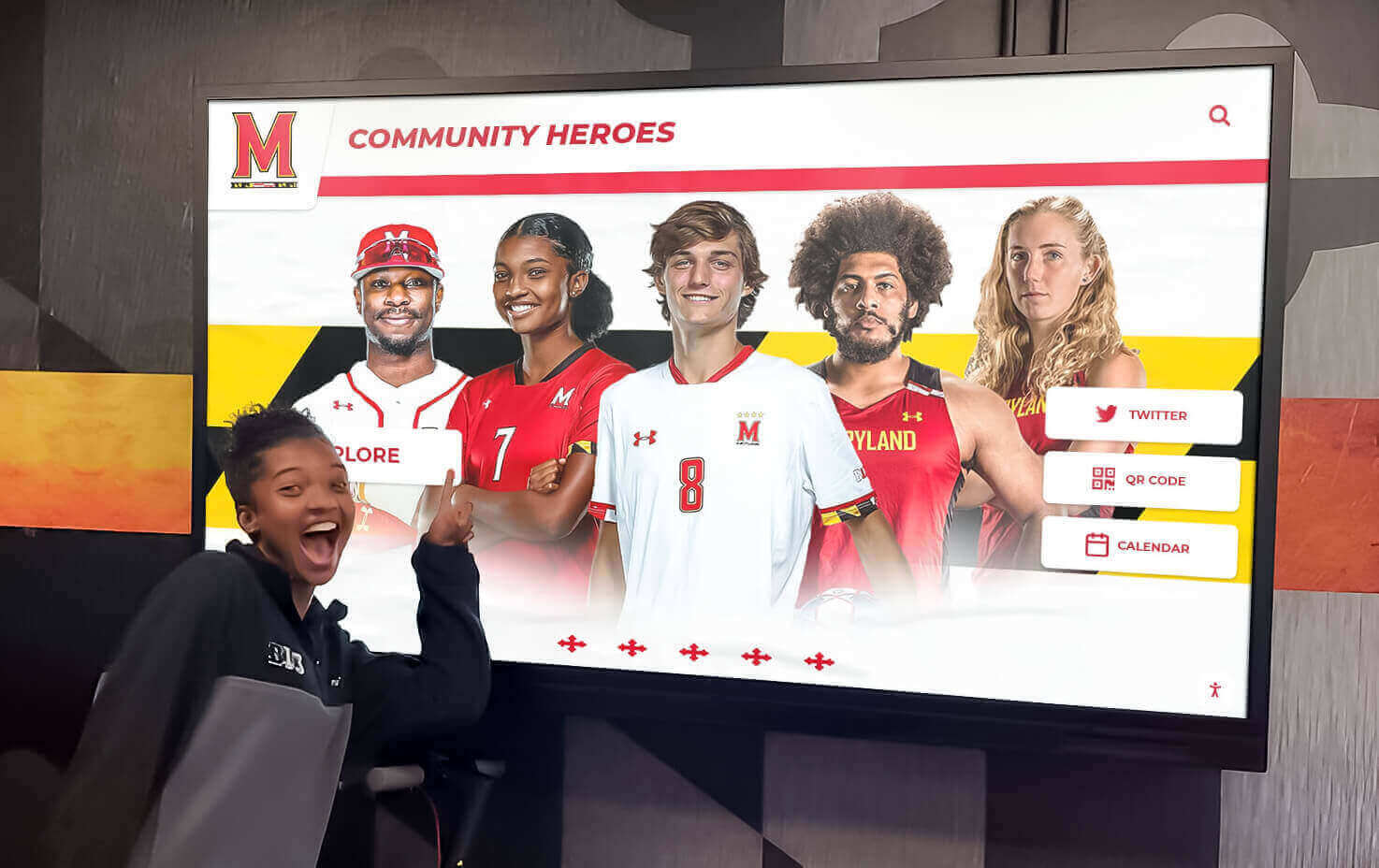
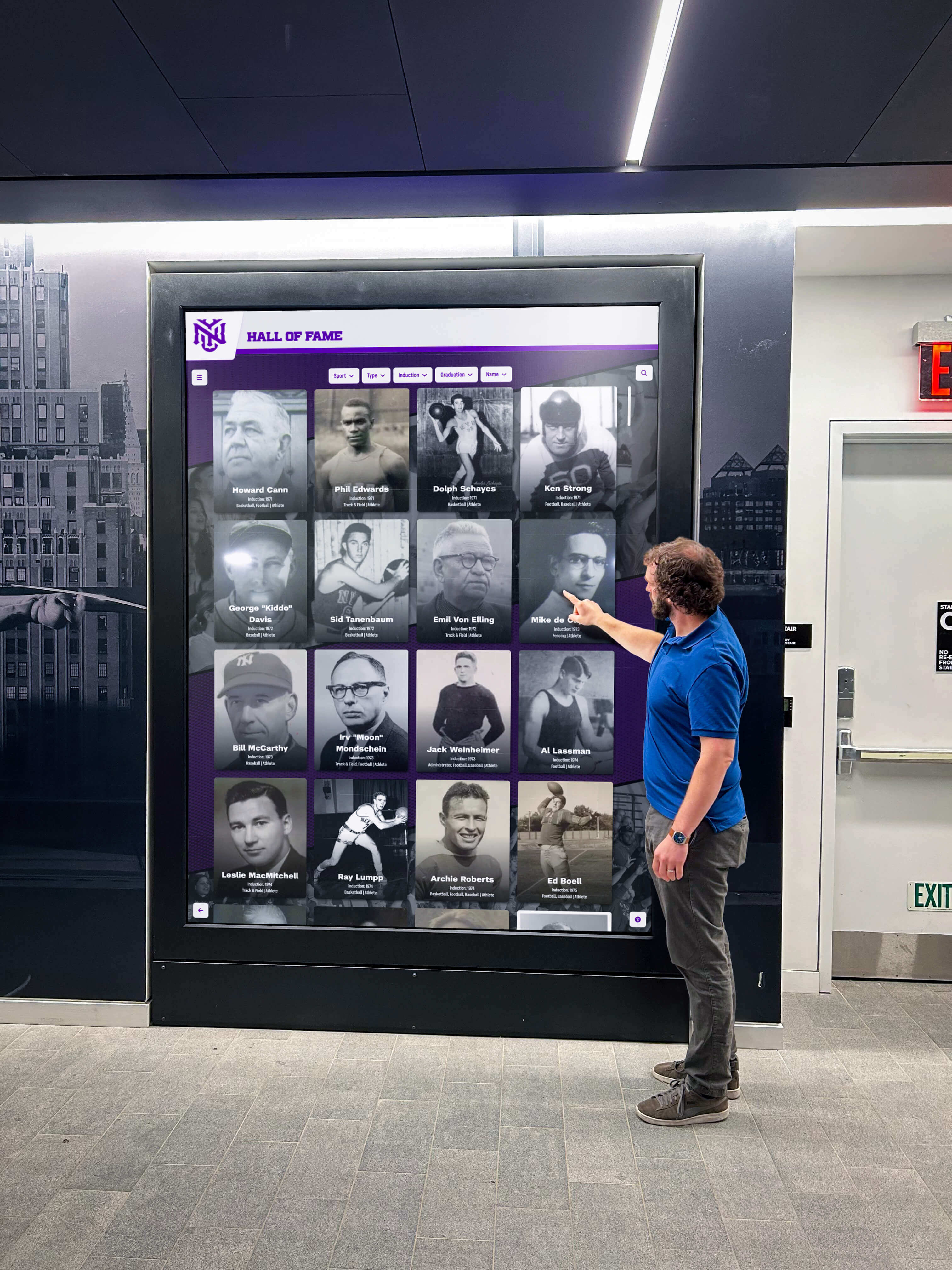
Interactive Recognition Technologies: Advanced schools implement interactive digital displays at banquets enabling attendees to explore season highlights, athlete profiles, statistical achievements, and program history through touchscreen interfaces. These technologies create engagement opportunities during pre-ceremony periods while providing comprehensive recognition impossible through traditional award presentation formats alone.
Family Engagement: Thoughtful banquet design creates opportunities for families to celebrate together through photo areas, interactive displays to explore, and content that helps them understand achievement context. When families feel engaged and included, recognition becomes more meaningful for athletes while strengthening community connections to programs.
Building Year-Round Recognition Culture
While annual banquets represent important milestone moments, the most effective recognition extends throughout seasons and years rather than limiting celebration to single events.
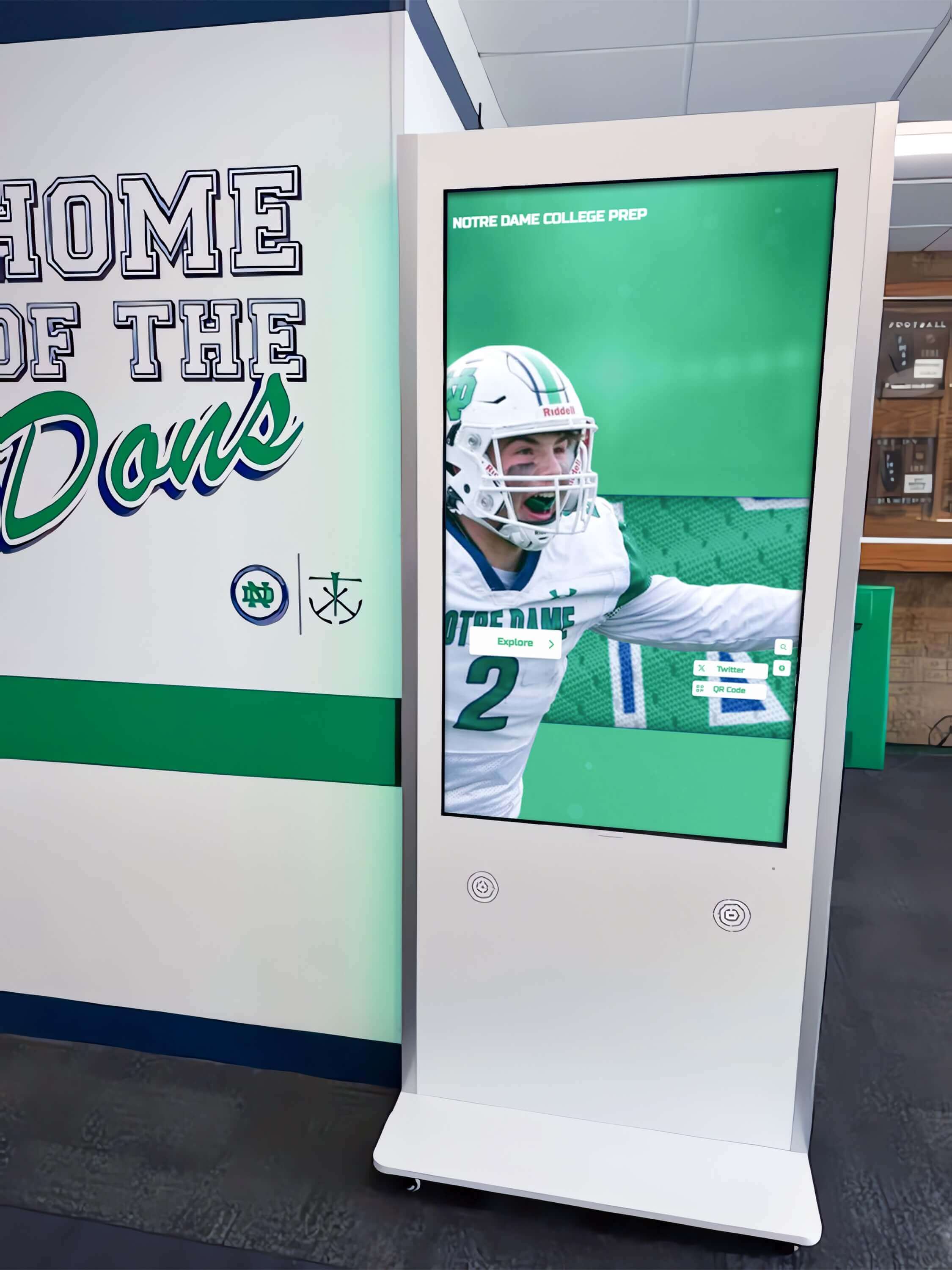
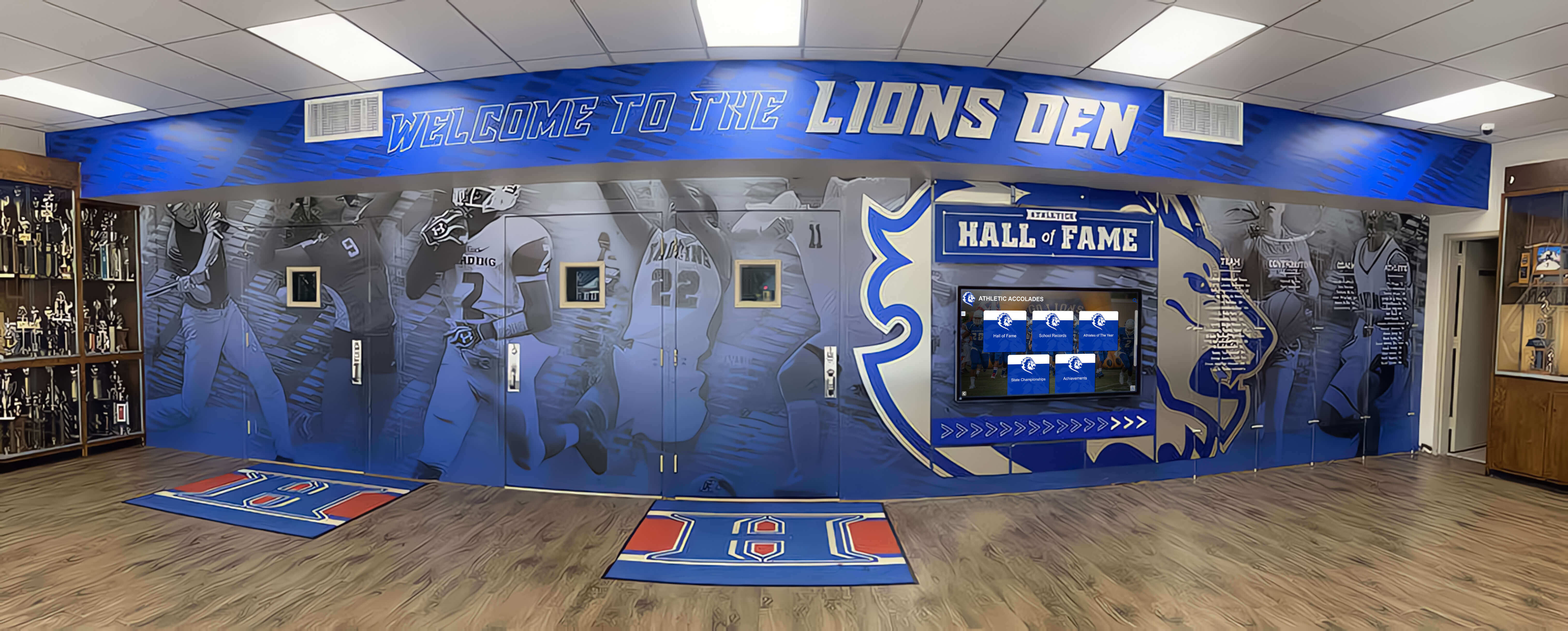
Permanent Recognition Spaces: Schools implementing permanent recognition displays create ongoing celebration spaces where achievements remain visible long after banquet nights conclude. Solutions like interactive digital displays from Rocket Alumni Solutions enable comprehensive athlete recognition through touchscreen platforms showcasing profiles, statistics, photos, and achievements accessible year-round to students, families, and visitors.
Extending Recognition Beyond Single Events: Digital recognition systems allow continuous updates throughout seasons—adding statistical leaders, highlighting weekly performances, recognizing character demonstrations, and building comprehensive records. This ongoing approach complements annual banquets rather than limiting recognition to single ceremonial occasions.
Historical Context and Legacy: Modern recognition platforms preserve achievement history enabling current athletes to explore program legacies, understand how their performances compare to historical standards, and see themselves as parts of continuing traditions. This historical context adds meaning to achievements by positioning them within institutional narratives rather than presenting them in isolation.
Accessibility and Inclusivity: Digital recognition ensures all community members can celebrate achievement regardless of physical attendance at events. Remote family members, alumni, and supporters access recognition content online, and touchscreen displays in school spaces enable daily engagement with athletic accomplishments during regular school activities.
Understanding frameworks for comprehensive athletic recognition programs helps schools develop integrated approaches celebrating achievement through multiple channels beyond single annual events.
Regional and Cultural Considerations
Sports banquet dress code norms vary by geographic region, institutional type, and cultural contexts affecting what constitutes appropriate attire.
Geographic Variations in Formality Standards
Different regions maintain varying expectations about formality for similar types of events.
Southern Traditions: Many Southern states maintain more formal sports banquet traditions with higher baseline dress expectations. What might be considered “dressy casual” in some regions may require semi-formal attire in Southern contexts where formal recognition events carry particular cultural significance.
Coastal Urban Areas: Large coastal cities sometimes interpret business casual more liberally than other regions, with acceptable attire potentially including designer jeans with blazers or fashion-forward combinations that blend formal and casual elements. However, for student athletic banquets, traditional conservative interpretations remain safer choices.
Midwest and Rural Standards: Midwestern and rural regions often default to moderate formality—solid business casual to semi-formal—without trending to either extreme casualness or extreme formality. Traditional approaches like dress pants with button-down shirts or simple dresses represent standard expectations.
Climate Influences: Regional climates affect practical attire choices. Lightweight fabrics and colors work better in warm climates hosting year-round outdoor events, while cold weather regions require consideration of substantial outerwear and winter-appropriate formal clothing.
Private Schools and Preparatory Institutions
Private schools, college preparatory institutions, and certain competitive athletics programs sometimes maintain higher formality expectations than typical public school standards.
Elevated Baseline Standards: Private institutions may consider semi-formal their baseline where public schools request business casual. When uncertain about private school banquet expectations, default to one formality level higher than you’d initially assume.
Tradition and Institutional Culture: Schools with strong traditions often maintain formal recognition cultures reflecting broader institutional values. Long-established athletic programs at historic institutions sometimes expect attire respecting tradition and institutional dignity through more conservative formal approaches.
Explicit Guidance: Private institutions usually provide clearer specific dress code instruction given their general emphasis on presentation standards. Follow provided guidance closely, and when unclear, contact athletic departments for clarification rather than guessing.
Preparing Athletes for Future Formal Events
Sports banquets represent valuable opportunities to teach young athletes about professional presentation and formal event navigation—skills serving them throughout educational and career experiences.
Life Skills Beyond Athletics
Learning to dress appropriately for formal recognition events teaches transferable skills extending far beyond sports contexts.
Professional Development: Understanding business casual and formal attire prepares athletes for future job interviews, internship experiences, college campus visits, scholarship interviews, and early career environments. These lessons learned through sports translate directly to professional contexts.
Social Confidence: Feeling appropriately dressed in formal settings builds social confidence enabling comfortable participation in various professional and social environments throughout life. Athletes who learn these norms through sports carry that confidence forward.
Respecting Occasions: Learning that different events warrant different presentation levels teaches important cultural literacy about respecting contexts and matching effort to occasion significance. This awareness represents valuable social intelligence applicable far beyond athletic recognition.
Teaching Appropriate Standards
Coaches and parents serve important roles in teaching athletes about dress standards and helping them understand expectations.
Explicit Communication: Don’t assume athletes understand dress codes or know how to execute them. Provide specific examples, show photos of appropriate outfits, explain terminology, and answer questions. What seems obvious to adults often remains genuinely unclear to teenagers navigating formal situations for first times.
Practical Support: Help athletes acquire appropriate attire through shopping assistance, borrowing arrangements, or connection to resources. Address practical barriers preventing athletes from meeting standards rather than simply stating expectations without support.
Framing Appropriately: Emphasize that dressing appropriately demonstrates respect for teammates, achievement, and significance of recognition rather than arbitrary rules or superficial appearance focus. When athletes understand purpose behind standards, they’re more likely to meet them willingly.
Modeling Standards: Coaches and administrators who maintain professional appearance standards themselves model expectations more effectively than words alone. Demonstrate through your own attire choices that presentation matters and warrants appropriate effort.
Conclusion: Dressing for Success at Athletic Recognition Events
Sports banquet attire represents more than clothing choices—appropriate dress communicates respect for achievement, value for recognition, and understanding that milestone moments warrant special presentation. Whether you’re an athlete receiving awards, a parent celebrating your student’s accomplishments, a coach recognizing your team, or an administrator hosting recognition events, thoughtful attention to appropriate attire enhances the overall experience and demonstrates that achievement matters.
The specific formality level—business casual, semi-formal, or formal—matters less than ensuring your choices align with stated expectations and reflect the significance of the occasion. When uncertain, default to slightly more formal rather than too casual, ask clarifying questions without hesitation, and remember that appropriate presentation represents one component of broader recognition experiences celebrating dedication, growth, and accomplishment throughout athletic seasons.
Modern sports recognition extends beyond single banquet events to create ongoing celebration cultures where achievement receives appropriate visibility throughout years rather than only during annual ceremonies. Schools implementing comprehensive recognition programs combine traditional celebration events like banquets with permanent display solutions ensuring accomplishment remains visible and accessible to entire school communities.
For schools ready to elevate athletic recognition beyond single annual events, Rocket Alumni Solutions provides purpose-built interactive digital display platforms designed specifically for educational institutions. These touchscreen systems enable comprehensive athlete recognition through engaging interfaces showcasing profiles, statistics, photos, achievements, and program history accessible year-round to students, families, alumni, and visitors. By combining meaningful banquet celebrations with permanent recognition infrastructure, schools create cultures where achievement receives the sustained visibility and celebration it deserves.
As you prepare for upcoming sports banquets—selecting appropriate attire, planning celebration events, or considering recognition approaches—remember that the ultimate purpose extends beyond clothing, trophies, or ceremonial formalities. These moments celebrate human dedication, growth through challenge, teamwork under pressure, and pursuit of excellence in competitive environments. Appropriate presentation through dress, thoughtful event design, and comprehensive recognition systems honors that achievement authentically while inspiring continued pursuit of athletic excellence throughout programs and communities.































