The energy in the room shifts as families, coaches, and athletes gather around decorated tables to celebrate a season of dedication, growth, and achievement. Sports banquets represent pivotal moments when athletic communities formally recognize individual accomplishments, team success, and the character development that happens through competitive athletics. Yet transforming a basic cafeteria or banquet hall into an inspiring celebration space that honors your team’s identity requires thoughtful planning—and effective centerpieces serve as focal points that set the tone for your entire event.
Whether you’re a coach organizing your first team banquet, a booster club volunteer coordinating end-of-season recognition, or a parent helping plan athletic celebrations, creating impressive sports banquet centerpieces doesn’t require professional decorators or unlimited budgets. With strategic planning, creative DIY approaches, and thoughtful incorporation of team colors and athletic themes, you can design table displays that capture your program’s spirit while creating memorable atmospheres families appreciate.
This comprehensive guide explores practical, budget-conscious sports banquet centerpiece ideas that work across athletic programs—from football and basketball to soccer, volleyball, track, and beyond. You’ll discover DIY design strategies, sport-specific concepts, material sourcing tips, and creative approaches that transform ordinary tables into celebration spaces worthy of the athletes you’re honoring.
Every successful sports banquet balances multiple elements: meaningful award presentations, heartfelt coach speeches, athlete recognition, and family appreciation. Yet before any words are spoken or trophies distributed, your event space communicates volumes about how seriously your program takes celebration. Centerpieces establish visual identity, reinforce team branding, create photo opportunities families cherish, and demonstrate that planning efforts matched the dedication athletes invested throughout their seasons.
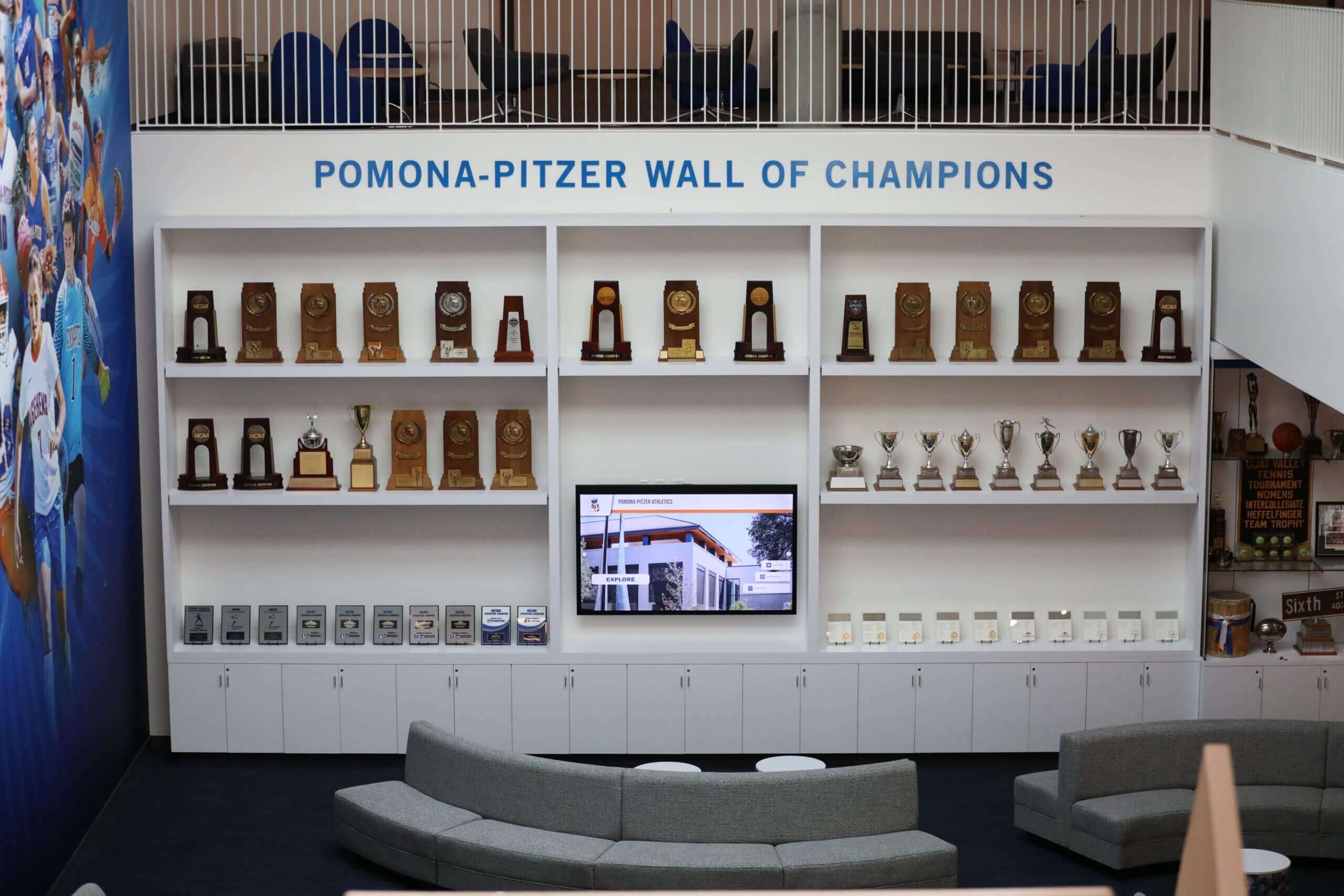
Professional recognition spaces inspire banquet decoration themes by showcasing how team colors and athletic imagery create cohesive visual identity
Why Sports Banquet Centerpieces Matter: More Than Just Decoration
Athletic banquet centerpieces serve practical and symbolic purposes that extend beyond simple table decoration, influencing event atmosphere and attendee experience in meaningful ways.
Creating Visual Cohesion and Team Identity
Centerpieces establish immediate visual connection to your specific team or athletic program. When guests enter a banquet space and see table displays incorporating team colors, sport-specific equipment, mascot imagery, or program branding, they instantly recognize the celebration’s focus. This visual cohesion transforms generic event spaces into team-specific celebrations that feel personalized and intentional.
Consistent centerpiece design across all tables creates polished, professional appearance suggesting that program leadership values quality celebration matching athletic excellence expectations. This attention to detail signals respect for athletes, families, and the season being honored.
Facilitating Conversation and Community Building
Thoughtfully designed centerpieces provide natural conversation starters as families seated together notice creative elements, comment on design choices, or share reactions to centerpiece themes. These small interactions help break ice among parents who may not know each other well despite supporting the same team, facilitating community connections that extend beyond individual athletes.
Creative centerpieces incorporating team photos, season highlights, or personalized elements specific to tables assigned to particular position groups or class years can prompt storytelling and memory sharing that enriches banquet atmosphere.
Enhancing Photography and Memory Preservation
Families photograph banquet tables extensively, capturing memories of celebration evenings they’ll revisit for years. Well-designed centerpieces significantly improve these photos’ visual quality, providing attractive backgrounds that frame family portraits, athlete recognition moments, and group shots. Simple, cluttered tables produce forgettable images, while thoughtful centerpieces create visually appealing photos families proudly share and display.
When planning sports banquet programs and presentations, coordinate centerpiece design with overall event aesthetic ensuring cohesive visual identity across all ceremony elements.
Demonstrating Program Values and Appreciation
Investment in quality centerpieces—whether through financial resources or volunteer time and creativity—communicates that program leadership values celebration and recognition worthy of athletes’ seasonal dedication. Even budget-conscious DIY centerpieces requiring significant planning and execution time demonstrate appreciation through effort rather than expense.
This demonstrated commitment to creating special experiences reinforces that your program treats athletes as valued individuals deserving thoughtful recognition, not merely participants in standardized ceremonies.
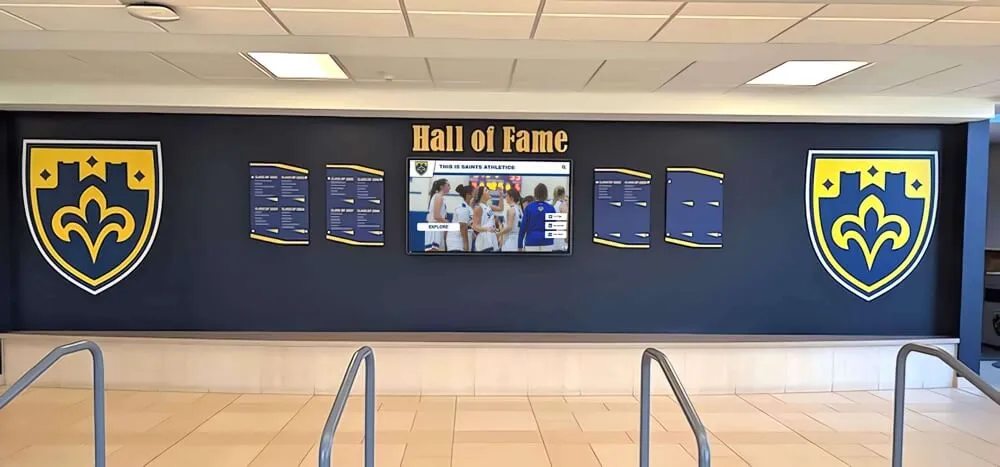
Formal athletic recognition displays can inspire banquet centerpiece color schemes and design elements that connect seasonal celebrations to program traditions
Budget Planning for Sports Banquet Centerpieces: Realistic Cost Frameworks
Effective centerpiece planning begins with honest budget assessment, ensuring creative visions align with available resources while maximizing visual impact within financial constraints.
Determining Per-Table Budget Allocation
Calculate realistic per-centerpiece budgets by first establishing total decoration funding through booster club allocations, fundraising proceeds, parent volunteer contributions, or athletic department funds. Divide total decoration budget by number of tables requiring centerpieces (typically accommodating 8-10 guests per table for standard banquet setups).
Budget Tiers and What They Enable:
$5-10 Per Table: Budget-conscious approach requiring primarily DIY execution using borrowed materials, recyclable items, printed graphics, and minimal purchased supplies. Emphasizes creativity and effort over material cost.
$15-25 Per Table: Moderate budget allowing selective purchased items like vases, artificial flowers, balloons, or sport-specific decorative elements complemented by DIY components and borrowed materials.
$30-50 Per Table: Enhanced budget enabling higher-quality purchased centerpiece components, custom printed materials, specialized athletic decorations, or professional finishing elements while maintaining some DIY elements.
$75+ Per Table: Premium approach allowing professional decorators, elaborate floral arrangements, custom athletic sculptures, or specialized centerpiece designs requiring professional execution or expensive materials.
Most successful athletic banquets operate within the $10-30 per table range, achieving impressive results through strategic material selection, volunteer labor, and creative design rather than expensive purchases.
Cost-Saving Strategies That Maintain Quality
Reduce centerpiece expenses without sacrificing visual impact through reusable designs stored for annual use across multiple sports, material sharing agreements with other school programs, parent volunteer committees handling DIY assembly, borrowed vases and containers avoiding purchase costs, seasonal clearance shopping for off-season decoration supplies, and bulk purchasing when buying materials for multiple centerpieces.
Schools hosting multiple sport banquets annually can invest in neutral foundation pieces (clear vases, LED lights, decorative bases) that adapt across different teams through changeable sport-specific inserts, team color elements, or seasonal athletic themes.
Athletic programs managing comprehensive recognition might explore how booster club fundraising approaches can generate resources supporting quality banquet celebrations while funding broader program needs.
DIY Sports Banquet Centerpiece Ideas: Creative Designs for Every Budget
Hands-on centerpiece creation allows maximum customization while controlling costs through volunteer effort, making DIY approaches ideal for budget-conscious athletic programs.
Equipment-Based Centerpiece Designs
Sports equipment provides instantly recognizable athletic theme while often being readily available through team inventory or athlete donations.
Basketball Centerpieces:
Fill clear glass cylinders or vases with miniature basketballs (available inexpensively in bulk from sporting goods stores). Add LED string lights inside containers for illuminated effect. Top with foam board cutouts featuring team logo or season highlights. Surround base with orange and team-color confetti.
Create basketball net displays by suspending miniature nets from PVC pipe frames spray-painted in team colors. Hang small basketballs or team color ornaments from nets. Add table scatter in team colors around base.
Football Centerpieces:
Stack small footballs in pyramid arrangements on mirrored tiles or team-color tablecloths. Insert wooden dowels with printed pennants featuring player names, jersey numbers, or team slogans. Surround with artificial turf squares and miniature yard markers.
Fill clear vases with team-color sand or stones. Insert artificial flowers or branches spray-painted in team colors. Attach miniature football helmets (available as cake toppers or keychains) to branches or position around vase base.
Soccer Centerpieces:
Partially deflate old practice soccer balls and cut in half. Fill hollowed balls with floral foam and fresh or artificial flowers in team colors. Place on decorative stands or team-color fabric bases. Excellent way to repurpose worn equipment.
Create goal post models using wooden dowels or PVC pipe painted white. Add netting backdrop. Position miniature soccer balls and team photos at base. Particularly effective when scaled to 12-18 inches tall.
Baseball/Softball Centerpieces:
Fill glass vases with baseballs or softballs. Insert tall branches spray-painted in team colors with hanging team photos, player names, or season statistics. Add grass-like filler material around base suggesting field setting.
Create “diamond” displays using artificial turf squares as bases. Position miniature bases in diamond configuration. Add small bats, balls, and player figurines. Place team photos or season highlight cards at home plate position.
Volleyball Centerpieces:
Stack volleyballs in clear containers with LED lights creating illuminated displays. Surround with netting material and team-color ribbons. Add height using vertical elements like painted dowels with team pennants.
Create court-themed flat centerpieces using foam board painted to represent court lines. Position miniature volleyball nets, small volleyballs, and player action photos. Effective for long rectangular tables.
Photo-Based Centerpiece Concepts
Team photographs provide personalized elements that prompt conversation and memory sharing while celebrating specific athletes and moments.
Photo Cube Displays:
Print action photos, team photos, and candid images from throughout the season on quality paper. Mount on foam core cubes in varying heights (6, 8, and 10 inches). Arrange cubes in clustered groupings creating dimensional displays. Surround with team-color confetti or ribbons.
Timeline Centerpieces:
Create visual season timelines using string or wire suspended between decorative supports. Clip season photos chronologically along timeline using miniature clothespins spray-painted in team colors. Add small labels noting game dates or opponent names. Effective conversation starter prompting families to discuss season progression.
Player Spotlight Arrangements:
For senior banquets, create centerpieces featuring senior athletes assigned to each table. Print large senior photos (8x10 or larger) mounted on decorative backing in team colors. Add career statistics, achievements, and future plans. Position in stands or frames surrounded by fresh flowers, sport equipment, or theme elements.
Championship Moment Displays:
Design centerpieces highlighting tournament victories, championship games, or breakthrough wins. Feature enlarged action photos from these significant moments. Add printed game scores, newspaper clippings, or bracket progressions. Particularly powerful for championship celebration banquets.
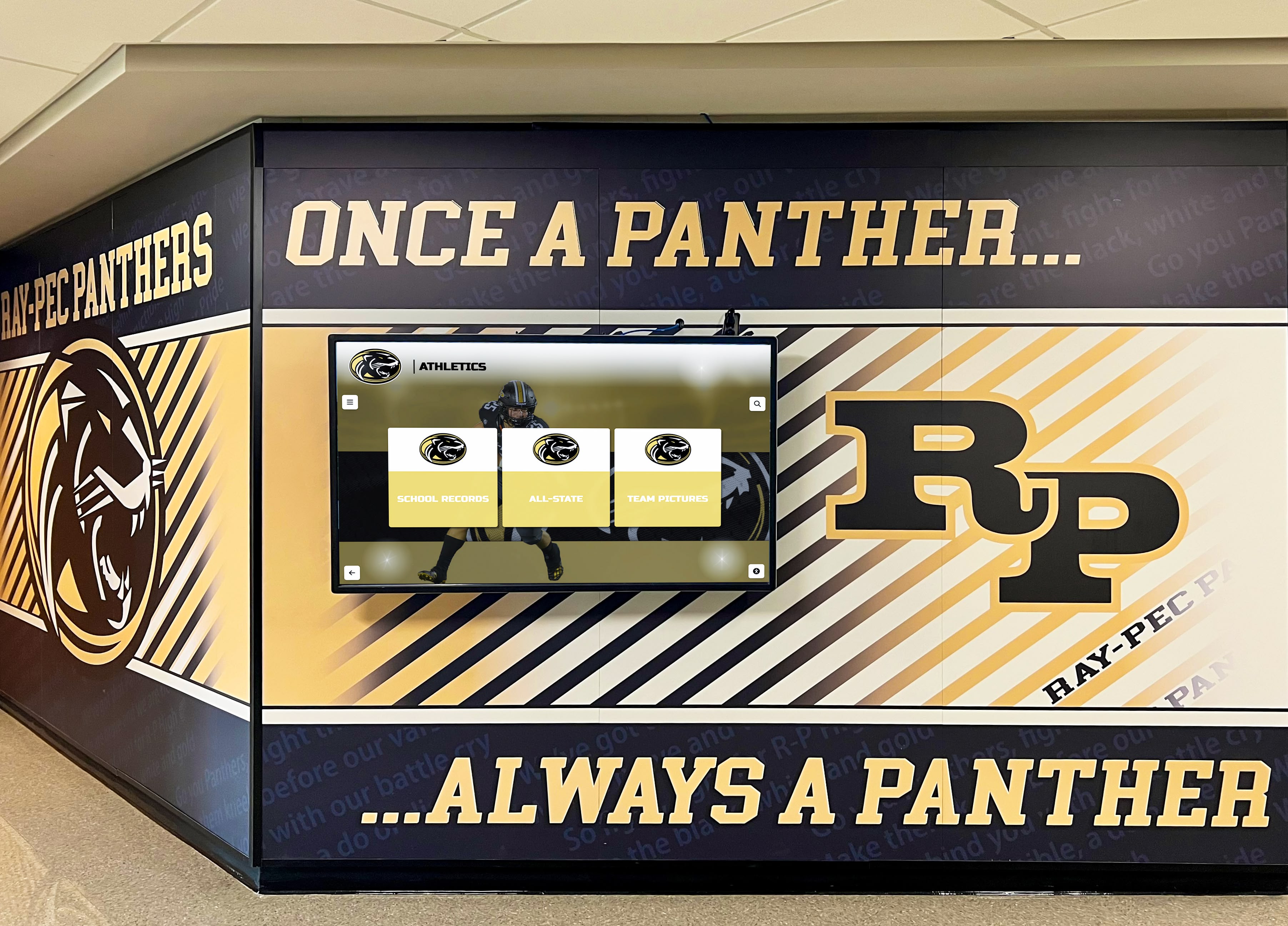
Team branding and color coordination seen in permanent athletic displays can inform cohesive centerpiece design connecting banquet décor to broader program identity
Trophy and Award-Inspired Centerpieces
Championship hardware and award imagery create aspirational centerpiece themes celebrating excellence and achievement.
Replica Trophy Displays:
Purchase inexpensive plastic trophy components from party supply stores. Spray paint in metallic finishes (gold, silver, bronze). Mount on decorative bases covered in team-color fabric or paper. Surround with star confetti and LED tea lights creating award ceremony atmosphere.
Add personalized labels to trophy bases noting table assignments, team mottos, or achievement categories corresponding to awards being distributed during ceremony.
Medal and Ribbon Arrangements:
Create visual displays using sport-specific medals (often available inexpensively from athletic supply vendors). Arrange medals on decorative plaques or frames. Add ribbon cascades in team colors. Position vertically using stands or easels rather than laying flat.
Particularly effective when incorporating actual medals from the season being celebrated, especially for individual achievement sports like track, swimming, or wrestling.
Championship Banner Miniatures:
Design miniature versions of championship banners or team flags. Print on quality paper or fabric. Mount on dowels or PVC pipe spray-painted in team colors. Arrange multiple banners in stands creating flag garden effect. Surround with team-color flowers or greenery.
Programs regularly celebrating championships might reference athletic hall of fame displays for inspiration connecting seasonal banquets to permanent recognition traditions.
Balloon and Floral Combinations
Traditional decoration approaches adapt effectively to sports themes through strategic color selection and creative arrangement.
Sport-Specific Balloon Sculptures:
Work with balloon artists or use DIY balloon decoration kits to create sport equipment shapes: basketballs, footballs, soccer balls, or baseballs. Combine with balloon columns or arches in team colors. Anchor with weighted bases allowing table placement without ceiling suspension.
Balloon centerpieces offer dramatic visual impact at moderate cost while being lightweight and easy to transport and position.
Team Color Floral Arrangements:
Select artificial or fresh flowers exclusively in team colors. Arrange in clear vases, decorative containers, or sport equipment (basketball hoops, batting helmets, etc.). Add greenery for contrast. Incorporate team ribbons or color-coordinated picks featuring athletic motifs.
Fresh flowers elevate sophistication but require day-of-event arrangement and higher costs. Artificial arrangements allow advance preparation and potential reuse across multiple years or sport programs.
Height Variation Combinations:
Combine tall balloon columns (24-36 inches) with medium floral arrangements (12-18 inches) and low candles or LED lights (4-6 inches) creating dimensional visual interest. Ensures centerpieces don’t block sightlines across tables while providing visual impact.
Strategic height variation proves especially important for tables accommodating 8-10 guests where centerpieces must balance presence with practical conversation facilitation.
Sport-Specific Centerpiece Themes: Tailoring Designs to Your Team
Different athletic programs benefit from sport-specific centerpiece adaptations that reflect unique aspects of particular competitions and traditions.
Court and Field Sports Variations
Basketball Themes:
Emphasize court elements like hardwood finishes, hoop imagery, and scoreboard graphics. Use orange as dominant color accent regardless of team colors. Incorporate basketball terminology (slam dunk, three-pointer, full-court press) on printed centerpiece elements. Feature season statistics especially for seniors or record-breaking players.
Football Themes:
Reference field elements like yard markers, goalposts, and turf. Use rectangular rather than round centerpieces reflecting field proportions. Incorporate play diagrams, formation graphics, or famous game strategies. Feature championship game balls if celebrating title seasons.
Soccer Themes:
Emphasize goal nets, corner flags, and pitch markings. Use globe or world map elements for programs with international players or multicultural teams. Incorporate footprints or cleat patterns in decorative elements. Feature penalty kick or goal-scoring moments from season highlights.
Volleyball Themes:
Highlight net imagery, rotation diagrams, and court dimensions. Use vertical orientations reflecting sport’s emphasis on height and jumping. Incorporate hand graphics or silhouettes showing serves, sets, spikes. Feature tournament brackets for programs competing in multi-team events.
Individual Sport Adaptations
Track and Field:
Create lane-specific displays using numbered lane markers. Incorporate starting blocks, relay batons, or hurdle miniatures. Feature personal record achievements and timing statistics. Organize centerpieces by event categories (sprints, distance, jumps, throws) for specialized recognition.
Swimming and Diving:
Use water-themed blue and turquoise elements. Incorporate lane rope sections, kickboards, or team caps. Feature timing clock imagery and personal best times. Add LED underwater lights in clear vases creating illuminated water effect.
Wrestling:
Reference mat imagery using circular designs or wrestling mat material samples. Incorporate weight class organization. Feature tournament brackets or season records. Use red and green elements referencing referee starting positions.
Cross Country:
Emphasize course maps, trail imagery, and natural elements. Use rustic wood bases and organic materials. Feature mile splits and season progression improvements. Incorporate finish line tape elements or racing bibs with runner numbers.
When planning comprehensive athletic recognition across multiple sports, schools often develop end-of-year athletic awards programs that establish consistent celebration standards while allowing sport-specific customization.
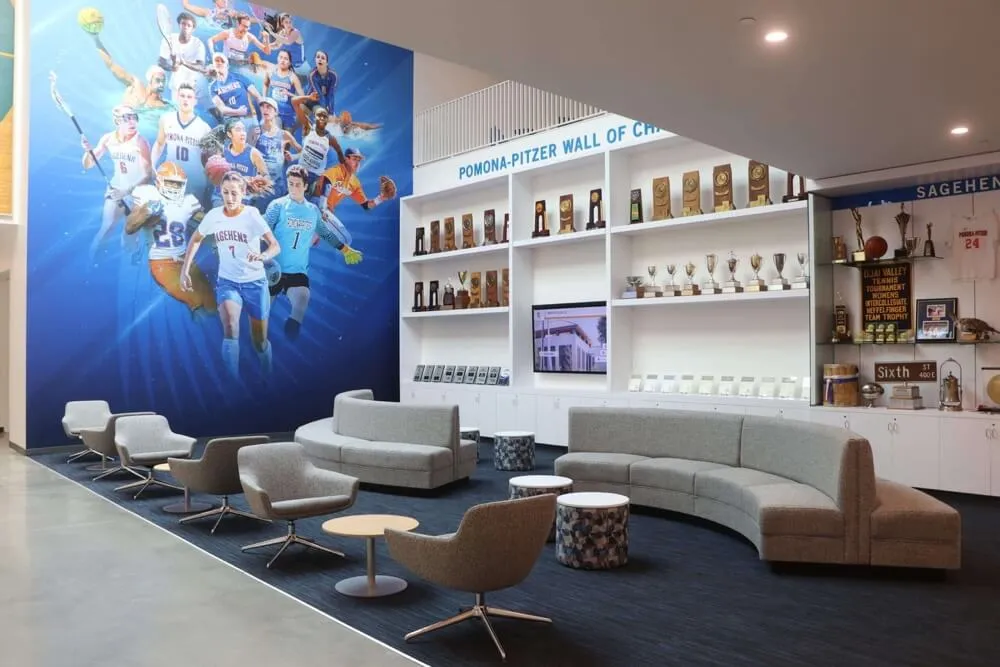
Permanent athletic facility design elements provide inspiration for temporary banquet centerpieces that reinforce team identity and program pride
Materials and Supply Sourcing: Where to Find Centerpiece Components
Strategic material sourcing significantly impacts centerpiece budgets while ensuring access to sport-specific elements and team-color items.
Retail Sources for Athletic Decorations
Sporting Goods Stores:
Purchase miniature equipment (small footballs, basketballs, soccer balls) often sold as promotional items or training aids. Find team-color athletic tape, pennants, and sport-specific accessories. Many stores offer bulk discounts for organizational purchases.
Party Supply Retailers:
Source team-color balloons, tablecloths, napkins, and basic decoration supplies. Find generic trophy components, medal displays, and award ribbons. Access seasonal sports themes especially during fall football season or spring baseball season.
Craft Stores:
Obtain clear vases, decorative containers, foam core boards, spray paint, ribbons, and general crafting supplies. Find artificial flowers, greenery, and floral arrangement materials. Access adhesives, cutting tools, and assembly supplies for DIY projects.
Online Marketplaces:
Order sport-specific miniatures, cake toppers, and decorative elements unavailable locally. Purchase bulk quantities of items like miniature equipment or team-color supplies. Compare prices across vendors ensuring best value. Allow adequate shipping time (2-3 weeks minimum) preventing last-minute scrambles.
Cost-Effective Material Alternatives
Borrowed Equipment:
Request donations of worn or outdated sport equipment (balls, jerseys, helmets) from coaches, athletes, or equipment managers. Items no longer suitable for competition or practice often work perfectly for decorative purposes. Eliminates purchase costs while using authentic equipment.
Recycled Materials:
Repurpose cardboard, plastic containers, glass jars, and packaging materials as centerpiece bases or components. Cut, paint, and decorate to create custom elements at minimal cost. Environmentally conscious approach reducing waste while controlling expenses.
Printed Graphics:
Design and print team logos, player photos, statistical graphics, or decorative elements using standard printers and quality paper. Mount on foam core or cardboard backing for dimensional display. Allows unlimited customization at printing cost only.
Natural Elements:
Collect branches, pinecones, stones, or seasonal natural items to incorporate into centerpieces. Spray paint in team colors when desired. Provides organic textures and visual interest at zero material cost.
Bulk Purchasing Strategies
When buying materials for multiple centerpieces, purchase in bulk reducing per-unit costs through quantity discounts, shared shipping across multiple items, wholesale pricing from suppliers, and volume negotiations with vendors. Coordinate purchases with other school programs sharing costs while sourcing materials benefiting multiple teams or events.
Store leftover materials carefully for future banquets, allowing resource buildup across multiple seasons that reduces long-term decoration costs.
Assembly and Preparation Timeline: Organizing Centerpiece Creation
Successful DIY centerpiece execution requires organized preparation schedules ensuring completion without last-minute stress compromising quality or volunteer burnout.
4-6 Weeks Before Banquet
Design Finalization:
Select specific centerpiece design(s) for your event. Create prototype versions testing assembly methods, evaluating visual impact, and identifying necessary adjustments. Photograph prototypes for volunteer reference during assembly.
Calculate exact material quantities needed based on final table count. Add 10-15% buffer accounting for mistakes, damage, or last-minute table additions.
Material Ordering:
Purchase or order all supplies requiring shipping or special ordering. Confirm delivery timing ensures arrival with adequate assembly buffer. Verify quantities match needs preventing shortages or excessive waste.
Volunteer Recruitment:
Organize parent or booster volunteer teams for centerpiece assembly. Clearly communicate time commitment expectations and assembly dates. Emphasize that no special artistic skills are required—enthusiasm and willingness to follow instructions suffice.
2-3 Weeks Before Banquet
Material Inventory:
Verify all ordered supplies arrived and borrowed materials are available. Check quantities ensuring adequate amounts. Purchase any additional last-minute needs from local vendors.
Assembly Workspace Setup:
Reserve assembly location (school cafeteria, library, or volunteer home) providing adequate space for material organization, team work areas, and completed centerpiece storage. Arrange tables facilitating efficient assembly workflow.
Assembly Session Scheduling:
Schedule 2-3 assembly sessions allowing volunteers flexible participation options. Plan sessions for 2-3 hours each depending on centerpiece complexity. Provide refreshments or meals for volunteers as appreciation for donated time.
1 Week Before Banquet
Centerpiece Assembly:
Execute assembly following prototype examples and design specifications. Assign volunteers to specific roles (cutting, gluing, arranging, quality checking) based on skills and comfort. Maintain quality standards while recognizing handmade variations add charm rather than detract from appearance.
Complete all centerpieces with time buffer allowing repairs or replacements if damage occurs before event day.
Storage and Transportation:
Store completed centerpieces safely preventing damage. Pad delicate elements, separate breakable components, and protect from dust, moisture, or crushing. Organize transportation logistics ensuring safe delivery to banquet venue.
Day of Banquet
Setup and Placement:
Arrive at venue early allowing adequate centerpiece positioning time before guest arrival. Place centerpieces on tables ensuring even distribution. Make final adjustments addressing stability issues, positioning concerns, or visual gaps.
Coordinate with venue staff regarding any restrictions, setup assistance, or post-event cleanup responsibilities.
Comprehensive event planning resources often suggest reviewing complete sports banquet organization guides ensuring centerpieces integrate seamlessly within broader ceremony logistics and event flow.
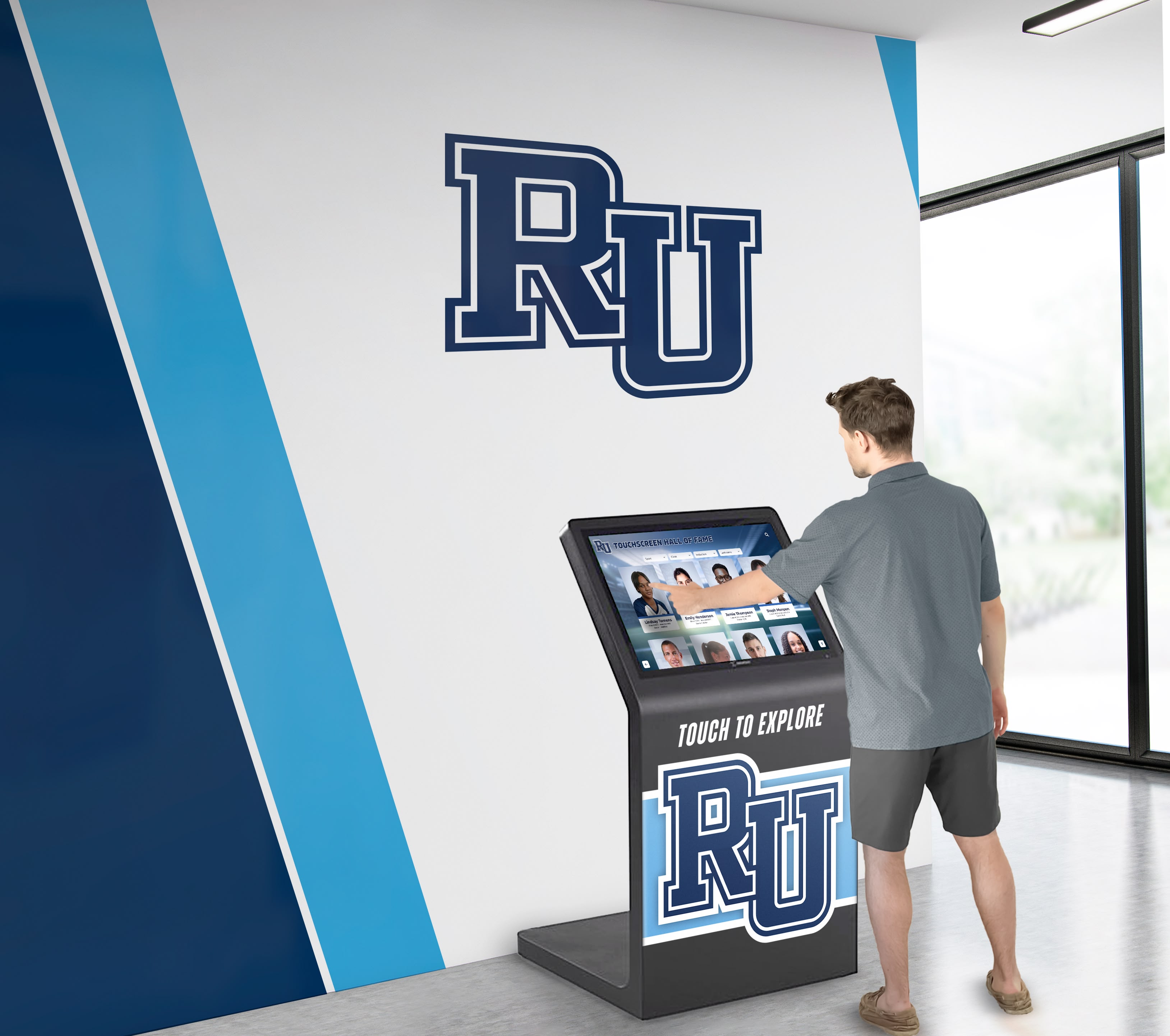
Modern recognition technology enables year-round celebration of athletic achievement extending beyond single-event banquets through permanent interactive displays
Adding Personalization: Making Centerpieces Meaningful
Generic sports decorations provide basic visual appeal, but personalized elements transform centerpieces into meaningful recognition pieces connecting specifically to your team’s season and athletes.
Team-Specific Customization
Season Highlight Integration:
Incorporate specific accomplishments, memorable moments, or breakthrough performances from your season. Print small cards noting championship victories, record-breaking performances, or comeback wins. Display these achievement cards within centerpiece arrangements prompting conversation about season highlights.
Reference specific games, tournaments, or competitions that defined your season. For championship teams, emphasize tournament brackets, title game details, or championship hardware imagery.
Player Recognition Elements:
For senior banquets or end-of-season celebrations, include player names, jersey numbers, or individual achievements within centerpieces. Assign seniors to specific tables and customize those centerpieces featuring their photos, statistics, and accomplishments.
Create “table assignments” connecting centerpiece themes to position groups (offensive line, defensemen, distance runners) or class years allowing targeted customization reflecting specific athlete groups seated together.
Mascot and School Branding
Mascot Integration:
Incorporate school mascot imagery, colors, or representations throughout centerpiece design. Use mascot logos on printed elements, mascot-colored materials, or actual mascot figurines or stuffed animals positioned within arrangements.
Strong mascot presence reinforces school pride and program identity while creating visual distinction between your banquet and generic athletic celebrations.
School Color Emphasis:
Strictly adhere to official school colors throughout all centerpiece elements ensuring brand consistency. Verify exact color matching rather than accepting approximate shades. This precision demonstrates attention to detail and pride in institutional identity.
Consider primary and secondary color combinations creating visual interest while maintaining brand standards.
Coach and Athlete Contributions
Coach Quote Inclusions:
Feature meaningful quotes from coaches about the season, team character, or athlete development. Print on decorative cards positioned within centerpieces. Adds personal touch reflecting coaching philosophy and seasonal themes.
Senior Reflections:
For senior celebrations, include brief reflections from graduating athletes about favorite memories, lessons learned, or gratitude messages. Provides authentic athlete voices within decoration elements creating deeper emotional connections.
Team Motto Display:
Feature season mottos, team slogans, or championship mantras within centerpiece design. References these shared phrases reinforcing team unity and collective identity.
Athletic programs valuing comprehensive recognition often explore how coach appreciation approaches can integrate into banquet celebrations honoring both athletes and the leaders who guided them.
Beyond Table Centerpieces: Complementary Decoration Elements
Centerpieces work most effectively when integrated within comprehensive decoration schemes creating cohesive visual environments rather than isolated table displays.
Entry and Welcome Displays
Arrival Experience:
Create impressive entry displays welcoming guests using oversized versions of centerpiece themes. Feature large team banners, photo collages, or equipment displays establishing event tone before guests reach tables.
Position welcome tables with programs, name tags, or table assignments decorated consistently with centerpiece themes creating visual continuity.
Wall and Ceiling Treatments
Vertical Space Utilization:
Extend decoration beyond tables using wall banners, hanging elements, or ceiling treatments in team colors. Creates immersive environment surrounding guests with team identity.
Suspended elements like balloon arrangements, paper lanterns in team colors, or hanging photos add dimension without consuming table space.
Stage and Award Area Decoration
Recognition Space Enhancement:
Ensure stage or award presentation areas receive decoration attention matching or exceeding table centerpiece investment. This focal point where athletes receive recognition deserves impressive visual treatment reflecting achievement significance.
Coordinate backdrop colors, decorative elements, and lighting with overall centerpiece themes ensuring visual consistency across venue.
Lighting Considerations
Ambient Atmosphere:
Strategic lighting dramatically enhances centerpiece visual impact. Use LED tea lights, battery-operated string lights, or colored uplighting highlighting centerpiece elements while creating warm, celebratory ambiance.
Test lighting in actual venue conditions since gymnasium or cafeteria lighting differs significantly from residential spaces where centerpieces may be assembled.
Post-Event Considerations: Centerpiece Disposal and Reuse
Thoughtful planning includes responsible handling of centerpiece materials after banquets conclude.
Centerpiece Giveaways
Many programs allow guests to take centerpieces home as favors or thank-you gifts for attendance. This approach eliminates disposal challenges while providing families with tangible keepsakes reminding them of celebration evenings.
Consider raffles or games determining centerpiece distribution creating fun conclusion to events while ensuring equitable access to popular designs.
Material Recovery and Storage
Reusable Component Salvage:
Disassemble centerpieces carefully preserving reusable elements for future banquets. Store vases, containers, decorative bases, LED lights, and sport equipment separately. Properly stored materials remain serviceable for years, building decoration resource libraries reducing future costs.
Equipment Return:
Return borrowed sport equipment, school property, or materials loaned by boosters or community members. Express appropriate gratitude for temporary use supporting event success.
Donation Options
Community Sharing:
Offer centerpiece components to other school programs, youth sports organizations, or community groups that could repurpose materials. Extends material lifespan while supporting broader community needs.
Recycling Responsibilities:
Responsibly recycle paper, cardboard, and plastic components that cannot be reused. Dispose of worn materials properly preventing environmental impact.
Programs developing sustainable celebration approaches often reference comprehensive guides to volunteer appreciation celebrations demonstrating how recognition events can honor multiple stakeholder groups while maintaining environmental and financial responsibility.
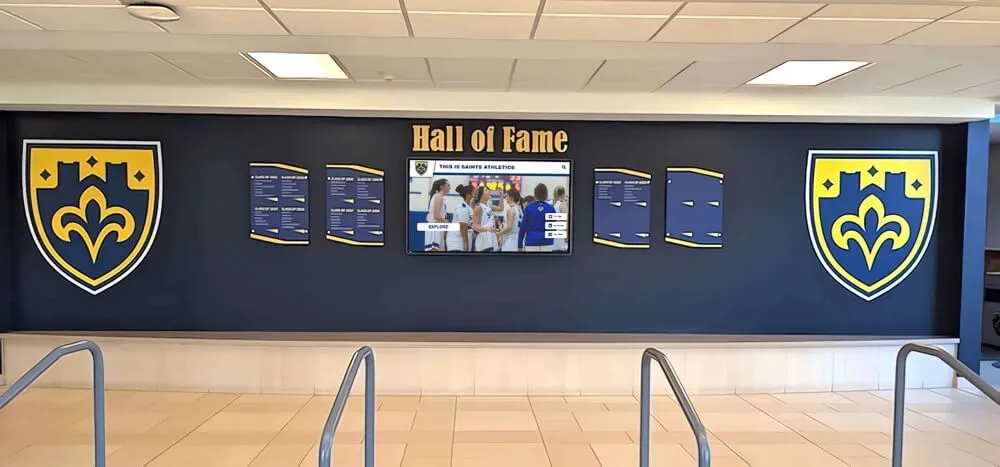
Permanent athletic recognition installations demonstrate long-term commitment to honoring achievement that extends beyond seasonal banquets to year-round celebration
Common Centerpiece Mistakes to Avoid
Learning from frequent planning errors helps ensure successful execution while preventing predictable problems.
Scale and Proportion Issues
Centerpieces Too Large:
Oversized centerpieces block sightlines across tables preventing conversation and creating awkward dining experiences. Test height and width proportions ensuring arrangements don’t interfere with guest interaction.
General guideline: centerpieces under 14 inches tall for round tables seating 8-10, with diameter no greater than 12 inches.
Centerpieces Too Small:
Undersized arrangements get lost on large tables failing to provide intended visual impact. Balance understated elegance with sufficient presence creating focal points without dominating tables.
Stability and Safety Concerns
Unstable Designs:
Top-heavy arrangements or inadequately weighted bases risk tipping during events, creating embarrassing disruptions or potential injury hazards. Test stability before event day ensuring centerpieces withstand accidental bumps or table movements.
Use sandbags, floral clay, or weighted bases securing arrangements reliably.
Fire Hazards:
Real candles near paper decorations, balloons, or flammable materials create genuine fire risks especially in venues with strict safety codes. Use battery-operated LED candles providing candlelight ambiance without fire hazard.
Verify venue fire safety regulations before incorporating any flame sources.
Visual Clutter and Overcomplexity
Too Many Elements:
Combining excessive decoration types, colors, or themes creates visually chaotic centerpieces lacking clear focus. Simple, cohesive designs typically produce more impressive results than busy arrangements attempting to incorporate too many concepts simultaneously.
Select 2-3 primary elements forming centerpiece foundation rather than including every possible decoration idea.
Last-Minute Assembly Rush
Inadequate Preparation Time:
Underestimating assembly time or delaying material sourcing creates stressful last-minute scrambles compromising quality while exhausting volunteers. Build realistic timelines with buffer allowances preventing preventable crises.
Complete assembly minimum 2-3 days before events allowing time for repairs, replacements, or adjustments.
Advanced Centerpiece Ideas: Next-Level Celebration Elements
Programs seeking elevated centerpiece approaches can explore more sophisticated concepts requiring additional time, skill, or investment.
Interactive Centerpiece Elements
QR Code Integration:
Incorporate QR codes within centerpiece designs linking to season highlight videos, digital photo galleries, or athlete profile pages. Provides technology integration allowing guests to access rich multimedia content from their phones while seated at tables.
Puzzle or Game Elements:
Design centerpieces incorporating trivia questions about the season, team history puzzles, or interactive challenges guests complete during meal service. Creates engagement beyond decoration while prompting conversation.
Technology-Enhanced Displays
Digital Photo Frames:
Use small digital photo frames within centerpieces displaying rotating season highlight photos. Requires initial investment but provides dynamic visual interest surpassing static printed photos.
Battery-operated frames eliminate cord management challenges while enabling placement anywhere on tables.
LED Light Programming:
Incorporate programmable LED strips or light displays creating color-changing effects, team color sequences, or synchronized lighting patterns. Adds dramatic technical element impressing tech-savvy athletes and families.
Edible Centerpieces
Candy and Treat Displays:
Create centerpieces from team-color candies, chocolates, or treats arranged in decorative containers. Allows guests to snack during events while providing functional decoration that eliminates waste.
Use wrapped candies preventing sanitation concerns while enabling easy distribution and consumption.
Fruit and Vegetable Arrangements:
For health-conscious programs emphasizing nutrition, design centerpieces from fresh fruit or vegetables arranged artistically. Reflects program values around wellness while providing practical refreshments.
Charitable Centerpiece Concepts
Donation-Based Designs:
Create centerpieces from non-perishable food items arranged decoratively. After events, donate all centerpiece components to local food banks or community pantries. Combines celebration with service demonstrating athletic program community commitment.
Fundraising Auction Elements:
Design premium centerpieces specifically for auction or raffle during banquets. Proceeds support booster club needs or future program expenses. Elevates select centerpieces to fundraising tools beyond mere decoration.
Programs exploring comprehensive recognition extending beyond seasonal events often investigate digital trophy case solutions providing permanent platforms celebrating achievements year-round rather than only during annual banquets.
Conclusion: Creating Celebration Spaces Worthy of Your Athletes
Sports banquet centerpieces serve purposes far beyond simple table decoration. These carefully designed elements establish visual identity for your celebration, create conversation starters facilitating community building, enhance photography preserving event memories, and demonstrate that program leadership values creating experiences worthy of athletes’ seasonal dedication. Whether working with minimal budgets requiring creative DIY approaches or enhanced resources enabling more elaborate designs, thoughtful centerpiece planning transforms ordinary event spaces into inspiring celebration environments honoring your team appropriately.
The most effective centerpieces balance visual impact with practical considerations—creating impressive displays without blocking sightlines, incorporating team-specific elements that personalize generic athletic themes, maintaining stability preventing disruption, and aligning with available resources preventing financial strain. From equipment-based designs and photo-focused arrangements to trophy-inspired displays and balloon combinations, countless approaches exist for creating memorable centerpieces reflecting your unique team identity and season accomplishments.
Beyond immediate visual appeal, centerpieces contribute to comprehensive recognition systems celebrating athletic achievement meaningfully. When coordinated with thoughtful award selection, heartfelt coach speeches, genuine athlete appreciation, and permanent recognition displays preserving seasonal accomplishments, banquet centerpieces become integral elements in broader celebration strategies honoring the dedication, growth, and character development occurring through competitive athletics.
Extend Athletic Recognition Beyond Single-Evening Celebrations
While beautifully designed banquet centerpieces create memorable celebration atmospheres, discover how modern digital recognition solutions enable year-round athlete appreciation through permanent interactive displays accessible to your entire school community—preserving seasonal achievements, individual accomplishments, and team traditions for generations.
Explore Recognition SolutionsSports banquets represent pivotal moments in athletic seasons when communities gather to formally acknowledge individual accomplishments, team successes, and character development occurring through competitive sports. Centerpieces establish the visual foundation for these important celebrations, transforming generic venues into team-specific environments that honor athletes appropriately while creating memories families treasure. With strategic planning, creative execution, and thoughtful attention to team identity and seasonal themes, your centerpiece designs can create celebration spaces genuinely worthy of the dedication your athletes invested throughout their competitive seasons.
Whether you’re planning next month’s team banquet or developing decoration standards for comprehensive athletic programs serving multiple sports annually, invest time and creativity in centerpiece design that matches the excellence your athletes pursue on courts, fields, and tracks. Your thoughtful preparation demonstrates that recognition matters as much as competition—and that celebrating achievement deserves the same commitment to quality that you expect from athletic performance. Through well-designed centerpieces and comprehensive recognition approaches, you create banquet experiences that honor athletes meaningfully while strengthening the athletic community supporting their continued growth and success.































