The gymnasium lights dim as athletes, families, and coaches gather for one of the most anticipated events of the athletic calendar. Sports banquets represent more than end-of-season celebrations—they’re formal recognition ceremonies where athletic communities honor dedication, acknowledge achievement, and strengthen bonds forged through competition. Whether your program celebrates a single sport or recognizes an entire athletic department, thoughtful banquet planning transforms basic award presentations into inspiring events that athletes remember for years.
Successful sports banquet planning requires balancing logistical coordination with creative touches that make celebrations feel personal and meaningful. From selecting appropriate venues and developing engaging themes to coordinating award presentations and implementing lasting recognition systems, every planning decision shapes the banquet experience. This comprehensive guide provides athletic directors, coaches, and booster club organizers with actionable strategies for planning sports banquets that truly celebrate athletic excellence while honoring the dedication athletes, coaches, and families invest in competitive athletics.
Sports banquets serve critical functions within athletic programs beyond simply concluding competitive seasons. They provide structured opportunities to recognize individual achievements, celebrate team accomplishments, acknowledge coaching contributions, involve families in athletic celebration, and strengthen athletic community identity that extends beyond game days.
Yet creating truly memorable sports banquets demands more than reserving a venue and ordering awards. Exceptional celebrations require intentional planning addressing venue logistics, program structure, recognition systems, theme development, and permanent acknowledgment that extends beyond single-night events.
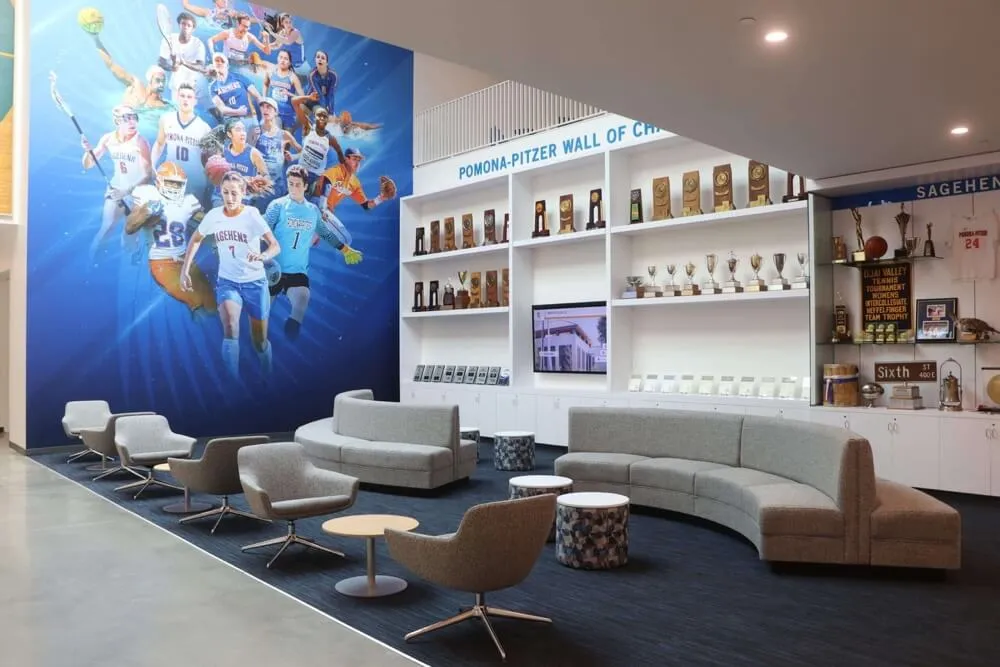
Dedicated athletic spaces create inspiring backdrops for banquet celebrations while showcasing program history and achievements
Sports Banquet Planning Timeline: When to Start and What to Prioritize
Strategic planning prevents last-minute scrambling while ensuring adequate time for critical decisions requiring stakeholder input or vendor coordination.
8-10 Weeks Before Banquet: Foundation Planning
Establish Planning Committee:
Assemble a coordinating team including athletic director or head coach providing program leadership and decision authority, booster club representatives managing fundraising and volunteer coordination, parent volunteers contributing planning support and event execution, and administrative staff handling facility logistics and communication.
Clear role assignments prevent duplicated effort while ensuring all planning aspects receive appropriate attention.
Set Date and Secure Venue:
Select banquet dates considering season conclusion timing (typically 1-2 weeks after final competitions), avoiding conflicts with other school events, proms, or holiday weekends, accommodating venue availability for preferred locations, and allowing adequate planning time without excessive delay after season ends.
Once confirmed, secure venue reservations with signed contracts specifying exact costs, cancellation policies, capacity limits, included amenities, and setup/cleanup requirements.
Determine Budget:
Calculate total available budget through athletic department allocations, booster club fundraising, ticket sales to families and attendees, sponsorship contributions from local businesses, and any additional revenue sources specific to your program.
Typical sports banquet expenses include venue rental and catering services, awards, trophies, and certificates, decorations and theme materials, printed programs or presentation materials, photography or videography documentation, and entertainment or speaker fees if applicable.
Transparent budget communication prevents misunderstandings about ticket costs or expected contributions while ensuring celebrations match financial resources.
5-7 Weeks Before Banquet: Content Development
Collect Athlete Information:
Distribute information forms requesting biographical details including full names and graduating class years, positions played and years on team, notable achievements and statistics, college athletic commitments or future plans, and any special recognition categories they’ve earned.
Establish firm submission deadlines at least 4 weeks before the banquet, allowing adequate time for award ordering and program compilation.
Finalize Award Categories:
Determine specific awards to be presented beyond basic participation recognition. Common sports banquet award categories include Most Valuable Player (MVP) recognizing overall excellence, Most Improved Player acknowledging growth and development, Coaches’ Awards for leadership, attitude, or intangibles, Offensive and Defensive Player awards for specialized excellence, Academic Achievement awards honoring scholar-athletes, and team-specific awards relevant to particular sports.
Document clear selection criteria for each award preventing perception of favoritism while ensuring recognition feels earned and meaningful. Many programs reference established team recognition award frameworks when developing comprehensive recognition categories.
Order Awards and Trophies:
Once award recipients are determined, order physical recognition items allowing adequate production and delivery time. Quality engraving and customization typically require 2-4 weeks minimum.
Award options range from traditional trophies and plaques to personalized medals and certificates, framed photos with achievement details, custom apparel like letter jackets or warmup gear, and practical items like equipment bags embroidered with athlete names.
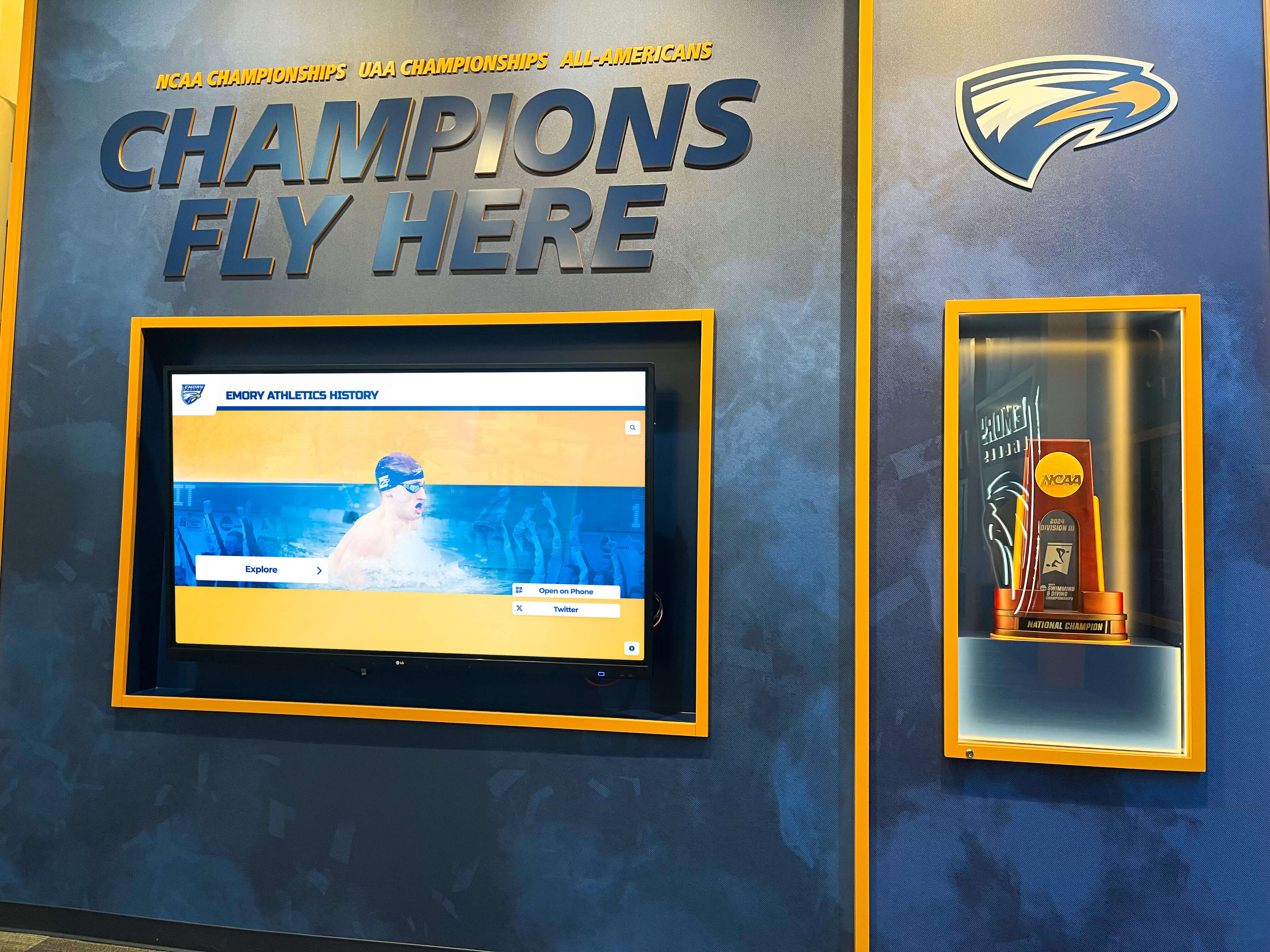
Championship recognition displays preserve team accomplishments and inspire future athletes during banquet celebrations and beyond
3-4 Weeks Before Banquet: Detailed Planning
Develop Program Structure:
Create detailed ceremony timeline including welcome and opening remarks from athletic leadership, season highlight videos or photo presentations, coach addresses reviewing season accomplishments, individual and team award presentations, senior athlete recognition segments, guest speaker presentations if included, and closing remarks with future season previews.
Script transitions between program segments ensuring smooth flow while maintaining appropriate pacing that honors athletes without testing audience patience.
Finalize Catering Details:
Confirm final headcount for catering purposes (most venues require guarantees 1-2 weeks in advance), select menu options accommodating dietary restrictions and preferences, determine service style (plated dinners, buffet service, or stationed appetizers), and review setup timeline coordinating meal service with program elements.
Quality catering significantly impacts banquet atmosphere—invest in this area when budget allows.
Design Printed Programs:
Create professional programs distributed to attendees including cover design featuring school colors and athletic branding, welcome messages from athletic director or principal, season summary highlighting key accomplishments, roster listings with graduating senior designations, award category descriptions and recipient names, coach and staff acknowledgments, sponsor recognition if applicable, and photos documenting season highlights.
Even simple programs become treasured keepsakes when thoughtfully personalized.
1-2 Weeks Before Banquet: Final Preparations
Coordinate Logistics:
Finalize all operational details including table arrangements and seating assignments, audio-visual equipment for presentations and speeches, decoration setup responsibilities and timeline, registration or check-in procedures, photography and videography coverage, and volunteer assignments for setup, registration, and cleanup.
Create written timelines and task assignments ensuring everyone understands their responsibilities.
Prepare Presentations:
Complete all program elements requiring preparation including season highlight videos or photo slideshows, coach speech outlines with specific athlete acknowledgments, award presentation scripts and recipient introductions, and any multimedia content requiring technical rehearsal.
Test all technology in actual venue settings preventing ceremony disruptions from equipment failures.
Communicate Final Details:
Send comprehensive event information to families and attendees including exact date, time, and venue location with directions, dress code expectations if applicable, ticket information or pricing, program highlights and approximate duration, and contact information for last-minute questions.
Multiple communication touchpoints (emails, social media, team communications) ensure information reaches intended audiences.
Creative Sports Banquet Themes and Decoration Ideas
Thoughtfully developed themes transform generic recognition ceremonies into cohesive celebrations reflecting team identity while creating memorable atmospheres.
Sport-Specific Theme Concepts
Championship Legacy Theme:
Celebrate current season within broader context of program history. Decorate with historical photos showing past championship teams, display record boards highlighting program achievements across decades, incorporate retired jerseys or honored athlete recognition, and feature timeline presentations showing program evolution.
This approach works particularly well for established programs with rich traditions worth showcasing.
Team Identity and Mascot Theme:
Emphasize school mascot and team colors throughout decoration, programming, and presentation materials. Use oversized mascot graphics and props, incorporate team chants or fight songs into ceremony transitions, feature school colors prominently in table settings and decorations, and create photo opportunities with mascot appearances.
Strong visual identity reinforces athletic community pride while creating Instagram-worthy moments families share.
Highlight Reel Theme:
Structure the entire banquet around season highlights presented chronologically. Screen game footage and memorable moments throughout dinner, organize program segments by season phases (preseason, conference play, playoffs), create table centerpieces featuring game photos from each competition, and incorporate athlete testimony reflecting on specific memorable games.
This narrative approach keeps audiences engaged while comprehensively reviewing season journeys.
General Athletic Excellence Themes
Olympic Ceremony Theme:
Borrow inspiration from Olympic medal presentations and international competition aesthetics. Create podium-style presentation areas for award recipients, use gold, silver, and bronze color schemes, incorporate torch or flame imagery, and develop formal presentation protocols mimicking Olympic ceremonies.
This elevated approach adds ceremonial significance to recognition moments.
Hall of Fame Induction Theme:
Frame the banquet as inducting current athletes into program legacy alongside past honorees. Create formal induction certificates for all participants, showcase existing hall of fame members if your program maintains one, and structure presentations as welcoming athletes into historical athletic community.
Schools with established recognition systems often integrate banquet celebrations with broader hall of fame induction ceremonies honoring multi-year achievements.
Awards Show Theme:
Model banquet structure after entertainment awards shows with red carpet arrivals for athletes and families, nominee announcements building anticipation before winners revealed, presenter variety with different coaches or team captains announcing categories, and professional photography creating award-show atmosphere.
This format adds entertainment value while maintaining focus on athletic recognition.
Budget-Friendly Theme Execution
Effective themes don’t require expensive production budgets. Creative execution using available resources delivers memorable results:
DIY Decoration Strategies:
Enlist parent volunteers or team members to create handmade banners and posters, print and frame enlarged game photos using school printers, repurpose athletic equipment (balls, jerseys, equipment) as decoration elements, and create balloon arrangements in team colors.
Digital Presentation Focus:
Invest planning time rather than decoration budget in compelling digital content including professionally edited highlight videos, photo slideshow presentations with music, and interactive social media displays showing real-time posts from attendees.
Quality multimedia content creates professional atmosphere without significant material costs.
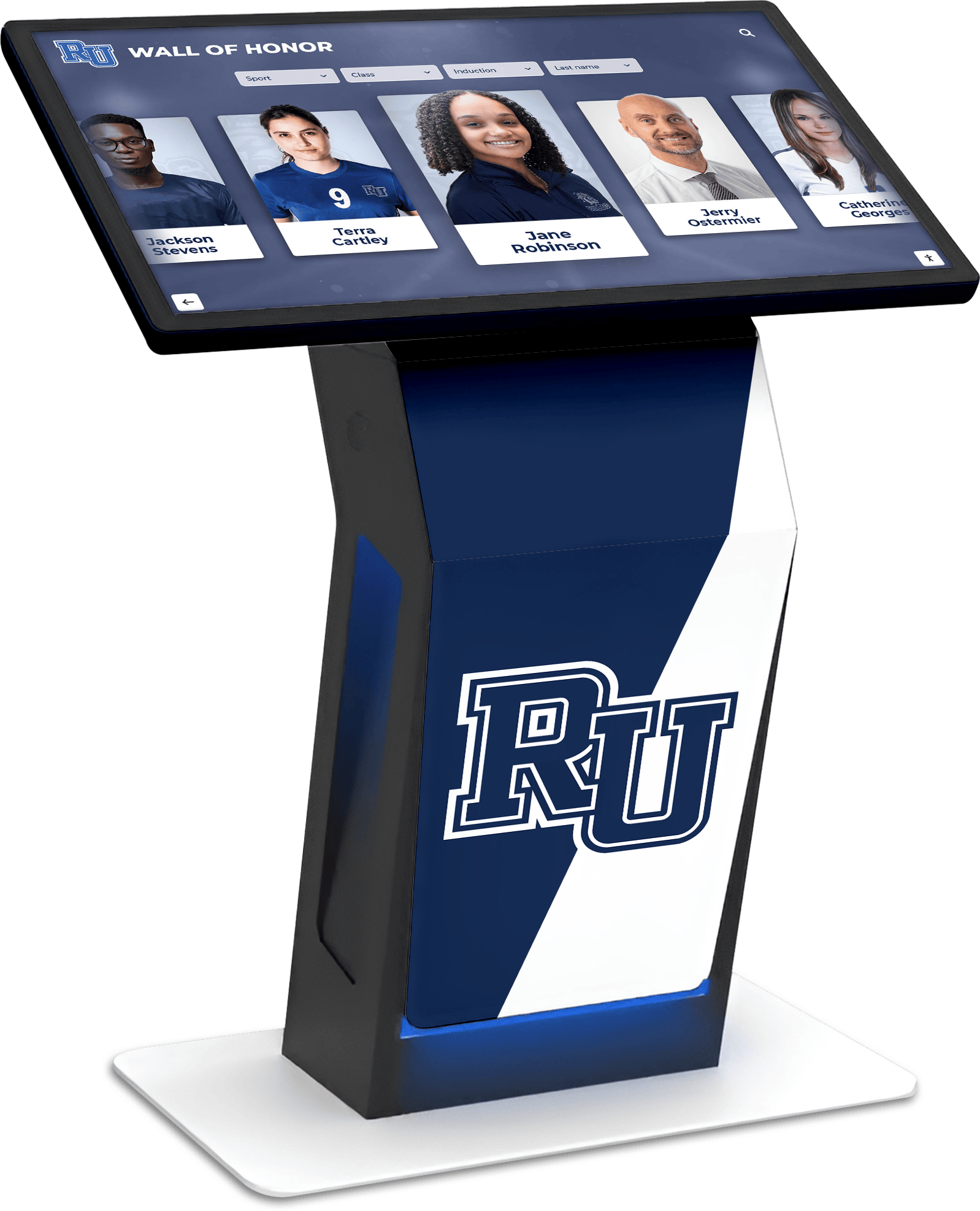
Interactive recognition systems enable comprehensive athlete profiles accessible during banquets and year-round for families and alumni
Venue Selection for Sports Banquets: Finding the Perfect Location
Venue choice significantly impacts banquet atmosphere, logistical ease, and overall cost, making location selection among the most consequential planning decisions.
School-Based Venue Options
Cafeteria or Multi-Purpose Rooms:
Many programs host banquets in school facilities offering significant advantages including minimal or zero rental costs, familiar locations for athletes and families, easy access to audio-visual equipment, flexible setup options accommodating various group sizes, and connection to school athletic identity.
Considerations include potential limitations in atmosphere compared to dedicated event venues, setup and cleanup requirements handled internally, and catering restrictions if commercial kitchens aren’t available.
Gymnasium Venues:
Some programs transform gymnasiums into banquet settings particularly effective for large athletic department celebrations. Benefits include accommodating very large groups (hundreds of attendees), showcasing athletic facilities and achievements, enabling creative decorations using athletic equipment and branding, and potential cost savings avoiding external rental fees.
Challenges include acoustics requiring quality sound systems, formal atmosphere creation requiring significant decoration effort, and seating/table rental if gymnasiums lack appropriate furniture.
Athletic Facility Clubrooms:
Schools with dedicated athletic complexes may have club rooms or hospitality areas designed for events. These specialized spaces often include built-in audio-visual capabilities, appropriate atmosphere for athletic celebration, and showcase views of competition facilities creating natural connection to athletic programs.
External Venue Considerations
Banquet Halls and Event Centers:
Professional event venues provide polished atmospheres with full-service catering, professional event coordination reducing planning burden, elegant settings requiring minimal additional decoration, and established audio-visual systems for presentations.
Higher costs represent the primary drawback, typically ranging $20-50+ per person depending on location and service level.
Restaurant Private Dining Rooms:
For smaller team celebrations, restaurant private rooms offer intimate settings with quality food service, reduced planning requirements with professional management, and varied ambiance options matching team preferences.
Capacity limitations make this option impractical for large athletic department banquets but ideal for individual team celebrations.
Community Centers and Civic Venues:
Local community centers, parks departments, or civic organizations often offer affordable rental spaces with adequate capacity for athletic celebrations, basic amenities supporting banquet functions, and community partnership opportunities strengthening athletic program relationships.
Venue Evaluation Checklist
When comparing venue options, assess these critical factors:
- Capacity: Does the space comfortably accommodate your expected attendance with appropriate seating arrangements?
- Cost: What’s the total expense including rental, catering, equipment, and any required deposits or insurance?
- Amenities: What’s included (tables, chairs, audio-visual equipment, kitchen facilities, parking)?
- Atmosphere: Does the space feel appropriate for formal athletic recognition?
- Accessibility: Can all attendees including those with mobility limitations access the venue comfortably?
- Setup/Cleanup: Who handles arrangement and breakdown, and what’s the timeline?
- Restrictions: Are there limitations on decorations, outside catering, end times, or other factors?
Comprehensive evaluation prevents selecting venues that seem ideal initially but create unexpected challenges during actual event execution.
Award Presentation Strategies and Recognition Best Practices
Award presentations represent the ceremonial heart of sports banquets, requiring thoughtful structure ensuring recognition feels meaningful, equitable, and appropriately paced.
Individual Award Categories and Selection
Performance-Based Awards:
Most Valuable Player, Offensive Player of the Year, Defensive Player of the Year, and similar achievement awards recognize on-field excellence through measurable contributions. Establish clear, objective criteria combining statistics with coaching evaluation preventing perceptions of favoritism.
Growth and Development Awards:
Most Improved Player awards honor athletes demonstrating significant skill development, work ethic, or contribution increases across seasons. These awards provide meaningful recognition for athletes who may not lead statistical categories but exemplified growth mindset and dedication.
Character and Leadership Recognition:
Coaches’ Awards, Leadership Awards, Sportsmanship Awards, and similar categories acknowledge intangible qualities like positive attitude, team-first mentality, practice dedication, and leadership by example. While more subjective than performance awards, they honor equally valuable contributions to team success.
Academic Excellence:
Scholar-Athlete Awards recognize athletes balancing competitive athletics with academic achievement, typically requiring minimum GPA thresholds (commonly 3.5+) combined with full-season participation. These awards emphasize that student comes before athlete in student-athlete designation.
Programs developing comprehensive recognition can reference established end-of-year award frameworks that span athletic and academic achievements.
Team Recognition Components
Beyond individual awards, acknowledge collective team accomplishments including championship victories at conference, regional, or state levels, program records or historical achievements, team statistical accomplishments like defensive shutouts or offensive scoring, undefeated seasons or notable winning streaks, and playoff advancement beyond typical program performance.
Team recognition reinforces that individual excellence occurs within collaborative contexts where collective effort enables individual achievement.
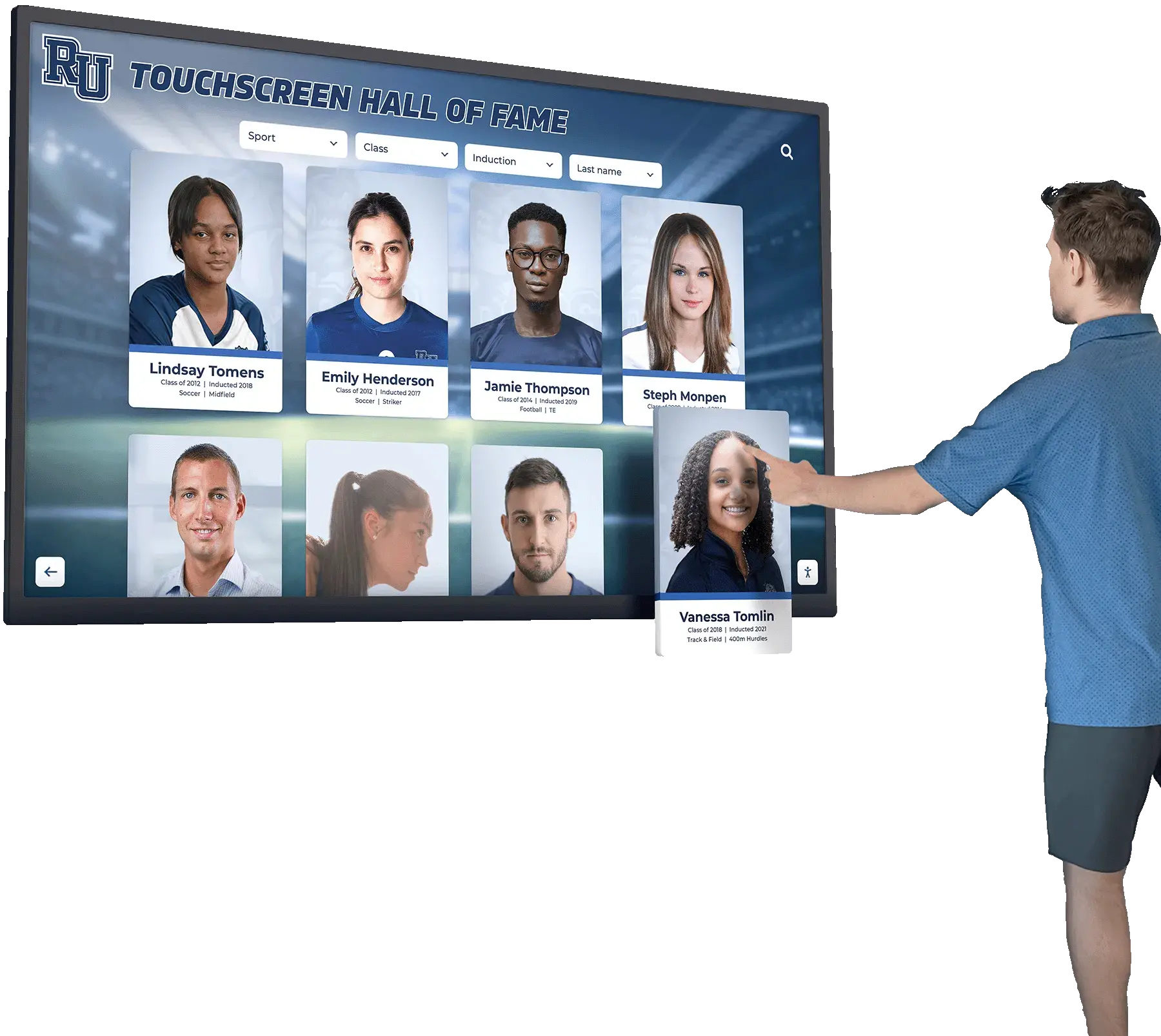
Modern digital recognition platforms showcase detailed athlete achievements accessible to banquet attendees and school communities year-round
Presentation Format and Pacing
Build Anticipation Appropriately:
For major awards, create meaningful build-up without excessive drama. Brief nominee recognition acknowledging all finalists, concise award description explaining significance and selection criteria, and formal presentation with appropriate ceremony create memorable moments without testing patience.
Vary Presenters:
Distribute presentation responsibilities among head coaches for major awards, assistant coaches for specialized recognition, team captains for peer-voted awards, athletic directors for department-wide honors, and occasionally special guests like alumni or community members for prestigious recognition.
Presenter variety maintains audience engagement while honoring different program relationships.
Include Personal Context:
When announcing award recipients, share specific examples illustrating why athletes earned recognition including memorable performances or game moments, practice dedication or improvement examples, leadership actions impacting teammates, and character demonstrations reflecting award criteria.
Specific stories resonate more powerfully than generic praise while helping audiences understand what made recipients deserving.
Ensuring Equitable Recognition
Structure awards ensuring every athlete receives meaningful acknowledgment, not just top performers. Strategies include participation certificates or letters for all team members, multiple award categories recognizing diverse contributions, position-specific or role-specific awards when appropriate, and equal presentation time regardless of award prestige.
Athletes who contributed to team success throughout seasons deserve recognition even if they didn’t earn top individual honors. Inclusive recognition approaches strengthen team culture while acknowledging that athletic programs require contributions beyond star performers.
Coach and Staff Recognition During Sports Banquets
While banquets primarily celebrate athletes, acknowledging coaching contributions and support staff dedication demonstrates comprehensive appreciation for everyone enabling athletic program success.
Head Coach Recognition
Athletic directors or booster leadership should formally recognize head coaches during banquets through acknowledgment of season accomplishments and coaching excellence, appreciation for time commitment extending far beyond game days, recognition of program development and athlete mentorship, and presentation of appreciation gifts when appropriate.
Head coaches rarely seek spotlight, but public appreciation during banquets demonstrates institutional gratitude for their leadership.
Assistant Coaches and Support Staff
Don’t overlook assistant coaches, trainers, equipment managers, and other support personnel critical to program operations. Brief acknowledgment including their names, roles, and specific contributions ensures they feel valued as essential program members.
Consider small appreciation gifts or recognition certificates for support staff demonstrating that recognition extends to everyone contributing to athletic success.
Parent and Volunteer Appreciation
Booster club leaders, parent volunteers, team parents, and other community supporters enable programs through fundraising efforts, volunteer hours, and logistical support. Dedicate banquet time to acknowledge these contributions through public thank you announcements, recognition certificates or small gifts, and specific examples of how their support impacted the season.
Parent and volunteer recognition strengthens athletic community bonds while encouraging continued engagement supporting future seasons.
Senior Athlete Recognition at Sports Banquets
Graduating seniors deserve special acknowledgment during banquets as they transition away from high school athletics, making senior recognition segments among the most emotional ceremony moments.
Individual Senior Spotlights
Biographical Presentations:
Create brief profile presentations for each senior including years of participation and positions played, notable achievements and career highlights, college athletic plans or future endeavors, and memorable moments or personality traits that made them special team members.
These spotlights can be delivered through announcer narration, video tributes, or printed program features ensuring comprehensive senior acknowledgment.
Senior Speeches:
Offer graduating athletes opportunities to address teammates, coaches, and families. Not every senior wants to speak publicly, so make this optional. Those who choose to speak typically thank coaches and parents, acknowledge teammates and friendships formed, reflect on meaningful memories and lessons learned, and express what their athletic experience meant personally.
Authentic senior voices create powerful moments that resonate emotionally with audiences.
Senior Gift Presentations
Present graduating athletes with recognition items commemorating their athletic careers including framed jerseys or team photos, personalized awards or plaques, signed team memorabilia like basketballs or equipment, and photo books or memory compilations documenting their athletic journey.
Senior gifts should feel more substantial than standard participation recognition, acknowledging the significance of completing high school athletic careers.
Permanent Senior Recognition
Beyond banquet-night acknowledgment, implement lasting recognition ensuring graduating seniors remain visible within program histories. Traditional approaches include wall plaques with senior names and years, trophy case displays, or printed record boards, but these static systems face space limitations and update challenges.
Modern digital recognition solutions transform how programs honor graduating athletes by providing unlimited capacity for comprehensive senior profiles, rich multimedia content including photos, statistics, and achievements, permanent accessibility through touchscreen displays and web platforms, and easy annual updates without physical renovation requirements.
Solutions like Rocket Alumni Solutions enable athletic programs to showcase every graduating senior with detailed profiles accessible during banquets and year-round to families, alumni, and future athletes, ensuring recognition extends far beyond single-night ceremonies.
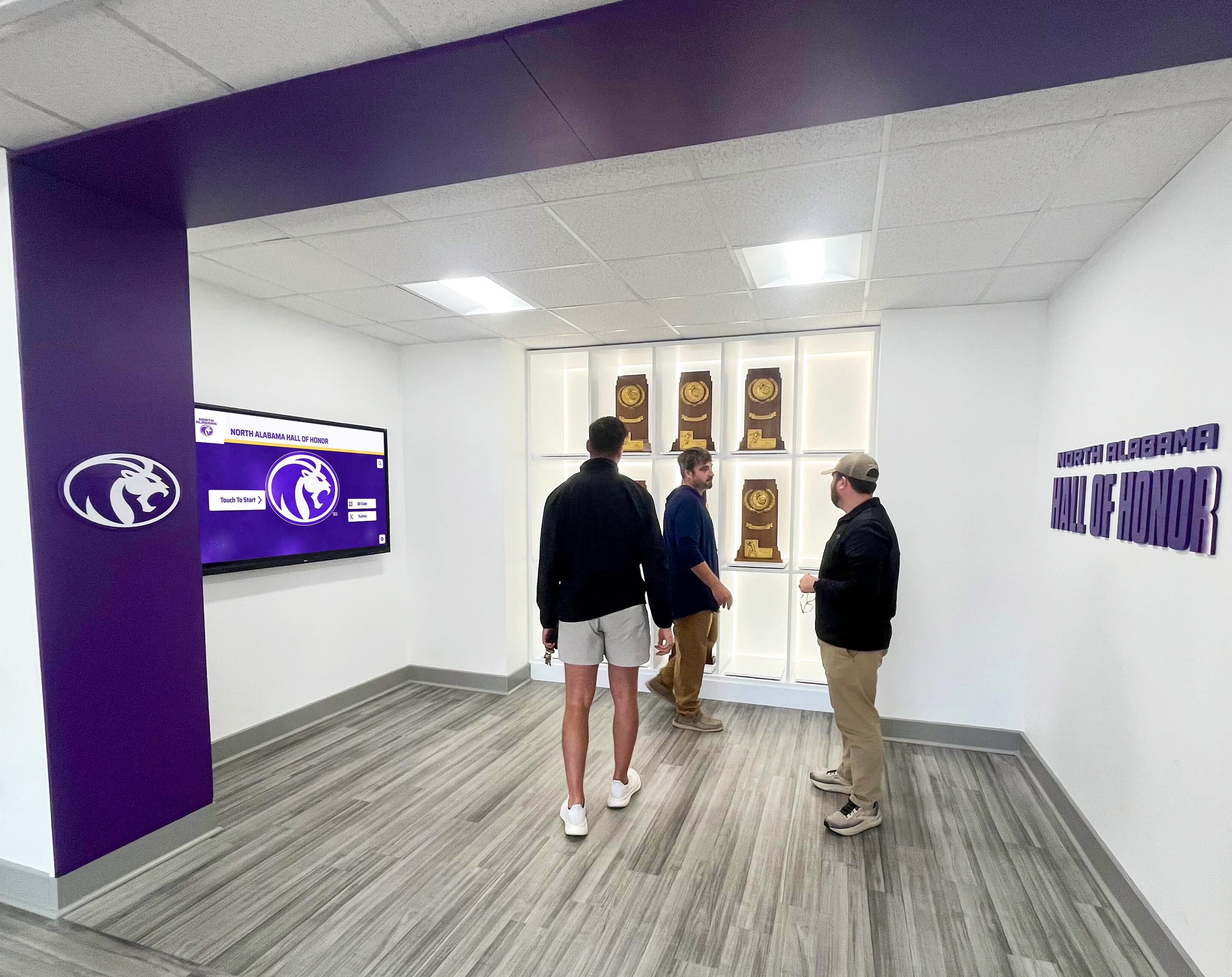
Permanent recognition displays create inspiring spaces where banquet attendees explore athletic history while current celebrations honor new achievements
Multi-Sport vs. Single-Sport Banquet Considerations
Athletic programs must decide whether to host comprehensive department-wide banquets or separate celebrations for individual sports, with each approach offering distinct advantages.
Department-Wide Multi-Sport Banquets
Advantages:
Combined celebrations demonstrate unity across athletic programs, showcase breadth of athletic offerings and participation, create larger, more formal events with enhanced atmosphere, reduce total planning burden compared to multiple separate events, and share costs across multiple teams making higher-quality venues or catering accessible.
Challenges:
Individual sports may receive less focused recognition time, ceremony length becomes difficult to manage with numerous teams, sport-specific traditions or culture may not translate to combined settings, and scheduling becomes complex coordinating multiple teams’ seasons.
Multi-sport banquets work well for fall sports celebrations, spring sports wrap-ups, or year-end athletic department recognitions honoring athletes across all programs simultaneously.
Individual Sport Team Banquets
Advantages:
Dedicated celebrations allow deep focus on specific team accomplishments, create intimate atmospheres fostering close team bonding, enable sport-specific traditions and inside recognition, provide flexibility in scheduling around individual season timelines, and allow program-specific themes and decoration approaches.
Challenges:
Multiple separate banquets increase total planning workload, may create perception of inequity if some sports receive more elaborate celebrations, fragment athletic department identity emphasizing individual sports over comprehensive programs, and potentially increase total costs without economies of scale.
Hybrid Approaches
Some programs implement hybrid models including major department-wide banquet for significant awards and senior recognition, supplemented by smaller team celebrations for sport-specific traditions, informal team dinners with personal recognition, or coach-organized gatherings for individual team bonding.
Hybrid approaches capture benefits of both comprehensive celebration and intimate team recognition while managing planning burden across the athletic calendar.
Budget Planning and Cost Management for Sports Banquets
Transparent budget planning and creative cost management enable meaningful celebrations matching available financial resources without creating unsustainable expenses.
Typical Sports Banquet Cost Categories
Venue and Catering (Usually 60-75% of Budget):
Facility rental fees if using external venues, catering charges typically $15-50+ per person depending on service level, beverage service including water, soft drinks, or other options, and service charges and gratuity (often 18-20% of catering costs).
For budget-conscious programs, school venues eliminate rental costs while potluck-style contributions or simple refreshments significantly reduce catering expenses.
Awards and Recognition (Usually 15-25% of Budget):
Trophies, plaques, and formal awards ranging $10-100+ per item depending on quality, participation certificates or recognition items for all athletes, senior gifts representing more substantial investment, and any special recognition items for coaches or supporters.
Working with local trophy shops often provides better value than online orders while supporting community businesses.
Programs, Decorations, and Materials (Usually 5-10% of Budget):
Printed programs for attendees, decoration materials aligned with theme, table centerpieces or floral arrangements, and signage, banners, or display materials.
Digital programs accessed via smartphones, DIY decorations created by volunteers, and repurposed athletic equipment reduce material costs substantially.
Additional Costs:
Professional photography or videography if hired, entertainment or guest speakers if included, audio-visual equipment rentals if needed, and any transportation or accommodation costs for special guests.
Fundraising and Revenue Strategies
Ticket Sales:
Charge per-person attendance fees typically ranging $10-30 for family members beyond athletes (who attend free), with early-bird discounts encouraging advance registration and helping finalize headcounts.
Sponsorships:
Solicit local business sponsorships in exchange for program advertising, banner display at banquet, recognition during ceremony, or table reservations for business representatives.
Booster Club Support:
Athletic booster clubs often fund significant portions of banquet costs through annual fundraising specifically designated for recognition events.
In-Kind Donations:
Request donated services or products including photography coverage from parent volunteers, catering discounts from athletic program supporters, decoration materials from local businesses, or venue donations from community organizations.
Programs seeking sustainable recognition approaches often research digital trophy case solutions that complement annual banquets with permanent year-round displays.
Creating Memorable Banquet Programs and Presentations
Printed programs and multimedia presentations provide structure for ceremonies while creating keepsakes families treasure beyond the event itself.
Essential Program Content
Cover Design:
School colors and athletic branding, sport or department identification, date and location, and relevant imagery (team photos, mascot, action shots).
Welcome and Opening Sections:
Message from athletic director or principal, coach letter to athletes and families, season overview highlighting major accomplishments, and banquet agenda outlining ceremony flow.
Team and Athlete Information:
Complete roster listings with graduating seniors designated, individual athlete profiles when space allows, statistical leaders and achievement highlights, and award category descriptions.
Recognition and Acknowledgments:
Coach and staff introductions and appreciation, volunteer and supporter recognition, sponsor acknowledgments if applicable, and booster club leadership identification.
Historical Context:
Program records and historical achievements, prior championship teams or honored athletes, upcoming season previews, and connection to broader school athletic tradition.
Multimedia Presentation Best Practices
Season Highlight Videos:
Compile 5-10 minute video presentations featuring game action and memorable moments, athlete interviews and reactions, behind-the-scenes practice footage, and emotional moments showing team chemistry.
Professional editing enhances production value, but authentic content resonates even without sophisticated production.
Photo Slideshows:
Create comprehensive visual documentation showing progression throughout season, including all athletes not just stars, candid moments revealing team personality, and family-friendly content appropriate for all ages.
Set presentations to music reflecting team identity or season theme while avoiding content that might be controversial or inappropriate.
Interactive Elements:
For programs with technical capabilities, consider live social media feeds displaying real-time attendee posts, interactive polls or trivia about season highlights, or QR codes linking to expanded content like full game footage.
Modern engagement approaches create memorable experiences particularly resonating with younger athletes accustomed to interactive digital content.
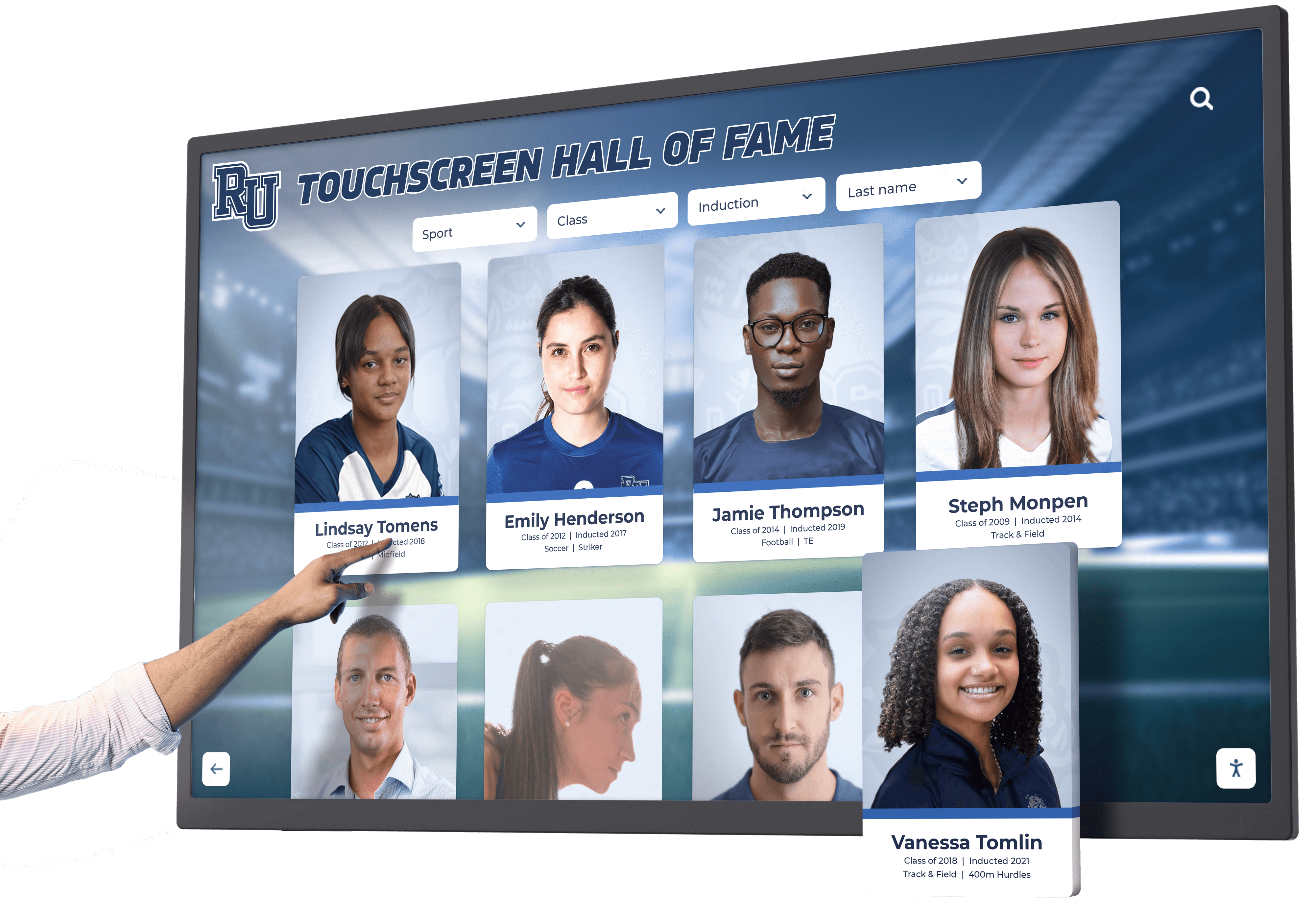
Interactive technology enables engaging banquet presentations while providing foundation for permanent recognition systems families access year-round
Post-Banquet Follow-Up and Continued Recognition
Thoughtful programs extend recognition beyond banquet night through strategic follow-up maintaining relationships with athletes and documenting celebration for those unable to attend.
Documentation and Media Sharing
Photography Distribution:
Compile professional and candid photos from the event, organize images by athlete or award category for easy family access, share through online galleries (Google Photos, Shutterfly, SmugMug), and create downloadable high-resolution versions families can print.
Social Media Highlights:
Post banquet photos and videos across school athletic social channels, tag athletes and families enabling personal sharing, create individual athlete spotlight posts highlighting award recipients, and use event hashtags creating consolidated content streams.
Video Archives:
If ceremony was recorded, edit comprehensive coverage for archival purposes, create shorter highlight compilations for broader sharing, post to school athletic websites or YouTube channels, and provide copies to senior athletes as graduation gifts.
Thank You Communications
Athlete and Family Appreciation:
Send follow-up messages thanking athletes for their season dedication and families for their support, include specific season highlights or accomplishments, and invite continued engagement with athletic programs even after seasons conclude.
Volunteer and Supporter Recognition:
Acknowledge planning committee members, parent volunteers, sponsors, and donors through personal thank-you notes or emails expressing specific appreciation for their contributions and inviting continued program involvement.
Permanent Recognition Implementation
The most impactful post-banquet follow-up involves implementing permanent recognition systems ensuring banquet-night acknowledgment extends to year-round visibility.
Traditional static displays like gymnasium wall plaques or trophy cases provide some ongoing recognition but face significant limitations including finite physical space constraining how many athletes can be honored, expensive updates requiring professional engraving and installation, static presentations offering minimal information beyond names and years, and inaccessibility beyond physical locations preventing remote viewing.
Digital recognition platforms address these limitations through unlimited athlete profile capacity, comprehensive multimedia content including statistics and achievements, cloud-based management enabling easy updates, and web and touchscreen accessibility extending recognition school-wide and beyond.
Programs implementing digital recognition solutions like Rocket Alumni Solutions transform sports banquet recognition from single-night celebrations into permanent acknowledgment inspiring current athletes while maintaining connections with alumni who’ve moved forward to college, careers, and beyond.
Special Circumstances and Inclusive Recognition Approaches
Thoughtful planning addresses diverse circumstances ensuring all athletes receive appropriate acknowledgment regardless of individual situations.
Recognizing Athletes with Varied Participation Levels
Not all team members achieve statistical excellence or earn major awards, yet everyone who committed to practices, maintained academic eligibility, and contributed to team culture deserves acknowledgment.
Inclusive Strategies:
Present participation certificates or letters to all team members, create multiple recognition categories beyond top performer awards, acknowledge specific role players who contributed in particular ways, and ensure ceremony presentation time doesn’t create hierarchies between awarded and non-awarded athletes.
Programs exploring comprehensive recognition often reference frameworks for award and recognition programs celebrating diverse contributions.
Supporting Injured Athletes
Athletes who suffered season-ending injuries deserve full recognition despite being unable to compete. Include injured athletes in all ceremony elements—team photos, recognition presentations, and acknowledgments—emphasizing that commitment and dedication matter regardless of injury circumstances preventing competition.
This inclusive approach demonstrates that athletic family extends beyond on-field contributors to include all committed team members.
Accommodating Family Circumstances
Some athletes may have non-traditional family situations, limited family attendance, or other circumstances requiring sensitive approaches. Provide flexibility in parent escort protocols allowing athletes to walk with coaches, teammates, or other significant adults, avoid assumptions about family structures in printed materials or presentations, and ensure all athletes feel equally honored regardless of how many family members attend.
Budget Constraints and Equitable Celebrations
Limited budgets shouldn’t prevent meaningful recognition. Cost-conscious approaches include potluck dinners with family contributions, school facility venues eliminating rental fees, volunteer-created decorations and programs, thoughtful coach letters as recognition gifts, and focus on authentic appreciation rather than expensive production.
The most meaningful banquet element—genuine acknowledgment of athlete dedication and achievement—costs nothing while resonating more powerfully than any purchased award or catered meal.
Integrating Sports Banquets with Broader Athletic Recognition Systems
Sports banquets represent important recognition moments, but exceptional programs implement comprehensive year-round acknowledgment systems extending celebration beyond annual ceremonies.
The Limitations of Banquet-Only Recognition
Programs relying exclusively on annual banquets for athlete recognition face several constraints including temporal concentration limiting recognition to single events, finite ceremony time preventing deep acknowledgment of all contributors, ephemeral celebration with limited lasting visibility, and disconnection from daily athletic program operations.
Year-Round Recognition Approaches
Comprehensive recognition systems supplement annual banquets with ongoing acknowledgment including lobby displays showcasing current season achievements, social media athlete spotlights throughout competitive seasons, website content documenting team and individual accomplishments, digital signage displaying live statistics and highlights, and permanent historical displays honoring program legacy.
Athletic programs developing holistic approaches often reference guides for school event planning that complement annual banquets with diverse recognition strategies.
Digital Recognition as Banquet Enhancement
Interactive digital displays in athletic facilities serve dual purposes enhancing banquet celebrations while providing permanent year-round recognition. During banquets, displays can showcase live presentations, athlete profiles, season statistics, historical context, and award recipient information, while throughout the year they maintain athlete profiles, team accomplishments, coaching histories, program records, and alumni updates.
This integrated approach ensures banquet recognition extends into permanent acknowledgment accessible to school communities, visiting opponents, prospective athletes, and alumni long after specific celebrations conclude.
Modern platforms designed specifically for athletic recognition enable athletic directors and coaches to manage comprehensive content without technical expertise, update recognition information remotely via cloud-based systems, showcase unlimited athletes without physical space constraints, and maintain professional presentation quality matching program excellence.
Schools implementing these systems find that permanent digital recognition actually enhances annual banquet significance by positioning single-night celebrations within broader narratives of program excellence and athletic tradition. When banquet award recipients see their achievements immediately added to permanent displays inspiring future athletes, recognition feels more substantial than ceremonies offering only temporary acknowledgment.
Conclusion: Creating Sports Banquets That Truly Honor Athletic Excellence
Sports banquets represent pivotal moments when athletic communities formally acknowledge the dedication, sacrifice, and achievement defining competitive athletics. For athletes who’ve invested countless hours in early morning practices, intense conditioning, competitive pressure, and balancing academics with athletics, well-planned banquets provide public recognition demonstrating that their commitment mattered, their contributions were valued, and their presence made lasting impacts on programs and teammates.
Exceptional sports banquet planning balances logistical organization with creative personalization honoring athletes meaningfully. From strategic venue selection and thoughtful award category development to engaging multimedia presentations and permanent recognition implementation, successful celebrations combine professionalism with authentic appreciation resonating emotionally with athletes, families, and broader athletic communities.
Remember that the most valuable banquet element isn’t expensive catering or elaborate decorations—it’s genuine acknowledgment of athlete dedication delivered authentically by coaches and athletic leaders who witnessed their growth firsthand. When you pair that authentic appreciation with comprehensive planning ensuring smooth logistics, inclusive recognition honoring all contributors, and permanent systems extending acknowledgment beyond single-night celebrations, you create sports banquets that athletes remember fondly for years as meaningful milestones in their athletic journeys.
Whether you’re planning your program’s first banquet or refining traditions spanning decades, thoughtful preparation ensures your celebration honors athletic excellence appropriately while strengthening community bonds that make athletic programs valuable far beyond wins and losses. Your athletes deserve recognition reflecting the significance of their commitment—and with strategic planning, you can deliver exactly that.
Transform Sports Banquet Recognition with Permanent Digital Solutions
Rocket Alumni Solutions helps athletic programs extend sports banquet celebrations beyond annual ceremonies through interactive recognition displays showcasing athlete achievements year-round. Our purpose-built platforms enable unlimited athlete profiles with statistics, photos, and accomplishments accessible to school communities, families, and alumni through touchscreen displays and web access.
Whether you're honoring graduating seniors, celebrating championship teams, or showcasing program history, our solutions ensure banquet-night recognition becomes permanent acknowledgment inspiring current athletes while maintaining connections with alumni. Discover how modern digital recognition can complement your sports banquet traditions while creating lasting visibility for athletic excellence.
Beyond annual banquet celebrations, implementing comprehensive recognition systems ensures athlete acknowledgment extends throughout athletic careers and beyond graduation. Interactive digital displays from Rocket Alumni Solutions provide the foundation for year-round celebration complementing sports banquets with permanent, accessible recognition that honors every athlete who contributes to program success. When your banquet award recipients see their achievements immediately showcased on lobby displays inspiring younger athletes, recognition carries weight extending far beyond ceremony night—creating lasting legacy celebrating athletic excellence for generations to come.































