Every athletic director, coach, and booster club president faces the same challenge: finding sports fundraiser ideas that actually generate meaningful revenue while engaging the community and building program support. Successful athletic programs require financial resources beyond school budgets—funding for equipment, uniforms, travel, facility improvements, and recognition programs that celebrate student-athlete achievements.
Yet many teams cycle through the same tired fundraising approaches year after year, experiencing declining participation, donor fatigue, and diminishing returns. Cookie dough sales that barely cover costs. Car washes that depend entirely on weather. Generic fundraising letters that get lost in the shuffle. Meanwhile, administrative burden increases, volunteer burnout sets in, and programs struggle to fund essential needs.
This comprehensive guide presents 50+ creative sports fundraiser ideas proven to work for school athletic teams at all levels. From traditional events with modern twists to innovative digital campaigns and recognition-based fundraising, you’ll discover strategies that generate real revenue, build lasting community support, and create sustainable funding models for your athletic programs.
Athletic fundraising has evolved dramatically in recent years. Today’s most successful programs combine proven traditional approaches with contemporary digital strategies, creating diverse revenue streams that reduce dependence on any single fundraising method. Whether you’re funding a single team or an entire athletic department, the right mix of fundraiser ideas can transform your program’s financial outlook.
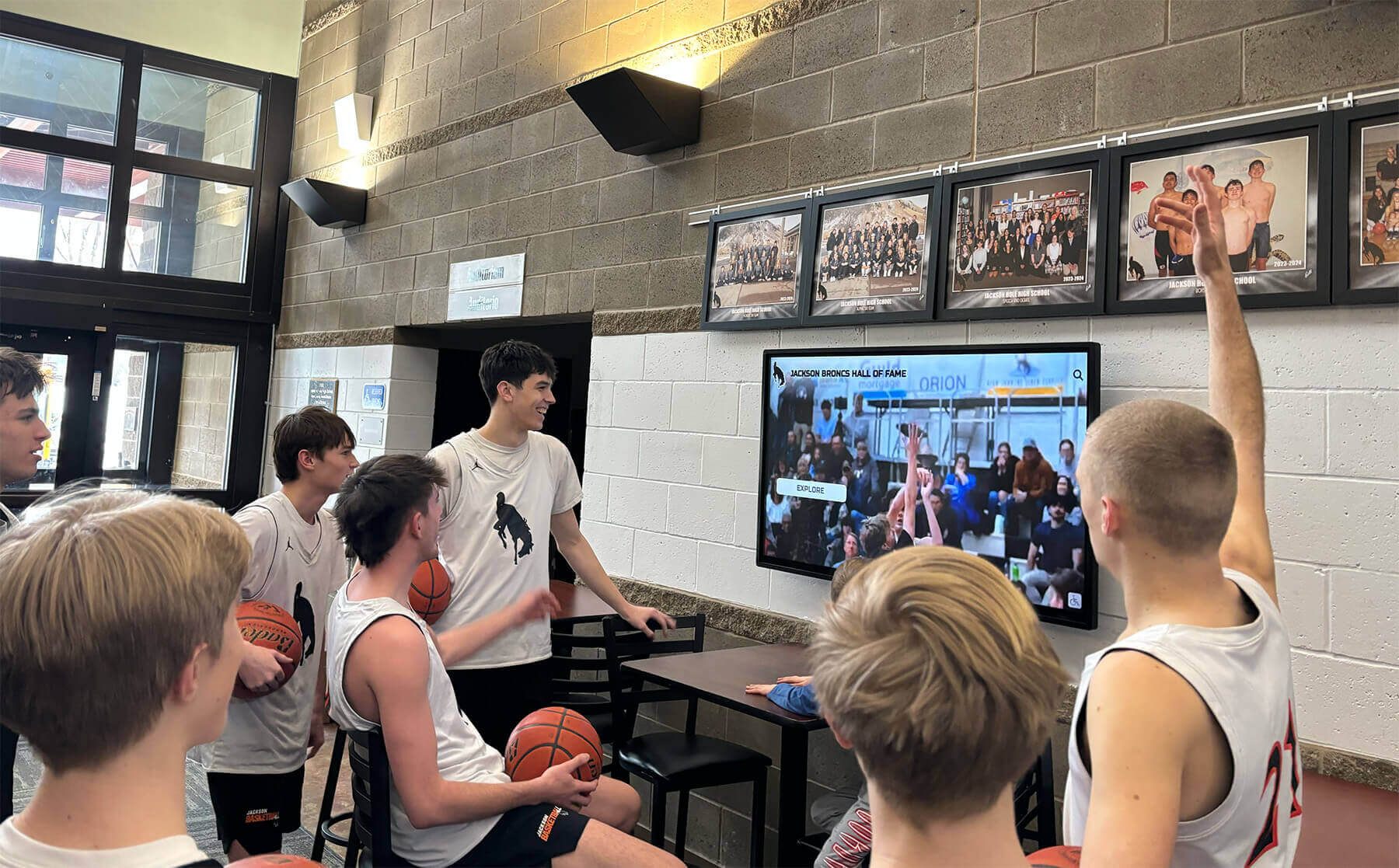
Why Traditional Sports Fundraisers Are Failing (And What Works Instead)
Before exploring specific fundraiser ideas, understanding why many traditional approaches struggle helps teams avoid common pitfalls and focus on strategies with higher success potential.
The Problem with Product Sales Fundraisers
Cookie dough, popcorn, wrapping paper, discount cards—product sales have been athletic fundraising staples for decades. Yet these approaches increasingly underperform:
Market Saturation: Communities receive solicitations from multiple teams, clubs, and organizations selling similar products throughout the year, creating donor fatigue and sales resistance.
Low Profit Margins: After product costs, administrative fees, and distribution expenses, teams typically retain only 40-50% of sales, requiring massive sales volumes to generate meaningful revenue.
Student Sales Burden: Placing fundraising responsibility on student-athletes creates pressure, equity issues (students with different social networks have vastly different sales potential), and takes time from academics and training.
Administrative Complexity: Managing orders, inventory, distribution, payments, and customer service requires significant volunteer time and creates frustration when things go wrong.
What Makes Modern Fundraisers Successful
Effective contemporary sports fundraisers share common characteristics:
Community Experience Focus: Rather than transactional product sales, successful fundraisers create experiences people want to participate in—events, competitions, recognition opportunities, or entertainment.
Higher Profit Margins: Prioritizing fundraisers where 70-90% of revenue goes directly to the team rather than product companies or administrative costs.
Volunteer Efficiency: Designing fundraisers that maximize revenue relative to volunteer time invested, respecting that parent and community volunteer capacity is limited.
Multiple Revenue Streams: Incorporating sponsorship, registration fees, add-on purchases, and donation opportunities into single events rather than relying solely on one revenue source.
Digital Integration: Leveraging technology for online registration, digital promotion, contactless payments, and virtual participation options that expand reach beyond immediate community.
Recognition and Visibility: Creating opportunities to recognize donors, sponsors, and supporters in meaningful ways that build long-term relationships rather than one-time transactions.
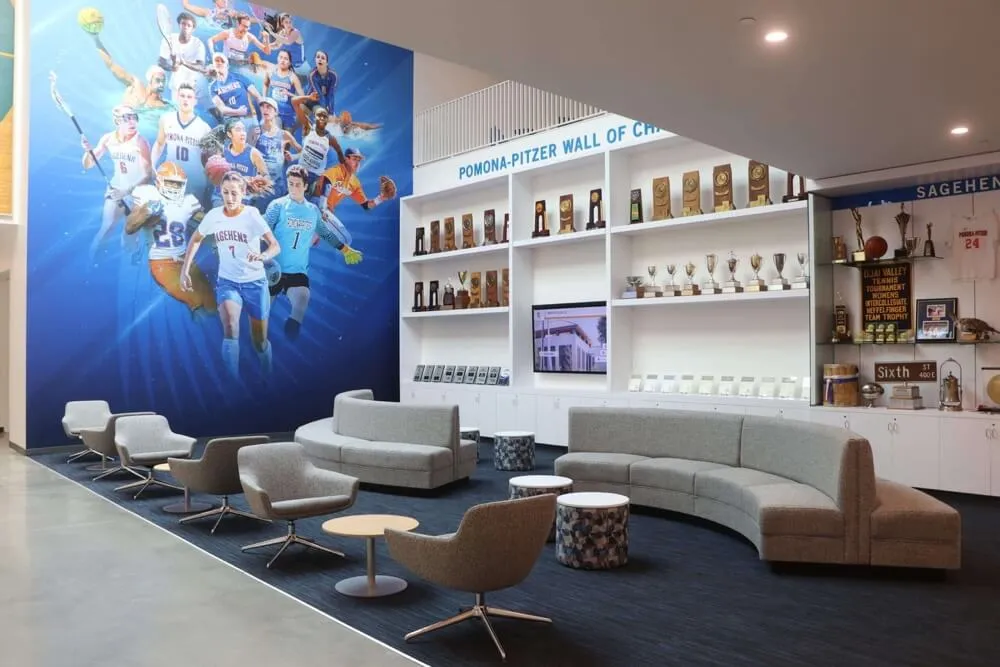
Creating visible recognition for program supporters builds lasting fundraising relationships
Event-Based Sports Fundraiser Ideas
Event fundraisers generate revenue through participation fees, sponsorships, and ancillary sales while creating community experiences that build program visibility and support.
Athletic Competitions and Tournaments
1. 3-on-3 Basketball Tournament Host outdoor or indoor 3-on-3 tournaments with divisions for different age groups. Charge team entry fees ($80-120 per team), secure sponsor support for courts/divisions, sell concessions, and create all-day family-friendly events. Successful tournaments can generate $5,000-$15,000 with proper promotion.
2. Home Run Derby or Skills Competition Organize baseball/softball skills competitions where participants pay entry fees to compete in home run hitting, throwing accuracy, or speed challenges. Include youth and adult divisions, secure sponsor prizes, and coordinate with local batting cage facilities for indoor winter versions.
3. Charity Golf Tournament Classic fundraising events that work well for athletic programs. Four-person scramble format with $400-600 team fees, individual hole sponsorships ($100-500), beverage cart sponsorships, longest drive/closest to pin contests, and silent auction. Well-executed tournaments raise $10,000-$40,000+ annually.
4. Volleyball or Spike Ball Tournament Beach volleyball or spike ball tournaments appeal to broad demographics. Host at local parks or beaches, charge team entry fees, create bracket competitions, and incorporate music, food trucks, and vendor booths for festival atmosphere.
5. 5K or Fun Run Running events consistently generate strong revenue through registration fees, sponsorships, and community participation. Plan themed runs (glow run, color run, turkey trot), include virtual participation options, and secure title sponsors. Established 5K programs can raise $15,000-$35,000 annually with proper planning and digital recognition of participants and supporters.
6. Dodgeball Tournament Youth and adult dodgeball tournaments generate enthusiasm and participation. Create leagues, host single-day tournaments, or organize special themed events (glow-in-the-dark dodgeball, costume dodgeball) that attract teams and spectators.
7. Pickleball Tournament Capitalize on pickleball’s explosive growth. Partner with local facilities, create age-grouped divisions, charge entry fees, and secure equipment sponsors. The sport’s accessibility attracts players who may not participate in other athletic fundraisers.
8. Sports Skills Clinic or Camp Host single-day or multi-day camps where your coaches and athletes teach fundamental skills to youth participants. Charge registration fees ($50-150 per participant), keep costs low by using school facilities, and build pipeline of future program participants while generating revenue.
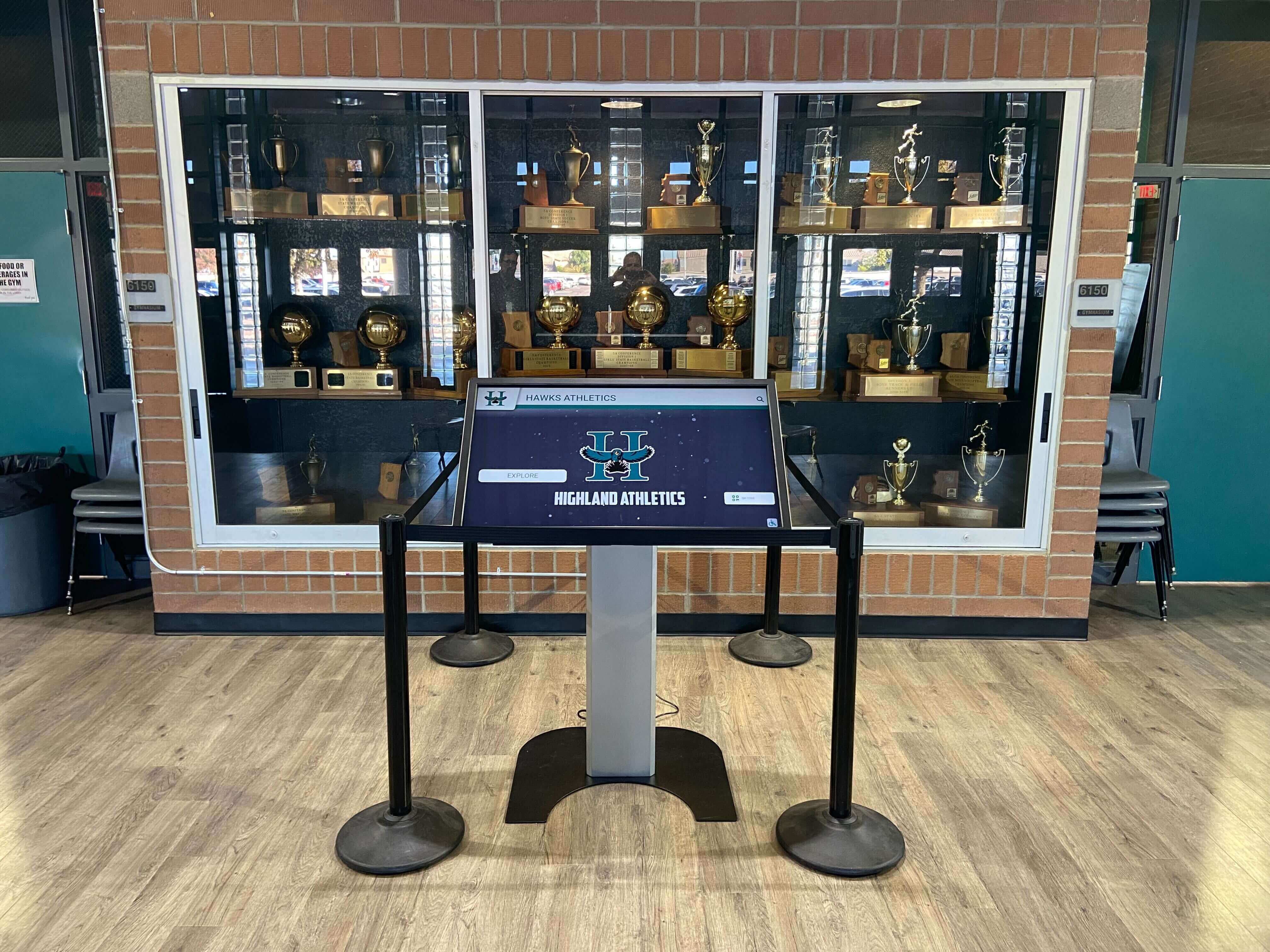
Performance and Entertainment Events
9. Athletic Showcase or Talent Show Organize evenings where athletes demonstrate skills, perform routines, or showcase talents beyond their sport. Sell tickets, secure sponsors, include silent auction or raffle, and create family entertainment that highlights student-athletes in new ways.
10. Athletic Department Lip Sync Battle Teams compete in choreographed lip sync performances judged by community members. Sell tickets, stream online with donation links, create voting opportunities with small fees, and generate social media content that extends fundraising reach.
11. Sports Trivia Night Host trivia competitions focused on sports history, school athletic achievements, or general knowledge. Teams pay entry fees, compete for prizes donated by sponsors, purchase food and beverages, and enjoy social evening supporting athletics.
12. Watch Party for Major Sporting Events Organize watch parties for Super Bowl, March Madness, Olympics, or other major events. Sell tickets, coordinate food and beverage sales, run halftime contests, include silent auction items, and create community gathering that generates funds while building program connections.
Traditional Events with Modern Twists
13. Reverse Raffle Sell limited number of raffle tickets (200-500) at higher price points ($50-100 each). Draw tickets throughout event, eliminating entries until final ticket wins grand prize. Limited tickets create urgency, higher prices increase revenue, and elimination process creates sustained engagement throughout event.
14. Pasta Dinner or Team Banquet Classic fundraising dinners remain effective when executed well. Charge per-person fees, secure food donations or sponsorships to minimize costs, include silent auction and raffle, feature speaker or program recognition, and create community gathering that celebrates athletics while generating funds.
15. Pancake Breakfast Host weekend breakfast events where team members serve community. Partner with restaurants for ingredient donations, sell tickets in advance and at door, include photo opportunities with mascot or athletes, and create family-friendly mornings that build goodwill and raise funds.
16. Car Wash with Value-Adds Traditional car washes generate modest funds, but adding value increases revenue. Offer detail services at premium prices, presell wash packages as fundraiser donations, coordinate multiple teams for community-wide wash day, and include entertainment or food to create event atmosphere.
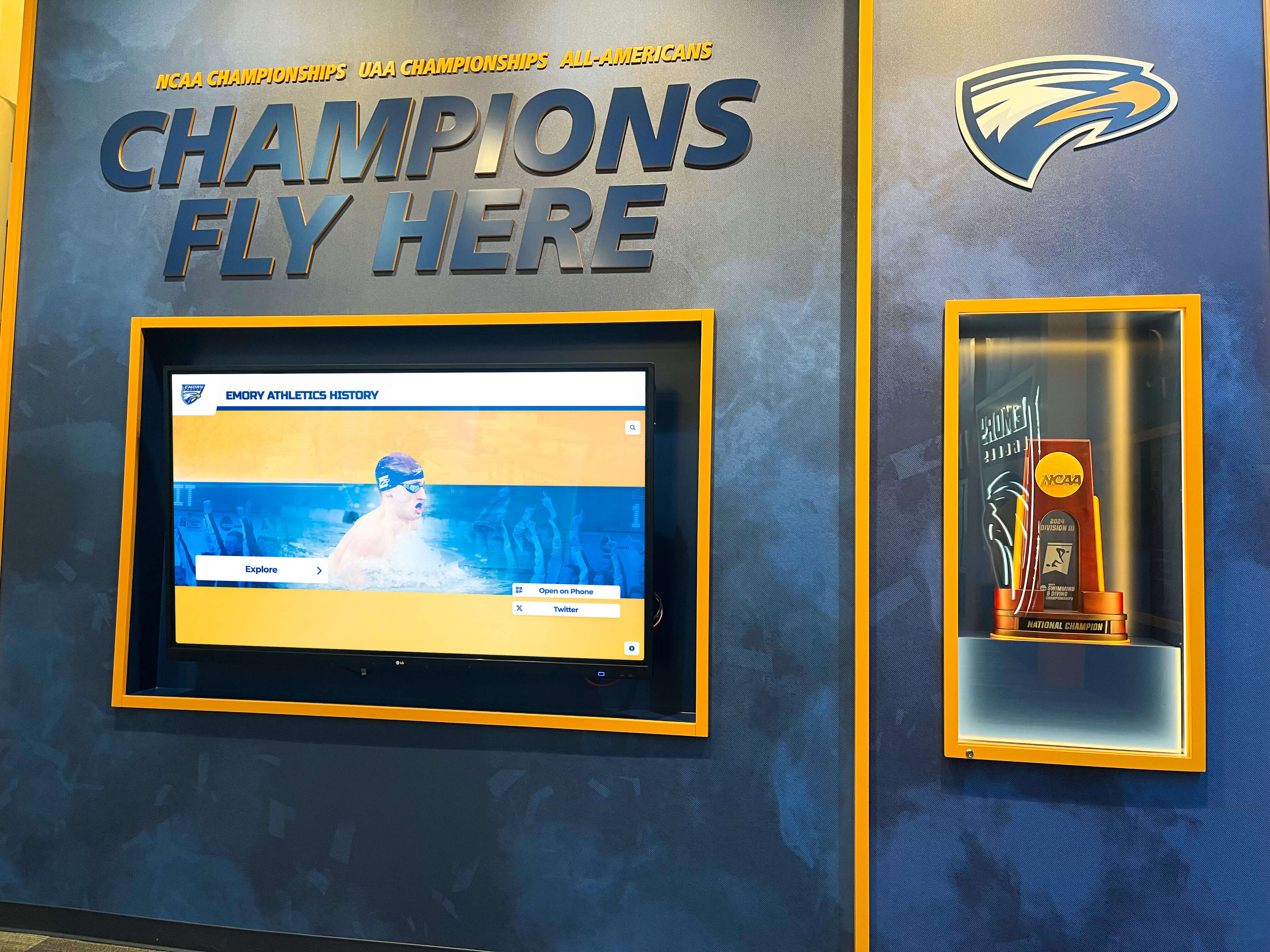
Showcasing athletic achievements inspires community support and donor pride in program success
Digital and Online Sports Fundraiser Ideas
Technology enables fundraising approaches that reach broader audiences, reduce administrative burden, and create efficient revenue generation with lower volunteer requirements.
Crowdfunding and Peer-to-Peer Campaigns
17. Team Crowdfunding Campaign Create dedicated crowdfunding pages for specific team needs (new equipment, travel expenses, facility improvements). Set clear goals, share compelling stories about student-athletes, provide regular updates, and leverage social media to extend reach beyond immediate community.
18. Athlete Profile Fundraising Pages Enable individual athletes to create personal fundraising pages where family, friends, and supporters can contribute to team needs. Gamify with friendly competition, recognize top fundraisers, and empower student-athletes to participate in revenue generation.
19. Season Ticket or Reserved Seating Campaigns Sell season passes or reserved seating for athletic events through online platforms. Offer tiered pricing with benefits at higher levels, include recognition for supporters, and create recurring revenue while building consistent fan attendance.
20. Virtual 5K or Athletic Challenge Expand traditional race fundraisers with virtual participation options. Participants register, complete distance on their own schedule, submit results through apps, receive race materials via mail, and contribute regardless of geographic location.
Digital Recognition and Donor Walls
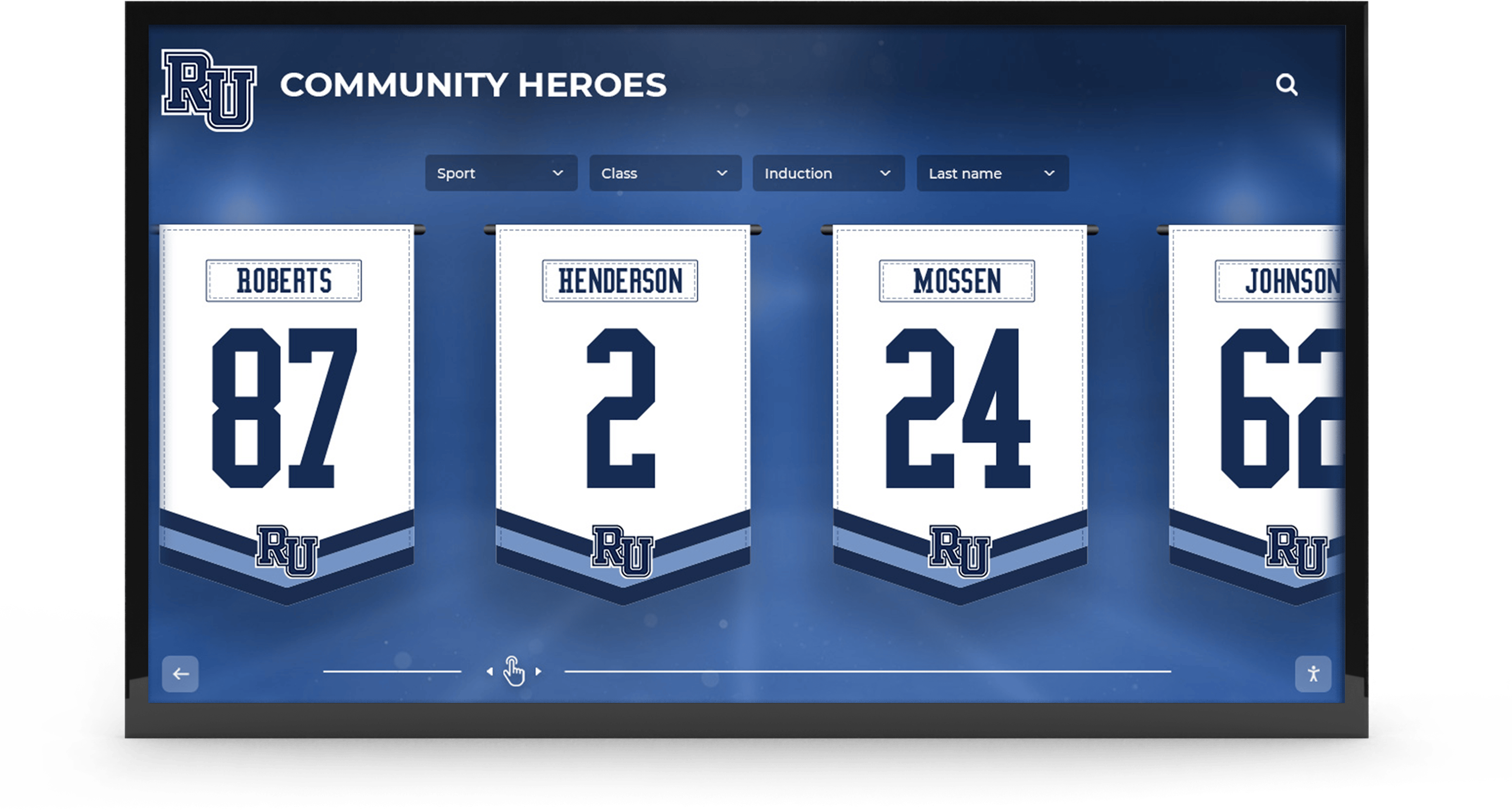
21. Digital Donor Recognition Wall Partner with digital recognition platforms to create interactive donor walls displayed in athletic facilities. Donors contributing at various levels receive permanent recognition visible to community members year-round. Digital donor wall solutions create lasting recognition that encourages sustained giving and builds donor pride.
22. Sponsor an Athlete Program Create digital profiles for each athlete including photos, achievements, and goals. Community members “sponsor” individual athletes with donations, receive updates throughout season, and see their support recognized on digital displays in school facilities.
23. Memorial or Tribute Recognition Offer opportunities for families to create digital memorial tributes for loved ones displayed in athletic facilities. These meaningful recognitions generate significant donations while honoring community members and connecting athletic programs to broader institutional legacy.
24. Senior Athlete Recognition Campaign Coordinate fundraising campaigns around senior athlete recognition, where families and community members contribute to honor graduating athletes. Display senior profiles digitally, include in graduation ceremony planning, and create lasting program legacy.
Social Media and Streaming Fundraisers
25. Live-Streamed Games with Donation Links Stream athletic contests online with integrated donation prompts. Families unable to attend in person watch remotely while contributing, sponsors receive on-stream recognition, and geographic reach extends far beyond local community.
26. Social Media Challenge Campaign Create athletic challenges that participants complete, video, and share on social media with fundraising links. Challenges go viral, extend program visibility, attract diverse participants, and generate donations from expanded audiences.
27. Instagram or TikTok Fundraiser Features Leverage platform-integrated fundraising tools on Instagram and TikTok. Share compelling athlete stories, demonstrate program needs, celebrate achievements, and make donating seamlessly integrated with social media engagement.
28. Virtual Auction or Silent Auction Host online auctions with items donated by local businesses, autographed memorabilia, experiences (dinner with coach, VIP game experience), or services. Digital platforms extend bidding period, reach broader audiences, and reduce event coordination complexity.
Sponsorship-Based Fundraiser Ideas
Corporate and business sponsorships provide substantial revenue with lower administrative requirements than product sales or large events.
Traditional Sponsorship Opportunities
29. Team or Season Sponsorships Offer businesses opportunities to sponsor entire teams or seasons. Sponsors receive recognition on uniforms, banners, programs, websites, and social media. Tiered sponsorship levels ($500, $1,000, $2,500, $5,000+) provide options for businesses of all sizes.
30. Field or Facility Naming Rights Larger sponsorship opportunities where businesses receive naming rights for fields, gyms, press boxes, or specific facility features. Multi-year agreements generate substantial revenue ($10,000-$100,000+ depending on community size) while providing long-term funding stability.
31. Scoreboard or Signage Sponsorships Sell advertising space on scoreboards, outfield fences, court-side signage, or facility banners. Annual or multi-year agreements create recurring revenue, local businesses receive ongoing visibility, and teams generate funds without ongoing events or product sales.
32. Game or Event Sponsorships Enable businesses to sponsor specific games or events as title sponsors. “ABC Company Basketball Classic” or “Local Credit Union Senior Night” provides sponsor recognition throughout event promotion, on-site signage, and program materials.
33. Program or Roster Sponsorships Sell advertising in athletic programs, roster cards, or schedule posters distributed throughout community. Local businesses reach families and supporters while teams generate revenue from printed materials already being produced.
Digital Sponsorship Integration
34. Website and Social Media Sponsorships Offer digital advertising on team websites, social media channels, and email communications. Digital placements cost sponsors nothing in production but provide valuable reach, while teams generate revenue from assets they already manage.
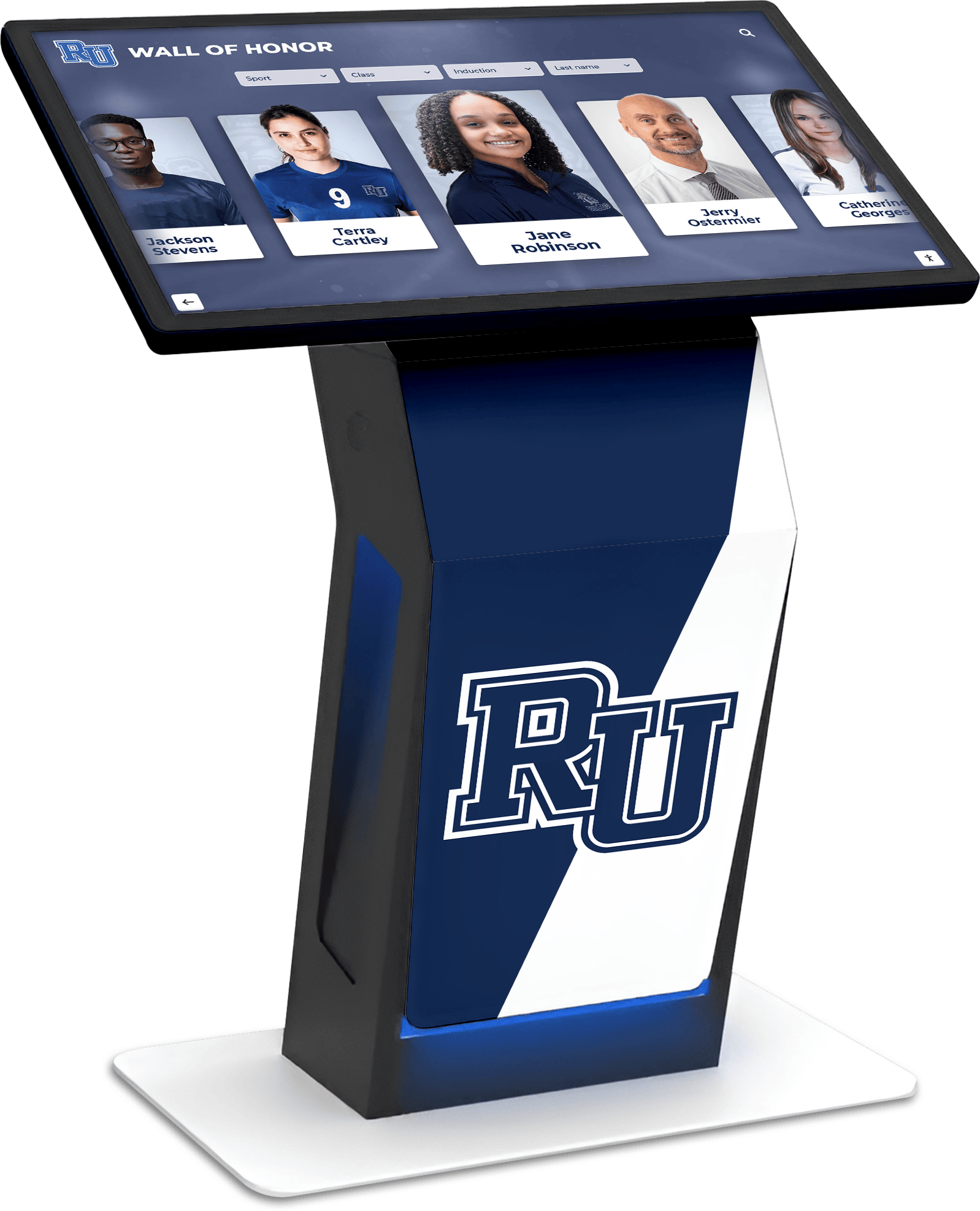
35. Digital Display Sponsor Recognition Athletic facilities using interactive touchscreen displays can feature rotating sponsor recognition screens. Sponsors receive year-round visibility in high-traffic areas, and digital systems accommodate unlimited sponsors without physical space constraints.
36. Email Newsletter Sponsorships If your program sends regular email updates to families and supporters, sell sponsorship placements in newsletters. Cost sponsors nothing but provides valuable touchpoints with engaged audience.
Modern digital recognition systems provide year-round sponsor visibility in athletic facilities
Creative and Unique Fundraiser Ideas
Beyond traditional events and sponsorships, innovative fundraising approaches can generate revenue while creating memorable experiences that differentiate your program.
Participation and Experience Fundraisers
37. Coach for a Day Experience Auction opportunity for winner to coach team during practice session or non-league game. Unique experience appeals to passionate supporters, generates significant bid competition, and creates memorable interactions between community and program.
38. Athlete for a Day Package Sell experiences where youth participants spend day with team—attend practice, eat team meals, sit on bench during game. Families pay premium for unique access, young athletes create lasting memories, and programs generate funds while building future participant pipeline.
39. Skills Session with Star Athletes Organize private or small-group training sessions with top program athletes or alumni. Families pay for exclusive coaching, athletes develop leadership skills, and programs generate revenue while creating mentorship connections.
40. VIP Game Day Experiences Create premium game day packages including reserved parking, sideline access, pre-game meal, post-game meet-and-greet with coaches and athletes, or press box viewing. Sell limited packages at premium prices for marquee games.
41. Jersey or Equipment Auctions Auction game-worn jerseys, signed equipment, or retired uniforms. Alumni and supporters value authentic memorabilia, items cost program nothing, and auctions can occur online or at special events throughout season.
Giving Days and Campaign Fundraisers
42. Homecoming Giving Day Coordinate 24-hour giving campaigns during homecoming when school spirit and alumni engagement peak. Set hourly challenges, recognize donors publicly, provide matching gift opportunities, and leverage concentrated timeframe to generate urgency and excitement.
43. Senior Night Fundraiser Transform senior recognition night into fundraising opportunity. Honor senior athletes and their families, sell program ads where families purchase recognition space, collect donations, and create meaningful event that generates revenue while celebrating student-athletes.
44. Championship Chase Campaign When teams advance to playoffs or championships, coordinate special fundraising campaigns supporting tournament travel and expenses. Community rallies around success, urgency drives donations, and programs fund unexpected championship costs.
45. Milestone Recognition Campaigns Celebrate program milestones—100th season, 500th win, facility anniversaries—with fundraising campaigns. Historical significance resonates with alumni and long-time supporters, milestone timing creates natural fundraising opportunities, and campaigns fund commemorative recognition or facility improvements.
46. Legacy Brick or Tile Campaign Sell engraved bricks or tiles installed in athletic facility walkways, entrance plazas, or recognition walls. Permanent recognition appeals to donors at multiple levels ($100-500), installation is one-time project, and programs generate funds while creating lasting community connection.
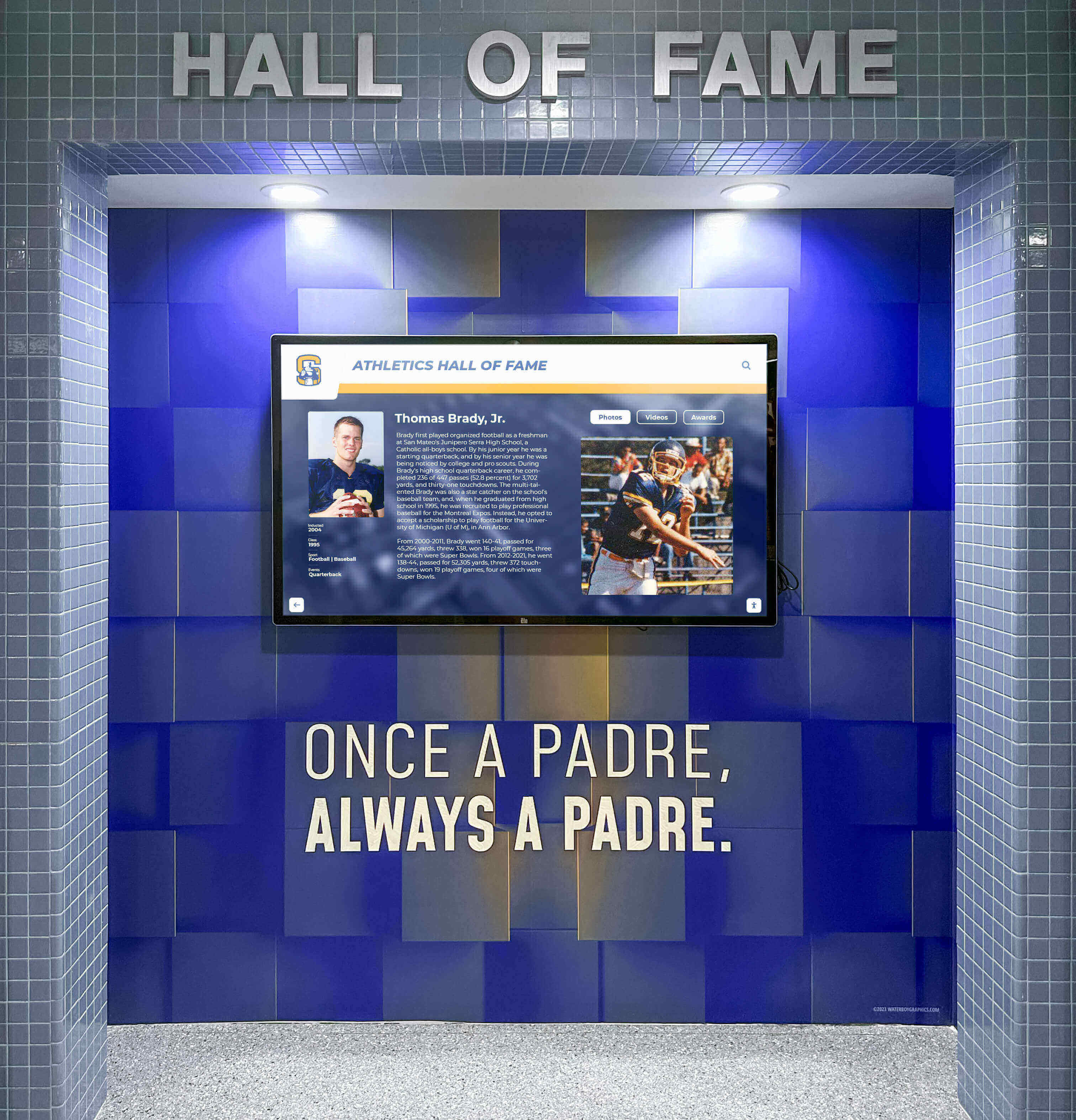
47. Hall of Fame Induction Fundraiser Coordinate athletic hall of fame inductions with fundraising events. Sell tickets to induction ceremony and dinner, honor inductees with digital hall of fame displays, and create annual tradition that recognizes history while funding current programs.
School and Community Partnership Fundraisers
48. Restaurant or Business Partner Nights Partner with restaurants or businesses that donate percentage of sales during designated times. Low administrative burden for teams, businesses appreciate customer traffic, and events can recur monthly creating ongoing revenue stream.
49. Discount Card Sales Create discount cards featuring deals from local businesses (restaurants, services, retail). Sell cards for $10-20, businesses receive advertising and customer traffic, card holders receive value exceeding purchase price, and teams generate funds with minimal ongoing effort.
50. Community Yard Sale or Swap Meet Host large-scale yard sales where community members rent booth space to sell items. Teams collect booth fees, require minimal investment, provide family activity, and create revenue without inventory management.
51. Athletic Department Raffle Sell raffle tickets year-round for monthly or quarterly drawings. Consistent ticket sales create recurring revenue, regular drawings maintain interest, and raffle becomes automatic contribution method for consistent supporters.
52. Athletic Booster Club Memberships Create tiered booster club membership structure with benefits at each level—priority seating, exclusive events, recognition, merchandise. Annual memberships generate predictable revenue, build donor relationships, and create community of invested supporters.
Building Sustainable Fundraising Programs
One-time successful fundraisers help address immediate needs, but sustainable athletic funding requires strategic long-term approaches.
Creating Multi-Year Fundraising Calendars
Rather than scrambling for fundraising ideas each season, successful programs develop annual fundraising calendars that balance effort, maximize participation, and create predictable revenue:
Diversify Approaches: Combine 2-3 major events annually with ongoing sponsorships, membership programs, and smaller fundraisers to create multiple revenue streams.
Space Events Strategically: Distribute fundraisers throughout year avoiding community saturation, capitalizing on seasonal opportunities, and respecting volunteer capacity limits.
Build Traditions: Repeating successful fundraisers annually creates community expectations, reduces planning burden, and builds participation over time as events become established traditions.
Evaluate and Adjust: Track revenue, expenses, volunteer hours, and participant feedback for each fundraiser. Discontinue underperforming approaches, expand successful ones, and continuously optimize your fundraising mix.
Leveraging Digital Recognition for Donor Retention
The most critical factor in fundraising sustainability isn’t finding new donors—it’s retaining existing supporters. Donor retention dramatically reduces fundraising costs and creates stable funding foundation.
Digital recognition systems transform donor retention by providing year-round visibility for contributions rather than momentary acknowledgment. When donors see their support recognized prominently in athletic facilities through interactive displays, they develop stronger program connections and higher likelihood of continued giving.
Rocket Alumni Solutions offers touchscreen display systems specifically designed for athletic program recognition. These systems enable schools to:
- Showcase donor recognition walls with unlimited capacity for supporters at all giving levels
- Display sponsor logos and information prominently in athletic facilities year-round
- Feature athlete profiles and achievements that inspire community support
- Create interactive hall of fame displays honoring program history and tradition
- Highlight fundraising campaign progress and impact in real-time
Athletic directors using comprehensive digital recognition report 60-75% donor retention rates compared to 35-50% retention without systematic recognition—dramatically impacting long-term fundraising sustainability.
Measuring Fundraising Success
Effective fundraising programs measure results beyond total dollars raised:
Net Revenue: Calculate actual funds available to program after all expenses, providing true picture of fundraising effectiveness.
Return on Volunteer Time: Divide net revenue by volunteer hours invested, identifying which fundraisers generate best results relative to effort required.
Donor Retention Rate: Track percentage of donors who contribute in consecutive years, with retention being critical indicator of relationship strength and long-term sustainability.
Community Engagement: Measure participation growth, social media reach, event attendance, and community awareness—important even when not directly tied to immediate revenue.
Program Impact: Document how fundraising dollars translate to program improvements, student opportunities, and achievement outcomes that justify continued community investment.
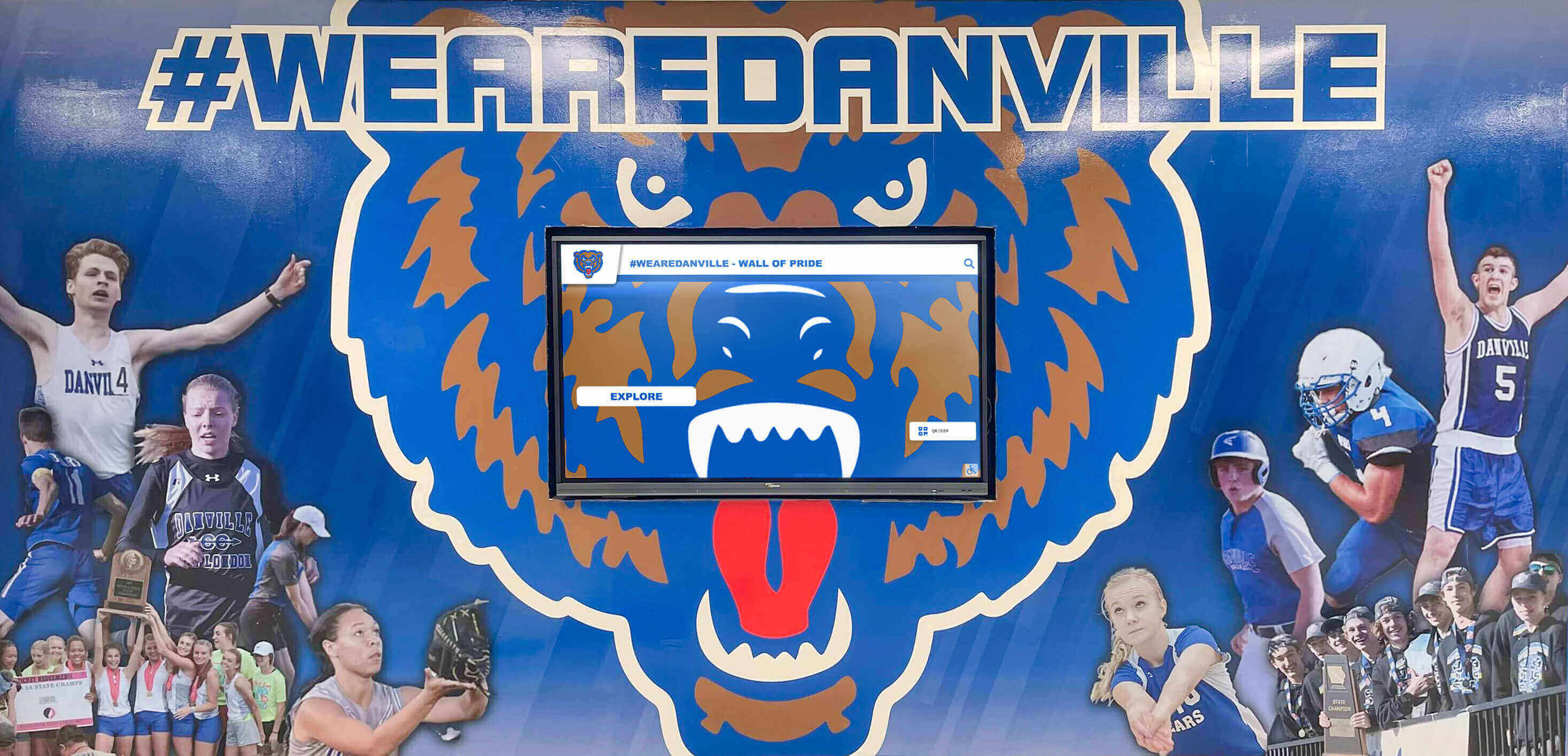
Combining traditional recognition with modern digital displays creates powerful fundraising and community engagement
Avoiding Common Fundraising Mistakes
Even well-intentioned athletic fundraising efforts fail when teams make predictable mistakes:
Fundraising Fatigue
Overloading community with too many fundraising requests in short timeframes creates resistance and declining participation. Limit major fundraising asks to 2-3 annually, space appropriately, and ensure each request offers clear value proposition.
Poor Communication
Families and supporters need to understand how funds will be used, what impact their contributions make, and appreciation for their support. Communicate fundraising goals clearly, provide regular updates about campaign progress, share impact stories demonstrating contribution value, and thank donors meaningfully and publicly.
Ignoring Equity Concerns
Fundraisers placing unequal burden on students create participation barriers and equity issues. Avoid sales-based fundraising that advantages students from well-connected families, ensure all students can participate in team activities regardless of family fundraising capacity, and consider need-based assistance funded through fundraising to expand access.
Volunteer Burnout
Successful fundraising requires volunteer support, but unrealistic expectations cause burnout and limit program sustainability. Respect volunteer time by choosing efficient fundraisers, distribute responsibilities across multiple people rather than depending on few individuals, express genuine appreciation for volunteer contributions, and plan reasonable fundraising calendars that don’t overwhelm supporters.
Lack of Sponsor Recognition
Businesses sponsor athletic programs expecting community visibility and recognition. Failing to deliver promised recognition damages relationships and reduces renewal likelihood. Deliver all promised sponsor benefits promptly and professionally, provide year-round recognition through digital displays and signage, communicate impact and express appreciation throughout sponsorship period, and prioritize retention of existing sponsors over constant new sponsor recruitment.
Implementing Your Sports Fundraising Strategy
Armed with diverse fundraiser ideas, implementation becomes critical to success.
Start with Strategic Planning
Assess Current Situation: Review past fundraising results, identify what worked and what didn’t, understand available volunteer capacity, and clarify specific funding needs.
Set Clear Goals: Define revenue targets based on program needs, establish timeline for fundraising activities, identify success metrics beyond just dollars raised, and ensure goals are realistic and achievable.
Choose Appropriate Fundraisers: Select 2-3 primary fundraisers matching your community, volunteer capacity, and revenue needs. Add 1-2 ongoing smaller fundraisers creating consistent revenue. Ensure diverse approaches reducing dependence on single funding source.
Build Implementation Timeline: Create detailed timeline for each fundraiser including planning milestones, promotional activities, volunteer recruitment needs, and execution details. Build in adequate lead time for major events.
Engage Key Stakeholders
Successful fundraising requires buy-in and participation from multiple groups:
Athletic Department Leadership: Ensure coaches, athletic directors, and school administrators support fundraising approach and understand their roles.
Booster Club Officers: Engage booster leadership in planning, leverage their experience and community connections, and clarify organizational responsibilities.
Parent Volunteers: Recruit reliable volunteer core early in planning process, clearly communicate expectations and time commitments, and recognize volunteer contributions prominently.
Student-Athletes: Help athletes understand how fundraising supports their programs, engage appropriate student leadership in planning and promotion, and celebrate student involvement in successful campaigns.
Community Partners: Build relationships with potential sponsors and business partners, clearly communicate mutual benefits of partnership, and deliver exceptional value to ensure continued support.
Execute with Excellence
Quality execution determines fundraising success:
Professional Promotion: Create compelling promotional materials, leverage multiple communication channels (email, social media, website, posters), start promotion early providing adequate awareness time, and maintain consistent messaging emphasizing value and impact.
Seamless Logistics: Plan all operational details thoroughly, secure necessary permits and permissions, coordinate volunteer assignments clearly, prepare backup plans for potential issues, and ensure all participants have positive experiences.
Recognize and Thank: Acknowledge sponsors and donors publicly and promptly, thank volunteers genuinely and specifically, celebrate fundraising success with entire community, and provide transparent reporting about fund usage and impact.
Learn and Improve: Conduct post-event review with key stakeholders, document what worked well and what needs improvement, gather participant feedback through surveys, and apply lessons learned to future fundraising efforts.
Conclusion: Building Athletic Excellence Through Strategic Fundraising
Creative sports fundraiser ideas provide the financial resources that transform good athletic programs into great ones. But sustainable success requires more than just one-time events—it demands strategic planning, diverse revenue streams, genuine community engagement, and consistent recognition of the supporters who make athletic excellence possible.
The 50+ fundraiser ideas presented in this guide offer starting points for teams at all levels. Some will work brilliantly in your community while others may not fit your circumstances. The key is thoughtful selection of approaches matching your specific needs, volunteer capacity, and community characteristics, combined with excellent execution and genuine appreciation for those who support your programs.
Modern athletic fundraising increasingly leverages digital technology to extend reach, improve efficiency, and enhance donor recognition. Programs investing in digital recognition systems for athletic achievements and donor visibility consistently report stronger community support, higher donor retention, and more sustainable funding over time.
Whether funding a single team or entire athletic department, remember that fundraising success ultimately depends on relationships—between your program and community supporters who believe in the value of athletic participation, the character development sports provide, and the joy of watching student-athletes pursue excellence. Every fundraiser represents an opportunity not just to generate revenue, but to strengthen these relationships and build the community connections that sustain programs through changing circumstances.
Start by selecting 2-3 fundraiser ideas from this guide that resonate with your program’s needs and community. Plan thoroughly, execute professionally, recognize supporters genuinely, and measure results honestly. Your student-athletes deserve programs with the resources necessary for success, and your community deserves opportunities to support the athletic experiences that enrich young lives.
Athletic excellence requires financial investment, but the right fundraising approaches make that investment sustainable, manageable, and deeply connected to the communities where programs thrive. Build your fundraising strategy thoughtfully, implement it consistently, and watch your athletic programs flourish through the generous support of communities that believe in the power of sports to transform student lives.
Ready to enhance your athletic fundraising through year-round digital recognition of donors, sponsors, and program achievements? Rocket Alumni Solutions offers interactive touchscreen displays that transform how schools recognize athletic supporters and celebrate program success. Discover how modern digital recognition strengthens fundraising sustainability and builds lasting community connections with our team today.































