As winter sports conclude and spring athletic seasons reach their peak, schools face the important task of celebrating the achievements of track and field athletes, baseball and softball teams, tennis competitors, lacrosse players, and other spring sport participants. Spring sports recognition programs create opportunities to honor athletic excellence, acknowledge improvement and dedication, celebrate team accomplishments, and inspire future participants—yet many schools struggle to provide spring athletes with recognition comparable to what fall and winter sports receive.
This comprehensive guide explores evidence-based strategies for planning and executing exceptional spring sports recognition programs that engage athletes and families, honor achievements across multiple sports, create lasting memories through awards and celebrations, and leverage modern technology for enhanced recognition that extends beyond single-season acknowledgment.
Spring sports recognition deserves the same attention, resources, and celebration as fall football championships or winter basketball tournaments. When schools implement thoughtful recognition programs celebrating diverse spring sports achievements, they demonstrate that excellence matters regardless of season while building athletic cultures where every sport and athlete receives appropriate acknowledgment.
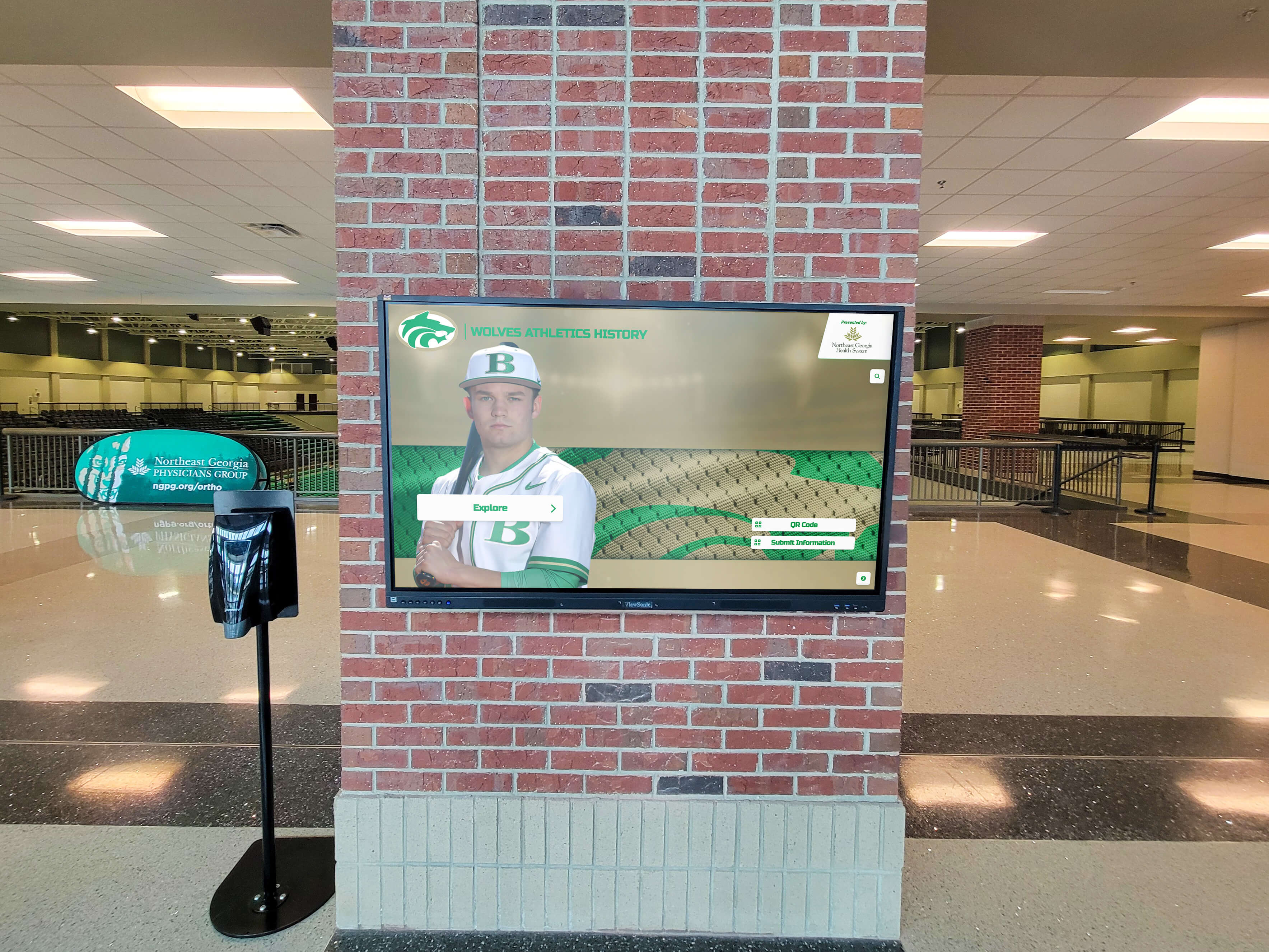
Modern recognition displays celebrate spring sports achievements with professional presentation that honors athletic excellence
The Importance of Spring Sports Recognition
Understanding why spring sports recognition matters helps athletic departments design programs that serve multiple institutional objectives while creating meaningful experiences for athletes.
Building Equitable Athletic Recognition
Spring sports often face recognition challenges that fall and winter programs don’t encounter:
Seasonal Recognition Imbalances
- Fall sports benefit from homecoming celebrations and sustained community attention
- Winter sports enjoy indoor venue advantages and championship tournament visibility
- Spring sports compete with end-of-year academic pressures and graduation season
- Weather uncertainties can disrupt spring seasons and playoff schedules
- Compressed spring schedules may limit opportunities for mid-season recognition
Resource Allocation Disparities
Athletic departments sometimes allocate recognition resources unevenly across seasons. Athletic wall of honor programs and formal recognition ceremonies may emphasize fall and winter sports while providing minimal spring athlete acknowledgment. This disparity sends unintended messages that spring athletic achievements matter less than accomplishments during other seasons.
The Case for Comprehensive Recognition
Every athlete dedicating time, energy, and commitment to representing their school deserves meaningful recognition regardless of sport or season. Comprehensive recognition approaches ensure track athletes breaking school records, baseball and softball teams reaching championships, tennis players earning all-conference honors, and lacrosse competitors demonstrating exceptional dedication all receive appropriate celebration.
Motivating Future Participation
Recognition programs significantly influence student decisions about athletic participation:
Creating Aspirational Goals
When current athletes see meaningful recognition for spring sports achievements, they understand that dedication to track, baseball, softball, tennis, or lacrosse leads to lasting acknowledgment. This visibility motivates sustained participation, encourages skill development, and builds program cultures where excellence becomes the expectation rather than the exception.
Multi-Sport Athlete Encouragement
Many spring sports complement fall and winter athletic participation. Baseball and softball players may also compete in basketball or football. Track athletes often excel in cross country or soccer. Tennis and lacrosse competitors bring skills from other sports. Comprehensive recognition across all seasons encourages multi-sport participation by demonstrating that schools value athletic versatility.
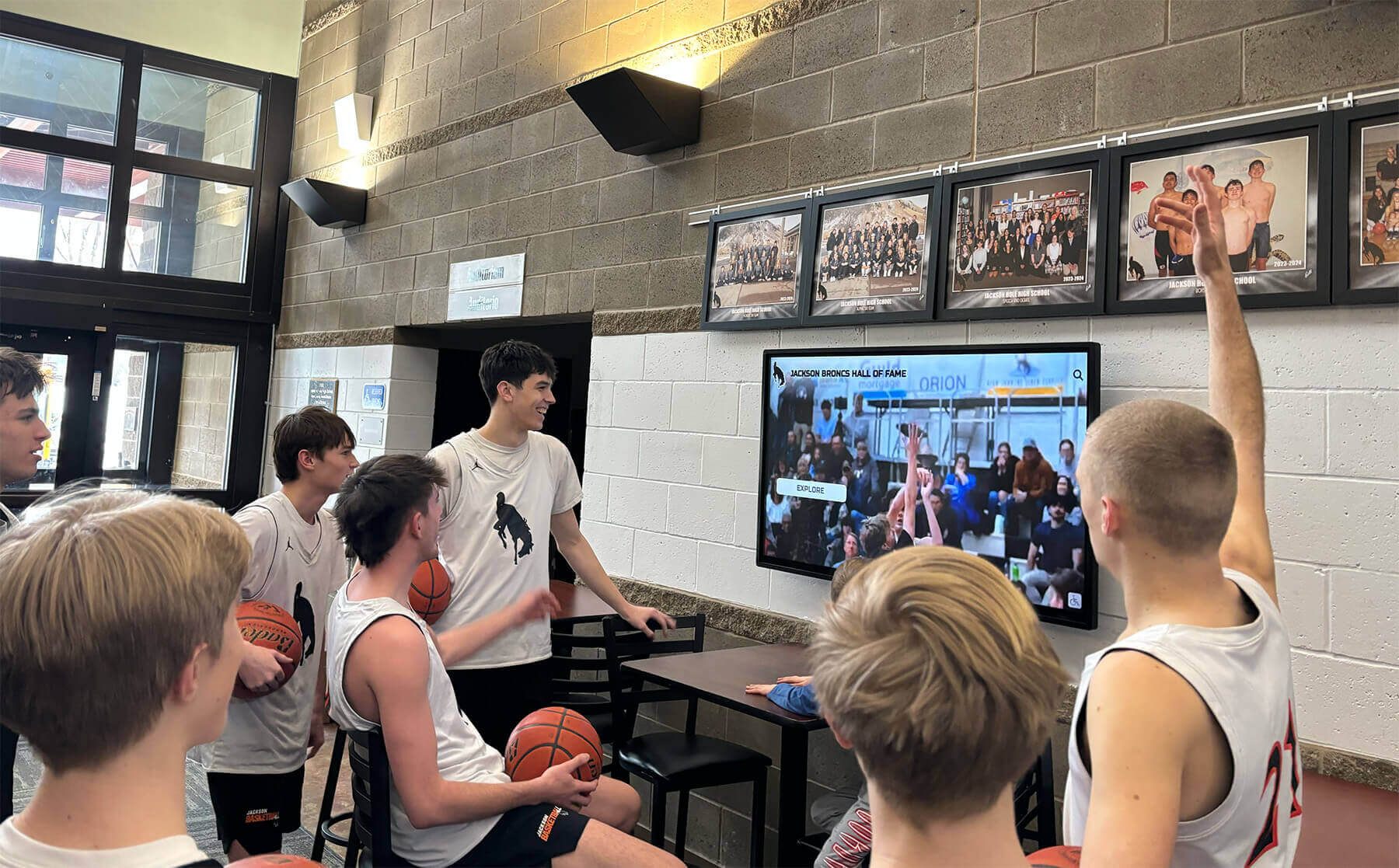
Interactive displays enable athletes to explore spring sports history and achievements across multiple seasons
Strengthening Program Tradition
Spring sports programs build traditions deserving preservation and celebration:
Historical Documentation
Track and field programs accumulate decades of school records, conference championships, and individual achievements. Baseball and softball teams create rivalries and memorable seasons. Tennis and lacrosse programs develop competitive traditions. Systematic recognition preserves these accomplishments for future generations while honoring athletes who built program foundations.
Alumni Engagement
Spring sports alumni remain deeply connected to their athletic experiences. Recognition programs that celebrate historical achievements alongside current accomplishments create engagement opportunities. Former track stars, baseball legends, and tennis standouts appreciate seeing their contributions acknowledged through permanent displays and annual ceremonies.
Sport-Specific Recognition Approaches
Different spring sports require tailored recognition strategies that honor their unique characteristics and competitive structures.
Track and Field Recognition Programs
Track and field presents unique recognition opportunities through measurable, objective performance metrics:
Individual Event Records
Track and field generates extensive record categories requiring systematic documentation and celebration:
- Sprint events (100m, 200m, 400m) with separate boys’ and girls’ records
- Middle distance races (800m, 1600m, 3200m) tracking progression over decades
- Hurdle events at various distances and heights
- Field events including long jump, triple jump, high jump, pole vault
- Throwing events: shot put, discus, javelin
- Relay team records at different distances
Solutions like Rocket Alumni Solutions enable comprehensive documentation of track records across all events without the space limitations of traditional record boards. Digital platforms accommodate unlimited events while allowing instant updates when records fall.
Meet Performance Recognition
Beyond individual records, recognize exceptional meet performances:
- Invitational meet victories and podium finishes
- Conference championship performances
- State qualifying marks and state meet participation
- Personal record achievements showing individual improvement
- Multi-event excellence from athletes competing in several events
Team Achievement Celebration
While track emphasizes individual performance, team accomplishments deserve recognition:
- Conference championship team titles
- State meet team placements
- Dual meet season records
- Relay team success and tradition
- Team scoring milestones
Learn more about digital record boards for track and field that showcase comprehensive athletic achievements.

Digital displays accommodate extensive track and field records across all events without space constraints
Baseball and Softball Recognition Programs
America’s pastime and its softball counterpart create rich recognition opportunities through statistical achievement and team success:
Individual Statistical Excellence
Baseball and softball generate comprehensive statistics enabling detailed recognition:
Hitting Statistics
- Career batting average leaders
- Single-season and career home run records
- RBI leaders demonstrating clutch performance
- Hit streak records and milestone hit totals
- On-base percentage for contact excellence
Pitching Achievements
- Career win totals and winning percentages
- Strikeout records demonstrating dominance
- Earned run average excellence
- Shutout and no-hitter performances
- Career innings pitched milestones
Fielding Excellence
- Position-specific fielding percentages
- Error-free game streaks
- Defensive play recognition
- Catcher-specific achievements (caught stealing, game calling)
Team Success Recognition
Team achievements often define memorable baseball and softball seasons:
- Conference championship seasons and tournament victories
- State playoff appearances and championship runs
- Win-loss records and winning streaks
- Milestone team victories (100th win, program anniversaries)
- Rivalry game success and traditional trophy competitions
All-Conference and All-State Honors
Post-season recognition from coaches and media deserves prominent celebration:
- All-conference team selections by position
- All-district and all-state recognition
- Player of the year and special awards
- Academic all-state honors combining athletics and academics
- Sportsmanship and character awards
Many schools showcase baseball and softball achievements through athletic history displays that document program tradition comprehensively.
Tennis Recognition Programs
Tennis combines individual and team competition requiring recognition approaches honoring both dimensions:
Singles Competition Achievement
Individual tennis excellence deserves systematic recognition:
- Singles win-loss records and winning percentages
- Undefeated seasons and match win streaks
- Conference and district tournament placements
- State tournament qualification and advancement
- Head-to-head records against traditional rivals
- Rankings and seeding achievements
Doubles Team Excellence
Doubles partnerships create unique achievements:
- Doubles team records and championships
- Long-standing successful partnerships
- Tournament victories and deep runs
- Complementary playing styles and teamwork excellence
Team Success Celebration
High school tennis scoring emphasizes team depth and balance:
- Dual match records and conference championships
- Tournament team placements
- Lineup depth across all positions
- Balanced contribution from singles and doubles
- Sustained excellence across multiple seasons
Lacrosse Recognition Programs
Lacrosse continues growing in participation, creating expanding recognition needs:
Position-Specific Achievement
Lacrosse positions require different skills deserving specialized recognition:
Attack and Midfield Recognition
- Career and season goal totals
- Assist records demonstrating playmaking
- Points leaders combining goals and assists
- Shooting percentage excellence
- Ground ball recovery and hustle statistics
Defensive Excellence
- Caused turnovers and defensive plays
- Shutdown defensive performances against top scorers
- Ground ball leaders showing defensive intensity
- Clearing percentage and transition skills
Goalie Achievement
- Save percentage and goals against average
- Shutout performances
- Career saves milestones
- Big-game performances in critical contests
Team Success and Program Growth
Lacrosse programs building tradition deserve recognition:
- Milestone victories as programs establish themselves
- Conference achievements and tournament advancement
- Year-over-year improvement demonstrating program growth
- Community building and participation increases
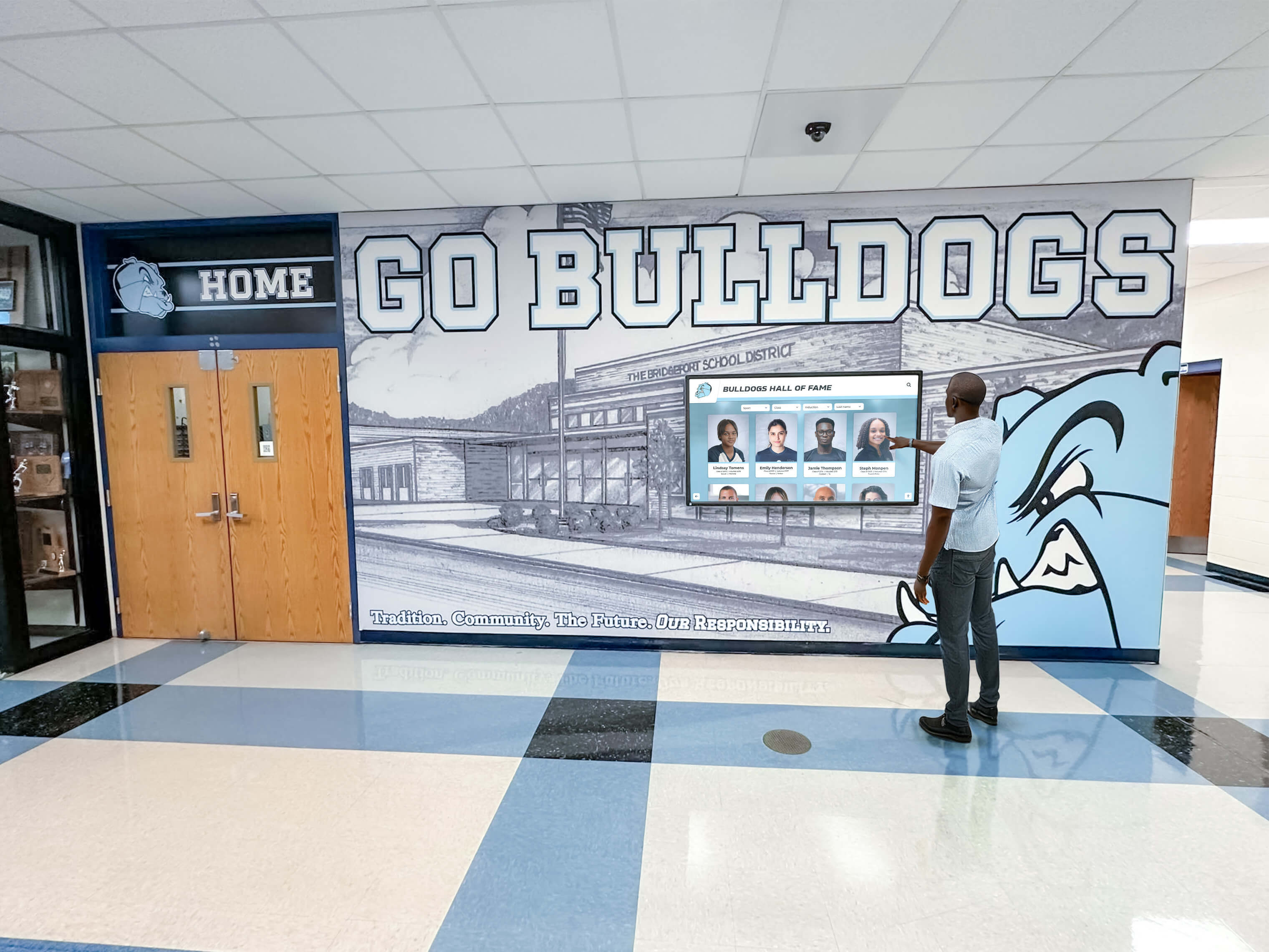
Interactive recognition systems enable exploration of achievements across all spring sports programs
End-of-Season Recognition Events
Formal celebrations provide platforms for acknowledging spring sports achievements while creating memorable experiences for athletes and families.
Sport-Specific Awards Banquets
Individual sport banquets enable focused celebration:
Banquet Planning Essentials
Effective banquets require thoughtful planning:
- Schedule events after seasons conclude but before summer scatter
- Secure appropriate venues accommodating athletes, families, and guests
- Coordinate catering providing suitable meal options
- Prepare programs listing awards, recipients, and season highlights
- Arrange audiovisual equipment for presentations and video highlights
- Invite administrators, coaches, and special guests to participate
Award Categories
Recognize diverse achievements ensuring broad acknowledgment:
Traditional Awards
- Most Valuable Player recognizing exceptional overall contribution
- Most Improved honoring athletes demonstrating greatest development
- Coaches Award for dedication, character, or intangible contributions
- Academic Excellence awards for scholar-athletes
- Leadership Awards for captains and team leaders
Specialized Recognition
- Position-specific awards in baseball, softball, and lacrosse
- Event-specific excellence in track and field
- Sportsmanship awards emphasizing character
- Rookie of the Year for outstanding first-year athletes
- Senior tributes honoring graduating athletes
Season Highlight Presentations
Create memorable programs through effective presentation:
- Season video highlights showing memorable moments
- Statistical summaries celebrating team and individual achievements
- Coach reflections on season successes and growth
- Senior athlete speeches sharing experiences and gratitude
- Photo presentations documenting season progression
Explore end of year banquet displays that enhance recognition ceremonies.
Combined Spring Sports Celebrations
Multi-sport recognition events create efficiency while building spring athletic community:
Advantages of Combined Events
Unified celebrations provide benefits:
- Cost efficiency through shared venue and catering expenses
- Schedule efficiency accommodating families with multiple spring athletes
- Cross-sport community building strengthening overall athletic culture
- Balanced recognition preventing perception that certain sports matter more
- Broader attendance from diverse athletic families
Program Design for Multi-Sport Events
Structure combined events ensuring all sports receive appropriate attention:
- Rotating presentation order so each sport opens ceremonies different years
- Equal time allocation for each sport’s recognition
- Sport-specific coaches presenting their program awards
- Unified spring sports excellence awards recognizing cross-sport achievements
- Multi-sport athlete recognition honoring versatility
Athletic Department-Wide Recognition
Combined events enable recognition extending beyond single sports:
- All-spring athlete honors for exceptional multi-sport performers
- Student-athlete academic achievement across all spring programs
- Character and sportsmanship awards transcending individual sports
- Athletic department service recognition for dedicated contributors
- Athletic training and support staff acknowledgment
Senior Recognition Programs
Graduating athletes deserve special acknowledgment for their contributions:
Senior Night Celebrations
Final home competitions provide recognition opportunities:
- Individual introductions with biographical information
- Parent accompaniment during recognition ceremonies
- Gifts or commemorative items for graduating athletes
- Public acknowledgment of post-graduation plans
- Photo opportunities with families, teammates, and coaches
Senior Legacy Projects
Create lasting recognition for graduating classes:
- Senior class composite photos displayed permanently
- Yearbook pages or special publications celebrating accomplishments
- Digital recognition profiles documenting athletic careers
- Fundraising or program improvement projects as class legacies
- Mentorship programs connecting seniors with younger athletes
Discover senior recognition programs that honor graduating athletes comprehensively.
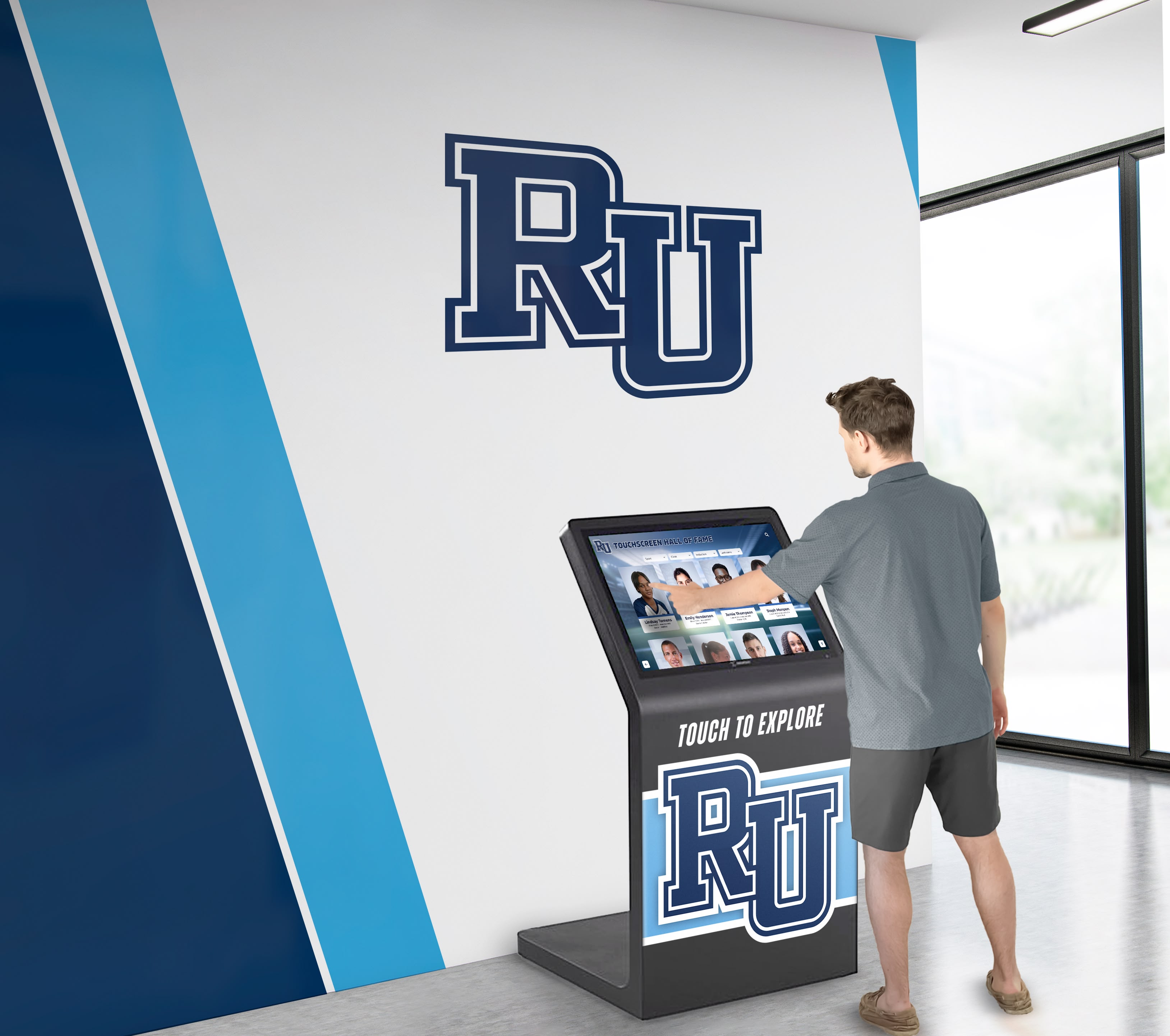
Modern kiosks provide engaging platforms for celebrating senior achievements and athletic legacies
Digital Recognition Solutions for Spring Sports
Technology transforms spring sports recognition from temporary acknowledgment to permanent, accessible celebration.
Interactive Digital Record Boards
Traditional record boards face limitations that digital solutions overcome:
Unlimited Capacity Benefits
Digital platforms accommodate comprehensive spring sports recognition:
- Track and field records across all events without space constraints
- Complete baseball and softball statistical leaders in multiple categories
- Tennis achievement documentation for singles and doubles
- Lacrosse statistical excellence across all positions
- Historical records preserved alongside current achievements
Real-Time Updates
Cloud-based management enables immediate recognition:
- Records broken during championship meets updated instantly
- Season-ending statistics posted before banquets conclude
- Playoff achievements added as tournaments progress
- Award recipients recognized immediately after selection
- Photo galleries uploaded throughout seasons
Engaging Interactive Features
Touchscreen displays create exploration opportunities impossible with static boards:
- Search functionality enabling athletes to find their achievements quickly
- Filtering by sport, year, event, or athlete name
- Detailed athlete profiles with photos, statistics, and accomplishments
- Comparison tools showing current versus historical performance
- Social sharing capabilities enabling athletes to celebrate recognition
Multi-Sport Recognition Integration
Comprehensive platforms showcase spring sports alongside fall and winter recognition:
Unified Athletic Recognition
Digital solutions enable complete athletic department celebration:
- All sports featured equally regardless of season or visibility
- Multi-sport athletes’ complete careers documented comprehensively
- Cross-season comparison enabling all-time athletic excellence recognition
- Historical tradition preserved across decades and generations
- Program evolution documented through changing accomplishments
Web-Based Access
Online platforms extend recognition beyond physical displays:
- Remote access enabling alumni and families to explore achievements
- Mobile optimization for smartphone and tablet browsing
- Alumni engagement through searchable historical archives
- Recruiting tools showcasing program tradition to prospective athletes
- Year-round visibility maintaining athletic recognition beyond seasons
Solutions like Rocket Alumni Solutions provide purpose-built platforms specifically designed for comprehensive athletic recognition across all sports and seasons.
Media-Rich Recognition Content
Digital platforms support multimedia recognition impossible with traditional approaches:
Photo Galleries and Action Shots
Visual documentation brings achievements to life:
- Competition photos showing athletes at their best
- Team photos documenting season rosters
- Award ceremony images capturing recognition moments
- Action photography from memorable competitions
- Historical comparison images spanning program history
Video Recognition Elements
Moving images create powerful recognition:
- Championship race videos and meet highlights
- Pitching performances and defensive gems
- Tennis match points and tournament victories
- Lacrosse goals and athletic plays
- Season highlight reels celebrating accomplishments
Statistical Visualizations
Data presentations enhance recognition understanding:
- Career progression charts showing athlete development
- Record comparisons contextualizing achievements
- Team statistics demonstrating balanced contributions
- Historical trend analysis showing program evolution
- Performance heat maps and advanced analytics
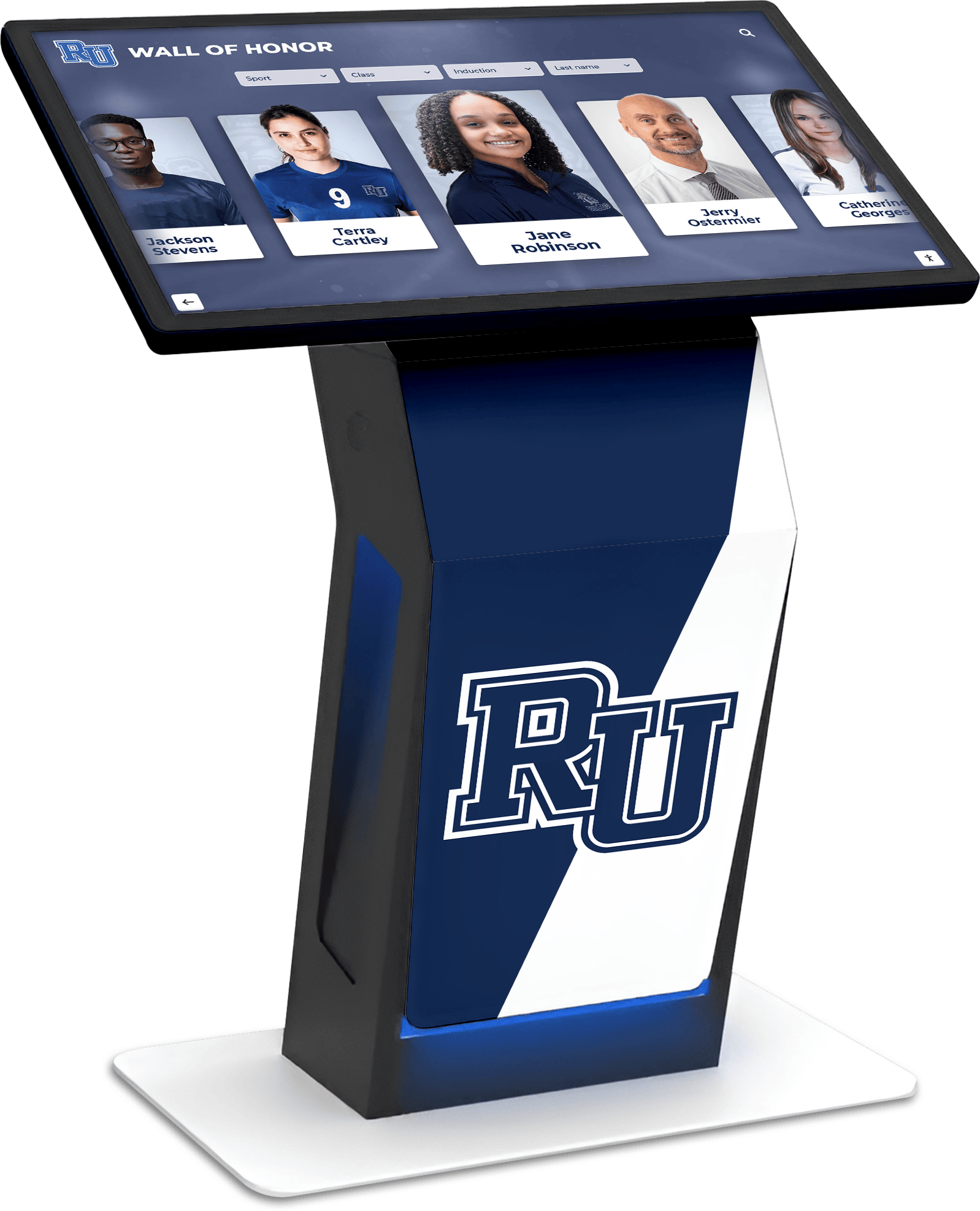
Purpose-built recognition kiosks showcase spring sports achievements through professional, engaging displays
Implementing Sustainable Spring Sports Recognition
Long-term success requires systematic approaches ensuring recognition programs remain effective across years and coaching transitions.
Establishing Recognition Criteria and Processes
Clear standards ensure consistent, fair recognition:
Award Selection Criteria
Document specific requirements for various recognition levels:
Performance-Based Recognition
- Minimum statistical thresholds for record board inclusion
- Tournament placement requirements for special recognition
- All-conference selection standards and nomination processes
- Academic achievement criteria for scholar-athlete honors
- Improvement benchmarks for most improved athlete recognition
Character and Leadership Recognition
- Defined expectations for sportsmanship awards
- Leadership role requirements and evaluation methods
- Community service or team contribution documentation
- Peer nomination processes for character-based recognition
- Coach evaluation criteria and selection procedures
Nomination and Selection Processes
Systematic approaches prevent inconsistency:
- Coaching staff collaboration in award identification
- Athletic director oversight ensuring fairness across sports
- Statistical verification for performance-based recognition
- Documentation requirements supporting nomination decisions
- Timeline establishment ensuring timely recognition
Budget Planning and Resource Allocation
Sustainable programs require appropriate financial support:
Recognition Program Budget Components
Plan for necessary expenses:
Awards and Recognition Items
- Trophies, plaques, medals, or certificates for award recipients
- Senior gifts or commemorative items
- Frames or mounting for certificates and recognition
- Engraving costs for permanent recognition items
- Digital display content development and management
Event Expenses
- Venue rental for banquets or recognition ceremonies
- Catering costs for athlete and family meals
- Audiovisual equipment rental or technical support
- Program printing and promotional materials
- Photography or videography services documenting events
Technology Investments
- Digital recognition display hardware acquisition
- Software licensing for content management platforms
- Professional content development and setup
- Ongoing maintenance and support agreements
- Web hosting for online recognition platforms
Funding Strategies
Multiple approaches support spring sports recognition:
- Athletic booster organization fundraising specifically for recognition
- General athletic department budget allocations
- Ticket sales from spring athletic competitions
- Concession stand proceeds during home events
- Local business sponsorships providing recognition program support
- Alumni donations designated for athletic recognition
Learn about comprehensive athletic director budget strategies that accommodate recognition programs.
Content Management and Maintenance
Systematic approaches ensure recognition remains current:
Season-End Documentation Workflows
Establish procedures for capturing achievements:
- Coaching staff submission of final statistics and records
- Athletic department verification of submitted information
- Photography collection from throughout seasons
- Award recipient documentation and biographical information
- Digital content creation for recognition platforms
Update Schedules and Responsibilities
Assign clear accountability:
- Designate specific staff members responsible for updates
- Establish timelines for different recognition elements
- Create quality control processes ensuring accuracy
- Develop training for new staff members or coaches
- Document procedures enabling consistency across transitions
Historical Archive Preservation
Protect recognition information for future generations:
- Backup systems preventing data loss
- Digital preservation of historical materials
- Scanning and digitization of legacy records
- Organized storage systems enabling information retrieval
- Version control tracking changes and updates
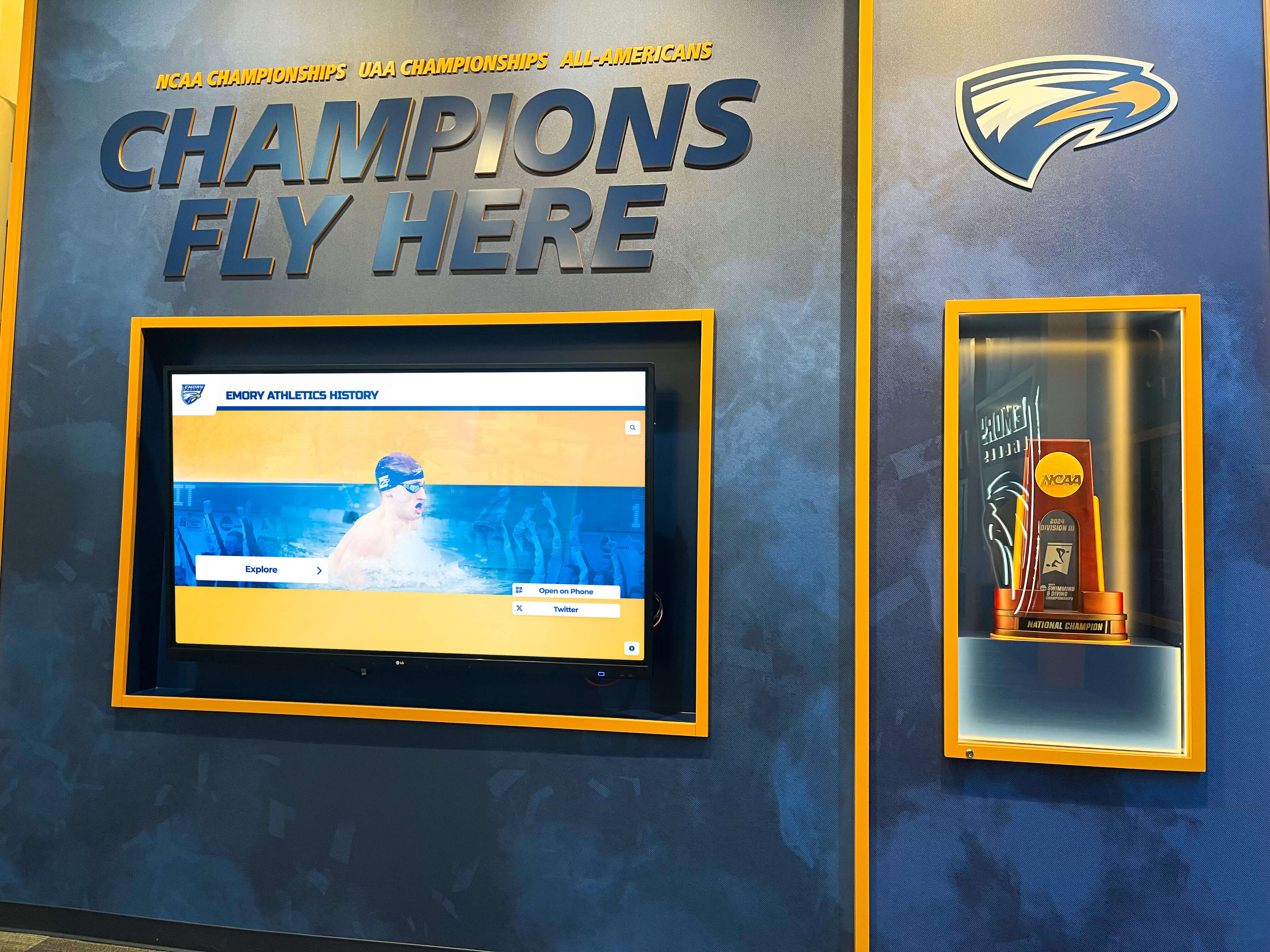
Permanent installations celebrate spring sports championship traditions while honoring individual and team excellence
Connecting Spring Sports Recognition to Broader Programs
Integration with comprehensive recognition initiatives maximizes impact:
Athletic Hall of Fame Integration
Spring sports achievements deserve hall of fame consideration:
Induction Criteria Inclusion
Ensure spring sports receive equitable hall of fame representation:
- Track and field records and championship performances
- Baseball and softball statistical excellence and team success
- Tennis tournament achievements and career excellence
- Lacrosse program-building contributions and statistical leadership
- Multi-sport athletes competing across seasons including spring
Homecoming and Reunion Recognition
Leverage special events for spring sports celebration:
- Hall of fame inductions during homecoming weekend
- Reunion coordination for championship baseball or track teams
- Anniversary celebrations of milestone spring season achievements
- Historical display unveiling featuring spring sports tradition
- Alumni athlete panels sharing spring sports experiences
Academic Recognition Integration
Scholar-athlete celebration demonstrates comprehensive excellence:
Academic All-State Recognition
Spring athletes achieving academic distinction deserve acknowledgment:
- State-level academic athletic awards and honors
- School-specific academic achievement recognition
- GPA requirements and academic eligibility celebrations
- National Honor Society athletes recognition
- College scholarship achievement acknowledgment
Student-Athlete Profile Development
Comprehensive recognition documents complete student experiences:
- Athletic achievements combined with academic excellence
- Character and community service alongside sports accomplishments
- Post-graduation success stories demonstrating education value
- Well-rounded excellence transcending single domains
Explore student recognition programs that integrate athletic and academic achievement.
Alumni Engagement Through Spring Sports
Recognition creates ongoing relationship opportunities:
Spring Sports Alumni Networks
Sport-specific connections strengthen engagement:
- Track and field alumni associations supporting current programs
- Baseball and softball alumni game traditions
- Tennis exhibition matches featuring former athletes
- Lacrosse alumni mentoring emerging programs
- Social media groups connecting spring sports alumni
Career Panels and Mentorship
Alumni contribute valuable guidance:
- Spring sports alumni sharing professional journey stories
- Career advice sessions for current athletes
- Internship and job opportunity connections
- College recruitment guidance from recent graduates
- Life skills and leadership lessons from athletics
Fundraising and Program Support
Engaged alumni become program contributors:
- Equipment and facility improvement funding
- Scholarship endowments supporting future athletes
- Capital campaign participation for athletic facilities
- Operational support for program needs
- Volunteer coaching or mentoring commitments
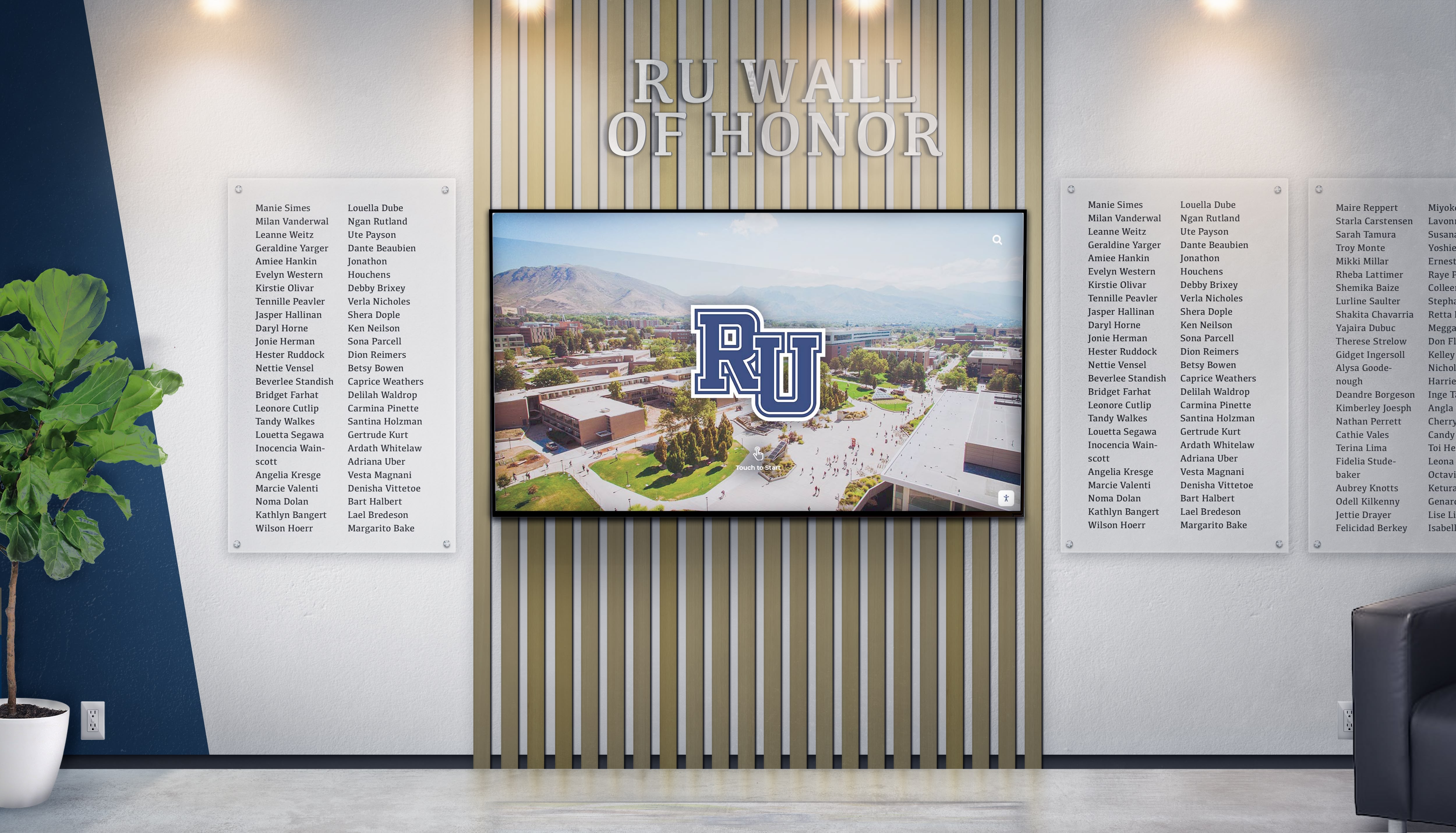
Integrated recognition systems combine digital displays with traditional elements honoring spring sports alumni
Measuring Spring Sports Recognition Program Success
Assessment enables continuous improvement ensuring programs achieve intended goals:
Quantitative Success Indicators
Track measurable metrics revealing program effectiveness:
Participation and Engagement Metrics
- Spring sports participation rates and roster sizes
- Multi-sport athlete participation including spring seasons
- Awards ceremony attendance by athletes and families
- Digital display interaction frequency and duration
- Web-based recognition platform traffic and usage
Recognition Distribution Analysis
- Award recipients across different spring sports
- Recognition balance between statistical and character-based honors
- Senior athlete recognition participation rates
- Historical record updates and new achievements documented
- Gender equity in recognition across boys’ and girls’ programs
Program Investment Tracking
- Budget allocation for spring versus fall and winter recognition
- Per-athlete recognition investment calculations
- Fundraising success supporting recognition programs
- Technology adoption rates for digital recognition
- Return on investment for recognition platform implementations
Qualitative Impact Assessment
Gather feedback revealing program value beyond numbers:
Athlete Satisfaction
- Survey graduating seniors about recognition experiences
- Current athlete feedback on award program fairness
- Parent perspectives on recognition adequacy
- Coach observations about recognition impact on culture
- Alumni reflections on lasting value of recognition received
Program Culture Indicators
- Observable school pride related to spring athletics
- Community attendance at spring athletic competitions
- Media coverage of spring sports achievements
- Social media engagement with spring sports content
- Perceived parity between spring and other season sports
Long-Term Impact Evidence
- Alumni continued engagement with spring sports programs
- Former athlete contributions and giving patterns
- Recognition program influence on college athletic participation
- Career success stories potentially influenced by athletics
- Multi-generational family participation in spring sports
Special Considerations for Emerging Spring Sports
New and growing spring sports require adapted recognition approaches:
Building Recognition for Developing Programs
Newer spring sports face unique challenges:
Establishing Baseline Recognition
Programs without extensive history need different approaches:
- Document inaugural seasons comprehensively creating future baselines
- Recognize program founders and early participants specially
- Celebrate milestone achievements as programs develop
- Build tradition through consistent annual recognition
- Create excitement around program growth and improvement
Equitable Integration
Ensure emerging sports receive fair treatment:
- Equivalent budget allocation per athlete across all sports
- Proportional banquet time and recognition ceremony inclusion
- Equal digital display space and content development
- Balanced coaching support for recognition program participation
- Administrative priority matching established programs
Weather-Related Recognition Challenges
Spring weather creates unique considerations:
Season Disruption Management
Unpredictable weather affects spring seasons:
- Flexible recognition planning accommodating schedule changes
- Alternative performance metrics when competitions cancel
- Practice dedication recognition when competitions don’t occur
- Effort-based awards complementing performance recognition
- Adjusted record-keeping accounting for shortened seasons
Championship Season Recognition
Post-season success deserves special acknowledgment:
- State tournament qualification and advancement celebration
- Regional championship participation recognition
- Personal best performances in championship settings
- Team unity and perseverance through playoff pressure
- Coaching excellence guiding deep tournament runs
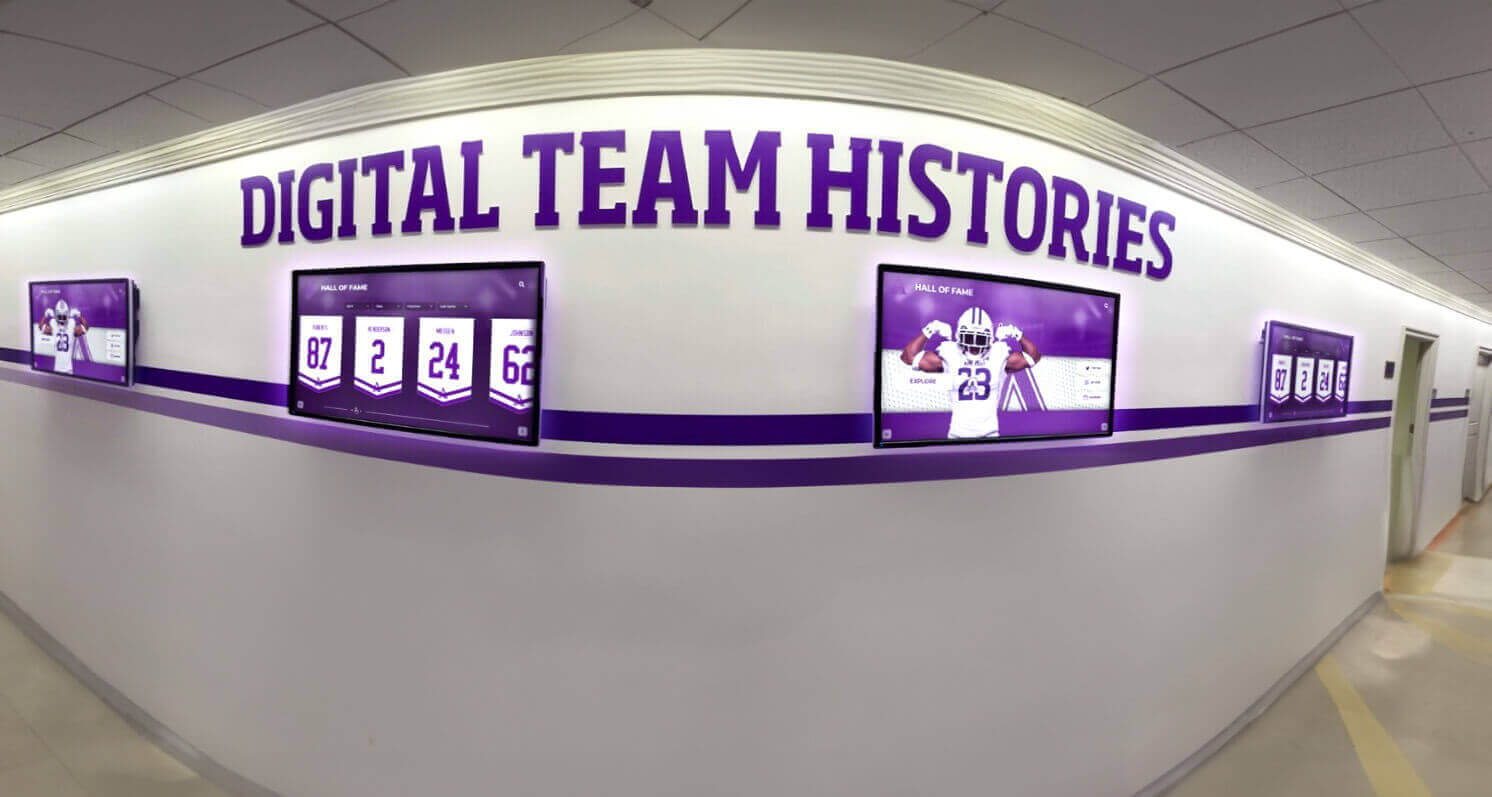
Permanent displays document spring sports championship achievements and tournament success
Conclusion: Creating Spring Sports Recognition That Honors Excellence
Spring sports athletes deserve recognition programs matching their dedication, achievement, and contribution to school athletic tradition. When schools implement comprehensive recognition approaches—from end-of-season banquets to permanent digital displays—they demonstrate that athletic excellence matters equally regardless of season while building cultures where every sport and athlete receives appropriate celebration.
The strategies explored in this guide provide frameworks for transforming spring sports recognition from afterthought acknowledgment to systematic celebration woven throughout athletic department culture. From track and field record boards to baseball and softball statistical leadership to tennis and lacrosse achievement documentation, comprehensive recognition ensures spring athletes receive the honors their accomplishments deserve.
Transform Your Spring Sports Recognition
Discover how modern digital recognition solutions can help you celebrate track and field records, baseball and softball achievements, tennis excellence, and lacrosse accomplishments through engaging displays that honor spring athletes year-round.
Explore Recognition SolutionsDigital recognition platforms like Rocket Alumni Solutions enable athletic departments to showcase unlimited spring sports achievements without space constraints while providing interactive exploration that engages current athletes, inspires younger participants, and reconnects alumni with their athletic accomplishments. This technology transforms spring sports recognition from temporary banquet acknowledgment to permanent celebration accessible anytime, anywhere.
Whether your spring sports programs boast decades of championship tradition or you’re building emerging lacrosse and tennis cultures, commitment to comprehensive recognition demonstrates that every athlete’s contribution matters. Track stars breaking school records, baseball and softball players reaching championship games, tennis competitors earning all-conference honors, and lacrosse athletes building program traditions all deserve recognition systems honoring their achievements appropriately.
Start planning your spring sports recognition programs with clear vision about the achievements you want to celebrate, the athletes you want to honor, and the lasting impact you want to create. With thoughtful preparation, appropriate resources, equitable recognition across all sports, and modern technology enabling permanent documentation, spring athletics can receive the celebration they deserve—recognition that validates athlete dedication while inspiring excellence for generations to come.
Your spring sports athletes work as hard as any fall football player or winter basketball star. Their achievements deserve equal recognition. Build the comprehensive programs that honor their excellence appropriately while demonstrating that at your school, athletic achievement receives celebration regardless of season.
Ready to begin? Explore how comprehensive athletic recognition creates equitable celebration across all seasons or learn more about showcasing championship achievements through modern recognition technology designed specifically for educational athletic programs.































