Your staff shows up every day—navigating challenges, supporting students or clients, solving problems, and driving your organization’s mission forward. Yet in many schools and organizations, appreciation remains an afterthought: generic cards distributed hastily, perfunctory announcements during meetings, or obligatory luncheons that feel more like administrative checkboxes than genuine gratitude.
Staff appreciation day represents an opportunity to change that narrative. When approached thoughtfully, appreciation initiatives strengthen culture, boost morale, improve retention, and demonstrate that your organization genuinely values the people who make everything possible.
This comprehensive guide provides school administrators, HR professionals, and organizational leaders with staff appreciation day ideas that resonate authentically. You’ll discover creative recognition approaches for various budgets, strategies that extend impact beyond single-day events, and modern solutions that transform temporary appreciation into permanent cultural fixtures.
Why Staff Appreciation Matters More Than Symbolic Gestures
Before exploring specific ideas, understanding why appreciation drives measurable organizational outcomes helps justify investment and ensures initiatives target meaningful impact rather than superficial gestures.
Retention Economics: Replacing teachers, administrative staff, or specialized professionals costs 50-200% of annual salaries when accounting for recruiting, onboarding, productivity losses, and institutional knowledge gaps. Organizations that retain experienced staff through strong appreciation cultures save substantially compared to those experiencing constant turnover.
Engagement Correlation: Employees who feel genuinely appreciated demonstrate 60% higher engagement scores according to workplace research. This engagement translates directly into discretionary effort, innovative problem-solving, collaborative teamwork, and willingness to support organizational initiatives beyond minimum job requirements.
Culture Modeling: How leadership treats staff signals organizational priorities more powerfully than any mission statement. When staff members see colleagues recognized meaningfully, they understand that contributions matter and receive acknowledgment. This cultural modeling influences recruitment, retention, and daily workplace dynamics.
Student Impact: In educational settings, appreciated teachers create better learning environments. Research consistently shows that teacher morale correlates with student outcomes—appreciated educators bring more energy, creativity, and dedication to classrooms than those feeling undervalued or burnt out.
Competitive Differentiation: In competitive talent markets, robust appreciation cultures differentiate employers from competitors offering similar compensation but lacking recognition infrastructure. Many job candidates specifically evaluate recognition practices during interviews, using these insights to assess cultural fit and organizational values.
Effective staff appreciation delivers returns far exceeding costs when designed thoughtfully. Organizations treating appreciation as strategic investment rather than obligatory expense see quantifiable improvements in retention, engagement, and workplace climate that transform operational performance.
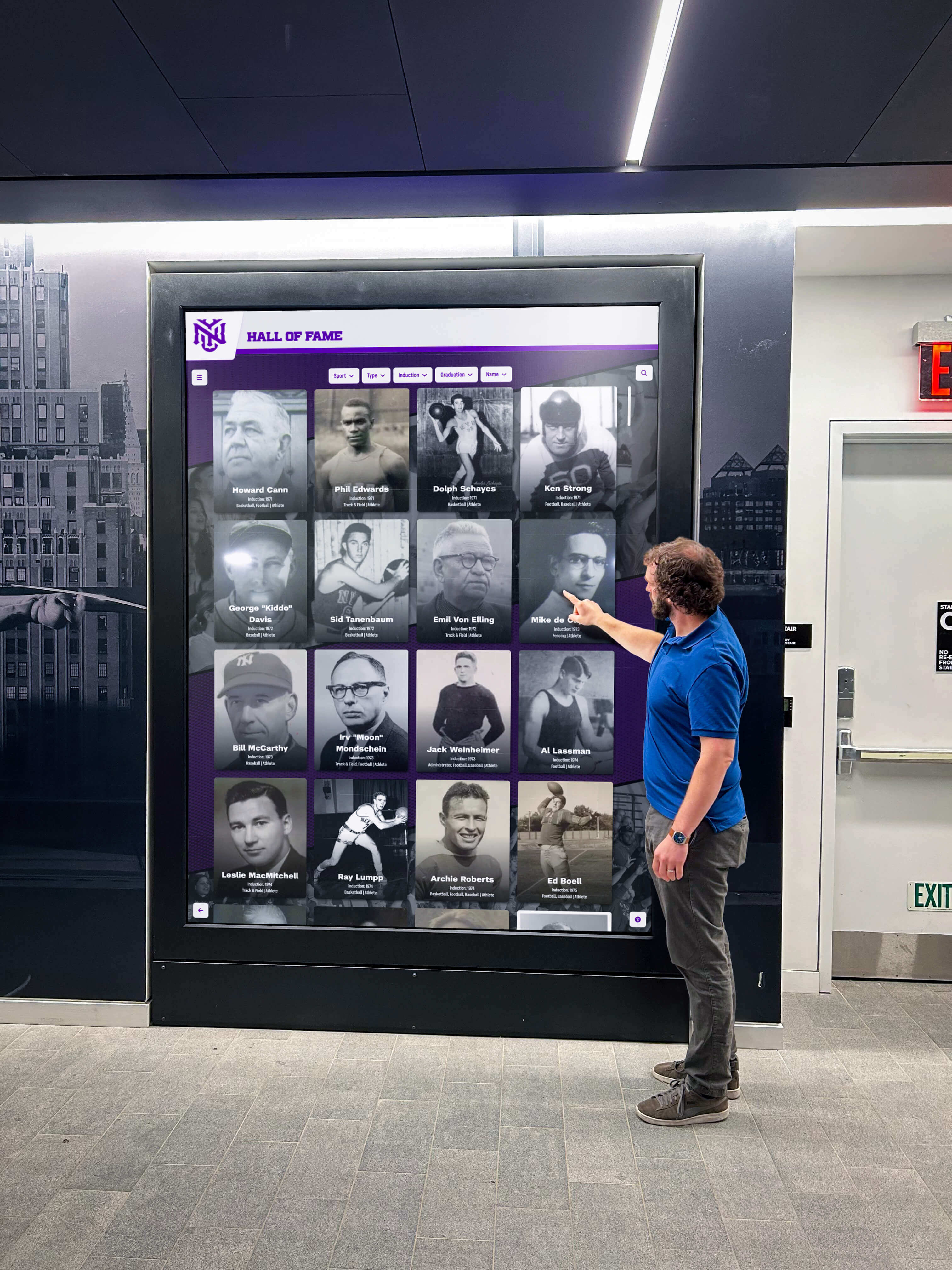
Modern recognition displays transform appreciation from one-day events into permanent acknowledgment visible year-round to staff, students, and visitors
Planning Meaningful Staff Appreciation Day Celebrations
Strategic planning ensures appreciation initiatives resonate authentically rather than feeling perfunctory or disconnected from staff preferences and organizational culture.
Understanding What Your Staff Actually Values
The most common appreciation mistake: assuming what staff wants rather than asking directly. Preferences vary dramatically across demographics, roles, and individual personalities.
Conduct Preference Surveys: Anonymous surveys asking staff to rank appreciation approaches—public recognition versus private acknowledgment, tangible gifts versus experiences, individual versus team celebrations—provide data-driven insights preventing well-intentioned initiatives that miss the mark.
Consider Generational Differences: Veteran teachers who’ve served thirty years may value different recognition than early-career staff. Some employees cherish public ceremonies; others prefer quiet, personal gratitude. Effective programs accommodate these varied preferences through multiple appreciation modalities.
Role-Specific Recognition: Classroom teachers, administrators, custodial staff, food service workers, nurses, counselors, and support personnel contribute differently. Recognition acknowledging specific contributions demonstrates genuine understanding rather than generic appreciation that could apply to anyone.
Budget Realism: Honest assessment of available resources prevents promising elaborate celebrations impossible to deliver. Modest, genuine appreciation beats expensive gestures executed poorly or unsustainably. Many impactful appreciation approaches require minimal budget when planned creatively.
Timing Considerations Beyond Official Appreciation Days
While National Teacher Appreciation Week and designated staff appreciation days provide natural pegs for celebration, limiting recognition to official observances misses opportunities for authentic, unexpected acknowledgment.
Spread Recognition Throughout the Year: Rather than concentrating all appreciation into single events, distribute recognition across academic or fiscal years through monthly spotlights, quarterly celebrations, and milestone acknowledgments. Consistent appreciation sustains culture more effectively than annual grand gestures followed by eleven months of silence.
Celebrate Specific Achievements: Recognize staff immediately following notable accomplishments—successful event execution, innovative problem-solving, exceptional student support, community recognition—when appreciation carries maximum emotional resonance rather than waiting for scheduled appreciation days.
Leverage Natural Transition Points: Beginning and end of academic years, semester conclusions, major project completions, and organizational milestones provide meaningful moments for appreciation that feel connected to shared experiences rather than calendar obligations.
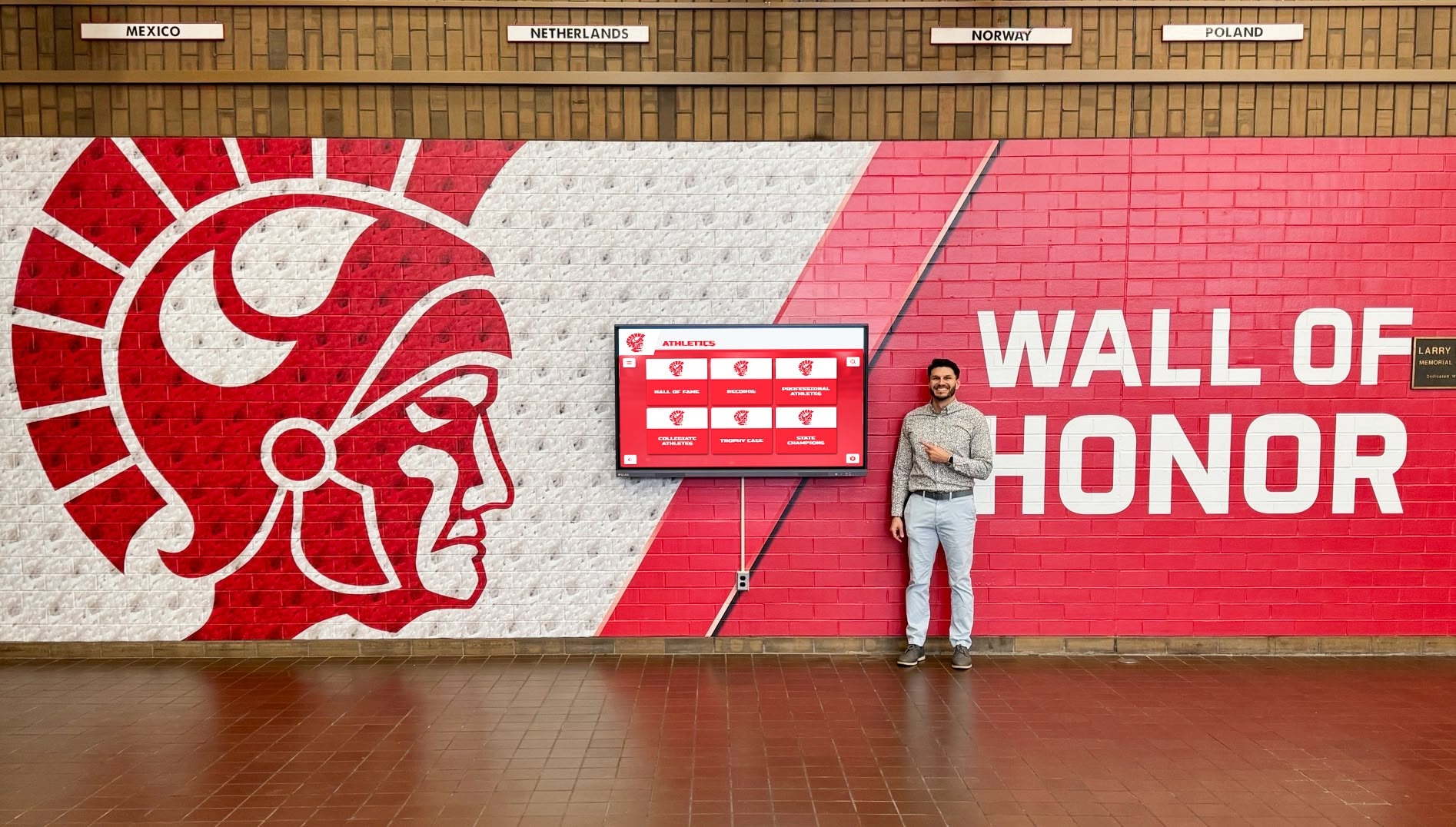
Permanent recognition displays in high-traffic areas ensure staff achievements receive ongoing visibility rather than momentary acknowledgment
Creative Staff Appreciation Day Ideas for Every Budget
Meaningful appreciation doesn’t require unlimited budgets. These tiered ideas accommodate various resource levels while delivering genuine impact.
Low-Budget High-Impact Appreciation Ideas
Financial constraints shouldn’t prevent authentic recognition. These approaches prioritize thoughtfulness over expense:
Personalized Thank-You Notes from Leadership: Handwritten notes from principals, superintendents, or organizational leaders acknowledging specific contributions create lasting impact. The investment is time rather than money, but specificity and sincerity make these notes treasured keepsakes. Reference concrete examples—“Your creative approach to engaging reluctant readers transformed Jordan’s relationship with literacy”—rather than generic platitudes.
Student or Client Recognition Projects: Organize students or clients to create appreciation content—thank-you videos, art projects, written tributes, performance presentations—that demonstrate impact from staff members’ daily work. This approach costs nothing financially while providing emotional resonance that purchased gifts cannot match.
Coverage and Time Donations: Administrators and support staff covering classes or duties to provide planning time, early dismissals, or extended lunch breaks demonstrates practical appreciation addressing real needs. Time represents precious currency in demanding work environments, making donated coverage highly valued.
Breakfast or Lunch Potlucks: Community meals where leadership serves staff or provides core dishes while others contribute sides creates festive atmosphere without catering budgets. The symbolic role reversal—administrators serving staff—sends powerful appreciation messages beyond the meal itself.
Parking Privileges and Perks: Temporary premium parking spots, reserved spaces, or other convenience perks cost nothing but provide tangible daily reminders of appreciation throughout designated appreciation periods.
Social Media and Website Spotlights: Public recognition through organizational social channels, website features, or community newsletters celebrating individual staff contributions extends appreciation visibility to families, community members, and professional networks at zero cost.
Showcase Professional Achievements: Create displays highlighting staff accomplishments, advanced degrees, publications, community service, or certifications. Digital recognition displays make this approach scalable and dynamic rather than limited by bulletin board space.
Medium-Budget Meaningful Recognition
Moderate investments enable appreciation approaches combining thoughtfulness with tangible value:
Gift Card Programs with Personal Touches: Rather than generic gift cards, select vendors aligned with individual interests discovered through preference surveys—bookstores for readers, coffee shops for caffeine enthusiasts, restaurants matching dietary preferences, or experience providers for adventure seekers. Personal selection demonstrates genuine attention to individual preferences.
Professional Development Opportunities: Conference registration, workshop enrollment, course subsidies, or membership dues for professional organizations combine appreciation with career investment. This approach signals that organizations value continued staff growth and development beyond celebrating past contributions.
Wellness and Self-Care Packages: Curated packages featuring relaxation items—aromatherapy products, quality teas or coffees, journals, stress-relief tools, healthy snacks, mindfulness resources—acknowledge the emotional labor education and service work requires while providing practical self-care support.
Classroom or Office Upgrades: Budget allocations enabling staff to request needed supplies, furniture improvements, technology upgrades, or organizational tools addresses real workplace needs while demonstrating institutional investment in creating optimal work environments.
Catered Appreciation Events: Professionally catered meals, food trucks, dessert celebrations, or themed dining experiences create festive atmosphere without requiring staff to contribute or prepare food. Quality catering signals that organizations invested thought and resources into appreciation.
Team-Building Experiences: Organized activities—escape rooms, cooking classes, volunteer projects, recreational outings—build community while providing memorable shared experiences. Service recognition programs can celebrate teams that participate together.
Subscription Services: Annual subscriptions to streaming services, meal kits, professional journals, audiobook platforms, or hobby-related subscriptions provide ongoing appreciation extending far beyond single appreciation days.
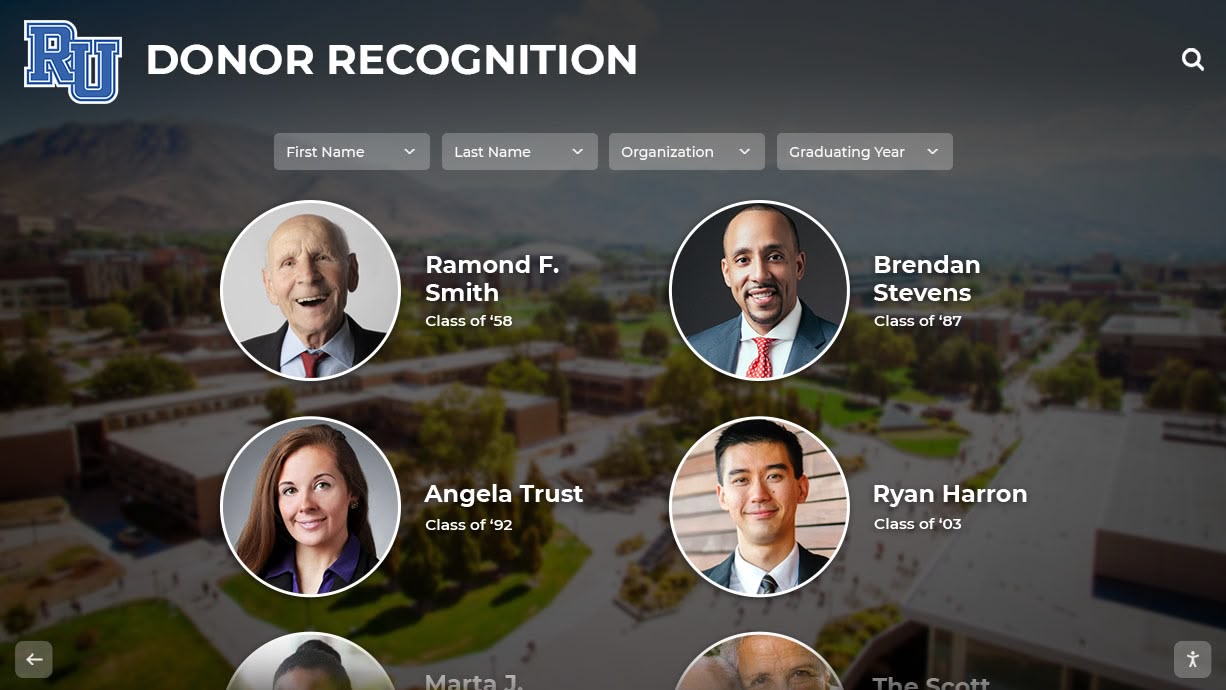
Professional recognition installations showcase staff achievements with the same prominence typically reserved for donors or athletic accomplishments
Premium Appreciation Initiatives
Larger budgets enable comprehensive recognition programs creating significant impact:
Milestone Service Recognition Programs: Formal programs acknowledging years of service at five, ten, fifteen, twenty, and twenty-five year intervals through awards, ceremonies, and permanent recognition. Many schools invest in digital wall of honor displays or interactive touchscreen systems that accommodate unlimited honorees while remaining accessible to entire school communities.
Annual Awards Programs: Structured recognition acknowledging excellence across categories—innovative teaching, exceptional student support, collaborative leadership, community engagement—provides aspirational recognition while celebrating diverse contribution types. Consider approaches similar to year-end awards programs that many schools use for students.
Sabbatical and Leave Programs: Extended paid leave opportunities for long-serving staff members enable professional renewal, travel, research, writing, or other pursuits impossible within normal work schedules. This substantial investment demonstrates exceptional appreciation for veteran employees.
Scholarship or Grant Programs: Funding supporting staff pursuing advanced degrees, certifications, specialized training, or educational goals combines appreciation with long-term professional development investment benefiting both individuals and organizations.
Family-Inclusive Events: Appreciation celebrations extending to staff families—picnics, entertainment events, recognition ceremonies—acknowledge that personal lives and professional contributions connect inseparably while enabling families to understand and appreciate staff members’ professional roles.
Salary Bonuses or Compensation Adjustments: While sometimes politically complex, direct financial recognition through performance bonuses, cost-of-living adjustments, or merit increases represents tangible appreciation impossible to misinterpret. When budgets allow, compensation adjustments demonstrate appreciation most concretely.
Comprehensive Recognition Display Systems: Investment in permanent recognition infrastructure—whether digital trophy cases, interactive touchscreen displays, or web-accessible platforms—creates lasting appreciation systems celebrating staff achievements year after year rather than temporary acknowledgments forgotten after appreciation days conclude.
Making Appreciation Permanent: Recognition Displays That Last
Single-day celebrations matter, but lasting appreciation cultures require permanent recognition infrastructure ensuring contributions receive ongoing visibility rather than momentary acknowledgment.
The Limitations of Traditional Recognition
Most schools and organizations struggle with recognition permanence:
Physical Space Constraints: Wall plaques, printed photos, and static displays consume limited space, forcing difficult decisions about whose recognition receives visibility. Eventually organizations reach capacity, requiring removal of historical recognition to accommodate current achievements.
Update Challenges: Adding new recognition to physical displays requires fabrication, installation, and expense that creates barriers to timely acknowledgment. Many recognition walls become outdated because updating them proves too costly or complex.
Accessibility Limitations: Traditional displays only reach people physically present on campuses or in buildings. Staff working remotely, families, alumni, and community members never see recognition meant to celebrate institutional culture and values.
Maintenance Issues: Plaques tarnish, photos fade, and physical installations deteriorate over time. Maintaining quality presentation requires ongoing investment many organizations cannot sustain.
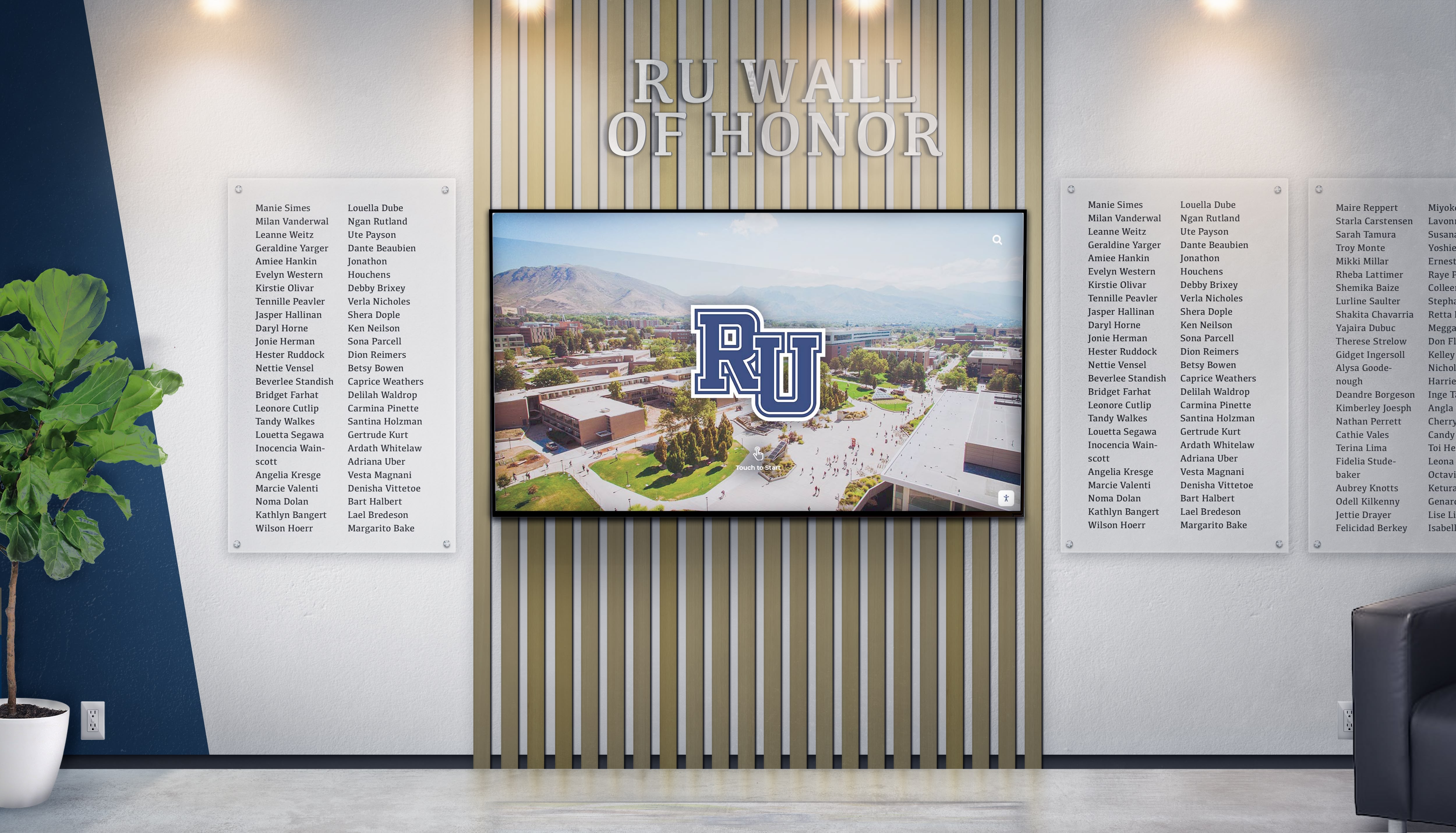
Digital recognition systems accommodate unlimited honorees while remaining perpetually current through cloud-based content management requiring no physical modifications
Modern Digital Recognition Solutions
Technology overcomes traditional recognition limitations while creating engaging experiences impossible through static displays. Solutions like Rocket Alumni Solutions transform how organizations approach permanent staff appreciation.
Unlimited Recognition Capacity: Digital platforms accommodate every staff member deserving recognition without space constraints. Recognize current employees alongside retired staff members who built institutional foundations, creating comprehensive organizational histories impossible through traditional plaques.
Always-Current Content: Cloud-based content management enables immediate recognition updates without physical modifications or fabrication delays. When hiring new staff, celebrating milestones, or acknowledging achievements, updates appear instantly across displays and web platforms.
Interactive Exploration: Touchscreen interfaces let visitors search by name, department, year, or achievement type, then explore detailed profiles featuring photos, biographical information, career highlights, and personal reflections. This engagement creates connections impossible through name-and-date plaques.
Web Accessibility: Recognition extends beyond physical campuses through web-accessible platforms enabling staff families, alumni, remote workers, and community members worldwide to explore achievements. Mobile optimization ensures accessibility across all devices.
Multimedia Storytelling: Move beyond names and dates to share rich narratives through photo galleries, video tributes, achievement timelines, and impact stories. These emotional connections honor careers comprehensively rather than reducing decades of contribution to engraved text.
Social Amplification: One-click sharing to Facebook, LinkedIn, Twitter, and Instagram exponentially expands recognition reach. When honored staff members share their recognition with personal networks, institutional visibility extends far beyond internal communications.
Analytics and Engagement Tracking: Modern platforms provide insights showing who views recognition, which profiles generate most interest, popular search terms, and usage patterns—data demonstrating program impact while informing future recognition strategies.
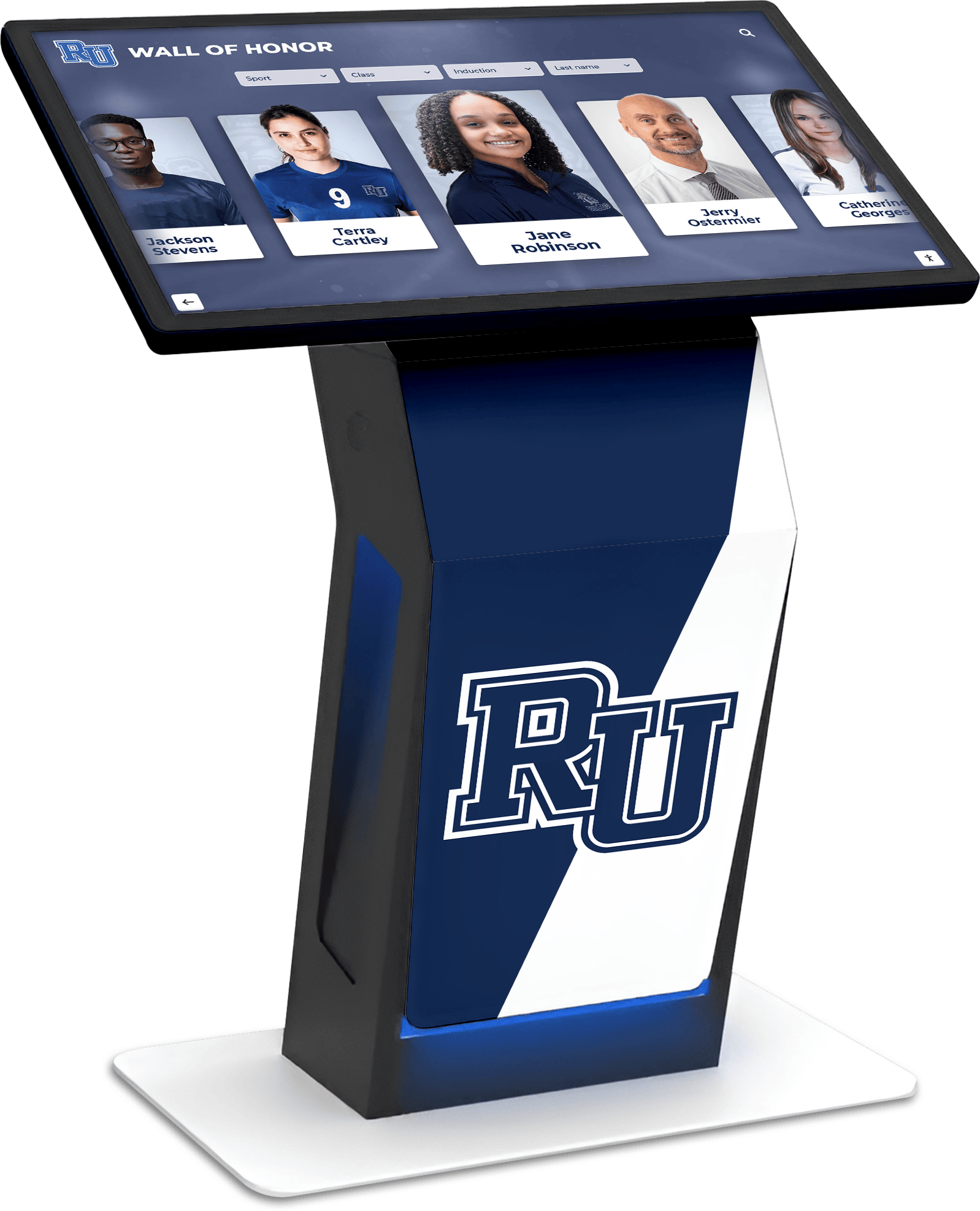
Touchscreen kiosks in lobbies, staff lounges, or common areas provide engaging ways to explore organizational history and staff achievements
Implementing Recognition Display Programs
Organizations ready to invest in permanent recognition infrastructure should consider these implementation approaches:
Needs Assessment: Evaluate current recognition gaps, available physical spaces for displays, technology infrastructure, content management capacity, and budget realities. Understanding constraints and opportunities shapes appropriate solution selection.
Stakeholder Input: Involve staff in planning recognition approaches through surveys, focus groups, or committee participation. Staff buy-in ensures implemented solutions resonate with those they’re intended to honor rather than reflecting only administrative preferences.
Content Planning: Determine recognition categories—years of service, teaching excellence, leadership awards, retirement celebrations, professional achievements—and establish criteria ensuring clear, equitable recognition standards. Develop content templates balancing consistency with personalization.
Technology Selection: Evaluate display hardware, content management platforms, web integration capabilities, and vendor support models. Consider comprehensive solutions providing integrated hardware, software, implementation, training, and ongoing support rather than cobbling together separate components requiring technical expertise to manage.
Launch Strategy: Plan unveiling events celebrating initial recognition honorees while building awareness and excitement about new recognition infrastructure. Strategic launches create momentum ensuring staff engage with recognition platforms rather than viewing them as administrative additions they ignore.
Sustainability Planning: Assign clear responsibilities for ongoing content management, establish regular update schedules, budget for maintenance and enhancements, and train multiple staff members preventing recognition program collapse when key personnel transition.
Organizations investing in modern recognition infrastructure report dramatic improvements in staff morale, community pride, and institutional culture compared to traditional recognition approaches requiring constant maintenance while reaching minimal audiences.
Role-Specific Staff Appreciation Ideas
Different staff roles contribute distinctively. Recognition acknowledging specific contributions demonstrates genuine understanding rather than generic appreciation applicable to anyone.
Recognizing Teachers and Faculty
Educators deserve appreciation addressing the unique demands of classroom instruction:
Classroom Supply Grants: Funding enabling teachers to purchase wished-for materials, books, technology, or supplies addresses constant out-of-pocket expenses many educators incur while demonstrating institutional investment in instructional quality.
Planning Time Protection: Honoring commitments to preserve planning periods without interruptions, meetings, or coverage requests provides the gift of professional time teachers desperately need for lesson planning, grading, and instructional preparation.
Professional Library Additions: Building faculty lounge libraries with professional development books, educational journals, teaching resources, and inspiring reading demonstrates ongoing support for professional growth.
Student Letter Campaigns: Organizing students to write thank-you letters describing specific ways teachers impacted their learning, growth, or lives creates emotionally powerful recognition impossible to purchase.
Classroom Takeovers: Administrators or specialists teaching classes enabling teachers to observe colleagues, attend workshops, or simply catch their breath demonstrates practical support while modeling collaborative culture.
Consider implementing comprehensive recognition similar to teacher retirement celebrations for career milestones and achievements throughout tenure.
Appreciating Support Staff and Administrators
Administrative professionals, custodial teams, food service workers, nurses, counselors, and support staff enable everything else to function smoothly yet often receive less recognition than teaching staff:
Public Acknowledgment of Invisible Work: Specifically highlighting contributions that happen behind scenes—clean facilities, nutritious meals, health support, schedule coordination, technology troubleshooting—validates work that others only notice when absent.
Cross-Training and Professional Development: Providing opportunities to develop new skills, earn certifications, or pursue advancement demonstrates that organizations value support staff growth and career aspirations beyond current roles.
Voice and Input Opportunities: Including support staff in decision-making about policies, procedures, or initiatives affecting their work respects professional expertise while acknowledging their valuable institutional perspective.
Team Recognition: Since support staff often work collaboratively across departments, team-based appreciation celebrating collective contributions builds camaraderie while acknowledging interdependent success.
Workspace Improvements: Investing in better break rooms, staff lounges, equipment upgrades, or environmental improvements for support staff work areas demonstrates tangible appreciation addressing daily work experiences.
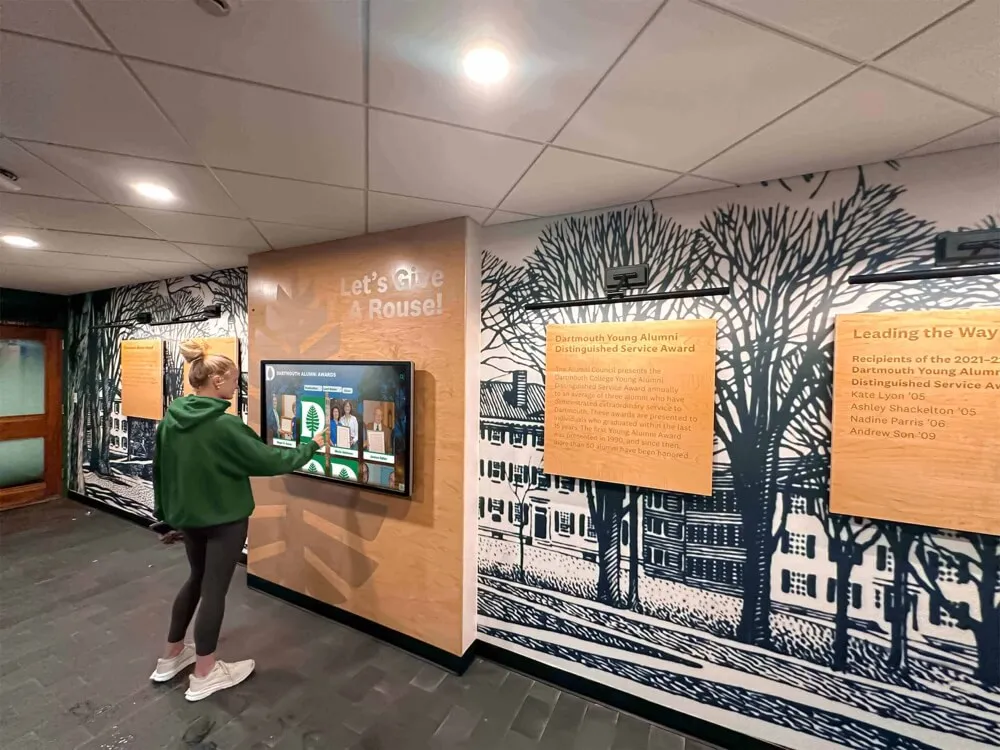
Interactive displays in staff areas enable easy exploration of colleague achievements while building institutional pride and community connection
Building Sustainable Appreciation Cultures
Effective staff appreciation transcends single-day events to become embedded in organizational culture through consistent practices, leadership modeling, and structural support.
Leadership Behaviors That Model Appreciation
Culture flows from leadership behaviors more than policies or programs. Leaders genuinely committed to appreciation culture demonstrate these practices consistently:
Specific, Timely Recognition: Rather than generic praise, effective leaders acknowledge specific contributions immediately following achievements using concrete details demonstrating genuine attention and understanding.
Visible Presence and Accessibility: Leaders who regularly interact with all staff members—not just during formal events but through hallway conversations, lunch room visits, and classroom drop-ins—create approachability enabling authentic connection and informal appreciation.
Listening and Acting on Feedback: Appreciation includes respecting staff voices by actively soliciting input, genuinely considering suggestions, and implementing feasible recommendations. When staff see ideas translated into action, they feel valued and heard.
Resource Allocation Decisions: How organizations budget reflects priorities more clearly than words. Leaders who consistently fund staff development, recognition programs, workplace improvements, and support resources demonstrate that staff appreciation extends beyond rhetoric.
Public Defense and Advocacy: Leaders who publicly defend staff decisions, advocate for their needs with boards or community members, and protect against unreasonable demands demonstrate appreciation through active support rather than passive acknowledgment.
Peer-to-Peer Recognition Systems
Appreciation shouldn’t flow exclusively top-down. Enabling staff to recognize colleagues builds horizontal relationships while distributing appreciation responsibility:
Nomination Programs: Systems enabling staff to nominate colleagues for awards, recognition spotlights, or special acknowledgment create grassroots appreciation while identifying contributions leadership might otherwise miss.
Kudos Boards: Physical or digital spaces where staff post appreciation notes acknowledging helpful colleagues, collaborative teammates, or inspiring professionals builds recognition culture through accumulated small acknowledgments.
Team Celebrations: Departmental or grade-level teams organizing their own appreciation rituals, traditions, or celebrations create sub-community culture while strengthening working relationships within collaborative groups.
Mentorship Recognition: Explicitly acknowledging veteran staff who mentor newer colleagues, share expertise, or provide informal professional development validates the crucial but often invisible work of peer support and knowledge transfer.
Measuring Appreciation Program Impact
Demonstrating that appreciation initiatives deliver returns justifies continued investment while enabling data-driven optimization:
Retention Metrics: Track turnover rates before and after implementing appreciation programs, comparing retention across departments with strong versus weak appreciation cultures. Reduced turnover provides quantifiable ROI through decreased replacement costs.
Engagement Surveys: Regular climate surveys including appreciation-specific questions reveal whether staff feel genuinely valued, believe recognition is equitable, and find appreciation initiatives meaningful versus performative.
Participation Tracking: Monitor engagement with recognition platforms, event attendance, nomination program participation, and other measurable appreciation touchpoints. High participation indicates resonance; low engagement signals needed adjustments.
Exit Interview Analysis: When staff depart, exit interviews revealing appreciation gaps provide crucial feedback about recognition program shortcomings requiring attention to prevent future turnover.
Recruitment Impact: Track whether appreciation culture enhances recruitment by asking applicants what attracted them to your organization and monitoring candidate acceptance rates when job offers compete with other opportunities.
Regular assessment enables continuous improvement ensuring appreciation programs remain effective, equitable, and aligned with staff preferences rather than becoming stale rituals repeated from habit without meaningful impact.
Conclusion: From Events to Culture
The most effective staff appreciation extends far beyond single-day celebrations to become woven into organizational DNA through consistent practices, genuine leadership commitment, and permanent recognition infrastructure honoring contributions year-round.
The staff appreciation day ideas explored throughout this guide—from budget-conscious gestures to comprehensive recognition programs—provide frameworks schools and organizations can adapt to unique contexts, resources, and cultures. What matters most isn’t budget size but authenticity of effort, specificity of recognition, and consistency of practice.
Technology solutions like Rocket Alumni Solutions enable organizations to transform temporary appreciation into permanent recognition celebrating careers comprehensively through interactive displays, web-accessible platforms, and intuitive content management requiring minimal technical expertise. These modern approaches overcome traditional recognition limitations while creating engaging experiences that build institutional pride and community connection.
Transform Staff Appreciation Into Lasting Recognition
Discover how modern recognition displays can help you celebrate every staff member's contributions and build a thriving culture where appreciation extends far beyond single-day events. Rocket Alumni Solutions specializes in creating comprehensive recognition solutions that honor careers, strengthen culture, and demonstrate genuine institutional commitment to the people who make everything possible.
Explore Staff Recognition SolutionsMeaningful staff appreciation requires moving beyond performative gestures toward genuine cultural transformation valuing people authentically. It demands investing in recognition systems—whether simple peer nomination programs or comprehensive digital platforms—that ensure contributions receive visibility matching their importance. It necessitates leadership behaviors consistently modeling appreciation through actions aligning with stated values.
Organizations that embed appreciation into cultural foundations rather than treating it as annual obligation create workplaces where talented professionals choose to build careers rather than viewing positions as temporary stopping points. They reduce costly turnover, strengthen engagement, improve outcomes, and become employers of choice in competitive talent markets.
Your staff members deserve recognition reflecting the dedication, expertise, and heart they bring to work daily. Whether implementing low-budget high-impact ideas or investing in permanent recognition infrastructure, the appreciation strategies that matter most are those executed consistently, authentically, and with genuine commitment to honoring the people who make your mission possible.
Start by selecting one or two ideas from this guide that resonate with your organizational context and resources. Implement them thoughtfully, gather feedback, measure impact, and gradually expand your appreciation infrastructure. Over time, these accumulated efforts transform organizational culture from places where people work into communities where they belong, contribute, and thrive.
Learn more about creating comprehensive recognition programs through resources on creative recognition displays and digital signage solutions that bring recognition to life in engaging, accessible ways for entire school and organizational communities.































