Every state championship season represents far more than the final scoreboard—it embodies months of dedication, countless practices, pivotal game moments, team bonding, and the collective journey that transforms talented athletes into champions. Yet many schools struggle to capture and preserve these complete championship stories, focusing only on final victories while losing the rich narratives that make each championship season truly memorable.
A state championship journey map creates comprehensive documentation of your team’s complete path from season kickoff through final victory, preserving the milestones, turning points, key performances, and defining moments that together tell the full championship story. These visual narratives honor every contributor, celebrate incremental progress, and create lasting records that inspire future athletes while strengthening program traditions.
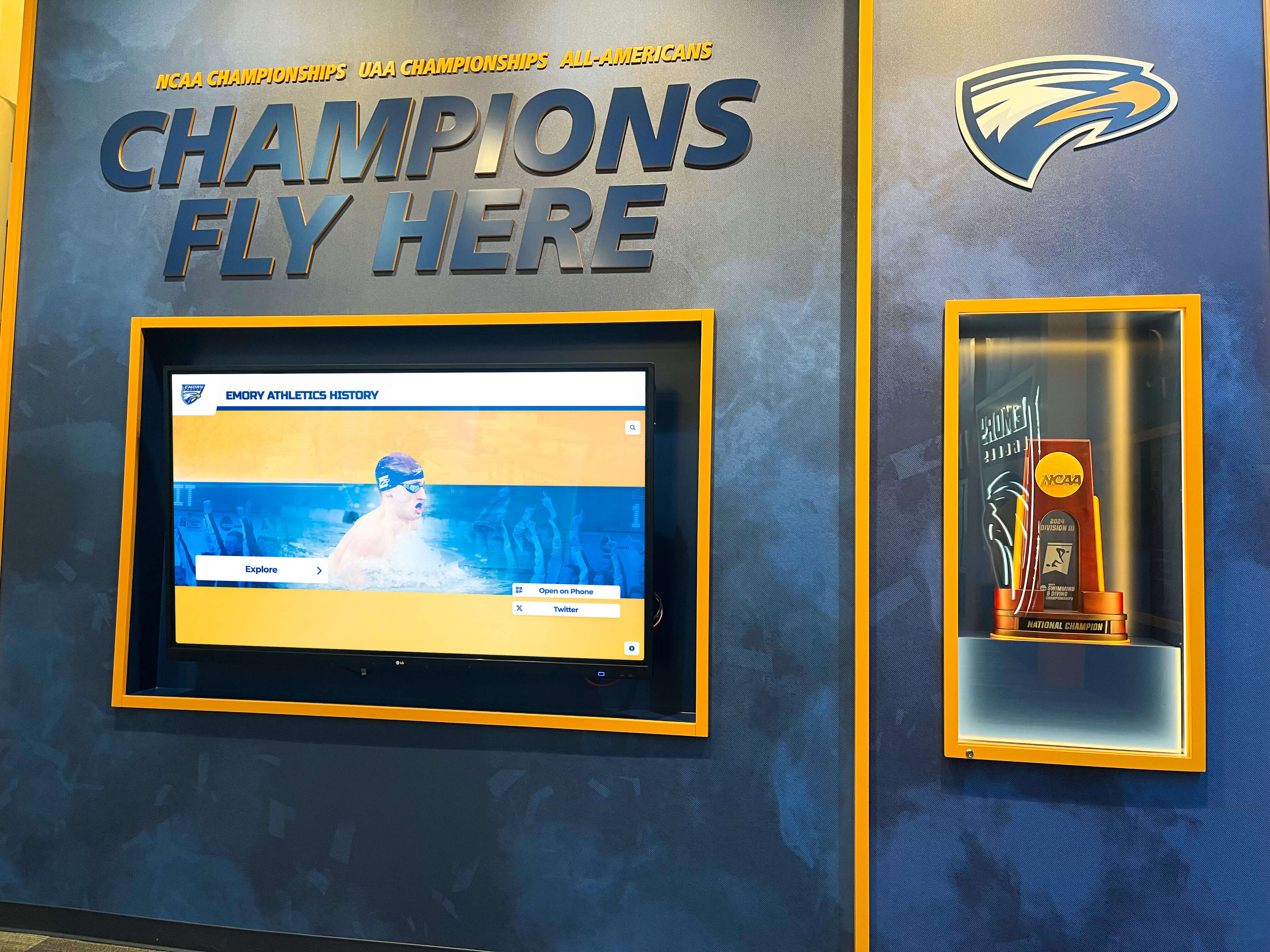
For athletic directors, coaches, and school administrators seeking to properly document and celebrate championship seasons, creating effective journey maps requires strategic planning about what to capture, how to organize information, and which platforms best preserve and share these important institutional stories.
Understanding Championship Journey Mapping
Championship journey mapping goes beyond simple win-loss records to create comprehensive narratives documenting how teams progress from season beginnings through ultimate victory.
What Makes Journey Maps Powerful
Traditional championship recognition typically features final scores, trophy photos, and perhaps team rosters—capturing outcome without context. Journey maps provide the missing narrative elements that explain how championships were won.
Complete Story Documentation: Journey maps chronicle pre-season preparation, early season development, mid-season adjustments, playoff intensity, and championship performance. This comprehensive approach honors the complete process rather than only final results.
Multiple Perspective Integration: Effective journey maps incorporate coach insights, player reflections, statistics and analytics, game-by-game progression, and memorable moment highlights. Multiple perspectives create richer, more engaging narratives than single-dimension documentation.
Accessibility for Future Generations: When championship stories exist only in memory or scattered records, institutional knowledge fades as participants graduate and coaches retire. Journey maps create permanent records ensuring future athletes understand program traditions and championship standards.
Solutions like Rocket Alumni Solutions provide digital platforms specifically designed for comprehensive championship documentation, enabling schools to create interactive journey maps that preserve complete season narratives through multimedia content, searchable databases, and engaging presentations impossible with traditional static displays.
Key Elements of Effective Journey Maps
Comprehensive championship journey maps typically include several core components that together tell complete season stories:
Timeline Foundation: Chronological organization from season opening through championship victory provides structural framework viewers can follow naturally. Clear timeline progression helps audiences understand how seasons developed across weeks and months.
Game-by-Game Results: Complete season records including regular season, tournament games, playoff matchups, and championship contests. Individual game results provide factual foundation upon which narrative elements build.
Performance Milestones: Documentation of significant achievements throughout seasons—record-breaking performances, winning streaks, comeback victories, rivalry game triumphs, and individual career milestones. These highlights identify defining moments within broader season narratives.
Roster and Contribution Recognition: Comprehensive acknowledgment of every team member’s role including starters and reserves, seniors and underclassmen, team captains and role players. Journey maps ensure all contributors receive appropriate recognition for championship success.
Statistical Documentation: Season statistics tracking individual and team performance progression, comparative data showing improvement, and record-setting achievements. Numbers provide objective evidence supporting narrative elements.
Visual Content Integration: High-quality photography from throughout seasons, video highlights of key moments, celebration images, and behind-the-scenes documentation. Visual elements bring championship journeys to life far more effectively than text alone.
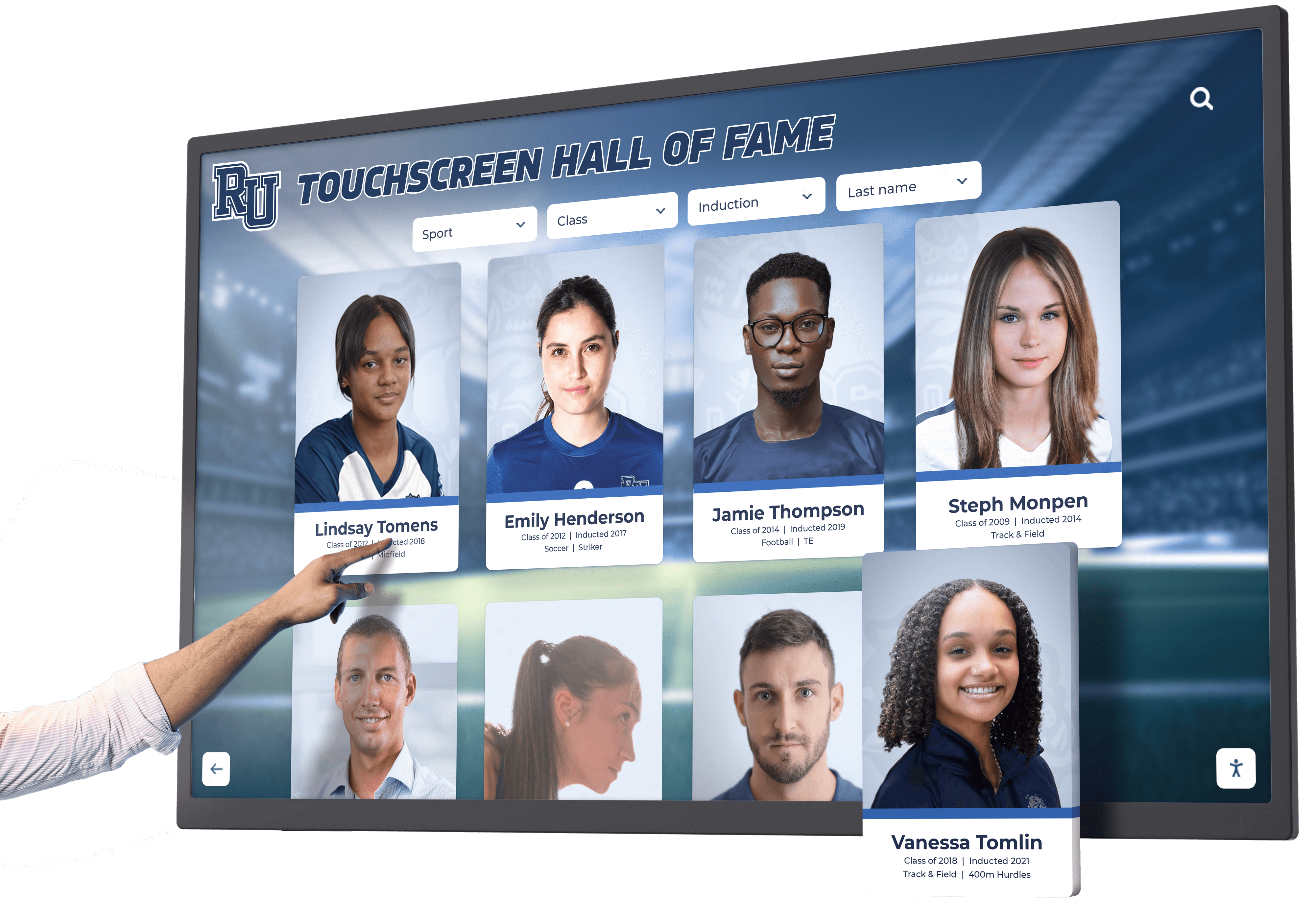
Planning Your Championship Journey Map
Creating effective journey maps requires intentional planning before, during, and after championship seasons.
Pre-Season Preparation
The best journey maps begin before seasons start, establishing systems for capturing information as championships unfold.
Documentation Team Assignment: Designate specific individuals responsible for content collection throughout seasons—photographers for game action, videographers for highlights, statisticians for performance data, and writers for narrative content. Clear assignments prevent important moments from going undocumented.
Content Collection Systems: Establish organized methods for gathering and storing information including digital photo and video storage, statistics tracking spreadsheets, game summary templates, and player reflection collection processes. Systematic organization prevents content loss while simplifying eventual journey map creation.
Timeline Planning: Map expected season structure including regular season schedule, tournament dates, anticipated playoff progression, and potential championship timing. Understanding season arc helps identify critical documentation opportunities in advance.
Historical Research: Review previous championship seasons to understand program traditions, identify recurring themes, and ensure current documentation aligns with institutional standards. Historical context strengthens journey map relevance within broader program narratives.
During-Season Documentation
Consistent content collection throughout seasons ensures comprehensive journey maps rather than rushed post-season reconstruction attempts.
Game Day Coverage: Capture action photography from every contest, record video highlights of key plays, document final scores and statistics, collect coach and player post-game comments, and photograph team celebrations. Comprehensive game day documentation provides raw material for eventual journey map creation.
Practice and Preparation: Document team preparation between games through practice session photography, strength and conditioning highlights, film study moments, and team bonding activities. Championship preparation stories prove as meaningful as game performances themselves.
Turning Point Identification: Recognize and thoroughly document pivotal moments that define seasons—rivalry victories, comeback wins, injury adversity, lineup adjustments, or breakthrough performances. These turning points become central elements in championship narratives.
Individual Achievement Recognition: Track and celebrate individual milestones as they occur throughout seasons rather than only acknowledging them retrospectively. Real-time recognition strengthens team culture while ensuring complete documentation.
Many successful programs leverage digital trophy case systems that enable real-time championship journey updates throughout seasons, keeping communities engaged while building comprehensive documentation as championships unfold.
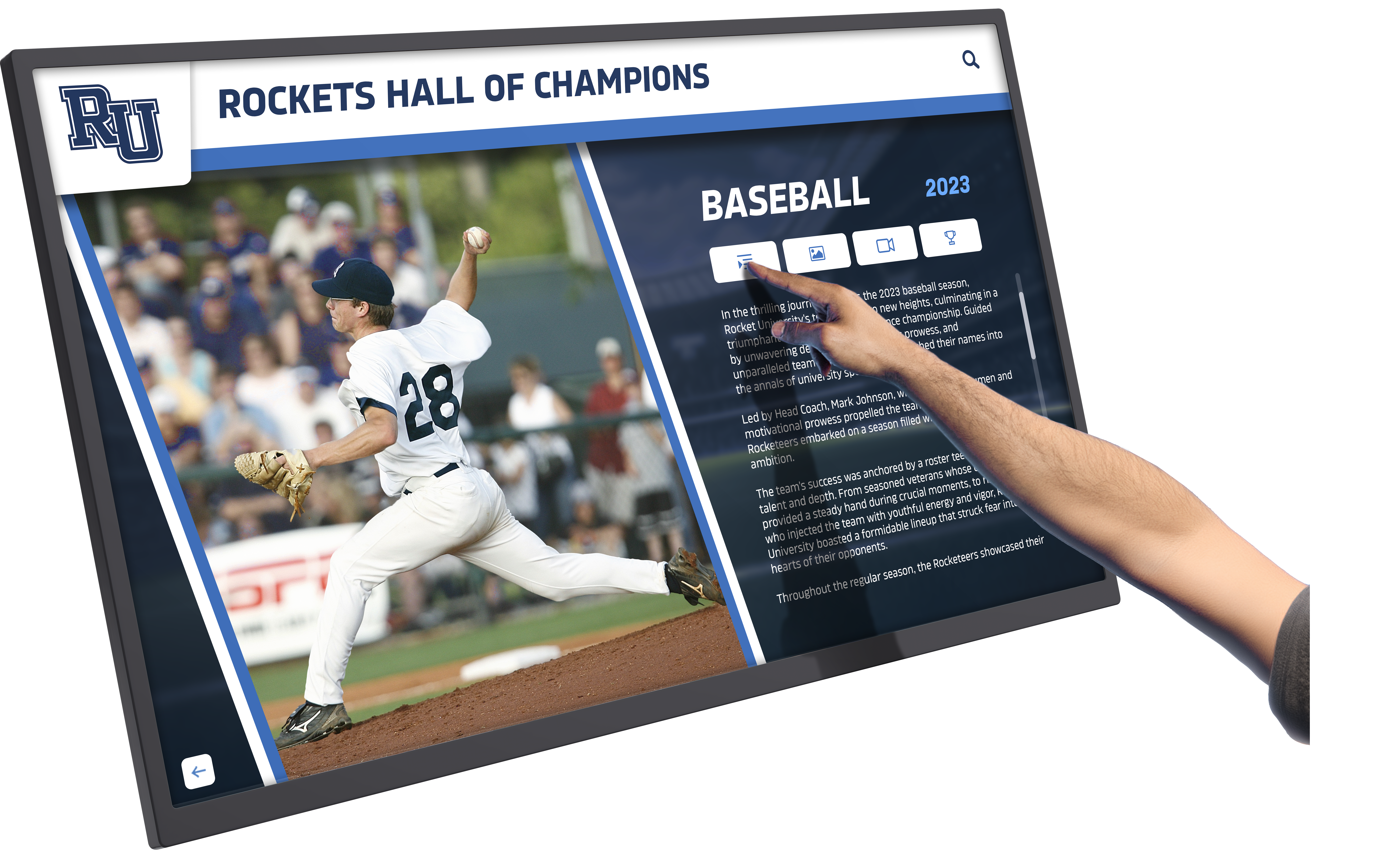
Post-Championship Organization
After championship victories, thoughtful organization transforms collected content into coherent, engaging journey maps.
Content Audit and Selection: Review all collected materials, identify most significant moments, select highest-quality visuals, and determine which statistics best illustrate season progression. Curation ensures journey maps remain focused and engaging rather than overwhelming audiences with excessive detail.
Narrative Development: Craft compelling written narratives that connect individual moments into coherent season stories. Strong narratives explain how early season challenges contributed to championship development, identify key adjustments that improved team performance, and celebrate both individual excellence and collective achievement.
Chronological Organization: Arrange content following season progression to create natural flow audiences can follow easily. Chronological structure helps viewers understand how championships developed across complete seasons.
Multiple Format Creation: Develop journey maps in various formats serving different purposes—comprehensive digital archives for complete documentation, highlight summaries for social sharing, physical displays for on-campus visibility, and video documentaries for emotional storytelling. Multiple formats maximize reach while serving diverse audience preferences.
Essential Components of Championship Journey Maps
Comprehensive journey maps incorporate multiple content types that together create rich, engaging championship narratives.
Game-by-Game Season Narrative
The foundation of any journey map is thorough documentation of every contest throughout championship seasons.
Regular Season Documentation: Chronicle each regular season game including opponent information and game context, final scores and key statistics, standout individual performances, momentum shifts and turning points, and coach and player perspectives. Regular season documentation establishes team identity and season trajectory.
Tournament and Playoff Progression: Document heightened intensity of post-season play through increased detail about competition level, pressure situations and clutch performances, strategic adjustments and game planning, and elimination stakes creating urgency. Post-season narratives typically prove most compelling as championships approach.
Championship Game Coverage: Provide comprehensive documentation of title games through extensive pre-game preparation coverage, detailed play-by-play of key moments, immediate post-game celebration photography, trophy presentation ceremonies, and reflective interviews with players and coaches. Championship game documentation serves as journey map climax.
Athletic programs implementing athletic wall of honor programs often discover that comprehensive game-by-game documentation enables them to recognize not just championship outcomes but the complete excellence journey demonstrating sustained commitment and progressive improvement throughout entire seasons.
Statistical Progression and Records
Numbers tell important parts of championship stories, providing objective evidence supporting narrative elements.
Team Performance Metrics: Track overall team statistics across seasons showing offensive production trends, defensive performance evolution, scoring patterns and tendencies, turnover rates and efficiency, and comparative analysis against season opponents. Team metrics illustrate collective improvement and championship-caliber performance levels.
Individual Achievement Documentation: Recognize personal accomplishments throughout seasons including career milestones reached during championship runs, single-game exceptional performances, season-long statistical leadership, and record-breaking achievements. Individual recognition within team contexts honors personal excellence contributing to collective success.
Historical Comparisons: Contextualize championship seasons within program history by comparing current seasons to previous championship teams, identifying record performances breaking longstanding marks, and showing how current achievements rank among program’s all-time greats. Historical perspective demonstrates championship season significance.
Modern digital record board systems enable schools to showcase statistical progressions through interactive charts, comparative visualizations, and detailed performance breakdowns that help audiences understand the numerical excellence underlying championship victories.

Visual Storytelling Through Photography
High-quality photography transforms statistics and narratives into visceral, emotional championship documentation.
Action Photography: Capture dynamic competition moments including signature plays and athletic excellence, intense competitive expressions, team celebrations and emotional reactions, and critical game situations demonstrating championship character. Action photography conveys competition intensity that words struggle to describe.
Behind-the-Scenes Content: Document championship preparation including practice sessions and training intensity, locker room team bonding, pre-game preparation rituals, strategic planning and film study, and coaching instruction moments. Behind-scenes content reveals dedication underlying championship success.
Celebration and Recognition: Photograph championship joy through immediate victory celebrations, trophy presentations and ceremonies, community celebration events, and individual recognition moments. Celebration photography captures pure emotion making championships meaningful beyond competition.
Team and Individual Portraits: Create formal documentation including complete team photos with coaching staff, senior class recognition imagery, individual player portraits, and leadership group photography. Formal portraits provide timeless documentation complementing action imagery.
Video Highlights and Multimedia Content
Video content brings championship journeys to life through motion, sound, and emotional resonance impossible with static imagery.
Game Highlight Compilation: Edit video showcasing championship season’s most memorable plays including buzzer-beaters and clutch performances, defensive stands in critical moments, offensive explosions and scoring runs, and championship-clinching plays. Highlight videos create engaging content families and communities love sharing.
Coach and Player Interviews: Capture reflections through pre-season goal-setting discussions, mid-season adversity responses, post-game victory reactions, and post-championship season reflections. Interview content provides personal perspectives adding depth to factual documentation.
Documentary-Style Storytelling: Create comprehensive video narratives that follow complete championship journeys from beginning to end. Documentary formats enable sophisticated storytelling incorporating multiple content types into cohesive, emotionally powerful presentations.
Programs documenting championship journeys discover that video content generates significantly higher engagement than static content alone, making multimedia integration essential for journey maps intended to inspire future athletes and strengthen program traditions.
Player and Coach Perspectives
Personal reflections and insights add human dimensions that transform factual documentation into meaningful stories.
Player Reflections: Collect athlete perspectives on favorite season memories, most challenging moments and how teams overcame them, personal growth throughout championship journeys, what championships mean personally, and appreciation for teammates and coaches. Player voices create authentic, relatable content resonating with current and future athletes.
Coaching Insights: Document coach perspectives including pre-season vision and goals, key strategic decisions during seasons, proudest moments beyond final scores, what made teams special, and lessons learned throughout championship journeys. Coaching perspectives provide strategic and cultural context explaining how championships were built.
Captain and Leadership Commentary: Highlight team leader voices discussing leadership challenges throughout seasons, how they built team chemistry and culture, motivational approaches during adversity, and what they want championship legacy to represent. Leadership perspectives demonstrate how positive team culture enables championship success.

Digital Platforms for Championship Journey Maps
Modern technology dramatically enhances how schools create, display, and share championship journey documentation.
Interactive Touchscreen Displays
Physical installations within athletic facilities create permanent, highly visible championship recognition.
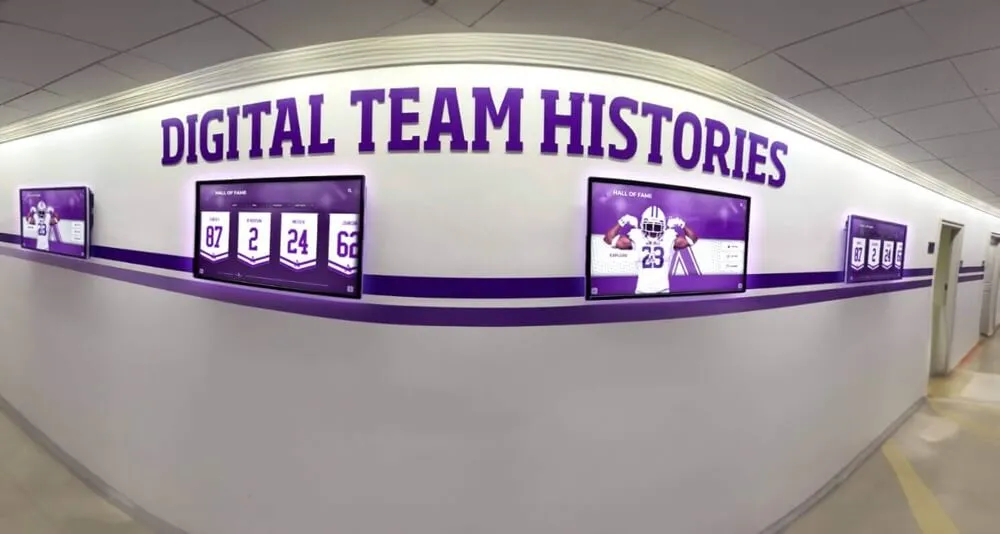

On-Campus Visibility: Touchscreen displays in gymnasiums, athletic hallways, or trophy areas ensure championship journeys remain visible to current athletes, visiting recruits, and school communities. Prominent placement demonstrates institutional pride in championship achievements while inspiring current teams.
Interactive Exploration: Digital displays enable visitors to explore championship content at their own pace through game-by-game navigation, player profile access, video highlight viewing, and detailed statistics exploration. Interactivity creates engagement impossible with static displays.
Unlimited Content Capacity: Unlike physical trophy cases with finite space, digital platforms accommodate comprehensive championship documentation without space constraints. Schools can preserve complete season stories rather than displaying only limited highlights.
Easy Updates and Additions: Cloud-based content management enables adding new championship seasons, updating historical information, and incorporating newly discovered archival content without physical display modifications. Update flexibility ensures championship documentation remains dynamic and comprehensive.
Comprehensive guides on implementing digital recognition systems provide frameworks for schools seeking to modernize championship documentation through interactive platforms that honor tradition while leveraging contemporary technology.
Online Web Platforms
Web-based championship documentation extends reach beyond physical campuses to worldwide audiences.
Global Accessibility: Online journey maps enable alumni anywhere to explore championship seasons from their schools, families to share achievements with distant relatives, recruits to research program success, and communities to celebrate local excellence. Web accessibility democratizes championship story access.
Social Media Integration: Digital platforms facilitate easy sharing to social networks, amplifying championship recognition and strengthening program visibility. Social sharing extends institutional reach far beyond schools’ direct communication channels.
Searchable Archives: Web platforms enable searching by year, sport, athlete name, or achievement type, making comprehensive championship histories navigable. Robust search ensures users quickly find personally relevant content within extensive documentation.
Mobile Optimization: Responsive design ensures championship content displays effectively on smartphones and tablets, meeting audiences where they naturally consume content. Mobile optimization proves essential for engaging younger generations.
Schools implementing online hall of fame websites discover that web-based championship documentation significantly increases engagement compared to physical displays alone, with alumni spending considerable time exploring seasons from their competitive years.
Video Platforms and Streaming
Video-specific platforms provide natural homes for championship highlight content and documentary storytelling.
YouTube Channel Organization: Create dedicated channels or playlists for championship content, organizing videos by sport, season, or content type. Structured organization helps audiences find desired content while enabling subscription-based engagement for championship video releases.
Streaming Service Archives: Maintain video libraries on school websites or dedicated platforms, creating comprehensive video archives accessible to authenticated users. Controlled access enables schools to preserve video content while managing distribution appropriately.
Social Media Video Sharing: Leverage platform-specific video features including Instagram Reels and Stories, TikTok short-form content, Facebook video posts, and Twitter video clips. Platform-specific video content meets audiences on their preferred networks.
Virtual Ceremony and Recognition: When in-person championship recognition proves challenging, video platforms enable virtual ceremonies, remote athlete recognition, and distributed viewing parties. Virtual options expand participation opportunities while creating permanent video documentation.
Creating Journey Maps for Different Sports
Different sports generate unique championship narratives requiring tailored documentation approaches.
Team Sports Journey Mapping
Team sports like football, basketball, soccer, and volleyball feature collective achievements and roster-wide contributions.
Roster Recognition: Ensure every team member receives appropriate acknowledgment regardless of playing time, recognizing starters and reserves, seniors and underclassmen, skill position players and role specialists. Comprehensive roster recognition honors everyone who contributed to championship success.
Team Chemistry Documentation: Capture team bonding moments, locker room culture, sideline celebrations, and collective unity that enabled championship success. Team chemistry stories prove as meaningful as game performances in explaining how championships were won.
Statistical Balance: Present individual statistics within team contexts, avoiding excessive emphasis on leading scorers at the expense of defensive specialists, role players, or less statistically prominent contributors. Balanced statistical presentation honors diverse contributions enabling championship success.
Research on the psychology of athletic recognition demonstrates that comprehensive recognition strengthening all team members’ sense of contribution significantly impacts program culture and future team success.
Individual Sports Journey Documentation
Sports like track, swimming, wrestling, and tennis feature individual competitors whose combined performances determine team outcomes.
Individual Performance Emphasis: Highlight personal achievements including event victories, personal records, qualification standards met, and championship performances. Individual sports naturally emphasize personal excellence within team frameworks.
Progressive Improvement Tracking: Document athlete development throughout seasons showing early season baseline performances, mid-season improvement, peak performances at championships, and season-long progression demonstrating consistent development. Improvement narratives prove particularly meaningful in individual sports.
Team Scoring Context: Explain how individual performances contributed to overall team success, showing which events generated critical team points, which athletes came through in clutch situations, and how diverse event coverage enabled championship victories. Team context ensures individual achievement recognition doesn’t obscure collective success.
Multi-Season Championship Dynasty Documentation
Some programs achieve sustained championship success requiring documentation spanning multiple seasons.
Dynasty Narrative Development: Create overarching stories connecting multiple championship seasons through common themes, sustained excellence factors, program culture elements, and coaching consistency. Dynasty narratives demonstrate sustained commitment to excellence rather than single-season peaks.
Historical Comparison: Compare championship eras within program histories, identifying record runs, most dominant seasons, and how current dynasties rank among program’s greatest teams. Historical context helps current and future athletes understand significance of sustained excellence.
Succession and Continuity: Document how programs maintain championship standards across graduating classes through senior leadership passing traditions to underclassmen, coaching consistency maintaining cultural elements, and program systems enabling sustained success. Continuity documentation reveals championship culture elements enabling long-term excellence.
Programs with multiple championships often discover that comprehensive journey mapping across seasons reveals program culture elements and success factors that single-season documentation misses, providing valuable insights for maintaining championship traditions.
Implementing Journey Maps at Your School
Moving from concept to actual championship journey map implementation requires systematic approaches and institutional commitment.
Building Documentation Systems
Establish processes ensuring consistent championship documentation across sports and seasons.
Photography and Video Protocols: Train designated individuals in content collection best practices, provide necessary equipment for quality documentation, establish storage and organization systems, and create guidelines for consistent coverage across all sports. Systematic approaches prevent documentation gaps while ensuring quality standards.
Statistical Tracking Systems: Implement or improve statistics collection and management processes ensuring accuracy, completeness, and accessibility. Reliable statistical data provides factual foundation supporting narrative elements.
Content Management Platforms: Select and implement appropriate systems for organizing, storing, and accessing championship content. Cloud-based platforms enable distributed access while protecting content from loss through hardware failures.
Timeline and Responsibility Assignment: Create clear schedules for journey map development with specific individuals assigned content collection, editing, narrative development, platform management, and quality control responsibilities. Clear accountability ensures completion rather than abandoned initiatives.
Engaging Key Stakeholders
Championship journey map success requires buy-in and contribution from multiple constituencies.
Coaching Staff Involvement: Engage coaches in documentation planning, collect their insights and perspectives, ensure they understand documentation value, and incorporate their feedback into journey map development. Coach engagement proves essential for authentic, meaningful championship narratives.
Student-Athlete Participation: Include athletes in documentation through photo and video participation, reflection and perspective collection, content review and approval, and social media sharing and promotion. Student involvement creates authentic content while building ownership and pride.
Athletic Department Support: Secure administrative backing through budget allocation for necessary resources, time allocation for documentation responsibilities, integration with existing athletic programs, and promotion through official channels. Administrative support signals institutional commitment to championship recognition.
Community and Alumni Engagement: Involve broader constituencies in journey map development through historical content contribution, financial support for implementation, feedback on documentation approaches, and celebration event participation. Community engagement broadens journey map impact while strengthening stakeholder connections.
Launch and Promotion Strategies
Completed journey maps require promotional efforts ensuring target audiences engage with championship documentation.
Dedication Ceremonies: Host events formally unveiling journey maps with team reunions, community celebrations, media coverage, and official recognition ceremonies. Public launches generate awareness while creating additional celebration opportunities.
Digital Marketing Campaigns: Promote journey maps through social media announcement series, email campaigns to alumni and community, website feature placement, and local media outreach. Multi-channel promotion maximizes awareness and engagement.
Integration with Athletics Calendar: Connect journey map promotion with relevant events including championship anniversaries, homecoming weekends, athletic awards ceremonies, and season kickoff events. Strategic timing enhances promotional effectiveness while creating natural engagement opportunities.
Ongoing Promotion and Updates: Maintain journey map visibility through periodic social media features, new content additions, anniversary recognition, and connections to current team success. Sustained promotion ensures journey maps remain living recognition rather than one-time projects.
Schools can learn from successful implementation approaches detailed in guides on best ways to increase school pride, as championship journey maps represent powerful pride-building initiatives that strengthen community connections while inspiring current and future athletes.
Measuring Journey Map Impact
Assessing journey map effectiveness helps schools understand value and identify improvement opportunities.
Engagement Metrics
For digital journey maps, track measurable engagement indicators:
Visitor Interaction Data: Monitor unique visitors, average time on journey map pages, specific content most frequently accessed, and return visitor rates. Engagement metrics reveal which championship stories resonate most strongly with audiences.
Social Media Performance: Track shares, likes, and comments on journey map content, reach and impressions generated, follower growth during promotional campaigns, and user-generated content inspired by journey maps. Social metrics demonstrate community enthusiasm and shareability.
Physical Display Interaction: For touchscreen installations, monitor interaction frequency, average interaction duration, most popular content sections, and peak usage times. Physical display analytics reveal how on-campus audiences engage with championship documentation.
Qualitative Feedback
Beyond quantitative metrics, gather stakeholder perspectives on journey map value:
Student-Athlete Responses: Collect feedback through surveys assessing pride in championship documentation, perceived motivation and inspiration, likelihood to share journey maps with families, and suggestions for improvement. Student perspectives reveal whether journey maps achieve intended motivational objectives.
Coach and Administrator Feedback: Gather input on recruiting value, community engagement impact, ease of content management, and alignment with institutional goals. Leadership perspectives help demonstrate program value while identifying enhancement opportunities.
Alumni and Community Reactions: Monitor unsolicited feedback through social media comments, email responses, event attendance at journey map launches, and donation correlations. Community responses indicate broader impact beyond current student populations.
Long-Term Cultural Impact
Most significantly, assess whether journey maps contribute to desired program culture outcomes:
Tradition Strengthening: Evaluate whether journey maps enhance athlete understanding of program history, strengthen connections between current teams and championship traditions, and increase participation in program traditions and events. Cultural impact represents journey maps’ most important potential benefit.
Motivation and Aspiration: Assess whether documentation inspires current athletes to pursue championship excellence, provides tangible goals and standards, and creates healthy competitive drive. Motivational impact justifies journey map investment through improved performance and engagement.
Institutional Pride: Monitor whether championship journey maps strengthen overall school pride, enhance program reputation in communities, and improve institutional visibility and recognition. Broader institutional benefits extend journey map value beyond athletics.
Best Practices for Sustainable Journey Mapping
Long-term success requires approaches ensuring championship documentation remains consistent and high-quality across seasons and leadership transitions.
Establishing Annual Documentation Cycles
Create predictable rhythms for journey map development:
Season-Long Collection: Document championships as they unfold rather than attempting post-season reconstruction. Real-time documentation ensures comprehensiveness while capturing authentic emotions and immediate reactions.
Post-Championship Processing: Establish timelines for journey map completion following championship victories, ensuring documentation happens while seasons remain fresh but allowing appropriate time for thoughtful development.
Summer Completion Targets: Complete journey maps during summer months when athletic seasons conclude, enabling fall promotion at season kickoffs and homecoming events. Summer timelines prevent documentation backlog while creating natural promotional opportunities.
Annual Review and Update: Revisit previous championship journey maps annually, adding newly discovered content, incorporating anniversary reflections, and updating format as technologies and best practices evolve. Ongoing maintenance keeps championship documentation dynamic rather than static.
Building Institutional Knowledge
Ensure documentation expertise persists across staff transitions:
Documentation Manuals: Create written guides detailing journey map processes, content standards, technical procedures, and quality expectations. Comprehensive documentation enables smooth transitions when responsible individuals change roles.
Training Programs: Provide systematic training for new staff assuming journey map responsibilities, combining written resources with practical mentorship and guidance from experienced personnel. Quality training ensures consistency despite personnel changes.
Content Archives: Maintain organized historical archives enabling access to previous journey maps, source materials, and best practice examples. Archives provide templates and inspiration for new journey map creators.
Stakeholder Communication: Keep athletic department leadership, coaching staff, and technology personnel informed about journey map systems, ensuring broad understanding and support persists across organizational changes.
Technology Platform Selection
Choose systems supporting long-term needs rather than short-term convenience:
Scalability: Select platforms accommodating growth including additional sports, multiple championship seasons, increasing content volumes, and expanded feature requirements. Scalable systems prevent premature obsolescence.
Ease of Use: Prioritize user-friendly interfaces enabling non-technical staff to manage content confidently without extensive training or IT support. Intuitive systems ensure sustainable management despite staff changes.
Longevity and Support: Choose established providers with track records of long-term platform maintenance, regular updates and improvements, responsive customer support, and commitment to educational market. Reliable vendors protect journey map investments.
Integration Capabilities: Select systems integrating with existing school platforms including website content management systems, student information systems, social media platforms, and other athletic department technologies. Integration streamlines workflows while improving functionality.
Platforms like Rocket Alumni Solutions provide purpose-built systems specifically designed for educational athletic recognition including championship journey mapping, offering features, support, and longevity suited to institutional needs rather than generic digital signage systems requiring extensive customization.
Conclusion: Preserving Championship Legacies
State championship victories represent pinnacle achievements in high school athletics—culminations of years of development, months of dedicated preparation, and intense competition testing every dimension of athletic excellence. Yet too often, these extraordinary achievements receive recognition proportional only to their final outcomes rather than the complete journeys making championships possible.
Championship journey maps honor the full stories—early season development establishing team identity, mid-season adjustments overcoming adversity, playoff intensity testing championship character, and ultimate victory validating sustained excellence. By comprehensively documenting these journeys, schools create institutional records that inspire future athletes, strengthen program traditions, and ensure championship achievements receive recognition proportional to their true significance.
Whether implementing journey maps for recent championships or systematically documenting historical victories, schools that commit to comprehensive championship storytelling build athletic program cultures where excellence receives lasting celebration, tradition provides motivational foundation, and every team member understands their contributions matter beyond immediate competition. These cultural benefits extend journey map value far beyond simple recognition, making championship documentation strategic investment in sustained athletic excellence.
The technologies, strategies, and best practices outlined in this guide provide frameworks for schools at any stage of championship journey mapping—from those beginning systematic documentation for first championship to programs with multiple titles requiring comprehensive historical archives. Regardless of starting point, commitment to preserving complete championship stories benefits current athletes, future competitors, coaching staffs, and entire school communities for generations.
Start documenting your championship journeys today—every season’s story deserves preservation, and every athlete’s contribution merits recognition beyond fading memory.































