Friday night lights illuminate the field as records fall and legends are born. In high school football programs across America, state records represent the absolute pinnacle of athletic achievement—career rushing yards, single-season touchdowns, consecutive games with a score, longest field goals, most tackles in a game. These extraordinary accomplishments transcend individual seasons and define programs for generations, creating benchmarks that inspire future athletes to push their physical and mental limits.
Yet many schools struggle to adequately track, preserve, and celebrate these exceptional achievements. Traditional record boards face space limitations, requiring schools to choose which accomplishments receive recognition and which fade into obscurity. Static displays lack the context that makes records meaningful—the stories behind record-breaking performances, the athletes who held records before, and the journey from good performance to exceptional achievement. As programs accumulate decades of competitive history, determining accurate records becomes increasingly challenging without systematic documentation.
Modern solutions like digital recognition displays transform how schools track and celebrate state records in football by providing unlimited capacity for documenting every record category, rich multimedia storytelling that preserves the complete narrative behind achievements, interactive features enabling athletes to explore historical performance data, and automated update capabilities ensuring records remain accurate and current. This comprehensive guide explores effective strategies for tracking state records in football, celebrating record-breaking performances, and creating lasting recognition that honors exceptional achievement while inspiring future excellence.
Understanding State Records in Football
State records in high school football represent performances that rank among the best in an entire state’s history—accomplishments so exceptional they stand out even among thousands of talented athletes competing across decades. These records differ fundamentally from school records or conference achievements by measuring performance against the broadest competitive field.
What Qualifies as a State Record
State records typically fall into several categories, each measuring different dimensions of football excellence. Individual game records document single-game performances including rushing yards, passing yards, touchdowns scored, tackles made, interceptions, sacks, receiving yards, and kicking achievements. Single-season records measure sustained excellence across complete campaigns through categories like total rushing yards, passing yards, touchdowns, receptions, tackles, interceptions, and scoring.
Career records demonstrate consistent excellence across multiple years through categories including all-time rushing yards, passing yards, career touchdowns, total tackles, interceptions, games played, and consecutive starts. Team records celebrate collective achievement including season win totals, consecutive wins, points scored in a season, defensive statistics, and championship achievements.
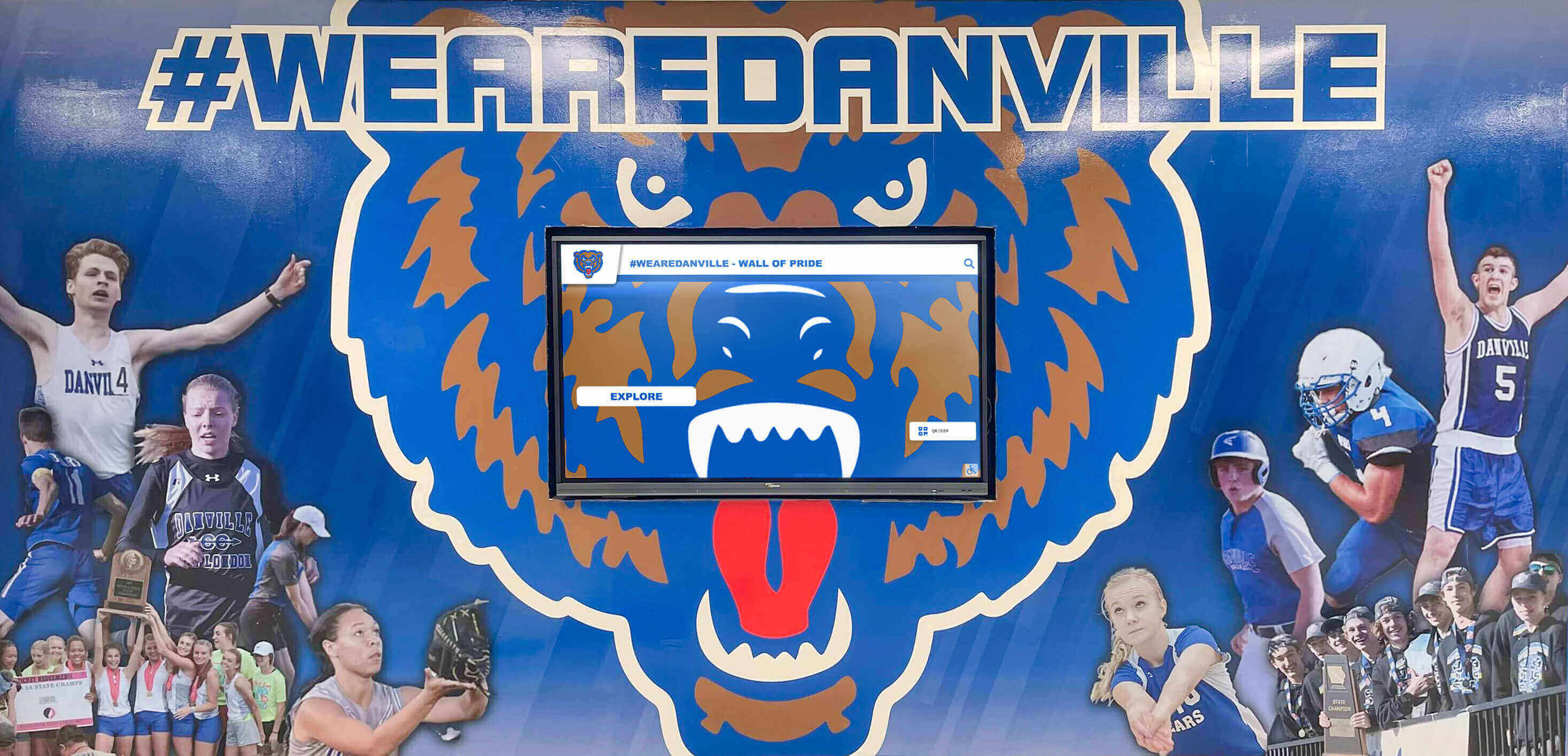
According to the National Federation of State High School Associations, state athletic associations maintain official record books documenting these achievements, providing authoritative sources for verifying state records. However, many schools don’t systematically track how their athletes compare to state standards, missing opportunities to recognize and celebrate when students achieve these exceptional benchmarks.
The Significance of State-Level Recognition
State records carry particular significance because they represent achievement measured against the largest competitive peer group. While school records honor excellence within individual programs and conference records recognize regional success, state records demonstrate that an athlete’s performance ranks among the very best in the state’s entire history.
This broader competitive context creates powerful motivation for athletes pursuing excellence. When student-athletes understand that their performances are approaching or exceeding state-level benchmarks, abstract goals become concrete targets. A running back who learns he’s within 500 yards of a state career record gains tangible motivation to continue developing his skills. A quarterback approaching state-level single-season passing yards sees clear evidence that exceptional achievement lies within reach.
State records also provide valuable context for college recruitment. When programs can document that athletes have achieved or approached state records, they provide objective evidence of elite performance that college coaches recognize and value. This documentation becomes particularly important in competitive recruitment situations where concrete performance data influences scholarship decisions.
Tracking State Records: Systems and Processes
Accurately tracking state records requires systematic approaches that document performance data, maintain historical records, and regularly verify achievements against official state standards.
Establishing Comprehensive Tracking Systems
Effective record tracking begins with systematic season-by-season documentation of individual and team statistics. Athletic departments should designate specific staff members—typically athletic directors, head coaches, or statistics coordinators—with responsibility for maintaining comprehensive statistical records across all games and seasons.
Modern statistical tracking involves detailed game-by-game documentation including rushing attempts and yards for every ball carrier, passing completions, attempts, yards, and touchdowns, receiving statistics for all eligible receivers, defensive statistics including tackles, sacks, and interceptions, special teams statistics covering kicking, punting, and returns, and team-level statistics for scoring and defensive performance.
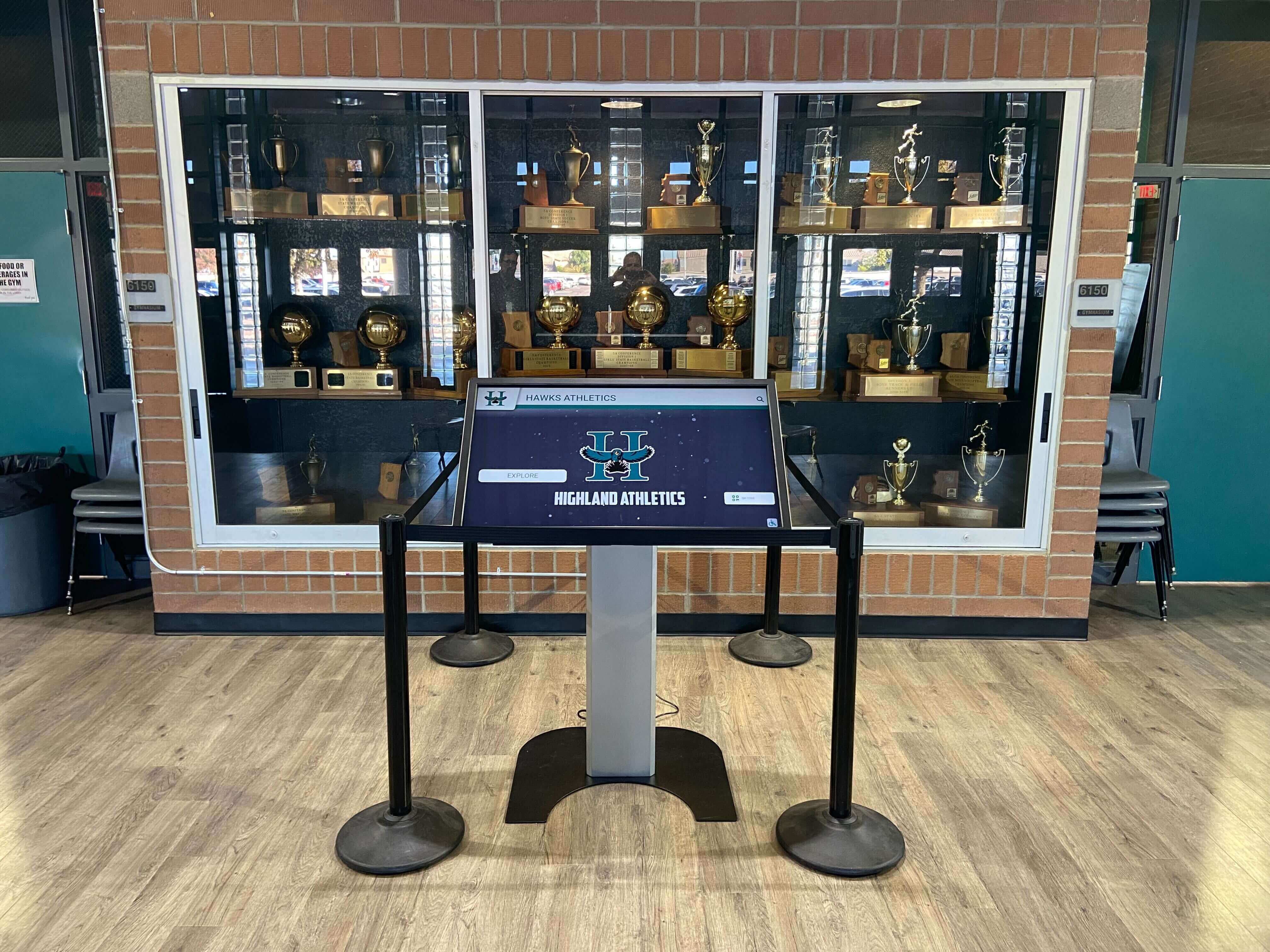
Digital record-keeping systems provide significant advantages over manual paper-based tracking by enabling efficient data entry and retrieval, automatic calculation of career and season totals, comparison features that identify when athletes approach records, backup and archiving capabilities preventing data loss, and export functions that facilitate sharing with media and state associations.
Solutions like comprehensive sports record-keeping systems enable schools to maintain detailed statistical databases that support both internal record tracking and verification of potential state records.
Verifying State Record Achievement
When athletes achieve performances that may constitute state records, schools must follow verification processes to confirm achievements and gain official recognition. This typically involves consulting official state athletic association record books to identify current records, gathering complete documentation of the performance including game statistics and video evidence, submitting verification requests to state athletic associations following their specific procedures, and maintaining documentation of the verification process and official confirmation.
State athletic associations maintain specific requirements for record verification that may include submission deadlines, required documentation formats, witness verification from game officials, video evidence for certain record categories, and school administrator certification. Understanding and following these procedures ensures that exceptional achievements receive appropriate official recognition.
Historical Record Documentation
Many schools possess incomplete historical records, creating challenges when attempting to document complete program history or verify long-standing records. Reconstructing historical performance data requires systematic research including reviewing archived game programs and season summaries, consulting local newspaper coverage from historical seasons, interviewing former coaches and players, examining yearbooks and school publications, and accessing state athletic association archives.
This historical documentation serves multiple purposes beyond record verification. It creates complete program histories that honor all eras of competition, identifies potential records from historical seasons that warrant recognition, preserves institutional knowledge that might otherwise be lost, and provides rich content for recognition displays and historical features.

Categories of State Records in Football
Football’s complexity creates numerous record categories across offensive, defensive, and special teams performance, each measuring different aspects of athletic excellence and contribution to team success.
Offensive Records
Offensive records typically receive the most attention given the sport’s emphasis on scoring and yardage production. Rushing records measure both single-game and career achievement through categories including rushing yards in a single game, season rushing yards, career rushing yards, rushing touchdowns in a game, season rushing touchdowns, and career rushing touchdowns.
Many states maintain additional rushing subcategories such as longest rush from scrimmage, most 100-yard rushing games, consecutive games with rushing touchdowns, most rushing attempts in a game, and average yards per carry (minimum attempts).
Passing records celebrate quarterback excellence through single-game passing yards, season passing yards, career passing yards, passing touchdowns in a game, season passing touchdowns, career passing touchdowns, completion percentage, and consecutive completions.
Receiving records honor the athletes who catch passes including receiving yards in a game, season receiving yards, career receiving yards, receptions in a game, season receptions, career receptions, receiving touchdowns, and longest reception.
Defensive Records
Defensive achievements often receive less systematic tracking than offensive statistics, yet exceptional defensive performances deserve equal recognition. Tackle records document both single-game and career achievement through total tackles in a game, season tackles, career tackles, tackles for loss, and sack totals.
Turnover-related records celebrate game-changing defensive plays including interceptions in a game, season interceptions, career interceptions, interception return yards, forced fumbles, fumble recoveries, and defensive touchdowns.
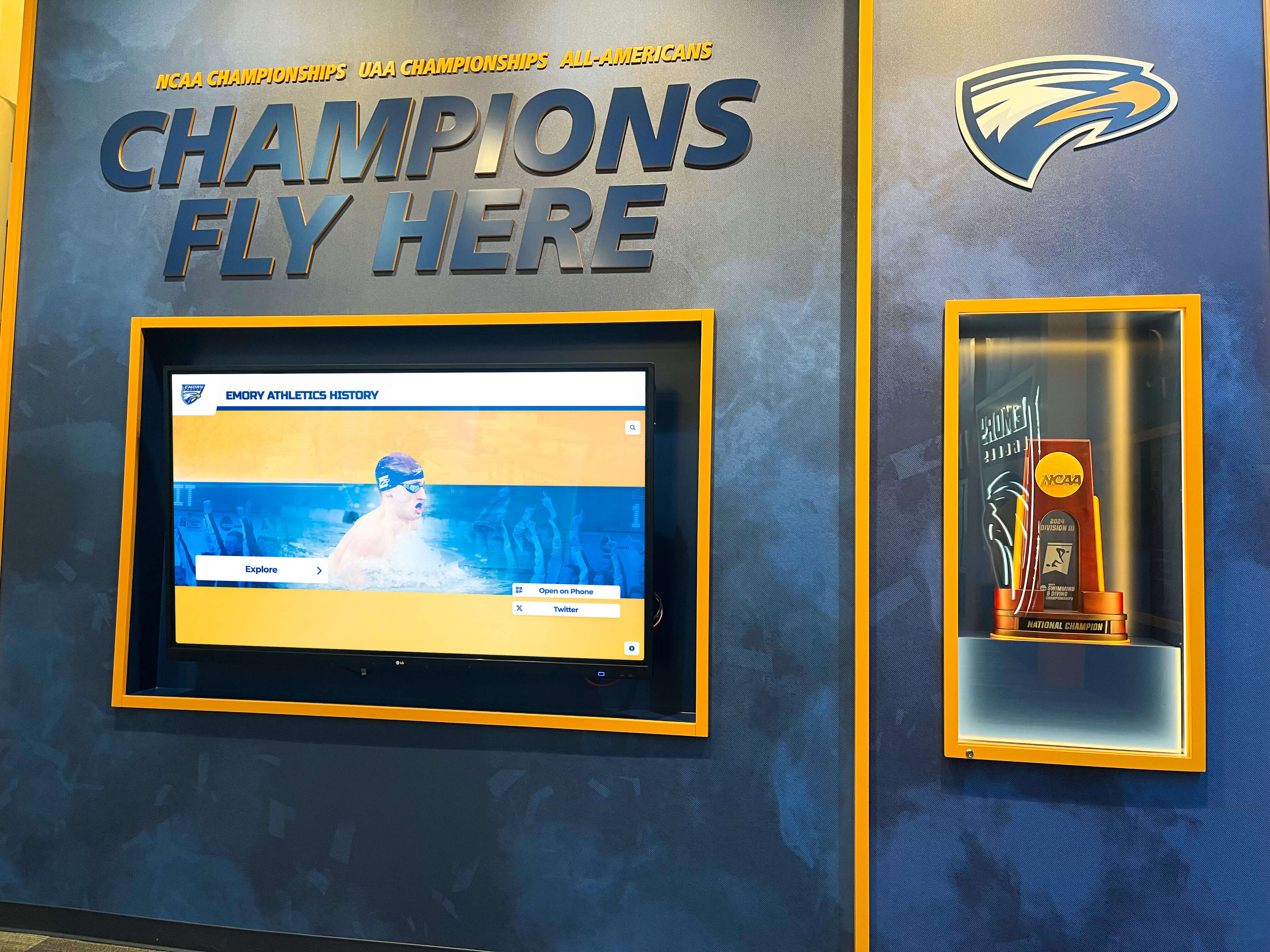
State associations may also track specialized defensive categories such as pass deflections, consecutive games with tackles for loss, safety records, and defensive shutouts. Comprehensive defensive statistics require systematic tracking often more challenging than offensive statistics, making dedicated record-keeping particularly important for defensive recognition.
Special Teams Records
Special teams records celebrate excellence in kicking, punting, and return game through categories including field goals made in a game, season field goals, career field goals, longest field goal, consecutive field goals, punting average, longest punt, punt return yards, kickoff return yards, and return touchdowns.
These specialized records often receive insufficient attention despite their impact on game outcomes. Programs committed to comprehensive recognition ensure special teams achievements receive documentation and celebration equal to more prominent statistical categories.
Team Records
Beyond individual achievement, team records celebrate collective success including points scored in a game, season points, consecutive games scoring, defensive points allowed, shutout games, consecutive wins, undefeated seasons, playoff achievements, and championship wins.
Team records provide important context for individual achievements by showing how personal excellence contributed to program success. When athletes understand that their record-breaking seasons coincided with championship campaigns or historic win totals, the connection between individual performance and team success becomes clear.
Resources about football records recognition provide frameworks for systematically documenting achievements across all these categories while creating recognition systems that honor diverse forms of excellence.
Celebrating State Record Achievements
When athletes achieve state records, schools have opportunities to celebrate these exceptional accomplishments through immediate recognition, formal ceremonies, and lasting documentation that honors achievement while inspiring future excellence.
Immediate Recognition Strategies
State record achievements warrant immediate acknowledgment that capitalizes on the excitement surrounding exceptional performances. Schools should implement processes ensuring rapid response including social media announcements within hours of record confirmation, school-wide communication through PA systems and digital displays, local media notification providing press releases and interview opportunities, and community recognition at school board meetings or civic events.
This immediate recognition validates athlete achievement at the peak of excitement while generating community pride and institutional visibility. Delayed recognition diminishes impact and suggests the school doesn’t fully appreciate the significance of exceptional performance.
Formal Recognition Events
Beyond immediate acknowledgment, state records deserve formal recognition through structured events and ceremonies. Many schools incorporate state record celebration into existing recognition programs including season-end athletic banquets featuring special recognition for record-breakers, pep rallies or assemblies celebrating achievements with the entire student body, special presentations during home games with public address announcements and video board features, and athletic department ceremonies specifically honoring exceptional achievements.
These formal events create memorable moments that athletes treasure throughout their lives while demonstrating to current students that exceptional achievement receives institutional celebration and appreciation. When younger athletes witness record-breakers receiving recognition, they develop concrete understanding that pursuing excellence leads to meaningful acknowledgment.
Creating Lasting Recognition
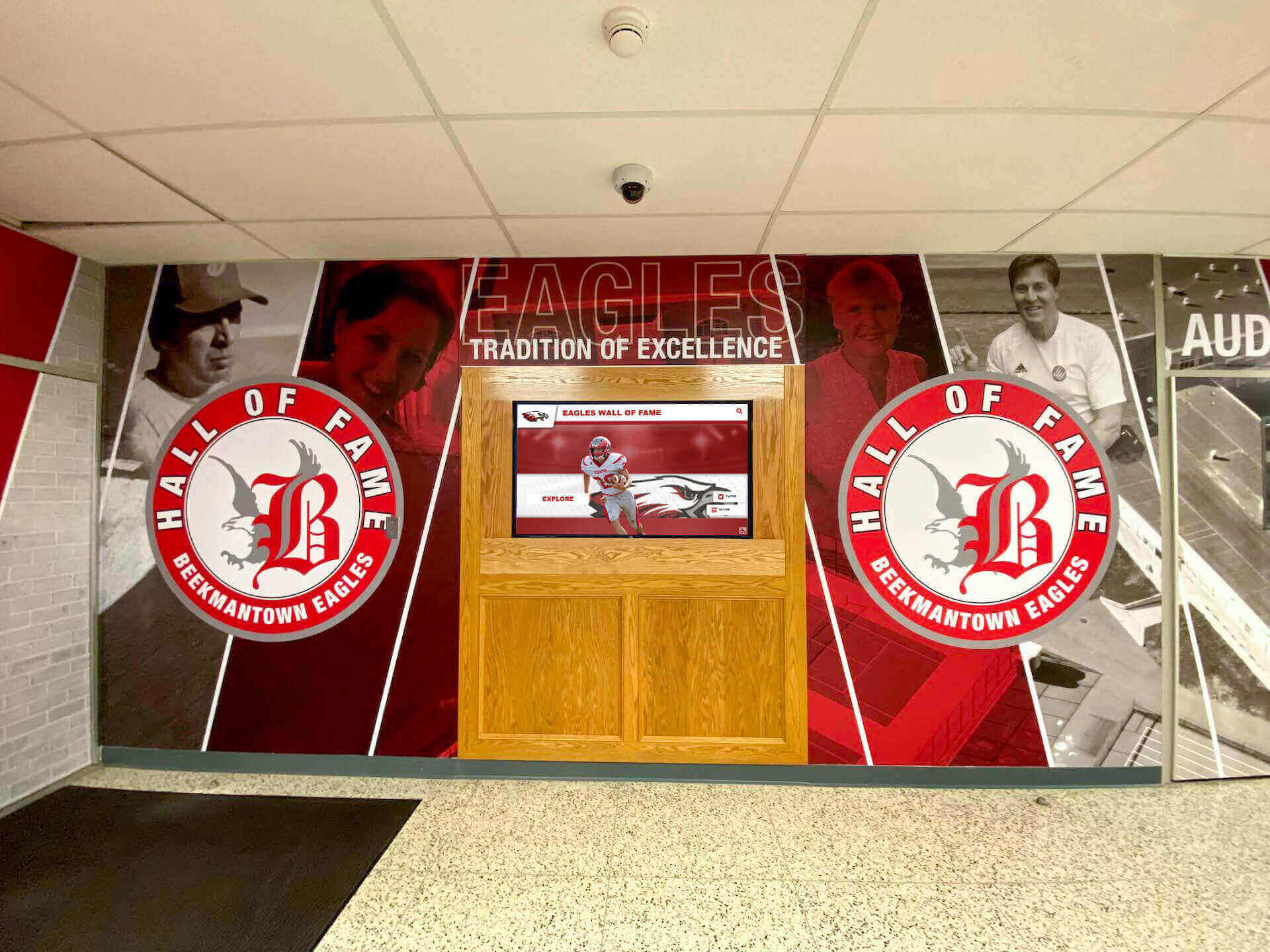
The most meaningful recognition extends beyond immediate celebration to create permanent documentation that honors achievement for decades. Traditional approaches include dedicated plaques documenting state record achievements with athlete names, performance details, dates, and context; incorporation into trophy cases alongside championship hardware and team achievements; and dedicated sections of gymnasium or athletic facility walls.
However, these traditional methods face the space constraints and maintenance challenges that limit comprehensive recognition programs. Digital recognition platforms overcome these limitations while creating richer, more engaging documentation of exceptional achievement.
Digital Recognition: Transforming State Record Documentation
Modern digital recognition systems provide capabilities impossible with traditional displays, creating comprehensive, engaging documentation that celebrates state records while inspiring future athletes to pursue similar excellence.
Unlimited Recognition Capacity
Digital platforms eliminate the space constraints that force difficult decisions about which records to display prominently versus which to relegate to storage or limited visibility. Every state record across all categories and eras can receive comprehensive documentation including complete athlete profiles, detailed performance statistics, game-by-game data showing the path to records, contextual information about previous record holders, video highlights of record-breaking performances, and historical context showing how records evolved.
This comprehensive capacity matters particularly for programs with rich competitive histories where multiple athletes have achieved state records across different eras and categories. Solutions like interactive touchscreen displays provide platforms where unlimited records receive equal visibility rather than physical constraints determining recognition priorities.
Interactive Exploration Features
Digital recognition transforms passive viewing into active exploration through searchable databases enabling visitors to find specific records, athletes, or time periods; filtering capabilities allowing users to view records by category, position, or achievement level; comparison tools showing how current athletes compare to state record benchmarks; historical timelines documenting how records progressed across decades; and visualization features that create engaging presentations of statistical data.
These interactive features create experiences where students actively engage with program history rather than briefly glancing at static displays. Analytics consistently show visitors spending significantly longer exploring interactive digital displays compared to traditional recognition, creating deeper connections with athletic history and achievement.
Rich Multimedia Storytelling
Digital platforms enable recognition depth impossible with traditional plaques or printed materials through comprehensive athlete biographies providing context beyond bare statistics, video highlights preserving memorable moments from record-breaking performances, photo galleries documenting athlete development and achievement, interview clips featuring athlete reflections on their accomplishments, newspaper coverage archives preserving contemporary documentation, and coach testimonials providing perspective on achievement significance.
This multimedia approach transforms records from abstract numbers into compelling human stories. When students can watch video of a record-breaking touchdown run while reading about the athlete’s training approach and hearing coach reflections on the performance, they develop richer understanding of what exceptional achievement requires and what it means for programs and communities.
Automated Updates and Maintenance
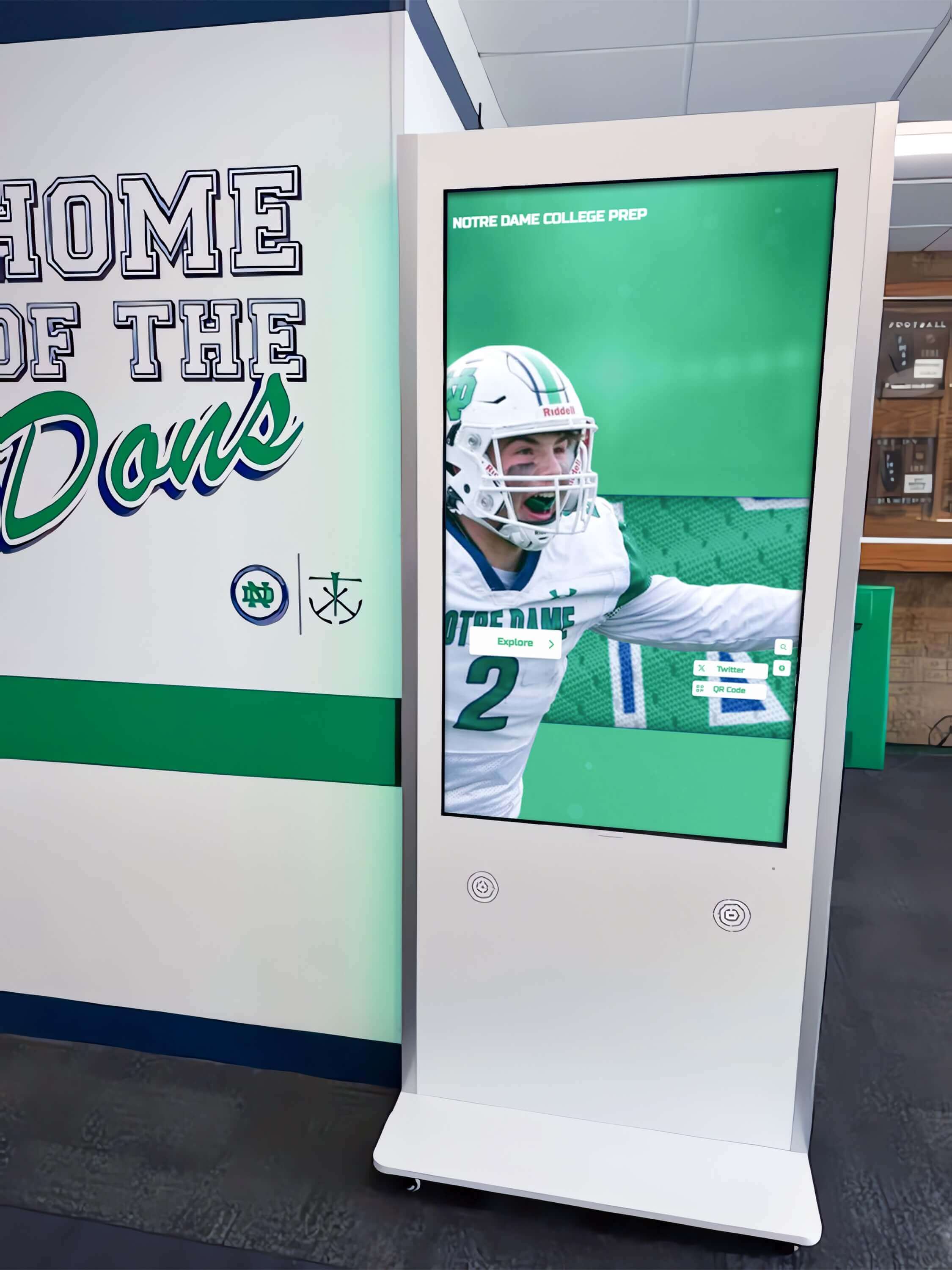
Digital recognition systems dramatically simplify the process of maintaining current, accurate records through cloud-based content management enabling updates from any internet-connected device, simple interfaces requiring no technical expertise for content updates, automatic archiving preventing data loss, scheduling features allowing content updates to publish automatically, and version control enabling correction of errors without complicated processes.
This ease of maintenance ensures that when new state records are achieved, recognition can be updated within hours rather than waiting weeks or months for physical material production and installation. The ability to quickly update displays maintains accuracy while demonstrating institutional responsiveness to achievement.
Integrating State Records into Comprehensive Athletic Recognition
State records achieve maximum impact when integrated into broader athletic recognition programs that celebrate excellence across multiple dimensions rather than existing as isolated displays.
Multi-Level Achievement Recognition
Comprehensive recognition systems acknowledge that while state records represent exceptional achievement, athletes demonstrate excellence at multiple levels including school records documenting program-best performances, conference records recognizing regional competitive success, state records celebrating performances among the best in state history, and milestone achievements like 1,000 career rushing yards or 100 tackles in a season.
Creating recognition hierarchies that celebrate all these achievement levels while maintaining clear distinctions ensures that exceptional state records receive appropriate emphasis while honoring the broader range of athletic excellence that contributes to program success.
Frameworks for all-state athlete recognition provide models for creating comprehensive systems that celebrate diverse achievement levels while ensuring state records receive the special prominence they deserve.
Position-Specific Recognition
Football’s specialized position structure means different athletes contribute to team success through distinct skills and responsibilities. Effective recognition systems ensure all positions receive appropriate acknowledgment including skill position players (quarterbacks, running backs, receivers) with statistics-rich recognition, offensive linemen who rarely accumulate statistics but enable team success, defensive players across all position groups and schemes, and special teams specialists whose contributions impact game outcomes.
State records may exist for statistical categories associated with specific positions, requiring recognition systems that accommodate position-specific achievement while maintaining comprehensive program documentation.
Team Success Context
Individual records become more meaningful when connected to team success and program achievement. Recognition displays should integrate individual state records with broader program context including championship seasons during which records were set, team records achieved during exceptional individual seasons, program winning streaks or historic seasons, and coaching tenure and program development narratives.
This integrated approach shows how individual excellence contributed to collective achievement while honoring both personal accomplishment and team success. When an athlete’s state record rushing season coincided with a championship campaign, that connection enriches both the individual and team narratives.
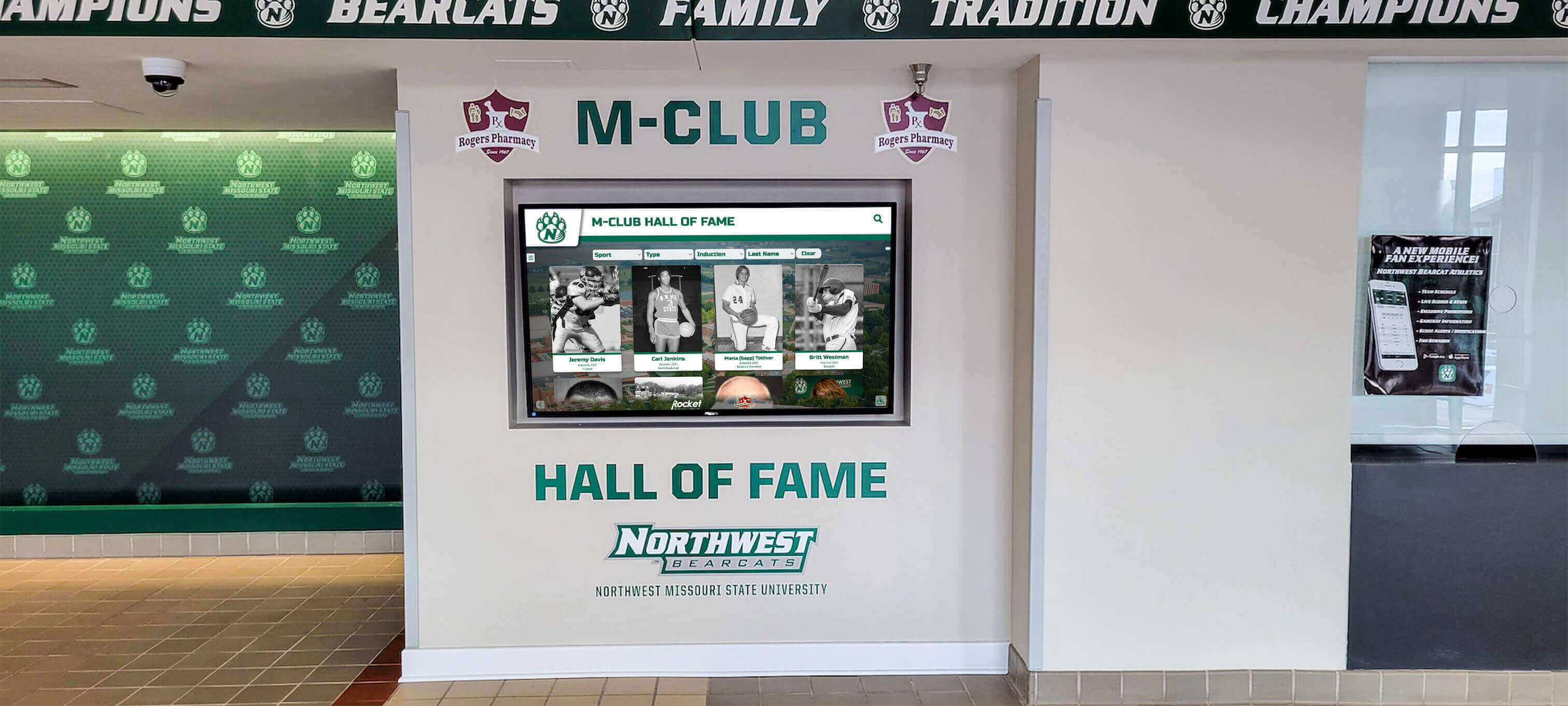
Resources about fall sports championships recognition demonstrate how comprehensive programs integrate individual records with team achievements to create rich documentation of program excellence.
Motivating Future Athletes Through State Record Recognition
The ultimate purpose of recognizing state records extends beyond honoring past achievement—effective recognition inspires current and future athletes to pursue their own excellence by showing what’s possible through dedication and effort.
Creating Aspirational Targets
Visible state record recognition creates concrete goals that transform abstract excellence concepts into specific, measurable targets. When a sophomore running back sees that the state record for career rushing yards is 8,247 yards and he currently has 1,200, he gains a tangible target for his remaining seasons. This specificity enables goal-setting far more effective than vague encouragement to “work hard” or “do your best.”
Interactive digital displays can include features that help athletes understand where they stand relative to records including current season statistics updated regularly, projections showing what athletes need to achieve to approach records, historical context about how previous record holders reached their achievements, and comparison tools enabling athletes to measure their performance against benchmarks.
These tools don’t simply display what’s been achieved—they help current athletes envision their own paths to exceptional performance.
Demonstrating the Path to Excellence
State record recognition becomes most valuable when it documents not just final achievements but the journey that made them possible. Comprehensive recognition should include athlete development stories showing progression from freshman to senior years, training approaches and commitment levels that enabled exceptional performance, adversity overcome including injuries or challenges, academic achievement alongside athletic excellence, and post-graduation outcomes showing how athletic excellence connected to future opportunities.
This complete documentation helps current athletes understand that state records don’t result from innate talent alone—they require dedicated training, mental toughness, strategic skill development, and sustained commitment across multiple years. When younger athletes understand the complete picture of what exceptional achievement requires, they can make informed decisions about their own commitment levels and development approaches.
Building Program Culture of Excellence
Programs with visible documentation of state record achievement develop cultures where exceptional performance becomes expected rather than rare. When athletes grow up seeing program history filled with state-level achievement, pursuing similar excellence becomes part of program identity rather than an unusual ambition.
This cultural impact appears particularly strong when recognition systems document sustained achievement across multiple eras and athlete generations. When current athletes see that their program has consistently produced state record performers across decades, they understand they’re part of traditions of excellence with expectations for continued exceptional performance.
Schools implementing comprehensive recognition through digital record board systems report measurable impacts on athlete motivation and performance aspirations, with coaches noting increased focus on pursuing measurable excellence benchmarks.
Implementation: Creating State Record Recognition Programs
Schools committed to recognizing state records can implement effective programs through systematic planning that addresses content development, display selection, budget considerations, and ongoing maintenance.
Content Development and Historical Research
Comprehensive state record recognition requires gathering complete information about achievements, athletes, and program history. This process includes verifying all state records through official state athletic association sources, documenting athlete biographies and career achievements, collecting photographs from record-breaking performances, gathering video footage when available, obtaining newspaper coverage and media documentation, and interviewing coaches and athletes for personal reflections.
For historical records, additional research may be necessary including consulting archived media coverage, reviewing yearbooks and school publications, interviewing alumni and former coaches, and accessing state athletic association historical archives. This research creates rich content that transforms bare statistics into compelling stories.
Display Location and Format Selection
State record recognition requires strategic placement ensuring maximum visibility and impact. Key location considerations include main gymnasium entrances where athletes, students, and visitors enter facilities; athletic hallways connecting locker rooms and practice areas; school lobbies providing visibility to entire school communities; and field house or stadium areas serving multiple sports programs.
Display format decisions involve choosing between traditional physical displays limited by space but offering established aesthetic approaches, digital touchscreen displays providing unlimited capacity and interactive features, hybrid approaches combining traditional elements with digital components, and web-based displays extending recognition beyond physical campus boundaries.
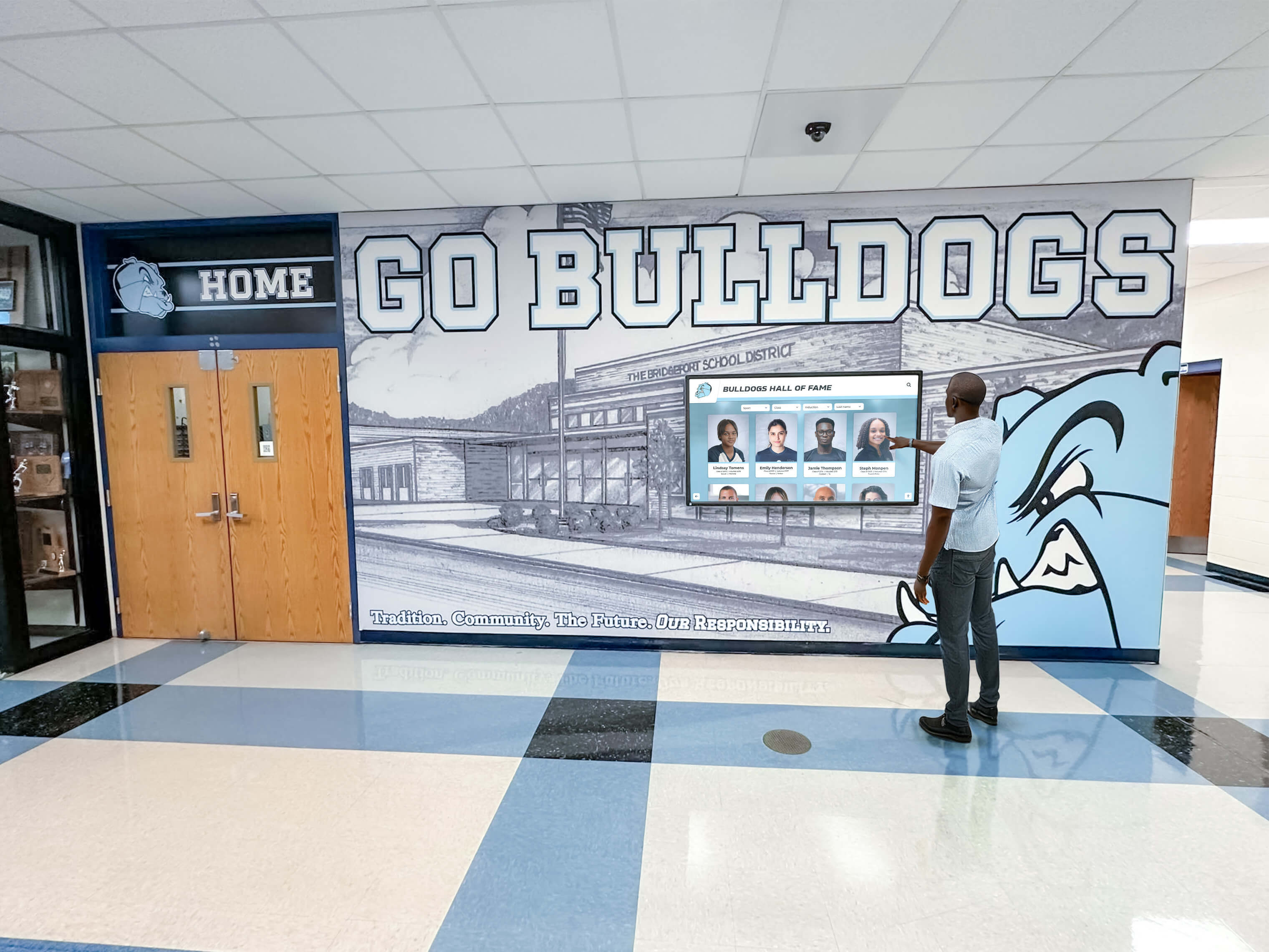
Many programs find that hybrid approaches work particularly well, maintaining traditional championship banners and trophy cases for immediate visual impact while utilizing digital systems for comprehensive statistical documentation and historical depth.
Budget Planning and Funding
State record recognition programs require realistic budgeting accounting for initial implementation and ongoing maintenance costs. Traditional physical recognition involves plaque production costs typically ranging $150-400 per achievement, trophy case installation at $2,000-8,000 depending on size and quality, banner production at $200-500 per banner, and ongoing update costs for each new achievement.
Digital recognition involves different investment patterns including initial software licensing at $2,000-5,000, display hardware ranging from $4,000-12,000 depending on size and features, professional installation at $500-2,000, initial content development at $1,000-5,000 for historical digitization, and annual licensing typically $500-1,500.
While digital systems demand higher initial investment, they eliminate recurring physical production costs while providing unlimited recognition capacity and significantly easier maintenance. Most programs achieve cost parity within 3-5 years while enjoying substantially greater functionality.
Funding strategies include athletic department capital budgets, booster club fundraising campaigns, alumni donations honoring specific sports or eras, sponsorship opportunities with appropriate restrictions, and grant applications for educational technology. Solutions like Rocket Alumni Solutions offer flexible financing options that enable schools to implement comprehensive recognition within budget constraints.
Ongoing Maintenance and Updates
Successful recognition programs require sustained maintenance ensuring accuracy and currency. Key maintenance processes include updating displays immediately when new state records are achieved, conducting annual audits verifying record accuracy, adding new content including photographs and video, monitoring state athletic association record books for changes, and maintaining hardware and software systems.
Designating specific staff responsibility for recognition maintenance prevents programs from launching with enthusiasm but allowing recognition to become outdated over time. Clear accountability ensures that exceptional achievements receive lasting, accurate documentation.
Leveraging State Records for Program Development
Beyond honoring individual athletes, state record recognition serves strategic purposes that strengthen programs through recruitment, fundraising, community engagement, and alumni relations.
Recruiting Impact
State record recognition provides tangible evidence of program excellence that influences recruitment decisions. When prospective athletes visit campuses and encounter comprehensive displays documenting state-level achievement, they immediately understand they’re considering programs with histories of developing elite performers.
This visible documentation influences recruitment in several ways including providing objective evidence of program quality beyond coach claims, demonstrating pathways to college recruitment and scholarship opportunities, showing commitment to honoring and celebrating exceptional achievement, and creating aspirational environments that attract competitive athletes seeking excellence.
Many coaches report that state record displays become focal points during recruiting visits, with prospective athletes spending significant time exploring program histories and imagining themselves as future record holders. This engagement contributes to recruitment success rates and influences athlete decisions to commit to programs.
Resources about college recruitment and recognition displays document how visible achievement celebration impacts recruiting outcomes and program competitiveness.
Fundraising and Booster Engagement
State record recognition creates engagement opportunities that strengthen booster organizations and fundraising programs. Recognition-focused initiatives include fundraising campaigns to establish or expand recognition programs, naming opportunities associated with recognition displays, sponsorship programs supporting annual recognition expenses, alumni giving tied to honoring specific eras or achievement categories, and recognition events that bring together supporters and donors.
State records provide compelling fundraising narratives—donors respond positively to opportunities to honor exceptional achievement and preserve program history. Recognition programs that celebrate state records create natural engagement points for alumni and community members passionate about athletic excellence.
Building Community Pride
State-level achievement generates community pride extending beyond athletic departments. When local athletes achieve state records, entire communities celebrate these accomplishments that bring recognition to towns and regions. Effective recognition programs amplify this pride through media engagement highlighting state record achievement, community events celebrating record-breakers, school-wide recognition that shares achievement with entire student bodies, and digital platforms enabling community members to explore and share achievements.
This community engagement strengthens support for athletic programs while creating positive associations with schools and educational institutions. In many communities, athletic achievement provides visible, measurable success that generates enthusiasm and support translating into broader institutional benefits.

Alumni Connection and Engagement
Former athletes who achieved state records remain connected to programs throughout their lives. Recognition programs that honor their achievements create ongoing engagement opportunities including reunion events centered on recognition displays, alumni updates sharing career developments and life achievements, mentorship programs connecting record-holders with current athletes, speaking opportunities where former record-holders inspire current teams, and fundraising participation from alumni appreciating continued recognition.
Strong alumni engagement delivers multiple benefits including financial support for program development, mentorship and career guidance for current athletes, enhanced program reputation through alumni networks, and preserved institutional knowledge about program history and traditions. State record recognition provides natural foundation for building and maintaining these valuable alumni relationships.
Technology Trends in State Record Recognition
State record recognition systems continue evolving as technology capabilities advance, creating new opportunities for celebrating achievement and engaging athletes and communities.
Integration with Statistical Platforms
Modern statistical tracking platforms increasingly connect with recognition systems, enabling automated updates through real-time data feeds that update displays immediately after games, automatic record identification when performances meet state benchmarks, historical comparison tools showing current performance versus records, and projection features estimating likelihood of record achievement based on current pace.
These integrations reduce manual work required to maintain accurate recognition while ensuring displays reflect current performance without delays. As statistical tracking becomes more sophisticated, recognition systems that integrate with these platforms will deliver enhanced functionality and accuracy.
Mobile Access and Personal Connections
Recognition systems increasingly extend beyond physical displays to mobile platforms enabling athletes and families to access recognition anywhere including mobile applications providing complete record databases, social sharing features enabling easy distribution of achievements, personalized notifications when athletes approach records or achieve milestones, and alumni profiles that update automatically as record-holders share life achievements.
Mobile access dramatically expands recognition reach beyond those visiting physical facilities, creating ongoing engagement opportunities with broader audiences while enabling athletes to carry documentation of their achievements throughout their lives.
Analytics and Insight Generation
Advanced recognition platforms increasingly incorporate analytics capabilities that provide insights into program performance including identification of record categories where programs excel or lag, trending analysis showing whether program performance improves across time, competitive analysis comparing program records against state and regional benchmarks, and athlete development tracking documenting progression from freshman to senior years.
These analytics transform recognition from purely celebratory functions into strategic tools providing actionable insights that inform coaching, training, and program development decisions.
Enhanced Visualization and Presentation
Recognition display technology continues advancing through higher resolution displays enabling richer visual presentation, larger format screens creating more impactful installations, video wall configurations combining multiple displays, augmented reality features overlaying digital content on physical environments, and interactive video capabilities enabling exploration of game footage and highlights.
These technological advances create increasingly engaging experiences that capture attention while honoring achievement through compelling, professional presentation matching the significance of state record accomplishment.
Conclusion: Honoring Football’s Greatest Achievements
State records in football represent the intersection of exceptional talent, dedicated training, mental toughness, and the circumstances that enable extraordinary performance. These achievements deserve recognition matching their significance—comprehensive documentation that preserves complete stories, permanent displays that honor accomplishments for decades, accessible systems that inspire future athletes, and engaging presentations that connect current students with program history.
Whether schools implement traditional physical recognition, modern digital platforms, or hybrid approaches combining both, successful programs share common characteristics including systematic tracking ensuring accuracy and completeness, timely recognition capitalizing on achievement excitement, comprehensive content documenting complete achievement stories, strategic placement maximizing visibility and impact, sustainable maintenance processes ensuring ongoing accuracy, and integration with broader program goals including recruitment and development.
The transition from limited physical displays to unlimited digital recognition has transformed what’s possible in state record celebration. Schools no longer face difficult choices about which achievements deserve prominent recognition or which must be minimized due to space constraints. Modern solutions enable comprehensive documentation of every state record across all categories and eras while creating interactive experiences that engage digital-native students through interfaces that feel natural and compelling.
Solutions like Rocket Alumni Solutions provide purpose-built platforms designed specifically for athletic recognition, combining the hardware reliability, software functionality, and ongoing support that successful implementations require. These specialized systems recognize that athletic recognition serves educational purposes beyond simple display—it motivates current athletes, preserves institutional history, strengthens community connections, and demonstrates organizational values around honoring excellence and achievement.
For athletic programs committed to celebrating the exceptional achievements that define their histories while inspiring future excellence, state record recognition represents an investment delivering returns across multiple dimensions. Every record broken deserves lasting recognition that honors the athlete while showing current and future students what becomes possible through dedication, training, and the pursuit of excellence. The highest levels of achievement deserve the highest quality recognition—documentation that matches the significance of the accomplishments it celebrates.































