In an era where STEM skills drive innovation and economic growth, schools across the nation are discovering powerful new ways to celebrate scientific excellence and inspire future innovators. STEM Stars recognition walls represent more than simple displays—they create visible celebrations of achievement in science, technology, engineering, and mathematics that motivate students, strengthen STEM culture, and demonstrate institutional commitment to technical education.
Yet many schools struggle to effectively recognize STEM accomplishments alongside traditional athletic and academic honors. Science fair winners receive brief announcements before being forgotten, robotics teams achieve remarkable success with minimal visibility, coding competition champions go unrecognized beyond their immediate circles, and STEM achievements remain overshadowed by more visible sports programs.
This comprehensive guide explores how schools can design and implement STEM Stars recognition walls—both traditional and digital—that provide science, technology, engineering, and mathematics achievements with the prominence and celebration they deserve.
Modern STEM recognition transforms how schools communicate priorities, build student engagement, and inspire the next generation of scientists, engineers, and innovators. When students see peers celebrated for scientific achievements, coding prowess, engineering design, or mathematical excellence, it normalizes STEM pursuits and creates aspirational pathways for broader student populations.
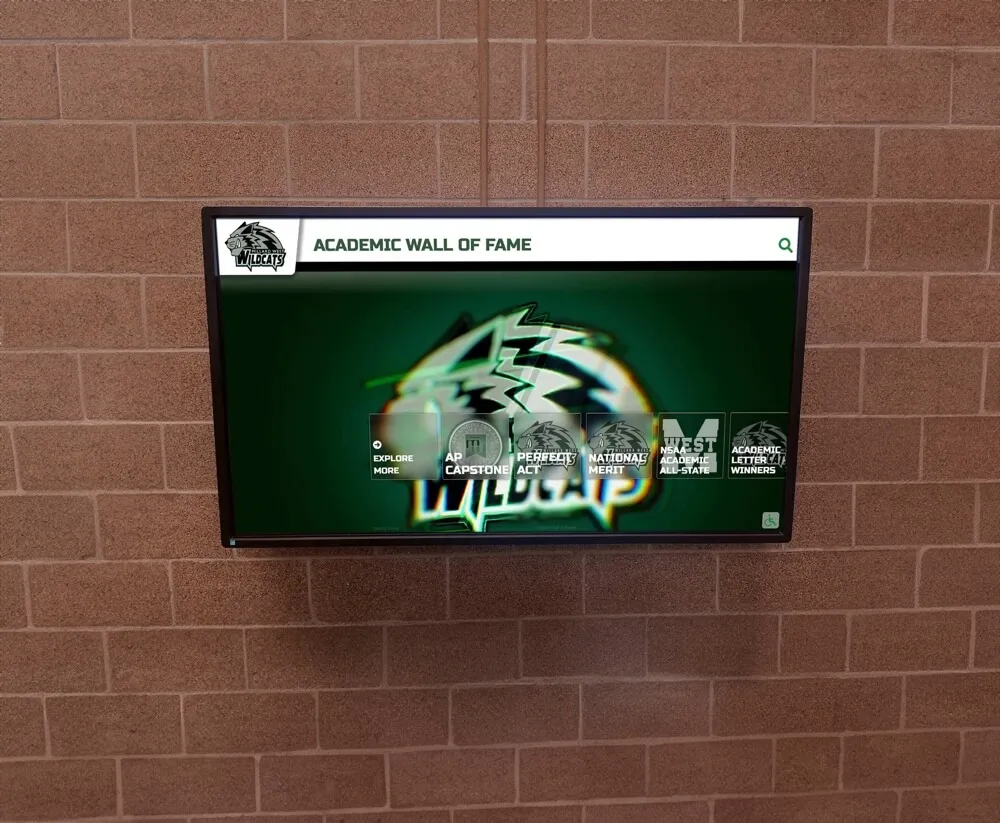
Modern STEM recognition displays make science and technology achievements visible and celebrated throughout the school community
The Critical Need for STEM Recognition in Education
Understanding why STEM recognition matters helps schools design programs that effectively support broader educational and workforce preparation goals.
The STEM Skills Gap and Educational Imperative
According to the U.S. Department of Commerce, STEM occupations are growing at significantly faster rates than non-STEM fields, with projected increases creating millions of job opportunities requiring technical education. Yet many students—particularly those from underrepresented groups—never seriously consider STEM careers because they lack exposure, encouragement, or visible role models demonstrating that STEM success is achievable and celebrated.
Critical Research Findings
Educational research consistently demonstrates that recognition and visibility powerfully influence student interest and persistence in STEM fields:
- Students who see peers recognized for STEM achievements show increased interest in science and technology coursework
- Visible STEM recognition helps counter stereotypes about who can succeed in technical fields
- Schools with prominent STEM celebration programs report higher participation in advanced science and mathematics courses
- Recognition creates social proof that STEM pursuits are valued and respected within school culture
Building Inclusive STEM Cultures
Traditional STEM recognition often concentrates on competition winners—science fair champions, robotics team all-stars, or math olympiad medalists. While celebrating excellence is important, narrow recognition approaches can inadvertently discourage students who don’t see themselves as “competition types” or who excel through different pathways.
Comprehensive STEM Stars recognition walls celebrate diverse achievement types:
Competition Excellence
- Science Olympiad medals and team achievements
- Robotics competition participation and victories
- Math competition success at all levels
- Coding competitions and hackathons
- Engineering design challenges
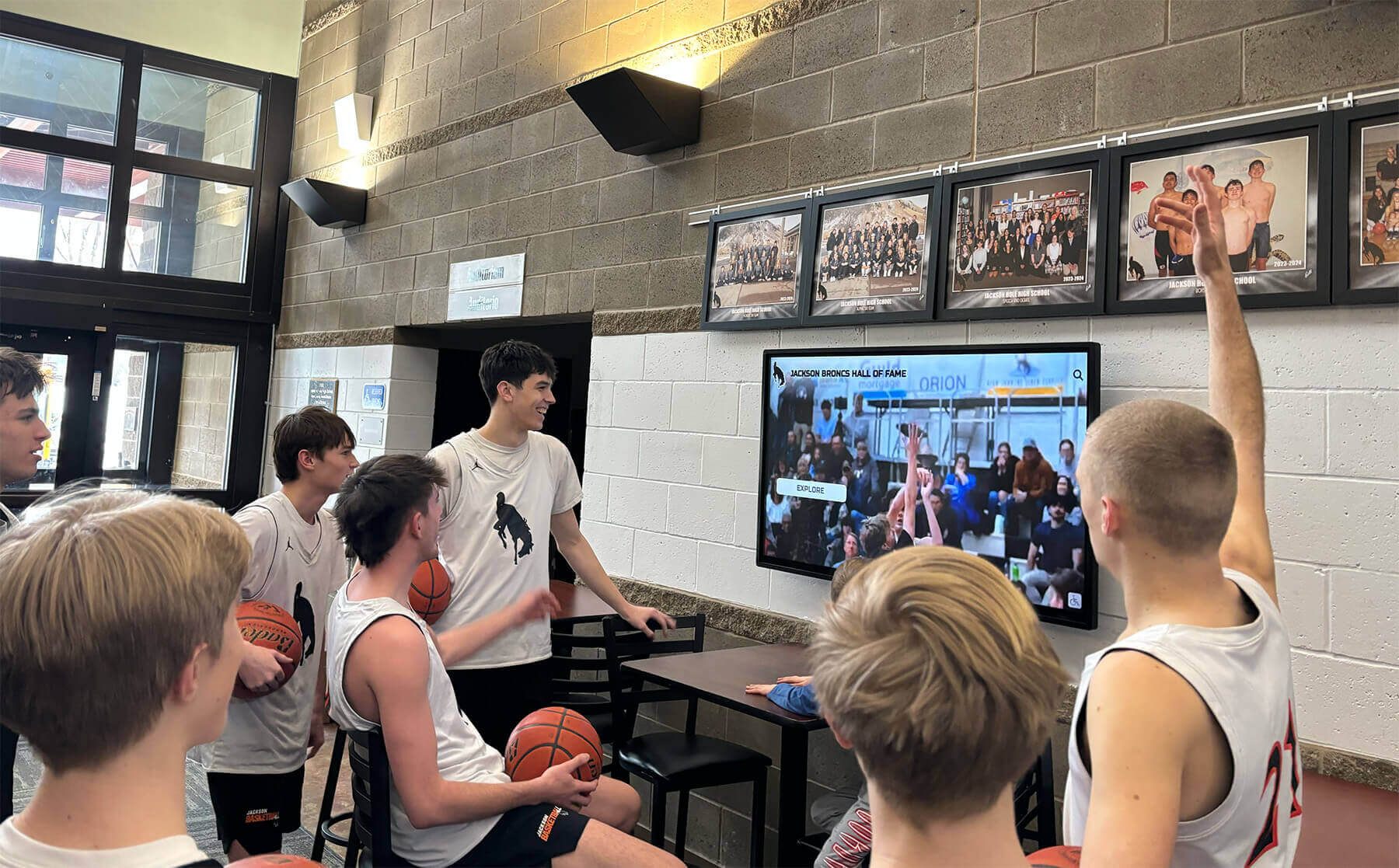
Interactive displays create opportunities for students to explore STEM achievements and see themselves in future recognition
Project-Based Achievement
- Science fair participation regardless of placement
- Engineering capstone project completion
- Research presentation skills
- STEM internship and mentorship involvement
- Independent study and investigation
Academic Milestone Recognition
- Advanced Placement STEM exam scores
- Honors science and mathematics course completion
- Technical certification achievement
- STEM GPA milestones
- Course sequence completion in specialized tracks
Growth and Persistence
- STEM grade improvement and recovery
- Overcoming challenges in difficult coursework
- Consistent effort and engagement
- Peer tutoring and helping others succeed
- Transition from STEM hesitancy to confidence
This multi-dimensional approach ensures recognition opportunities exist for students at all skill levels and creates multiple entry points for STEM engagement and celebration.
STEM Recognition Program Categories
Effective STEM Stars walls celebrate achievements across the full spectrum of science, technology, engineering, and mathematics.
Science Achievement Recognition
Science encompasses diverse disciplines deserving systematic celebration:
Life Sciences and Biology
- Science fair projects in biological fields
- Ecology and environmental science research
- Anatomy and physiology excellence
- Biotechnology and genetics projects
- Health sciences coursework achievement
- Laboratory skills and safety certification
Physical Sciences
- Chemistry competition achievements
- Physics project excellence
- Astronomy and space science involvement
- Geology and earth science field work
- Laboratory research participation
- Science equipment operation proficiency
Research Skills Development
- Scientific method application
- Data collection and analysis capabilities
- Laboratory notebook documentation
- Research paper writing and publication
- Peer review participation
- Presentation skills at science symposia
Technology and Computer Science Recognition
Technology achievements deserve equal visibility alongside traditional sciences:
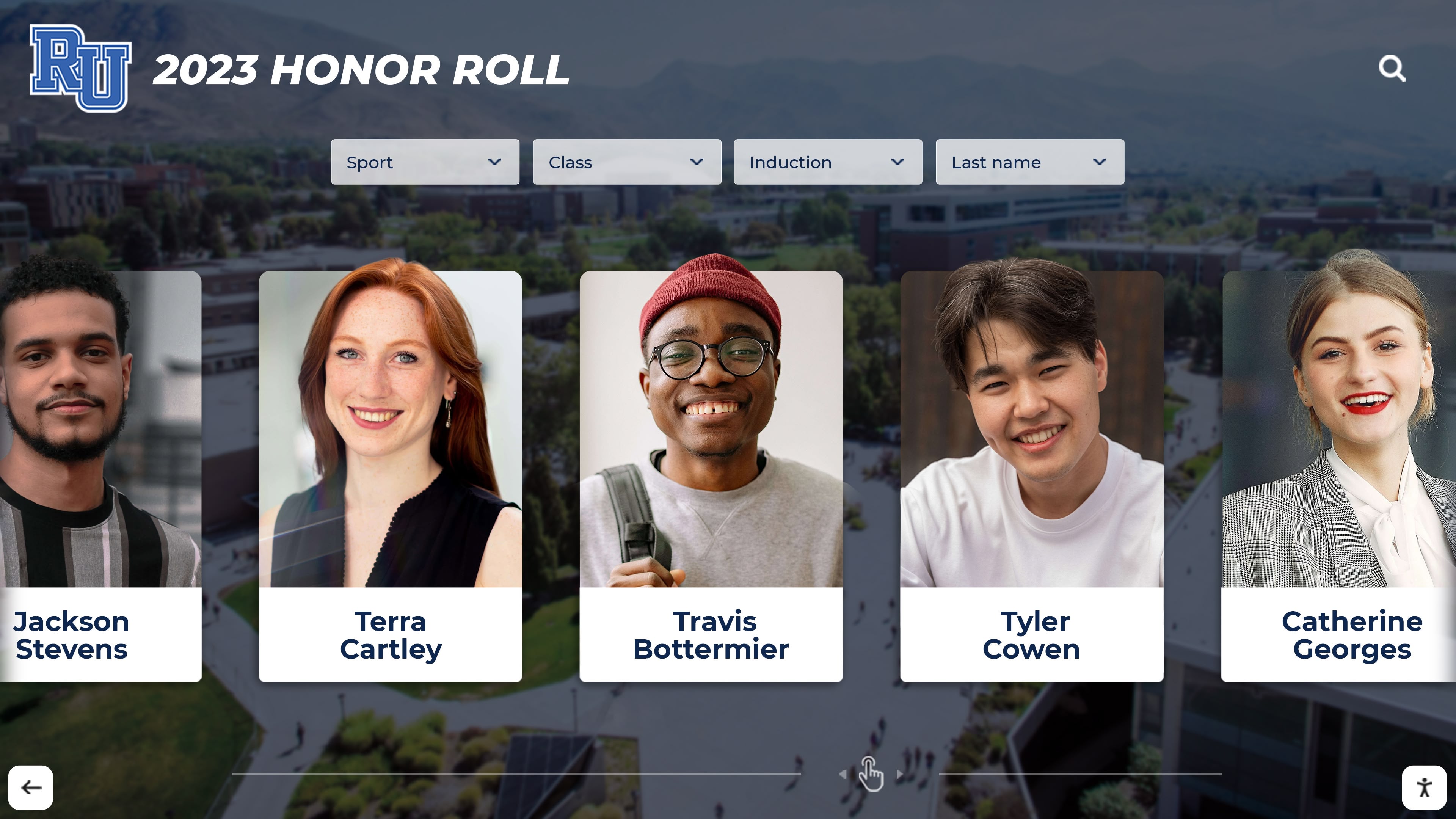
Individual recognition profiles celebrate specific STEM achievements and technical journeys
Computer Programming and Software Development
- Coding competition success (local, regional, state, national)
- App development and deployment
- Open source contribution and collaboration
- Programming language proficiency certifications
- Software project completion and demonstration
- Debugging and problem-solving achievements
Information Technology
- Network design and administration skills
- Cybersecurity awareness and certification
- Database design and management
- Technical support and troubleshooting excellence
- System administration capabilities
- IT project management involvement
Digital Design and Media Technology
- Web design and development
- Graphic design for technical purposes
- Video production with technical focus
- 3D modeling and computer-aided design
- Animation and simulation creation
- Digital portfolio development
Explore comprehensive approaches to celebrating academic excellence digitally that honor technical achievements alongside traditional recognition.
Engineering and Design Recognition
Engineering achievements span creative problem-solving and technical implementation:
Robotics and Automation
- FIRST Robotics participation and awards
- VEX Robotics competition success
- Robot design and programming
- Autonomous system development
- Mechanical and electrical integration skills
- Team collaboration and leadership
Engineering Design Challenges
- Bridge building competitions
- Egg drop and structural challenges
- Rube Goldberg machine creation
- Solar car design and racing
- Wind turbine efficiency projects
- Sustainable design competitions
Applied Engineering Projects
- 3D printing and additive manufacturing
- Circuit design and prototyping
- CAD software proficiency
- Engineering notebook documentation
- Patent application and innovation
- Community engineering solutions
Mathematics Excellence Recognition
Mathematics provides the foundation for all STEM fields:
Competition Mathematics
- Math Olympiad participation and medals
- MATHCOUNTS achievements
- American Mathematics Competition scores
- State and regional math contest success
- Mental mathematics competitions
- Problem-solving challenge victories
Applied Mathematics
- Statistics and data analysis projects
- Financial mathematics applications
- Mathematical modeling competitions
- Actuarial science preparation
- Cryptography and coding theory
- Game theory and strategy
Learn about comprehensive student recognition that increases future success through systematic celebration of mathematical achievement.
Designing Your STEM Stars Recognition Wall
Thoughtful design ensures STEM achievements receive visibility and celebration that inspires engagement.
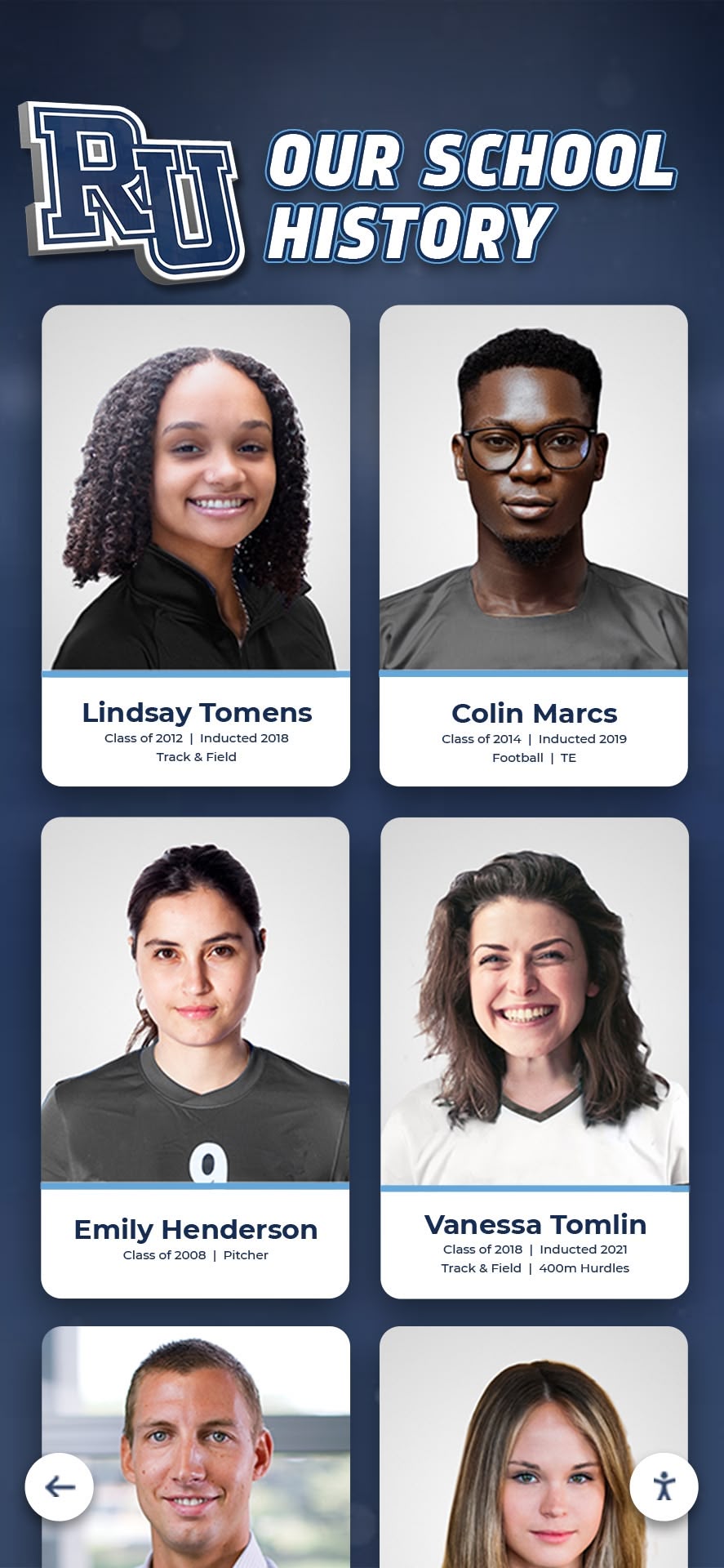
Recognition systems document STEM journey progression across academic careers
Recognition Philosophy and Inclusion
Define Clear Recognition Criteria
Establish transparent standards that encourage participation:
- What STEM achievements qualify for recognition?
- How do you balance competition success with participation and growth?
- What processes ensure fairness and equity in selection?
- How will you recognize team achievements alongside individual honors?
- What mechanisms prevent recognition concentration among advantaged groups?
Ensure Broad Accessibility
Recognition programs should create opportunities across student populations:
- Include entry-level achievements encouraging STEM exploration
- Recognize improvement and growth, not just absolute excellence
- Celebrate effort and persistence through challenging content
- Honor diverse STEM pathways (academic, vocational-technical, independent study)
- Acknowledge achievements requiring varying resource levels
Address Gender and Diversity Gaps
STEM fields historically face representation challenges requiring intentional recognition approaches:
- Feature diverse role models showing STEM success across all demographics
- Recognize achievements in programs specifically supporting underrepresented groups
- Celebrate team dynamics and collaborative success
- Highlight female scientists, engineers, and mathematicians prominently
- Connect current students with alumni STEM achievers from similar backgrounds
Traditional vs. Digital Recognition Approaches
Schools can implement STEM recognition through various formats, each offering distinct advantages.
Traditional Physical Recognition Elements
- Engraved plaques for major STEM honors and awards
- Trophy cases displaying competition achievements
- Dedicated STEM hallway or corridor themes
- Bulletin boards with rotating student spotlights
- Permanent name plates for sustained excellence
- Photo displays with achievement context
Traditional approaches work well but face inherent limitations: restricted space forcing difficult choices about which achievements to display, expensive updates requiring ongoing fabrication budgets, static presentations that don’t engage modern audiences, and limited information capacity beyond basic names and dates.
Digital Recognition Display Advantages
Solutions like Rocket Alumni Solutions transform STEM recognition through interactive displays that eliminate traditional limitations:
Unlimited Recognition Capacity
- Single display showcases hundreds of STEM achievers across all categories
- No need to remove historical achievements to accommodate new recognition
- Comprehensive archives preserve institutional STEM tradition
- All STEM disciplines receive equal display capacity
Interactive Exploration Features
- Search functionality enables students to find themselves and peers
- Filtering by achievement type, STEM field, year, and other criteria
- Detailed profile pages telling complete STEM stories
- Photo galleries and achievement documentation
- Progress tracking across multiple years
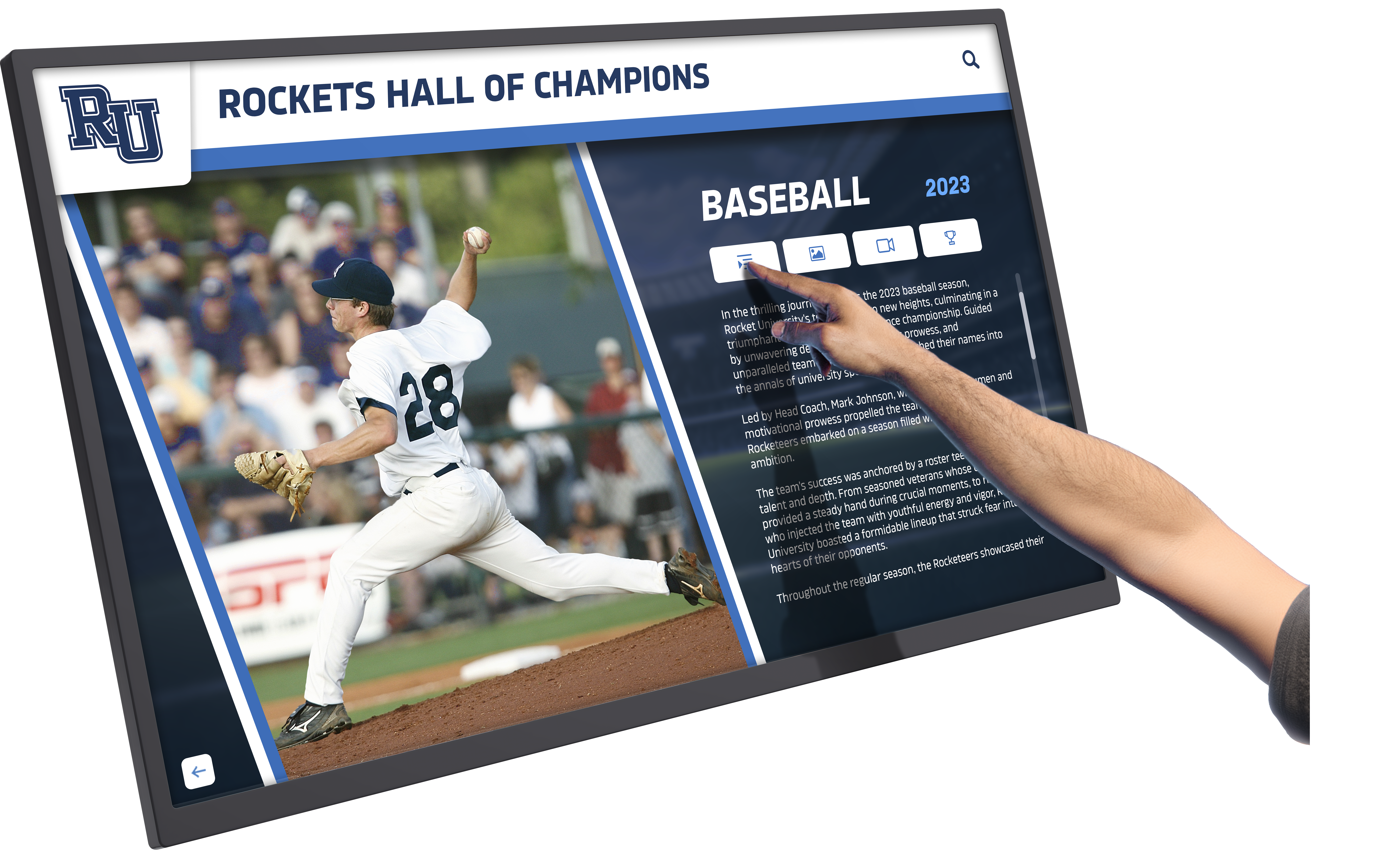
Touchscreen interfaces make exploring STEM achievements engaging and intuitive
Simple Content Management
- Remote updates from any internet-connected device
- Bulk import tools for competition results and course achievements
- Scheduled publishing automation for semester and year-end recognition
- Role-based permissions enabling science department access
- Drag-and-drop interfaces requiring no technical expertise
Learn about digital recognition displays for middle schools that effectively celebrate STEM achievements for younger students.
Location and Visibility Strategy
Strategic placement maximizes STEM recognition impact:
High-Traffic Academic Areas
- Main science hallway or STEM wing
- Outside computer labs and technology classrooms
- Near engineering or robotics workspaces
- Library or media center STEM sections
- Building entrances where visitors see displays
Strategic Multi-Location Placement
- Science department displays for discipline-specific achievements
- Main hallway displays reaching all students
- Cafeteria or commons areas for extended viewing time
- Administrative areas for visitor and parent visibility
- Athletic facilities balancing STEM and sports recognition
Integration with STEM Learning Spaces
Position recognition where it reinforces daily STEM engagement:
- Makerspaces and fabrication labs showing what’s possible
- Computer science classrooms inspiring coding students
- Science laboratories connecting theory to achievement
- Mathematics classrooms demonstrating real-world application
- Career centers linking STEM success to professional pathways
Recognition Content Development for STEM Stars
Compelling content transforms technical achievements into inspiring narratives that motivate future STEM students.
Profile Development for STEM Achievers
Essential Profile Elements
Strong STEM recognition profiles include:
- High-quality photograph (professional headshot or achievement photo)
- Name, graduation year, and current status when applicable
- Specific STEM achievement being recognized
- Achievement context and significance
- Personal STEM journey and inspiration
- Advice for current STEM students
- Career aspirations or current profession
- Connection to school STEM programs
Storytelling That Inspires
Move beyond listing achievements to share compelling narratives:
- How did they become interested in their STEM field?
- What challenges did they overcome in pursuit of excellence?
- Who mentored or inspired them along their journey?
- What does this achievement mean personally?
- How did school STEM programs support their success?
- What advice would they give students considering similar paths?
- Where do they see their STEM journey leading?
Multimedia Integration
Digital recognition platforms support rich content:
- Video interviews with STEM achievers
- Project demonstrations and experiment footage
- Competition highlights and team celebrations
- Laboratory or workspace tours
- Time-lapse documentation of project development
- Team collaboration and problem-solving process
Discover approaches to showcasing student achievement through comprehensive multimedia content.
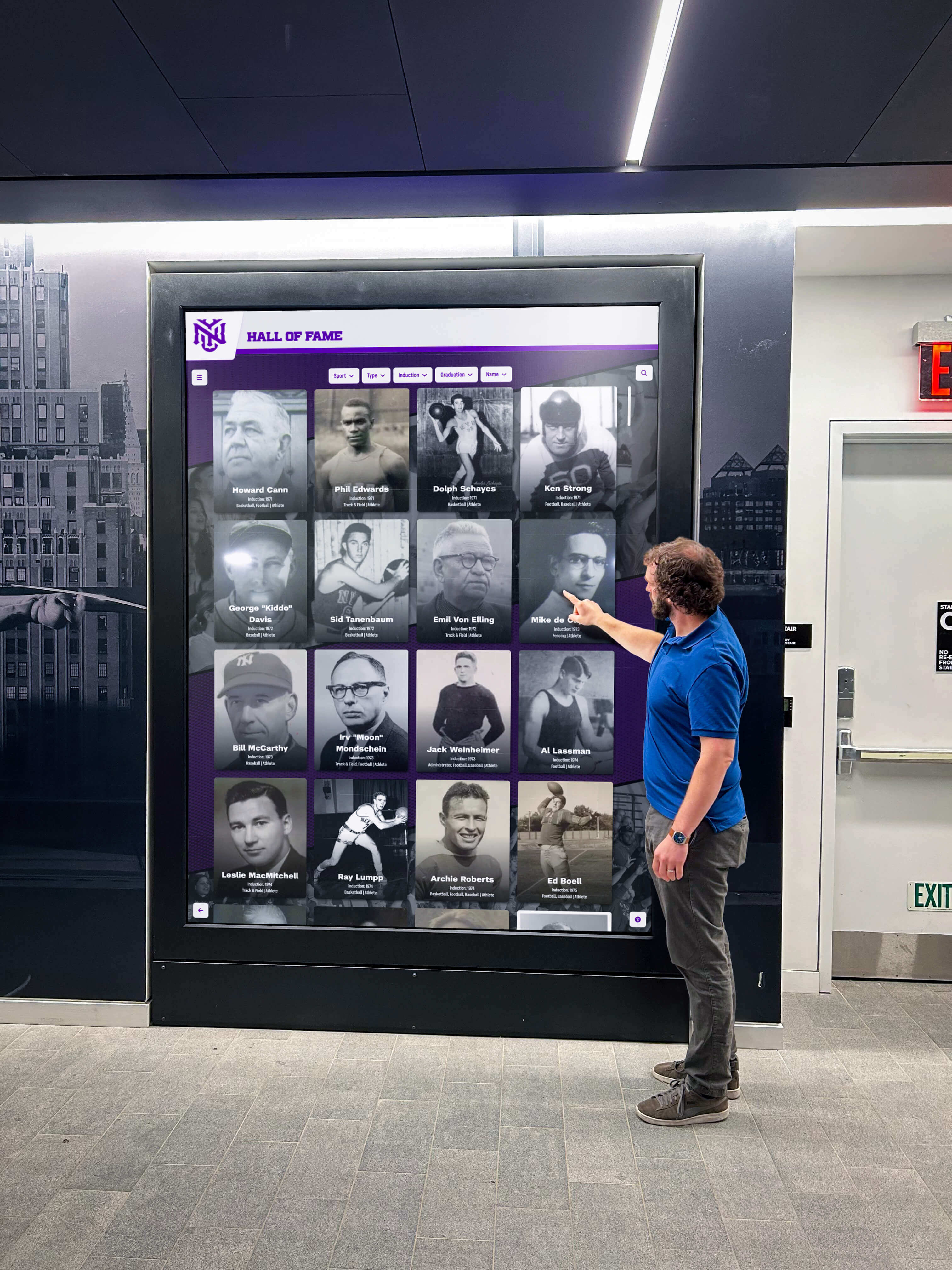
Interactive displays enable families and community members to explore STEM excellence and inspire future scientists
National STEM Recognition Programs to Highlight
Connecting school-level recognition with prestigious national programs amplifies achievement significance.
Presidential Awards and National Recognition
Presidential Scholar Program
The U.S. Presidential Scholars Program recognizes distinguished graduating seniors, including those demonstrating exceptional achievement in career and technical education fields often involving STEM disciplines. Schools should prominently celebrate students earning Presidential Scholar designation.
Congressional Award STEM Recognition
The Congressional Award recognizes youth for setting and achieving goals in voluntary public service, personal development, physical fitness, and expedition/exploration. The program specifically commends participants involved in STEM-related activities and provides resources to help students incorporate science, technology, engineering, and mathematics into their achievement plans.
STEM-Specific National Honors
STEM School of Excellence Recognition
The International Technology and Engineering Educators Association (ITEEA) STEM School of Excellence Recognition Program provides multiple levels of recognition for schools demonstrating distinguished strategies in teaching and learning through implementation of quality STEM education principles. Schools earning this recognition should feature it prominently on STEM recognition walls.
State-Level STEM Distinctions
Many states offer STEM recognition programs:
- STEM Schools of Distinction designations
- State STEM certification programs
- Governor’s STEM scholar programs
- State university system STEM recognitions
- Industry partnership STEM awards
Schools should systematically track relevant state programs and ensure eligible students receive nomination and appropriate celebration when recognized.
Competition-Based National Recognition
Science Olympiad Achievements
National Science Olympiad competition success represents significant STEM achievement:
- State tournament medalists and qualifiers
- National tournament participants and award winners
- Individual event championships
- Team excellence and collaboration awards
- Sustained competitive excellence across years
FIRST Robotics Recognition
FIRST (For Inspiration and Recognition of Science and Technology) programs deliver hands-on STEM education through age-appropriate robotics challenges:
- Regional competition achievements and awards
- State championship qualification and success
- National championship participation
- Team awards for design, innovation, and collaboration
- Dean’s List recognition for outstanding students
- Mentor and volunteer recognition
Mathematics Competition Honors
- American Mathematics Competition qualification scores
- MATHCOUNTS state and national competition success
- USA Mathematical Olympiad achievement
- International Mathematical Olympiad team selection
- Regional and state mathematics contest victories
Learn about best ways to highlight student accomplishments including national STEM recognition programs.
Implementation and Launch Strategy
Successful STEM Stars recognition walls require systematic planning and stakeholder engagement.
Planning Phase
Assessment and Goal Setting
- Inventory current STEM recognition practices and gaps
- Survey STEM teachers and students about recognition priorities
- Review STEM achievement data identifying recognition opportunities
- Establish clear goals connecting recognition to STEM program growth
- Define success metrics for measuring recognition impact
Stakeholder Engagement
Build support across key groups:
- STEM teachers providing achievement information and content
- Students offering perspectives on meaningful recognition
- Parents supporting recognition through information sharing and promotion
- Administrators allocating resources and strategic priority
- Community partners potentially sponsoring recognition elements
Budget Development
Comprehensive budgets should include:
- Hardware costs for digital displays or traditional fabrication
- Software licensing or content management platform subscriptions
- Content development including photography and writing
- Installation and technical configuration services
- Staff training and ongoing support
- Contingency for unexpected needs or opportunities
Content Preparation
Historical Achievement Research
Many schools begin by recognizing recent achievements while planning systematic historical research:
- Archive review for past STEM competition results
- Alumni outreach gathering career achievement information
- Science department records of significant projects and achievements
- Yearbook review for STEM-related accomplishments
- Community newspaper archives for recognition stories
Current Achievement Tracking Systems
Establish processes ensuring new STEM achievements receive timely recognition:
- Science department achievement reporting workflows
- Competition and contest result submission procedures
- Student self-nomination opportunities for external achievements
- Automatic recognition triggers for GPA or course completion milestones
- Integration with student information systems when possible
Launch and Promotion
Soft Launch Testing
Before public announcement, test with limited audiences:
- STEM faculty preview and feedback
- Student focus group interaction and suggestions
- Technology functionality verification
- Content accuracy review
- Navigation and usability refinement
Grand Opening Celebration
Create memorable launch events that establish importance:
- Dedication ceremony featuring STEM education leaders
- Recognition of inaugural honorees with personal attendance
- Demonstrations of interactive features for digital displays
- Media coverage highlighting school STEM commitment
- Integration with science fair, STEM night, or related events
Explore student of the month recognition programs that can incorporate monthly STEM spotlights.
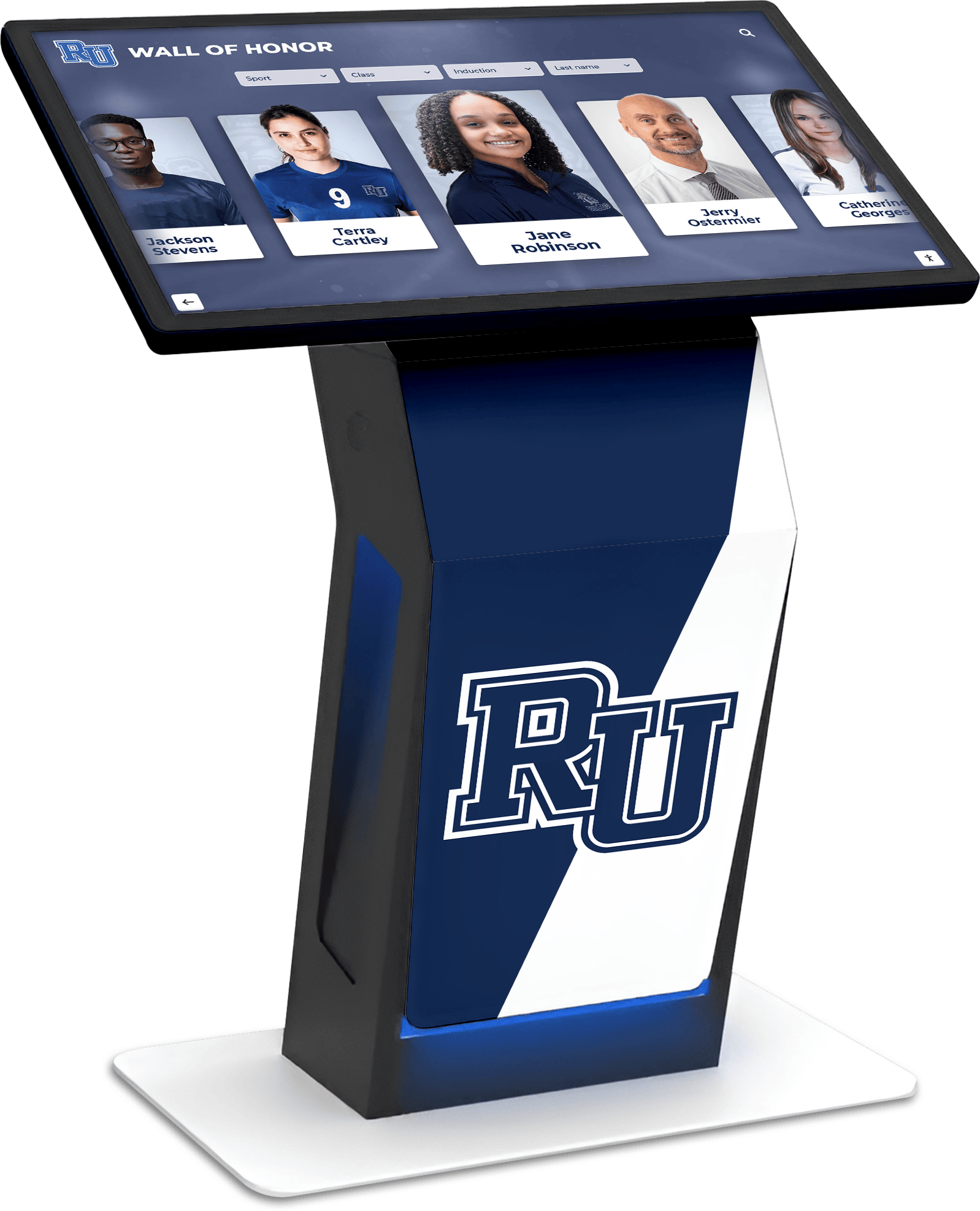
Modern recognition systems integrate touchscreen displays with cloud-based management for comprehensive STEM celebration
Sustaining and Growing STEM Recognition Programs
Long-term success requires ongoing commitment to content growth, system maintenance, and continuous improvement.
Content Maintenance and Growth
Regular Update Schedules
- Monthly new achievement additions from competitions and courses
- Quarterly featured STEM achiever spotlights and profiles
- Annual comprehensive archive expansion projects
- Bi-annual historical research and alumni outreach campaigns
- Real-time updates for significant achievements and news
Content Enhancement Projects
Continuously improve existing recognition:
- Video interview projects with featured STEM stars
- Updated career information for alumni achievers
- Enhanced multimedia for significant achievements
- Expanded project documentation and technical details
- Connection mapping between related achievements and people
Program Assessment and Optimization
Quantitative Metrics
Track measurable indicators of program success:
- Percentage of STEM-involved students receiving recognition
- Distribution across different STEM disciplines
- Recognition representation across demographic groups
- Display interaction rates for digital systems
- Website traffic to online STEM recognition content
- Social media engagement with STEM recognition posts
Qualitative Assessment
Gather stakeholder perspectives:
- Student surveys about STEM recognition awareness and impact
- STEM teacher observations of recognition program effects
- Parent feedback about celebration communication
- Alumni perspectives on how recognition influenced STEM persistence
- Community partner input about institutional STEM commitment
Correlation Analysis
Examine relationships between recognition and outcomes:
- Advanced STEM course enrollment trends
- STEM competition participation rates
- Student interest in STEM careers and college majors
- Application rates to competitive STEM programs
- Alumni STEM career attainment patterns
Learn about digital transformation in school libraries that can extend STEM recognition visibility.
Connecting STEM Recognition to Career Pathways
Effective recognition programs explicitly link current achievements to future career opportunities.
Career Context Integration
Professional STEM Fields Spotlight
Help students understand how recognized achievements connect to careers:
- Engineering disciplines and specializations
- Computer science and software development fields
- Healthcare and biomedical careers
- Research science opportunities
- Data science and analytics professions
- Environmental science and sustainability careers
- Aerospace and defense technology
- Biotechnology and pharmaceutical industries
Alumni Career Trajectory Documentation
Powerful inspiration comes from following STEM stars into professional success:
- Where are past STEM achievers working now?
- What career paths did their STEM achievements enable?
- How did high school STEM involvement influence college choices?
- What advice do they have for current STEM students?
- What was the pathway from school STEM recognition to career success?
STEM Mentorship Connection
Recognition programs can facilitate mentorship:
- Connect current STEM students with recognized alumni in their field
- Create structured mentorship programs pairing achievers across generations
- Facilitate career exploration through alumni network
- Provide internship opportunities with STEM professionals
- Enable college and career guidance from those who’ve walked similar paths
Explore alumni networking opportunities that can extend STEM mentorship connections.
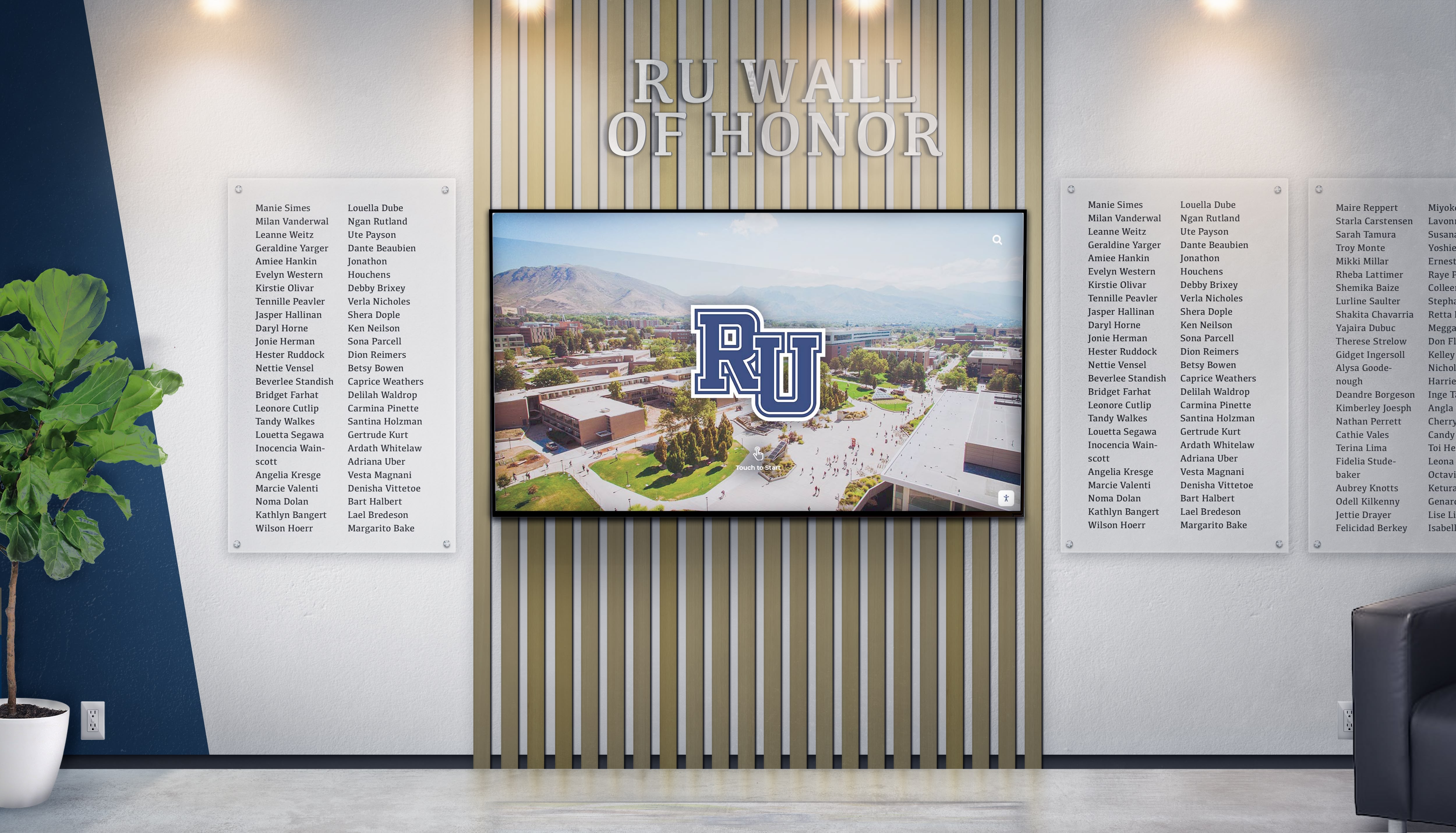
Recognition systems connect current student achievements with alumni career success, demonstrating STEM pathway possibilities
Technology Solutions for STEM Recognition
Modern platforms transform how schools manage and display STEM achievement recognition.
Digital Recognition Platform Features
Essential Capabilities for STEM Recognition
Purpose-built systems should support STEM-specific needs:
- Multiple achievement category organization (science, technology, engineering, mathematics)
- Competition result integration and automated updates
- Team-based recognition alongside individual honors
- Project documentation with images, videos, and technical details
- STEM discipline filtering and specialized search
- Timeline visualization showing achievement progression
- Alumni career tracking and update capabilities
- Social sharing enabling broader community engagement
Content Management Efficiency
Systems should streamline administrative burden:
- Bulk import from competition results and academic records
- Template-based profile creation ensuring consistency
- Scheduled publishing for planned recognition events
- Role-based access enabling science teacher content contribution
- Mobile-friendly administrative interfaces
- Version history and content approval workflows
Integration Capabilities
Effective platforms connect with existing school systems:
- Student information system integration for academic achievement
- Learning management system connections
- Alumni database integration for career updates
- Social media platform connectivity
- School website embedding and integration
- Email notification systems for recognition announcements
Solutions like Rocket Alumni Solutions provide purpose-built platforms specifically designed for educational recognition with comprehensive STEM features supporting diverse achievement celebration.
Display Hardware Considerations
Optimal Display Specifications for STEM Recognition
- Commercial-grade displays rated for continuous operation
- Touchscreen capability supporting interactive exploration
- Sufficient size for hallway visibility (typically 55"-75")
- High resolution ensuring clear text and detailed images
- Wide viewing angles for group engagement
- Anti-glare coating for varied lighting conditions
Placement Strategy
Strategic positioning maximizes recognition visibility:
- Science wing main corridor ensuring daily STEM student exposure
- Building entrance reaching all students and visitors
- STEM-specific spaces (makerspaces, labs, technology rooms)
- Common areas balancing STEM visibility with other recognition
- Multiple distributed displays serving different purposes
Learn about best touchscreen solutions for schools that effectively support STEM recognition programs.
Creating Inclusive STEM Recognition
Comprehensive programs ensure diverse students see themselves in STEM recognition and believe STEM success is accessible.
Addressing Gender Gaps in STEM Recognition
Research consistently demonstrates that girls and young women remain underrepresented in many STEM fields. Recognition programs can actively work to counter this disparity:
Intentional Gender Representation
- Ensure female STEM achievers receive prominent, visible recognition
- Feature women in historically male-dominated fields (engineering, computer science)
- Highlight team dynamics and collaborative achievement alongside individual recognition
- Celebrate diverse STEM role models across all recognition
- Connect current female STEM students with successful alumni women
Recognition of Programs Supporting Women in STEM
- Girls Who Code chapter participation and projects
- Women in engineering initiative involvement
- Science and technology summer programs for girls
- Female-focused STEM competition participation
- Mentorship programs connecting women across STEM fields
Supporting Underrepresented Minority Students
STEM fields have historically lacked diversity across racial and ethnic dimensions. Recognition programs can help address these gaps:
Diverse STEM Excellence Visibility
- Prominently feature STEM achievers from all racial and ethnic backgrounds
- Highlight achievements from programs specifically supporting underrepresented minorities
- Celebrate cultural diversity in STEM problem-solving approaches
- Connect recognition to broader diversity and inclusion initiatives
- Ensure recognition criteria don’t inadvertently favor advantaged groups
Community Partnership Recognition
- Achievements through community organization STEM programs
- Recognition of mentors and supporters from diverse communities
- Partnerships with historically black colleges and universities (HBCUs) and Hispanic-serving institutions (HSIs)
- Community-based STEM competition participation
- After-school and summer STEM program achievements
Socioeconomic Accessibility
STEM recognition should celebrate achievements regardless of family resources:
- Recognize school-based STEM activities requiring no fees
- Celebrate achievements in free or low-cost programs
- Highlight resourcefulness and creative problem-solving
- Avoid concentrating recognition on expensive competitions or programs
- Ensure recognition opportunities exist through standard coursework
Explore parent engagement strategies that support diverse family involvement in STEM celebration.
Conclusion: Building STEM Cultures Through Recognition
STEM Stars recognition walls represent strategic investments in building school cultures where science, technology, engineering, and mathematics excellence receives celebration equal to achievements in any domain. When schools systematically honor STEM accomplishments across diverse disciplines, achievement levels, and student populations, they communicate that technical excellence matters, create visible aspirational pathways, and inspire students who might never otherwise consider STEM pursuits.
The approaches explored in this guide—from comprehensive recognition categories and inclusive program design through modern digital platforms and strategic implementation—provide frameworks for building STEM recognition systems that genuinely motivate students while supporting national imperatives for stronger technical education and workforce preparation.
Transform Your STEM Recognition Program
Discover how modern digital recognition solutions can help you celebrate every STEM achievement and build a thriving culture of scientific and technical excellence in your school.
Explore STEM Recognition SolutionsWhether replacing traditional STEM displays that lack capacity and flexibility, establishing recognition programs for the first time, or enhancing existing systems through digital transformation, purpose-built solutions like those from Rocket Alumni Solutions provide scalable platforms that grow with institutional needs while honoring each scientific and technical achievement with appropriate prominence and engagement.
Start where you are with recognition programs you can implement immediately, then systematically expand to create comprehensive approaches your STEM students deserve. Every student who receives meaningful recognition for their scientific, technical, engineering, or mathematical accomplishments develops stronger connection to STEM fields and greater confidence to continue growing technically and intellectually.
Your students’ STEM achievements deserve celebration equal to accomplishments in any other domain. With thoughtful planning, appropriate technology, inclusive design, and consistent implementation, you can create recognition systems that honor every achievement while building the positive, motivating educational culture where all students pursue STEM excellence.
Ready to begin? Learn more about how to build digital walls of achievement or explore comprehensive student recognition approaches that celebrate STEM alongside all forms of student excellence.































